 Written by
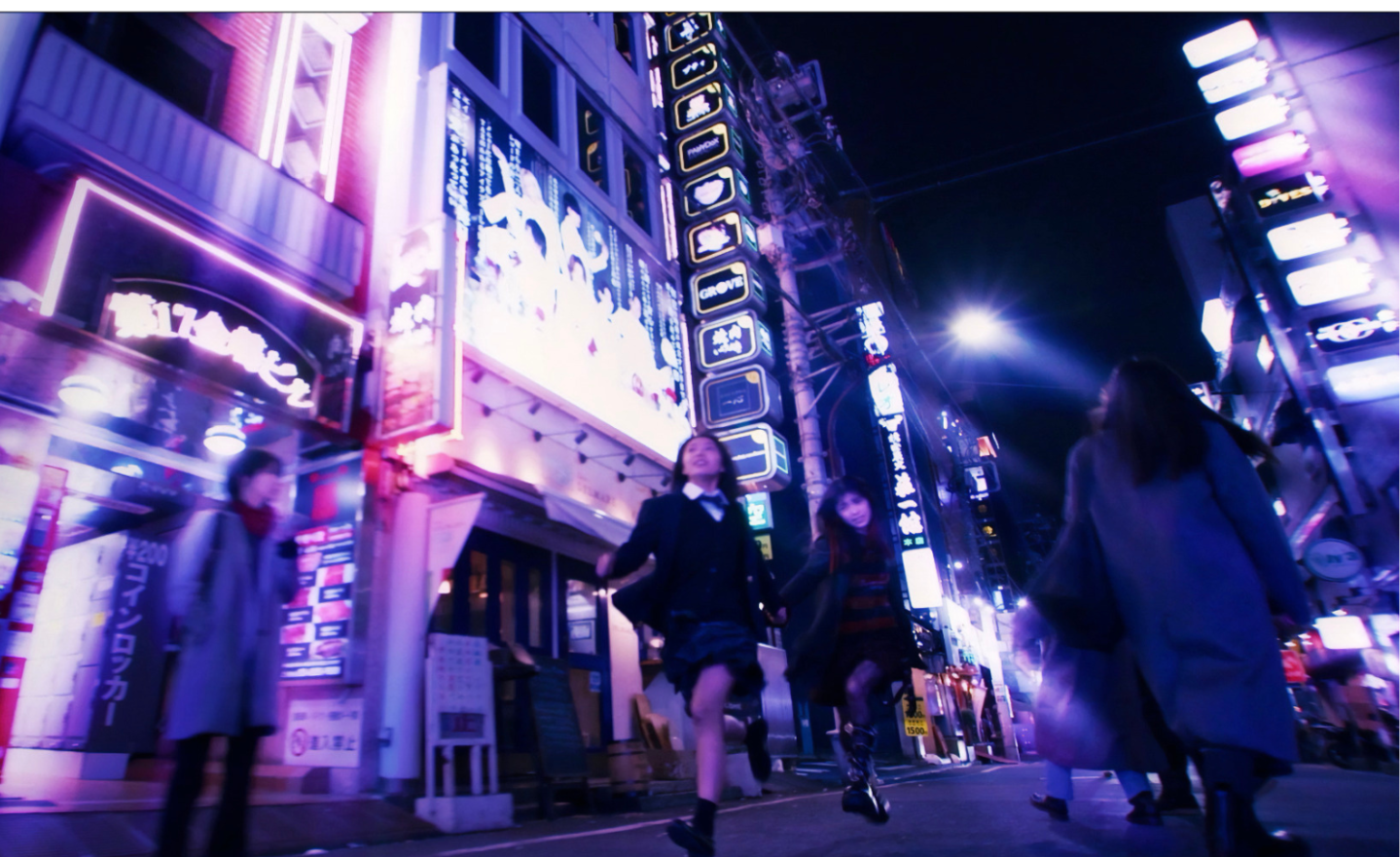
Amid increasing gentrification of urban centres, where are the kids supposed to go? Ren Akiba’s Tokyo Strayers (東京逃避行, Tokyo Tohiko) seems to suggest efforts to clean up Kabukicho haven’t actually been all that successful, while young and impressionable people for whom home is not or safe place or who feel themselves to be out of place in their hometown continue to flock to the city in search of a kind of grimy glamour that promises freedom in a conformist society.
At least, that’s why Asuka ends up in Shinjuku while in flight from a policeman father she resents for leaving their family for a younger woman. In truth, Asuka’s problems are more of the normal teenage variety and otherwise she appears to come from a more stable, financially comfortable home with parents that are invested in her welfare even if she finds them to be overbearing. The same is not true for many of the other runaways including Hiyori left home away after experiencing physical and sexual abuse at the hands of her father. It’s Hiyori who is currently writing the Tokyo Strayers blog that’s attracted Asuka and countless other young women to this hip and happening place, though it soon becomes clear that the diary is an idealised vision of Shinjuku life that doesn’t really exist.
The film seems to present two young men, Edo and Merio, as the angel and demon of Shinjuku. Edo runs a kind of shelter for runaway teens that provides a safe space for them where they can find food and start to rebuild their lives. Merio, meanwhile, gets young women hooked on drugs in order to sexually exploit them. The distinction between them would seem to be black and white, but in reality the two were once a team and Merio apparently only started working with a local drug dealer in order to get money to fund Edo’s sanctuary, which Edo eventually accepted, if unwillingly. In any case, Edo started the sanctuary with money he made as a host working in Kabukicho which means that it still arises from the sleazy underbelly of the red light district which is built upon the exploitation of women.
Nevertheless, Edo is committed to keeping runaway kids safe, which is why he tells Hiyori to make sure Asuka gets home safely knowing that she likely means to sell her to Merio in exchange for drugs. Hiyori is only really doing this because she feels she has no other means of survival and the implication is that she began doing sex work as a kind of self-harm intended to wipe out the abuse she received at the hands of her father. Edo warns his runaways to avoid going out because of the increased police presence given that they will just send anyone they catch back home without considering whether that might be a safe environment for them. A policewoman later confesses her regrets about sending a girl back to her family thinking it was for the best and they’d patch things up over time only for the girl to take her own life shortly afterward. The film is then implicitly critical of an unthinking adult world that is failing to protect these children. Even if they try to report what’s happening to them, they are not believed or no action is taken because of a reluctance to interfere in domestic matters and an unshakeable belief in the sanctity of family.
But this environment is obviously no good for them either, leaving them open to exploitation or falling into criminal activity as a means of supporting themselves. Edo’s initiative is one way of fighting back through youth solidarity, but it’s also rooted in the dark side of Kabukicho given the impossibility of running such an establishment without any kind of funding. Akiba seems to want to show the two sides of Kabuki, one seemingly glamorous and alluring, and the other seedy and depressing, while suggesting that the only real source of solidarity exists among the young people themselves if only they can find the strength to look after each other while simultaneously striving to escape the traumatic circumstances that have forced them onto the streets.
Tokyo Strayers screened as part of this year’s Toronto Japanese Film Festival.
Trailer (English subtitles)

