The Grandmaster of Kung Fu (霍元甲之精武天下, Cheng Siyu, 2019)

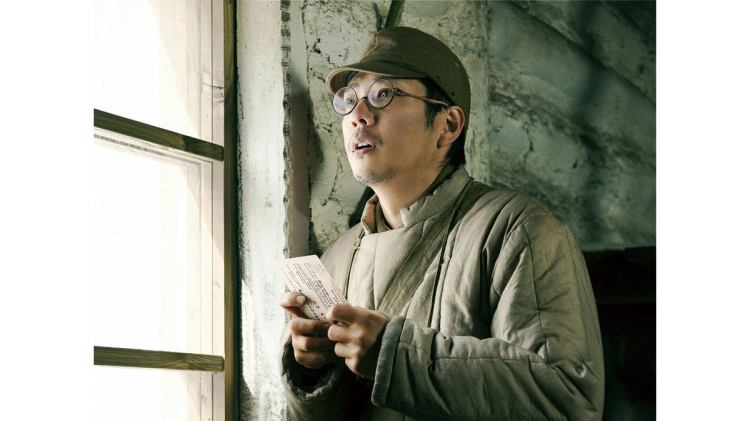
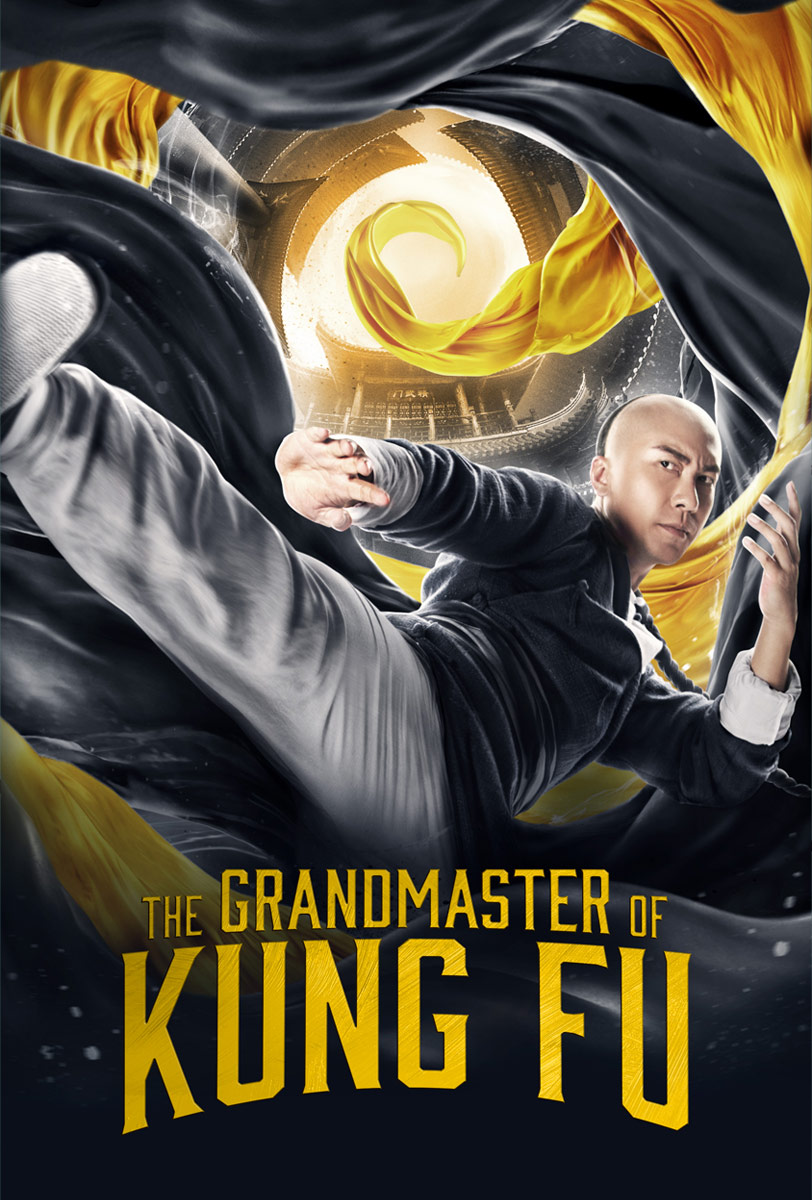
“Chinese martial arts are unimpressive” sneers a Japanese soldier as a member of an aikido school which has just received permission to open in the martial arts homeland of Tianjin. Boasting surprisingly high production values in comparison with the average Chinese action movie streamer, The Grandmaster of Kung Fu (霍元甲之精武天下, huò yuán jiǎ zhī jīng wǔ tiānxià) once again sees a humble man stand up on behalf of all of China against an oppressive coloniser this time intent on fighting them on their own ground by beating the locals in a “fair” fight pitting Chinese boxing against Japanese martial arts. 

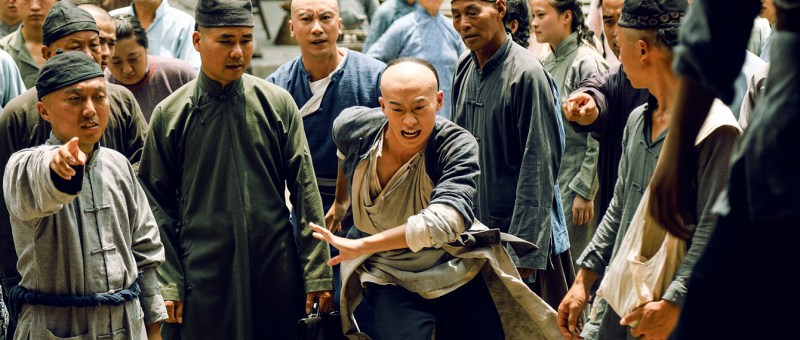
Set at a complex historical moment, the film opens with the news that new regulations have taken hold at the Imperial University which will introduce Western learning to China but that many fear it’s a ruse to open the door to a Japanese invasion. That does seem to be the case in Tianjin which is soon occupied by unpleasant and duplicitous Japanese military officers who plan on opening a martial arts school of their own to rival those already in the town and eventually take it over. Meanwhile, the chairman of the Wu Shu association is about to step down and is holding a contest to find his successor. The burly Zhao quickly sees off all challengers until the arrival of mysterious stranger Huo Yuanjia (Dennis To Yu-hang) places his victory in jeopardy. Zhao plays a few underhanded moves, but an irritated Yuanjia essentially lets him win knowing his next blow may kill him. Zhao seems like the wrong person to lead the association now that it is threatened by the Japanese but eventually encourages Yuanjia to take a stand refusing to allow the proud traditions of Tianjin to be destroyed by the burgeoning Japanese empire who brand China the “sick man of Asia”.

Indeed, from the offset the Japanese are shown to be cruel and dishonourable despite the captain’s early words that they should play strategically in their quest to colonise China. Colonel Takeda is in someways much more even handed, openly reprimanding his men for acting in a way that reflects badly on the Japanese such as ordering the entire school to attack Yuanjia after he defeats aikido champ Anbei. But even Takeda is playing the long game, hoping that he can break the spirit of the Chinese by defeating them at martial arts leaving them so demoralised that they will give up on all thoughts of rebellion. Yuanjia is not however so easily beaten and neither is China as he very directly says to the japanese soldiers who try to shut him down. He frames his battle as one that will decide the course of the entire nation, that if he fails to stand up to the Japanese now then China will forever be oppressed by foreign powers though as he’s also fond of pointing out, he’s “just” a porter that the martial arts society didn’t even really want to accept before he showed them what he can do.

Nevertheless, he finds himself torn by the admittedly well-worn plot device of a nagging wife who doesn’t like him going off fighting and would much rather he stay at home even if it means all of China falls. Even she eventually comes round and gives him a precious amulet that becomes his saving grace. Chinese kung fu is he points out all about love and the desire to protect, whereas as according to Takeda Japanese martial arts are all about conquest and destruction. Yuanjia tells him that there’s no need to look for a winner or a loser in a contest of martial arts, and that in the end he cannot win because his philosophy is soulless and little more than meaningless violence while his is rooted in love and country. Martial arts is about applying peace, he explains, not bullying the weak (which seems like an odd concession in its characterisation of China as a defenceless victim only Yuanjia can save). 

Running a tight 74 minutes, the film boasts a series of impressive fight sequences performed by genre star Dennis To along with a series of above average performances as the small band of Tianjin martial artists attempt to preserve their traditions while taking a stand against foreign incursion which might in is own way have a few uncomfortable implications in its nationalistic dimensions. Nevertheless, it boasts surprisingly good production values for a straight to streaming movie and largely manages to sell its admittedly familiar tale with considerable panache.


The Grandmaster of Kung Fu is released in the US on Digital, blu-ray, and DVD on Jan. 31 courtesy of Well Go USA.

US release trailer (English subtitles)

Hero (世间有她, Li Shaohong, Joan Chen, Sylvia Chang, 2022)

The latest addition to the growing sub-genre of Chinese pandemic movies, tripartite anthology film Hero (世间有她, Shìjiān Yǒu Tā, AKA Her Story) is the first to root itself in the lives of contemporary women just as they are disrupted by the arrival of COVID-19. As might be expected, the themes are largely those of love and endurance which draw additional poignancy from a Lunar New Year setting that prioritises family reunion but may also be in their way reactionary in reinforcing patriarchal social codes while implying that it might be the women who need  to give a little and reassess their notion of what’s really important. 

Directed by Li Shaohong, the opening sequence pits 30-something mother Yue (Zhou Xun) against her domineering mother-in-law, Ju (Xu Di), whose love and care for her son and grandson borders on the destructively possessive. Yue is the first to contract the mysterious new form of pneumonia then taking hold in Wuhan, prompting Ju to immediately try and kick her out of her own flat while insisting her son, Kai, and grandson, Dongdong, come back with her to another city further north. When lockdown is declared in Wuhan, the grandmother is trapped with the family but her acrimonious relationship with Yue adds to an already stressful situation. After Ju comes down with COVID too, Kai and Dongdong take refuge in the empty flat of a friend leaving the two women alone but mainly phoning Kai to complain about each other. 

A phone call from Yue’s parents eventually forces Ju into a reconsideration of her corrupted filiality as she remembers that Yue is also someone’s daughter and a mother herself. She accepts that Yue’s criticism of her as overly invested in her son’s life is fair and mostly born of her loneliness rather than an attack on her otherwise conservative values that imply she exists only in service of the men of the family, while realising that by failing to take proper care of herself she accidentally increases the burden on those around her and should instead agree to care and be cared for as a part of a harmonious community. 

This question of interdependence also raises its head in the third chapter directed by Sylvia Chang set in Hong Kong and filmed in Cantonese. Chang’s segment is not really much about the pandemic save for the additional strain it places on the relationship between press photographer Chelsea (Sammi Cheng Sau-man) and her husband Daren (Stephen Fung Tak-lun) with whom she is in the process of separating. When their son develops a fever, they end up in a blazing row discussing the reasons their marriage is falling apart which relate mostly to differing views of contemporary gender roles with Daren apparently reluctant to do his fair share at home while lowkey resentful that Chelsea has not only continued to work but is professionally ambitious especially as, it’s implied, his salary is not really enough to support a family of four on its own. The family also have a Filipina helper who in a rather poignant moment is heard singing happy birthday to her own child back in the Philippines whom she cannot see because she’s earning money taking care of Chelsea’s. Like Yue, Chelsea is also prompted to consider what’s most important, but the implication seems to be that she’s the one in the wrong and should learn to prioritise her family while her husband is more or less vindicated rather than encouraged to change. 

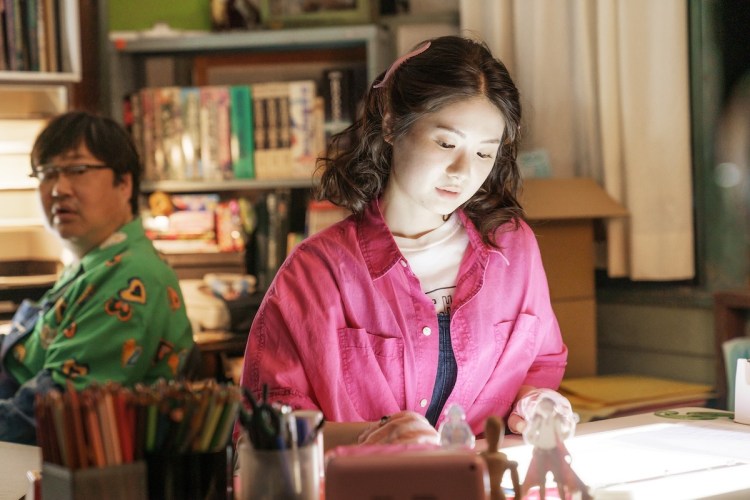
Only the middle section, directed by Joan Chen, attempts to deal with the gaping losses of the pandemic era as a young woman, Xiaolu (Huang Miyi), tries to gather the courage to tell her parents, who are still hoping she’s going to hook up with a now successful childhood friend, that she’s going to marry her uni boyfriend, Zhaohua (Jackson Yee), who’s stayed behind in Wuhan to look after their cat while she returns to Beijing for Lunar New Year. Xiaolu keeps in regular contact by phone but soon discovers that Zhaohua has become ill with a mysterious illness. She immediately decides to return to Wuhan but he warns her not to because it isn’t safe and shortly thereafter the city is locked down while she and her family are placed under quarantine in Beijing. Shot in a washed out black and white only the various FaceTime conversations between the young couple are in colour hinting at the greyness that now surrounds Xiaolu’s existence and the distance between herself and the happy life in Wuhan which has now been taken away from her. 

The film’s Chinese title more literally means “the world has her” or maybe more simply implies that she is in the world, more of an everywoman contending with the extraordinary than the “hero” of the title though the survival of the three women is in its own way also of course “heroic”. This concept of heroism may however be somewhat problematic in its emphasis on patriarchal social codes which insist that their first and only duty is to the family even if the message of holding your friends and relatives closer in the wake of disaster is universally understandable. Nevertheless, it does perhaps pay tribute to the women’s perseverance and determination to seek kindness and love even in the most difficult of times. 


Hero streams for free in the US and Canada until Feb. 5 as part of Asian Pop-Up Cinema’s Lunar New Year celebration.

Original trailer (English subtitles)
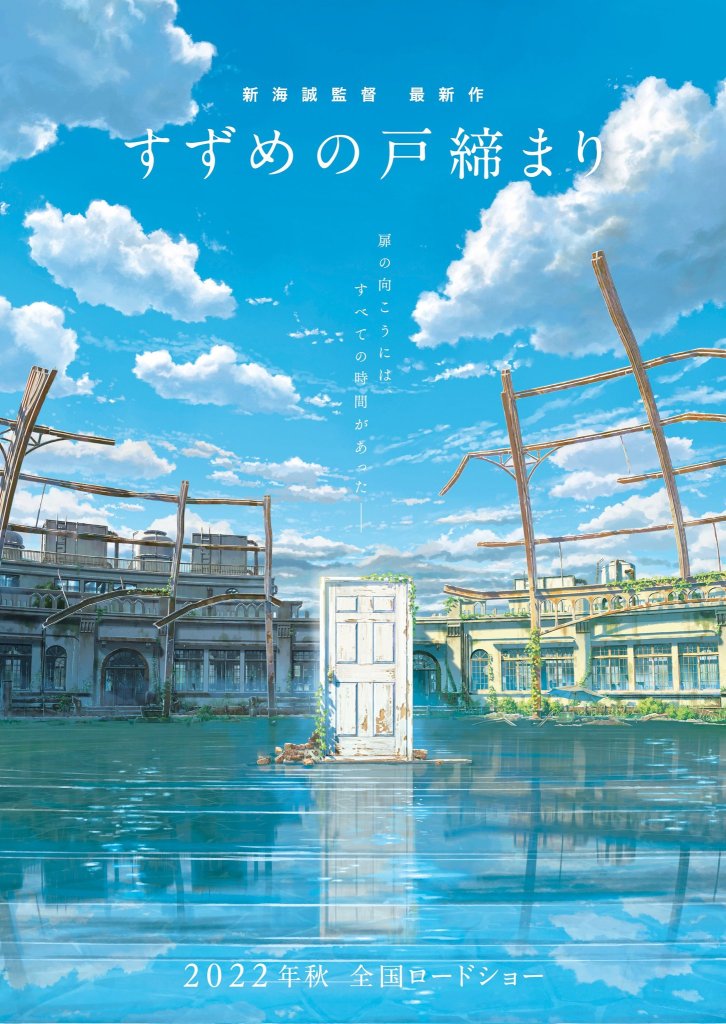
Japan Academy Film Prize Announces Nominees for 46th Edition

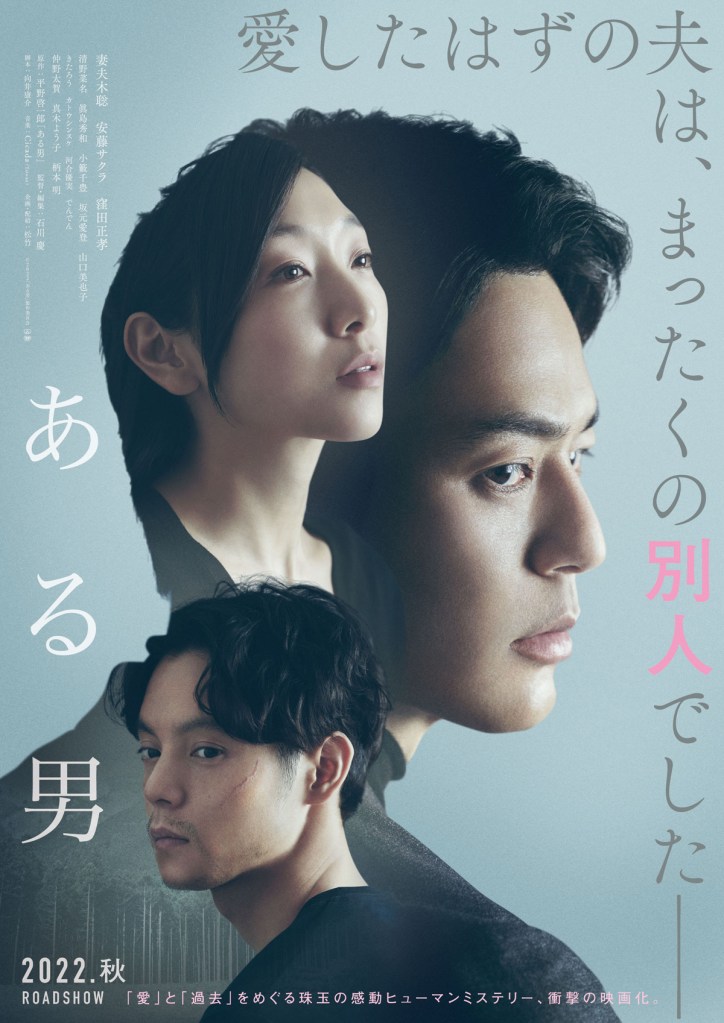
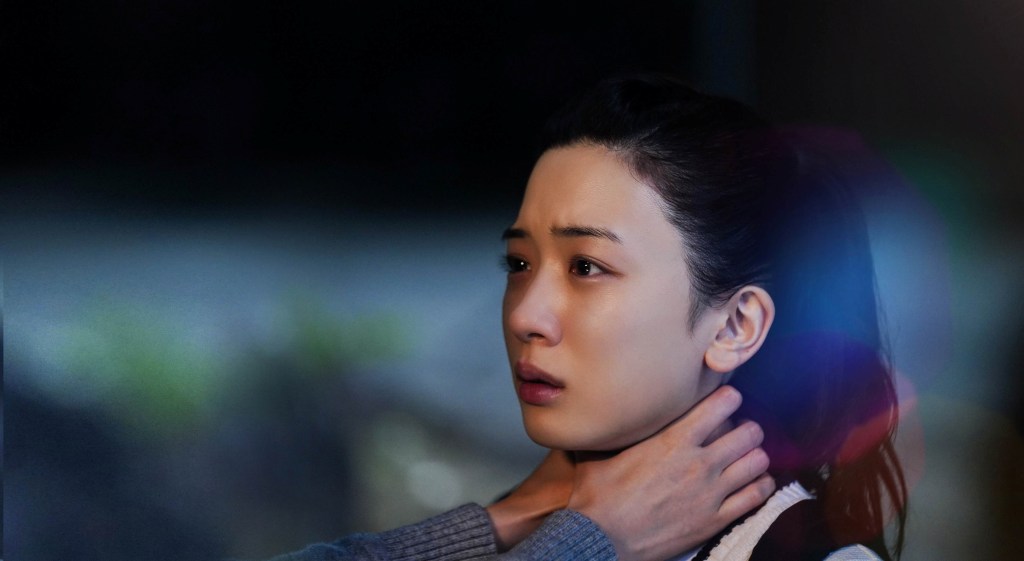
©2022 "A MAN" FILM PARTNERS

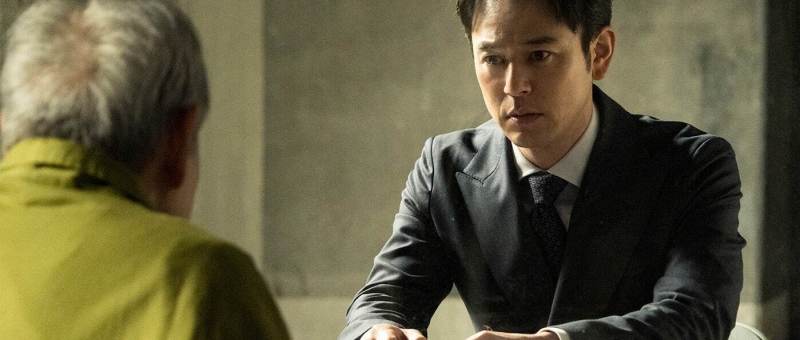
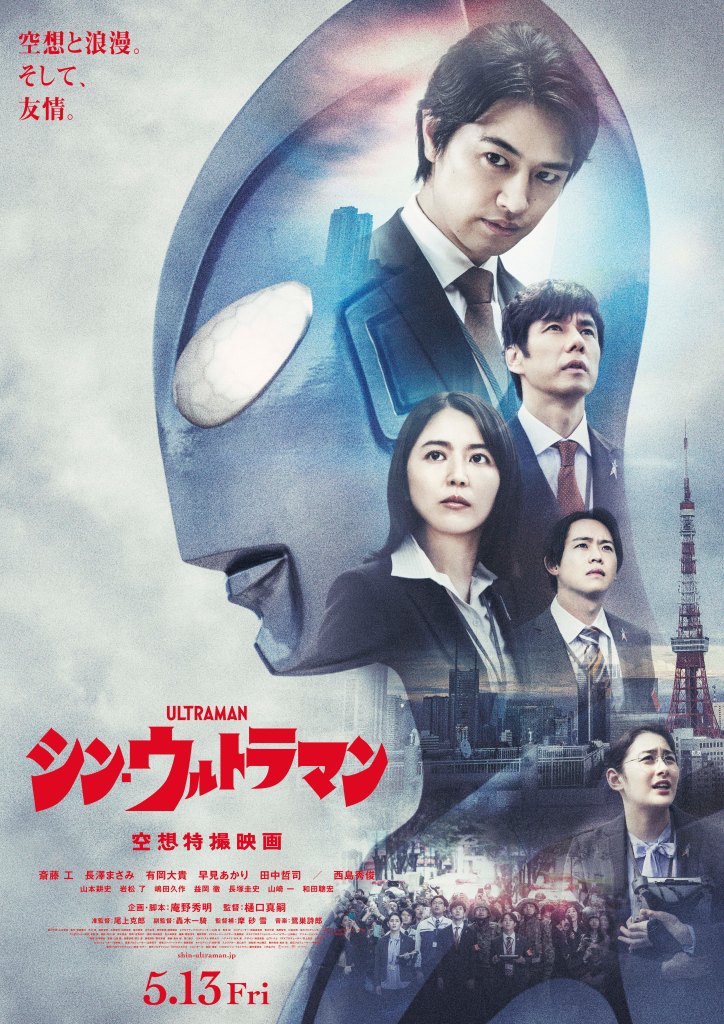
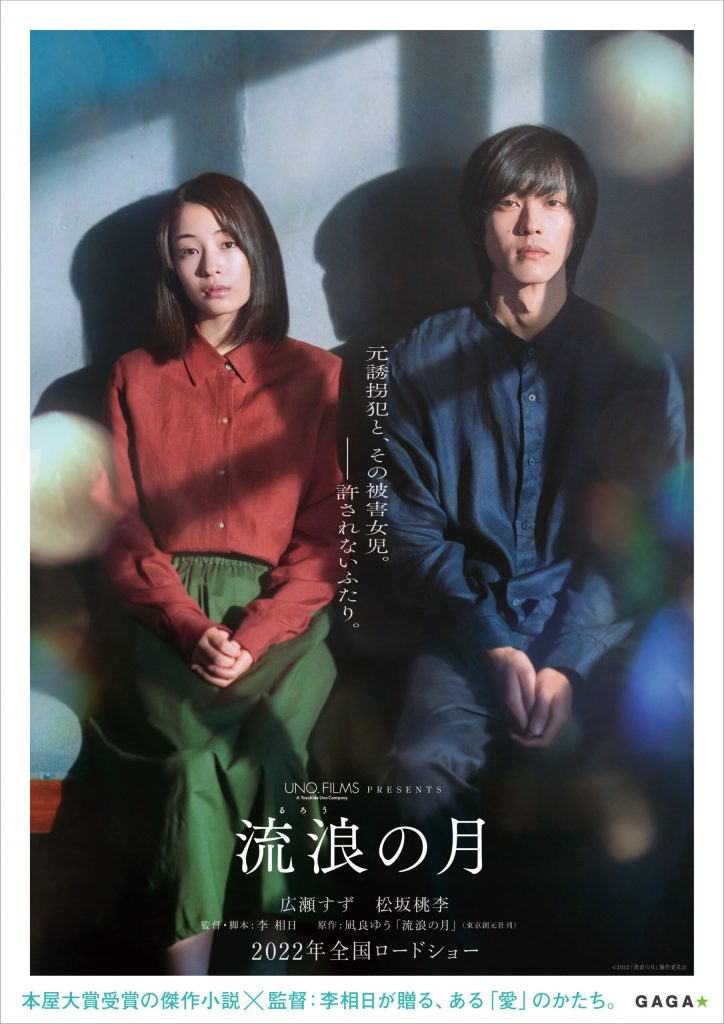
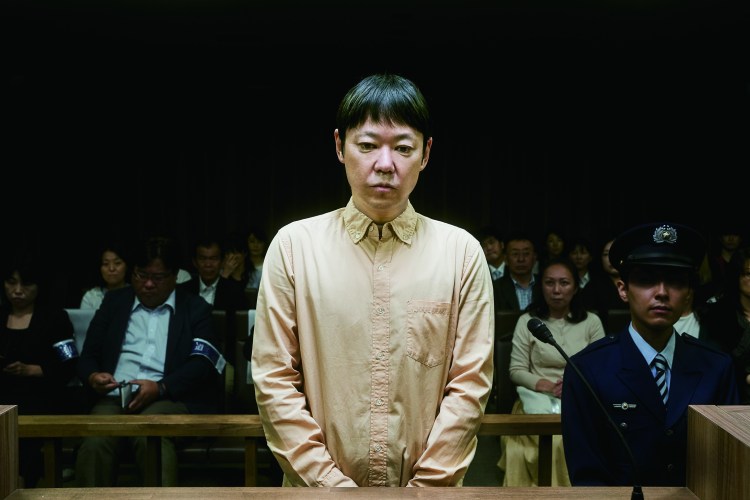
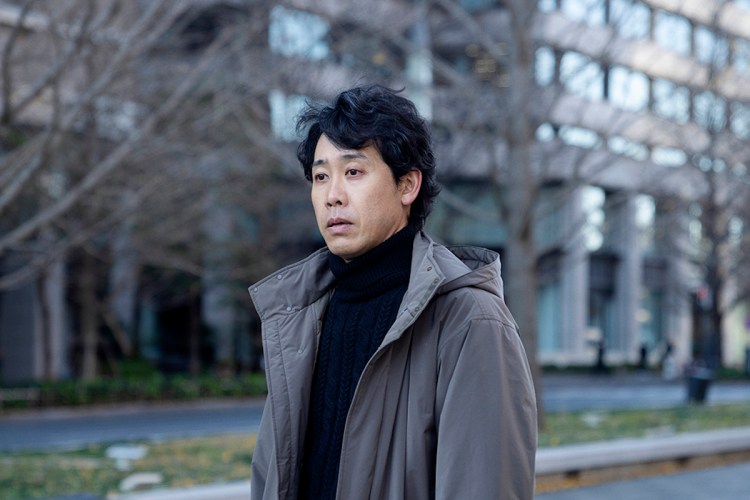
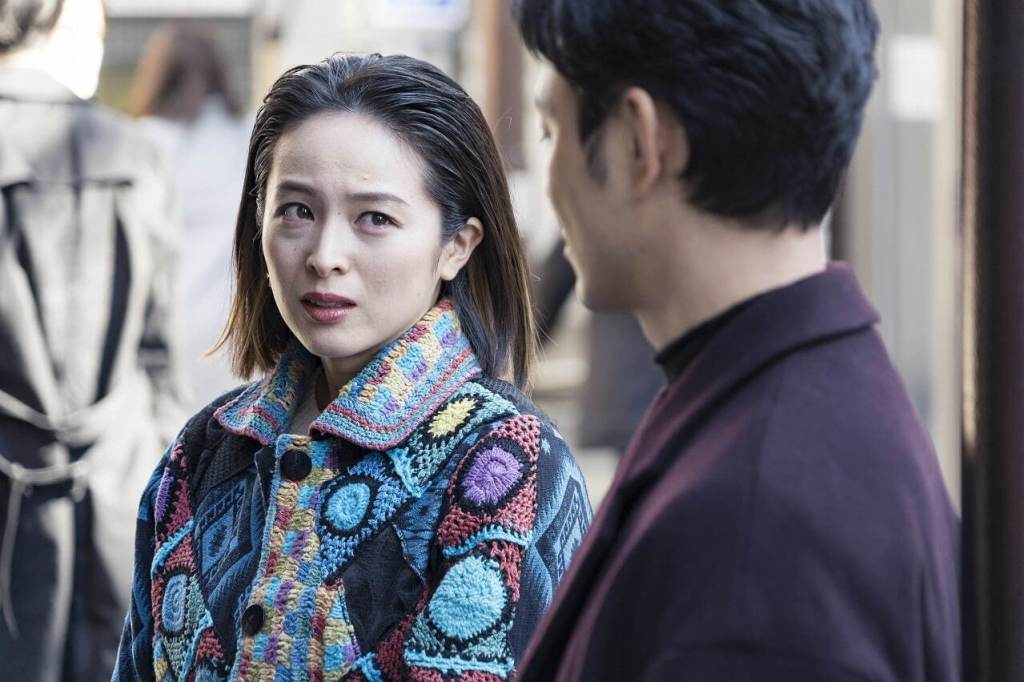
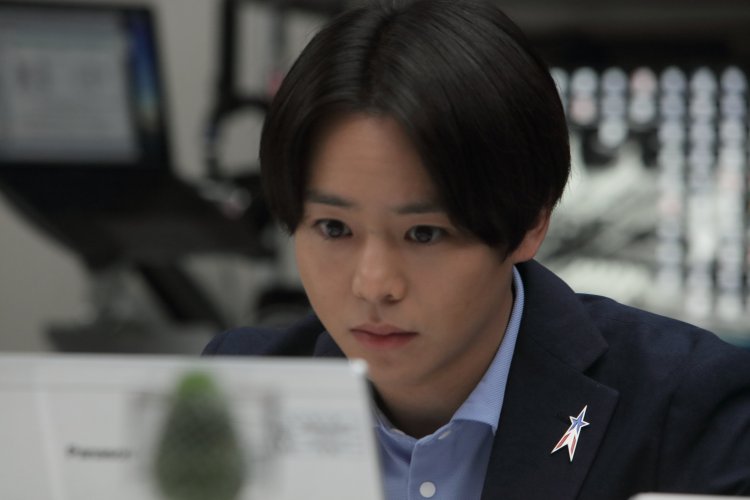
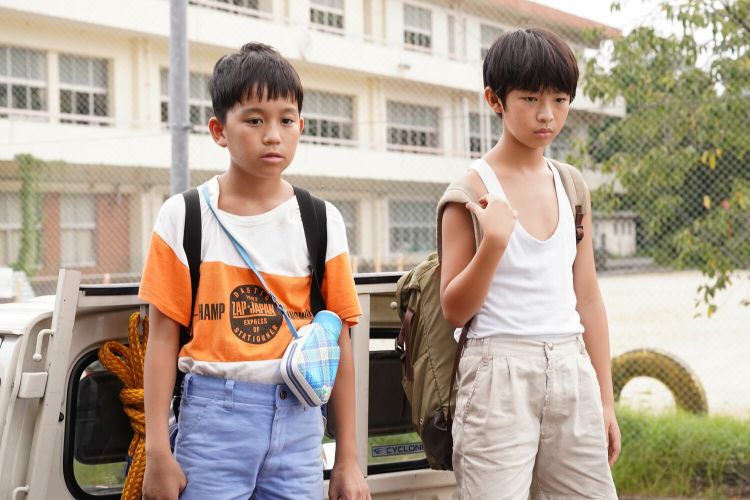
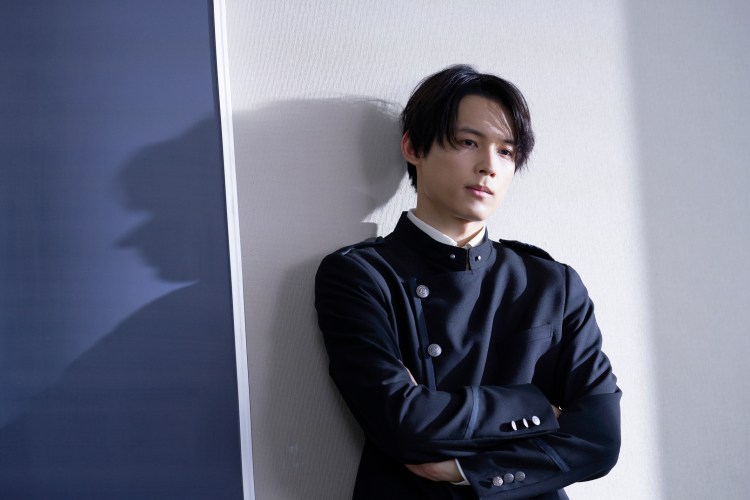
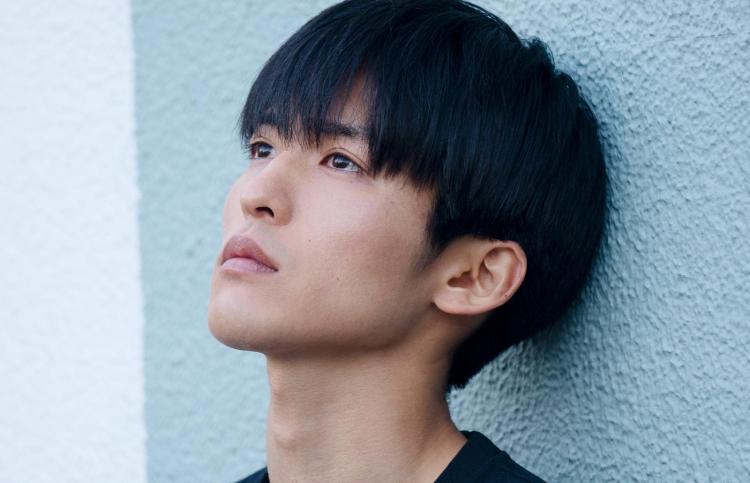
The Japan Academy Film Prize, Japan’s equivalent of the Oscars awarded by the Nippon Academy-Sho Association of industry professionals, has announced the candidate list for its 46th edition which honours films released Jan. 1 – Dec. 31, 2022 that played in a Tokyo cinema at least three times a day for more than two weeks. This year’s favourite is Kei Ishikawa’s A Man which picks up 13 nominations across 12 categories, while there is also a strong showing for Ryuichi Hiroki’s Phases of the Moon and big budget tokusatsu Shin Ultraman. The awards ceremony hosted by last year’s Best Actress winner Kasumi Arimura and TV presenter Shinichi Hatori will take place at Grand Prince Hotel New Takanawa International Convention Center Pamir on 10th March.

Picture of the Year

  • A Man
  • Shin Ultraman
  • Phases of the Moon
  • Anime Supremacy!
  • Wandering

Animation of the Year

  • Inu-Oh
  • Lonely Castle in the Mirror
  • Suzume
  • One Piece Film Red
  • The First Slam Dunk

Director of the Year

Screenplay of the Year

Outstanding Performance by an Actor in a Leading Role

  • Sadao Abe (Lesson in Murder)
  • Yo Oizumi (Phases of the Moon)
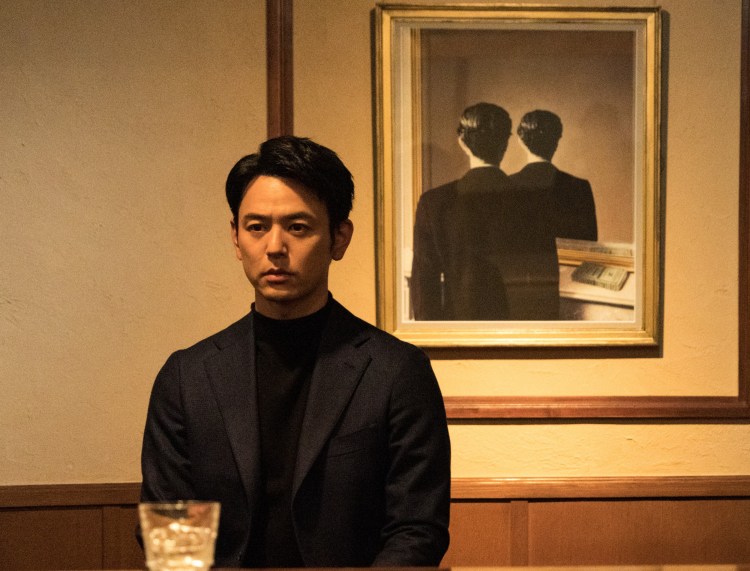
  • Satoshi Tsumabuki (A Man)
  • Kazunari Ninomiya (Fragments of the Last Will)
  • Tori Matsuzaka (Wandering)

Outstanding Performance by an Actress in a Leading Role

Outstanding Performance by an Actor in a Supporting Role

  • Tasuku Emoto (Anime Supremacy!)
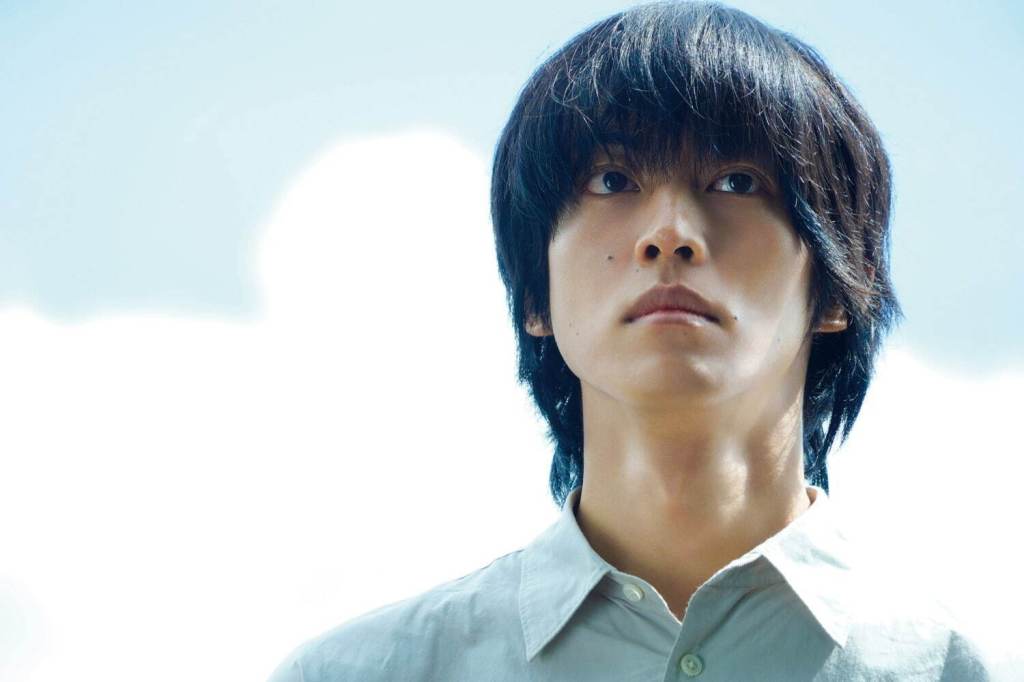
  • Masataka Kubota (A Man)
  • Kentaro Sakaguchi (Hell Dogs)
  • Ren Meguro (Phases of the Moon)
  • Ryusei Yokohama (Wandering)

Outstanding Performance by an Actress in a Supporting Role

  • Kasumi Arimura (Phases of the Moon)
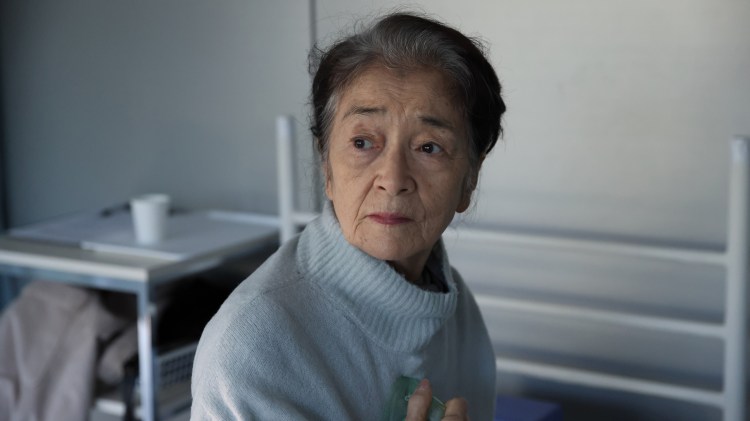
  • Sakura Ando (A Man)
  • Machiko Ono (Anime Supremacy!)
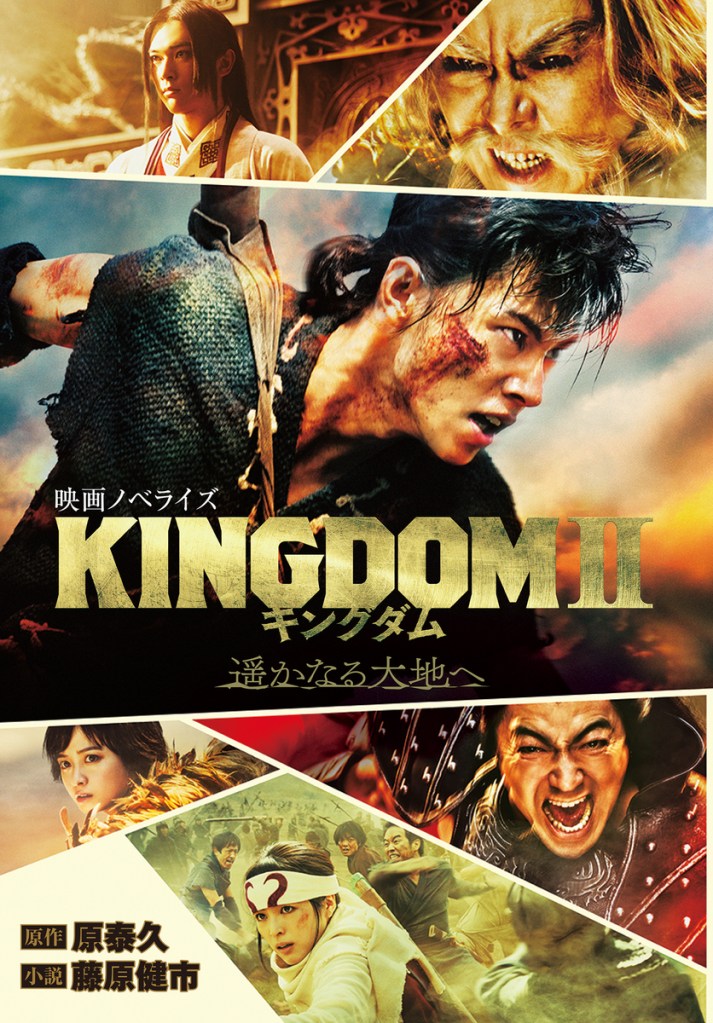
  • Nana Seino (A Man, Kingdom 2: To Distant Lands)
  • Mei Nagano (Motherhood)
  • Honoka Matsumoto (It’s in the Woods)

Outstanding Achievement in Cinematography

Outstanding Achievement in Lighting Direction

Outstanding Achievement in Music

  • Yoshihiro Ike (Anime Supremacy!)
  • Yu Takami (Whisper of the Heart)
  • Cicada (A Man)
  • Mari Fukushige (Phases of the Moon)
  • Radwimps / Kazuma Jinnouchi (Suzume)

Outstanding Achievement in Art Direction

  • Toshihiro Isomi / Emiko Tsuyuki (Fragments of the Last Will)
  • Hidetaka Ozawa (Kingdom 2: To Distant Lands)
  • Satoshi Kanda (Anime Supremacy!)
  • Yuji Hayashida / Eri Sakushima (Shin Ultraman)
  • Hiroyuki Wagatsuma (A Man)

Outstanding Achievement in Sound Recording

Outstanding Achievement in Film Editing

Outstanding Foreign Language Film

  • Avatar: The Way of Water
  • Coda
  • Spider-Man: No Way Home
  • Top Gun: Maverick
  • RRR

Newcomer of the Year 

  • Karin Ono (Anime Supremacy!)
  • Hinako Kikuchi (Phases of the Moon)
  • Riko Fukumoto (Even if This Love Disappears from the World Tonight)
  • Meru Nukumi (My Boyfriend in Orange)
  • Daiki Arioka (Shin Ultraman)
  • Ichiro Banka (Sabakan)
  • Hokuto Matsumura (xxxHOLiC)
  • Ren Meguro (Phases of the Moon)

Special Award from the Association

(Lifetime achievement awards)

  • Masanobu Amemiya (car stunts)
  • Shohei Kawamoto (animation background art)
  • Naomi Koike (production design)
  • Yasuhiro Fukuoka (casting producer)

Award for Distinguished Service from the Chairman

(Lifetime achievement awards for contribution to the film industry)

  • Shunya Ito (film director)
  • Yuzo Kayama (actor)
  • Hideki Mochizuki (lighting)

Special Award from the Chairman

(Lifetime achievement award presented to members of the film industry who passed away during 2022)

  • Hideo Onchi (film director)
  • Hiro Matsuda (screenwriter)
  • Mitsunobu Kawamura (producer)
  • Iwao Ishii (editor)
  • Kazuki Omori (director & screenwriter)
  • Yoichi Sai (director & screenwriter)

Special Award

  • One Piece Film Red music crew

Source: Japan Academy Film Prize official websiteEiga Natalie

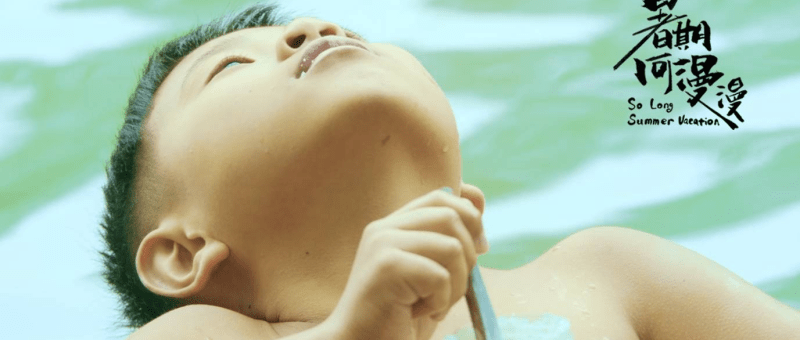
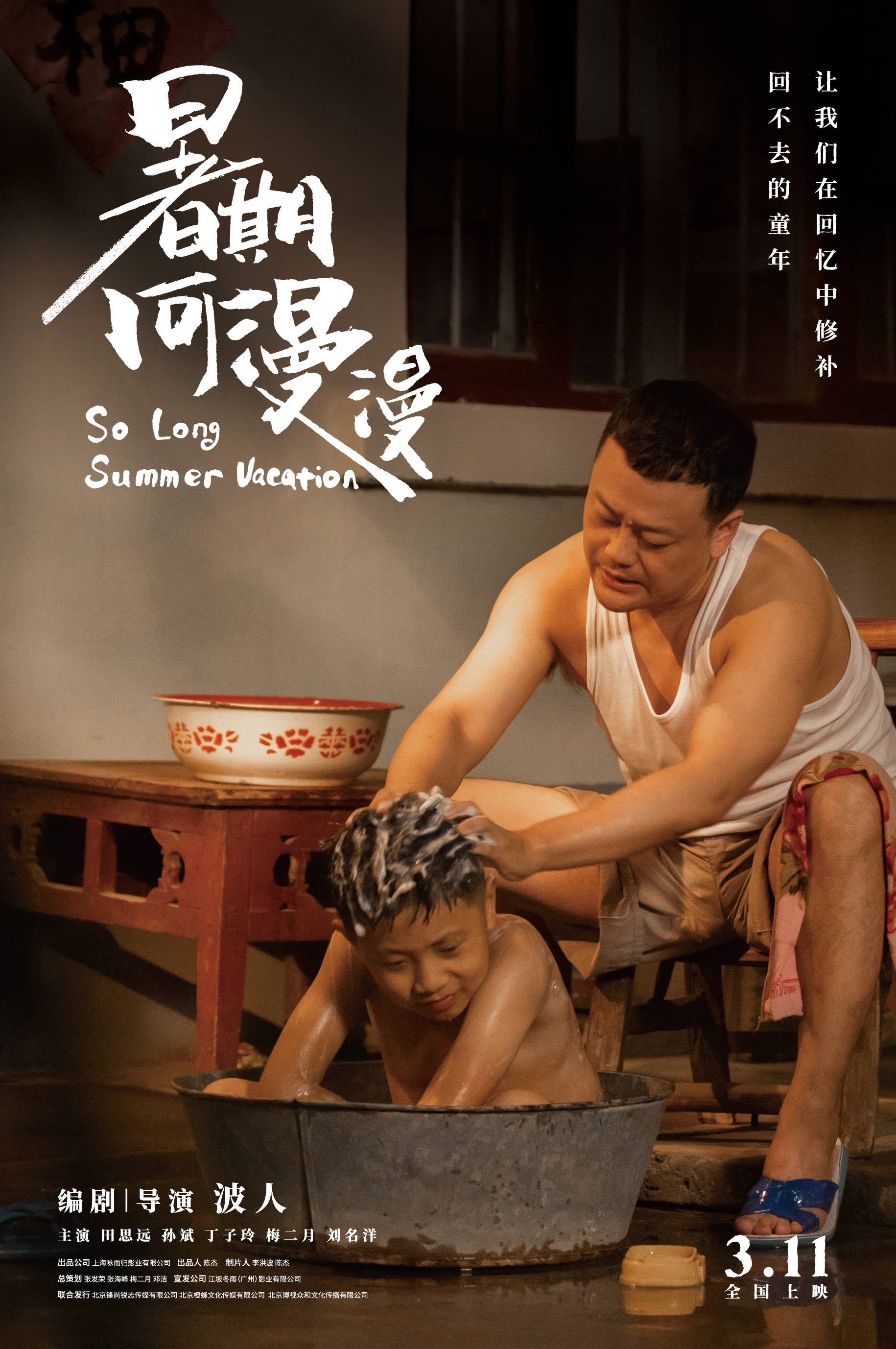
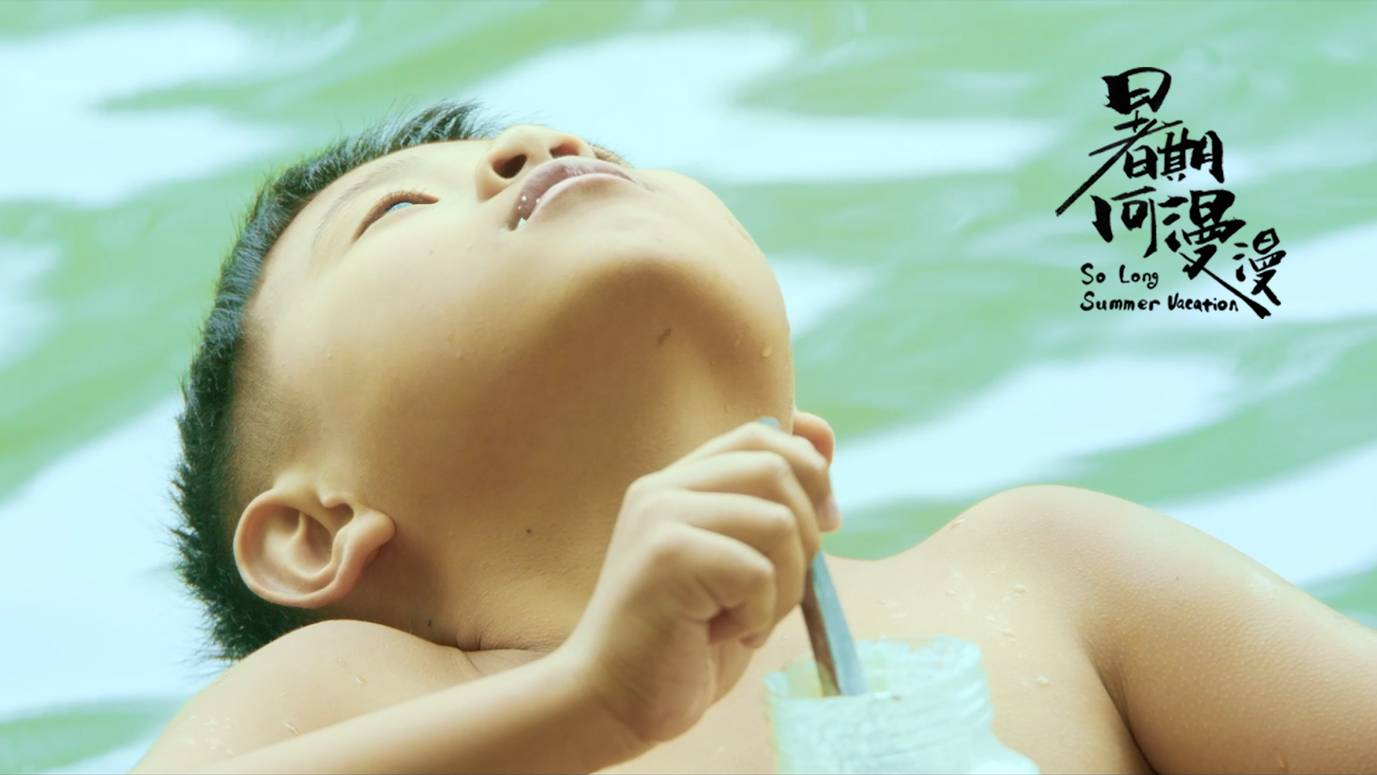
So Long Summer Vacation (暑期何漫漫, Bo Ren, 2021)

A small boy tries to work out what to do with a seemingly endless and infinitely boring summer in early ‘90s rural China in Bo Ren’s nostalgic childhood dramedy, So Long Summer Vacation (暑期何漫漫, shǔqī hé mànmàn). Told largely from the boy’s point of view, the film meditates on a China in the midst of transition along with the effects of the pre-reform work system on the family, the One Child Policy, sexism and conservatism all while the hero watches and learns.

All Xiaojin (Tian Siyuan) really wants for this summer is to learn to swim in the river, but his parents have banned him from going near it for the understandable reason that it’s dangerous. Usually, his father’s (Sun Bin) parents would be around to look after him, but they’ve decided to spend the summer with their other son while his father objects to his mother’s (Ding Ji Ling) idea of sending him to stay with his maternal grandma further out into the country because he thinks she’s too indulgent and last time he got into trouble for digging up the neighbours’ radishes. As Xiaojin is already 12 years old, they decide to let him stay home alone, but they also lock the front gate and tell him to spend his time studying though there’s not much else to do and he’s evidently bored and lonely as a child of the One Child Policy stuck in the house all day on his own. 

His problem is compounded by the fact that most of his friends have also gone away for the summer, the boy from next-door despatched to Shenzhen to spend time with his absent father. But while Weidong is away, Xiaojin begins to understand the hidden sadness of his mother, auntie Fengying (Mei Eryue), who has taken to having presents sent to herself to pick up at the local post office pretending that they are from the husband who otherwise seems to have abandoned her. As she tells Xiaojin, aside from the office job that affords her a slighter higher status than her factory worker neighbours, she has nothing to fill her time other than a little gardening. As no one else has much to do either, her life also becomes fodder for one of the few available activities, gossip, with the other neighbourhood ladies making scandalous allusions to her many “affairs” which are sadly unfounded. Pushed to the brink by the hopeless of her life, she even begins to consider suicide.

Xiaojin’s parents, meanwhile, are mainly consumed by their role as workers and left with little time to look after him. His father is preoccupied by the factory’s 100-day labour competition, seemingly less excited about the prospect of winning a significant prize than being “busy with work” and showing off his dedication through his productivity, while his mother is a seamstress who sometimes works unsociable hours. Little Xiaojin is pretty self-sufficient and as he is fond of saying has figured out how to do things like light a stove or cook a meal simply through having observed his mother and grandmother doing the same, but is obviously lonely at one point agreeing to swap one of his father’s valuable stamps with another boy on the condition that he comes to play with him for only three days. The other boy, Bin, hadn’t really wanted to because there’s “nothing to do” at Xiaojin’s house whereas his family has a TV set which still seems to be a rarity in the local area. 

When Bin takes Xiaojin to the river and they end up getting into trouble, one could argue that it wouldn’t have happened if only his parents had taught him to swim whether in the river or in a modern pool as his father suggested doing but never followed through. But their response is to tie him to a bench and beat him so badly that auntie Fengying and the other neighbours bang on their door and tell them to stop. Even grandma from the country who’s somehow ended up finding out about it comes straight over to tell them off, basically sending them to their room to think about what they’ve done while she looks after Xiaojin and asks the ancestors for their forgiveness. Part of his Xiaojin’s anxiety had rested on the fact that, because of the One Child Policy, she has only one son and has the twin pressures of needing to get it right with Xiaojin so that he grows up into a responsible member of society and living in constant fear that something will happen to him and they’ll be left alone in their old age. A short coda featuring Xiaojin in the present day as a father raising a son of his own suggests he’s doing things a little differently but still reflecting on that one very boring summer when the highlight of his day was ripping a page off the calendar and the only thing he wanted was to be able to swim in the river.


So Long Summer Vacation streams for free in the US and Canada until Feb. 5 as part of Asian Pop-Up Cinema’s Lunar New Year celebration.

Trailer (Simplified Chinese / English subtitles)

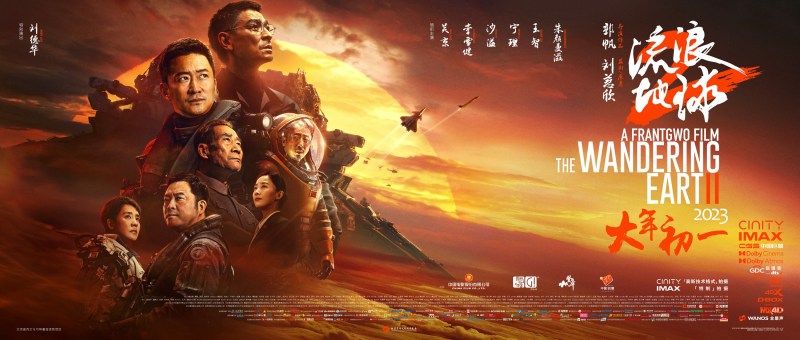
The Wandering Earth II (流浪地球2, Frant Gwo, 2023)

Back in what now seems like another world, Frant Gwo’s The Wandering Earth became a Lunar New Year box office smash and was described by some as China’s first foray into big budget sci-fi. Adapted from a novel by Liu Cixin, the film was much about fathers and sons as it was about sacrifice and solidarity in the face of oncoming apocalypse all of which are quite traditional New Year themes. Arriving four years later, The Wandering Earth II (流浪地球2, liúlàng dìqiú 2) largely drops overt references to the Spring festival bar the repeated motif of journeying home, but does once again stress the importance of international cooperation in safeguarding the future of the planet.

Then again, it seems that many feel it’s not a good use of time or resources to address a problem that will occur in a hundred years when they are long dead. A prequel to the first film, Wandering Earth II begins in the early days of the Moving Mountain Project which is the plan to push the Earth onto a different orbit to escape the sun’s eventual implosion. Given its enormous expense and the reality that much of the population will simply be left to die, the majority of the public back the rival Digital Life program in which humanity would be saved by relocating to a new virtual reality. Where this virtual reality is supposed to be stored is not exactly clear if there is no Earth for it to exist on, but it’s clear that some consider the possibilities of the digital existence preferable to allowing millions to die in the tsunamis which will engulf the Earth as it uncouples from the moon’s gravitational pull. 

Chief among them is software engineer Tu (Andy Lau Tak-wah) who is griefstricken by the loss of his wife and child in a traffic accident and has been secretly working on creating a fully fledged AI simulacrum of his daughter Yaya. He tells his more practically minded colleague Ma (Ning Li) that he doesn’t have the right to define what is “real” while eventually jeopardising the Moving Mountain Project by prioritising his desire to save Yaya over saving the Earth and eventually creating the AI system that will become Moss, a possibly dangerous entity which decides the best way to save humanity is to destroy mankind. 

The first film’s hero, Liu Peiqiang (Wu Jing), meanwhile is a rookie astronaut caught up in a terrorist incident carried out by militant opponents of the Moving Mountain project while enjoying an incongruously goofy courtship with fellow astronaut and future wife, Duoduo (Wang Zhi). This time around, he’s a dutiful son rather than conflicted father serving alongside his own dad who eventually becomes an example of intergenerational sacrifice as the old begin to make way for the young whose responsibility it now is to preserve the Earth. A nervous young aid serving the current premier later takes over the reigns and finds herself giving the same advice to a similarly nervous young man as they prepare to carry on the Wandering Earth project despite knowing that it will take thousands of years to complete. 

The ultimate message is therefore to choose hope, as Peiqiang later does striving to save the world even if it all turns out to be hopeless, rather than giving up and resigning oneself to one’s fate as many suggest doing when faced with the potential failure of their mission. As in the first film, the plan requires cooperation between nations and this time even more so as world powers must surrender their nuclear weapons to help blow up the moon. The Chinese premier looks forward to a day when governments can work on solving future problems rather than preparing for war, but then in an echo of the ongoing climate crisis some just don’t seem to see the point in dealing with something that won’t happen for a hundred years despite likely being among the first to complain no one did anything sooner when it finally affects them. Gwo adds a little whimsy in the technically pre-apocalypse setting with charming details such as Tu’s warm relationship with his dog-like robot helper and the general goofiness of Peiqiang’s attempt to court Duoduo while improving on the already polished visuals of the first film through several high impact set pieces but finally returns to its messages of hope and solidarity perhaps intended for a weary world attempting to find its own way out of a period of protracted strife.


The Wandering Earth II is in UK cinemas now courtesy of CineAsia.

International trailer (English voice over, Simplified Chinese / English subtitles)
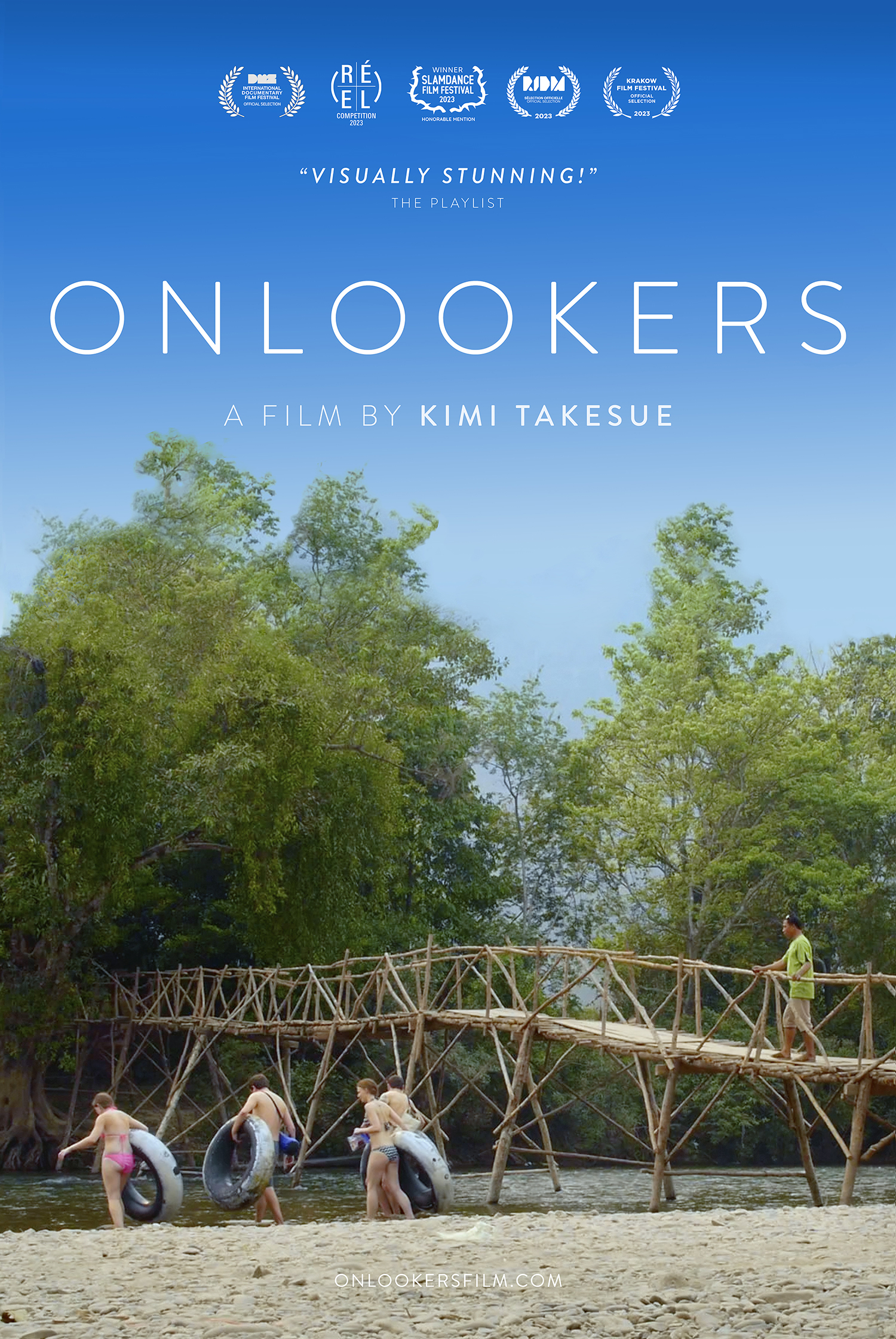
Onlookers (Kimi Takesue, 2023)

Onlookers is a strange word. It implies passivity, if also perhaps indifference, but nevertheless invites a question. Who exactly is looking at what or is the onlooker themselves also a spectacle of attention? The opening shots of Kimi Takesue’s Laotian documentary find a row of people waiting by the side of a road. A young man stares intently at his phone, as does an older woman two stools over, while an old lady’s eyes idly flicker as she watches the passing traffic. Another woman sits further away with a dog, facing an entirely different direction. 

Of course, we are also onlookers, watching the old lady as she watches if not exactly us then perhaps our ghost as manifested in the camera. In a sense the landscape is also onlooker, a passive presence often strangely forgotten by the tourists who pass through the frames throughout the rest of the film. In the early scenes, more local sightseers can be seen visiting temples and other landmarks, like others paying more attention to getting the perfect photographs rather than immersing themselves in the experience of actually being there. 

The temples seem to loom over them, onlookers too, passively observing their conduct which is not always respectful. “Don’t smoke weed here” a large sign pleads in English while large groups of tourists congregate at a swimming hole. In an elegantly composed shot of the mountains, most of the tourists are facing the wrong direction, quite literally bending over backwards to get the perfect selfie while otherwise oblivious to the beauty all around them. In a small waiting area near a shop offering tube swimming tours, the TV seems to be tuned in to ancient episodes of Friends while potential customers haggle with the driver leaving the young boy who accompanies him to wander out into the road. 

Even religious practice seems to have become a tourist attraction, gaggles of sightseers crowding round a small hut where monks ring bells, taking turns banging gongs themselves. Takesue contrasts these acts of accidental voyeurism with the local people simply trying to go about their business, a row of women again siting on the roadway though this time to offer alms to a seemingly endless parade of monks in a near eternal loop. Much of the local economy does seem to revolve around the tourist trade, the monk’s parade also attracting is share of onlookers, while a woman washes a dog in the street and others try to get on with selling their goods before Takesue abruptly switches to scenes of schoolchildren on scooters or filling plastic water bottles from the river. 

Then again, perhaps the real onlookers are the bemused cows fighting over tufts of grass as they wander onto temple grounds. The tourist trade may also be having a negative effect on the local environment, drowning out the sounds of the nature and disrupting the natural tranquility of the area while the tourists often appear indifferent to the world around them as if it were a mere playground and the people themselves little more than onlookers observing them from the outside. Occasionally Takesue cuts to scenes of nature without any people in them, bathing in the natural beauty of the landscape unsullied by human intervention as if to remind us of the various ways in which consumerism eats away at the world in which we live if also hinting at our own desire, as onlookers, to paint these scenes with a kind of pastoral innocence coupled with an otherwise uncomfortable exoticism. 

The film ends as it began, with another roadway only this time empty save for a dog who turns around to look towards the departed people before a second dog enters the frame and barks at the camera as he passes through as if to ask where everyone’s going or perhaps what they were doing here in the first place. A gentle meditation on the nature of “travel” and the disruptive qualities of “tourism”, Takesue’s elegantly lensed images seem to argue for a more active reflection on the world and our place within it rather than remaining a perpetual onlooker observing without thought or feeling.


Onlookers had its world premiere as part of Slamdance 2023.

Trailer

Lighting Up the Stars (人生大事, Liu Jiangjiang, 2022)

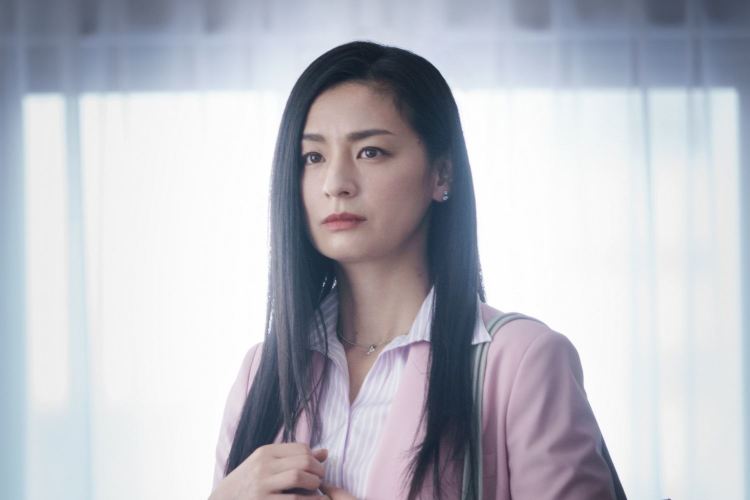
An immature young man recently released from prison for assaulting his girlfriend’s lover finally begins to grow up when unexpectedly saddled with looking after a grumpy little girl otherwise unwanted by her remaining family members in Liu Jiangjian’s feel good tearjerker, Lighting Up the Stars (人生大事, Rénshēng Dàshì). As much a tale of finding an accommodation with death and learning to move on as it is of the joys of forged families and unexpected connections, Liu’s drama is as the Chinese title suggests very much about the big things and what it takes to realise what they are. 

At this point in his life, San (Zhu Yilong) hasn’t been giving much thought towards the big things largely because he is consumed by resentment and a sense of inadequacy. He’s keen on getting back together with old girlfriend Xi (Janice Wu Qian) but sends her worryingly controlling voice notes and later becomes violent when she tries to break up with him before discovering that she is pregnant and plans to marry the guy he went to prison for beating up. “I can’t see you becoming a good father” she explains, regarding him as too immature to support the family she is keen to start. San is stung by the suggestion, as he is by his elderly father’s constant needling and refusal to hand the family funeral business over to him, but also has to concede she has a point. 

Nevertheless, there is a kind of tenderness to him as seen in his gentle washing of the body of an elderly woman still lying on the bed where she died while her son and his incredibly callous wife try to organise an express funeral so they can take their spoilt son to Beijing to participate in an academic competition. Meanwhile, little Xiaowen (Yang Enyou) watches while hiding in a cupboard before bursting out and demanding to know what they’ve done with her grandma. It seems that no one has taken the time to explain to Xiaowen exactly what’s happened or what’s going to happen to her now seeing as her grandmother had been raising her. Charging around like Nezha pointing her spear at everyone she meets, Xiaowen sets off to rescue grandma by chasing San’s van and eventually ending up at the funeral parlour which she then refuses to leave. Her uncle comes to fetch her but shockingly decides to leave her there with San and his two friends, asking them to look after her until they get back despite having absolutely no idea if they are suitable people to be looking after a little girl. 

These tears in the fabric of the traditional family are in some ways a result of a contemporary society. Xiaowen’s aunt point blank refuses to have her, insisting that she doesn’t want to expend resources on someone else’s child while blaming her husband for paying too much attention to his niece and not enough to their bratty son who lets them all down by humiliatingly failing the Beijing exam. Her hyperfocus is a reflection of the One Child Policy and rising consumerism as she seeks to express her status as a mother through her son’s success while simultaneously ruining their familial relationships with her constant nagging and hard-nosed practicality. Xiaowen’s henpecked uncle simply goes along with it for a quiet life, obviously very upset by his mother’s death but unable to defy his wife. San meanwhile is at odds with his father and sister who think he’s no good, will never be able to settle down and live a conventional life, and is incapable of accepting the responsibility of the family business. San may think some of this too, living with a sense of inadequacy feeling as if he doesn’t measure up to his absent elder brother, while seemingly floundering in his attempts to make something of himself. 

Through his relationship with Xiaowen he finally begins to come into his own in accepting the responsibility of fatherhood, caring for her both physically and emotionally while repairing his fracturing relationship with his own father and coming to terms with the past. He teaches Xiaowen about death and how to accept it, but also reminds her that her grandmother’s never really gone and will always be with her. Finally, San begins to think about the big things but about the small things too, planting stars in the sky as Xiaowen puts it as they prepare to get on with the business of living even in the presence of death.


Lighting Up the Stars streams for free in the US and Canada Jan. 22 to Feb. 5 as part of Asian Pop-Up Cinema’s Lunar New Year celebration.

International trailer (Simplified Chinese, English subitles)
Asian Pop-Up Cinema Celebrates Lunar New Year with Free Streaming Series

Asian Pop-Up Cinema will be celebrating the Year of the Rabbit with a series of films streaming for free in the US and Canada from Jan. 22 to Feb. 5.

Lighting Up The Stars

Streaming via Eventive

Recently released from prison, a jaded young man expected to take over the family funeral business gains a new perspective when he’s suddenly charged with looking after a little girl after her grandmother passes away.

So Long Summer Vacation

Streaming via Eventive.

A little boy tries to stave off loneliness while largely left to his own devices during a particularly dull summer in this nostalgic coming of age film.

GG Bond Ocean Diary

Streaming via Smartcinemausa.com 

Latest in the long-running series of children’s animated movies following humanoid pig and secret agent GG Bond. This time he’s on a mission in search of a dangerous weapon hidden somewhere in the ocean.

Hero

Streaming via Eventive

Three-part anthology film with segments directed by Li Shao Hong (Wuhan Story), Joan Chen (Beijing story), Sylvia Chang (Hong Kong story) each of which focus on the lives and loves of women in the contemporary society.

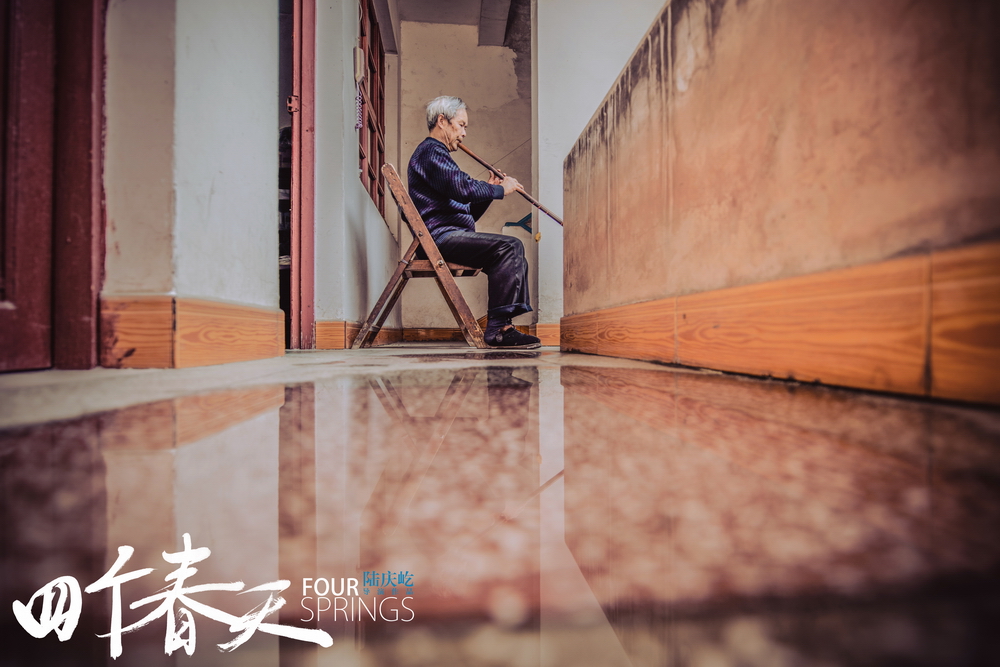
Four Springs

Streaming via Eventive.

Director Lu Qingyi’s beautiful documentary follows his own family through four celebrations of New Year bringing with them both joy and sorrow. Review.

Each of the films is available to stream for free in the US and Canada Jan. 22 to Feb. 5. Simply register via the links above to receive a streaming link. You can find further information for all the films on Asian Pop-Up Cinema’s official website and you can also keep up with all the latest news by following the festival on FacebookTwitter, and Instagram.

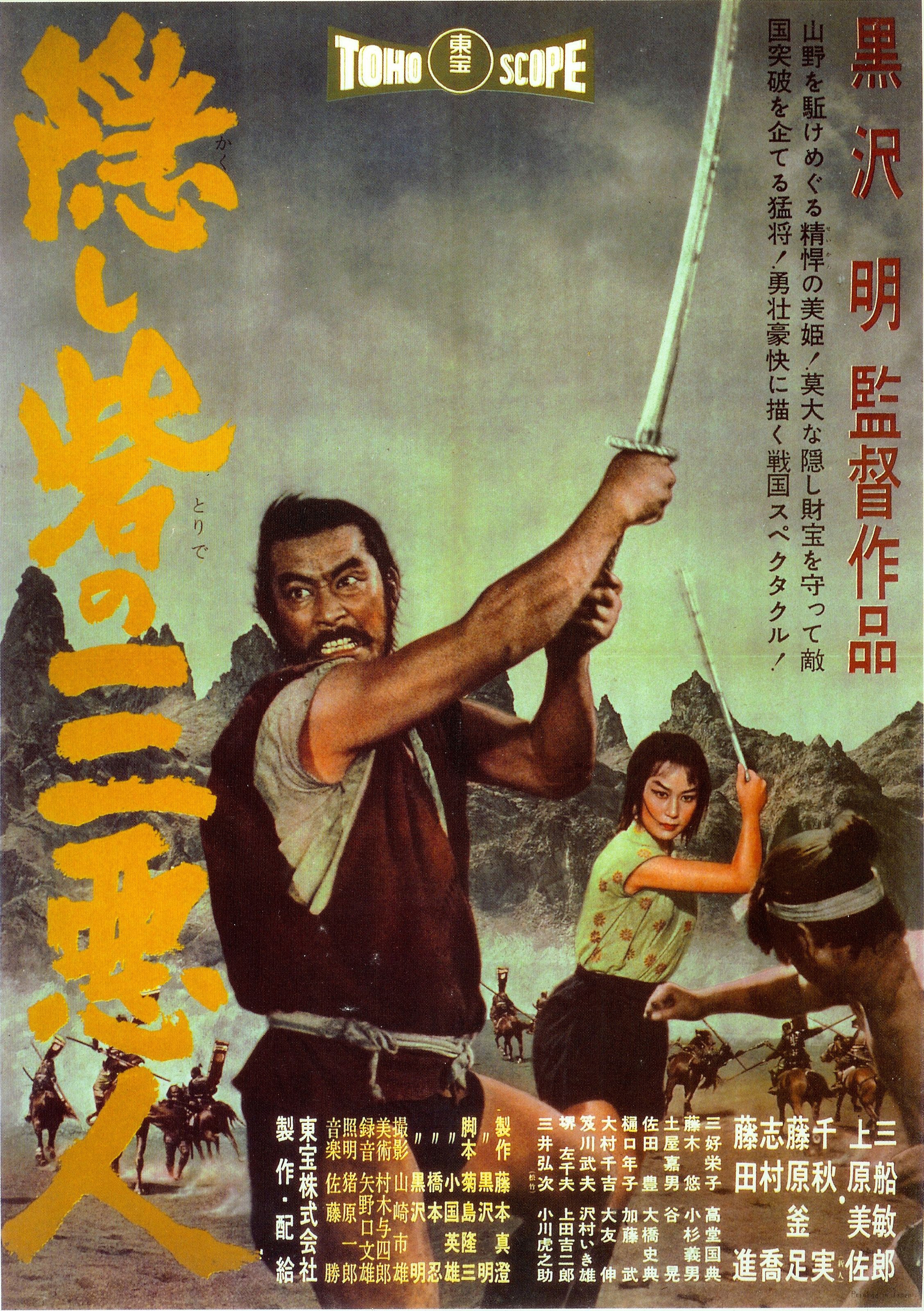
The Hidden Fortress (隠し砦の三悪人, Akira Kurosawa, 1958)

“Your kindness will harm you” a well-meaning retainer advises his charge, but in the end it is her kindness which saves her along with numerous others in Akira Kurosawa’s Sengoku-era epic, The Hidden Fortress (隠し砦の三悪人, Kakushi Toride no San Akunin). Largely told from the point of view of two bumbling peasants trying to get rich quick by exploiting the hierarchal fluidity of a time of war, the film nevertheless cuts against the grain of the democratic era in advocating not so much the destruction of the class-bound feudal order as benevolent authority. 

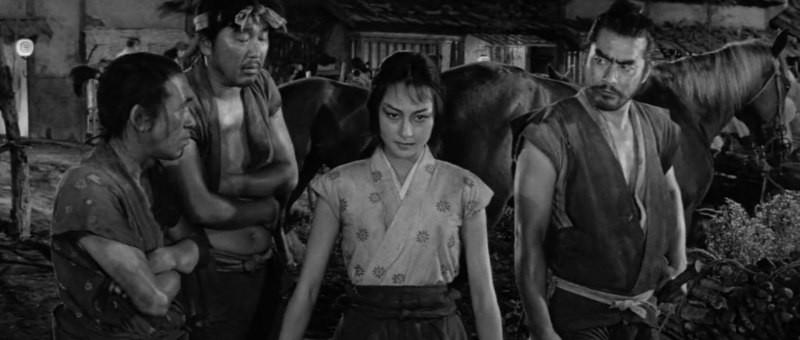
This can quite clearly be seen in the dynamic figure of displaced princess Yuki (Misa Uehara), the successor of her routed clan protected by a hidden fortress in the mountains which she must eventually leave. Her female servant laments that her father raised her as a boy which has given her a haughty and dominant manner at odds with the polite submissiveness usually expected of upperclass women. While often exerting her authority, she is otherwise uncomfortable with the uncritical servitude of her retainers, chief among them the talented general Makabe (Toshiro Mifune) who sacrificed the life of his own sister, allowing her to be executed in Yuki’s place buying them some time. “Kofuyu was 16. I am 16. What difference is there in our souls?” she asks, yet even if she believes their souls are equal she is not quite so egalitarian as to forget her position or the power and privilege that comes with it. 

Nevertheless, hers is an authority that is tempered by compassion and in the end chosen. Her salvation comes in speaking her mind to an enemy retainer, Tadokoro (Susumu Fujita), who has been savagely beaten by his own lord for losing a duel with Makabe who, to the mind of some, humiliated him with kindness in refusing to take his life leaving him to live in defeat. Yuki says she doesn’t know who is stupider, Tadokoro or his lord, for never would she punish a man in such a way simply for losing to an enemy. She tells him that there is another way, and that he need not serve a lord who does not serve him leading Tadokoro to defect and choose to follow her instead. 

She also inspires confidence in a young woman she insists on redeeming after discovering that she is a former member of the Akizuka clan sold into sexual slavery after being taken prisoner by the Yamane. Kurosawa presents the girl with a dilemma on realising that the mysterious woman who saved her is the fugitive princess, knowing that she could betray her and pocket the gold, but finds her resolving to serve Yuki all the more. In a moment of irony, we learn that the girl was bought for five silver coins, the same amount of money a wealthy traveller offers for Makabe’s horse, but displeases her master in refusing to speak or serve customers. For Yuki he offers gold, though withdraws on being told that she is mute. Knowing that she would be unable to disguise her speech or accent which would instantly give her away as a haughty princess, Makabe convinces her to stay silent though as she tells him he cannot make her heart mute too. 

Even the peasants, oblivious to her true identity, view Yuki as part of the spoils insisting that they should be entitled to a third of her too and at one point preparing to rape her only to be fought off by the rescued girl. “We can rely on their greed” Makabe had said, knowing that their material desires make them easy to manipulate and that their loyalties are otherwise fickle. Matashichi (Kamatari Fujiwara) and his friend Tahei (Minoru Chiaki) sold their houses in their village to buy armour in the hope of achieving social mobility through distinguishing themselves in war, but have largely been humiliated, robbed of their armour, mistaken for captured members of the enemy, and forced to dig the graves of others. They pledge eternal friendship but their bond is continually disrupted by the promise of monetary gain. They fall out over a moral quandary, one willing to plunder the body of a fallen soldier and the other not, while even on reuniting squabbling about how to divide the money first deciding it should be equal and immediately disagreeing as soon as they get their hands on it. At the film’s conclusion it rests on Yuki to play mother, telling them that they must be good and share the boon she’s given them equally without complaint each then too only quick to be generous insisting that the other can keep it. 

The implication is still, however, that Matashichi and Tahei should return to their village to live as peasants while Yuki assumes her place in a castle no longer hidden as its ruler. Order has returned and the old system remains in place, all that changes is that this is now a compassionate autocracy ruled by a benevolent lord who views her subjects lives as equal to her own yet not perhaps their status. Where it might prompt Tadokoro to conclude that he need serve no lord at all for there should be no leaders only equals, the film concludes that a leader should be just and if they are not they should not be followed. Then again, the disagreement between firm friends Matashichi and Tahei is ended when they each have enough and no longer find themselves fighting for a bigger slice of the pie content in the validation of their equality. As Makabe puts it, heavy is the head that wears the crown. Yuki’s suffering is in the responsibility of rebuilding her clan though she does so with compassion and empathy ruling with respect rather than fear or austerity. Kurosawa utilises the novel scope format to hint at the wide open vistas that extend ahead of the peasants as they make their way towards the castle in search of gold only to leave with something that while more valuable may also shine so brightly as to blind them to the inherent inequalities of the feudal order. 


The Hidden Fortress screens at the BFI Southbank, London on 20th & 27th January 2023 as part of the Kurosawa season.

The Lower Depths (どん底, Akira Kurosawa, 1957)

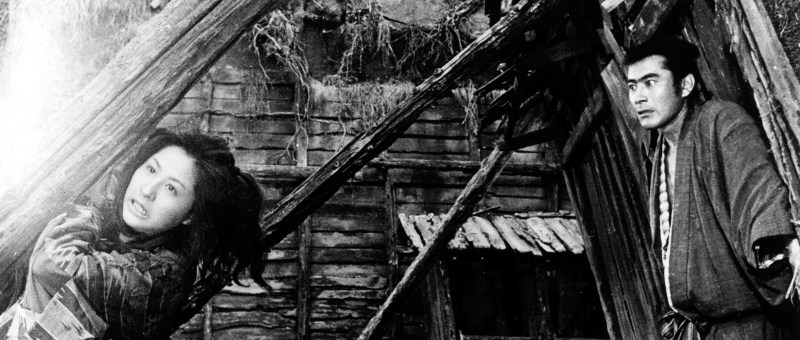
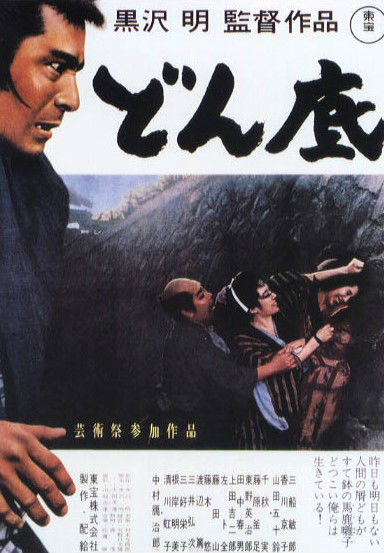
“How can you go to hell if you’re already there?” quips a stoical gangster, perhaps the only denizen of a rundown tenement block no longer looking for escape in Akira Kurosawa’s adaptation of the Gorky play The Lower Depths (どん底, Donzoko). In general, much of Kurosawa’s post-war work decries deliberate falsehood but paradoxically suggests that some degree of self-delusion is essential for surviving an otherwise hopeless world. The wandering pilgrim who arrives like some kind of emissary from the land above says as much as he offers what may turn out to be false promises of a better world to come, but as one of his charges points out he does so “out of pity for those beyond hope.”

Then again, perhaps spirituality won’t save you either. As the film opens, it’s two monks who are seen throwing leaves over a cliff describing the settlement below as “just an old rubbish dump”, which in a sense it is if that were not such a cruel thing to say. In any case, the people who live here are all those who have already fallen into desperation, exiled from mainstream society and caught between a fierce desire to claw their way back up and the despair of knowing that in all likelihood they never will. A man who claims to be a former samurai waxes on his illustrious past, while a melancholy sex worker meditates on the lost love that reduced her to current position, and a stage actor laments his failing memory his mind now fogged by years of alcohol abuse that he says have already poisoned his “bitol organs”. A tinker secretly thinks he’s better than those around him. He’s only been here six months and insists that he’s a skilled craftsman who can continue working, but blames his desperate circumstances on the sickly wife whose death he quietly awaits assuming it will free him of this burden and thereafter this place.

It doesn’t, of course. He sells his tools to pay for her funeral, and otherwise appears lost no longer a husband to a dying wife. In essence the film revolves around a confrontation between the pilgrim who offers what may well be an illusion of salvation and the thief Sutekichi (Toshiro Mifune) who challenges him but begins to believe that it really may be possible for him to leave this place and take the woman he loves, Okayo (Kyoko Kagawa), with him or else fall further and remain trapped in this mortal hellscape. The problem there is that Sutekichi had previously been having an affair with the landlord’s wife Osugi (Isuzu Yamada) who is Okayo’s sister. Though Osugi, whose hope of escape through romance is dashed, first takes against her sister, she later offers to surrender her to Sutekichi if only he will assist her by killing her greedy husband Rokubei (Ganjiro Nakamura). 

In this cold and austere place which is in effect a living hell, there is a sense that many of the residents are already dead. Rokubei’s face is the palest of them all, suggesting that he is already too far gone ever to be saved and most likely doesn’t want to be anyway for in this terrible place he is in effect the king. Osugi is the queen, but often framed behind bars now a prisoner already too corrupt to leave the tenement behind. Her uncle, Deputy Shimazo (Kichijiro Ueda), has a largely illusionary sense of power in his position in a policeman which he prosecutes selectively and mostly at the service of the landlord. In the climactic closing scenes, his policeman’s baton is stolen by the drunkard Unokichi (Yu Fujiki) who dances through the streets with it demonstrating just how little authority he actually wields finally losing his position when the landlord is deposed and his familial connections become irrelevant. He inherits the landlord’s residence, but is reduced to the husband of the sweet seller Otaki (Nijiko Kiyokawa) whose status as a working woman is perhaps higher than his. 

Yet the pilgrim seems to think there is still time to save Sutekichi who at heart wants to go straight but is also resentful admitting that in a world where swindlers prosper perhaps it is foolish not to be a swindler. The pilgrim promises all of them a “better place”. “As long as you believe you’ll find it, you surely will”, he explains telling the actor about a temple that can help him cure his alcoholism while simultaneously urging the tinker’s suffering wife to give in to her fate and go to Buddha’s embrace as soon as possible. Perhaps he sincerely believes these things to be true, but also seems to have a sense that even if they weren’t these hopeless people could not go on if they knew there was no way out. They all say they’ll leave, but discover there are only two means of escape, to die or fall still further in banishment from this already banished place. Only Okayo whose final whereabouts remain unknown may finally have been able to free herself. Staying almost exclusively with the claustrophobic confines of the drafty tenement as wind the whistles through it, Kurosawa frames the space of one of existential purgatory but perhaps suggests that in the absence of salvation a comforting falsehood is the only means of survival.


The Lower Depths screens at the BFI Southbank, London on 19th & 30th January 2023 as part of the Kurosawa season.