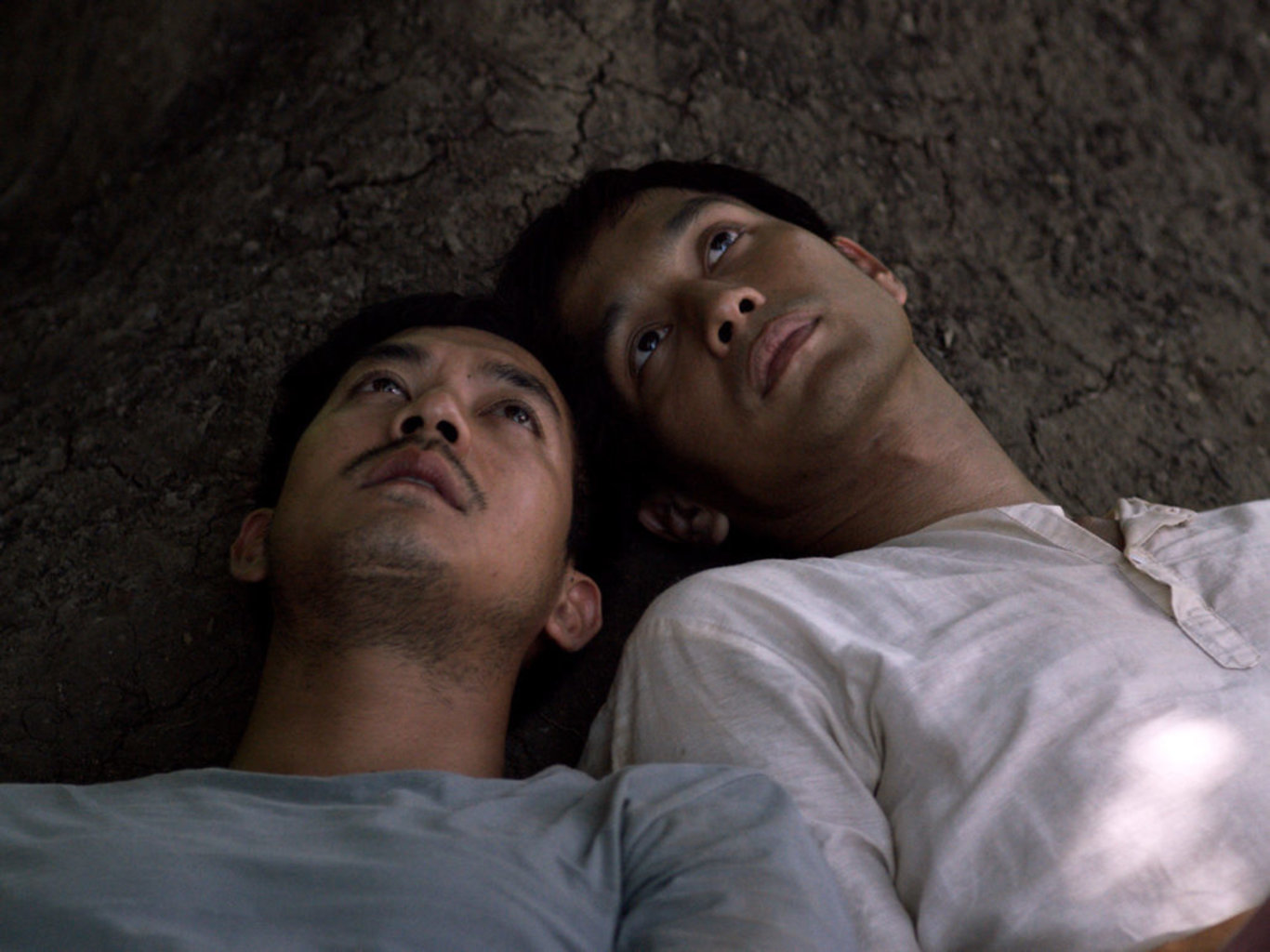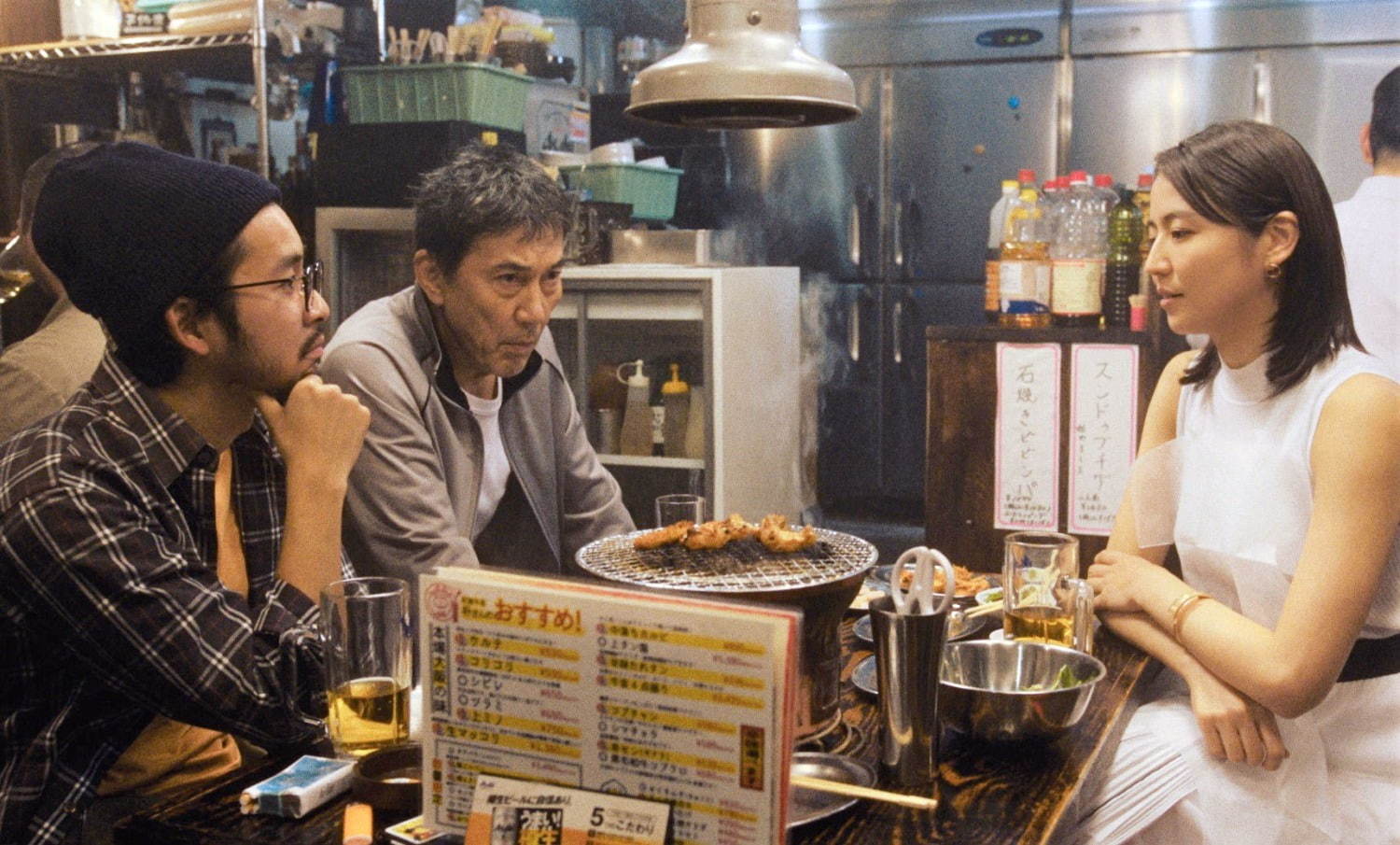
Under the Open Sky (すばらしき世界, Miwa Nishikawa, 2020)

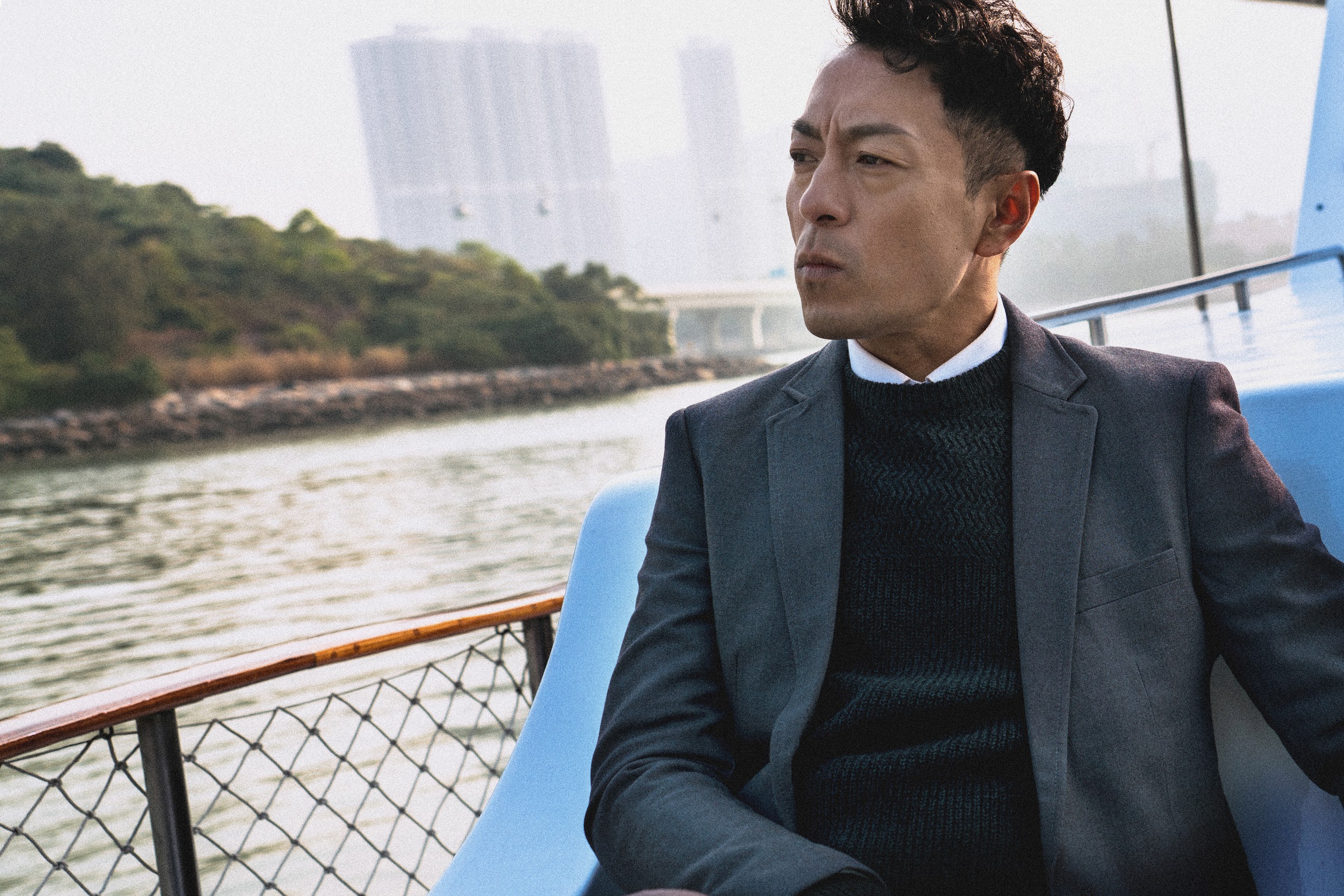
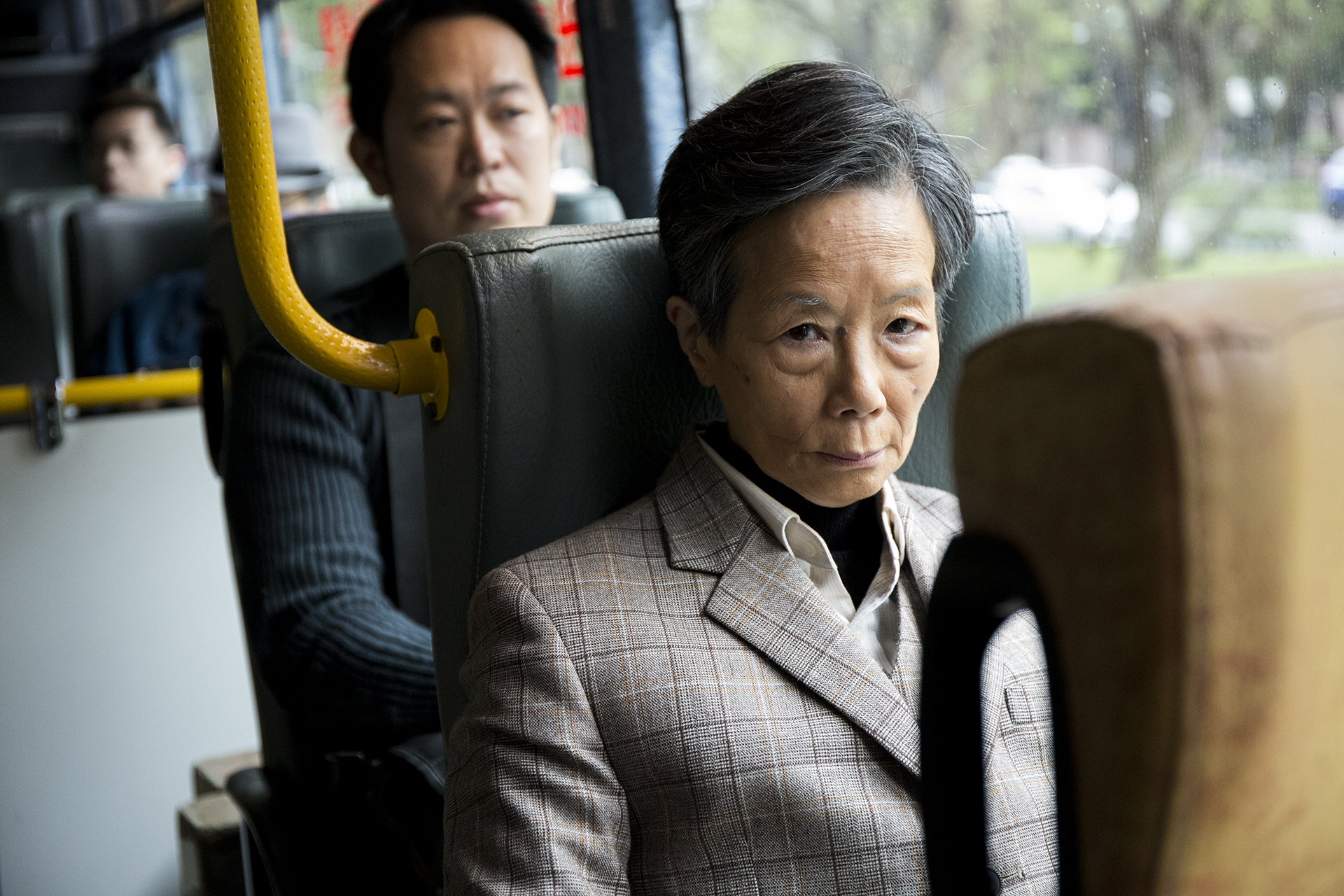
“Am I too unhealthy to live in society?” asks the hero of Miwa Nishikawa’s Under the Open Sky (すばらしき世界, Subarashiki Sekai) of his doctor, but the only answer he gets is a wry chuckle and an exhortation not to be so “pessimistic”. Inspired by Ryuzo Saki’s 1993 novel Mibuncho, the first of Nishikawa’s six features to be adapted from secondary material is in many ways a typical Showa-era story, testifying to the fact that the world has not changed as much as we might have hoped in the intervening 30 years since Saki’s novel was published, but it’s also a lowkey condemnation of the quiet hypocrisies which continue to define our notions of civility in the story of a man who was perhaps too good to survive in our “society”.

Opening with bars and heavy snow, Nishikawa introduces us to Mikami (Koji Yakusho) as he nears release after serving 13 years in prison for killing a man in what is described by the authorities as a yakuza gang war, though Mikami is keen to point out that he’d already attempted to leave the yakuza by then and the killing was mere self defence. In any case when questioned by the officers about to release him, he admits no remorse over the man’s death only that he lost 13 years of his life over “that hoodlum”. In any case he’s thrown out into the cold, boarding a bus back into the city where he vows to go straight. Once there, however he discovers the outside world to be fairly inhospitable. Not only are the skills he learned in prison next to useless when it comes to finding employment in the contemporary economy, but he must also contend with societal prejudice and his own wounded pride.

Stepping for moment into the realms of the issue movie, Nishikawa explores the relative impossibility of re-entering mainstream society as someone who has been convicted of a crime. Having spent most of his adult life in and out of prison as a petty yakuza footsoldier, Mikami has little education and no marketable skills aside from his capacity for violence and the ability to drive, something of which he is now deprived because his licence expired while he was inside and to get it back he has to start from scratch by passing the new-style two-part test. Mikami’s life is indeed a typical post-war story, abandoned to an orphanage by his geisha mother from which he later escaped and ended up joining a gang in place of the family he never had. “Prison is the only place that won’t kick you out no matter how badly you behave” he later quips, accidentally laying bare his yearning for unconditional love found only shakily in yakuza brotherhood.

Yet that old-fashioned, post-war yakuza is an outdated institution, like Mikami himself a relic of the Showa era floundering in the late Heisei society in which gangsters wear sharp suits and have fancy offices, finding more sophisticated ways to make war with each other than open thuggery. Everybody wants out, Mikami later muses to himself, but it’s hard to fit in to society and those like him find themselves drawn back towards the vagaries of the yakuza life for all the dubious certainties it continues to offer them. His lawyer and guarantor Souji (Isao Hashizume) tells him that he needs to regain his love and trust of people, but that’s a tall order when it feels like no one loves you and they make a point of letting you know you’re not forgiven. Even a simple trip to the supermarket proves traumatic when the head of the local neighbourhood association who just happens to run it decides to pick him up for shoplifting just because he knows he’s an ex-con. Thankfully he later realises his mistake and is filled with remorse, moved by Mikami’s quiet dignity in asserting his innocence and right to shop as he pleases. 

For all that, however, Mikami is a man of violence who has known no other way of life, taught that his only acceptable emotional release lies in pain and destruction. His violence is, however, for the sake of others not himself. He does not become violent with the store manager Mastumoto (Seiji Rokkaku) who later becomes his friend, but gleefully confronts two punks hassling a terrified salaryman and teaches them a minor lesson in the way only an old hand can. This other side to his otherwise childishly naive character shocks frightens Tsunoda (Taiga Nakano), a TV director Mikami had approached with the intention of being featured on his show in the hope of tracking down the mother who abandoned him, who engages in some armchair psychology to imply that the source of Mikami’s rage lies in his alienation as a rejected child. The irony is that Souji, his wife (Meiko Kaji), Matsumoto, and Tsunoda become Mikami’s new “family”, replacing that he’d looked for in the yakuza and providing a grounding in mainstream society that allows him to shed his anger, but the compromise they ask of him is in itself soul crushing in its implications to the extent that his complicity with it is no redemption but a moral failure. 

If such is the price of civility, Mikami may have a point, perhaps it isn’t worth it. In the end, it is our world which fails to live up to his goodness, his violence a result of society’s continued indifference to human suffering. He is no more free outside the walls than in, constrained by an unforgiving emotional austerity that permits injustice in the name of harmony. If you can’t protect the ones who’ll save the flowers from the storm, then what is your freedom for? Subverting a well worn redemption narrative, Nishikawa finds a wealth of kindness in a broken world, but suggests it’s not enough save us until the world itself is redeemed. 


Under the Open Sky streams in California until Oct. 31 as part of this year’s San Diego Asian Film Festival.

Teaser trailer (English subtitles)
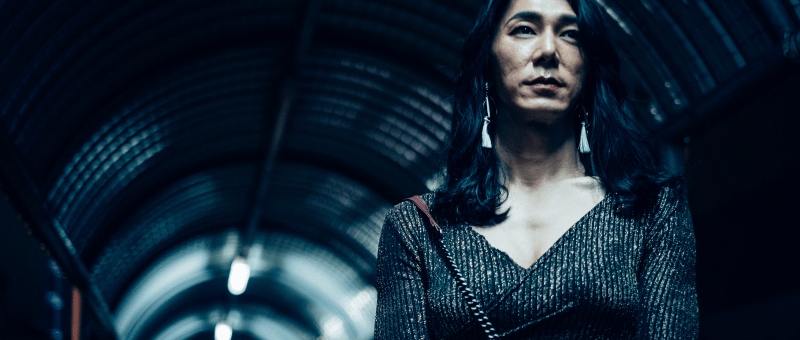
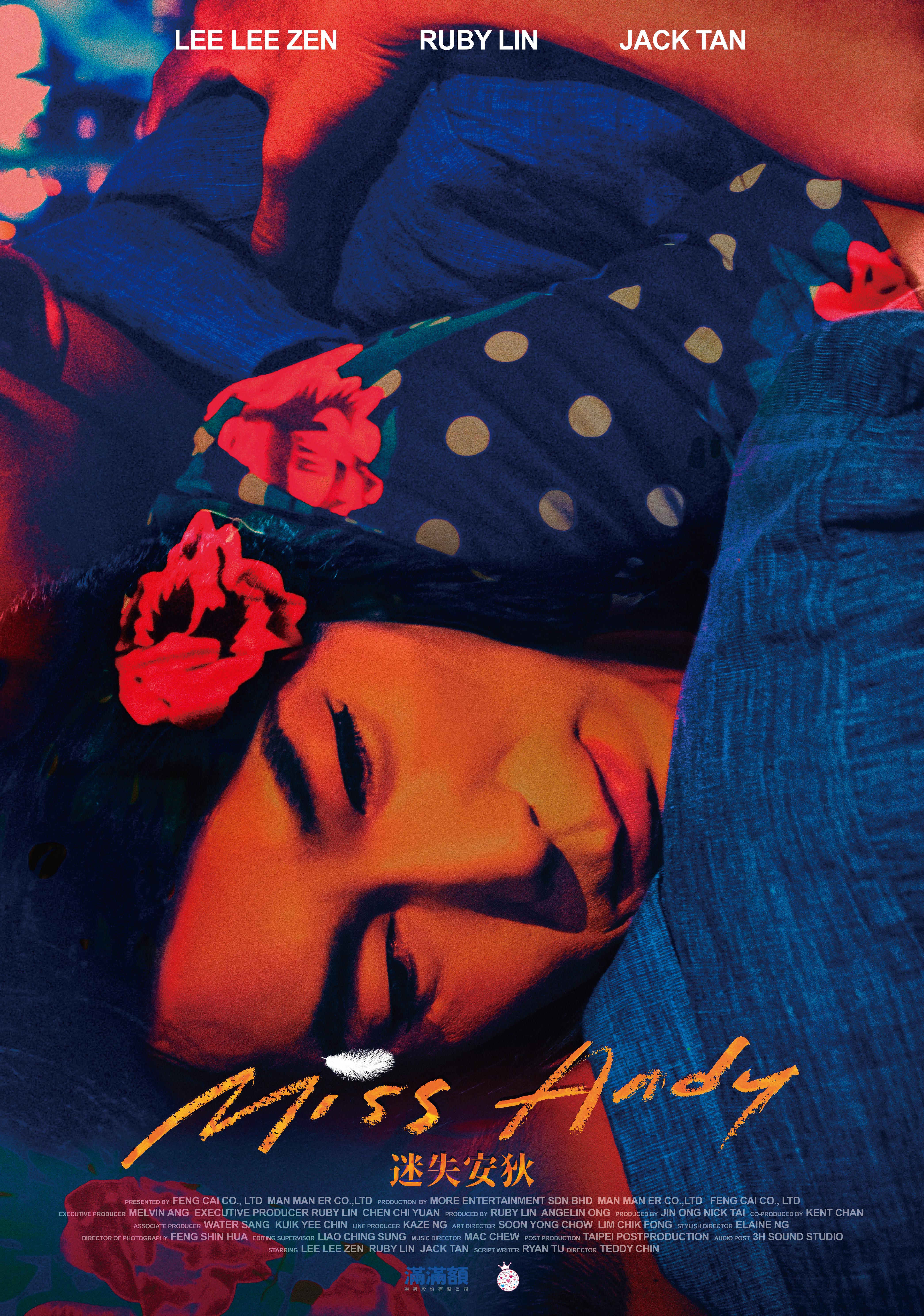
Miss Andy (迷失安狄, Teddy Chin, 2020)

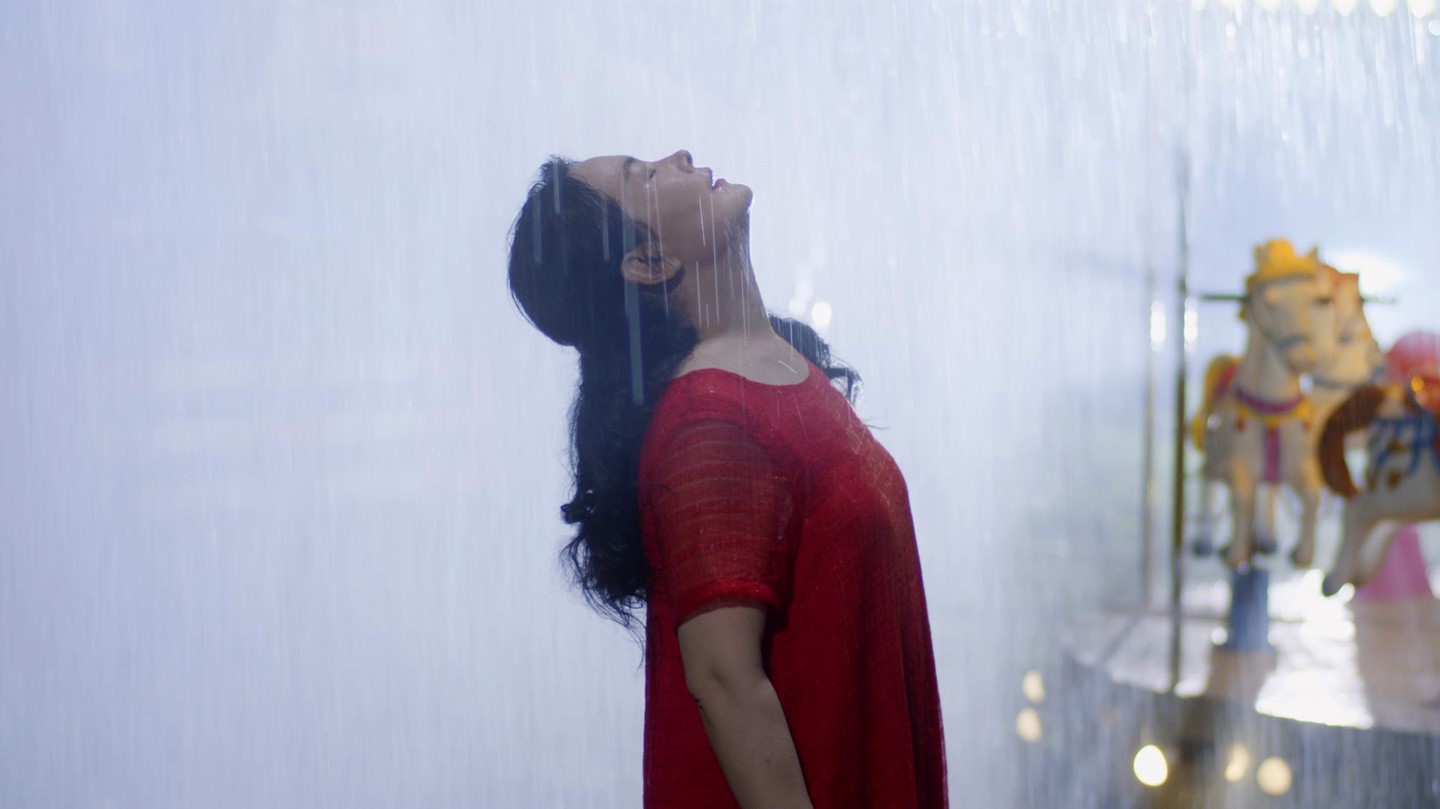
“The things we like we’re still going to lose” according to a drunken young man lamenting youthful impossibility in Teddy Chin’s melancholy tale of marginalisation and frustrated hope, Miss Andy (迷失安狄). A Malaysian-Taiwanese co-production, Chin’s sensitive drama allows its disparate protagonists to find a sense of security in the solidarity of an accidental family, but all too quickly reminds us that despair is the enemy of love and that a lack of faith in human connection can undermine even the most genuine of bonds in those who can no longer believe in future happiness. 

The titular “Miss Andy”, Evon (Lee Lee-zen), has certainly had her share of disappointment. Now 55, she transitioned five years previously following the death of her wife but both of her grown-up children have since disowned her. Having lost her livelihood, she’s had no choice other than to resort to sex work in order to make ends meet, finding herself on the receiving end of male violence from her clients only then to be arrested with the man insisting that he was only defending himself against her advances and attempt to rob him while the unsympathetic police officer dead names and berates her with homophobic slurs. She is eventually forced to strip and expose her genitals while half the station gawp and take photos. Evon decides to give up on sex work and advises her friend Lucy to do the same, but she refuses to see the danger and is later murdered by a man who solicited her for sex. 

Feeling totally alone, Evon tries to claim her position in society, insisting on receiving her pay from her previous employer who tries to short-change her justifying herself with more transphobic slurs. Evon has only one other friend, Teck (Jack Tan), a young man with a hearing impairment who offers her additional work as a delivery driver during which she encounters a little boy looking longingly at some pastries in a small store by a petrol station. She decides to buy one for him, but the boy has gone when she returns. Later that night, however, she gets a surprise discovering the boy and his mother having snuck into her apartment after stowing away on the truck. Hearing that they’ve escaped an abusive relationship and have nowhere else to go she invites them to stay.

Sophia (Ruby Lin), the boy’s mother, is an undocumented migrant from Vietnam. She’s struck by the unlikely miracle of Evon because her name sounds a little like the Vietnamese for hope, something on which she was beginning to give up. We see her telephone her family, but her father only angrily demands more money, eventually passing the phone over to her sister who unsentimentally tells her that her mother has died. All the rest of the family were with her, only Sophia was absent. Feeling just as alone as Evon she is grateful for her kindness, swearing to find a job to repay it while cooking and cleaning as a means of saying thank you. 

Later joined by Teck and anchored by Sophia’s young son Kang who is the same age as the granddaughter Evon is rarely allowed to see, they begin to become a family, united in their sense of marginalisation each in some way rejected by mainstream society. Evon religiously buys lottery tickets using the birthdays of her wife and children as numbers in the hope they’ll eventually come up and she’ll somehow win her family back. Even Sophia who had perhaps not dared to dream of a brighter future eventually joins in as they idly fantasise about the kind of home they’d build if they actually won while sitting in an upscale furniture store before the server at a festive restaurant offers to take a picture of their “family”, but when that sense of possibility finally presents itself the illusion is shattered. Desperation undermines their fragile bond, pushes them towards doubt and betrayal, no longer able to believe in the viability of simple human goodness or mutual support as mechanisms for living but suddenly selfish and self-destructive destroying everything they’d built in mistakenly staking all on the vague possibility of material comfort.

Asked about her dreams, Evon had only stated that she wanted a safe and stable life but what she craved was the sense of togetherness and acceptance she felt with Sophia and Kang while her children continue to reject her and she finds herself marginalised by a conservative society that refuses to affirm her existence as a transgender woman. Bathed alternately in the melancholy neon of the outside world and the golden warmth of Evon’s apartment, Miss Andy leaves its marginalised protagonists wounded, pushed into acts of self harm having lost all faith in the veracity of simple human connection corrupted by the fear and despair of an unforgiving society ruled by inequality and prejudice. 


Miss Andy streamed as part of this year’s New York Asian Film Festival.

Original trailer (English subtitles)

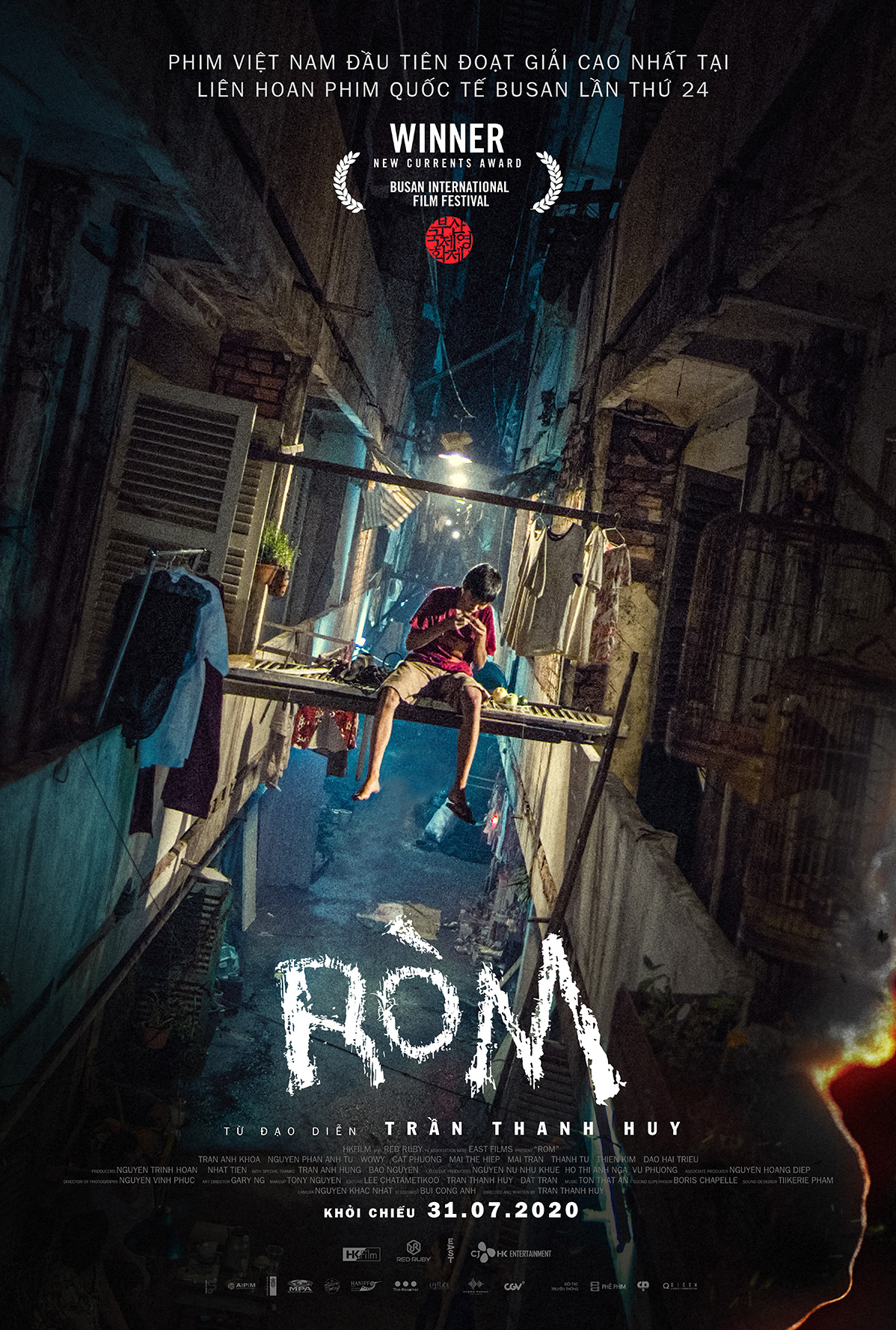
Rom (Ròm, Trần Thanh Huy, 2019)

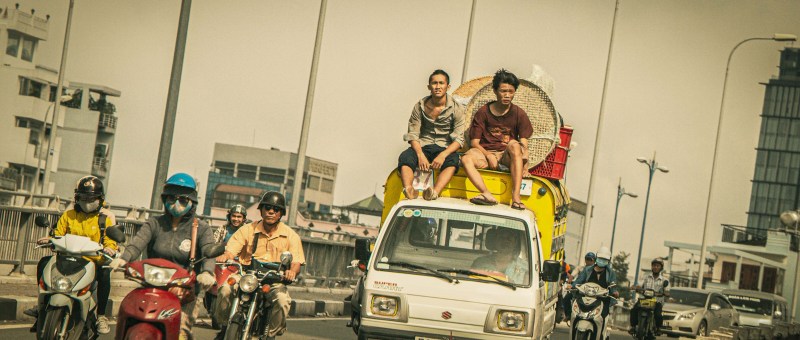
“Life is built out of a mountain of sorrow” according to an ironically cheerful drinking song in Trần Thanh Huy’s gritty coming-of-age drama Rom (Ròm). Set on the margins of an increasingly prosperous city, Trần’s debut feature which draws inspiration from his 2012 short 16.30 spins a dark tale of displaced children, the persistent unfairness of life, gangsters and games of chance, but ultimately finds little hope save the perfection of the art of survival as the variously troubled denizens of a Saigon slum quite literally bet their lives on a slim chance for a better life with only the false promise of a better tomorrow to make their lives worth living. 

At 14, Ròm (Trần Anh Khoa) has been living alone on the streets since he was four, left behind by his parents after the slum they were living in was demolished. Drawing childish family pictures, Ròm still waits opposite the place where he used to live for his parents to return, pledging to find them when gets enough money. He is grateful to the people of the slum who have “allowed” him to stay mostly because he once gave someone a tip for a winning lottery number. Numbers haunt him, always looking for signs as he is. Meanwhile, he makes his money as one of a small number of runners for the illegal underground lottery, ferrying orders between customers and middlemen brokers praised when numbers he recommends come up but beaten when they don’t as if it were really his fault. 

As Ròm tells us, the slum dwellers are obsessed with the lottery because it’s their one opportunity to change their lives. They bet everything, even writing out “loan agreements” to go along with the ticket request staking their whole apartments with sometimes tragic consequences, an old woman hanging herself after learning her numbers didn’t come up and she may have lost her home. The other residents, however, later pray to her spirit and petition it to give them some tips from the other side, aware of the risks but playing anyway because this fragile hope is all they have. Meanwhile, times are changing. The slum is to be cleared, but there appears to be an ongoing dispute with the developers as to proper compensation for their relocation with many irate that they’ve been cheated by men in sharp suits who think they’re too stupid to notice. 

Eventually the slum’s problems begin to converge, youthful thugs in league with the ruthless developers contributing to the destruction of the world in which they live. Ròm finds himself at the mercy of an athletic rival, Phuc (Nguyễn Phan Anh Tú), who considers himself lucky in that both his parents are already dead so at least unlike Ròm he has no need to wait around for a return to a different life and already has his own kind of freedom. Their desperation forces them against each other, running and cheating in order to survive but the cocky Phuc eventually finds himself falling victim to a suave older gangster who suckers him in a poker game and then forces him into a debt he can’t afford. Not much older than they are, the petty gangster is perhaps a sign of things to come, a symbol of possible corruption in the legacy of violence that traps both boys in a vicious cycle of hope and futility. 

They are all, in a sense, displaced. The slum will be cleared, but only because the land is valuable not because anyone is very interested in improving the lives of those living in extreme poverty. Ròm continues to yearn for his parents, prepared quite literally to burn the world in which he lives in order to find them while accidentally bonding with an unexpected maternal figure who takes him in while facing desperation of her own in caring for a son with a terminal illness only to offer him perhaps false hope in the possibility of reuniting with his family but only for a price. Life is indeed an insurmountable mountain of sorrow, every relationship a potential betrayal and every hope ripe for the shattering. Ròm caused some minor controversy on its release, fined for having submitted itself to the Busan Film Festival without having first cleared domestic censorship, eventually passed only after cutting a few scenes depicting “social evils” of which there are still a multitude. An unforgiving view of modern day Saigon, Ròm leaves its hero perpetually on the run, a lonely child without hope or direction fuelled only by self belief and rapidly running out of road. 


Rom streamed as part of this year’s New York Asian Film Festival.

Original trailer (English subtitles)
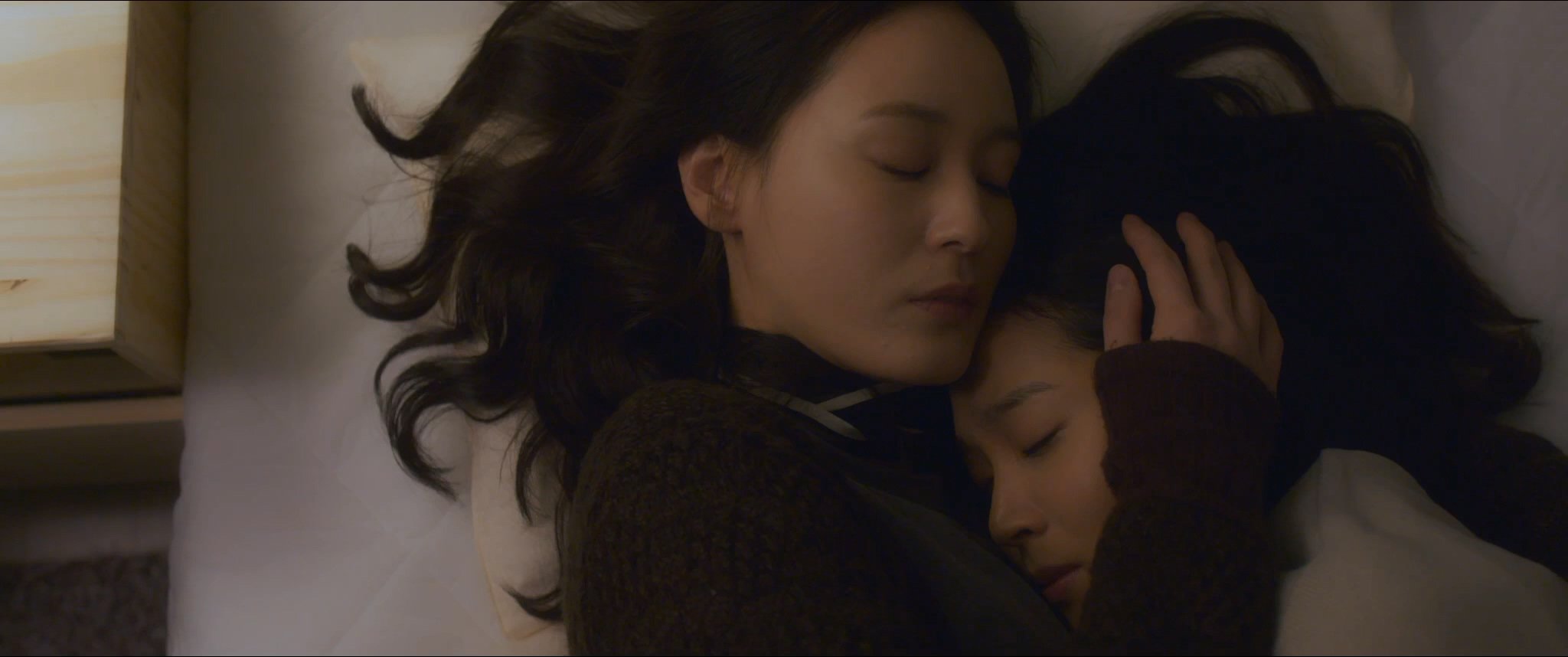
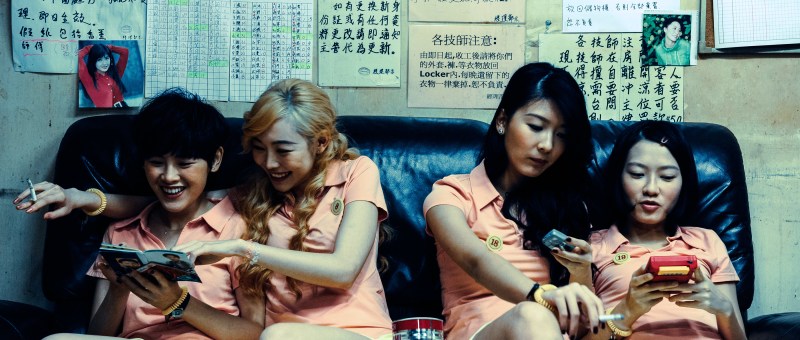
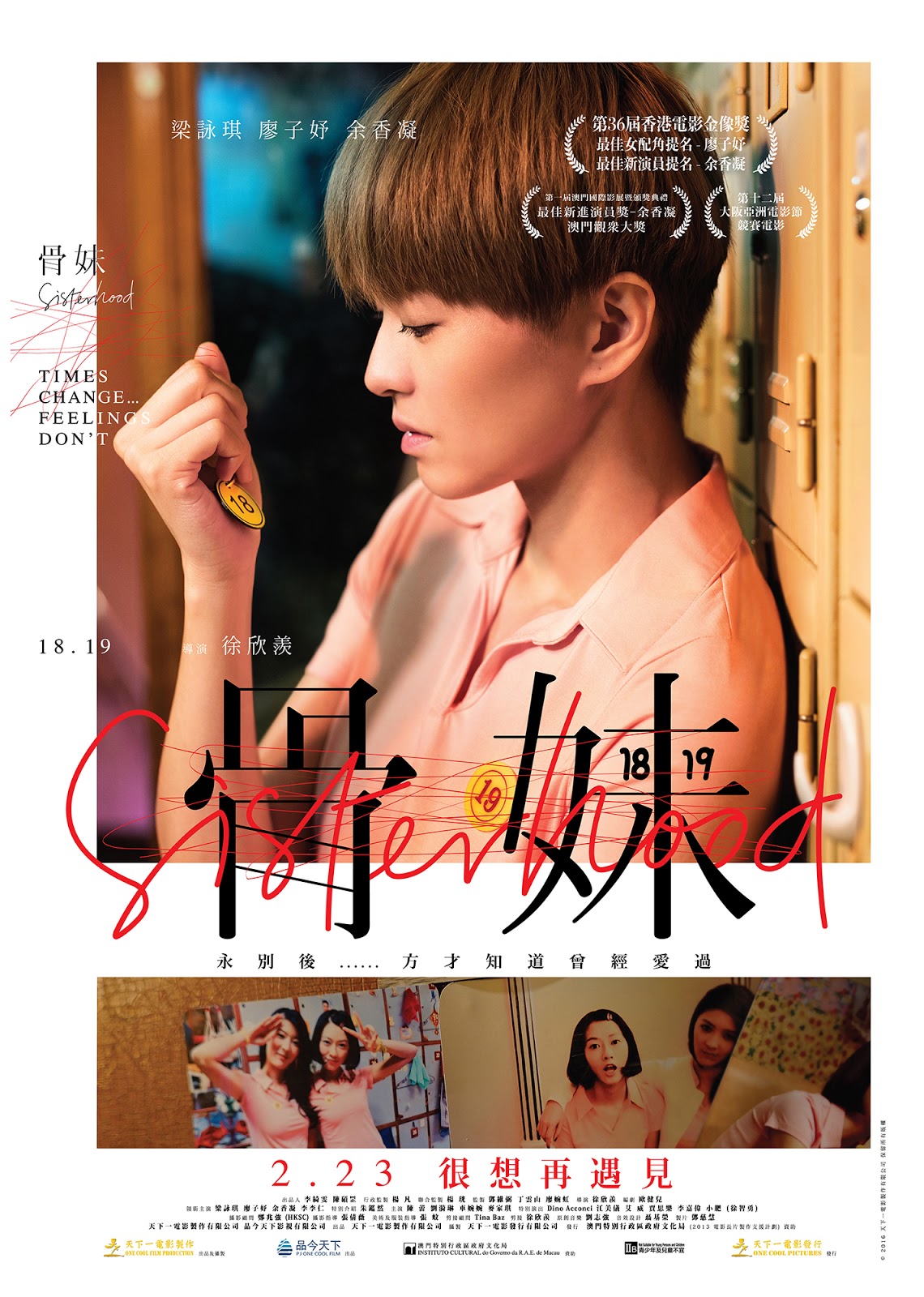
Sisterhood (骨妹, Tracy Choi, 2016)

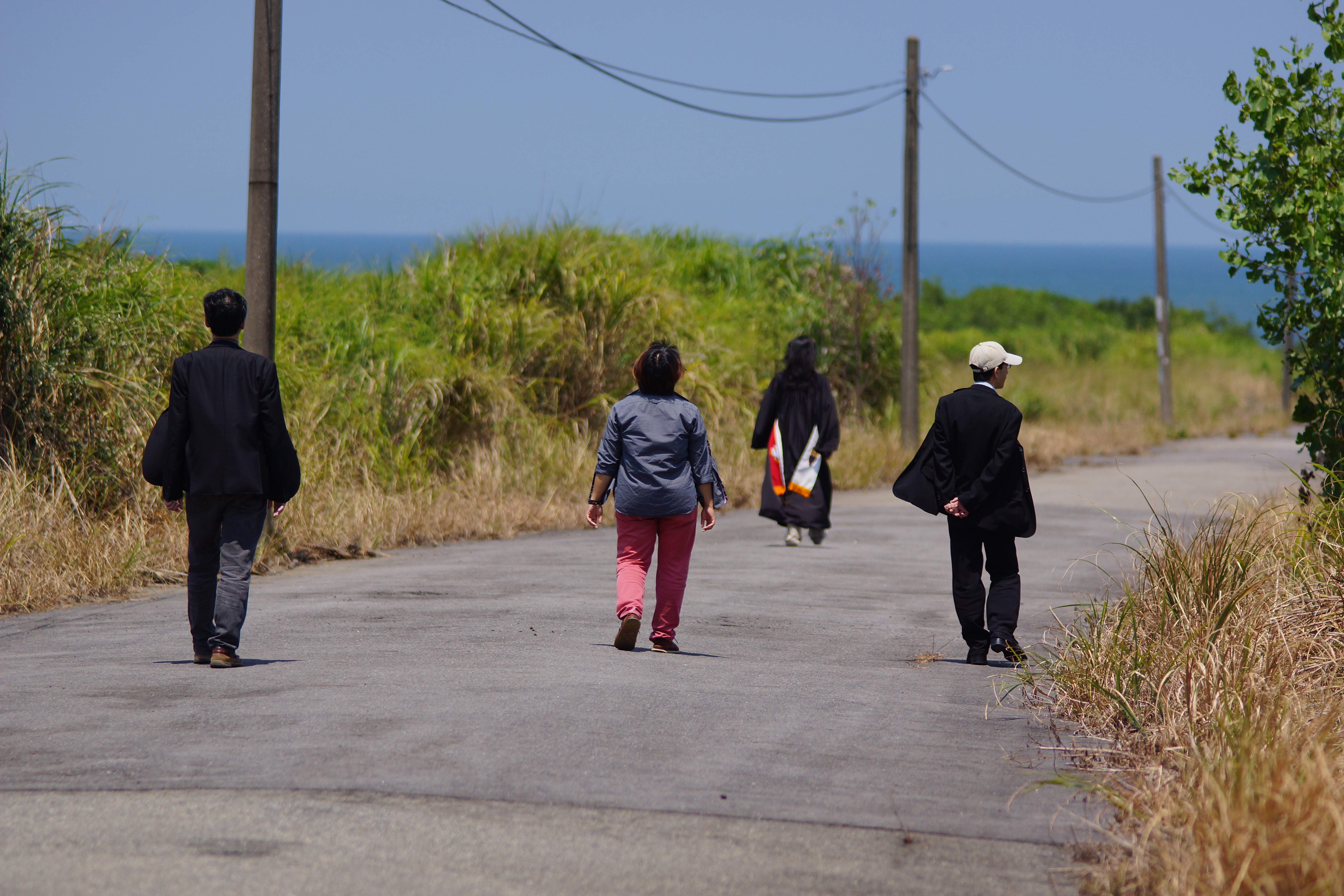
Middle-aged regret and irreconcilable loss bring one lonely woman home from exile in Tracy Choi’s melancholy exploration of impossible love and illusionary futures, Sisterhood (骨妹, Gwat Mui). Moving from present day Taiwan to pre-handover Macao, Choi’s emotionally complex drama is both a chronicle of changing times and not as the collection of women at its centre attempt to protect themselves from a relentlessly patriarchal society through female solidarity only to see their fragile bonds disrupted by a political sea change. 

Choi opens in the present day with a now almost middle-aged Sei (Gigi Leung Wing-kei) visiting a doctor’s surgery after fracturing her wrist, apparently the result of an all too common drunken accident. Now living in Taiwan and running a small inn with her devoted husband who is perhaps overly supportive in his willingness to enable her drinking on the grounds that it keeps her “happy”, Sei appears to be quietly miserable. Spotting an ad in a newspaper telling her that an old friend, Ling (Jennifer Yu Heung-ying), with whom she’d long since lost touch has passed away jolts her out of her inertia, journeying back into the past as she finds herself travelling to a very different Macao to that of her youth in which the young Sei (Fish Liew) worked as a masseuse and was part of a quartet of close friends trying to survive the indignities of life on the margins through shared sisterhood. 

Sei’s “breakup” with Ling occurs on the very day that Macao returns to China, her friends seemingly thereafter scattering as she finds herself agreeing to a rebound marriage with an earnest Taiwanese customer who abruptly proposed on their very first date. We hear Ling tell her that she has found a man willing to marry her, but that her son Lok is an obstacle and so she plans to send him to the Mainland, cruelly ignoring the part that Sei has been playing in their lives as a co-parent even if, as we discover, the relationship between the two women goes largely undefined. Having moved in with her after losing her apartment, it is Sei who is there to support Ling when she becomes unexpectedly pregnant by a casual boyfriend/customer, eventually convincing her to have the baby by assuring her they’ll raise it together, but despite their pledges to stay together always the spectre of heteronormativity hangs over them constantly. Mocked in the street by a couple of old busybodies, Ling reacts with extreme sensitivity to the word “lesbian”, quickly moving her hand away from Sei’s as they push their son together in his pushchair lest conclusions be drawn from their closeness. Sei, by contrast, pays it no mind though this could easily be because she knows it isn’t “true”, at least in any concrete sense. The two women are evidently not lovers, if perhaps in love, but so impossible does their relationship seem to them that they lack the ability to recognise it let alone envisage its future. 

It is perhaps this degree of internalised shame that leads Ling to push Sei away, believing either that she will be “happier” in a heterosexual relationship, that she is in some way preventing her from living a more socially conventional life, or just afraid of her own feelings in assuming they are not returned and that she does not in any case deserve romantic happiness. The irony being that Sei’s married life seems to have been one of miserable emptiness and regret, stubbornly attempting to make the conventional work without quite knowing what the cause of her pain really is. On her return to post-handover Macao, she’s confronted with the failed futures of all her friends, one now a young grandmother owning her own business but forced to work herself to the bone to provide for her family, and the other near destitute and alone, floundering in the casino paradise of the upscale modern city. Meeting the now grown Lok she confides that she’s happy for him because lost as he is he has choices they never had in their young lives in which they did anything they could just to survive. 

The female solidarity which had enabled the four women to navigate a world in which they were encouraged to believe that their only option was to gain access to male economic power has thoroughly broken down in the post-handover society, and so Sei’s return is also a healing in helping to repair the broken bonds between her friends and restore the “sisterhood” which had been ruptured by the passing of an era. She can no longer repair her relationship with Ling and is perhaps left with a sense of longing and regret for an irretrievable past, but in coming to an understanding of her youth, her own feelings and desires, she gains the self-knowledge denied to her during her 15 years of exile, finally in a sense returning “home”. 


Sisterhood is available to stream in the UK 23rd October to 5th November via Barbican on Demand as part of this year’s Queer East Film Festival.

Original trailer (English subtitles)
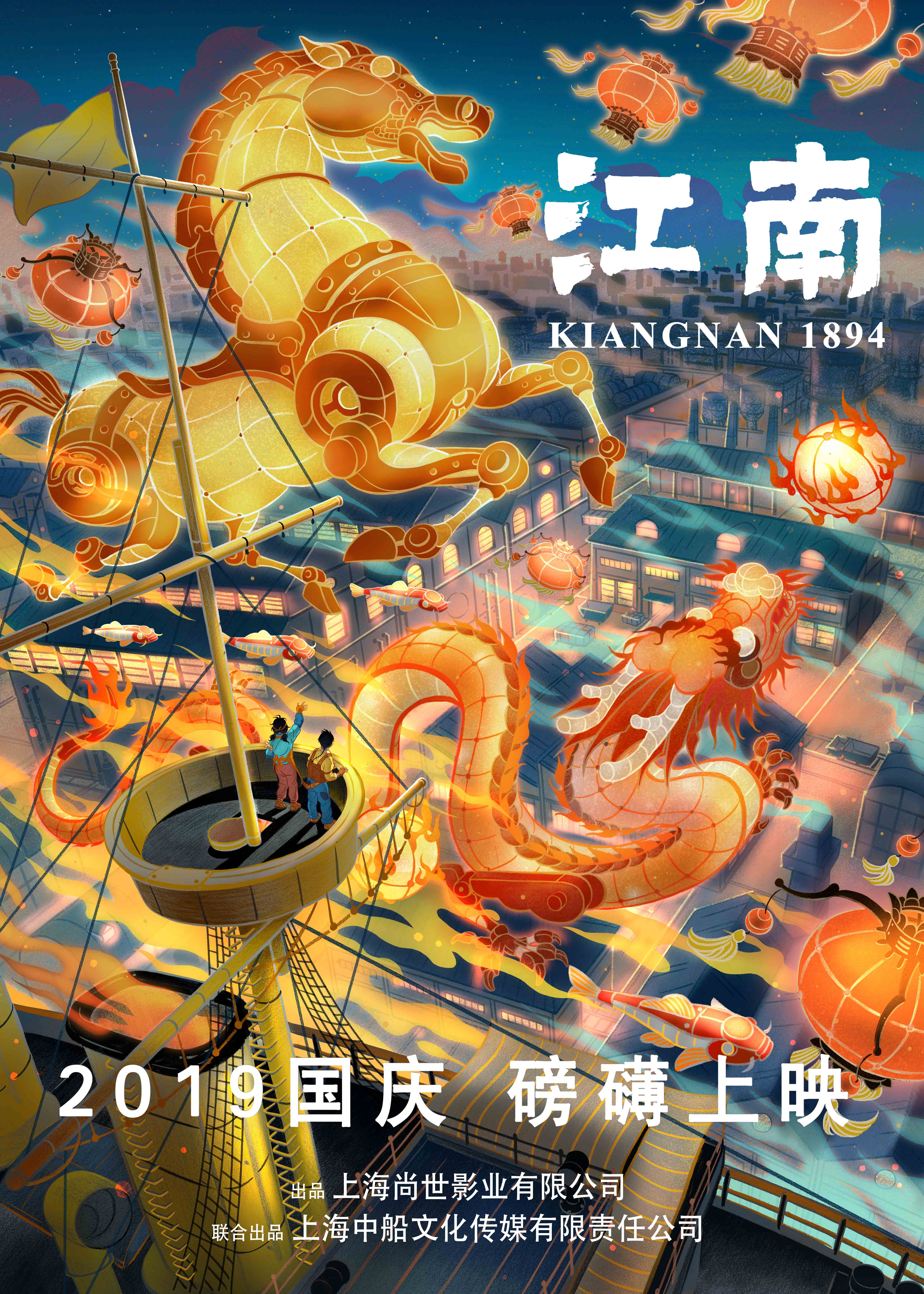
Kiangnan 1894 (江南, Wu Xiaogang, 2019)

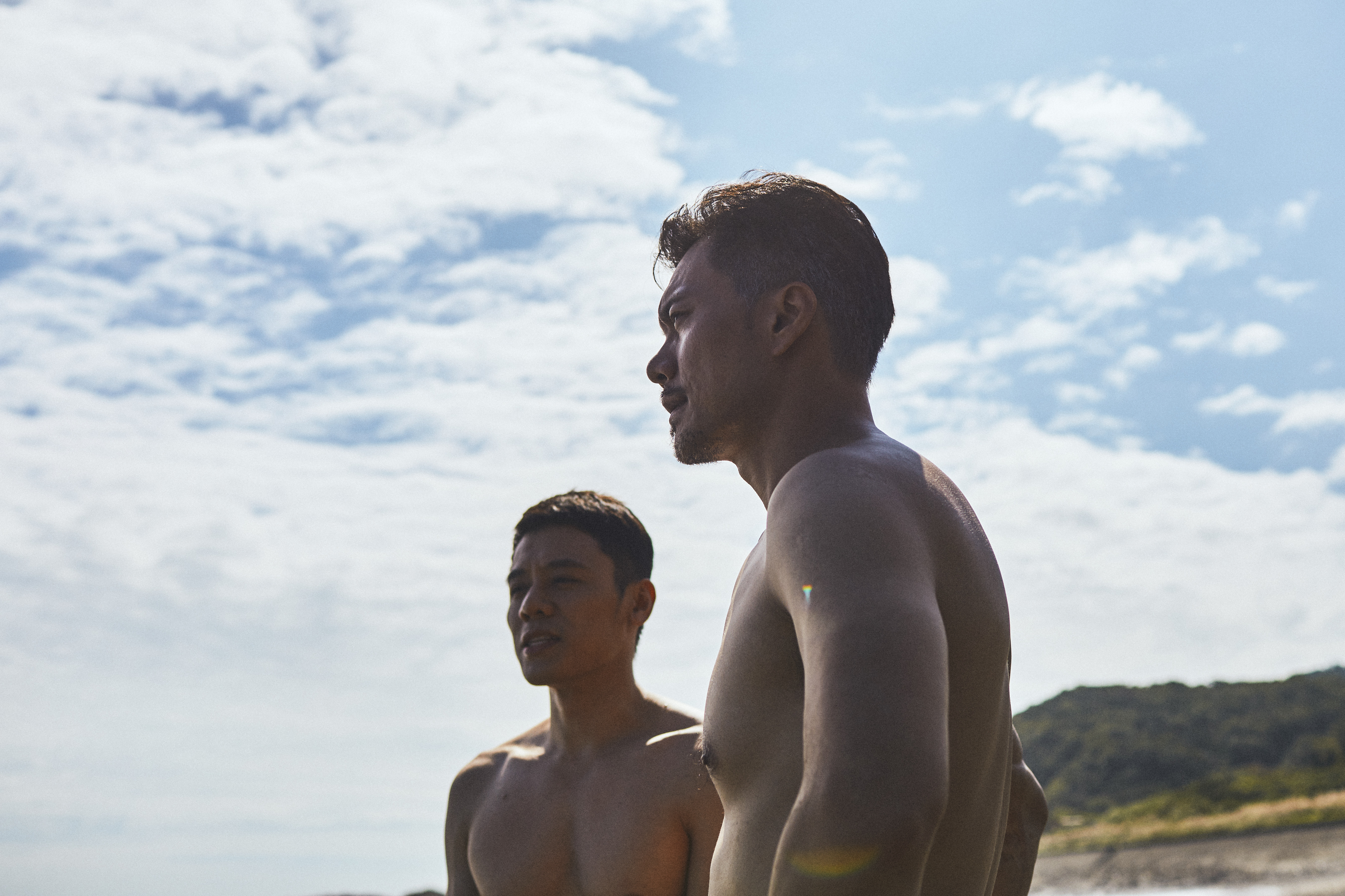
“Remain true to our original aspirations. In honour of China’s military industry” runs the dedication card at the end of the thrilling animated adventure Kiangnan 1984 (江南, Jiāngnán). Sponsored by Shanghai’s Jiangnan Shipyard (Group) Co Ltd, the modern successor of the Kiangnan Arsenal, the film is both an unabashed love letter to the city of Shanghai and a celebration of Chinese engineering that, albeit subtly, reinforces China’s status as a powerful, technologically advanced nation fully prepared to defend itself militarily if threatened. 

Set in the late 19th century at the close of Qing dynasty, the film opens in fantasy as mechanical engineering enthusiast Lang (Ma Yang) dreams himself a king in a steampunk land daringly flying a celestial aircraft above a platoon of walking houses. Of course, he soon wakes up in a less fantastical world but is fascinated by the iron warships in the harbour and gets himself into trouble sneaking into the Manufacturing Bureau to show his friends a cool steamboat he’s found in a warehouse. Challenged by a young girl, Yulan (Zhang Qi), whose dog he ends up accidentally kidnapping as he escapes, Lang knocks over a candle and burns the whole place down, earning himself massive debts for the warehouse’s repair. To help pay them off, Yulan suggests he join the Manufacturing Bureau as an apprentice but the master, Chen (Zhou Yemang), who turns out to be her father, is a hard taskmaster offending Lang’s pride in refusing to take him on as anything other than a lowly assistant. 

All of that is somewhat secondary to the main plot which begins two years later as a cohort of Japanese spies desperately attempt to prevent a set of blueprints for a gatling gun reaching the Manufacturing Bureau. The historical Kiangnan Arsenal was founded as part of the Self Strengthening Movement which aimed to bolster the nation’s defensive capabilities, producing both firearms and warships at the beginning of the first Sino-Japanese war. This Kiangnan is however slightly more fantastical in its steampunk futurism which sees the workers wearing biomechanical aids extending to metallic gloves on their hands. The “Flying Fish” which captured Lang’s imagination was a high tech steamboat unbeknownst to him piloted by Chen’s late son who fell in battle, bravely making use of his experimental technology to serve his country. “Ordinance is essential for the greatness of our nation” Chen avows when agreeing to attempt to build the gun even without the plans, “faced with a great war we should do our best in duty bound”. 

Yet Chen’s grief-stricken rejection of Lang despite realising his genius, along with his rather sexist sidelining of his talented daughter, perhaps undermines his statement in allowing his personal feelings to holdback progress. Lang, meanwhile, patiently hones his craft while continuing to hope that Chen will one day allow him to become a real mechanic as his true apprentice, eventually building on the legacy of the Flying Fish to craft his own high tech steamboat complete with gatling gun and sailing it into the heart of danger carrying fresh supplies. A dreamer, Lang’s vision of a more technologically advanced future is fulfilled in a coda taking place 60 years later in which Communist China launches its first submarine at the Jiangnan Shipyard, the scene then shifting to an image of the modern Shanghai with its distinctive towers and high-rise cityscape. 

Patriotic concerns aside, the film also provides several opportunities for Lang to show off his equally proficient skills in martial arts, sparring with Yulan, fighting off gangsters, and efficiently dispatching the Japanese spies one of whom actually dies by his hand in quite a calculated manner which though not violent or gory is perhaps out of keeping with the family friendly flavour even as it once again demonstrates his cool-headedness, ingenuity, and heroism, while the persistent militarism has an uncomfortable quality given that the target audience is younger children. Nevertheless, such concerns are likely to fly over their heads thanks to the frequently exciting fight scenes and derring-do as Lang and Yulan take on spies and conspirators while working hard to achieve their dreams, “stubbornly” as the closing suggests refusing to give up on their future. Featuring bold steampunk design and painterly backgrounds showcasing major Shanghai landmarks, Kiangnan 1894 is an action-packed historical drama which aside from a slightly unpalatable militaristic fervour is also an impassioned defence of the right to dream as a path towards technological innovation.


Kiangnan 1894 screens at Vue cinemas across the UK from 23rd October courtesy of The Media Pioneers.

UK release trailer (Mandarin with English subtitles)

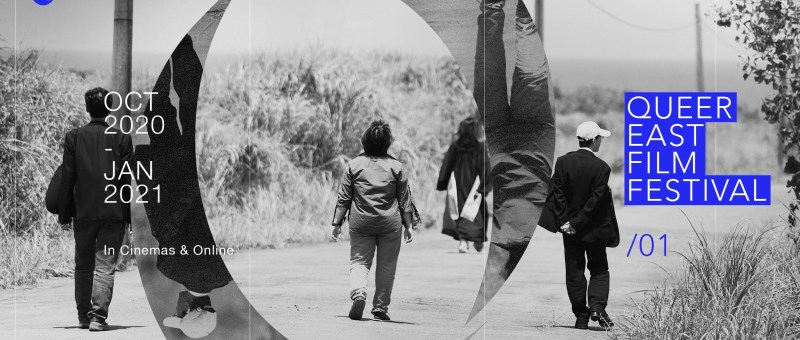
Queer East Announces Lineup for Hybrid 2020 Edition

Queer East returns for 2020 with a revised hybrid edition online and in cinemas from late October into early 2021! In addition to the previously announced programme much of which remains, the festival will also be teaming up with Taiwan Film Festival Edinburgh for UK premieres of two recent Taiwanese LGBTQ+ movies, as well as Iris Prize Festival, and Barbican On Demand, while there will also be a selection of cinema screenings across the UK.

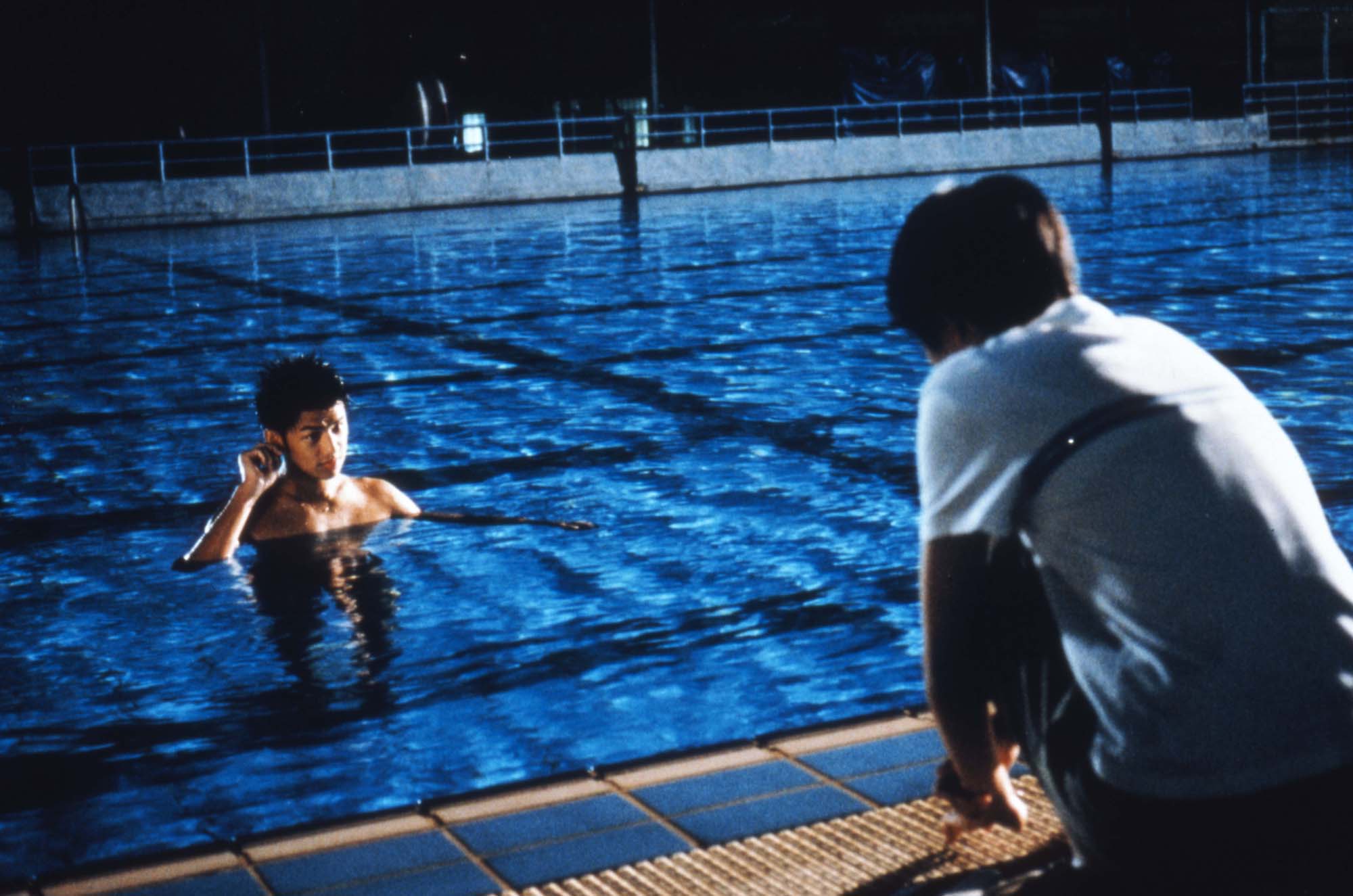
Blue Gate Crossing (35mm)

22 October | Genesis Cinema

Taiwanese classic from Yee Chih-yen starring Gwei Lun-mei and Chen Bo-lin as high school students pursuing conflicting romantic destinies.

Alifu, the Prince/ss

25 October | Genesis Cinema

Empathetic drama in which a transgender woman from an indigenous community finds herself caught between conflicting cultural mores. Review.

Between the Seasons (UK Premiere)

9 – 31 October 2020| Iris Prize LGBT+ Film Festival | Online

Hae-soo moves to a new city and opens a cafe where high schooler Ye-jin becomes a regular and eventually starts working. The two women draw closer but each have closely guarded secrets. Review.

The Teacher (UK Premiere)

10 – 31 October 2020| Iris Prize LGBT+ Film Festival | Online

A teacher’s personal and professional lives are destabilised by his support for equal marriage and relationship with a closeted, HIV+ older man. Review.

Sisterhood (UK Premiere)

23 October – 5 November 2020 | Barbican Cinema on Demand | Online

A woman returns to Macau after 15 years in Taiwan and begins reconsidering her relationship with her best friend, realising the emotions she felt for her may have been romantic in Tracy Choi’s subtly political melodrama.

Song Lang

23 October – 5 November 2020 | Barbican Cinema on Demand | Online

Beautifully tragic romance set in ’80s Saigon in which a conflicted street punk falls in love with a Cai Luong opera singer. Review.

Turning 18 

Tuesday 3 November 2020 | Riverside Studios

Thursday 26 November 2020 | HOME Manchester

Documentary following the lives of two indigenous Taiwanese girls who meet on a vocational training programme and each experience difficult family circumstances.

Funeral Parade of Roses

6 November | Catford Mews

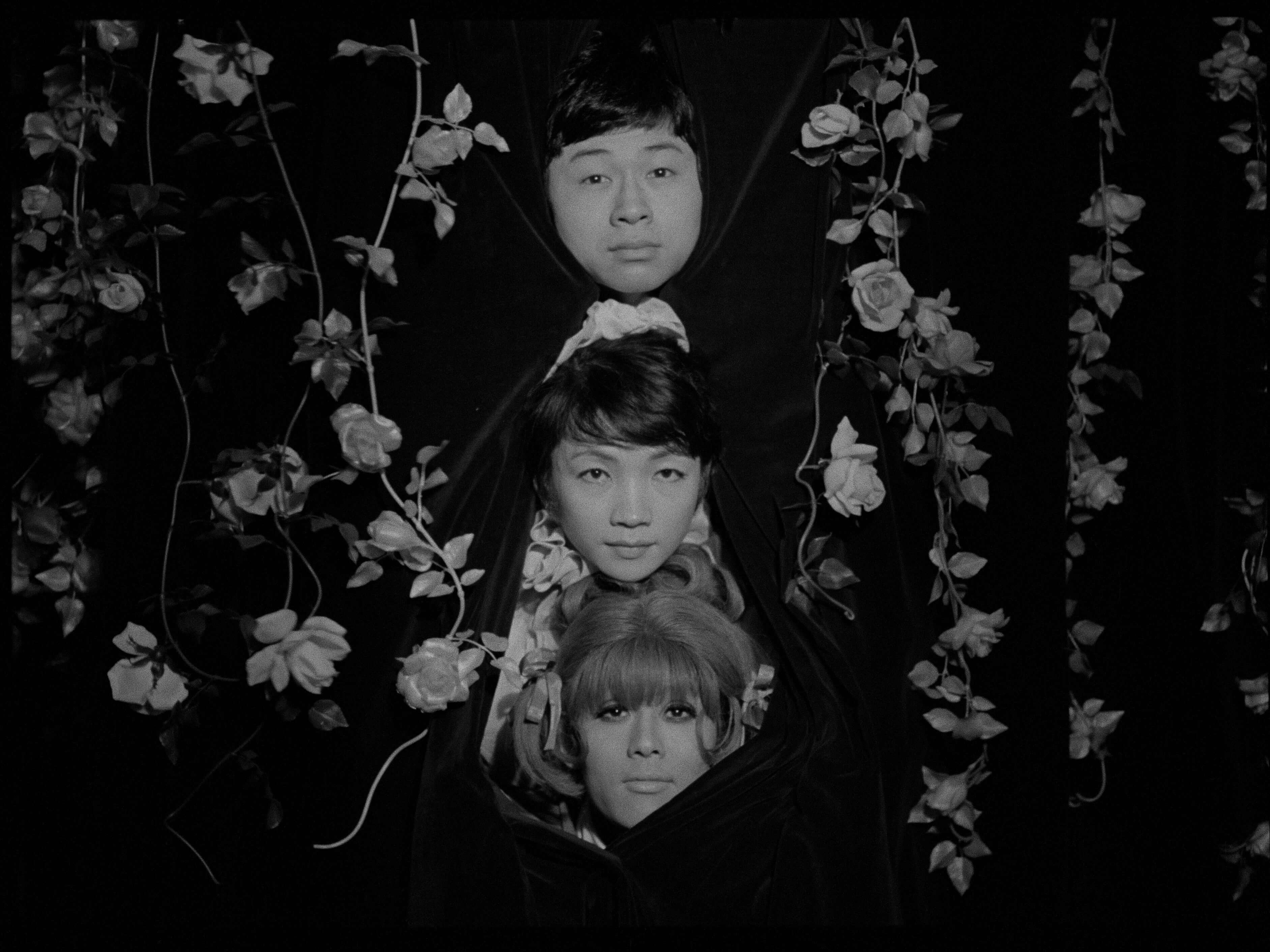
Toshio Matsumoto repurposes Oedipus Rex to explore the impossibilities of true authenticity in an anarchic voyage through late ’60s counterculture Shinjuku. Review.

Looking For? (UK Premiere)

7 November | Catford Mews

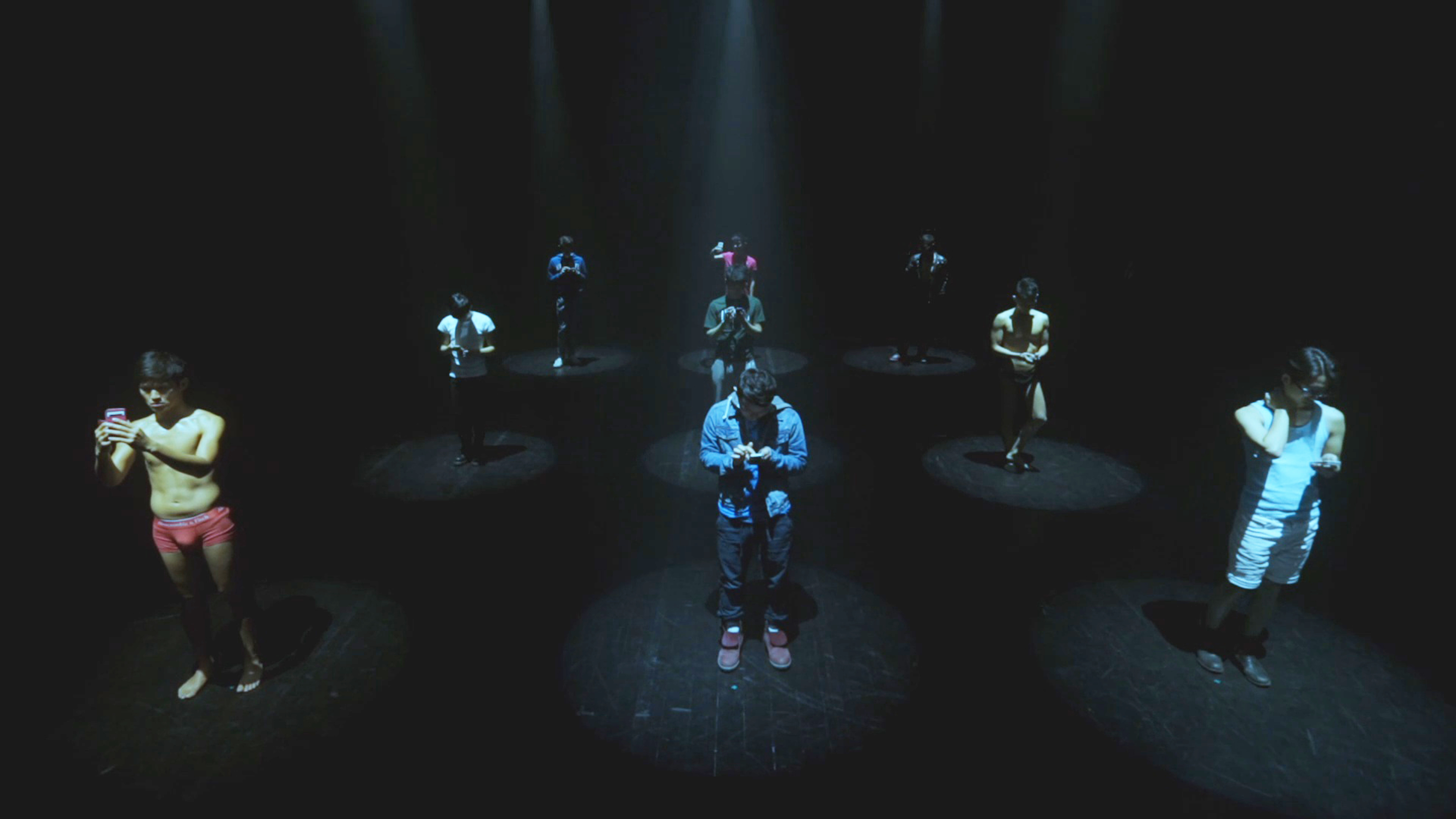
Documentary exploring questions of intimacy in contemporary gay life interviewing men from Taipei, Beijing, New York and London to find out what it is they’re looking for.

Tracey

8 November | Riverside Studios

50-something Tai-hung is a married father of two grown-up children living a conventional life in contemporary Hong Kong, but a phone call informing him that a childhood friend has passed away forces him into a reconsideration of his life choices and a long delayed acceptance of a transgender identity in Li Jun’s moving drama. Review.

Memories of My Body (UK Premiere)

23 November 2020 | HOME Manchester

19 January 2021| Barbican Centre

A Lengger dancer looks back on his life as a tale of growing acceptance of sensuality lived against a turbulent political backdrop. Review

A Dog Barking at the Moon

November 2020 (TBC) | Curzon Goldsmiths

An expectant mother is forced to confront the idea of family while staying with her emotionally estranged parents in Xiang Zi’s melancholy indie drama. Review.

The Shepherds (UK Premiere)

30th October to 5th November | Taiwan Film Festival Edinburgh | Online

Documentary focussing on a series of pastors advocating for the rights of LGBTQ+ Christians in Taiwan often at great personal cost.

Nobody (UK Premiere)

30th October to 5th November | Taiwan Film Festival Edinburgh | Online

A lonely teenage girl processing the bourgeois hypocrisies of her upper-class family bonds with a mysterious old man with secrets of his own in Lin Chun-hua’s moving drama. Review.

Queer Japan

November 2020 (TBC)

Graham Kolbeins’ documentary exploring LGBTQ+ life in contemporary Japan including contributions from mangaka Gengoroh Tagame (My Brother’s Husband), drag queen Vivienne Sato, and Aya Kamikawa who recounts her path to becoming the first transgender elected official in Japan.

Girlfriend Boyfriend

November 2020 (TBC)

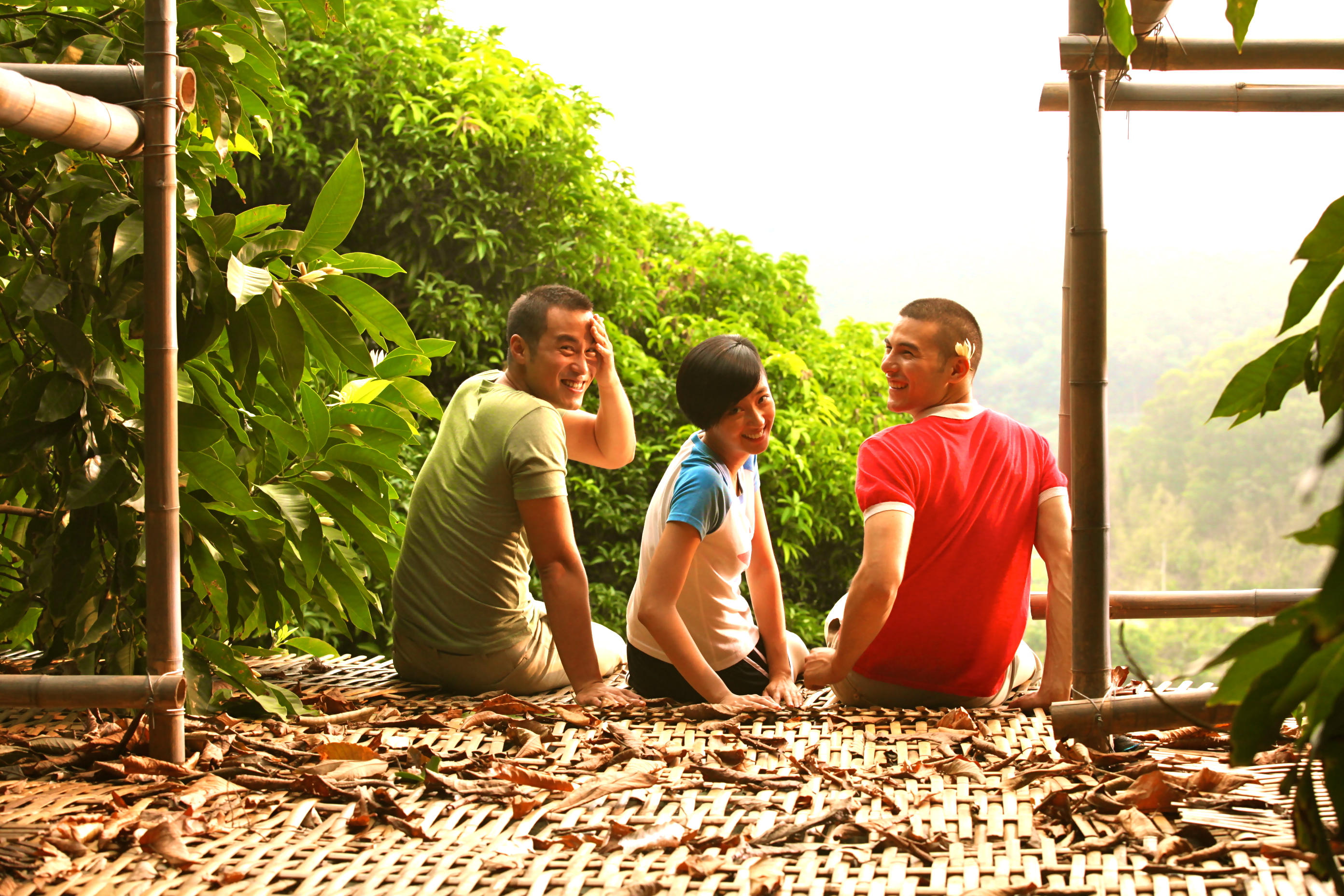
Yang Ya-che’s modern classic in which the friendship between three young people fighting for democracy at the tail end of the Martial Law era is tested by their conflicting feelings for each other.

Spider Lilies

November 2020 (TBC)

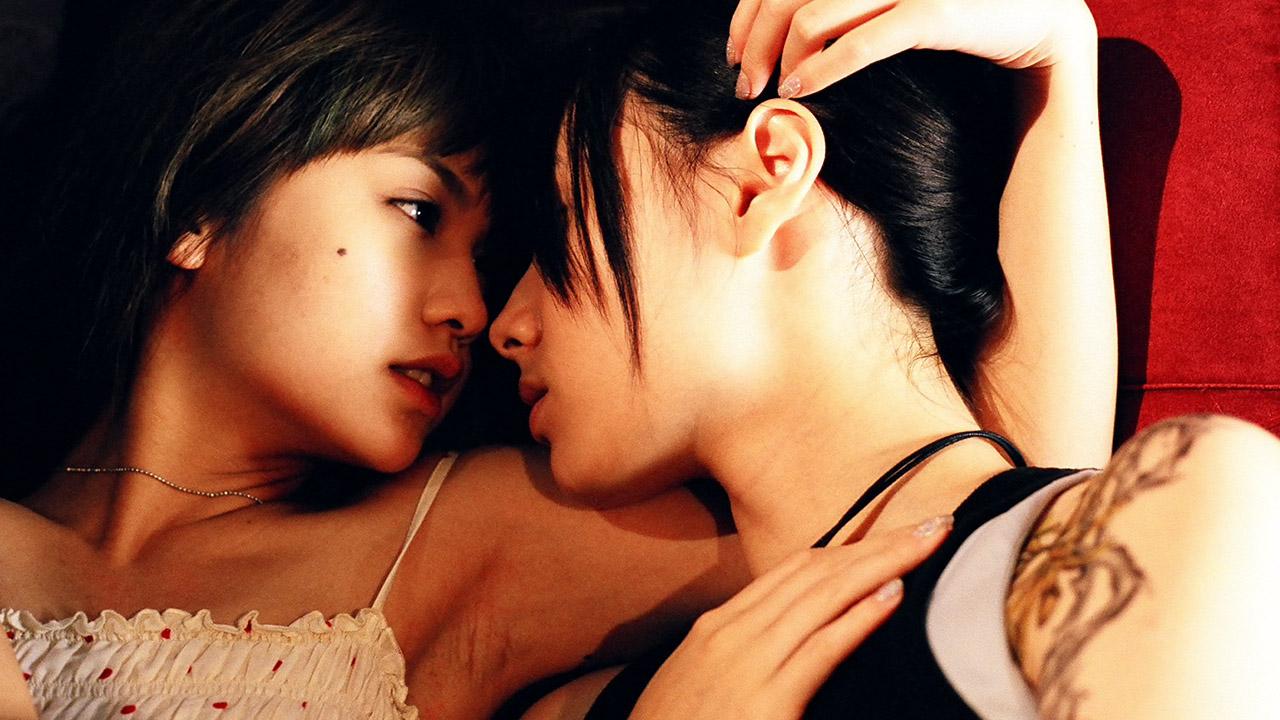
Zero Chou’s lesbian classic in which a web-cam girl visits a tattooist’s studio and becomes obsessed with the spider lily tattoo on her arm. Hoping to get to know her better, she asks her to give her the same tattoo but the experience reawakens memories which threaten to force the two women apart.

The Wedding Banquet

November 2020 (TBC)

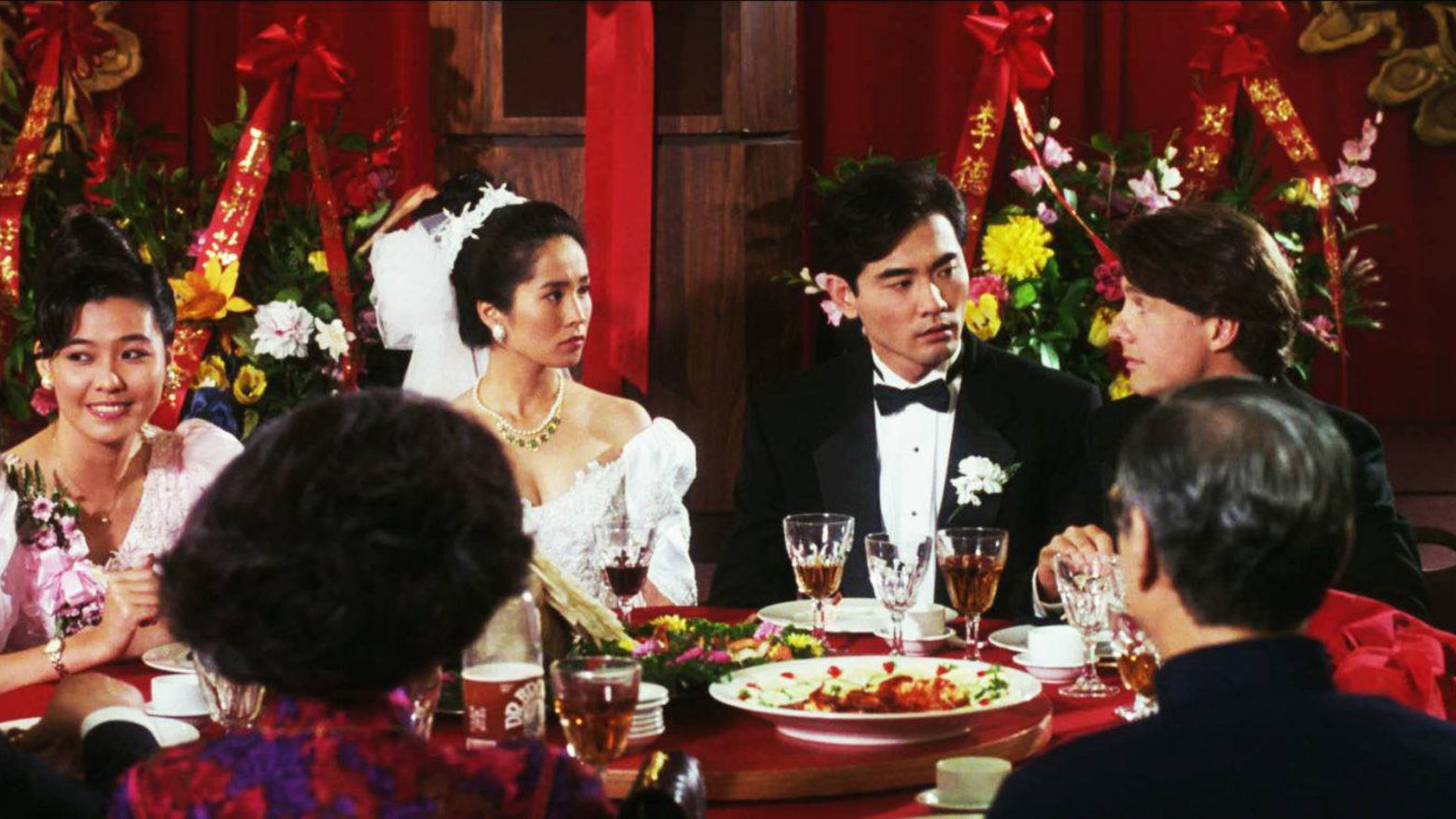
Ang Lee’s 1993 Asian-American classic in which a gay Taiwanese New Yorker agrees to participate in a green card marriage to a Chinese artist to get his nagging parents off his back.

Lilting

Early 2021 (TBC)

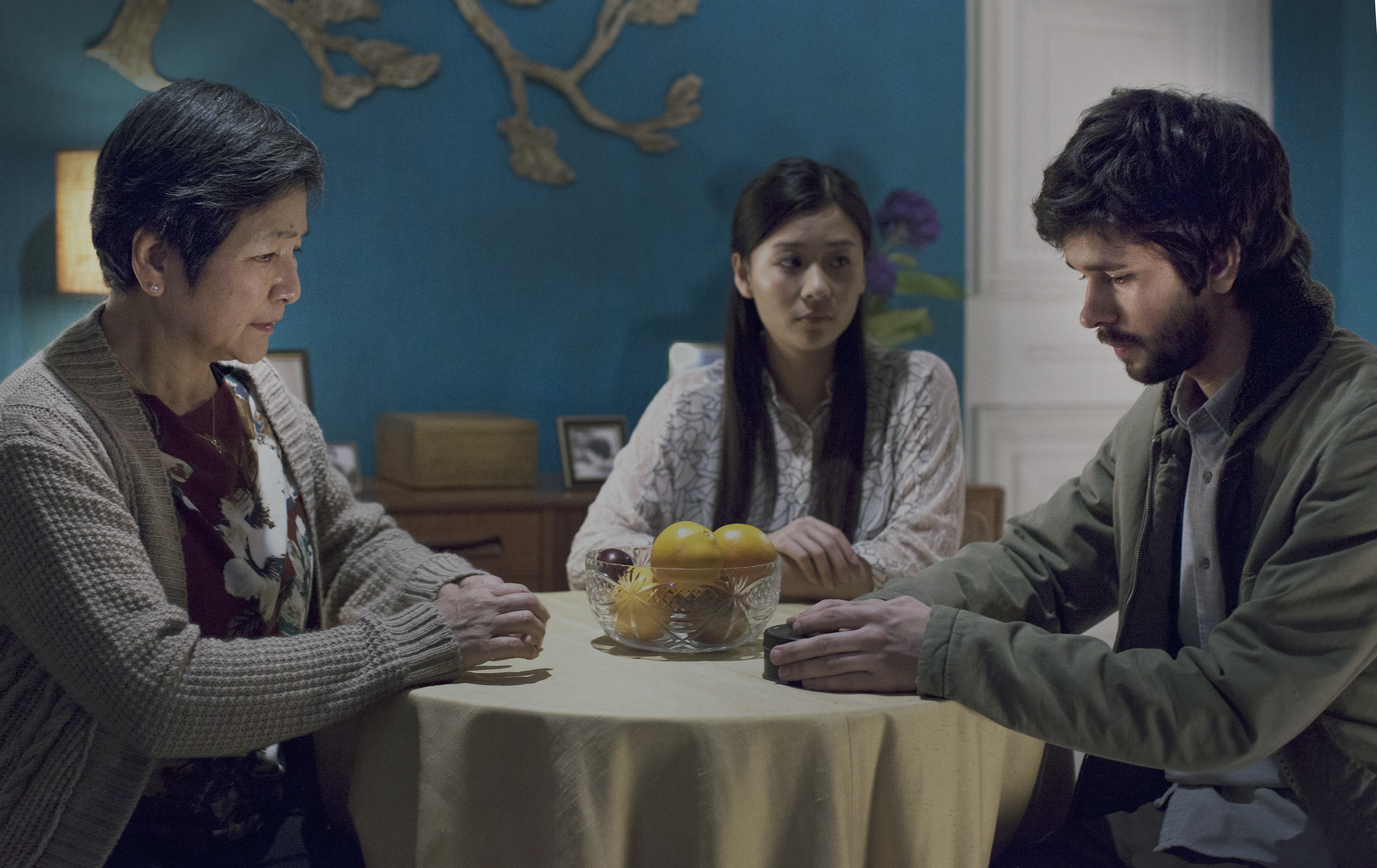
A man tries to connect with the mother of his late partner who speaks only Cambodian-Chinese and remained unaware of her son’s sexuality in Hong Khaou’s deeply moving debut feature.

Malila: The Farewell Flower

Early 2021 (TBC)

Reeling from tragic loss, a young man reunites with the love of his youth only to discover he has terminal lung cancer and has chosen to forgo all treatment in Anucha Boonyawatana’s melancholy meditation on love, life, and transience. Review.

Queer East 2020 runs online and in cinemas October 2020 to January 2021. Full details for all the films as well as ticketing links can be found on the official website, while you can also keep up with all the latest news by following Queer East on FacebookTwitterInstagram, and YouTube.

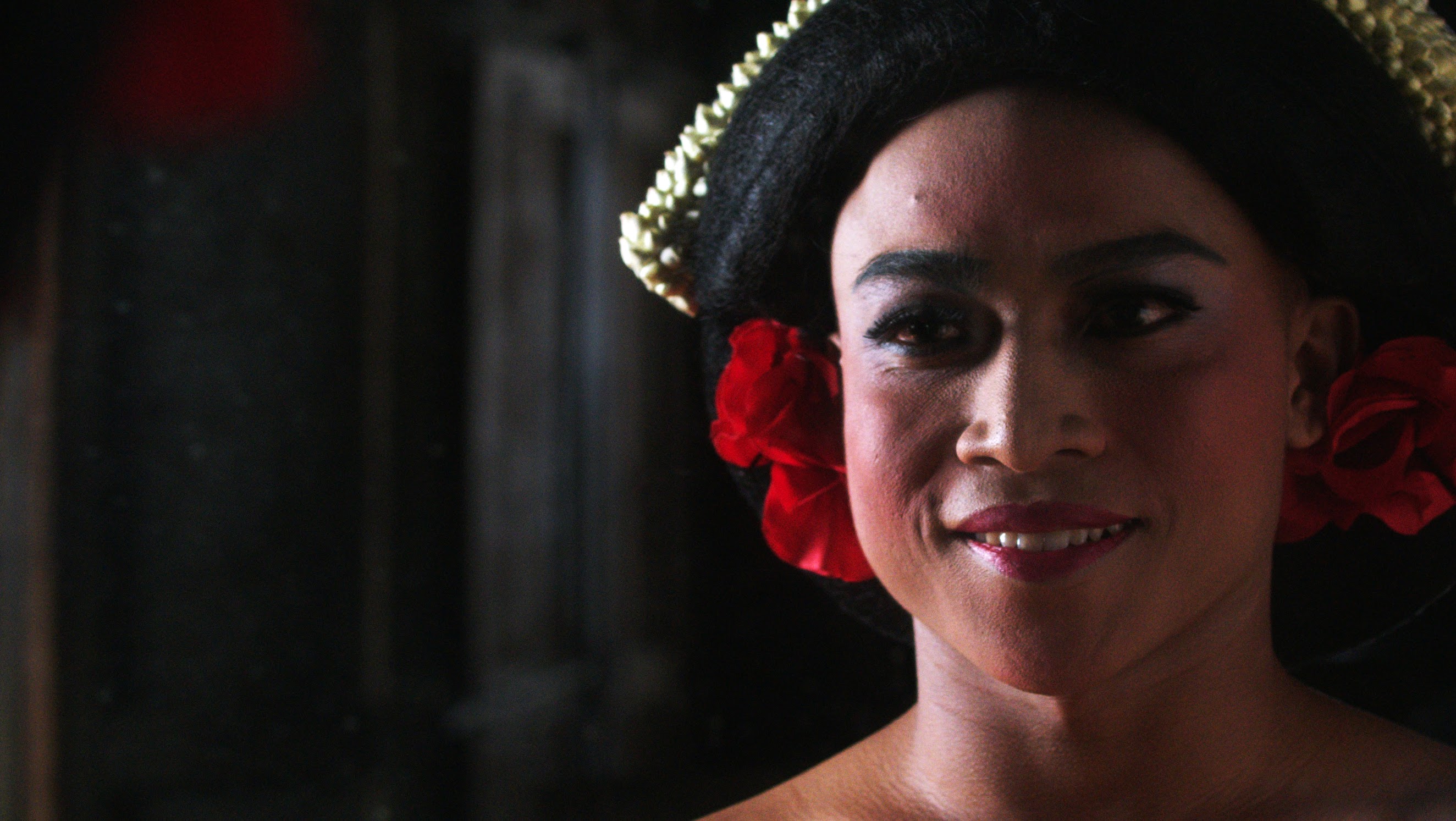
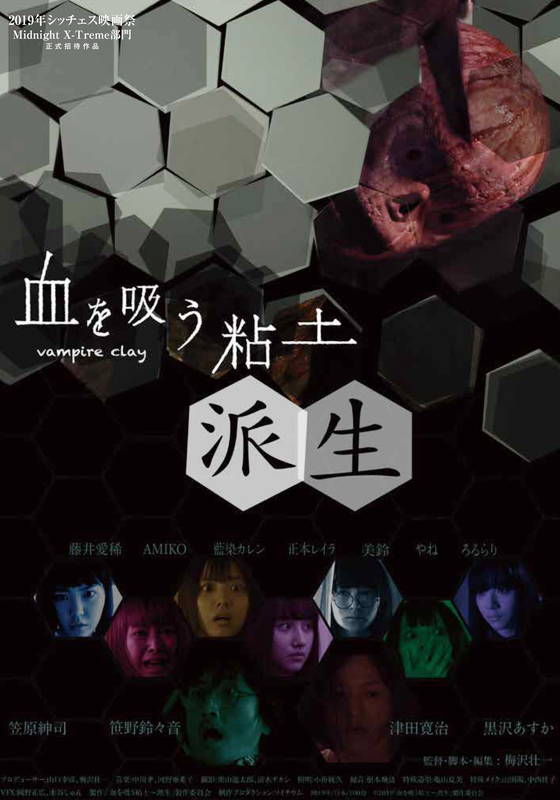
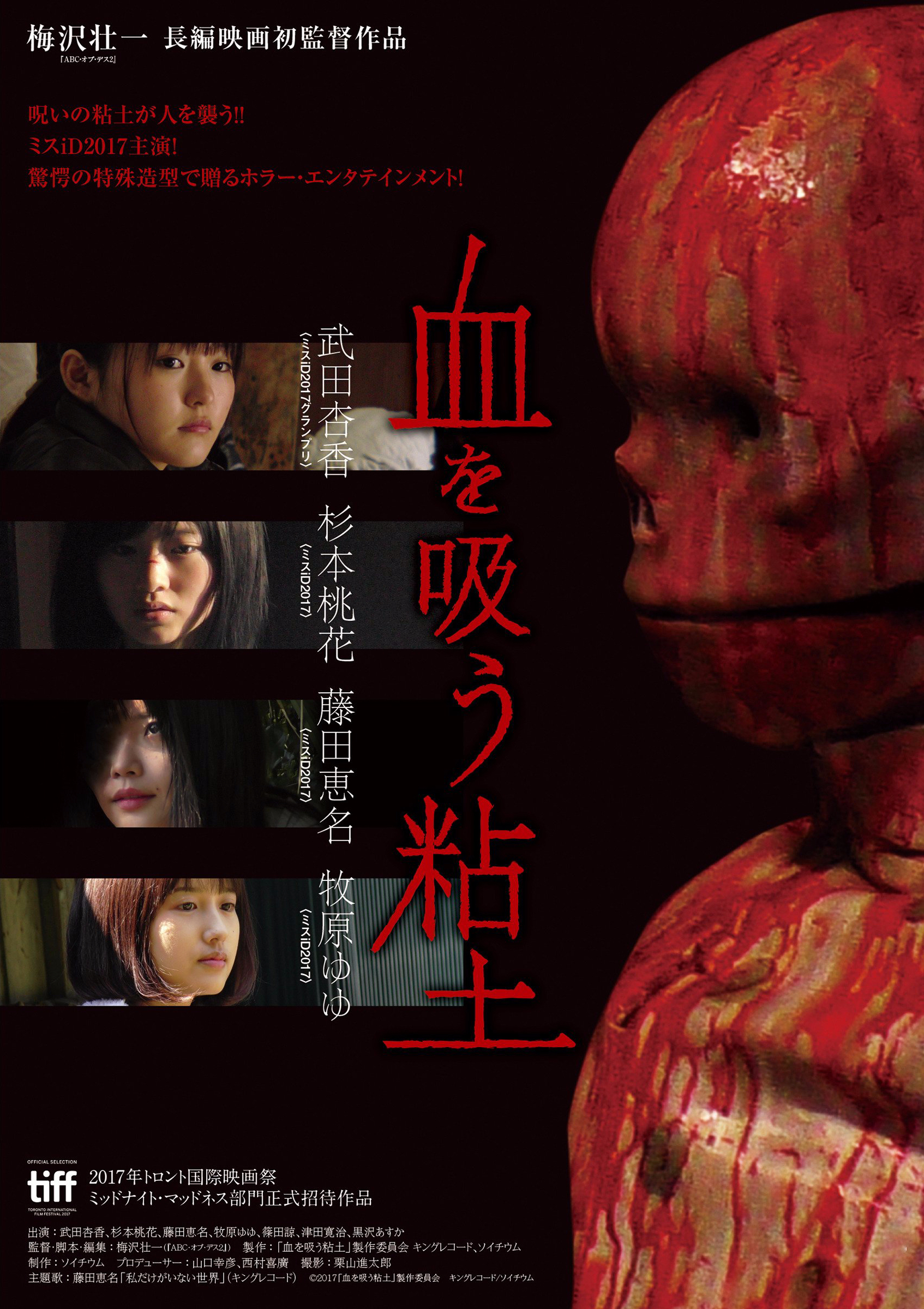
Kakame – Vampire Clay Derivation (血を吸う粘土~派生, Soichi Umezawa, 2019)

Kakame returns! Having been encased in concrete at the end of the previous film, it was perhaps inevitable that he would eventually break free to feed on the frustrated dreams of insecure artists everywhere. Kakame – Vampire Clay Derivation (血を吸う粘土~派生, Chi wo Su Nendo: Hasei) picks up shortly after the first film left off, but this time around the insecurities are less artistic than they are familial and social as those affected by the curse of Kakame find themselves wrestling with a sense of responsibility they must face alone to ensure that his bloody vengeance is contained lest he wreak more havoc on the wider world. 

After a short flashback, Aina (Asuka Kurosawa) sends the surviving student home and insists on going to the police alone but is involved in a car accident. Meanwhile, we’re introduced to the new heroine, Karin (Itsuki Fujii), the daughter of Fushimi (Kanji Tsuda) who fell victim to Kakame at the end of the previous film. His body has now been found in the art school and so the police contact Karin, who is his only living relative seeing as Karin’s mother committed suicide shortly after the marriage broke down, to identity him despite the fact they had been estranged for the last 12 years. The problem is that Karin didn’t want anything to do with her dad and so she is a bit lax dealing with his bones which still contain traces of Kakame. Meanwhile, as an aspiring artist herself, she enrols in a dodgy art project run by sleazy artist Kida (Shinji Kasahara) who makes a point of recruiting six young women in their 20s because he apparently wants to know what the women of Japan today are thinking, instructing them to unbalance the unbalanceable by disrupting the harmony of the hexagonal form. 

The strange apianism of the hexagonal theme is never developed further save a rerun of the events from the first film with the minor difference that is already “unbalanced” in the additional presence of Kida’s troubled assistant and the fact that he is the only male. Nevertheless, difficulties quickly arise among the girls and not least between Karin and her adoptive sister, also an artist though insecure in her abilities. Once again these tiny cracks between people are enough to let the murderous clay in, targeting first the melancholy assistant demeaned by her dismissive boss who refuses to let her participate in the project because the other girls are all students where as she is an aspiring ceramicist. Meanwhile, another suspect is provided in a young woman strangely fascinated with the bones of dead animals while Karin realises she is still in possession of one of her father’s lost in a tussle with her sister. It’s bone then, rather than blood, which condemns her but still she finds herself paying for her father’s sin in receiving a visit from Kakame as he makes swift work of the innocent artists. 

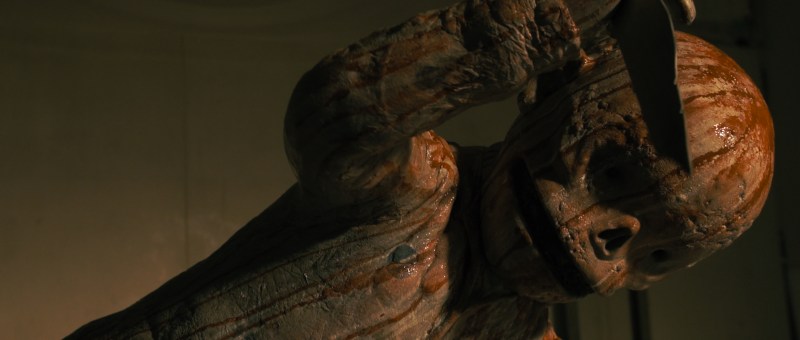
The sculptor’s curse refuses to die, the other Kakame apparently fusing with a worm and creating ructions underground which threaten to destabilise the world at large. As Aina had in the first film, venal artist Kida ponders using the clay for his own ends, ironically desiring to turn it into art, perhaps making good on the sculptor’s unfulfilled desires but also exposing his own less worthy goals of becoming rich and famous which is perhaps one reason why he’s busily exploiting six pretty young women rather than getting on with his work. Aina eventually reconsidered, but then finds herself facing a similar dilemma, targeted by the police who obviously don’t buy her story about demonically possessed clay turning murderous, while wondering if it might not be better to just dump the remaining powder in the river and be done with it. Maintaining his focus on practical effects, Umezawa shifts focus slightly heading into a different register of body horror as the strange clay worms work their way into the bones of our heroes before Kakame makes himself whole, but otherwise pulls back from large scale effects often switching to blackout and soundscape as in the opening car crash. Nevertheless, what we’re left with is a tale of shared responsibility as two women of different generations refuse to let the other carry the burden alone though neither of them is in any way responsible for the curse of Kakame save for the darker emotions which helped to birth him of which we all are guilty. 


Kakame – Vampire Clay Derivation screened as part of Camera Japan 2020.

Original trailer (no subtitles)

Vampire Clay (血を吸う粘土, Soichi Umezawa, 2017)

The artist consumed by their art is a potent motif, creation and destruction two sides of the same coin, but there’s rarely been a painter attacked by the canvas quite as literally as the sculptors of Vampire Clay (血を吸う粘土, Chi wo Su Nendo) are depleted by their material. The first feature from practical effects specialist Soichi Umezawa is refreshingly unpretentious, unabashed schlock designed to showcase Umezawa’s obvious skill in stop motion and prosthetics but it does perhaps have a point to make in the legacy of embittered artistry and frustrated dreams of those whose art is never recognised. 

Middle-aged sculptress Aina (Asuka Kurosawa) flees the duplicitous Tokyo art scene after being betrayed in love by her no good husband who also runs a studio specialising in training students to gain admission into one of Japan’s many exclusive art schools. In fact, Umezawa somewhat strangely opens with a title card revealing the comparatively small percentage of pupils each school accepts in contrast to the large number of applications, neatly setting up the desperation and sense of inadequacy that plagues most of our heroes, Aina included. Retreating to the country she sets up shop in a small shed which is later ravaged by an earthquake, leading to her discovery of a buried tin filled with mysterious clay and other artistic accoutrements left behind, she assumes, by the previous occupant. The trouble starts when errant student Kaori (Kyoka Takeda), who had been studying at a workshop in Tokyo, returns earlier than expected much to the chagrin of rival Reina (Ena Fujita) and discovers a new pupil has borrowed her clay. Predictably, she decides to use some from the mysterious bag, reviving the evil with water and discovering that somehow this magic substance seems to have upped her game. 

Umezama continues to flag the urban rural divide, the students beginning turn against Aina believing that it’s her time in Tokyo which has given Kaori a leg up, something that further wounds Aina in her sense of professional pride as she channels her rage and frustration into moulding her pupils into top candidates as a means of besting her ex. The sculptors knead their frustrated desires into the clay, it feeds on their misery and disappointment. This particular clay, however, is more cursed than most in that it is apparently infected by some kind of toxic disease which plagued the previous owner, symptomatic of the degree to which his art, or more pointedly the refusal of others to recognise it, destroys him. 

Aside from that there are a host of interpersonal problems between the students and their teacher. As the only male sculptor points out, they are both classmates and enemies as they are forced to compete against each other for the prize of recognition in the form of admission to an art school. Meanwhile, he is also the subject of a love triangle, refusing a homemade bento from an admirer in favour of one from another, this essential act of emotional betrayal later providing an in route for the murderous clay. 

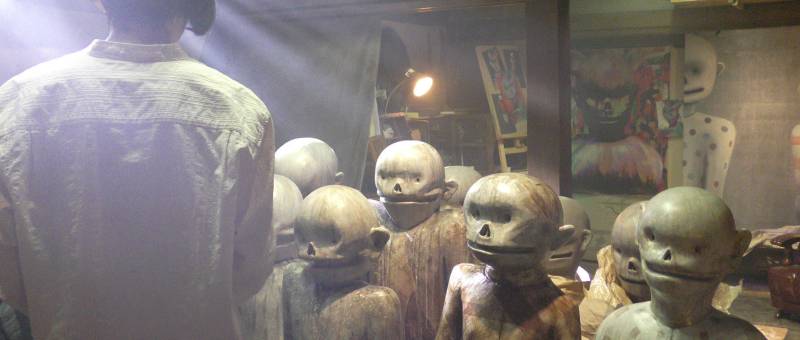
Nevertheless, Umezawa is not so interested in the implications of the interpersonal drama as its potential for bloody action. The clay works its way into the bones of the sculptor, consuming and possessing them in a series of pleasingly retro, Cronenbergian practical effects. “I don’t want to lose my individuality to convention” Reina had snapped back in insisting that this small rural school suits her fine despite having just been given a dressing down for the “conventionality” of her final assignment. The clay, perhaps, attempts to rob them of their individuality, turning them into a mindless plastic mass fuelled only by negative emotions, thirsty for blood and hellbent on destruction. Somewhat incomprehensibly, a failed sculptor turned restaurateur convinces the original owner of the clay that his creepy creations will sell like hot cakes to hospitality establishments in the city, allowing his final humanoid legacy to become a kind of Frankenstein’s child carrying all his rage and resentment into the future but attacking, it seems, other marginalised artists rather than the hated Tokyo arts scene which is the real target of his ire. Aina, having for the moment neutralised the clay, considers unleashing it against her ex, bringing the grudge full circle in its own, ironic, way but also consumed by resentment and jealousy. The “toxic waste” of artistic disappointment refuses to die, burrowing its way underground even as the responsible attempt to bury it, lying in wait for the next tortured artist willing to sell their soul for illusory success.


US release trailer (English subtitles)
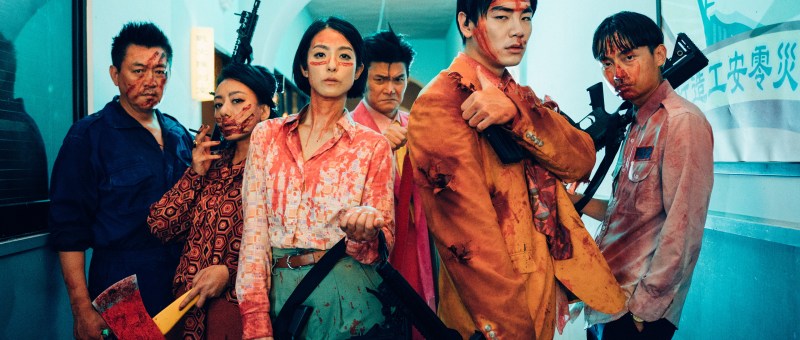
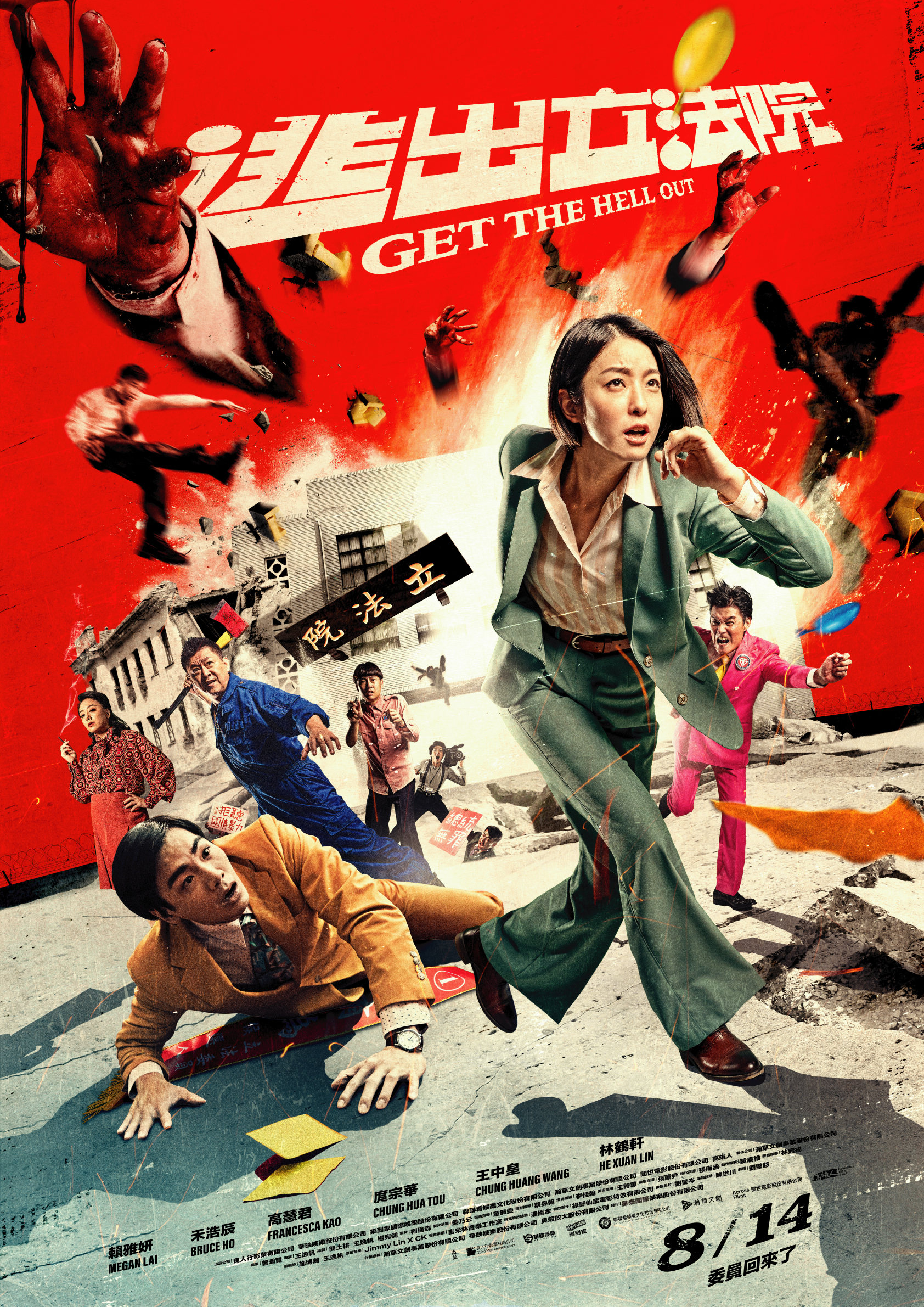
Get the Hell Out (逃出立法院, Wang I-Fan, 2020)

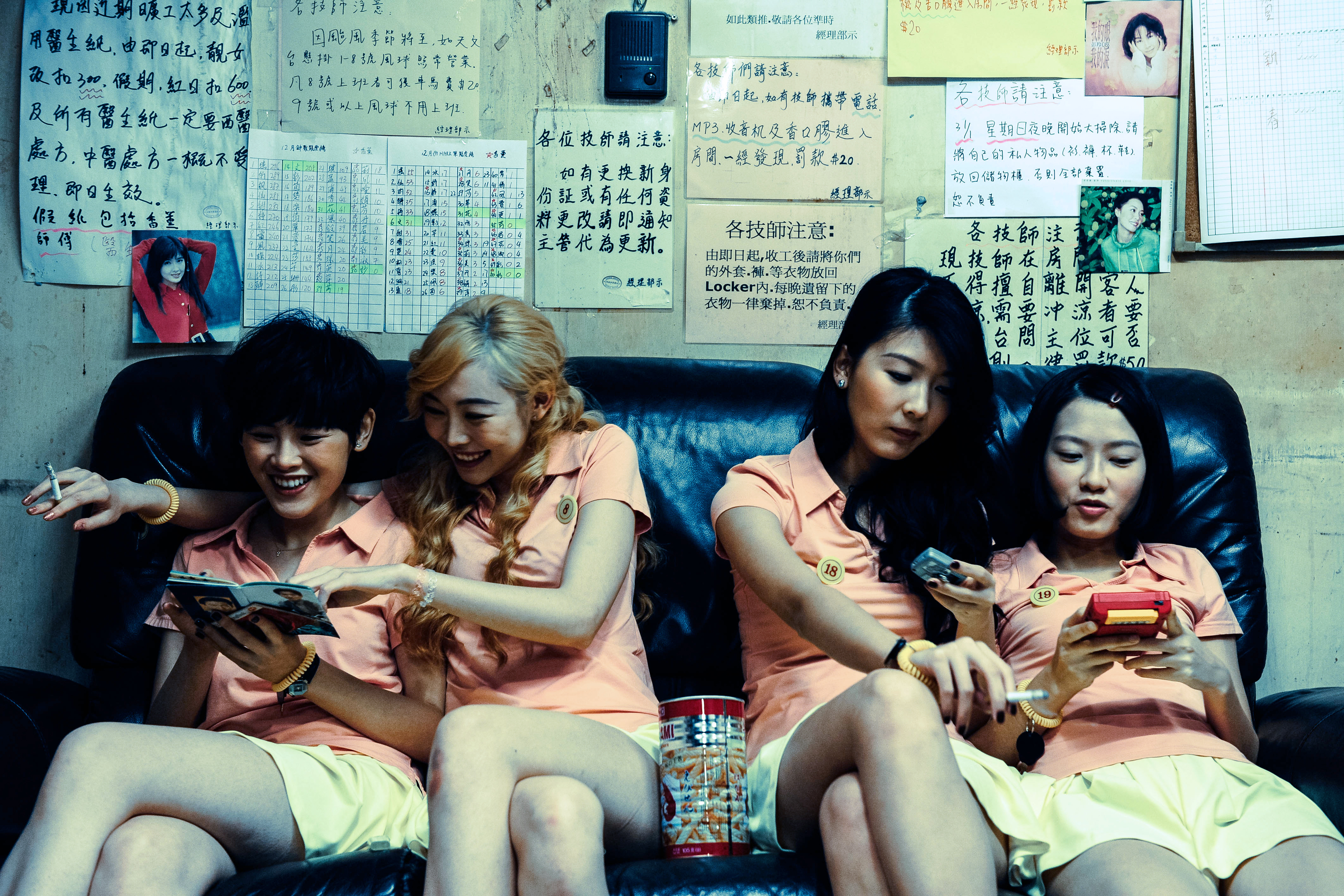
“A wrong movie makes you suffer for 90 minutes. A wrong government makes you suffer for four years” according to the title card at the beginning of Wang I-Fan’s madcap Taiwanese comedy, Get the Hell Out (逃出立法院, Táo Chū Lìfǎyuàn). A deliberately unsubtle political satire, Wang’s debut feature ultimately has its heart in the right place as its hapless hero comes to the conclusion that he just wants to protect his “home” and, ironically starts to believe he can really do that through the democratic process now that the legislative palace has literally been destroyed and rebuilt, freed of “idiot” zombies. 

Bumbling security guard with a nosebleed problem Wang You-Wei (Bruce Ho) has relatively little interest in politics. In fact, he’s only working in the building because his childhood crush Ying-Ying (Megan Lai) has recently become an MP standing on a single issue of getting the building of a foreign chemical plant she holds responsible for a plague of “idiot” rabies in her home town cancelled. Despite the prevalance of actual physical fights in the parliament, Ying-Ying is forced to stand down after her rival colludes with friendly press to provoke her into a violent outburst which results in a barrage of misogynistic criticisms that she obviously has trouble controlling her emotions and is unfit for office. Trying to protect her in the fray, You-Wei becomes an accidental hero in the media for valiantly defending press freedom. What ensues is a battle of influence as both sides try to manipulate the political capital of You-Wei’s unexpected celebrity, Ying-Ying hoping to convince him to take over her seat and oppose the chemical plant, and her rival Kuo-Chung (Wang Chung-huang) hoping he’ll join his cypto-fascist “Better Generation” faction to support it. 

Openly described as a gangster, the garishly dressed Kuo-Chung is a symbol of thuggish, vacuous populist politics, expert at playing the system to his advantage. The irony is that You-Wei starts to use his political brain but is operating under a misapprehension. His goal is impressing Ying-Ying and he incorrectly assumes getting more power by throwing his lot in with Kuo-Chung will help him do that, but all she cares about is getting the chemical plant cancelled to save her hometown with a secondary goal of eliminating the threat from the weird “plague” she assumes is caused by toxic waste and turns the infected into rabid “idiots”. Some might say the political class is already zombified, a bunch of numbskulls drunk on power, or that it’s the populace who are sleepwalking through their lives, but no one was really prepared for the prime minister getting turned into a zombie after a meeting with a foreign head of state to discuss the economics of the chemical plant. 

As Ying-Ying puts it, she spent so much time fighting to get in to parliament, and now she’s desperately trying to fight her way out. Wang’s “infection” allegory takes direct aim at a corrupt political class who might not care about the various risks of the chemical plant because they only affect a small group of relatively poor people living in a remote coastal village while the supposed economic and political benefits are important for the national good. But what Ying-Ying and You-Wei come to realise is that the entire nation is their “home” and so they must protect it by making it better and that starts by curing the “plague” of “politics”. Nevertheless, even if you get rid of Kuo-Chung another like him will rise, identically dressed, in his place because the battle for democratic freedom is never really won. 

Wang throws every post-modern device he can think of at the screen from Streetfighter graphics to onscreen karaoke lyrics and ironic product placement in the greatest tradition of low budget, nonsense Taiwanese comedies with the necessary consequence that the gags come thick and fast and are largely disposable while the spy movie pastiche complete with megalomaniacal, techno-genius villain never quite takes off. Nevertheless, there is gory zombie action aplenty filmed with cartoonish glee and not a little irony as Ying-Ying and You-Wei attempt to fight their way out of the corrupt parliament before it all gets blown to hell only to walk right back in there afterwards with a positive message of altruism and personal responsibility as they commit to rebuilding better with a revitalised idealism and belief in the power of democracy purged of the plague of idiocy.


Get the Hell Out streamed as part of Scene Taiwan 2020.

Original trailer (English subtitles)
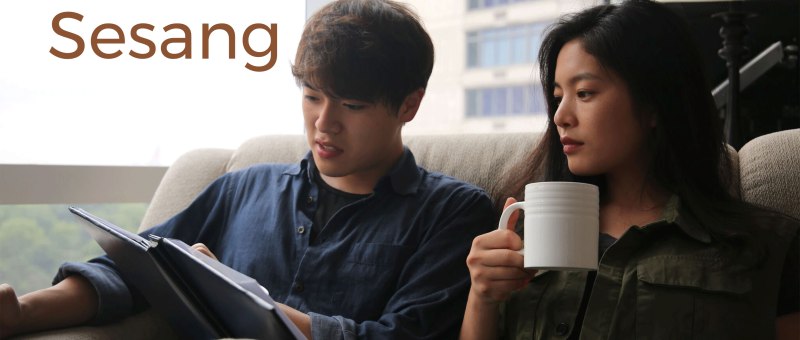
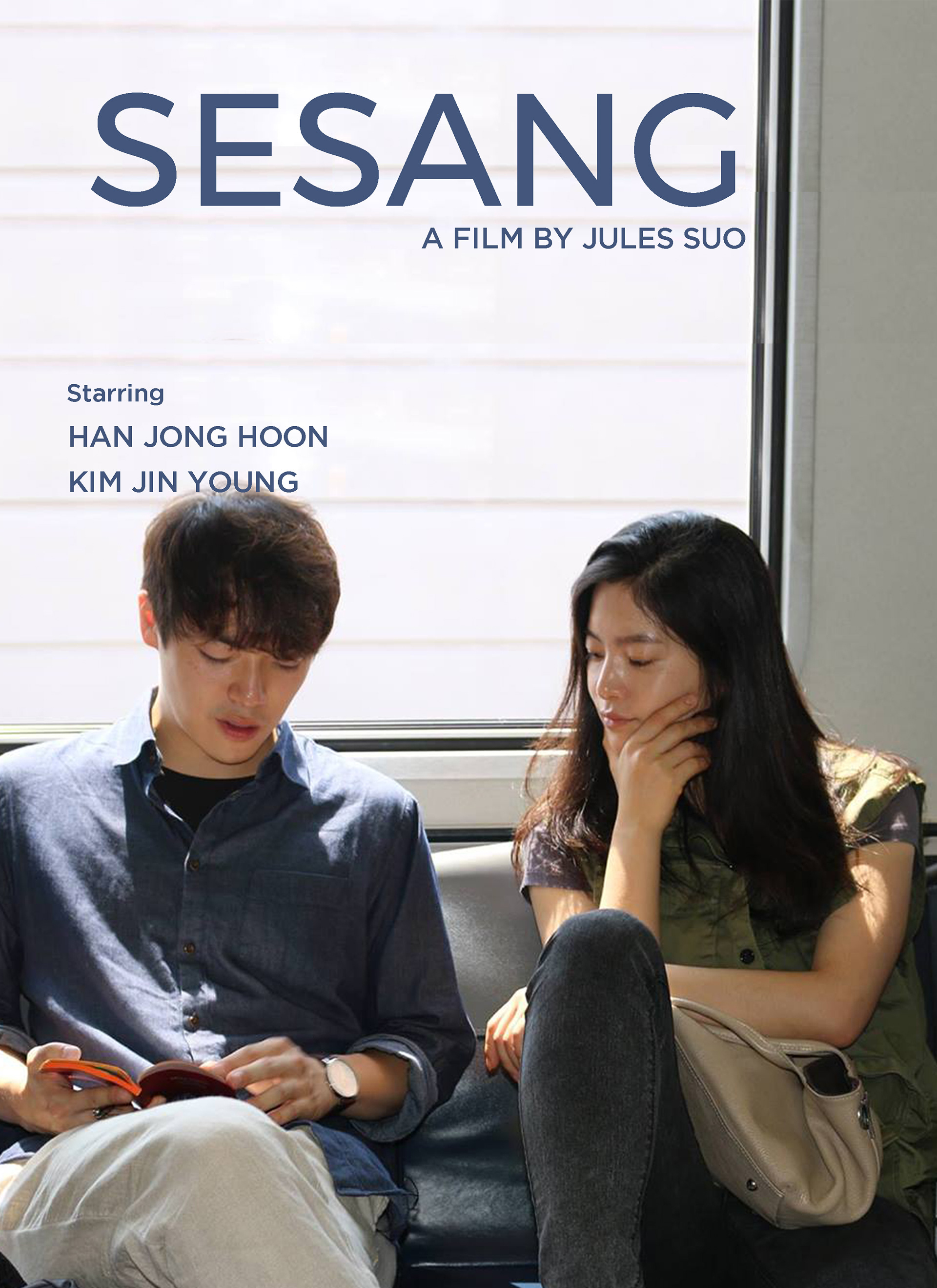
Sesang (세상, Jules Suo, 2019)

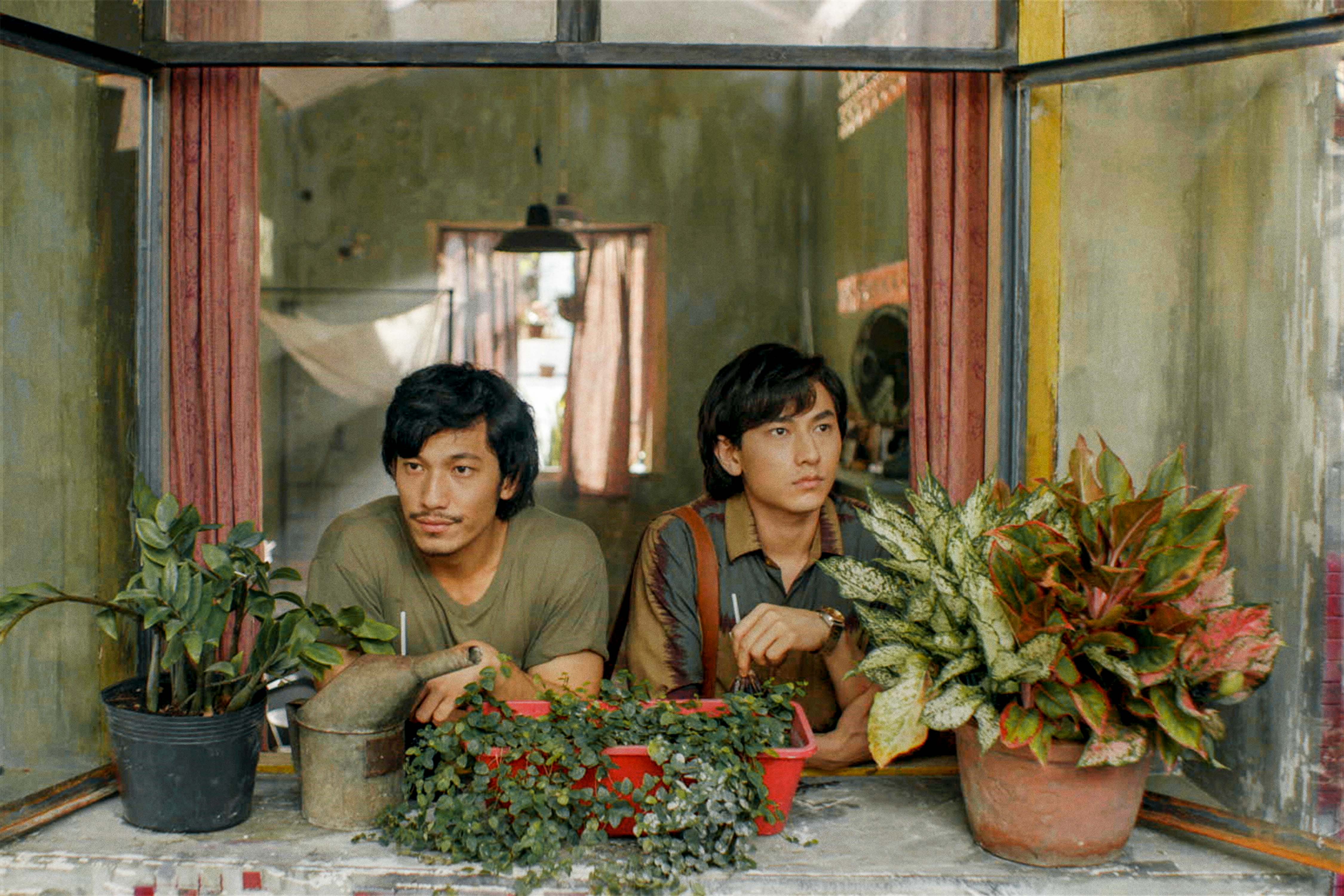
“Our life’s journey consists of both positive and negative. It teaches us to move forward and fulfil your dreams” according to Han-chul (Han Jong-hoon), a digital nomad waxing philosophical about the benefits of the unencumbered life. “Sesang” (세상) in one sense just means the world, but it can also mean “a life” or even a life’s journey, a passage through the world both a part of it and not. Han-chul, however, by the film’s conclusion is perhaps beginning to wonder if there are also costs involved in a life without connection, unanchored by his floating existence and imbued with a sense of existential loneliness as the world changes around him while he changes with it but perhaps not quite in step. 

The film opens in New York with aspiring actress Nari (Kim Jin-young) travelling to the airport to meet Han-chul, her long-distance boyfriend, at the airport. Han-chul has been working on a documentary in Japan about a divorcee who relocated there and is seemingly visiting Nari while waiting for another opportunity. Nari’s barbed comment that she isn’t sure they “share the same dreams” when Han-chul remarks on the similarity of her upcoming project about a long-distance couple to their real lives perhaps signals that she’s not entirely satisfied with their relationship, eventually sparking an argument that leads to a break-up when Han-chul reveals he’s been offered a job in Berlin annoyed with him for once again abruptly changing his plans, both in his abandonment of her and of his complete lack of consideration for the inconvenience he may cause her through breezing in and out of her life. 

Then again both Nari and Han-chul appear to be fairly self-contained. Each of them find themselves spending a lot of time home alone while living with roommates who are generally out. Nari’s New York life is spent largely within the Korean ex-pat community, often working on Korean productions, eating in Korean restaurants and going to noraebang with Korean friends. She is offended when her mother tries to send her money, resentful at the implication that she’s struggling but also finding herself at the mercy of a sometimes cruel industry that limits the kind of work available to her while normalising an abusive working environment. The one job we see her do which is presented in such a way as to mimic real life is also problematic in playing into several different unpleasant and racially charged stereotypes at once. Later she is invited to rejoin a production she apparently left because of the behaviour of a Korean producer who, she is assured, has since been fired. Her break-up with Han-chul is followed by a job offer back in Korea which sees her pursuing parallel careers, travelling back and forth working at “home” but living “abroad”. 

Staying on in New York, Han-chul too takes a room with someone who’s never in but takes the opportunity to rid himself of most of his possessions. In fact, even his hair becomes progressively shorter as time moves on to the point at which it doesn’t quite suit him, an old friend somewhat derisively commenting on his “edgy” new style. He tells a mutual friend, Eun-hye (Jina Nam), who is definitively settled in New York by virtue of owning a restaurant, that there are many things he may still want but attaining them cannot compare with the lightness of having nothing. Han-Chul’s philosophy may even extend to people as well as things. Perhaps he wanted Nari, or still wants her, but not enough to give up his life of freedom or indeed to deny her hers. He is happy to hear that she too is travelling the world, gaining new experiences and growing as a person, at this point at least convinced that life is about forward motion and the expansion of borders internal and external. 

Yet on his eventual return to Korea after experiencing a degree of disappointment, he seems lost rather than free, a man without a plan adrift without direction. His aloneness seems all the more obvious among the throng of travellers at the airport each heading somewhere or nowhere only they can know. He sees movies in empty theatres, lives in bare rooms, and wanders down empty streets. Often returning to transitory spaces such as airports and train stations, Suo’s preference for long takes with a degree of detachment hints at a cinema of loneliness asking us if this increasingly migratory existence has disrupted the natural rhythms of human relationships such as that of Nari and Han-chul who were, at least according to Eun-hye, once “so close” but now very far apart both physically and emotionally. Han-chul may be searching for the very thing that he has rejected in his floating life, but nevertheless remains on the move chasing his dreams if perhaps not quite sure what exactly they may be. 


Sesang streams in the US Oct. 23 to 31 as part of this year’s Korean American Film Festival New York.

Original trailer (English subtitles)