A Beloved Wife (喜劇 愛妻物語, Shin Adachi, 2019)

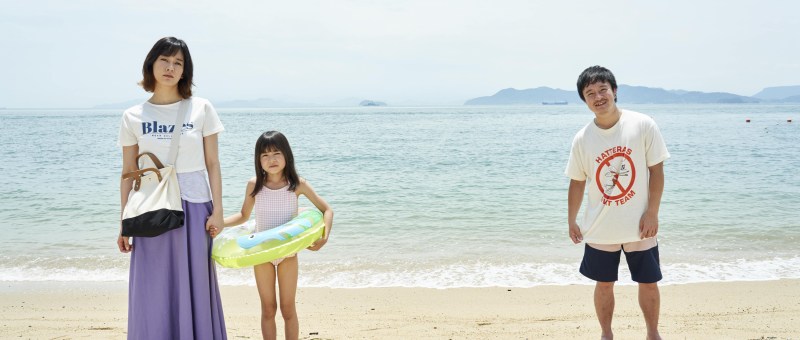
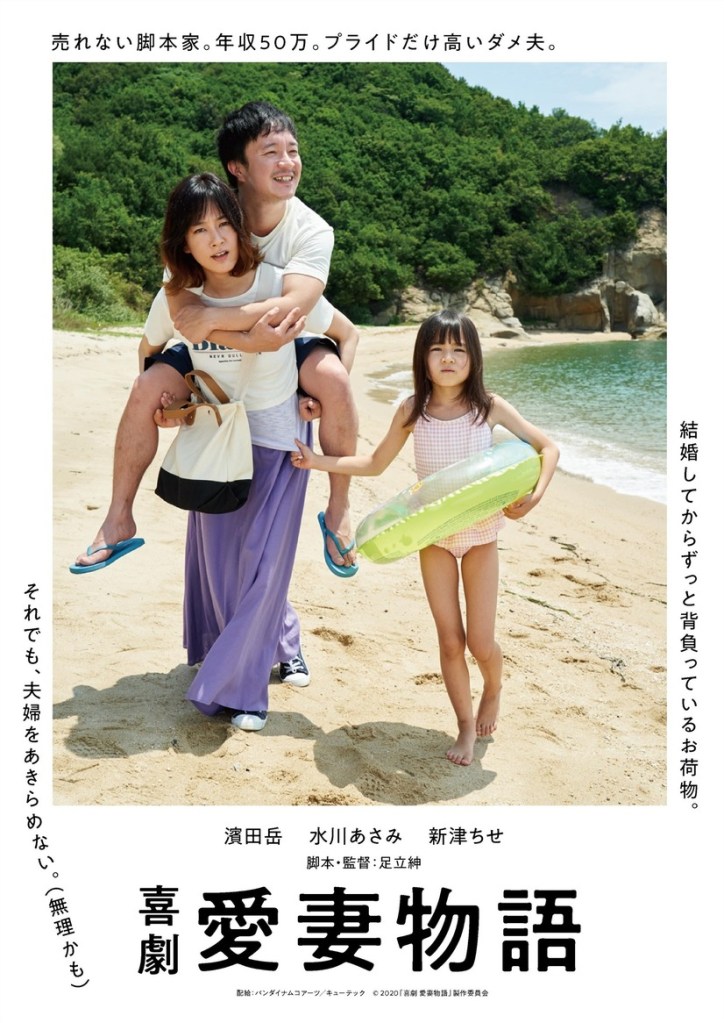
Adapting his own autobiographical novel, screenwriter and director Shin Adachi claims that the events and characters of A Beloved Wife (喜劇 愛妻物語, Kigeki Aisai Monogatari) are exactly as they are in real life, only the film makes it all look better. Even if true, Adachi can’t be faulted for his honesty. His protagonist stand-in, Gota (Gaku Hamada), has almost no redeeming qualities, while his long-suffering wife receives little sympathy even while giving as good as she gets as a sake-guzzling harridan apparently ready to run her husband down at every opportunity, of which there are many, but Gota is quite simply useless. The Japanese title is careful to include the word “comedy” as a prefix, but this is humour of an extremely cruel variety. 

Married for 10 years with a small daughter, Gota’s chief preoccupation in his life seems to be that his wife, Chika (Asami Mizukawa), no longer finds him sexually desirable and they are rarely intimate. Rather than lament the distance in their marriage, all Gota does is go on a long, misogynistic rant about how he’d get a mistress or visit a sex worker only he has no money while complaining that he has to humiliate himself by helping out with the housework and childcare which he only does to curry favour in the hope that he will eventually be able to have sex with his wife. After some minor success as a screenwriter, his career is on the slide and he’s had no work in months, something which seems to damage his sense of masculinity and in his mind contributes to his wife’s animosity towards him.

He is right in one regard in that Chika is thoroughly fed up being forced to pick up the slack while he sits around watching VR porn, not writing or looking for a job but insisting that the next movie is always just round the corner. She’s tired and overworked, sick of penny pinching and resentful that she has to do everything herself, but it’s not so much the money that bothers her as Gota’s fecklessness while all he seems to care about is sex, meeting his own needs and no one else’s. Even when he takes his daughter, Aki (Chise Niitsu), to the park he ignores her to ogle other women, becoming embarrassed on running into a neighbour we later learn he slept with and then ghosted. He does the same thing again later on a beach, so busy sexting that he doesn’t see her wander off and is roundly chewed out by the lifeguard (an amusing cameo from director Hirobumi Watanabe, giving him the hard stare) who eventually finds her and brings her back. Not content with that, he rounds out the bad dad card by frequently bribing Aki with treats so she won’t spill the beans to her mum about his many questionable parental decisions. 

Really, we have to ask ourselves, why does Chika not leave him? The perspective we’re given is Gota’s and he appears not to understand that any of his behaviour is problematic, which might be why he seems genuinely shocked when Chika reaches the end of her tether and once again suggests divorce. He seems to think some of this at least is performative, part of the act of “marriage”, and she does indeed make a show of her frugality – insisting on sharing a 200 yen bowl of udon with her daughter to save money and climbing up a utility pole to sneak into a hotel after booking only a single occupancy room for the three of them, but is there more in her decision not to leave than habit? Gota seems to think so, especially on noticing her wearing the lucky red pants she bought back when they were young and in love and she believed in his potential. But then perhaps she really is just being economical.  

Nevertheless, she appears to keep supporting him, once again typing up his latest screenplay because he claims not to be able to use a word processor, and laughing off the rather more serious incident in which he is arrested after being discovered by a policeman molesting a drunk woman in the street. Adachi doesn’t appear to have very much to say in favour of the modern marriage, as if this one is no worse than any other (even a friend who married well (Kaho) badmouths her husband and giggles about a young lover), but Gota seems to have learned absolutely nothing even while declaring his love to his sleeping family and vowing to make a success of himself at last. It would be funny, if it weren’t so sad. 


A Beloved Wife is available to stream worldwide until July 4 as part of this year’s Udine Far East Film Festival.

Festival trailer (English subtitles)
Cry (叫び声, Hirobumi Watanabe, 2019)

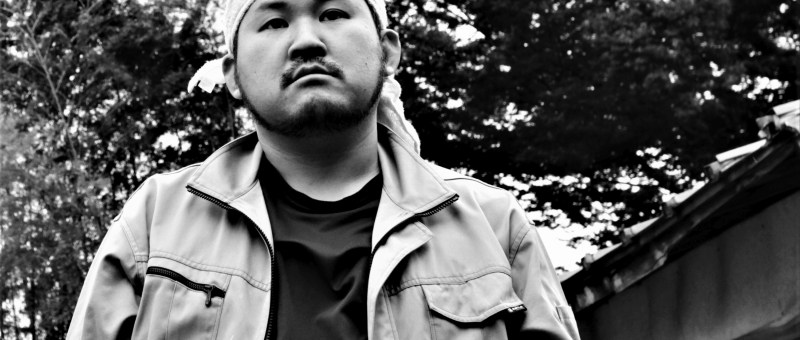
Hirobumi Watanabe has become closely associated with a particular brand of deadpan, black and white comedy, often casting himself in a prominent role as a motormouth monologuer. Cry (叫び声, Sakebigoe), however, returns him to the themes of 7 Days which proved divisive with critics following as it did the lowkey absurdist charms of And the Mud Ship Sails Away… Once again set in rural Tochigi, the (almost entirely) wordless Cry stars Watanabe this time as a pig farmer rather than cattleman and follows the crushing mundanity of his life over the course of an ordinary week. 

Replete with agricultural detail, Cry is at pains to dramatise the cyclical, rhythmic qualities of a life lived in tune with nature even as that of a pig farmer is in some ways perhaps in conflict with it in the cultivation and constraint of other living creatures. There is perhaps something rather ironic in recalling that Watanabe’s production company is called Foolish Piggies Films, and it’s all but impossible to ignore the odd kind of symmetry in the life of the farmer and his animals who are each in their own way imprisoned on either side of the bars. The major difference between them lies in crowding and solitude, cacophony and silence. Aside from the equally silent grandmother (sadly the final onscreen appearance of Watanabe’s own grandmother Misao Hirayama who sadly passed away last year and had been a constant fixture in each of the director’s films to date) with whom he lives, the farmer has no other human contact, indeed his only “social” outlet is a solo trip to the cinema where he is the sole spectator and the only other person with whom he interacts is the usher who says nothing more than “enjoy the movie”. 

We can infer that the farmer goes to the pictures every Sunday at around the same time after seeing to the pigs, that he likely does so alone, and that this is a fixed part of his weekly routine. On a weekday, we see him rise, eat breakfast with his grandmother, muck out the pigs and break for lunch, usually taking a moment of rest on windswept rooftop under an incongruous electricity pylon as if to signal the encroachment of modernity on his simple life, or in event of rain returning home to read the paper. In the evenings he reads by the light of a small lamp and writes in a diary. Sunday aside, his days are almost identical yet, unlike the heroes of other Watanabe films who often comically walk the exact same routes they came by only in reverse, he seems to vary his path, making the surprisingly long journey between his home and the pens a little less predictable than the other areas of his life. 

The “cry” of the title might express this desire for an interruption to the maddening mundanity of his existence, but otherwise the farmer does not appear to be particularly unhappy with the simplicity of his life save for the intense drumming of the taiko score which accompanies him as he walks along the quiet country paths towards the pens as if he were heading to a battlefield which, in a way, he perhaps is as he engages in the paradoxical task of caring for animals he will one day surrender for slaughter and in fact consume.

He does not seem to be withholding a wail of existential despair, merely living an ordinary life in ordinary ways. Even on his trip to the cinema, he appears to be watching, until he falls asleep, footage from Watanabe’s own I’m Really Good (a poster for And the Mud Ship Sails Away… also sits in the foyer) in which farmland kids walk the same paths he walks but entertain themselves with games of shiritori which is generally much less fun to play on your own even if not exactly impossible. At home he cares patiently for his grandmother, diligently cleaning her dentures, again another part of his routine, while bathing in the calming silence free of the noisy cacophony of the pig pens and of the roar of the wind which sweeps the rooftop. His life may be simple, but perhaps no less repetitive than that of many others and with its own small joys even in its mundanity. 


Cry is available to stream worldwide until July 4 as part of this year’s Udine Far East Film Festival.

Festival trailer (English captions)

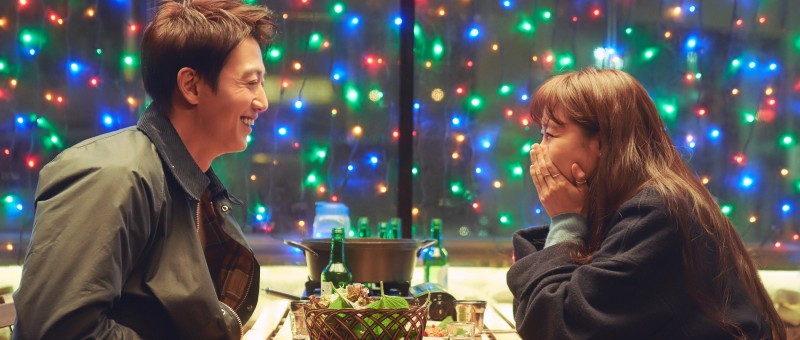
Crazy Romance (가장 보통의 연애, Kim Han-gyeol, 2019)

Can you find love in a crazy world? According to Crazy Romance (가장 보통의 연애, Gajang Botong-ui Yeonae), yes and then again no. The Korean title translates as something like the most ordinary of romances, which, considering what we’re about to see, is in someways quite depressing. Achingly contemporary in its Ephron-esque air of sophistication, Crazy Romance nevertheless lays bare the costs to both men and women of living in a rabidly patriarchal, misogynistic society.

Our heroine, Sun-young (Gong Hyo-jin), has just joined a small advertising company in what many seem to feel is an unexpected step down in her career. At the awkward welcome drinks she’s asked a series of inappropriate, sexist questions, but her claims of not currently having a boyfriend are quickly disproved when a young man barges into the restaurant with flowers and abruptly proposes to her. It seems, Sun-young had attempted to break up with him that very morning, but he refused to listen and has now caused embarrassment at her job (which he expects her to quit anyway because they’ll be getting married). Meanwhile, Jae-hoon (Kim Rae-won) wasn’t really paying attention because he’s had too much to drink and is obsessively texting his ex who hasn’t replied in months. 

Jae-hoon’s alcoholism doesn’t seem to have affected his work, but has become a talking point around the office. The day after the party we see him wake up on the floor of his apartment surrounded by the detritus of drinking including, for some reason, several bags of corn on the cob, not to mention a cat which is apparently not his but might as well be now. Ever since his engagement ended, he’s been unable to move on, getting blackout drunk nearly every night and texting his ex who resolutely ignores him (not that you can blame her).

We can immediately see that there is not much difference in practical terms between Sun-young’s abusive ex Dong-hwa (Ji Il-joo) and Jae-hoon who is being positioned as the unfairly maligned nice guy, derided for his maudlin romanticism in being unable to forget his past love even though, as we alter discover, he broke off the engagement because she cheated on him while he was busy working hard for their future, neglecting their relationship as he fulfilled what he saw as his male responsibility to provide financial stability. Jae-hoon does, however, leave it at drunk texting and while privately resenting the fact she never replies, does not become dangerously obsessive, belligerent, or threatening as Dong-hwa later does in refusing to accept that Sun-young has ended their relationship. Nevertheless, witnessing their intense encounter in the car park and perhaps projecting, Jae-hoon tells Sun-young that he feels she’s been unfair to Dong-hwa who is after all “trying very hard” while implying that it’s romantic disappointment that has led to the apparent downgrade in her career prospects in the wake of derailed marriage plans. 

Jae-hoon’s embittered tone might suggest he’s mildly intimidated by Sun-young’s previously successful track record, but it is in a manner of speaking romantic disappointment which has done for her career in that Sun-young is now incredibly sick of having to deal with misogynistic workplace practices and persistent sexual harassment. Finding out the truth, Jae-hoon is outraged on her behalf but contributes to an ironic kind of victim blaming in berating her for not defending herself, as if she had the same right of recourse as he would have in her situation which of course she does not. As they bond in a shared sense of romantic disillusionment, the other team members start to turn against Sun-young, branding her a workplace hussy, while she in turn points out the hypocrisy of their interoffice gossip where everyone has a secret nickname from an employee everyone assumes is gay but is afraid to come out (he might have good reason, judging by his colleagues’ snide comments), to a female office worker’s decades-long unrequited love for their now married boss who is frequently derided for being thoroughly henpecked which is why he forces them into unnecessary company bonding sessions so he won’t have to go home and spend time with his family. 

The problem is that romance, or at least being vulnerable, is still embarrassing even in your 30s which is why everyone has to at least pretend to be drunk to pursue it. Both Jae-hoon and Sun-young are offered extremely problematic dating advice which effectively normalises abusive behaviour, childishly incapable of any kind of emotional honestly as they awkwardly spar with each other while their exes hover in the background. Sun-young tries to take Jae-hoon to task for his hypocrisy, pointing out that he thinks of himself as “better” than all the other useless men, but ultimately the film more or less agrees with him even if clear that he’s still a product of a misogynistic society and extremely self-centred while also genuinely nice as proved when we realise how he ended up with all that random corn. While he is maudlin and romantic, Sun-young is (understandably) cynical, but her spiky aggressiveness finds far less favour even if she is perhaps the one finally in charge of the direction of their relationship. Nevertheless, Crazy Romance cannot help but reinforce contemporary conservative social codes even as it critiques them, insisting that ordinary love is in itself crazy because the world is mad.


Crazy Romance is available to stream worldwide until July 4 as part of this year’s Udine Far East Film Festival.

Original trailer (English subtitles)
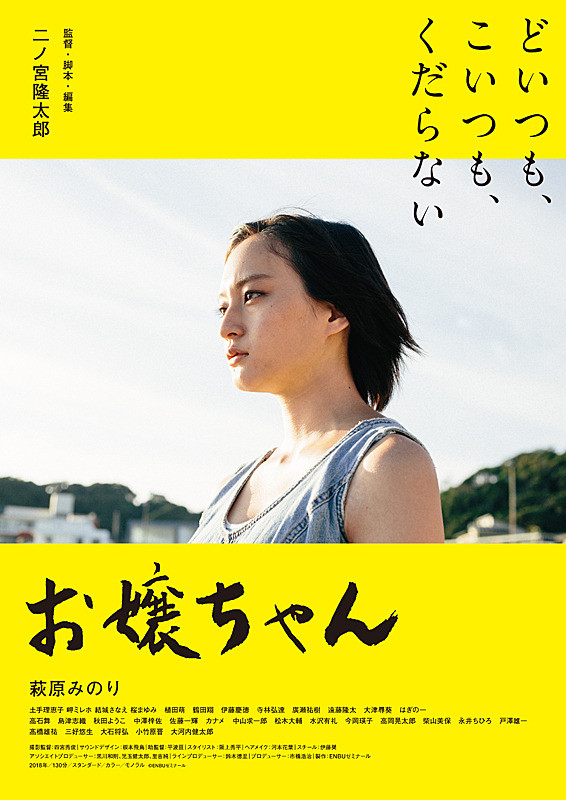
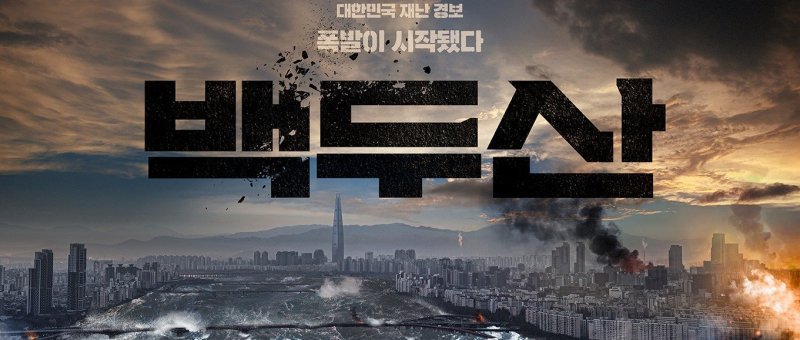
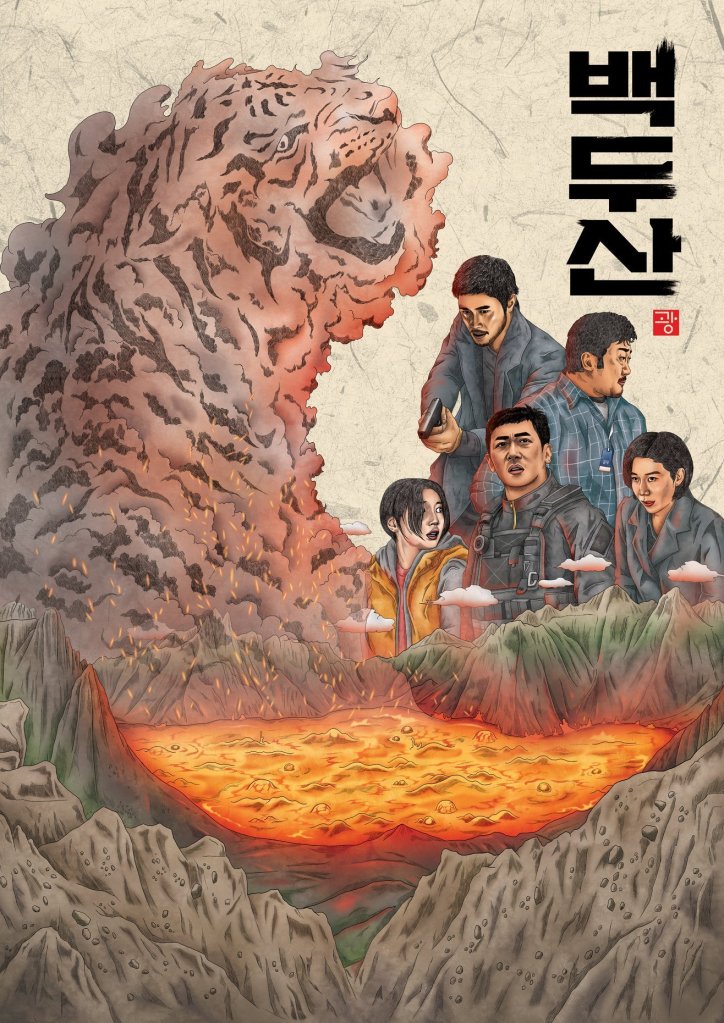
Ashfall (백두산, Lee Hae-jun & Kim Byung-seo, 2019)

The Korean Peninsula once again faces existential threat though this time of a natural genesis, and ironically the only way to save it might be nukes from the North. Ashfall (백두산, Baekdusan) is the latest and the largest of Korea’s big budget disaster movies featuring a veritable host of A-list talent and action sequences on an epic scale, but also doubles down on the less palatable sides of the genre in an overt and sometimes uncomfortable nationalism which nevertheless has its positive sides in its temporary elision of the North/South divide as the heroes pursue their cross-border mission to save the people of Korea not only from volcanic threat but from becoming mere pawns in geopolitical brinksmanship. 

The most obvious problem, however, is that long dormant volcano and pregnant national symbol Mt. Baekdu has erupted, provoking massive earthquakes which quickly reduce most of the high tech capital to mere rubble. This is particularly bad news for heroic army bomb disposal expert Captain Cho (Ha Jung-woo) because, in true disaster movie fashion, today was supposed to be his last day. Cho’s wife (Bae Suzy) is heavily pregnant, and it seems he’s opted for a safer occupation in the light of his impending fatherhood. According to the predictions of previously derided Korean-American scientist “Robert” Kang Bong-rae (Ma Dong-seok, cast brilliantly against type), Mt. Baekdu will continue erupting with the third and most powerful wave taking out most of the peninsula, but he has a plan to stop it. He wants to use nuclear weapons to blow a hole in the side of the chamber, relieving the pressure. To do that, they need to hijack some of the uranium from very recently decommissioned North Korean missiles, which means sending a small military expedition over the border in secret to track down a possible double agent who knows where all the nuclear material is before loading up their own detonators and driving them into a mine under the volcano. 

All of this takes place against the backdrop of North Korea’s long awaited denuclearisation which is in the process of being witnessed by American forces who are very much not in favour of Kang’s plan seeing as it effectively means detonating a nuclear bomb right on the Chinese border. Once again, the film suggests, Korea finds itself the battleground in a proxy war, its sovereignty denied as it attempts to use whatever means it has to save itself but is actively prevented by various kinds of outside forces. Kang, who idolises America to the point that he rejects his Korean name and tries to leave the country as soon as possible on his US passport, eventually makes the ironic statement that the ensuing chaos is all down to this “incompetant government that can’t decide its own fate” as the American army shutdown a Korean operation to put his plan in action while Cho and his guys also find themselves actively targeted by US military acting covertly in North Korea. 

Somewhat unexpectedly, Cho is not quite the heroic action hero one would expect. He’s anxious and inexperienced, out of his depth as a man unused to being in the field, trained to defuse bombs not launch them and unfamiliar with standard weaponry. Because his guys are the good guys, the North Korean mission is supposed to be “non-lethal”, so they’re wading into this with tasers and rubber bullets while his opposing numbers have no such scruples. Ri (Lee Byung-hun), the North Korean double agent, runs rings around them, playing every advantage while his motives remain unclear until finally sitting comfortably within the realms of action movie melodrama as he and Cho develop an awkward mismatched buddy dynamic, bonding over paternal worries and North/South pop-cultural exchange. 

The familiar message is that all things are possible when working together for a common cause, making a possibly subversive argument that North/South solidarity is the most powerful weapon against entrenched American imperialism and a resurgent China while advocating strongly for a greater national sovereignty less beholden to foreign powers for military support. It comes as little surprise that Kang eventually decides to go back to his original name and stay in Korea for good rather than return to a discredited US, having rediscovered his Koreaness thanks to his role in saving the nation. Subtle this is not, but then who ever asked for subtlety from a big budget disaster movie?


Ashfall is available to stream in Europe until July 4 as part of this year’s Udine Far East Film Festival.

International trailer (English subtitles)
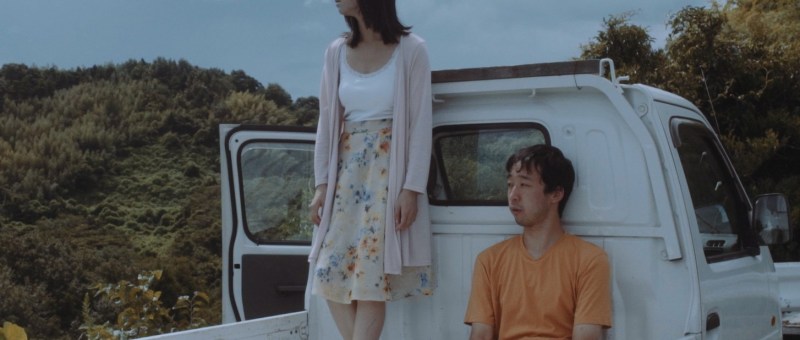
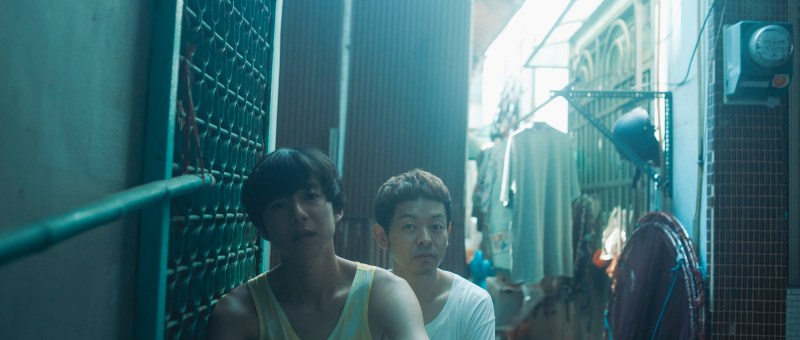
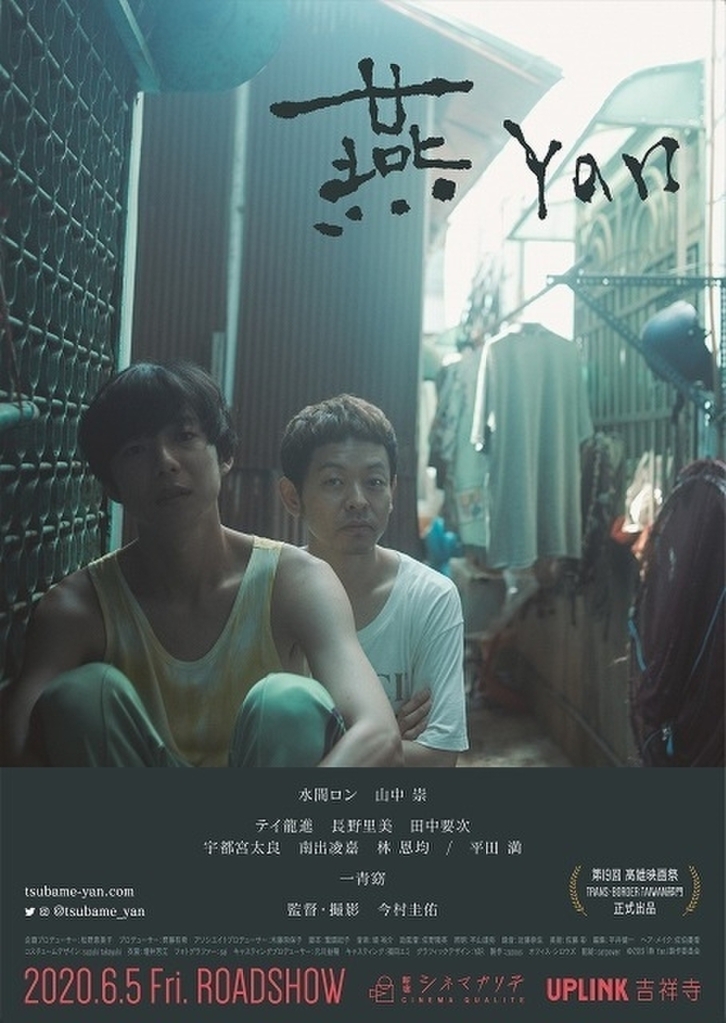
Yan (燕, Keisuke Imamura, 2019)

A sense of dislocation plagues the drifting heroes of Keisuke Imamura’s elegantly lensed Yan (燕), a poetic meditation on the legacy of abandonment both cultural and familial. As much about the disintegration of a family as the complexities of identity, Imamura’s nuanced character drama finds its hero looking for himself in the shadow of his long lost brother and rediscovering perhaps a long absent sense of security in reconnecting with his childhood self while learning to let go of his fierce resentment towards the mother he assumed had forgotten him. 

28-year-old Tsubame (Long Mizuma) is a workaholic architect with a successful, settled life in Tokyo. He is also, however, slightly disconnected and harbouring a great deal of anger towards his family, aside it seems from his cheerful step-mother. An awkward meeting with his father following a rare summons to the family home results in some distressing news. His company’s gone under and he’s deep in debt, which is why he wants Tsubame to go to Taiwan to deliver some important papers to his estranged older brother Ryushin (Takashi Yamanaka) whom he hasn’t seen in 23 years since he left with their mother (Yo Hitoto) so he can renounce his rights to an inheritance to avoid being liable for his father’s debts. Tsubame is reluctant, he didn’t even go to Taiwan for his mother’s funeral and has done his best to erase that side of his life from his memory, but after his step-mother guilt trips him by explaining that his father’s in poor health so it might be the last thing he’ll ever ask he finds himself on the next flight to Kaohsiung.

Despite his animosity towards his Taiwanese heritage, Tsubame seems to have maintained his Mandarin which is a definite help in the busy city but finds himself conflicted in being taken at first for a local and then recognised as not. Sitting down at a dumpling stand the proprietress and another customer guess that he is probably Japanese but on hearing that he was born in the area and his mother was from there immediately remind him that he is then also Taiwanese, something that appears to bother him. Flashing back to his childhood we witness both warm scenes of his mother conversing with her children in Mandarin while they mainly reply in Japanese, and a series of xenophobic micro-aggressions from neighbours who accuse her of trying to harm their children with new year dumplings containing lucky coins while Tsubame finds himself a victim of bullying by the local kids after mistakenly using his Chinese name, Yan, or making the usual kinds of language mistakes that all young children make but being made fun of over them as someone not quite Japanese. Like the heroines of What’s For Dinner, Mom? he also remembers a sense of embarrassment on being the only kid with a non-standard bento but sadly never managed to convert any of his classmates to Taiwanese food, internalising a sense of shame over his difference and becoming hyper Japanese in response. In a particularly painful moment, he berates his mother for her poor language skills and lack of cultural awareness, tearing up a drawing he’d made and crying out that he wished he could swap her for a “normal” Japanese mum like everyone else’s. 

Why exactly she chose to leave only him behind, taking her older son with her, is never quite explained but perhaps a part of her felt that Tsubame preferred to stay in Japan. Ryushin meanwhile is carrying his own burden having left with his mother but resentful over her longing for the son she left behind. He appears to have felt dislocated himself as a boy raised Japan struggling to adapt to his new environment and is now a divorced father, it seems living with another man who left the Mainland for the comparatively liberal Taiwan to escape a conservative father and the pain of having to keep his true a identity a secret even from himself. Bonding with Tony (Ryushin Tei), his brother’s partner, Tsubame comes to a realisation that he has been doing something much the same in rejecting his Taiwanese heritage but struggles to accept that a person can be more than one thing and like the sparrow from which he takes his name could be equally at home in both Japan and Taiwan. 

As Tony tells him, somewhat cynically, bitterness is also born of love which is after all what has brought Tsubame all the way to Kaohsiung. Tsubame’s mother had told him the Chinese proverb that a mother’s love is like a flowing river, but a child’s is the like breeze that rustles the leaves. The small Tsubame replied that he’d always love his mother but has spent the majority of his life in silent resentment, only latterly acknowledging it might have been true after all after coming to an understanding of his mother’s choices and realising that in her heart at least she had never abandoned him. 


Yan was streamed as part of this year’s online Nippon Connection Film Festival.

Original trailer (English subtitles)
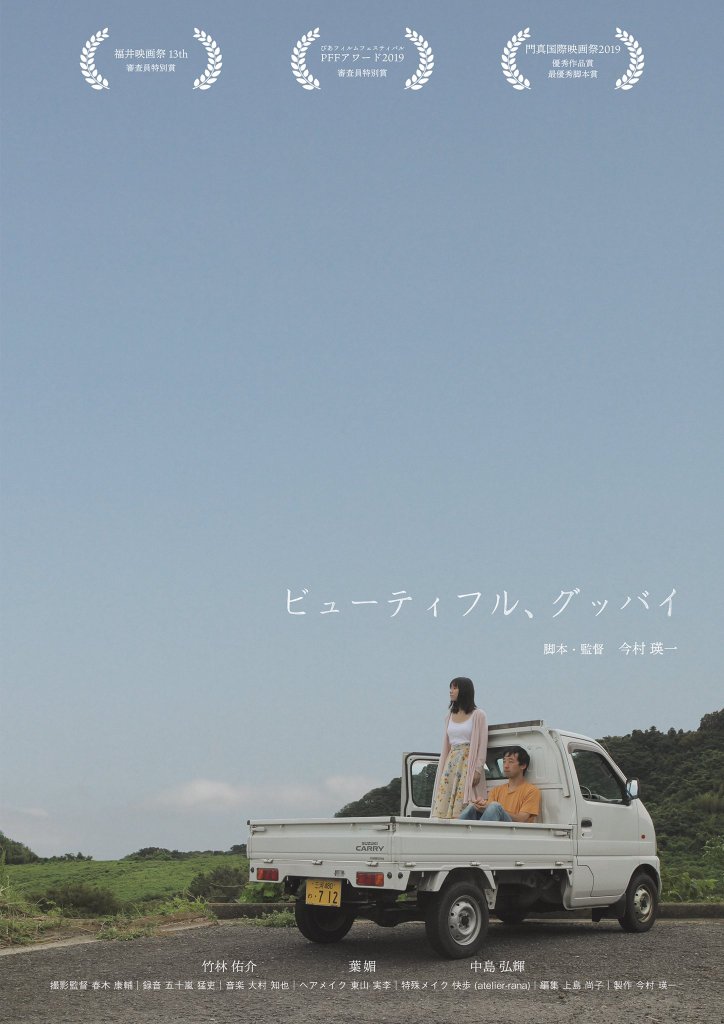
Minori, On The Brink (お嬢ちゃん, Ryutaro Ninomiya, 2019)

“Days like this make me feel I’m wasting my life” sighs just another dejected youngster in Ryutaro Ninomiya’s quietly enraged takedown of millennial malaise in a fiercely patriarchal society, Minori, On The Brink (お嬢ちゃん, Ojochan). In a culture which often favours politeness and avoids confrontation, Minori is a rare young woman determined to speak her mind though always with patience and grace and in turn a willingness to apologise if she feels that she has acted less than ideally, but her words often fall on deaf ears while those around her stumble through their lives chasing conventional illusions of happiness to mask a creeping despair. 

We first meet 20-something Minori (Minori Hagiwara) as she challenges a man who tried to force himself on her friend, Rieko, cowering quietly behind her. Minori wants an apology, but predictably he denies everything and quickly becomes angry, held back by his equally skeevy friend who advises him to apologise if only to defuse the situation. In the end Minori doesn’t get her apology and has to settle for having made a stand, retreating to avoid causing her friend more harm, but on exit the third man chases after her to ask for her contact information. Really, you couldn’t make it up. 

Part of Minori’s anger is bound up with being a so-called “cute girl” and everything that comes with it in a society still defined by male desire. Parades of idiotic young men, for some reason always in threes, come through the cafe where she works part-time expressly because a “cute girl” works there, while she’s forever being invited out by female friends who want to bring a “cute girl” to the party. Somewhat insecure, Minori worries that people are only interested in her cuteness and might otherwise reject her if, say, she were badly disfigured in some kind of accident. But what she resents most is that it’s other women who enable this primacy of the cute, the way her bashful, “homely” friend Rieko is always apologising for herself, while the other women who self-identify as “ugly” willingly cede their space to the conventionally attractive. 

In short, they submit themselves totally to pandering to male desire while men feel themselves entitled to female attention whether they want to give it or not. Dining in a local restaurant, Minori and Rieko are invited to a party by the proprietress which neither of them seem keen to go to but Rieko is too shy to refuse even when Minori reminds her of the traumatic incident at the last party with the guy who forced himself into the ladies bathroom and tried to kiss her against her will. The older woman laughs it off, affirming that he “meant no harm”, he was just drunk. This is exactly what Minori can’t stand. She keeps telling people she isn’t angry, but is she is irritated by Rieko’s need to apologise for something that isn’t her fault, seeing it as enabling the culture that allows men to do as they please while women have to obey a set of arbitrary rules of which remaining quiet is only one. 

In her own quiet way, Minori refuses to toe the line but is constantly plagued by unwanted male attention. Getting into an altercation with a creepy guy who waited outside her place of work to find out why she didn’t reply to his texts, she explains that he was just a casual hookup and that she finds his overly possessive behaviour frightening even as he continues not to take no for an answer, eventually branding her a “slut” for daring to embrace her sexuality. She demands an apology, not for what he called her but for the use of such misogynistic language. Earlier, in the trio of friends which contained Rieko’s attacker, another man had claimed he remembered Minori from a previous gathering, branding her as a “pigheaded mood wrecker” for daring to take them to task for their bad behaviour. The men talk about women only in terms of their desirability, the same man insisting that he has no interest in “strong willed women”, probably for obvious reasons. Another recounts having bullied a girl he fancied in middle-school, unable to understand why she avoided him despite bragging about having terrorised her and organising her ostracisation by the other girls (supposedly, he could do this because he was “popular”) until she finally transferred out (whether or not this actually had anything to with him remains uncertain). 

Perhaps to their credit, the other two guys immediately declare him uncool and are mildly horrified that he sold this to them as a funny story from his youth with absolutely no sense of repentance or self awareness. But their response is also problematic and born more of their boredom than their outrage, engaging in a bet over who can make him cry first as they “bully” him so that he’ll develop empathy for people who are “bullied”, never actually explaining to him why he’s being “punished”. Minori questions the problematic attitudes around her with straightforward candour, taking her cafe friend to task for her hypocrisy in taking against older men while expressing an uncomfortable preference for the very young.  

Nevertheless, Minori remains exhausted by the hypocrisies of the world around her. She declares herself “happy” with her ordinary life, a 4-day part-time job, low rent thanks to living with grandma, and spare time spent playing games. To that extent she has no desire to change her life, but the very fact of her “happiness” also depresses her in its banal ordinariness. “It’s all worthless” she suddenly cries, stunned by the inescapability of her ennui. On the brink of despair, Minori finds herself sustained only by rage not only towards an oppressive society but her own inability to resist it.


Minori, On The Brink was streamed as part of this year’s online Nippon Connection Film Festival. It will also be available to stream worldwide (excl. Japan) as part of this year’s Udine Far East Film Festival.

Original trailer (no subtitles)

Beautiful, Goodbye (ビューティフル、グッバイ, Eiichi Imamura, 2019)

A man on the run hits a woman running out of time, what else could you call it but fate? Winner of the Special Jury Award at the PIA Film Festival, Eiichi Imamura’s Beautiful, Goodbye (ビューティフル、グッバイ) sees its conflicted heroes cast adrift as they flee from past trauma, bonding over their shared sense of hopeless alienation while driving towards some kind of resolution to their respective anxieties but perhaps fearing that there are no real safe spaces for those who find themselves at odds with the world in which they live. 

As the film opens, 32-year-old Daisuke (Yasuke Takebayashi) is caught in the immediate aftermath of having stabbed a man while a small child curls himself into a ball in the corner. Pausing only to comfort him, Daisuke leaves in a hurry and later steals a pickup truck still laden with the last of someone’s moving boxes. Meanwhile, another man, Shinoda (Koki Nakajima), chases after a woman, Natsu (Yobi), who is later found wounded in an alley before being wrapped in a sheet and toe tagged at the local morgue. That is not, however, the end of her story. Shinoda, having recovered her body, performs some strange ritual which brings her back to life only for her to escape and run directly into the path of Daisuke’s car. Fearing he has made his day even worse, Daisuke puts her in the passenger seat and, unlikely as it seems, the pair end up travelling together pursued both by law enforcement and by the psychopathic Shinoda. 

Daisuke, a shy man nervous about his stammer which sees him exiled from mainstream society, does not immediately seem like the type of person to stab someone but we later find out that he had a good reason (if you can say such a thing) and was acting to protect someone else from longterm abuse. He’s not sure running was best thing to do, but it has at least introduced him to Natsu who doesn’t seem to mind about his stammer and makes a point of calling him by a diminutive in an effort to avoid detection on the road by amping up the couple act. Apparently from Taiwan but with a Japanese mother, Natsu is herself on the run, besides being undead, in trying to keep one step ahead of the violent boyfriend it seems was responsible for her demise and then brought her back after trying a few rituals he found on YouTube so he could terrorise her afterlife too. 

Both outsiders at the mercy of an unforgiving society the two discover a kindred spirit one in the other, retreating from their brush with crime to return the moving boxes to their original address with an apology for having borrowed some of the contents. Regaining her memories and coming to an awareness that her zombiefied state might only be temporary, Natsu wonders why her life has turned out the way it has and if God is punishing her for being a “bad” person. She has a tattoo of a lightbulb on her leg because of a story she was once told about there being two paths in the darkness, one to heaven and one to hell, and that God would always light the way for the good while the bad were left to stumble around on their own, losing their way and ending up in hell, so she decided to make her own light fearing that she was not one of God’s good people. Daisuke just laughs, pointing out that lightbulbs don’t work out of the box, leading her to make a few adjustments which allow him to give her the power to face the darkness.

Daisuke meanwhile remains on the run, in part because he wants to help Natsu move on from her traumatic past by facing her victimisation at the hands of the psychotic Shinoda who has been using social media to try and track them down but later finds himself falling victim to his bullying. Together, the undead woman and the barely living boy give each other the strength to face their respective anxieties, his in his crime and hers in her murder as they contemplate the calm at the end of the world, or at least the road, while the gentle tones of Teresa Teng linger in the breeze behind them like a lullaby as if in echo of a more innocent time.


Beautiful, Goodbye was streamed as part of this year’s online Nippon Connection Film Festival.

Original trailer (no subtitles)

Teresa Teng’s “Toki No Nagare Ni Mi Wo Makase”

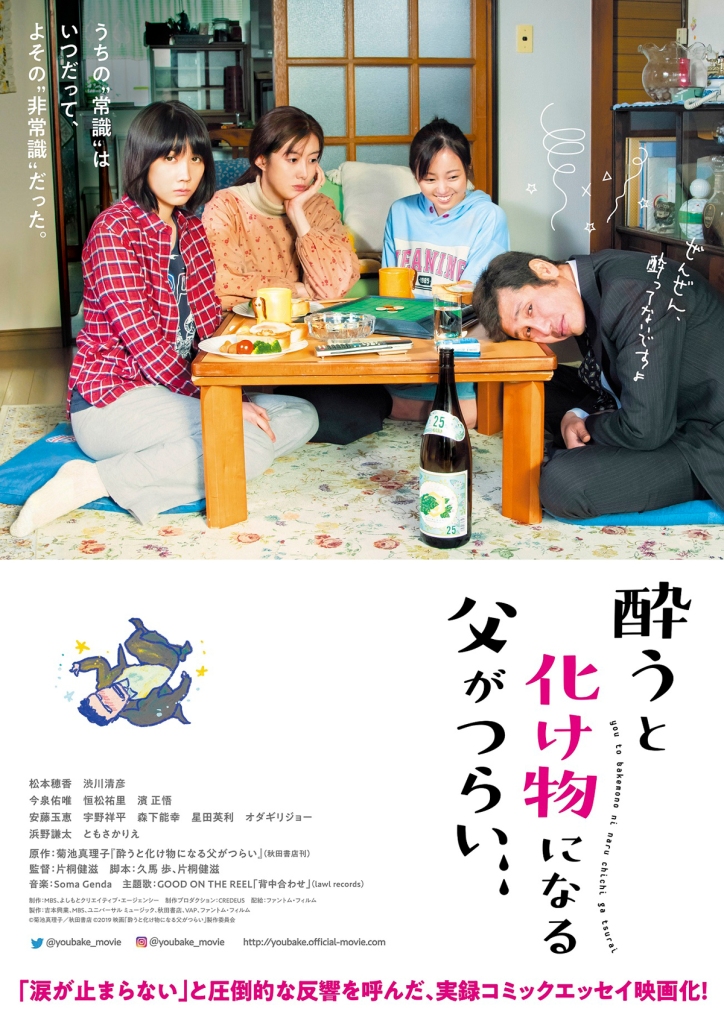
A Life Turned Upside Down: My Dad’s an Alcoholic (酔うと化け物になる父がつらい, Kenji Katagiri, 2019)

A dejected young woman finds herself conflicted in her memories of the father who failed her in Kenji Katagiri’s A Life Turned Upside Down: My Dad’s an Alcoholic (酔うと化け物になる父がつらい, You to Bakemono ni Naru Chichi ga Tsurai). Drawing inspiration from the webcomic by Mariko Kikuchi, Katagiri’s whimsical drama does its best to put a comical spin on the extended trauma of living with an alcoholic dad while laying the blame squarely at the the feet of a society with an entrenched drinking culture in which refusing to imbibe is all but unthinkable. 

The heroine, Saki (Honoka Matsumoto), begins her tale in the late ‘90s when she is only eight years old and unaware that her family circumstances are not exactly normal. Tadokoro (Kiyohiko Shibukawa), her salaryman dad, usually rolls in late and collapses in the hall after staying out all night drinking. This is such a common occurrence that Saki and her younger sister Fumi are completely unfazed by it, marking off dad’s drunken days with a big red X on the calendar and cheerfully helping their mum drag him back into the house. Saeko (Rie Tomosaka), their mother, tries to put a brave face on it, and to the girls it probably still seems a little bit funny, but as she gets older Saki begins to see the toll her father’s drinking has taken on her mother not only in practical terms but emotional in realising that he drinks largely as a means of escaping his responsibility which includes that towards his family. 

Saki asks her mum why dad’s three friends keep coming round to drink while playing mahjong but the only explanation she can offer is that adults need to socialise. Socialisation does it seems revolve around alcohol, and to that extent perpetuates deeply entrenched patriarchal social codes in largely remaining a homosocial activity with the only women present those that run the bar (the wives of Tadokoro’s friends make a point of thanking Saeko for allowing their husbands to drink at her house, they it seems are not invited). Tadokoro’s excuse for his drinking is that it’s a necessary business activity, that you can’t get by as a salaryman without figuring out how to have fun at a nomikai and bond with your clients over sake. His office best friend later discovers this to be true as a teetotaller given the banishment room treatment he attributes to the fact he doesn’t drink which is why his bosses don’t trust him as member of the team. 

Tadokoro might think he’s serving his family through his career, but it’s clear that he neglects them physically and emotionally by refusing to moderate his drinking. He breaks promises to his kids to take them to the pool because he’s still hung over from the night before while his wife finds herself at the end of her tether with his continued indifference later telling the little Saki that she wanted to divorce him even before the kids were born but it’s too late for that now. Saeko escapes from the burden of her life through religion, adhering to a shady Christian-leaning cult which preaches that endurance builds character and character leads to hope, all of which presumably convinces her that she is supposed to just put up with Tadokoro’s problematic behaviour rather than reassuring her that there is no sin in leaving him. 

Saki fears making her mother’s mistake, traumatised by her childhood experiences and drawn into an abusive relationship of her own out of loneliness and low self esteem. She resents her father but also feels bad about it, simultaneously thankful when he takes a temporary break from drinking and mahjong but also aware of how sad it is that she is grateful for things that other families would consider normal. Tadokoro proves unable to quit drinking, and Saki wonders if she’s right to even ask him if, as others say, drinking is his mechanism for escaping loneliness, but also reflects on the sadness she now understands in her mother as stemming from her father’s abnegation of his responsibilities and the loneliness it must have provoked in her. Fumi (Yui Imaizumi), trying to explain why Saki should break up with her abusive boyfriend (Shogo Hama), tells her of an experiment she read about in which a rat was trapped in a box and randomly given electric shocks. At first, it tried to escape, but eventually became resigned to its fate and settled for learning to endure the pain. Saki is perhaps much the same, trapped by filiality in finding herself unable to either forgive or reject the memory of the father who so resolutely failed to live up to the name.


A Life Turned Upside Down: My Dad’s an Alcoholic was streamed as part of this year’s online Nippon Connection Film Festival.

International trailer (English subtitles)
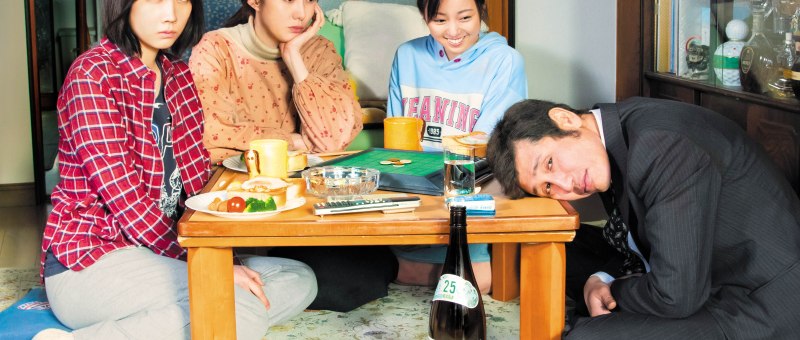
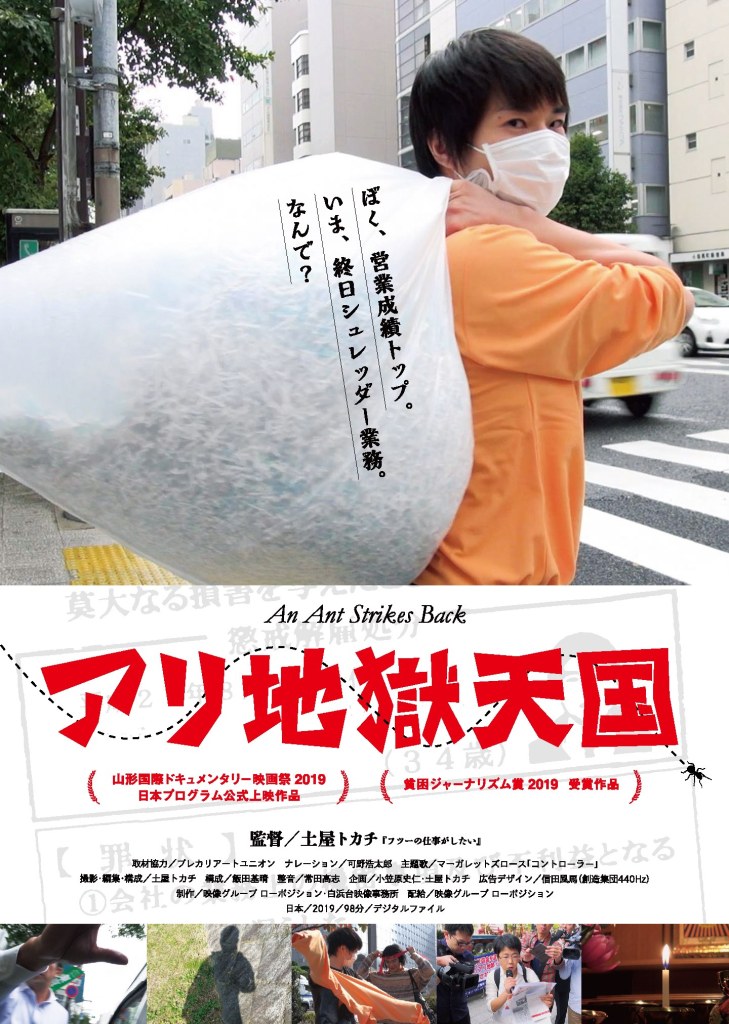
An Ant Strikes Back (アリ地獄天国, Tokachi Tsuchiya, 2019)

During Japan’s post-war economic miracle, death from overwork became such a prevalent phenomenon that it generated its own grim buzzword, “karoshi”. Sadly, karoshi is still with us today as evidenced by the death of a young woman back in 2015 which hit the headlines when it was revealed that she had taken her own life after being forced to log over 100 hours of overtime at top advertising firm Dentsu in the months before she died. Despite comparatively advanced labour law, a culture of shame and entrenched corporate loyalty often prevent employees from speaking out about exploitative workplace practices, allowing unscrupulous bosses to flout the rules with impunity. So-called “Black Companies” bully and manipulate employees into accepting poor pay and conditions rather than risk dismissal or defacto blacklisting. 

Following the suicide of a close friend who took his own life because of workplace bullying, director Tokachi Tsuchiya documents the case of another young man who decided to fight back after being awakened to the fact that the practices at his company were not fair, normal, or acceptable but cynical and exploitative. Nishimura, known for the moment under an alias, left a job as a systems engineer to work at one of Japan’s best known moving companies because it promised a good, stable salary and he wanted to get married. What he discovered, however, was that the advertising was somewhat disingenuous. After working hard and getting a promotion to the sales department and subsequently into management, he was expected to work 19-hour days. His relationship with his wife suffered to the degree that she eventually left him. They later reconciled, but it became clear that his working life was not healthy or sustainable. He took a demotion back to sales and remained a top employee. 

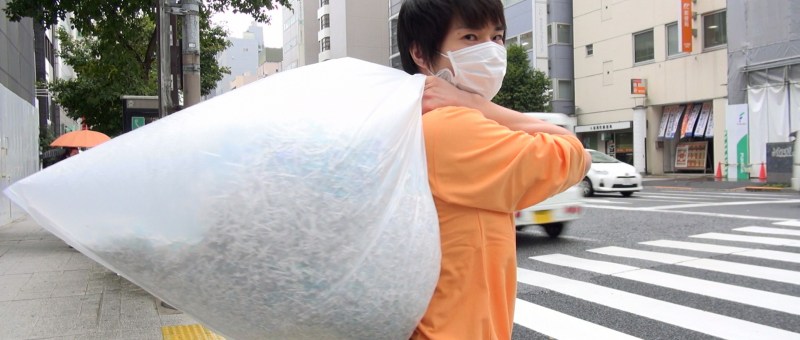
Disaster struck, however, when he was involved in a fatigue-induced traffic accident while driving a company car. The moving company, like many other corporate entities, is run like a shady cult with its own idiosyncratic corporate policies that are often in contravention of standard employment law. After damaging the company car, Nishimura is liable for paying compensation with a significant sum of money due to be docked from his pay. Thoroughly brainwashed, he signed for the debt without thinking, only questioning his liability when his wife handed him an article about another employee in much the same position who’d turned to an external union for help. Hearing the patient explanations from the union advisors who tell him he doesn’t need to pay, Nishimura is suddenly awakened to the fact he’s been exploited and decides to stand his ground. The company, however, fight fire with fire. After finding out he’s involved with the union, they demote him to another department with a far lower salary before going further and forcing him to shred documents all day long while wearing an orange polo shirt that marks him out as a special employee. 

This kind of treatment is a common method of constructive dismissal practiced by Japanese companies in which they force “difficult” employees to perform boring, menial, or degrading tasks while separating them from the group in the hope that they will eventually quit of their own accord so the company won’t be liable for any severance benefits they would otherwise be entitled to. Nishimura, however, does not quit. He throws himself into union activities and views sticking it out as a way of sticking it to the man. What he wants is his sales job back, but he also wants to prove to other employees that the way they’re being treated isn’t normal and that they can resist by joining a union and presenting a united front against exploitative employers. 

Looking back on his recruitment process, Nishimura notices several red flags he did not pick up on at the time.The kinds of people the company never hire include those who are familiar with labour law, people who’ve run businesses, people who’ve worked in law enforcement, and “communist” lawyers. Along with that, they apparently don’t hire “third country nationals” which seems to be a euphemism for Zainichi Koreans, illegal discrimination from a managerial team former employees describe as being vehemently racist as well as prejudiced against burakumin and other groups considered undesirable under a decidedly outdated idea of feudal social hierarchy. Nishimura feels his demotion was not so much to do with the accident, but with his decision to join the union in another breach of conventional employment law. 

The managers attempt to silence the female union negotiator by screaming misogynistic slurs, caught on camera harassing a union rep handing out fliers while using a loudspeaker outside the building. They add Nishimura’s photo to a newsletter as an example not to be followed and even go so far as to send threatening letters to his family members while he is on leave to attend his mother’s funeral. Yet Nishimura bravely refuses to give up, doggedly doing his shredding job as an act of resistance while holding their feet to the fire in the courts. Nishimura’s wife had described him as “brainwashed” in his early devotion to the company which he had earnestly served, wanting to get on and be successful, forcing other employees to pay the onerous fines that he eventually refused to pay because it never occurred to him to question the company line. That questioning is precisely why he continues to resist, so that others will know that collective action really works and that they don’t have to be complicit in their own exploitation. One tiny worker ant said no and the company trembled, think what a thousand tiny worker ants could do together.


An Ant Strikes Back is available to stream worldwide until June 14 as part of this year’s online Nippon Connection Film Festival.

International trailer (English subtitles)
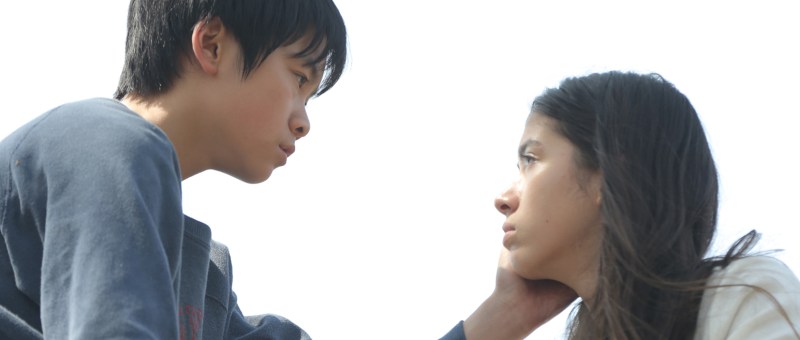
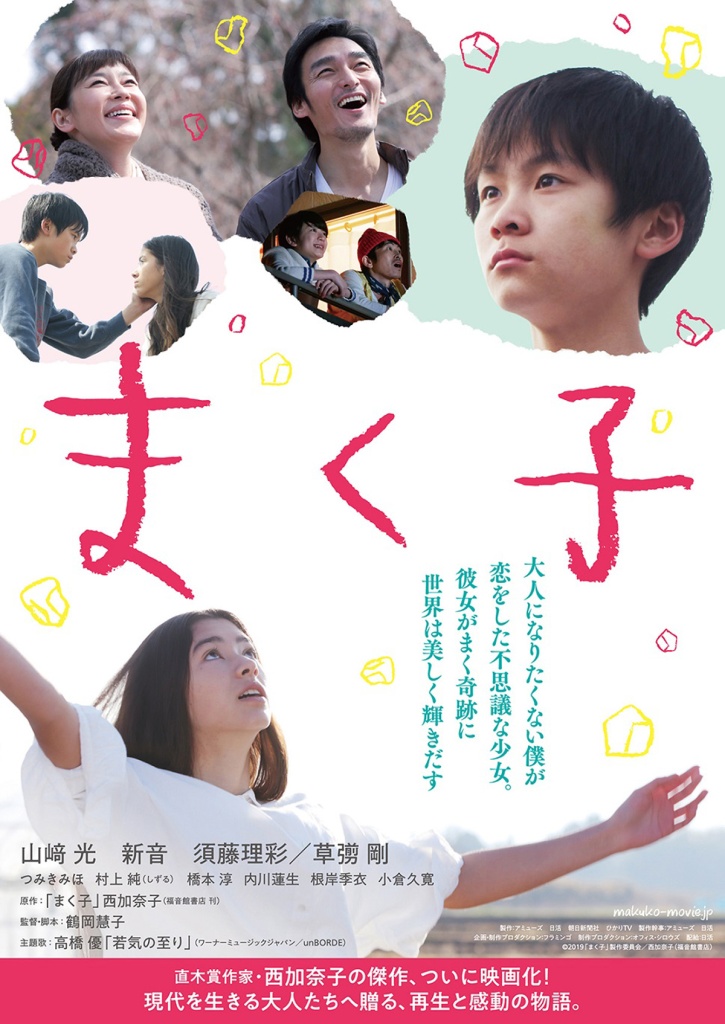
Makuko (まく子, Keiko Tsuruoka, 2019)

“In this world nothing lasts forever” the conflicted hero of Keiko Tsuruoka’s Makuko (まく子) is tearfully told, though it’s a lesson he struggles to learn as he battles the anxiety of leaving the certainties of childhood behind. Adapted from Kanako Nishi’s 2016 novel, Makuko is unafraid of the fantastical but resolutely rooted in the everyday as “aliens” make their descent into regular small-town life to learn what it is to die, or so they say, while the hero discovers what it is to live through the beauty of transience. 

11-year-old Satoshi (Hikaru Yamazaki) is coming to the realisation that he is growing up. Things around him, or more precisely his perception of them, are changing in small but obvious ways and he’s not OK with it. Like the other children he used to enjoy being read manga by Dono (Jun Murakami), a middle-aged man with learning difficulties who hangs around with the local children, but has for some reason begun to find it embarrassing. Meanwhile, he’s also battling a degree of resentment towards his distant father (Tsuyoshi Kusanagi) in becoming aware of his parents’ complicated relationship after spotting him with another woman and hearing constant references to his philandering which his mother (Risa Sudou) seems to have accepted. Satoshi doesn’t know much, but he knows he doesn’t want to be like his dad or any of the other duplicitous adults he sees around the town which is one of many reasons that he fears growing up and being forced to enter the world of adult hypocrisy against his will. 

All of these fears are challenged by the unexpected appearance of intergalactic transfer student Kozue (Ninon) who tells him that she and her equally odd mother (Miho Tsumiki) are actually from a distant planet somewhere near Saturn where nothing ever changes and no one gets old. This is, she explains, because their bodies are made of particles which are eternal and unchanging, unlike those of Satoshi’s body which are constantly in flux which is why humans grown old and die. When a meteorite carrying different particles hit the planet’s surface, it caused a population explosion leaving her people with the unprecedented choice to die only no one really knows what “death” means which is why she’s come to Earth. Satoshi is envious of an unchanging world, seeing only futility in his equation of change with death which is what it is that he’s really afraid of. Why grow up only to die? he asks, only for Kozue to point out that like the leaves she’s fond of throwing in the air, if they didn’t fall they wouldn’t be so pretty. 

Satoshi isn’t really sure he believes Kozue’s strange story, only that he’s certain he doesn’t want her to die. It seems he fell out with a friend who stopped coming to school because of stories the other kids thought he was making up about UFOs and ladders in the sky, but if what Kozue says is true then perhaps he owes him an apology. Dono, whom he’d previously looked down on as “the town’s second biggest loser” offers him some valuable advice that perhaps it’s better to believe the things that people tell you and if you find out later that they lied, well you can deal with that then. 

Whether Kozue’s an alien or not, Satoshi is fairly certain he’s falling in love with her which is a whole other set of problems which brings him back to his problematic dad and the awkwardness of puberty. He doesn’t want to be an adult, but his body is changing all on its own and there’s nothing he can do about it. The local festival is all about “rebirth” through creation and destruction, but Satoshi still struggles to accept the necessity of change in order to grow, wishing things could simply remain as they are. What he learns is that we’re all “aliens” in one sense or another, everyone is lost and afraid and different but also the same, keepers of a hundred “tiny eternities” equating to one vast whole.  

“Everything disappears in the end” Satoshi is told during an intense encounter with his father’s mistress, but then again perhaps it doesn’t only remaining in a different form. A cosmic event brings the townspeople together in banal awe that quickly passes into a collective memory, and while some depart others arrive in their place bringing with them their own near identical anxieties and, like meteorites striking home, new opportunities for growth. 


Makuko is available to stream in Germany until June 14 as part of this year’s online Nippon Connection Film Festival.

International trailer (English subtitles)