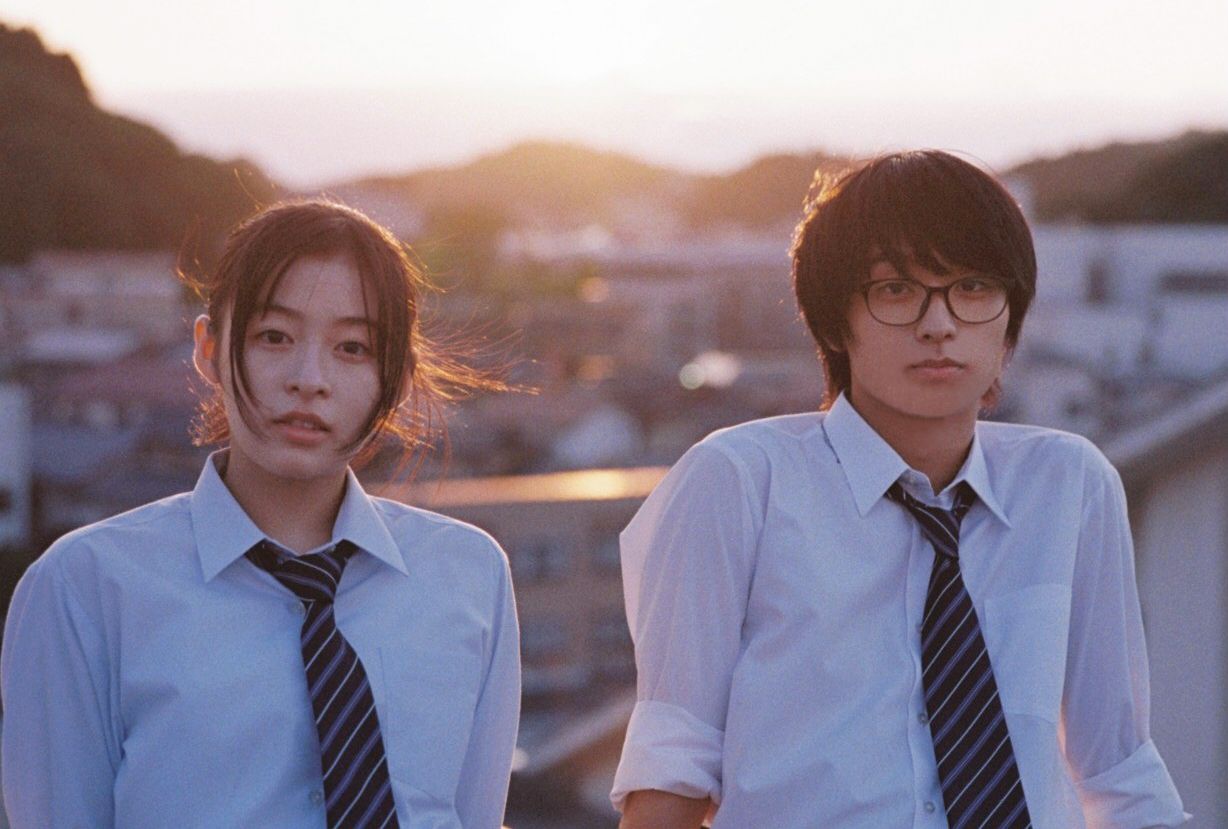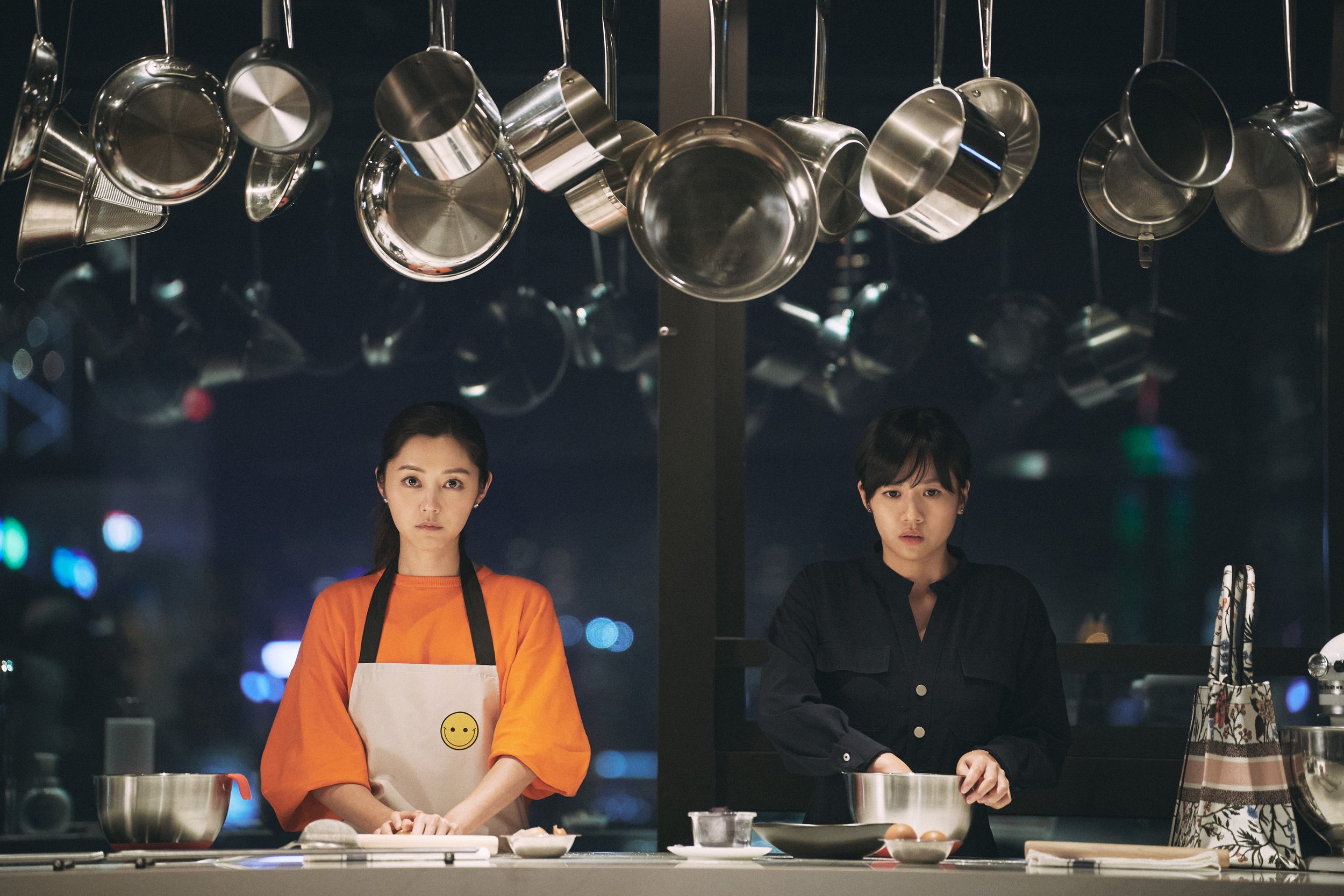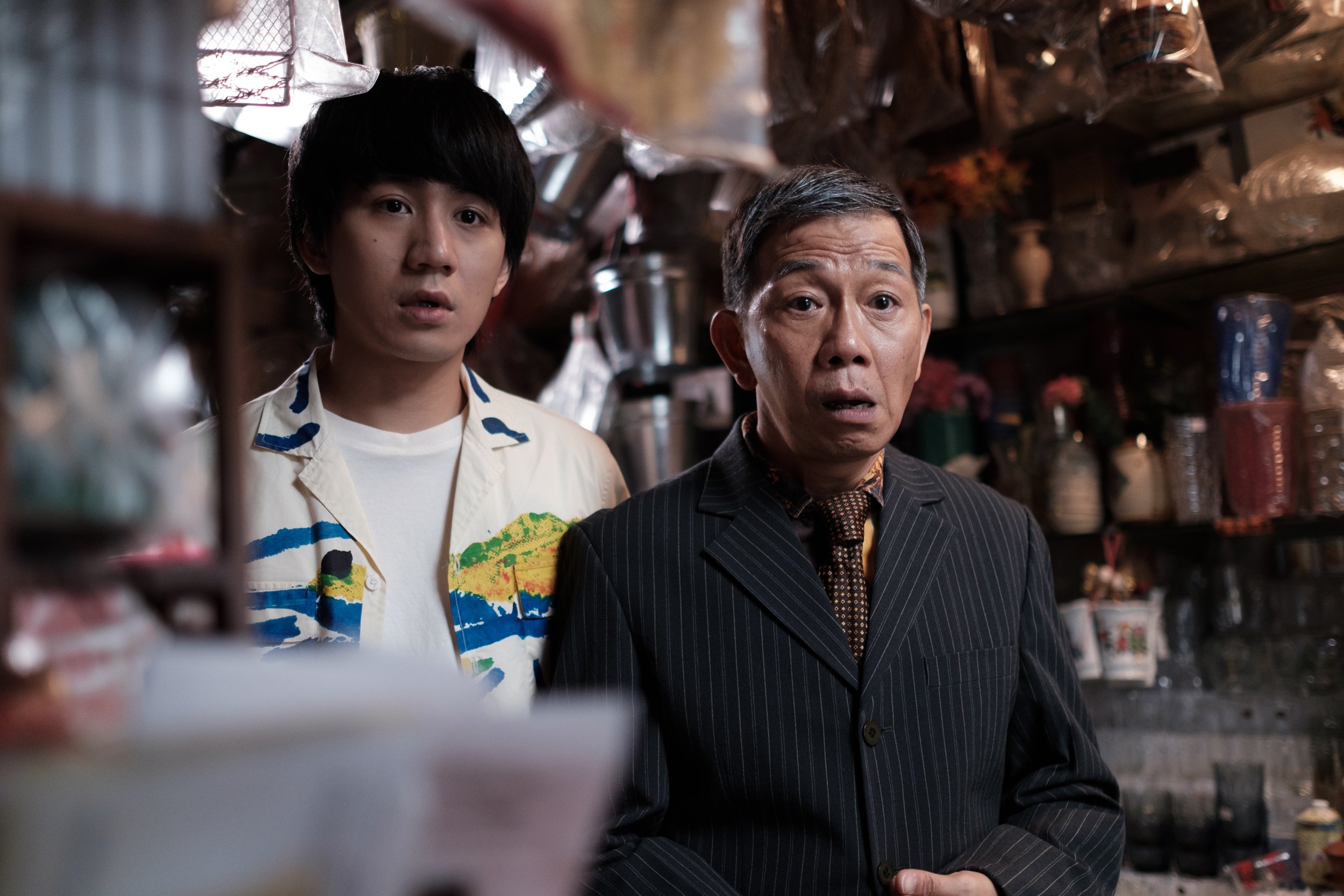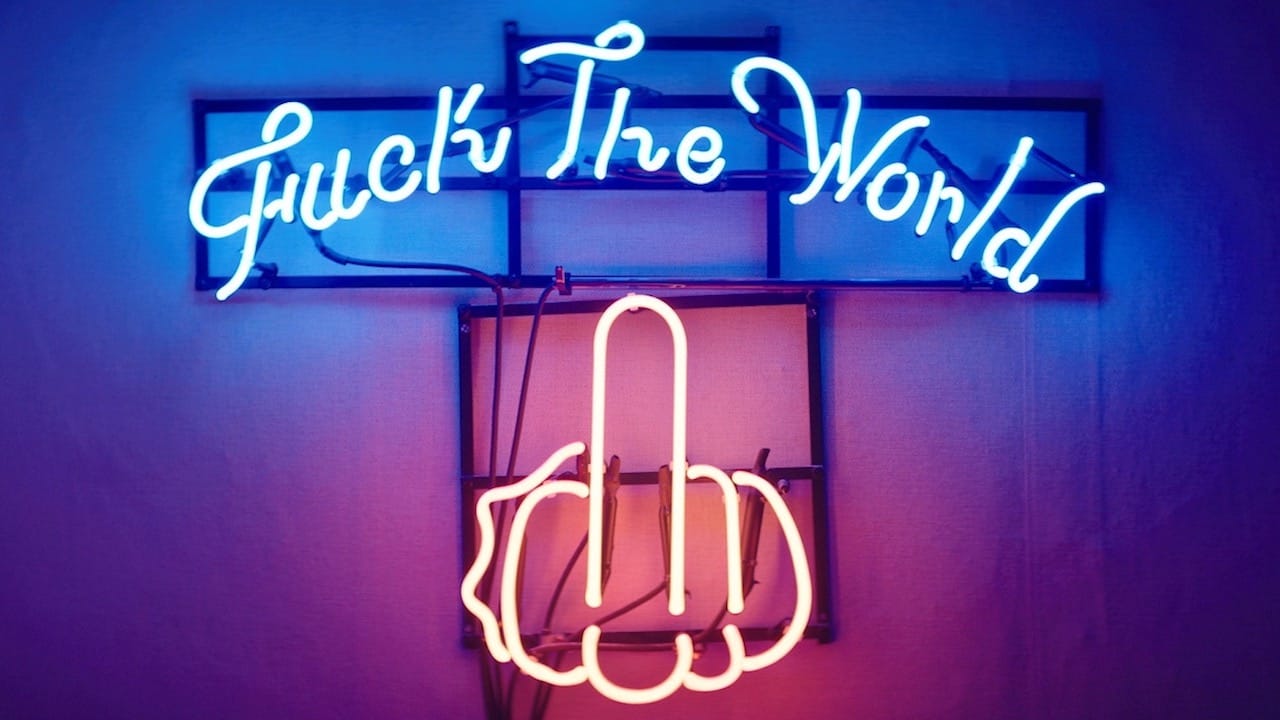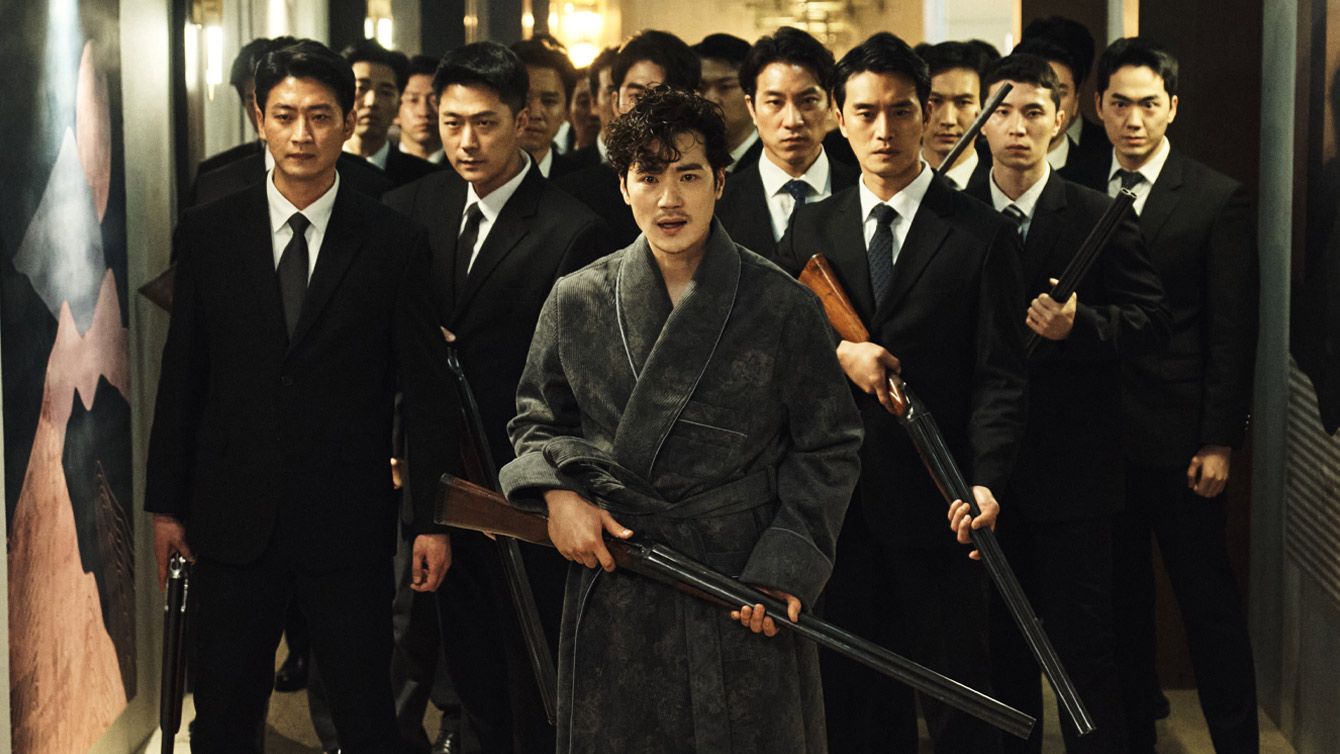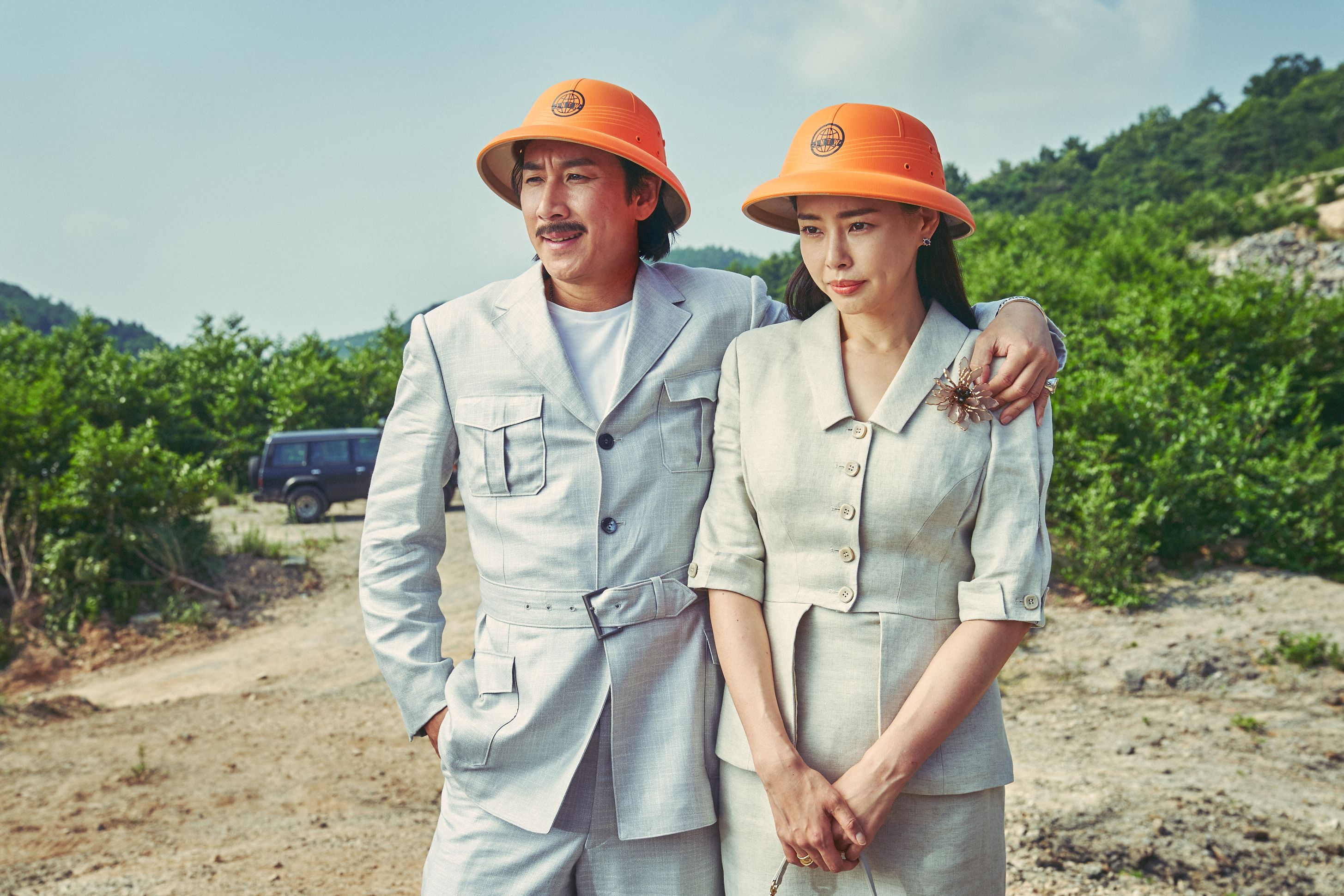
Drive (드라이브, Park Dong-hee, 2023)

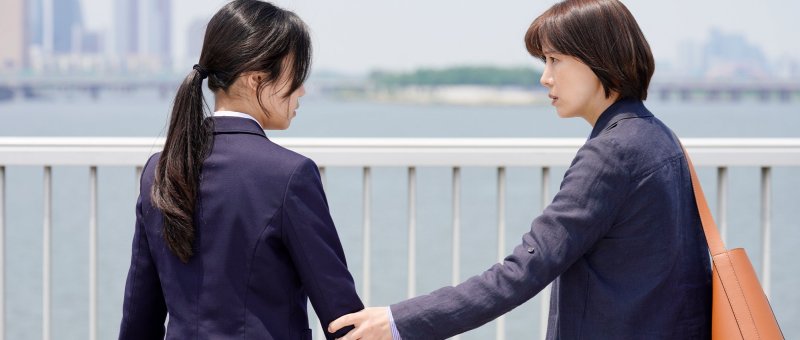
“Be sincere if you want other people’s money” an influencer is told during a contract negotiation, but as she’s forced to admit in Park Dong-hee’s tense kidnap thriller Drive (드라이브) her whole world is hollow. Even so, sincerity was it seems something people wanted from her and tragically did not get, though for others what undoubtedly sells is a fantasy life of “easy” money and total independence free from an oppressive work culture if not quite from the patriarchal society. 

An opening sequence charts the gradual evolution of Yuna (Park Ju-Hyun) from shy young woman venturing into streaming to rising star of the online world. As someone points out she’s good at negotiating though is prepared to screw over even those closest to her in the hope of advancement while indulging in underhanded tactics such as encouraging companies to break contracts with other streamers with the promise of covering their damages. She’s also secretly plotting to throw over her long time manager and join a large media conglomerate even if, as it turns out, the boss is about to make her an indecent proposal. 

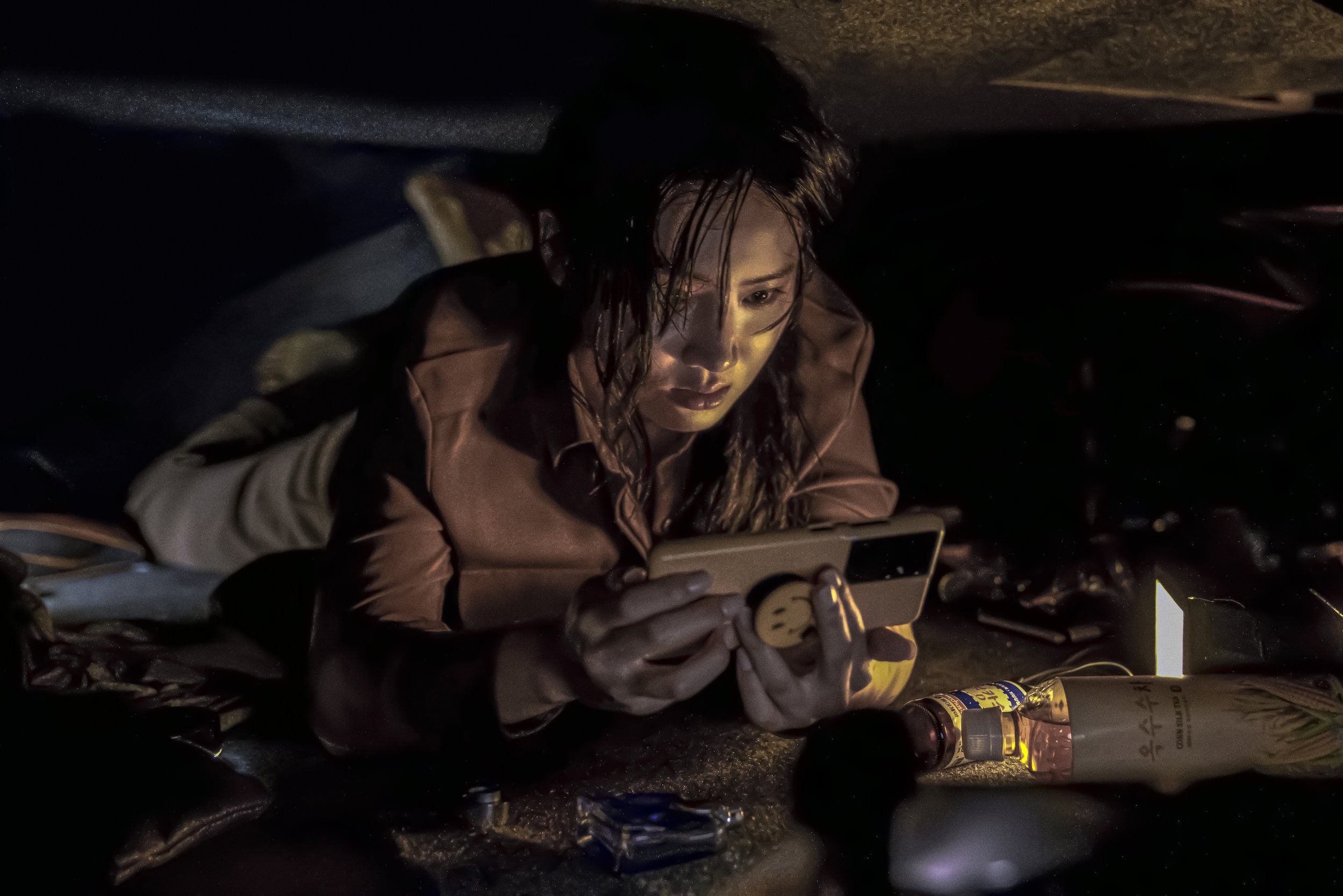
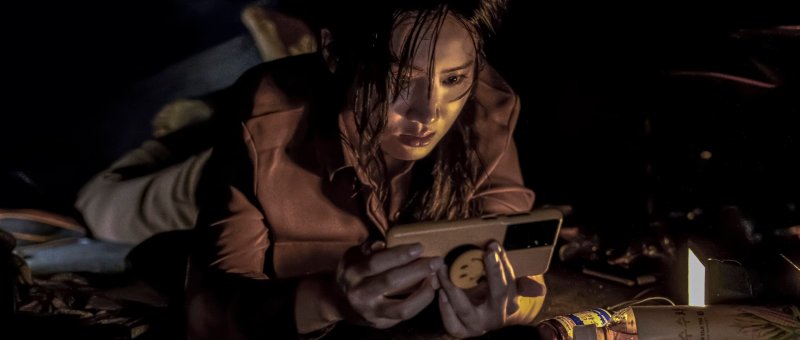
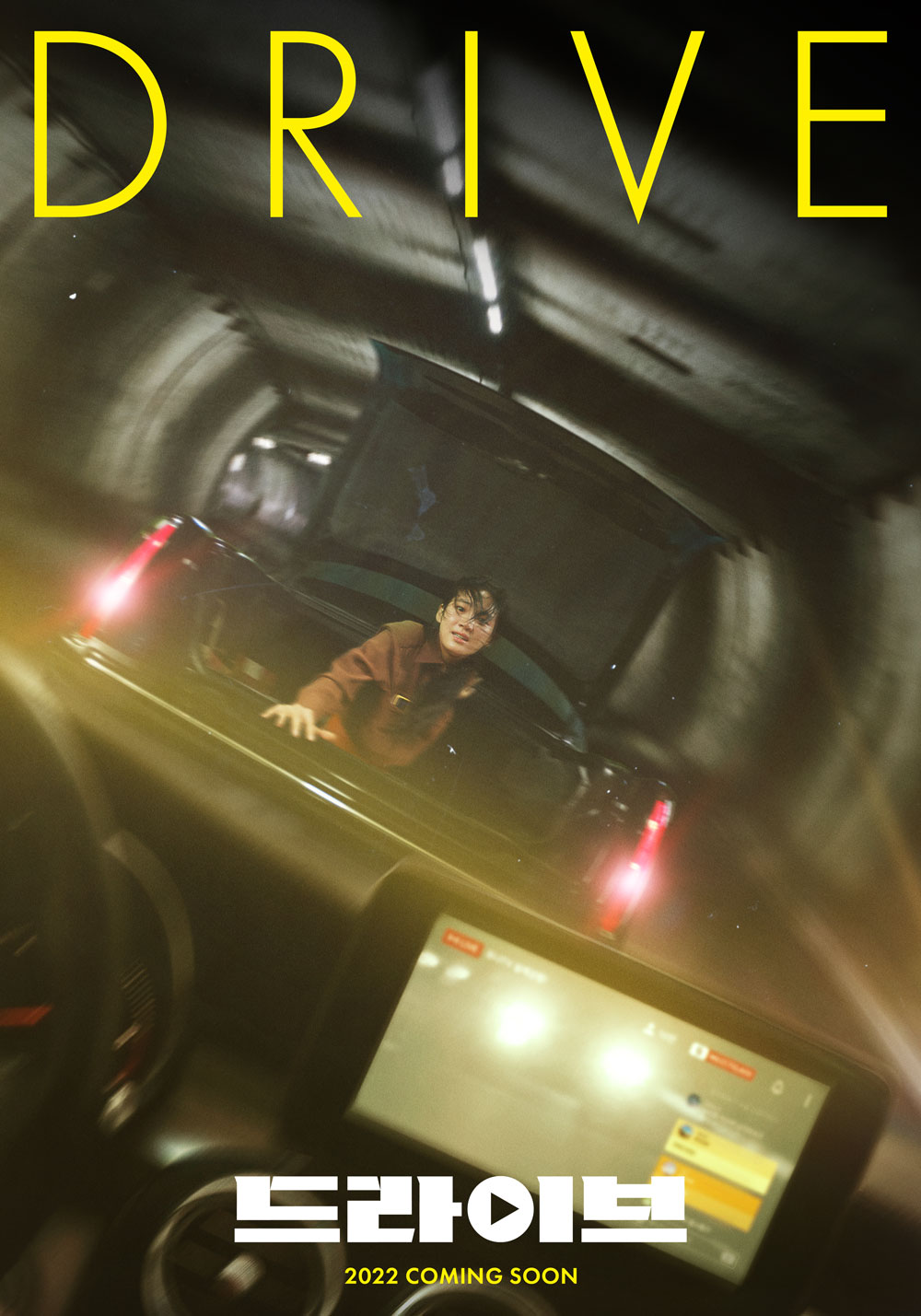
Yet the truth she’s confronted with after being kidnapped is that none of it’s quite real. She doesn’t actually have vast wealth, nothing really belongs to her but is merely on loan to use as endorsements. Stuffing her in the boot of her own car, the kidnapper asks for a million won which Yuna can’t pay leading them to force her to livestream her own kidnapping and hopefully earn the remainder of the money from her adoring fans. The problem is that no one really believes she has actually been kidnapped. Everyone assumes it’s a publicity stunt while the kidnapper tells her if she doesn’t get the money she’ll be driven into a scrapyard and never seen again. 

Now dependent on her “fans” whom she had previously described as “creeps”, Yuna is repeatedly told to reveal her real self. The boot of the car becomes a kind of purgatorial space, Yuna later coming to the realisation that the reason she’s not been able to escape is that she has not yet succeeded embracing herself as she is. Her YouTube persona is constructed as much for herself as others, to protect herself from unpleasantness or the stigma of being unsuccessful. She invents a life for herself as the daughter of a businessman who took his own life after his business failed, but prides herself on being a good businesswoman even if that means some underhanded tactics but then she’s not the only one playing dirty in the influencer game.

Yuna certainly has a “drive” to succeed, but the paradox lies in the enigma of the degree to which people, including herself, expect or deflect sincerity. Some obviously crave it, desperate to believe that Yuna really is their friend who cares for them deeply while others want the exact opposite, a hollow figure onto which they can project their image of contemporary success and fantasy of living the high life. It seems that success has made Yuna less forgiving, adopting a haughty attitude and frequently dismissing those around her. If she wants to get out of the boot, she’s going to have to face her authentic self finally looking at her own reflection in the blank screen of a tablet long after the stream has ended. 

The kidnapper challenges her to debase herself, asking how far she’ll go to save her life but equally if her “fans” are willing to pay to save her while other streamers later get in on the action too, mainly getting in the way and willing to endanger Yuna’s survival for their own livelihood. In someways exposing the hollow artifice of influencer culture, the film eventually pulls back to ask if it isn’t a frustrated desire for connection fuelled by those who long to be seen and are in effect attempting to fill an emotional void with the quantifiable love of an online following. At the peak of her success, Yuna realises her time may be ending as young stars creep up behind her and she has to run to stay in the game but in the end can no longer run from herself or the hollowness of her life whether she really does end up on the scrap heap of contemporary culture or not. 


Drive screens in Chicago Oct.7 as part of the 17th season of Asian Pop-Up Cinema 

International trailer (English subtitles)
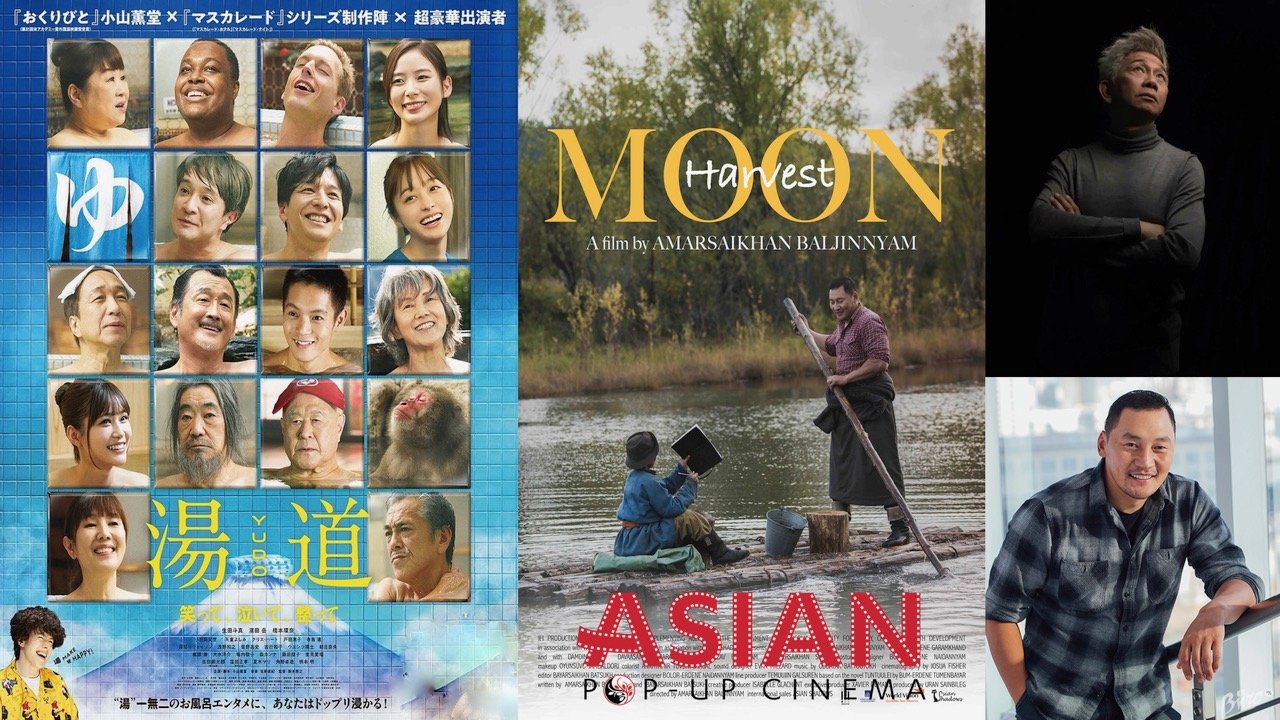
Harvest Moon (Эргэж ирэхгүй намар, Amarsaikhan Baljinnyam, 2022)

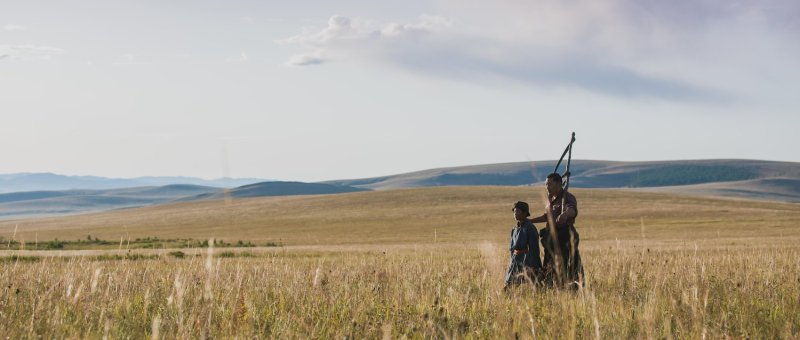
A young man who left for the city is forced to reckon with his childhood self and the nature of paternity when called back to his rural home in Amarsaikhan Baljinnyam’s touching directorial debut Harvest Moon (Эргэж ирэхгүй намар). The melancholy title may hint at the short-lived nature of the central relationship but also reflects the slowly disappearing traditional culture of the Mongolian Steppe and the loneliness of those who find themselves in one way or another orphaned amid its vast and empty landscapes.

Tulgaa’s (Amarsaikhan Baljinnyam) dilemma is that he’s just received a voice message from a woman he’s been seeing explaining that she has a son she had not previously disclosed and wants to know if it’s a dealbreaker before the relationship becomes more serious. Meanwhile, he receives a call from his home village letting him know that the man who raised him, but was not actually his biological father, has been taken ill and may be close to death. Though reluctant, Tulgaa begins the long journey to say goodbye and then finds himself agreeing to stay a little longer to finish his father’s last harvest. 

While there, he meets a little boy, Tuntuulei (Tenuun-Erdene Garamkhand), who is like he was a child without a father though currently living with elderly grandparents while his mother works in the city. Older than his years, Tuntuulei too is bullied and ostracised by the other villagers who gossip and disapprove of the manner of his birth which apparently occurred after a one night stand. Neither Tulgaa nor Tuntuulei ever knew their biological fathers and are each looking for something to soothe their loneliness, eventually developing paternal relationship even in the knowledge that Tulgaa will return to the city once the harvest is done whether or not he eventually decides to accept becoming a father to his girlfriend’s son. 

In many ways Tulgaa is bonding with his childhood self and processing his paternal anxieties through the lonely, abandoned child he once was which is perhaps a little unfair given that he essentially taking a test run with Tuntuulei in preparation for becoming another boy’s father. Tuntuulei’s grandparents meanwhile contemplate sending him to the city to be with his mother, conscious that he’s bored with only the elderly couple for company and takes no interest in schooling. Tulgaa’s discovery that the boy cannot read provokes a rift between them in his insensitive reaction though Tuntuulei has already taught him a series of essential life skills for living on the Steppe from fishing to how to salve the blisters on his hands from cutting grass with a scythe. Tulgaa’s father had finally accepted that there was nothing he could have done to prevent him from leaving, but Tuntuulei seems so perfectly in tune with this landscape that it may not be possible for him to find happiness in the city even as this way of life continues to decline with other youngsters increasingly choosing urban civility over nomadic freedom.

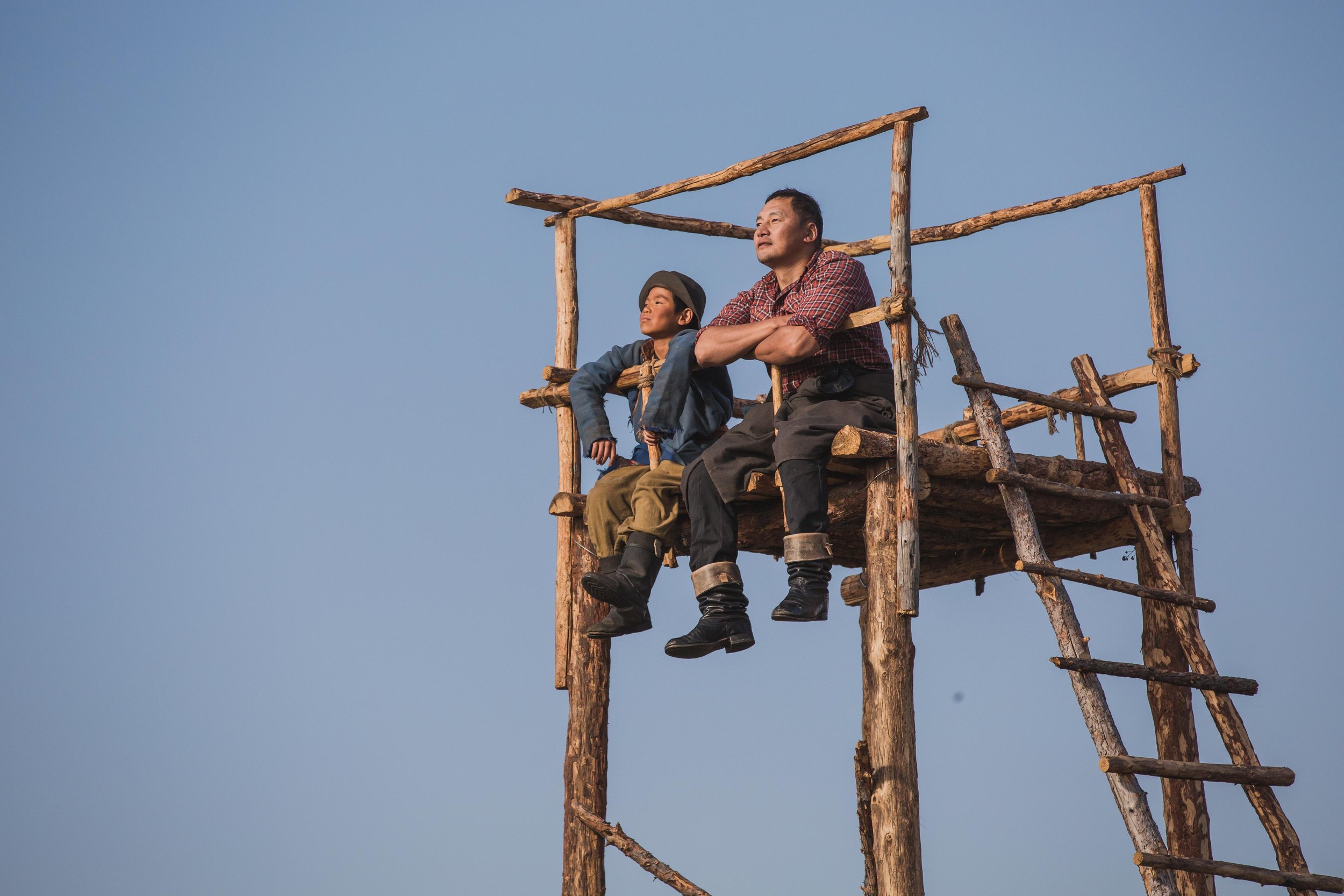
As Tulgaa is eventually told, the age of harvesting by hand may be over as his stay in the village is quite literally cut short leaving Tuntuulei all alone a tiny figure amid heaps of drying grass. The once verdant field now seems sad and empty, a sign that autumn has arrived and not only for the two men but for the village as a whole. The film had opened with a group of men desperately trying to get a phone signal by attaching a mobile to a pole and standing on a horse, shouting up at the receiver and barely able to understand the reply. Tuntuulei suggests building tower so people could climb up and make a call whenever they want which in part symbolises his own desire for connection along with the community’s isolation from the outside world. But when he tries to use it himself he discovers only disappointment. After all this effort, his mother is too busy to speak to him and blithely asks that he call back later cruelly crushing his fantasy of being able to contact someone any time he wants and reinforcing his sense of aloneness. Even so through his relationship with Tulgaa who is after all an older version of himself he is able to find another connection which may endure even in its absence. Beautifully lensed to take advantage of the majesty of the Mongolian landscape, Amarsaikhan Baljinnyam’s poetic debut is a quietly affecting affair in its own way melancholy but also filled with warmth and a sense of future possibility.


Harvest Moon screens in Chicago Sept. 23 as part of the 17th season of Asian Pop-Up Cinema where Pinnacle Career Achievement honouree Amarsaikhan Baljinnyam is scheduled to attend the award ceremony before the film and Q&A after.  

Original trailer (English subtitles)

Stand Up Story (說笑之人, Amen Au Cheuk-man, 2023)

A lost young man tries to turn his grief into laughter while realising he might have more in common with his ageing father than he first assumed in Amen Au Cheuk-man’s poignant drama, Stand Up Story (說笑之人). Partially an exploration of the marginalisation of those with disabilities, the film is also a gentle tale of learning to stand up for one’s self and one’s family while gaining the courage to follow your dreams rather than holding back in fear of failure. 

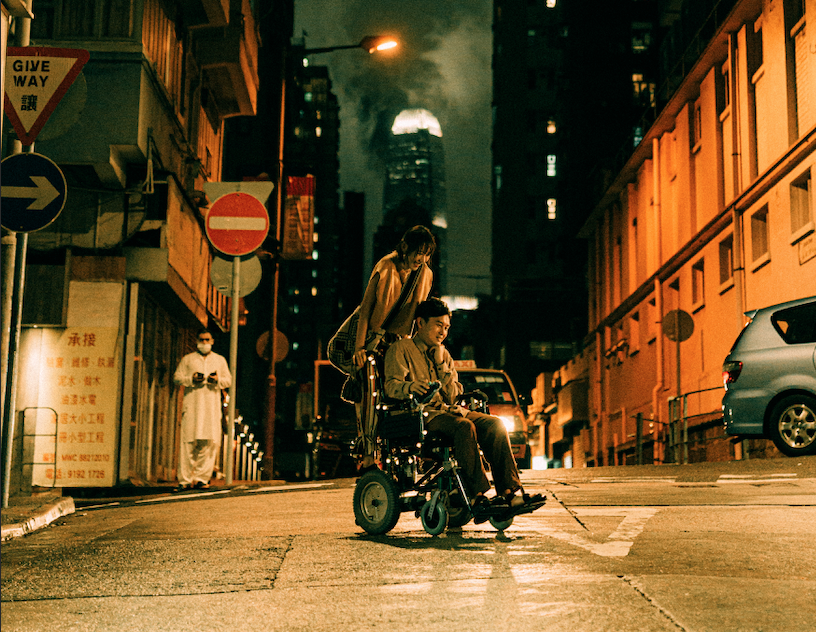
Manny’s (Ng Siu-Hin) dreams lie in stand up comedy, but he struggles to convince his father, who has learning difficulties due to a childhood illness, that telling jokes can be a real job. Wah (Ben Yuen Foo-Wa) raised him alone after the woman he married left the family once her Hong Kong residency was confirmed leaving them both with a sense of absence and lingering feeling of lonely abandonment. Though his father was very excited his son has graduated university, Manny is working as a delivery driver while floundering for direction half-heartedly pursuing standup but lacking the confidence to jump in and try it full-time while also unwilling to look for a steadier job because it would mean giving up on comedy.

As the former headmaster who employs him at his restaurant after he retires from his job as a high school janitor suggests Wah is also lacking in confidence and afraid to try new things in part because of his insecurity as someone with learning difficulties who may have encountered impatience and anger in the past. Though he manages well enough on his own, Wah has experienced prejudice and discrimination all his life and has made himself smaller because of it. Always cheerful he does his best to be useful and help others where he can even if they sometimes take advantage of him accidentally or otherwise like the thoughtless Fourth Auntie who gets him to do a lot her work for her and place bets on her behalf pledging to chip in with her share of the money if they win. 

Manny is quick to warn him about such people, but as the master suggests may also be guilty of underestimating his father while insensitive to his fear of loneliness. As a teenager, Manny had also been somewhat embarrassed by his father and did little to defend him when the other kids at school made of him. He also doesn’t invite him to his university graduation despite the excitement that has already seen Wah buy a new suit for the occasion. In a moment of anger he expresses his resentment, exclaiming that he feels trapped in their claustrophobic apartment and is fearful that he’ll stuck there forever but of course regrets it realising how much he’s hurt Wah’s feelings in the knowledge of how difficult his life has been raising him as a single father on a janitor’s salary. 

The irony is that Wah had wanted his son to become a teacher, a respectable, steady job he has a particular respect for because of the support he received from the headmaster, but becomes a kind of teacher himself albeit wordlessly. Manny can only progress his comedy career by wrestling with his life even if some of his routines feel as if the may be crossing a line between laughing at and with his father. Wah’s discomfort is evident on watching Manny telling jokes about him on stage, but so is his relief and thankfulness that people seem to be laughing and he might be able to make a career out of it after all. 

One of Manny’s colleagues suggests that stand up might just save Hong Kong, that now more than ever people need to find a way to channel their anxiety into comedy to able to carry on. That anxiety is only deepened by the pandemic in which even the headmaster’s restaurant is threatened by the economic reality and Wah’s world becomes even smaller. Warmhearted though also honest in Manny’s inner conflict and ambivalence towards his relationship with his father the film is essentially about giving things a proper chance while there’s time rather than giving up because it seems difficult or awkward be it in relationships or finding the courage to chase happiness doing something you love.


Stand Up Story screens in Chicago Sept. 16 as part of the 17th season of Asian Pop-Up Cinema. Pinnacle Career Achievement honoree Ben Yuen and Bright Star Award recipients Ng Siu Hin and Rachel Leung are scheduled to attend the award ceremony before the film and Q&A after

Original trailer (Traditional Chinese / English subtitles)

Asian Pop-Up Cinema Returns for Season 17!

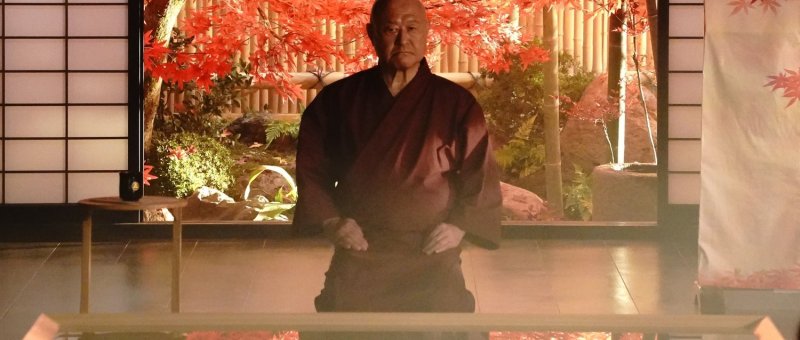
Chicago’s Asian Pop-Up Cinema returns for its 17th Season Sept. 8 to Oct. 7. Opening with bathhouse dramedy Yudo, the season will close with surreal Korean comedy Killing Romance with actor Lee Sun-Kyun in attendance to receive the Excellent Achievement in Film Award. Veteran Hong Kong actor Ben Yuen will receive this season’s Pinnacle Career Achievement award while Ng Siu Hin and Rachel Leung will receive the Bright Star Award and Mongolian actor/director Amarsaikhan Baljinnyham will also be recognised as a Pinnacle Career Achievement Honoree.

Japan Cinema Showcase

AMC NEWCITY 14 (1500 N Clybourn Ave, Chicago, IL 60610) 

Opening Night Film

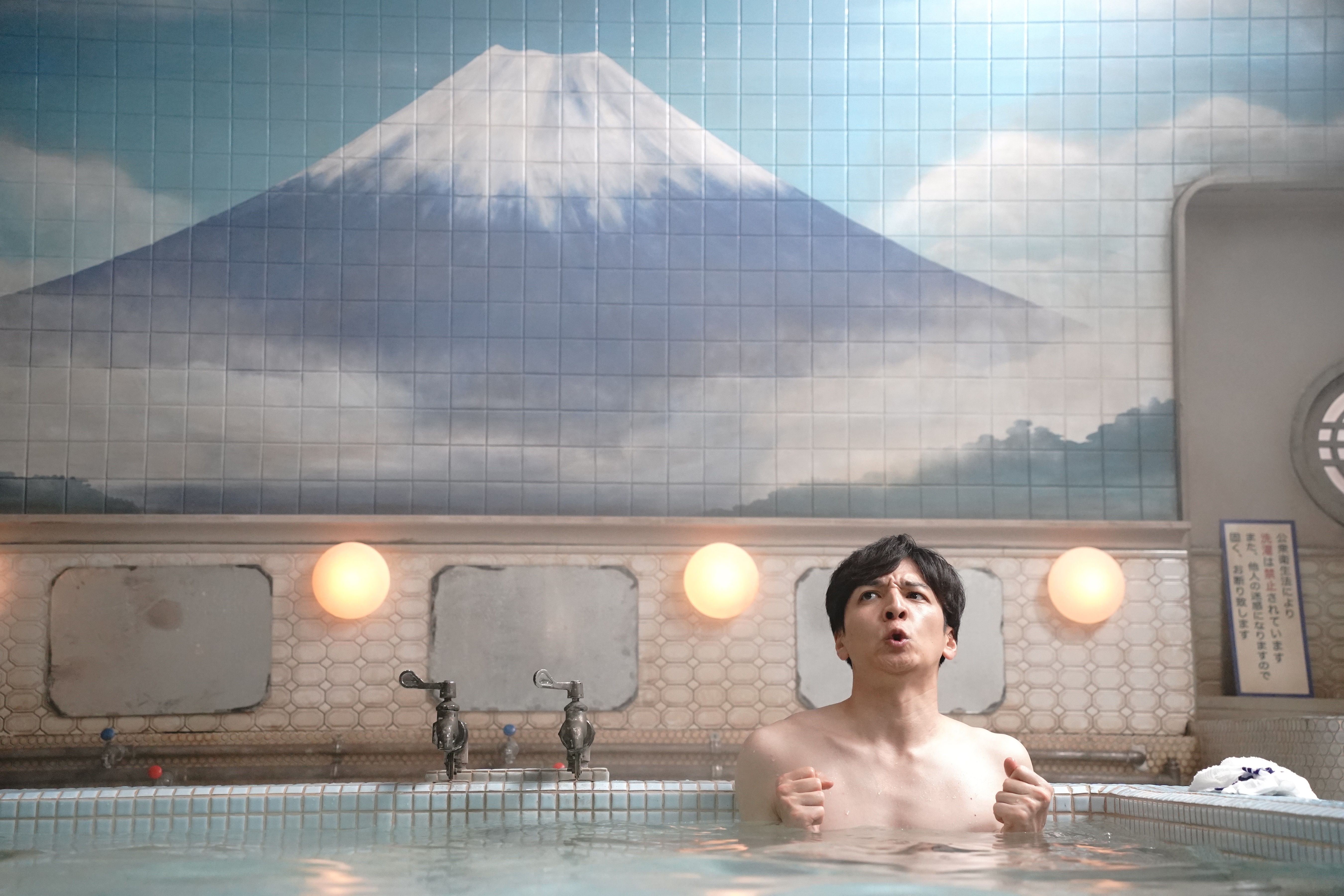
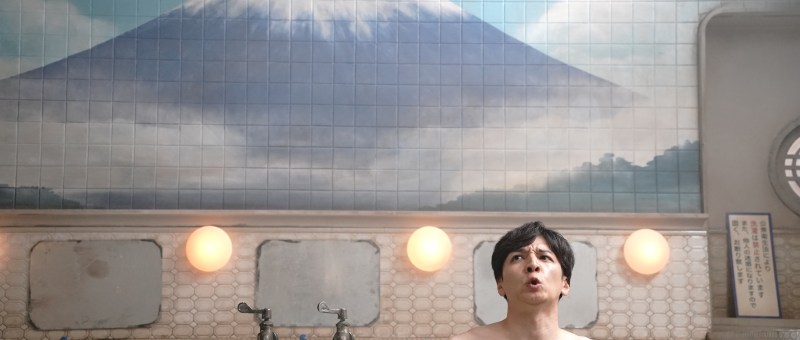
Friday, September 8, 7PM: Yudo (湯道, Masayuki Suzuki, 2022)

Toma Ikuta stars as a failed Tokyo architect returning to his home town with the intention of getting control of the family bathhouse currently run by his brother (Gaku Hamada) to tear it down and build an apartment block in this warmhearted celebration of traditional bathhouse culture.

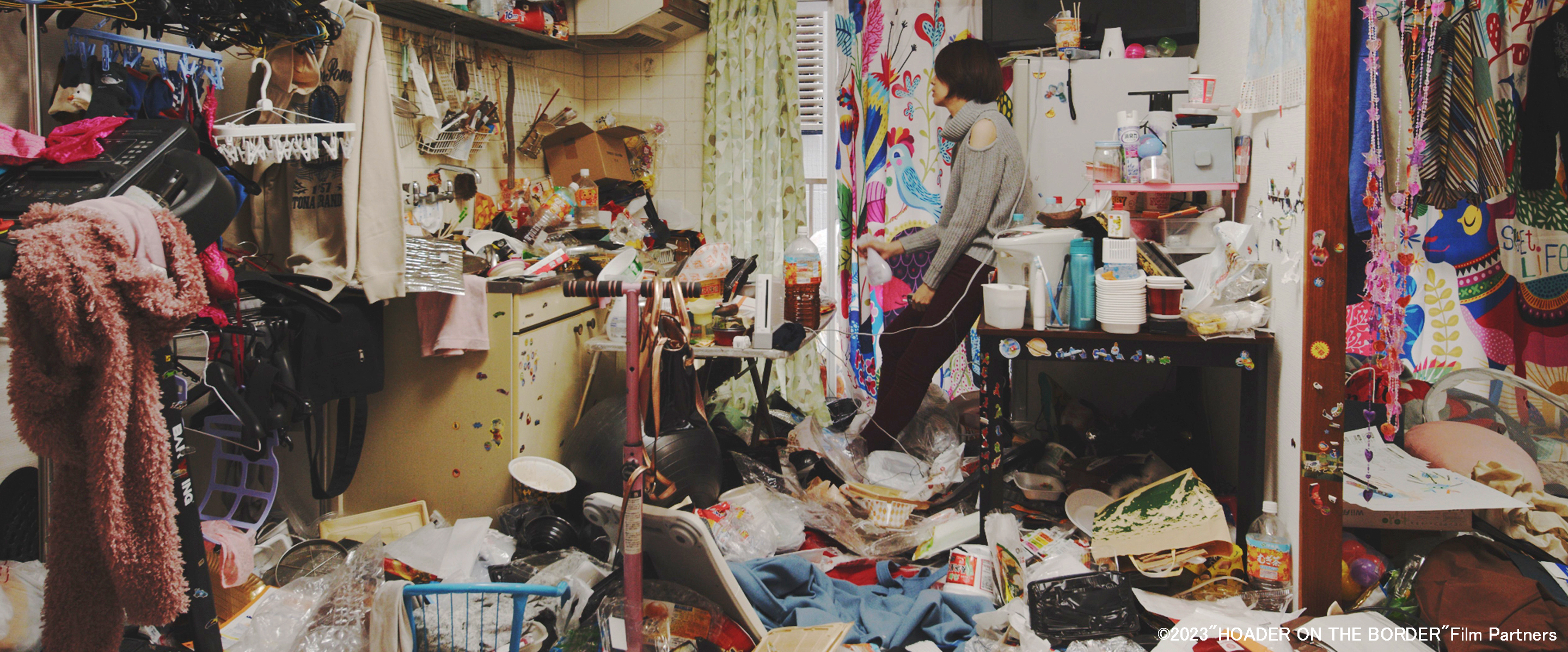
Friday, September 8, 9:30 PM: Hoarder on the Border (断捨離パラダイス Takayuki Kayano, 2023) Special Encore 

A former concert pianist begins to see the world from a different angle after taking a job cleaning houses in Takayuki Kayano’s humanistic dramedy. Review.

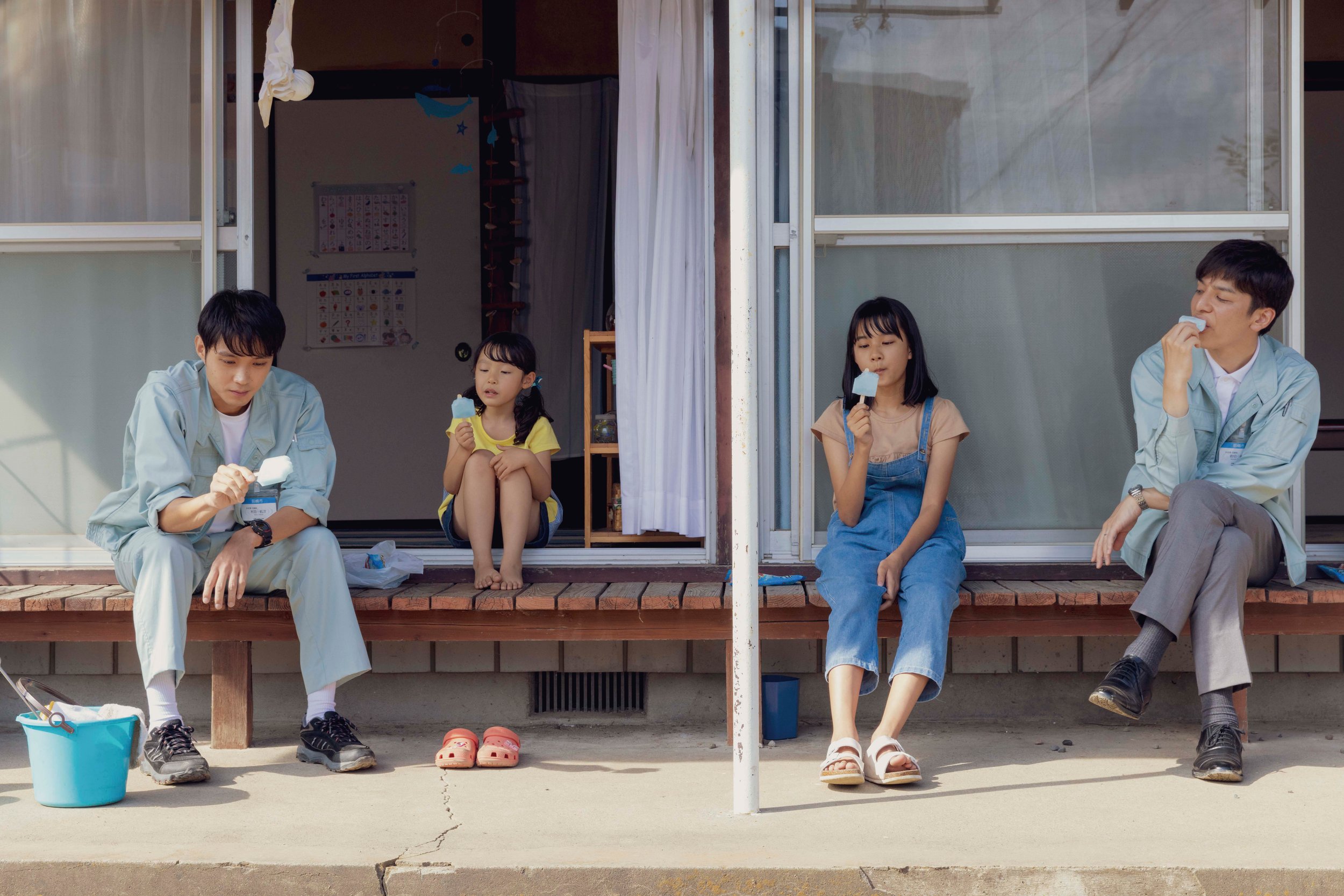
Saturday, September 9, 2:00 PM: The Dry Spell (渇水, Masaya Takahashi, 2023)

Toma Ikuta stars as a municipal worker in charge of turning off the water supply at houses that are behind with their bills but finds himself conflicted on discovering two neglected children living alone in a home which is already without electric and gas.

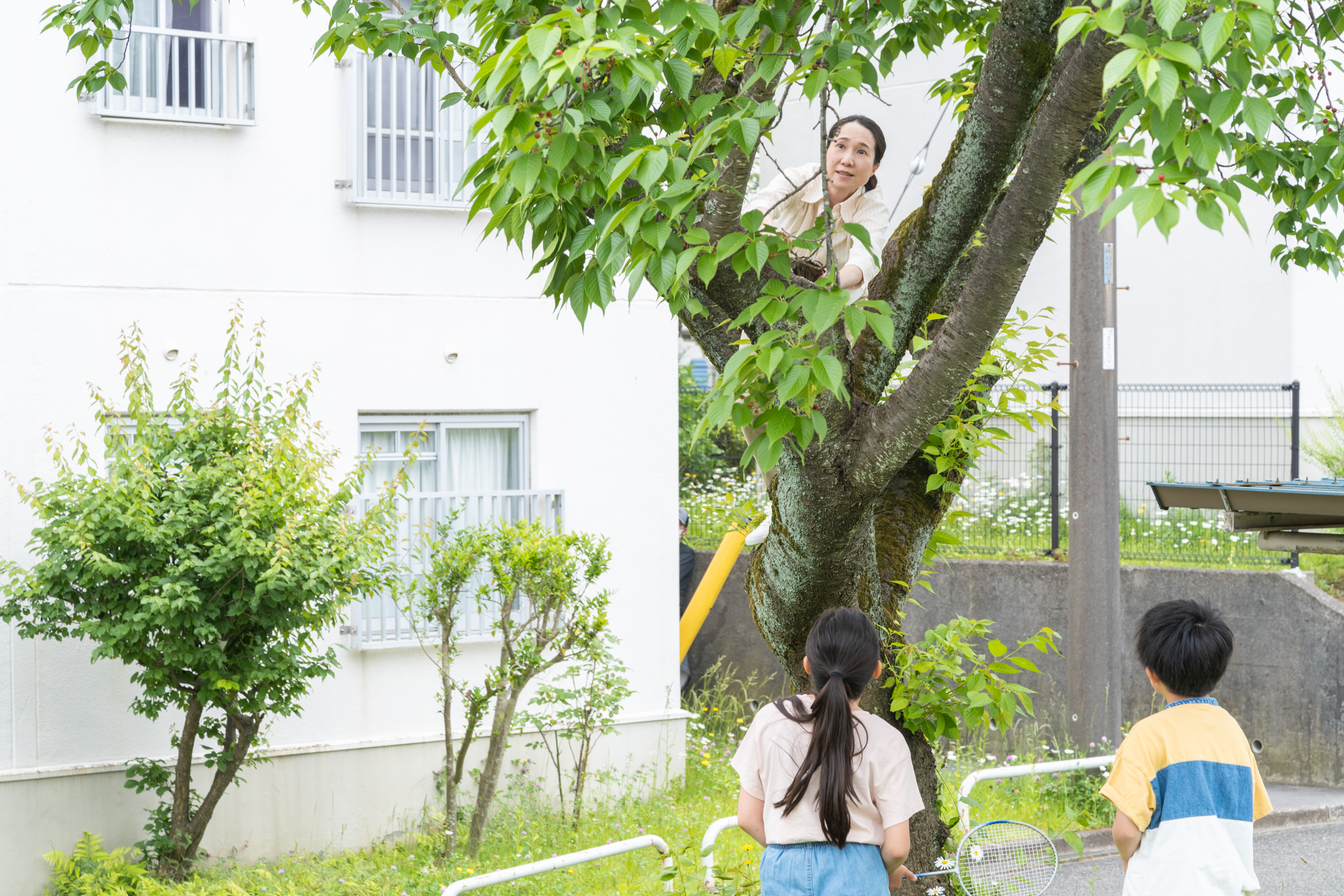
Saturday, September 9, 4:00 PM: Remembering Every Night (すべての夜を思いだす, Yui Kiyohara, 2022)

A series of women wander around Tama New Town each searching for something in Yui Kiyohara’s wistful drama. Review.

Saturday, September 9, 7:00 PM: Insomniacs After School (君は放課後インソムニア, Chihiro Ikeda, 2023)

Two teens begin to overcome their fears and anxieties after bonding over their shared insomnia in Chihiro Ikeda’s adaptation of the Makoto Ojiro manga. Review.

Come & Go (カム・アンド・ゴー, Kah Wai Lim, 2020) Special Encore 

September 8 – 15, 2023 Streaming available for U.S. views at: https://comeandgo.eventbrite.com

A detective investigates the connection between the discovery of an old woman’s skeleton and a series of real estate scams by interviewing the local residents many of whom are migrant workers from other areas of Asia.

Hong Kong Cinema Showcase

AMC NEWCITY 14 (1500 N Clybourn Ave, Chicago, IL 60610) 

Saturday, September 16, 2:00 PM: READY O/R ROT (不日成婚2, Anselm Chan, 2023) World Premiere 

Actress Rachel Leung is scheduled to do the introduction of the film.  

Sequel to the 2021 film Ready O/R NOT starring much of the same cast and revolving around three couples each facing concurrent crises from dealing with an unplanned pregnancy to infidelity and trying plan a wedding with a meddling mother-in-law.

Saturday, September 16, 5:00 PM: In Broad Daylight (白日之下, Lawrence Kan, 2023)

Director Lawrence Kan and Actress Rachel Leung are scheduled to attend to do the introduction of the film and Q&A after. 

Jennifer Yu stars in this ripped from the headlines drama in which an investigative journalist goes undercover to expose the dire situation in Hong Kong’s care homes for the elderly and disabled.

Saturday, September 16, 8:00 PM: Stand Up Story (說笑之人 Au Cheuk Man, 2023)

Pinnacle Career Achievement honoree Ben Yuen, and two Bright Star Award recipients Ng Siu Hin and Rachel Leung (IN BROAD DAYLIGHT) are scheduled to attend the award ceremony before the film and Q&A after.   

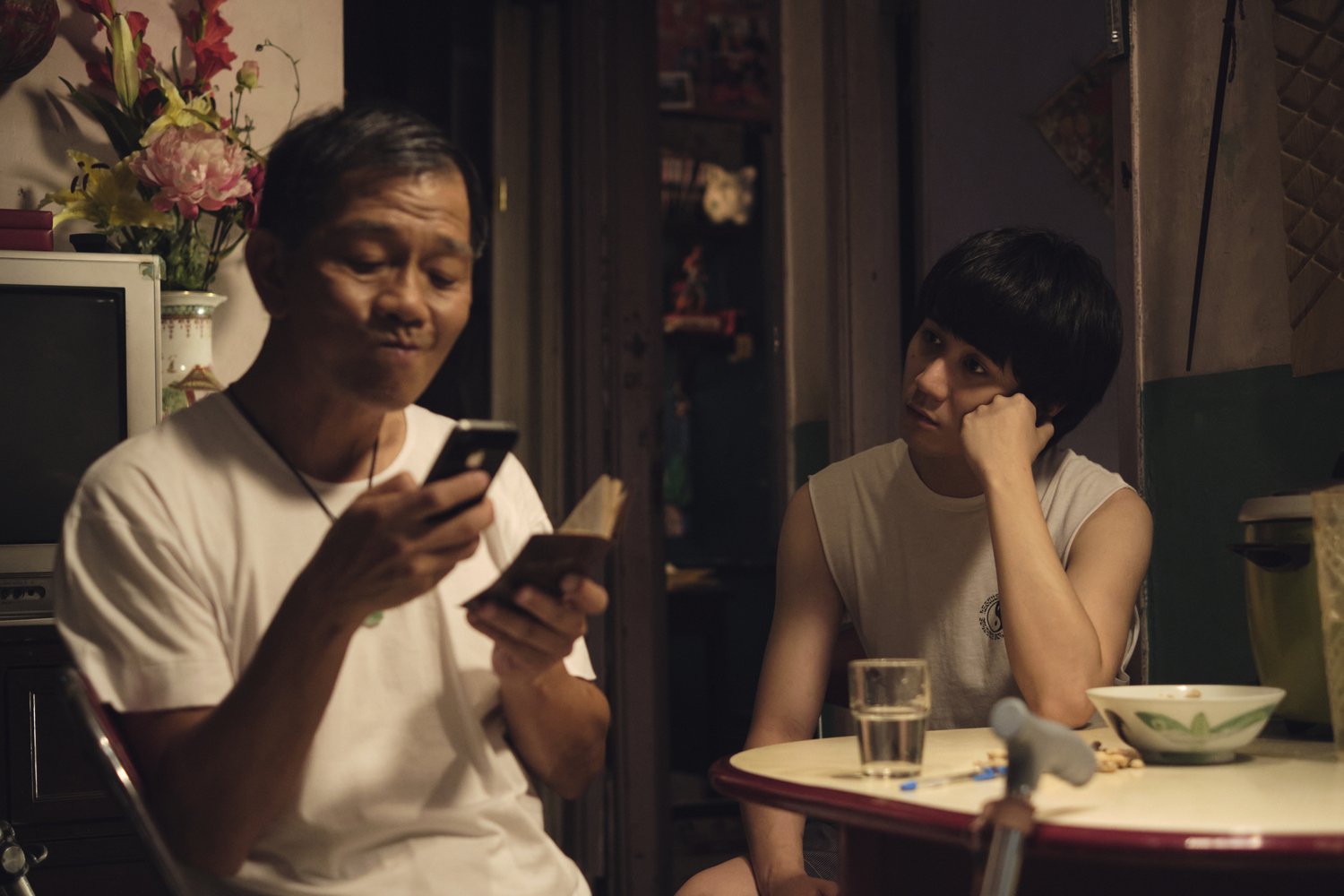
Veteran Hong Kong actor Ben Yuen, who will also be receiving this season’s Pinnacle Career Achievement Award, stars as an intellectually disabled father.

Sunday, September 17, 2:00 PM: Over My Dead Body (死屍死時四十四, Ho Cheuk Tin, 2023)

Residents of a swanky apartment block must band together to get rid of a random corpse and protect their property values in Ho Cheuk-Tin’s dark-hearted farce. Review.

Sunday, September 17, 5:00 PM: Wish Comes True (把幸福拉近一點, Ling Chi-Man, 2023) World Premiere

Actress Rachel Leung is scheduled to attend and do the introduction for the film.

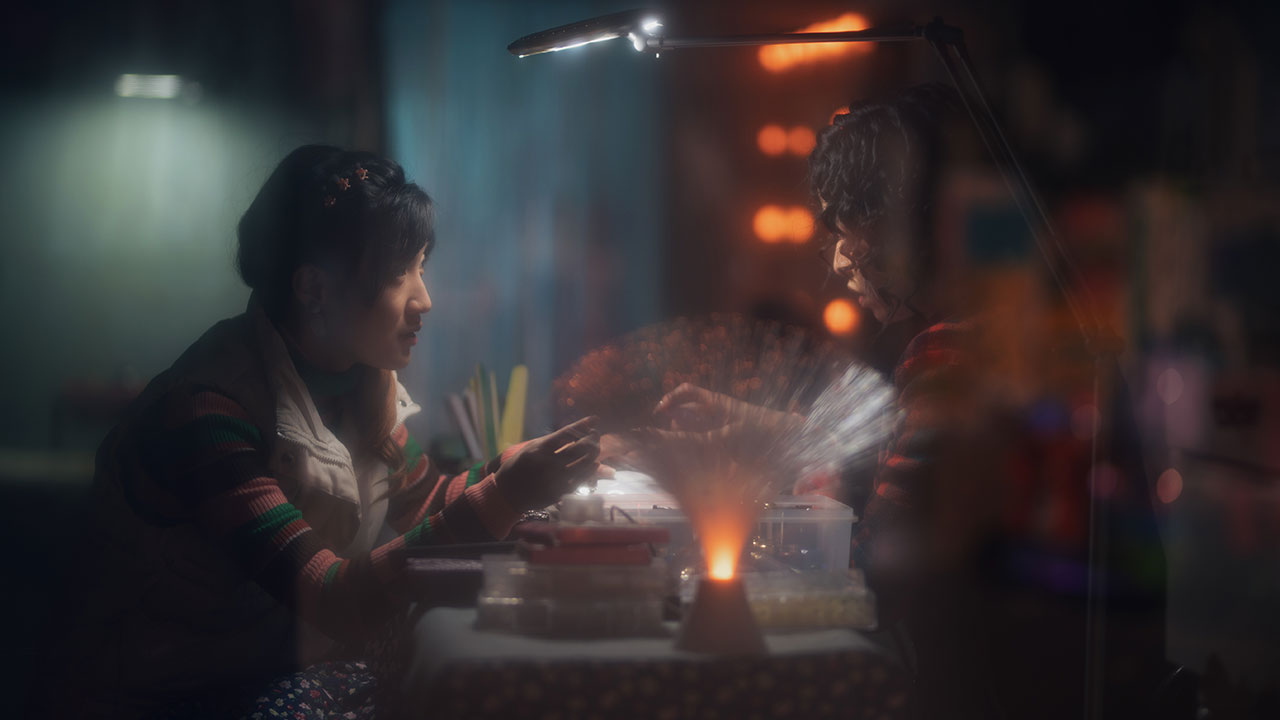
Abandoned by her mother, Xiaofei discovers a “Wish Come True” machine and bonds with a young man, Wai, who is living with a rare disease.

Centerpiece

AMC NEWCITY 14 (1500 N Clybourn Ave, Chicago, IL 60610) 

Saturday, September 23, 2:00 PM: Harvest Moon (Amarsaikhan Baljinnyam, 2023)

Pinnacle Career Achievement honoree Amarsaikhan Baljinnyam is scheduled to attend the award ceremony before the film and Q&A after.   

Debut directorial feature from Mongolian actor Amarsaikhan Baljinnyam adapted from a novel by T. Bum-Erden in which a chef must return from the city to take care of the harvest after his father dies.

Saturday, September 23, 5:30 PM: A Letter to the President (Roya Sadat, 2017)

Director Roya Sadat is scheduled to attend for the introduction before the film and the Q&A after.

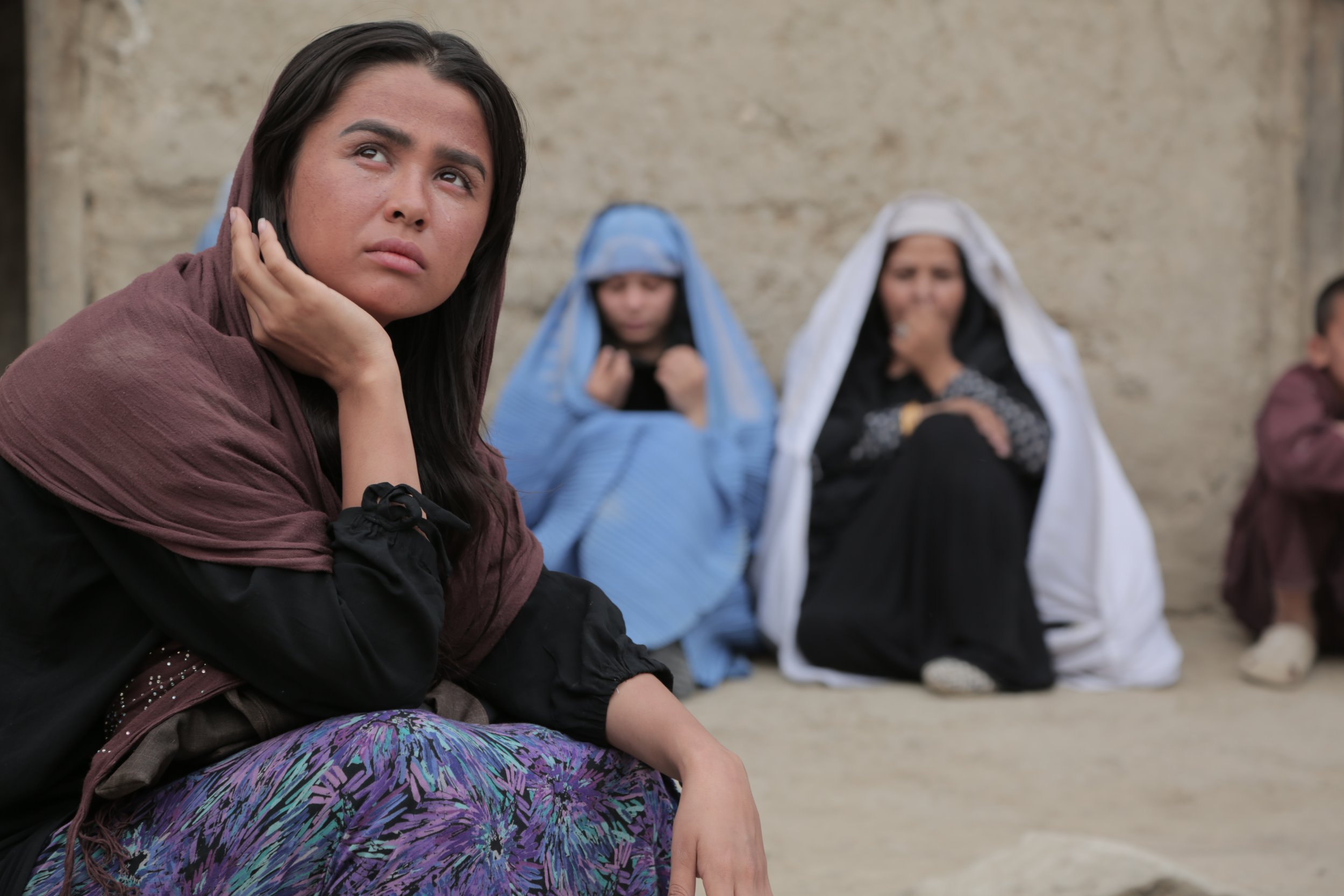
Drama from Afghanistan following a public official who is arrested and put on death row after defending a woman accused of adultery.

Saturday, September 23, 7:30 PM: Like a Fish on the Moon (Dornaz Hajiha, 2022)

Director Dornaz Hajiha is scheduled to attend for the introduction before the film and the Q&A after. 

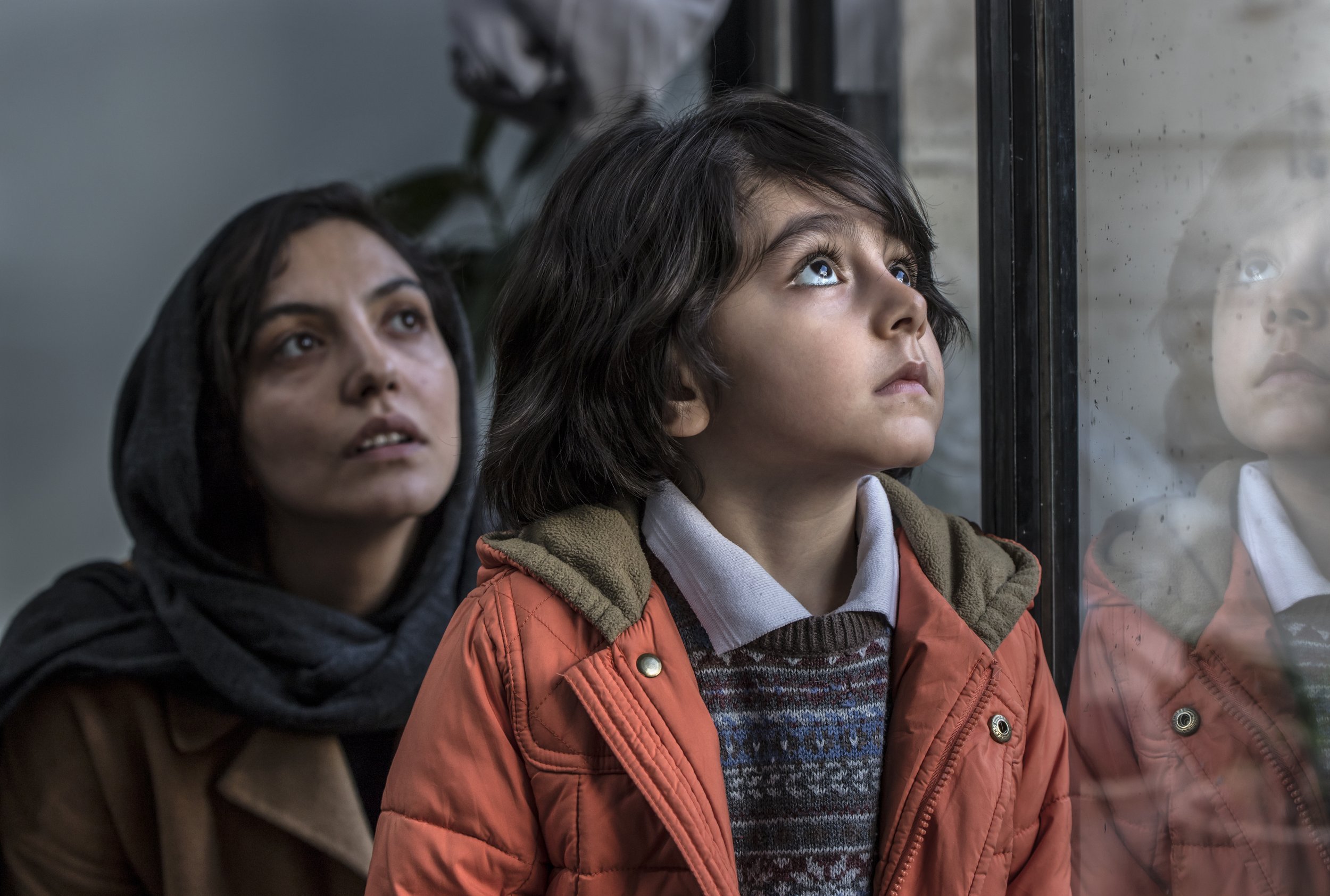
Iranian drama in which parents search for answers when their four-year-old son stops speaking.

Chinese Cinema Showcase

Illinois Institute of Technology (10 W 35th St, Chicago, IL 60616) Admission Free.  RSVP is required.  

Saturday, September 30, 2:00 PM: Ripples of Life (永安镇故事集, Wei Shujun, 2021)

Wei Shujun’s meta odyssey follows a Beijing film crew to a small town in rural China where everyone it seems is longing for escape. Review.

Saturday, September 30, 4:30 PM: The Best is Yet to Come (不止不休, Wang Jing, 2020)

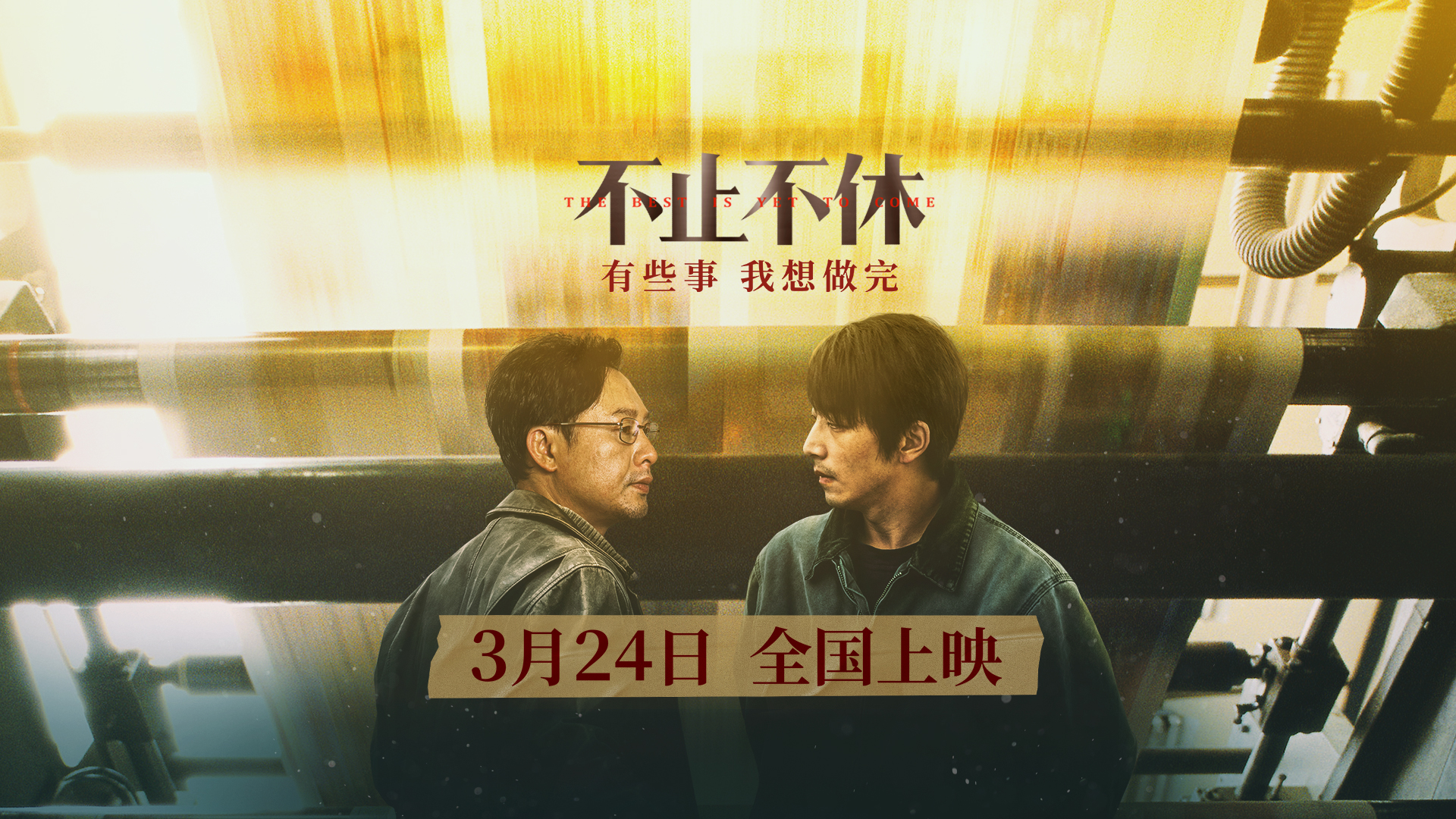
Social drama based on the life of journalist Han Fudong who exposed the stigma against people with Hepatitis B in China.

Sunday, October 1, 2:30 PM at Claudia Cassidy Theatre: Hachiko (忠犬八公, Xu Ang, 2023) Special Encore

78 E. Washington St. Chicago, IL 60602. Admission Free. RSVP is required. Celebrating the Mid-Autumn Festival, all the attendees will receive an individually wrapped moon cake after the screening, courtesy of the Consulate-General of the People’s Republic of China in Chicago.   

The heartrending tale of a faithful dog who continued to wait for his owner at a cable car station becomes a poignant symbol for a left behind China in Xu’s Ang’s reimagining of the 1987 Japanese film. Review.

Seven Days in Heaven (父后七日, Essay Liu, Wang Yu-lin, 2010) Special Encore

Director Wang will give a pre-recorded virtual introduction to the film.

September 25 – October 1, 2023 Streaming available for U.S. views at: https://seven-days-in-heaven.eventbrite.com

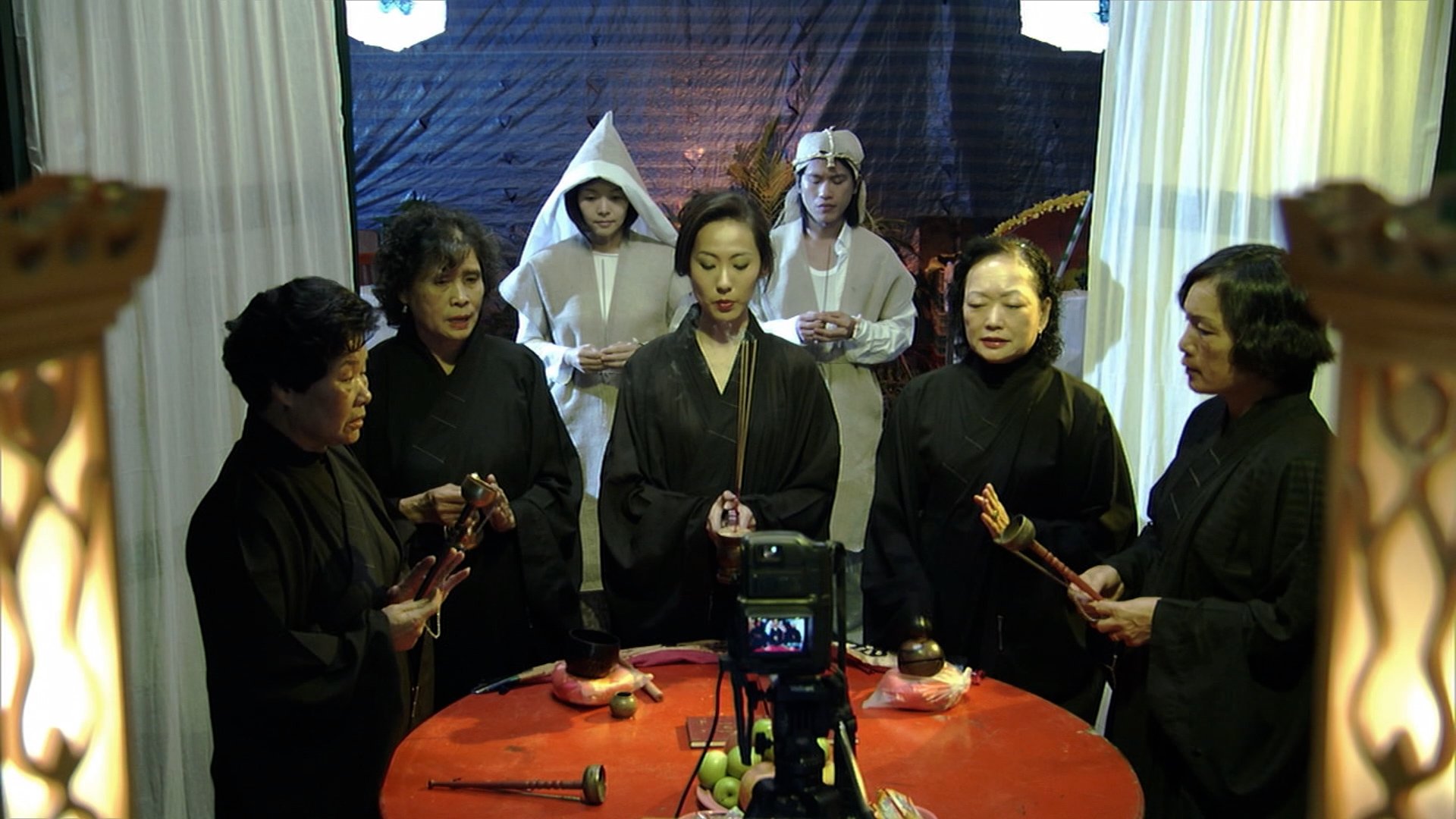
Comedy in which a young woman experiences culture shock on returning from the city for her father’s Taoist funeral.

South Korea Cinema Showcase

AMC NEWCITY 14 (1500 N Clybourn Ave, Chicago, IL 60610) 

Friday, October 6, 7:00 PM: New Normal (뉴 노멀, Jung Bum-Shik, 2023)

Anthology film featuring six interconnected tales of love and violence in post-pandemic Seoul from the director of Gonjiam: Haunted Asylum.

Friday, October 6, 9:15 PM: The Childe (귀공자, Park Hoon-Jung, 2023) Special Encore

A boxer finds himself in a precarious position after travelling to Korea in search of the father who abandoned him in Park Hoon-jung’s bloody thriller. Review.

Saturday, October 7, 2:30 PM: Drive (드라이브, Park Dong-hee, 2023)

Director Park Dong-Hee is scheduled to attend and introduce the film and do the Q&A after. 

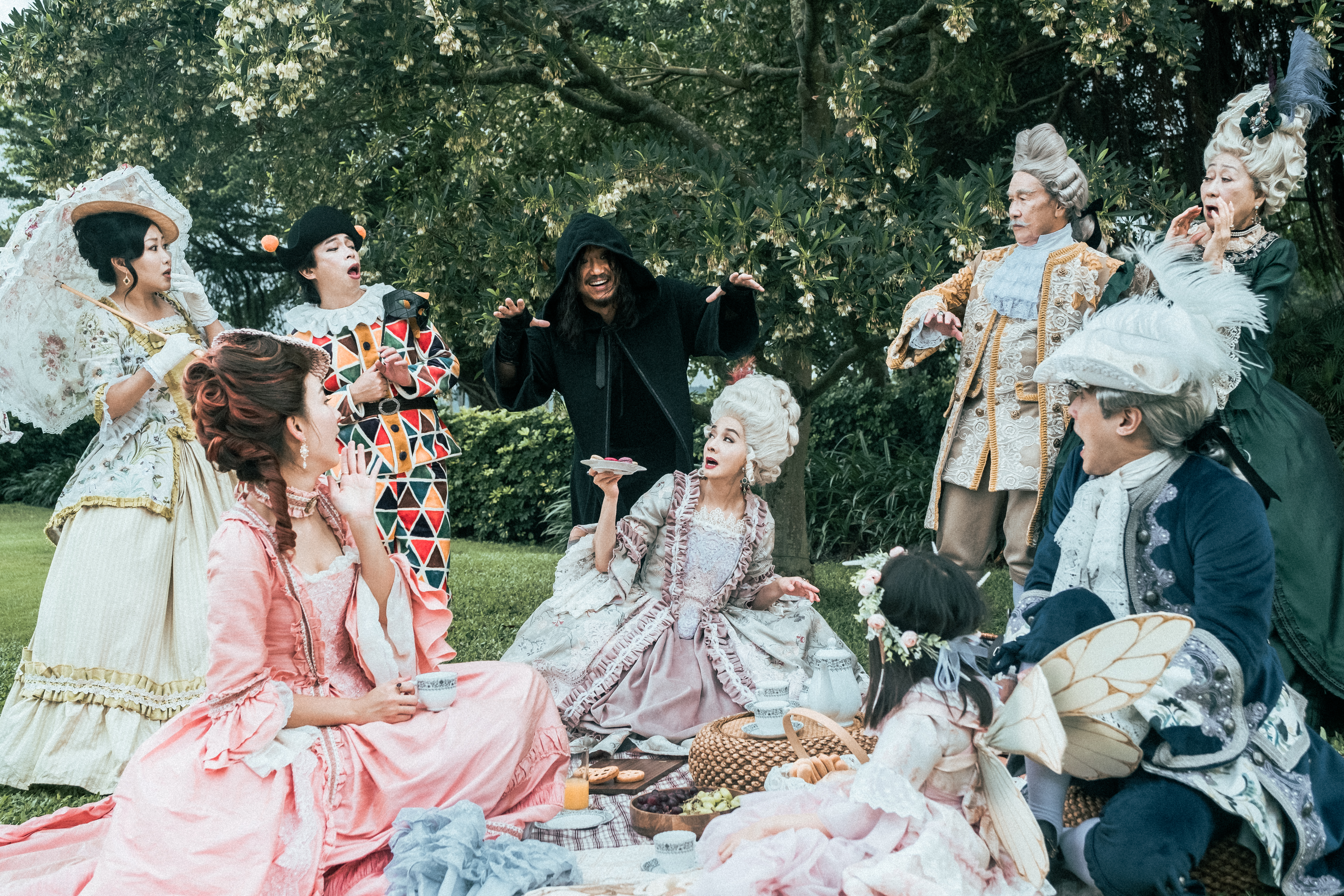
Intense drama in which a snooty influencer falls asleep in a taxi after attending a brand launch and wakes up to discover she is trapped in the boot of a car. The driver wants a ransom, but not only that he wants her to live stream her kidnapping!

Closing Night Film

Saturday, October 7, 7:15 PM: Killing Romance (킬링로맨스, Lee Won Suk, 2023)

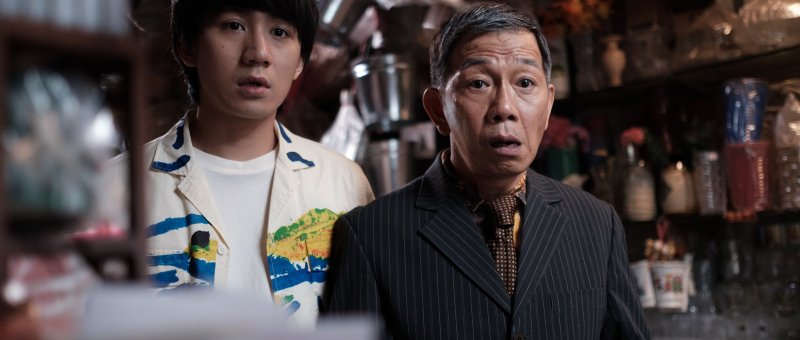
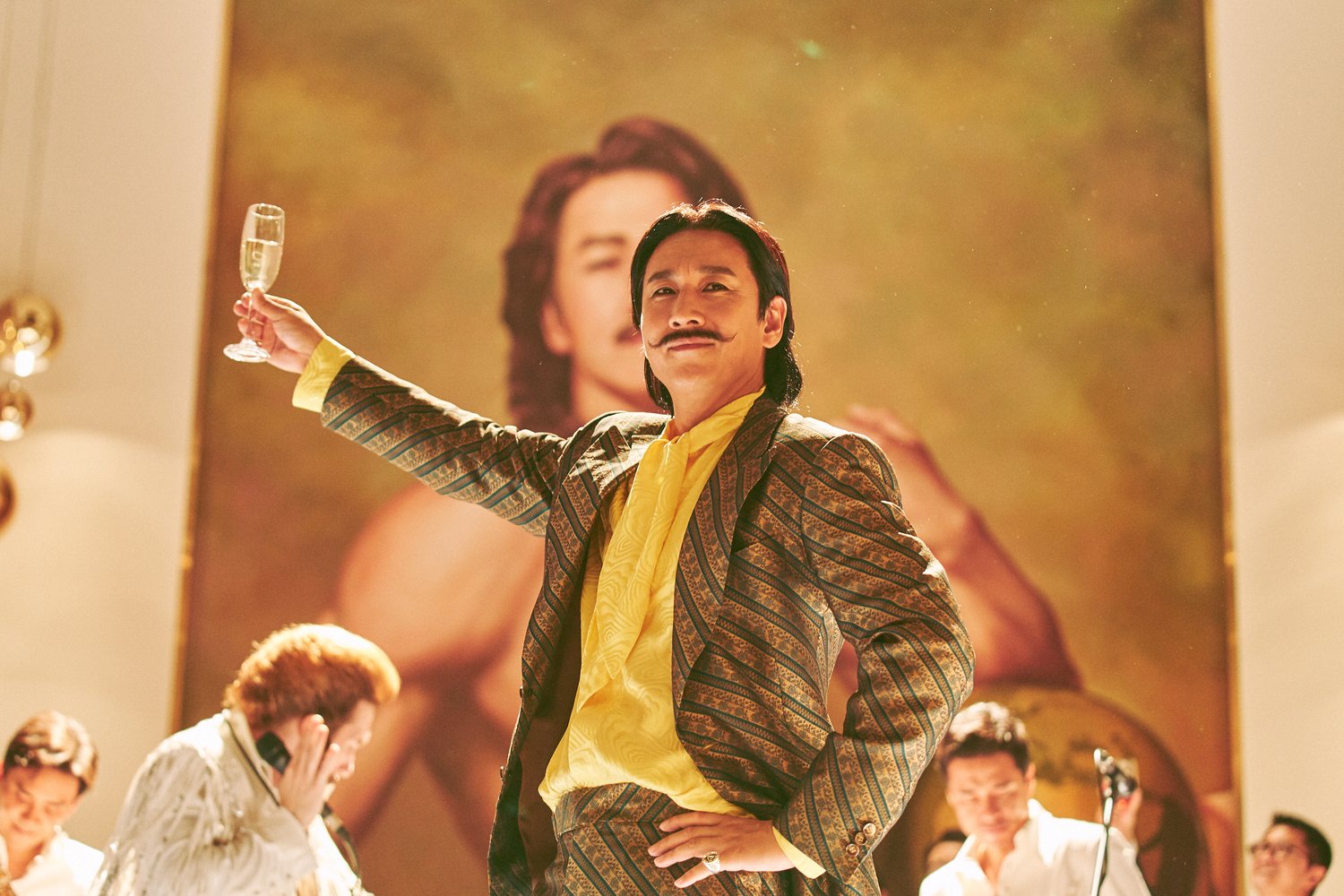
Lead actor Lee Sun-kyun is scheduled to attend for the award ceremony and together with director Lee Won Suk, they are doing the INTRO and the Q&A of the film. 

A once famous actress sets out to reclaim her autonomy from an abusive, controlling, billionaire husband in Lee Won-suk’s hilariously off the wall comedy. Review.

Asian Pop-Up Cinema Season 17 runs in Chicago Sept. 8 to Oct. 7. Further details are available via the official website and you can also keep up with all the latest news by following Asian Pop-up Cinema on FacebookX (formerly known as Twitter),  Instagram, and Vimeo.

Asian Pop-Up Cinema Reveals Season 17 Sneak Peek

Chicago’s Asian Pop-Up Cinema has revealed a sneak peek at its upcoming 17th season which will take place mainly at AMC NEWCITY 14 in Lincoln Park, Sept. 8 to Oct. 7 with three Chinese films also screening at the Illinois Institute of Technology and Chicago Cultural Center’s Claudia Cassidy Theater. Season 17 will open with bathhouse dramedy Yudo with Mongolian drama Harvest Moon as the Centrepiece film. Veteran Hong Kong actor Ben Yuen will receive this season’s Pinnacle Career Achievement award. The full programme will be announced Aug. 28.

Yudo

Toma Ikuta stars as a failed Tokyo architect returning to his home town with the intention of getting control of the family bathhouse currently run by his brother (Gaku Hamada) to tear it down and build an apartment block in this warmhearted celebration of traditional bathhouse culture.

Harvest Moon

Debut directorial feature from Mongolian actor Amarsaikhan Baljinnyam adapted from a novel by T. Bum-Erden in which a chef must return from the city to take care of the harvest after his father dies.

Stand Up Story

Veteran Hong Kong actor Ben Yuen, who will also be receiving this season’s Pinnacle Career Achievement Award, stars as an intellectually disabled father.

Like a Fish on the Moon

Iranian drama in which parents search for answers when their four-year-old son stops speaking.

A Letter to the President

Drama from Afghanistan following a public official who is arrested and put on death row after defending a woman accused of adultery.

The Best is Yet to Come

Screening at the Illinois Institute of Technology in collaboration with their Office of Community Affairs

Social drama based on the life of journalist Han Fudong who exposed the stigma against people with Hepatitis B in China.

Ripples of Life

Screening at the Illinois Institute of Technology in collaboration with their Office of Community Affairs

Wei Shujun’s meta odyssey follows a Beijing film crew to a small town in rural China where everyone it seems is longing for escape. Review.

Hachiko

Screening at Chicago Cultural Center’s Claudia Cassidy Theater

The heartrending tale of a faithful dog who continued to wait for his owner at a cable car station becomes a poignant symbol for a left behind China in Xu’s Ang’s reimagining of the 1987 Japanese film. Review.

Asian Pop-Up Cinema Season 17 runs in Chicago Sept. 8 to Oct. 7. The full lineup will be announced Aug. 28. Further details will soon be available via the official website and you can also keep up with all the latest news by following Asian Pop-up Cinema on FacebookX (formerly known as Twitter),  Instagram, and Vimeo.

Day Off (本日公休, Fu Tien-Yu, 2023)

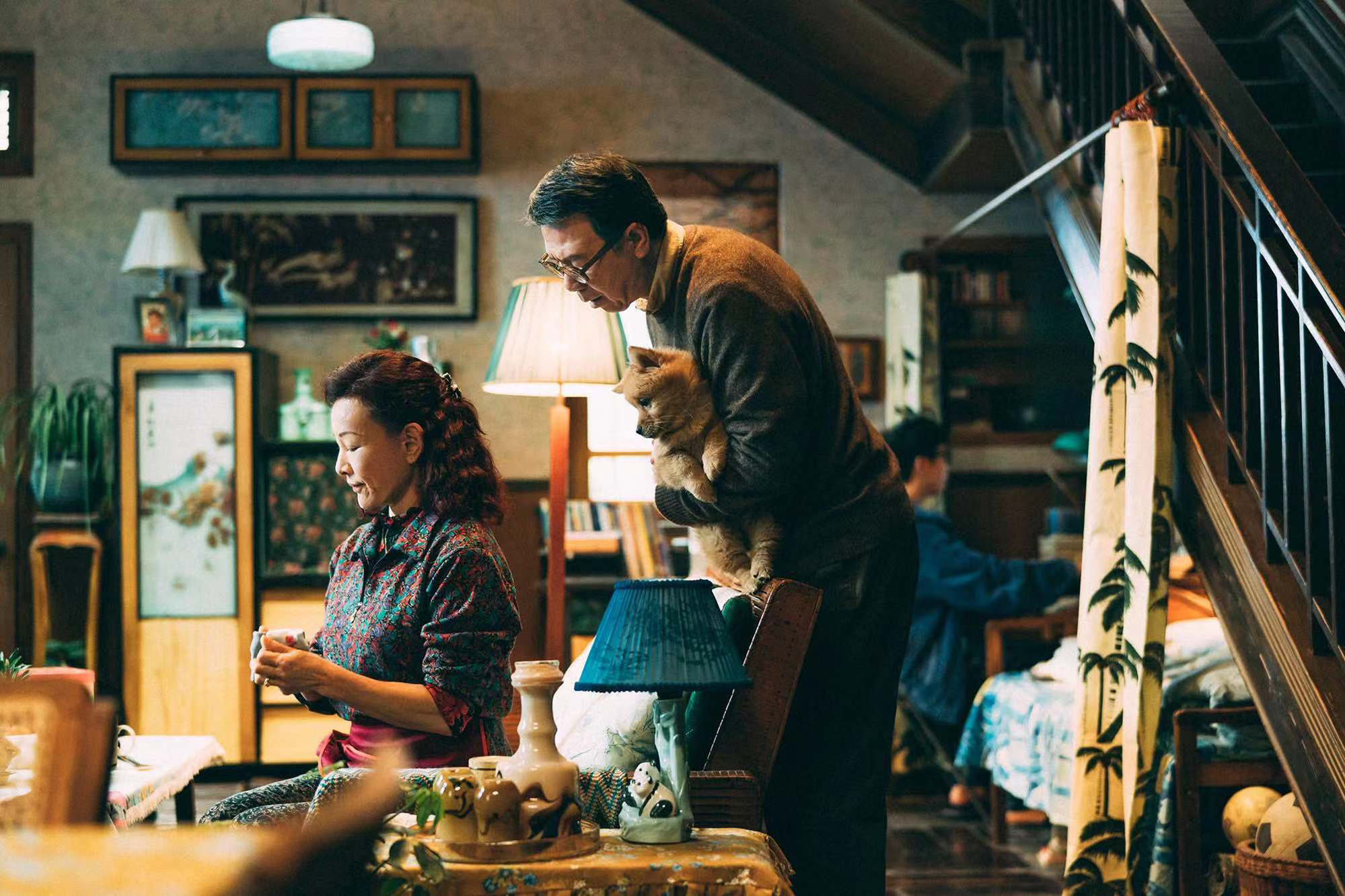
The wholesome small-town values of an ageing hairdresser place her increasingly at odds with her cynical consumerist kids in Fu Tien-Yu’s poignant tale of changing times, yet as she’s fond saying children have their own lives and all that really matters is that you’re satisfied with what you have. Day Off (本日公休, běnrì gōngxiū) is partly a lament for the things we’ve thrown away in the name of convenience but also a celebration of human connection brokered by something as simple and routine as a haircut.

A Rui (Lu Hsiao-fen) has toiled away in her family-run barbershop for most of her adult life and the business has changed little in the time she’s been running it. Old men and their sons have been coming to get a haircut and a shave for the last few decades because as someone else later puts it, men are largely creatures of habit and a hairdresser like a wife is hard to switch. A Rui’s daughter Ling is also a hairdresser but works in a much more modern salon and is planning to open a supercuts-style express service aiming to get people in and out in a short amount of time for a small amount of money. Ling’s philosophy is contrary to everything A Rui was taught, advised by her mentor to take her time and work with precision. He told her that if she provided a good service she’d always have custom and does that does seem to have been the case. 

Then again perhaps times aren’t so different as they seem. Ling is unpopular at her salon because she has poor customer service skills and doesn’t seem to be particularly well suited to the social nature of the job. Her boss always gets all the best clients and that’s largely because he treats them just like A Rui treats hers even if his care and attention is a little more cynical than heartfelt. Ling has also divorced her husband, Chuan, essentially for being too nice after he lent money they were saving for a new flat to a friend in need. A Rui can’t understand why she’d split up with a perfectly good man when they have a small child together, but Ling is an ambitious ultramodernist who values change above all else and looks down on small-town values of community and reciprocity seeing her former husband and mother as merely foolish and living in the past. She can’t understand why her mother bothers to ring up her elderly regulars to remind them they’re due a haircut when she could just set up an automated system to take care of it for her, nor can she get her head round it when A Rui says she’s going to travel to a faraway town to cut the hair of an elderly gentlemen who can’t make it to the shop without even asking for expenses. 

But to A Rui it’s just the right thing to do and an appropriate act of reciprocity for decades of custom. Chuan feels much the same, always willing to put his life on hold to offer roadside assistance and understanding if a client can’t pay him right away knowing that they can’t get the money if they can’t work so it’s better to just fix the car. A Rui worries about her other daughter living with a boyfriend and a dog in a rented flat in Taipei, and about her son who seems to have several failed entrepreneurial projects behind him, but encounters on the road another man who gave up a job as a scientist to become a farmer and seems to be happy with his choice. In the end it might not be that one is better than the other, the only thing that matters being whether or not you’re satisfied with what you have.

There’s a certain poignancy in the disappearing quality of A Rui’s way of life, the hair on one of her customer’s heads slowly turning from black to grey as if she were literally shaving the years off him. “Time flies” she often remarks, realising that she’s known some of her customers all their lives and has become a kind of community hub that they can always return to even if they move away. The knees she once practiced her shaving on are now old and worn from years of standing, but as her customers remind her she can’t retire because no one knows their heads like she does and then where will they get their hair cut? Bittersweet and elegiac, Day Off ends on a note of moving on as A Rui gives the baby of a second generation client their first haircut and prepares to say goodbye to a much a loved friend seeking a more satisfying future while resolving to carry on doing what she does best in providing the best possible service to her regulars and to the world around her.


Day Off screens in Chicago April 15 as part of the 16th season of Asian Pop-Up Cinema.

Original trailer (Traditional Chinese / English subtitles)

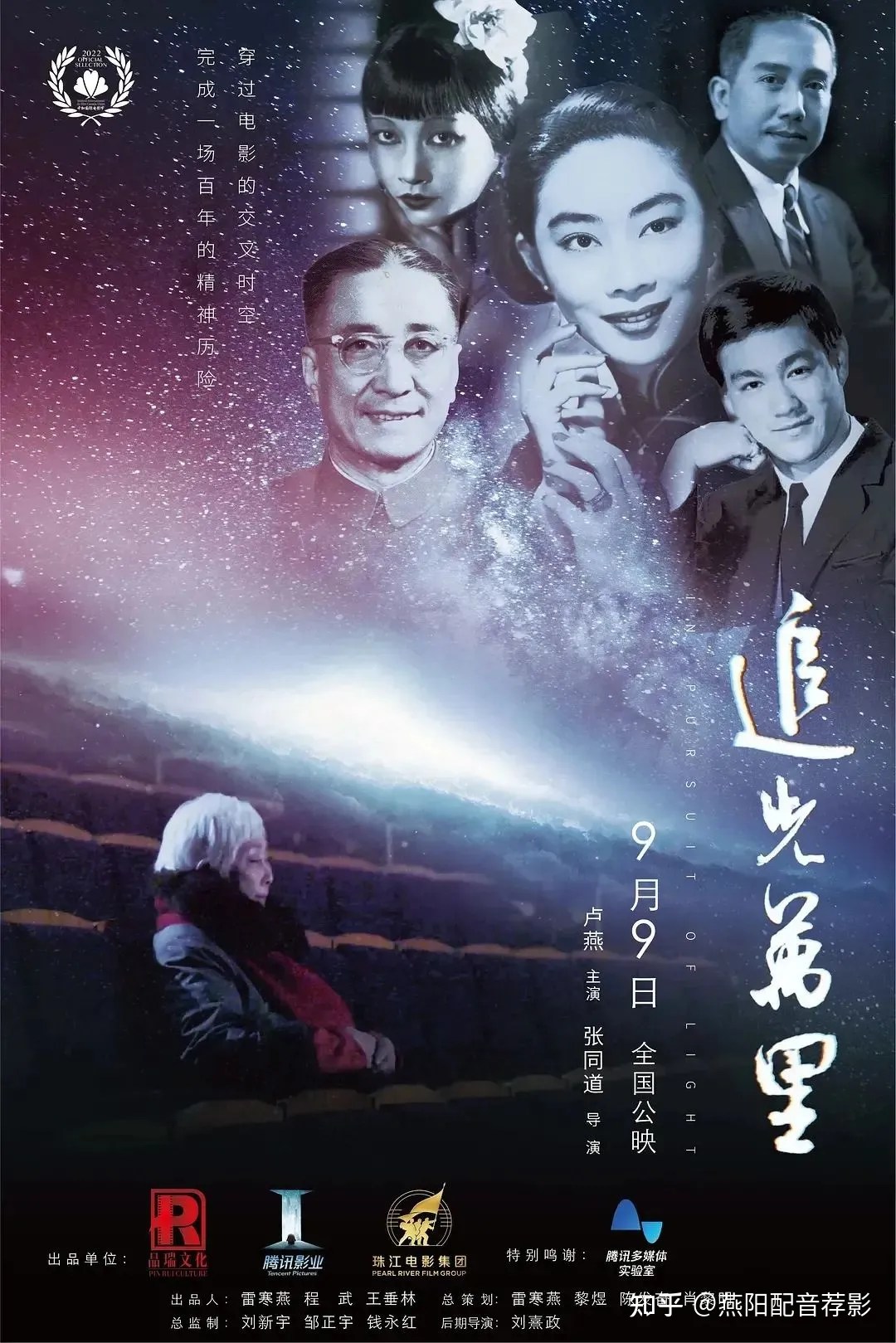
In Pursuit of Light (追光万里, Zhang Tongdao, 2022)

At 93 years of age, Chinese-American actress Lisa Lu Yan acts a guide exploring both the history of the film industry in China and Chinese actors in Hollywood in Zhang Tongdao’s heartwarming documentary In Pursuit of Light (追光万里, zhuīguāng wànlǐ). Lu may be best known to International audiences thanks to her roles in ‘90s hit The Joy Luck Club and the more recent Crazy Rich Asians but began her career in the US in the late 1950s fulfilling her dream of becoming an actress at the comparatively late age of 31 having already become a wife and mother. 

In recounting her own path to stardom she looks back at those who came before her such as Ann May Wong who grew up almost “on set” walking past film crews shooting silent movies on the streets of Chinatown who nicknamed her the “curious Chinese child” before she got the opportunity to star in a film of her own. The documentary suggests that it was a sense of rejection from Hollywood on being denied the lead role in The Good Earth on the grounds that even if, or possibly because, the film had a Chinese setting audiences would not accept her in the lead that led Wong back to China in search of her roots and cultural identity which she continued to maintain for the rest of her life and career. 

Lu may have faced some of the same problems in that the roles open to her in Hollywood were often restricted, but presents her return to Chinese-language cinema as another fulfilment of a dream. Travelling to Hong Kong for the 1968 film The Arch, she won the first of her Golden Horse awards picking up a second soon after for her supporting role in the Taiwanese wuxia film 14 Amazons. She reflects on her wandering journey which began with her working as an interpreter for English-language films in Shanghai, translating the dialogue and performing for non-English speaking audiences who could rent a headset to hear her. Her mother had been a talented Peking Opera singer and the pair were taken in by a prominent opera family in Hong Kong after the fall of Shanghai who became her god parents and encouraged her talent for performing. 

Talking to others often around her own age, she looks back at the origins of the Chinese film industry through the story of Lai Man-Wai, “father of Hong Kong Cinema”, who began his career following Sun Yat-sen into battle and later founded one of the most important film studios in Shanghai. She talks to the son of Cai Chusheng whose 1934 silent film Song of the Fishermen played for more than 80 days in Shanghai and went on to become the first Chinese film to win an award in an international film festival. Cai also directed tragic star Ruan Lingyu in her final film, New Women, shortly after which she took her own life after being hounded by the press just as the actress she played in the film, Ai Xia, had done the year before.

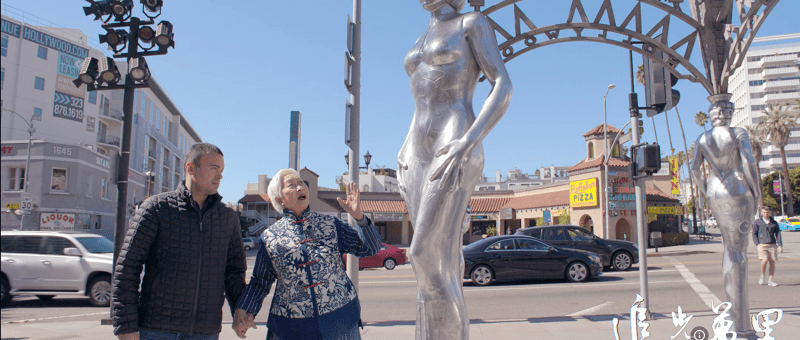
Like Lai and Cai, Ruan had ties to Cantonese-speaking Guangdong where Lu’s father was also from. The documentarians who contact Lu via telephone in the film’s beginning expressly ask her to act as a guide introducing the stories of other Cantonese filmmakers though she herself was born in Beijing, lived for a time in Shanghai and then Hong Kong before travelling to the US and eventually returning to star in Chinese-language films. Coming full circle, the last star she introduces is of course Bruce Lee who made his film debut as a baby in Esther Eng’s Golden Gate Girl shot San Francisco in 1941. At the start of the film, Lu had taken her grandson to see the statue of Ann May Wong in Hollywood, taking her own place in film history as she continues to share its stories with future generations. “I will keep going” Lu vows, having recently celebrated her 94th birthday, flying around in pursuit of light and the no longer far off dream of filmmaking.


In Pursuit of Light screens in Chicago April 8 as part of the 16th season of Asian Pop-Up Cinema.

Original trailer (Simplified Chinese / English subtitles)

Lost Love (流水落花, Ka Sing Fung, 2022)

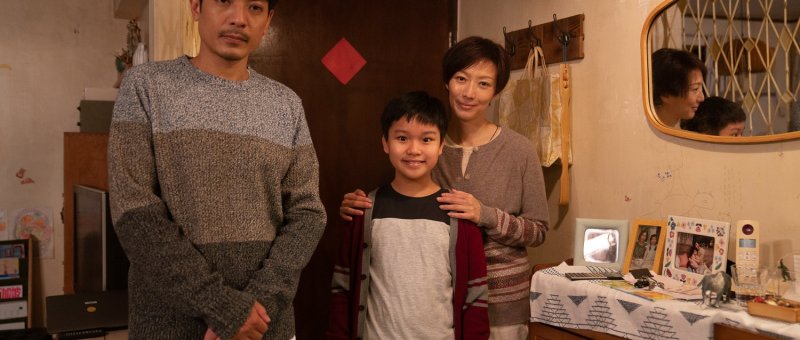
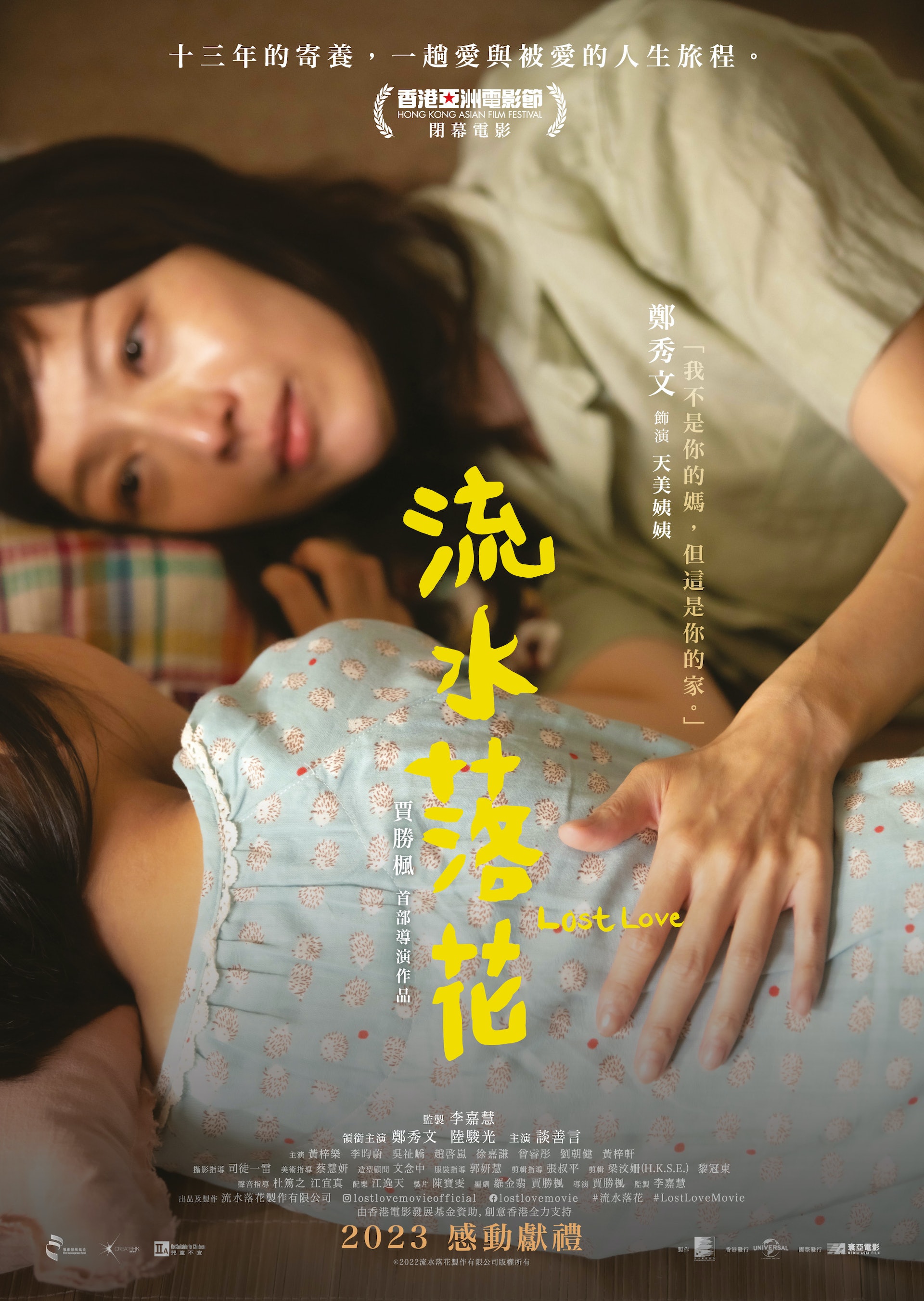
A grieving mother attempts to redefine her life by caring for the children of others in Ka Sing Fung’s poignant maternal drama, Lost Love (流水落花). Filled with boundless compassion, the film in part explores the sense of otherness felt by lonely children often rejected by the society around them, while allowing the wounded heroine to find a way to love again in the midst of her heartbreak, even if what she’s signed up for amounts to a cycle of perpetual loss. 

Mei (Sammi Cheng Sau-Man) lives an ordinary life working a series of unsatisfying and poorly paid jobs while her husband Bun works as a driver. Gazing at an empty room that might once have belonged to a child, we can feel a sense of loss and absence in the couple’s apartment while another young woman, Miss Mok (Hedwig Tam Sin-Yin), takes a cursory look around and seems to find everything in order pausing only to advise they give up smoking, at least in front of the children. Mei has decided that she wants to become a foster mother, but Bun does not seem entirely onboard complaining that he’s only really been “advised” of her decision rather than actively asked for his opinion. 

As is later revealed, Bun and Mei lost their three year-old son to illness and though Bun would have preferred to continue trying to have another child of their own, Mei is afraid to in case the same thing happens again. Yet the irony is that in becoming a foster mother she has signed herself up for repeated loss. The children who come to her do so temporarily and only until such time as they can be returned to their guardians or adopted by other families. After bonding with one little girl, Mei considers adoption but is told that it is not really permitted within the fostering system and she will have to resign herself to letting the child the go. 

Meanwhile, many of the children have specific needs and are often struggling to deal with the circumstances which led to them needing foster care. The first little boy Mei takes in, Sam, barely says a word and wets himself in stressful situations. When he stands up to a bully in school, he’s the one who gets into trouble with the teacher who makes prejudicial statements about “these kinds of kids” as if he’s already written him off. Sam poignantly reveals that the other kids were making fun of him for not having any parents leaving him additionally isolated and further damaging his already disrupted education. Another little girl, Hana, says something similar unwilling to go to school as the other children reject her because she has cleft palate. Ching, by contrast, is rejected by her own mother who seems to have remarried and had other children, palming her off on a grandmother who is unable to care for her while hospitalised. Two other children stay with Mei while their father is in prison, later describing Bun as the kindest man they’ve ever met while explaining that they were previously pushed from pillar to post bounced around between relatives who grew tired of caring for them. 

Even so, the foster care arrangement places a further strain on the couple’s marriage. Bun is at times resentful of the attention Mei gives to the children while still on the fence about fostering even at one point suggesting they simply get a dog instead. Yet despite everything Mei remains committed to caring for the children who come her way some of whom have no one else to care for them, helping them to gain the strength to keep living in the world and to feel less alone even in the face of unfair social prejudice. Ka tells her tale in elliptical fashion, pushing forward over a number of summers as different children occupy Mei’s spare room while she herself grows old but still determined to continue looking after kids in need. A repeated motif of falling petals hints at the temporality of all things, but also as they fall into the river a poignant sense of generational flow as Mei gently supports the children until they can support themselves and she can give no more leaving love behind her even in her absence.


Lost Love screens in Chicago April 1 as part of the 16th season of Asian Pop-Up Cinema.

Original trailer (Traditional Chinese / English subtitles)

A Home from Home (아이를 위한 아이, Lee Seung-hwan, 2022)

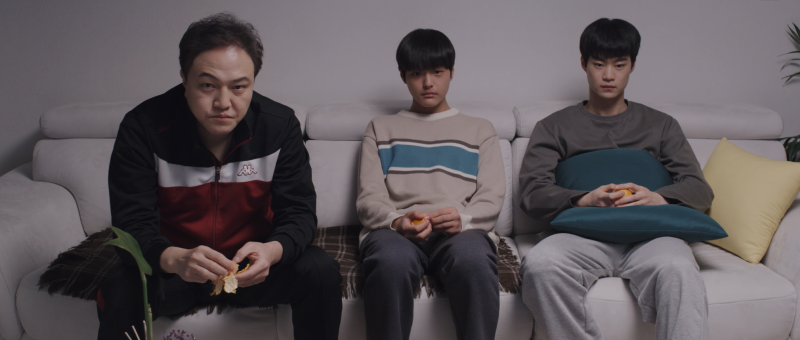
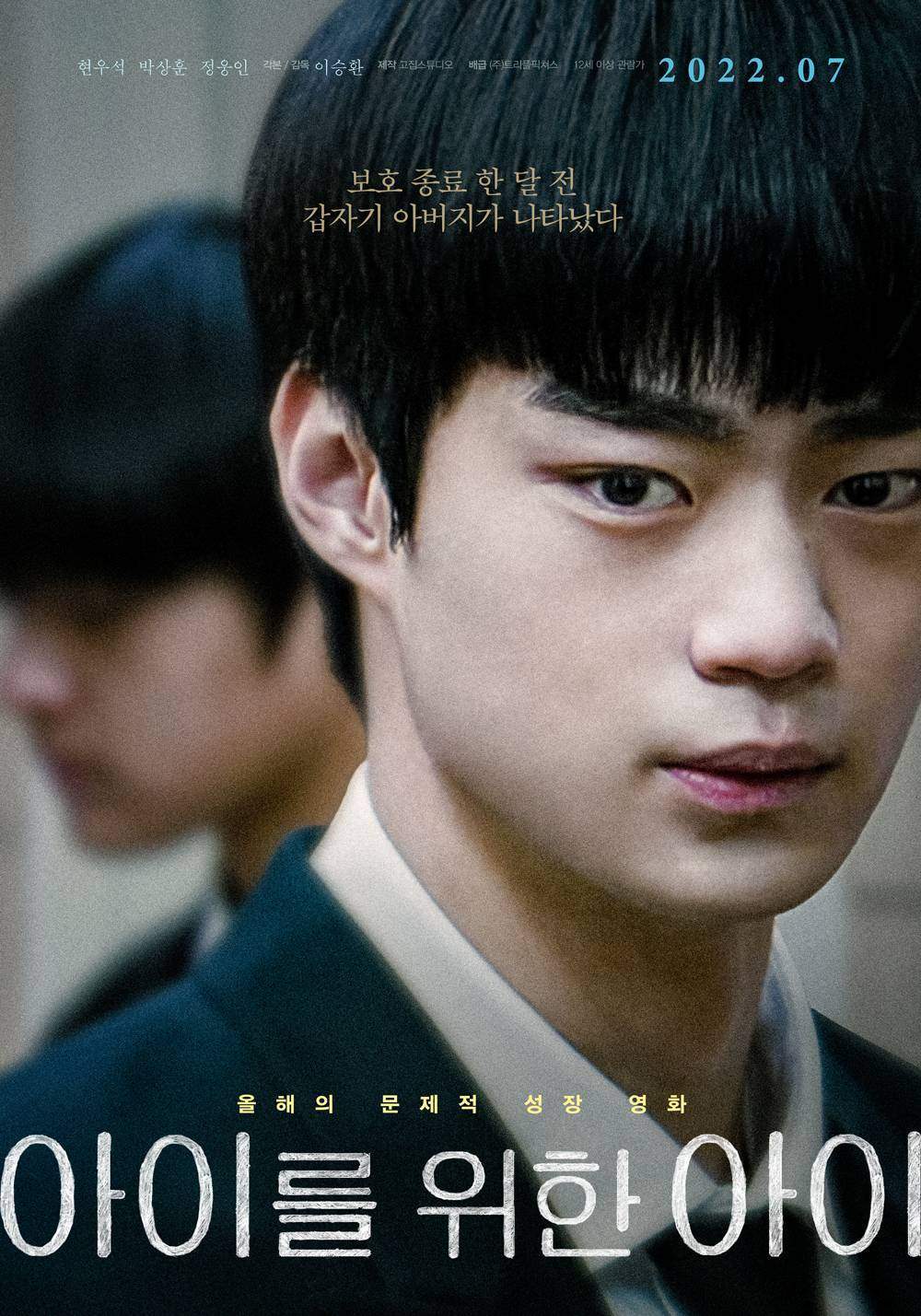
Unexpectedly reunited with his estranged father, a young man is confronted with a series of choices on leaving the care system in Lee Seung-hwan’s darkly comic coming-of-age drama A Home from Home (아이를 위한 아이, Ayireul Wihan Ayi). The Korean title may mean something more like a child looking after a child, but the English also neatly encapsulates the hero’s dilemma on being ejected from the orphanage where he has lived for most of his life into a new “family” home with two strangers he hardly knows at all. 

Do-yun (Hyeon Woo-Seok) is about to come of age. In less than a month he will have to leave the orphanage where he lives and has nowhere else to go. Working as a takeaway delivery driver, he is acutely aware of the prejudice directed towards those who have no families with both his boss and unreasonable customers making jibes about how they expect no better from someone who “wasn’t raised properly”. Prejudice is one reason he longs to leave Korea for the promise of Australia, explaining that there he’ll simply be “Korean” rather than an “orphan” and will be able to build an independent life for himself. All his plans are scuppered, however, when a man turns up at the orphanage claiming to be his estranged father and offering to take him in. 

Understandably resentful, Do-yun is persuaded to accept the offer and discovers that he has a younger half-brother, Jae-min (Park Sang-Hoon). Seung-won (Jung Woong-In), his father, claims that he gave up Do-yun for Jae-min wanting to remarry after his first wife died but apparently unable to take his first son with him. That might be reason enough to resent Jae-min, but Do-yun doesn’t particularly only wanting to save enough money to get to Australia and leave the family behind. The problem is that Seung-won soon passes away leaving Do-yun with a still deeper sense of loss and resentment while wondering if Seung-won only returned to claim him because he needed someone to look after Jae-min in his absence. Only 20 years old, he ends up becoming Jae-min’s guardian and despite himself decides to put his Australian dreams on hold to look him. 

Becoming an accidental “father” so young does indeed force Do-yun to grow up quickly, learning to cook (well, divide a microwave dinner onto plates) and keep the apartment Seung-won left them tidy. Perhaps he’d have had to figure all that out for himself alone on leaving the orphanage and having to manage on his wages from the delivery job, but there is also a lingering resentment that he’s putting his life on hold for a “brother” he didn’t know until a few weeks previously wondering what sort of responsibility he really bears for him even as he begins to ease into a sense of familial comfort he had never known before. Even so, an unexpected revelation sees him questioning himself further and trying to figure out whether he really belongs with Jae-min at all or should cut his losses and go to Australia anyway. 

In an odd way, he comes to view his new familial relationship as “just another prison” while jealous of Jae-min’s opportunities and yearning for independent freedom. Meanwhile, he finds himself targeted once again by exploitative adults in the form of a gold-digging aunt and her obnoxious husband intent on getting their hands on Jae-min’s inheritance, and scammed out of money he’d saved for his new life abroad by another “brother” he’d grown up with in the orphanage. What he wants is to make a decision that’s his own rather than being railroaded by the circumstances of his life or manipulated by forces beyond his control but also begins to develop a genuine familial connection with Jae-min even while remaining mildly distrustful and trying to figure out where it is that he truly belongs. Exploring the effects of a societal prejudice against orphanhood as well as the practical and emotional difficulties faced by those who are abruptly ejected from the care system into an uncaring world, Lee’s strangely cheerful drama finds two young men searching for support but finally discovering they may have only themselves to rely on. 


A Home from Home streams in the US until March 31st as part of Asian Pop-Up Cinema Season 16.

International trailer (English subtitles)
Good morning (안녕하세요, Cha Bong-ju, 2022)

A lonely young woman finds a new place to belong while discovering the meaning of life after being taken in by a cheerful community of patients at a hospice for those with terminal illness in Cha Bong-ju’s lighthearted drama Good Morning (안녕하세요, Annyeonghaseyo). “Good morning” is to the patients an affirmation of life and way of greeting the new day as gift rather than a burden as the heroine had come to see it while unable to escape her sense of hopelessness and futility.

High schooler Su-mi’s (Kim Hwan-hee) desire to end her life is born largely of the circumstances she finds herself in as an orphan. Not only is she rejected by others her age who mock her for having no family, but she is trapped in an exploitative situation at a care facility where she is molested by the man who’s supposed to be taking care of her and also forced to work in his restaurant where she is expected to put up with inappropriate behaviour by drunken customers. Even if she were able to continue enduring it, she knows that she will soon come of age at which point she will be roughly ejected from the care system and expected to support herself with no further help available to her. It’s this sense of hopelessness that brings her to a nearby bridge from which she intends to jump only to be stopped by a middle-aged woman, Seo-jin (Yoo Sun), who manages to talk her down largely by promising that she will show her how to die.

That is in a sense what she does. Seo-jin works in a hospice caring for those with terminal illnesses who have each come to an acceptance of death and their path towards it. The patients are determined to live out their remaining days as best they can, remaining cheerful and committing themselves to accomplishing something be it learning English, writing a book, or finishing a painting. Su-mi bonds most closely with an elderly man (Lee Soon-jae) who had been illiterate and is working hard to learn to read and write while he still has time. What she discovers is that it is possible to find meaning in life even in the shadow of death, and that what gives her own life meaning is the sense of community she experiences at the hospice allowing her to feel part of a large family which had been denied to her during her time in the care system. 

“You just need to give them a little attention” Su-mi advises of some struggling plants at Seo-jin’s apartment, herself blossoming under the attention Seo-jin and the patients are paying to her, though there may be something a little uncomfortable in the suggestion that Seo-jin may have been partly at fault for a traumatic event in her past in assuming that things grow on their own as long you provide adequate nutrition. She blames herself for not paying enough attention and failing to realise that there was something wrong until it was too late only latterly understanding that like the plants people need more than simple sustenance to grow. Nevertheless, she and Su-mi gradually help each other to rediscover joy and happiness in life while forming a familial bond that restores something to each of them and grants them the ability to move forward into a happier future. 

Su-mi does learn “how to die” from the patients at the hospice, but what she’s really learning is how to live. The elderly man reminds her to live well and die without regret, making the most of every day doing what she wants to do and being happy while Su-mi gains a new perspective on life and death as she begins to step into herself gaining new confidence as a member of a community. Gentle and heartfelt, Cha’s lighthearted drama necessarily tackles some dark themes from suicide and terminal illness to the stigmatisation of orphanhood, difficulties experienced by those placed into the care system, and the inertia that can take hold while dealing with grief and loss but manages to lean towards the sunlight in embracing the healing qualities of relationships between people which give life its meaning.


Good morning streams in the US until March 31st as part of Asian Pop-Up Cinema Season 16.

International trailer (English subtitles)