Grit (鱷魚, Chen Ta-Pu, 2021)

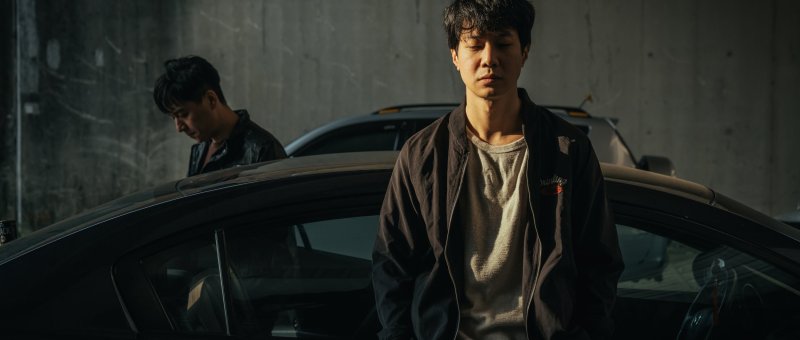
A former gangster just released from prison finds his loyalties conflicted while working for a corrupt local official in Chen Ta-pu’s quirky romantic crime drama, Grit (鱷魚, èyú). According to a not particularly interested policeman, no one really cares about things like loyalty or morality anymore but like the best of noble gangster heroes, Yu Da-Wei (Kai Ko Chen-tung), otherwise known as Croc because of an incomplete tattoo of a dragon on his back, really does yet his nobility only makes him vulnerable to the machinations of those around him even as he does his best to stand up to thuggish intimidation masquerading as local government. 

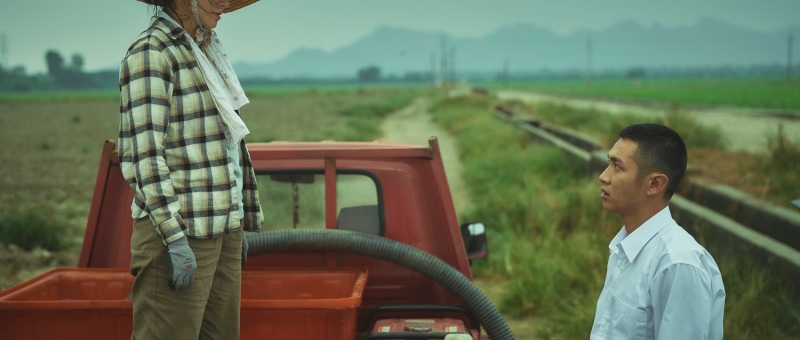
At 17 years old, Yu was convicted of a gangland murder though it was rumoured at the time that petty gang boss Liu (Lee Kang-sheng) may have orchestrated the hit and set the young man up as a scapegoat promising him riches on release and that the grandfather who raised him would be looked after. Now a local councillor, Liu at least keeps his promise handing over twice the agreed amount of money along with a folder detailing where his grandfather’s ashes have been interred, but is otherwise unsupportive while later reluctantly agreeing to give Yu a job in his office during which he runs in to stubborn farmer Chen (Angelica Lee Sinje) whose father has recently passed away after a drunken accident. Chen has being trying to ring the council for weeks because someone’s cut off the water supply to her rice paddy but no one is willing to help her get it turned back on. Over earnest in his new occupation, Yu throws himself into action but is largely unaware of the vagaries of local politics and the likely reasons behind Miss Chen’s sudden inability to earn her living. 

Chen is quick to denigrate local government, complaining that they always turn up for weddings and funerals but when you really need them they’re nowhere to be found. That’s one reason she’s so surprised by Yu’s genuine attempts to help but conversely disappointed when nothing is really done. For his part, Yu is disappointed too because he really thought they were there to serve the people so he rolls up his sleeves and unblocks the irrigation channel himself but thereafter finds himself on the receiving end of the harassment Chen has been facing for months because she refuses to sell her land to developers. Liu is only motivated to help on discovering that the thugs at Chen’s farm may have been sent by a political rival but thereafter resorts to typical gangster tactics. Rather than try to help Chen, he blackmails his way onto the deal and then tells Yu to do whatever it takes to get her off her land so they can all profit as part of a dodgy real estate scam.  

An old school gangster, Yu is torn between loyalty to his old boss for whom he’s already been to prison and doing the right thing especially as he begins to bond with Chen as she continues to care for him after he is badly injured by thugs. He naively gives Liu opportunities to change, tries to convince Chen her land’s not worth dying for, and searches for another solution but eventually finds himself hamstrung by the contradictions of the world in which he lives where former gangsters are now in legitimate power and the state continues to behave like a low level street gang. It might be tempting to read a wider political message into Chen’s determination to hang on to her land which as her father was fond of saying is the only thing you can’t import as she alone refuses to give in to intimidation asking why it is they’re telling her to leave when there seems to be no good reason while Yu is eventually pushed towards resistance if only in her defence because of the mutual kindness that has arisen between them, two people otherwise alone in the world. 

“We all have our own worth” Liu snarls, but Yu is perhaps beginning to realise his, no longer the naive kid but turning the boss’ weapons back on him willing to sacrifice himself in order to save Chen even if he retains an unrealistic belief that Liu will honour his promises. Quirky in tone and somehow earnest, Chen Ta-pu’s charming crime drama is at once an innocent romance in which a lonely woman and a morally compromised man find love while battling institutional corruption, and a tale of personal redemption as the hero discovers “something more important” than loyalty to an oppressive social system and exploitative mentor.  


Grit screens in Chicago April 10 as part of the 14th season of Asian Pop-Up Cinema.

Original trailer (Traditional Chinese / English subtitles)

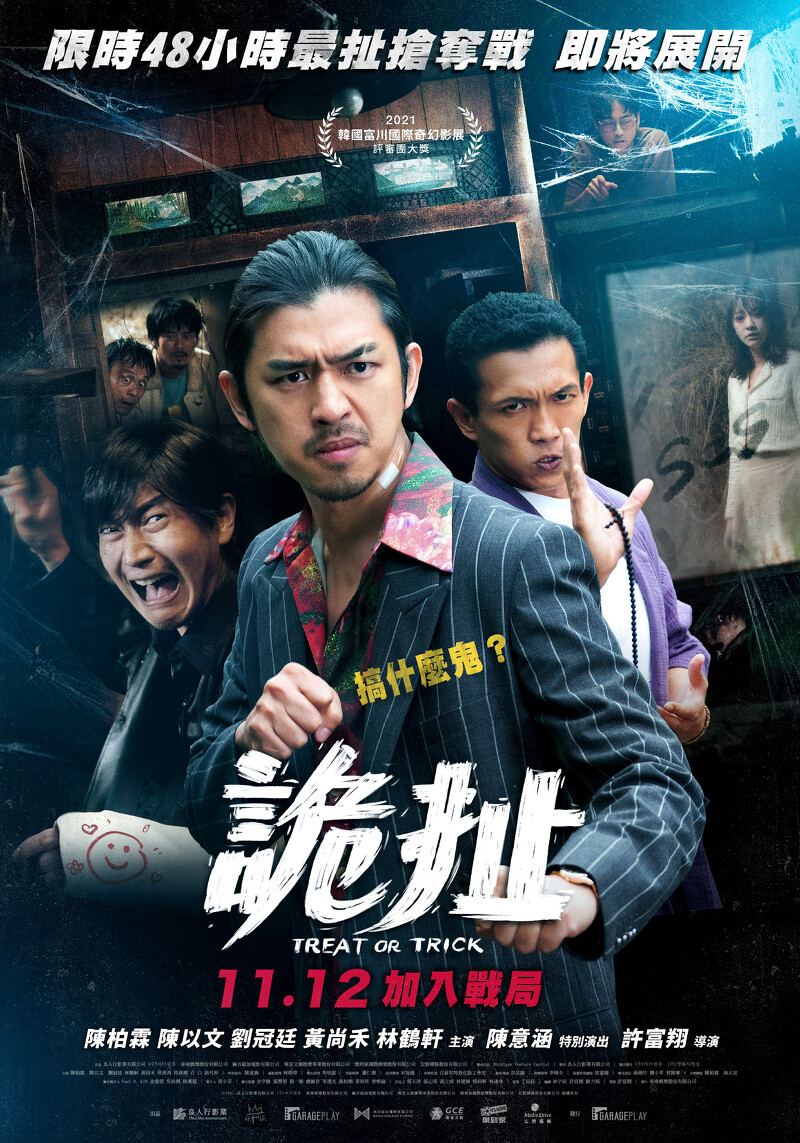
Treat or Trick (詭扯, Hsu Fu-Hsiang, 2021)

Diamonds, What it is it about them that makes everyone crazy? A bag of the elusive gemstones leads a series of corrupt cops towards a purgatorial hellscape deep in the mountains in Hsu Fu-Hsiang’s remake of the 2004 Korean film To Catch a Virgin Ghost, Treat or Trick? (詭扯, guǐ chě). The title could stand in for diamonds themselves which after all have little intrinsic value outside the illusionary desirability they evoke, but also hints at the “trickster” nature of its duplicitous hero. 

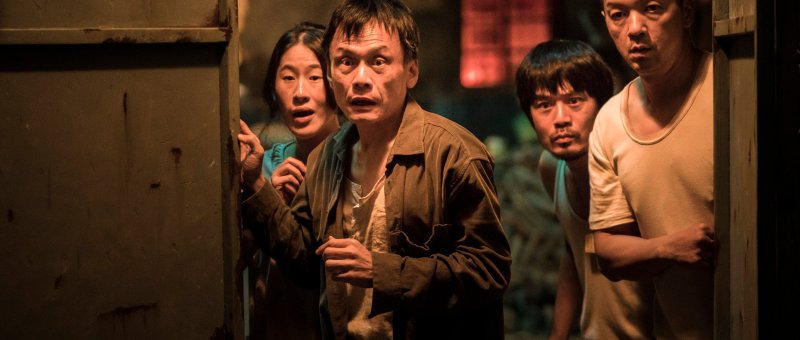
Corrupt cop Feng (Chen Bolin) admits that he didn’t join the police out of a fierce sense of justice, but because it was more convenient for his gangster lifestyle as he demonstrates in arresting a bunch of crooks only to stage a secondary robbery, getting his best friend Chiang (Yen Sheng-yu) to pose as a thief taking him hostage and running off with a bag of diamonds. Only, unbeknownst to Feng, Chiang has been picked as a fall guy for Boss Lin (Yu An-shun) to whom they were supposed to deliver the diamonds and has taken off with them. This is obviously a problem for Lin who takes cop Psycho hostage and charges Feng, his buddy Monk, and a guy from the gang Yang (Liu Kuan-ting), to track him down and bring the diamonds back. The trouble is that Chiang got into a car accident swerving to avoid the ghostly presence of a young woman and has wandered into a very weird village where everyone seems to be acting suspiciously. 

In many ways, you could see the village as a kind of purgatorial space inhabited by those trapped between two worlds towards which the gang of corrupt cops is beckoned to answer for their transgressions. Meanwhile, they’re also haunted by the figure of the mysterious woman whose presence is both help and hindrance hinting at dark goings on in this very remote area where visitors are a rarity. Having found out about the diamonds, the villagers are obviously keen to keep hold of them but then there are only so many to go round and it’s not as if you can cut a diamond in half, so the dilemma remains exactly who is going end up with the loot and how creating division on both sides. 

You couldn’t really say that either of these groups are the good guys, but it’s true enough that the villagers variously end up paying a high price for their greed usually caught out by their attempts to get one up on the cops, injured by backfiring weapons or caught in their own traps. Meanwhile, even Chiang falls victim to the essential weirdness of the village in succumbing to a freak accident which leads some to believe that he is dead though in a running gag he turns out to be more or less unkillable as if the eeriness of the place will not allow him to die no matter how many times he’s thrown off a hill, nailed in the head, crushed under falling objects, or set on fire. Yet Feng and his buddies remain largely untouched, outsiders in this strange world and completely by accident occupying some kind of murky moral high ground in trying to rescue their friend (along with diamonds which they need to get Psycho back and save their own lives by smoothing things over with Lin).

Hopping from the gangster movie to supernatural horror, martial arts, and mystery Hsu’s absurd morality farce throws in a series of running gags from “unlucky” Chiang’s strange ability to survive the unsurvivable to frequent allusions to the diamond sutra while possessing its own sense of karma as the greedy find themselves victims of their own scheming, but then perhaps not as the final twist might imply. Even so in this weird place, natures and destinies perhaps possess the ability to change, eccentric thug Yang getting far too into his role as a cop and finally deciding he’d like to be a “good guy” after all while guided by their brotherhood Feng and Monk too find themselves rediscovering a sense of justice in accidentally helping to solve a long dormant cold case. It’s all curiously circular, which is perhaps fitting for this farcical morality tale, but the jury seems to be out on whether even the brotherhood between Feng and his buddies not to mention their newfound sense of justice can survive the cursed allure of the stolen diamonds. 


Treat or Trick screens in Chicago April 9 as part of the 14th season of Asian Pop-Up Cinema.

Original trailer (Traditional Chinese / English subtitles)

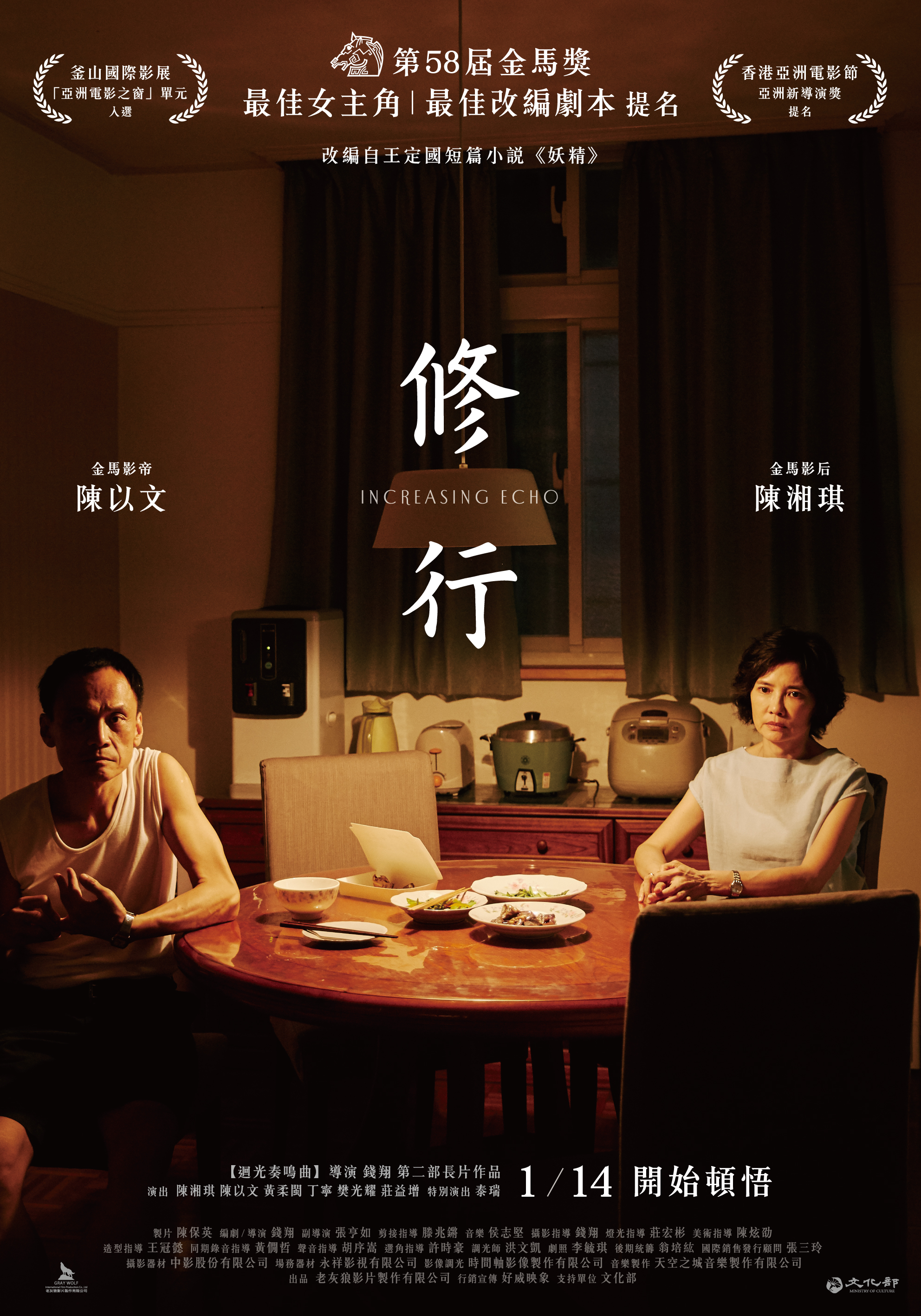
Increasing Echo (修行, Chienn Hsiang, 2021)

Marriage is a curse from which there is no cure in Chienn Hsiang’s horror-inflected pandemic-era social drama Increasing Echo (修行, xiūxíng). Though the English-language title may hint at the spiralling quality of the shared resentment between a husband and wife no longer, if they ever had been, happy with each other, the Chinese reflects on the heroine’s spiritual journey as she searches for a release from her internalised imprisonment but finds it increasingly difficult to “become a little bird and fly away”. 

Reuniting with Exit’s Chen Shiang-chyi, Chienn opens the film with a surreal scene of a collection of people dressed in white stumbling around zombie-like in a park while some kind of guru instructs them to listen to the voice inside which will guide them towards their own tree. One of the blindfolded devotees, Mrs Yan (Chen Shiang-chyi) eventually embraces a trunk but subsequently faints after a cicada lands on her arm. Encounters with the natural world will prove increasingly ominous, yet we can infer from Mrs Yan’s distress that even if she has managed to find her own tree or at least a solid trunk to hang on to it has not given her the sense of release that she is seeking. With her son about to be married, she finds herself trapped in a loveless relationship with her equally depressed husband Fu-sheng (Chen Yi-Wen) who sips from a hip flask all day at the office, ignores his wife’s calls, and sits in a depressing convenience store cafe every evening to delay having to go home. 

As we later discover the major source of discord between the pair is Fu-sheng’s infidelity, Mrs Yan having discovered his affair with his secretary, Ke-yun (Huang Rou-Ming), some years previously after hiring a private detective. Never really healed, the wound is reopened when Mrs Yan receives a surprise phone call from Ke-yun’s sister who is stuck abroad due to COVID-19 and wants Fu-Sheng to visit his former mistress who has been living in a nursing home for some years having sustained some kind of brain injury that has left her largely unable to communicate. Though originally outraged, Mrs Yan pays a visit to Ke-yun herself and then goads Fu-Sheng into accompanying her though whatever it was she intended the event only forces Fu-sheng into revolt taking off with the dog in tow leaving her all alone in the family home. 

For his part, Fu-sheng quite clearly identifies with the family dog, Terry, surreptitiously feeding him junk food in the park after being admonished for giving him salty table scraps. Where Mrs Yan would prefer to keep him safely at home, Fu-Sheng keeps letting Terry escape to wander freely with the result that he ends up with a canine venereal disease. The vet advises Mrs Yan have him neutered, but this is obviously something Fu-sheng can’t countenance himself feeling fairly emasculated and trapped within his marriage. In this the film perhaps leans uncomfortably leans into patriarchal social codes in implying that Mrs Yan is at fault for limiting her husband’s sexual freedom with even the private detective she hires to find him telling her that it’s good to let him stay out a little and that he’ll come home once he’s got bored and had enough which sounds like statement more applicable to a randy dog like Terry or a child who’s wandered off in a huff than a cheating husband indifferent to his wife’s feelings and willing to risk his relationship with his son by not showing up for any of the wedding prep. 

The implication that Mrs Yan has brought this on herself is further deepened by her gradually fracturing sense of reality born of the array of pills we see her taking each morning and her investment in a cult-like new age religious practice which is later betrayed when she returns to her spiritual home and discovers someone’s put it up for rent. Her world is full of eeriness and ominous symbols from the pigeons which seem to follow her around, to the ghostly corridors at the hospital to which Ke-yun has been consigned with Mrs Yan perhaps also harbouring a sense of guilt though each of them is themselves imprisoned if in an obviously different sense. In this age of social distancing, Mr and Mrs Yan appear to have had a lengthy head start, their alienation from each other later leading towards an act of violence which provides no sense of release only further constraint. Broken by the anxious knelling of Buddhist prayer bells, Increasing Echo hints at the radiating legacies of emotional betrayal but paints the marriage of Mr and Mrs Yan as a kind of maddening curse for which there is no cure only perpetual misery amid the impossibility of separation. 


Increasing Echo screens in Chicago April 9 as part of the 14th season of Asian Pop-Up Cinema.

Original trailer (Traditional Chinese / English subtitles)

You Have To Kill Me (我是自願讓他殺了我, Chan Chun-Hao, 2021)

An earnest policeman discovers nothing is quite as he thought it to be in Chan Chun-Hao’s adaptation of the novel by Feng Shi, You Have to Kill Me (我是自願讓他殺了我, wǒ shì zìyuàn ràng tāshā le wǒ). Drawn into a dark web of intrigue which eventually points to abuse of power and a low regard for human life, he is forced into a realisation that even as a law enforcement officer he can never be certain of what is real and what is not while caught in the middle in a battle of between parents each trying desperately to protect their sons. 

About to propose to his live-in girlfriend Kai (Janel Tsai), Shing’s (Cheng Jen-shuo) world comes crashing down when he and his partner Ye-ze (Xue Shi Ling) are dispatched to the mountains and discover that she is the victim of the homicide they’ve been sent to investigate. Shing apprehends the apparent killer, Li Zi-jian (Snoopy Yu), running away from the scene, but the situation is complicated when it turns out that Zi-jian is the son of a local politician, Chairman Li (Yin Chao-Te), and while he admits to the killing claims that he did it at the instigation of Kai who was suffering from terminal cancer and wanted him to help her escape her suffering. A look at Kai’s medical records bears out his story, but on closer examination Shing realises the documents don’t add up. His suspicions are confirmed when Kai’s parents, whom he had seemingly never met, arrive and fail to identify the body claiming instead that it is another woman who had been harassing their daughter, Lin Jing. 

Shing is forced to accept that he might not have known the woman he wanted to marry and that their relationship was founded on a lie, uncertain how much of any of it might have been real. Meanwhile he runs into a series of bureaucratic roadblocks as the chairman continues to disrupt the investigation in order to protect his son, eventually having Shing taken off the case leading him to investigate all alone discovering even more uncomfortable truths that cause him to question his reality. Leaving aside the minor plot hole that it seems unusually easy to live under an assumed name in contemporary Taiwan even if you’re involved in activities which would generally require an extensive background check, Shing has good reason to be confused as he dives ever deeper into an amoral morass in which those with power are prepared to manipulate it for their own ends without much thought for the lives of others. “That’s how much a person is worth” the chairman baldly states signing a settlement agreement over something else his son may or may not have done, later claiming that it doesn’t matter if he caused someone’s death “accidentally” and he’d do it all again to save his son. 

Even so, the chairman may have limits in that his attempts to manipulate the system are bureaucratic in nature and seemingly unnecessary at least it seems as if there would be easier ways to achieve his aims without directly harming others even if they would risk lives indirectly. Meanwhile his accomplice is also seemingly involved in order to protect their family, willing to compromise themselves morally to protect their elderly relatives while believing nothing that bad would come of their actions. Then again, Shing finds himself on the receiving end of further recriminations accused of having failed to protect the woman he knew as Kai from herself leaving her with only a dark path to ensure that justice would be done and corruption exposed. 

While Zi-jian feared he was a burden to his father feeling himself unloved even as he went to such drastic lengths to protect him, Kai/Jing was also afraid to fully trust Shing fearing she’d one day disappoint him unable to move on from her traumatic past without putting it to rest. Taking aim firmly at the societal corruption that allows the rich and powerful to misuse their position for their own gain while ordinary people suffer Chan’s noirish drama situates itself in a murky world of constant uncertainty in which even an earnest policeman can be largely oblivious of the lives of those around him while the purest of motivations can lead to only darkness and misery.  


You Have To Kill Me streams in the US April 4 – 10 as part of the 14th season of Asian Pop-Up Cinema.

Original trailer (English subtitles)

No Man is an Island (沒有人該成為孤島, Jay Chern, 2022)

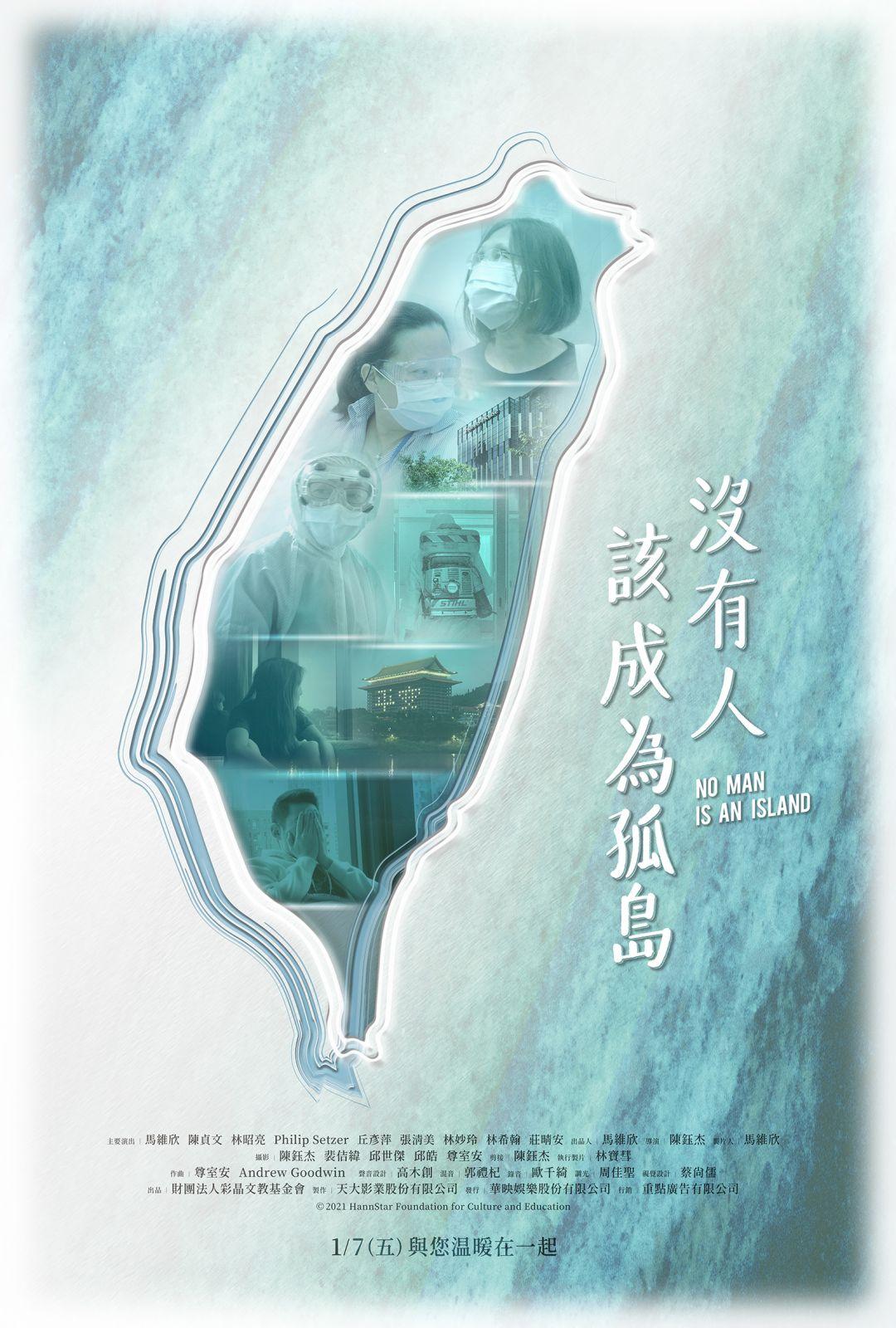
For much of the pandemic, Taiwan was regarded as a success story having largely managed to avoid mass infections through a well formulated public health programme that meant for many life could carry on more or less as normal. Jay Chern’s documentary No Man is an Island (沒有人該成為孤島, méi yǒurén gāi chéngwéi gūdǎo) focusses on the sometimes forgotten frontline workers that made that sense of normality possible while losing their own in situating itself in a small hotel which agreed to become a quarantine facility for travellers arriving from overseas. 

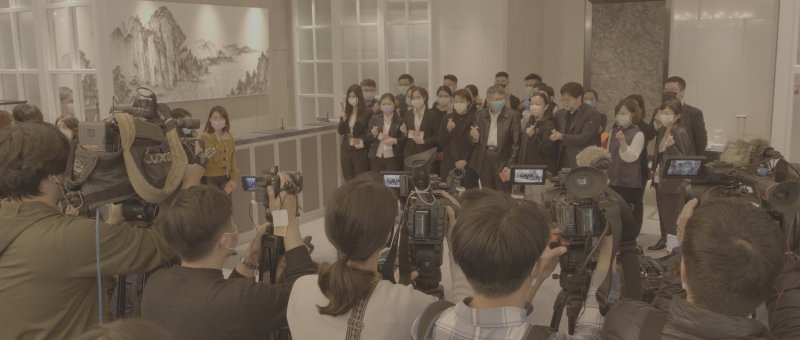
Chern spends much of his time with the hotel’s manager, Rebecca Ma, who at one point describes the decision to house those needing to quarantine as the biggest mistake of her life but also something she ultimately felt was the right thing to do, that it would be wrong to refuse when they had the capability to help. Nevertheless, she makes clear that her greatest responsibility was to her staff, negotiating with the government that they’d only agree to offer quarantine services if they’d be provided with full PPE while we can also see the extensive procedures they must take to keep the the guests and themselves safe disinfecting rooms after guests leave and allowing several hours before deep cleaning them while running UV disinfectant lamps throughout the building. 

Meanwhile, they also face some pushback from the local community upset by the close proximity to those who may be carrying COVID-19 only to be reminded that if they weren’t quarantining at the hotel they’d have to go somewhere else and could even be staying in the apartment below theirs so the point is in many ways moot. Even within the hotel Ma is well aware of how boring and distressing being trapped in quarantine could be even in a hotel as nice as hers fully preparing herself for a series of picky complaints from guests with quite literally nothing else to do taking out their frustrations on the front desk team. Meanwhile, others forget that it’s not a holiday, they’re in quarantine, and want access to normal hotel services around the clock not always taking kindly to being reminded that certain things may not be possible. 

With that in mind, it’s genuinely touching to see the level of care that the hotel staff have for those staying with them taking note of their mental health as well as the physical. Ma recounts personally preparing a meal for the first few quarantiners and is often seen organising special treats for the guests particularly in the holiday periods so that they don’t feel alone as if the hotel staff is their family even gifting pretty flowers and cupcakes for mother’s day as well as small toys to keep children entertained. She herself has been living away from her family in the hotel to keep everything running smoothly while further members of staff move in later during the stricter lockdowns put in place after the situation intensifies ironically because of lax quarantine processes at another hotel which allowed airline personnel to leave earlier than otherwise recommended. 

Mindful of her responsibilities, Ma makes a point of leading by example never asking anyone else to do something she wouldn’t or put themselves in harm’s way unnecessarily. One employee reflects that she was so frightened that she wrote her will and explained to friends what to do with her ashes should the worst happen, but in general the atmosphere among the staff seems cheerful and upbeat, Ma giggling that she feels like a naughty child ringing people’s doorbells and then running away to let them know their meals have arrived. Privately she admits that the situation can be stressful because no mistakes can be made, it is quite literally a matter of life and death, but also a job she just needs to keep doing to the best of her ability. 

Chern also speaks to a few of the quarantiners one of whom is his own mother returning from the US to care for his bedridden grandmother, while others have returned to be closer to their families or because it is simply safer in Taiwan than wherever they were before, allowing each of them to chronicle their experiences in their quarantine diary as they try to stave off cabin fever and the anxieties of their long journeys home. Hanns House has become for them a small safe haven until they’re able to go back out into the world. “Sometimes life isn’t about what we want or if you’re ready, but rather if it’s necessary” Ma adds, later reflecting that the pandemic is turning into a never-ending marathon, “If you can’t run, crawl to the very end”.  


No Man is an Island streams in the US April 4 – 10 as part of the 14th season of Asian Pop-Up Cinema.

Original trailer (English subtitles)
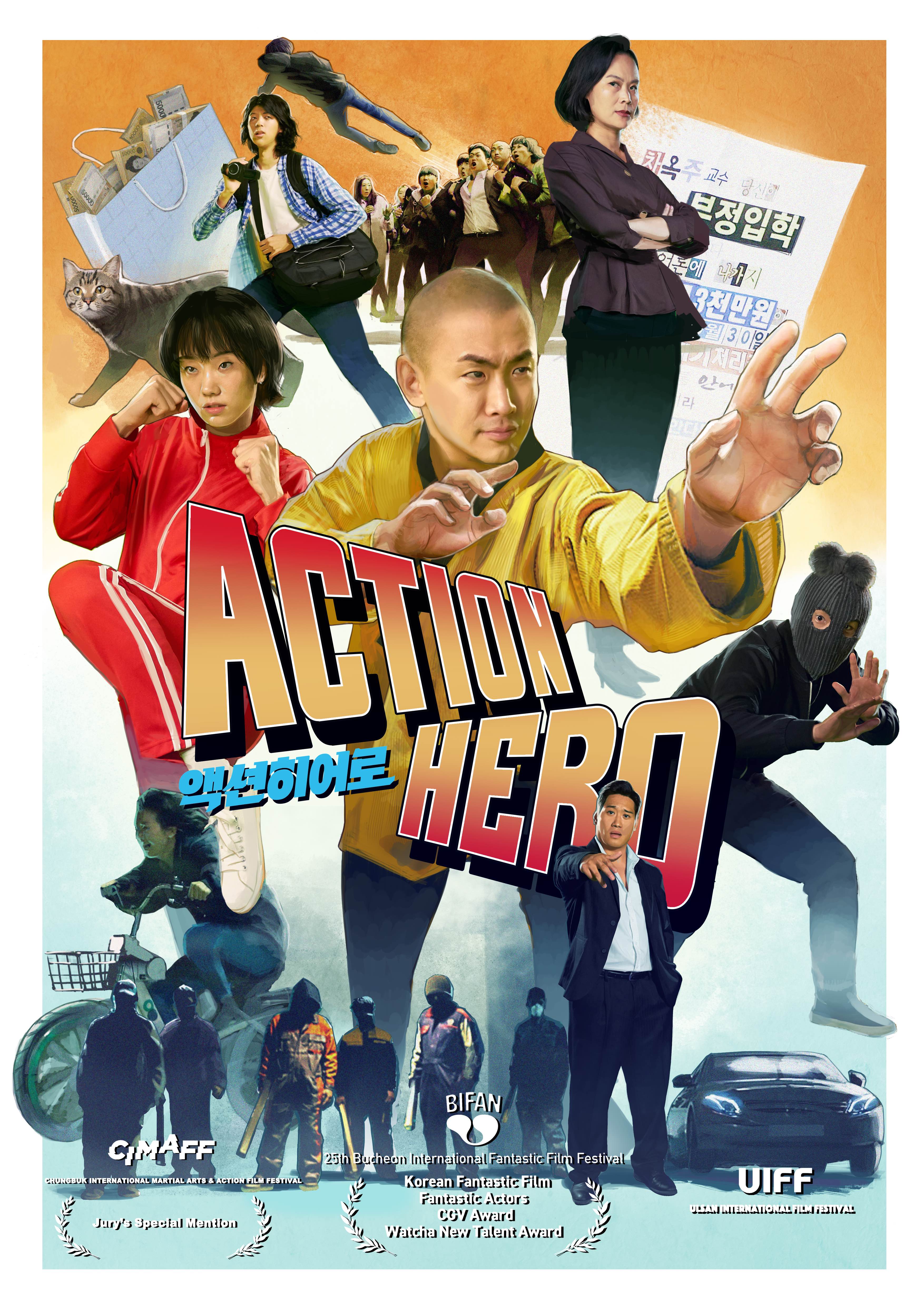
Bamboo Theatre (戲棚, Cheuk Cheung, 2019)

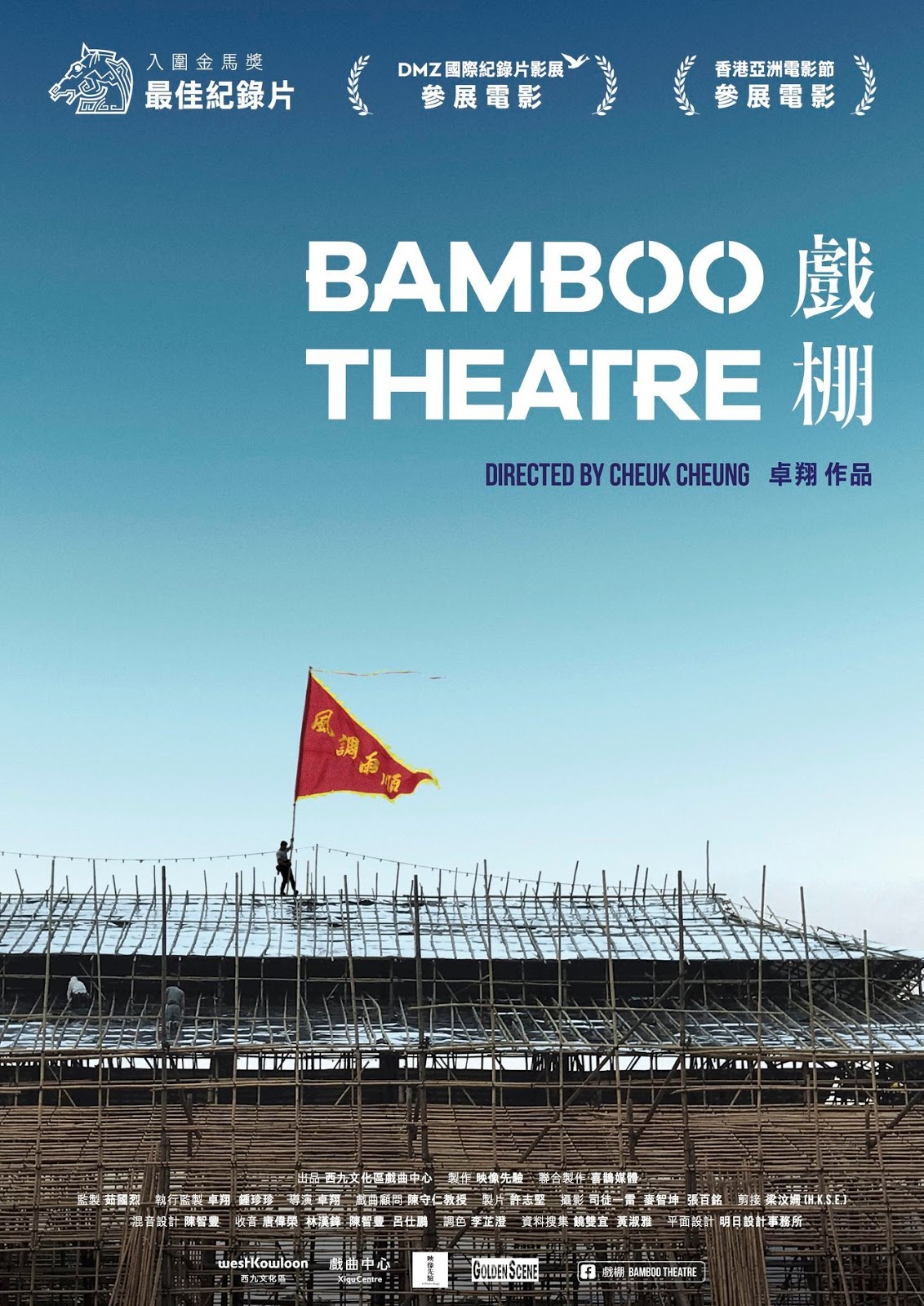
Cheuk Cheung’s otherwise observational documentary Bamboo Theatre often interrupts the action with a series of title cards beginning “this is a space”, a space for ritual, for culture, for the traditional and for its evolution both manmade and somehow spiritual. Bamboo Theatre (戲棚) is in fact Cheuk’s third documentary on the subject of Chinese opera having apparently developed an interest through a chance encounter that left him surprisingly moved, but the focus this time is as much on the building as it is on the art emphasising the ironic endurance of these transient structures forever dismantled and rebuilt in a constant process of change and renewal. 

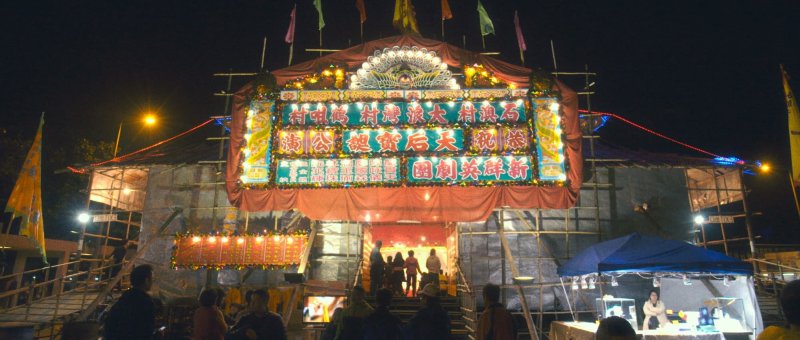
As the closing titles reveal, the number of bamboo theatres operating across Hong Kong has dropped by 30% though the traditional practice continues to endure with communities across the islands conducting ritual to honour the birth of Tin Hau, goddess of the sea. Built entirely from bamboo without the use of a single nail, the structures are a marvel of engineering yet intended to stand for less than two months, performances taking place for only three to seven days before the entire theatre is dismantled and transported to its next location to be resurrected anew. Cheuk elegises the disappearing art form through long sequences of painstaking construction scored with classical music as if to lament the dying nature of the craft while bearing testament to its survival as the company crafts its own space with its own hands not only a stage and makeshift covering but a warren of backstage corridors where costumes are steamed and pressed while actors rehearse or put on their makeup. A scenic boat is even is whipped up mid-performance seconds before being tracked on stage. 

Meanwhile, the theatre creates its own kind of spectacle outside its doors a mini festival taking place in the open air with stalls selling nicknacks and street food. The audience appears diverse, a mixture of small children accompanied by parents or grandparents along with elderly spectators attending alone, the kids well behaved and engaged with this very traditional art form. As another of the title cards reminds us, this is a space for entertaining both people and the gods, ritual and enjoyment presented with equal importance which explains perhaps how this incredibly laborious practice has managed to endure in an age which largely values convenience. 

Then again as one performer complains in one of the few scenes featuring dialogue, why don’t they put up a mobile toilet for the performers along with the rest of the structure, their personal convenience it seems valued comparatively little. A mess of hanging cloths, the backstage areas appear more spacious than one might expect, but are also subject to their own arcane rules a sign reminding women not to sit on crates for the gods though it seems unlikely anyone is doing very much sitting at all given the general business of backstage of life. Even once the audience has gone home, an old man commandeers the darkened stage to practice his art singing to an empty auditorium in an otherwise silent night. 

Having begun the film with a theatre’s construction Cheuk closes with its dismantling, foil sheeting from the roof clashing to the floor with apocalyptic intent yet also suggesting that this is how something survives, taken down in one place to be rebuilt in another the same but different, transient and eternal. In this way, xiqu opera survives its ritualised nature taking on an almost mystical dimension in its constant acts of appearance and disappearance though perhaps it’s ironic to think of something so obviously built by human hands as “intangible” culture. Even so, the enduring power of the bamboo theatre captured with an ethereal distance through Cheuk’s sensitive lensing is perhaps a sign of hope for the future in the face of persistent anxiety that such iconic local traditions are always at the risk of erasure. 


Bamboo Theatre screens in Chicago on April 2 as part of the 14th season of Asian Pop-Up Cinema.

Musicophilia (ミュジコフィリア, Masaaki Taniguchi, 2021)

What is “music”? Adapted from the manga by Akira Saso, Masaaki Taniguchi’s Musicophilia (ミュジコフィリア) finds its heroes grappling with a series of conceptual insecurities attempting to draw lines around what the what word might mean while torn between conservation and innovation as they struggle to find their own voices. Yet as the hero comes to realise, you can’t make music on your own letting go of his resentment and childhood trauma to remember his natural love of sound while repairing his relationship with his estranged half-brother in the wake of his father’s death. 

Gifted the talent of synesthesia in the ability to perceive shape and colour in the sounds of nature, Saku (Kai Inowaki) harbours a deeply held resentment towards “music” which he believes destroyed his family life, his mother (Misuzu Kanno) having been seduced by well-known composer Kishino (Kanji Ishimaru) as a student and thereafter forced to give up her dreams of becoming a professional cellist. Though he had contact with his father in his childhood, his stepmother never missed the opportunity to make him feel inferior while her own son, Taisei (Ikusaburo Yamazaki), became his father’s protege. Saku was not even allowed to touch his piano as if he were somehow unworthy of his artistic legacy. Having enrolled in art school in Kyoto, he nevertheless ends up being adopted by the contemporary music club which practices avant-garde and experimental techniques only to re-encounter his brother who is now in the third year of a PhD and an unpleasant elitist privately insecure about his musical talent. 

Everyone agrees that Taisei’s playing is technically perfect, but somehow dull lacking the individual spark of a true creative genius merely a carbon copy of his father’s teaching. Saku’s new friend Nagi (Honoka Matsumoto) compares Taisei’s skill unfavourably with the untrained talent of his brother, insisting that Saku’s music has the colour of joy and shape of kindness while Taisei’s sounds like notes arranged by a machine. Taisei is indeed cold and arrogant, snapping back at Saku’s question “what is music?” with the reply that music is what he’s played, as if he owned it and it only belongs to him. He even breaks with protocol and insults his professor claiming that his criticism is down to “internal politics” because he and his father did not get on, publicly criticising his translation of a German textbook on music telling him to “grasp the fundamentals of language” while his professor urges him to master the fundamentals of composition rather than arrogantly insisting his playing is unimprovable because it is the definition of “music”. Of course, some of this is his own insecurity afraid he can’t match up to his father and worried that in the end all he is is a poor imitation. For his part, Saku is often less than kind to Taisei, Nagi trying to point out to him that he’s better that but simultaneously finding him heading in the same direction as he tries to overcome an internal insecurity in order to rediscover his musical voice while unfairly lashing out at those around him. 

Taisei sucks the joy of out music, and indeed everywhere else, through his arrogant perfectionism his treatment of violin-playing girlfriend Sayo (Noa Kawazoe) approaching the abusive as he consistently runs her down and blames her for his own sense of dissatisfaction, while Nagi meditates on how freedom can make you lonely, herself seemingly the only one who thinks she’s in a musical, as the youngsters find themselves isolated by their own desire for artistic expression. Yet what the two men discover is that their father may have intended something else for them and that his desire was that they’d rediscover the innocent connection they’d had as children able to help each other should they become stuck either in life or in music. Saku’s natural talent is born of being immersed in the world around him realising that this too is “music” while Taisei struggles to move forward too obsessed with technical perfection to allow his music to breathe only rediscovering his humanity after an immense humbling that allows him to re-immerse himself in the natural world. At heart a coming-of-age tale in which two young men learn to put their differences aside and rediscover their childhood bond, Taniguchi’s gentle drama also offers a mild critique of academia and the tendency of institutions to exploit and manipulate talent only to wash their hands of it if something goes wrong placing funding above ethical concerns but eventually discovers that music is everywhere if only you’re willing to listen.


Musicophilia streamed as part of the 14th season of Asian Pop-Up Cinema.

Trailer (no subtitles)

My Father’s Tracks (僕と彼女とラリーと, Renpei Tsukamoto, 2021)

A struggling Tokyo actor begins to re-appreciate small-town wholesomeness after returning home for the first time in many years on learning of his semi-estranged father’s death in Renpei Tsukamoto’s heartwarming drama My Father’s Tracks (僕と彼女とラリーと, Boku to Kanojo to Rally to). As much a celebration of the idyllic countryside villages around the city of Toyota in Aichi, obviously closely associated with the automobile industry, Tsukamoto’s gentle coming-of-age tale sees its hero find his purpose in returning to his roots while gaining a new perspective on his parents’ relationship and the father he’d always resented who became a local hero but was never around when his family needed him. 

At 29 Taiga (Win Morisaki) is still trying to make his mark as an actor in Tokyo, his dejected manager complaining his trouble is that though he’s quick and clever he’s essentially soulless which is why he’s failing to captivate the audition panel. He repeatedly ignores calls from his semi-estranged father Toshio (Masahiko Nishimura) and then answers one on the urging of a friend only to utter some very unkind words before unceremoniously hanging up. The next time he answers his phone, however, the call is from an old friend and neighbour, Miho (Mai Fukagawa), letting him know that his father has passed away suddenly of a heart attack. Though they had not been on good terms, Taiga cannot help feeling guilty that his final words to his father were so harsh especially as he’d called to invite him to visit the following November. 

Though everyone in the town seems to have held Toshio in high regard, he was a frequent fixture on the local TV channel for which Miho works, both Taiga and his older brother Hiroyuki (Ryuta Sato) who has become a cynical and heartless businessman feel only contempt for him for having selfishly neglected his family while travelling all around the world as a mechanic with a champion rally team not even making it home in time to see their mother before she passed away of a longterm illness. Taiga can’t forgive him for leaving his mother lonely, but later comes to reflect that perhaps he wasn’t best placed to fully understand the relationship between his parents and may have misinterpreted something which as he later puts it only a husband and wife can know. Meanwhile, it seems his father had also been a supportive force in the community having given jobs to those who might not ordinarily find them in a mechanic with a criminal record, an old man past retirement age, and a young woman so shy she is largely unable to speak. Taiga can see how important his father was to these people and worries what will happen to them now whereas his coldhearted brother is deaf to their pleas planning to close the business and have it and the family home bulldozed as soon as possible to settle the estate without undue delay. 

Hurt even more deeply that Taiga, Hiroyuki has become cruel and cynical often running his brother down rolling his eyes that no one makes a living from a “hobby” while insisting this isn’t one of his “namby-pamby” plays. He claims that he needs the money to protect his family, something that he feels his father failed to do in spending all his time on a “hobby” of his own even shutting down his own small son’s curiosity and desire to join in with the other kids’ fun. Even so after repeatedly telling him to “man up” and get a real job, Hiroyuki is less than impressed by Taiga’s desire to take over the family business which he admittedly knows nothing about having acquired a driving license solely for a role, only relenting when threatened by a flamboyant human rights lawyer with the name of a legendary samurai (Riki Takeuchi).  

Nevertheless, marshalling the skills he picked up in Tokyo and working alongside the locals Taiga begins to rediscover the sense of purpose he’d been missing while gaining a new understanding of his father and greater sense of future possibility. Despite complaining that there is “nothing here” in comparison to Tokyo only for Miho to remind him of all the things Tokyo doesn’t have or that are freely given in Toyota but need to be paid for in the city, he quickly settles back in to small town rhythms and begins to accept his father’s legacy finally finding his sense of direction and taking his place in the driving seat of his own life. A heartwarming tale of familial reconnection and the power of community, not to mention a celebration of rural small-town Toyota, My Father’s Tracks insists life is a rally, all about the going there and coming back, walking on blazing a trail and never giving up no matter the sharp corners and unexpected turns a life may take. 


My Father’s Tracks streams in the US until March 27 as part of the 14th season of Asian Pop-up Cinema

Original trailer (English subtitles)
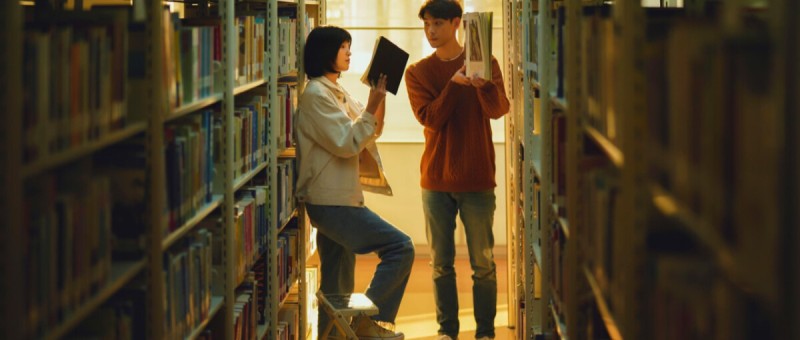
Will I Be Single Forever? (ずっと独身でいるつもり?, Momoko Fukuda, 2021)

If you can achieve financial independence in the contemporary society, then what is or should be the primary purpose of and motivation for marriage, what does it mean, should you want it at all or is it merely an outdated institution designed to keep women in their place by making them dependent on men? Adapted from the manga by Mari Okazaki, Momoko Fukuda’s Will I Be Single Forever? (ずっと独身でいるつもり?, Zutto Dokushin de Iru Tsumori?) finds a series of young women asking just these questions wondering why it is everyone themselves included is still intent on viewing marriage and motherhood as the only markers of success as if none of their other achievements really matter if they’re going to write spinster of this parish on their headstone. 

10 years previously the now 36-year-old Mami (Jun Hashizume) shot to stardom penning a best-selling book about how it isn’t a sin to be single and the worst thing isn’t to be alone but to settle for less solely to escape loneliness. These days, however, she’s beginning to wonder, growing fearful of what it might mean to spend the rest of her life alone and worrying she’s about to miss the marriage boat witnessing it pass by passively without making a concrete decision of her own. Expressing her views on a talk show where “the troubled women of today are slapped with harsh reality”, Mami disappoints some of her longtime fans who found validation in her book reassured that there was nothing wrong in their desire to live independently rather than get married right after college and become regular housewives. Yet they are also ageing and facing the same dilemma, wondering if their life choices are really OK or if they’re missing out on a family life by refusing to settle for Mr. Almost-Right. 

The film’s English-language title flips the Japanese as if the question is self-directed, the women asking themselves when Mr. Right’s going to come along or worrying about the consequences if he never shows up, while the Japanese is more like the dreaded question every young woman is asked by an invasive female relative at a family gathering reminding her she’s not getting any younger and will end up alone if she’s not careful. Meanwhile, Mami is reminded that women who’ve bought their own apartments seldom marry, men aren’t interested in women who can be financially independent and don’t need to rely on them for economic support as Yukino’s (Miwako Ichikawa) longterm boyfriend explains breaking up with her immediately before moving in together as it turns out right next to Mami though she doesn’t know it as she takes out her frustrations online through an embittered anonymous Twitter account. 

For her, the point of marriage is supposed be escaping loneliness yet as her school friend Ayaka (Eri Tokunaga) will testify marriage can be the loneliest thing of all. Her husband is happy to play with the baby but hands it back every time it cries or needs changing unwilling to engage with the less fun sides of marriage or parenthood. Husbands are emotionally absent and rarely help at home, Ayaka’s trying to be helpful by taking the baby to the park so that she can focus on her chores both leaving her out of their fun and reinforcing the idea the home is all her responsibility and none his. “Don’t end up like me” Mami’s mother (Mariko Tsutsui) advises instantly seeing that her decision to marry casual boyfriend Kohei (Yu Inaba) just because he asked is doomed to end in failure, warning her that you have to “be ready to live alone” even if you marry, “no good comes of being a slave to a husband” she adds uttering the unthinkable in trying to warn her daughter of the realities of a patriarchal marriage. 

And as it turns out though five years younger vacuous rich kid Kohei is a patriarchal man whose friends all praise him for being brave and understanding in marrying an older woman while he pats himself on the back for being progressive in granting her permission to continue using her maiden name professionally after they marry. When they go to meet his conservative parents he criticises her outfit for making her look “old” while he’s worn shorts to a fancy restaurant and then orders a ridiculous green soda drink, forcing Mami to go along with his mother’s prodding that she’ll give up work when they marry to devote herself to childrearing though he’d also refused to attend a fertility/genetic screening session Mami had recommended on the grounds that it’s unnecessary because he’s a man as if childbirth is only a female concern and only women can have fertility issues or potential problems in their medical history. The more she tries to voice her worries the more he overrules her, the final straw coming as he refuses to listen to her anxiety about getting behind the wheel of a car, generally unnecessary in Tokyo, having previously been involved in an accident. She begins to wonder why it’s so important to follow the “correct path” even if it brings you no happiness solely in order to avoid people asking you with barely suppressed pity if you’re going to be single forever. 

The question comes from an older era in which it was it was near impossible for a woman to survive without a husband, but now that she can why should she put up with poor treatment and restrictions on her freedom if she is perfectly capable of supporting herself? Much younger than the others, sugar baby / professional socialite Miho (Sayuri Matsumura) meanwhile has gone the other way in trying live off men without the constraints of marriage only to find herself hamstrung by patriarchal expectations once again in having failed to realise that her lifestyle has an expiration date while she’s painted herself into a corner with no qualifications or work experience at the age of 26. The bulk of her business model is already rooted in the selling of other younger, prettier women as party guests for wealthy men and the consequences of continuing down that path are largely unpalatable to her. 

Touched by a further TV update from Mami, each of the women has a kind of epiphany that allows them to move forward into happier lives reassuring them that it’s alright to ask for more and they don’t have to hold any part of themselves back to meet the outdated expectations of traditional femininity, even Miho finding another way of harnessing the skills she does have to achieve true independence. The answer is not a total rejection of marriage or committed relationships but a reacknowledgment that to marry or not should be their own choice based on their own happiness rather than something you have to get over with to avoid the social stigma of becoming an old maid. A relatable exploration of the lives of young women in the contemporary society Fukuda’s empathetic drama eventually advances that in the end the best cure for loneliness is female solidarity in the face of a still overwhelmingly patriarchal society. 


Will I Be Single Forever? streams in the US until March 27 as part of the 14th season of Asian Pop-up Cinema

International trailer (English subtitles)
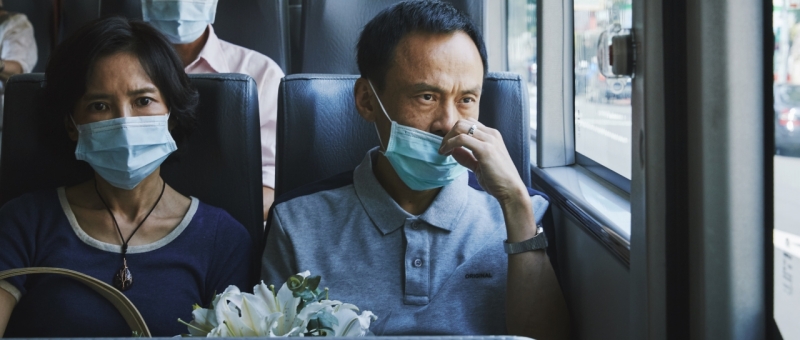
Skeleton Flowers (かそけきサンカヨウ, Rikiya Imaizumi, 2021)

The increasingly prolific Rikiya Imaizumi has become most closely associated with zeitgeisty youth romance accurately capturing the fears and anxieties of 20-somethings in contemporary Japan but brings his characteristically mellow touch to the classic coming-of-age tale in adapting Misumi Kubo’s short story Skeleton Flowers (かそけきサンカヨウ, Kasokeki Sankayo). In contrast to the gloominess of the title, teenage angst is never where you’d expect it to be as the variously pre-occupied pair at the film’s centre strive to deal with their problems with maturity and mutual compassion. 

You might for instance expect Yo (Sara Shida) who has been raised by her father, Nao (Arata Iura), since her mother left the family when she was three to feel jealousy or resentment when he sits her down and tells her that he’s fallen in love and wants to get married, especially as the woman he’s fallen in love with, Yoshiko (Akiko Kikuchi), has a small daughter of her own, Hinako. Attempting to be sensitive, Nao frames the new arrangement in a positive light in that Yo will be have more free time to be a regular teen and hang out with her friends rather than skipping out on after school clubs to take care of the household chores, a spin which could backfire in that Yo has obviously been used to being the lady of the house and might feel as if a responsibility she was proud of carrying is being taken away from her or that she’s being displaced by the new maternal presence of Yoshiko. She may in fact feel a little of this, but rather than lashing out or rebelling against the change in her familial circumstances she does her best to accept it with good grace while simultaneously prompted into a reconsideration of the relationships between parent and child meditating on the absence of her birth mother and wondering how and why she could have come to leave her behind. 

Riku (Oji Suzuka), her sometime love interest, had started a discussion in their friendship group about their earliest memories Yo unable to come up with anything on the spot but later remembering her mother carrying her into the forest and showing her the skeleton flowers of the title which appear bright white when dry but gradually become transparent as they absorb water. Later she remembers something else unsure if it’s a memory or a dream, a feeling of being suspended in mid-air as her parents argued as if everyone had forgotten she existed. Riku too frequently states that he’s “nothing at all”, feeling himself lost and directionless after being diagnosed with a heart condition later forced to accept that his life will never be the same as it was and his choices are now limited in ways they might not have been before. His health anxiety ironically leaves him emotionally numb, unable to identify let alone express his feelings as he becomes close not only to Yo but another, much more direct, girl in his class Saki (Tomo Nakai) who later does him the favour of explaining exactly what his problems are hoping to jolt him out of his emotional inertia while taking him to task for having been unintentionally condescending in his innate kindness. 

It’s this innate kindness that eventually sees both the teens through, each approaching their various worries with a mature compassion. Riku had felt uncomfortable in his familial home and jealous of Yo’s “real family” as she comes to accept her new relationships with Yoshiko and Hinako, but himself comes to understand the complicated relationship between his overbearing grandmother and lonely mother as one of mutual support getting another tip from Yoshiko that even if he feels has no particular talents, also jealous of Yo’s artistic prowess, his ability to support those around him is a talent in itself and an important part of the whole. A robust emotional honesty and the willingness to think things through calmly eventually lead stronger bonds between all concerned, Yo forgiving her birth mother while also embracing a new maternal relationship with Yoshiko, while Riku gains a new perspective of his own and even if he still hasn’t quite learned to identify his feelings is more comfortable with expressing them directly. A gentle, empathetic coming-of-age tale Imaizumi’s teenage drama roots itself in a world of fairness and compassion that allows each of the teens the space to figure themselves out while helping others to do the same no longer transparent in the rain but whole and fully visible not least to themselves. 


Skeleton Flowers streams in the US until March 27 as part of the 14th season of Asian Pop-up Cinema

Original trailer (English subtitles)