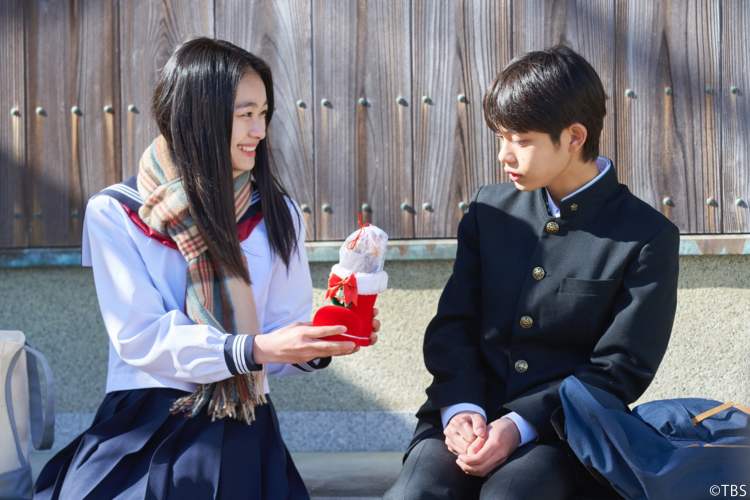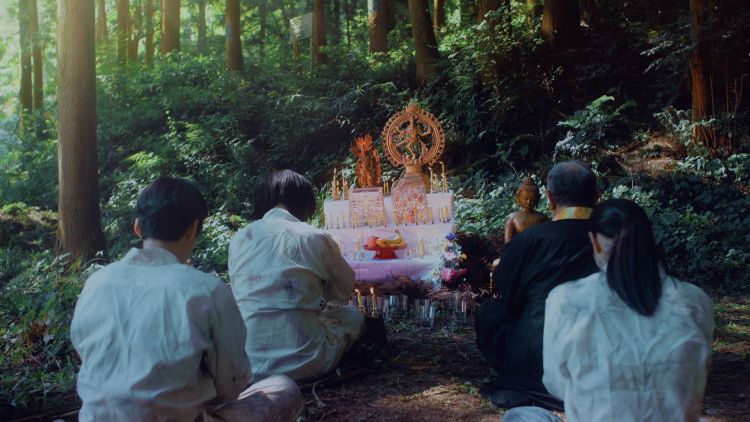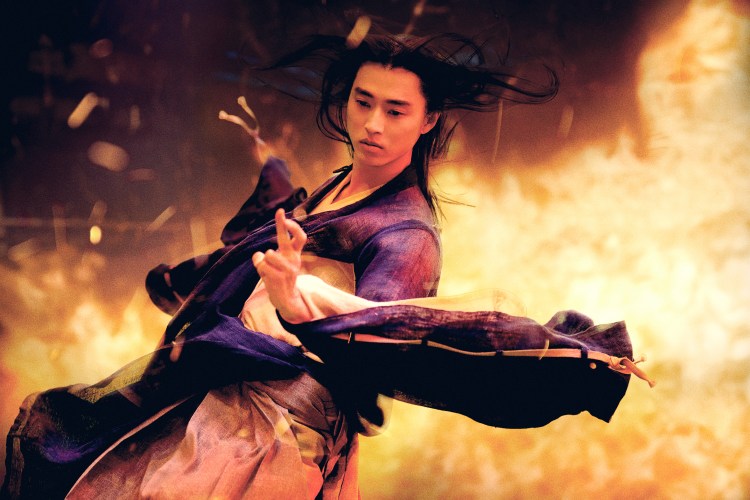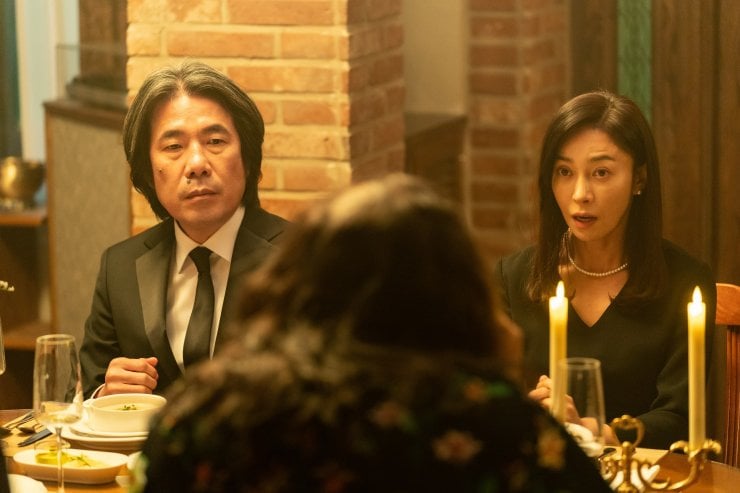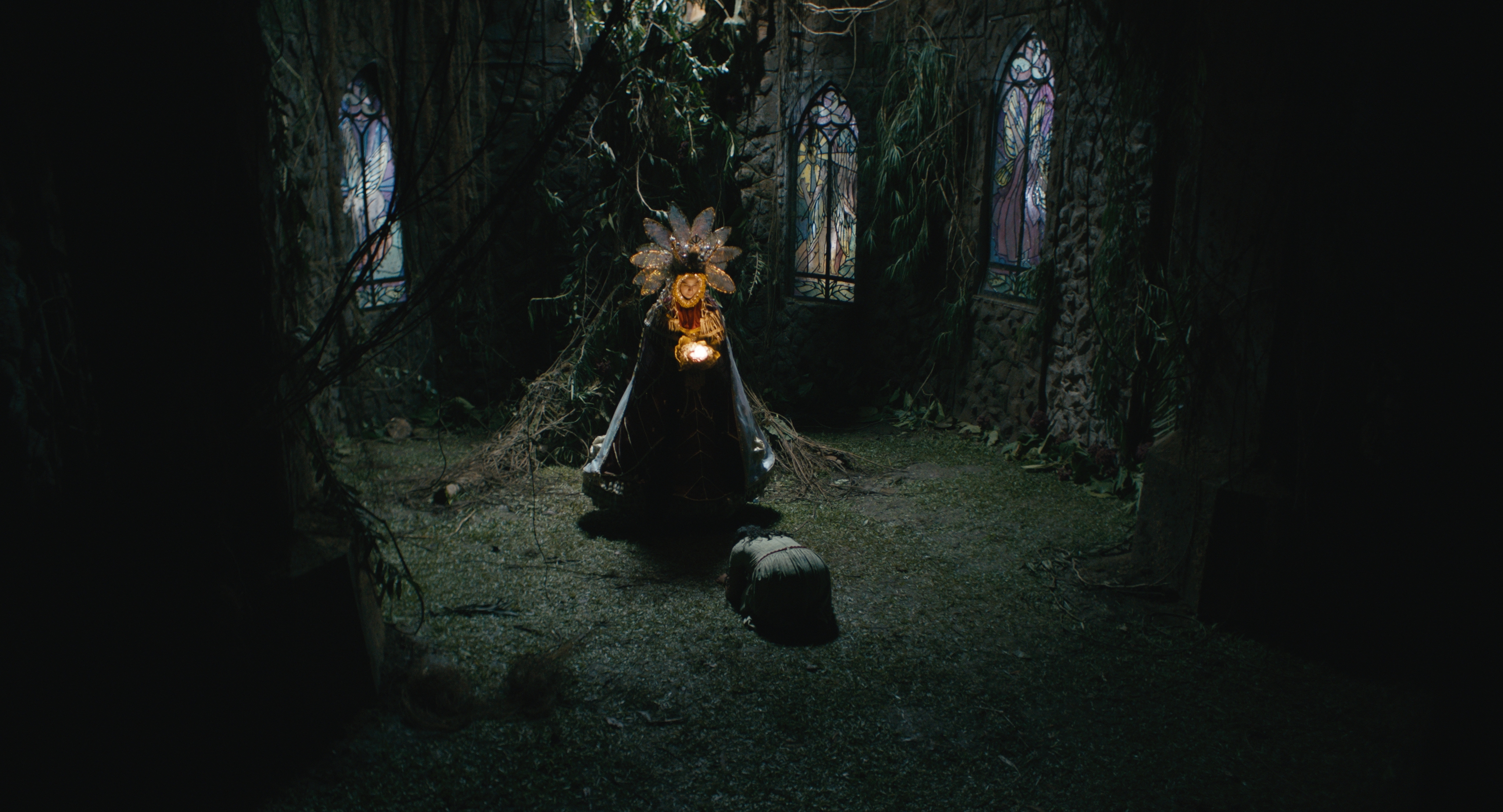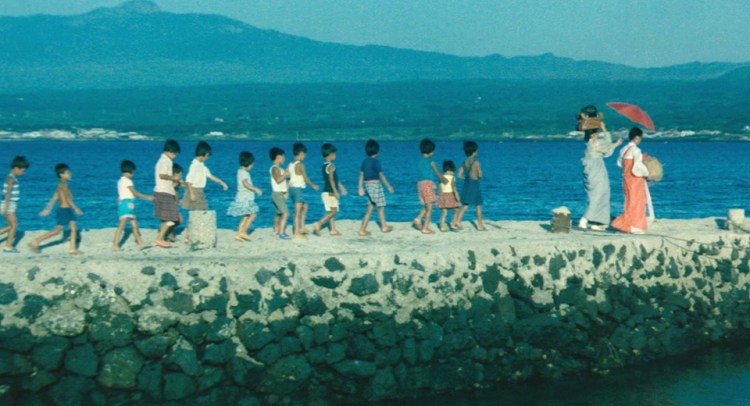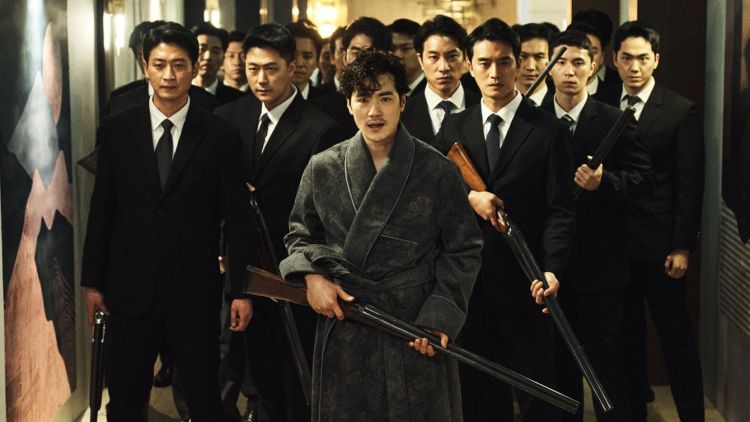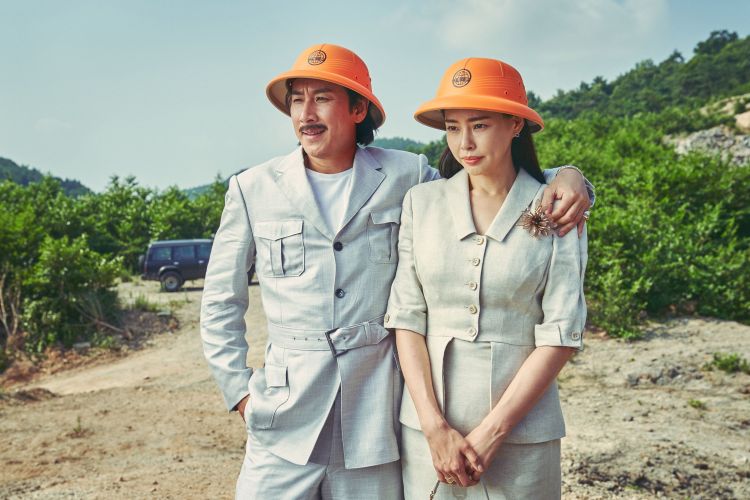
A Samurai in Time (侍タイムスリッパー, Junichi Yasuda, 2024) [Fantasia 2024]

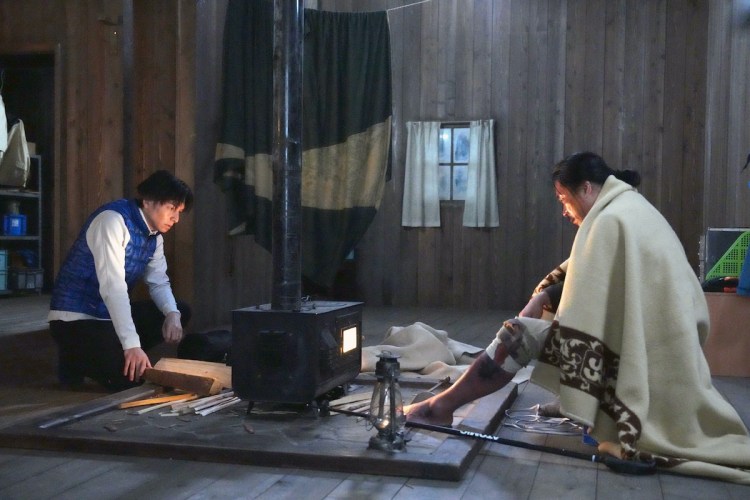
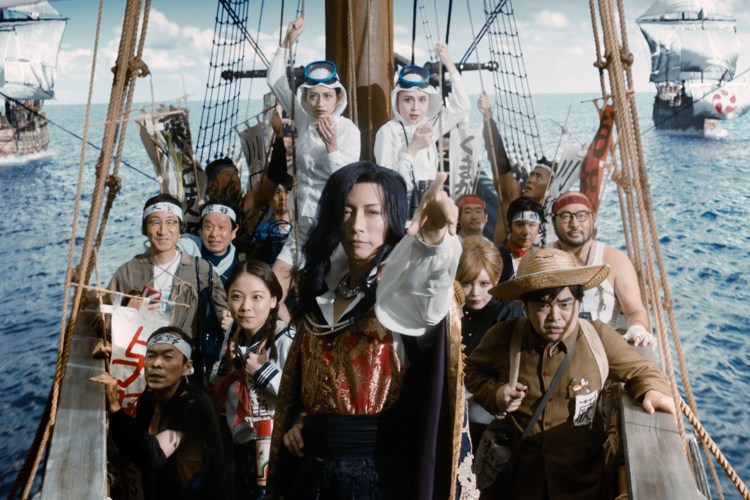
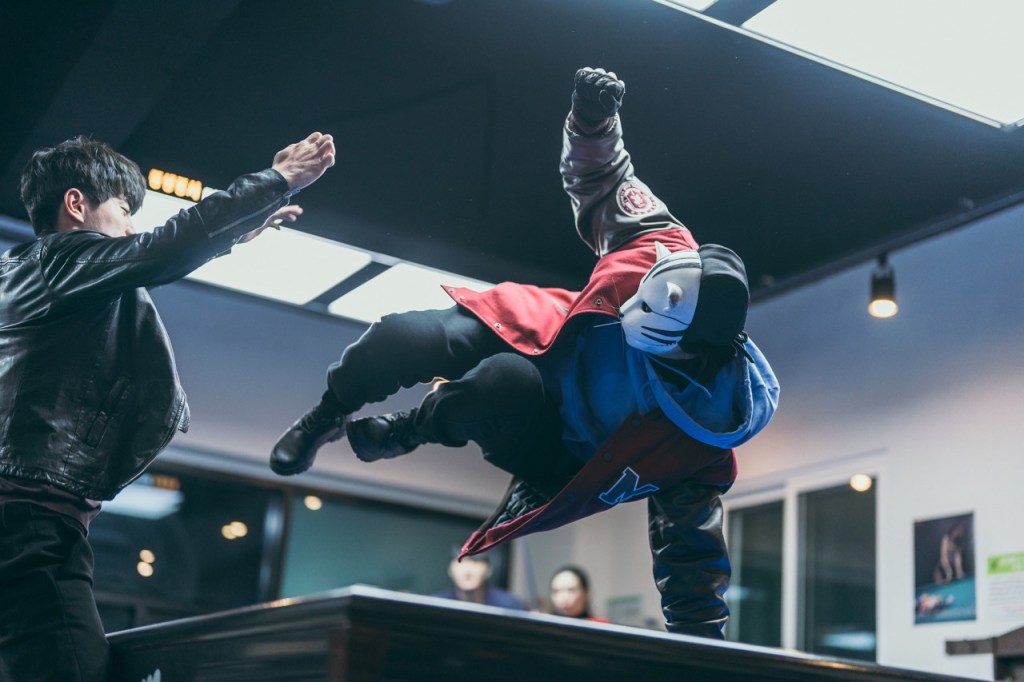
Is there something a little sad about being forced to reenact your reality as theatre, or is it something to be proud of in adapting to the times and bringing the essence of what you once were with you? Junichi Yasuda’s A Samurai in Time (侍タイムスリッパー, Samurai Time Slip) like A Boy and His Samurai sees an Edo-era retainer transported to the present day but is less about contrast with the feudal past than how to carry on or start again when your time has ended.

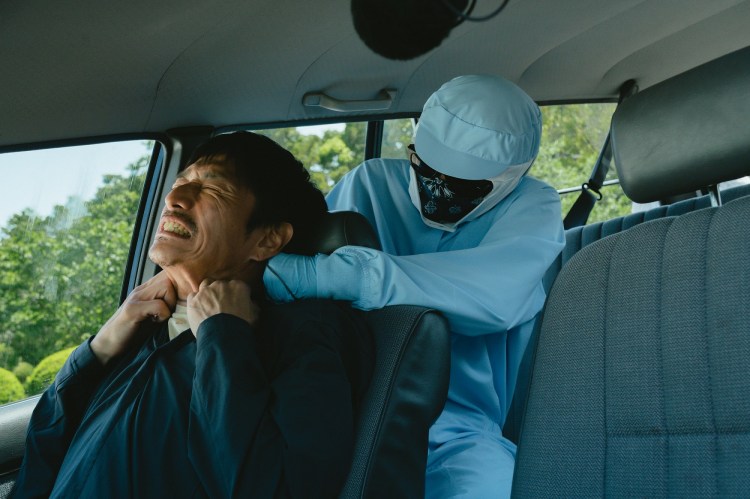
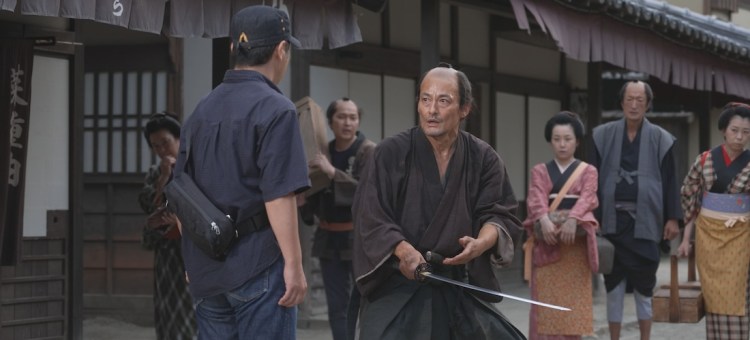
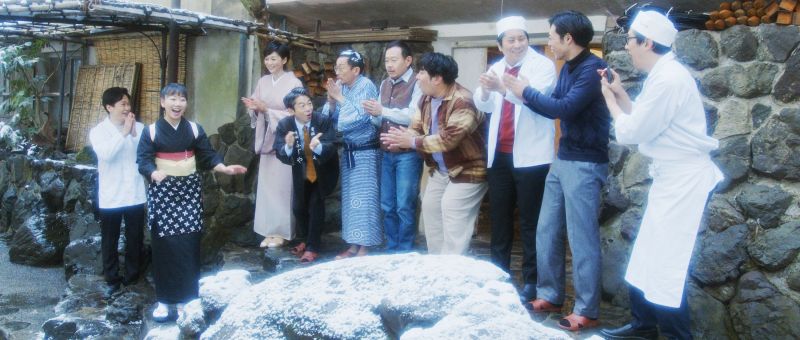
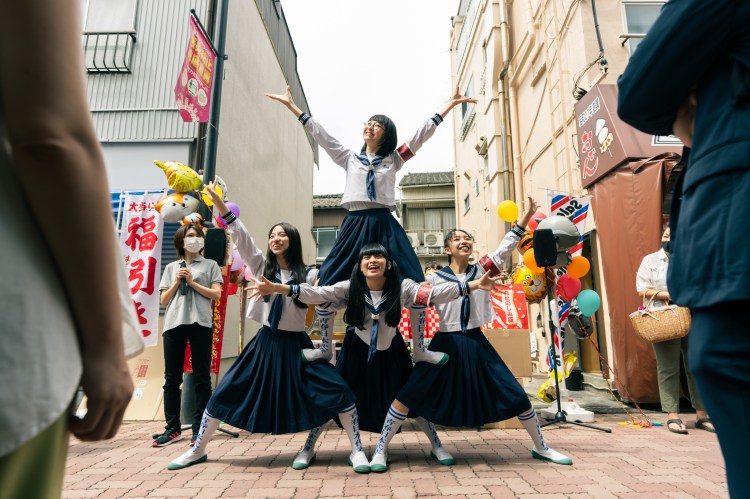
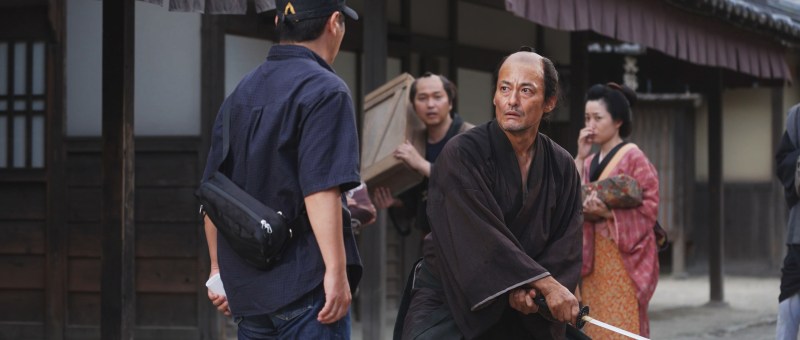
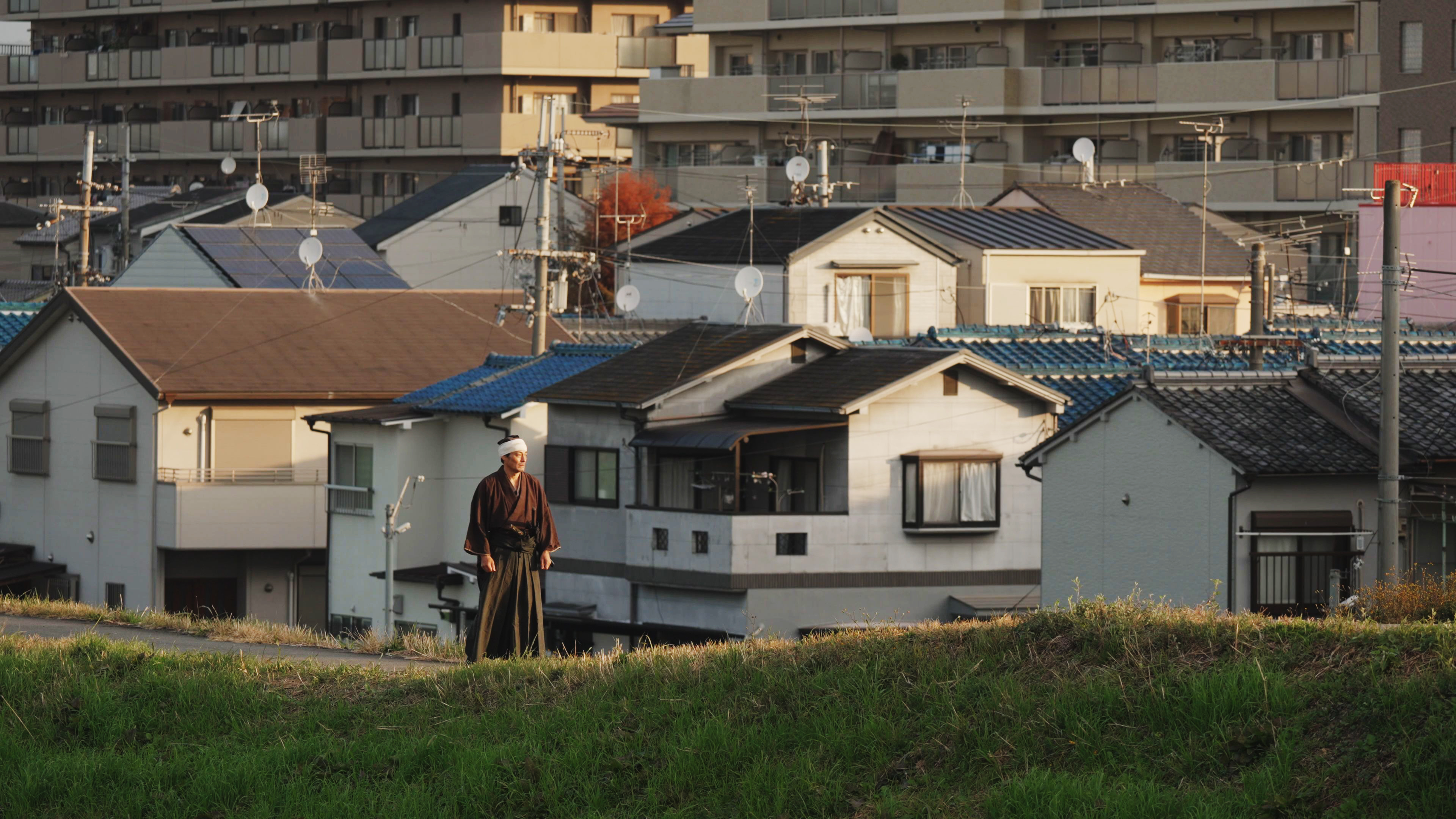
At least that’s how it is for Kosaka Shinzaemon (Makiya Yamaguchi), a member of the Aizu Clan loyal to the Tokugawa Shogunate in the twilight of the feudal era. In arriving in our present, he’s forced to admit that days of the samurai are long over, and finds himself a man with out a place, adrift in a classless society in which the only skill he possesses, swordsmanship, is all but obsolete. The irony is that, after being transported by a Terminator-style lightening strike, Shin arrives on the set of a jidaigeki, or samurai-themed television drama which is to say an artificial recreation of his reality. Thus he’s confused when he tries to ask passers-by for directions and they seem alarmed and ignore him while his attempt to intervene when a young lady is bullied by rogue samurai earns him a dressing down from a man in strange dress we obviously know is the director. When he’s knocked out from a bump on the head, everyone assumes he’s got amnesia and has become confused between his role as an extra on a samurai drama in which he may have overinvested and his “real” life, which in a way maybe true.

Just as he’d come from the end of the feudal era, so he’s arrived in the dying days of the jidaigeki. Once a mainstay of the entertainment industry in its heyday of the ’50s and ‘60s when historical dramas ruled the airwaves, the genre has long been in decline and somewhat out of favour with both filmmakers, seeing as they’re much more expensive to make, and audiences. In fact, the place where Shin arrives is a former shooting set that’s been turned into a theme park recreating the reality of the jidaigeki serial rather than that of the feudal era.

In an analogy which might prove slightly awkward, Shin’s fate is aligned with that of the jidageki itself but by accident of birth he is also on the wrong side of history both literally and metaphorically. As he later learns, his Aizu clan and the shogunate it served would not prevail. Yet ultimately he likes this new Japan, a place of prosperity where anyone and everyone is free to eat what to him seems like the food of the elite. Embarking on a career as a jidaigeki stuntman, a kiriyaku or extra who dies on screen, he becomes committed to protecting the jidaigeki in the same way he protected the shogunate even as everyone around him says he must be mad to take up this sort of work now when jobs are few and far between. 

To that extent, it’s really about learning to adapt to another reality preserving what you can (and wish to) about the past but continuing to move forward like a samurai living life fully in service of an ideal. In a sense, this is something the Aizu could not do for they were defeated during in the Boshin War which solidified the victory of progressive revolutionaries who believed that modernisation and Westernisation were the only ways to save Japan bringing the age of the samurai to a close. In strange ways, Shin finds himself re-enacting this internal dilemma through his meta performance, bringing a note of authenticity to the jidaigeki genre which as we can see from that being filmed is not always terribly serious or earnest about historical accuracy. 

There is though an earnest desire to preserve it, if also to modernise for a contemporary era accepting that the days of classic jidaigeki are over but the genre may live again if in different ways. Through roleplaying his internal conflict, Shin is able to overcome his lingering feelings of guilt towards the clan and attachment to the more destructive sides of the samurai code, rejecting his opportunity for revenge and deciding to live well instead in this brave new world seemingly filled with potential for reinvention and recreation in which the past need not be cast away or overwritten but carried forward into new futures of its own.


A Samurai in Time screened as part of this year’s Fantasia International Film Festival.

Original trailer (English subtitles)

House of Sayuri (サユリ, Koji Shiraishi, 2024) [Fantasia 2024]

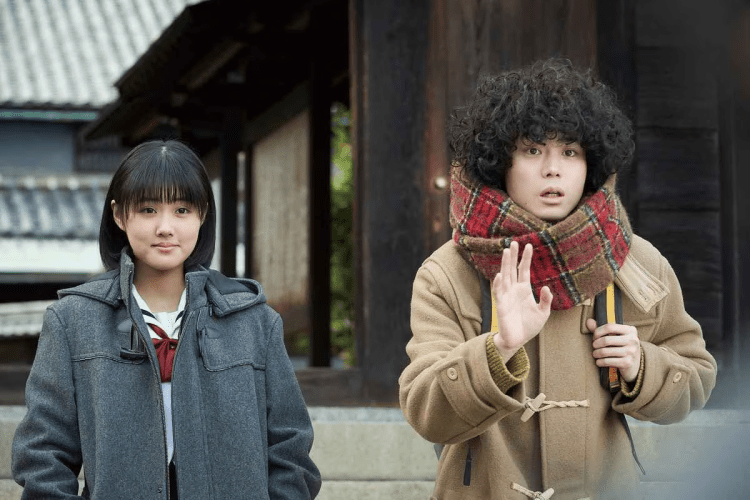
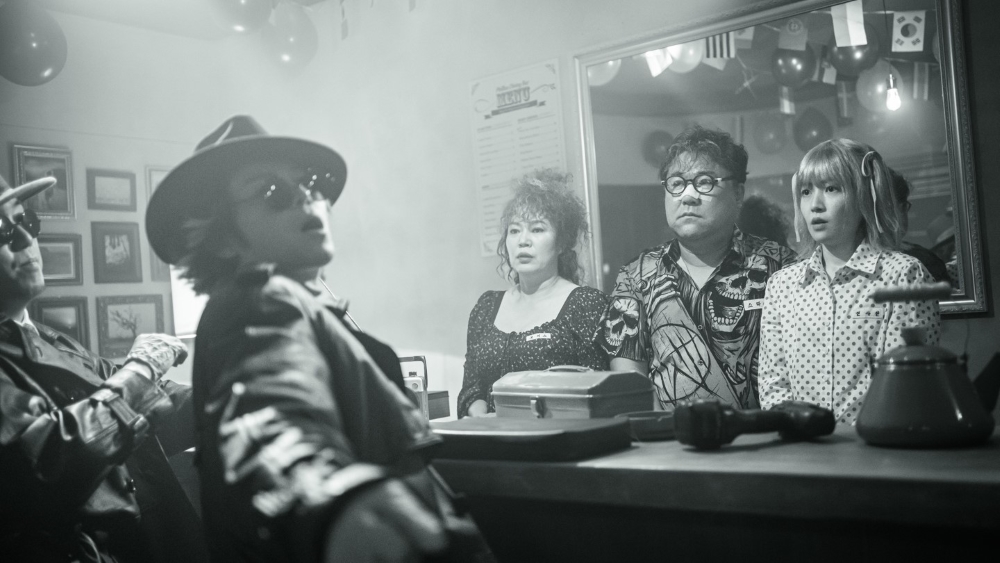
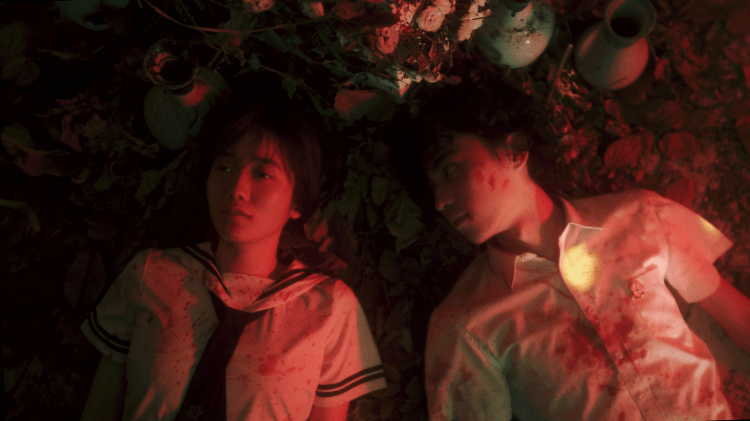
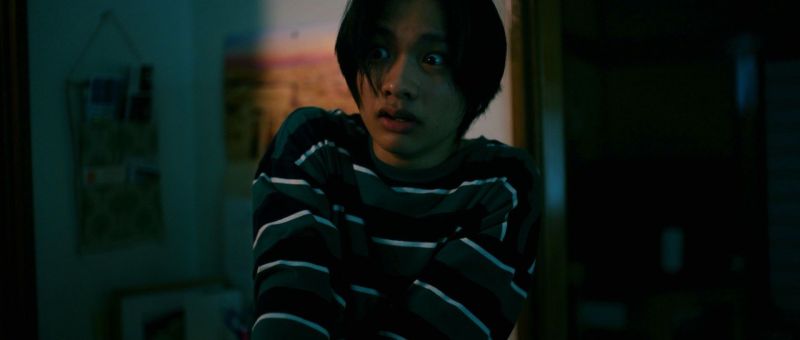
An excited family discover the perils of buying a “used” home in Koji Shiraishi anarchic haunted house horror House of Sayuri (サユリ, Sayuri). Unlike many other nations, Japan does not really have a comparable housing market as, given changing building regulations etc, it’s common to demolish the original structure and build a bespoke home in its place rather than move into one someone else has vacated. That obviously means that opting for an existing property can be a little bit cheaper, which is presumably how the Kakimis have finally managed to move into what they describe as the dream home, escaping a cramped city apartment for a spacious rural mansion with room enough for grandma and grandpa too.

Of course, this particular home is probably cheaper because something untoward once happened there, though the Kamikis probably don’t know that, and everyone who’s lived there since has moved out a short time later. In a way referencing Shiraishi’s previous work, we can’t really tell whether the malevolent spirit wants the family out or is merely trapped in a loop of revenge on the family that badly betrayed them. In any case, it makes its way through the Kamiki family unit starting with daughter Keiko and causing all manner of strange events in the house. Sensibly, older son Norio begins to ask why they don’t just move but the parents are so committed to their dream of homeownership that they can’t bear the thought and remain determined to hang on to it at whatever cost. 

In any case, some wise words from grandma advance a more positive way of battling the ghost, that they should fight it with the force of their lives. They laugh in its face and shout vulgar phrases that send it scuttling away in outrage. The best way to fight the darkness, grandma says, is to live well. Like the house itself, it seems grandma has a well hidden secret that makes her the film’s key asset, a hilarious force of nature and eternal wise woman otherwise ignored because her dementia undermines her credibility. Meanwhile, Norio makes an unexpected friend at school who just happens to be a psychic and is keen to warn that a little girl ghost has latched on to him and it would obviously be better if he could just move out on account of all the evil emanations that appear to be coming from his home.

But as grandma says, it’s the grudges of the living they ought to be afraid of. The house of course holds its secrets and its labyrinthine, multilevel structure is perfect for concealing them. Unfortunately the Kamikis have bought into this poisoned legacy and slowly start seeing their familial bonds fracturing while the ghost takes advantage of their vulnerabilities, their negative emotions and insecurities. In a sense it becomes a question of whether they can endure a place of trauma to maintain their dreams of homeownership or are prepared to make the more sensible decision of ceding ground and moving somewhere less toxic while Norio tries to reclaim his place in his family and protect what remains of it. 

Truly heading in some unexpected directions particularly in its unpredictable send half, the film takes on an absurdist quality but also returns to classic genre tropes of the legacy of child abuse and the betrayal of a parent who saw and did nothing perhaps because, like the Kamikis, they were prepared to accept this this kind of toxicity to maintain a happy family home and be seen as a model upper-middle class family living in a country mansion. It turns out, the only way to exorcise this much more literal ghost is by directly confronting the traumatic past and attempting to find accommodation with it be that through violence or forgiveness. But as grandma had said, the best weapon is love and life, throwing back at the ghost what it no longer has in a defiant expression of being alive and that joy contains which is also of course as grandpa had said a way of honouring the dead resolving to make the most of one’s remaining time in their memory. In any case, Norio discovers that you do not have to continue living in a haunted house but unlike a ghost are in fact free to leave the scene of trauma and seek new happiness in a less upsetting place.


House of Sayuri screened as part of this year’s Fantasia International Film Festival.

International trailer (English subtitles)

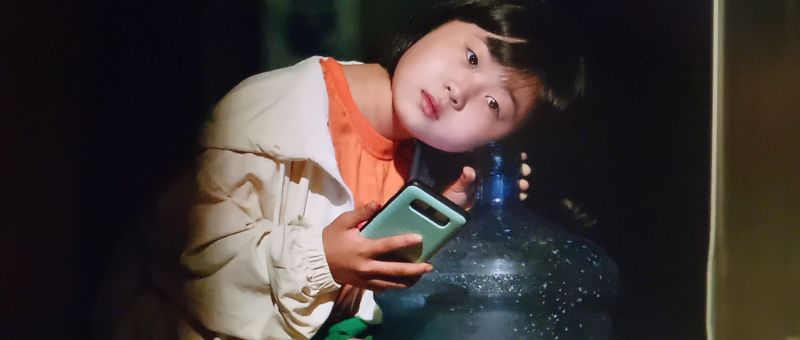
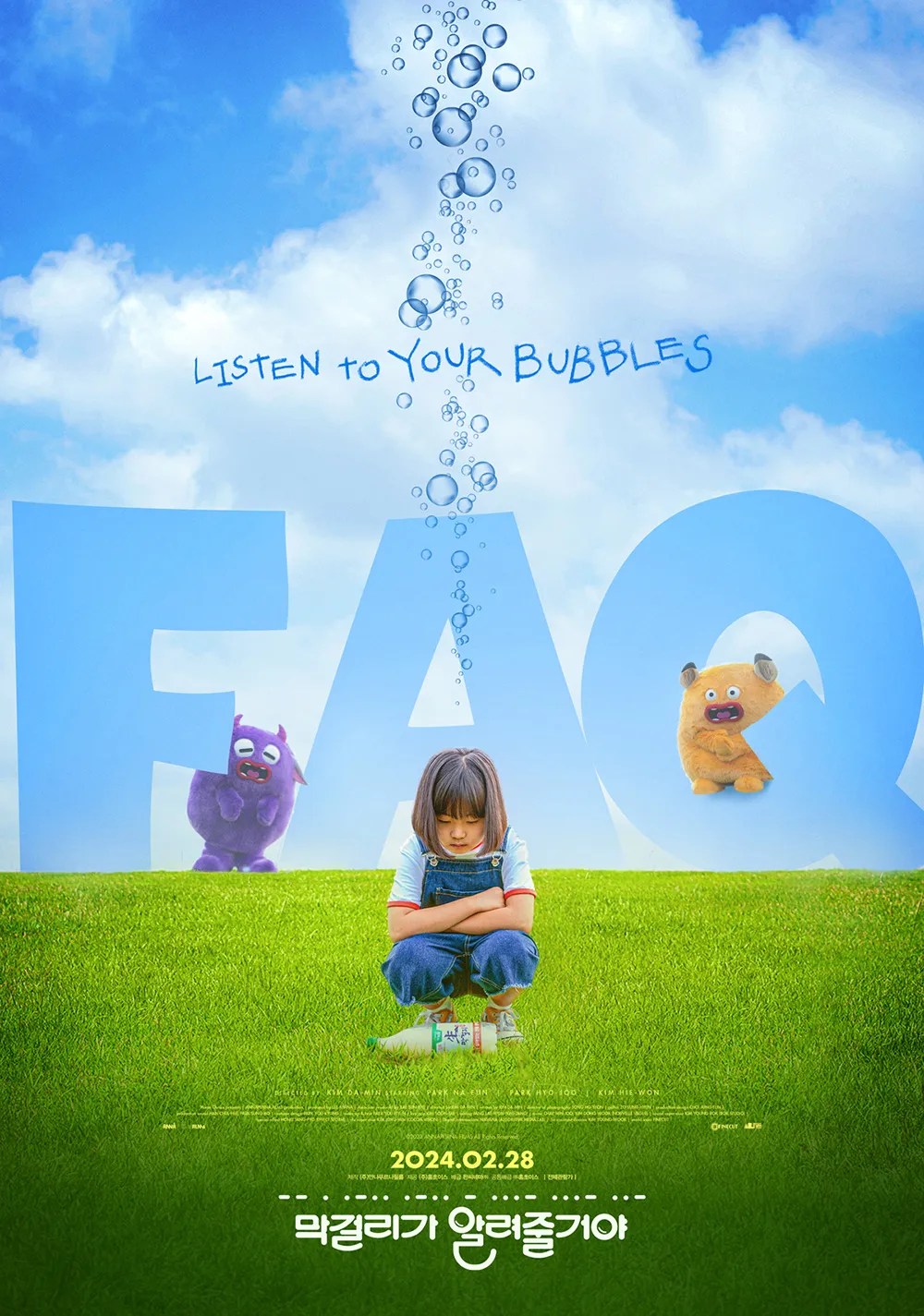
FAQ (막걸리가 알려줄거야, Kim Da-min 2024) [Fantasia 2024]

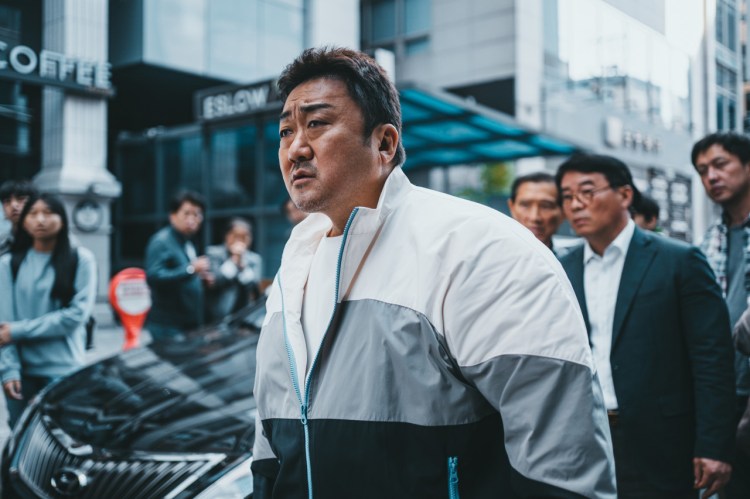
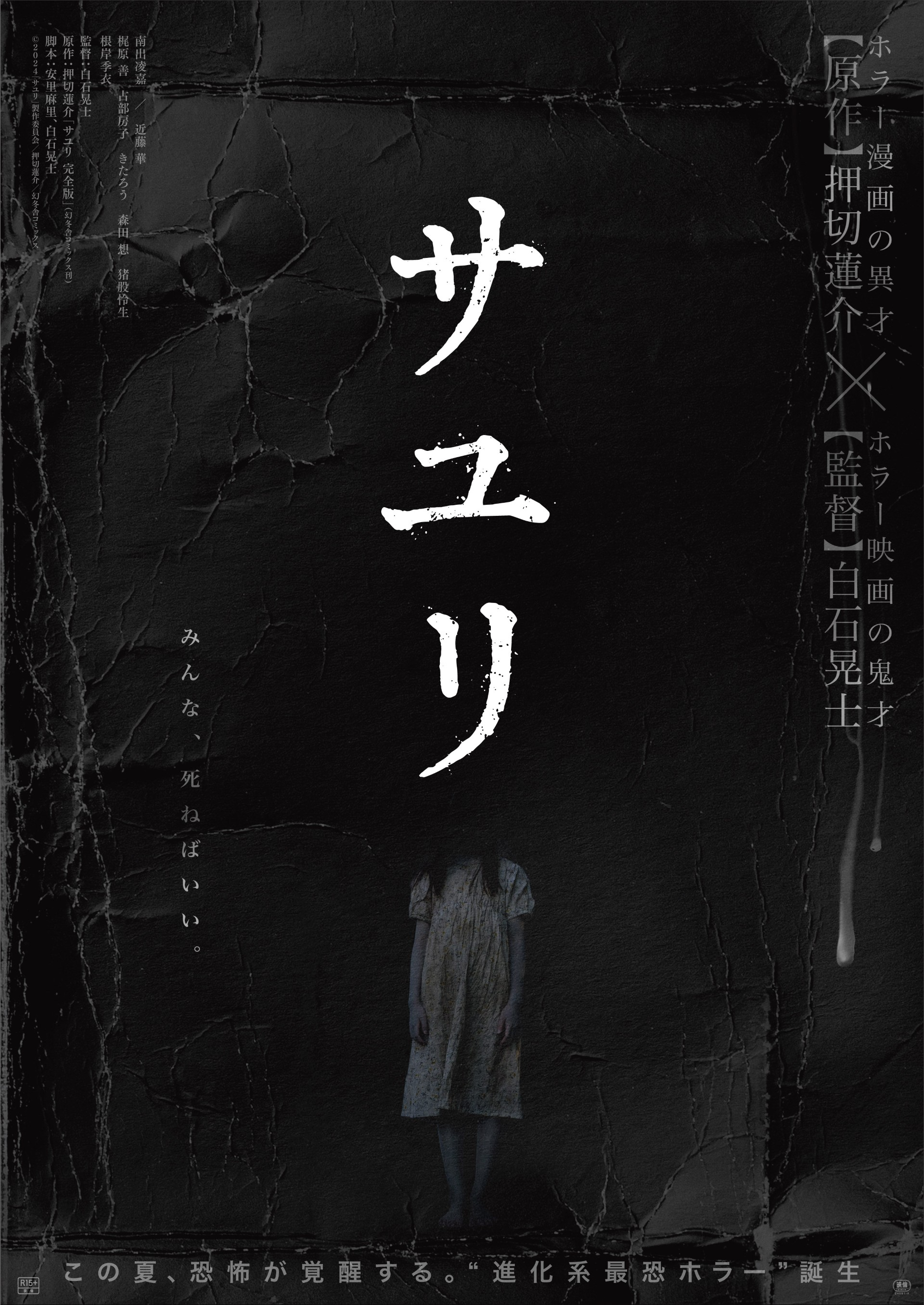
The sad thing is that Dong-chun, the heroine of Kim Da-min’s charming if also searingly bleak exploration of a Korean education FAQ (막걸리가 알려줄거야), is full of questions the adults around her don’t want to answer. To be charitable, it could be because they want her to have the ability to solve problems on her own, but less so because in the adult world there really is only one correct answer and finding solutions that are entirely your own can make others uncomfortable. 

This is something Dong-chun starts to realise, remarking that she now understands why adults don’t like it when you ask questions when her two imaginary friends ask her how she’s going to explain that she got the winning lottery numbers from a bottle of makgeolli that communicates with her through morse code but in Persian. Even Dong-chun knows, she probably shouldn’t mention that part out loud but there’s something quite poignant about the fact that the makgeolli is her only real friend. Her tendency to ask questions, which is difficult for her because of he shyness, has already seen her labelled as weird as by several of her classmates including the obnoxious Na-young who pretends to get along with her because their mothers are friends but is really much more of a model child try hard already obsessed with being on the right track and getting in the best lane for the university application she won’t be writing for another decade.

That’s something else that’s difficult and inexplicable. The education system keeps changing so you can’t even try to game it because they constantly move the goalposts. The reason why the mothers enrol the girls in Persian classes is because they think top universities will be making special offers to people who speak Persian when they come to apply, but also they might not. Concerned that she’ll be disadvantaged by her short stature, Dong-chun’s mother Hae-jin starts injecting her with a growth serum and advises she go to bed earlier, but the girl points out that she needs to stay up to 11pm to finish all her homework. She has cram school and activities nearly every day including an art class that doesn’t even start until 9pm. No one seems to be asking what effects persistent sleep deprivation may have on her later life and mental health besides impacting her height. 

In short, it’s not surprising if her mind’s begun to crack under the constant pressure of being forced to conform to a very rigid sense of social success which begins in early childhood and largely disregards everything that makes Dong-chun interesting from her insatiable curiosity to her empathetic nature and bashful friendliness. We can also get a glimpse ahead by looking at the life of her mother, Hae-jin, who reveals that she suffers from depression in part because she won a full scholarship to a good university and had a high paying corporate job she was pressured to give up to become a housewife and mother. A therapist perhaps problematically told her that she had the wrong attitude because she was now doing the most important thing in the world by raising a child which is why she begins pinning all her vicarious hopes on Dong-chun as a vessel for her own success as a mother in submitting herself to the nation’s relentlessly patriarchal social codes. 

Dong-chun’s parents aren’t bad people, they love her and are actively supportive. They aren’t angry when she experiences stage fright at a speech competition and later tell her she can sit the next one out if she feels uncomfortable (genuinely, not out of a desire to avoid their own embarrassment). But they’re so focussed on her future they’re missing her present, which is why it takes Hae-jin so long to realise she’s fermenting makgeolli in her room. Later she reflects that perhaps they should move to another country, one where Dong-chun would be free to be herself but it may already be too late. In any case, we can see Hae-jin’s contempt for those who choose to live outside of Korea’s rigid ideas of social success in her reaction on finally finding her long lost brother who graduated from Seoul University and had a big corporate job but dropped out to be hippy living off grid. He doesn’t know it and neither does she, but he ends up forming an unexpected connection with his neice Dong-chun being one of the few people who actually listens to her. 

When it finally speaks, the makgeolli has the voice of her science teacher who was the only person who did actually answer one of her questions if only to explain that know one knows yet but he’ll be sure to pass on the information when they do. In a way, getting this cosmic message and focussing how to solve this great mystery at the centre of her life help Dong-chun find her direction even if it’s leading towards “fermentation” in the great black hole of adulthood. The ambiguity of the ending restores a kind of darkness to Kim’s quirky tale but in any case allows Dong-chun to escape through the imagination and free herself from the constraints of a rigid society in which asking questions, let alone answering them, is very much not the done thing. 


FAQ screened as part of this year’s Fantasia International Film Festival.

International trailer (English subtitles)

Fantasia International Film Festival Confirms Complete 2024 Programme

The Fantasia International Film Festival returns for its 28th edition taking place once again in Montreal from July 18 to Aug. 4. As usual this year’s programme includes a host of new and classic features from East Asia .

China

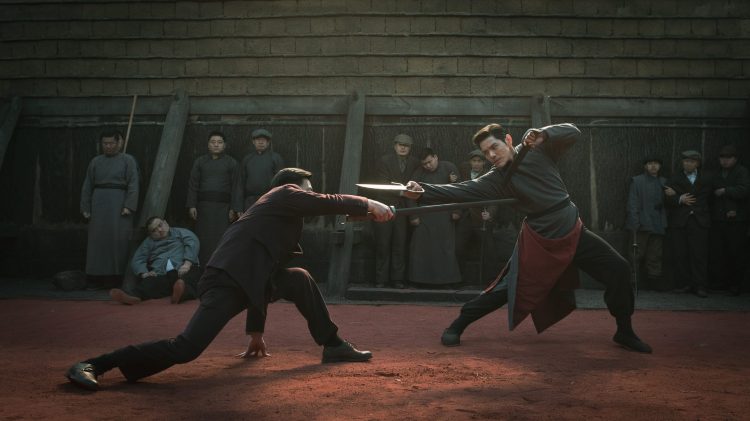
  • 100 Yards – martial arts drama set in 1920s Tianjin.
  • A Legend – Epic historical drama from Stanley Tong starrying Jackie Chan.
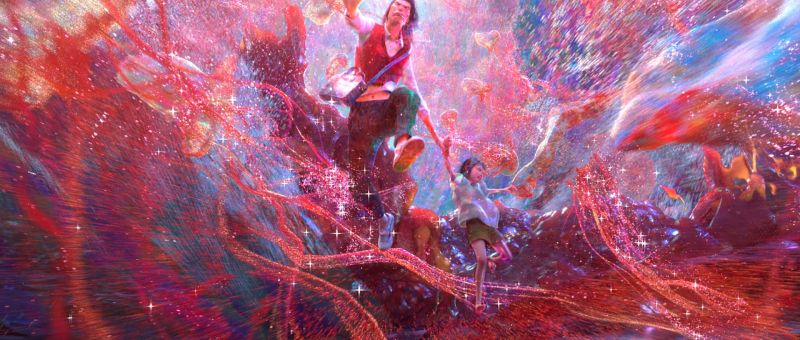
  • The Umbrella Fairy – Chinese animation revolving around the spirits of a sword and umbrella.

Hong Kong

Japan

  • Baby Assassins Nice Days – latest in the popular series of slacker hit girl comedies.
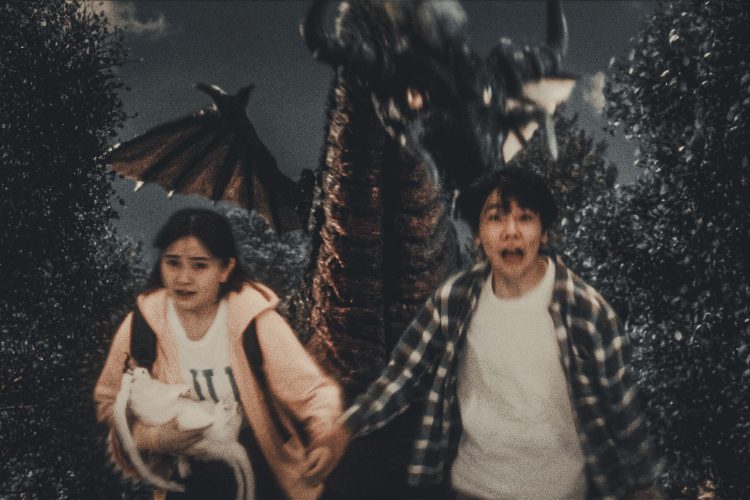
  • Brush of the God – drama in which a young woman inherits her grandfather’s kaiju legacy.
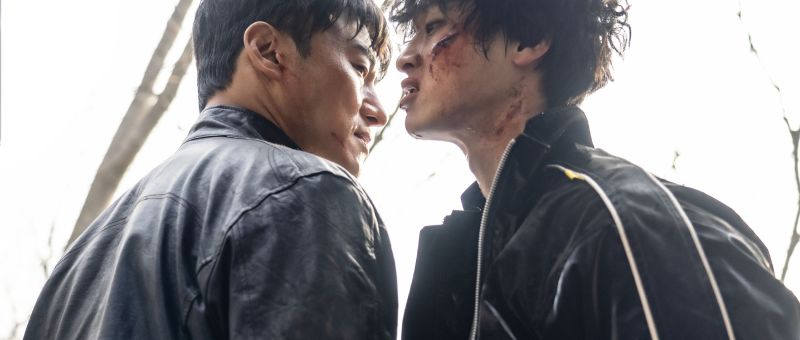
  • Confession – latest from Nobuhiro Yamashita starring Toma Ikuta and Yang Ik-june as two men hiking in memory of a late friend.
  • Don’t Call it Mystery – Totono is one again swept into intrigue in this big screen instalment of the TV drama.
  • Fly me to the Saitama: From Lake Biwa with Love – Osaka is on the March in the sequel to the popular comedy.
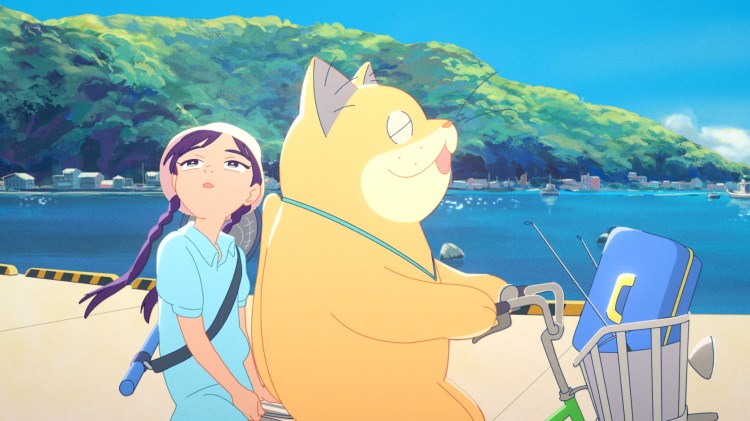
  • Ghost Cat Anzu – animation co-directed by Nobuhiro Yamashita in which a young girl is entrusted to an immortal Ghost Cat.
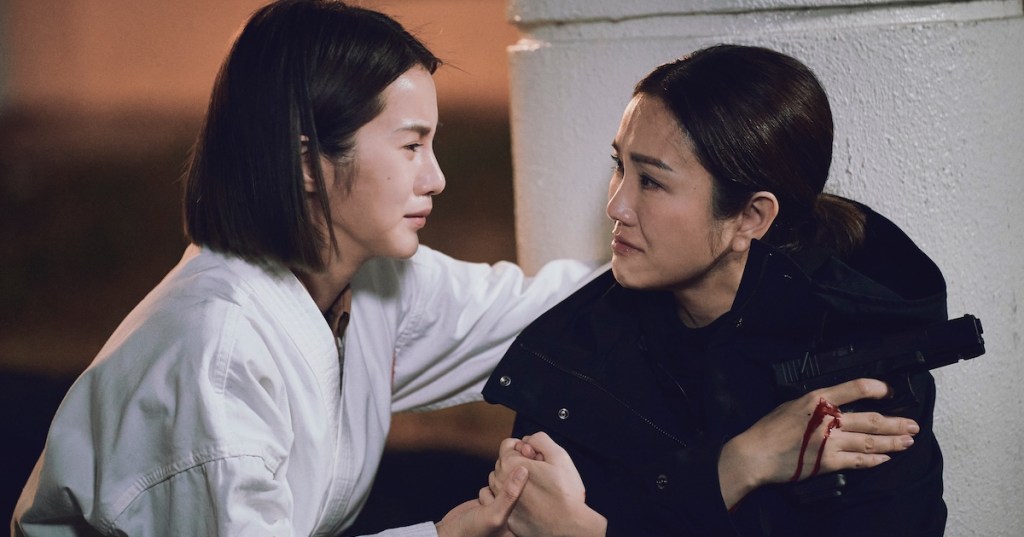
  • House of Sayuri – horror from Koji Shiraishi in which a family moves into a house in the country which turns out to be haunted.
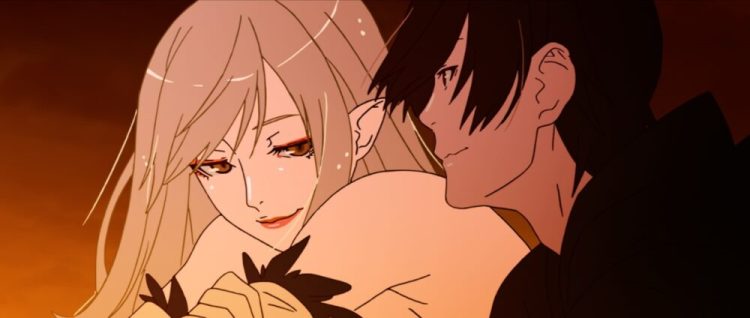
  • Kizumonogatari: Koyomi Vamp – latest in the sprawling Monogatari series
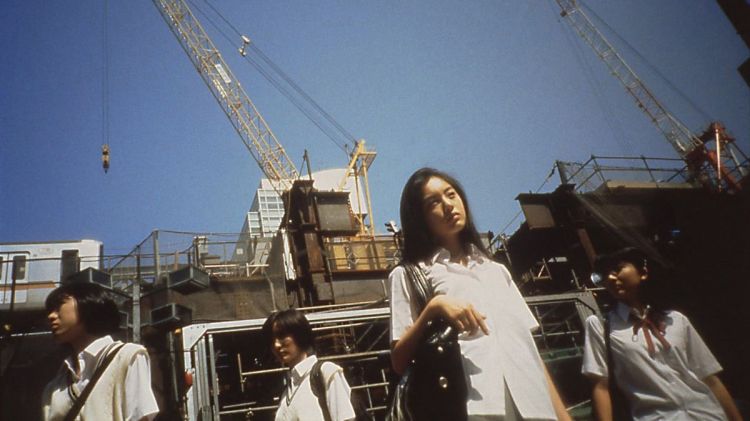
  • Love and Pop – classic compensated dating drama from Hideaki Anno.
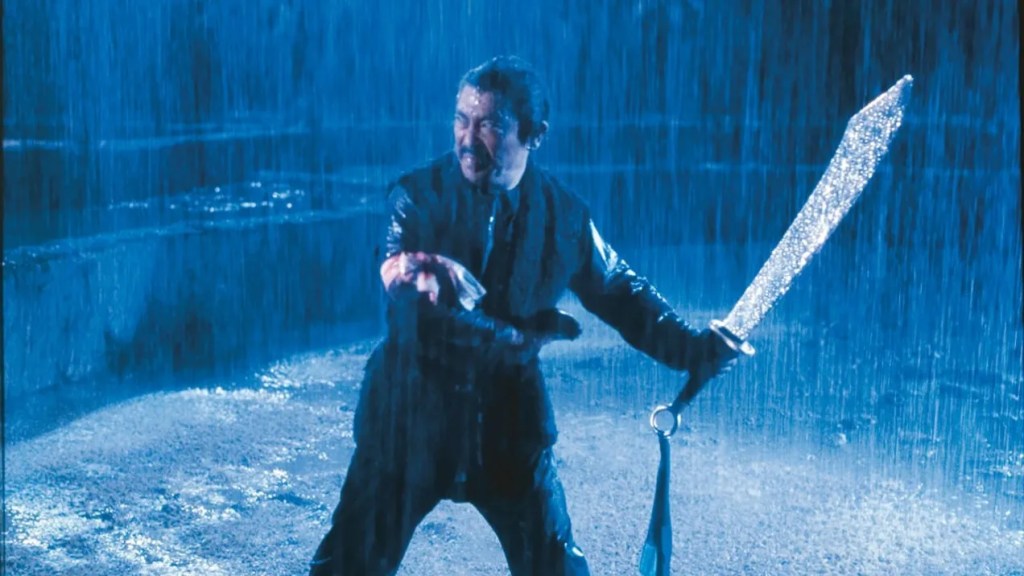
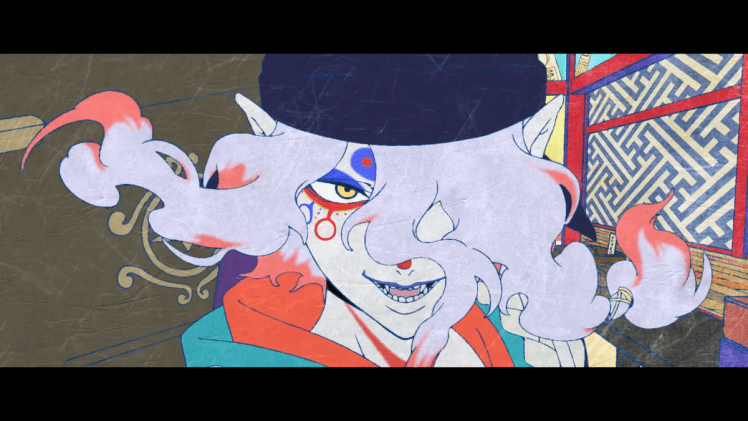
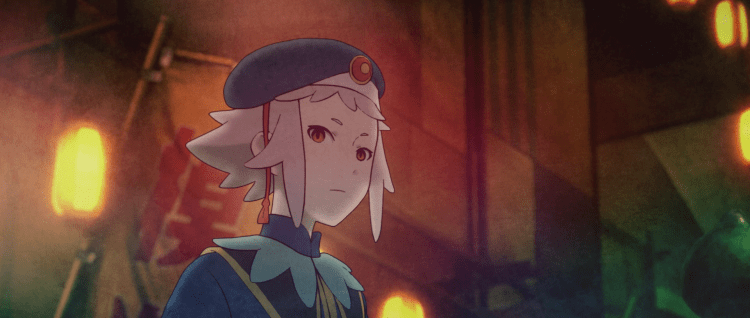
  • Mononoke the Movie: Phantom in the Rain – striking animation from Kenji Nakamura.
  • Penalty Loop – a man trapped in a timeloop of vengeance begins to realise the fallacy of revenge in Shinji Araki’s absurdist drama.
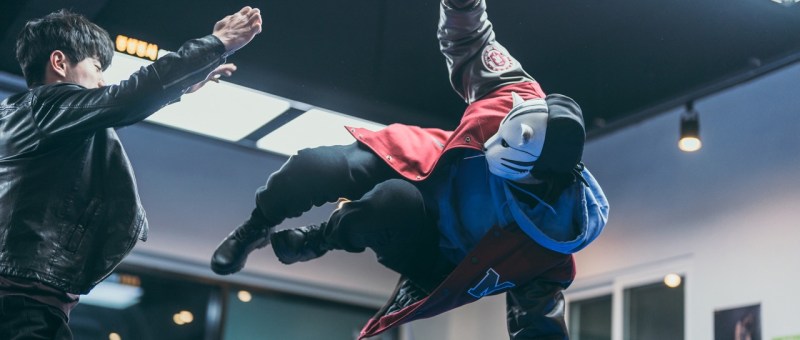
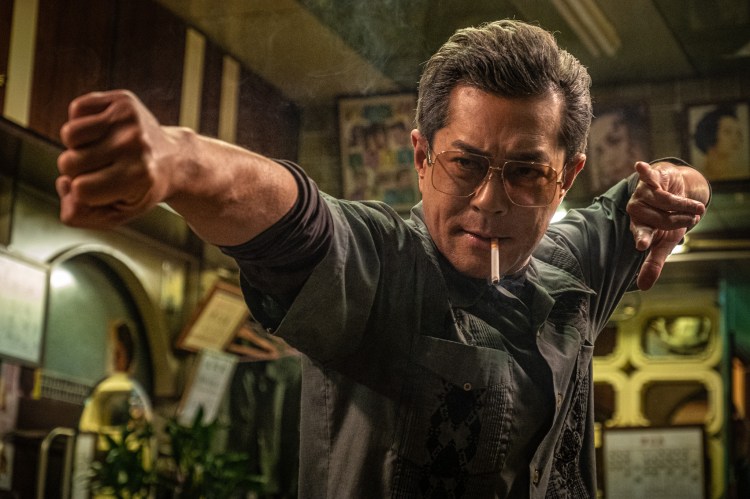
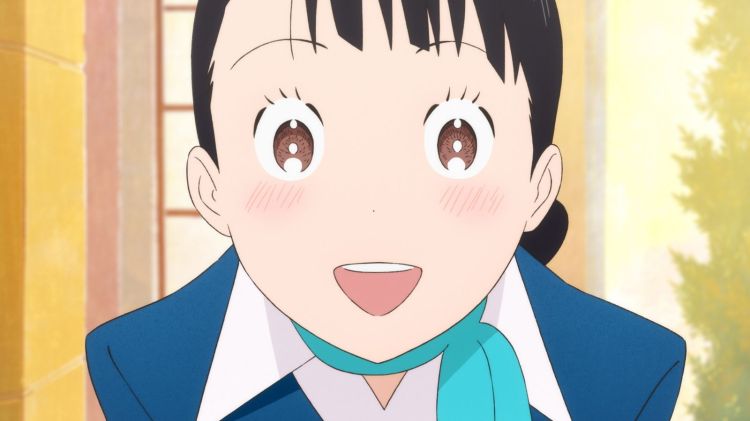
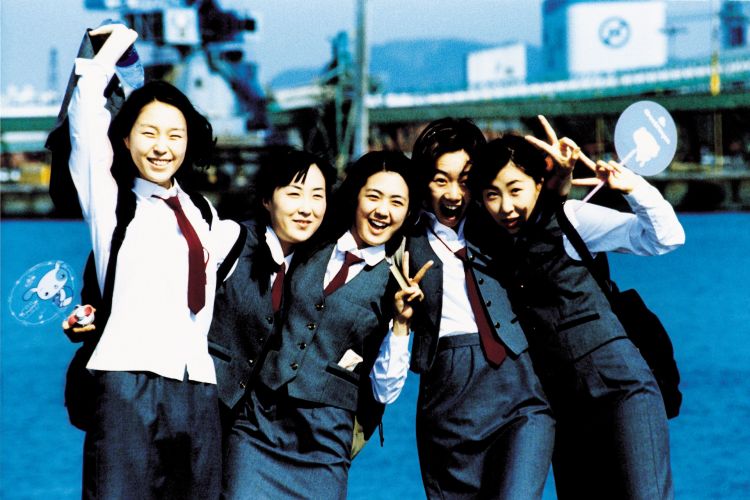
  • Samurai in Time – a samurai retainer is suddenly catapulted into the modern age and the set of a jidaigeki.
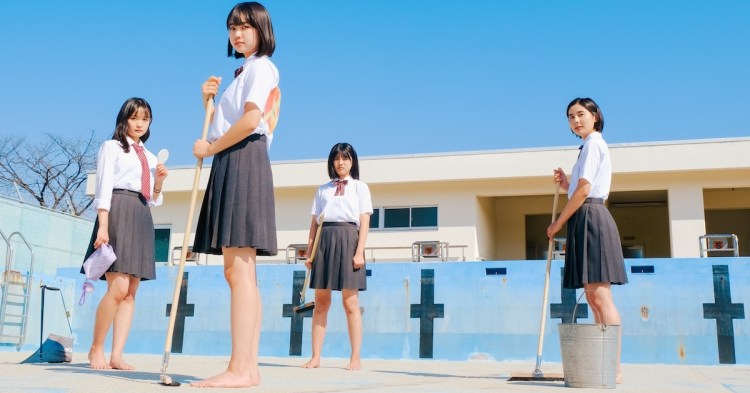
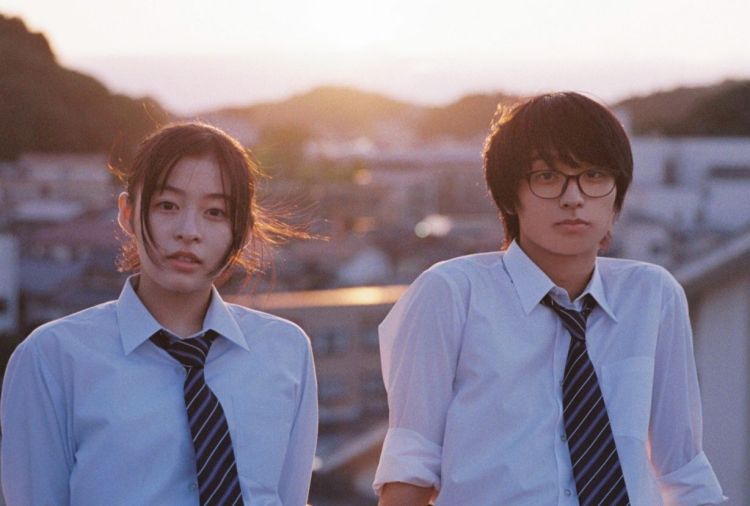
  • Swimming in a Sand Pool – a group of high school girls ponder the role of gender in their lives while shovelling the sand in Nobuhiro Yamashita’s charming teen comedy.
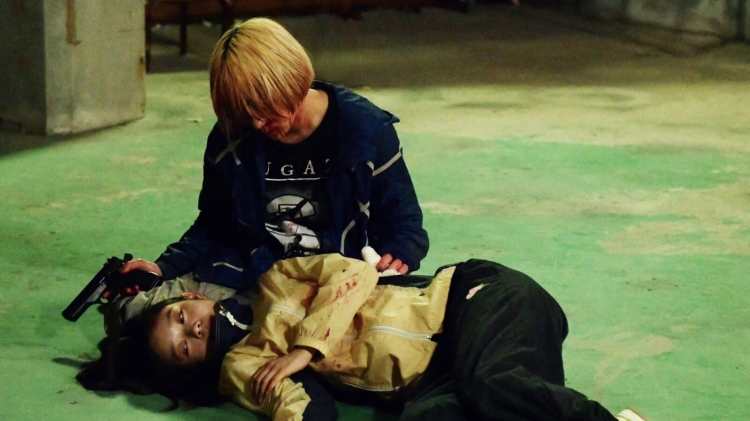
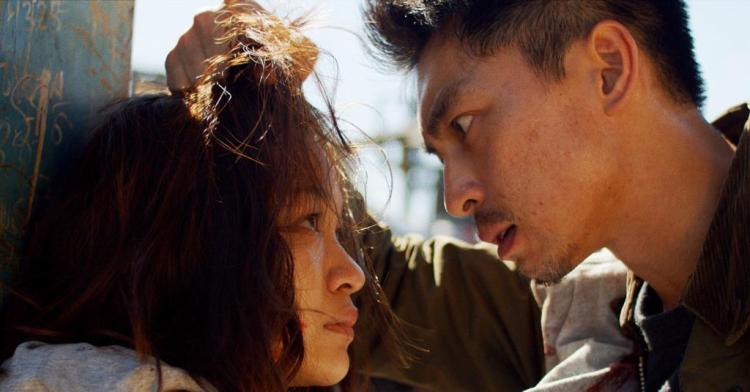
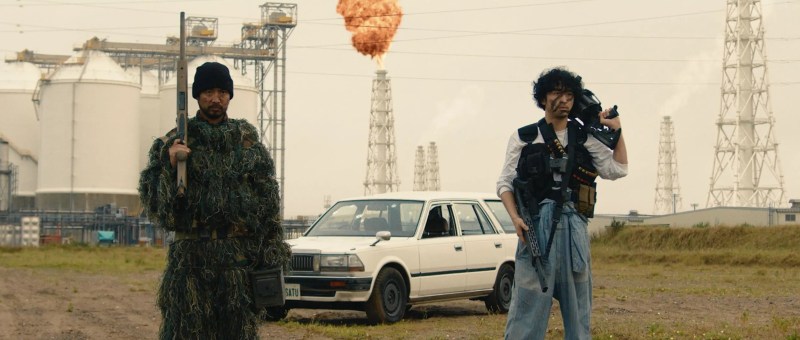
  • Tatsumi – a fisherman/cleaner for a drug gang teams up with his ex-girlfriend’s sister to avenge her death.
  • Teasing Master Takagi-san – adaptation of the popular manga picking up with Takagi’s return to Japan.
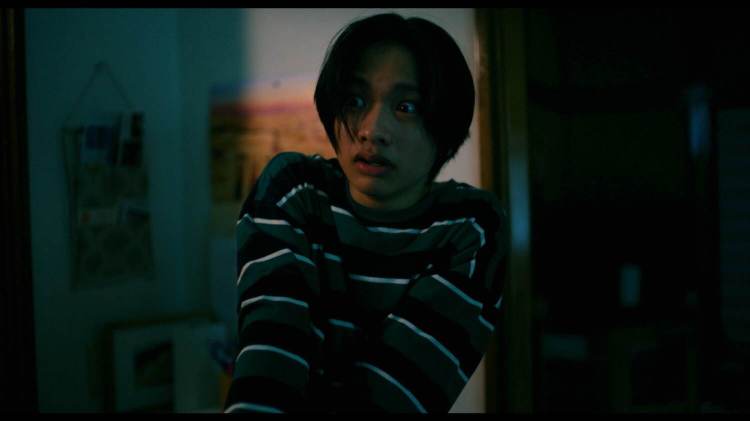
  • This Man – eerie folk horror from Tomojiro Amano.
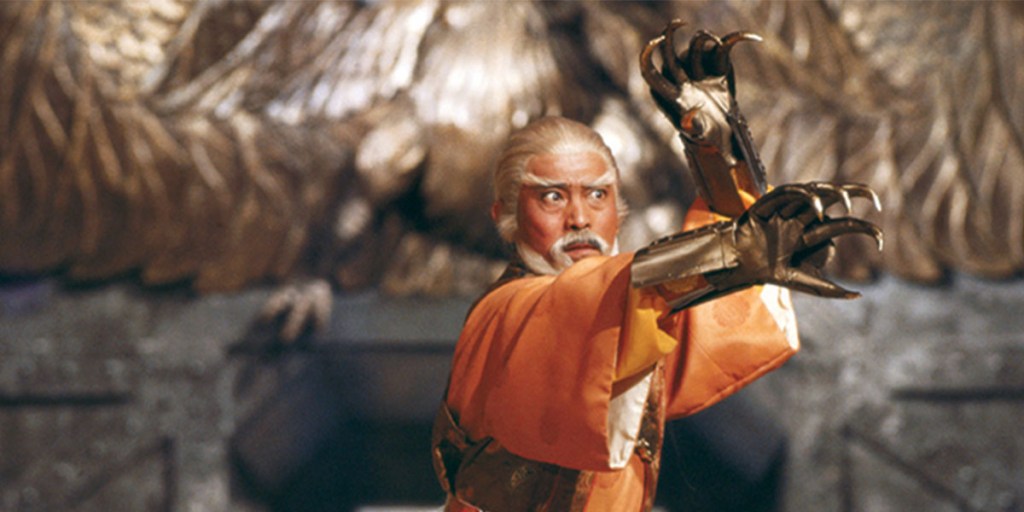
  • The Ying-Yang Master Zero – lavish historical fantasy from Shimako Sato

Korea

  • 4pm – a couple find themselves plagued by an eerie house guest after moving to the country.
  • Brave Citizen – a former boxer stands up against a bullying culture.
  • FAQ – quirky drama in which a girl makes friends with a bottle of makgeolli.
  • The Killers – anthology film featuring four tales of hired killers.
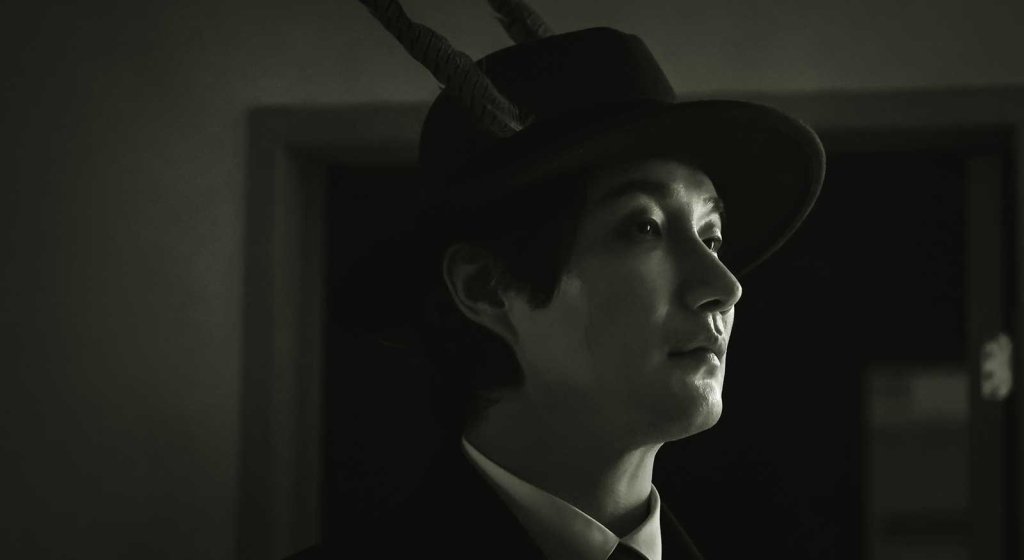
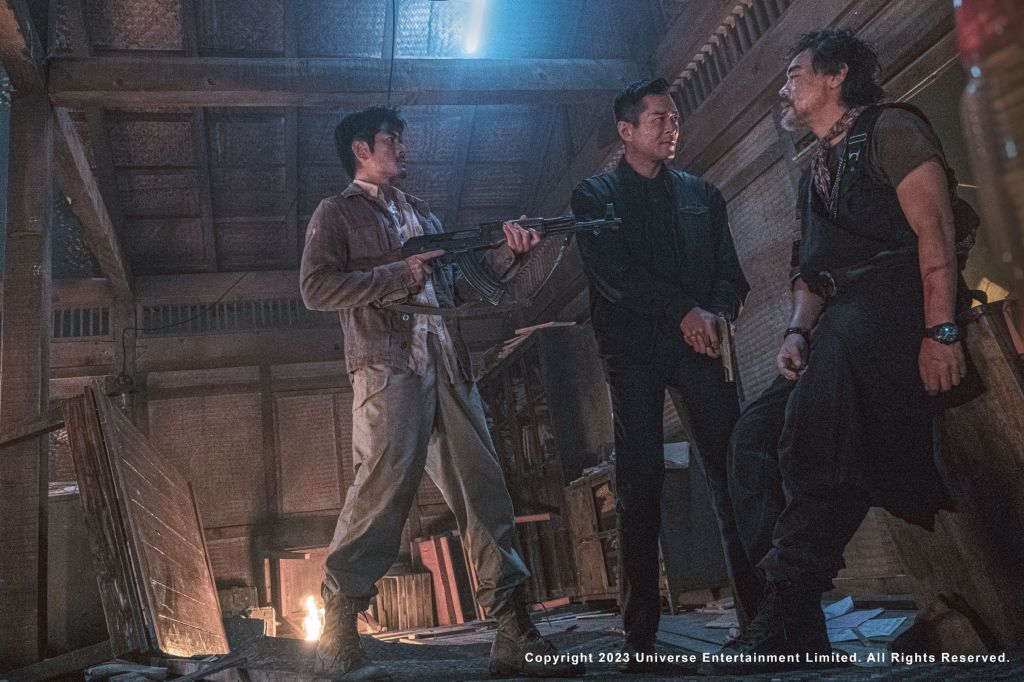
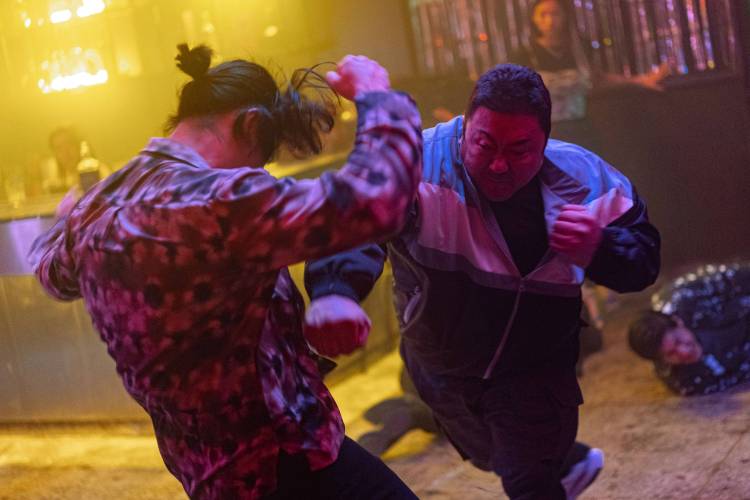
  • The Roundup: Punsishment – Ma Dong-seok returns to investigate the death of a Korean in the Philippines in the latest instalment in the Roundup series.
  • The Tenants – a man finds himself in a waking nightmare after taking in some eccentric tenants.

Thailand

The Fantasia International Film Festival runs in Montreal, Canada, July 18 to Aug 4. Full details for all the films along with scheduling and ticketing information are available via the the official website, and you can also keep up with all the latest news via the festival’s official Facebook pageX (formerly Twitter) account, Instagram, and Vimeo channels.

River (リバー、流れないでよ, Junta Yamaguchi, 2023) [Fantasia 2023]

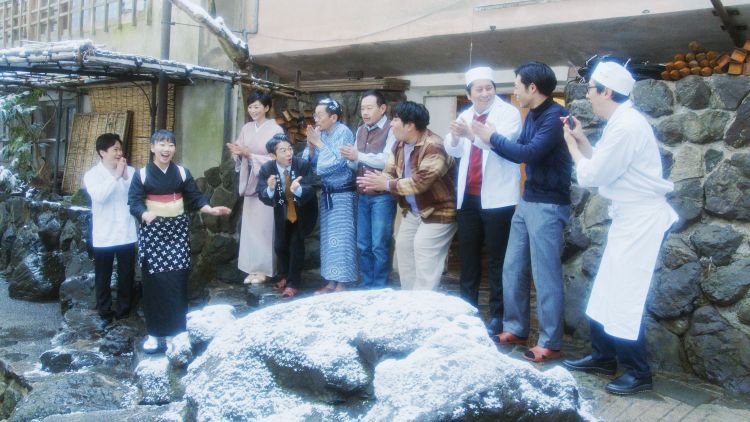
Some might say time stands still in the “peaceful” hot springs town of Kibune, but on this particular day it’s more than usually true in Junta Yamaguchi’s followup to the cult hit Beyond the Infinite Two Minutes, River (リバー、流れないでよ, River, Nagarenai de yo). This time around, the staff of a hotel along with its guests find themselves trapped in an infinite two minute loop in which they retain all their memories but are constantly returned to where they were two minutes previously no matter what they do. 

Depending on the situation, two minutes can be an eternity or an instant (or perhaps it’s always both) and in this case there isn’t much you can do in such a short time. The hotel staff find themselves constantly running up stairs and through corridors trying to coordinate their actions while accepting that nothing is permanent and any changes they try to make to their situation will be wiped out in the next loop. A chef who is also apparently a science enthusiast cautions them against taking any rash actions seeing as they can’t know when time will start flowing normally again, though for some the opportunity to embrace guilty pleasures such as poking a hole in the shoji is too good to pass up. 

As for what’s causing it, no one really knows but as it turns out everyone has a reason they might want to stop time. For maid Mikoto (Riko Fujitani) it’s that she fears her boyfriend plans to move abroad to study French cooking while another pair of guests secretly wanted to ask each other favours but are having trouble plucking up the courage and a blocked writer consumed with guilt for having killed off a key character is glad he can finally take some time out only to be slowly bored out of his mind when faced with an eternity of nothingness. The irony is that people come to places like these precisely because they’re “boring”, free from the chaos and stress of their ordinary lives. Mikoto says as much while wondering if that’s why her boyfriend wants to leave, that he feels as if he’s stagnating in a place where nothing changes and time doesn’t flow and that while he could be “happy” here with her living an ordinary life there’d always be a part of him wanting more.

Still, having this additional time helps each of them find clarity and begin to resolve some of their worries and anxieties. Even if they had “more time” in the more conventional sense, they may never have been able to speak plainly but given the enforced constraints of the time loop in which they quickly run out of other things to do and are more or less forced to talk to each other, they are all able to come to some kind of accommodation with what’s been bothering them. The two male guests are able to clear the air after an argument, the writer comes to a new appreciation of his characters thanks to his own sense of despair being trapped in the loop, and Mikoto realises she’ll have to let her boyfriend go in the hope that he’ll circle back around to her in time. 

The complexities involved are unlike those in Beyond the Infinite Two Minutes given that time constantly resets so the only point of consistency is the initial position of each person though the infinite quality of the looping provokes an additional layer of existential questioning as each of the various protagonists is forced to ask if they’re really moving on with their lives or even notice that time is indeed flowing. The clue that something is continuing to move lies in the differing levels of snowfall in each of the loops hinting at the increasing depths of their despair as they realise that not even death might free them from the maddening cycle of repetition while accepting they’ll have to work together to figure out what’s going on and how to escape the loop. The farcical humour soon gives way to a more poignant sense of reflection but also to a renewed joy and excitement that the future might actually be fun too and maybe it’s less scary to go there than be quite literally stuck in the present for all of eternity.


River screened as part of this year’s Fantasia International Film Festival.

Original trailer (English subtitles)
Deep Sea (深海, Tian Xiaopeng, 2023) [Fantasia 2023]

“For you who passed through the darkness” runs a dedicatory title card at the conclusion of Tian Xiaopeng’s stunning animated drama, Deep Sea (深海, Shēn Hǎi). Aimed squarely at younger audiences, the film is an exploration of depression and despair as the young heroine is plunged into a dark sea feeling that her life has no value but there encounters a fantastical world of colour and light while chasing the ghost of the mother who abandoned her.

As if to signify her loneliness, the film opens in a blizzard in which Shenxiu (Wang Tingwen) desperately searches for her mother only for her shadow to turn into a strange, many eyed monster. Back in the “real” world, she’s off on a family holiday with her father, his new wife, and their baby son, the family of three sitting in front while she remains behind on her own wearing the red hoodie that once belonged to her mother. About to get on a boat for a six-day cruise, she drafts a message to her mother about how excited she is to see the ocean but then scrolls back up and remembers all the times her mother didn’t reply and the times she did to tell her she’s busy and wishes Shenxiu wouldn’t contact her if it isn’t urgent. She deletes the message and rejoins her family but they’re so busy fussing over the baby that they don’t have time for her either and in fact seem to have forgotten that today is her birthday.

Venturing out on the deck in a storm, Shenxiu is sucked into a tornado in which she sees the outline of her mother and meets a strange sea creature, Hijinx, from a story her mother had told her believing that it has come to guide her to where her mother is living. Before too long she arrives at a bizarre floating restaurant where aquatic creatures go to eat run by “avant-garde” chef Nanhe (Su Xin). In some ways, Nanhe comes to represent her mother in that he first rejects her, insisting that she’s bad luck and kicking her out but later takes her back and tries to make her happy in an effort to stave off the “Red Phantom” that threatens to consume her, taking on the form of her mother’s red hoodie in which she attempts to bury herself as a symbol of her loneliness and despair. 

Beautifully animated, the world of the restaurant is a silkpunk paradise of chaotic action, part pirate ship and part fantastical submarine powered by walruses on stationery bicycles. Tian Xiaopeng makes fantastic use of the projector screen to illuminate Shenxiu’s fantasies, neatly including a cartoon within the cartoon in a more traditional 2D style while otherwise reflecting Nanhe’s broken dreams for a homeland he says he can never return to. Shenxiu too shifts between alternate “realities”, experiencing brief flashbacks to happy memories of her mother and others of less happy times as she’s sent for counselling by a school concerned she seems withdrawn only to be told the solution is to smile more so she’ll fit in better encouraging her to bury herself and her feelings under an affected facade of cheerfulness for the comfort of others.  

Nanhe’s final acceptance of her comes when he tells he that he hopes all her future smiles will be from the heart unlike the clown face he sometimes wears with its eerie, false grin intended to ward off other people’s discomfort but largely masking pain in himself. He also tells her that though the “real” world may seem grey and miserable in comparison to the dazzling colour of her dreams, there will bright moments waiting for her that no matter how small are worth living for. It might seem a heavy message to deliver to small children, but also one that some may sadly need to hear. Tian opts for a more realistic conclusion than many might expect in which Shenxiu but nevertheless allows her to punch through her loneliness and despair into a happier existence bonding with her stepmother and seemingly better integrated into her family no longer feeling excluded or alone. Absolutely breathtaking in its execution, Tian’s incredibly rich fantasy world is a riot of whimsy but also tempered by a deep empathy and compassion for anyone who’s battled their way through a dark sea. 


Deep Sea screened as part of this year’s Fantasia International Film Festival.

Original trailer (English subtitles)
Mad Cats (Reiki Tsuno, 2023) [Fantasia 2023]

The captive felines of Japan are mad as hell and they aren’t going to take it anymore in Reiki Tsuno’s absurd action comedy, Mad Cats. Sick of mistreatment and exploitation at the hands of humans who breed them for sale, these cats have transformed into a cult-like band of vigilantes thanks to a forbidden ancient Egyptian catnip that grants superpowers unearthed by a cat-loving Egyptologist who has been missing for the previous two years.

Mune (So Yamanaka) had been the responsible brother and in his extended absence, Taka (Sho Mineo) has become an irresponsible layabout behind on his rent and surrounded by old food cartons. A cassette tape delivered in a letter addressed only with his first name alerts him to the fact his brother is being held captive in a place where they once found a black cat and needs rescuing while he should also make sure to pick up a small wooden box on his way. Taka jumps straight on his bike, but unfortunately is not the sharpest knife in the drawer and finds himself ill-equipped to face off against the Mad Cats who are only more annoyed when he makes off with the their secret stash of forbidden Egyptian catnip.

Despite becoming anthropomorphised the cat women (they are all female cats) still behave in noticeably feline ways with their strange grins and vacant eyes not mention to weird head tilts and cat-like gestures such as pawing the air or slapping an opponent when otherwise not armed with axes or nunchucks. Later Taka is joined by another mysterious woman, Ayane, who apparently once belonged to the same cat lady cult but is somehow immune to the catnip aside from having become human and is determined to stop the others from going too far on their quest for revenge against human cruelty. 

Perhaps you can’t really blame them for that, though their vengeance does take on a rather ironic quality as they keep Mune tied up in a cage and force him to eat like a cat hunched over on his knees with his hands bound. Meanwhile, Taka teams up with a homeless man who is also enjoys cat food and is forever complaining that he’s not supposed to be here he just got swept up in some bizarre events while minding his own business. Takezo (Yuya Matsuura) also seems to be somewhat displaced, estranged from his wife and family and like Taka is looking for a way to go home even if he didn’t have running away from mad cats on his bingo card. 

The pair of them go through a training bootcamp thanks to Ayane but otherwise continue to flounder, forgetting everything they’ve learnt and cowering cartoonishly when faced with a marauding cat hoping Ayane will arrive to save them after all. Then again, they aren’t particularly bothered about trying to save the corrupt pet shop owners who callously breed cats for sale in poor conditions to possibly unsuitable people, perhaps sympathising with their concerns as genuine cat lovers reevaluating their thinking around pet “ownership”. 

Rounding out the absurdity, Tsuno adds in a series of action set pieces featuring cat-like choreography as Ayane squares off against the rest of the Mad Cats who are otherwise dressed in eerie white gowns like the members of a bizarre cult living an isolated existence in the mountains. From the cassette tape to the roller diner where Taka and Takezo are first attacked, the film has a quirky, retro sensibility that is perfectly in tune with its absurdity even as the guys drive around a borrowed car that has a registration plate reading “killer blow” while tracked by the seemingly unstoppable Mad Cats who, as we later realise, really do have nine lives. There is something quite touching underneath the strange allusions to Egyptian cat gods, superpowered catnip, and vengeful felines in the strength of the relationships not just between the brothers but between cats and their guardians despite the vengeful mission of the Mad Cats who reject their captivity by ridding themselves of irresponsible cat traffickers. Deadpan and surreal, the film has an infectious sense of fun in its boundless inventiveness and quirky composition while also carrying a more serious message about animal cruelty and responsible pet guardianship in a world in which even the lives of living creatures have been commodified.


Mad Cats screened as part of this year’s Fantasia International Film Festival.

Teaser trailer (dialogue free)

Devils (악마들, Kim Jae-hoon, 2023) [Fantasia 2023]

A detective consumed by thoughts of vengeance suddenly wakes up in the body of the serial killer he had been hunting, but how can we truly know who is who when each is so transgressively corrupt? The pluralisation in the title of Kim Jae-hoon’s bodyswap thriller Devils (악마들, Akmadeul) is no accident as the two men become in some senses interchangeable, their identities constantly shifting and largely dependent on those ascribed to them by others. “If you closed your eyes you’d swear he was Jae-hwan,” his confused partner admits though having witnessed him brutally torture a suspect/witness by hammering nails into his thighs. 

Jae-hwan’s (Jang Dong-Yoon) rage is partly born of guilt in that he failed to properly support his previous partner, who was also his brother-in-law, during a raid on a killer’s lair during which he got his throat slit by sadistic murderer Jin-hyuk (Oh Dae-Hwan) who has been brazenly posting snuff videos on the internet while continuing to evade the police. Two years later, Jae-hwan has been partnered with reletive rookie Min-sung and is determined not to make the same mistake when they get another shot at Jin-hyuk instructing him to stay behind and let Jae-hwan lead. But during the operation Jae-hwan goes rogue, chasing Jin-hyuk on his own and going missing after diving over a ridge in the woods. A month later a car carrying both men rams into a bollard outside police HQ only when he wakes up Jin-hyuk insists on speaking only with Min-sung and claims that he is in fact Jae-hwan.

Of course, Min-sung doesn’t really believe him despite being presented with information only Jae-hwan would know but is a little more convinced on visiting his former partner and observing him behaving strangely. The problem is, how can you tell the difference between a man using extreme violence for “justice”, which in this case is actually revenge, and one who uses it for pleasure? After teaming up with him, Min-sung is called to a station and assists Jin-hyuk/Jae-hwan drag an old man to a grimy trailer in the woods where he tortures him into giving up information on his fellow criminals by hammering nails into his legs while filming his “confession” as the kind of backup evidence which can’t be used it court but still might prove useful. You could say that it’s Jin-hyuk’s subconscious poking through, but Min-sung is fairly unfazed by this unorthodox investigative tactic and his conviction that Jin-hyuk is really Jae-hwan never wavers despite seeing him commit such a violent act so naturally.

Jae-hwan too hints at similarity between himself and Jin-hyuk when he complains that as a police officer he must “fight inside the fence known as law,” while the criminals are bound by no such constraints. He completely misses that this is what ought to separate them, to make their identities distinct, but now they are more or less the same in Jae-hwan’s willingness to turn vigilante, step outside the protection of the law, and do anything it takes to catch Jin-hyuk. “You’ve got my face, take advantage of it” Jae-hwan/Jin-hyuk sneers as he sends his opposite number to catch the men that have betrayed him, while each of them is to an extent adept at playing the role assigned to them at this and any given time. 

It goes without saying that the women who were murdered in the snuff videos have been more or less forgotten, Jae-hwan’s desire to catch Jin-hyuk is born of that to avenge himself as a policeman and gain vengeance for his brother-in-law’s death. In a pointed exchange, Jin-hyuk asks Jae-hwan how he knows that he is not merely toying with him, allowing Jae-hwan to think that he’s manipulating him but secretly in control, hinting at a kind of cat and mouse game between the two to claim the identity of the chaser and the chased. Yet whichever way you look at it, Jae-hwan has overplayed his hand, releasing a “hunting dog” he can’t control with disastrous consequences for himself and others. With a distinctly B-movie sensibility, Kim plays with identity and the malleability of memory to ask if we can really be sure of who we are at any given time while suggesting that’s something Jae-hwan should have been asking himself in his relentless pursuit of his spiritual mirror.


Devils screened as part of this year’s Fantasia International Film Festival.

International trailer (English subtitles)

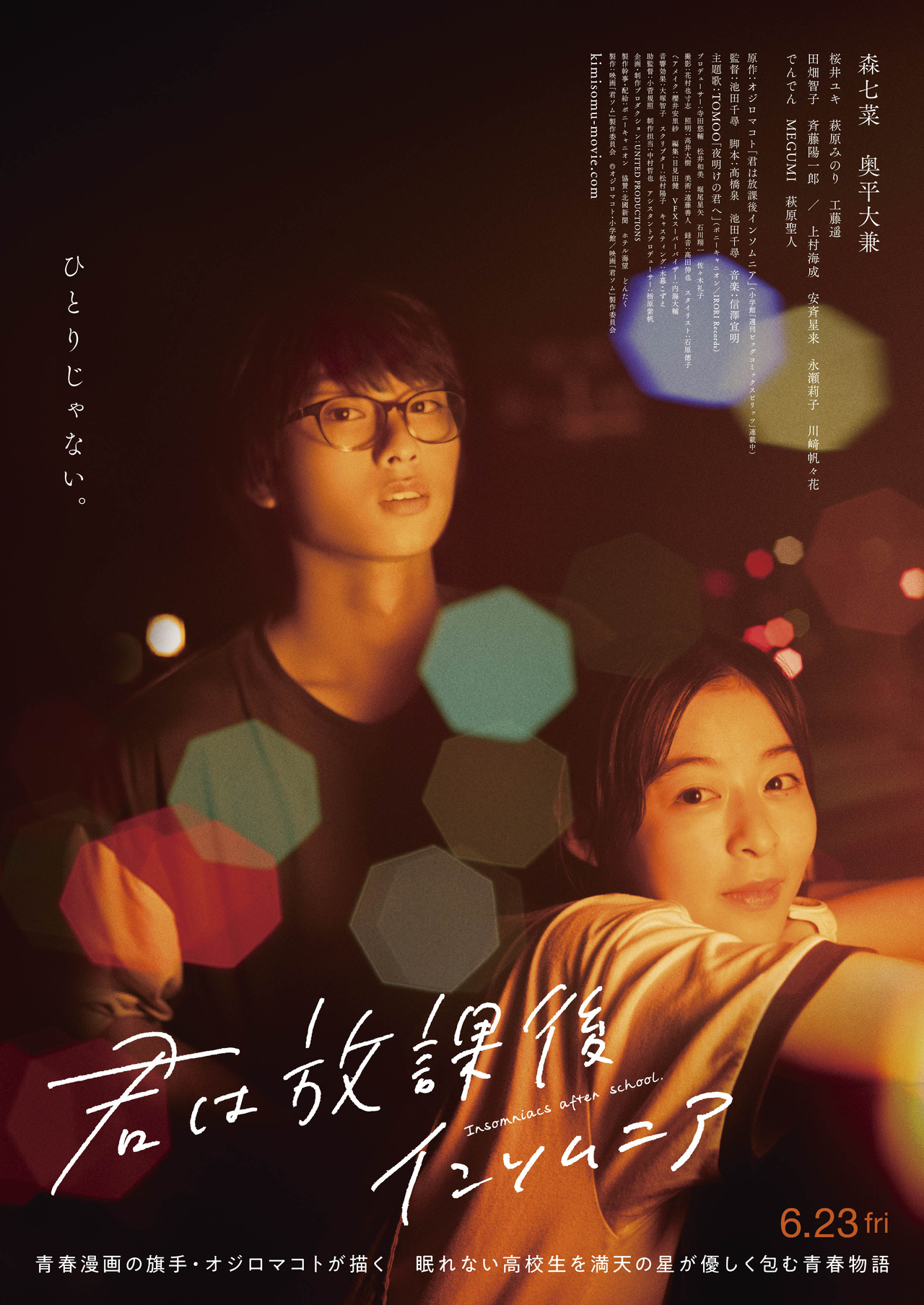
Insomniacs After School (君は放課後インソムニア, Chihiro Ikeda, 2023) [Fantasia 2023]

Two teens begin to overcome their fears and anxieties after bonding over their shared insomnia in Chihiro Ikeda’s adaptation of the Makoto Ojiro manga, Insomniacs After School (君は放課後インソムニア, Kimi wa Hokago Insomnia). It may seem strange in some ways that the pair find their inability to sleep so embarrassing that they keep it a secret from those around them, but then it’s difficult to tell people you’re having trouble sleeping without explaining why which is admittedly to enter the place of emotional vulnerability that each of them is otherwise avoiding. 

Namiki (Daiken Okudaira) describes himself as being overwhelmed by negative thoughts while his days are filled with despair. Unable to sleep at home he struggles to keep his eyes open at school and is otherwise reserved, rejected by many of his peers for being gloomy and aloof with only one real friend to whom he has disclosed his persistent insomnia. When he ventures into a part of the school others avoid thinking it is haunted, he discovers another “ghost” in classmate Isaki (Nana Mori) who also suffers from insomnia and had carved out this small corner of the disused astronomy club as a private lunchtime nap space. Luckily for him, Isaki, who is cheerful and outgoing, is willing to share and soon they become firm friends who decide that their empty nights of dark despair could otherwise be filled with fun and adventure. 

Neither of them really discuss why they aren’t able to sleep until their friendship is more deeply established and the facts emerge somewhat naturally but instead draw strength from their new connection while laying claim to their “sanctuary” in the school’s disused observatory as a place where they can find peace. Discovered by a teacher they have to keep up the pretence of restarting the astronomy club which means deciding on some sort of goal activity as proof that they have a right to the space all of which leads them down a secondary path that distracts them from their sleeplessness as they determine to put on stargazing events and enter a photography competition which requires a short sojourn in the country as well as making entreaties to their classmates for additional help and support. 

Then again, that might be contrary to their original wishes given that what they wanted from the observatory was a private place to sleep free from the stresses of their home lives which are in themselves fairly wholesome problems running from health anxiety to abandonment issues. Parallel scenes remind us that their struggles are largely the same, each has come to blame themselves for things which weren’t their fault and has developed a need to be seen as “good” which has led to chronic people pleasing and low self-esteem. But what their stargazing mission begins to teach them is that some things in life are beyond your control so there’s no point worrying about them, while the sense of eternity they discover watching the movement in the skies helps them overcome an adolescent fear of mortality in realising that “human existence doesn’t disappear so easily” and those who are gone still live on in the hearts of minds of others in the great confluence of humanity. 

Where night had been something to endure, they now find new ways to appreciate their lives in a world that seems more full of possibility than fear. Ikeda’s adaptation revels in its wholesomeness with even its slow-burn romantic subplot relatively innocent in its earnestness as the pair monologue over a voice notes app and quite literally lean on each other for support even if it’s not clear whether their insomnia actually improves or they just find better ways of living with it thanks to the new community they’ve found in the re-formed astronomy club which like most clubs is more about just hanging out than it is about serious study of the stars. Making the most of its picturesque small-town setting, the film discovers a quiet sense of serenity in the beauty of the landscape along with its ever expanding vistas in which the teens learn to overcome their mutual anxieties and embrace the infinite possibilities of life thanks to a true friendship founded on empathy and compassion.


Insomniacs After School screened as part of this year’s Fantasia International Film Festival.

Original trailer (English subtitles)
Fantasia International Film Festival Confirms Complete 2023 Programme

The Fantasia International Film Festival returns for its 27th edition taking place once again in Montreal from July 20 to Aug. 9. This year’s festival will have a special focus on South Korean cinema marking the 60th anniversary of diplomatic relations between the two nations including the latest blockbusters such as the third instalment in the popular Roundup series, and a screening of the 4K restoration of 2001 classic Take Care of My Cat. With the complete programme now announced, here are the East Asian features playing Fantasia 2023.

China

  • Deep Sea – visually rich animation from Tian Xiaopeng.
  • Flaming Cloud – whimsical romantic fantasy in which a young man is cursed causing all who kiss him to fall into a deep sleep.
  • Journey to the West – a UFO obsessive journeys west in search of the meaning of life in Kong Dashan’s hilariously deadpan, absurdist epic. Review.
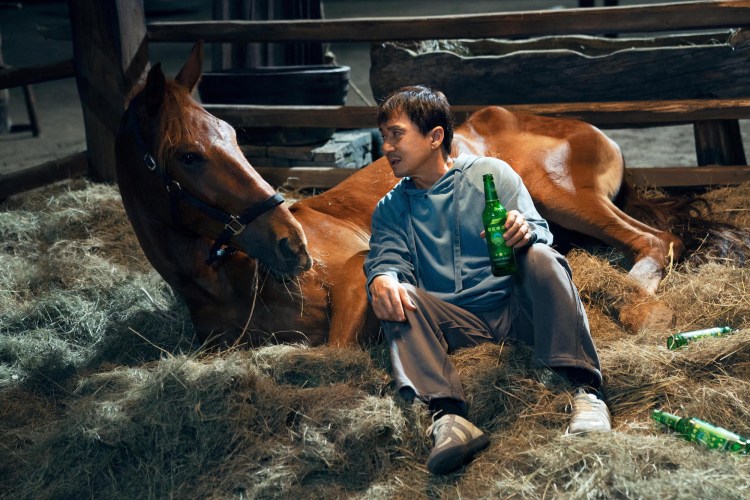
  • Ride On – a former stuntman springs into action when loansharks and eccentric businessmen come for his beloved horse in Larry Yang’s meta Jackie Chan vehicle. Review.

Hong Kong

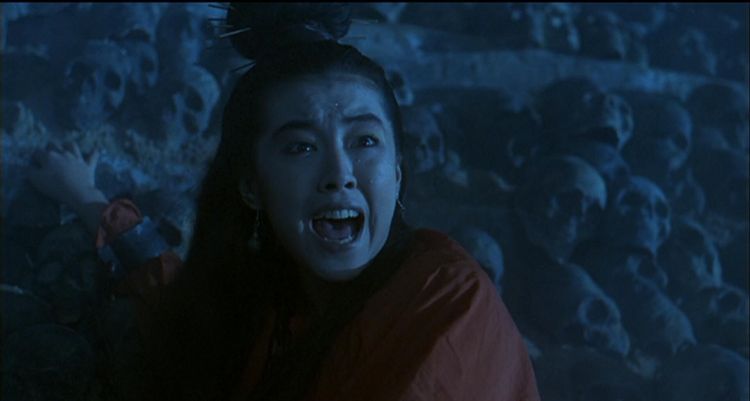
  • A Chinese Ghost Story – Ching Siu-Tung classic starring Leslie Cheung as a young man who meets a beautiful woman in a deserted temple.
  • God of Cookery – an arrogant chef is exposed as a fraud by a duplicitous rival but finally learns the real meaning of cooking after finding a home among true cooks in Stephen Chow’s characteristically absurd comedy. Review.
  • Mad Fate – mad cap supernatural noir in which a fortune teller and “born psychopath” team up to solve a murder.
  • My Heart is That Eternal Rose – a trio of lovelorn romantics find only futility in trying to escape the gangster underworld in Patrick Tam’s melancholy neo-noir. Review.
  • The Moon, the Sky, and You – teenage mood piece in which high school lovers square off against gangsters.
  • The Sparring Partner – Ho Cheuk-tin’s tense courtroom drama puts human nature and the criminal justice system on trial as two men stand accused of a heinous murder that shocked the nation. Review.
  • White Storm 3: Heaven or Hell – the third installment in Herman Yau’s thematic series starring Louis Koo, Aaron Kwok, and Lau Ching-Wan.

Japan

  • #Manhole – a salaryman’s moment of triumph is disrupted when he falls down a manhole the night before his wedding in Kazuyoshi Kumakiri’s unhinged B-movie thriller. Review.
  • As Long as We Both Shall Live – light novel adaptation set in an alternate 19th century Japan in which a young woman is married off to a ruthless military commander.
  • Baby Assassins 2 – the Baby Assassins are back and continuing to struggle with the demands of adulting in Yugo Sakamoto’s sequel to the hugely popular slacker action comedy. Review.
  • The Concierge – animation following a young woman working in a department store where all the customers are animals.
  • The First Slam Dunk – directorial debut of Takehiko Inoue, original author of the basketball-themed manga, following Ryota Miyagi as he takes centre stage at the Inter-High Championships.
  • Insomniacs After School – manga adaptation in which two high school loners team up to revive the astronomy club.
  • Kurayukaba – retro steampunk noir anime.
  • Mad Cats – mad cap action movie in which a young man embarks on a bizarre quest to rescue his missing brother.
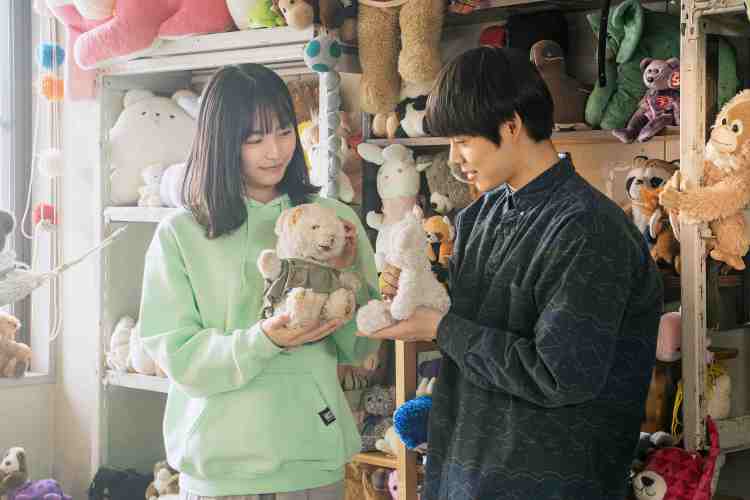
  • People Who Talk to Plushies Are Kind – a collection of sensitive uni students pour out their worries to cuddly toys to avoid burdening others with their fears in Yurina Kaneko’s charmingly empathetic drama. Review.
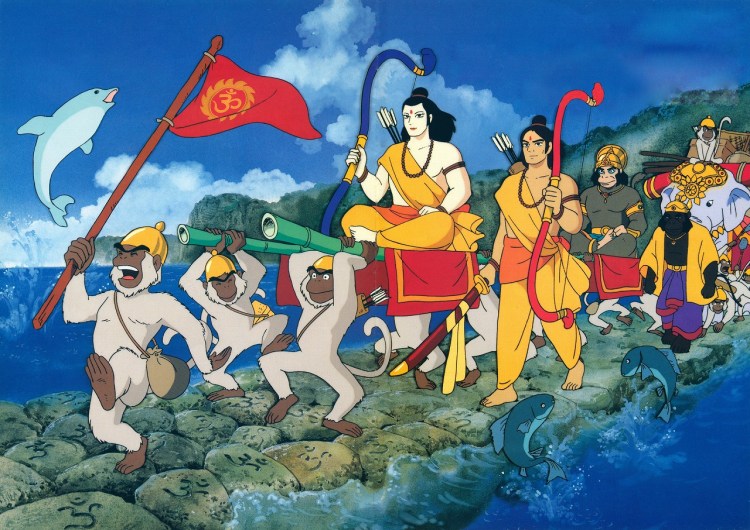
  • Ramayama – The Legend of Prince Rama – An exiled prince finds himself fighting an epic battle against the darkness when his wife is kidnapped by a demon king in this beautifully produced adaptation of the classic legend. Review.
  • River – time loop comedy from the director of Beyond the Infinite Two Minutes set in a traditional inn near Kyoto.
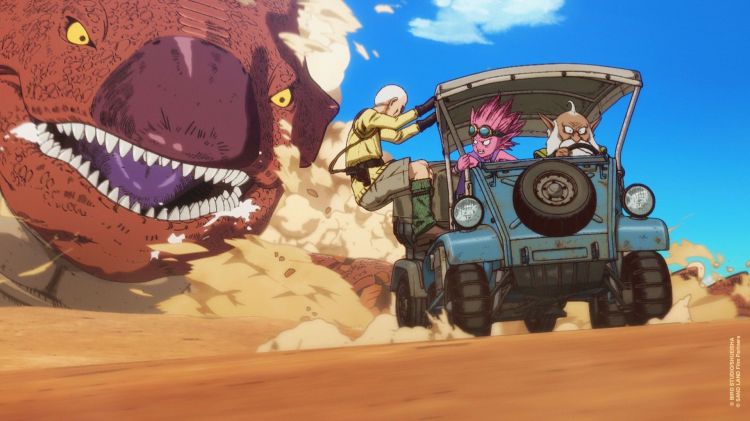
  • Sand Land – animation from Toshihisa Yokoshima based on the manga by Akira Toriyama.
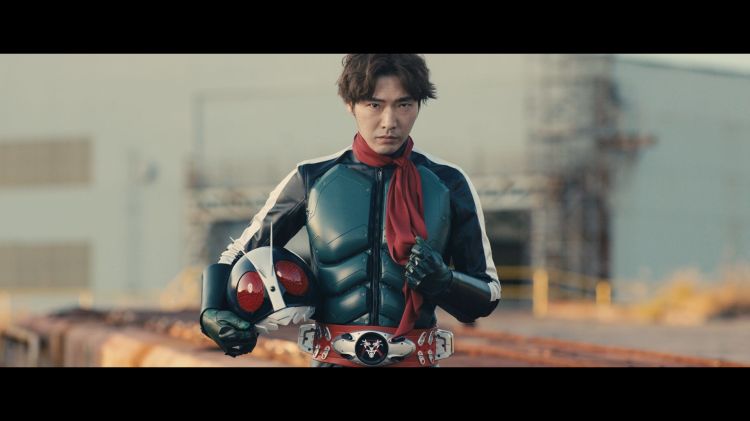
  • Shin Kamen Rider – Hideaki Anno’s take on the classic tokusatsu hero.
  • Tokyo Revengers 2 Parts 1 & 2 – the long-awaited two-part sequel to the timeslip drama.

Philippines

South Korea

  • Chilsu and Mansu – Park Kwang-su’s 1998 classic starring Park Joong-hoon and Ahn Sung-ki as sign painters from either side of the divide in a newly democratised Korea. Review.
  • The Childe – latest thriller from Park Hoon-Jung in which an impoverished man from the Philippines travels to see his estranged father in Korea only to be hunted down by assassins.
  • Io Island – eerie folk drama the great Kim Ki-young starring Kim Jeong-cheol as tourism executive who travels to a remote island after the possible breaking of a taboo leads to a man’s death. Review.
  • The Devils – bodyswap horror in which a man seeking vengeance for his brother’s murder wakes up in the body of the man who killed him.
  • Killing Romance – madcap comedy in which a former star (Lee Ha-nee) teams up with a student (Gong Myoung) to kill her husband (Lee Sun-kyun).
  • Mother Land – stop motion animation from Park Jae-beom.
  • Ms. Apocalypse – poignant millennial drama in which a shy office worker agrees to cover up the embezzlement of her unrequited crush.
  • My Worst Neighbor – quirky romantic comedy in which warring neighbours fall in love in the middle of a noise dispute.
  • New Normal – horror anthology from Jung Bum-shik (Gonjiam: Haunted Asylum)
  • The Night Owl – period conspiracy thriller in which a blind acupuncturist witnesses the death of the crown prince.
  • Peppermint Candy – Lee Chang-dong’s intensely moving drama following one man’s path backwards through decades of his nation’s turbulent history.
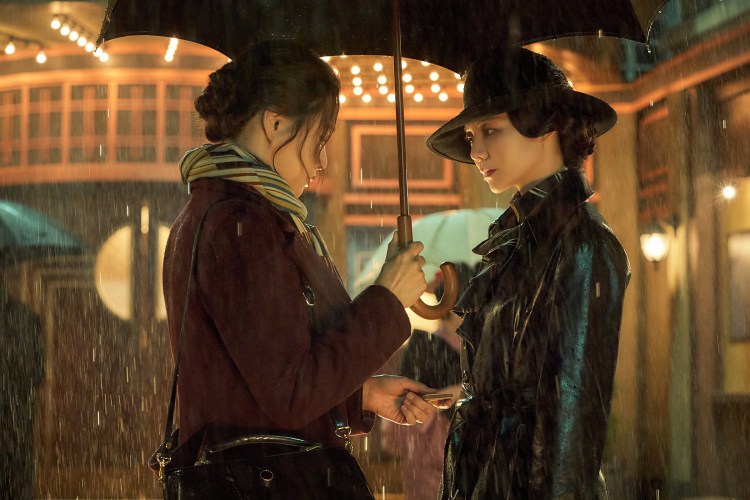
  • The Phantom – Colonial Era spy thriller meets drawing room mystery in this masterful drama from Lee Hae-young.
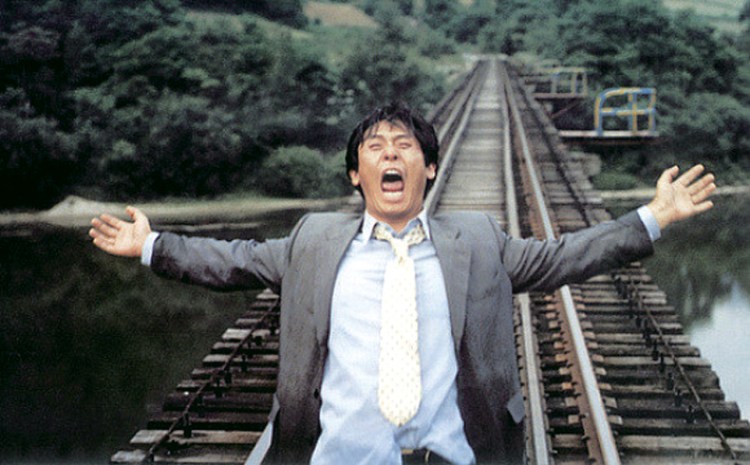
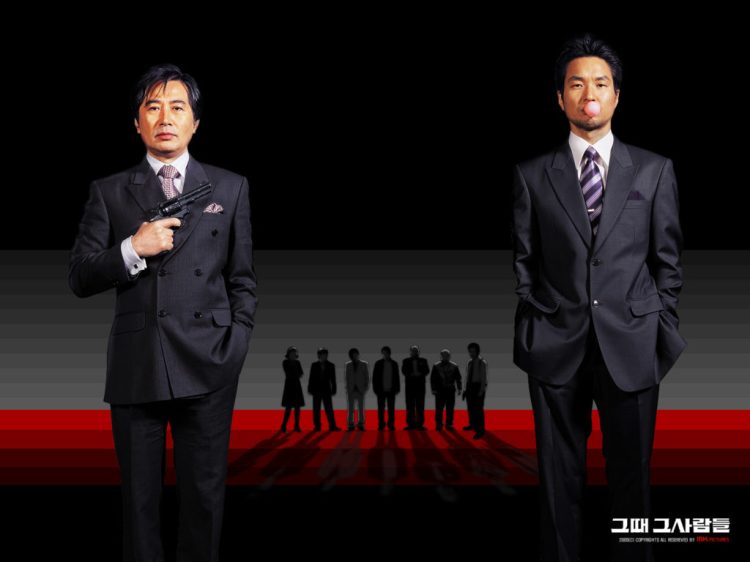
  • The President’s Last Bang – Im Sang-soo’s ironic take on the assassination of Park Chung-hee.
  • The Roundup: No Way Out – third instalment in the popular series starring Ma Dong-seok (Don Lee) as a maverick policeman.
  • Take Care of My Cat – much loved female friendship drama from 2001 revolving around five friends heading in different directions after high school. Review.

Taiwan

  • The Abandoned – horror in which a grieving policewoman investigates a series of murders of migrant workers.
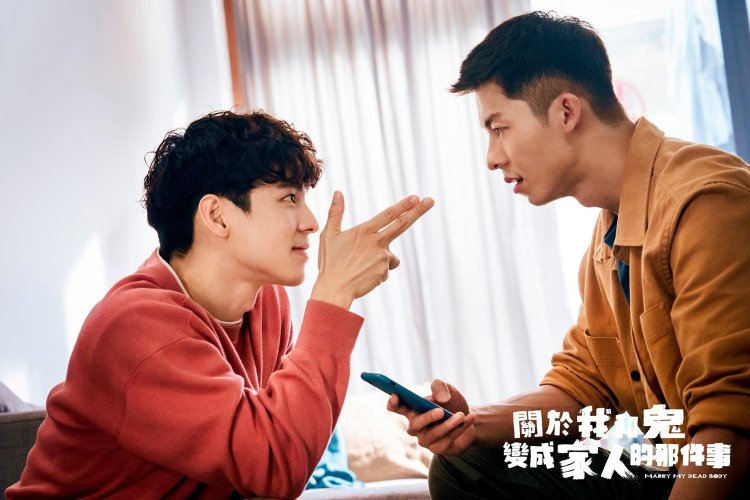
  • Marry My Dead Body – a police officer discovers a red wedding envelope but soon realises the proposal comes from the other side and it is the ghost of a murdered man who wants to marry him!
  • Miss Shampoo – quirky rom-com from Giddens Ko in which a gangster falls for a hairstylist after she hides him from bad guys.

The Fantasia International Film Festival runs in Montreal, Canada, July 20 to Aug 9. Full details for all the films along with scheduling and ticketing information are available via the the official website, and you can also keep up with all the latest news via the festival’s official Facebook pageTwitter account, Instagram, and Vimeo channels.