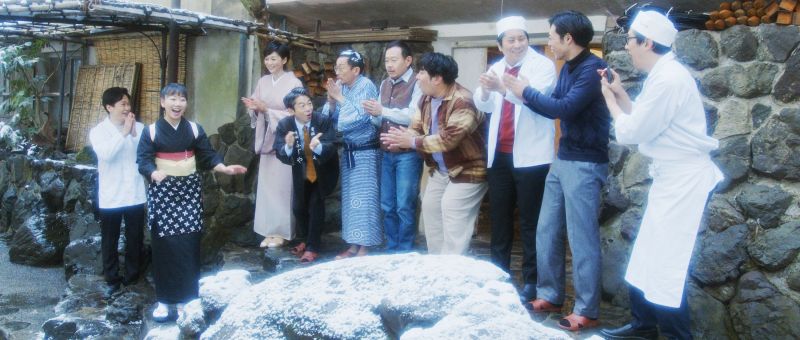
Mad Cats (Reiki Tsuno, 2023) [Fantasia 2023]

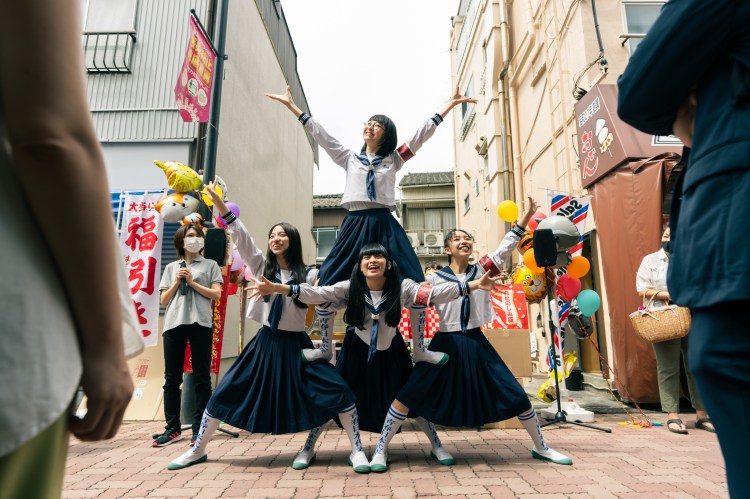
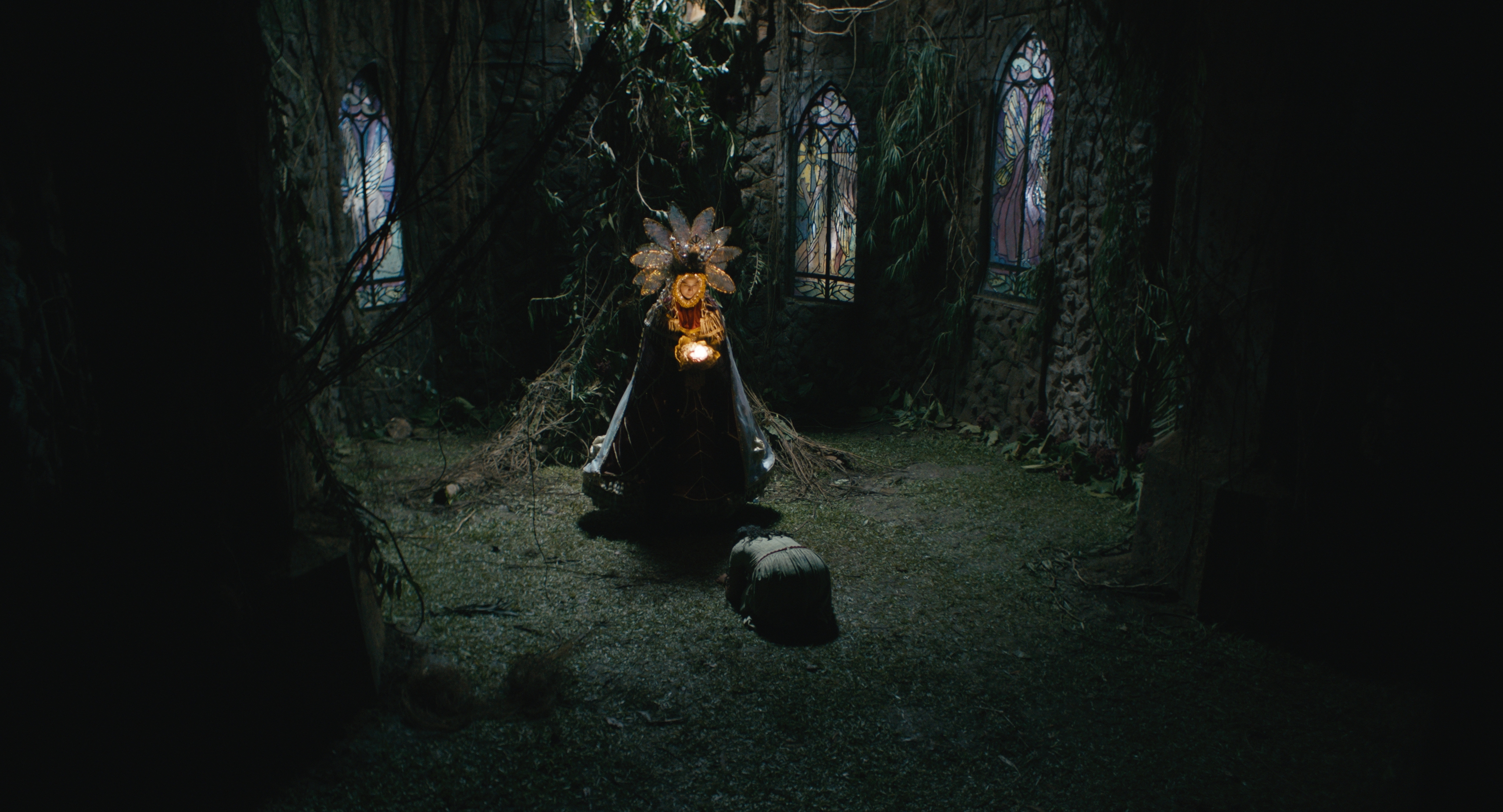
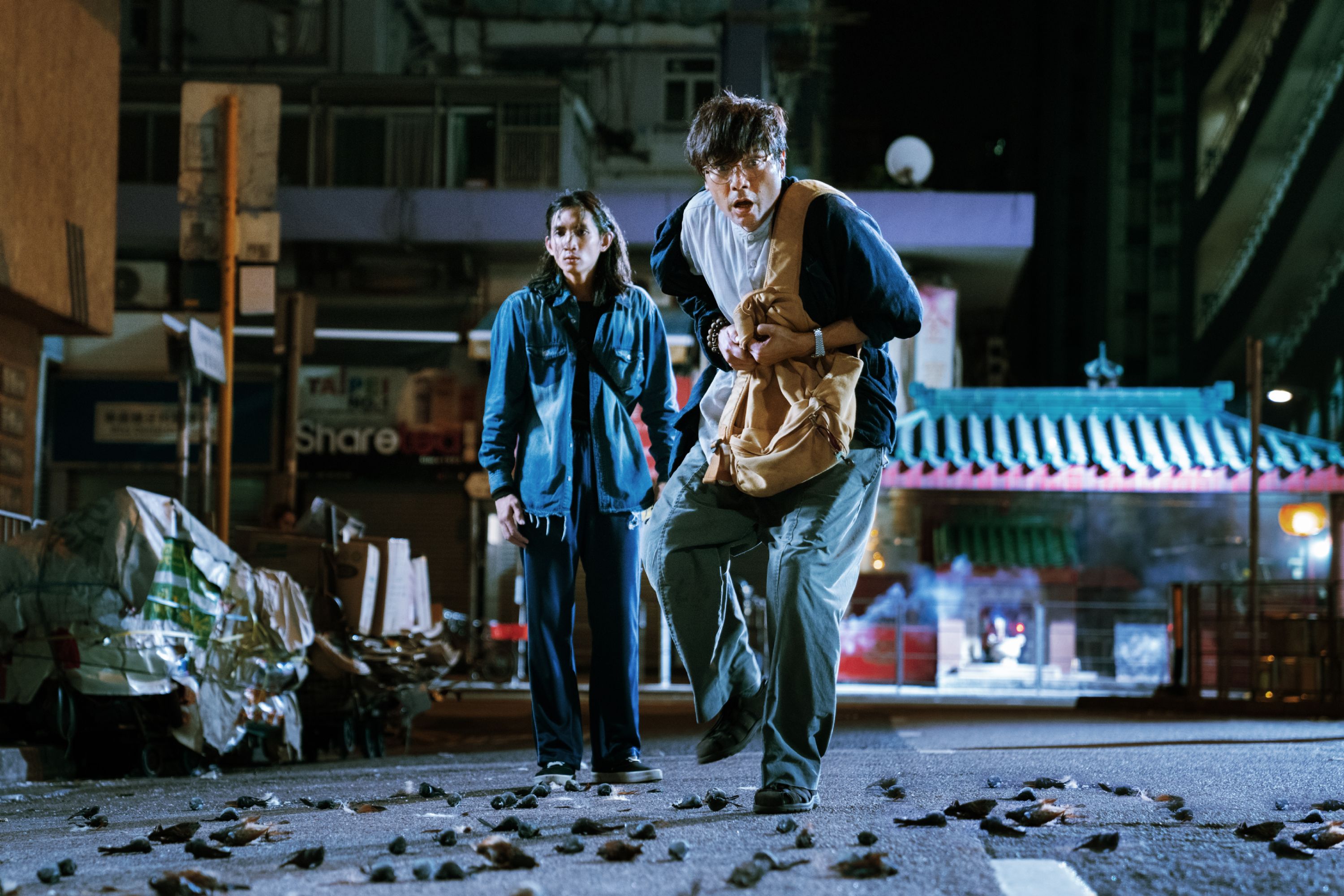
The captive felines of Japan are mad as hell and they aren’t going to take it anymore in Reiki Tsuno’s absurd action comedy, Mad Cats. Sick of mistreatment and exploitation at the hands of humans who breed them for sale, these cats have transformed into a cult-like band of vigilantes thanks to a forbidden ancient Egyptian catnip that grants superpowers unearthed by a cat-loving Egyptologist who has been missing for the previous two years.

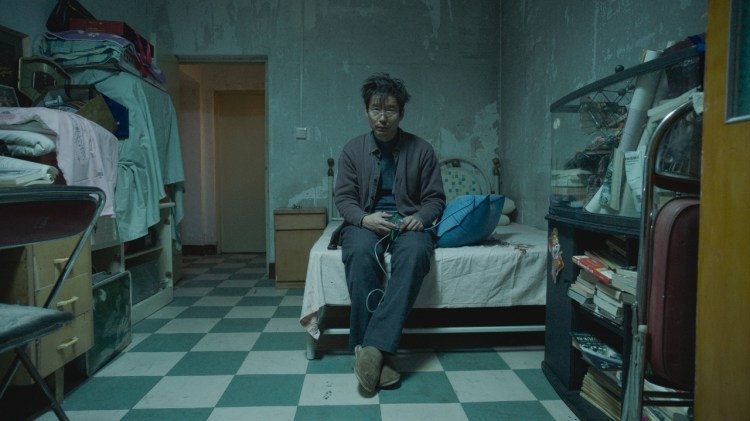
Mune (So Yamanaka) had been the responsible brother and in his extended absence, Taka (Sho Mineo) has become an irresponsible layabout behind on his rent and surrounded by old food cartons. A cassette tape delivered in a letter addressed only with his first name alerts him to the fact his brother is being held captive in a place where they once found a black cat and needs rescuing while he should also make sure to pick up a small wooden box on his way. Taka jumps straight on his bike, but unfortunately is not the sharpest knife in the drawer and finds himself ill-equipped to face off against the Mad Cats who are only more annoyed when he makes off with the their secret stash of forbidden Egyptian catnip.

Despite becoming anthropomorphised the cat women (they are all female cats) still behave in noticeably feline ways with their strange grins and vacant eyes not mention to weird head tilts and cat-like gestures such as pawing the air or slapping an opponent when otherwise not armed with axes or nunchucks. Later Taka is joined by another mysterious woman, Ayane, who apparently once belonged to the same cat lady cult but is somehow immune to the catnip aside from having become human and is determined to stop the others from going too far on their quest for revenge against human cruelty. 

Perhaps you can’t really blame them for that, though their vengeance does take on a rather ironic quality as they keep Mune tied up in a cage and force him to eat like a cat hunched over on his knees with his hands bound. Meanwhile, Taka teams up with a homeless man who is also enjoys cat food and is forever complaining that he’s not supposed to be here he just got swept up in some bizarre events while minding his own business. Takezo (Yuya Matsuura) also seems to be somewhat displaced, estranged from his wife and family and like Taka is looking for a way to go home even if he didn’t have running away from mad cats on his bingo card. 

The pair of them go through a training bootcamp thanks to Ayane but otherwise continue to flounder, forgetting everything they’ve learnt and cowering cartoonishly when faced with a marauding cat hoping Ayane will arrive to save them after all. Then again, they aren’t particularly bothered about trying to save the corrupt pet shop owners who callously breed cats for sale in poor conditions to possibly unsuitable people, perhaps sympathising with their concerns as genuine cat lovers reevaluating their thinking around pet “ownership”. 

Rounding out the absurdity, Tsuno adds in a series of action set pieces featuring cat-like choreography as Ayane squares off against the rest of the Mad Cats who are otherwise dressed in eerie white gowns like the members of a bizarre cult living an isolated existence in the mountains. From the cassette tape to the roller diner where Taka and Takezo are first attacked, the film has a quirky, retro sensibility that is perfectly in tune with its absurdity even as the guys drive around a borrowed car that has a registration plate reading “killer blow” while tracked by the seemingly unstoppable Mad Cats who, as we later realise, really do have nine lives. There is something quite touching underneath the strange allusions to Egyptian cat gods, superpowered catnip, and vengeful felines in the strength of the relationships not just between the brothers but between cats and their guardians despite the vengeful mission of the Mad Cats who reject their captivity by ridding themselves of irresponsible cat traffickers. Deadpan and surreal, the film has an infectious sense of fun in its boundless inventiveness and quirky composition while also carrying a more serious message about animal cruelty and responsible pet guardianship in a world in which even the lives of living creatures have been commodified.


Mad Cats screened as part of this year’s Fantasia International Film Festival.

Teaser trailer (dialogue free)

Devils (악마들, Kim Jae-hoon, 2023) [Fantasia 2023]

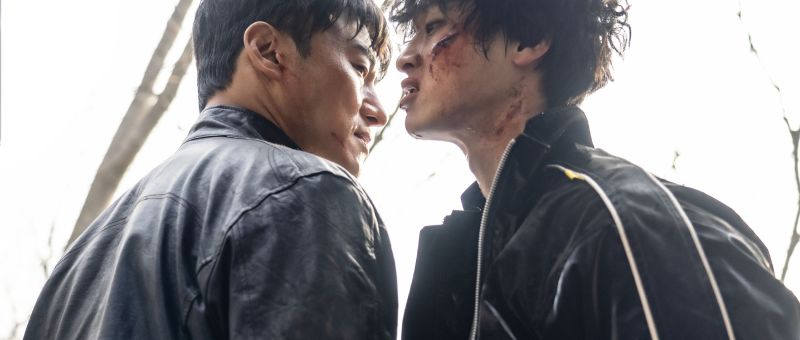
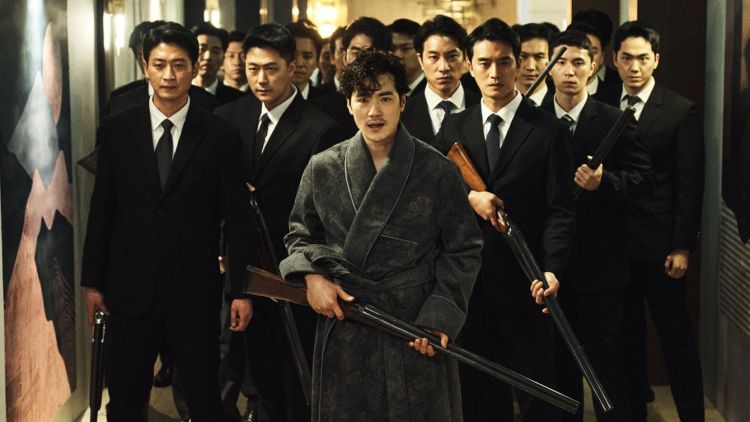
A detective consumed by thoughts of vengeance suddenly wakes up in the body of the serial killer he had been hunting, but how can we truly know who is who when each is so transgressively corrupt? The pluralisation in the title of Kim Jae-hoon’s bodyswap thriller Devils (악마들, Akmadeul) is no accident as the two men become in some senses interchangeable, their identities constantly shifting and largely dependent on those ascribed to them by others. “If you closed your eyes you’d swear he was Jae-hwan,” his confused partner admits though having witnessed him brutally torture a suspect/witness by hammering nails into his thighs. 

Jae-hwan’s (Jang Dong-Yoon) rage is partly born of guilt in that he failed to properly support his previous partner, who was also his brother-in-law, during a raid on a killer’s lair during which he got his throat slit by sadistic murderer Jin-hyuk (Oh Dae-Hwan) who has been brazenly posting snuff videos on the internet while continuing to evade the police. Two years later, Jae-hwan has been partnered with reletive rookie Min-sung and is determined not to make the same mistake when they get another shot at Jin-hyuk instructing him to stay behind and let Jae-hwan lead. But during the operation Jae-hwan goes rogue, chasing Jin-hyuk on his own and going missing after diving over a ridge in the woods. A month later a car carrying both men rams into a bollard outside police HQ only when he wakes up Jin-hyuk insists on speaking only with Min-sung and claims that he is in fact Jae-hwan.

Of course, Min-sung doesn’t really believe him despite being presented with information only Jae-hwan would know but is a little more convinced on visiting his former partner and observing him behaving strangely. The problem is, how can you tell the difference between a man using extreme violence for “justice”, which in this case is actually revenge, and one who uses it for pleasure? After teaming up with him, Min-sung is called to a station and assists Jin-hyuk/Jae-hwan drag an old man to a grimy trailer in the woods where he tortures him into giving up information on his fellow criminals by hammering nails into his legs while filming his “confession” as the kind of backup evidence which can’t be used it court but still might prove useful. You could say that it’s Jin-hyuk’s subconscious poking through, but Min-sung is fairly unfazed by this unorthodox investigative tactic and his conviction that Jin-hyuk is really Jae-hwan never wavers despite seeing him commit such a violent act so naturally.

Jae-hwan too hints at similarity between himself and Jin-hyuk when he complains that as a police officer he must “fight inside the fence known as law,” while the criminals are bound by no such constraints. He completely misses that this is what ought to separate them, to make their identities distinct, but now they are more or less the same in Jae-hwan’s willingness to turn vigilante, step outside the protection of the law, and do anything it takes to catch Jin-hyuk. “You’ve got my face, take advantage of it” Jae-hwan/Jin-hyuk sneers as he sends his opposite number to catch the men that have betrayed him, while each of them is to an extent adept at playing the role assigned to them at this and any given time. 

It goes without saying that the women who were murdered in the snuff videos have been more or less forgotten, Jae-hwan’s desire to catch Jin-hyuk is born of that to avenge himself as a policeman and gain vengeance for his brother-in-law’s death. In a pointed exchange, Jin-hyuk asks Jae-hwan how he knows that he is not merely toying with him, allowing Jae-hwan to think that he’s manipulating him but secretly in control, hinting at a kind of cat and mouse game between the two to claim the identity of the chaser and the chased. Yet whichever way you look at it, Jae-hwan has overplayed his hand, releasing a “hunting dog” he can’t control with disastrous consequences for himself and others. With a distinctly B-movie sensibility, Kim plays with identity and the malleability of memory to ask if we can really be sure of who we are at any given time while suggesting that’s something Jae-hwan should have been asking himself in his relentless pursuit of his spiritual mirror.


Devils screened as part of this year’s Fantasia International Film Festival.

International trailer (English subtitles)

Insomniacs After School (君は放課後インソムニア, Chihiro Ikeda, 2023) [Fantasia 2023]

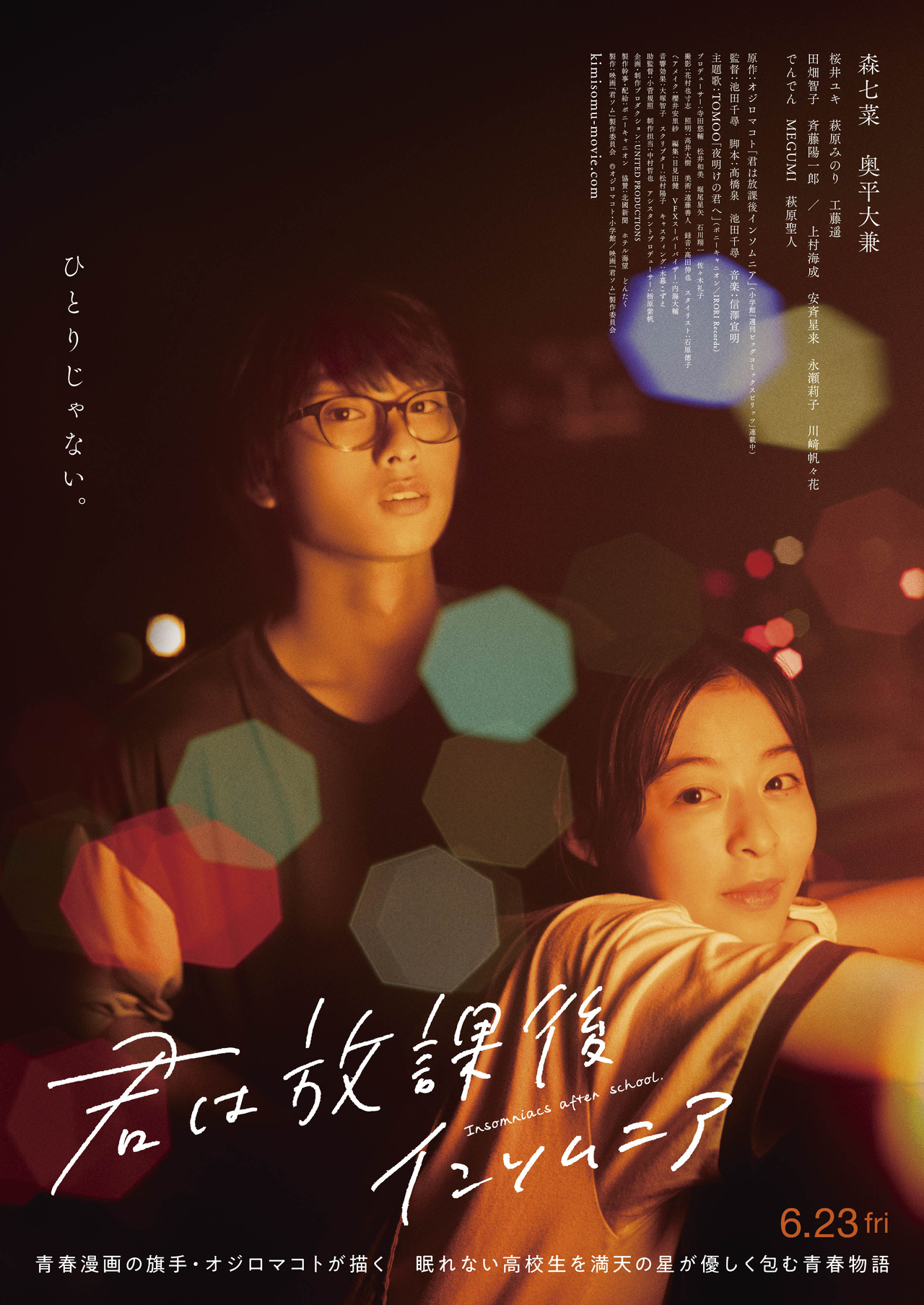
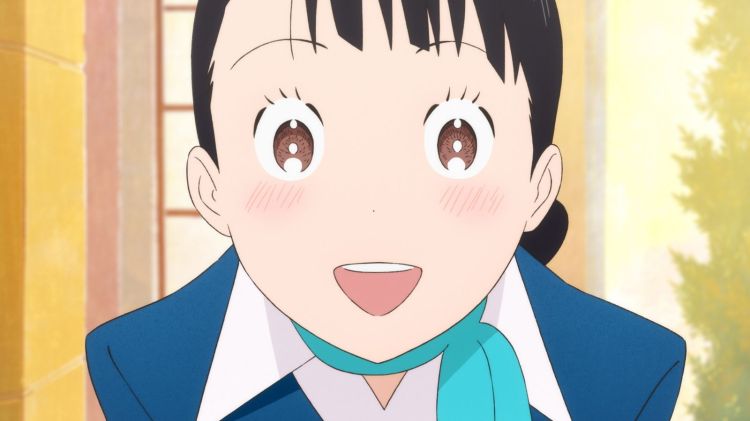
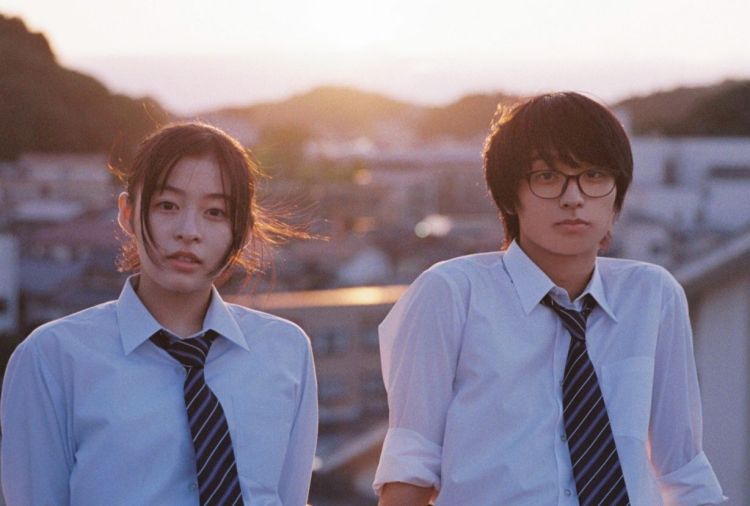
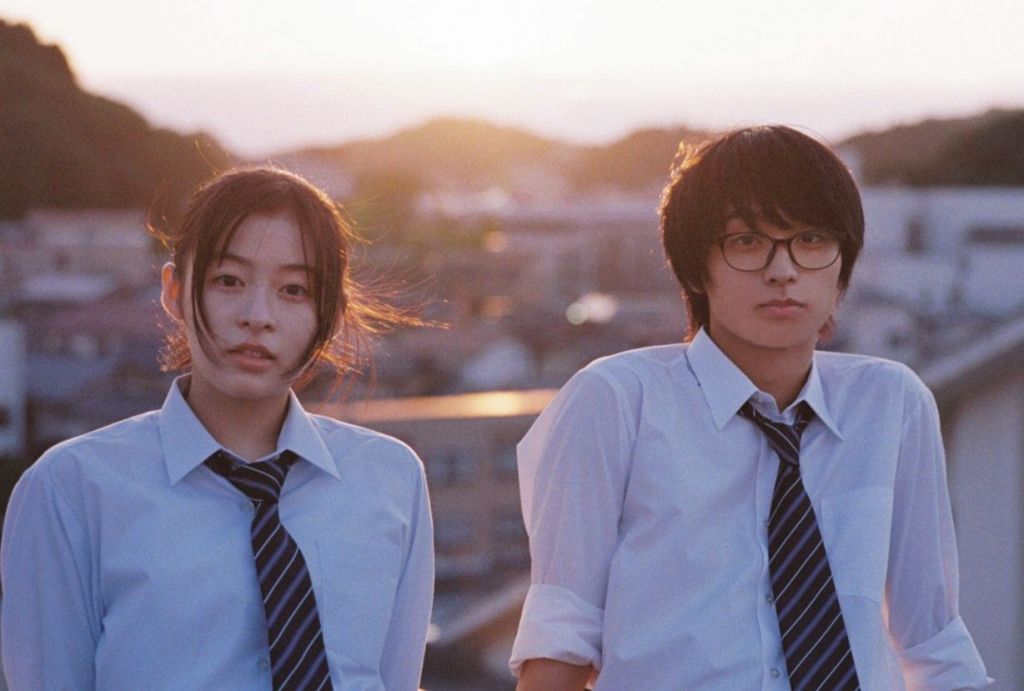
Two teens begin to overcome their fears and anxieties after bonding over their shared insomnia in Chihiro Ikeda’s adaptation of the Makoto Ojiro manga, Insomniacs After School (君は放課後インソムニア, Kimi wa Hokago Insomnia). It may seem strange in some ways that the pair find their inability to sleep so embarrassing that they keep it a secret from those around them, but then it’s difficult to tell people you’re having trouble sleeping without explaining why which is admittedly to enter the place of emotional vulnerability that each of them is otherwise avoiding. 

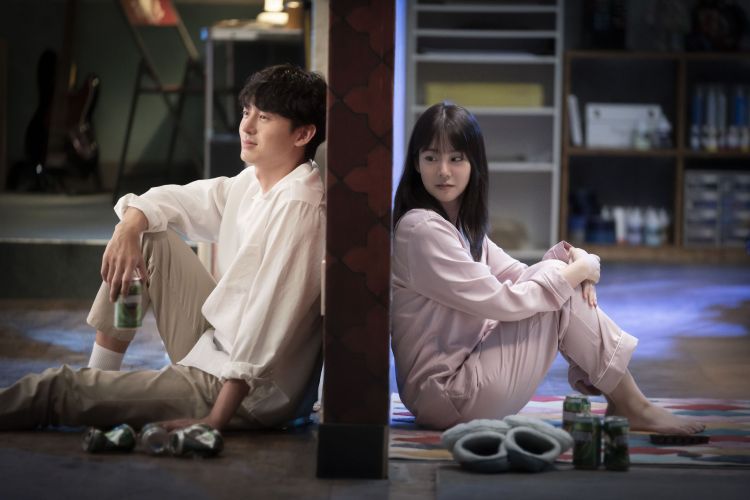
Namiki (Daiken Okudaira) describes himself as being overwhelmed by negative thoughts while his days are filled with despair. Unable to sleep at home he struggles to keep his eyes open at school and is otherwise reserved, rejected by many of his peers for being gloomy and aloof with only one real friend to whom he has disclosed his persistent insomnia. When he ventures into a part of the school others avoid thinking it is haunted, he discovers another “ghost” in classmate Isaki (Nana Mori) who also suffers from insomnia and had carved out this small corner of the disused astronomy club as a private lunchtime nap space. Luckily for him, Isaki, who is cheerful and outgoing, is willing to share and soon they become firm friends who decide that their empty nights of dark despair could otherwise be filled with fun and adventure. 

Neither of them really discuss why they aren’t able to sleep until their friendship is more deeply established and the facts emerge somewhat naturally but instead draw strength from their new connection while laying claim to their “sanctuary” in the school’s disused observatory as a place where they can find peace. Discovered by a teacher they have to keep up the pretence of restarting the astronomy club which means deciding on some sort of goal activity as proof that they have a right to the space all of which leads them down a secondary path that distracts them from their sleeplessness as they determine to put on stargazing events and enter a photography competition which requires a short sojourn in the country as well as making entreaties to their classmates for additional help and support. 

Then again, that might be contrary to their original wishes given that what they wanted from the observatory was a private place to sleep free from the stresses of their home lives which are in themselves fairly wholesome problems running from health anxiety to abandonment issues. Parallel scenes remind us that their struggles are largely the same, each has come to blame themselves for things which weren’t their fault and has developed a need to be seen as “good” which has led to chronic people pleasing and low self-esteem. But what their stargazing mission begins to teach them is that some things in life are beyond your control so there’s no point worrying about them, while the sense of eternity they discover watching the movement in the skies helps them overcome an adolescent fear of mortality in realising that “human existence doesn’t disappear so easily” and those who are gone still live on in the hearts of minds of others in the great confluence of humanity. 

Where night had been something to endure, they now find new ways to appreciate their lives in a world that seems more full of possibility than fear. Ikeda’s adaptation revels in its wholesomeness with even its slow-burn romantic subplot relatively innocent in its earnestness as the pair monologue over a voice notes app and quite literally lean on each other for support even if it’s not clear whether their insomnia actually improves or they just find better ways of living with it thanks to the new community they’ve found in the re-formed astronomy club which like most clubs is more about just hanging out than it is about serious study of the stars. Making the most of its picturesque small-town setting, the film discovers a quiet sense of serenity in the beauty of the landscape along with its ever expanding vistas in which the teens learn to overcome their mutual anxieties and embrace the infinite possibilities of life thanks to a true friendship founded on empathy and compassion.


Insomniacs After School screened as part of this year’s Fantasia International Film Festival.

Original trailer (English subtitles)
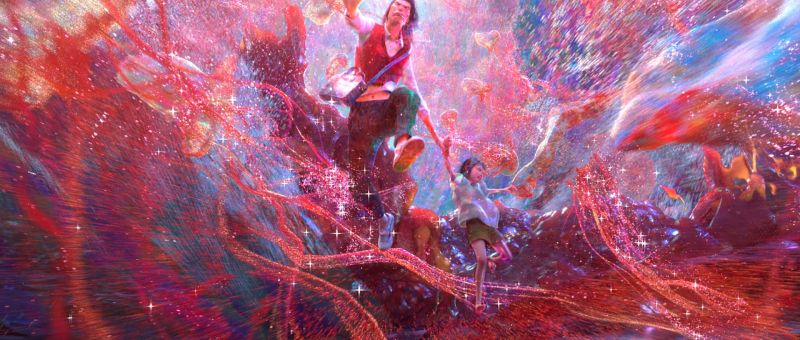
Fantasia International Film Festival Confirms Complete 2023 Programme

The Fantasia International Film Festival returns for its 27th edition taking place once again in Montreal from July 20 to Aug. 9. This year’s festival will have a special focus on South Korean cinema marking the 60th anniversary of diplomatic relations between the two nations including the latest blockbusters such as the third instalment in the popular Roundup series, and a screening of the 4K restoration of 2001 classic Take Care of My Cat. With the complete programme now announced, here are the East Asian features playing Fantasia 2023.

China

  • Deep Sea – visually rich animation from Tian Xiaopeng.
  • Flaming Cloud – whimsical romantic fantasy in which a young man is cursed causing all who kiss him to fall into a deep sleep.
  • Journey to the West – a UFO obsessive journeys west in search of the meaning of life in Kong Dashan’s hilariously deadpan, absurdist epic. Review.
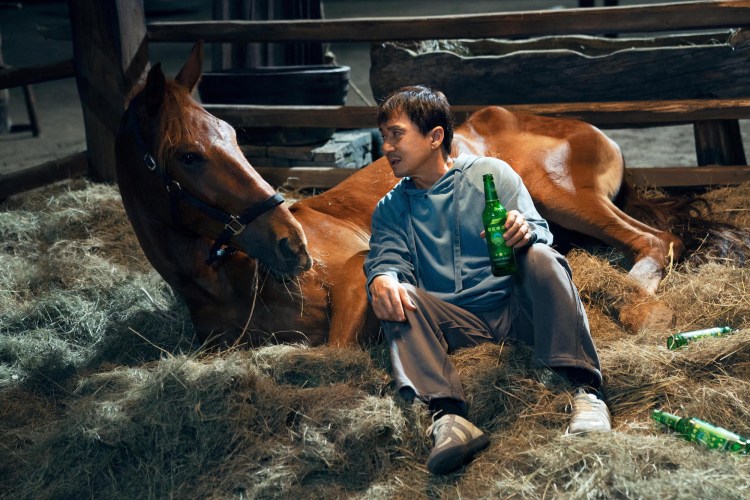
  • Ride On – a former stuntman springs into action when loansharks and eccentric businessmen come for his beloved horse in Larry Yang’s meta Jackie Chan vehicle. Review.

Hong Kong

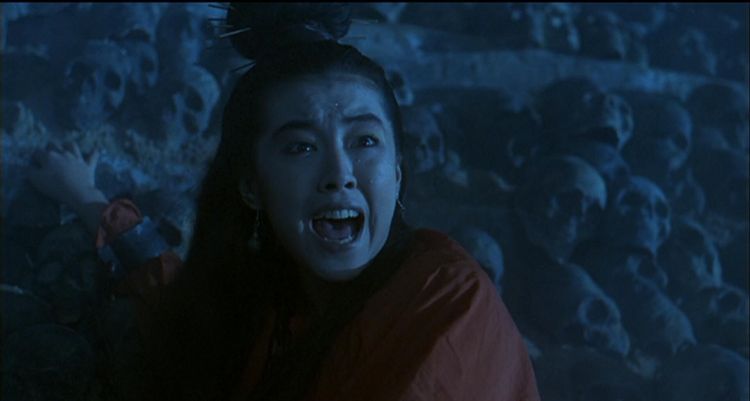
  • A Chinese Ghost Story – Ching Siu-Tung classic starring Leslie Cheung as a young man who meets a beautiful woman in a deserted temple.
  • God of Cookery – an arrogant chef is exposed as a fraud by a duplicitous rival but finally learns the real meaning of cooking after finding a home among true cooks in Stephen Chow’s characteristically absurd comedy. Review.
  • Mad Fate – mad cap supernatural noir in which a fortune teller and “born psychopath” team up to solve a murder.
  • My Heart is That Eternal Rose – a trio of lovelorn romantics find only futility in trying to escape the gangster underworld in Patrick Tam’s melancholy neo-noir. Review.
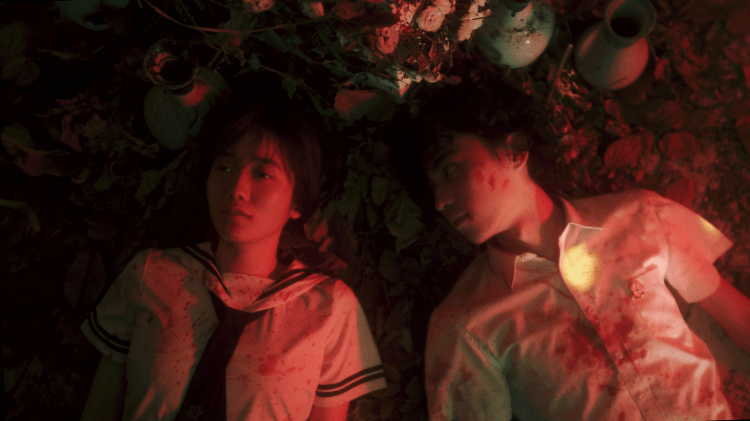
  • The Moon, the Sky, and You – teenage mood piece in which high school lovers square off against gangsters.
  • The Sparring Partner – Ho Cheuk-tin’s tense courtroom drama puts human nature and the criminal justice system on trial as two men stand accused of a heinous murder that shocked the nation. Review.
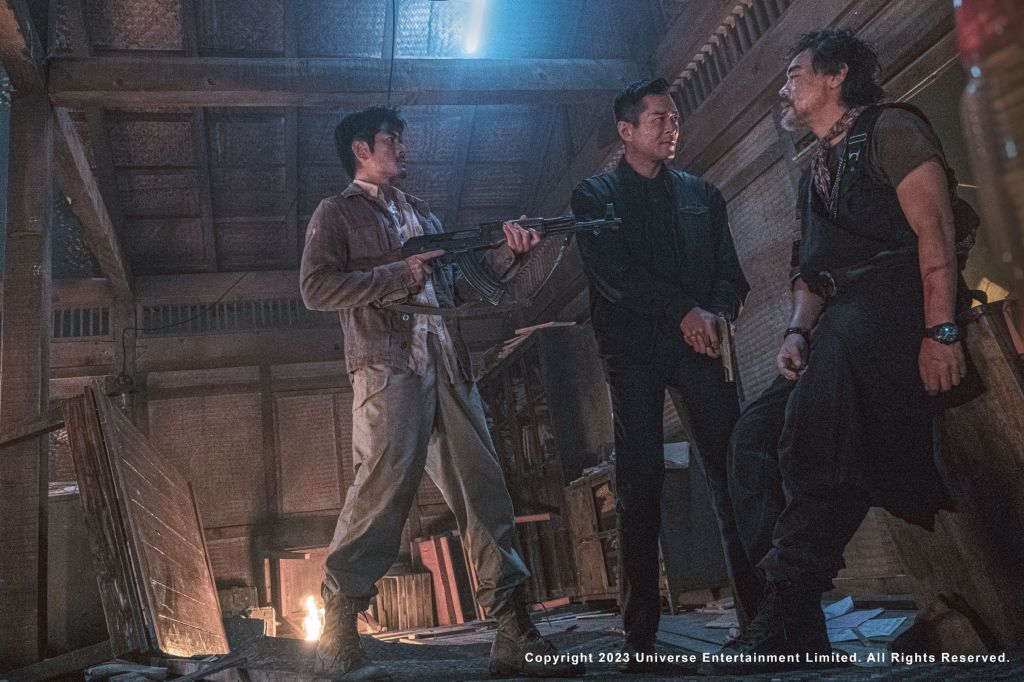
  • White Storm 3: Heaven or Hell – the third installment in Herman Yau’s thematic series starring Louis Koo, Aaron Kwok, and Lau Ching-Wan.

Japan

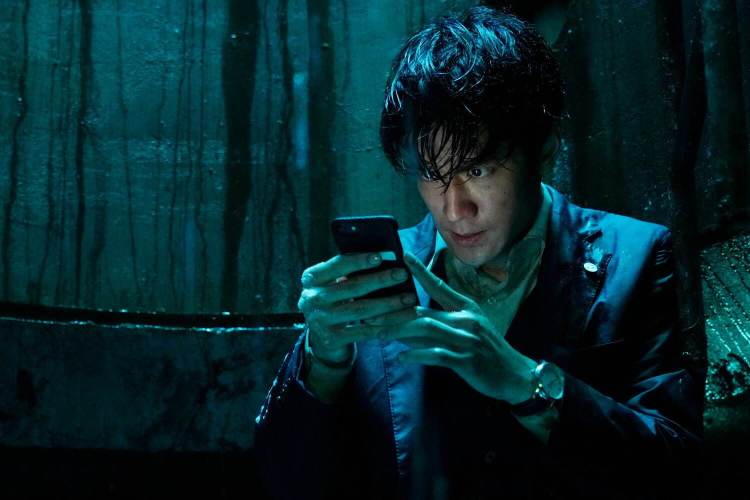
  • #Manhole – a salaryman’s moment of triumph is disrupted when he falls down a manhole the night before his wedding in Kazuyoshi Kumakiri’s unhinged B-movie thriller. Review.
  • As Long as We Both Shall Live – light novel adaptation set in an alternate 19th century Japan in which a young woman is married off to a ruthless military commander.
  • Baby Assassins 2 – the Baby Assassins are back and continuing to struggle with the demands of adulting in Yugo Sakamoto’s sequel to the hugely popular slacker action comedy. Review.
  • The Concierge – animation following a young woman working in a department store where all the customers are animals.
  • The First Slam Dunk – directorial debut of Takehiko Inoue, original author of the basketball-themed manga, following Ryota Miyagi as he takes centre stage at the Inter-High Championships.
  • Insomniacs After School – manga adaptation in which two high school loners team up to revive the astronomy club.
  • Kurayukaba – retro steampunk noir anime.
  • Mad Cats – mad cap action movie in which a young man embarks on a bizarre quest to rescue his missing brother.
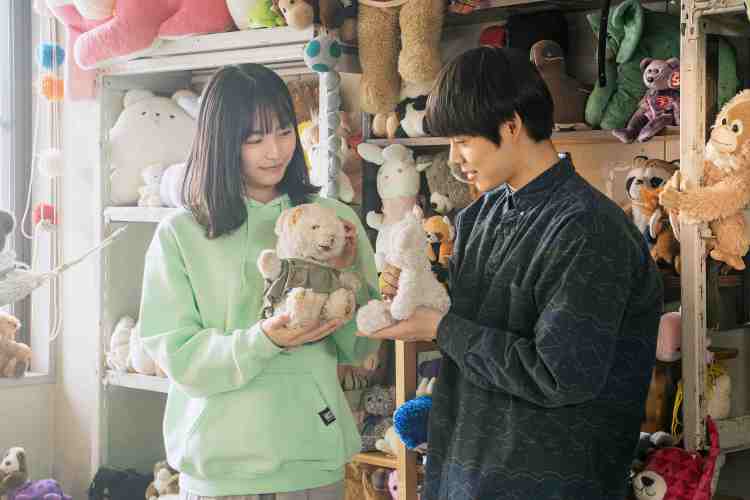
  • People Who Talk to Plushies Are Kind – a collection of sensitive uni students pour out their worries to cuddly toys to avoid burdening others with their fears in Yurina Kaneko’s charmingly empathetic drama. Review.
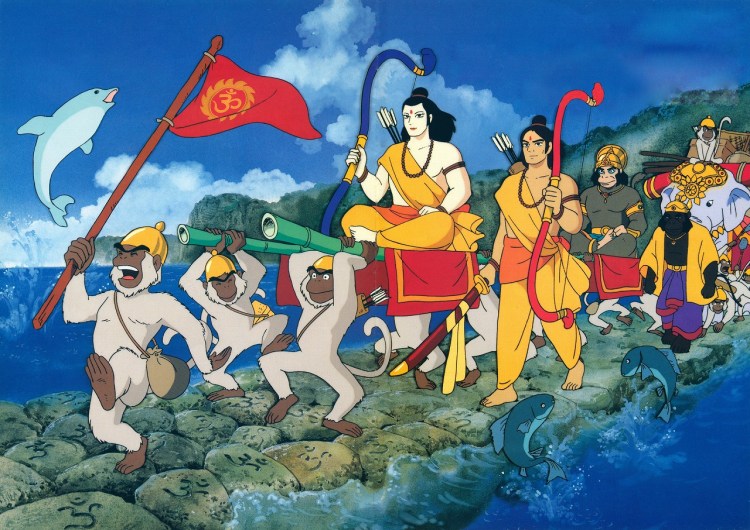
  • Ramayama – The Legend of Prince Rama – An exiled prince finds himself fighting an epic battle against the darkness when his wife is kidnapped by a demon king in this beautifully produced adaptation of the classic legend. Review.
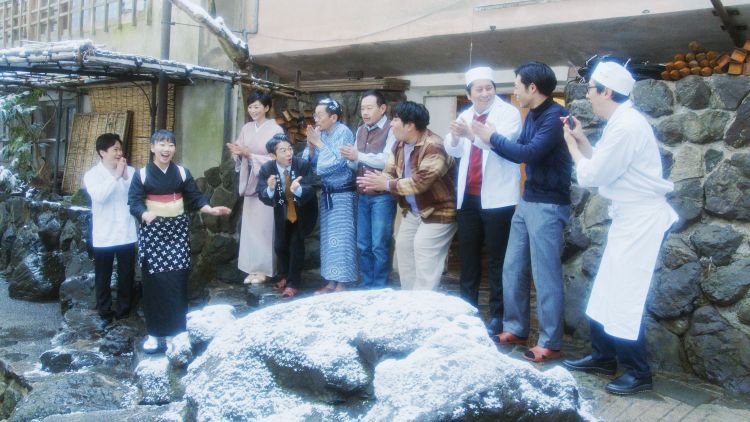
  • River – time loop comedy from the director of Beyond the Infinite Two Minutes set in a traditional inn near Kyoto.
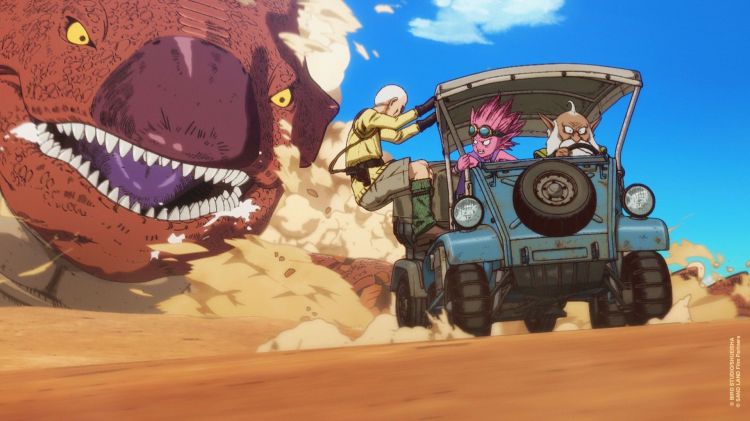
  • Sand Land – animation from Toshihisa Yokoshima based on the manga by Akira Toriyama.
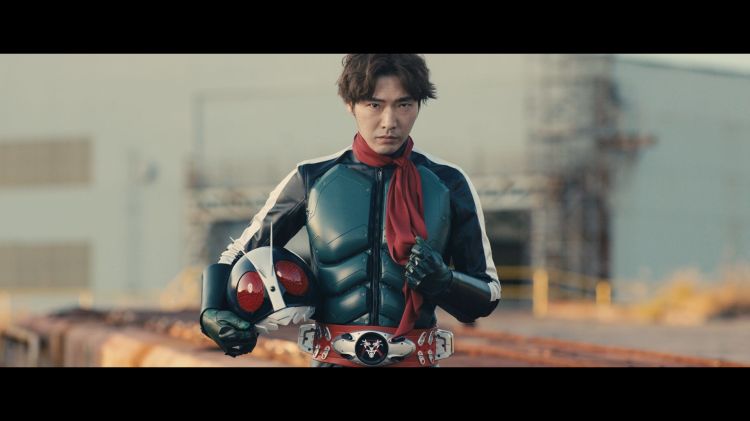
  • Shin Kamen Rider – Hideaki Anno’s take on the classic tokusatsu hero.
  • Tokyo Revengers 2 Parts 1 & 2 – the long-awaited two-part sequel to the timeslip drama.

Philippines

South Korea

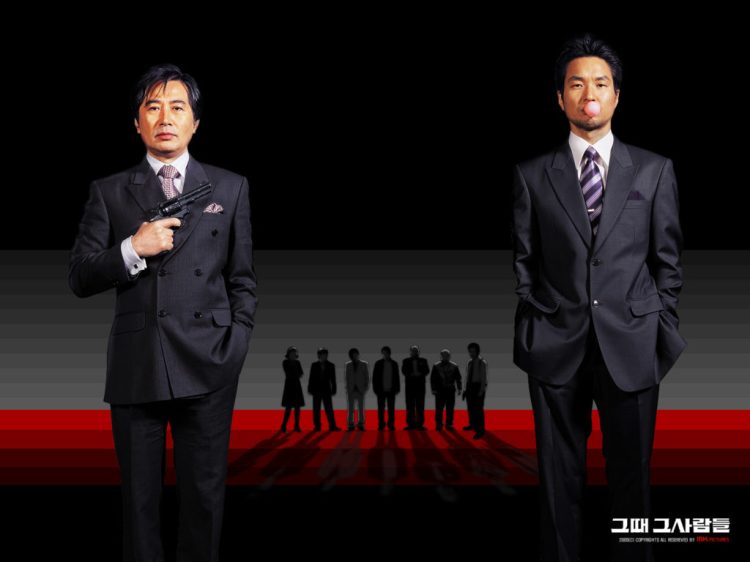
  • Chilsu and Mansu – Park Kwang-su’s 1998 classic starring Park Joong-hoon and Ahn Sung-ki as sign painters from either side of the divide in a newly democratised Korea. Review.
  • The Childe – latest thriller from Park Hoon-Jung in which an impoverished man from the Philippines travels to see his estranged father in Korea only to be hunted down by assassins.
  • Io Island – eerie folk drama the great Kim Ki-young starring Kim Jeong-cheol as tourism executive who travels to a remote island after the possible breaking of a taboo leads to a man’s death. Review.
  • The Devils – bodyswap horror in which a man seeking vengeance for his brother’s murder wakes up in the body of the man who killed him.
  • Killing Romance – madcap comedy in which a former star (Lee Ha-nee) teams up with a student (Gong Myoung) to kill her husband (Lee Sun-kyun).
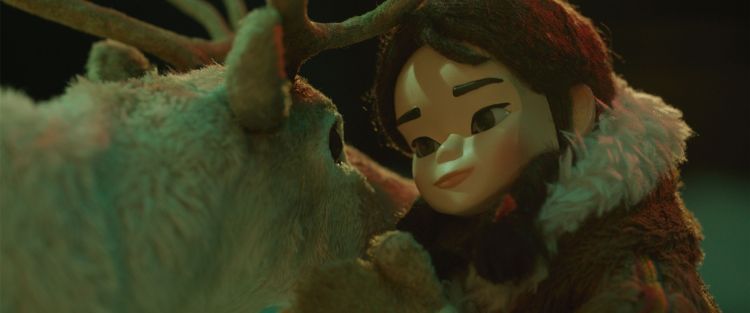
  • Mother Land – stop motion animation from Park Jae-beom.
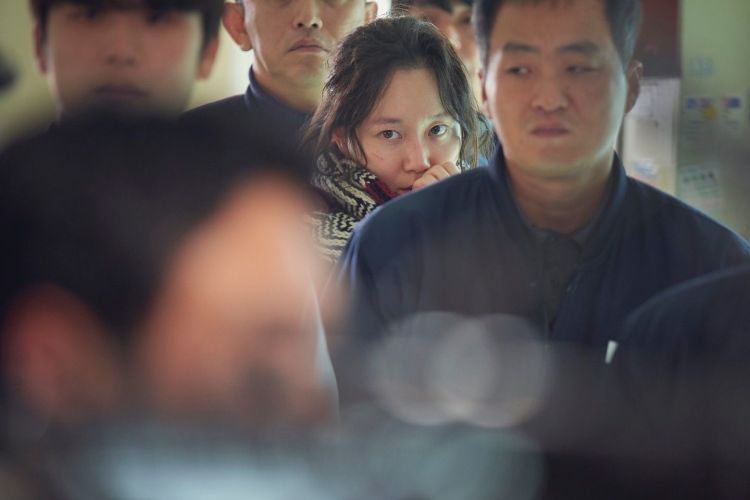
  • Ms. Apocalypse – poignant millennial drama in which a shy office worker agrees to cover up the embezzlement of her unrequited crush.
  • My Worst Neighbor – quirky romantic comedy in which warring neighbours fall in love in the middle of a noise dispute.
  • New Normal – horror anthology from Jung Bum-shik (Gonjiam: Haunted Asylum)
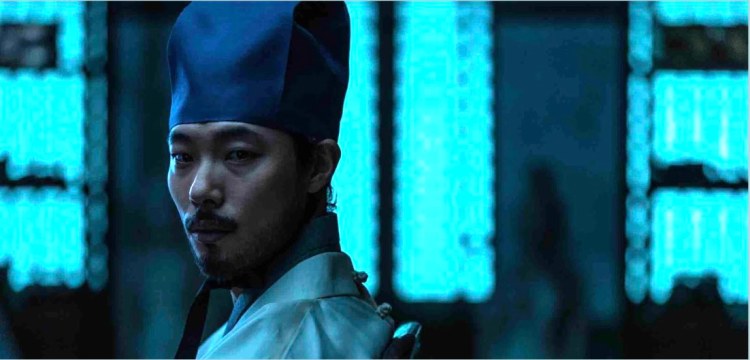
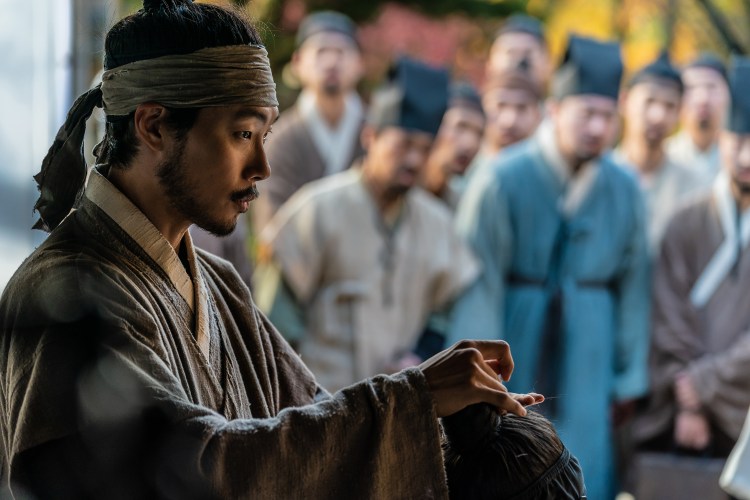
  • The Night Owl – period conspiracy thriller in which a blind acupuncturist witnesses the death of the crown prince.
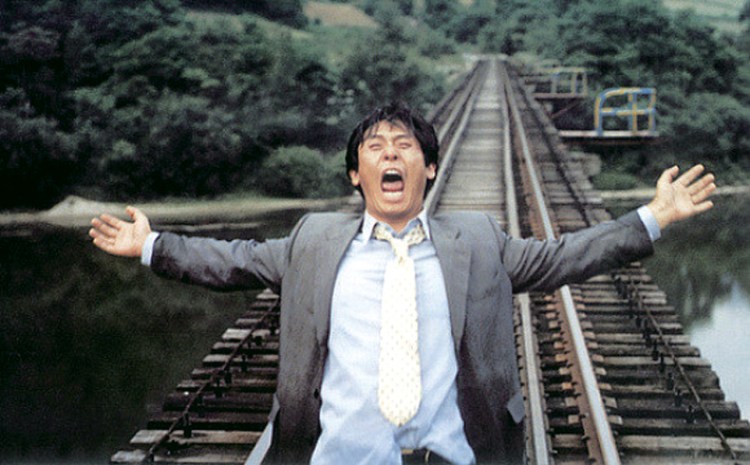
  • Peppermint Candy – Lee Chang-dong’s intensely moving drama following one man’s path backwards through decades of his nation’s turbulent history.
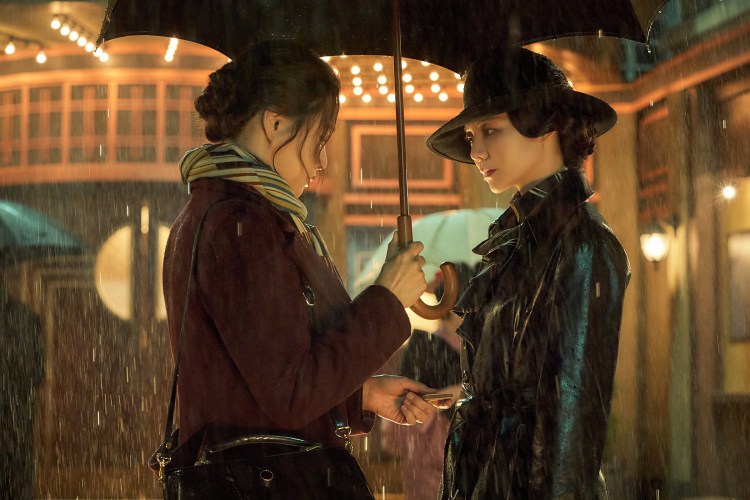
  • The Phantom – Colonial Era spy thriller meets drawing room mystery in this masterful drama from Lee Hae-young.
  • The President’s Last Bang – Im Sang-soo’s ironic take on the assassination of Park Chung-hee.
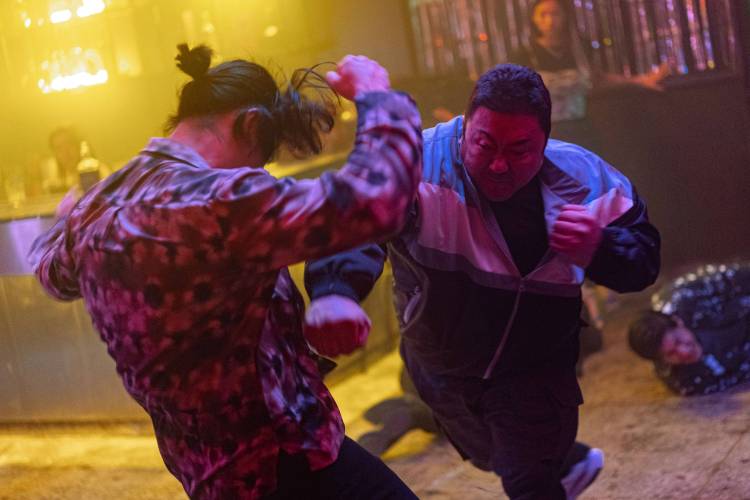
  • The Roundup: No Way Out – third instalment in the popular series starring Ma Dong-seok (Don Lee) as a maverick policeman.
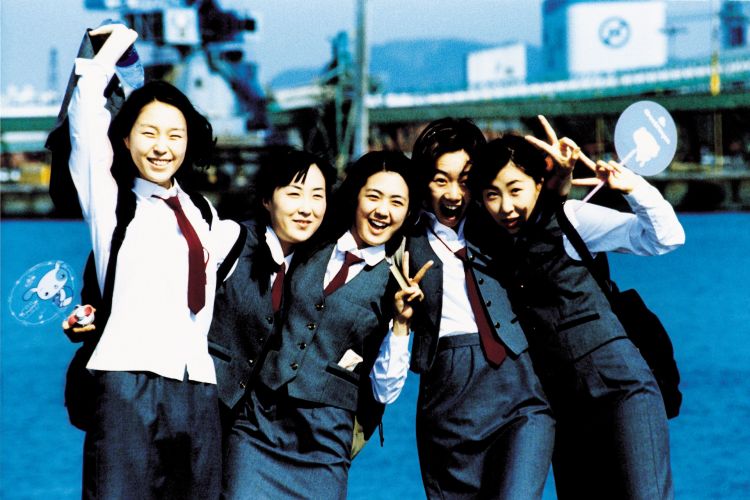
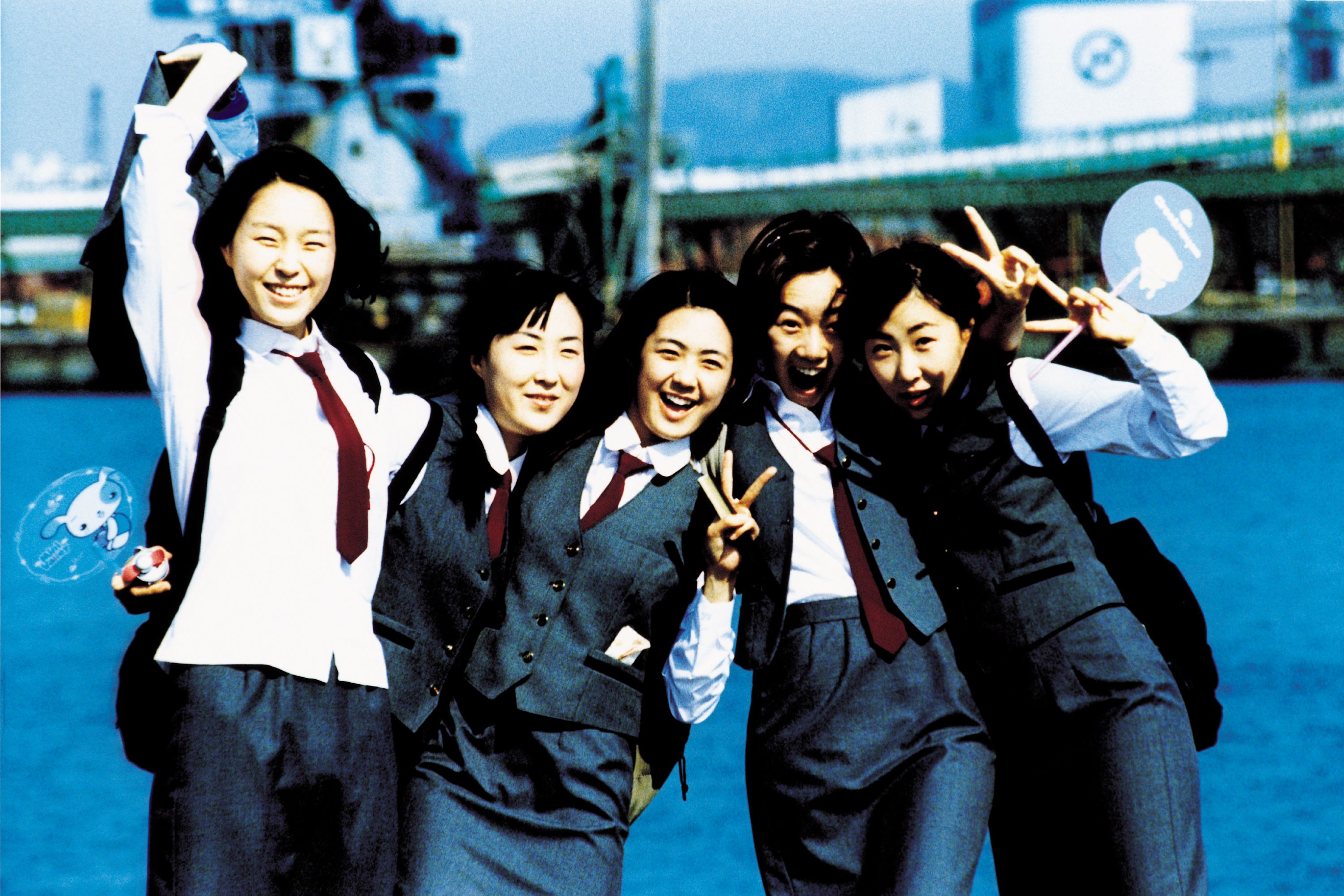
  • Take Care of My Cat – much loved female friendship drama from 2001 revolving around five friends heading in different directions after high school. Review.

Taiwan

  • The Abandoned – horror in which a grieving policewoman investigates a series of murders of migrant workers.
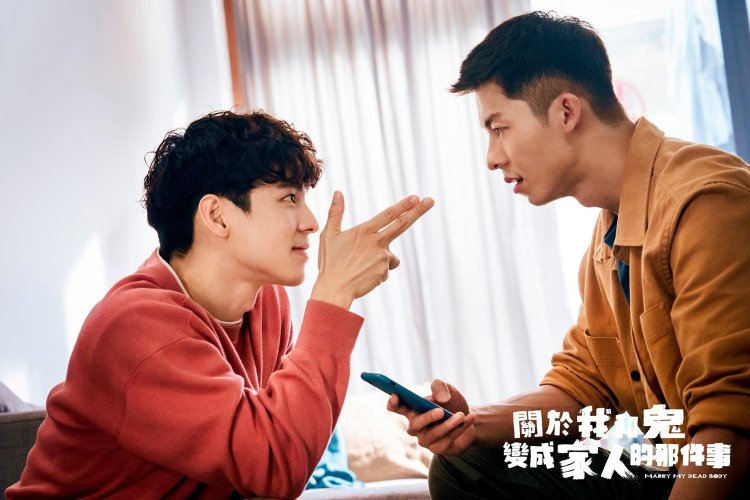
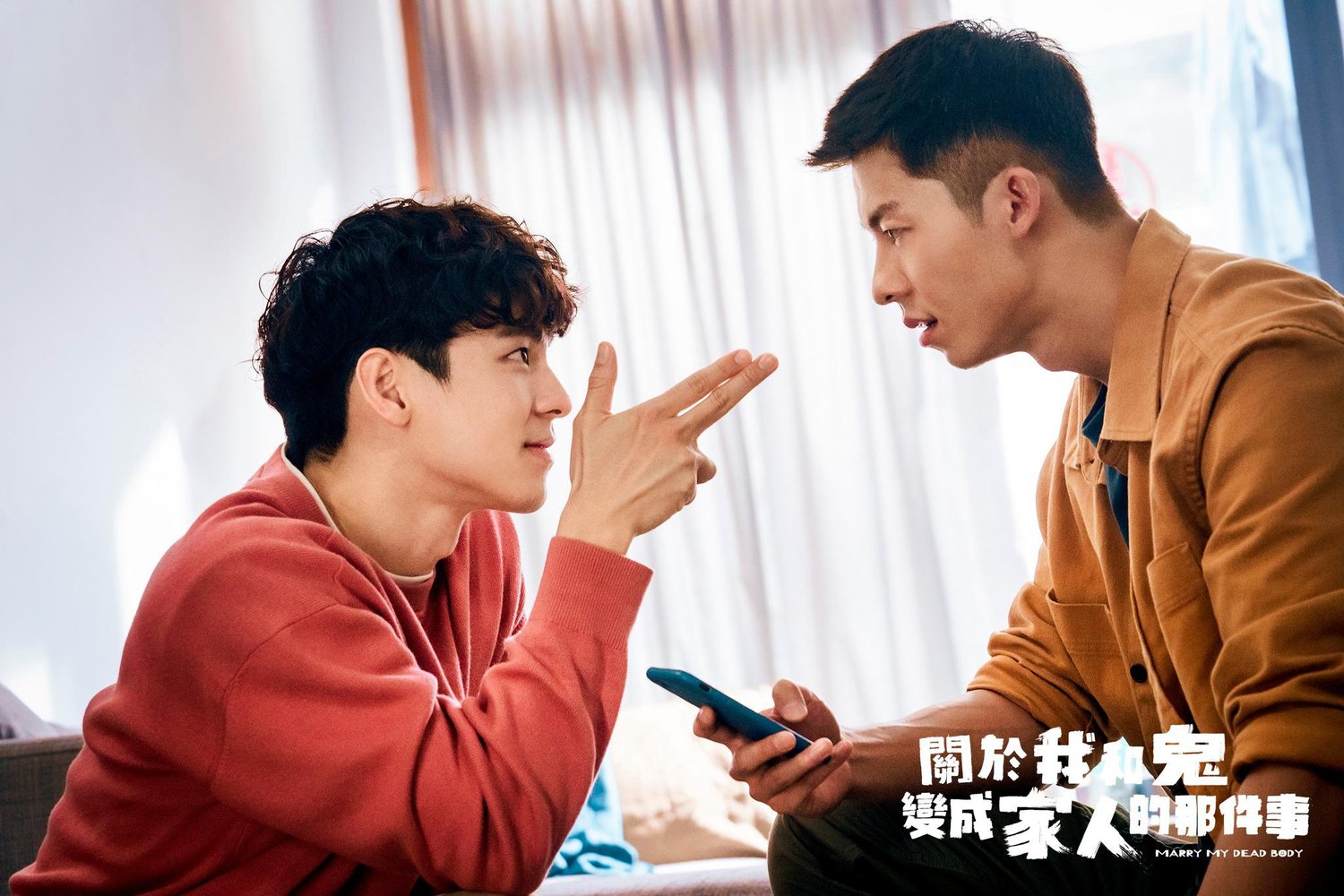
  • Marry My Dead Body – a police officer discovers a red wedding envelope but soon realises the proposal comes from the other side and it is the ghost of a murdered man who wants to marry him!
  • Miss Shampoo – quirky rom-com from Giddens Ko in which a gangster falls for a hairstylist after she hides him from bad guys.

The Fantasia International Film Festival runs in Montreal, Canada, July 20 to Aug 9. Full details for all the films along with scheduling and ticketing information are available via the the official website, and you can also keep up with all the latest news via the festival’s official Facebook pageTwitter account, Instagram, and Vimeo channels.

Fantasia Confirms Second Wave of Titles for 2023

The Fantasia International Film Festival returns to cinemas for its 27th edition taking place once again in Montreal from July 20 to Aug. 9. This year’s festival will have a special focus on South Korean cinema marking the 60th anniversary of diplomatic relations between the two nations including the latest blockbusters such as the third instalment in the popular Roundup series, and a screening of the 4K restoration of 2001 classic Take Care of My Cat. The complete programme will be announced later this month. Here are the East Asian Films so far confirmed for Fantasia 2023.

China

  • Deep Sea – visually rich animation from Tian Xiaopeng.
  • Journey to the West – a UFO obsessive journeys west in search of the meaning of life in Kong Dashan’s hilariously deadpan, absurdist epic. Review.

Hong Kong

  • Mad Fate – mad cap supernatural noir in which a fortune teller and “born psychopath” team up to solve a murder.

Japan

  • As Long as We Both Shall Live – light novel adaptation set in an alternate 19th century Japan in which a young woman is married off to a ruthless military commander.
  • #Manhole – a salaryman’s moment of triumph is disrupted when he falls down a manhole the night before his wedding in Kazuyoshi Kumakiri’s unhinged B-movie thriller. Review.
  • The First Slam Dunk – directorial debut of Takehiko Inoue, original author of the basketball-themed manga, following Ryota Miyagi as he takes centre stage at the Inter-High Championships.
  • Insomniacs After School – manga adaptation in which two high school loners team up to revive the astronomy club.
  • Kurayukaba – retro steampunk noir anime.
  • People Who Talk to Plushies Are Kind – a collection of sensitive uni students pour out their worries to cuddly toys to avoid burdening others with their fears in Yurina Kaneko’s charmingly empathetic drama. Review.
  • River – time loop comedy from the director of Beyond the Infinite Two Minutes set in a traditional inn near Kyoto.
  • Shin Kamen Rider – Hideaki Anno’s take on the classic tokusatsu hero.
  • Tokyo Revengers 2 Parts 1 & 2 – the long-awaited two-part sequel to the timeslip drama.

Philippines

  • In My Mother’s Skin – folk horror set at the end of the second world war.

South Korea

  • Killing Romance – madcap comedy in which a former star (Lee Ha-nee) teams up with a student (Gong Myoung) to kill her husband (Lee Sun-kyun).
  • Mother Land – stop motion animation from Park Jae-beom.
  • New Normal – horror anthology from Jung Bum-shik (Gonjiam: Haunted Asylum)
  • The Night Owl – period conspiracy thriller in which a blind acupuncturist witnesses the death of the crown prince.
  • The President’s Last Bang – Im Sang-soo’s ironic take on the assassination of Park Chung-hee.
  • The Roundup: No Way Out – third instalment in the popular series starring Ma Dong-seok (Don Lee) as a maverick policeman.
  • Take Care of My Cat – much loved female friendship drama from 2001 revolving around five friends heading in different directions after high school. Review.

Taiwan

  • Marry My Dead Body – a police officer discovers a red wedding envelope but soon realises the proposal comes from the other side and it is the ghost of a murdered man who wants to marry him!

The Fantasia International Film Festival runs in Montreal, Canada, July 20 to Aug 9. Full details for all the films will be available via the the official website in due course, and you can also keep up with all the latest news via the festival’s official Facebook pageTwitter account, Instagram, and Vimeo channels.

Fantasia Confirms First Wave of Titles for 2023

The Fantasia International Film Festival returns to cinemas for its 27th edition taking place once again in Montreal from July 20 to Aug. 9. This year’s festival will have a special focus on South Korean cinema marking the 60th anniversary of diplomatic relations between the two nations including the latest blockbusters such as the third instalment in the popular Roundup series, and a screening of the 4K restoration of 2001 classic Take Care of My Cat. The second wave of titles will be announced early next month with the full programme following in July. Here are the East Asian Films so far confirmed for Fantasia 2023.

Japan

  • People Who Talk to Plushies Are Kind – a collection of sensitive uni students pour out their worries to cuddly toys to avoid burdening others with their fears in Yurina Kaneko’s charmingly empathetic drama. Review.
  • Tokyo Revengers 2 Parts 1 & 2 – the long-awaited two-part sequel to the timeslip drama.

South Korea

  • Mother Land – stop motion animation from Park Jae-beom.
  • New Normal – horror anthology from Jung Bum-shik (Gonjiam: Haunted Asylum)
  • The Night Owl – period conspiracy thriller in which a blind acupuncturist witnesses the death of the crown prince.
  • The President’s Last Bang – Im Sang-soo’s ironic take on the assassination of Park Chung-hee.
  • The Roundup: No Way Out – third instalment in the popular series starring Ma Dong-seok (Don Lee) as a maverick policeman.
  • Take Care of My Cat – much loved female friendship drama from 2001 revolving around five friends heading in different directions after high school. Review.

The Fantasia International Film Festival runs in Montreal, Canada, July 20 to Aug 9. Full details for all the films will be available via the the official website, and you can also keep up with all the latest news via the festival’s official Facebook pageTwitter account, Instagram, and Vimeo channels.

Shari (シャリ, Nao Yoshigai, 2021) [Fantasia 2022]

From a distance, conflict and harmony can appear as the same thing or at least that’s how it was for the director of Shari (シャリ) seeing a mountain obscured by the weight of clouds seemingly in a constant battle of resistance with the wind. Later she comes to realise that what she was seeing wasn’t discord but two forces acting in concert with one another maintaining a kind of balance in the natural world. 

Balance may be something in danger of getting lost in the contemporary society as director Nao Yoshigai’s gentle voiceover explains. A documentary/fiction hybrid, Yoshigai wanders around Hokkaido in the winter talking to some of the residents of small-town Japan before shifting into a more environmental message as her interview subjects reflect on the effects of pollution and global warming. The seas are full of plastic while the absence of drift ice has led to a decline in fish populations. Bears have been observed coming down from the mountain but locals were less afraid than sorry hoping the bear would choose to return to its natural habitat and feeling just the littlest bit guilty on hearing it had been killed wondering if their presence is an incursion on its rightful home. Then again, two of the locals that Yoshigai talks to are newcomers from Tokyo who procured licenses to hunt deer and admit that essential life in this land of cold and snow is often difficult. Ironically enough, the woman suggests that they themselves have recovered a sense of being wild in their return to a more primitive way of life. 

In a way it’s that wildness, an ambivalence with an atavistic impulse that seems to captivate Yoshigai as a kind of spirit of the place. She recalls the first time she ate deer meat and that it caused her a sleepless night broken by strange dreams of being in a forest with bloodstained snow and encountering a little girl. Yet as the conclusion admits, we live taking heat from others as the woolly red creature often seen wandering through the town offers up its living blood. In another echo of the opening, two forces which ought to be at war turn out to be allies. The townspeople are fearful at the lack of falling snow explaining that in a roundabout way snow blankets the soil preventing it from freezing and preserving what lies below for the upcoming spring. 

It’s the weather that frightens some most in this age of sleepless bears who no longer have the urge to hibernate given the increasing temperatures. Yoshigai begins to feel responsible, as if her filmmaking has somehow confused the seasons, a feeling perhaps compounded when she returns to Tokyo in late January and finds it unseasonably warm while heavy snowfall is finally forecast for Shari. As another resident puts it, people in places like these had little choice but to learn to live with nature but nature is changing. Some had wanted to shift into hotels but others later won out arguing that nature was their greatest asset and must be protected though few seem to know how when the world is out of kilter and unlikely to stop its course towards self-destruction any time soon. 

In the end, however, Yoshigai’s prognosis is more hopeful recalling the battle between clouds and winds which was really a dance and certain that this perpetual motion has its own direction which can never be stopped. What we discover is nature red in tooth and claw as the Red Thing trudges through snow and smears its blood wherever it goes threatening in jest to consume the local children. Yet through her travels in Shari in summer sunshine and winter snow, Yoshigai comes to understand the pull of the place in its sheer elementality along with the sometimes eccentric residents such as former nomad who chose to settle down rearing sheep for wool and baking bread for sale, both things which are in their own way about warmth and comfort in a cold and unforgiving place. Sleepless bears are all we are, eyes strained by oncoming catastrophe stumbling around a world in the midst of melting until someone puts us out of our misery but continuing to hope for a blanketing of snow as a sign of possible salvation. 


Shari screened as part of this year’s Fantasia International Film Festival

Festival trailer (English subtitles)

The Fifth Thoracic Vertebra (다섯 번째 흉추, Park Sye-young, 2022) [Fantasia 2022]

A strange fungus growing on an old mattress slowly takes human form while feeding on loneliness and misery in Park Sye-young’s melancholy experimental feature, The Fifth Thoracic Vertebrae (다섯 번째 흉추, daseos beonjjae hyungchu). The Fifth Thoracic Vertebrae is near enough the one closest to the heart, and the one the growing creature is prone to rip out of its unsuspecting victims as it travels towards its uncertain evolution. Yet there is a strange sort of wistfulness that accompanies the mattress’ journey as if a new world were being born, one birthed in pain and anguish but with a yearning for love and connection even in the depths of its loneliness. 

The mattress is to begin with one purchased by a young couple about to move in together but soon becomes a symbol of their doomed love. While the mattress leans against a pillar outside an apartment building, a rude removal man swears at the young woman on the phone apparently unable to gain access. The boyfriend was supposed to let them in, but as we discover he’s fallen asleep and the girl must now abandon her plans to carry the mattress up the stairs herself and position it around his sleeping body. The film had explained to us that we are still some days away from the creature’s birth but we can soon see spores collecting on the mattress as a symbol of the relationship’s demise. When the couple finally break up, the boyfriend notices the mould but simply flips the mattress over as if that will solve all of his problems. 

Slowly but surely, the mattress travels all around the contemporary society in which many are it seems remarkably unfussy about the condition of a mattress they do not intend to sleep on themselves. It first ends up in a love hotel where it witness another breakup, resentment between the lovers soon giving way to sorrow and finally neediness as they consent to part. Now grown enough in strength the mattress creature rips out their vertebrae though it’s unclear whether it does so to relive them of their pain or merely to consume it. 

Abandoned again by the irritated landlord cross with his customers for being too stuck up for a mattress which he thinks is perfectly fine if you just flip it over and forget about the admittedly “disgusting” growths on the underside, the creature finds a new home with a terminally ill woman who seems to have some kind of rare disease which requires her isolation though seemingly because of some kind of stigma rather than for any medical cause. It’s distressing to think that anyone would give such a soiled, unsanitary thing to a dangerously ill woman though she seems to have become aware of the creature and views it almost as a friend reaching out in her own loneliness and charging it with a letter for her daughter she fears the nurses will otherwise burn with her body. It seems they do not burn the mattress, but seek to get rid of it while recommending it be purified through exorcism but of course the removal people are far too cheap for that. 

In any case, the mattress creature soon finds an affinity with the van driver who is celebrating his 37th birthday alone on the road with a sad slice of cake and a single candle while listening to teach yourself English tapes in search of meaningful connections. Perhaps it makes sense that along with sweat, dead skin, and other things we unknowingly shed, we leak sadness and pain into a space of comfort and safety feeding a creature of loneliness and desire with the physical remnants of our emotional selves. What survives of us is less love than its unanswered call, an undeliverable letter becoming a sort of holy text for a new form of life that may long survive us. Filmed with a dreamy poeticism and sudden shocks of eeriness in its ominous lighting and sci-fi score, Park’s oneiric drama nevertheless beats with a melancholy pulse of frustrated desire in which all connection is fleeting and love births only loneliness in a world in which a mattress knows us best of all. 


The Fifth Thoracic Vertebra screened as part of this year’s Fantasia International Film Festival

Trailer (English subtitles)

Seire (세이레, Park Kang, 2021) [Fantasia 2022]

A new father finds himself plagued by strange dreams and an unquiet dread in Park Kang’s eerie paternal horror, Seire (세이레). Seire refers to the first three weeks of a baby’s life in which the family is expected to limit external contact and avoid any taboos especially those having to do with death. Such superstition might seem out of place in the modern society but then when you think about it it makes sense, limiting the number of people interacting with your medically vulnerable newborn helps protect it from illness or infection while dealing with grief in the wake of new life is necessarily difficult. 

Even so, Woo-jin (Seo Hyun-woo) is beginning to get fed up with his wife Hae-mi’s (Shim Eun-woo) obsession with ritualistic superstition. “Don’t engage in anything unusual” she ominously instructs him as he leaves to run an errand after a night of fevered dreams sleeping on the sofa. That Woo-jin is tired isn’t surprising, he’s the father of a newborn after all, but he seems to be weighed down by something more than bodily fatigue and has been having strange visions featuring fruit knives, rotten apples, and a woman who is not his wife. When he receives a text informing him that an old friend from university, Se-young (Ryu Abel), has passed away, Hae-mi tries to talk him out of going to the funeral advising him to send money instead rather than risk breaking a taboo during the baby’s Seire but Woo-jin doesn’t really believe in any of this stuff and not going to the funeral’s not really an option for him especially, as we later realise, as he may have had unfinished business with the deceased. 

Superstition becomes an odd kind of fault line in the couple’s relationship not so much in a matter of belief but of commitment. Hae-mi reads Woo-jin’s reluctance to abide by the superstitious practices she’s been taught as an early paternal failure, a sign that he wasn’t interested enough in his son’s welfare to follow a few simple rules for a period of three weeks while Woo-jin equally sees Hae-mi’s insistence on them as a personal rejection which is on one level fair enough when she’s literally pelting him with salt and refusing to let him into their bedroom let alone near the baby. To divert the misfortune born of attending the funeral, Hae-mi asks Woo-jin to commit three acts of theft, telling him that it won’t harm anyone and then they’ll be able to stop worrying except that it will definitely harm someone and perhaps everyone if Woo-jin gets caught and ends up losing his job. 

Despite claiming not to believe in any of this superstition, Woo-jin is very into traditional medicine and it seems there may be a connection to the strange events around him though it might not explain his fractured state of mind or increasing inability to tell dream from reality. He is quite literally haunted by the manifestation of a previous transgression which is already playing on his mind given his recent fatherhood. Paternal anxiety is indeed at the root of all his troubles, though we can also see that he feels belittled by his wealthy brother-in-law who makes a show of buying all the fancy meat for a family dinner while it later becomes clear that his relationship with Hae-mi is newer than we might have assumed and cemented by the birth of a baby Woo-jin may perhaps on some level resent. But it’s his own guilt that haunts him in the end, failing to deal with the implications of his past actions and their result whether by accident or design. 

Drifting between dream, memory, and a confused reality, Park imbues the everyday with a sense of dread and eerieness defined by an ever-present evil which must be constantly warded off though as it turns out Woo-jin’s darkness very much lies within. Some things you think are just superstitions really aren’t, Hae-mi’s sister annoyed by her superstitious mother’s instruction not to eat lettuce while pregnant which is probably more to do with E. coli than fear of a supernatural curse, though there seems to be no real reason why you shouldn’t eat apples at night save the superstition they cause unrestful sleep. Is this all happening to Woo-jin because he broke a taboo? In many ways yes, and his self-haunting seems set to continue in the impossibility of gaining forgiveness for the unforgivable. 


Seire screened as part of this year’s Fantasia International Film Festival

Original trailer (English subtitles)
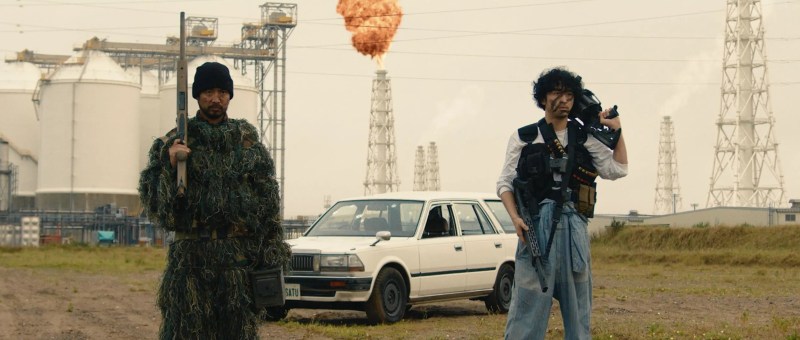
Dr. Lamb (羔羊醫生, Danny Lee Sau-Yin & Billy Tang Hin-Shing, 1992) [Fantasia 2022]

“Every good man should get revenge” the young protagonist of Danny Lee Sau-Yin and Billy Tang Hin-Shing’s depraved Cat III shocker Dr. Lamb (羔羊醫生) is told though as will become apparent, he is not a good man and if his heinous crimes are born of vengeance the target may remain indistinct. Long available only in a censored version which perhaps helped to create its gruesome reputation, the film like others in the early ‘90s Cat III boom is based on a real life case, that of taxi driver Lam Kor-wan who murdered four female passengers before being caught by police when an assistant at a photo shop alerted them to the disturbing quality of the negatives he had brought in to be developed. 

As such, the film is not a procedural. It begins with the arrest of a man here called Lin Gwao-yu (Simon Yam Tat-Wah) who claims the negatives are not his and that he brought them in on behalf of a friend named Chang (which is also coincidentally the name of the half-brother he continues to resent). On investigating the flat where he lives with his father, half-siblings, and niece, the police realise that Gwao-yu is in indeed a serial killer and the rest of the film is divided into a series of flashbacks as they try to convince him to confess and reveal how and why he committed these crimes the last of which he actually videoed himself doing. 

Nevertheless, the police themselves are depicted not quite as bumbling but certainly not much better than the criminals they prosecute in their own lust for violence, savagely beating Gwao-yu who refuses to speak in order to force him to confess. Fat Bing (Kent Cheng Jak-Si) is portrayed as a particularly bad example, encouraging the other cops to play cards rather than focus on their stakeout of the photo shop almost allowing Gwao-yu to escape and then titillated by the more normal pinups and glamour shots pinned to Gwao-yu’s wardrobe as well as some of the less normal ones before realising that the women in them are dead. There is some original controversy over whether they should be investigating at all given that taking weird pictures of nude women is not in itself illegal while the misogynistic attitudes of the police are carried over onto one of their own officers who is forced to play the part of the victim during a re-enactment and is later struck by a stray body part as a result of Fat Bing’s crime scene incompetence. One of the murders even takes place directly outside a police box where the victim had tried to ask for help but got no reply.

Pressed for a reason for his crimes Gwao-yu offers only that all but the last of his victims were bad women who deserved die, each in a repeated motif fatalistically colliding with his cab and crawling inside having had too much to drink. Flashbacks to his childhood place the blame on his wicked step-mother’s rejection along with that of his siblings while his father alone defends him if somewhat indifferently, describing him as merely “curious” on catching Gwao-yu voyeuristically spying on he and his wife having sex and disowning him only on discovering that he has also been abusing his niece who is strangely the only member of the family who seems to be fond of him. Yet it’s also this problematically incestuous living environment that has facilitated his crimes. Gwao-yu takes the bodies home to play with and dismember having the house to himself during the day because he works nights while continuing to share a pair of bunk beds with the brother he hates at the age of 28 either unwilling or unable to get a place of his own on a taxi driver’s earnings. Aside from his brother noticing a strange smell, the family who all think him weird anyway apparently remain oblivious to Gwao-yu’s crimes despite the jars containing body parts he keeps in a locked cupboard along with disturbing photographs of his dark deeds. Nevertheless it’s their police-sanctioned beating of him which eventually provokes his confessions. 

Set off by rainy nights, Gwao-yu twitches, gurns, and howls like a dog leering at his victims like a predatory wolf. In the police interrogation scenes he continues with his strange, dancelike movements as if in a trance reliving his crimes. The truth is that the police had not really investigated the disappearances of the women he killed, had no clue a serial killer was operating, and would not have caught Gwao-yu if it were not for his own lack of interest in not being caught in taking the photos to be developed publicly despite claiming to have the ability to have simply developed them himself while videoing his brutal treatment of one victim’s body and his disturbing “wedding night” with another. A final scene of Inspector Lee visiting Gwao-yu in prison visually references Clarice’s first visit to Dr. Lecter in Silence of the Lambs which might go someway to explaining the title which is otherwise perhaps ironic in Gwao-yu’s ritualistic use of a scalpel and specimen jars. In any case for all its lurid, disturbing content the film has a strange beauty in its atmospheric capture of a neon-lit Hong Kong stalked as it is by an almost palpable evil. 


Dr. Lamb screened as part of this year’s Fantasia International Film Festival and is available on blu-ray in the US courtesy of Unearthed Films.

Original trailer (no subtitles)