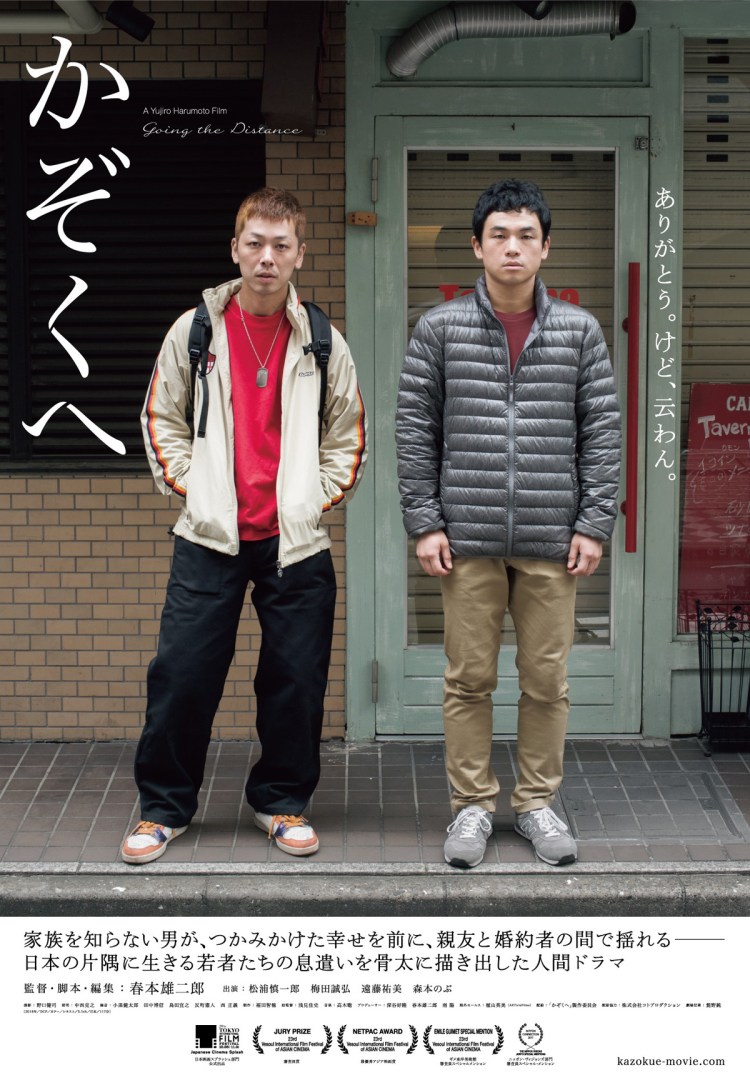
Going the Distance (かぞくへ, Yujiro Harumoto, 2016)

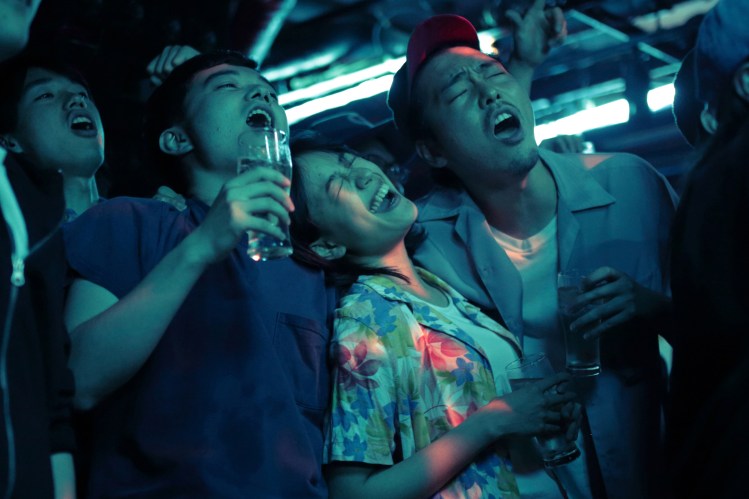
going the distance posterThe “family drama” is often regarded as Japanese cinema’s representative genre, but in the consumerist atmosphere of the late 20th century the family itself became an increasingly discredited concept. Nevertheless, it remains true that discriminating against those who have no family is the last acceptable prejudice with orphans in particular unfairly viewed as somehow untrustworthy, rejected by mainstream society, and denied both work and the possibility of starting a family of their own. The hero of Yujiro Harumoto’s debut feature Going the Distance (かぞくへ, Kazoku e) thinks he has everything finally back on track with a steady job and an engagement to a middle-class secretary, but his good heart coupled with his precarious social status seem set to ensure his new start is a non-starter.

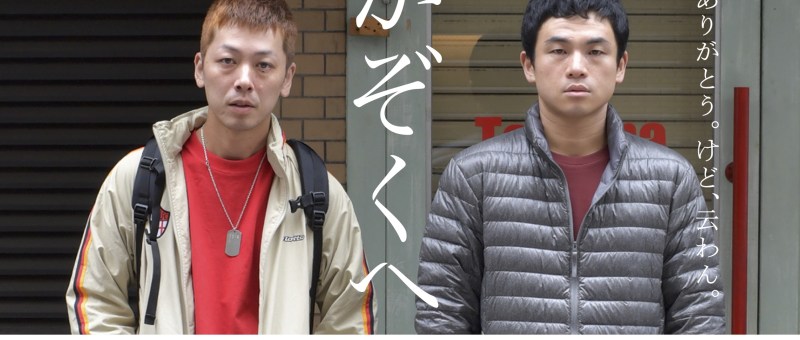
Raised in an orphanage in the Goto Islands, Asahi (Shinichiro Matsuura) now lives in Tokyo with this fiancée Kaori (Yumi Endo) for whom he has given up his boxing career to work as a trainer in a gym. Though Kaori, superficially at least, does not care that Asahi is a man with no family, she is a little preoccupied about how it’s going to look that his “family table”  at the reception will be largely unoccupied because he’s only planning on inviting his “brother” from the orphanage, Hiroto (Masahiro Umeda), and his wife.

Hiroto still lives in Goto and works as a fisherman. Hoping to help him out, Asahi sets him up with a man from his gym, Kita (Nobu Morimoto), who is opening a restaurant specialising in super fresh fish. The meeting goes extremely well and earns Hiroto a hefty contract that convinces him he needs to take out a loan to get a bigger boat. Unfortunately, however, Kita turns out to be a crook and Hiroto ends up well out of pocket, not only for the loan but for all the fish he never gets paid for.

Feeling intensely guilty and somewhat responsible, Asahi wants to do everything he can to put things right for Hiroto, even suggesting to Kaori that they postpone the wedding so that he can give part of the money they’ve saved to help take care of his debts. As predicted, Kaori is not happy about the idea, not least because she’s repeatedly explained to Asahi that she needs to get married as soon as possible because she wants her grandmother, who is suffering with dementia, to be able to attend the wedding while she’s still well enough to know what’s going on.

Unbeknownst to Asahi, one of the reasons Kaori is so keen on her grandmother attending is that her mother almost certainly won’t. Despite telling Asahi that her mother is lukewarm on the idea but coming round, the truth is that she won’t even talk to her, rudely rejecting the invitation and vowing that she’s no interest in seeing her daughter throw her life away on a man with no family and no prospects. In fact, Kaori’s mother crassly makes a point of sending her omiai photos for potential arranged marriages to more “suitable” men – ones from “good families” matching her own class background. Kaori wastes no time in calling her a “bigot”, accusing her of indulging in an outdated and offensive prejudice against the orphaned that regards them as untrustworthy because they have no history and are not anchored to anyone who might be held responsible for their actions.

Yet, despite her anger towards her mother Kaori is not quite free of those same prejudices, snapping back at Asahi that he wouldn’t understand what she’s going through because he had no parents of his own. She keeps the drama a secret from him to avoid having to admit that her family oppose the marriage solely because he is an orphan, partly wanting to spare his feelings and partly aware that Asahi is a good and noble man who might choose to absent himself rather than force her to choose between the man she loves and her family.

Meanwhile, Asahi does something similar in refusing to confide in Kaori about everything that’s going on with Hiroto, partly out of guilt and embarrassment, and partly out of shame in knowing that he is on some level betraying her by choosing to save Hiroto rather than prioritise their marriage. He wants to make things right, put them back to the way they were before, but he has an impossible choice – either reject his responsibility to his brother who is also a good and kind man and would not want to cause him trouble in his relationship, or neglect his new responsibilities to his soon-to-be-wife.

Unfortunately, the couple elect to go on deceiving one another, intending to protect but causing only more harm. It may be the case that they’ve rushed into marriage because of Kaori’s grandmother’s precarious health and Asahi’s hopes for a solid family foundation, but their previously happy relationship is eventually eroded by a gradual disillusionment born of refusing to rely on each other, continuing to fight separate battles rather than combine their efforts to fight them together. Faced with the realisation that he may have ruined his relationship by his own foolishness in trying to help a friend with a problem that was really none of his responsibility, Asahi begins to reject Hiroto, giving up on the idea of “family” in its entirety in mistaken resentment towards his brother for a series of decisions that were entirely his own. Nevertheless, what he discovers is that true family isn’t always about blood ties but about people who will always be there for you no matter what you do. Asahi wasn’t quite as alone as he thought he was, but only by admitting his mistakes, accepting his responsibilities, and finally allowing himself to confide in and rely on others can he truly begin to build a family anchored by something deeper than blood.


Going the Distance was screened as part of the 2019 Five Flavours Film Festival.

Original trailer (English subtitles)

Heavy Craving (大餓, Hsieh Pei-ju, 2019)

Heavy Craving poster 1“Just look at yourself” the heroine of Hsieh Pei-ju’s Heaving Craving (大餓, Dà È) is constantly told, as if she should simply know why she’s not getting on in life. Ying-juan (Tsai Jia-yin) is a larger lady in a culture which prizes conformity, insisting on its own narrowly defined notions of “beauty” and rejecting all which lies outside them. Though she’s perhaps “happy” in herself, at least to a point, Ying-juan harbours an intense sense of inferiority which is not helped by her emotionally distant yet judgemental mother whose less than gentle prodding presents an additional barrier to her daughter’s forward motion.

When we first meet Ying-juan, she’s buying a trolly full of puddings from the supermarket, in fact clearing out their entire stock. A woman behind her complains that she can’t see any on the shelves, noticing that they’re all in Ying-juan’s trolley and silently judging her, assuming that she’s going to eat them all herself. Ying-juan takes a box out and gives them to the woman, well accustomed to this kind of disapproval though as we later discover the puddings were actually for the kids at the school where she is temporarily working as a cook. These kinds of micro-aggressions are a constant occurrence in Ying-juan’s everyday life. She tries to give up her seat on a bus to an elderly lady, but everyone tells her to sit down because she’ll block the aisle. She thinks about getting another job in a restaurant but realises that the kitchen is too narrow for her to move about freely, and then there are horrible kids in the street who like to throw eggs at the local “fatso”.

Despite her kind heart and affable nature, Ying-juan is constantly told that she’s undesirable and that her unconventional looks are an embarrassment to those around her. Ying-juan’s mother (Samantha Ko Hoi-ling), a skinny, elegant woman, practices yoga and puts great effort into being presentable. She’s “ashamed” to introduce her daughter looking as she does and constantly makes excuses, eventually signing her up for weight loss courses as a “birthday present” under the pretext that she’s trying to help Ying-juan get her mojo back so she can get going with a “proper” career and perhaps a relationship.

The weight loss courses, which we are first introduced to by means of a creepy advert, are almost akin to a dodgy cult promising to introduce participants to their “better selves”. Ying-juan is not really invested and somewhat dismissive of the the impatient life coach’s theatrical manner, but after she meets a handsome delivery driver, Wu (Chang Yao-jen), who comes to her defence when a neighbour tries to sexually assault her, she decides to give them a go. Though she tries to follow their guidance even as they try to sell her expensive “supplements”, treatments, and finally an operation, Ying-juan cannot seem to lose the weight, leading her to feel even more inadequate that she did before.

Underneath it all, she wonders if anyone is going to like the “real” her, that perhaps her size wasn’t the problem and she’s just not someone people will want around whether she conforms to their desires or not. A caring and nurturing person, Ying-juan loves to cook but her mother doesn’t even come home in time for her birthday dinner, which she cooked herself because going to restaurants is no fun when people judge you for what or how much you’re eating.

Judgement is indeed the primary problem, and when it’s connected to your appearance that’s something you cannot hide. Wu, confiding in her that he used to be bigger himself, tells Ying-juan that he eventually came to the conclusion that changing other people is too hard, it’s faster to change yourself, but his words have a rosier connotation than it at first seems in that it’s not so much that Ying-juan needs to lose weight as it is that she needs to feel more comfortable in herself so that she’s not enduring judgement but actively rejecting it. It’s a lesson she begins to discover after bonding with a lonely little boy, Xiao-yu (Chang En-wei), whom she accidentally discovers likes to wear dresses.

Like Ying-juan’s mother, Xiao-yu’s does not approve of her son’s difference and has apparently already sent him to several doctors to try and get it fixed. Because he doesn’t like upsetting his mum, Xiao-yu vowed not to wear girls’ clothes anymore, but living with shame and repressing a part of your true self is a painful and heavy thing, especially for a child. The mothers might say that they’re looking out for their kids, that they know their lives will be harder if they seem to be “different” and that therefore they want them to fit in and be “likeable”, but it’s also true that they are embarrassed and ashamed to have have children that don’t “measure up” to the norm, preoccupied with the way their difference reflects on them as people and as parents.

Luckily, Xiao-yu has a friend like Ying-juan who tells him that it’s OK to be himself and there’s nothing wrong in liking to wear pretty dresses even if she hasn’t quite learned to extend herself that same generosity. After trying everything and finally being robbed of her sense of taste, she begins to rediscover what’s important seeing a chubby little boy living his best life by thoroughly enjoying a tasty sandwich and radiating joy, while a pair of skinny women walk past grumpily judging others for their lack of self-control when they themselves are wilfully repressing their desires and probably a little bit miserable on the inside. The creepy self help video from the beginning was right in one respect, in that what Ying-juan craves is happiness but that’s not something you find by following other people’s arbitrary rules, only in accepting yourself and embracing joy where you find it.


Heavy Craving was screened as part of the 2019 Five Flavours Film Festival.

Original trailer (Traditional Chinese / English subtitles)

Flowers of Evil (惡の華, Noboru Iguchi, 2019)

Small-town ennui is something familiar to many who’ve found themselves feeling somewhat out of place in the place they’ve always been, but rebellions usually take less obvious forms than the nihilistic rejection of bourgeois respectability enacted by the conflicted hero at the centre of Noboru Iguchi’s Flowers of Evil (惡の華, Aku no Hana). Iguchi is best known as a director of made for export splatter exploitation, so it might come as a surprise to his fans to see him take on the admittedly dark but largely gore-fee adaptation of Shuzo Oshimi’s coming-of-age manga.

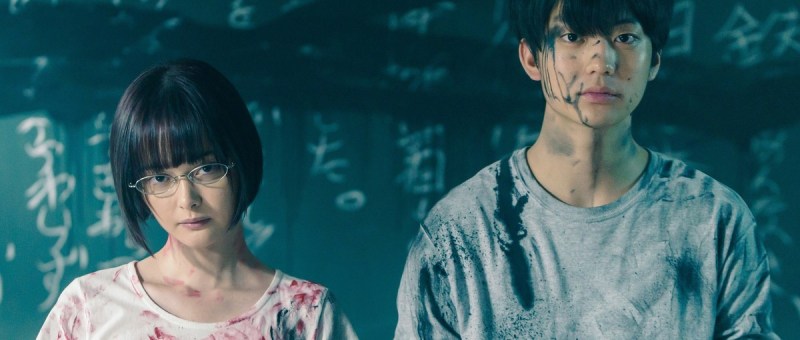
Takao (Kentaro Ito), a “regular” high school boy, likes to read “difficult” books such as the poetry collection by Charles Baudelaire from which the film takes its title. He feels himself somewhat above his surroundings, but superficially conforms to the ordinary world around him. Like many of his classmates, he’s developed an adolescent crush on the school’s prettiest girl, Nanako (Shiori Akita), but unlike his friends views her as his “muse”, a pure and untouchable figure of unspeakable desire. Nipping back to the classroom alone to retrieve a forgotten book, he spots Nanako’s gym bag lying on the floor and cannot resist opening it, burying his face in her clothes. Panicked after hearing someone nearby, he takes the bag home with him.

Everyone immediately knows that a “pervert” is responsible for the theft, they just don’t know who it is. Except for the class’ resident strange girl, Sawa (Tina Tamashiro), who apparently witnessed Takao’s descent into perversion in real time. She makes him a deal – write an essay all about what a big pervert he is and she’ll kept his secret in friendly complicity seeing as she is a kind of “pervert” too. Sawa, who is much more obviously “different” than Takao and completely unafraid of embracing it, is convinced that their town is entirely inhabited by “Shit Bugs”, and they are the only elevated beings. Uncomfortable with her own desire, Sawa’s behaviour becomes increasingly intense when Nanako unexpectedly expresses an interest in Takao, apparently impressed that he was so “upfront with his feelings” and willing to stand up for Sawa when she was accused of being a (but not the) thief.

Takao tells Sawa that he just wants to be “normal”, to be the kind of man Nanako could desire. Just another confused teenage boy, he doesn’t yet know who he is or what he feels and is, in a sense, consumed by the sense of emptiness that comes of lacking self-knowledge. He masks his sense of intellectual inferiority by feigning sophistication, spending his free time in second hand bookshops reading the accepted canon with a typically teenage obsession with death and despair. But as he is later forced to admit, he did so largely in order to feel superior. He doesn’t truly understand much of what he read and lacks the maturity to accept his confusion. Nanako challenges him in more ways than one – by calling him on his wilful repression of his desires, and by confronting him about his obsession with Flowers of Evil, a “difficult” book which try as she might she can’t understand. She doesn’t “get” Baudelaire, and she doesn’t “get” Takao because of it, but Takao doesn’t “get” Takao either because he thinks he’s a book filled with blank pages, that if you open the cover there’s really nothing interesting there, just a giant void of emptiness.

Three years after stealing the gym bag, Takao describes his new environment as infinitely grey as if devoid of any sense of life, whereas the climactic summer is coloured by a vibrant greenery he claims to be equally oppressive. Fed up with small-town life, both Takao and Sawa long for a mythical “beyond” on the other side of the mountains which trap them within the claustrophobic environment of their provincial existence. They kick back against small-town conservatism with childish shows of resistance which culminate in a very public act of self-harm dressed as societal attack, but remain unable and unwilling to address the real cause of their frustration in their adolescent inability to accept that desire itself is not “perverse” or somehow sullying some grand romantic notion of pure and innocent love.

Unable to process his desires, Takao remains unable to progress into adulthood and become, as Sawa later chides him, a “regular human”. Normality is, however, what he eventually chooses, reverting to the anxious bookworm he always was only having moved forward in learning to let something go, whereas Sawa perhaps feels that she has no other option that to accept her own “perversion” and be exiled by it. Takao discovers an internal “beyond” and tries to share it with Sawa, but she is looking for something else and cannot join him in the “regular” world to which he is always going to return. Iguchi dedicates the film to all those who are or were tormented by youth, allowing his tortured hero to find his path towards an integrated selfhood, but resists the temptation to belittle his suffering as he strips himself bare to exorcise the emptiness inside.


Flowers of Evil was screened as part of the 2019 Five Flavours Film Festival.

Original trailer (no subtitles)

https://youtu.be/2sXTkrHo2Ls

Five Flavours Confirms Complete Programme for 2019

Fly Me to the Saitama still 1Poland’s premier showcase for East Asian cinema Five Flavours has confirmed the complete lineup for its 13th edition to take place in Warsaw from 13th to 20th November, 2019. This year’s festival will have a special focus on contemporary Japanese indie cinema as well as a mini retrospective dedicated to Hong Kong’s Fruit Chan.
Bhutan 

red phallus still 1

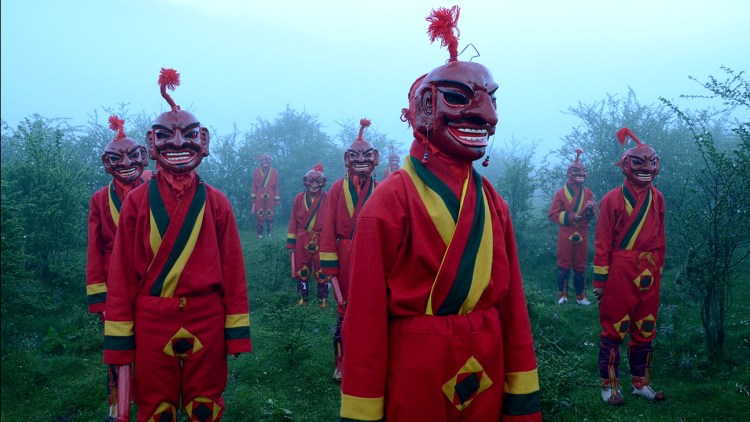
  • The Red Phallus – a 16-year-old girl is mocked by her peers because her father carves wooden phalluses for a living.

China

jinpa 1

  • Balloon – Tibetan-language drama from Pema Tseden (Jinpa) following a sheep farming family.
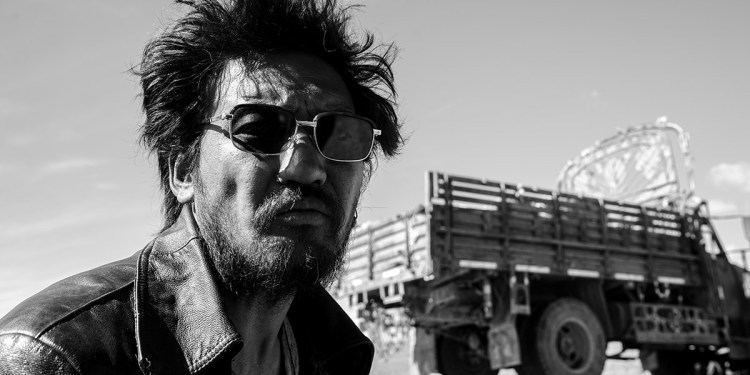
  • Jinpa – philosophical Tibetan western in which a truck driver picks up a vengeful drifter. Review.
  • To Live to Sing – the leader of a struggling Sichuan Opera troupe tries to stave off eviction through impressing a local bureaucrat. Review.

Hong Kong

Still human 1

  • Dumplings – Fruit Chan’s contribution to the Three Extremes omnibus movie in which an ageing TV star hopes to regain her mojo through rejuvenating dumplings. Fruit Chan Retrospective.
  • Durian Durian – a mainland woman comes to Hong Kong to make a living as a sex worker and befriends a local dish washer. Fruit Chan Retrospective
  • Fagara – a young woman discovers the existence of two half-sisters, one from Taiwan and the other mainland China, following the death of her estranged father.
  • Hollywood Hong Kong – a mainland sex worker infiltrates an obese family. Fruit Chan Retrospective
  • Little Cheung – a little boy rides around Hong Kong delivering for his parents’ restaurant. Fruit Chan Retrospective
  • Made in Hong Kong – Fruit Chan’s landmark handover movie. Review. Fruit Chan Retrospective
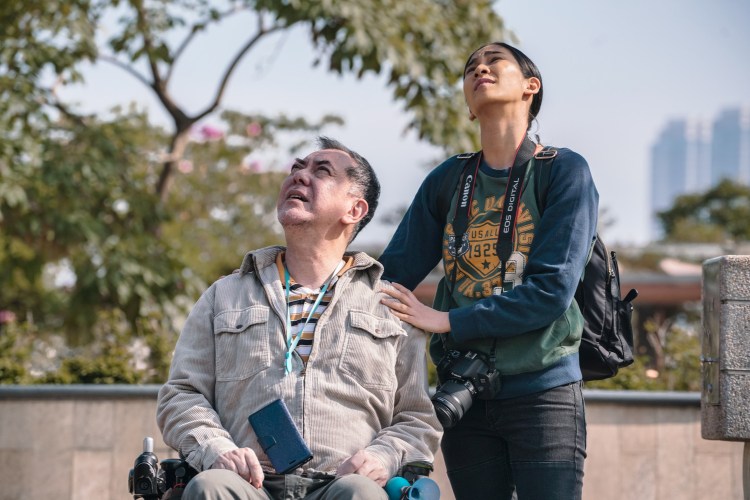
  • Still Human – a grumpy old man makes an unexpected connection with his Filipina carer. Review.
  • Three Husbands – latest from Fruit Chan in which a young woman lives a life at sea with her three husbands. Fruit Chan Retrospective.
  • Throw Down – 2004 Johnnie To classic starring Louis Koo as a former judo champion now a depressed musician and club manager.

Japan

And your bird can sing still 1

  • And Your Bird Can Sing – three melancholy slackers struggle to accept love in Sho Miyake’s adaptation of the Yasushi Sato novel. Review.
  • Blue Hour – a young woman takes her best friend on a roadtrip to her home town but finds old wounds reopening on reuniting with her family. Review.
  • Bone Born Bone – Unmarried pregnant daughter Yuko scandalises her community when she returns home to participate in the bone washing ritual in the second feature from Okinawan comedian Toshiyuki Teruya. Review.
  • Demolition Girl – a high school girl dreams of escaping her small town existence by getting enough money for uni through niche fetish videos of her smashing things. Review.
  • Flowers of Evil – splatter director Noboru Iguchi adapts Shuzo Oshimi’s nihilistic high school manga.
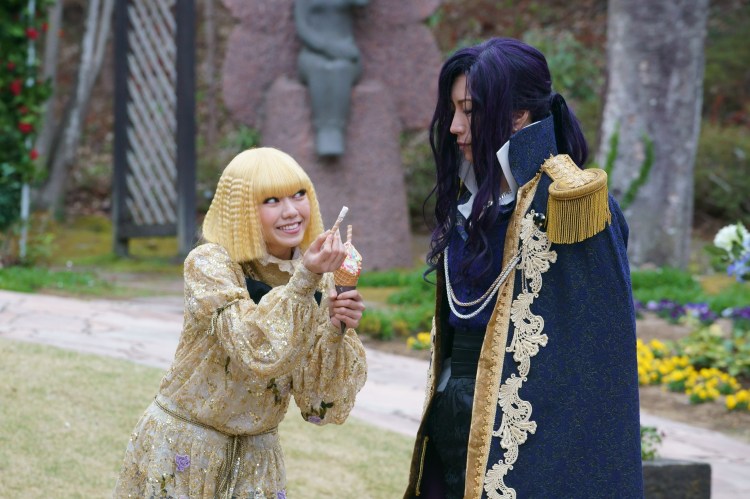
  • Fly Me to the Saitama – absurdist comedy in which the residents of Saitama have become an oppressed minority. Review.
  • Going the Distance – Forced to choose between his wife-to-be, and a “brother” who grew up with him in the same orphanage, Asahi’s life reaches a crisis point in this comedy/drama debut from Yujiro Hamamoto.
  • Mr. Long – a Taiwanese hit man is adopted by a small town in Sabu’s melancholy drama. Review.
  • One Cut of the Dead – Real zombies mess up the shoot for a horror movie in Shinichiro Ueda’s hilarious comedy. Review.
  • The Gun – Masaharu Take adapts Fuminori Nakamura’s nihilistic novel in which a young man’s life changes when he picks up the gun of a fallen yakuza. Review.

Korea

Door lock banner

  • Believer – Korean remake of Johnnie To’s Drug war. Review.
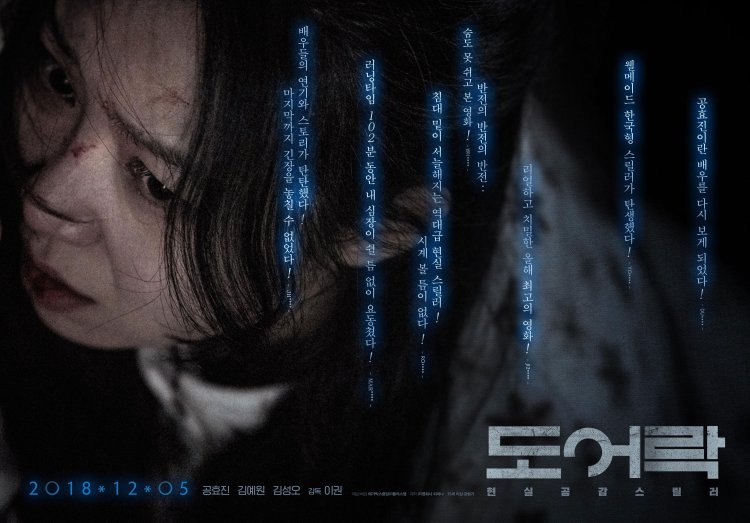
  • Door Lock – remake of Spanish film Sleep Tight in which a woman living alone suspects a stranger has been breaking in to her home. Review.
  • Maggie – surreal drama narrated by a catfish in which a conflicted nurse explores the interplay of truth and trust. Review.
  • The Odd Family: Zombie on Sale – comedy in which a family’s life is disrupted when dad gets bitten by a zombie. Review.

Taiwan

Nina Wu still 1

  • Heavy Craving – a lunch lady hoping to lose weight strikes up unexpected friendships with a deliveryman and cross-dressing student.
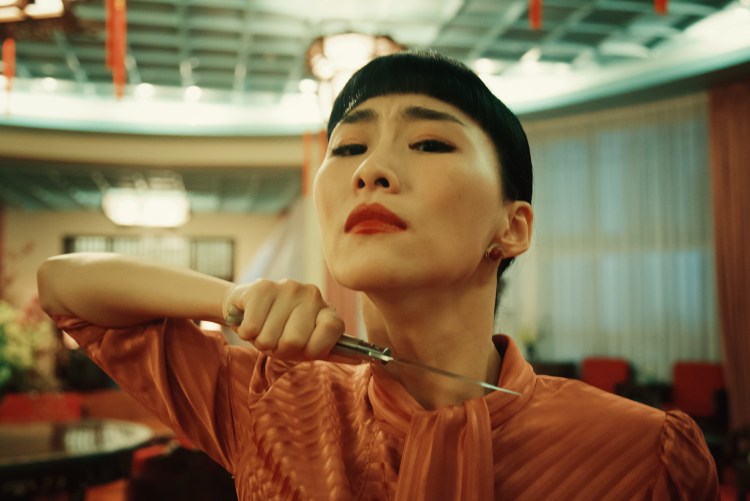
  • Nina Wu – psychological drama from Midi Z in which an actress gets her big break but is forced into uncomfortable situations by a difficult director.

Singapore

Wet season still 1

  • Repossession – an ordinary man’s life becomes a nightmare when he loses his cushy corporate job.
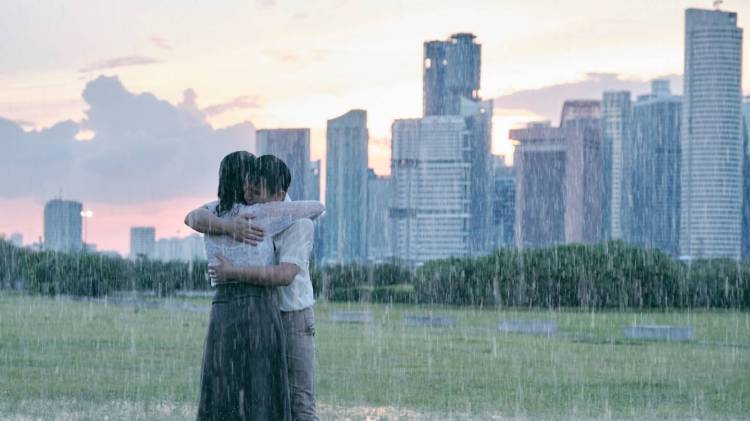
  • Wet Season – Ilo Ilo’s Anthony Chen returns with a monsoon tale in which a Mandarin language teacher is drawn to one of her students. Review.

Thailand

Inhuman Kiss banner 1

  • BNK 48: Girls Don’t Cry – Thamrongrattanarit Nawapol interviews members of the Thai idol group.
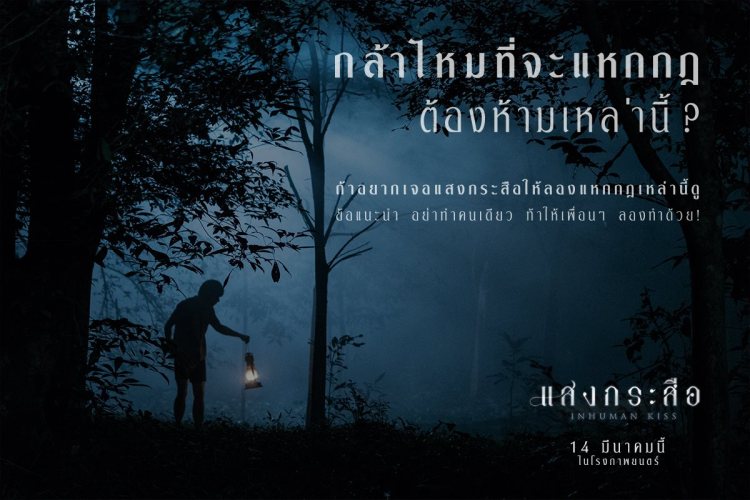
  • Krasue: Inhuman Kiss – an innocent village girl discovers she is a victim of a strange curse in which her head detaches from her body to hunt for blood! Review.
  • Where We Belong – friendship drama starring members of Thai supergroup BNK48.

Vietnam

Furie still 1

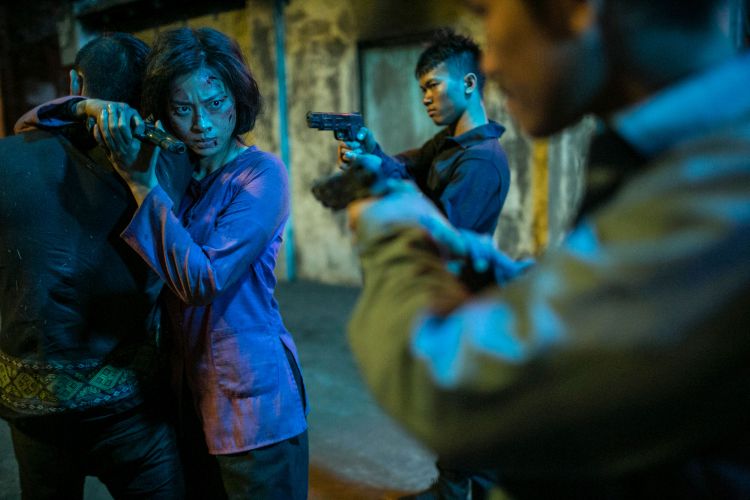
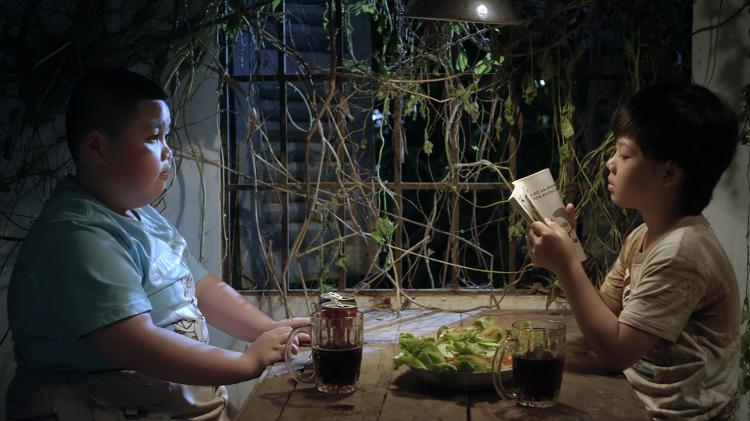
  • Furie – some thugs make a very bad decision when they kidnap a former gangster’s daughter.

Five Flavours takes place in Warsaw from 13th to 20th November 2019. More information on all the films as well as screening times and ticketing links can be found on the official website, and you can keep up to date with all the latest news via the festival’s Facebook PageTwitter Account, Instagram, and YouTube Channels.

Ann Hui’s Our Time Will Come Opens Five Flavours 2017

our time will comePoland’s Five Flavours Film Festival returns for the 11th year from 15th to 22nd November bringing with it more of the best in recent Asian cinema plus retrospectives and classic screenings. This year’s festival will open with Ann Hui’s latest epic of Hong Kong history, Our Time Will Come and Hui will also be honoured with a retrospective featuring seven more films from throughout her Career.

Portrait: Ann Hui

our time will come bannerA giant of Hong Kong cinema, Hui began her time in the director’s chair in the late ’70s following a two year stint at the London Film School. Throughout her long and varied career which has featured both commercial and more personal cinema, Hui’s work is noted for its probing social commentary and political fearlessness.

  • Our Time Will Come – Opening the festival, Hui’s latest work once again returns to the Japanese occupation of Hong Kong and to the resistance fighters who risked all to free their homeland. Review.
  • The Secret – A murder mystery, Hui’s cinematic debut is inspired by a real life crime which leads its detective into an investigation of Hong Kong at a cross-roads of tradition and modernity.
  • Boat People – Hui’s best known work is also among her most political in examining post-war Vietnam through the eyes of a Japanese photographer.
  • Summer Snow – A humorous examination of Hong Kong’s ageing society and the developing social problems accompanying it.
  • The Way We Are – a portrait of those struggling to get by in Hong Kong’s impoverished Tin Shiu Wai.
  • A Simple Life – Deanie Ip’s elderly nanny/housekeeper suffers a stroke and is looked after by her employer (Andy Lau) in a moving examination of modern family ties.

Focus: Bhutan

golden cousin still.jpgShining a light on a new, under appreciated film culture, Five Flavours presents a series of new films from Bhutan.

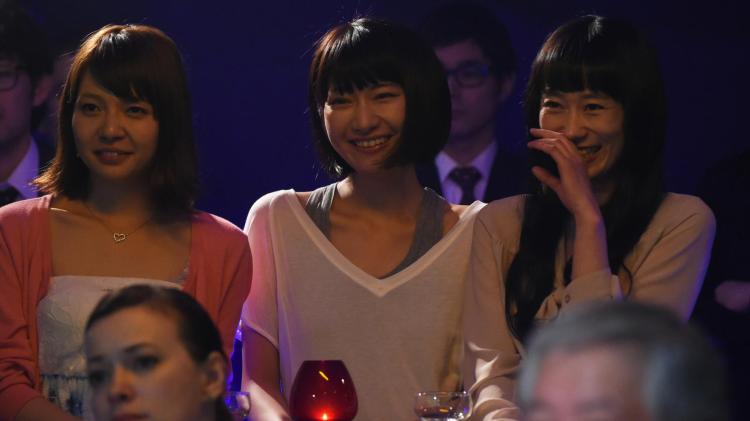
  • Golden Cousin – two cousins growing up in a small village are destined for marriage but when one travels to the city for university he comes to understand the dangers of such close familial relationships.
  • Hema Hema: Sing Me a Song While I Wait – every 12 years people meet in the mountains to take part in a religious cleansing ritual…
  • Honeygiver Among the Dogs – A policeman investigating the disappearance of a prioress is directed to a solitary newcomer whom the villagers believe to be demonically possessed…
  • In a Defiled World – Two men fall for the same girl in this modern city story.
  • Norbu, My Beloved Yak – A guru and his daughter move into a village where the girl makes friends with a local boy whose best friend is a yak!
  • Prophecy – a young girl studying in the city returns home to care for her sickly mother only to discover her return may not have been as unexpected as she assumed…
  • The Next Guardian – an ordinary family is tested by changing times.
  • Travellers and Magicians – Dondup wants to go to America but he has to travel the Himalayas to get there..
  • Short films from Bhutan – collection of five short films.

Japan

bangkok-nites

  • Bangkok Nites – Katsuya Tomita’s Saudade followup picks up on latent themes in the first film for another look at the destructive effects of colonialism ancient and modern. Review.
  • A Bride for Rip Van Winkle – a timid school teacher is sent on a strange odyssey of self discovery in Shunji Iwai’s long awaited return to feature filmmaking. Review.
  • Close-Knit – a neglected child goes to live with her uncle and his transgender girlfriend in Ogigami’s heartfelt drama. Review.
  • Yamato California – Daisuke Miura’s drama examines Japanese/American relations through the story of a hip hop obsessed teen played by Hanae Kan. review.
  • Vampire Hotel – feature length cut-down of Sion Sono’s nine hour vampire themed TV drama.
  • Tokyo Drifter – Seijun Suzuki’s surreal gangster drama.

Roman Porno Reboot

dawn of the felines stillAs cinema receipts dwindled in the early 1970s, Japanese studios considered the best way to stay afloat. Nikkatsu, whose output had largely skewed towards youth drama, decided to reboot itself wholesale and embark on production of levelled up “pink film” only with better production values. 40 years later, Nikkatsu’s “Roman Porno” line has been resurrected with four films directed by four of today’s most interesting directors. Five Flavours presents two of the four reboot movies paired with an original from the 1970s.
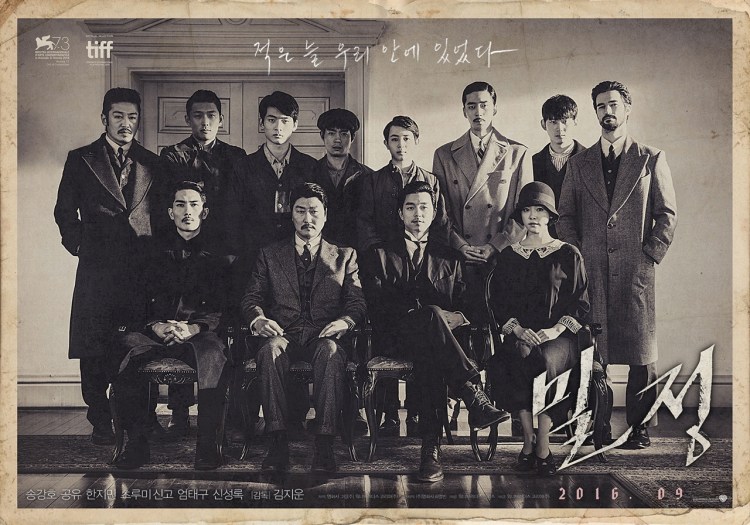
  • Dawn of the Felines – Kazuya Shirashi’s somber reworking of Night of the Felines centres around three women working in Tokyo’s red light district. Review.
  • Night of the Felines – the original sex comedy from Roman Porno master Noboru Tanaka.
  • Wet Woman in the Wind – a blocked writer moves to the country for a spot of peaceful contemplation only to be confronted with the persistent attentions of a nymphomaniac waitress in Akihiko Shiota’s take on the Roman Porno genre.
  • Lovers are Wet – an impulsive rebel returns home in Tatsumi Kumashiro’s 1976 classic.

Korea

age-of-shadows

China

soulmate still 1

  • Crosscurrent – Poetic Chinese odyssey shot by Mark Lee Ping-bing. Review.
  • Free and Easy – an unidentified body is discovered in a moribund Chinese town…
  • Soul Mate – tragic story of female friendship lost and found. Review.

Hong Kong

mad world still 1

  • Mad World – an estranged father and son are brought back together when the son is released from a mental institution after treatment for bipolar disorder.
  • Made in Hong Kong – Fruit Chan’s classic 1997 tale of alienated youth in its new 4K restoration.

Taiwan

Godspeed still

  • Godspeed – a down on his luck petty gangster gets in the wrong taxi in this absurd black comedy.

Thailand

the promise still 1

  • The Promise – two wealthy girls decide on a drastic solution to Thailand’s 1997 financial crisis…

Philippines 

Dark is the Night

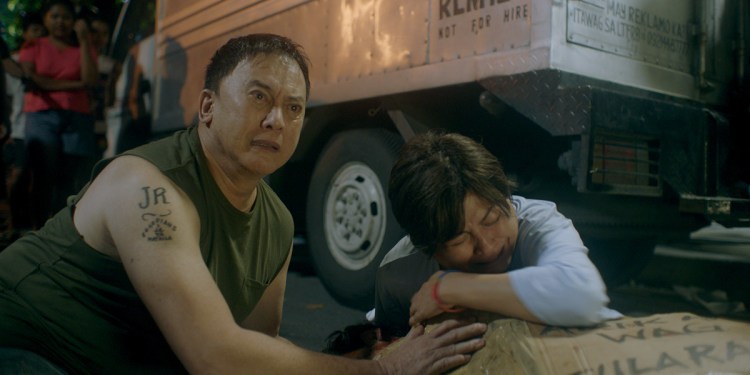
  • Dark is the Night – An ordinary couple in Duterte’s Philippines take to drug trafficking to make ends meet with tragic consequences.

Indonesia

marlina the murderer in four acts still one

Malaysia

Mrs. K still 1

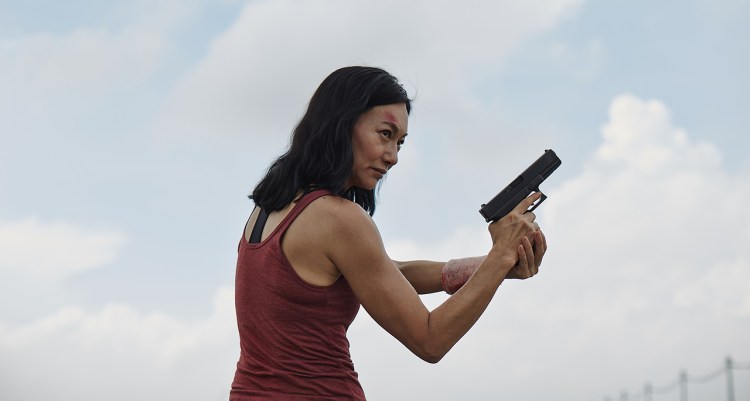
  • Mrs. K – Kara Hui plays a former assassin whose past comes back to haunt her.

Vietnam

kfc still 1

  • KFC – arthouse leaning cannibal drama.

Five Flavours takes place in Warsaw from 15th to 22nd November 2017. More information on all the films as well as screening times and ticketing links can be found on the official website, and you can keep up to date with all the latest news via the festival’s Facebook Page, Twitter Account, Instagram, and YouTube Channels.