
Red Nails (홍이, Hwang Seul-gi, 2024)

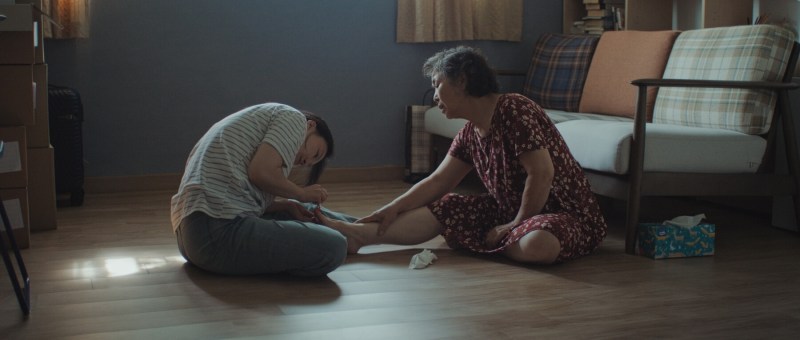
A not quite middle-aged woman watches as her mother takes an aerobics class with other similarly aged people at a nursing home. The attendant turns to her and remarks that it can’t have been an easy decision, leading us to think that she has reluctantly decided her mother may be better off living where she can be properly looked after. But Hong (Jang Sun) has actually arrived to take her mother home. Not because she’s had a change of heart, and not exactly because she’s having a hard time and can’t afford to pay for the home any more, but because she’s realised her estranged mother’s a cash cow and the only one she has left to tap.

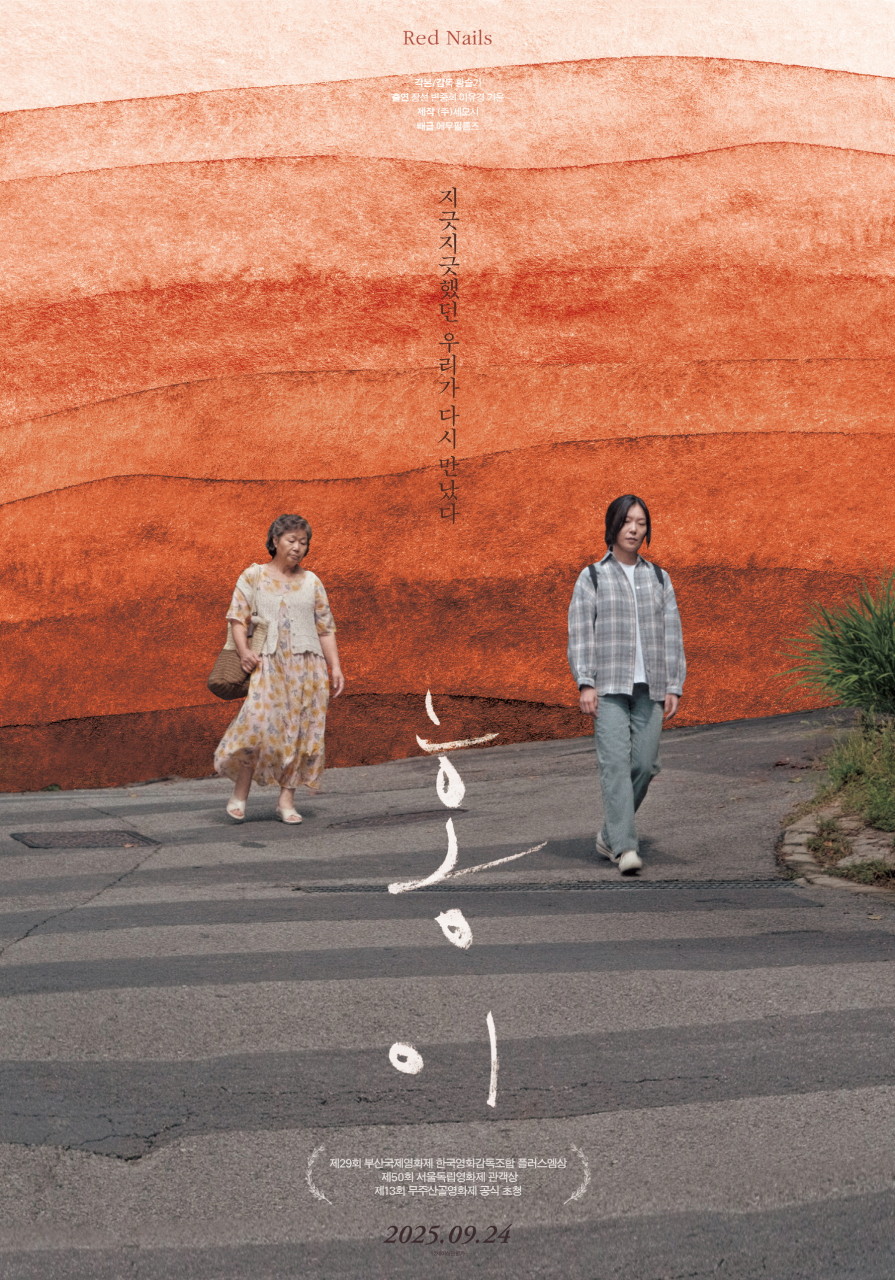
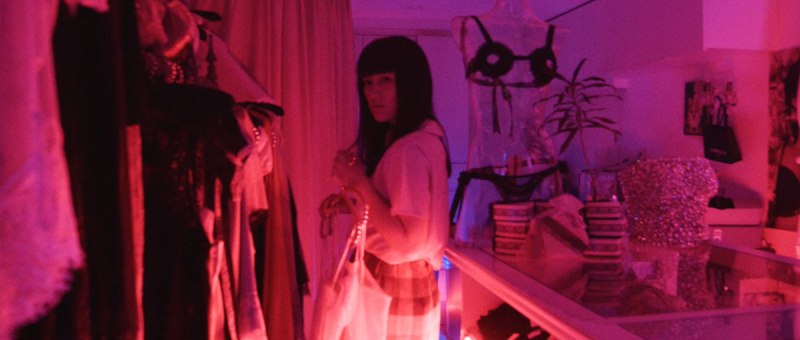
Hwang Seul-gi’s complex drama Red Nails (홍이, Hong-i) never shies away from its heroine’s flaws even if it tries its best to empathise with her. Hong is clearly irresponsible with money. The piled up boxes in her living room hint that she may have fallen victim to a multi-level marketing scam, but whatever the root causes are, she’s pretty much bankrupt with the bailiffs about to be sent in to seize her goods due to her phenomenally large debts. Even so, we later see her going on shopping sprees as if she were trying to fill some sort of void through guilty consumerism that is really just punishing herself by making her situation even worse. 

Hong’s borrowed money from an ex-boyfriend who has since married someone else but continues to sleep with her while badgering Hong for his money back, claiming his wife’ll throw a fit if he doesn’t get it. Meanwhile, she’s engaged in a fantasy romance with a man from an app, Jin-woo, whom she misleads about her financial circumstances and later uses when she needs a free ride. Hong has a habit of taking advantage of people, including her mother’s old friend Hae-joo who agrees to watch her in the day. Hong often messes her around, staying out late without calling and just expecting Hae-joo is figure something out. Hae-joo eventually confronts her about her unreasonable behaviour while taking advantage of her free labour, but Hong tries to give her money as if that was the problem. Hae-joo is insulted, and bringing money into the equation only threatens to change the nature of the relationship. It makes Hae-joo feel cheap and used when she had been doing this as a friend because she cared about Seo-hee. 

Seo-hee, meanwhile, seems ambivalent about her new living standards and, at times, berates Hong complaining that she wishes she’d never been born. It’s not clear what happened in Hong’s childhood, but they evidently did not get on and still don’t now. Seo-hee wants to go home, complaining that there’s a thief in the house though whether or not she knows that Hong has been dipping into her savings to pay off her debts, she’s still aware that she brought home because she needed money rather than companionship. 

But then Hong is also lonely, and her romance with Jin-woo is an attempt to escape her disappointing circumstances. Her ex suggests she once dreamed of becoming a teacher, but is currently teaching a literacy class for a group of older woman at a local institute where she also cleans the toilets. She also has a second job directing traffic at a construction site where the foreman hates her, docking her pay for neglecting her duties by using her phone while on the job. She cannot her escape her debts through any legitimate means, though that hardly justifies stealing from her mother. 

Even so, it appears that on some level Hong wanted comfort and companionship along with her mother’s approval. As they live together, they begin to draw closer but at the same time it’s clear that they remember things differently, though whether Hong is right to blame Seo-hee’s dementia or has misremembered herself is destined to be an eternal mystery. Hong tries to fulfil her mother’s dream of lighting sparklers, but the pair are yelled by some kind of environmental officer and forced to put them out. Hong looks on forlornly as the glow fades away as if symbolising the flame going out of the relationship between the two women. Despite their growing closeness, there are some things that it seems can never really be made up and all Hong really has is a frustrated memory of a longed-for closeness that can never really be.

Red Nails screened as part of this year’s London Korean Film Festival.

Trailer (no subtitles)

Strangers (Kenta Ikeda, 2024)

Naoko, the heroine of Kenta Ikeda’s Strangers, says she’s been pretending all her life. She’s been pretending to be what everyone wanted her to without really knowing or thinking about what it was she wanted to be or who she really is. On a baseline level, Ikeda suggests that we are and remain strangers to ourselves while equally confused about those around us, seeing what we want or expect to see rather than who they really are.

In part that may explain why Naoko has stayed with her unfaithful fiancé Takeo who got a colleague pregnant and then seemingly abandoned her. Shimizu then began harassing Naoko, stalking her and making silent calls. To make matters worse, Takeo is often away on “business trips”. He’s not currently responding to her phone calls or messages and has just embarrassed her by not turning up to a family event. Naoko’s sister thinks she should leave him and doesn’t understand why she hasn’t already. But Naoko just sighs that she’s decided not to expect too much from life and seems prepared to put up with this degradation because she doesn’t think she deserves anything better. 

That might be why she’s so drawn to her enigmatic colleague Yamaguchi who waltzes in past noon wearing a distinctive blue dress that floats in the air behind her. The other ladies at work gossip that their bullying boss Satome, who is married with two children, got her the job after picking her up on a dating app and the reason why she can get away with such unprofessional behaviour is because she’s sleeping with him. But Naoko later discovers that Yamaguchi’s dating app activities are a kind of side hustle in which she participates in idealised dating scenarios pretending to be the lover of lonely men who pay her handsomely for a few hours of fantasy romance.

Or as Yamaguchi describes it, the opportunity to experience only the good parts of love before you get sick of each other and run out of things to say. It sounds more than a little like the logic of someone who’s decided not to expect too much from life, and while it seems Yamaguchi may be trying to avoid her own grief and loneliness, it’s true that she otherwise remains a cypher. After losing contact with Yamaguchi and being left with her smartphone, Naoko receives a call from her handler who tells her that it doesn’t matter who she is or why she has “Yamaguchi’s” phone, all that matters is turning up at the appointment and never letting it slip that it’s all just role-play.

On her dating app profile, Yamaguchi’s face is blurred so that you only really see the image of her in her distinctive blue dress which Naoko too later starts wearing. The people around Naoko are often shot in soft focus so that we can’t really be sure of their identity beyond using their clothing to infer who they are. Men in particular are often shot from behind or with their faces out of frame as if they were all just a much of a muchness. We never even meet Takeo, who apparently does not return from his “business trip”. In any case, in agreeing to the fantasy date, Naoko is gradually taken over by the Yamaguchi persona. The spread of the graze she sustained at the beginning of the film seems to indicate the gradual erasure of her identity, yet in another sense becoming Yamaguchi also gives Naoko an excuse to stop pretending and accept herself or at least to start expecting more from life. She becomes more assertive, flirtatious, and confident in confronting Shimizu only to realise that she may not have been the mysterious force she felt watching her after all. 

In her Yamaguchi persona, Shimizu describes Naoko as a like a colourless and doorless detergent, but she replies she’s been hiding all her life. She ran ran away from her problems, refused confronting Takeo or Shimizu, avoided being honest with her family and simply played up to the image they had of her of a shy and obedient woman. There might be something in the fact that Yamaguchi kisses her suggesting that Naoko may have been running away from her sexuality, but equally it could just be that this is how the Yamaguchi curse is passed from woman to woman. Having once assumed it, Naoko now must try to shake it off but that too might not be as easy as she might assume. Meanwhile, those around her also have their own secret lives and faces they keep hidden from others. Ikeda creates a atmosphere of eeriness and hovering violence amid the faceless city where it doesn’t matter who you are so long as you show up and everyone is to some extent participating in a temporary fantasy in order to overcome the disappointment of life in which as Naoko had told herself it seems better not to expect too much.


Chigasaki Story (3泊4日、5時の鐘, Takuya Misawa, 2014)

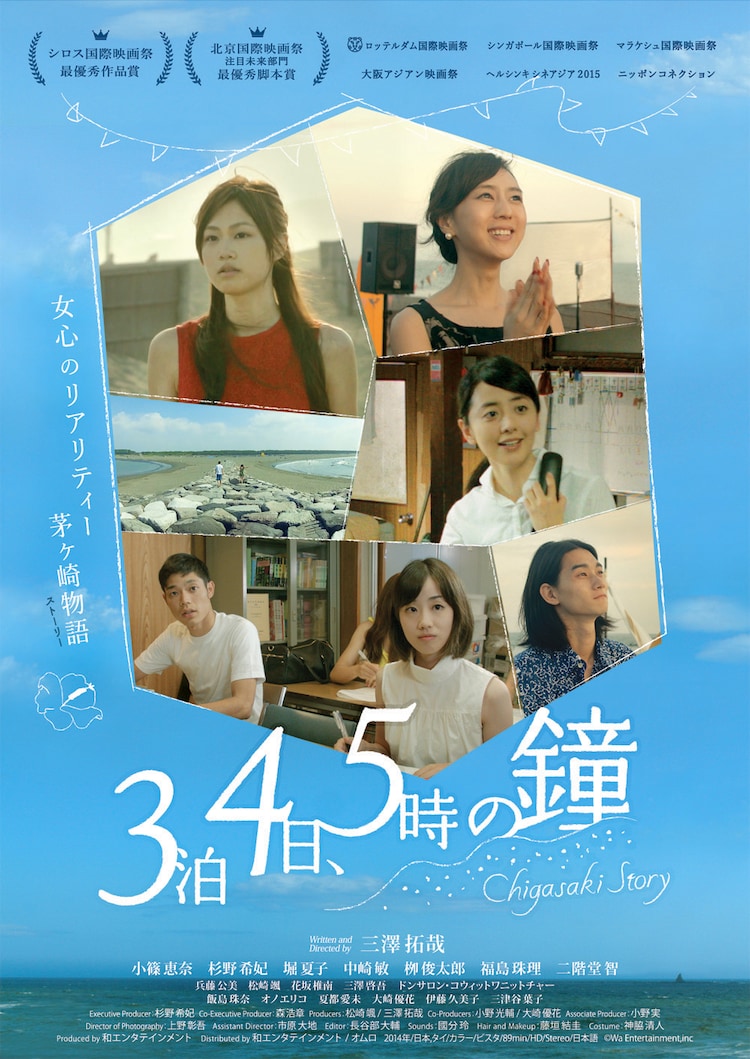
Desire and desperation bubble to the surface at a small hotel making preparations for a wedding in Takuya Misawa’s Chigasaki Story (3泊4日、5時の鐘, 3-paku 4-ka, 5-ji no kane). Though the English-language title may recall Ozu who wrote several of his most highly regarded films while staying at the inn, Misawa pays him only cheerful homage with a series of pillow shots apparently added only as an afterthought while his true inspiration seems to lie in the breezy Rohmerism that has come to dominate a certain strain of Japanese indie cinema over the last decade or so. 

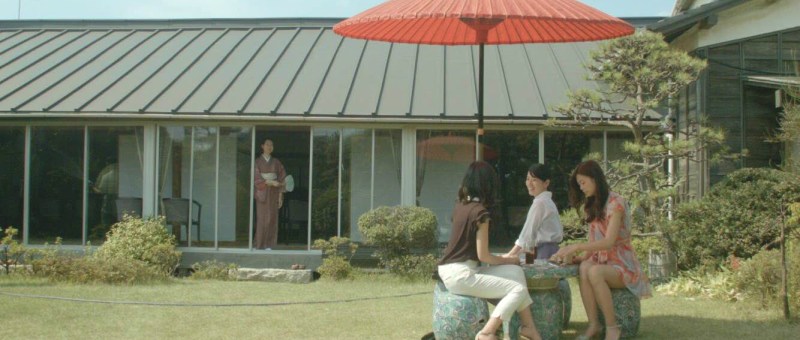
Accordingly the tale is set in the small seaside town of Chigasaki and most particularly at the 115-year-old Chigasaki Inn to which former airline ground crew Risa has recently returned following her marriage to a filmmaker named George whom she met in the course of her work. The couple have already held the ceremony and enjoyed a honeymoon in Hawaii but are now holding a celebratory party for their friends and family in Japan. Meanwhile the inn is also host to a contingent of university students from the same department in which local boy and part-time worker Tomoharu is studying archeology. 

Somewhat meek and mild-mannered, Tomoharu takes his job incredibly seriously and is generally found running around on errands for guests or else cleaning up but his presence becomes a disruptive factor caught between the two groups of visitors instantly captivated as he is on the arrival of Karin, a young and pretty former co-worker of Risa’s who has arrived with the comparatively uptight Miki who has missed nothing in this exchange and is already frustrated by her friend’s wanton behaviour. Miki undeniably has a point when she criticises Karin for putting Tomoharu in an awkward position by inappropriately flirting with him at his job especially as he seems shy and easily embarrassed, but in turn is perhaps also jealous on a personal level intensely irritated when she blows off a plan to visit an aquarium to hang out on the beach with Tomoharu at stupid o’clock in the morning. 

The row only highlights the differences between the mismatched friends though the tables are turned when Miki realises that the students are from her old university and in fact led by her former professor with whom she begins to grow close much to Karin’s consternation. Reverting to her student persona, “workaholic” Miki becomes carefree and uninhibited at once doling out pieces of sisterly advice to the younger women and imposing her company on the students by joining in on their field trip. Her behaviour may in a sense reflect her dissatisfaction with her life as she contends with overbearing bosses having taken over Risa’s role while complaining about Karin’s fecklessness at work and otherwise seemingly jealous of their ill-defined friendship. Risa meanwhile may also be harbouring a degree of doubt in her decision to quit her job, get married, and return to run the family inn especially as her new husband is off working until the day of the party and like everyone else there isn’t really anyone with whom she can share those feelings honestly leading to an unwise if possibility long-term act of rebellion against a potentially stultifying existence that places her at further odds with the already on edge Miki. 

Caught between the women Tomoharu also has a more age-appropriate suitor in an earnest young woman from his class, Ayako, who likes him because of his tendency to care for others while getting on quietly with his work. Attempts to communicate culminate in a lengthy game of ping pong as the angry little balls of truth are batted back and fore across the table until a third player enters the scene and disrupts the flow. Tomoharu had said that his work of piecing ancient bowls back together was different from a jigsaw puzzle because you don’t know what shape it’s supposed to be until it’s finished, which might in a way explain these intersecting relationships as they run through and across each other but ultimately ending up in the place that they’re supposed to be culminating in a wedding party which is either the calm after the storm, an intense act of hypocrisy, or something between the two. 


Trailer (no subtitles)

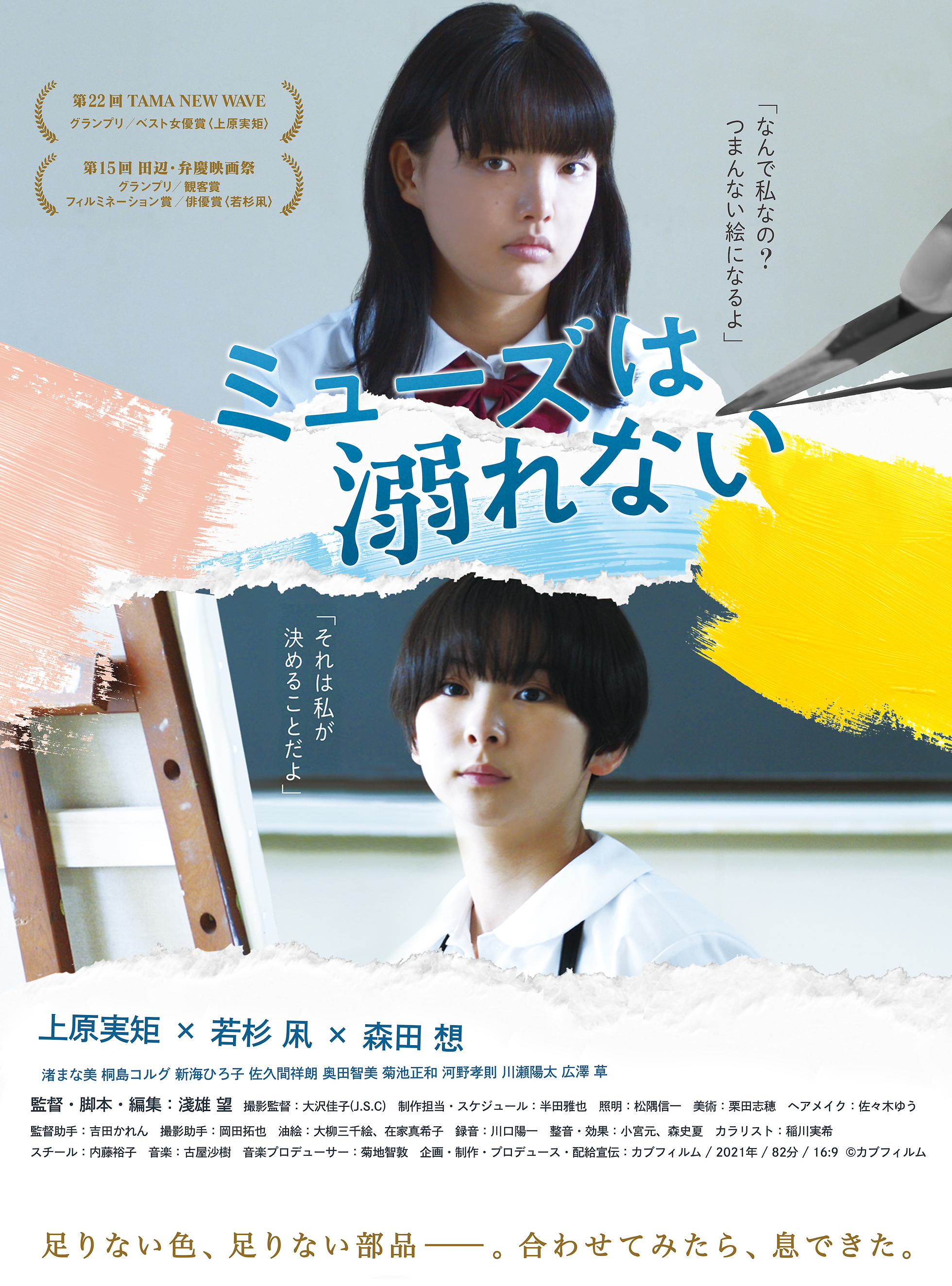
A Muse Never Drowns (ミューズは溺れない, Nozomi Asao, 2022)

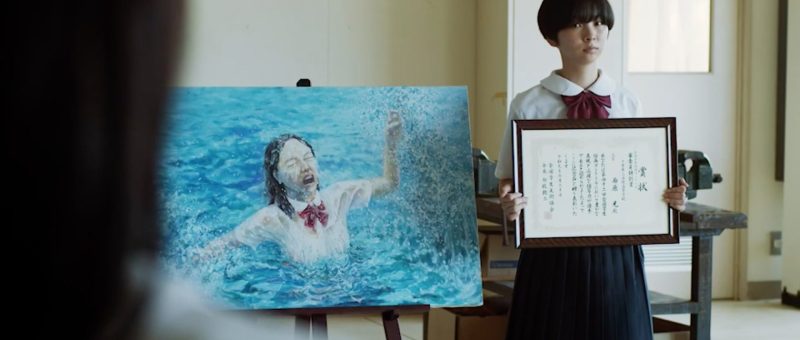
A teenage girl flounders amid a series of changes in her life while questioning her future and identity in Nozomi Asao’s empathetic coming-of-age film, A Muse Never Drowns (ミューズは溺れない, Muse wa Oborenai). Saku (Miku Uehara) is however drowning, a fact brought home to her by the relentlessly aloof Saibara (Mimori Wakasugi) who captures a sense of her panic and despair in a painting of her falling into the local harbour. Yet through their rather tumultuous friendship the pair eventually discover that they aren’t so different after all.

Saibara’s perfectly executed painting destabilises Saku on more than only level, firstly in her discomfort in having been seen and secondly in the insecurity it causes her in her own talent as an artist. Saku had wanted to go to art college, but a teacher harshly corrects her drawing style as if trying to push her towards a more authentic form of expression that’s less worried about getting it right than capturing a sense of what she sees and feels. Lacking confidence that she’ll get in, Saku is thinking about quitting the club in embarrassment but is persuaded to try making something else for the cultural festival while simultaneously receiving an unexpected entreaty from Saibara who wants her to pose for her next painting.

Most of the other students seem to resent Saibara for what they see as her superiority complex, believing she is aloof because she thinks she’s better than them. Because of her blunt manner, Saku too had thought her to be ultra confident and is surprised to realise that Saibara too is filled with doubts and anxieties even if she makes a point of pushing through them. Echoing her teacher’s words, Saibara admits that the lines don’t always come out the way she wants them either but all she can do is try to connect the dots. The reason for her aloofness is a vicious circle of deep-seated loneliness that convinces her she will ultimately be rejected, mirroring Saku’s conviction that she is a “boring” person, and therefore it is easier to remain alone from the start. 

Part of Saibara’s self-rejection is borne of internalised homophobia uncertain if others will accept her sexuality while harbouring a crush on Saku she doesn’t know how to articulate other than through her art while Saku too struggles with her feelings and is confused by the attention she receives from Saibara. Saku’s feelings of insecurity are informed by a sense of embarrassment that she has never experienced a romantic crush like her friend Emi (Kokoro Morita) who likes baseball player Endo despite knowing that likes he Saku, though Emi has also picked up on the way she looks at Saibara and is drawing conclusions about her lack interest in boys. Emi tells her that she accepts her whatever her sexuality is, but is hurt and confused when Saku remains silent and declines the opportunity to open up to her though perhaps partly because she does not really know the answer herself. 

Other than Saibara, Saku is the only one who hasn’t yet returned her careers survey still uncertain of the future direction of her life. Her father has recently remarried and he and her step mother Satomi (So Hirosawa) are expecting a baby all of which has Saku feeling somewhat adrift, displaced within her family and soon to lose her home which has been bought out for a new development project meaning they’ll soon be moving to a new house shorn of the memories of her birth mother and primed for her father’s new start. 

Yet through all her experiences, slowly bonding with Saibara and repairing her friendship with Emi, Saku begins to discover a path towards a more authentic art born of the desire to take things apart and put them back together again while quite literally feeling her way forward with her hands. Coming to terms with her new family circumstances, she builds herself a boat and is no longer drowning but drawing strength from her new found friendships with a renowned sense of possibility for the future while her friends do much the same in the knowledge that they are all scared and uncertain but doing their best to join the dots towards a happier future. 


Trailer (English subtitles)

Lonely Glory (わたしの見ている世界が全て, Keitaro Sakon, 2023)

A thoroughly unpleasant young woman gradually begins to realise that other people have feelings too and she has no idea what she’s doing with her life in Keitaro Sakon’s indie drama Lonely Glory (わたしの見ている世界が全て, Watashi no Mite Iru Sekai ga Subete). Haruka currently runs a startup geared towards helping people maintain good mental health which is ironic in the extreme because she has no understanding of or regard for the feelings of others. Yet as she says during a role play with an employee, the basic principle of their business is helping people identify their problems which she ironically does on returning home to her estranged family if not entirely for altruistic reasons. 

Before that, however, we see her be unnecessarily harsh during a staff evaluation later justifying herself to the boss that they needed to clear out those who are of no use. To her, the staff member’s feelings were irrelevant, she just informed them of their subpar performance. Her boss isn’t buying it. He tells her that her management techniques are counterproductive and that with multiple accusations of bullying behaviour she herself says she is unwilling to work on (because she doesn’t understand she’s done anything wrong) he has no option other than to ask for her resignation. Unfazed, Haruka decides to start her own startup, but is soon confronted with another crisis on learning that her mother has passed away. 

On arrival at the hospital and despite being the youngest sibling Haruka immediately takes over, seemingly unmoved, and opts for the cheapest funeral plan available. She didn’t come to her father’s funeral and her siblings didn’t expect to see her for this one either, but now she has an ulterior motive in that she wants to sell the family home and business to finance her new business venture despite the fact all three siblings still live there and two of them are financially dependent on the cafe/greengrocers for their living. Haruka is incredibly judgemental about her small-town siblings’ life choices branding them as delusional and generally carrying on with an air of superiority but it’s also true enough that they are all to a degree trapped, unable to move on with their lives while afraid to leave the safety of their childhood home. 

As she says, sometimes people just need a little push which is something that she can give them but it’s never quite clear if she genuinely cares or is motivated solely by the desire to manipulate her siblings into agreeing to sell the house. Divorced sister Miwako is fairly unfussed either way but oldest son Keisuke is consumed with shame in the idea of giving up the family business while Takuji has self-esteem issues and thinks everyone looks down on him for never managing to get a job since he finished university four years previously. Challenged by Keisuke’s much younger farm girl girlfriend Asuka on the nature of success, Haruka replies that it’s having everyone around you admit you were right which lays bare her own insecurity and need to dominate every situation that she’s in. But then ironically enough she does help each of her siblings identify their problems and then gain the courage to begin moving forward. 

The dissolution of the family business and the erasure of the family home becomes in its way liberating, less the glue that bound them together than that trapped them in a perpetual adolescence. Haruka begins to realise she’s not much better than the life coach scammer who sold her vulnerable brother false promises of easy success, and that the way she treats others can have unintended consequences but in the end she’s the one left rootless and bereft of direction after closing the shop. Perhaps that’s her lonely glory, the knowledge that she helped each of her siblings do what she now can’t (or maybe just that she got what she wanted and doesn’t know what to do with it). Told with a down to earth naturalism, Sakon’s indie drama is also a lament for the changing nature of small-town life and a loss of community as the closure of the store robs the locals of another neighbourhood hub ironically leaving Haruka all alone in the now empty space of her family home with a newfound sense of loneliness still searching for the right words and a new direction. 


Original trailer (English subtitles)

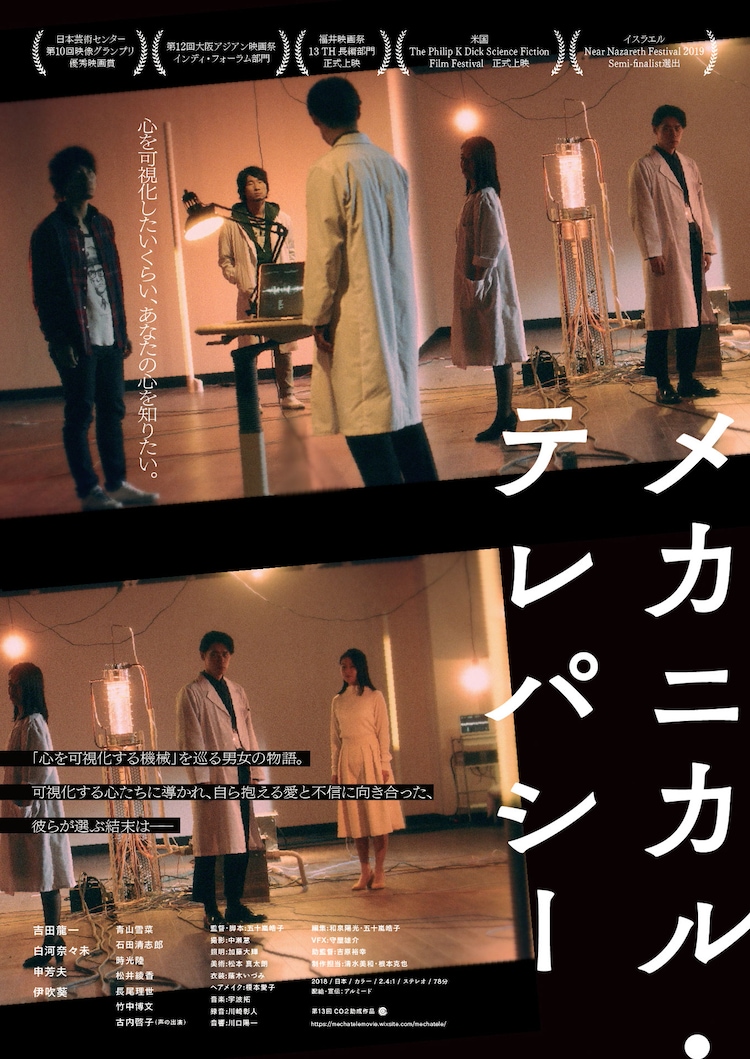
Mechanical Telepathy (メカニカル・テレパシー, Akiko Igarashi, 2018)

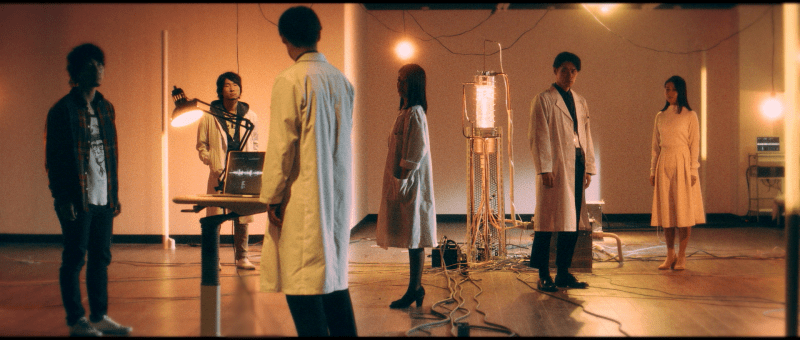
Many, though not all, people have an interior monologue but what if you could converse directly with an image of yourself, a mental avatar who could talk and move around and might have opinions you would not expect to hear yourself say out loud? The scientists at the centre of Akiko Igarashi’s Mechanical Telepathy (メカニカル・テレパシー), a re-edited version of her 2017 feature Visualized Hearts, are working on a machine that can create a physical simulacrum of a mental image. No concrete reason is given for their research save that of one assistant who suggests its capacity to help those who can no longer communicate physically have a voice, but what quickly becomes apparent is that a self-created image may not be entirely reliable while the images of it held in other minds may differ in interesting ways. 

Each of these philosophical questions begin to occur to scientist Mazaki (Ryuichi Yoshida) when he’s seconded to a research project as a kind of corporate spy on behalf of the business-minded boss who wants to put the product on the market as soon as possible despite the reservations of lead researcher Dr. Midori Mishima (Nanami Shirakawa) whose husband Soichi was injured in a previous experiment and is currently in a coma. Midori’s interest in the machine is then in its capacity to save her husband either by retrieving his bodily consciousness or preserving the image of him captured inside, improving and enhancing it until the point of communication. 

But then as Mazaki comes to realise, perhaps the image of Soichi (Yoshio Shin) in the machine isn’t coming from his mind at all but from Midori’s in which case he doesn’t know anything she doesn’t know already and is in a sense inaccurate, composed only of her memories of him and necessarily limited in possessing the information she does not have even of this man whom she obviously knew intimately. Meanwhile, Mazaki also begins seeing an avatar of Midori, but is unsure if it originates from her mind, that of the comatose Soichi, or indeed his own as a means of confronting him with the desire he may feel for her. His image of himself meanwhile is scathing and self-loathing, challenging him over his various acts of moral cowardice in his essential inability to communicate his true feelings. Only assistant Asumi (Ibuki Aoi), harbouring a decidedly obvious crush on him, is brave enough to take him to task looking her own avatar in the eye and explaining that she has nothing to fear from herself. “If you don’t say it out loud no one will hear you” she explains though it’s a lesson that Mazaki in particular finds difficult to learn. 

As for the avatars themselves, are they representations of particular people or indeed something new and different subject to influence and interference? The mind is supposedly free of time and space but that may not be an entirely good thing. What the machine posits is the separation between mind and body as if a soul could be sheared while it becomes difficult to say if the loss of corporality is liberation or imprisonment while Mazaki wonders if it’s right for a mind to exist without a body. If we can’t trust these images we have of others can we really trust those we have of ourselves which may be largely created through the way that others see us and we them? Complaining he can no longer distinguish whose mind he’s looking at, Mazaki finds himself caught in a moment of existential confusion amid several differing realities his own mind can no longer order. 

This sense of dissociation is perhaps replicated in Igarashi’s detached camerawork set amid the clinical glass and steal environments of the Kobe research institute where the experiments take place, the muted colour palette reflecting a sense of emptiness in the hearts and minds of the scientists who ironically remain incapable of direct communication. The near future production design similarly lends an air of sleek modernity to the otherwise vacant space while perhaps creating a sense of the supernatural in the lightning crackle inside the machine, its tangling wires a digital recreation of an analogue nerve system. A philosophical examination of the representation of the self, its projections literal and metaphorical, and the impossibility of knowing oneself or others Igarashi’s sci-fi drama eventually suggests that perhaps we are all in an empty room talking to ourselves incapable of understanding let alone expressing our true feelings. 


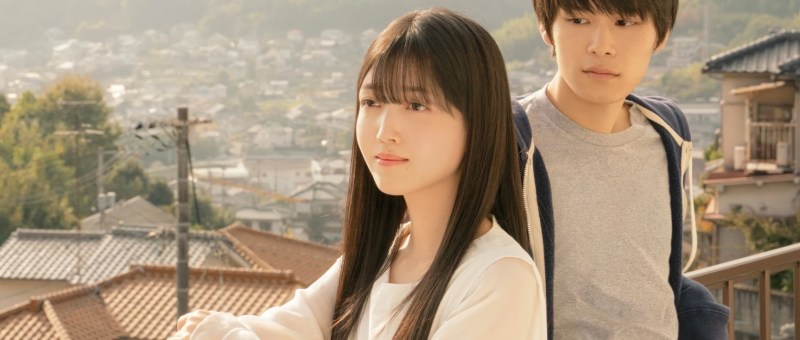
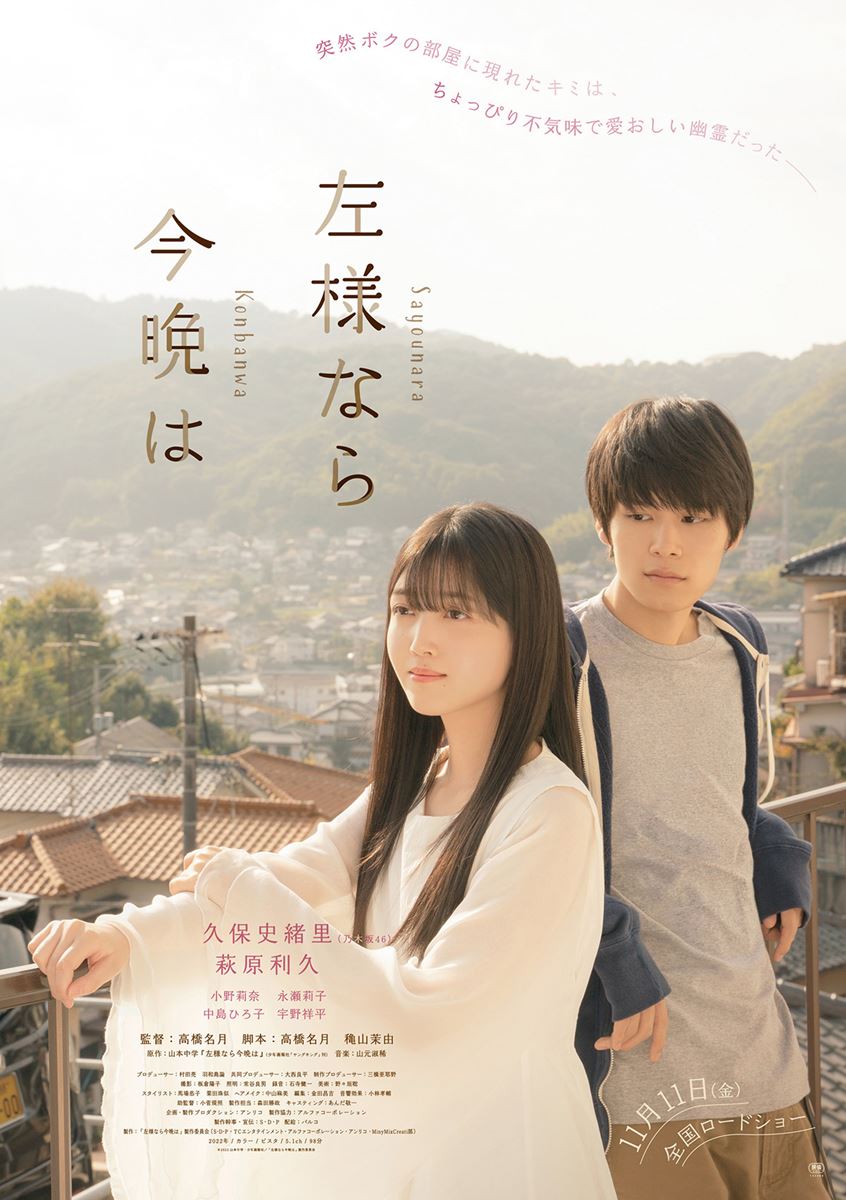
A Girl in My Room (左様なら今晩は, Natsuki Takahashi, 2022)

A young man reeling from a breakup is suddenly confronted by the literal ghost of lost love in Natsuki Takahashi’s supernaturally-inflected romantic drama A Girl in My Room (左様なら今晩は, Sayonara Konbanwa). Set in the peaceful town of Onomichi, the film finds its hero wasting away pining while wondering if falling in love with a ghost is all that bad only to later ask himself if any of it was real or just a fantasy of his lovelorn mind. 

As the film opens, Yohei’s (Riku Hagiwara) girlfriend of two years, Rena (Riko Nagase), moves out of their apartment apparently sick of his superficiality and inconsiderate nature. Soon after, Yohei becomes aware that a ghost has been living in their apartment with them the whole time only should she couldn’t manifest because Rena apparently had unusually strong spiritual energy. Though originally frightened by the new presence, Yohei soon warms to the woman he names “Aisuke” (Shiori Kubo) and becomes determined to find out who she was and how she died only no one will tell him. 

Of course, Aisuke could just be the symbolic ghost of Rena, a spectre of lost love confronting him with his romantic failure, but also seems to have an inner life of her own even if she can’t remember much about who she was when she was alive and how it was she came to die in the apartment. Fleeting memories seem to hint at a life of loneliness marked by romantic longing in which she wanted nothing more than a regular grown-up relationship though sadly it never happened for her. If she has unfinished business, then falling in love may be part of it but then it’s clear that any potential relationship between herself and Yohei is doomed to failure seeing as she is already dead. 

Aisuke chose Yohei because she thought he was a good boyfriend after seeing him with Rena, but even so agrees that though he seems nice on the surface he never really thinks about anything and responds to criticism by smoothing it over with an apology rather than reflecting on his actions or trying to better himself. Work colleague Kanan (Rina Ono), who also has a crush on him, conversely claims that Yohei shows his kindness too easily though also remarking that kindness in itself can also be problematic. In any case, as he bonds with Aisuke, Yohei does seem to engage more with his flaws and reflect on the mistakes he may have made in his relationship with Rena in order to become not just a better boyfriend but a better person. 

In these respects, Aisuke becomes a romantic mirror confronting him with the problematic aspects of his own personality but somehow gaining in corporeality as the relationship progresses as if love were bringing her back to life. But then Kanan also claims that that’s because Aisuke is unwittingly sucking the life out of him which is why he looks tired and gaunt. A picture she took of him on her phone has a dark aura over his face hinting at something malevolent at work that’s taking a toll on his health. But as much as he’s warned, Yohei determines to stay with Aisuke, slowly falling in love with her in the wake of his failed relationship.

Partly a fable about the dangers of remaining trapped by the ghost of lost love rather than resolving to move on, the film is also a poignant love story in which the pair must help each other overcome their mutual unfinished business while becoming aware that their liminal romance cannot continue forever. A side plot involving an estate agent and his endless calls from a confused older gentleman randomly asking him for legal and life advice hints at other kinds of living ghosts and urban loneliness but also at those willing to take care of them as perhaps the estate agent did with Yohei and Aisuke in a bit of supernatural matchmaking helping each of them to begin moving on with their lives on either side of the mortal divide. Charmingly quirky and comforting in its tranquil setting, Takahashi ends on a poignant, bittersweet note but also one of warmth in which the ghost of lost love doesn’t so much haunt as abide, a constant source of comfort in a lonely existence.


Original trailer (English subtitles)

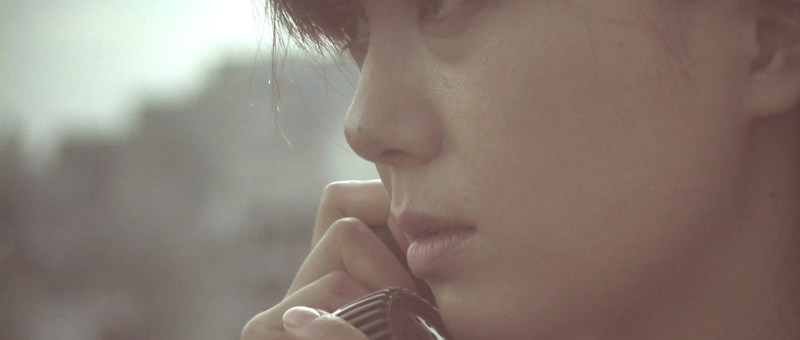
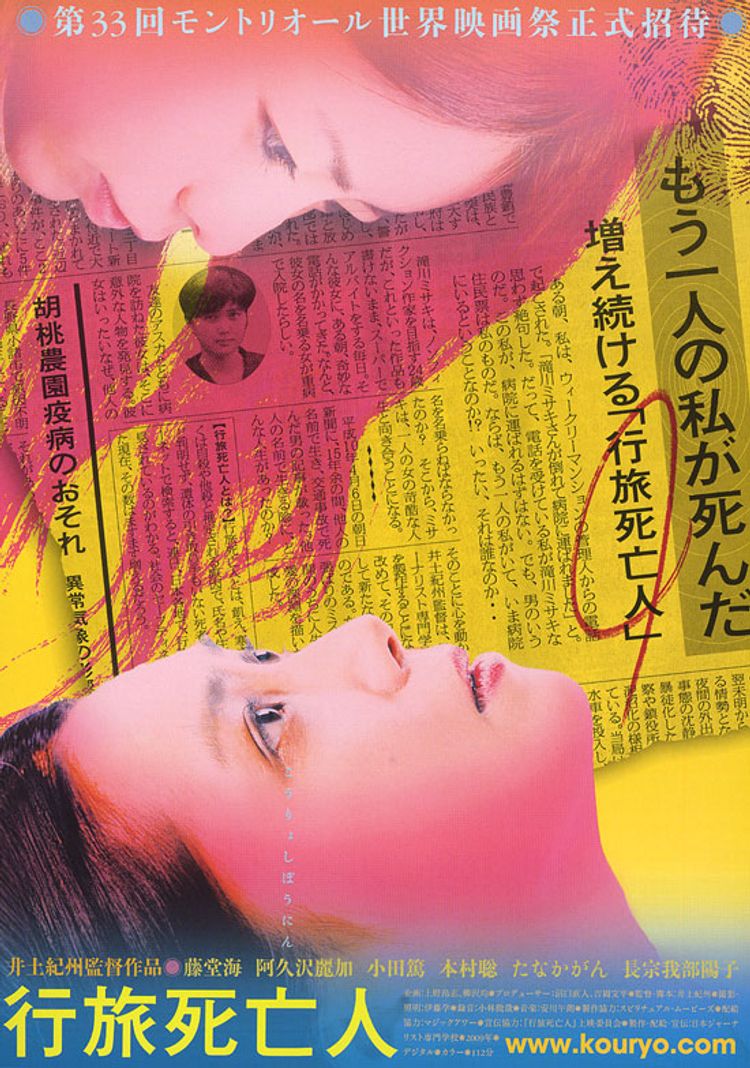
The Faceless Dead (行旅死亡人, Kishu Izuchi, 2009)

If you suddenly got a phone call one day to tell you that someone with your name living at your address had been taken ill, how would you feel? Sponsored by the Japan Journalist College, Kishu Izuchi’s mystery drama The Faceless Dead (行旅死亡人, Koryo Shibonin) sends its aspiring investigative reporter through a murky world of crime and identity theft to discover why someone would need to discard their name and live a life of constant inconvenience in an ever modernising society. 

As she explains in her opening voiceover, Misaki’s dream is to become an investigative reporter working on important social issues exposing scandals such as contaminated blood supplies, mislabelled food, and people trafficking but has found little interest from publishers when pitching her ideas. Currently she regards herself as a “job-hopper” working part-time at a local supermarket which has recently been taken over by a larger conglomerate intent on introducing a new creepily cult-like corporate mentality. With her lease about to expire, Misaki is feeling desperate only to receive a weird phone call from another apartment building informing her that “Misaki Takigawa” has been taken ill and is currently in hospital. Obviously this comes as quite a surprise to Misaki as she tries to explain she is Misaki Takigawa and she feels fine to the dumbfounded man on the phone. On venturing to the hospital to find out what’s going on she discovers that the person using her identity to rent a flat is a woman she worked with at a publishing company some years ago, Yasuko. 

Misaki can’t figure out why or how Yasuko would be using her name and documentation but is both curious and feeling a sense of obligation to find out not least because Yasuko also had a bank book with a substantial amount of money in it that’s in her name. Her quest leads her on a meandering path discovering that it obviously wasn’t the first time the woman she knew as Yasuko who had always seemed kind and honest had been living under an assumed name even though it’s something quite difficult and inconvenient to do in contemporary Japan because it makes it all but impossible to access medical care, rent an apartment, or even get a mobile phone all of which require verified documentation. Having access to Misaki’s employment record presumably enabled her to get what she needed to sign a lease and open a bank account in her name and perhaps explains one reason why she elected not to get treatment when a routine workplace checkup highlighted possible medical concerns, the other reason being a sense of guilt which also explains why she chose to live in austerity saving all her money and later instructing Misaki to send it to an older couple living in a remote country village. 

More and more, Misaki is forced to admit that she really didn’t know Yasuko at all even if she felt indebted towards her for having taken her under her wing at her first job, or perhaps that she did in a sense know “Yasuko”, the persona she had adopted at the time, but not the woman underneath it. Apparently based on a real case, Misaki’s quest for the truth takes a rather dark turn that eventually intersects with the weird company that has taken over her supermarket intent on turning all its workers into soulless drones who live only to serve, the boss ominously instructing his subordinate to inject their new philosophy directly into the arms of the unenthusiastic shop staff after failing to achieve their desired sales goals. 

Maybe you could say it was all done for love and Yasuko is simply a hopeless romantic willing to sacrifice her identity but not her life in order reclaim past happiness but even if every life has a price as she reflects in a moment of desperation you can’t simply buy someone else’s no matter how much you’ve lost or suffered in the one you’ve been given. Through her quest to ascertain Yasuko’s true identity along with the original one, Misaki is forced to reflect on and reconsider her relationships with others as well as her own identity while hoping to prove her journalistic skills investigating this very strange and ultimately sad case as borne out by the post-credits sequence which finds her, perhaps strangely, still working at the supermarket trying to organise her life goals around her financial responsibilities in an intransigent society. 


Original trailer (no subtitles)

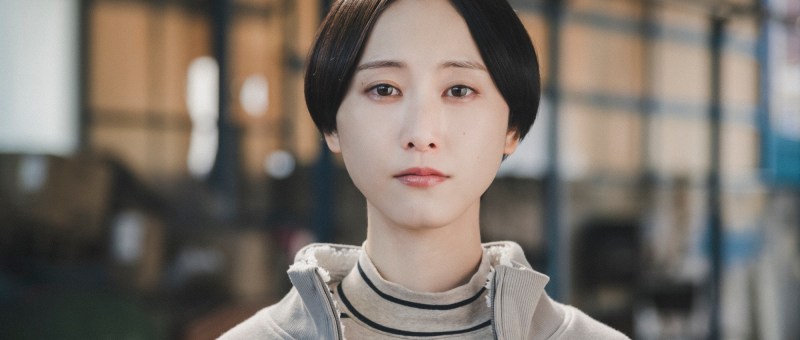
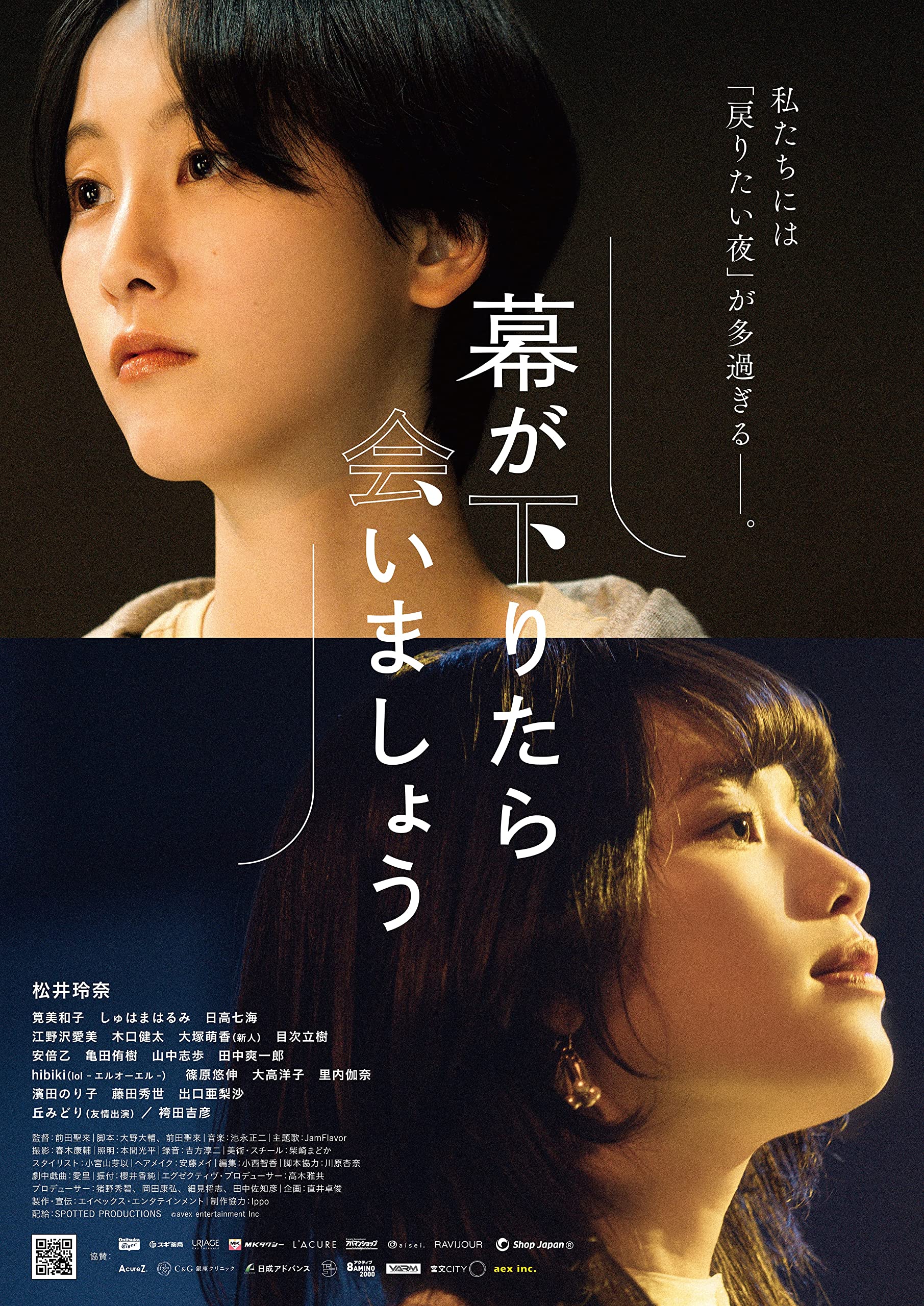
Back To That Day (幕が下りたら会いましょう, Seira Maeda, 2021)

A young woman facing a life crisis is forced to reevaluate her relationships with art, friends, and family after learning that her estranged younger sister has suddenly passed away in Seira Maeda’s indie drama, Back to that Day (幕が下りたら会いましょう, Maku ga Oritara Aimasho). Facing a patriarchal society, the young women at the film’s centre wonder if it’s better to chase your dreams even if they won’t come true or contend with the unfair demands of contemporary salaryman culture in the hope of achieving conventional success and a comfortable life. 

At around thirty, Manami (Rena Matsui) is beginning to lose patience with herself feeling that she’s achieved little in her career as a theatre director in the last 10 years while continuing to work part time at her mother’s hair salon. Her younger sister, Nao (Miwako Kakei), left abruptly for the city some time previously and the pair have hardly spoken since partly as we discover because of a high school falling out that continues to play on Masami’s mind in undermining her sense of confidence in her art. 

The two women have in many ways chosen different paths, Nao striking out by heading to the city and getting a regular office job and Manami staying at home trying to make it work in theatre but finding herself treading water. On the night that Nao dies, the sisters mirror each other each black out drunk collapsed in the street but only one of them is alone which in the end perhaps makes all the difference. Out to dinner with members of her theatre troupe celebrating an engagement, Manami has far too much to drink, much more than than anyone else or than is really appropriate becoming embarrassing in her belligerence as she lays into even her closest friends while others wonder why they bother with the troupe at all now that most of them are ageing out of their carefree days, have full-time paying jobs and growing familial responsibilities to take of. 

Nao, meanwhile as we discover, was pressured into drinking more than was wise by her boss at a semi-compulsory work do, an all too common form of power play in the contemporary working culture. Carrying her own share of guilt, Manami is alerted to this hidden source of her sister’s suffering by one of Nao’s colleagues, Mihashi (Manami Enosawa), who alone attended the funeral. Facing the same continued harassment, Mihashi is determined to confront her boss with the help of Niiyama (Kenta Kiguchi), an activist working on behalf of employees experiencing workplace bullying, but is later blamed herself with the implication that Nao drank on her behalf while she perhaps should have stayed to make sure she was alright before leaving for the last train. Her colleagues insist that Nao seemed cheerful and engaged with the party, while Manami and her actress friend Sanae (Nanami Hidaka) wonder if she wasn’t just playing the part, that in feeling disconnected from her family she wanted to feel accepted by those around her. 

In an unexpected turn of events, however, Manami decides to not to take Nao’s employer to task or attempt to change a dangerous and outdated workplace culture but to try and make peace with difficult relationship they had through restaging the high school play that set them apart which as it turns out was actually written by Nao but for which Manami had taken credit. Along the way she’s led towards a more commercial path by the duplicitous Niiyama who turns out to be a bit of a sleaze and not much better than those he claimed to be challenging. What she discovers is that restaging Nao’s play may not be the best way to honour her, gradually working through her grief and guilt by writing an original piece inspired by their relationship while reconsidering herself and her life up to that point. Of course, in one sense, she reduces Nao to a plot device in the mere motivation for her own creative rejuvenation while partially letting herself off the hook in discovering a family secret that explains a lot about her difficult relationship with her mother but does at least allow her come to terms with her sister’s death in letting her burn out bright just as in the alternate ending she’d crafted for Anna Karenina as a woman driven to extremes by the strictures of her society. 


Original trailer (no subtitles)

In the Distance (距ててて, Saki Kato, 2022)

Can two people who have completely different outlooks and ways of living learn to get along and eventually become friends? A pandemic-era dramedy, Saki Kato’s In the Distance (距ててて, Hedatetete) asks just this question when two women are unexpectedly forced to co-exist on a greater level after their roommate is suddenly stuck abroad. A series of surreal adventures might leave them with no option other than to confront their differences, but also shows them that difference can be complementary rather than disharmonious. 

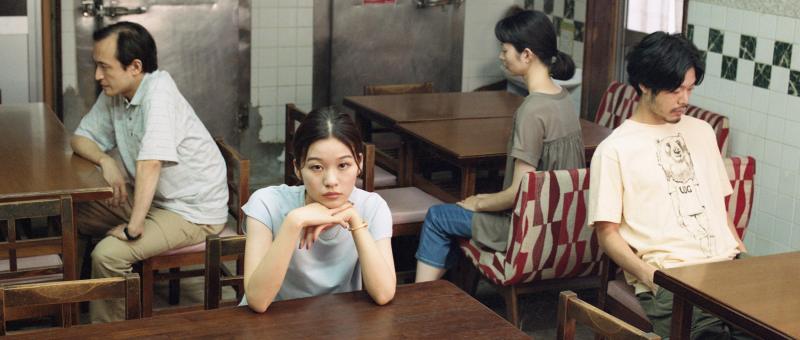
The main issues between Ako and San are those which are common to any house sharing arrangement particularly if the people involved did know each other well previously. Ako is an aspiring photographer who sees part-time work as a necessary evil but continues to struggle amid the vagaries of the covid-era economy. She is neat and tidy and likes the house to be in order. San, meanwhile, is picking up most of the rent and has a job which has not been too badly affected by the pandemic. But she’s also a total mess when it comes to her share of the housework and has an annoying habit of picking up everyone’s post and stuffing it somewhere in her room without letting her roommates know a letter has come for them. Obviously, this is also an invasion of privacy on top of simply being annoying so Ako’s irritation is understandable but she has a kind of animosity towards San simply for being what she sees as a boring wage slave while she’s just slumming it until she gets a break with her photography.

But then again, San is “artistic” if in a problematic way in that her accordion playing has caused complaints from neighbours but when their property manager comes to have a word with them he ends up bringing his ocarina to join in the fun. San vents her frustrations to a friend, Tomoe, who has a similar problem of her own in that she’s in the process of breaking up with her boyfriend because they keep disagreeing over trivial things like brands of rice or misaligned printing on greetings cards. They only talk to each other in terms of metaphor with Tomoe apparently sick of their mismatched pairing and hoping to find a new partner with more common interests while the boyfriend seems near distraught by the thought of the relationship ending. 

Ironically it’s San who points out their relationship may be fairly complementary and it’s more the case that they can get along together because they are different yet she still struggles with her relationship with Ako whom she finds uptight and pretentious. Ako, meanwhile, is having a strange encounter of her own with a teenage girl looking for a misdirected letter presumably spirited away by San. She claims not to have a phone or use a computer and implies that her mother is very strict, though when she actually arrives at the house she’s incredibly nice and even cooks a hearty meal though there is something a little sinister in her manner lending the pair a kind of supernatural quality like something out of a fairytale. 

In any case, a misplaced keepsake eventually prompts a confrontation between the two women that allows them to clear the air and find a way to work together. Turning somewhat surreal in its final section, the film hints at a transportational quality of their new alliance that drops them in a new and unfamiliar place with only each other to rely on. The lesson seems to be that sharing an environment necessarily gives rise to various interpersonal issues which can be dissolved while outside of it, and that even if two people seem completely incompatible they can still find common ground and learn to get along especially against the stressful backdrop of a global pandemic in which enforced isolation can exert additional pressure on an already strained relationship just when mutual cooperation becomes an absolute necessity. Filmed with everyday naturalism and a surrealist, deadpan humour Kato’s indie dramedy hints at the strangeness of the ordinary but also discovers the small moments of unexpected connection often brokered by casual misunderstanding.


Original trailer (no subtitles)