ReFashioned (Joanna Bowers, 2021)

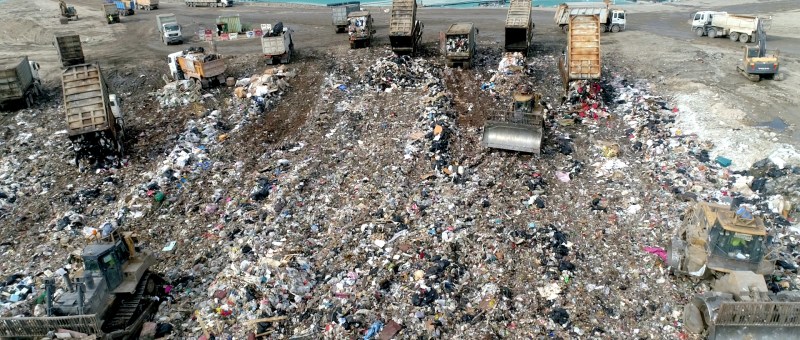
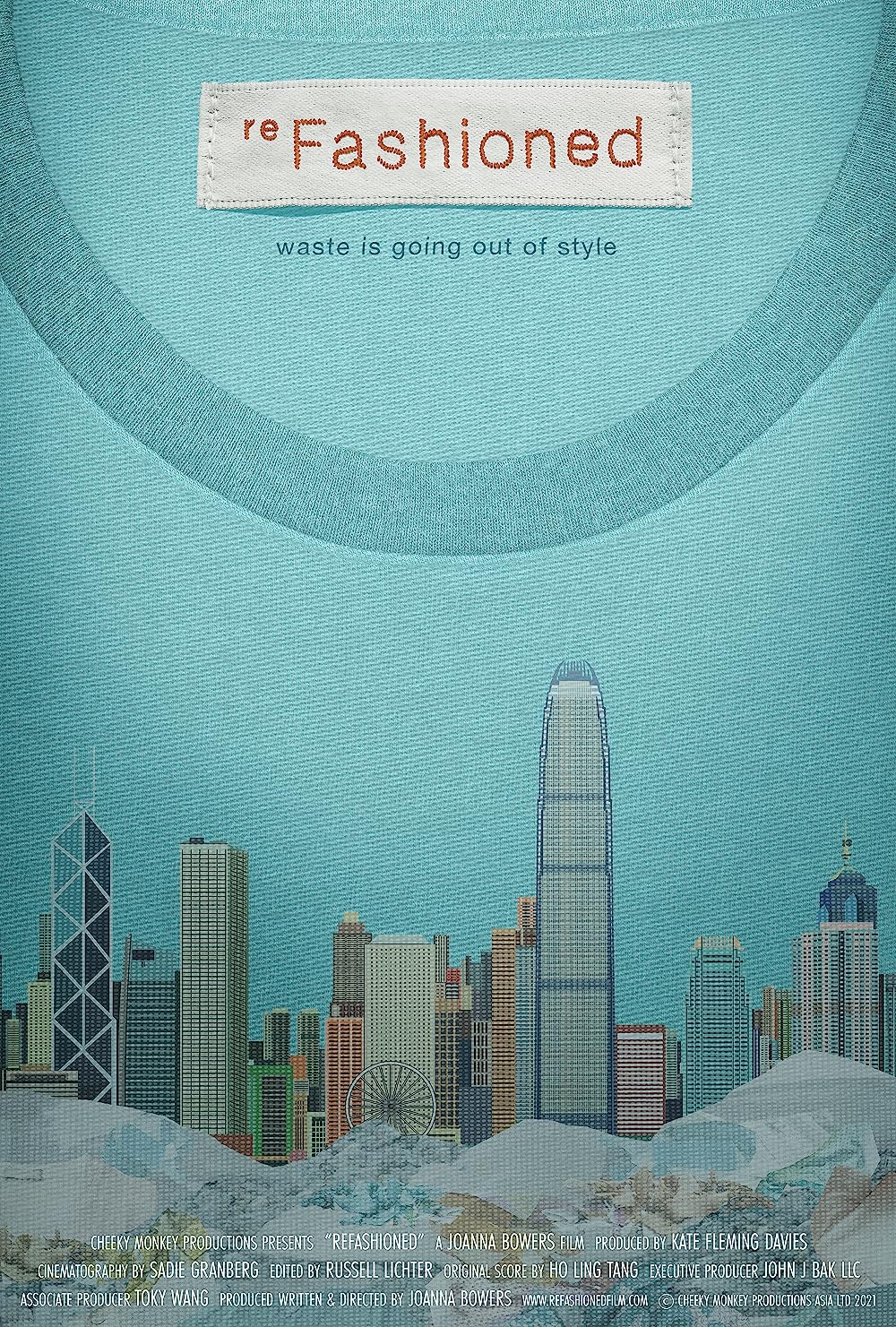
At the beginning of the consumerist era, our mentalities began to shift away from durability to disposability and we only desired that which we could throw away. But every time we throw something we don’t need anymore over our shoulder, the pile of discarded items grows higher and is already beginning to overshadow us. Joanna Bowers’ documentary ReFashioned examines the environmental impact of fast fashion and follows a series of Hong Kongers working towards initiatives to encourage recycling or reuse of textiles and plastic. 

The change in our mindset is most clearly reflected in the startup created by an American expat to sell secondhand children’s outfits in which the concept of pre-owned clothing is itself sold as something “new”. As she points out, in Chinese culture there has long been a resistance to the idea of buying secondhand born of the fear of inheriting the bad luck of the previous owner though there seems to be less class-based stigma as might be found in the West where there has often been a sense of shame connected to dressing one’s children in handmedowns. Similarly, where parents might once have given away clothing their children had outgrown to friends and relatives they may now be less likely to do so if think they still have monetary value. Donations to charity shops and thrift stores may suffer the same fate ironically depriving those who cannot afford to buy brand new of the opportunity to buy at all. 

Meanwhile, another interviewee remarks that the battle still lies in the mind of the consumer who remains unconvinced by the idea of recycling when they know that most of what they recycle ends up in landfill anyway. A government-backed initiative aims for a new approach in the recycling of textiles in which a robotised production line can sort by colour, respin thread, and produce new knitted garments while other less versatile fibres can be repurposed for carpets and upholstery. They have an end goal of creating a system in which the consumer would be able to bring their old clothes and have them deconstructed and remade by the machine into new designs allowing them to upcycle items they believed had simply gone out of style. Then again, the fashion show they put on to showcase their achievements is geared less towards the everyday than the catwalk which is admittedly designed to prove to brands that recycled material is just as good as brand new but perhaps also leans in to a fast fashion mentality if only more sustainably rather than returning to an age of well made garments designed for longterm use. 

It should also be noted that the documentary received funding from high street clothing store H&M whose efforts towards sustainability are given prominent mention which also suggests that sustainability must be made compatible with the consumerist mindset rather than undercutting it. The problem is largely of economics in that it simply does not make sense to recycle when the costs outweigh the benefits to the average business. Another young man has started a company planning to recycle plastic bottles and himself admits that his end goal would also be to reduce their usage in the first place and make himself irrelevant but in any case is told by prospective investors that the business has little viability because of its logistical costs and small scale. This would seem to be the barrier to the creation of the “circular economy” proposed by some of the other interviewees.

The earlier part of the documentary had reflected on the changing economic fortunes of Hong Kong in which textile magnates from Shanghai had set up factories in the city but once the Mainland began to open itself up in the 1980s moved there to take advantage of significantly reduced labour costs leaving many local people unemployed. There is then something quite remarkable in the decision to redevelop a former textile mill as an ultramodern recycling centre, the first of its kind in Hong Kong and perhaps the world, avoiding the additional energy costs of deconstruction and reconstruction while saving the unique architecture of a mid-20th century industrial building. This is perhaps the ultimate example of “refashioning” demonstrating how the old can be adapted for use by the new, even if sustainable solutions for our increasingly consumerist lifestyles still feel very far away. 


ReFashioned Dream Home streamed as part of this year’s Odyssey: A Chinese Cinema Season.

Original trailer (English dialogue)

Dream Home (維多利亞壹號, Pang Ho-cheung, 2010)

“In a crazy city, if one is to survive, he’s got to be more crazy.” according to the opening titles of Pang Ho-cheung’s surprisingly poignant slasher satire Dream Home (維多利亞壹號). In the 10 years since the handover, the average wage has increased by a measly 1% while house prices have risen by 15% in 2007 alone. Sheung’s (Josie Ho) one overriding mission in life is to buy a flat for her family to live in, but it’s clear that her struggles to become a homeowner aren’t the only pressure points in her life in an increasingly capitalistic society. 

As we later discover, Sheung is set on one particular flat because the building it’s in stands on the spot where she once lived as a child before her family was pushed out by rampant gentrification. In essence, she’s just trying to take back what’s hers and restore her family’s sense of dignity and security. A flashback to her childhood reveals her father’s own insecurity in having been unable to secure a larger living space in which she and her brother could have their own rooms while her grandfather, a sailor, longed for a sea view and the sense of an expanding horizon otherwise denied to the family in a cramped Hong Kong council flat. In a touch of irony, Sheung’s father himself worked in construction building apartment blocks he couldn’t afford to live in and in the end it killed it him through exposure to asbestos and other dangerous fibres. 

Sheung works at a bank but is conflicted about her job cold calling account holders to try to get them to buy into dodgy loans neatly echoing the film’s closing moments which hint at a coming economic crash precipitated by the subprime mortgage crisis which will threaten Sheung’s homeowning dream. Her friends think she’s crazy to buy a flat at all, but she’s completely fixated on repairing her broken childhood by taking back her family home and ending her displacement. Meanwhile, she’s in a dissatisfying dead end relationship with a married man which largely takes place in love hotels he sticks her with the bill for and turns up late to only to immediately fall asleep. When Sheung asks him for a loan to help pay for her father’s medical care after the insurance she got for him is voided because he never told her he’d been diagnosed with a lung complaint before she took it out, he tells her to use her deposit fund instead and give up on homeownership because only fools like her would buy in such a volatile market. 

Disappointment in both her personal and professional lives continues to place a strain on Sheung’s fragile mental state that eventually tips her over the edge. Hoping to bring the apartment’s price down, she goes on a murder spree in the building killing it seems partly out of resentment and otherwise pure practicality. There is irony here too, in that she kills her victims with the weapons of their privilege. A cheating husband who comes home unexpectedly after lying to his wife that he’s gone golfing but was actually with his mistress is whacked on the head with a golf club while an obnoxious stoner kid is stabbed in the neck with his bong. Sheung murders a Filipina helper, but also the snooty middle-class woman who employed her by using the vacuum pack machine the helper had been using on her behalf. One might ask if she really needed to kill the helper or the pair of Mainland sex workers in the next apartment, but when it comes to devaluing property prices “massacre” sounds much better than “killing” and so it’s the more the merrier. 

In the end, it’s this city that’s driven her out of her mind with its status-obsessed consumerism and constant sense of impossibility. After her killing spree, she doesn’t even seem very conflicted about selling dodgy loans to vulnerable people not so different from herself while she was so desperately trying to get approval on a mortgage there was no way she could afford despite working a series of other part-time jobs including one selling designer handbags to the kind of wealthy women she resents. Her dream apartment has a view quite literally to kill for, though there’s a sense that Sheung’s dream will always be futile with the same motivations that brought her here leading to the mortgage crisis and economic shock that could eventually take it from her. Bloody, gory, and at times sickeningly violent Pang’s satirical horror show paints contemporary capitalism as the real villain and even in its dark humour reserves its sympathies for the wounded Sheung pushed to breaking point by a pressure cooker society. 


Dream Home available to stream in the UK until 30th June as part of this year’s Odyssey: A Chinese Cinema Season.

International trailer (English subtitles)

Full Strike (全力扣殺, Derek Kwok & Henri Wong, 2015)

A former badminton champ begins to rediscover herself after being permanently banned for bullying behaviour when charged with coaching a bunch of former bank robbers in Derek Kwok & Henri Wong’s zany sports comedy Full Strike (全力扣殺). Dedicated to “all the beautiful losers”, the film is less about literal winning as it is about learning to turn one’s life around in moments of profound despair and draw strength from even non-literal victories in simply refusing to be looked down or belittled.

It’s ironic in a sense that Dan (Ekin Cheng Yee-Kin), Kun (Wilfred Lau Ho-Lung), and Chiu (Edmond Leung Hon-Man) became bank robbers because they didn’t want to be bullied having grown up as friendless orphans. Former badminton champ Kau Sau (Josie Ho Chiu-Yee), meanwhile, was such as tyrannical diva that she gained the nickname “The Beast” before being banned because of her unsportsmanlike behaviour and treatment of her long-suffering assistant. But cast out of the sports world, she’s become a dejected layabout not quite working in her brother’s restaurant and otherwise hiding out from the world. Her life changes when she’s publicly mocked after running into her former assistant who has since gone to take her position as a reigning champion. Running out into the night, she spots a shuttle-cock-shaped meteor and is chased to a badminton club by what she assumes is an “alien” but might have just been a frightened homeless man.

In any case, she takes it as a sign she should pick up a racket once again which as Dan later points out she probably wanted to do anyway and was just waiting for an excuse. He can’t explain why he chose the unlikely path of becoming a badminton player to help him turn over a new leaf after leaving prison but reflects that perhaps you don’t really need a reason only the desire to change. Dan, Kun, and Chiu all developed disabilities as a result of their life of crime but slowly discover that they can actually help them on the court in a literal process of making the most of their life experiences no matter how negative they might have assumed them to be while Kau Sau similarly regains her self esteem while acknowledging the destructive patterns of her previous behaviour careful never to bully her new teammates as they all square off against her bullying cousin “nipple sucking Cheung” (Ronald Cheng Chung-Kei) who tries to use his newfound wealth to cover up a lack of skill by hiring Kau Sau’s old teammate. 

Cheung is also trying to overcome low self-esteem and is later forced to realise that becoming a champion won’t really change that much about how he sees himself, though apparently still relying on an ever capable middle-aged woman to fight (literally) his battles for him. Meanwhile, the gang are coopted by a media mogul hoping to make an inspirational documentary about them but also manipulating their lives and hyper fixating on their criminal pasts to the point of staging a fake arrest as they enter the stadium for a competition. Doubting the chances of success in setting up new lives for themselves as badminton players, Chiu is drawn back towards a life of crime while feeling somewhat distanced from the team as a tentative romance between Kau Sau and Dan seems to fall otherwise flat.

A throwback to classic mou lei tau nonsense comedy, the zany gags come thick and fast but are at times over reliant on low humour while the central premise of staking everything on an “unexciting” game like badminton perhaps wears a little thin by the time it gets to the high stakes finale with the heroes fighting twin battles squaring off against their traumatic pasts rather than the literal opponents in front of them. Winning becomes a kind of irrelevance when the contest was within the self. Each rediscovering the spark of life, the players rediscover the will to live while bonding as a team and sticking to their training in pursuit of their goal. Kwok and Wong lay it on a little thick with the martial arts parody in the uphill battle to master badminton but otherwise lend a poignant sense of warmth and genuine goodwill in sympathy with the underdogs’ quest if not quite to win then to own their loserdom on their on terms in reclaiming their self-respect and dignity. 


Full Strike is available to stream in the UK until 30th June as part of this year’s Odyssey: A Chinese Cinema Season.

Original trailer (Traditional Chinese / English subtitles)

Odyssey 2023 Announces Stephen Chow in Focus

This year’s Odyssey: A Chinese Cinema Season will be hosting a four-film Stephen Chow retrospective at London’s Prince Charles Cinema on Thursdays throughout June.

Forbidden City Cop

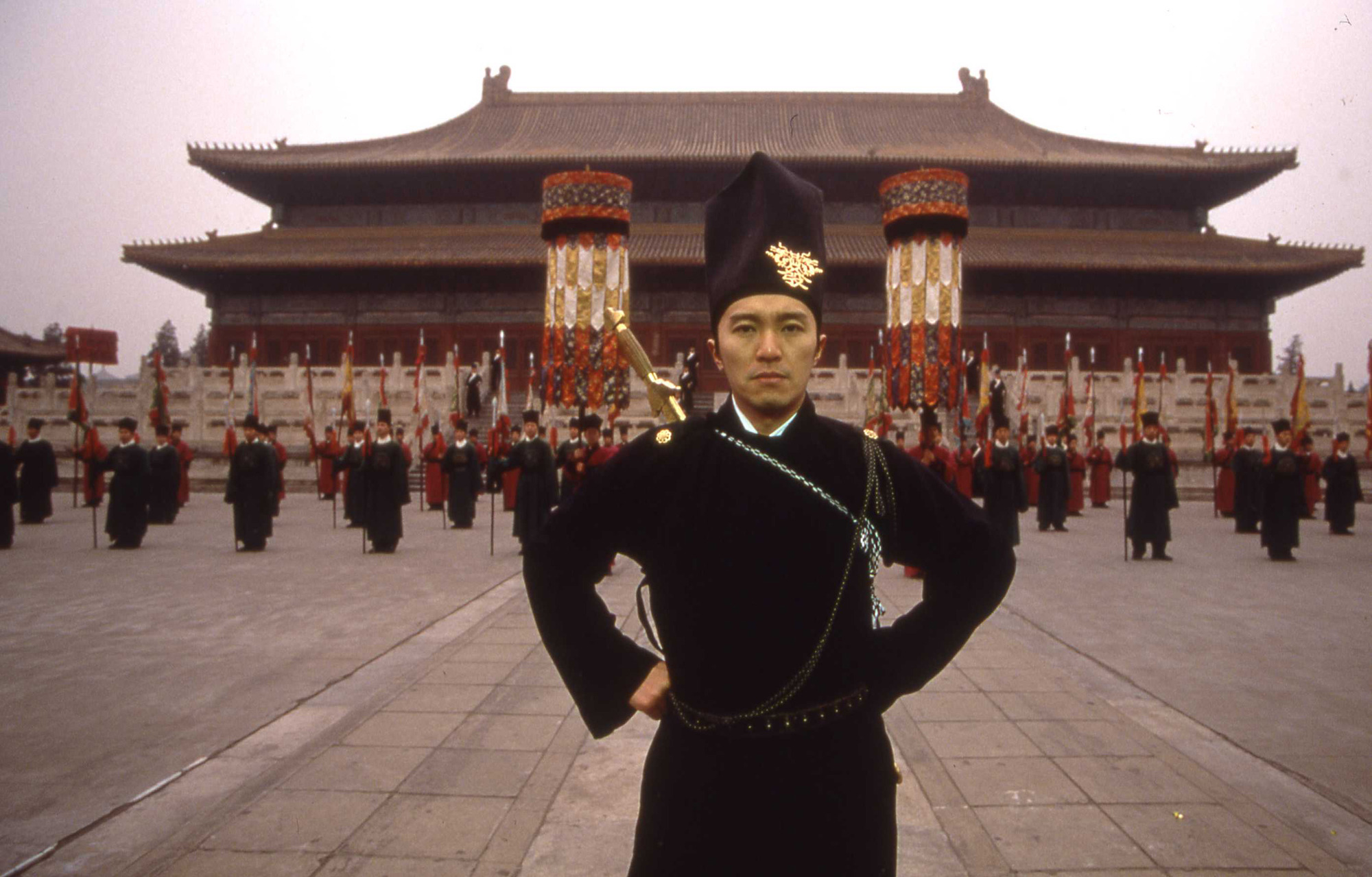
Period spy/wuxia spoof starring Chow as an imperial agent with a knack for zany inventions which comes in handy when he attends a conference which turns out to be a trap to kill all the doctors who serve the emperor.

Sixty Million Dollar Man

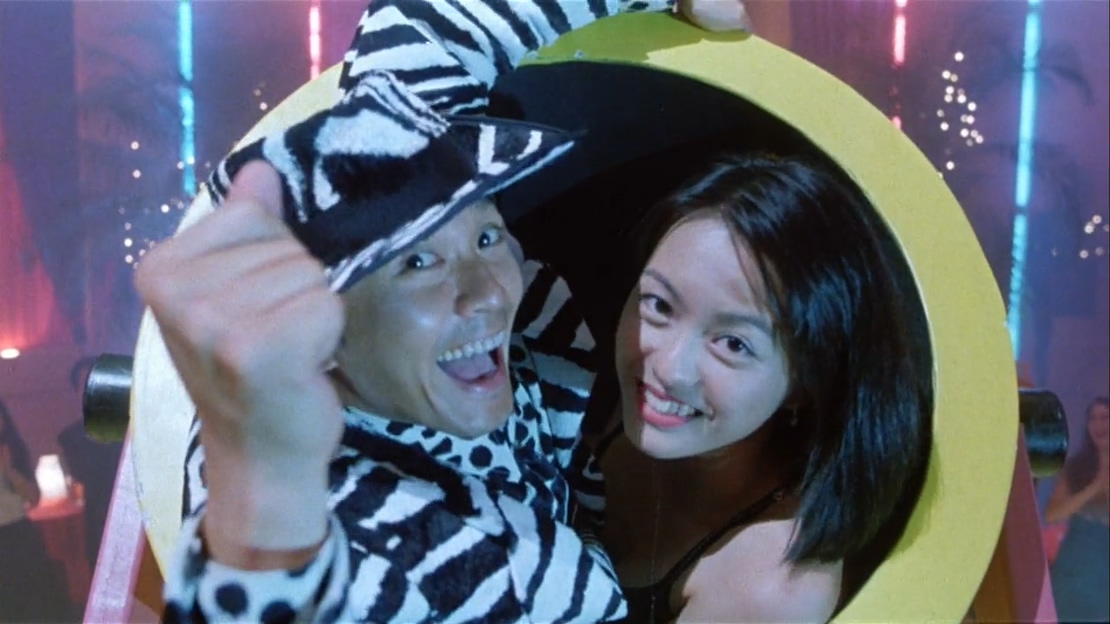
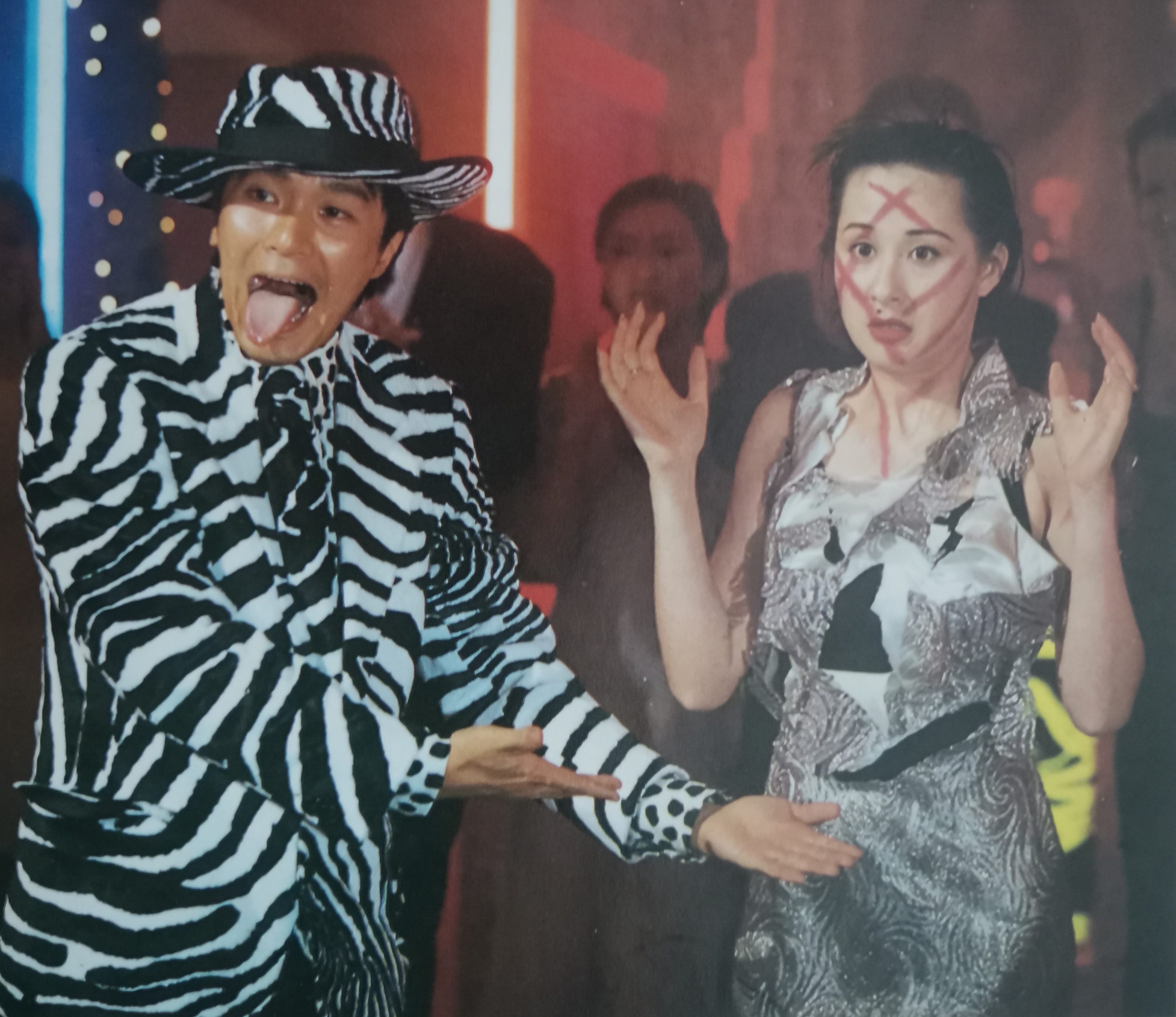
Chow stars in a Wong Jing & Raymond Yip Wai-Man comedy in which a rich and arrogant playboy is brought back to life by a mad scientist after being blown up by the yakuza who now want to kill him again.

Kung Fu Hustle

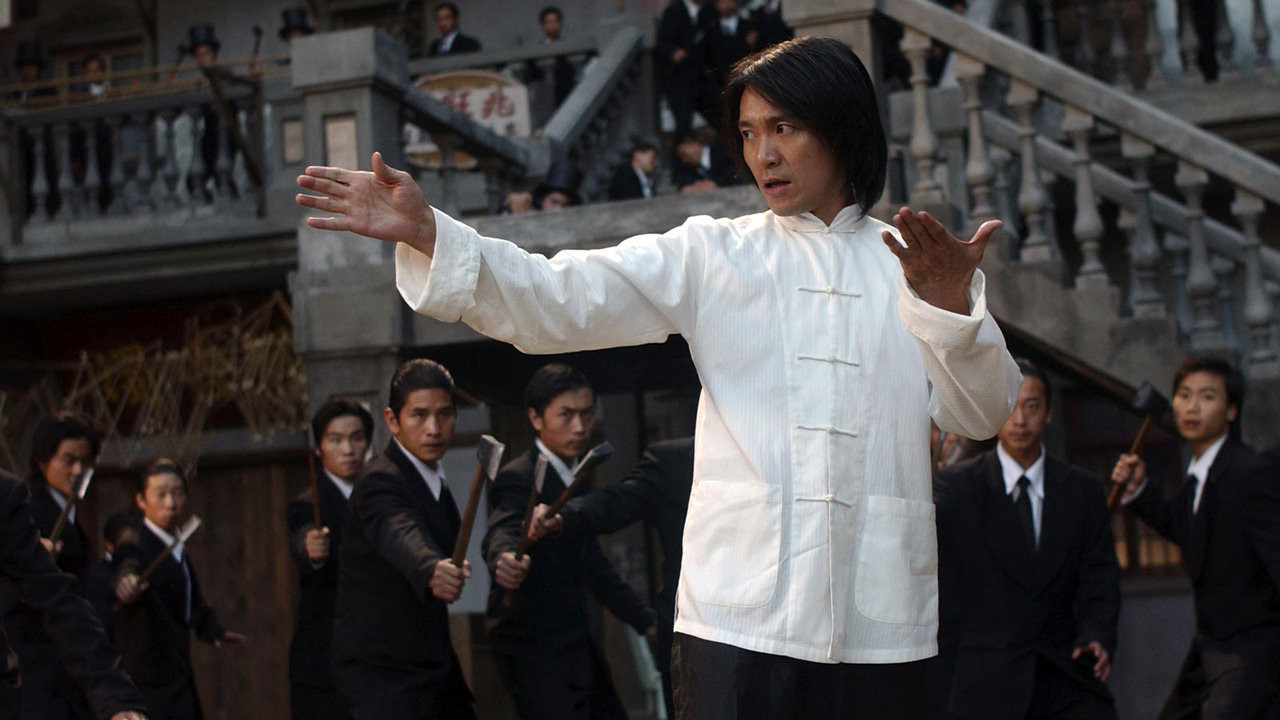
2004 comedy starring Chow as a petty thief in 40s Shanghai who desperately wants to join the Axe gang which currently dominates the city except for the small enclave of the slums in Pigsty Alley.

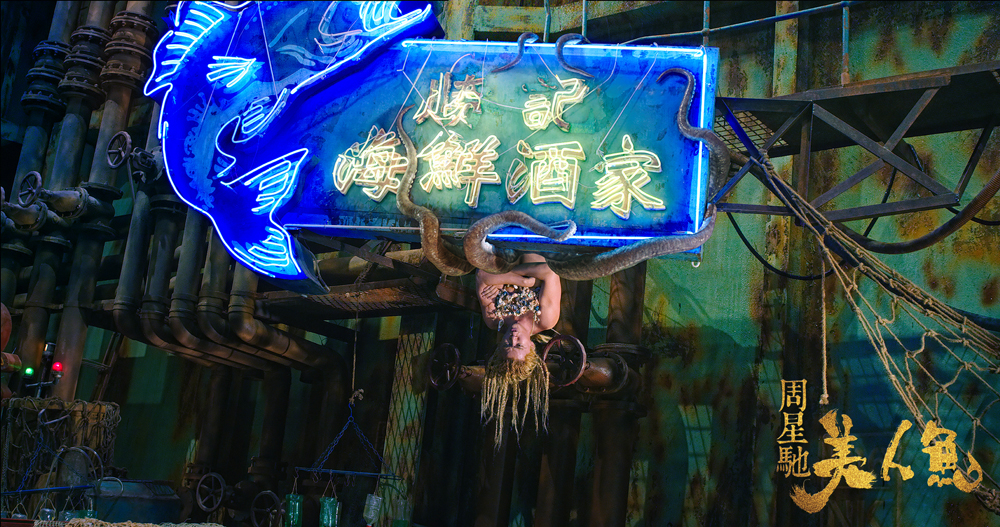
The Mermaid

2016 eco comedy starring Deng Chao as a heartless capitalist intent on bulldozing an area of outstanding natural beauty and Jelly Lin as a undercover mermaid sent to assassinate him only to fall in love instead. Review.

Stephen Chow in Focus screens at the Prince Charles Cinema, London, on Thursdays in June as part of Odyssey: A Chinese Cinema Season which runs 26th May to 30th June online and in-person. The full programme will be announced in due course and you can keep up with all the latest news by following the festival on Instagram and Twitter.