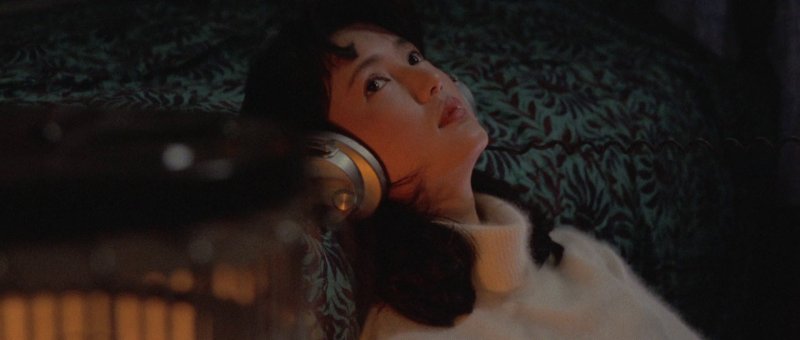

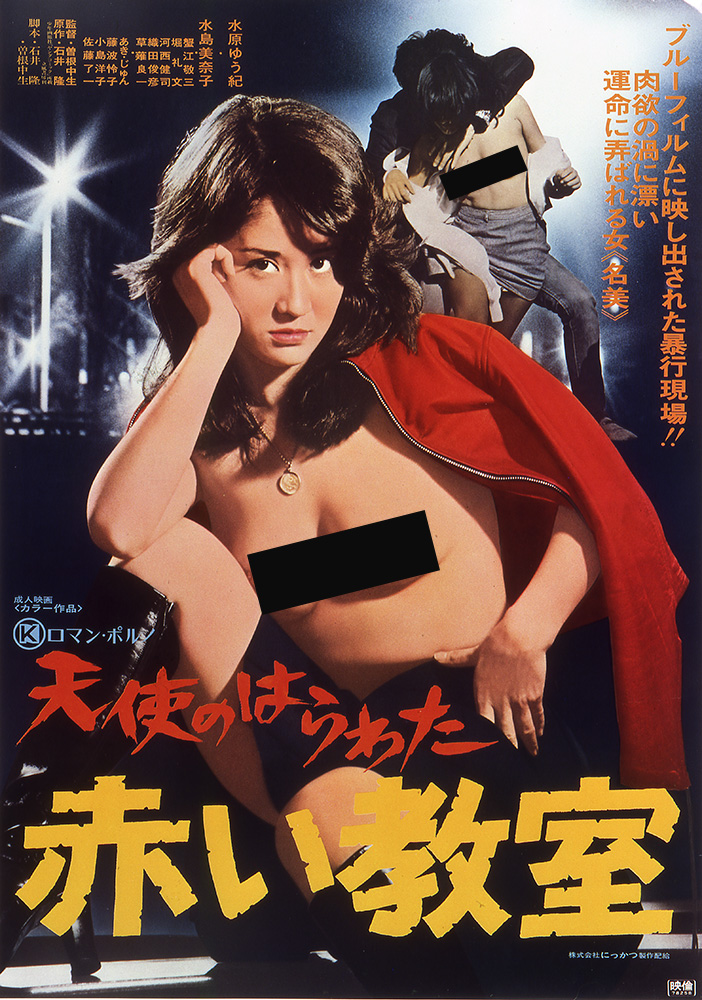
“Lots of perverts around these days”, Nami (Jun Izumi) sighs to herself on becoming convinced that someone’s stalking her. She isn’t wrong, but her increasing paranoia bears out the sense of threat in the contemporary city. Perhaps something has happened to her before, or maybe it’s because she’s a young woman living alone who has been receiving dirty calls from anonymous heavy breather, but she can’t escape the sense of being watched even when she’s at home on her own.
Nami isn’t a well-known person, but it’s not beyond the realms of possibility that some strange man has followed her home from the department store where she works after taking a liking to her. She sees herself clearly as not that kind of woman, and ostensibly leads a very proper life with a decent job and her own apartment. The fact that she masturbates under her kotatsu might be both an expression of her loneliness and an attempt to own her sexuality, but also hints at its illicitness in the fact that it is hidden and out of view. When her friend asks her to fill in at her part-time gig, Nami agrees out of politeness but far from the simple modelling job she was expecting, she’s forced into a shoot for a bondage magazine and becomes an unexpected pinup star.
The reason she’s so popular may indeed be because of the real shock and confusion obvious in her almost comical expression. Though the team from the magazine want her to come back promising a sizeable paycheque, Nami refuses and is unable to accept the image of herself as a pornographic model. When a man, Muraki (Masahiko Abe), chases her into a ladies’ bathroom at the train station, she keeps telling him that she’s not that sort of woman, but there’s uncertainty in her voice and what she most seems to want is vindication. Meanwhile, she’s basically harassed into an affair with her married floor manager who gets her drunk and takes her to a hotel room explaining that she was regarded as the “hardest girl to get” among the department store staff. He becomes increasingly forceful as Nami resists before finally giving in and thereafter continuing an affair with him.
Even before she became an accidental magazine star, Nami was indeed the focus of unwanted attention and felt herself threatened by simply by existing in a male society. Muraki peeps on the teenage girl who lives in the posh house next to his rundown apartment building as she, ironically, masturbates by shoving an egg into her vagina and cracking it open with a set of pencils. Later it seems as if the girl knew Muraki was watching her, but evidently continued to do it anyway. In any case, Muraki’s peeping is also a kind of class transgression as is his fantasy of raping his landlady after she enters his apartment without permission in the belief that he’s been stealing women’s underwear. Unable to get a job, his existence is fairly dismal and he’s viewed with suspicion by his neighbours due to his slovenly appearance and uncouth manner. He too becomes fixated on Nami’s photo, fantasising about her as a possible source of salvation based only on her image in the magazine.
When he eventually encounters Nami, he too like her boss first seems as if he means to force himself on her, but then pulls back, explains that his feelings are genuine, and he’d rather meet her in a more normal way in a public place to go on a conventional date, making clear that he’s interested in Nami, not just the image of her from the magazine onto which he’s projected his own fantasies. But conversely, as much as it might inspire a sense of hope in the readers, the photo is also a liability and when her floor manager discovers it, he attempts to blackmail her into shifting the dynamics of their relationship so that he’d no longer have to pay for hotel rooms or expend any extra funds on Nami. Despite the fact her friend has been a nude model for ages, Nami is dismissed from the department store. The boss describes her as “just a slut”, though lamenting it’s a shame seeing as she was so pretty as he instructs her floor manager to fire her, bearing out the double standard that men are free to view these images but scorn the women who are in them.
Nevertheless, the encounter with Muraki and being let go from the department store provoke a kind of liberation in which Nami flips the kotatsu over and masturbates with the chair leg bathed in the red glow of the heater. She has perhaps fully embraced her sexuality, indulging in rope play and no longer hidden beneath the curtain of the blanket but orgiastically pleasuring herself out in the open. Muraki, meanwhile, pays another sort of price in being the prime suspect in a rape and murder just because the neighbours think he’s a bit weird and assume it must be him. He continues to cling to the idea of Nami as a kind of salvation, while she too seems drawn to him and is about to throw away the magazine and say goodbye to this sorry episode in her life until a potential happy ending is abruptly cut short. Filled with urban melancholy, the film paints both Muraki and Nami as prisoners of their society, unable to find self-acceptance or security save in the frustrated bond they unexpectedly discover in their shared desire for escape.
Angel Guts: Red Porno is available as part of The Angel Guts Collection released on blu-ray 23rd February courtesy of Third Window Films.
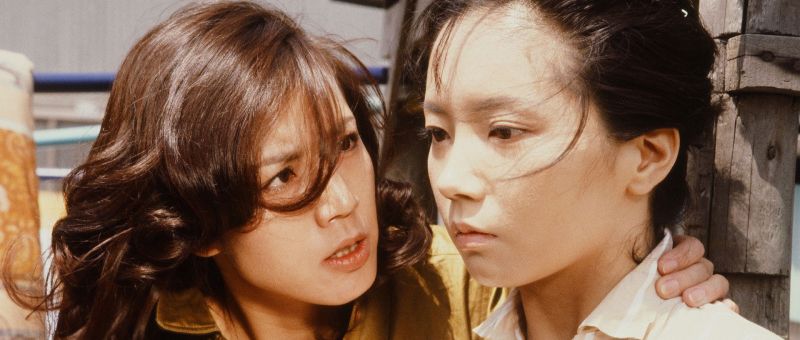
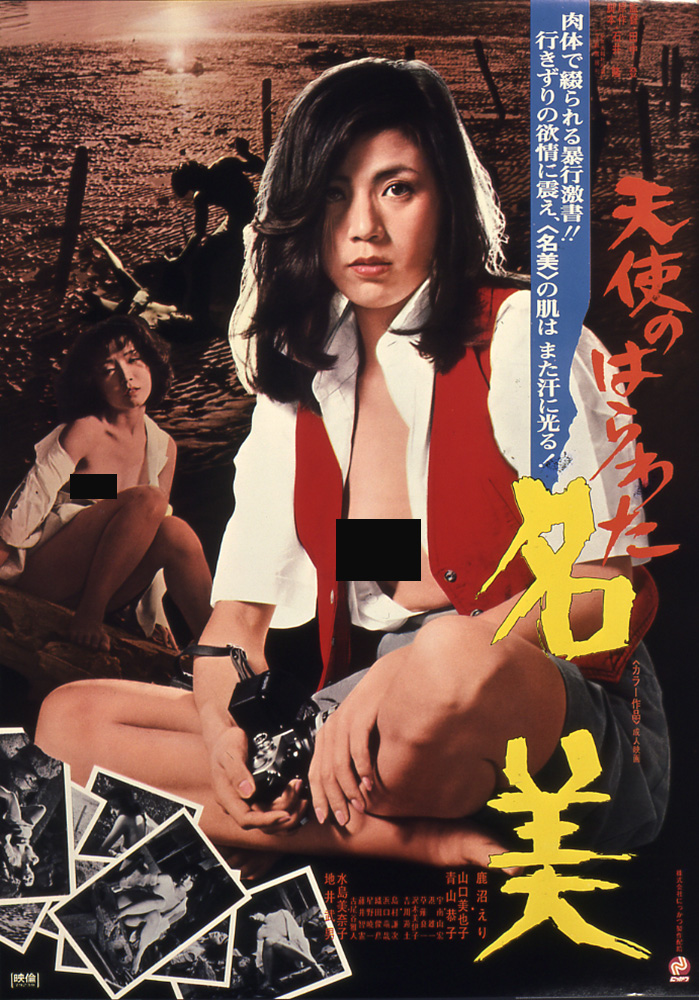
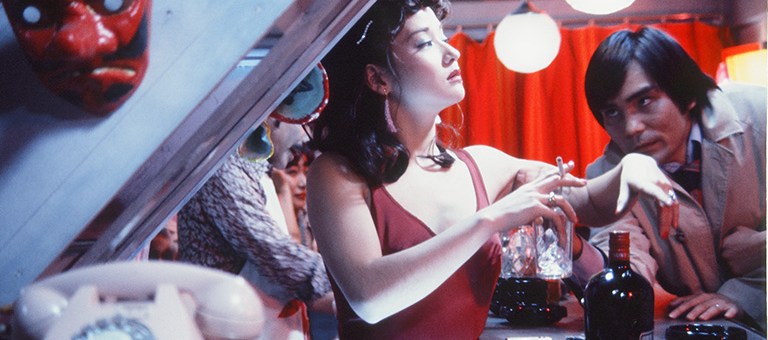

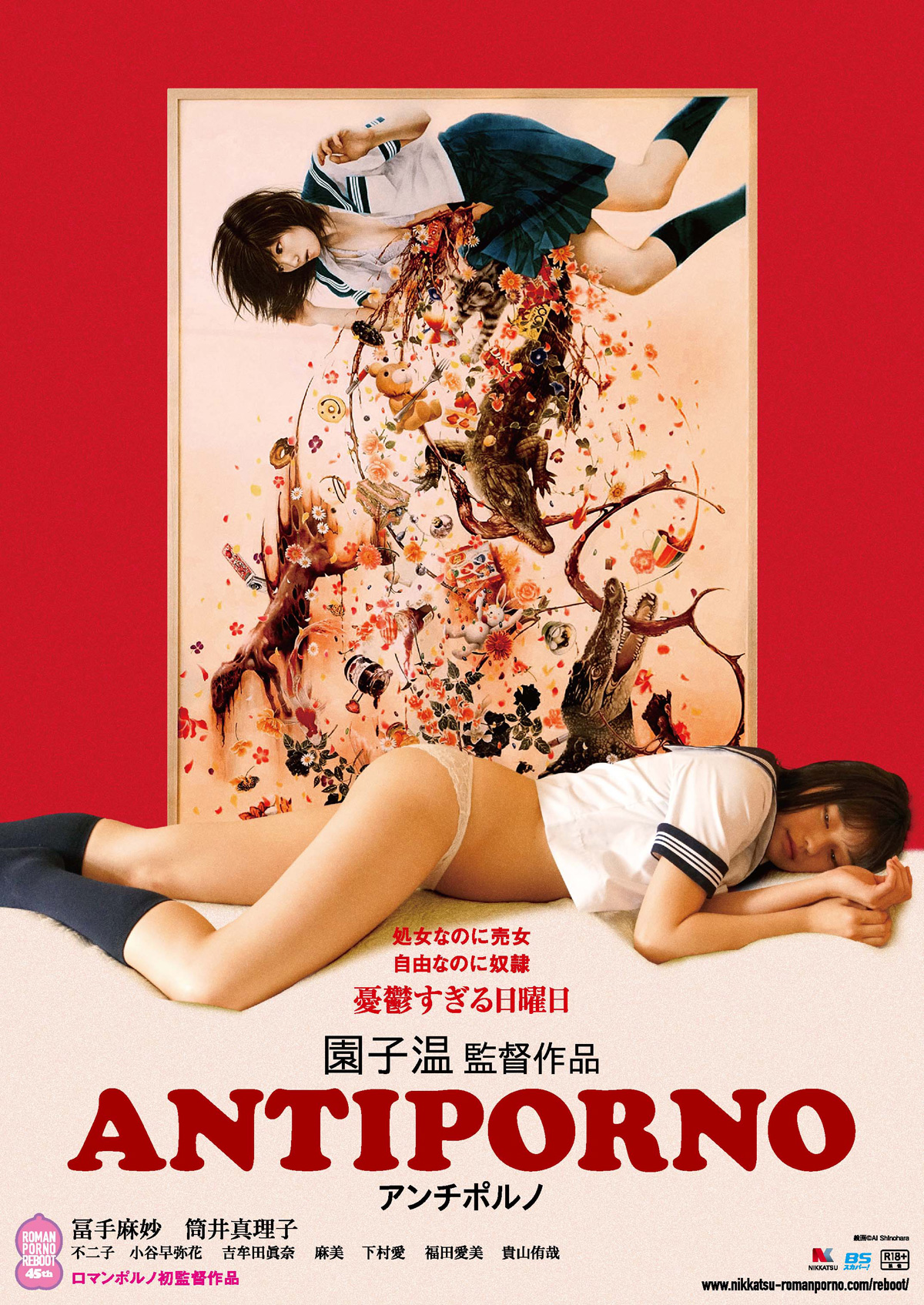


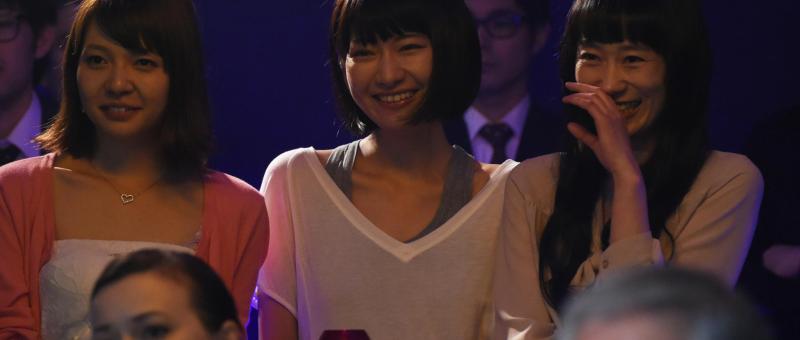
 Towards the end of the 60s and faced with the same problems as any other studio of the day – namely declining receipts as cinema audiences embraced television, Nikkatsu decided to spice up their already racy youth orientated output with a steady stream of sex and violence. The Roman Porno line took a loftier approach to the “pink film” – mainstream softcore pornography played in dedicated cinemas and created to a specific formula, by putting the resources of a bigger studio behind it with greater production values and acting talent. 40 years on Roman Porno is back. Kazuya Shiraishi’s Dawn of the Felines (牝猫たち, Mesunekotachi) takes inspiration from Night of the Felines by the Roman Porno master Noboru Tanaka but where Tanaka’s film is a raucous comedy following the humorous adventures of its three working girl protagonists, Shiraishi’s is a much less joyous affair as he casts his three lonely heroines adrift in Tokyo’s red light district.
 Each year the Nippon Connection film festival runs a retrospective programme alongside its collection of recent indie and mainstream hits. The subject for this year’s strand is Nikkatsu’s Roman Porno. Heading into the 1970s, Japanese cinema was in crisis mode as TV poached cinema audiences who largely stayed away from the successful genres of the 1960s including the previously popular youth, action, and yakuza movies which had been entertaining them for close to 20 years. Daiei, one of the larger studios known for glossy, big budget prestige fare alongside some lower budget genre offerings went bust in 1971, Shochiku kept up its steady stream of melodramas, but Nikkatsu found another solution. Taking inspiration from the “pink film” – a brand of soft core, mainstream pornography shown in specialised cinemas and made to exacting production standards, they created “Roman Porno” which made sex its selling point, but put big studio resources behind it, bringing in better actors and innovative directors to lend an air of legitimacy to its purely populist ethos.
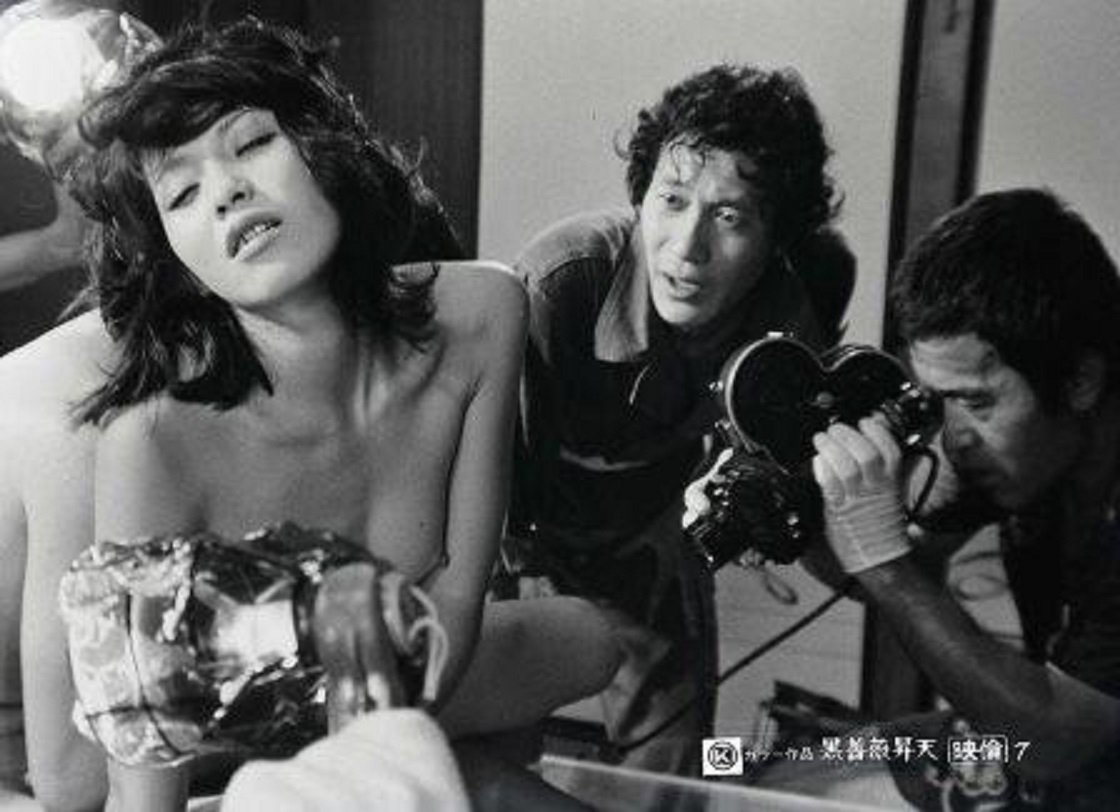 Ecstacy of the Black Rose is a more comedic effort than most of Kumashiro’s output and takes an ironic look at the genre as a put upon director gets fed up when his leading actress falls pregnant and becomes obsessed with finding a woman whose moans he overheard at the dentist’s.
 Following Desire received a Kinema Junpo award for best screenplay as well as the best actress prize for Hiroko Isayama who plays a stripper intent on taking down her rival for the top spot!
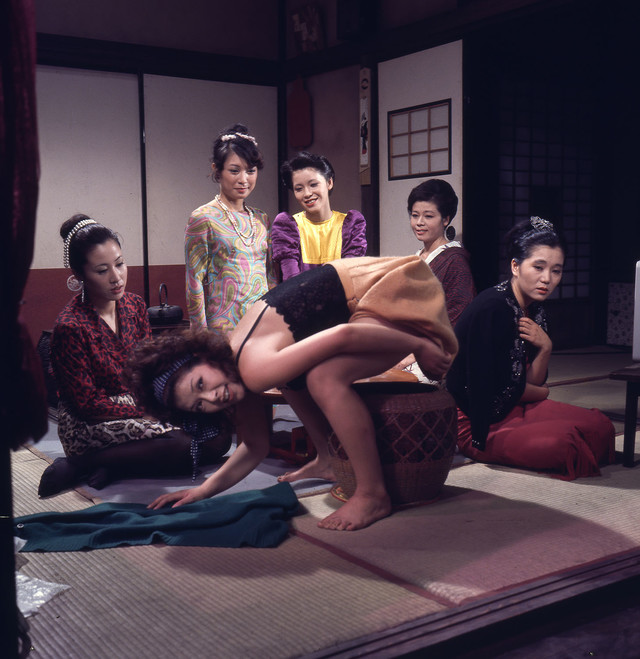 Kumashiro’s Tamanoi Street of Joy takes place on the last day of legal prostitution in 1958 and follows the girls as they mark the occasion in their own particular ways.
 Further proving Kumashiro’s critical stature, Twisted Path of Love was among Kinema Junpo’s 1999 list of the greatest Japanese films of the 20th century. The story of a young man who returns to his hometown but attempts to shed his identity, burning a hole in the conventional village life through sex and violence, Twisted Path of Love also displays Kumashiro’s interesting use of common censorship techniques for artistic effect.
 Often regarded as Kumashiro’s masterpiece, The Woman with the Red Hair picked up a Kinema Junpo best actress award for Junko Miyashita, as well as ranking fourth in their annual best of the year list. The story centres on construction worker Kozo who, along with friend Takao, rapes his boss’ daughter who subsequently becomes pregnant. While she asks Takao to marry her, Kozo embarks on an affair with the mysterious red-haired woman.
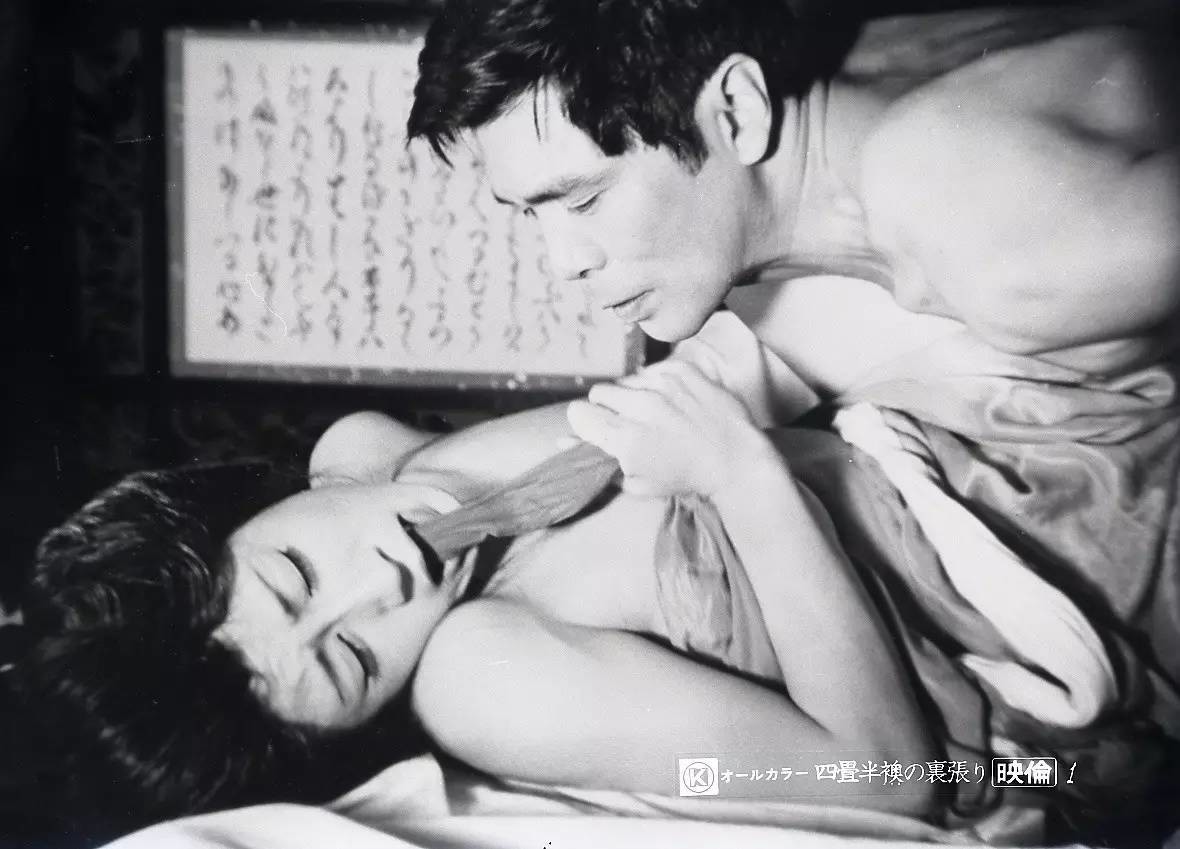 Another of Kumashiro’s most well-regarded Roman Porno, The World of the Geisha takes place in a geisha house in 1918 and examines the various tensions which exist between the women themselves and their customers who have come to the house to escape external political concerns. The film again demonstrates Kumashiro’s tendency to ironic commentary as he tampers with intertitles to make a point about censorship.
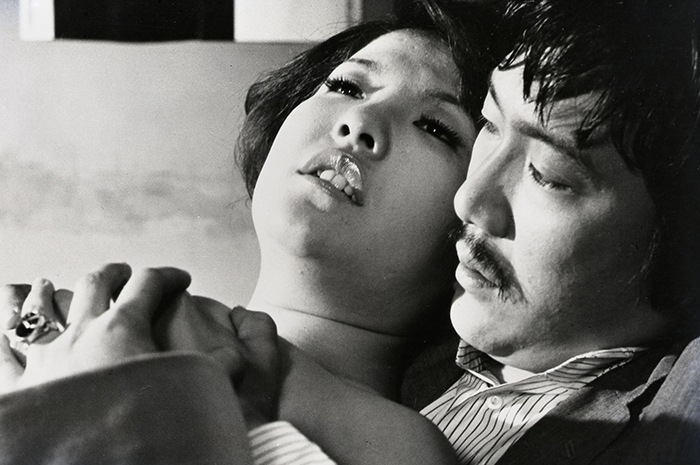 Night of the Felines provides the inspiration for Kazuya Shirashi’s reboot Dawn of the Felines and follows the comical adventures of three prostitutes.
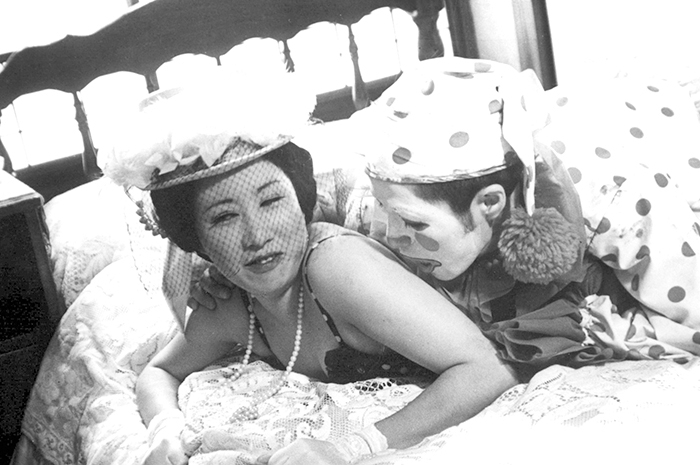 Stroller in the Attic is among the best known in the Roman Porno canon and adapts an Edogawa Rampo short story about a ’20s boarding house filled with eccentric guests.
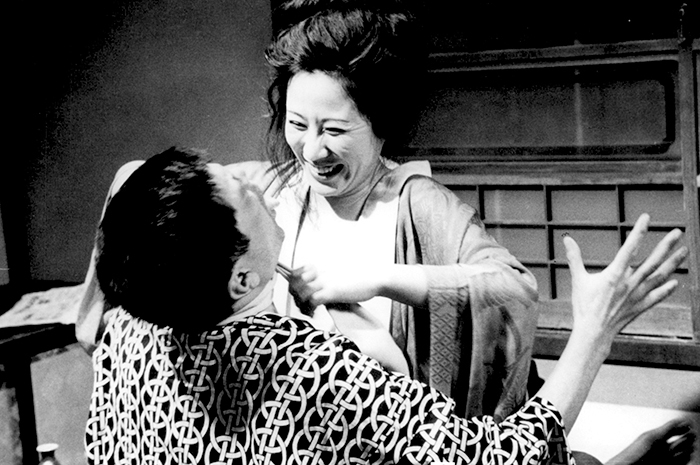 Inspired by the same real life case as In the Realm of the Senses, Noburu Tanaka’s Sada and Kichi takes a more lurid look at the strange case of Abe Sada who strangled her lover after a brief affair and then cut off his genitals to wear as a kind of talisman.
 Windows on Worlds