

“Don’t forget I’m thinking of you” run the lyrics of the classic Okinawan folk song Kanasando (かなさんどー), but the theme of forgetting, and also of rediscovery, is central to Toshiyuki Teruya’s charming island dramedy in which a young woman begins to reclaim her memories of her parents on returning home after being informed her estranged father has been placed on palliative care and is not expected to last much longer.
Mika (Ruka Matsuda) had left the island seven years previously following the death of her mother, Machiko (Keiko Horiuchi), from a longterm illness severing ties with her father, Satoru (Tadanobu Asano), whose philandering and insensitivity she believes made her mother’s life a misery. In addition to his his illness, Satoru is now suffering with dementia and has obviously forgotten many things including his wife but seeing Mika, who is the spitting image of her mother at her age, begins to spark his memories.
Yet in many ways it’s really Mika who has forgotten, displaced from her island home and filled with intense resentment towards her father. Having placed her own interpretation on her parents’ relationship, she begins to reevaluate on recalling conversations with her mother and reading her diary. Though she had felt miserable for Machiko, seeing her as belittled and humiliated by Satoru’s inconstancy, she failed to consider that staying was a choice her mother made or that though she may not have understood the relationship they had with each other it may have worked for them.
Then again, perhaps there is a surprising generational conflict between the youngish Mika now living in Tokyo and her mother whose traditional values seem overly strong and a little outdated for the time in which she lived. Burderned by her illness and unable to work, Machiko devotes herself entirely Satoru’s happiness. She dresses well every day, wears full makeup, and is constantly making Satoru’s favourite food while he stays out late drinking and seeing other women. Mika never really considers that her mother wears makeup because she likes it, but it does indeed seem as if it was in part a desire to compete with her husband’s philandering. Insecure in her illness she tells Mika that she just wanted to be seen as a woman even at the end of her life.
Satoru can no longer offer much of an explanation but as the song says, may have been thinking of his family even while an imperfect father and insensitive husband. In what she learns of him from his coworkers and friends, Mika comes to realise that her father had cared for her mother is and wracked with guilt over his behaviour even if he was thinking about her as he still may be despite the erasure of all his other memories. The folk song becomes a conduit that helps Mika reconnect with her island culture and understand the relationship of her parents just as it acts as a plaintive call of longing for each of them. In an effort to help her father not to forget, she ends up becoming her mother, dressing in her clothes and reenacting scenes from her diary hoping to break through her father’s forgetfulness and restore his wife in a gentle process of healing the family unit.
Through this act of role play Mika comes to a new understanding of her parents’ relationship along with the things which meant something to them but which she had not really understood including the importance of flowers as a symbol of their love, something that is embodied in Mika’s own name which is written with the characters for “beautiful” and “flowers”. Heartrending poignancy of its final sequence aside, Teruya undercuts the potential for gloominess with quirky island humour and captures a real sense of warmth between between Mika and the mother she may not really have understood or at least forgotten the reality of in the midst of her own grief and resentment. The folksong of the title both reunites her parents and also enables Mika to begin processing the secondary loss of her father’s imminent passing with a fuller understanding of the couple and the realisation that Satoru may have been always thinking of them after all in a constant desire to protect the flower of their love along with its island home.
Kanasando screened as part of this year’s Toronto Japanese Film Festival
International trailer (English subtitles)
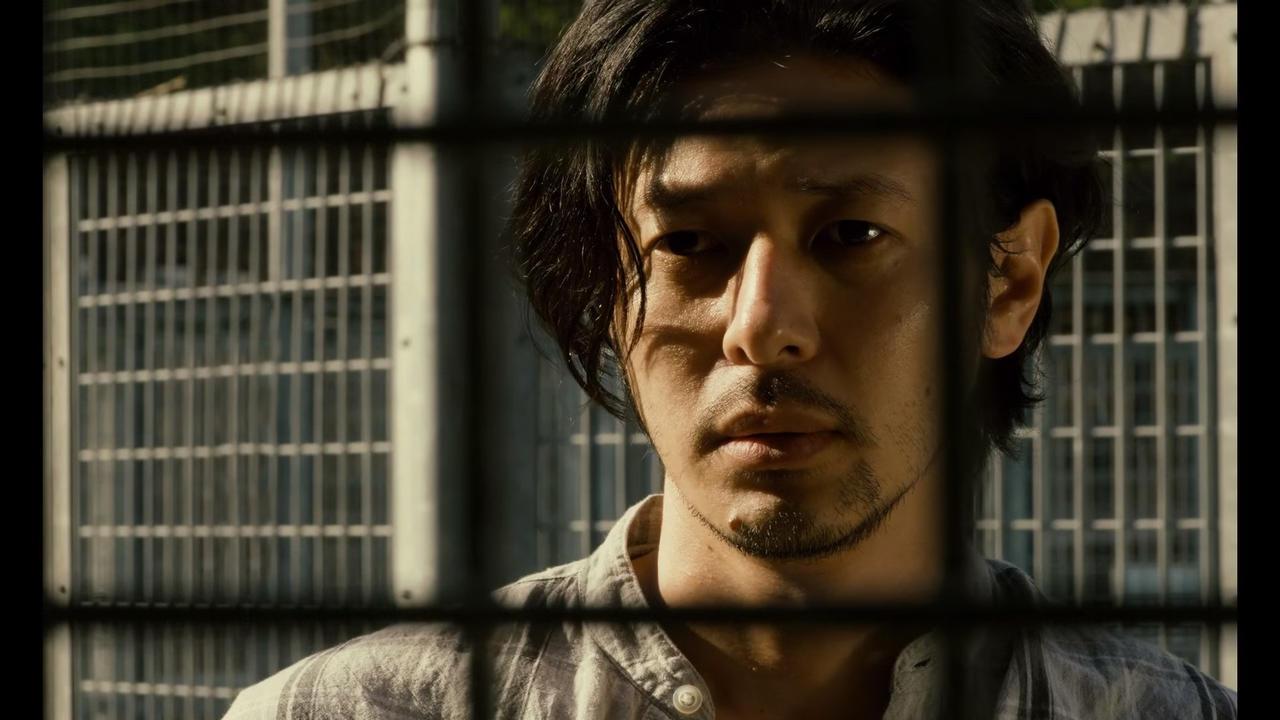 Now in its fifth year, Toronto’s Japanese Film Festival is back with another excellent selection of recent and classic cinema hits. Expanded to include a few extra guests and even more movies, the festival runs from 8th – 28th June and will also boast an appearance by one of Japan’s best loved actors, Joe Odagiri, who will introduce both Her Love Boils Bathwater and Over the Fence.
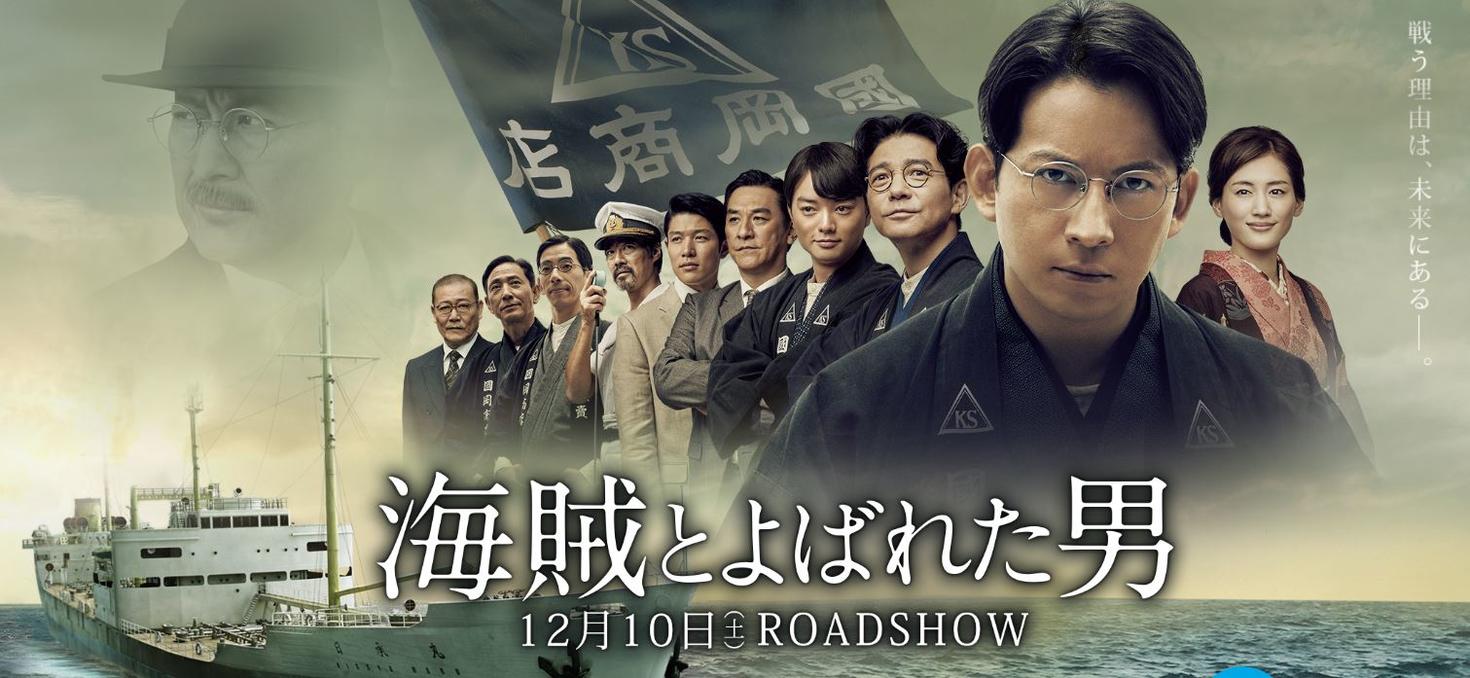 The festival kicks off with a screening of
 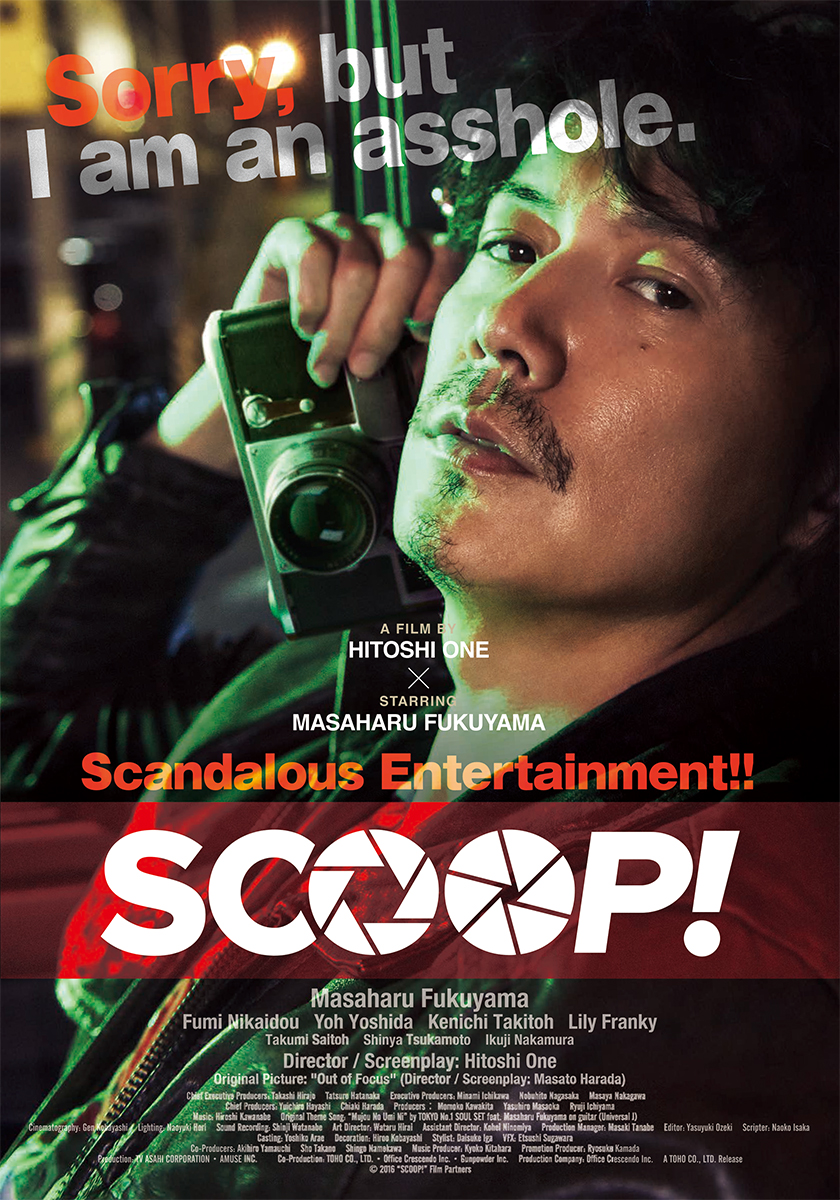 Masaharu Fukuyama stars as a jaded paparazzo rediscovering his photojournalist mojo in Hitoshi One’s oddly moving satire of the gutter press,
 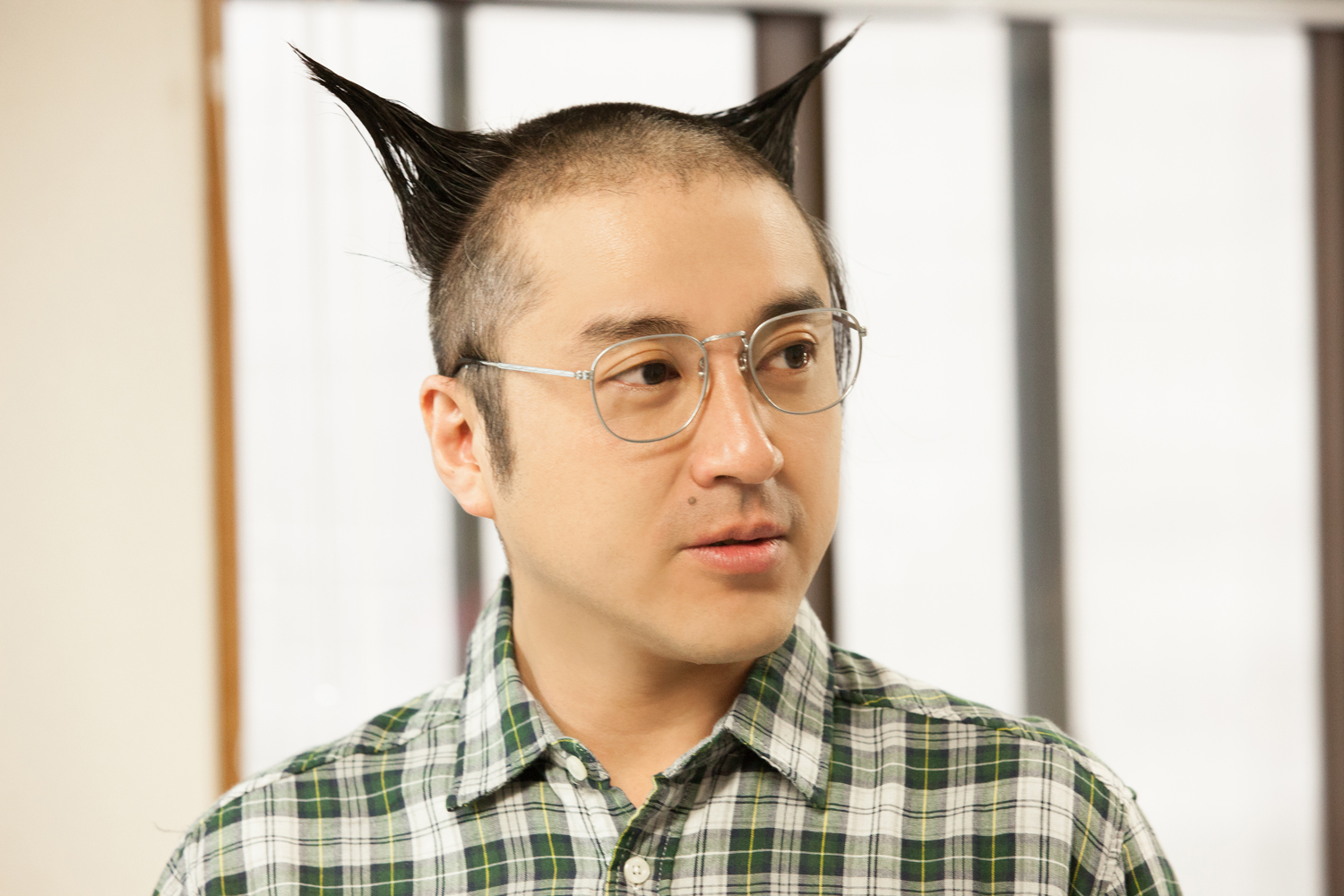 Romantic dreams so often turn to nightmares, but rarely with the blood soaked fury of Keisuke Yoshida’s
 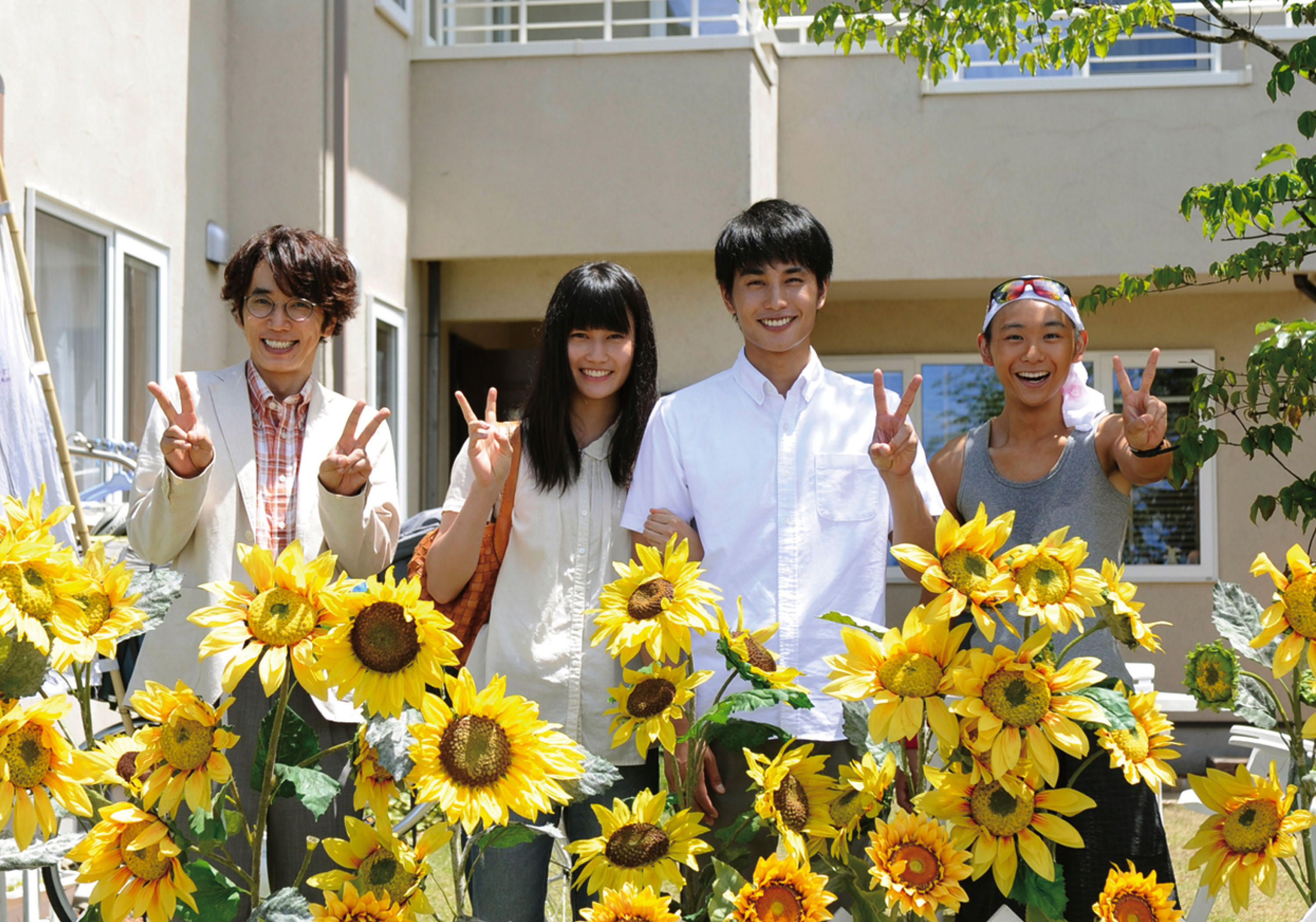 Ai Hashimoto and Aoi Miyazaki star as a mother and daughter cruelly separated by fate in Yasuhiro Yoshida’s family melodrama,
 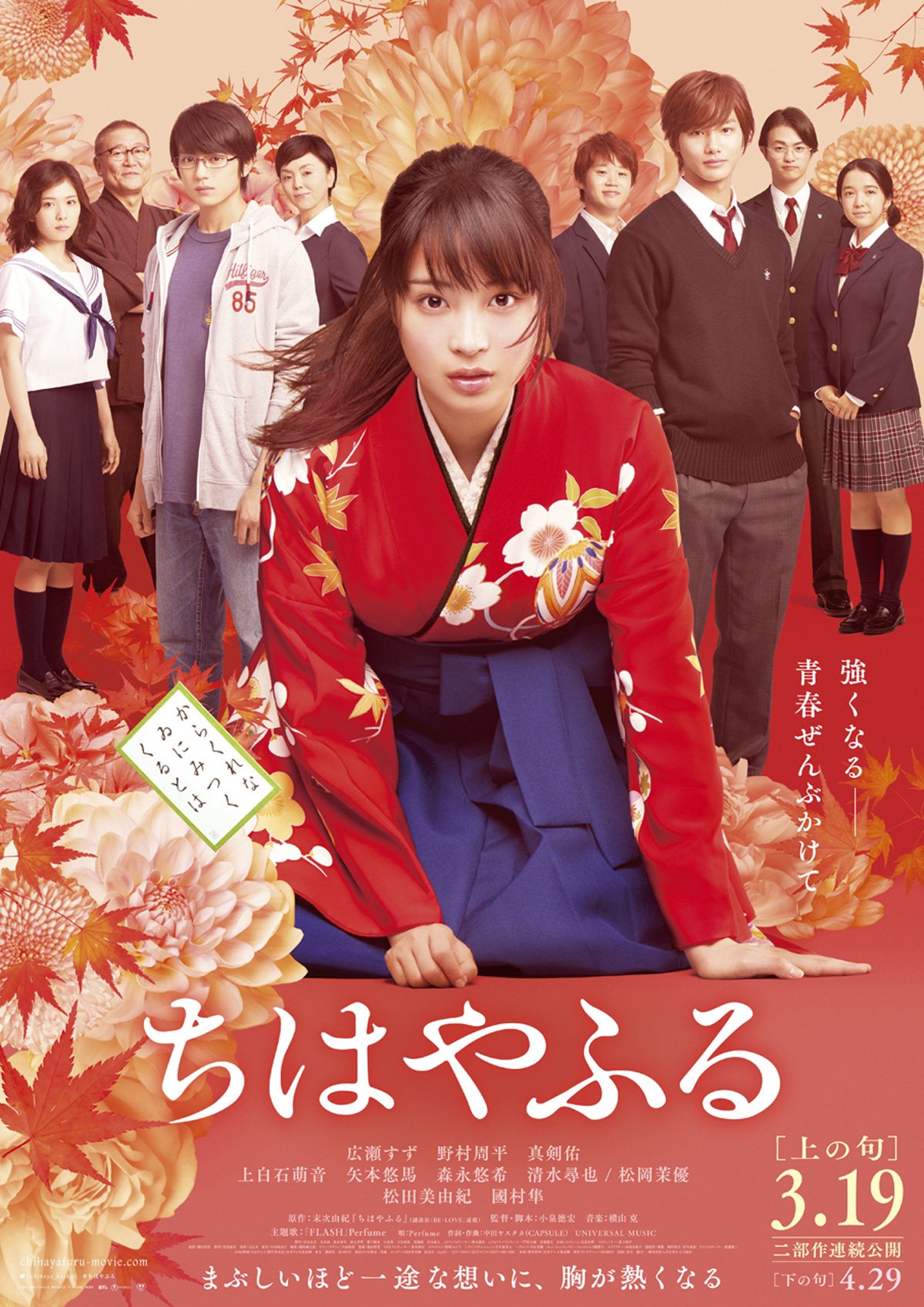 Part one of Norihiro Koizumi’s Karuta themed drama
 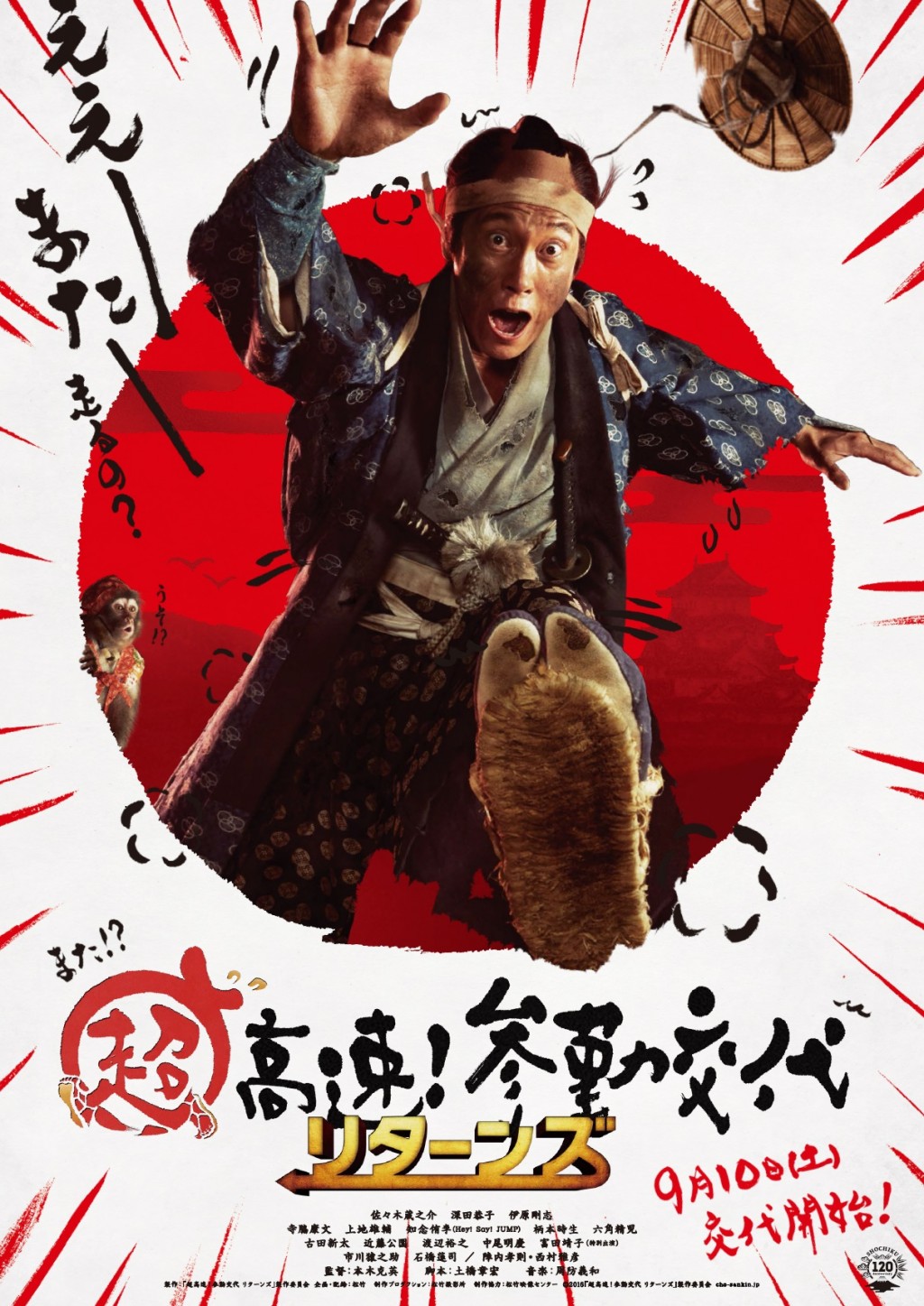 A sequel to Samurai Hustle,
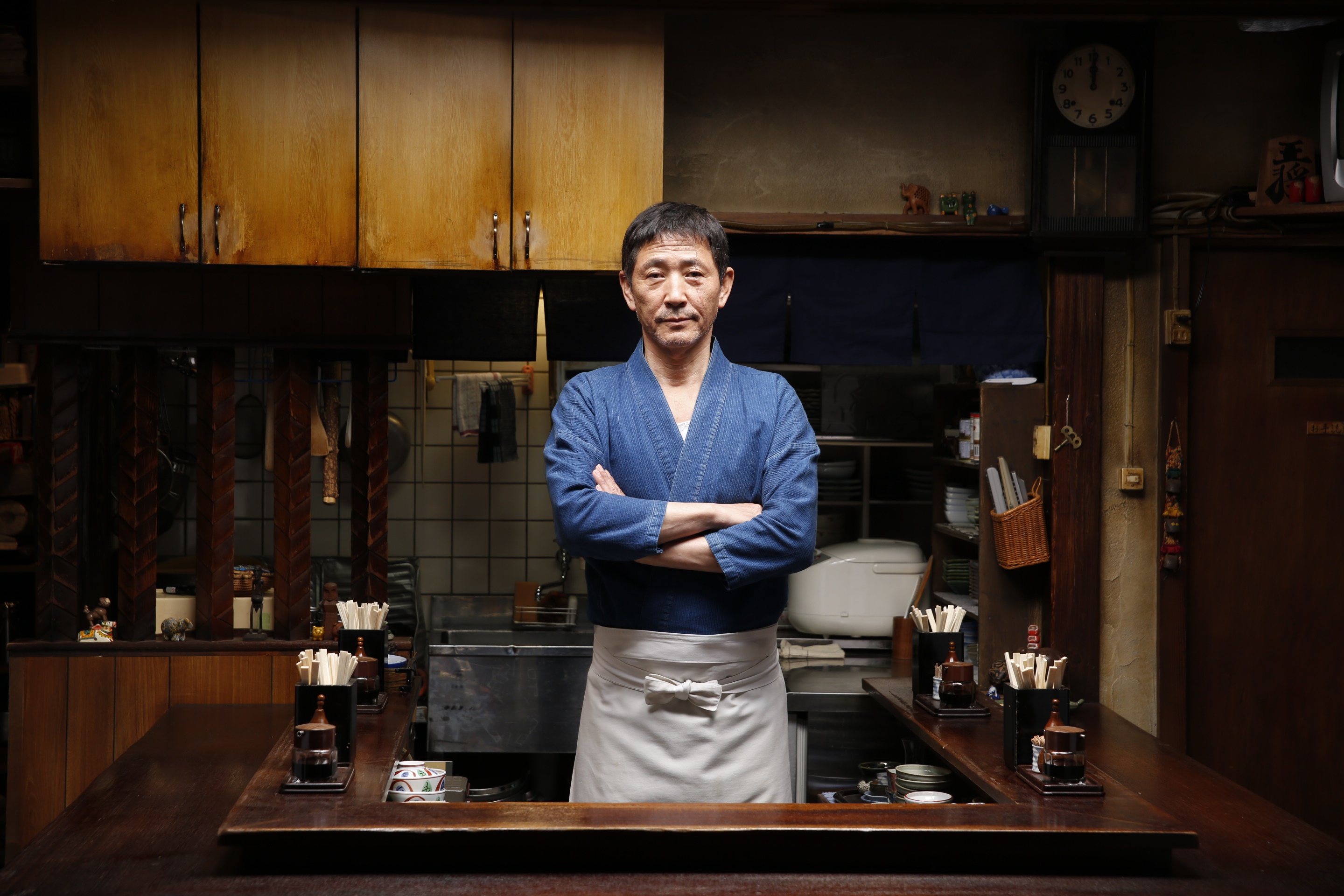 Inspired by the hit TV show, Master is headed to the big screen in the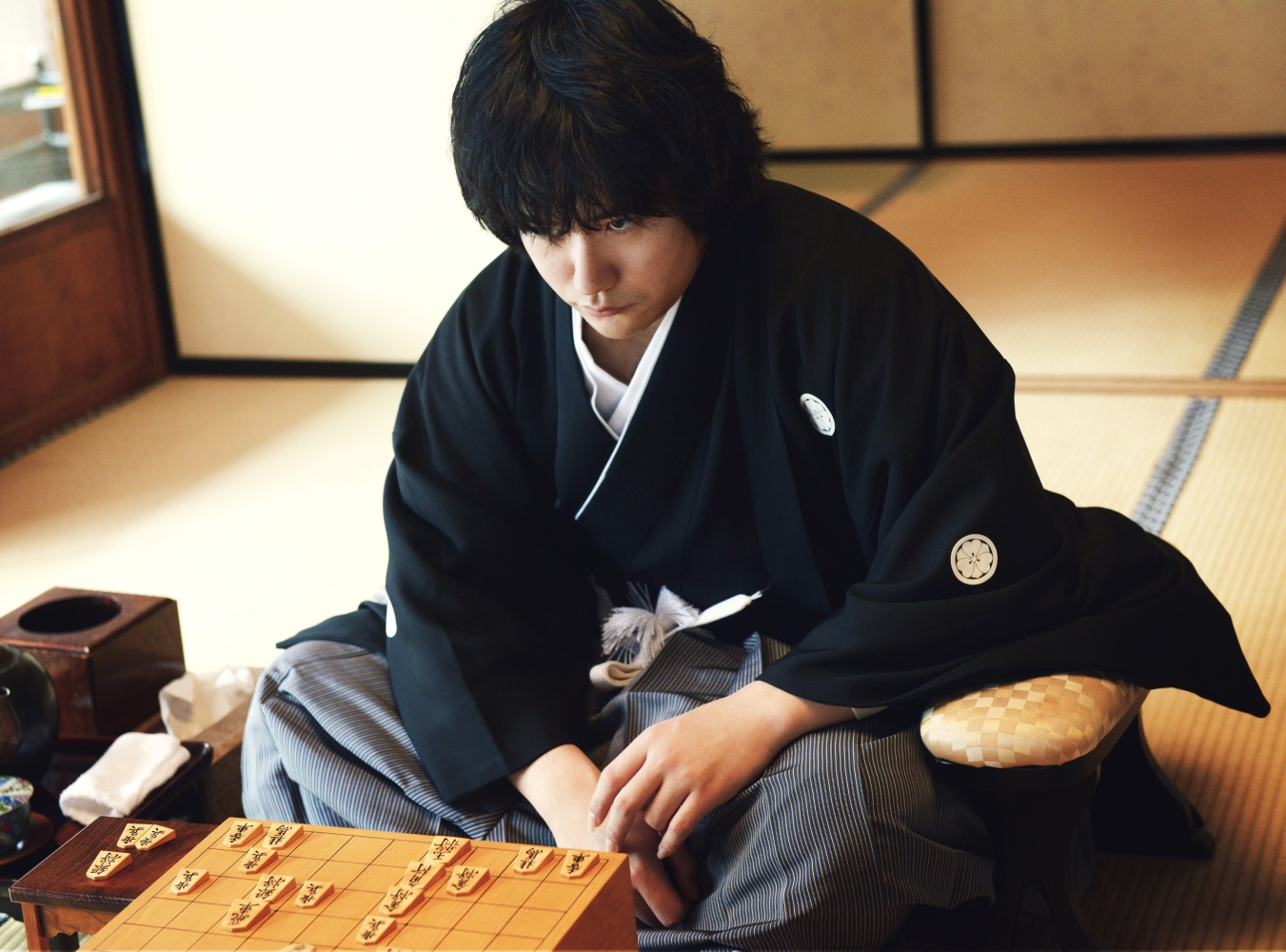
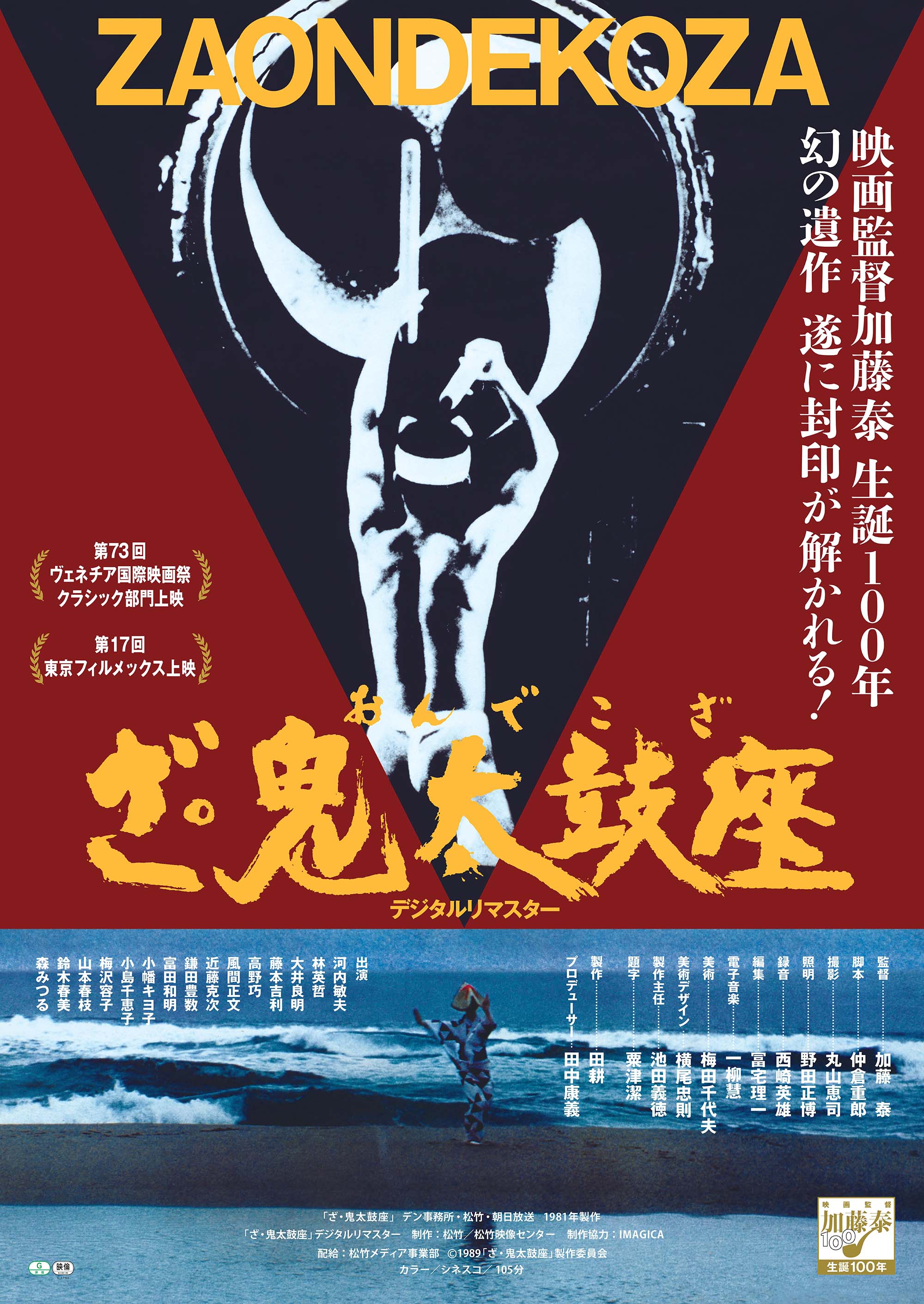 A highlight of this year’s programme, Tai Kato’s little seen and recently restored documentary
 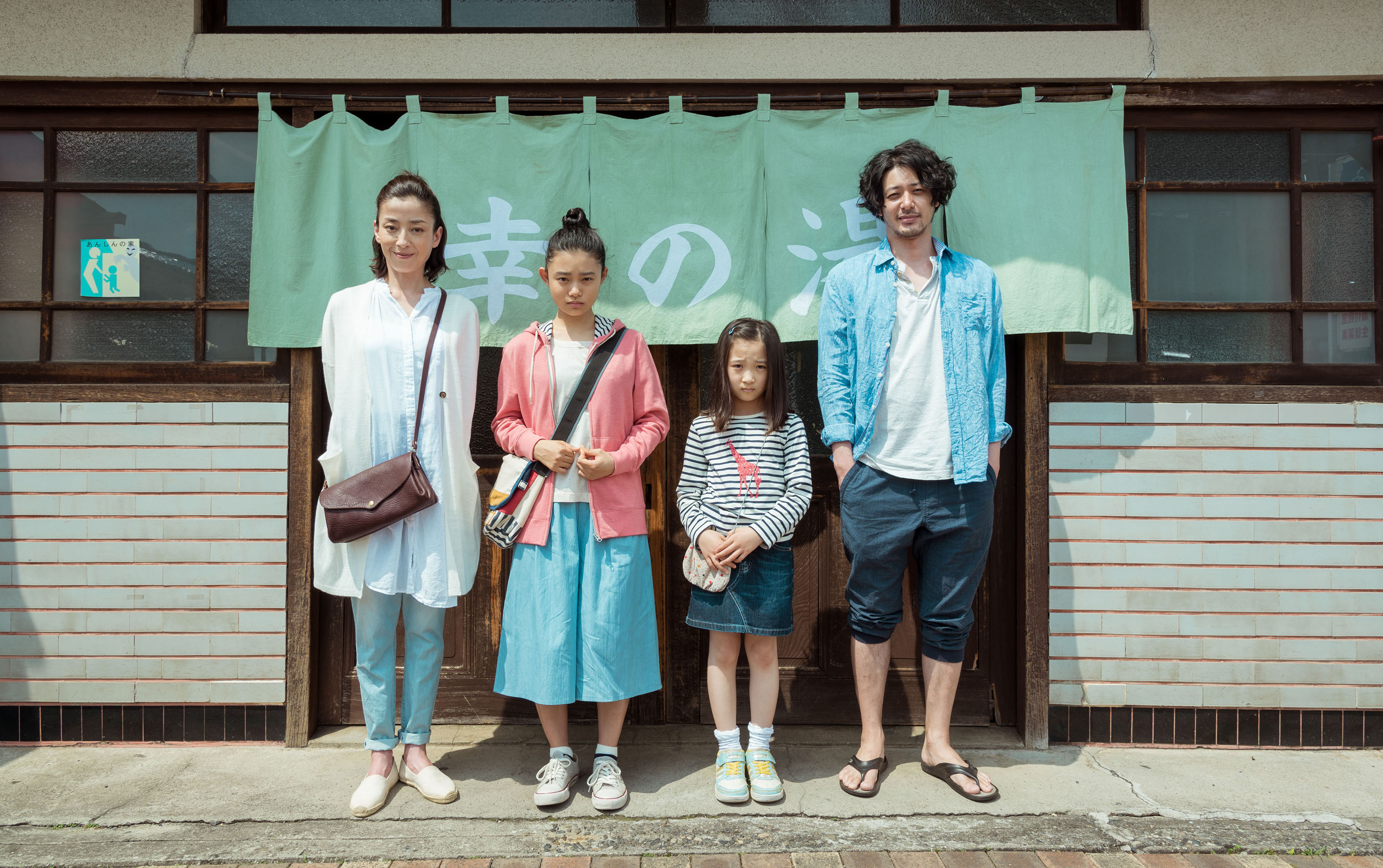 A big winner at this year’s Japan Academy Prize,
 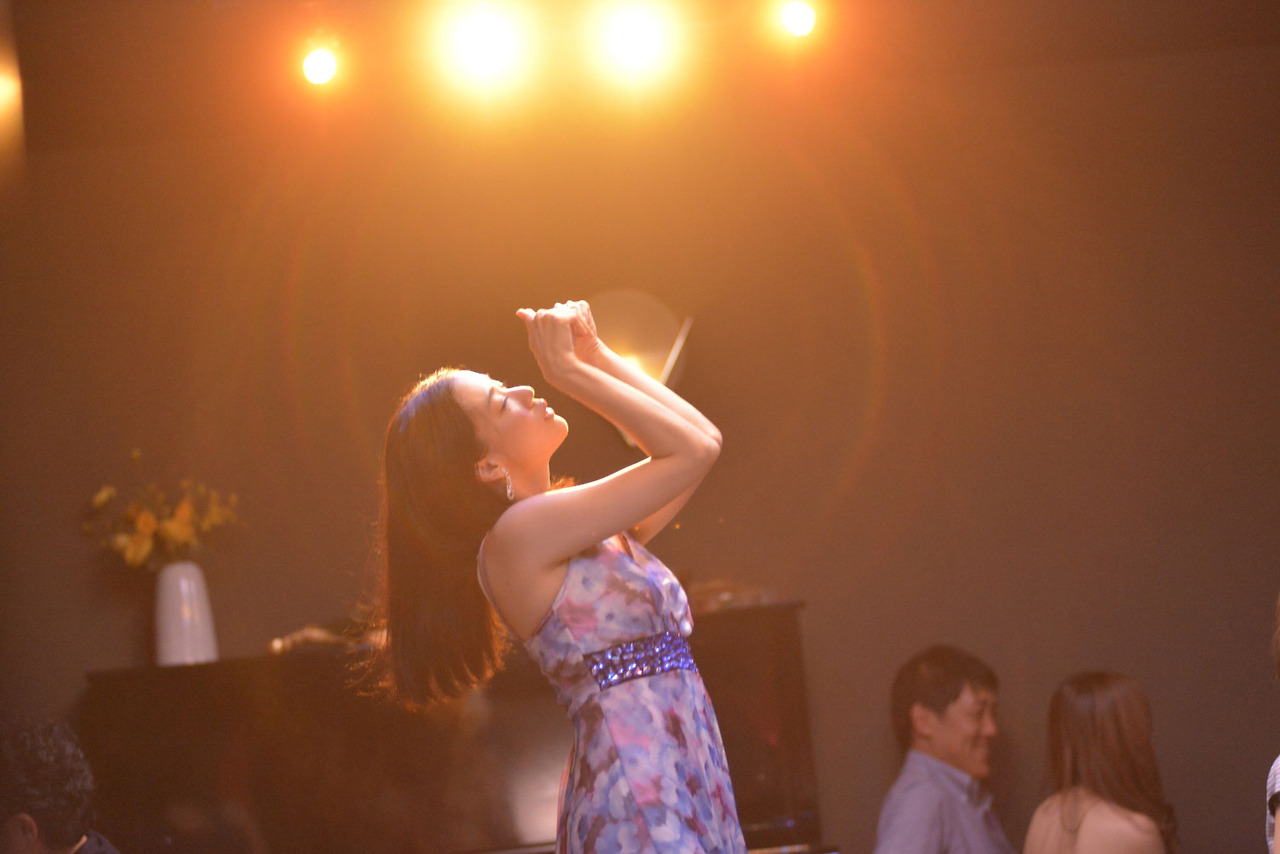 One of two films recently released by Nobuhiro Yamashita,
 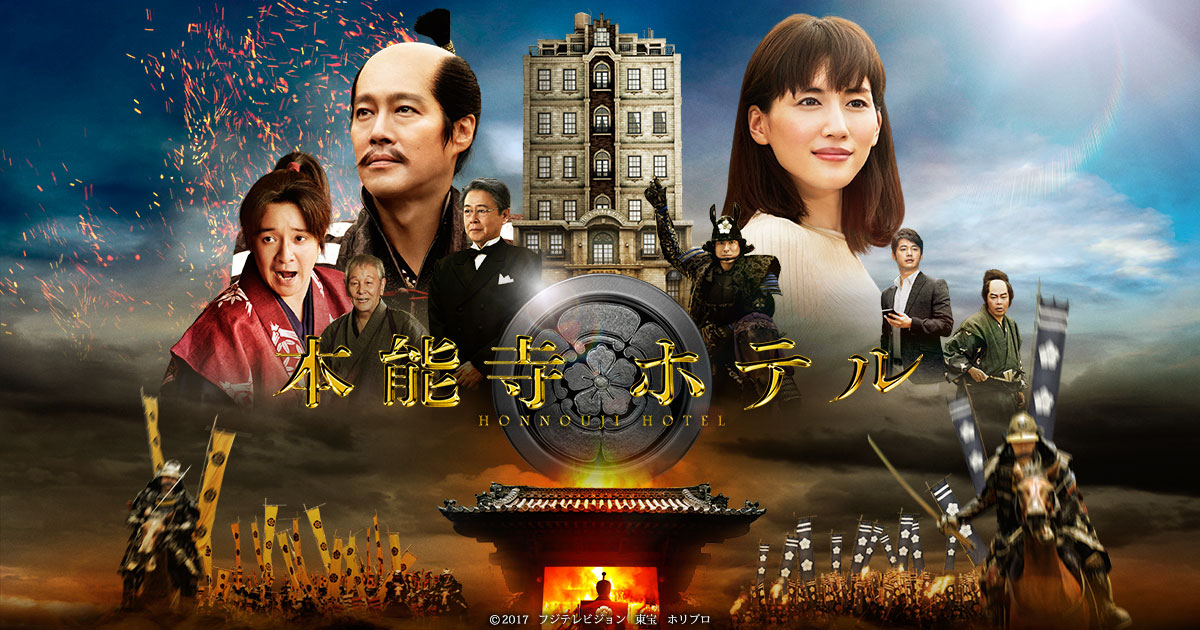 Haruka Ayase stars in
 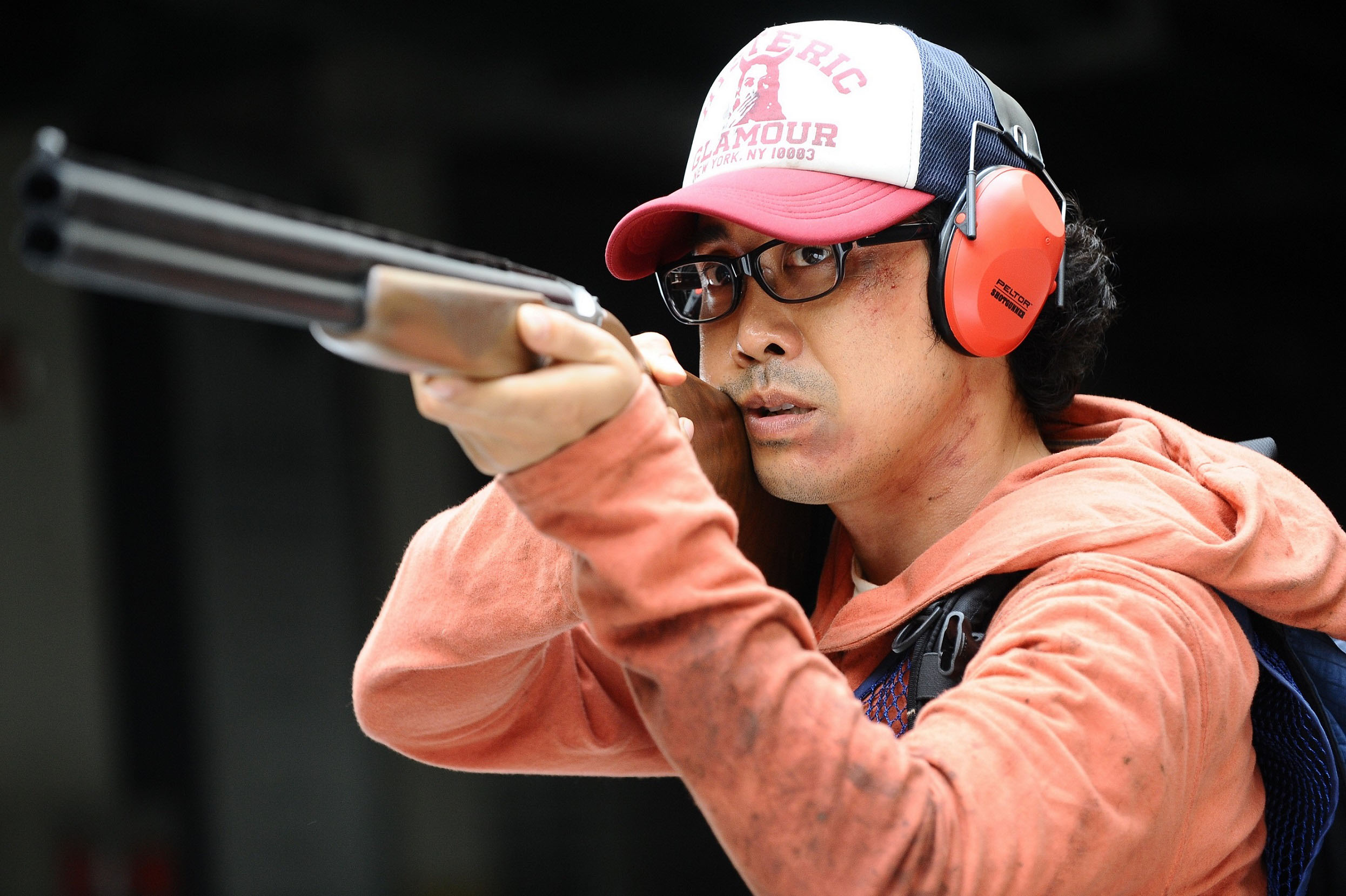 Comedian Yo Oizumi plays an aspiring mangaka with big dreams and possibly deluded hopes who finally discovers the power of his ordinariness during the zombie apocalypse in Shinsuke Sato’s blockbuster action/comedy
 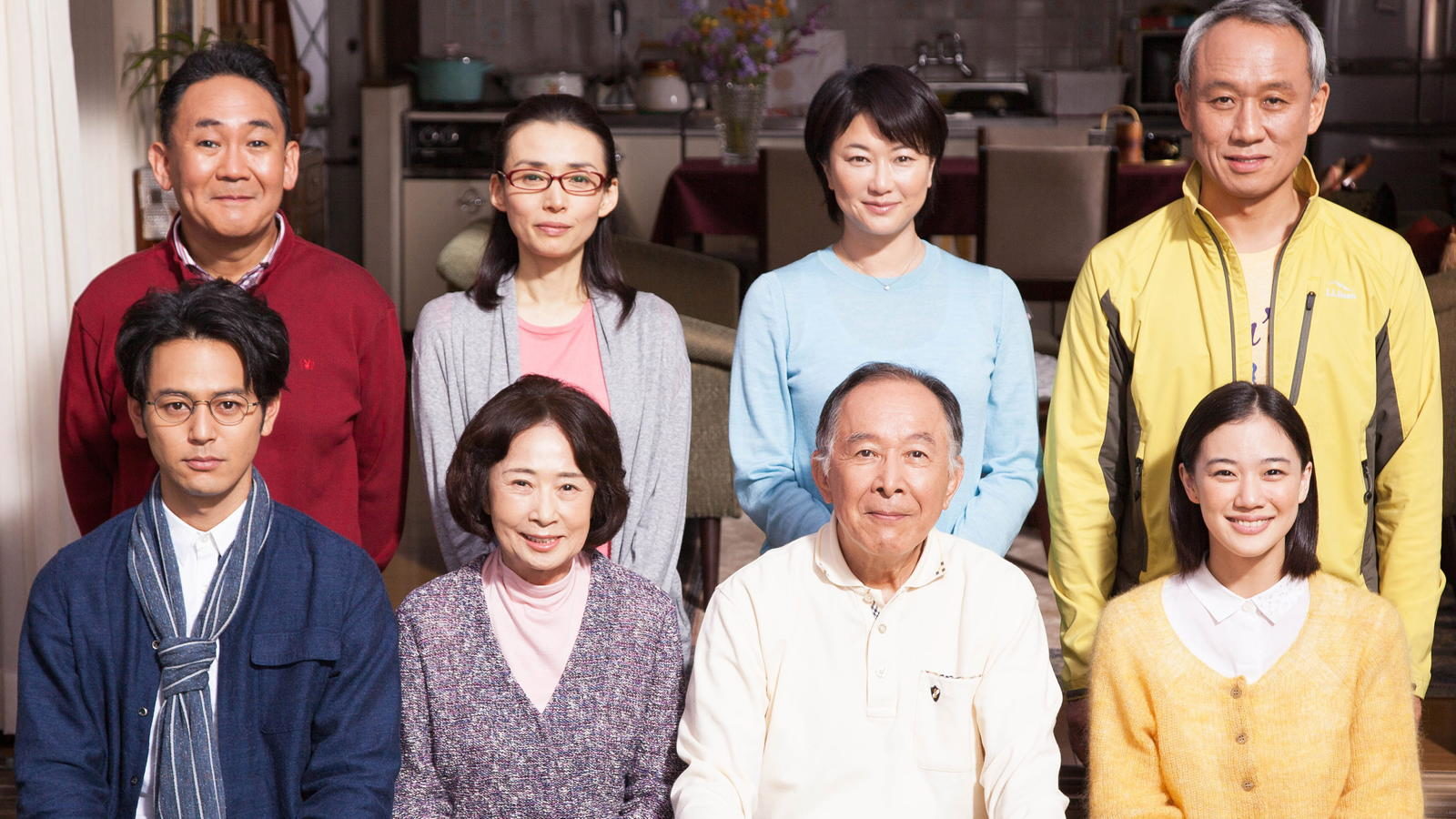 Yoji Yamada reunites with the cast of Tokyo Family and a few more old friends for another tale of humorous family drama,
 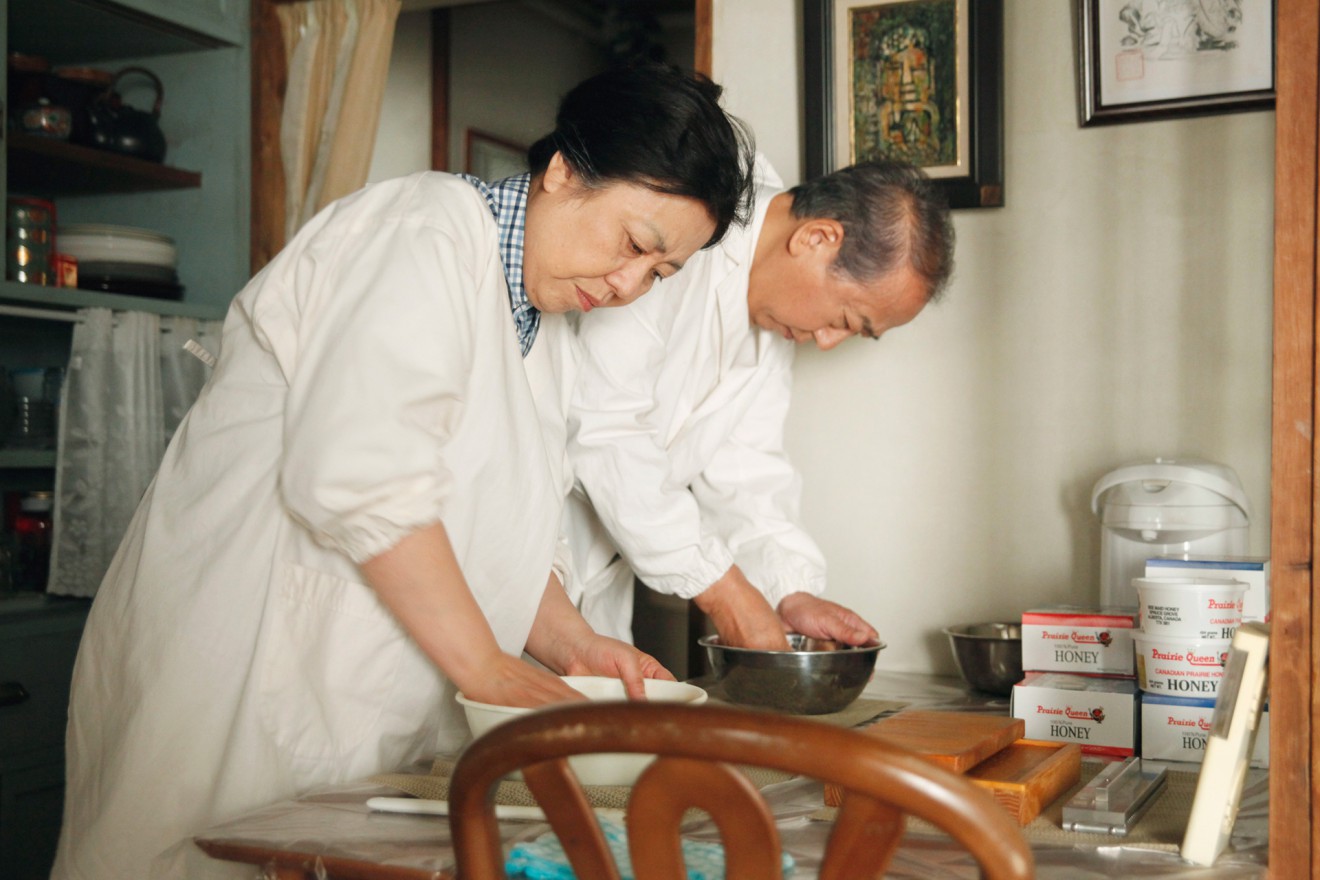 Japan’s housing estates were once symbols of post-war aspiration but now they’re largely deserted and home only to elderly residents prepared to put up with cramped conditions, no lifts, and basic amenities. Junji Sakamoto returns with a surreal comedy satirising everything from gossipy village mentality to alien invasion in the warmhearted if wistful
 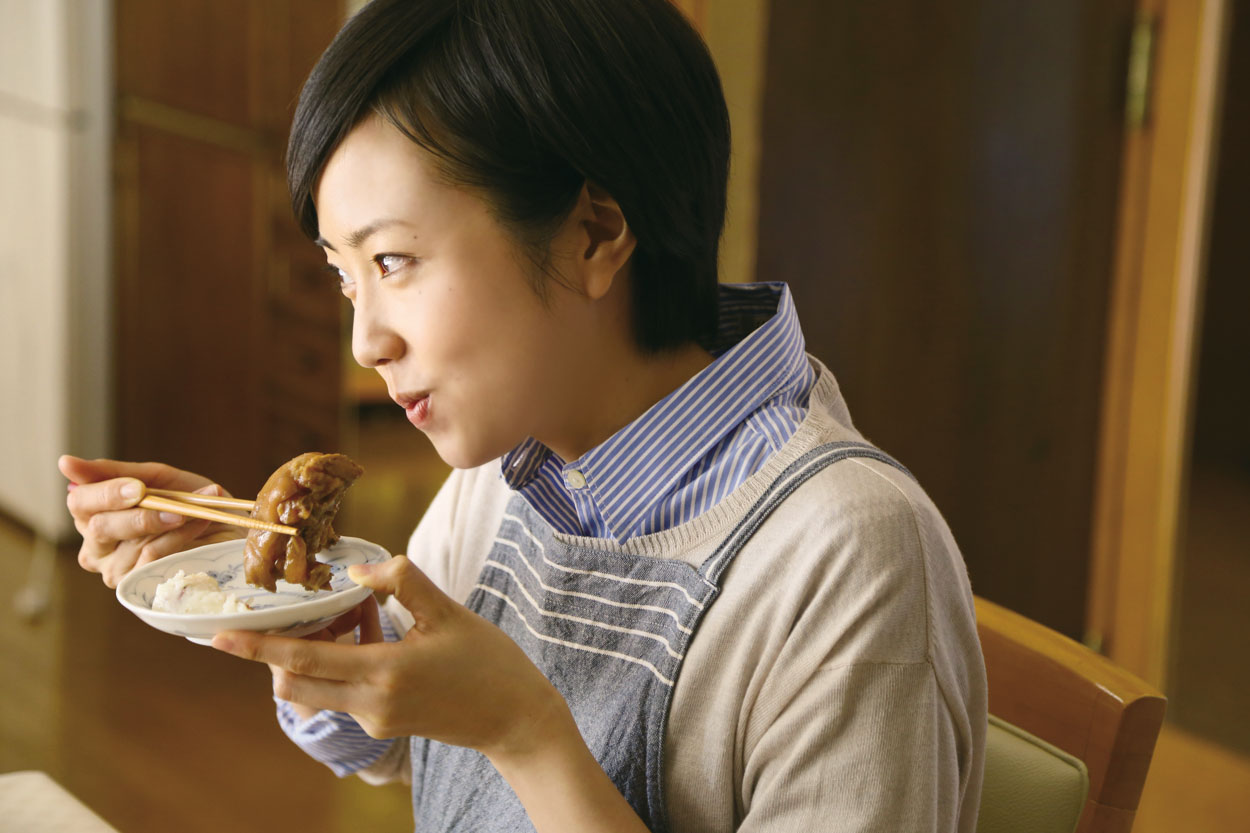 Two sisters return to their family home which is about to be torn down only to find a collection of recipes left behind by their late Taiwanese mother who died twenty years before in Mitsuhito Shiraha’s food/family drama,
 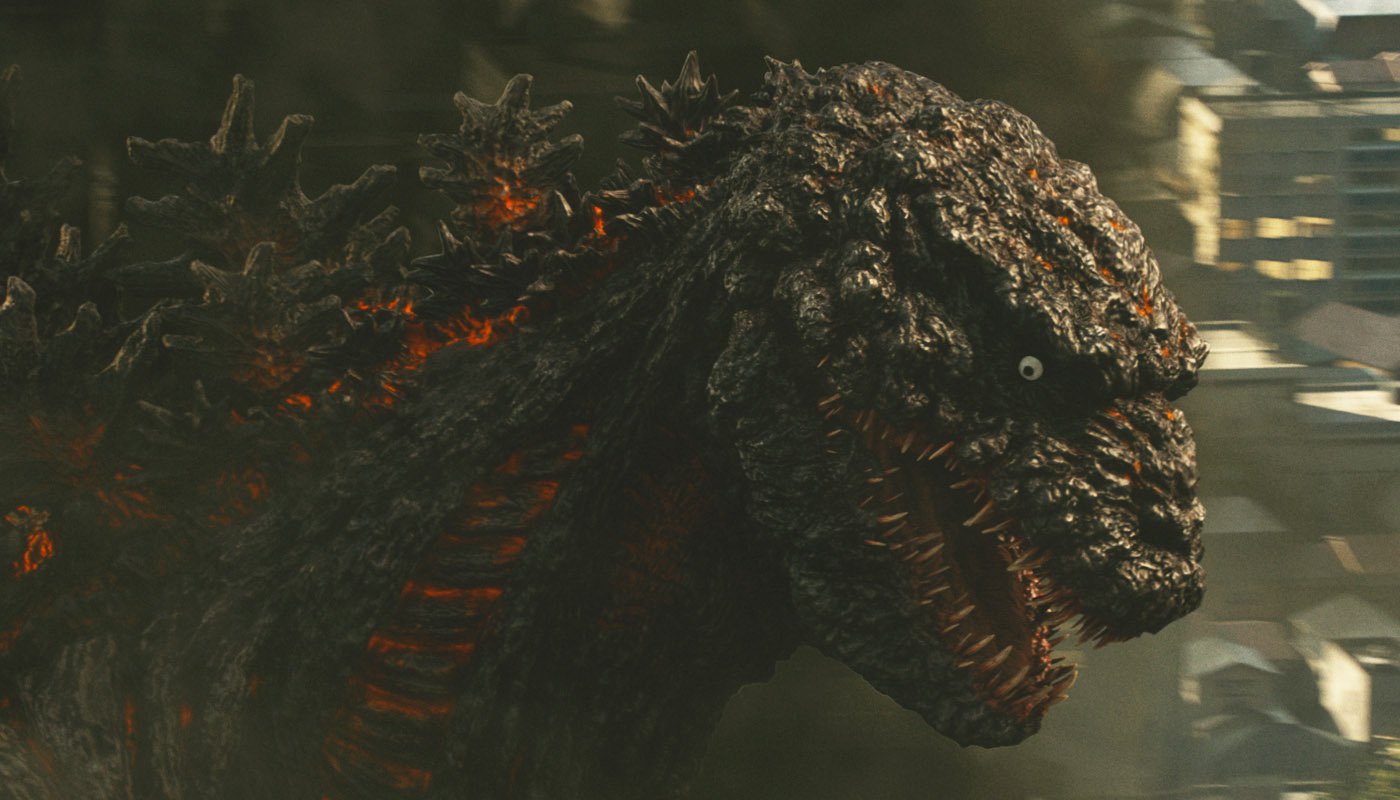 Godzilla is back and bigger than ever in Hideaki Anno & Shinji Higuchi’s
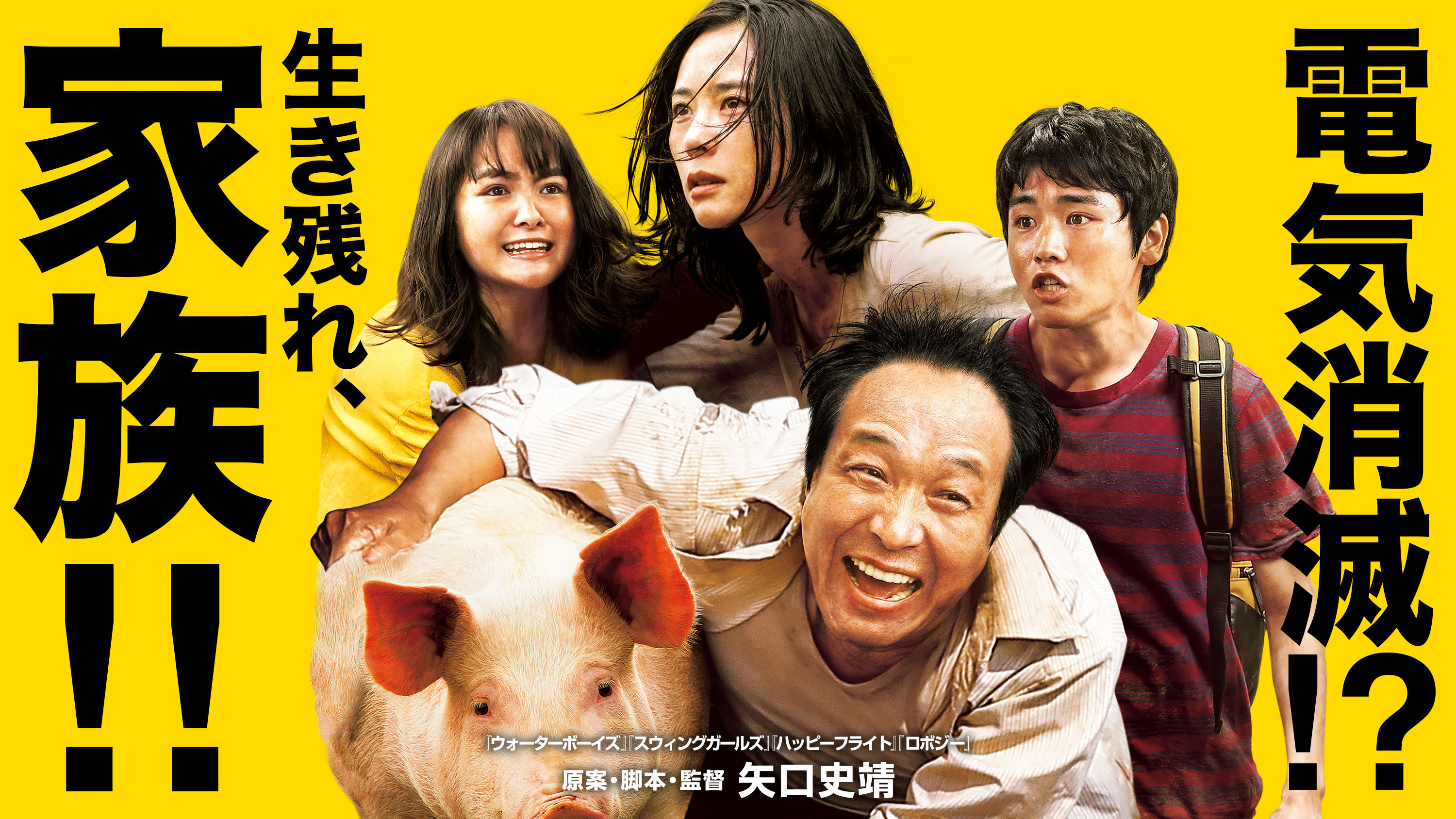 When all the power suddenly goes off, one ordinary family is forced to flee the city in search of life on the land but how do you cope with the apocalypse when you’re used to 24hr convenience and efficient public services? Hilariously, according to Shinobu Yaguchi’s latest comedy drama,
 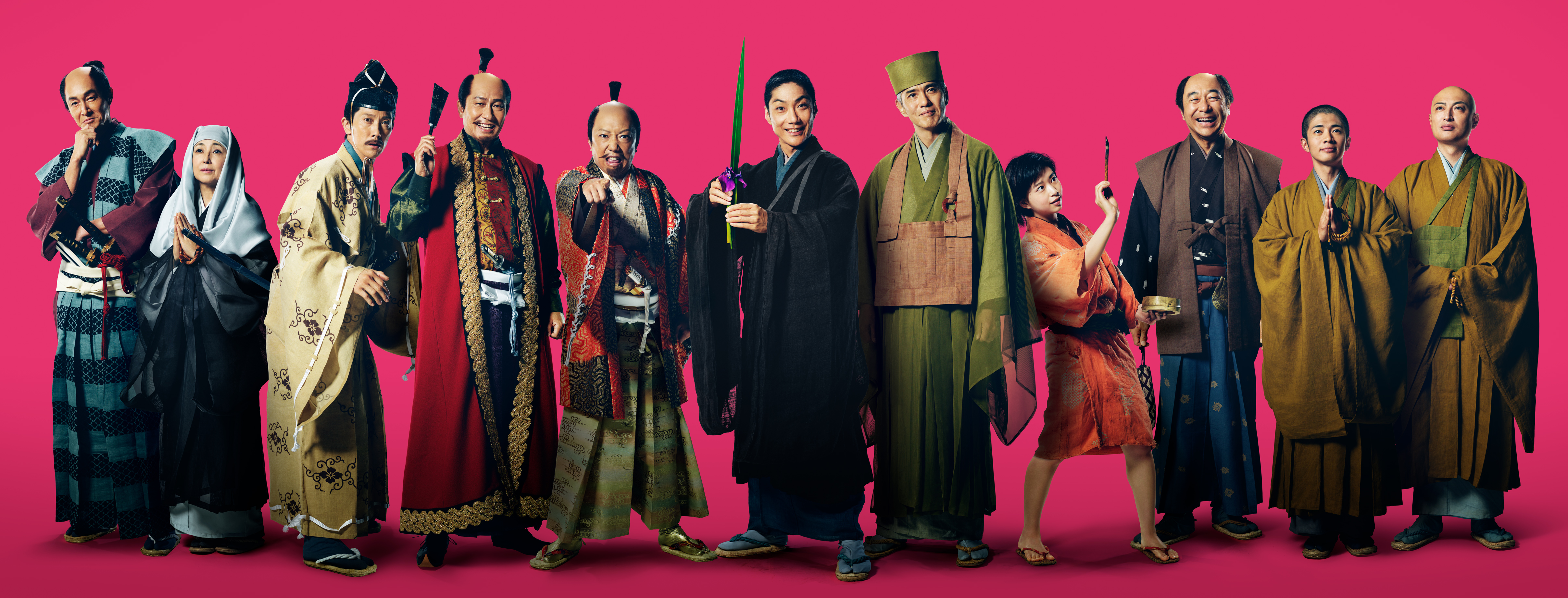 Another in the long line of movies focussing on samurai who fight with things other than katana,
  A sequel to the hit TV Drama,
 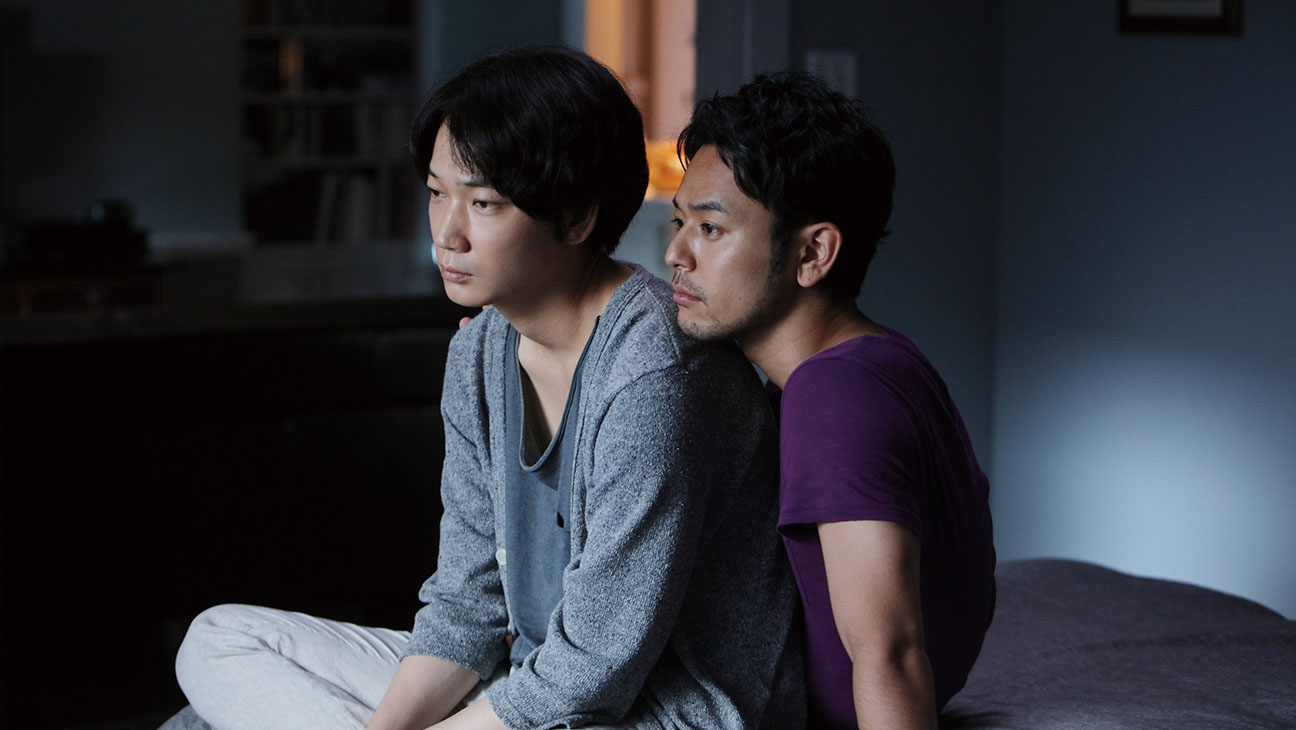 Lee Sang-il adapts another Shuichi Yoshida novel for three interconnected tales of doubt and suspicion following an unsolved, brutal Tokyo murder in
 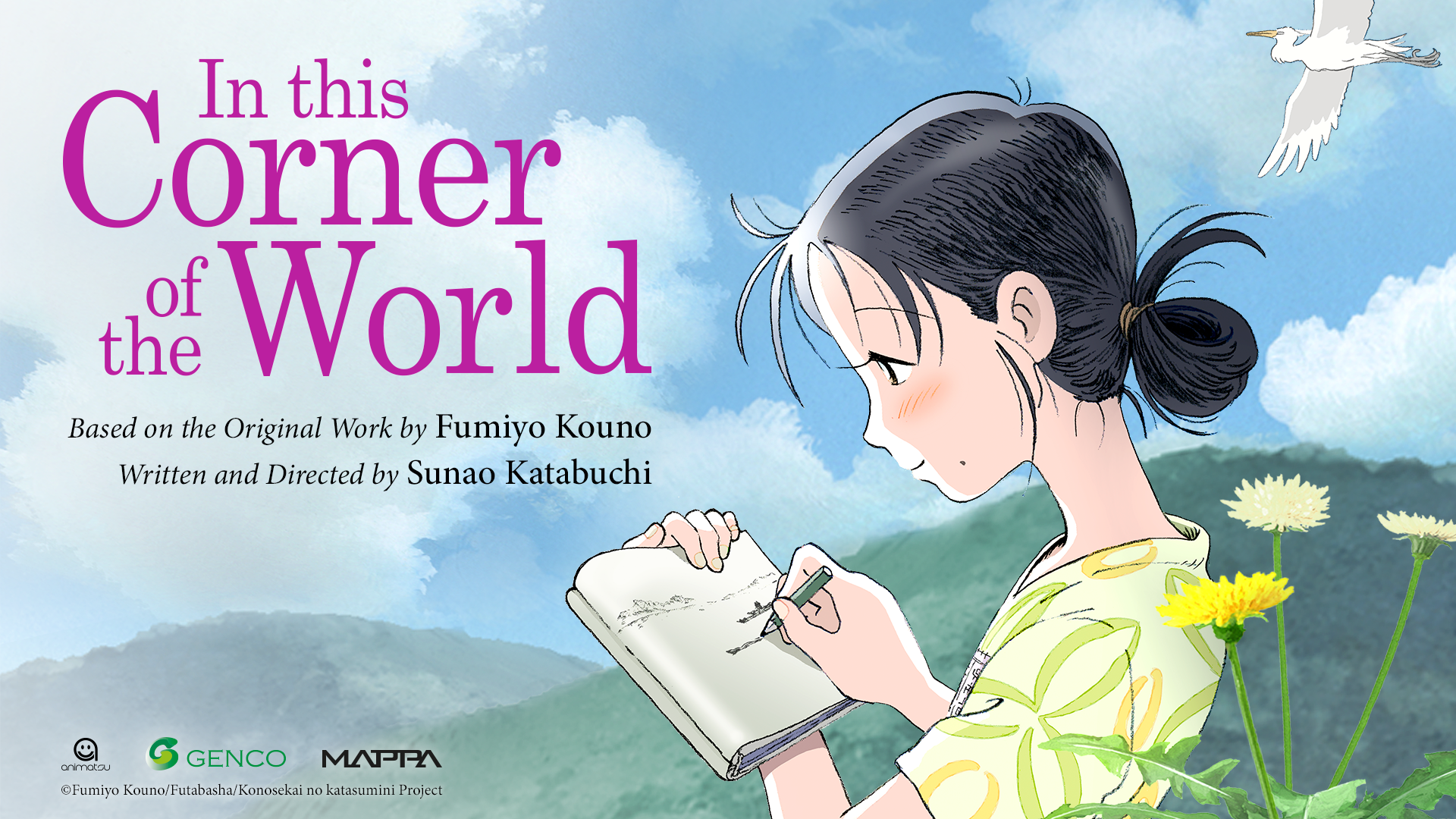 Award winning animation
 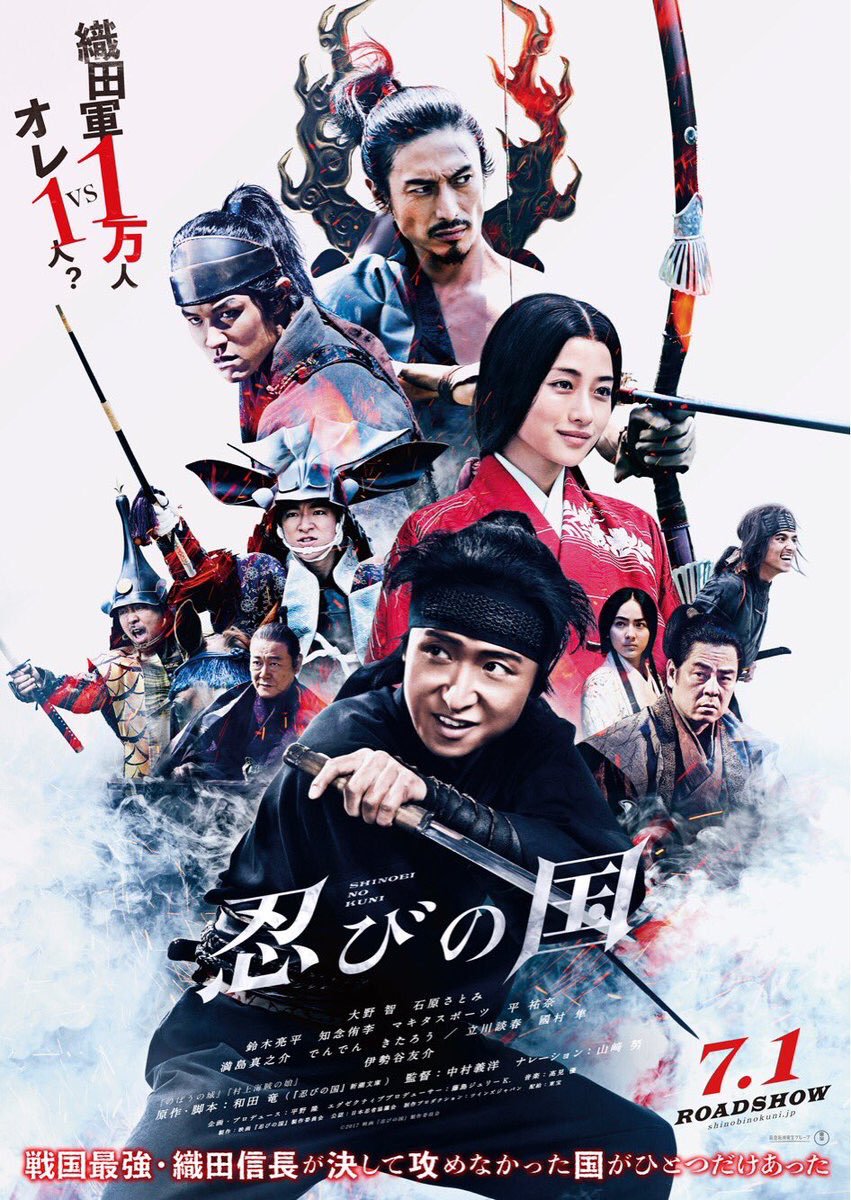 The ninja aren’t up for Oda Nobunaga’s plans to create a peaceful Japan under his control so they’re up to all their secretive tricks in Yoshihiro Nakamura’s epic jidaigeki,
