Sword of the Beast (獣の剣, Hideo Gosha, 1965)

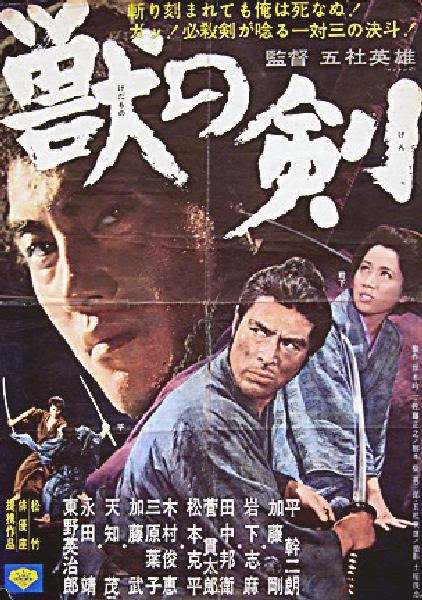
sword of the beast posterHideo Gosha’s later career increasingly focussed on men at odds with their times – ageing gangsters who couldn’t see their eras were ending. His second feature, Sword of the Beast (獣の剣 Kedamono no Ken), is much the same in this regard but its youthful hero knows perfectly that change is on the horizon. Gennosuke (Mikijiro Hira) tries to ride that change into a better, more equal future but the forces of order will not allow him. The cinematic samurai world of the post-war era is no longer that of honourable men, manfully living out the samurai code even when it pains them to do so. It is one of men broken by oppressive feudal rule, denied their futures, and forced to betray themselves in service to systemic hypocrisy. Yet even if men think of reforming the system, they rarely think to escape it unless it actively spits them out.

When we first meet Gennosuke, he’s crawling around in a muddy grass field, dishevelled and hungry. A lone woman spots him and plies her trade leading Gennosuke to embrace his baser instincts and give vent to his lust, but the pair are interrupted by the sound of approaching horses. Gennosuke is on the run from his clan for his part in the murder of a lord. His pursuers scream at him, “have you no pride?”, lamenting his lack of stoical resignation to one’s fate so central to the samurai ideal. “To hell with name and pride” Gensosuke throws back, “I’ll run and never stop.”

Gennosuke’s odyssey leads him into the path of petty bandits who’ve been swiping gold out of the local river. Unbeknownst to them, a couple from another clan have been living an isolated life in a small cottage where they too have been skimming the Emperor’s gold, only they’ve been doing it for their lord. The man, Jurota (Go Kato), is excited about this work because he thinks when it is completed he’ll finally be accepted as a true samurai and the future for himself and his wife, Taka (Shima Iwashita), will be much brighter. He is quite wrong in this assumption.

Gennosuke, it is later revealed, committed his fateful act of murder upon the assumption that he was part of a revolutionary vanguard, removing cruel and corrupt lords from their positions so fairer minded, decent men could rule in their stead. Instead he realises he’s been rendered a disposable pawn in a political game and that the new master he believed would usher in a brighter future only envisaged one for himself. Jurota has been duped in much the same way, asked to do something illicit, immoral, and against the samurai code under the assumption that he will finally be accepted as “one of us”. He has not considered the corruption of those he wants to join, and does not see that his crime likely means he cannot be allowed to live.

Gennosuke and Jurota are cynical men who nevertheless possess true faith in the way of the samurai. Exiled from his clan, Gennosuke is a wandering beast who pretends not to care about the people he meets, but ends up saving them anyway. Yet if Gennosuke has been “freed” from his illusions, Jurota’s devotion to them makes him a less heroic figure. When Taka is captured by bandits who threaten her life, Jurota has a difficult decision to make – surrender the gold or his wife. Jurota chooses poorly and abandons his wife to a fate worse than death at the hands of uncivilised ruffians. Taka finds this hard to forgive. No longer wishing to stay with a man who values her so lightly she turns to Gennosuke – her accidental saviour, and reveals to him that she longs to become “a beast” like him. Now “freed” of her own illusions as regards her husband’s love, their shared mission, and the fallacy of their future together as noble samurai, Taka is prepared to exile herself from the samurai world as Gennosuke has, but, as he tells her, the wife of a retainer cannot choose the life of a beast.

This world of samurai is facing its own eclipse. The Black Ships have arrived, the spell has been broken, and the modern world awaits. Gennosuke can see this future, he tried to grasp it in the murder of his lord, but it is not here yet. Gennosuke’s friend, Daizaburo (Kantaro Suga), is duty bound to take his revenge as the fiancé of the murdered lord’s daughter though he’d rather not do it, and does so only to give Gennosuke an “honourable” death. The daughter, Misa (Toshie Kimura), is understandably angry and filled with hate but she pays dearly for her vengeance. Following their ordeal, neither Daizaburo or Misa can return to their clan. They are also “freed”, their illusions broken, their debts forgiven. Breaking with the burden of their past, they would now follow Gennosuke into his new world, even if none of them know exactly where they’re going.

These private revolutions amount to a kind of deprogramming, reawakening a sense of individual agency but one which is unselfish and carries with it the best of samurai honour. Gennosuke may be a “beast” on the run, reduced to a creature of needs rather than thoughts, but there’s honesty in this uncivilised quest for satisfaction which leaves no room for artifice or hypocrisy. It may be a rough world and lonely with it, but it is not unkind. To hell with name and pride, Gennosuke will have his honour, even as a nameless beast, a self-exile from a world of cruelty, greed, and inhumanity.


Original trailer (no subtitles)
The Night I Swam (La Nuit où j’ai nagé / 泳ぎすぎた夜, Damien Manivel & Kohei Igarashi, 2017)

The Night I SwamCinema, at its most innocent, is a place where children can have fantastic adventures while the adults watching them from the other side of the screen worry though somehow or other it always manages to turn out OK. From the anxious whimsy of the The Little Fugitive, to the melancholy dreaminess of Palle all Alone in the World, and on to the anarchy of Home Alone, children in movies are much more resourceful than we give then credit for. The Night I Swam (La Nuit où j’ai nagé / 泳ぎすぎた夜, Oyogisugita Yoru), a Japanese/French co-production co-directed by A Young Poet’s Damien Manivel and Hold Your Breath Like a Lover’s Kohei Igarashi, is testament to this as its central little hero sets off on a perilous journey to show his dad, who has to leave very early for work at the fish market in town, a drawing he made of a fish.

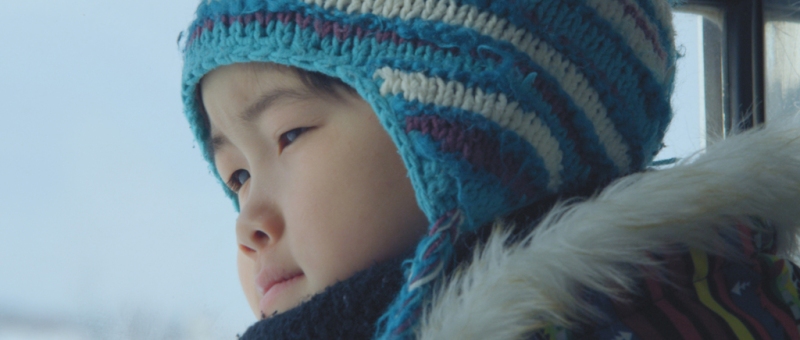
One fateful morning, while it’s still dark outside, a little boy wakes up and hears his father smoking a cigarette in the kitchen before going to work. The boy can’t get back to sleep. He tries to wake his mum but she’s deep asleep so he plays with the family dog, has a game with his toy animals, watches some TV and then draws a picture of a fish before trying to get a little more shuteye before he has to get up for school. The consequence of this is he’s very sleepy when it comes to getting ready in the morning as his mum helps him into the ski pants, jacket, and pretty blue hat that will keep him warm in the thick snow which is currently piled higher than his head on the way out of their home.

The little boy puts the drawing in his backpack and then sets off, but when he reaches the school gates he makes a surprising decision. He turns around, climbs over a fence and escapes! Playing in the snow for a while it seems as if the boy just didn’t fancy a day cooped up indoors but he has a plan and it requires getting on a train into the city…

The little boy’s journey is occasionally perilous. It’s certainly freezing cold out there, surrounded by snow and and ice, and the little tyke is so tired that at one point he just collapses and falls asleep in the snow. Somehow or other he seems to rally himself and continue on his journey even if he sheds some of his tools as he goes including a precious glove which he takes off to peel the oranges he’s brought along for sustenance. Once in the city he makes a dangerous dash across an icy road, wanders around a department store, and spends a while sitting in a food court, observing the busy lives around him like a visitor from a dream. When he gets to the fish market, it’s already closed, the place is eerily empty and deserted, waiting for the next day’s activity to begin.

Disheartened and completely exhausted, the boy starts testing doors on the cars in the carpark before crawling into a open van to keep warm and falls asleep. Luckily, the boy’s story has a happy ending as he meets some nice people who help him get back to his family safe and sound where he finally gets some proper sleep after his long adventure. The film’s most touching moments occur at the end as the boy’s dad hangs up his wet clothes to dry before looking at the drawing which the boy’s sister has pinned on the fridge before falling asleep next to his son, sharing this small amount of time they have together, while the boy’s mother watches TV downstairs with her little girl.

Shot in academy ratio and entirely dialogue free, The Night I Swam has an innocent, dreamlike quality as the little boy wanders through the snow, wide eyed and curious but set on reaching his destination even though he is clearly very tired, not to mention cold. Broken into three chapters with picture book font titles, The Night I Swam is a beautifully elliptical tale filled with whimsy and melancholy as the boy and his father are kept apart by practical concerns but united, perhaps, in dreams.


Currently available to view via Festival Scope (€4) until 19th September.

Original trailer

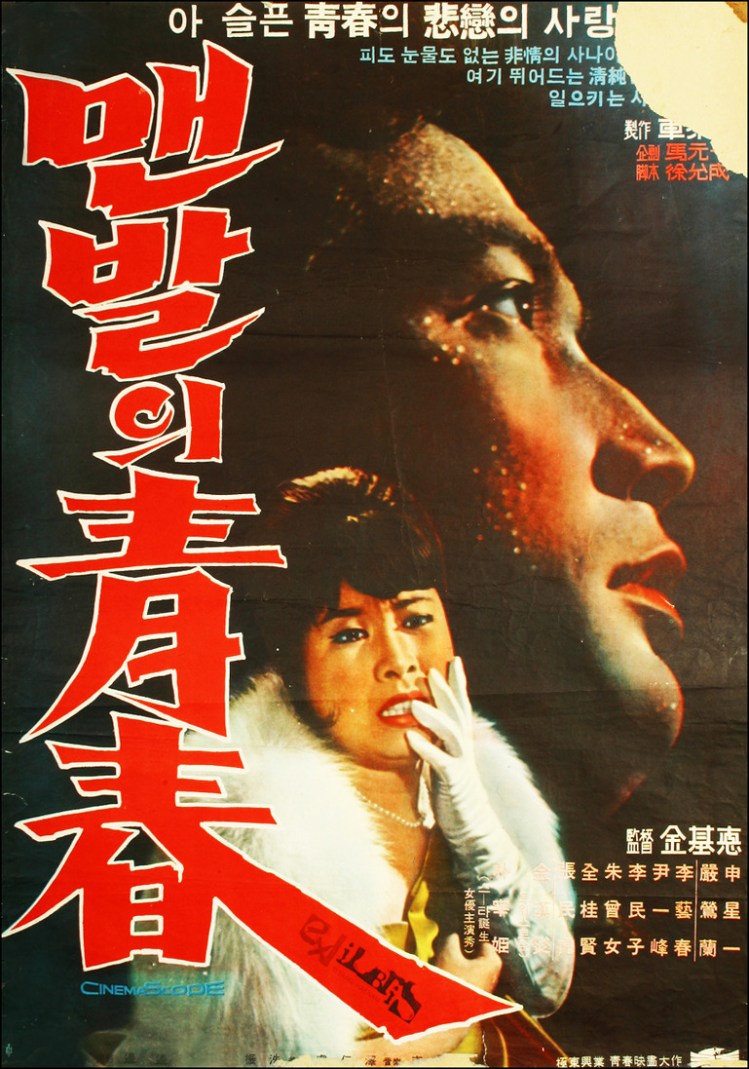
Barefooted Youth (맨발의 청춘, Kim Ki-duk, 1964)

barefooted Youth posterThe “Seishun Eiga” or youth movie had long been a staple of Japanese cinema by the time the short-lived “Sun Tribe” movement took hold in the mid-1950s, but, for understandable reasons, it did not make its way to Korea until a decade or so later. When it comes to so called “adolescent films”, Kim Ki-duk’s 1964 Barefooted Youth (맨발의 청춘, Maenbaleui cheongchun) is hard to beat. The film had, in fact, been filtered through Japanese cinema as its star Shin Seong-il – then riding high as a youth idol and wanting to star in as many youth movies as he could before his era came to an end, had seen Ko Nakahira’s Dorodarake no Junjo which starred ’50s idol Sayuri Yoshinaga alongside her frequent co-star Mitsuo Harada in a tragic tale of love across the class divide (this enduring story was later remade in 1977 with another idol, Momoe Yamaguchi, as the female lead). Shin was keen to star in a remake of Dorodake no Junjo and petitioned his studio to set it up. The plot of Kim’s version is almost identical and was widely seen as a deceitful remake at the time of its release, but that’s not to say it failed to speak of a certain kind of hopelessness among the young people of Korea battling valiantly against an unforgiving society.

Petty gang errand boy Du-su (Shin Seong-il) has been sent on an important mission to deliver some smuggled watches to a fence. On his way out, his boss reminds him not to get into unnecessary fights and risk being late for this very important date. Du-su ignores him and comes to the defence of two nervous middle-class girls in the middle of being mugged by thugs of a different nature. One of the other thugs has a knife and stabs Du-su in the stomach, causing him to drop the prosthetic arm he’s been wearing “as a joke” as well as one of the watches. Turning the knife back on the attacker, Du-su gets away and eventually delivers the goods.

This event profoundly alters Du-su’s future prospects, firstly because he’s brought himself to the attention of the police and also risked putting them on the gang’s trail if the police have picked up the missing watch and discovered it’s a smuggled Hong Kong knock off that might be connected to Du-su. Secondly, the woman Du-su saved, an Ambassador’s daughter called Johanna (Um Aing-ran), is overly grateful and quickly becomes attached to him. 

Johanna is everything Du-su is not – wealthy, cultured, elegant, and religious. Her world could not be more different than Du-su’s yet there is an inescapable bond that exists between them. Unlike many class difference love stories, both parties move closer towards the centre, trying out the other’s world and finding it different but perhaps not impossible. After their first few hours together when Johanna finds her way to Du-su’s run down flat in a lower class neighbourhood, Du-su puts on a Beethoven record at his local club (much to the consternation of the other patrons) and orders himself a glass of juice, while Johanna swaps her usual bible based bedtime reading material for an English language boxing magazine and takes her first swigs of whisky directly from the bottle.

However, trying out the other world for real does not go as well – Du-su, having overdone it with a formal tail coat, falls asleep at a concert, while Johanna finds it difficult to adjust to the rowdiness of the boxing ring. When Johanna finally takes Du-su home, hoping her mother will help him find an honest job so he can go straight, his presence is met with horror and a meal with a hoped for ally goes about as wrong as it possibly could, exposing Du-su’s lack of sophistication as he picks up a steak to eat with his hands (not being confident with a knife and fork), and then spills water all over the hostess who points out his lack of employable skills. 

Trapped on all sides – by the gangsters worried he’ll expose them, by his origins as the son of a prostitute and a man who died in jail, and by the general lack of opportunities for poor boys in economically straightened 1960s Korea, Du-su has nowhere left to go. Johanna is also trapped, in a sense, by a prospective arranged marriage and an overbearing but well meaning mother determined to send her abroad to save her from her reckless amour fou. Du-su, facing prison and life in a gang, and Johanna facing losing love for respectability, have hit an impasse. Having managed to transcend their class differences on a personal level, they see no way they can ever be together and if they cannot be together in life then they see no option but to escape from a world which has no place for them.

The economic inequality and enduring inviability of their love is signalled in the closing scenes in which Johanna’s funeral procession is several miles long with flowers and hearses and a crowd of mourners dressed in white. Meanwhile, Du-su’s body, barefoot and covered by a sheet on the back of a cart being pulled by his grief-stricken friend, is unattended. Not only could they not be together in life, they are forever separated even in death. As in the title of the Japanese film (taken directly from the book which inspired it), it is the lovers’ “purity” which comes to define them and adds extra poignancy to their fate. Du-su and Johanna share a single kiss but Kim obscures it from view, photographing the pair through a window pane in which the crossbars once again divide them. When the bodies are discovered, the first question that is asked is if they had had sex before they died – the answer is a resounding “no”, to which the man replies “good, I’m glad” though he is not especially referring to the poetry of their chastity in death but some kind of pointless and retrospective moral judgement on the “illicit” quality of their relationship.

Unlike the respective Japanese versions which tend to pivot around the leading actress (here Shin is the star, but both the actresses in the 1963 and 1977 versions were the headliners) Barefooted Youth tilts towards Du-su who literally becomes the “barefooted youth” of the title on his funeral cart, causing his friend (whose feelings are perhaps more than those of brotherhood) to remove his own shoes and place them on Du-su’s icy feet, trudging through the snow in his socks remarking that Du-su’s burial is witness to a greater and warmer love than the superficial flashiness of Johanna’s procession. Having resented Johanna for taking his friend away, he now respects her for joining him in death. The tragic end of these two young people is not only a romantic tale of doomed love, but an indictment of an unforgiving society in which social inequality, entrenched social codes, and the rigidity of the older generation have destroyed youth’s expectations of a brighter future. Du-su’s final advice to his friend is to live his life to the fullest and die without without regrets while he dreams only of being like a white crane flying in the blue sky, a pure soul enduring in eternity.


Available to watch on the Korean Film Archive’s YouTube channel and as part of the Kim Ki-duk DVD box set.

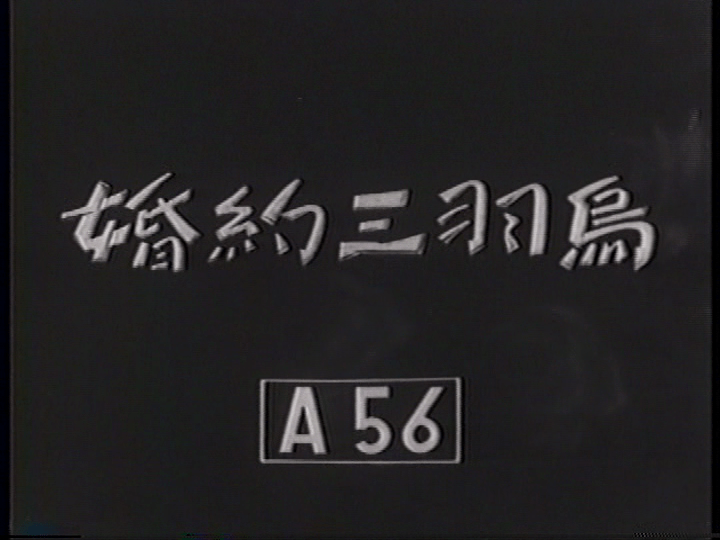
The Trio’s Engagements (婚約三羽烏, Yasujiro Shimazu, 1937)

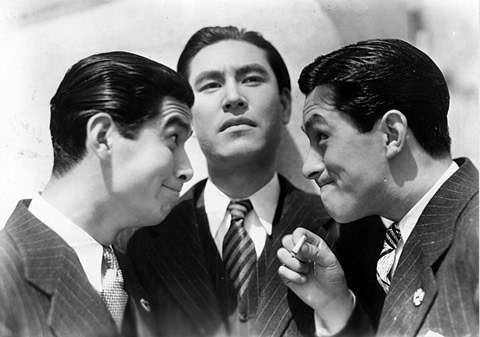
vlcsnap-2017-09-08-02h54m10s546Yasujiro Shimazu may not be as well known as some of his contemporaries such as the similarly named Yasujiro Ozu and Hiroshi Shimizu, but during in his brief yet prolific career which was cut short by his early death just before the end of the war, Shimazu became the father of one of the most prominent genres in Japanese cinema –  the “shomingeki”, which focussed on the lives ordinary lower middle-class people. Shimazu’s early films were noted for their unusual naturalism but 1937’s The Trio’s Engagements (婚約三羽烏, Konyaku Sanbagarasu) is pure Hollywood in its screwball tale of three silly young men and their respective romantic difficulties which are sorted out with the amusing kind of neatness you can only find in a 1930s cinematic farce.

Shuji Kamura (Shuji Sano) has been looking for a job in Japan’s depression hit Tokyo for some time and his long suffering girlfriend, Junko (Kuniko Miyake), has finally gotten fed up with his listlessness and decided it might be better if she left him on his own for a while to sort himself out. Slightly panicked, Shuji heads off to see about a job at a department store specialising in rayon fabrics. Undergoing a rather odd interview, he meets two other men in the same position – well to do Ken Taniyama (Ken Uehara), and down on his luck chancer Shin Miki (Shin Saburi). Luckily all three are employed that day and start working in the store but trouble brews when they each fall for the charms of the boss’ daughter, Reiko (Mieko Takamine).

Despite the contemporary setting and the difficulty of finding work for even educated young men providing a starting point for the drama, Shimazu creates a truly “modern” world full of neon lights and Westernised fashions. The trio work in a department store which sells rayon – a cheap substitute for silk being sold as the latest sophisticated import from overseas, and the store itself is designed in a modernist, art deco style which wouldn’t look out of place in any Hollywood film of the same period. Likewise, though the store is largely staffed by men catering to a largely female clientele, it maintains a sophisticated atmosphere with staff members expected to provide solicitous care and attention to each and every customer.

The guys do this with varying degrees of commitment as Shin and Ken pull faces at each other across the floor and Shuji wastes time on the roof. Shimazu packs in as many quick fire gags as possible beginning the the bizarre job interviews in which Shuji ends up doing some very in-depth role play while Shin expounds on the virtues of rayon as if he were some kind of fabrics genius. Shin Miki is your typical chancer, turning up to his job interview with a thick beard which he later shaves making him all but unrecognisable, and even cheating Ken out of a few coins he’s been using to show off his magic tricks before bamboozling his way into Shuji’s flat.

The central, slapstick conceit is that each of the guys is about to jettison their previous partners for a false infatuation with the beautiful Reiko. Shuji is mostly on the rebound from Junko who may or may not come back to see if he’s sorted himself out, while Ken is uncertain about an arranged marriage, and Shin has a secret country bumpkin girlfriend he doesn’t want anyone to know about. Their respective crushes nearly spell the end for their friendship but then Reiko has her own ideas about marriage which don’t involve shop boys or a future in the rayon business. Eventually the guys realise they’ve all been a little silly and run back into the arms of the women they almost threw over, finding happiness at last in their otherwise ordinary choices.

Shimazu makes brief use of location shoots as Shin and Reiko walk along the harbour but mostly sticks to stage sets including the noticeably fake cityscape backdrop on the shop’s roof. The major draw is the “trio” at the centre which includes some of Shochiku’s most promising young leading men who would all go on to become huge stars including 30s matinee idol Ken Uehara, Shuji Sano, and Shin Saburi. Light and filled with silly, studenty humour The Trio’s Engagements is a deliberately fluffy piece designed to blow the blues away in increasingly difficult times, but even if somewhat lacking in substance it does provide a window onto an idealised 1930s world of Westernised flappers, cheap synthetic products, and frivolous romance.


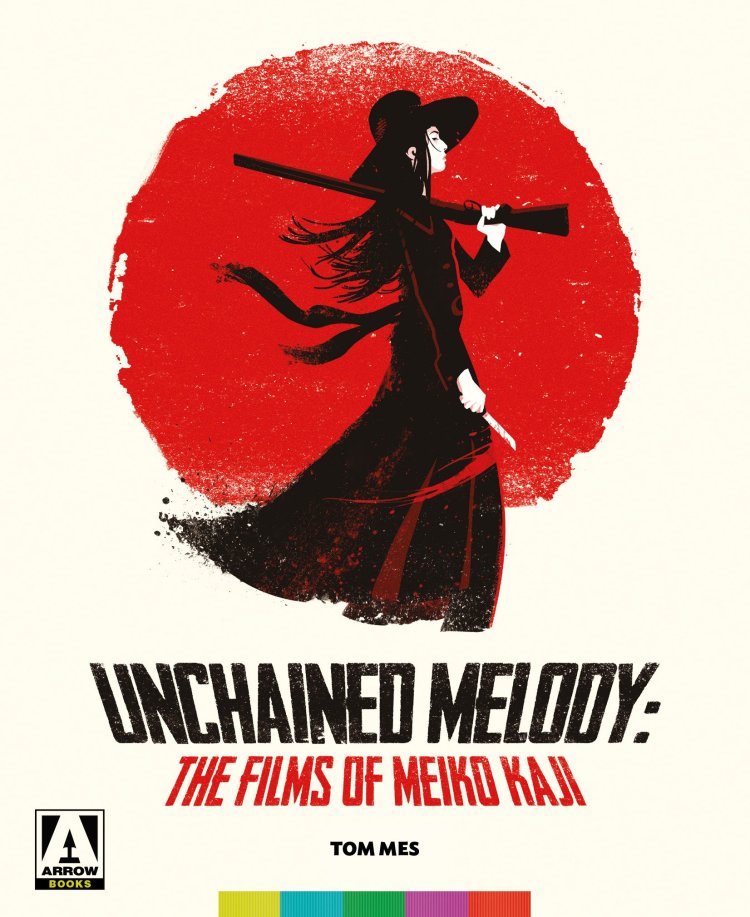
Unchained Melody: The Films Of Meiko Kaji (Tom Mes)

unchained melody cover
Cover art by Nathanael Marsh

For a figure now so iconic and enduring, it’s strange that a comprehensive study of the cinematic career of Meiko Kaji (in English, at least) has been so long coming. Tom Mes’ wonderfully titled Unchained Melody seeks to rectify this unfortunate situation with a wide ranging examination not only of Kaji’s screen persona(s) but also of the changing nature of the industry which at times supported and frustrated her, as well as the various directors through whom she was able grow and change as an actress. The picture which emerges most strongly through Mes’ book is of a woman who was often as defiant as the characters who came to define her in the public eye, but necessarily so for, unlike some of her contemporaries, her goal was always a betterment of her craft and she would, therefore, be ruthless in pursuing it.

After beginning with the personal in a prologue detailing a meeting with the woman herself in 2006, Mes wisely moves on from biographical detail to focus on Kaji’s film career as it progressed from miscasting as Nikkatsu’s particular brand of cutesy girl-next-door, to her reign as queen of outlaw cool in the youth crazy 1970s and the inevitable cooling down as time moved on. It is, however, in least in Mes’ view and in the way Kaji herself seems to describe it to him not a story of decline and fall but of personal choice.

The Japanese studio system, like that of Hollywood, could be rigid and unforgiving. In many ways it’s an odd comparison, but the dilemma Kaji finds herself in is much the same as that experienced by Hollywood’s own defiant woman, Bette Davis, who successfully managed to push her otherwise overbearing managers into giving her the kind of work which she felt she deserved but was being denied. Nikkatsu’s output was star based rather than director led, meaning they had a steady stream of cardboard cut out headliners they could slot into the project the marketing department was busy dreaming up. This is naturally disadvantageous to an aspiring actress whose interest is craft rather than stardom.

Mes, as kindly as he can, contrasts Kaji’s fortunes with an early co-star, Sayuri Yoshinaga who continues to be a tentpole star – perhaps the only female actress of her age to be so. Yoshinaga, well known both as an actress and singer, has played things quite differently, capitalising on an image which is the very opposite of Kaji’s – that essential small town wholesomeness that Kaji had so much trouble with at Nikkatsu. Still playing roles well below her physical age – most notably as a frequent mother figure in the films of veteran commercial director Yoji Yamada, Yoshinaga has certainly had a long and very successful career, but, as Mes implies, not the kind of career Kaji would have wanted.

Rather than capitalising on her new found stardom after the twin hits of Lady Snowblood and Female Prisoner Scorpion, Kaji opts for challenging roles rather leading ones. Mes uses this as a jumping off point to profile some of the directors who helped to shape her career from her big break in Nikkatsu’s groovy youth series Stray Cat Rock which gave her a lasting relationship with Yasuharu Hasebe (who returned to direct the last in the Scorpion series), and Toshiya Fujita who further helped to create her image with Lady Snowblood, as well as the lesser known director of the Scorpion films Shunya Ito, the better known Kinji Fukasaku, and the provocative Yasuzo Masumura for whom Kaji produced one of her most surprising cameos as a kindly village woman in Lullaby of the Earth. In addition to giving an impression of how these various directors fit into Kaji’s ongoing development as an actress, these brief digressions also help to situate it within the fracturing world of ‘70s Japanese cinema in which the death of the studio system had created a gaping void into which slipped the commercial filmmaker’s baser instincts.

Where other books on cinema might hold back, Mes is also keen to highlight Kaji’s long career in television in which she often found the kinds of challenging roles unavailable in the cinema. A brief resurgence in international interest following Tarantino’s Kill Bill which cited her as a clear influence and used two of Kaji’s iconic theme tunes might have led to a cinematic comeback but it was sadly not to be, and, truth be told those challenging roles for older actresses are still few and far between. Still, Kaji’s counter cultural cool endures and if there’s one thing that Mes’ book makes plain, it’s that this essentially defiant quality extends past her screen image to the woman herself who was not prepared to be bound by the way that others chose to see her but continued to fight for the right to define herself, not as a star in someone else’s image, but as an actress.


Unchained Melody: The Films Of Meiko Kaji is published by Arrow Books 11th September, 2017.

Red Carpet (레드카펫, Park Bum-soo, 2014)

red carpet posterExpectation is a heavy burden for a film. Not just the hopes built by excessive hype, but the way it chooses to define itself in advance. Of course, particularly with big budget studio movies it’s marketing men who decide all that rather than filmmakers but still, it’s hard to escape the feeling of confusion when the way a film was marketed works against its true nature. For a film like Red Carpet (레드카펫), an indie rom-com with a strangely innocent heart, it cuts both ways. The salacious hook is that this is a story of porno hell – tortured artists, egotistical men, and abused women. This is couldn’t be further from the truth. In fact, Red Carpet is deeper than it seems, asking real questions about the place of the porn industry in a modern society and attacking our own unfair and hypocritical judgements on its existence.

Park Jun-woo (Yoon Kye-Sang) is a lifelong cinephile who dreams of making award winning films he can watch on a Sunday afternoon with his parents, but life has been unkind to him and so he’s been working in the adult video industry for the last ten years. His life changes when he arrives home one day to find a strange young woman waiting there who accuses him of being a prowler and repeatedly hits him over the head with a frying pan. When the police get involved and take Jun-woo’s side seeing as he has the proper documentation it’s revealed that the woman, who has just returned for an extended period living in Spain, has been duped by a housing scam. Jung-woo, being the kindly soul he is, lets the woman, Eun-soo (Koh Joon-hee), live with him until she figures things out. Eun-soo is also a former child actress keen to get back into the profession and takes a keen interest in some of Jung-woo’s scripts never knowing exactly what kind of films it is that he really makes…

Though the setting is the porn industry, director Park makes sure to keep things light and humorous, showing the reality of adult video making but avoiding directly displaying it on the screen. Jung-woo’s work is almost entirely themed around porn parodies of famous movies as in the first shoot we witness where we gradually realise that the whole thing is Oldboy remade as a sex film (apparently including the corridor hammer fight, though no one’s figured out what to do with that yet). More amazing titles follow including the amusing “Inspect Her Gadget”.

Jung-woo may be conflicted about his career as a porn director, longing for the chance to make more “serious” films, but the rest of the crew is fairly happy with their choice of profession. This is, after all, just a job the same as any other. No one here is forced to work in the porn industry. There are no gangsters, no women trapped, abused, or forcibly hooked on drugs to keep them compliant. Everyone here seems to have made a free choice to engage in this type of work and is free to stop anytime they choose.

The problem, in this sense, is ours. Jung-woo and the crew face constant social stigma for what they do. At several points someone (well, always a man) is asked if they watch porn – to which they sheepishly admit, giving the impression that it is something they rarely do and are ashamed of doing. This central fallacy is the entire problem, everyone is watching the films Jung-woo makes – probably thousands more people have watched his adult movies online than have seen the legit movie which was plagiarised from a script that he wrote but was not allowed to direct because he didn’t have the “experience”. Yet everyone disapproves of pornography, tries to deny they watch it, and has the impression that people who make these films are in some way damaged or perverted. Enjoying a meal together in a restaurant, the gang are accosted by a “fan” who asks for a photo with a “famous actress” only to suddenly grab her breast. Just because she’s an actress in adult movies, the man thinks it’s OK to grab her  – “she sells her body”, so what’s the problem? The man, who obviously watches porn, does not think of the people who make it as other human beings but as commercial products existing only for his pleasure.

Jung-woo, in a sense, thinks this too but doesn’t quite realise until he’s made to read out a statement at a press conference in which he’s supposed to apologise for his “unethical” behaviour but refuses, avowing that neither himself or his crew has ever felt ashamed of the work they do. Jung-woo’s dreams are directly contrasted with Eun-soo’s as she works hard to become a legitimate actress all the while loosing her individual freedom to the marketing concerns of her agency and facing the prospect of being forced to abandon Jung-woo, whom she has come to care for, in order to keep her new career and avoid the “scandal” of being in any way associated with the porn industry.

Even if it seems like people such as Jung-woo are not allowed their dreams, it can still all work out in the end as long you’re true to yourself and accepting of everything you are and were. Jung-woo’s early career was harmed by an unscrupulous competitor who stole Jung-woo’s shot and took the credit himself but his “success” may only be temporary because he’s living a lie of artistic integrity while Jung-woo and Eun-soo have maintained their authenticity even when it looked like it may cost them everything they wanted. Improbably sweet and charming, Red Carpet is an innocent love story in which dreams come true through hard work, perseverance, and compromise but finally through truthfulness in the refusal to be shamed for simply being what you are.


Original trailer (English subtitles)

Feng Xiaogang’s Youth Headlines Impressive East Asian Lineup at TIFF

Feng Xiaogang Youth still 2Toronto International Film Festival (affectionately known as TIFF) has always been a proud champion of East Asian cinema and this year is no exception with a number of eagerly awaited films from high profile directors including the World Premiere of the latest from Feng Xiaogang and highly anticipated return to action cinema for John Woo alongside interesting debuts from up and coming new directors.

China

Youth still 4

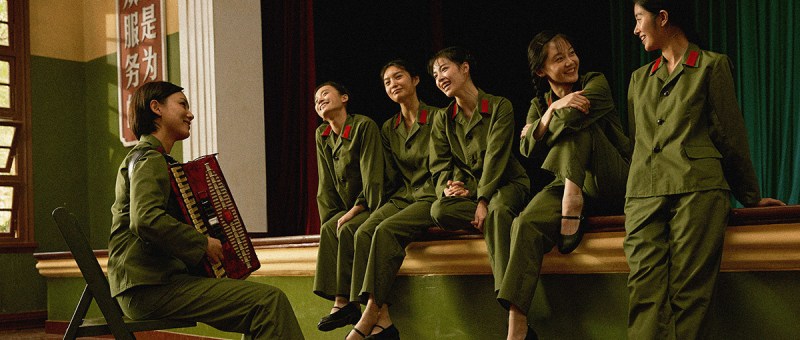
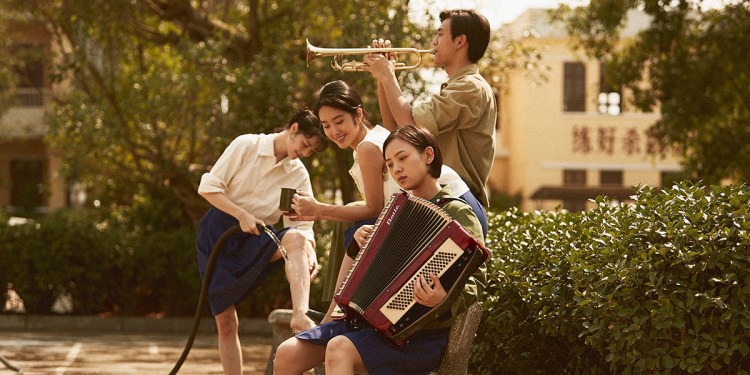
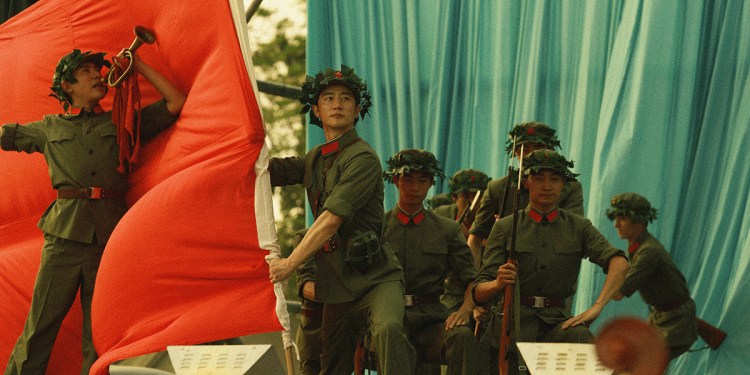
  • Youth  Feng Xiaogang’s followup to I am Not Madame Bovary makes its World Premiere at TIFF. A national coming of age story, Feng’s drama focusses on a ’70s military arts troupe as one particular dancer suffers at the hands of her peers but later emerges as a heroine.
  • Angels Wear White – Featured in competition at Venice, Vivian Qu’s Trap Street followup focusses on a pair of teenage girls assaulted in a hotel room and the receptionist who says nothing for fear of losing her job,
  • Dragonfly Eyes – the debut feature from artist Xu Bing, Dragonfly Eyes uses footage assembled from China’s many surveillance cameras to tell a sad love story.
  • Manhunt – John Woo returns to the realms of heroic bloodshed with a remake of a ’70s Japanese action classic starring Masaharu Fukuyama and Zhang Hanyu.
  • Mrs Fang – Wang Bing’s affecting documentary focusses on an elderly woman left alone to die in a small Chinese village.
  • Struggling – TIFF teams up with China Film Archive for a screening of this recently restored Chinese silent film from 1932.
  • The Conformist – Set on the Sino-Russian Frontier, Cai Shangjun’s The Conformist is an existential crime thriller revolving around a double agent working for the police whilst inhabiting the local underworld.

Indonesia

marlina the murderer in four acts still one

  • Marlina the Murderer in Four Acts – an Indonesian feminist western, Mouly Surya’s third feature follows a young widow out on a quest of revenge after a gang of bandits storm her farmhouse, rape her, and steal all her cattle. Armed only with a sword and a severed head, she takes to the road.
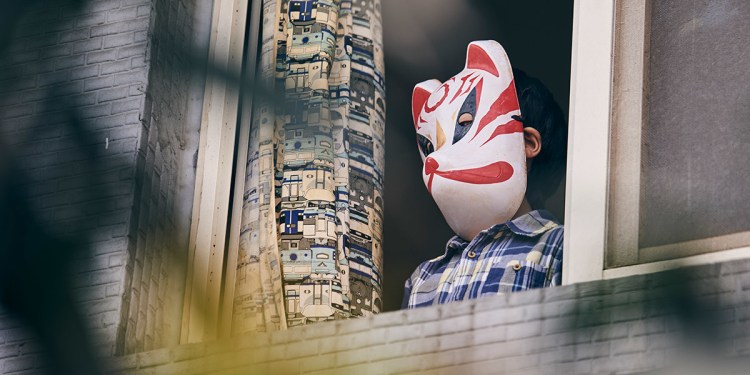
  • The Seen and the Unseen – making its World Premiere at TIFF Kamila Andini’s The Seen and the Unseen is a magical tale of a young girl retreating into a fantasy world to cope with the impending death of her twin brother.

Japan

oh lucy still 2

  • Birds Without Names – Kazuya Shirasishi’s Dawn of the Felines followup stars Yu Aoi as a young woman living with an older man (Sadawo Abe) but pining for her violent ex-boyfriend.
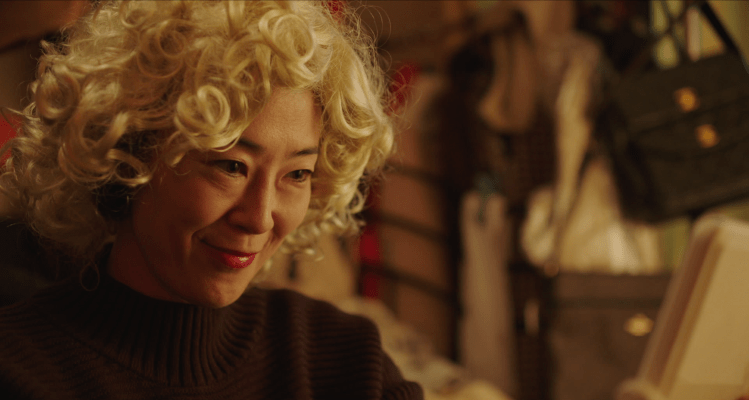
  • Oh Lucy! – Atsuko Hirayanagi’s sleeper Cannes hit is the story of a lonely middle-aged office lady who discovers a new side to herself when a charismatic English teacher (Josh Hartnett) gives her a blonde wig giving birth to the alter ego Lucy.
  • Radiance – the latest from festival favourite Naomi Kawase, Radiance stars veteran actor Masatoshi Nagase as a photographer losing his sight.
  • The Third Murder – a departure for director Hirokazu Koreeda, The Third Murder is a tense courtroom thriller starring Koji Yakusho as the defendant in a seemingly open and shut murder case but his lawyer (Masaharu Fukuyama) has his doubts about his client’s testimony.
  • Vampire Clay – veteran makeup artist Soichi Umezawa makes his directorial debut with this B-movie inspired tale of plasticine demons devouring the students at a rural arts school.
  • Wolf Guy – another special treat, Kazuhiko Yamaguchi’s 1975 Sonny Chiba starring tale of werewolf detectives gets a screening as part of the farewell to Midnight Madness’ Colin Geddes. Review.

Korea

poet and the boy still

  • The Poet and the Boy – Kim Yang-hee’s Jeju set character drama stars Yang Ik-june as a melancholy poet whose life changes when he encounters a handsome young man at a local donut shop.
  • The Day After – Hong Sang-soo’s third release in 2017 stars Kim Min-hee as a recent recruit to a publishing company where (unbeknownst to her) she’s taken over from a woman let go after an affair with the boss ended badly.

Philippines

Dark is the Night

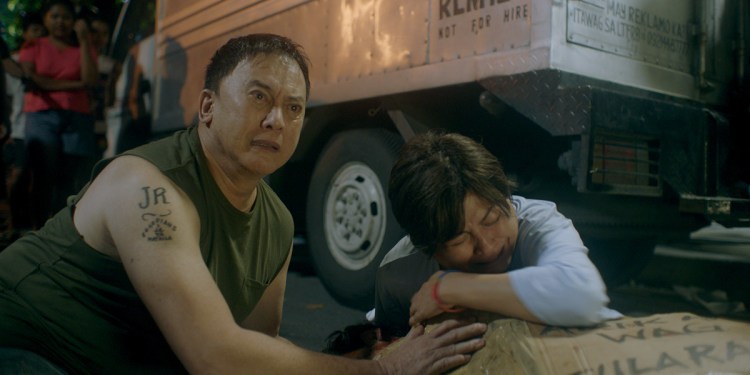
  • Dark is the Night – Independent filmmaker Adolfo Alix Jr returns with an urgent look at life in Duterte’s Philippines as a middle-aged couple make a little on the side selling drugs but decide to give it up because of the danger only for their addict son to go missing.

Taiwan

fish out of water

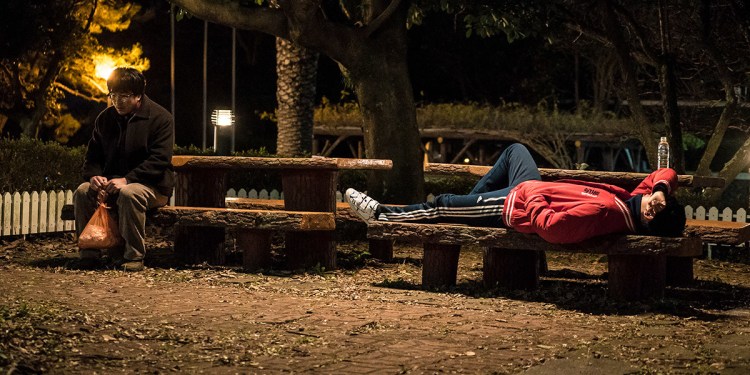
  • A Fish out of Water – A young boy becomes fixated on the idea of finding his “past parents” in the debut feature from Lai Kuo-An.
  • The Great Buddha+ – an extension to director Huang Hsin-Yao’s 2014 short, The Great Buddha+ follows two security guards as they spy on their womanising boss for kicks but find out something they were not supposed to know.

Thailand

samui osng still one

  • Samui Song – the highly anticipated return of Last Life in the Universe’s Pen-ek Ratanaruang, Samui Song is a violent thriller in which a soap opera actress plots to escape her wealthy husband who has been brainwashed by a cult.

The Toronto International Film Festival runs from 7 – 17th October. The complete festival programme as well as full information on all the films can be found on the festival’s official website, and you can keep up with all the latest details through the official Facebook page, Twitter account, Instagram and YouTube channels.

A Day Makes UK Premiere at Nottingham’s Mayhem Film Festival

A Day posterCho Sun-ho’s time-loop drama A Day (하루, Haroowill make its UK premiere at Nottingham’s genre leaning film festival, Mayhem.

OLYMPUS DIGITAL CAMERAJun-young, a successful surgeon but less than successful father, witnesses a car accident involving his daughter only to wake up as if it were just a dream. Realising that the events of his dream are proceeding as he saw them, Jun-young tries to save his daughter only to fail and have the exact same events repeat themselves over and over again until he meets another man in the same position who has been trying to save the life of the other victim. Together, the two men unite to save the lives of their loved ones and escape the nightmarish temporal loop in which they are both trapped.

Fantasia film festival trailer

A Day screens at 1.45pm on 14th October.

The festival will also play host to Sion Sono’s surreal sci-fi/horror odyssey Tag which receives a long awaited UK DVD/blu-ray release from Eureka this November.

tagTag screens on 14th October at 12pm. Check out our review of the film here.
Mayhem runs at Nottingham’s Broadway cinema from 12th – 15th October, 2017. You can find the complete lineup as well as ticketing information on the official website and you can also keep up with all the latest festival news via the official Facebook page, and Twitter account.

Lost Chapter of Snow: Passion (雪の断章 情熱, Shinji Somai, 1985)

Lost-Chapter-of-Snow-Passion dvd coverShinji Somai’s work is most closely identified with depictions of contemporary young people who meet their approaching adulthood with an almost nostalgic melancholy but in Lost Chapter of Snow: Passion (雪の断章 情熱, Yuki no Dansho: Jonetsu), he takes things one step further as his orphaned heroine moves through dependence to independence and finally assumes her own identity. Based on a novel by Marumi Sasaki, Lost Chapter also fits neatly into the idol movie subgenre, starring the then popular singer and actress Yuki Saito who sings frequently throughout the film and provides the end titles theme Jonetsu (Passion).

As the film opens, seven year old orphan Iori (Mami Nakazato) has been adopted by the wealthy but cruel Naba family who regard her as a slave, to be beaten, humiliated and pressed into service. One day, an employee of Naba’s, Yuichi (Takaaki Enoki), visits and witnesses Iori’s cruel treatment at the hands of oldest sister Sachiko (Kyoko Fujimoto), immediately taking her home to live with him. The situation is difficult, especially as Iori’s past has led her to be wary of new connections, and her sudden arrival has also placed a strain on Yuichi’s engagement to a girl still living in Tokyo far away from snowy Sapporo. Ten years pass and Iori (Yuki Saito) has become a happy, healthy high school girl but the resurfacing of the Naba sisters in her life is to have profound consequences when one of them is murdered and Iori finds herself regarded as a prime suspect.

Embracing its almost Dickensian roots, Lost Chapter’s most obvious theme is the place, or displacement, of the orphaned within Japanese society which places the family above all else. Iori’s origins are never mentioned beyond her early life in an orphanage, but even when Yuichi brings her home the first words the housekeeper offers are that a discarded child like Iori maybe trouble, assuming that she is the result of a “loose woman’s” weakness and irresponsibility. The Nabas, who are a thoroughly unpleasant bunch ruled over by older sister Sachiko, have adopted her despite being an already large family but raising a lonely child in love was not their aim so much as getting a kitchen maid they wouldn’t have to pay. Iori is sent out on pointless errands through the snow and freezing air only to fear she will be beaten for having drunk the juice she was sent to buy on Sachiko’s behalf. This fate is not unique to Iori as she discovers when Daisuke (Kiminori Sera), a friend of Yuichi’s who has become like a second father to her, reveals his orphan past as a poor relation sheltered by family members but not quite embraced by them.

Iori’s poor treatment at the Naba’s is offered as a possible motive for the murder of Hiroko (Mai Okamoto) – younger sister to Sachiko and a student in the same class as Iori. Hiroko is fairly depressed and a flighty girl, still cruel and eager to show off in front of her former step-sister with a lengthy dance sequence offered in front of the hottest boys at school. When she dies suddenly, all evidence points to a cup of coffee Iori tried to take her in kindness but even if it wasn’t Iori who plotted to kill her, Hiroko’s death is still firmly linked to her family’s cruel superiority.

The strain of the investigation plays on Iori’s mind, forcing her into a deeper consideration of her place within Yuichi’s household especially as she’ll soon be approaching the crossroads of adulthood and will need to decide whether to go on to university or leave Yuichi’s house to be independent. In the housekeeper’s mind, staying at “home” is not an option once she could, theoretically, support herself but Yuichi and Daisuke may feel quite differently about this damaged little girl they once took in and are still in the process to turning into a fine young woman. Yuichi’s housekeeper has a choice metaphor regarding Yuichi’s intentions in rescuing Iori – pointing to a withered flower, she suggests that Iori was a thirsty seed that Yuichi has been patiently watering in order to see the flowers bloom, but this way of viewing the situation places a further wedge between Iori and Yuichi who is still seeing his fiancée in Tokyo while Iori’s feelings about the father figure who raised her but is also still a handsome, kind, and youngish man have begun to become confused.

Falling into shojo romance territory, Lost Chapter does indeed become a slightly uncomfortable romantic tale in which a young woman falls in love with her “father” and he with her though, as they aren’t blood related, it can still be depicted as sweet and innocent rather than a tale of long term grooming and inappropriate power structures. Yuichi, though obviously a kind and socially minded young man, is nevertheless as “irresponsible” as he’s branded in his neglect of his longterm fiancée (who later makes an embarrassing first visit in nine years to Yuichi’s home to ask Iori to back off and finally declare herself grown up so she and Yuichi can marry), and later positing of Iori as some kind of pet project in his determination to have her graduate university – a feather in his cap rather than a stepping stone to a middle-class life for his precious daughter.

Known for his long, roaming, handheld takes Somai opens with a 14 minute seemingly unbroken, dreamlike sequence recounting Iori’s life with the Nabas and her eventual rescue. Somai’s camera pans around a series of snow trenches, placing a phone call from Tokyo right inside the icy space alongside a hidden violin player scoring the action. Shot with the random, etherial quality of memory mixed with dream, this first sequence gives way to a more conventional main body even if Somai maintains his preference for long takes filled with surprising pans and unexpected entrances into the frame. There are great moments of tenderness and warmth in Iori’s story, brought to life by Somai’s noticeably expressionist techniques, but there’s pain and darkness too as death and suicide lurk in the background, ready to strike at any moment. A beautifully surreal, theatrical exploration of a standard coming of age tale Lost Chapter is both shojo romance at its most controversial and a fine showcase for a popular idol shining in a leading role.


Originally released as a double header with Nobuhiko Obayashi’s Four Sisters.

14 minute long take intro (no subtitles)

Yuki Saito singing Jonetsu on a Japanese TV show presumably around the time of the film’s release.

Samurai Rebellion (上意討ち 拝領妻始末, Masaki Kobayashi, 1967)

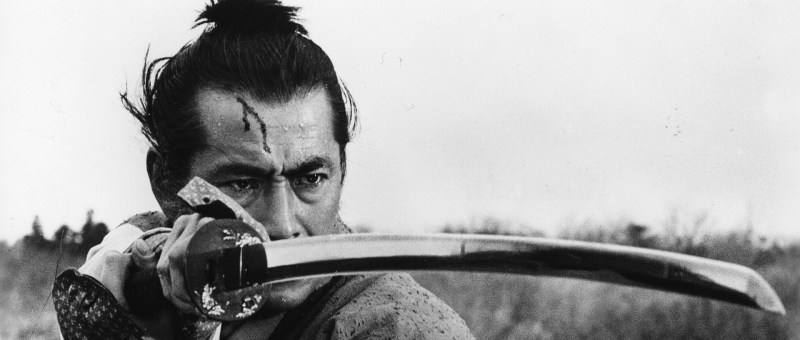
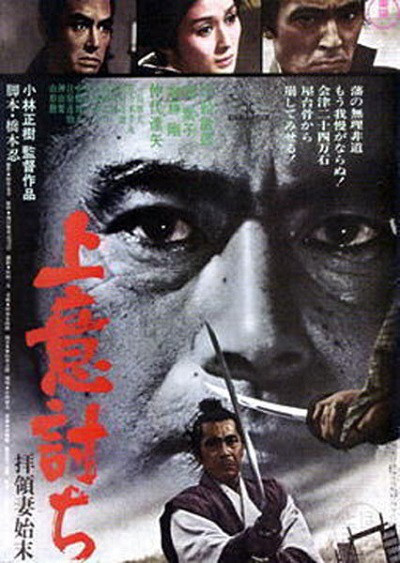
samurai rebellion posterIf Masaki Kobayashi had one overriding concern throughout his relatively short career, it was the place of the individual with an oppressive society. Samurai Rebellion (上意討ち 拝領妻始末, Joi-uchi: Hairyo Tsuma Shimatsu), not quite the crashing chanbara action the title promises, returns to many of the same themes presented in Kobayashi’s earlier Harakiri in its tale of corrupt lords and a vassal who can no longer submit himself to their hypocritical demands. On the film’s original release, distributor Toho added a subtitle to the otherwise stark “Rebellion”, “Hairyo Tsuma Shimatsu”, which means something like “sad story of a bestowed wife” and was intended to help boost attendance among female filmgoers who might be put off by the overly male samurai overtones. The central conflict is that of the ageing samurai Isaburo (Toshiro Mifune), but Kobayashi saves his sympathy for a powerless woman, twice betrayed, and given no means by which to defend herself in a world which values female life cheaply and a woman’s feelings not at all.

Having the misfortune to live in a time of peace, expert swordsman Isaburo has only the one duty of testing out the lord’s new sword (which he will never draw) on a straw dummy. He and his friend Tatewaki (Tatsuya Nakadai) are of a piece – two men whose skills are wasted daily and who find themselves at odds with the often cruel and arbitrary samurai world, refusing to fight each other because the outcome would only cause pain to one or both of their families. Isaburo has two grownup sons and dreams of becoming a grandpa but needs to find a wife for his eldest, Yogoro (Go Kato). He wants to find a woman who is loyal, loving, and kind. As a young man Isaburo was “forced” into marriage and adopted into his wife’s family but has been miserable ever since as his wife, Suga (Michiko Otsuka), is a sharp tongued, unpleasant woman whose only redeeming features are her stoicism and dedication to propriety.

It is then not particularly good news when the local steward turns up one day and informs Isaburo that the lord is getting rid of his mistress and has decided to marry her off to Yogoro. News travels fast and though others may appear jealous of such an “honour”, Isaburo is quietly angry – not only is he being expected to take on “damaged goods” in a woman who’s already born a son to another man, but they won’t even tell him why she’s being sent away, and the one thing he wanted for his son was not to end up in the same miserable position as he did. Nevertheless when Isaburo repeatedly tries to decline the “kind offer”, he is prevented. A suggestion quickly becomes an order, and Yogoro consents to prevent further conflict.

Against the odds, Ichi (Yoko Tsukasa) is everything Isaburo had wanted in a daughter-in-law and even puts up with Suga’s constant unkindness with patience and humility. Eventually she and Yogoro fall deeply in love and have a baby daughter, Tomi, but when the lord’s oldest heir dies and Ichi’s son becomes the next in line, it’s thought inappropriate for her to remain the wife of a mere vassal. Summoned to the castle, Ichi is once again robbed of her child but also of her happiness.

Ichi’s tale truly is a sad one and emblematic of the fates and positions of upperclass women in the feudal world. Having had the misfortune to catch the lord’s eye, Ichi tries to decline when the steward shows up to take her to the castle, reminding him that she is already betrothed. Sure that her fiancé will protect her, Ichi says she’ll go if he agrees never thinking that he would. Betrayed in love, Ichi is sold to the castle to be raped by the elderly Daimyo who views her as little more than a baby making machine and faceless body to do with as he wishes. When she returns from a post-natal trip to the spa and discovers the lord has already taken a new mistress, her anger is not born of jealously but resentment and disgust. This other woman is proud of her “position” at the lord’s side when she should be raging as Ichi is now, at her powerlessness, at the male society which reduces her to an object traded between men, and at the rapacious assault upon her body by a man older than her father.

Isaburo is also raging, but at the cruel and heartless obsession with order and protocol which has defined his short, unhappy life. Having been a model vassal, Isaburo has lived a life hemmed in by these rules but can bear them no longer in their disregard for human feeling or simple integrity. Isaburo says no, and then refuses to budge. Having retired and surrendered control of the household to Yogoro, Isaburo leaves the decision to his son who refuses to surrender his wife and swears to protect her from being subjected to the same cruel treatment as before. The samurai order is not set up for hearing the word “no”, and the actions of Isaburo, Yogoro, and Ichi threaten to bring the entire system crashing down. Love is the dangerous, destabilising, manifestation of personal desire which the system is in place to crush.

Isaburo’s rebellion, as he later says, is not for himself, or for his son and daughter-in-law whose deep love for each other has reawakened the young man in him, but for all whose personal freedom has been constrained by those who misuse their power to foster fear and oppression. Having picked up his sword, Isaburo will not stand down until his voice is heard, fairly, under these same rules that the authority is so keen on enforcing. He does not want revenge, or even to destroy the system, he just wants it to respect him and his right to refuse requests he feels are unjust or improper. Like many of Kobayashi’s heroes, Isaburo’s fate will be an unhappy one but even so he is alive again at last as the fire of rebellion rekindles his youthful heart. Those caught within the system from the venal stewards and greedy vassals to the selfish lords suddenly terrified the Shogun will discover their mass misconduct are dead men walking, sublimating their better natures in favour of creating the facade of obedience and conformity whilst manipulating those same rules for their own ends, yet the central trio, meeting their ends with defiance, are finally free.


Available with English subtitles on R1 DVD from Criterion Collection.

Original trailer (English subtitles – poor quality)