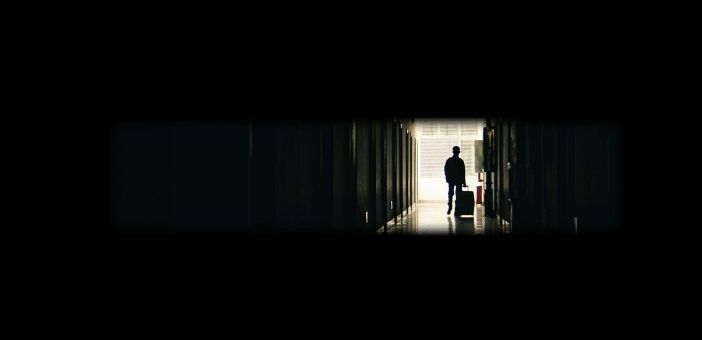
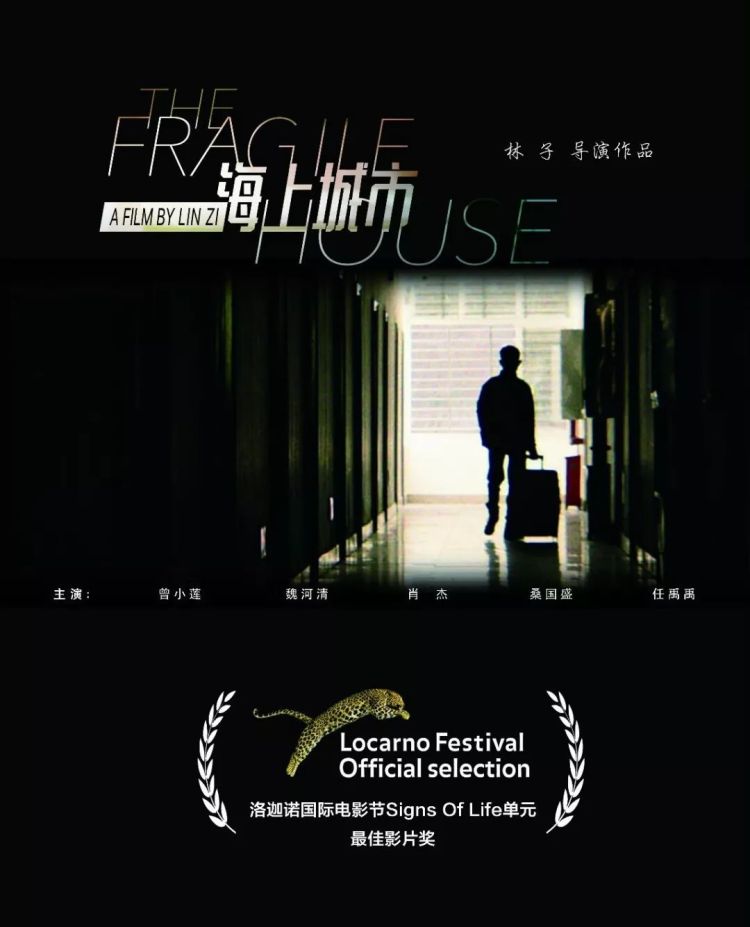
 Among the many concerns of recent Chinese cinema, economic inequality and the fate of the family loom large. Lin Zi’s debut, The Fragile House (海上城市, Hǎishàng Chéngshì), neatly brings the two together in the tale of one ordinary family who’ve managed to carve out a degree of comfort for themselves but at great cost. Economic strain threatens the very idea of family, or at least of “family” as has traditionally been defined. The Huangs pay their respects to their elders and enact the rituals expected of them, but remain mere individuals drifting endlessly without direction in pursuit of an inflated ideal of middle-class respectability.
Lin opens on the most important family occasion of all – New Year’s Eve. The Huangs have gathered together as expected with even oldest son and heavily pregnant daughter-in-law in attendance, but there is an unexpected visitor. Cui Ying’s sister Cui Na has come calling but not to join the festivities – she’s come to claim a debt and is refusing to leave the Huang’s sofa until she gets her money. In an extreme power move, the Huangs have called the police to have her removed – an act of intense pettiness which results in little more than ruining everyone’s New Year by getting half the family detained at the local police station.
Originally from the country, Cui Ying and her husband work for a construction firm but there’s trouble on the horizon because Cui Ying, who seems to be in charge of payroll, hasn’t been given the construction funding by the developers who keep fobbing her off meaning she can’t pay her workers. The workers are understandably upset and angry, some resorting to thieving materials in lieu of their wages while quietly seething with resentment towards Cui Ying who swans around in her fancy car while they can’t pay their bills or feed their families.
Likewise, Cui Na finds it difficult to accept her sister’s excuses when she takes in her lovely middle-class family home. If she really has no money why doesn’t she sell the house or her car? Cui Na thinks it’s adding insult to injury when the Huangs throw a party to celebrate the birth of their first grandchild rather than paying her back, but then holding a celebration on the one month anniversary of a child’s birth is one of the many things which a “family” must do to be a family.
Yet this family is one already divided. Lin splits the screen in three, imprisoning the Huang’s in their own individual bubbles on a night devoted to the idea of togetherness. While Cui Ying and her sons pointedly do not eat their New Year dinner at a table in the back, her husband Jian perches on the edge of the sofa, while her sister remains petulantly all the way over to the side. The Huang’s have worked hard for this house, but this evening is one of the few times they will all occupy it at the same time. Jian will soon depart to play nightwatchman at the yard – they’ve no money to pay someone else to watch the place, while youngest son Chaochao has developed the habit of going to the local internet cafe to play games online rather than come home to an empty house, neglecting his studies in the process.
Though his father is more sympathetic and encourages him to find something else to do if he finds school does not interest him, Cui Ying eventually decides to send her son away, absenting him from the family altogether. She does this in the hope of training him to become a model citizen – something the school’s prominently displayed signs declaring “one lifestyle” seem to promise, but does not stop to consider the weakening bond between herself and her children with her oldest son already in the city and, like she with her own family, only coming home for the obligatory family occasions.
Chaochao seems to have picked up on his parents’ plight, that their constant search for success has left them with little more than constant anxiety and exhaustion. You couldn’t blame him for a desire to drop out, declining to fight a battle it’s impossible win. Lin’s constantly shifting aspect ratios, letterboxing, and colour variations highlight the claustrophobic quality of the Huangs’ existences as they go about their individually boxed lives while clinging fast to the idea of familial connection to provide some kind of framework in an increasingly chaotic world but even this is not immune from the corruption of money and the fragility of the house rests on the very forces which constructed it.
Screened as part of the BFI’s 2019 Chinese New Year programme.
Original trailer (English subtitles)









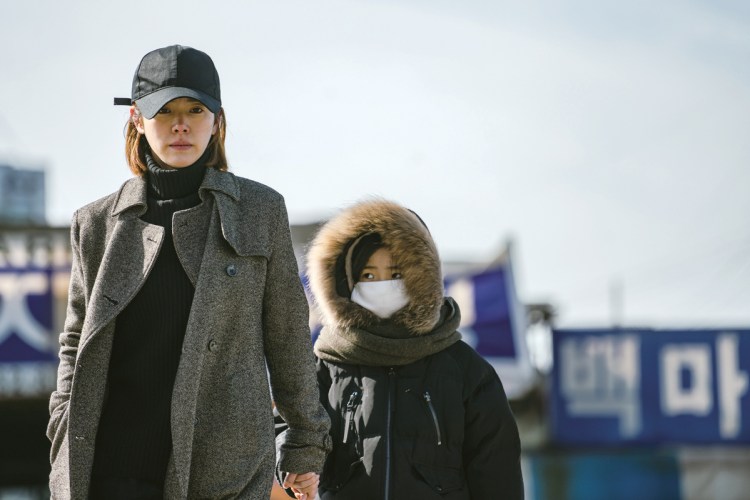 Han Ji-min stars as a salty, aloof ex-con who struggles to move past childhood trauma until she makes the fateful decision to save a neglected little girl who reminds her so much of herself.
 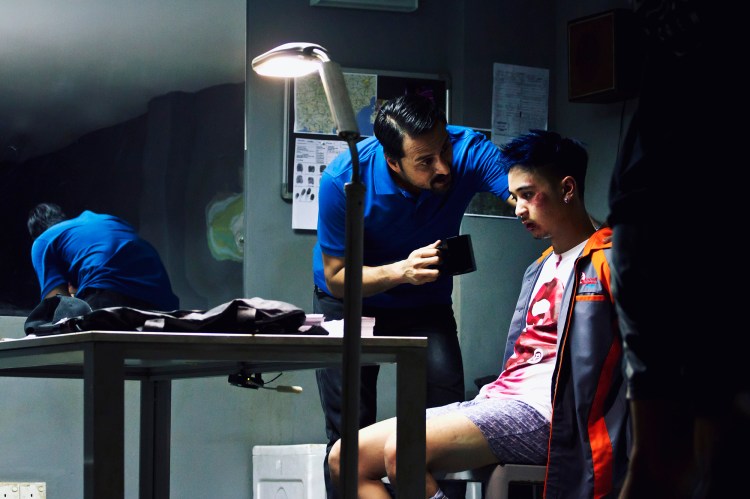 The debut feature from Zahir Omar, Fly By Night takes place in the Kuala Lumpur underworld where a gang of taxi drivers has clubbed together to extort well off passengers they pick up from the airport.
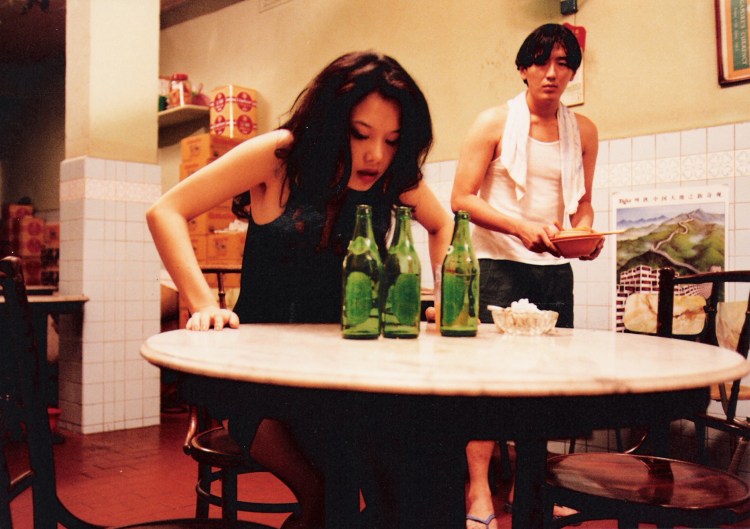 A Singaporean classic, Eric Khoo’s debut follows the awkward proprietor of a noodle shop with a crush on one of his customers, a sex worker who dreams of escaping her pimp and the city itself.
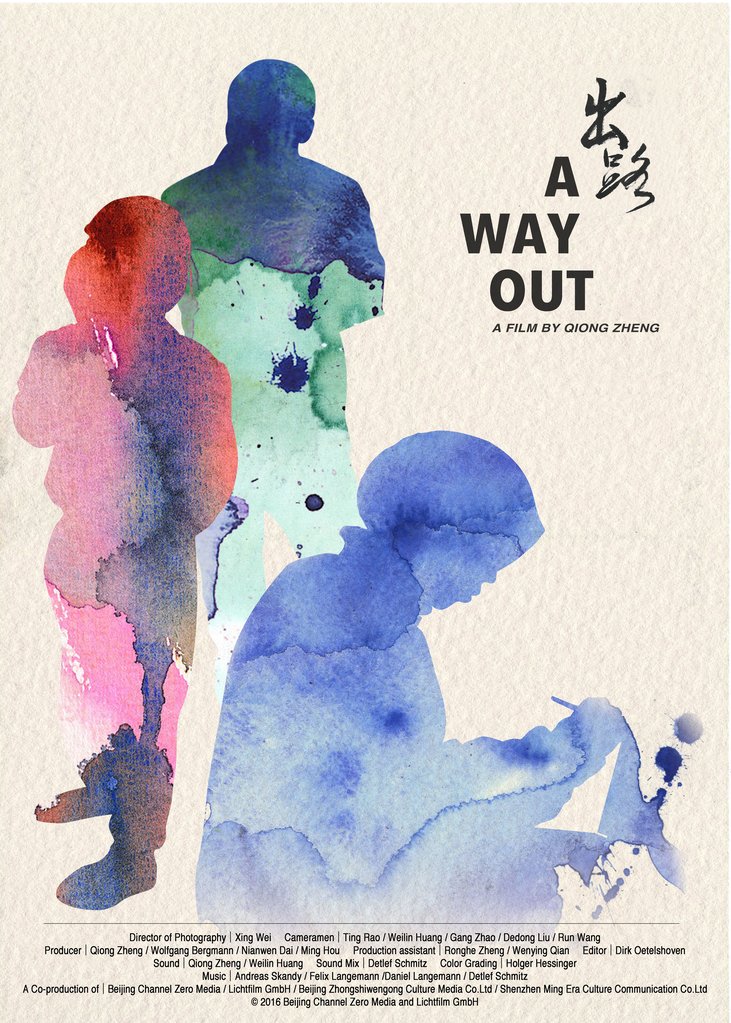
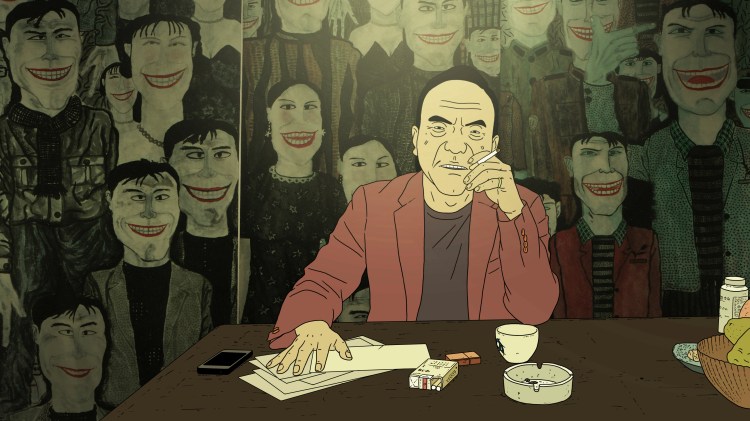 Liu Jian’s indie animation puts the modern China under the spotlight as a missing bag of money brings a collection of desperate souls together in the search for a way out of a dead end wasteland.
  Aaron Kwok stars as a deadbeat dad whose wife eventually leaves him alone with their young son. When loansharks come in pursuit of gambling debts, father and son are forced on the run and into a life of dubious moralities.
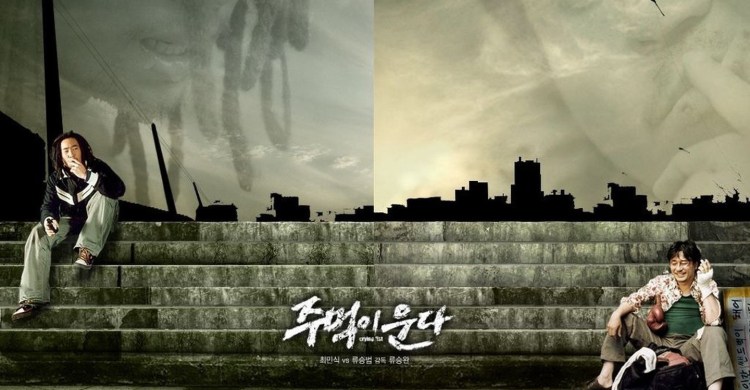 Ryoo Seung-wan’s boxing drama stars Choi Min-sik as a former olympic silver medalist who now makes ends meet getting beaten up for money on the streets of Seoul. Meanwhile, a troubled young man (played by Ryoo Seung-Bum) who learned to box inside is also looking for a way out. The pair meet in the ring where a more than cash is at stake.
 Actor turned director Yang Ik-June stars as a brutal gangster whose sentimental heart is restarted by a high school girl with a difficult home life only to discover life’s essential tragedies.
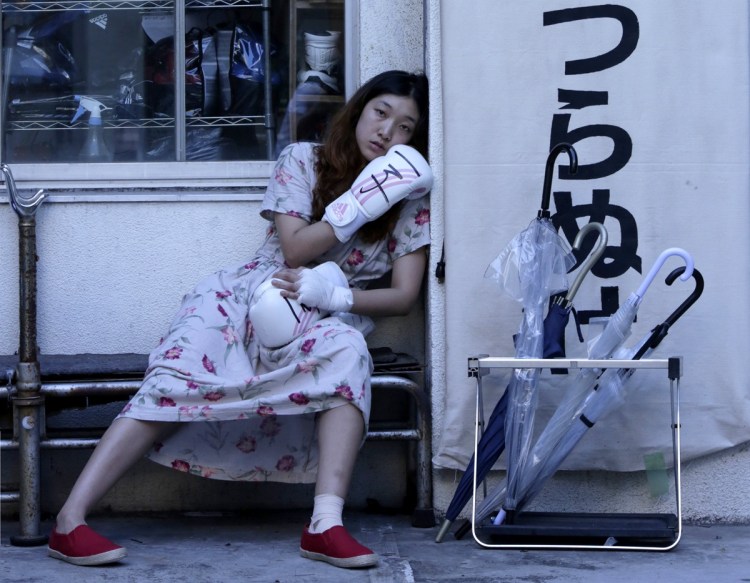 Sakura Ando stars as a 32-year-old slacker still living at home with her parents. A part-time job in a 100 yen store gives her new purpose when she strikes up a relationship with an amateur boxer and winds up entering the ring herself.
 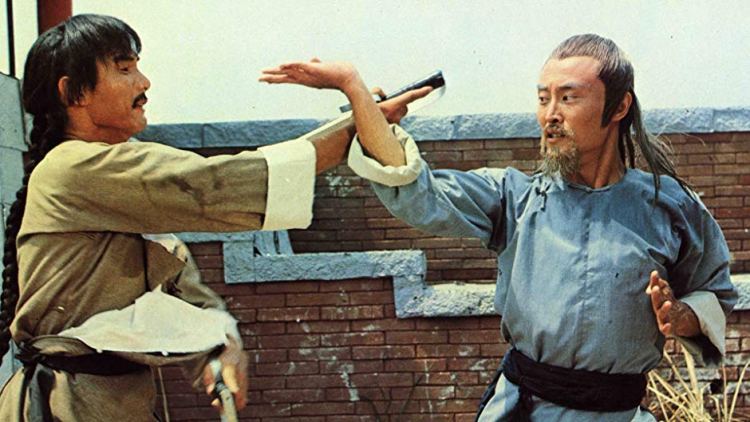 Jack Lung stars as a veteran kung-fu master about to retire when a young buck begs to become his disciple so that he can learn the skills to avenge his father.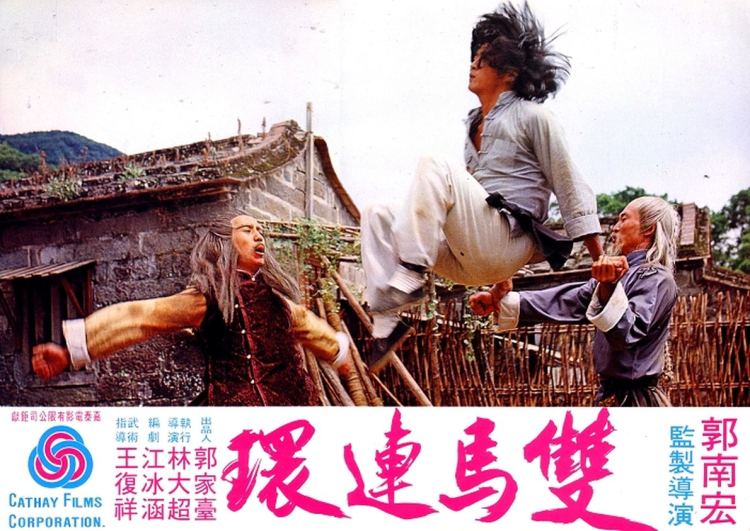
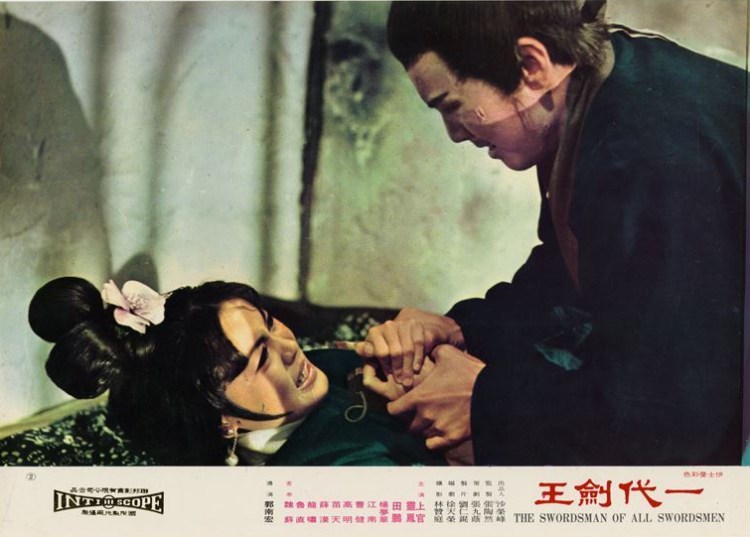 A top swordsman out for revenge against the bandits that killed his father runs into sword enthusiasts Black Dragon and Flying Swallow who may be enemies or allies.
 The clue is in the name…
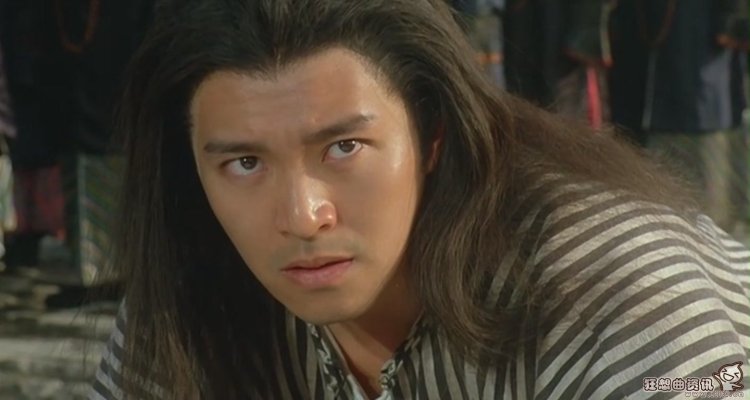 Stephen Chow stars in Gordon Chan’s loose retelling of the life of 19th century martial artist So Chan who finds himself joining the Beggars’ Sect after being caught cheating on his imperial exams and causing his family to be stripped of all their wealth.
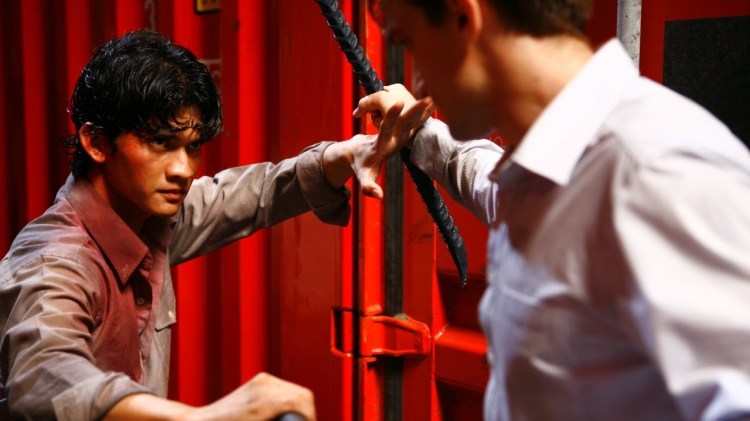 Indonesian action star Iko Uwais stars in Gareth Huw Evans early cult hit in which a young man embarks on his “merantau” – a coming of age ritual in which he must leave his village for the city where he rescues a brother and sister from a gang and finds himself at war.
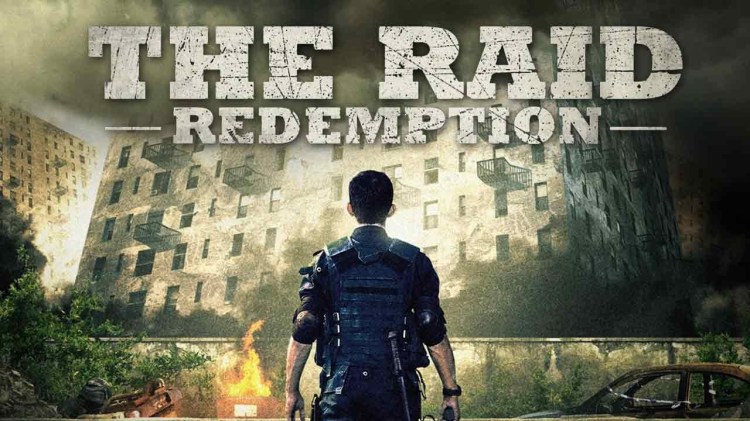 The sequel to Gareth Huw Evans phenomenally successful The Raid once again stars Iko Uwais as an intrepid SWAT member who finds himself having to fight his way out when a raid goes wrong.
 A party to close out the event taking place right after the final screening.

 Windows on Worlds