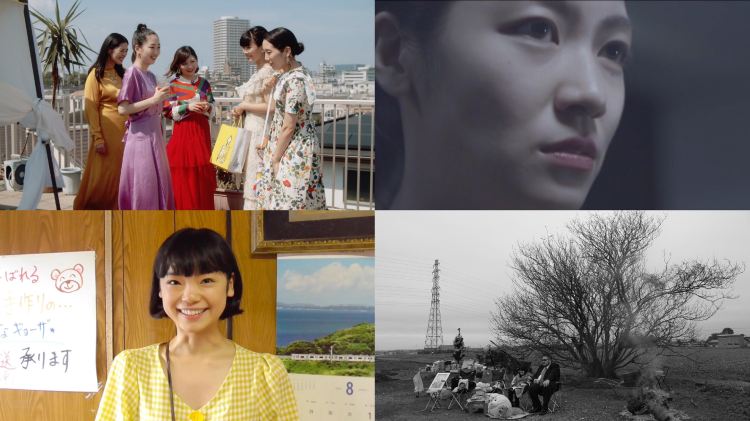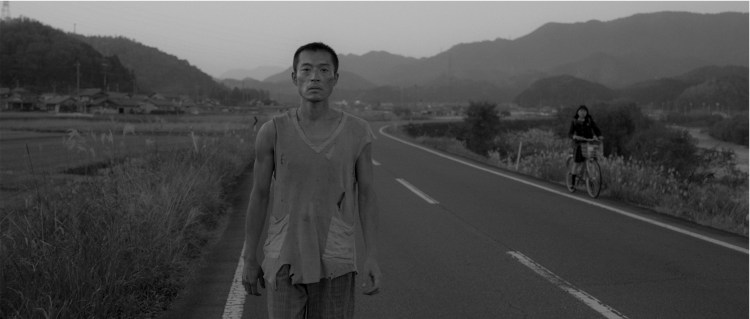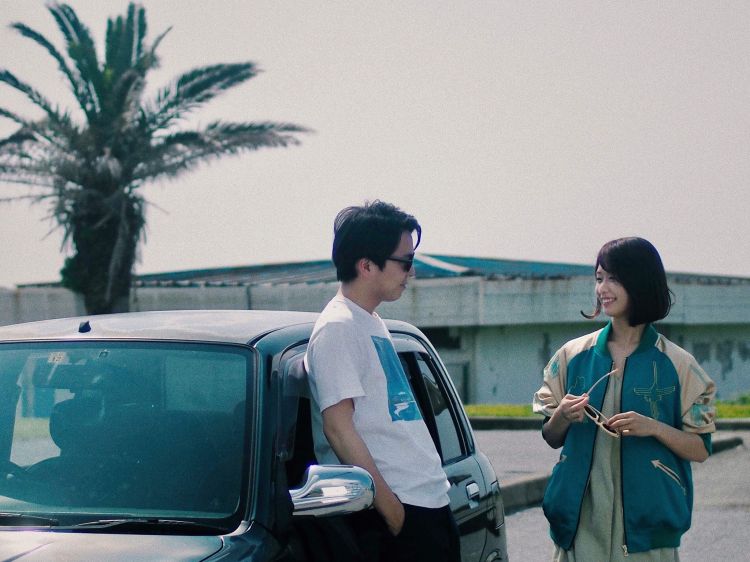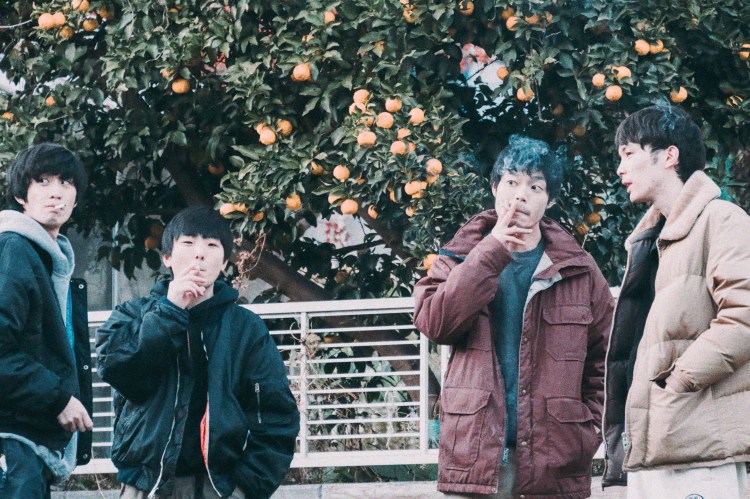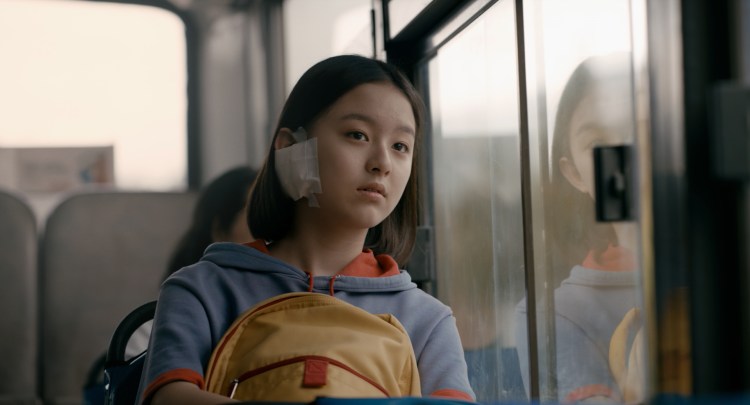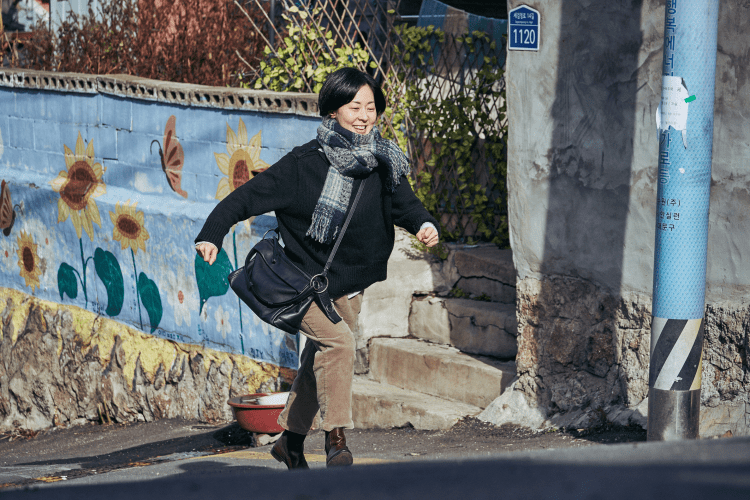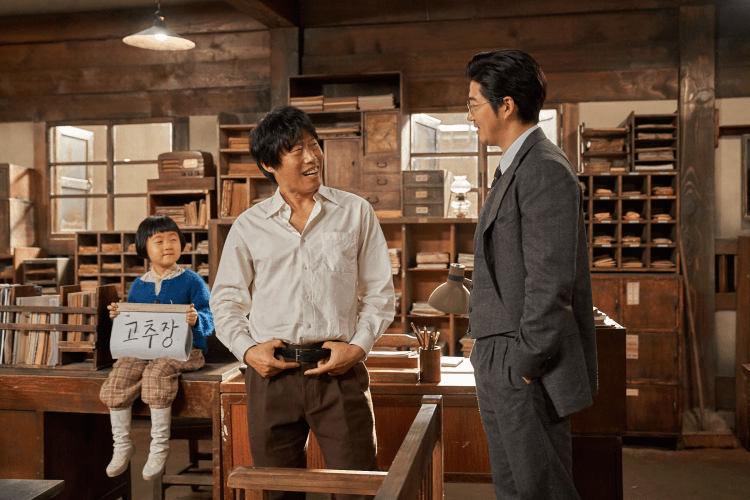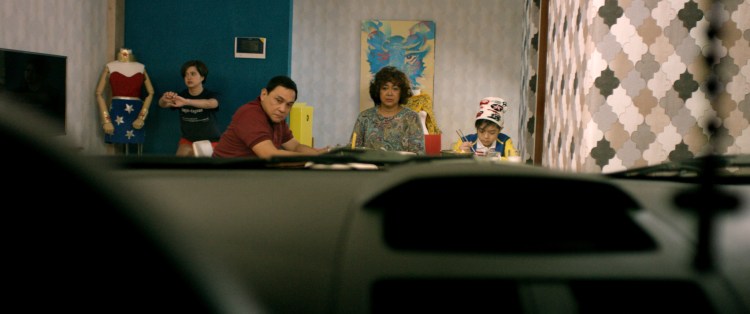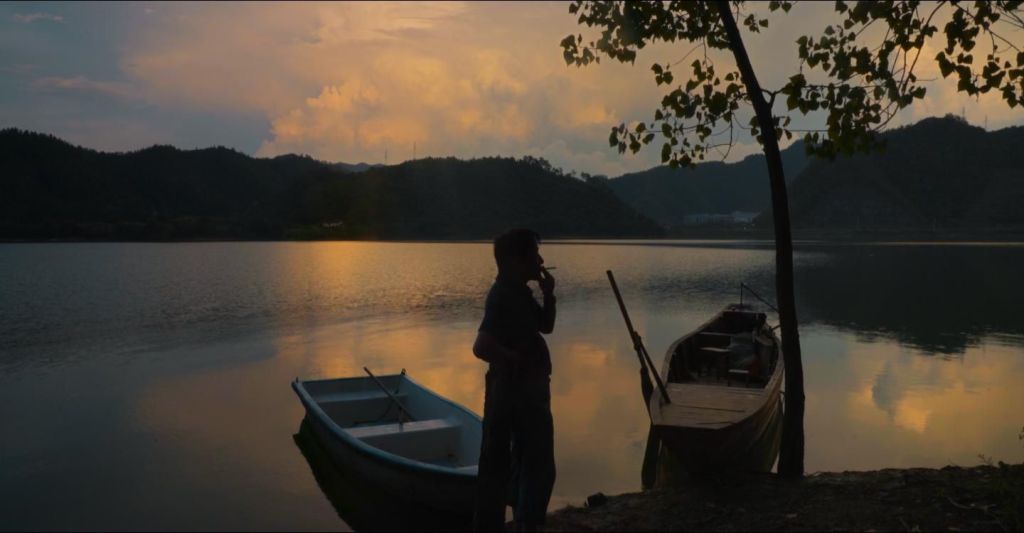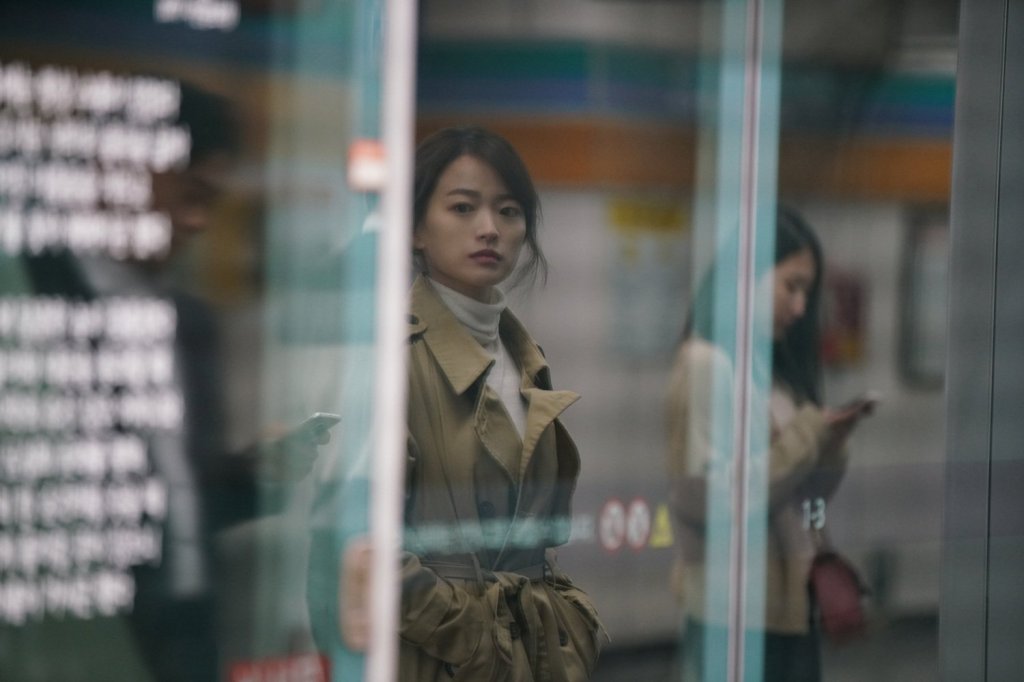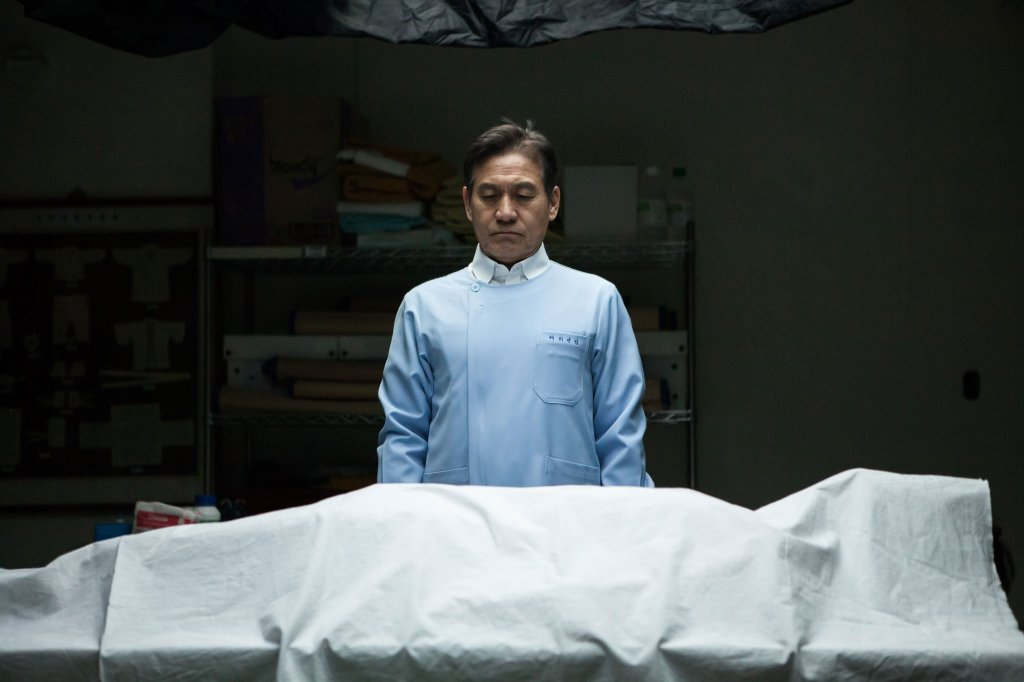
Detention (返校, John Hsu, 2019)

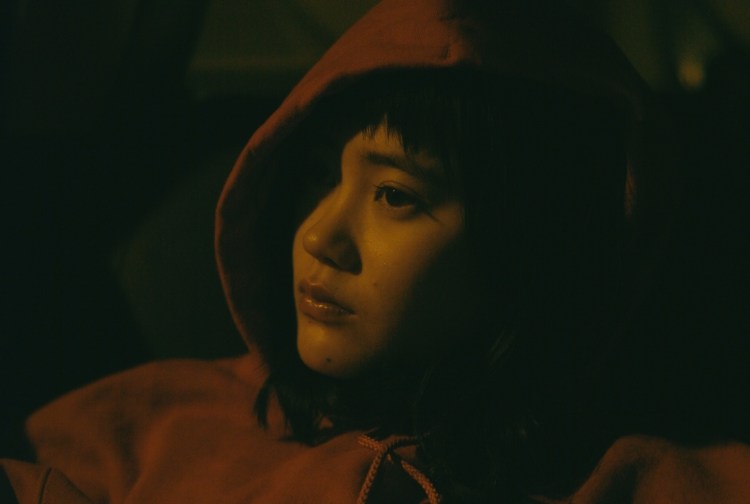
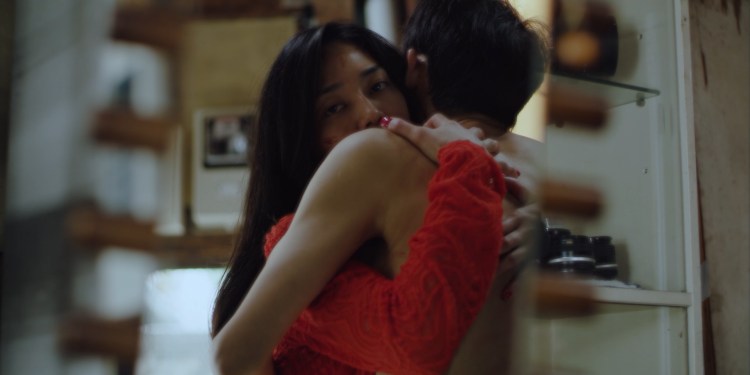
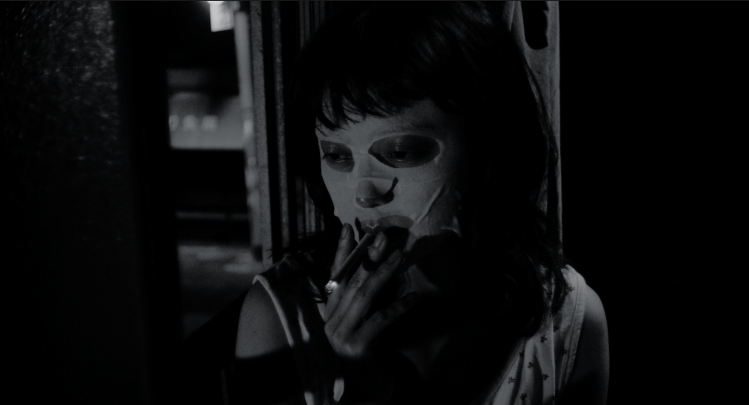
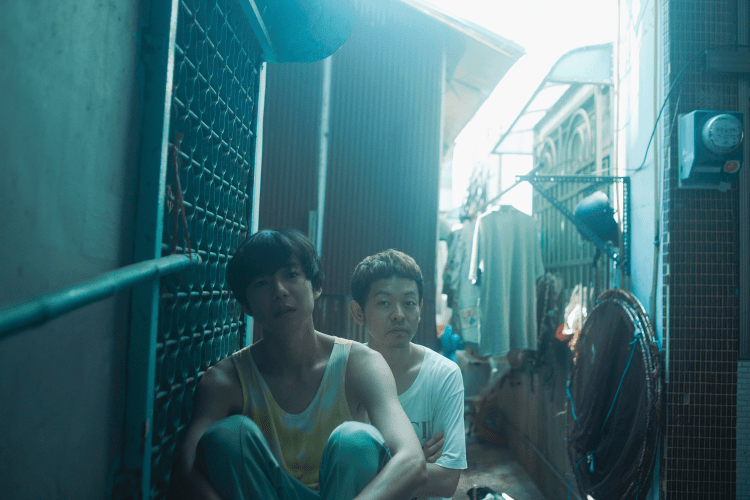
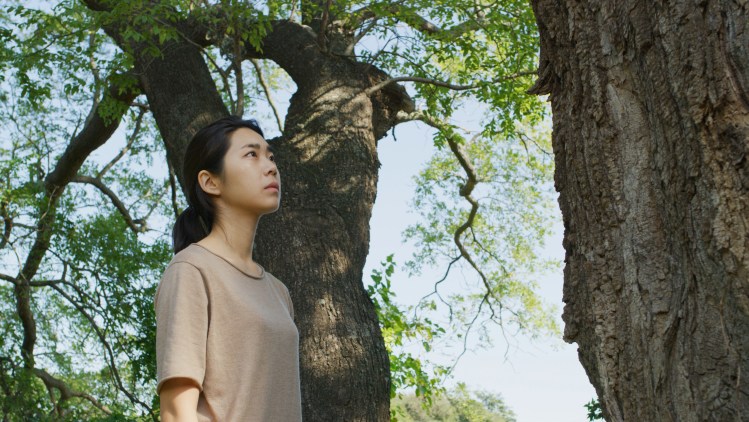
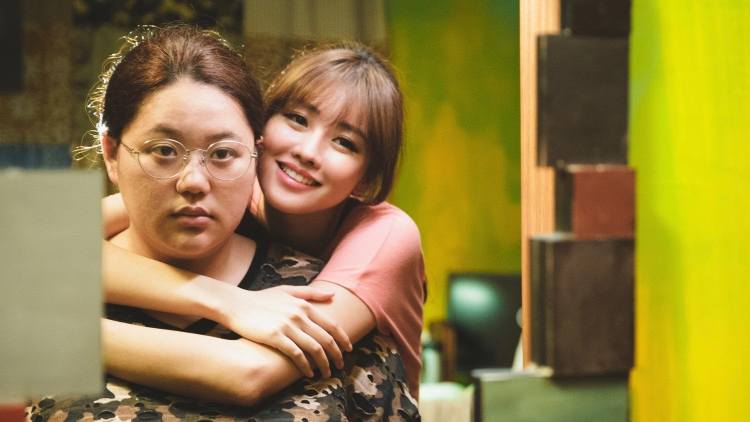
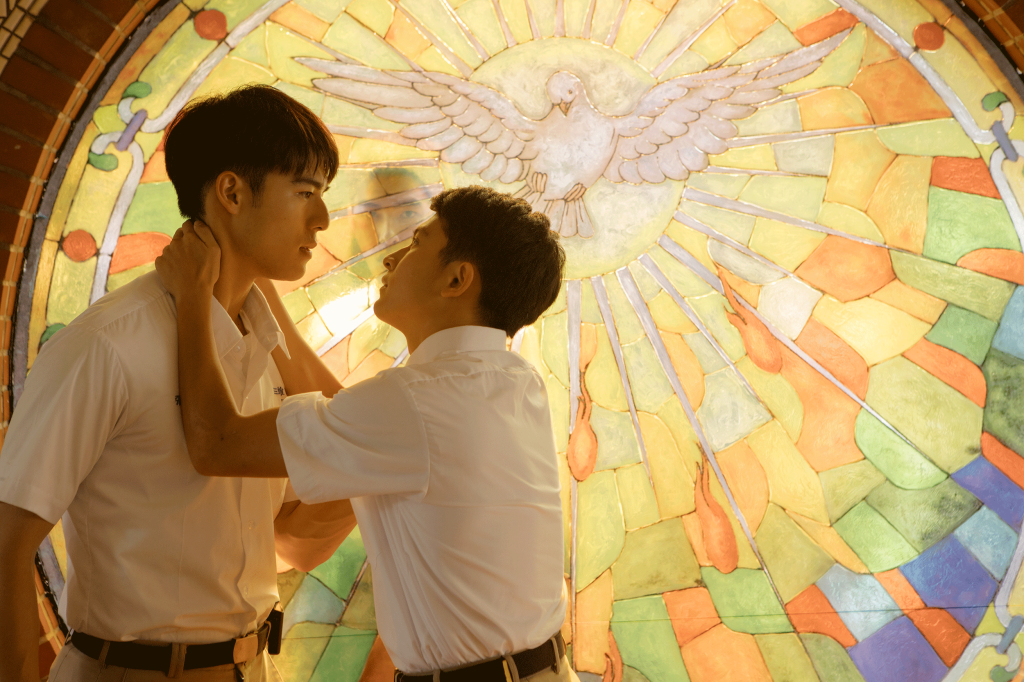
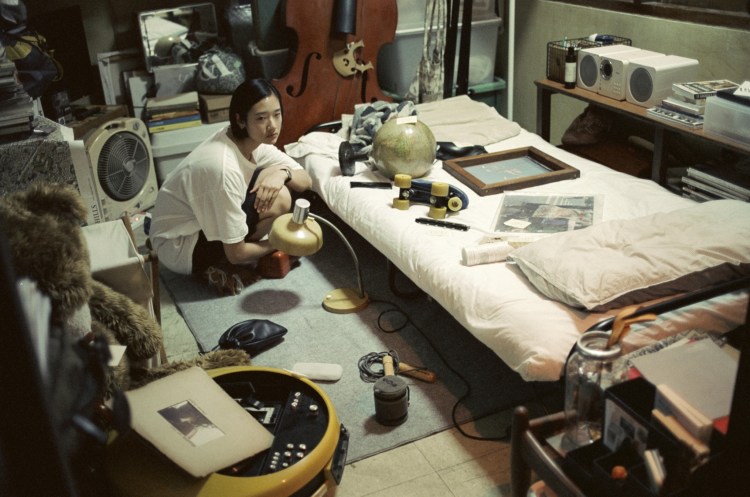
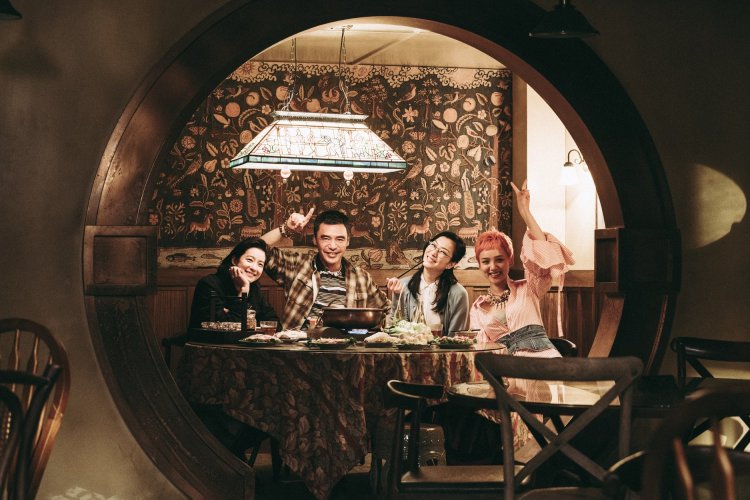
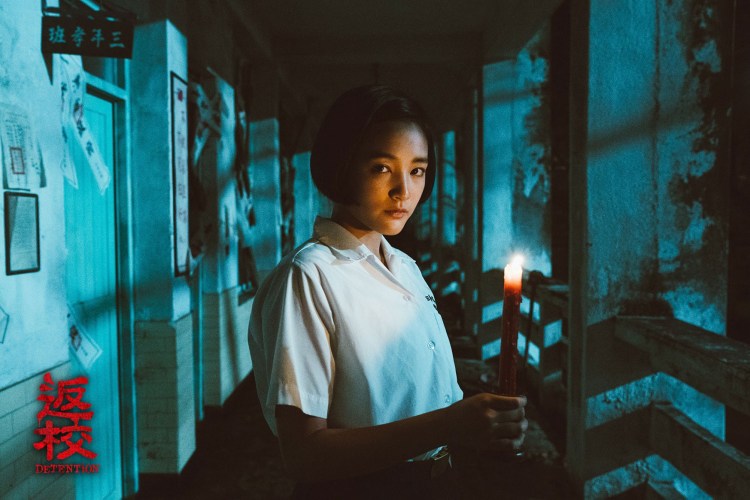
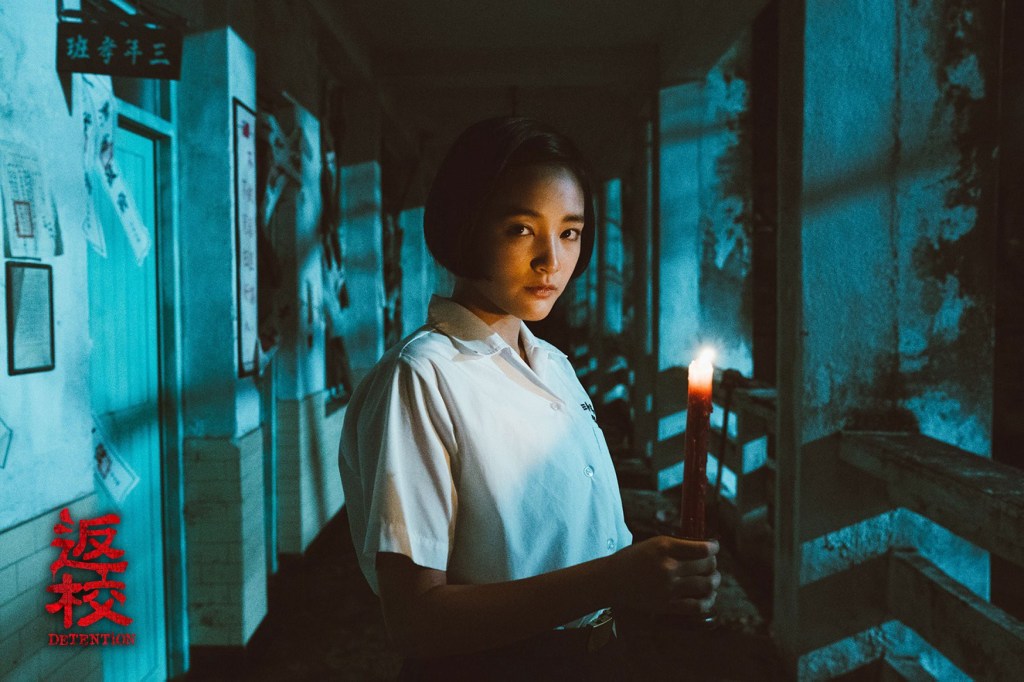
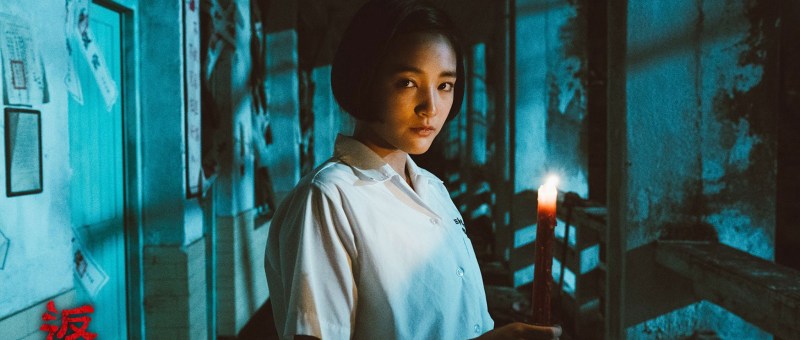
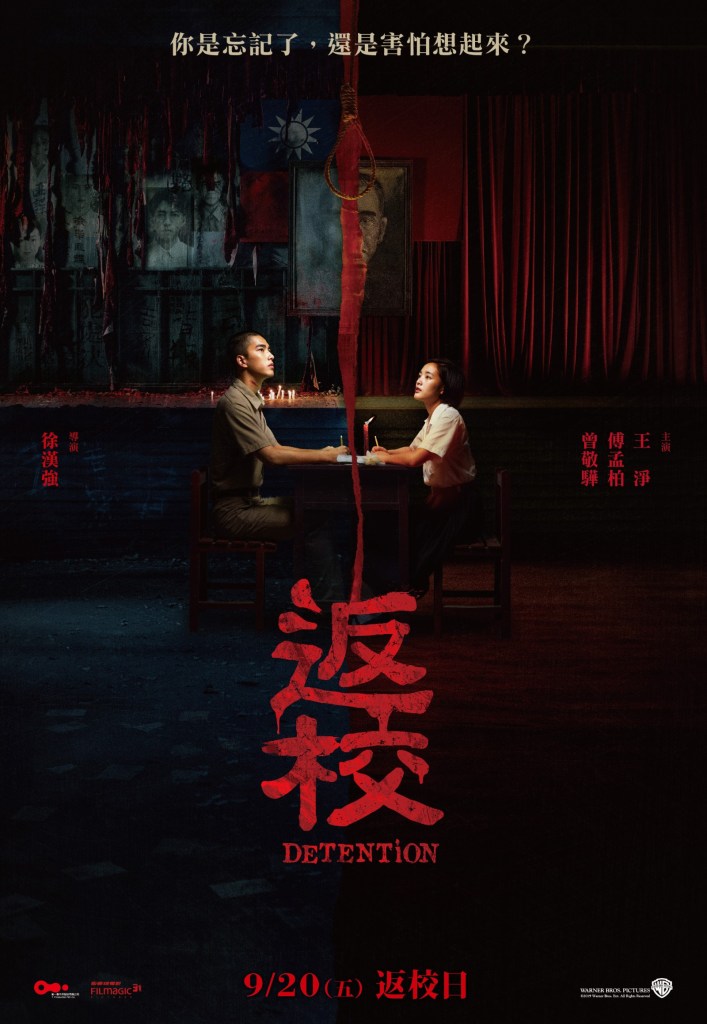
“Have you forgotten or are you scared of remembering?” a mysterious supernatural force seems to ask the heroine of John Hsu’s ironically named Detention (返校, Fǎn Xiào). In fact, the Chinese title means something close to “back to school”, hinting at its central message which uses the, it argues forgotten, tyranny of the “White Terror” to remind us that freedom is hard to win but harder still to keep. An unfortunately timely message given the assaults on democracy across the world but even more so given the recent protests in Hong Kong which have found support in Taiwan as it too looks back on its complicated history.

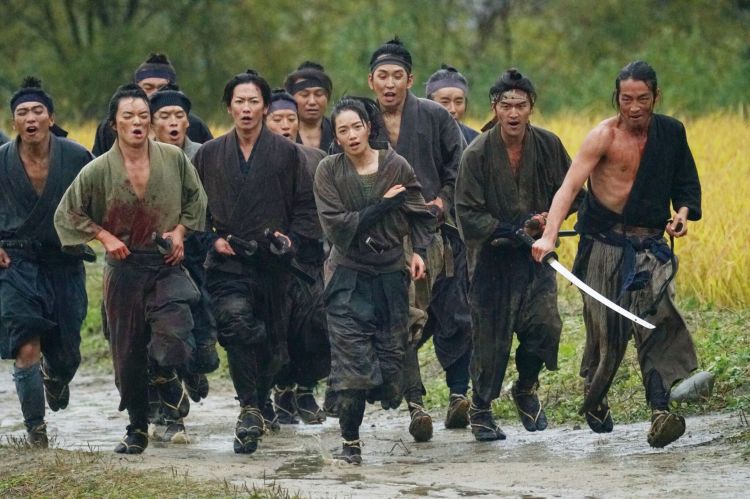
Based on a popular survival horror video game, Detention’s first hero is idealistic student Wei Zhong-ting (Tseng Ching-hua) who we quickly learn was picked up and tortured by the military police for reading books banned by the regime as part of an underground club run by two of his teachers – mild-mannered artist Zhang (Fu Meng-po) and stern musician Yin (Cecilia Choi Sze-wan). Set in 1962, the film finds itself at the height of the “White Terror”, a period of martial law which lasted for 38 years, during which any resistance real or perceived towards Chiang Kai-shek’s Kuomintang government was brutally suppressed with thousands tortured, imprisoned, or killed by the regime.

Wei finds himself in a lucid nightmare, trapped in his school building which has become derelict and seemingly abandoned while cut off by a raging flood. Gradually he starts to piece together memories of what must have happened, realising that his fellow club members seem to be absent and something must have happened with the military police. While in the school he runs into a fellow classmate, Fang Ray-shin (Gingle Wang Ching), though she doesn’t quite seem to remember him. Having apparently fallen asleep and woken up in this nightmare world, Fang seems even less clear about what’s going on than Wei but desperately wants to find their teacher, Zhang, with whom, we learn, she has fallen in love. 

Plagued by horrifying visions that maybe repressed memories or simple nightmares, the pair are chased by giant monsters dressed in KMT uniforms standing in for the terror of living under an authoritarian regime. Only, these particular nightmare soldiers are literally “faceless” in that their hollowed out skulls, which themselves sit on fetid, rotting corpses, are filled only by a mirror making plain that the faces of the “faceless” regime are our own. Fang and Wei become convinced that someone has betrayed them by giving one of the illicit books to arch militarist teacher Inspector Bai, but they can’t be sure who it was, finally doubting even themselves in their inability to remember the exact circumstances which brought them here. 

Flashing back to the “real” world, we discover that one sort of oppression cannot help but lead to others. Fang’s father is a respected soldier and supporter of the ruling regime, but he’s also abusive towards his wife, enforcing a rule of fear and violence even within his own home. Her mother has taken to religion in order resist him, regretting her marriage and furiously praying that he will soon be “gone for good”. “Gone for good” becomes a kind of mantra for others straining to free themselves from obstacles to their desires. Fang learns all the wrong lessons from her parents, allowing herself to be corrupted by their twin failures – her father’s in being a willing participant in the oppression of others, and her mother’s in subverting the world in which she lives in an attempt to free herself from violence. 

Yet, as Zhang later tells her, no one is really at fault because they are all victims of the oppressive rule of the KMT. The ruined schoolhouse becomes a kind of repository for the orphaned memories of a forgotten past. You can tear it down and build a fancy apartment complex over the top, but the ghost of authoritarianism is always lurking on the horizon, and capitalist success will not safeguard your freedom. Those left behind have to tell the story so  this never happens again because those who fail to learn from history are doomed to repeat it. Zhang imagined himself a narcissus, living in his own world without caring what other people thought and claiming that the solidarity of silent understanding is the best cure for loneliness, but he lived in times in which he had no freedom in which to live, sacrificing his own future to become the selfless roots of emancipation blooming only for those who will come later.


Detention screens in Amsterdam on March 5/7 as part of this year’s CinemAsia Film Festival. It will also screen in Chicago on March 26th as part of the 10th Season of Asian Pop-Up Cinema.

Original trailer (English subtitles)
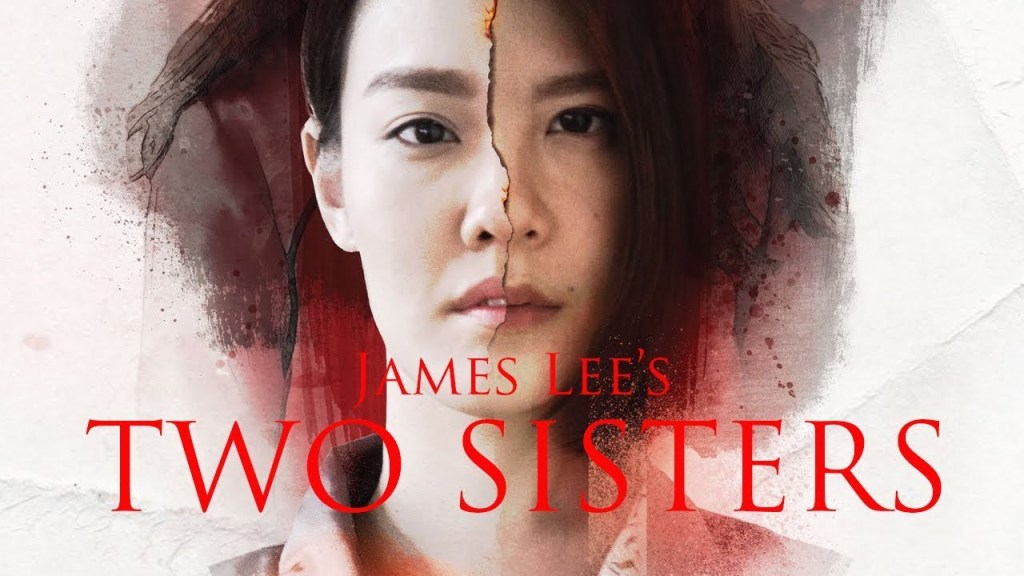
Two Sisters (姐妹, James Lee, 2019)

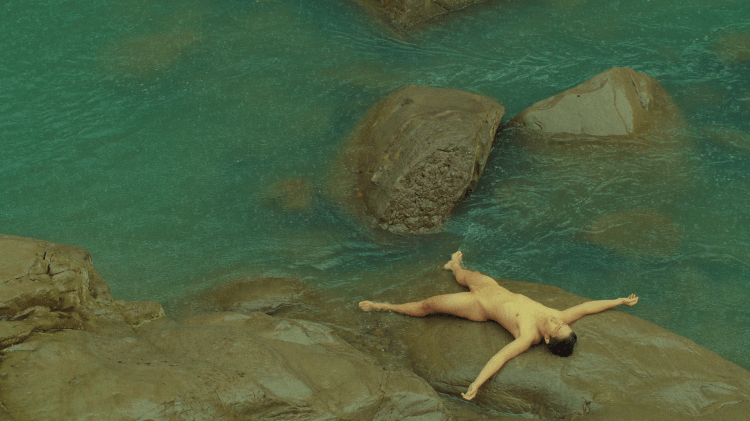
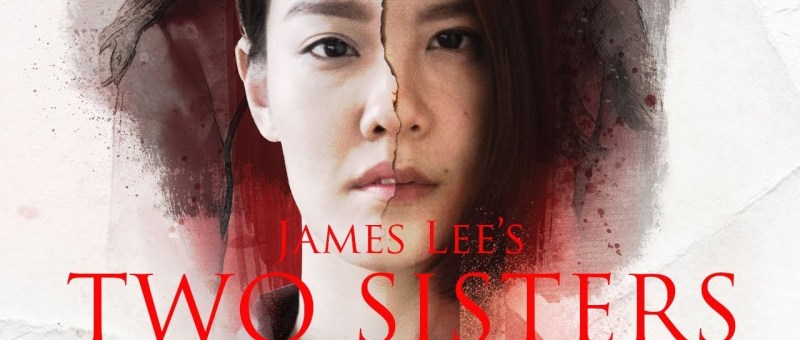
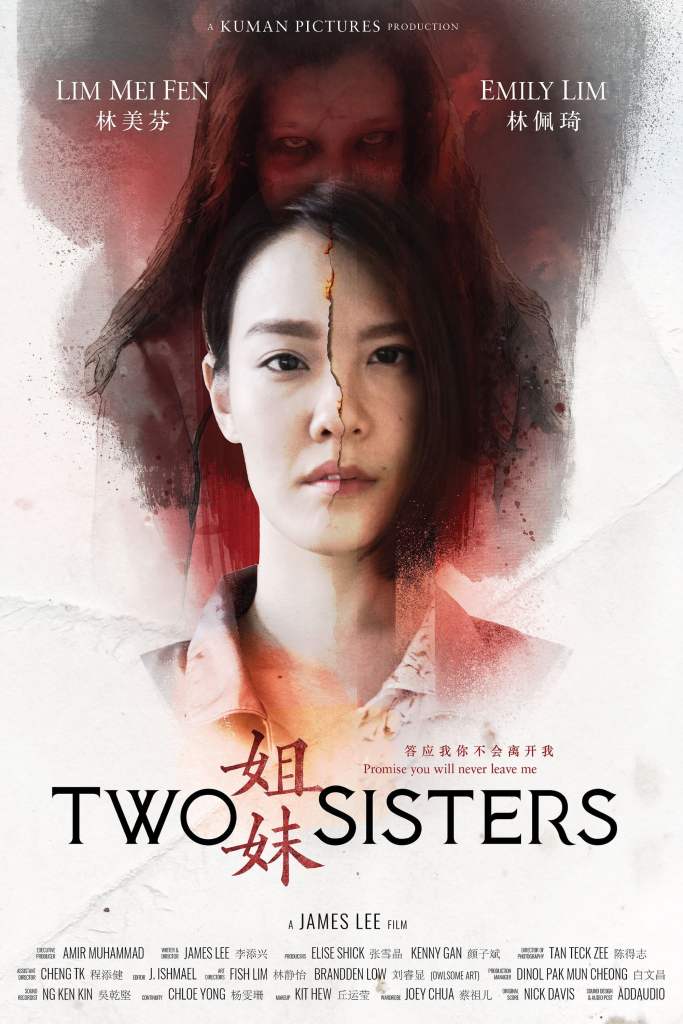
The family home is supposed to be a place of safety, but what can you do when it’s also a source of trauma? The young women at the centre of James Lee’s psychological horror Two Sisters (姐妹, Jiěmèi) are each trying to put their houses back in order but find that their pasts are full of locked doors, crying women, and things which go bump in the night. In the end the past is the one thing you can’t protect yourself from, but not knowing can also be its own kind of hell, an inescapable puzzle that forever corrupts the image of the self. 

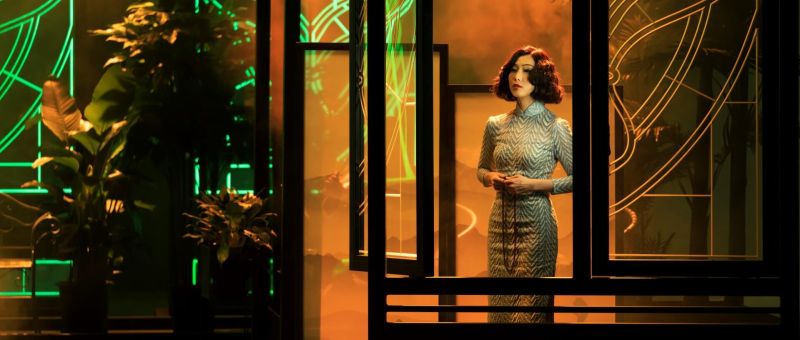
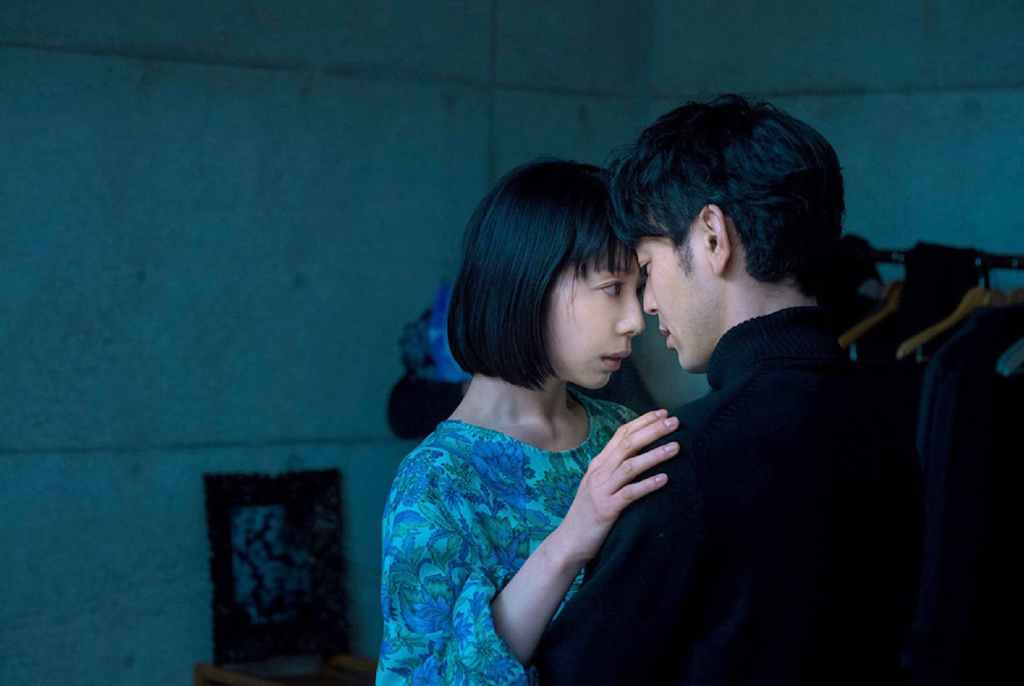
Elegant and successful, Mei Xi (Emily Lim) has just published her first book – a horror novel about a woman with multiple personality disorder which is, she tells her fans at a reading, a metaphor for the dual lives many women are forced to lead because of the pressures of living under the patriarchy. Meanwhile, her home life appears to be chaotic. We see her swallow a selection of pills before a one night stand cheerfully leaves her well-appointed apartment, only for her manager, John, to interrogate her after she’s late for an appointment wondering what she was doing the night before which prevented her from answering any of his calls. She reminds him that that’s none of his business. They may have slept together once but it meant nothing to her and anyway he’s a married man. Xi hopes they can keep their relationship “professional” going forward, attempting damage control on a possibly self-destructive business move. 

The main issue, however, is that her father has recently died and she’d like to sell the family home but needs the consent of her younger sister, Yue (Lim Mei Fen), who has been in a mental institution for over a decade. The doctors tell her that Yue has made good progress and they think it might be time to discharge her from the hospital so that she can start trying to reintegrate into mainstream society. Xi agrees to take custody of her, but there is an understandable distance between the two women. Yue is uncertain that Xi will be there when she needs her, partly because she neglected to visit her in the hospital on her last birthday and had apparently seen her only infrequently, Xi claims because she was busy with her book. Meanwhile, Yue is still unable to recall any of her childhood and is determined to move back into their family home in the hope of finally finding the truth behind whatever it was that happened to her. 

As expected, not everything is quite as it seems. A locked door is never a good sign, especially when there are multiple locks to unpick, but as soon as the women try to open it their shared reality begins to crumble. “What’s the point in knowing the truth?” Yue eventually asks an increasingly confused Xi, “it’s too late to change anything now”. The two women are each haunted, literally and metaphorically, by the ghost of their mother who died when they were small in circumstances neither of them are able to remember. 

The real horror lies in the family home. Badly let down by parental betrayal, the sisters attempt to rescue each other from shared trauma but are each trapped by the inescapability of the house. “I’ll always be by your side” Xi offers as words of protection, but is entirely unable to protect herself from the traumatic past. Yet Lee ends on a note of discomfort which sees Xi apologise to her mother for something that is in no way her fault, as if she had in some way betrayed her when quite the reverse is true. Xi’s words at the book reading prove truer than she knew them to be. She herself has her dualities, as did her mother, as a victim of patriarchal oppression which in this case has a sadly literal quality. The women of the Mei household struggle to free themselves from male violence and are perhaps destroyed by its memory which manifests itself in the ominous spectre of the family home which, rather than a place of love and mutual support, is a kind of prison filled with locked doors and dark secrets. 


Two Sisters screens in Amsterdam on March 6/7 as part of this year’s CinemAsia Film Festival.

Original trailer (English subtitles)
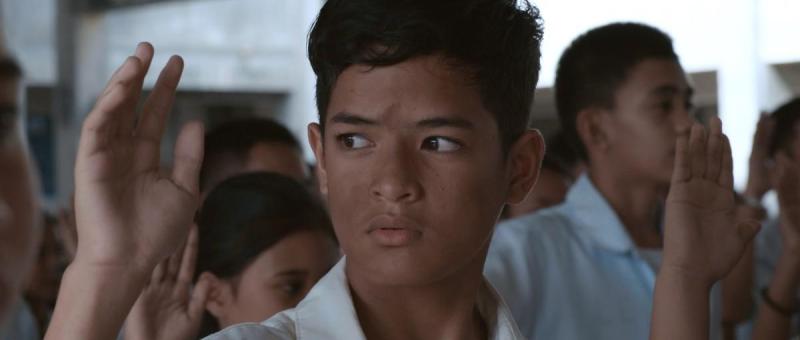
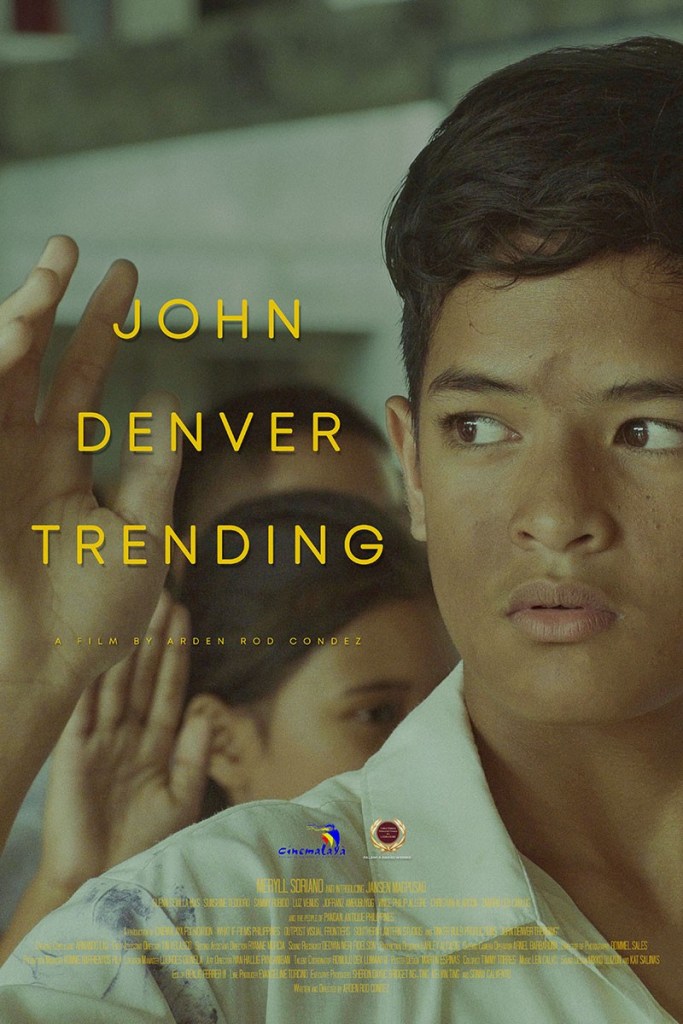
John Denver Trending (Arden Rod Condez, 2019)

We like to think that we live in a more enlightened age in which we’re able to react with compassion and understanding, striving to see both sides of every story rather than rushing to judgement. The truth is, however, that we’re often just as malicious and mean-spirited as we ever were. Social media has turned us all into thoughtless curtain twitchers, hungry for the next scandal and willing to take any hint of salacious gossip at face value. The online world has no place for fairness, and when everyone agrees on a collective “truth” facts are no defence in the court of public opinion. 

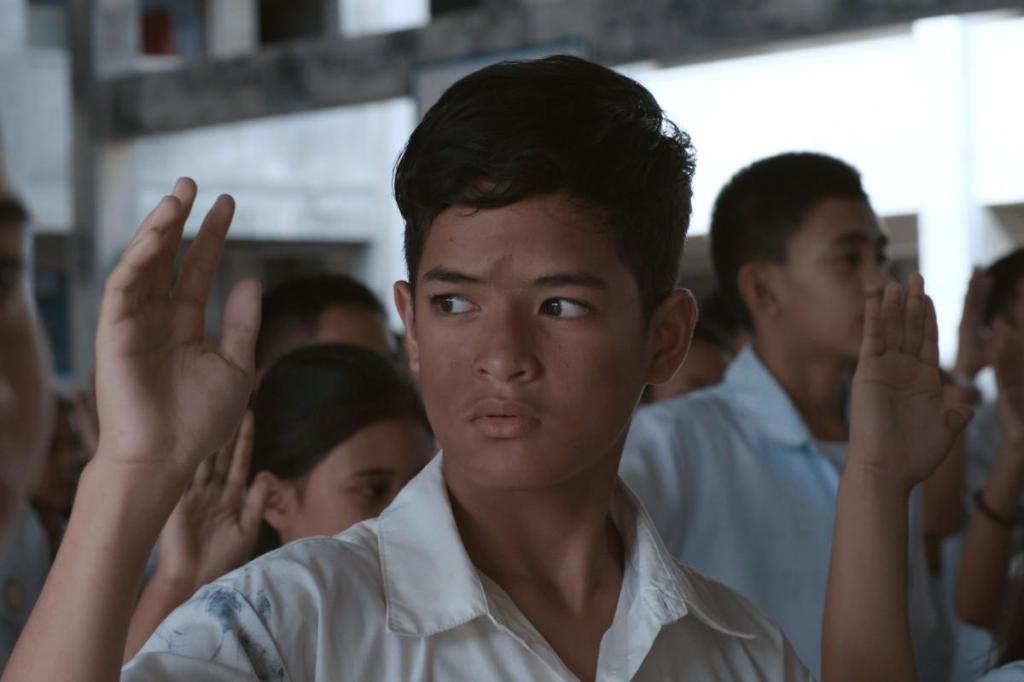
14-year-old John Denver Cabungcal (Jansen Magpusa) is the oldest son of a poor family. His father was in the military and has apparently passed away, while his mother, Marites (Meryll Soriano), now makes ends meet weaving bags and baskets while the family lives in a traditional village way out of town. A slight, angry boy John Denver is classically unlucky, mercilessly bullied just for being poor and getting punished when he dares to fight back. So it is when he’s humiliated during a dance rehearsal by having his trousers pulled down by another boy live on Facebook, after which they all laugh at him because his boxers are full of holes. When the rehearsal is over, one of the other boys accuses him of stealing his iPad, a situation compounded by the fact John Denver has apparently stolen before. The boy, Makoy (Vince Philip Alegre), snatches John Denver’s bag and demands to look inside. John Denver is innocent, but resents being forced to prove it and so refuses to let them see. He chases Makoy to the roof and wrestles the bag away from him, viciously beating him as he does so while another boy, Carlos, smirks from the sidelines as he records everything on his phone. Smug in the extreme, Carlos uploads the video to his Facebook with a hateful caption claiming to expose the “real” John Denver for the thieving little thug he is. 

The first of John Denver’s many problems is that he doesn’t have access to data on his phone and only limited connection to wi-fi while passing through his aunt’s place to pick up his siblings, so it’s hours before he knows anything’s wrong and then there’s nothing much he can do about it. He tries to ring Carlos, but he doesn’t answer. We don’t know who took the iPad, or even if it was stolen at all. Perhaps Makoy lost or broke it himself and needed someone to blame, or this is all an elaborate setup for cyberbullying, but events soon spiral out of control. John Denver tries to explain, he didn’t take the iPad and he was only defending himself after Makoy picked a fight, but the grownups don’t believe him. Everyone already seems to think John Denver is a bad boy, and nothing he says is going to change that. 

Trapped in this kafka-esque cycle of repeatedly stating his innocence, John Denver becomes the subject of a witch-hunt, a cursed figure despised by all. The village in which he lives is a hotbed of gossip and superstition where people still turn to the Village Chief for arbitration and the Shaman for advice. Even John Denver himself mutters a curse under his breath as he’s passed by a strange old woman (Estela Patino), herself the subject of local gossip for supposedly being a witch and having murdered a young man. Social media has, perhaps, merely turned us all into the gossiping old biddies in the square but amplified their nonsense tenfold and given it more weight through the authenticity of print. 

Soon enough, more witnesses start turning up to blacken John Denver’s name – a boy he hit with a stone during a fight, a girl he apparently stole food from. He denies neither of these crimes, but they now have new colour and intensity as the storm around him quickens. Meanwhile, a wealthier neighbour who seems to have a beef with his mother has been extorting money from them for supposedly causing the death of his water buffalo. He creates two versions of an online video. In the first he tells the truth with a mean-spirited spin, explaining that he’d seen John Denver looking for odd jobs in the market to make extra money to pay him compensation, once again using his poverty and “bad character” against him, while in the second he lies and says he saw him sell the iPad.

There is not, and perhaps has never been, any clear way to discern truth from fiction, supposition from malicious gossip. Everyone decides John Denver is guilty because John Denver is not liked. Makoy’s mother ropes in her neighbour, a policeman, who too insists John Denver is to blame and is being stubborn and unreasonable in refusing to conform to the majority view. The policeman takes his gun from his holster and hovers his hand over it on the desk, not quite pointing it but the effect is much the same. John Denver must accept his guilt, the mob must be appeased, the authorities have to be seen to act. The “truth” no longer matters, the semblance of it is all that counts. John Denver resists, he refuses to own a crime that is not his, but finds that innocence is an under appreciated quality when society itself refuses to admit its hate-fuelled hypocrisy. 


John Denver Trending screens in Amsterdam on March 5/6 as part of this year’s CinemAsia Film Festival.

Original trailer (English subtitles)
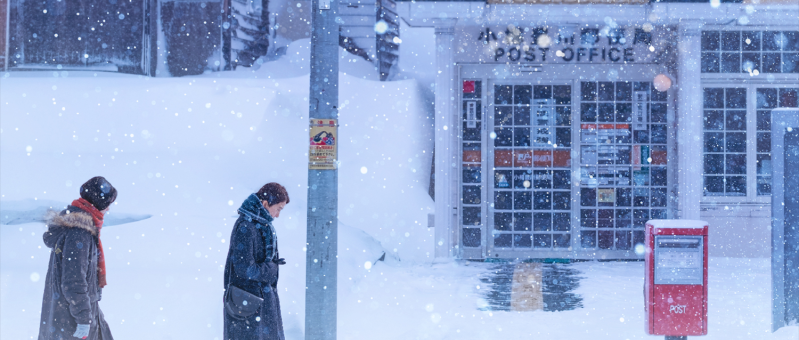
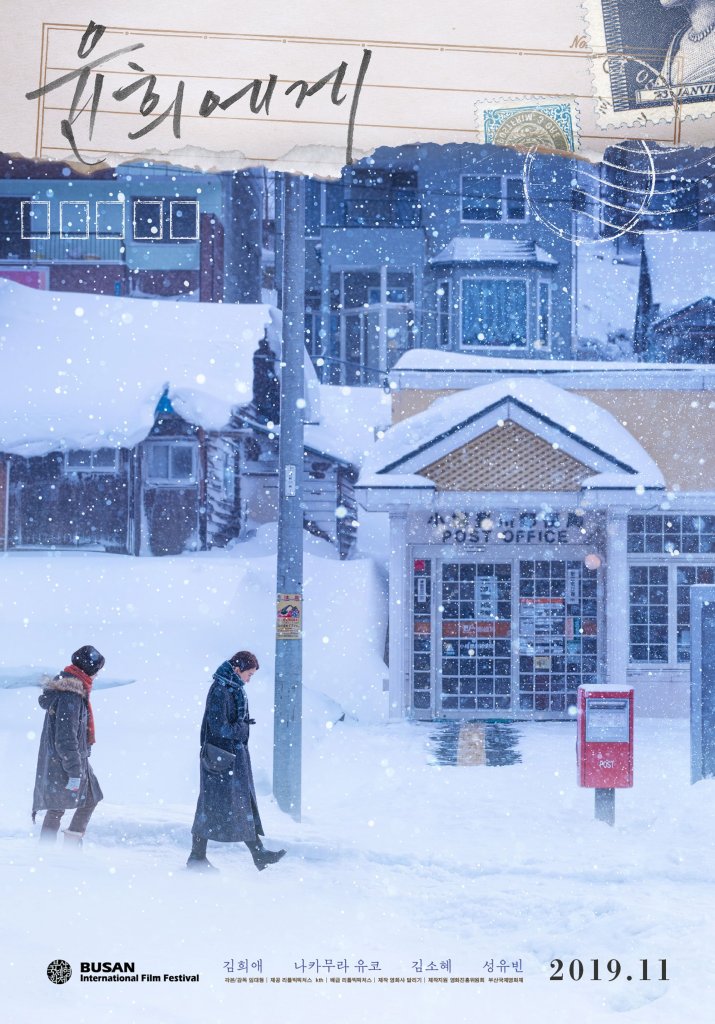
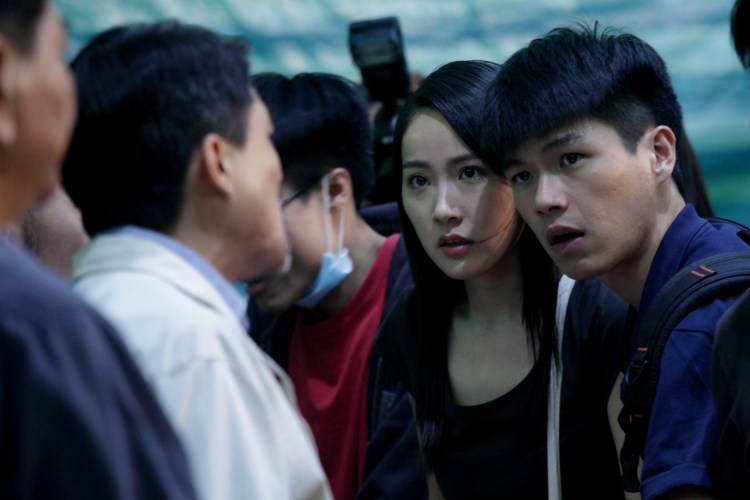
Moonlit Winter (윤희에게, Lim Dae-hyung, 2019)

It goes without saying that the world is very different now than it was 20 years ago, but change happens slowly and primarily benefits those who come later rather than those trying to live as it’s happening. The two women at the centre of Lim Dae-hyung’s Moonlit Winter (윤희에게, Yoon-hee-ege) are a case in point, painfully separated and forced into self-isolation born of internalised shame while perhaps filled with unspeakable longing. In a sense, they each live within that moonlit winter, a cold and lonely place yet not without its beauty. 

In Japan, an older woman, Masako (Hana Kino), mails a letter she finds lying around in her niece’s room, unsure if she’s doing the right thing but perhaps hoping for a kind of shift. Presumably, Masako cannot read the contents of the letter as they’re written in Korean (though later read to us in Japanese), and addressed to a “Yoon-hee”. It’s Yoon-hee’s daughter Sae-bom (Kim So-hye), however, who first picks it up and begins to realise, perhaps for the first time, that her rather distant, lonely mother is a woman too with a painful past she knows nothing of. Written with a kind of melancholy finality and the sincerity of a letter never quite intended to be sent, the heartfelt words hint at a past heartbreak in which the author, Jun (Yuko Nakamura), hopes that she won’t make the recipient uncomfortable but felt that she had to write to let her know that she still thinks and dreams of her after all this time. 

Finally receiving the letter, Yoon-hee (Kim Hee-ae) is not “uncomfortable” or at least in the way that Jun had feared she might be. Recently divorced after years of unhappy marriage to a drunken policeman (Yoo Jae-myung), Yoon-hee has a job in a canteen at a factory and lives alone with her teenage daughter who is in the last year of high school and preparing to head off to university in Seoul. Intrigued by the letter, Sae-bom begins to become curious about why her mother is the way she is. She tries asking her uncle, but he’s fantastically unhelpful, and then questioning her father but he only tells her that her mother is the kind of woman who makes others feel lonely. That strikes Sae-bom as ironic because she chose to stay with her mother after her parents’ divorce precisely because she thought she seemed the lonelier.

Jun, meanwhile, is a lonely figure too but perhaps wilfully so. She tells her aunt Masako with whom she’s been living all this time that she chose to come to Japan with her father after her parents split up because he didn’t care about her (hence why she’s always lived with the unmarried aunt), while she was all her mother ever cared about. In retrospect, it sounds as if, as she said in the letter, she ran away, afraid that her mother would notice something in her she did not want to be noticed. Perhaps Masako has noticed something too which is why she sent the letter, though she’d never bring it up directly. A well-meaning though tone deaf and entirely insensitive relative (Sho Yakumaru) tries to use the occasion of her father’s funeral to talk Jun into a blind date with his Korean friend, an offer she flatly refuses but he keeps badgering her anyway. Eventually she stops the car and insists on walking home at which point he realises you probably shouldn’t be matchmaking at a funeral but she cuts him off again, telling him that’s not the reason for her intense annoyance but stopping short of explaining what is. 

Jun has one of those faces, slightly mysterious, pensive as if she’s about to say something important but never actually does. Another woman (Kumi Takiuchi) thinks she recognises that quality in her and edges towards a kind of confession but Jun shuts her down, brutally telling her that the only secret she’s keeping is being half-Korean, advising that if she too has a “secret” she’d best keep it to herself. Even more than Yoon-hee, Jun has lived a life of isolation, too afraid to be her real self and terrified of being seen. 

But for the younger generation things are perhaps different. Sae-bom is at a romantic crossroads of her own, acknowledging that her high school romance may be about to end seeing as nice but bland boyfriend Kyung-soo (Sung Yoo-bin) is not exactly her intellectual equal and cannot accompany her to a university in Seoul. After realising that the sender of the letter is female, Sae-bom seems unfazed, still curious about this hidden part of her mother’s life and rooting for her to find a kind of happiness. In the habit of taking photos (using a camera which turns out to have been a present given to Yoon-hee as an apology from her mother for the family’s belief that there was no point in sending a girl to university) Sae-bom declares that she only photographs beautiful things rather than people, but takes photos of her mother all the time, capturing her at her most mysterious but rarely smiling. Railroaded into a life of conventional success that eventually failed, Yoon-hee has become an empty, directionless shell unable to live her own life while filled with an internalised sense of shame that leaves her feeling guarded and worthless.

Yet through the arrival of the letter she begins to reconnect with her younger self, her repressed desires, and impossible longing for Jun. With the gentle support of a daughter and aunt respectively, the two women begin to rediscover the courage to live, not necessarily in embracing romance, but accepting themselves for who they are and rejecting the sense of shame that has defined each of their lives. The winter may at last be ending and they may not yet have it in them to ask for the stars, but they’ll always have the moon. 


Moonlit Winter screens in Amsterdam on March 6/8 as part of this year’s CinemAsia Film Festival.

Original trailer (English subtitles)
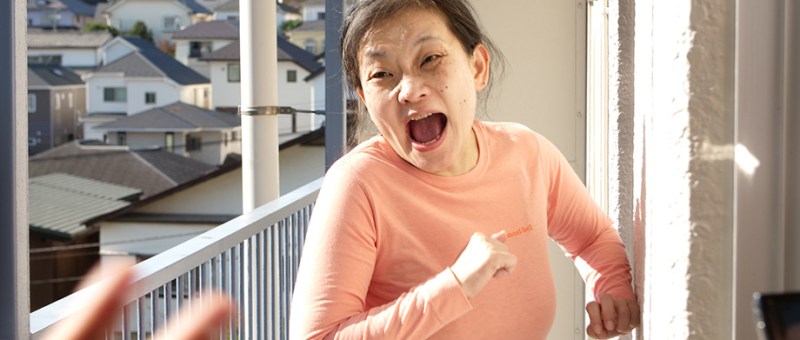
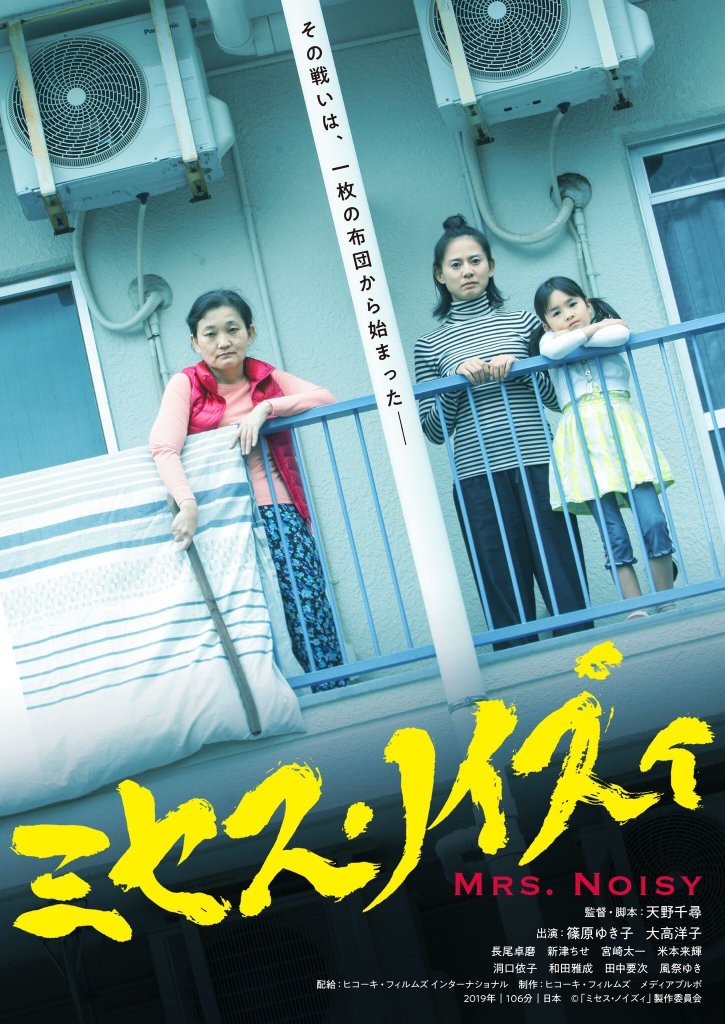
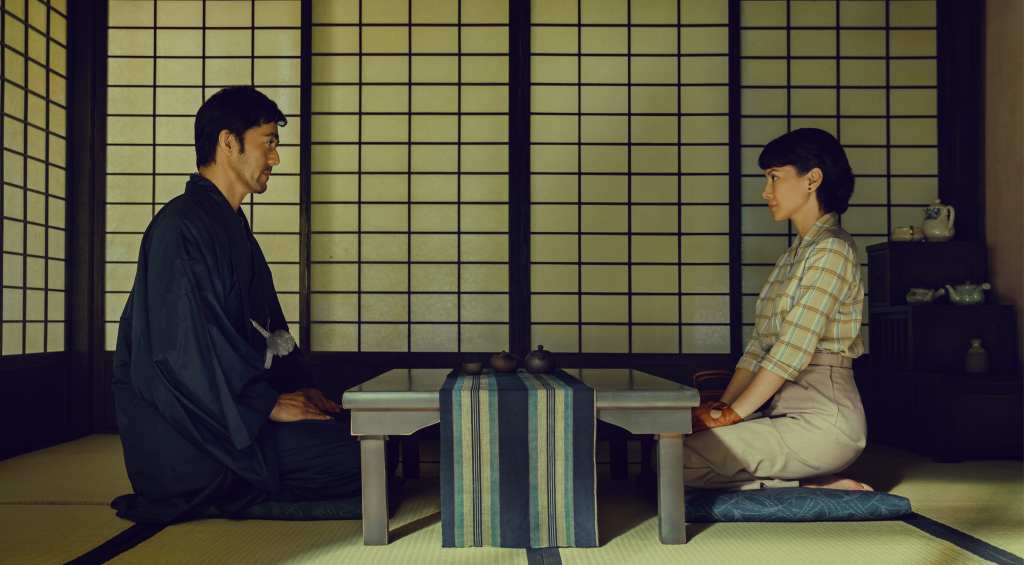
Mrs. Noisy (ミセス・ノイズィ, Chihiro Amano, 2019)

“Cases involving two parties must be viewed from differing angles” according to a lawyer trying to point out why a case that was cast iron days before is now a non-starter. Most of us know it’s a bad idea to judge people on appearances, but few of us have made the leap to acknowledging that it’s wrong to judge people at all, especially when you don’t and can’t know what’s happening in other people’s lives. Being self-involved is hardly a crime, but if it’s a bad quality in a human being it’s an unforgivable sin in a writer, which is why the heroine of Chihiro Amano’s Mrs. Noisy (ミセス・ノイズィ), apparently inspired by an early viral video phenomenon, is struggling to overcome a nasty case of writer’s block. 

Some years ago, under a pen name, novelist Maki (Yukiko Shinohara) made a name for herself with an award-winning book. After giving birth to her daughter, Nako (Chise Niitsu), she swore motherhood wouldn’t slow her down but six years later she’s published nothing of note. After moving to a new apartment with her freelance musician husband Yuichi (Takuma Nagao), Maki hopes to kick her writing career back into gear but an immediate spanner is thrown in the works by a strange noise early in the morning that turns out to be the old woman next-door furiously beating her futon. Maki asks her to stop, but her impatience only gets her neighbour’s back up and starts an ongoing conflict that only worsens after Nako, feeling neglected by her mother’s dedication to her work, wanders off and the neighbour, Miwako (Yoko Ootaka), accompanies her to the park. 

Later, we’re shown things from Miwako’s point of view and realise that when she said there were “reasons” she was out beating a futon at 6am she was telling the truth. Not only that, she tried to explain but was abruptly cut off by an impatient Maki who was not in the mood to listen. It doesn’t help that the Japanese word for “bugs” also means “ignore”, but many of the upcoming problems could have been resolved with a little more patience and politeness, which is something Maki decided she didn’t need to bother with in deciding not to go around introducing herself to her new neighbours as is the usual custom.  

Likewise, when Yuichi abruptly announces he can’t watch Nako the following day as planned, it’s easy enough to think he’s being unreasonable, letting his wife down and implying his career’s more important than hers, but that rather ignores the fact that his explanation is perfectly reasonable in that freelancers cannot (in contrary to popular opinion) dictate when and where they work, and that he offers to keep Nako occupied that evening instead so Maki can meet her deadline. As time wears on, we start to doubt Maki’s sense of subjectivity, realising that she’s begun to blame all of her problems on the old woman next door whom she doesn’t even really know. 

Of course, there are other conflicts, social and generational differences. To a woman of Miwako’s age, it seems “common sense” for an older woman to look after a little girl who seems lonely, in the same way it seems “common sense” that’s it’s wasteful to throw out perfectly good food just because it’s slightly misshapen, but then the world is not as accepting of “common sense” as it likes to think it is. To Maki, a younger woman not used to living in a tight knit community, it seems inappropriate to take someone else’s child to the park without checking with them first. Admittedly, Nako’s claim that Miwako’s husband (Taiichi Miyazaki) gave her a bath (not quite what happened) also sets alarm bells ringing, as perhaps it should, but again could have been settled with much less acrimony if it weren’t for an unfortunate personality clash between the two women in which Miwako offers some “common sense” advice that Maki herself is to blame for her daughter wandering off, touching a nerve in Maki’s conflicted sense of maternity that sees her cruelly firing back and drawing something of a battle line. 

Perhaps unpredictably, Yuichi sides with Miwako, pointing out that whatever Maki says, the fact remains that Nako wandered off because she felt neglected. Maki’s mother (Yuki Kazamatsuri) tells her that she needs to pay more attention to her husband and family, be more of a “wife” and make an effort with the housework, which sounds like old-fashioned sexism and perhaps it is but there’s also truth in it in that Maki really is only thinking about herself. Her editor too tries to guide her to a self-realisation that will reinvigorate her writing career, but she remains blinkered and obtuse. Maki decides Miwako is a batty old woman, and takes bad advice from her get rich quick cousin (Masanari Wada) to use her as a model for a story which becomes a big hit with a new, younger editor who selects it as a serialised column in a magazine for young people where its snarky mean-spiritedness finds a natural audience. Her cousin even uploads a video of the two women comically fighting on the balcony which goes viral and sends sales through the roof. But the meanness of the new, online world is something which cannot be controlled and can have terrible, unforeseen consequences when ordinary people become the focus of malicious rumour and painful ridicule. 

Even so, Maki takes a long time to see the light. She bristles when her editor tells her that her work is shallow, but fails to understand that the cause of its shallowness is her own unwillingness to engage with the world around her. “Following the surface of things is pointless” he tells her, only by taking the time to understand others can she write with true authenticity. Maki assumed Miwako was a horrible old woman after seeing her swipe offerings from a roadside shrine, only to later realise that she in fact replaces them every day (and perhaps it was her who put those cute little clothes on the statues to keep them warm). You can’t know what’s going on in other people’s lives, but if you don’t take an interest eventually people will stop taking an interest in you. 


Mrs. Noisy screens as the Opening Night movie of this year’s CinemAsia Film Festival on 4th March where the director Chihiro Amano will be in attendance to present the film.

Osaka Asian Film Festival 2020 Announces Complete Lineup

The Osaka Asian Film Festival returns for its 15th edition from 6th to 15th March bringing with it some of the best in recent East Asian Cinema. This year’s edition will open with the Malaysian film The Garden of Evening Mists starring Hiroshi Abe as a reclusive Japanese gardener, and close with the anthology movie Kamata Prelude featuring four segments helmed by Japanese indie directors Ryutaro Nakagawa, Mayu Akiyama, Yuka Yasukawa, and Hirobumi Watanabe.

China

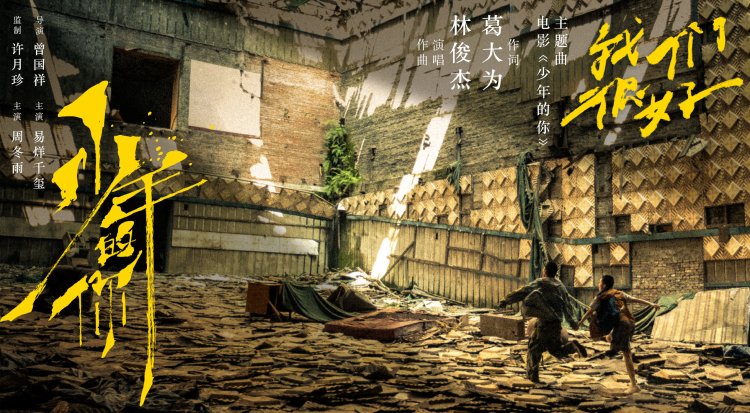
  • Better Days – Derek Tsang’s Soul Mate followup stars Zhou Dongyu as a bullied young woman bonding with a bad boy played by boyband superstar Jackson Yee. Review.
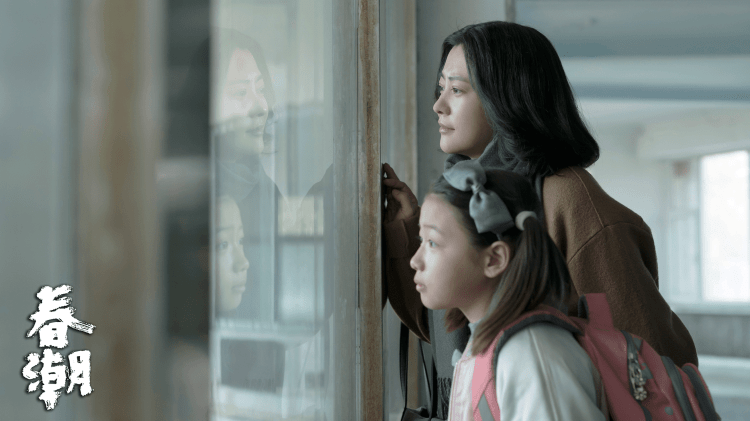
  • Spring Tide – a repressed journalist is caught between her old school loyal to the party mother and cheerful daughter Yang Lina’s familial drama.
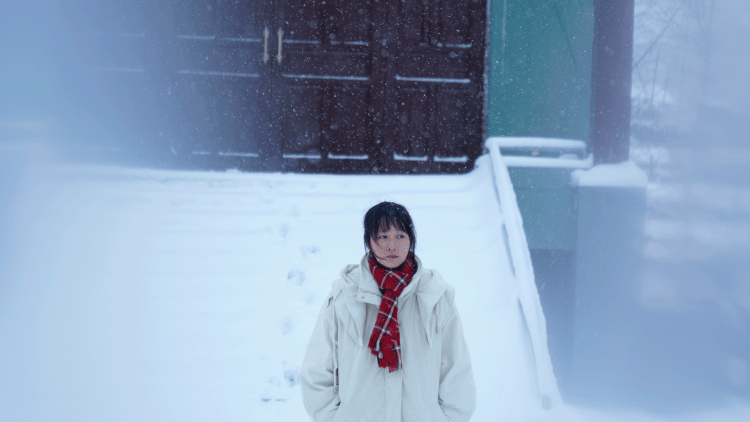
  • Wisdom Tooth – the close relationship between a brother and sister is threatened by his new girlfriend, her undocumented status, and a suspicious death at sea.

Hong Kong

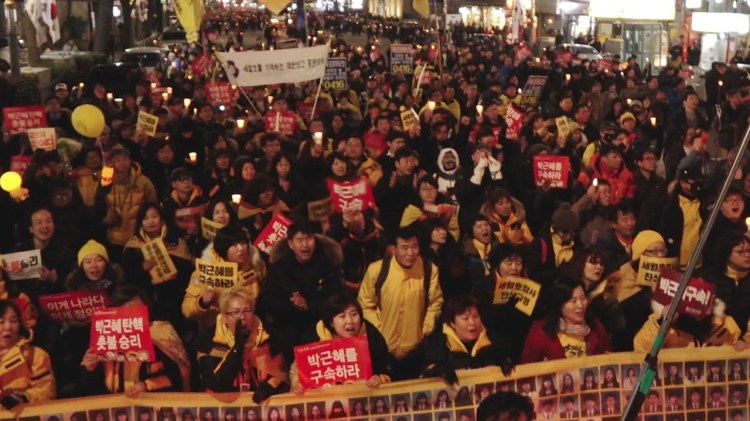
  • Apart – melancholy student activist drama running from the Umbrella Movement to the Anti-Extradition Law Amendment Bill protests.
  • Fagara – a young woman discovers the existence of two half-sisters, one from Taiwan and the other mainland China, following the death of her estranged father. Review.
  • The Fallen – the daughter of a drug kingpin comes home with revenge on her mind in Lee Cheuk-pan’s G Affairs followup.
  • My Prince Edward – a woman working at a bridal shop has met her Prince Charming and wants to get married, the only problem being the sham marriage she was paid to take part in several years previously.

Indonesia

(C)PT Screenplay Sinema Film
  • Hit & Run – action comedy in which a celebrity policeman reality TV star is teamed up with a conman to catch a drug kingpin who has recently escaped from prison.

Japan

  • Good-bye – a young woman quits her job to work part-time in a nursery and bonds with the father of one of the kids.
  • For Rei – an introverted young woman dreams of meeting her absent father.
  • Kamata Prelude – Four-part anthology film directed by Ryutaro Nakagawa, Mayu Akiyama, Yuka Yasukawa, and Hirobumi Watanabe.
  • Kontora – a young woman uses her grandfather’s wartime diary to look for buried treasure in Ansul Chauhan’s Bad Poetry Tokyo followup.
  • The Modern Lovers – a married salaryman with a baby on the way reconnects with an ex.
  • The Murders of Oiso – the everyday lives of four construction workers in a small town are thrown into disarray by the murder of their former teacher.
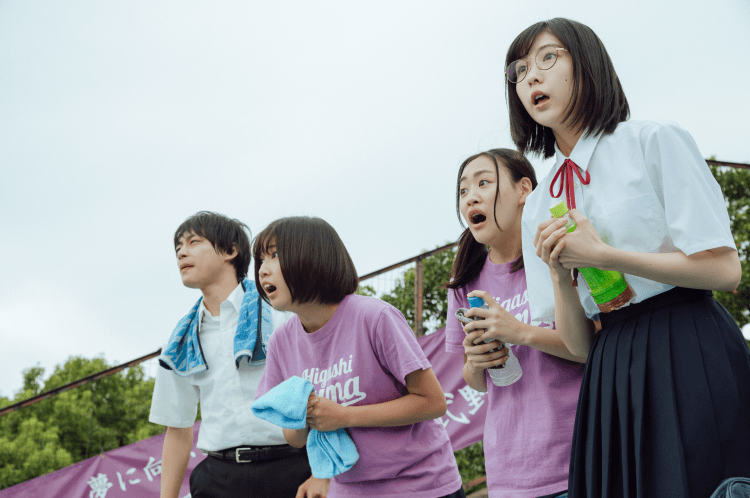
  • On the Edge of Their Seats – high school drama adapted from a stage play set on the bleachers of a baseball game.
  • Naked Uncle – a failed actor returns to his hometown and tries to reconnect with his resentful brother.
  • Reiko and the Dolphin – family drama from pink director Shinji Imaoka in which a young couple try to come to terms with the loss of their daughter in the devastating earthquake which struck Kobe in 1995.
  • setsuko – continuation of the fantasy drama series from Zon Pilone which imagines a pre-war love triangle between actress Setsuko Hara and legendary directors Sadao Nakajima and Yasujiro Ozu.
  • Woman of the Photographs – a model with a disfiguring scar asks a photographer to retouch her photos but begins to feel conflicted about misrepresenting herself.
  • VIDEOPHOBIA – latest from Daisuke Miyazaki in which a young woman discovers that she has become the victim of revenge porn.
  • Yan – a young man is compelled to take a message to his estranged older brother in Taiwan whom he hasn’t seen since the end of their parents’ marriage.

Korea

  • Birthday – powerful drama following a family bereaved by the Sewol ferry tragedy. Review. (screening with Japanese subtitles only)
  • Children Gone to Poland – documentary exploring the little known story of children evacuated to Poland during the Korean War.
  • House of Hummingbird – a young girl’s perspective widens when she connects with her enigmatic Chinese teacher. Review. (screening with Japanese subtitles only)
  • Lucky Chan-sil – film producer Chan-sil finds herself unemployed after the director she’d been working with suddenly dies, taking a job as a cleaning lady for an actress and bonding with a handsome French teacher.
  • Malmoe The Secret Mission – an illiterate crook teams up with a man from a wealthy, pro-Japanese family to compile a Korean dictionary during the Colonial era in which the Korean language was banned. (screening with Japanese subtitles only)
  • Sunshine Family – a Filipino family living in Korea finds itself in a difficult situation after the father knocks someone over in a hit and run.
  • Way Back Home – a woman’s peaceful family life is threatened when she receives a call to say the man who raped her ten years previously has been apprehended.

Malaysia

(c)2019 ASTRO SHAW, HBO ASIA, FINAS, CJ ENTERTAINMENT ALL RIGHTS RESERVED
  • The Garden of Evening Mists – a young Malayasian woman travels to meet a reclusive Japanese gardener to ask him to design a memorial for her sister but ends up becoming his apprentice.

Philippines

  • Babae at Baril (The Girl with the Gun) – a saleswoman finds a gun on her doorstep and decides to use it to take revenge on a patriarchal society.
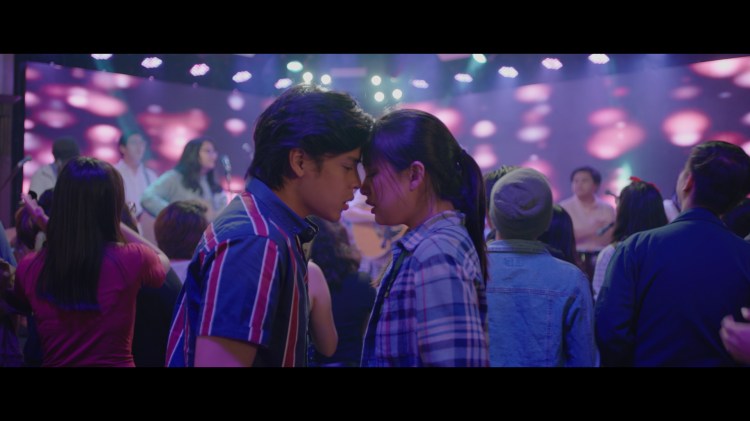
  • LSS(Last Song Syndrome) – two young people are repeatedly brought together by the music of Ben and Ben in this indie romance.
  • Metamorphosis – drama exploring the lives of intersex people.
  • Write about Love – rom-com in which an aspiring female screenwriter gets her screenplay greenlit but only on the condition she teams up with a male veteran to “improve” it.

Taiwan

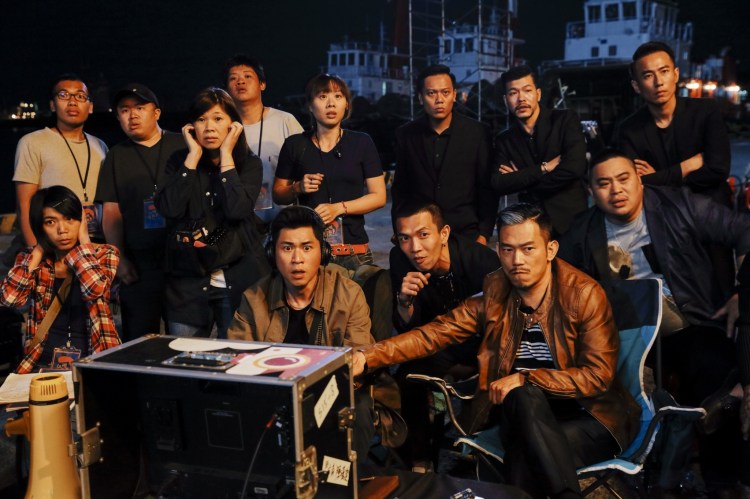
  • The Gangs, the Oscars, and the Walking Dead – madcap comedy in which two aspiring filmmakers end up making a zombie film with a gangster who insists that his wife play the leading role.
  • Heavy Craving – a lunch lady hoping to lose weight strikes up unexpected friendships with a deliveryman and cross-dressing student. Review.
  • Miss Andy – a transgender woman takes in a woman and her child after they escape from an abusive relationship.
  • Nobody – a grumpy old man bonds with a teenage girl after she breaks into his apartment to spy on her dad whom she suspects is having an affair.
  • Your Name Engraved Herein – drama set in 1988 in which two boys fall in love but struggle to find acceptance in a changing society.

Thailand

(C)2019 GDH 559 Co., Ltd.
  • Happy Old Year – a young woman’s conflicted feelings about the end of her relationship are revived while attempting to have a clean out in the latest from Nawapol Thamrongrattanarit.

The Osaka Asian Film Festival runs from 6th to 15th March at venues across the city. Full details for all the films as well as ticketing links are available via the official website. You can also keep up with all the latest details by following the festival on Facebook, Twitter, Instagram, and YouTube.

CinemAsia Announces Complete Programme for 2020

CinemAsia returns to Amsterdam from 4th to 8th March for its 13th edition bringing with it another fantastic selection of recent East Asian cinema. This year’s festival opens with the European premiere of Japanese indie Mrs Noisy, and closes with heartwarming Taiwanese drama Heavy Craving, both of which are directed by female filmmakers.

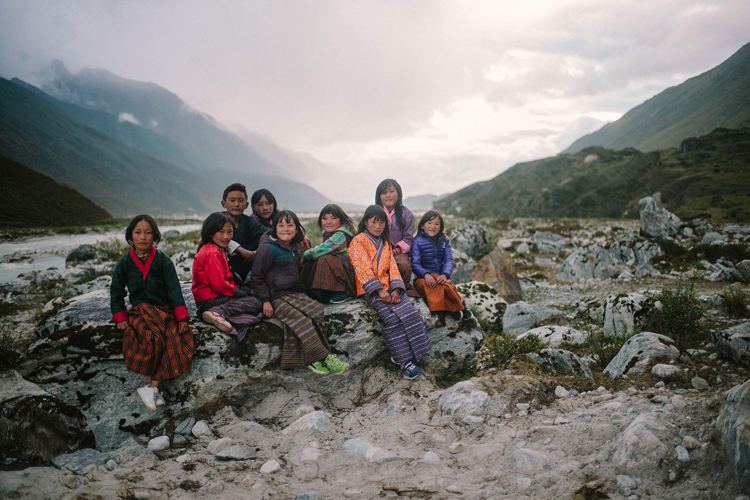
Bhutan

China

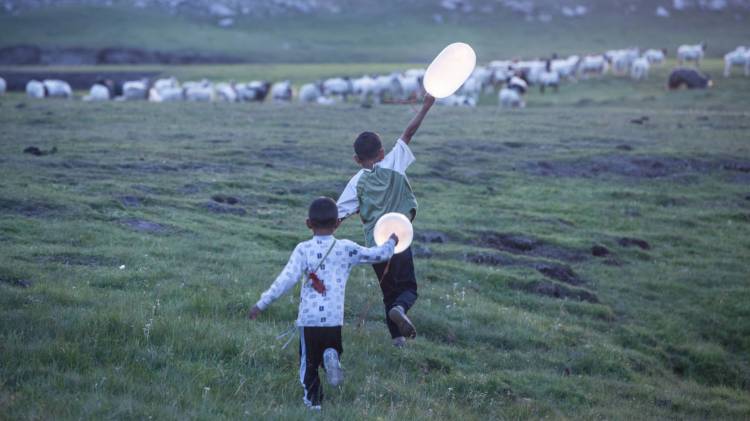
  • Balloon – Tibetan-language drama from Pema Tseden (Jinpa) following a sheep farming family facing a crisis thanks to the recently instituted One Child Policy. Review.
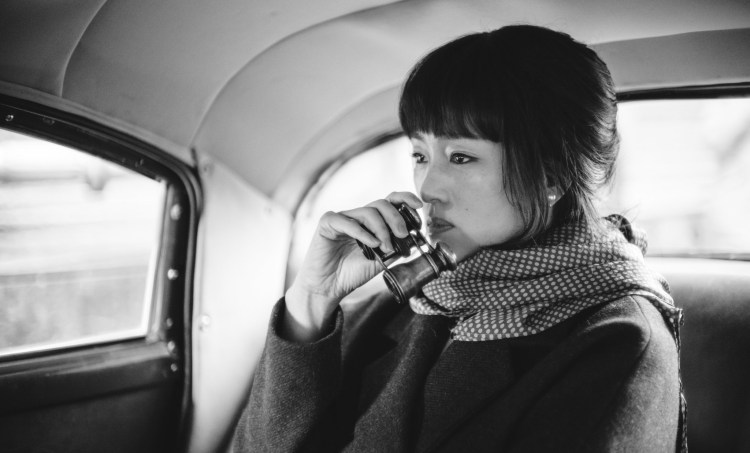
  • Saturday Fiction – Gong Li stars as an actress returning to Shanghai after a long absence to star in a play directed by an old flame but may have ulterior motives in the latest from Lou Ye.
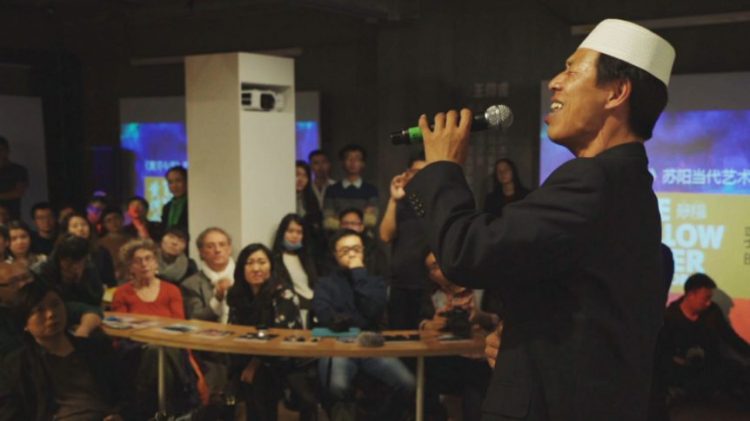
  • The River in Me – documentary exploring traditional folksong in modern China
  • The Wild Goose Lake – Black Coal, Thin Ice’s Diao Yinan returns with another neo noir in which a smalltime mob boss tries to survive after he kills a policeman by mistake.

Hong Kong

  • Fagara – a young woman discovers the existence of two half-sisters, one from Taiwan and the other mainland China, following the death of her estranged father. Review.
  • Little Q – touching drama following the life of a guide dog who is assigned to a grumpy pastry chef. Review.
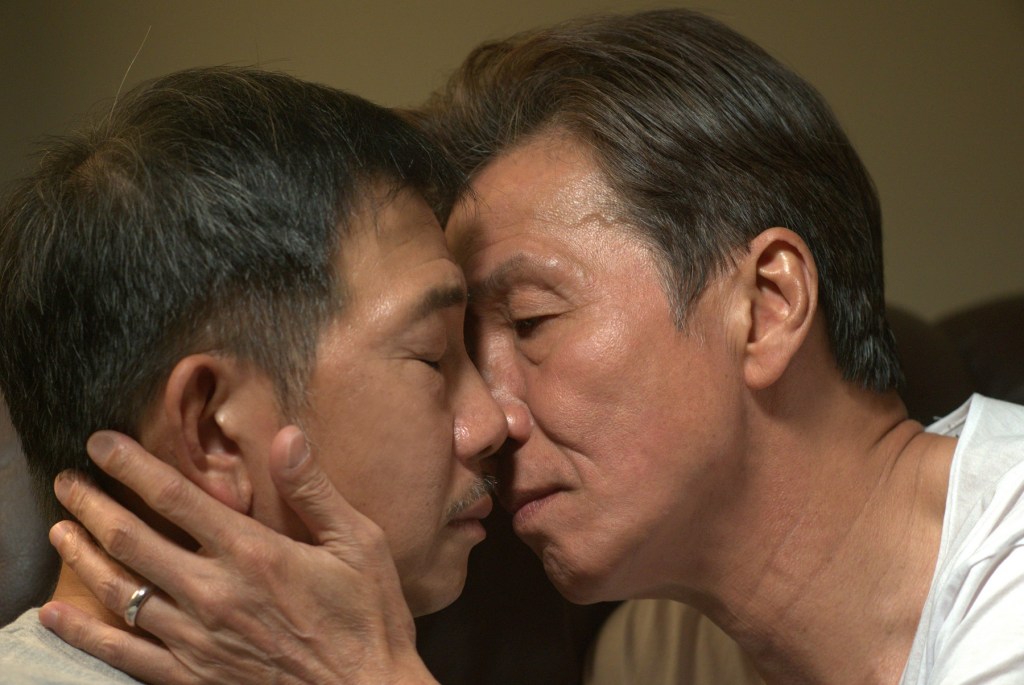
  • Suk Suk – voted the best HK film of 2019 by the Hong Kong Film Critics Society, Suk Suk follows two older men who meet by chance and fall in love after decades of keeping their true identities secret.

Indonesia

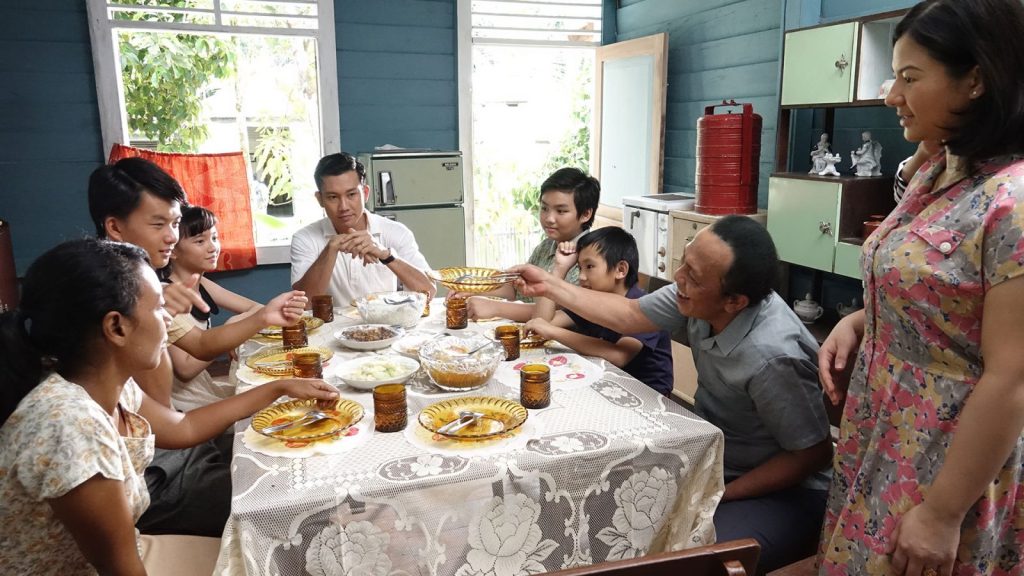
  • A Man Called Ahok – biopic of controversial political figure Basuki Tjahaja Purnama.
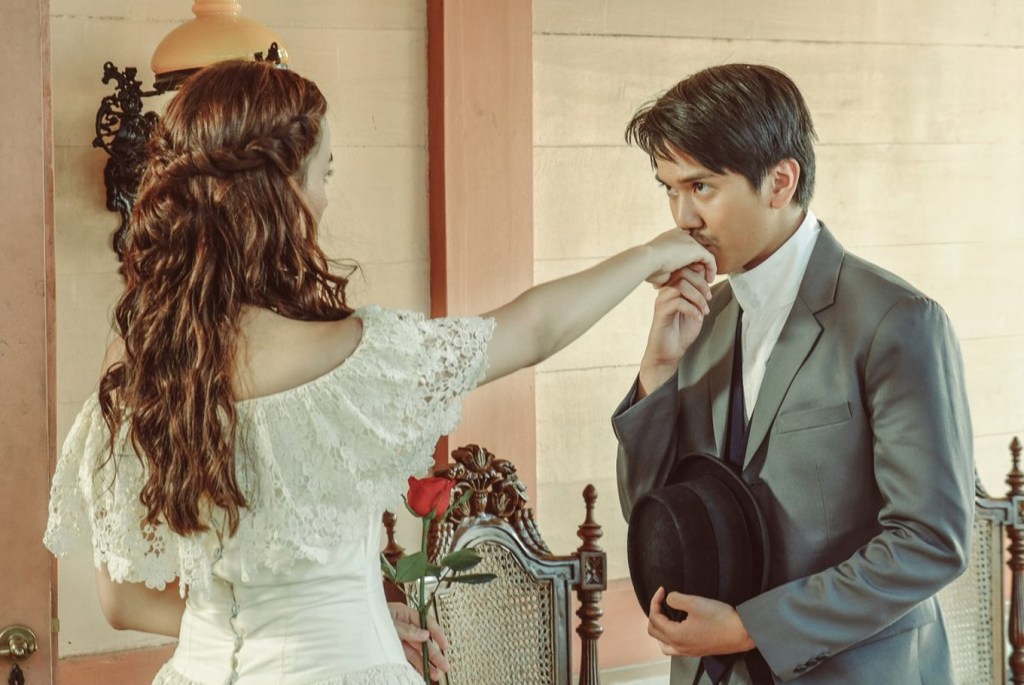
  • Bumi Manusia – period romance adapted from the novel by Pramoedya Ananta Toer in which a member of the Javanese royal family falls for a girl who is half-Dutch.
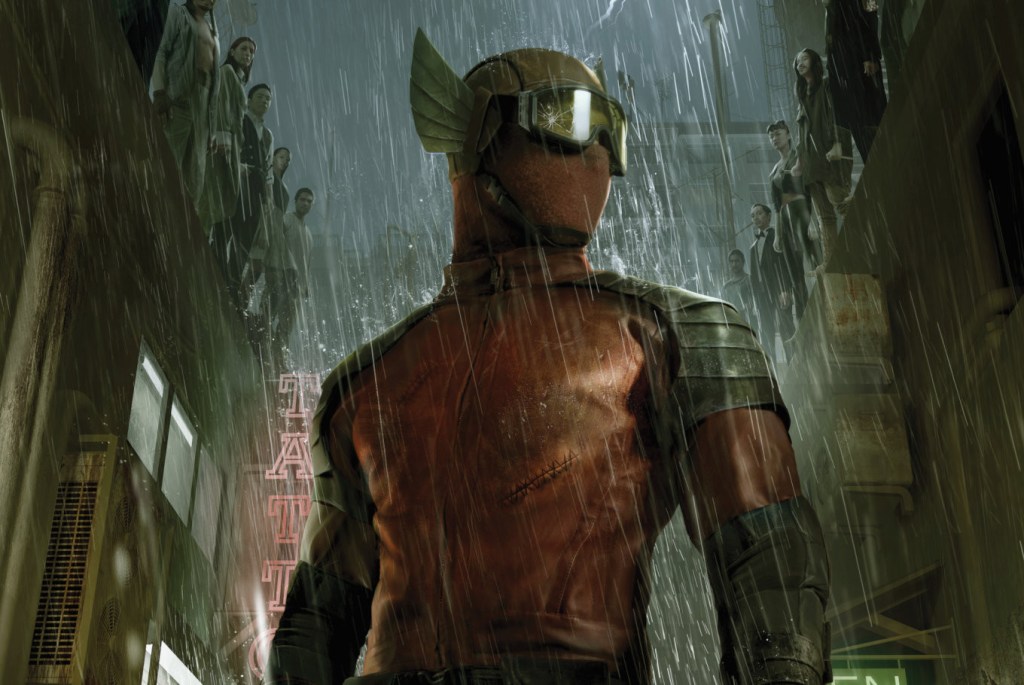
  • Gundala – superhero action from Joko Anwar
  • Homecoming – a couple get into an accident on the way to spend Eid with family bringing them into contact with the mysterious Santi.

Japan

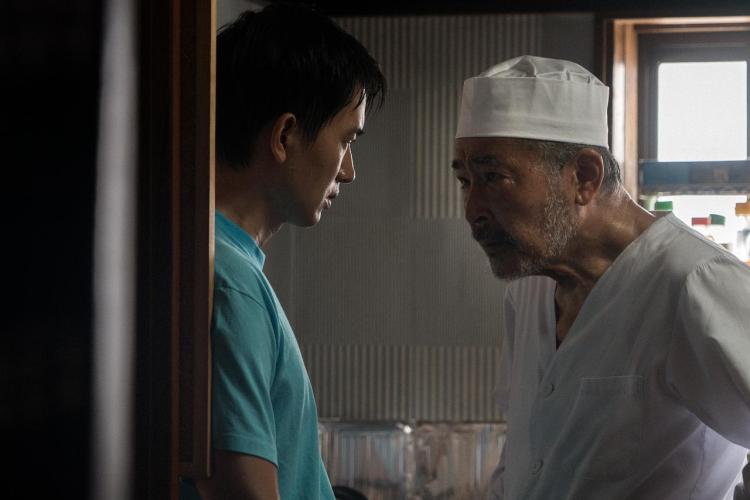
  • Complicity – an undocumented man from China embraces his cover identity and takes a job in a soba restaurant but struggles to maintain his sense of self in Chikaura’s sensitive drama. Review.
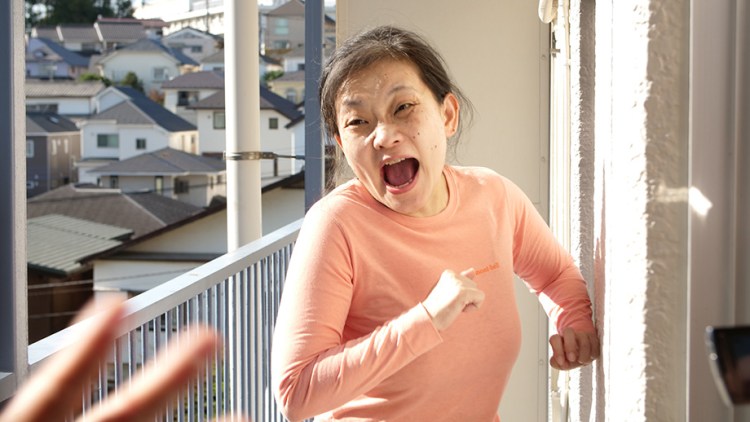
  • Mrs Noisy – a writer struggling to come up with new material after winning a major award is distracted by a vendetta with her noisy neighbour.
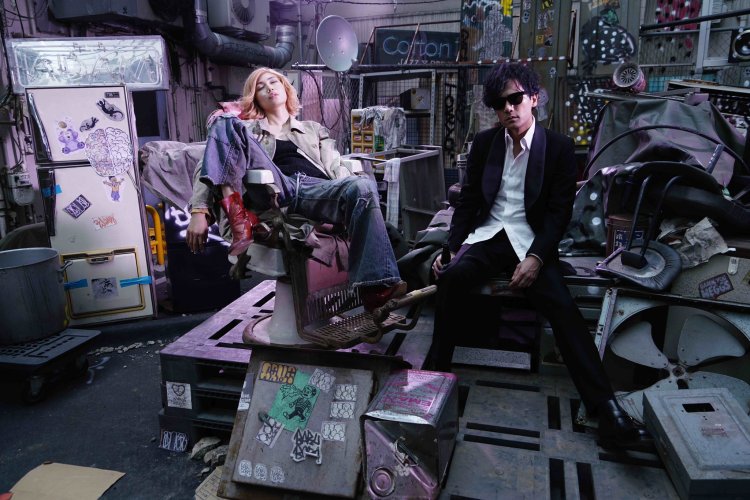
  • Tezuka’s Barbara – Macoto Tezka adapts the manga by his famous father in which a novelist (Goro Inagaki) becomes obsessed with a woman he picks up off the street (Fumi Nikaido).

Korea

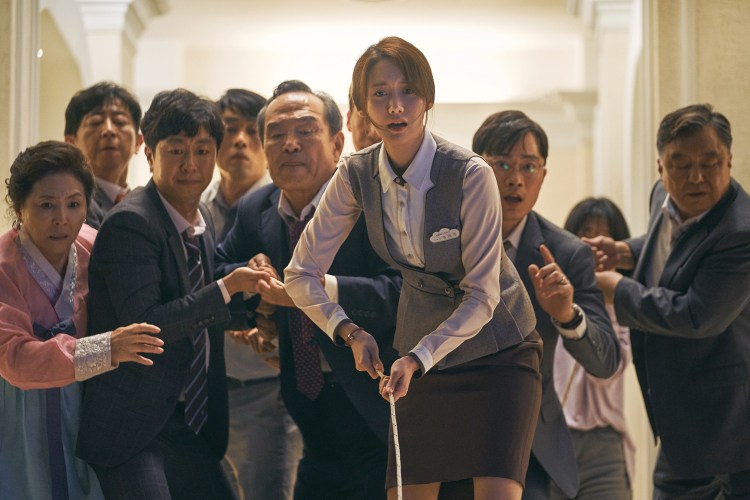
  • Exit – an unemployed rock climbing enthusiast finds himself in his element when his family is trapped by a mysterious white mist in a high rise restaurant he booked for his mother’s 70th birthday only because an old flame works there. Review.
  • Moonlit Winter – drama in which a teenage girl finds a love letter addressed to her recently divorced mother and determines to identify the sender, little knowing the secret her mother has been keeping.
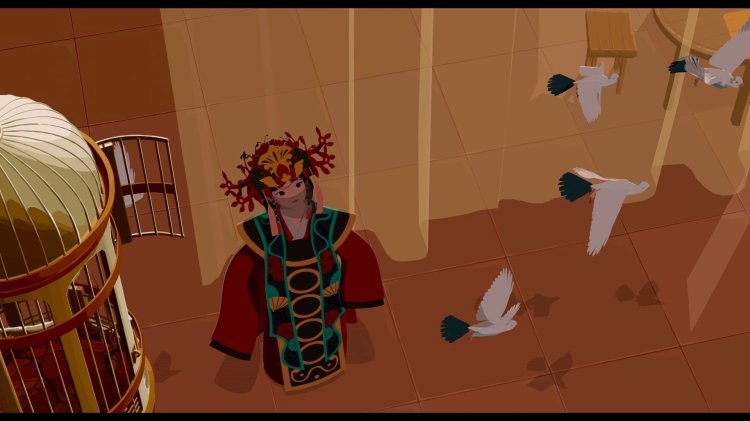
  • Princess Aya – a princess with the power to turn into an animal marries an enemy prince to broker peace but finds herself beset by new threats in this charming animation.
  • Yellow Ribbon – Ju Hyun-sook’s documentary focussing on the aftermath of the Sewol ferry disaster.

Malaysia

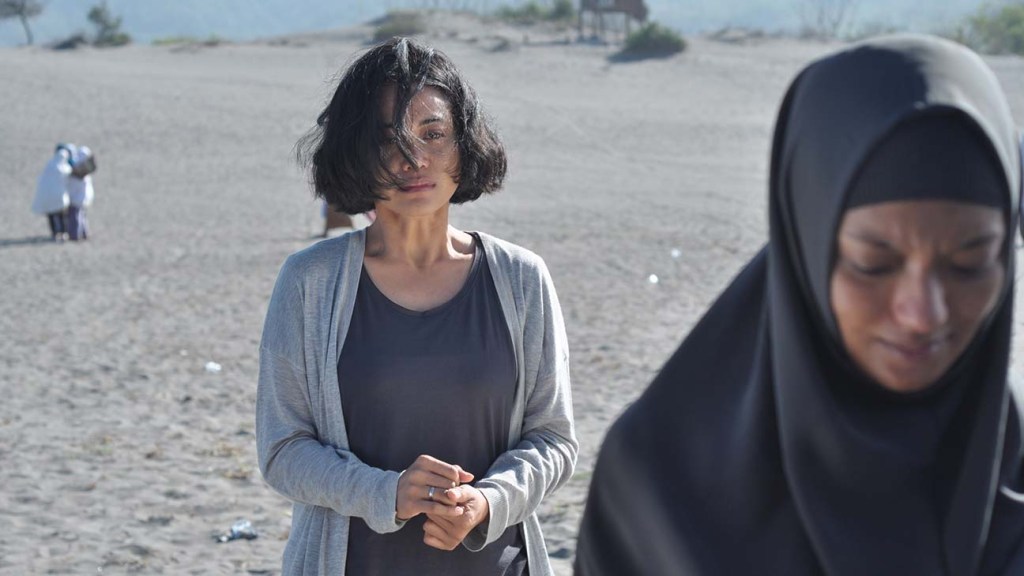
  • Two Sisters – horror in which a young woman is discharged from a psychiatric hospital into the care of her novelist sister only to discover a new threat lurking in the family home.

Philippines

  • John Denver Trending – youth drama based on a true story in which a farm boy’s life is turned upside down when a video of him beating up a classmate goes viral.
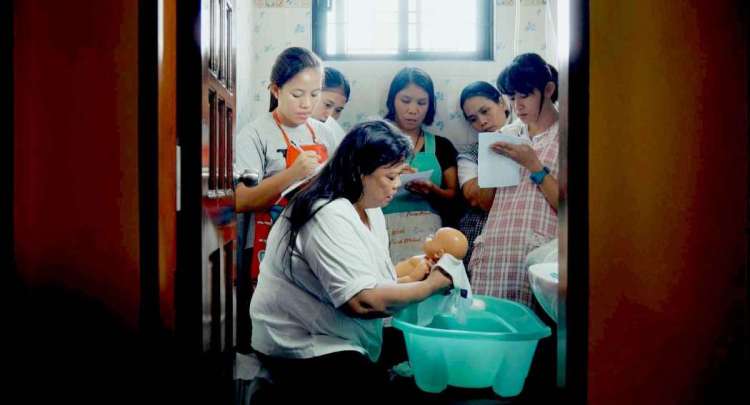
  • Overseas – documentary following those training to become overseas domestic helpers.
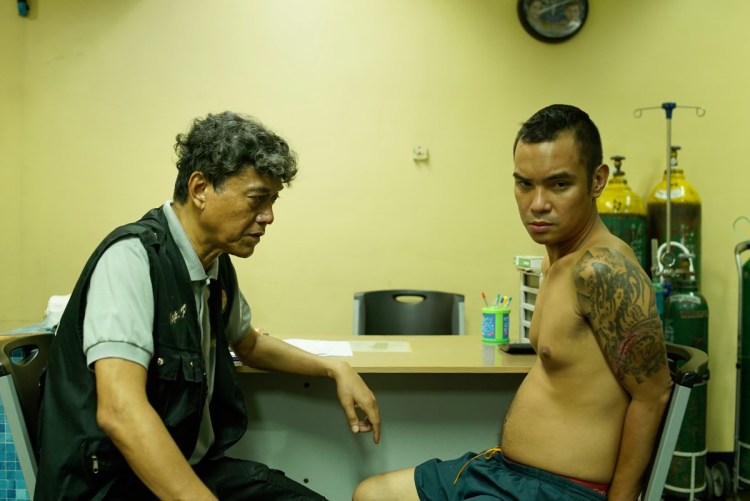
  • Verdict – a woman suffering domestic abuse tries to get help after her drunken husband hurts their child but struggles to find justice in a patriarchal society.

Taiwan

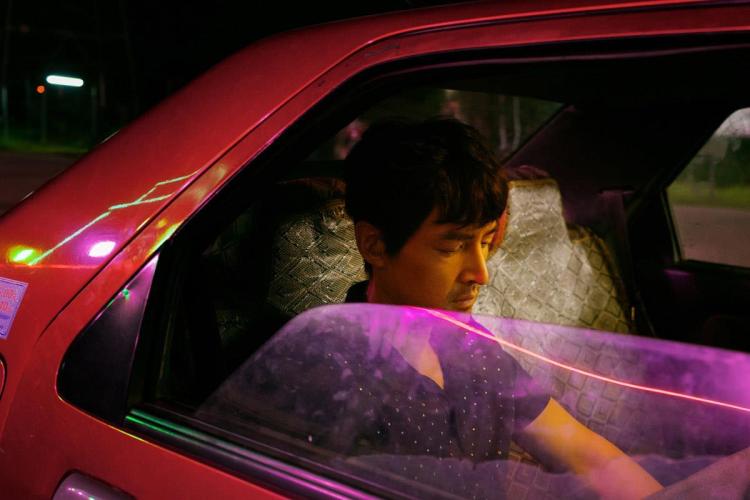
  • Detention – Lonely high schooler Fang falls for guidance councillor Zhang who alone seems to understand her. She joins his secret study group to read banned books, but Zhang soon “disappears” while only Fang and another student seem to remember him in this gothic horror set during Taiwan’s repressive martial law period.
  • Heavy Craving – a lunch lady hoping to lose weight strikes up unexpected friendships with a deliveryman and a cross-dressing student. Review.

CinemAsia takes place in Amsterdam from 4th to 8th March, 2020. Full details for all the films can be found on the official website where tickets are already on sale, and you can keep up with all the latest news by following the festival on Facebook, Twitter, Instagram, and YouTube.

Asian Pop-Up Cinema Returns for Season 10!

Chicago’s Asian Pop-Up Cinema returns March 10 to April 9 with another handpicked selection of the best in recent East Asian cinema! This landmark 10th Season kicks off with Aaron Kwok homelessness drama i’m livin’ it which is nominated in 10 categories at this year’s Hong Kong Film Awards, and closes with Yukiko Mishima’s much anticipated romantic drama Shape of Red.

March 10, 7pm: i’m livin’ it

Introduction and Q&A with Director Wong Hing Fan and Actress Kathy Wu

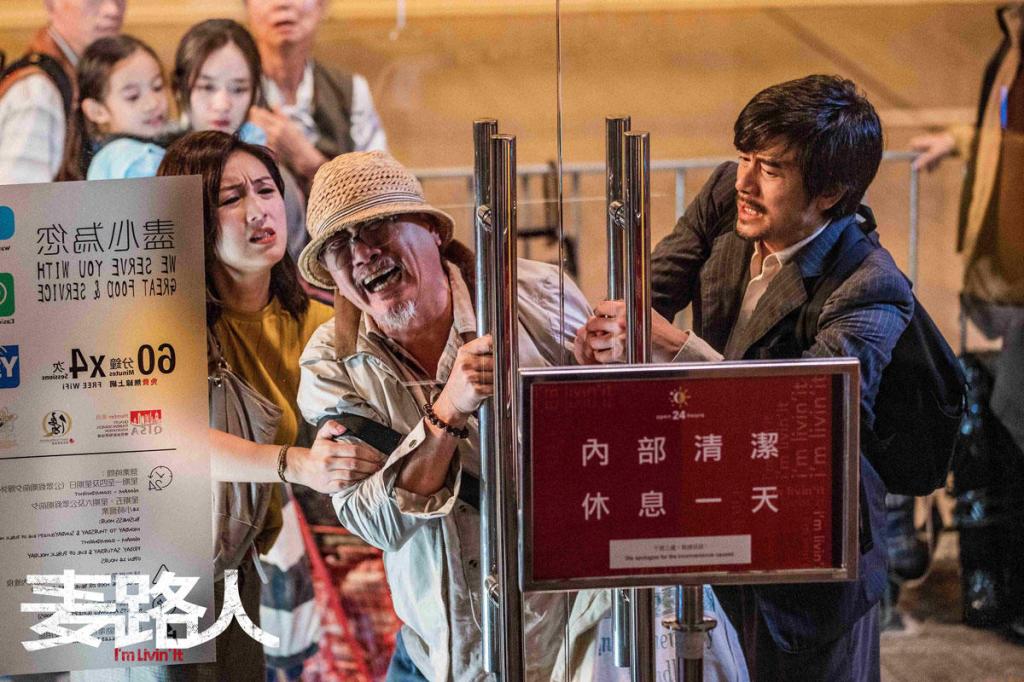
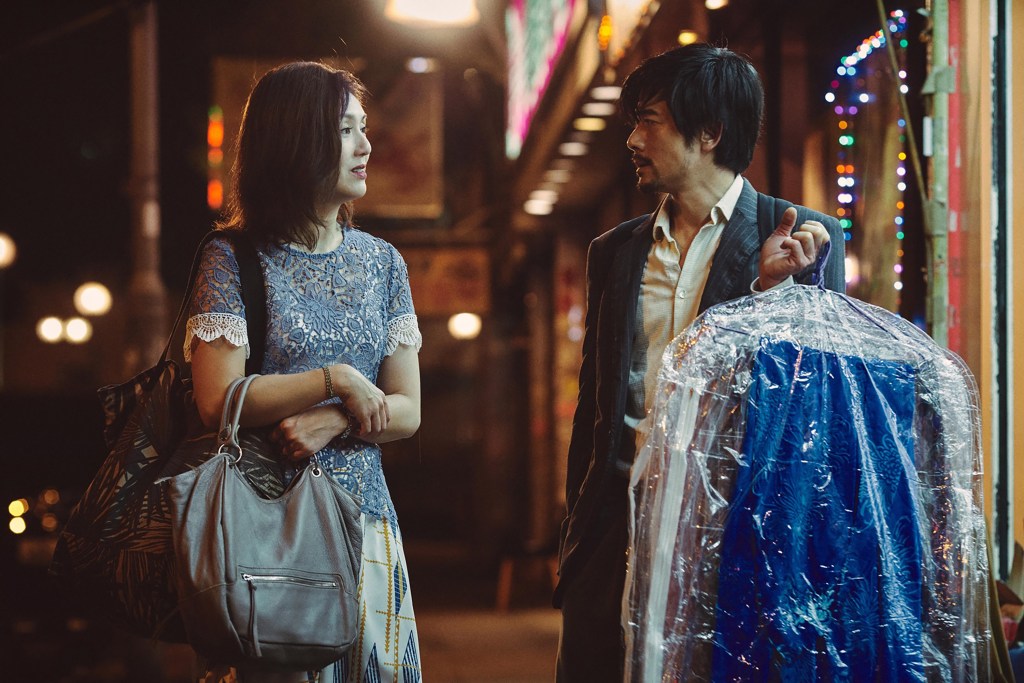
Receiving 10 nominations at this year’s Hong Kong Film Awards including all the major categories, i’m livin’ it stars Aaron Kwok as a once successful banker who has unexpectedly become homeless and spends his nights in a 24hr fast food restaurant among others facing similar difficulties.

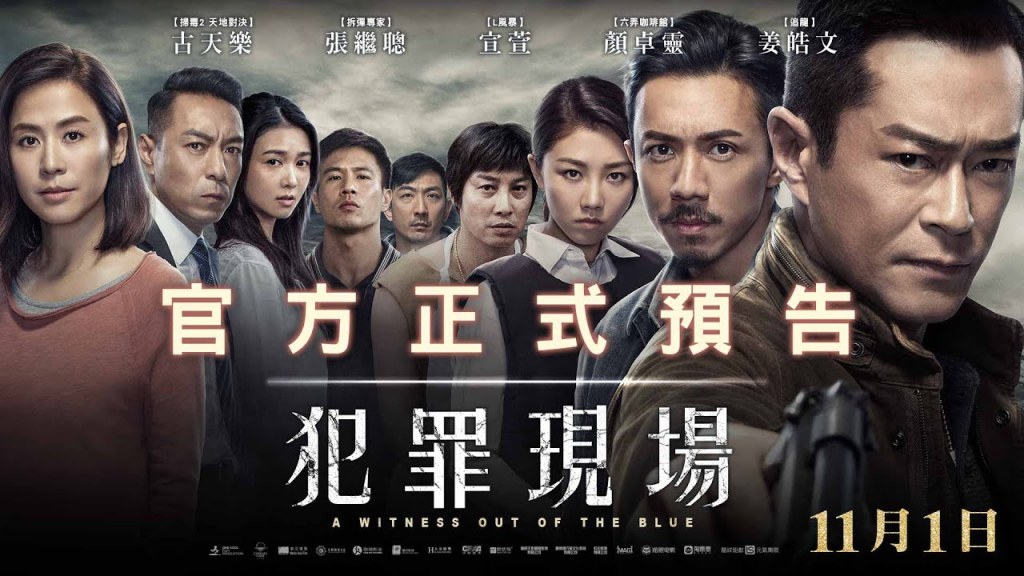
March 11, 7pm: A Witness Out of the Blue

Introduction and Q&A with Director Fung Chih-Chiang

A detective finds himself investigating a murder in which the only witness is a parrot! Louis Koo is up for best actor at the Hong Kong film awards for his role as the prime suspect while Philip Keung also gets a nod for best supporting as a senior detective.

March 12, 7pm: First Night Nerves

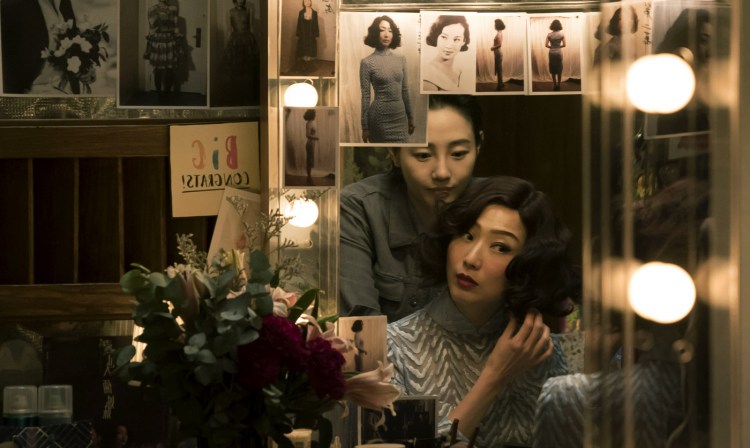
Stanley Kwan’s starry drama pits two warring divas against each other in a battle for the spotlight as they rehearse for a new play penned by a transwoman who struggles to find acceptance in the surprisingly conservative theatre industry. Review.

March 14, 2pm: Men on the Dragon

A collection of dejected middle-aged men can no longer avoid facing their respective crises when forced to participate in the company dragon boat team in Sunny Chan’s heartfelt comedy drama. Review.

March 16, 6.30pm: A Touch of Spring

Introduction and Q&A with Director He Xiao-Dan

Following the breakup of her marriage, a young woman decides to return to her hometown in China after living in Montreal for 10 years. Reconnecting with her family and an old flame helps to show her new direction in her life.

March 18, 7pm: Red Flowers and Green Leaves

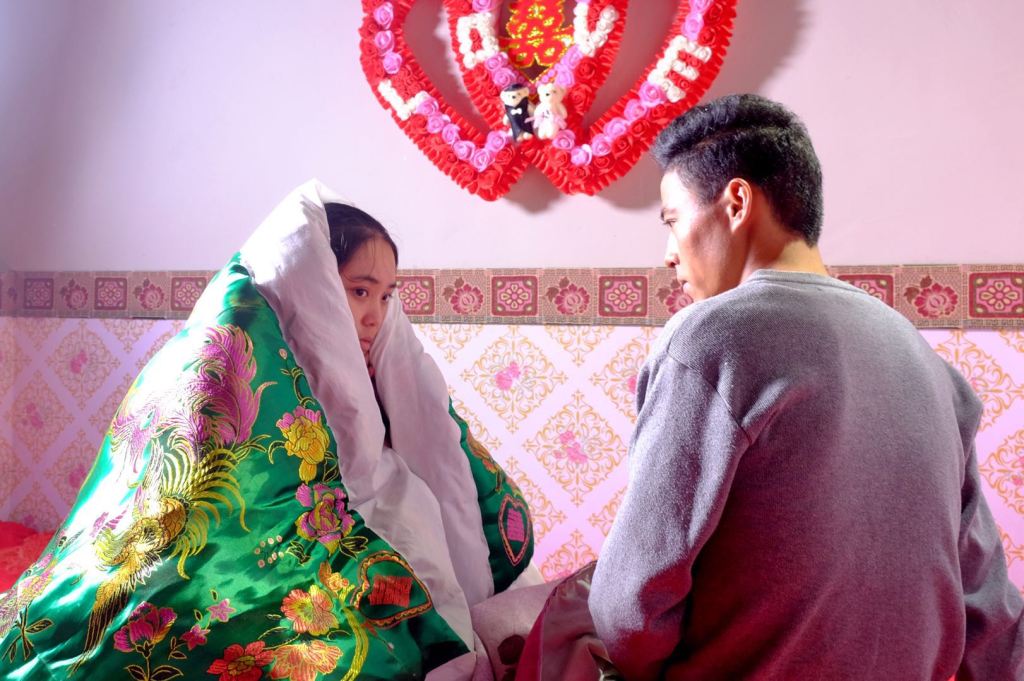
A young man who assumed he’d never marry because of a longterm illness suddenly finds himself with a beautiful wife through an arrangement made by his family.

March 19, 7pm: 3 Adventures of Brooke

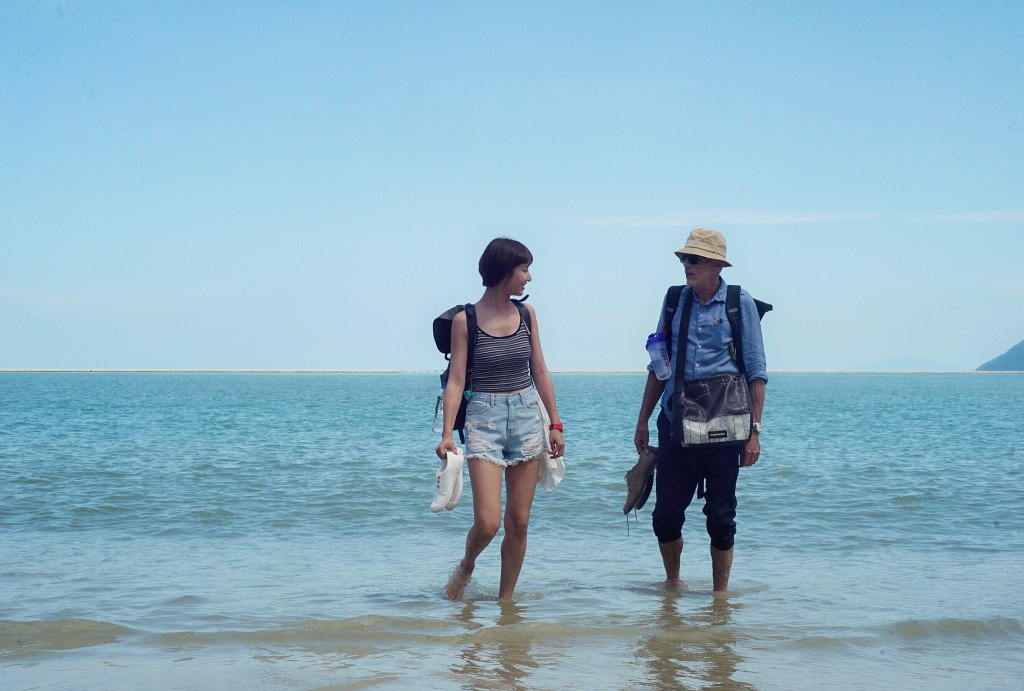
A young Chinese woman has three very different adventures while traveling in Northern Malaysia, trying on different identities as she encounters different people.

March 21, 7pm: Vanishing Days

Zhu Xin’s debut feature follows a little girl, Li Sen-Lin, who loses her pet turtle while her dad is away on business. Overhearing other relatives talk about an alternate “Sen-Lin”, she begins to wonder if her aunt is really her mother.

March 25, 7pm: We Are Champions

Introduction and Q&A with Producer Rachel Chen and Actor Berant Zhu who will also pick up the Bright Star Award before the screening.

Taiwanese sporting drama in which teenage brothers attempt to change their fates through success on the basketball court.

March 26, 7pm: Detention

Lonely high schooler Fang falls for guidance councillor Zhang who alone seems to understand her. She joins his secret study group to read banned books, but Zhang soon “disappears” while only Fang and another student seem to remember him in this gothic horror set during Taiwan’s repressive martial law period.

April 1, 7pm: Vertigo

Introduction and Q&A with Director Jeon Gye-Soo

A woman in her 30s begins to feel a sense of existential vertigo, trapped in a dead end relationship with a feckless boyfriend while worrying that her career is going nowhere either. Then, she meets a tightrope walking window cleaner.

April 2, 7pm: Paper Flower

Introduction and Q&A with Director Koh Hoon and Actor Ahn Sung-ki who will also receive the Career Achievement Award.

A funeral director struggling to care for his sickly son bonds with a cheerful single mother while going against the city to assist in a public funeral for a noodle stall owner who became a hero to the homeless.

April 4, 7pm: Life Finds a Way

Introduction and Q&A with Director Hirobumi Watanabe

Hirobumi Watanabe once again stars as a version of himself as he experiences a creative crisis as a director while hanging out with his elderly grandmother in sunny Tochigi.

April 8, 7pm: Samurai Marathon

A small fiefdom is thrown into crisis when a ninja spy mistakes his lord’s intentions to toughen up his men as a prelude to rebellion in this unusual samurai drama directed by Bernard Rose. Review.

April 9, 7pm: Shape of Red

Kaho stars as a happily married woman who embarks on a passionate affair with an old flame (Satoshi Tsumabuki) in Yukiko Mishima’s steamy adaptation of the novel by Rio Shimamoto.

Asian Pop-up Cinema Season 10 runs in Chicago from March 10 to April 9. Full details for all the films are available via the festival’s official website where tickets are already on sale. You can also keep up with all the latest news by following Asian Pop-up Cinema on FacebookTwitterInstagram, and Vimeo.

Ride Your Wave (きみと、波にのれたら, Masaaki Yuasa, 2019)

“The next wave is already on the horizon waiting for you to catch it” according to the heroine of Masaaki Yuasa’s uncharacteristically uncomplicated Ride Your Wave (きみと、波にのれたら, Kimi to, Nami ni Noretara) offering words of comfort to her dejected soon-to-be boyfriend over his continuing failure to master the surfboard. It’s advice she struggles to follow herself, however, after she’s blown off course by unexpected tragedy. Yet, nothing’s ever really as off course as you think it is and the waves she must learn to ride are her own and hers alone. 

Oceanography student Hinako (Rina Kawaei) is something of a mess. She’s moved out on her own to study at university in Chiba, but is struggling with the transition to adult life, unable to unpack her things or cook herself a decent dinner. Nevertheless, she’s become a “hero” to dashing fireman Minato (Ryota Katayose) who watches her bravely ride the waves from the roof of the fire station. The pair finally meet when some irresponsible students have an impromptu fireworks party that ends up setting fire to Hinako’s building, leaving her marooned on the roof cradling her surfboard at which point she’s rescued by Minato heroically appearing in a cherrypicker. She offers to teach him to surf, they go for coffee, and eventually fall hopelessly in love. Their romance, however, is cut short when Minato heads to the beach alone in stormy seas and drowns trying to save a jet skier who’s got into trouble. Unable to deal with the grief, Hinako avoids the sea altogether but begins to believe she is seeing Minato in every watery surface and can in fact summon him by singing their favourite song. 

Fellow firefighter Wasabi (Kentaro Ito), himself a little in love with the formerly fearless Hinako, tries to jolt her out of her “delusion” by asking how this could have happened to her, once so brave and independent now filled with grief and anxiety. Minato, whose name literally means “harbour”, had promised to protect her, staying by her side forever. Faced with her first serious relationship going far too well, Hinako identified a potential problem in her possible over reliance on her extremely capable boyfriend, preferring to wait until she was able to ride the waves alone before taking the next step. Minato wanted the same thing, encouraging her growth while providing a “safe harbour”, but his sudden absence has left her afraid to move forward and unwilling to leave the land. 

Delusion or not, Hinako clings to her lost love, carrying around “Minato” in a tiny flask of water or filling up an inflatable porpoise and walking it all around town to the constant consternation of the locals. What she learns, on one level, is that she has to learn to save herself, but also that in doing so she can help to save others. Learning something about Minato’s past and the reasons which eventually led to him becoming a fireman persuade her that she ought to use whatever skills she has for the common good. Meanwhile, the lovelorn Wasabi learns something similar after reconnecting with Minato’s spiky sister Youko (Honoka Matsumoto) who was once a shut-in refusing to go to school where her rather abrasive manner made her an outcast but found a new strength in self-acceptance on hearing Wasabi declare that just being herself was good enough for him. 

Youko decides to pick up her brother’s dream of opening an artisanal coffeeshop, which is nice but also a little shortsighted in that it does not allow her to pursue a dream that’s entirely her own other than through finding the courage to embrace the risk of romance. Likewise, Hinako and Wasabi are largely carried along in Minato’s wake, but nevertheless make unambiguously good decisions in choosing to dedicate their lives to helping others, accepting that that’s often less about grand heroic gestures than it is about small moments of connection. Hinako realises that she has to let go of the past, however painful, for Minato’s good as well as her own, while finding her sea legs to take her into a more promising future. After all, the waves keep coming. Minato recedes into the great confluence of life, while Hinako gains the courage to ride the waves alone, no longer afraid to leave the shore but in search of new horizons. 


Screened as part of the Japan Foundation Touring Film Programme 2020.

UK Trailer (English subtitles)
Stand By Me (陪你很久很久, Lai Meng-jie, 2019)
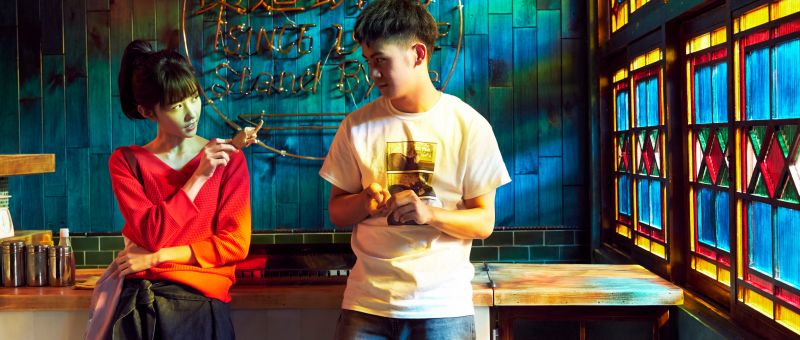
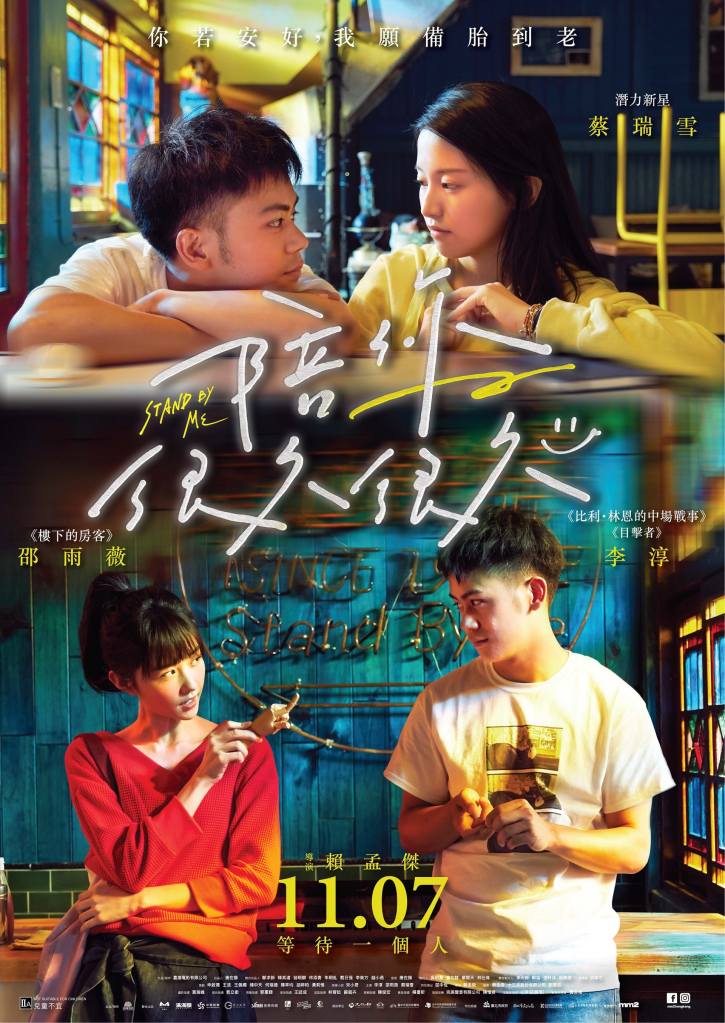
“Teenage days we all need a romance that hurts” exclaims a rejected teen, too shy to declare her crush directly but trying to achieve a kind of closure by literally shouting it from the rooftops in Lai Meng-jie’s charming teenage rom-com, Stand By Me (陪你很久很久, Péi Nǐ Hěn Jiǔ Hěn Jiǔ). For Jiu-Bing (Mason Lee), however, his romance has gone on a little longer than just his teenage years. He’s been silently in love with Bo-he (Ivy Shao Yu-Wei) since he was 12, but their relationship has remained at the innocent level of childhood friendship. Nevertheless, all of his subsequent decisions have been taken with one aim in mind, being at Bo-he’s side to protect her. Now that they’re grown, he’ll have to come to terms with the fact that their relationship is inevitably going to have to change in one way or another. 

As with most youngsters, those changes arrive as they set off for university (he’s enrolled in the same one as her for that reason alone). No matter how close you are, it can be quite claustrophobic having someone buzzing around you all day and Bo-he is beginning to get fed up with Jiu-Bing’s continuing immaturity. He’s promised to “protect” her, but often ends up in trouble himself and needs her to rescue him. It’s Bo-he that finds him a place to stay after he accidentally blows up his new student dorm and gets kicked out, only it turns out to be half of a teenage girl’s bedroom above a family bakery, rented out by high schooler Xia-Tian (Tsai Jui-Hsueh) without her father’s (Chu Chung-heng) permission as an enterprising way to get a little more pocket money. Meanwhile, Bo-he has fallen for a handsome, heroic classmate, Mai-zi (Edison Song Bai-Wai), who is, in every stereotypical way, the perfect man. 

In an ironic twist, Jiu-Bing’s part-time job is as a “pacer”, supporting other runners as they make their way towards the finish line but eventually dropping back himself. He takes pride in being there for people, protecting and encouraging them, but still struggles to accept the fact that his chosen role inevitably means he’ll spend his life celebrating the successes of others rather than his own. Jiu-Bing eventually has this fact thrown in his face when a romantic rival describes him as nothing more than a rebound guy, implying that Bo-he only sees him as a fallback she can rely on when some other boy breaks her heart but will never really want to be with in the long term. 

On one level, Jiu-Bing is fine with that. He really does just want Bo-he to be happy even if it’s with someone else, but still struggles with the decision of whether to speak his feelings out loud and risk ruining their friendship or keep silent and live with the pain of being just her friend forever. As one of his eccentrically nerdy friends puts it, companionship is the “dark matter” that supports a relationship, but the jury’s still out on whether companionship alone is enough to go the distance. Meanwhile, he remains entirely oblivious to the fact that Xia-Tian is beginning to develop feelings for him that place her in exactly the same place as he is with Bo-he. Maybe he just thinks of Xia-Tian as a crazy little sister, and maybe Bo-he just thinks of him as a troublesome little brother who will always need looking after despite his constant protestations that all he wants is to be able to “protect” her. 

What Jiu-Bing learns however is that being a pacer is no bad thing. It’s much better to run with someone than to run alone, but there are times when you just need to set a pace for yourself so you can figure out how far you can run. There are more ways to love than just the romantic, though maybe that’ll come in time but perhaps not from the direction you’d expected. “Being heard and accepted is nothing we can decide” Xia-Tian adds, and what is teenage romance other than coming to an acceptance that sometimes you love people who don’t love you back? But then sometimes they do, and if you never say anything you’ll never know. Jiu-Bing has some growing up to do, and a few decisions to make so he can figure out where it is he ought to be – supporting from the sidelines or waiting with flowers near the podium. Either way, Lai Meng-Jie’s charming teenage rom-com is a refreshingly progressive take on the genre which allows it’s “nice guy” hero to find solace in the authenticity of his generosity while its heroine embraces her own sense of agency entirely independent of her romantic destiny. 


Stand By Me screens at Chicago’s Gene Siskel Film Center on Feb. 17 where the full lineup for the upcoming 10th season of Asian Pop-Up Cinema will also be unveiled. Director Lai Meng-jie will be in attendance for an introduction and post-screening Q&A.

Original trailer (English/Traditional Chinese subtitles)