JAPAN CUTS Announces 2024 Lineup

 JAPAN CUTS returns for 2024 once again presenting a selection of the best of recent Japanese cinema at Japan Society New York from July 10 to 21. This year’s Cut Above award goes to the actor Mirai Moriyama while his Great Absence co-star Tatsuya Fuji will receive a lifetime achievement award.

Opening Film: Between the White Key and the Black Key

Opening Night Film with Director Masanori Tominaga Q&A and Reception

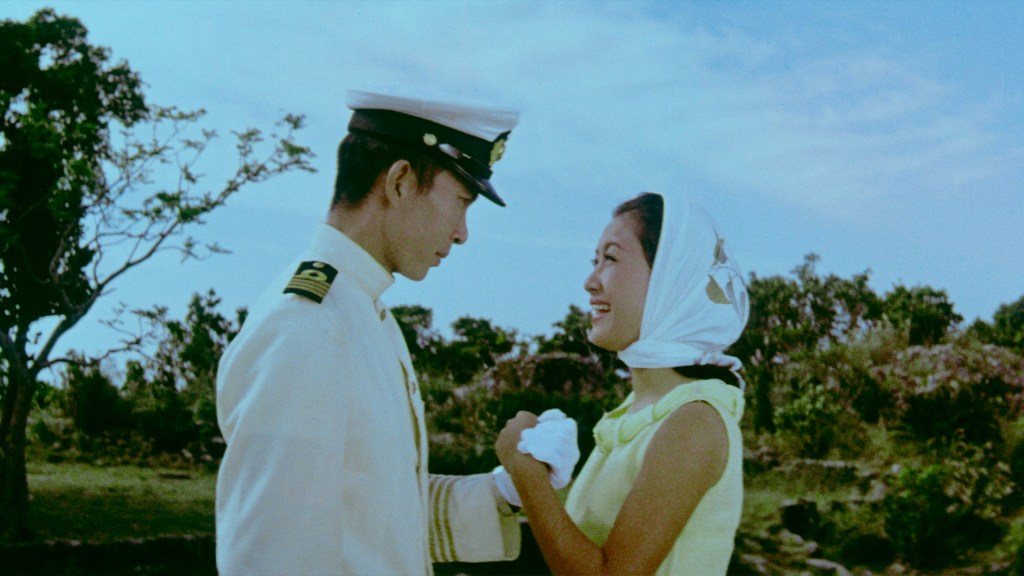
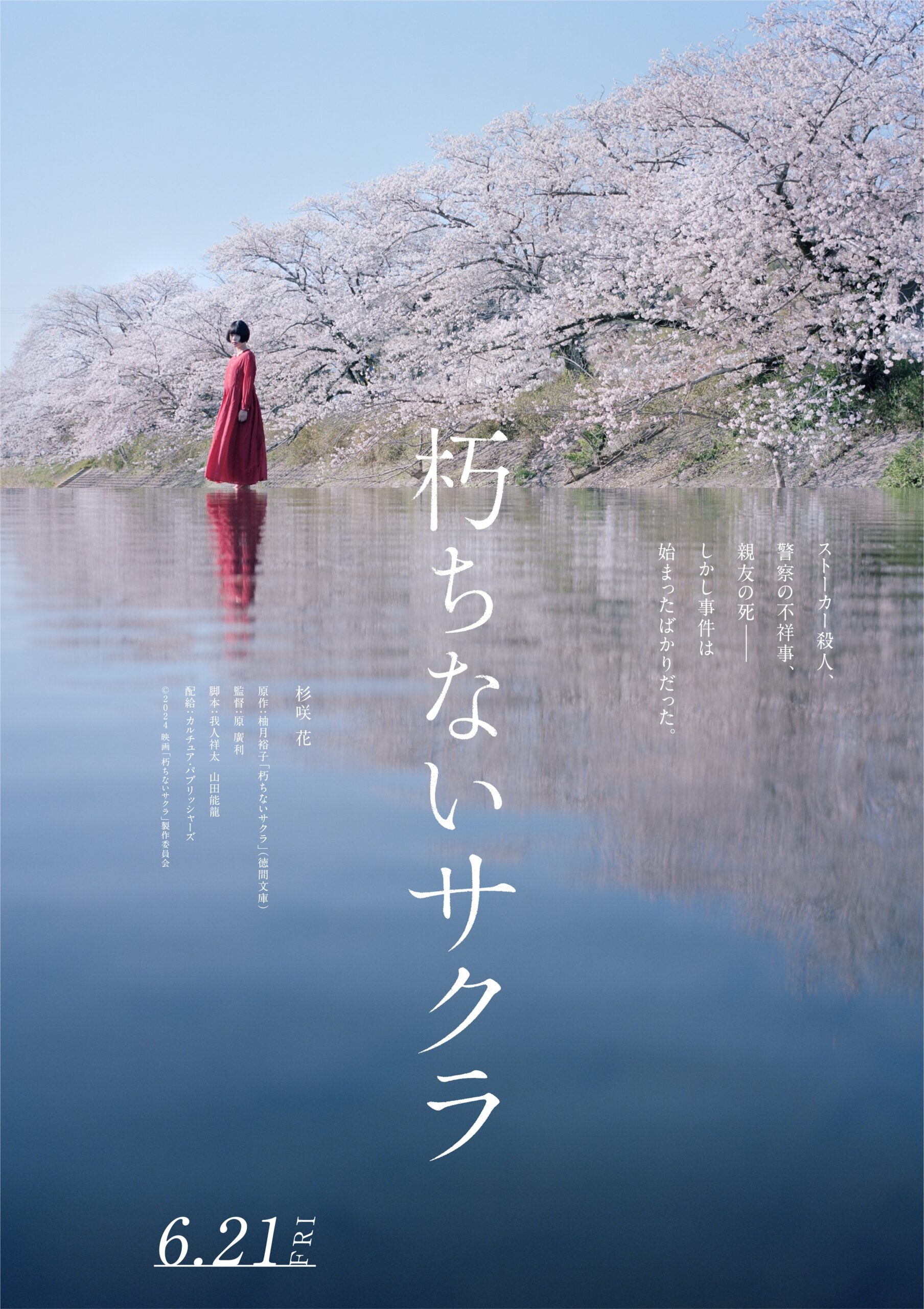
Surreal adaptation of the memoirs of jazz musician Hiroshi Minami starring Sosuke Ikematsu and taking place over a single night of overlapping eras in ’80s Ginza.

Centerpiece Film: Shadow of Fire

Followed by Mirai Moriyama CUT ABOVE Award presentation, Q&A with Shinya Tsukamoto and Mirai Moriyama, and Reception

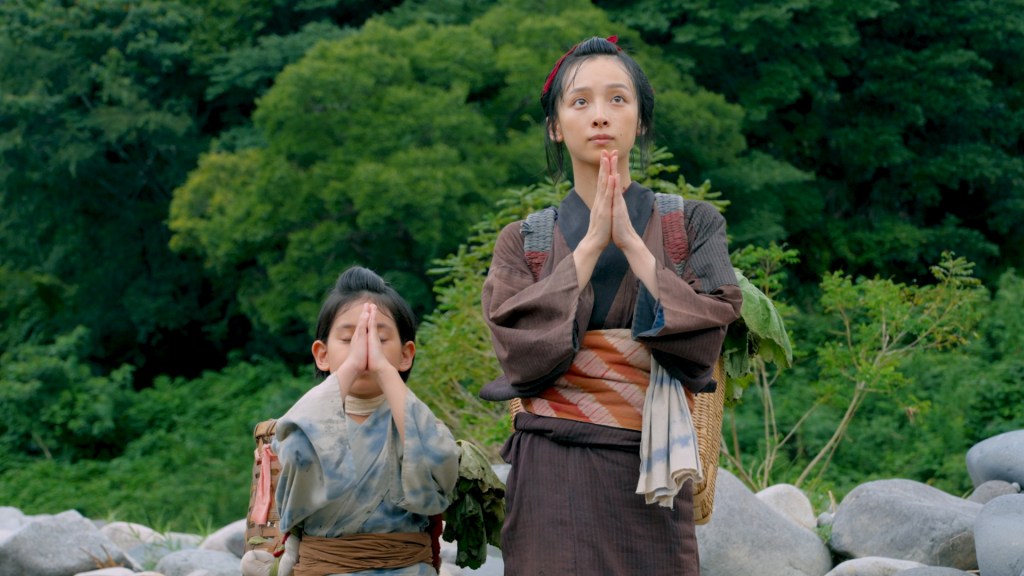
The ruins of a firebombed city become a purgatorial space haunted by the tortured souls who cannot escape the traumatic wartime past in Shinya Tsukamoto’s eerie voyage through post-war Japan. Review.

Lifetime Achievement Award: Great Absence

Followed by Lifetime Achievement Award Presentation for Tatsuya Fuji, Q&A with Kei Chika-ura and Tatsuya Fuji, and Reception

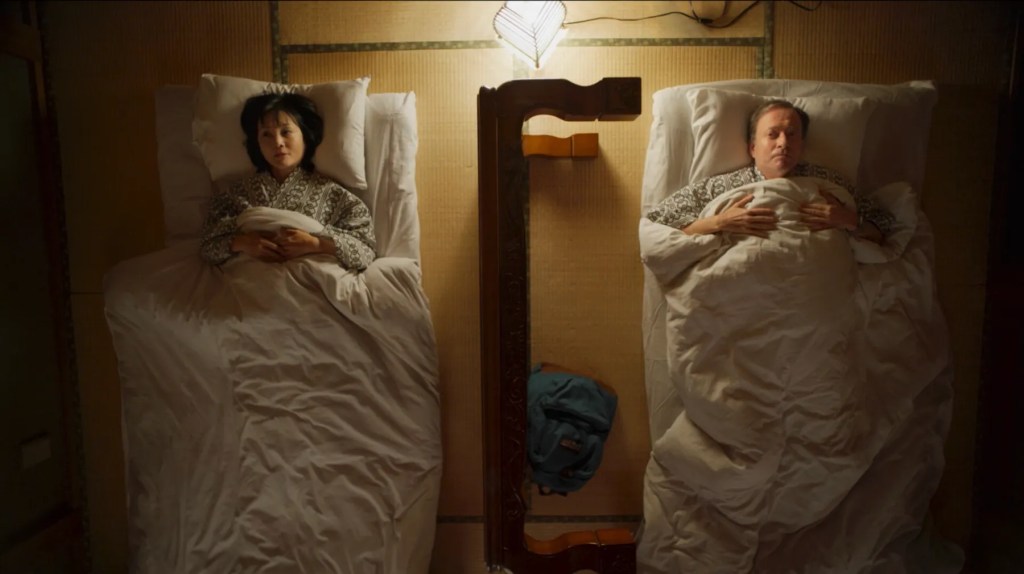
A forced reconnection with his estranged father forces a young man to contemplate the great absences of life in Kei Chikaura’s poetic drama. Review.

All the Long Nights

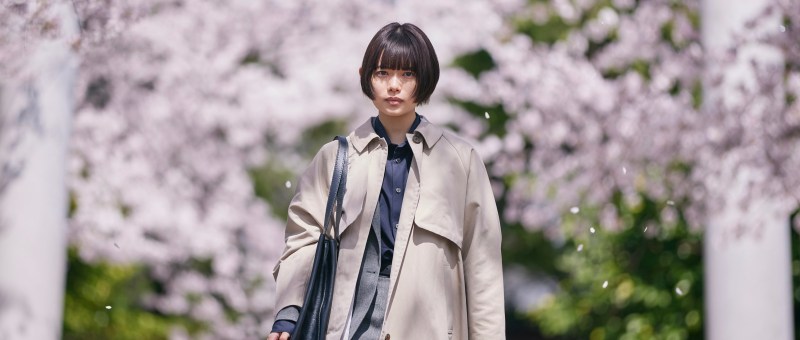
Mismatched colleagues struggling amid contemporary corporate culture find unexpected solidarity in Sho Miyake’s gentle human drama. Review.

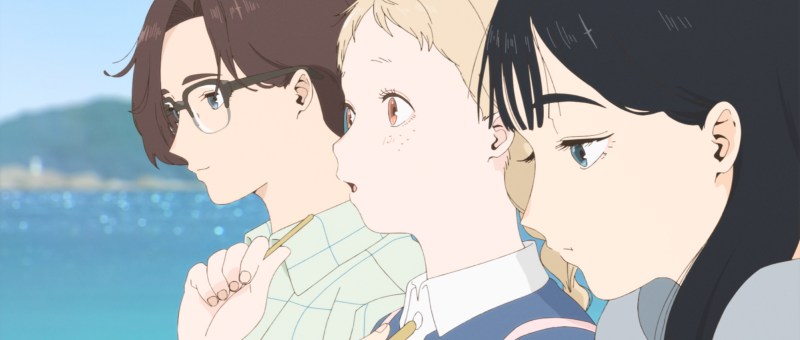
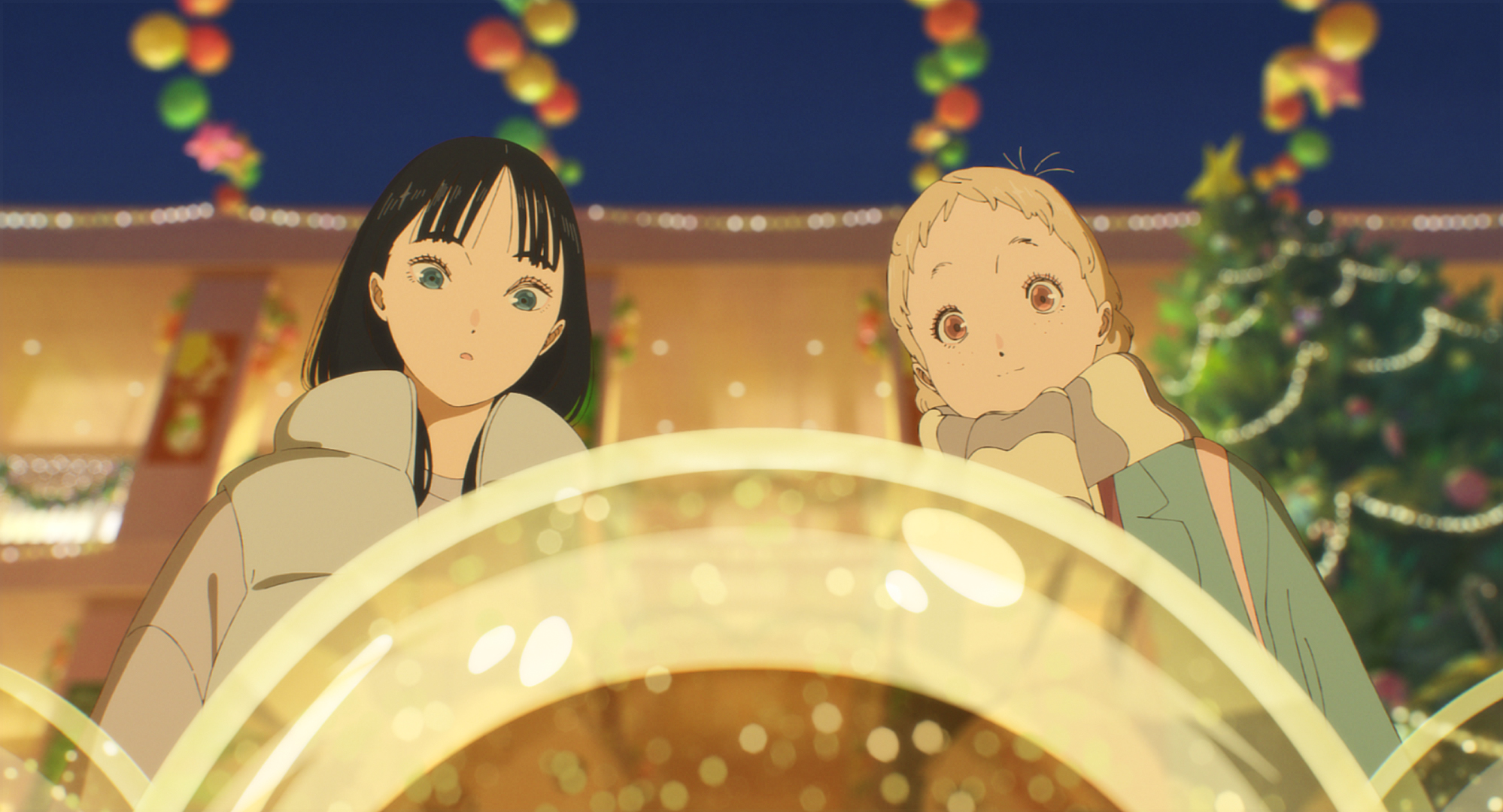
Blue Period

Adaptation of the manga by Tsubasa Yamaguchi in which a lost young man discovers the power of art and embarks on a quest to enter one of Japan’s most prestigious art schools.

The Box Man

Surreal adaptation of the Kobo Abe novel starring Masatoshi Nagase as a photographer living his life inside a box and Tadanobu Asano as a scientist who becomes obsessed with him.

Cha-Cha

Quirky comedy that turns unexpectedly dark as a free-spirited young woman develops a crush on a taciturn chef while simultaneously the subject of office gossip due to her ambiguous relationship with the boss.

Following the Sound

Following the sound on her cassette recorder, a young woman interacts with two troubled souls in a gentle drama from Kyoshi Sugita.

ICE CREAM FEVER

Featuring Director Tetsuya Chihara In-Person.

Adaptation of a short story by Mieko Kawakami following four young women who come together at a local ice cream shop.

KUBI

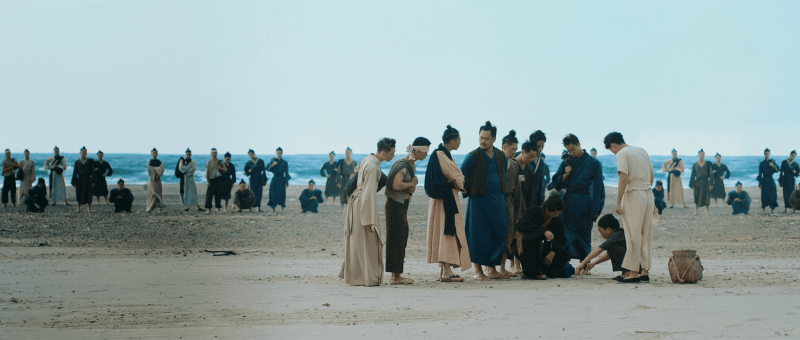
Takeshi Kitano directs and stars as Toyotomi Hideyoshi in an ironic retelling of the Honnoji Incident in which Oda Nobunaga (Ryo Kase) is betrayed by his retainers.

Kyrie

Musical drama from Shunji Iwai told over 10 years and starring AiNA THE END as a street musician who can only communicate through song.

Look Back

Adaptation of an award-winning manga in which a manga artist looks back and recalls a childhood friendship asking themselves if they would still make the same choices despite knowing the outcome.

SHIN GODZILLA: ORTHOchromatic

Black and white version of Hideaki Anno and Shinji Higuchi’s landmark take on the classic kaiju franchise.

Six Singing Women

Long-awaited feature from Milocrorze: A Love Story’s Yoshimasa Ishibashi in which a Tokyo-based photographer is called back to his mountain home on the death of his estranged father.

Whale Bones

An office worker joins a dating app after his fiancée abruptly breaks up with him but the date doesn’t exactly to plan leaving to follow cryptic clues from an augmented reality influencer.

Blue Imagine

A young woman finds the strength to fight back against her mistreatment thanks to a sense of female solidarity in Urara Matsubayashi’s timely drama. Review.

Motion Picture: Choke


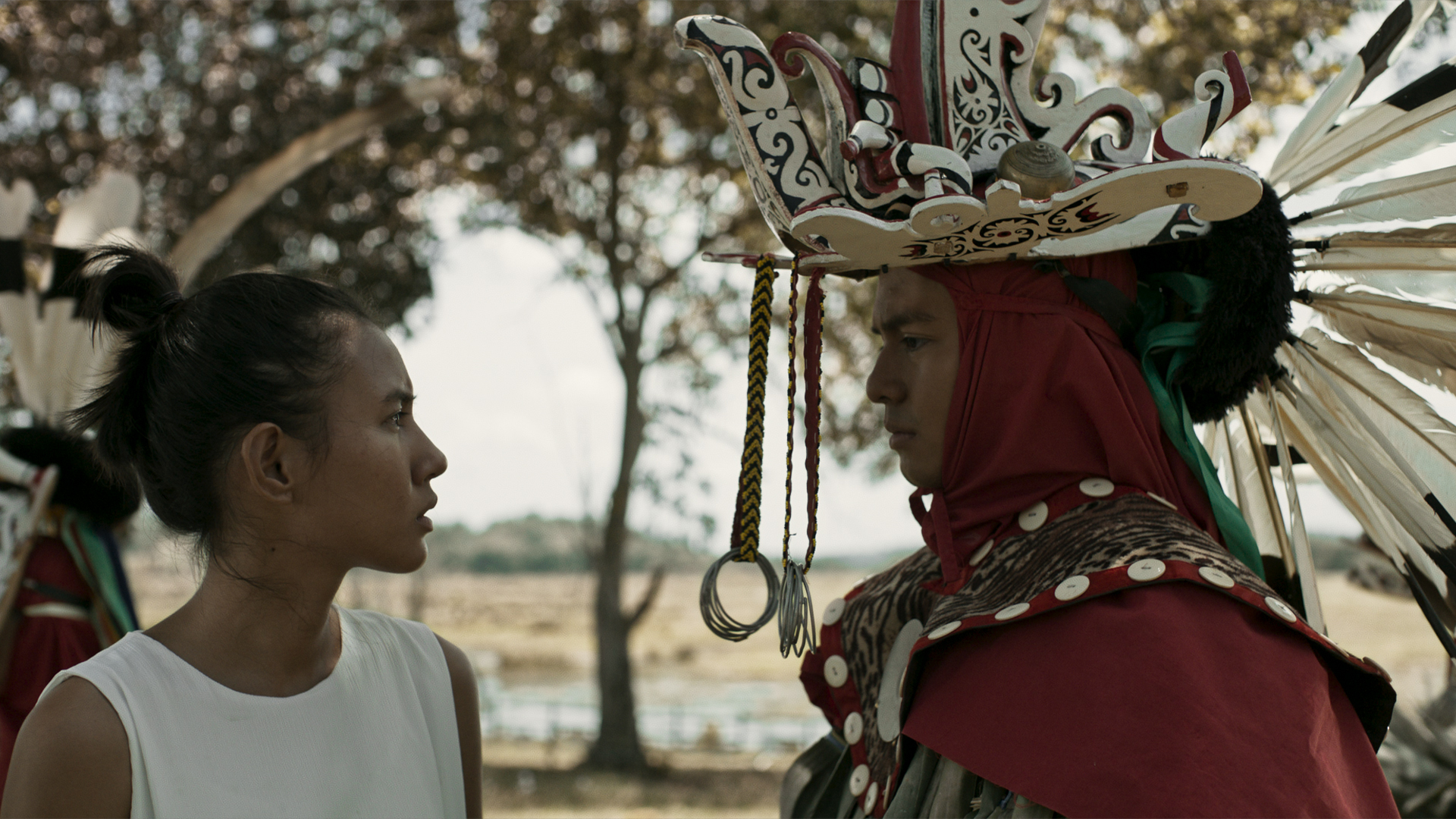
Dialogue-free indie drama set in a post-apocalyptic society in which one woman’s days of self-sufficiency are disrupted by the arrival of a young vagabond.

Performing KAORU’s Funeral

Darkly comic drama in which a failed actor is summoned to play the part of the chief mourner at his former wife’s funeral. Review.

Rei

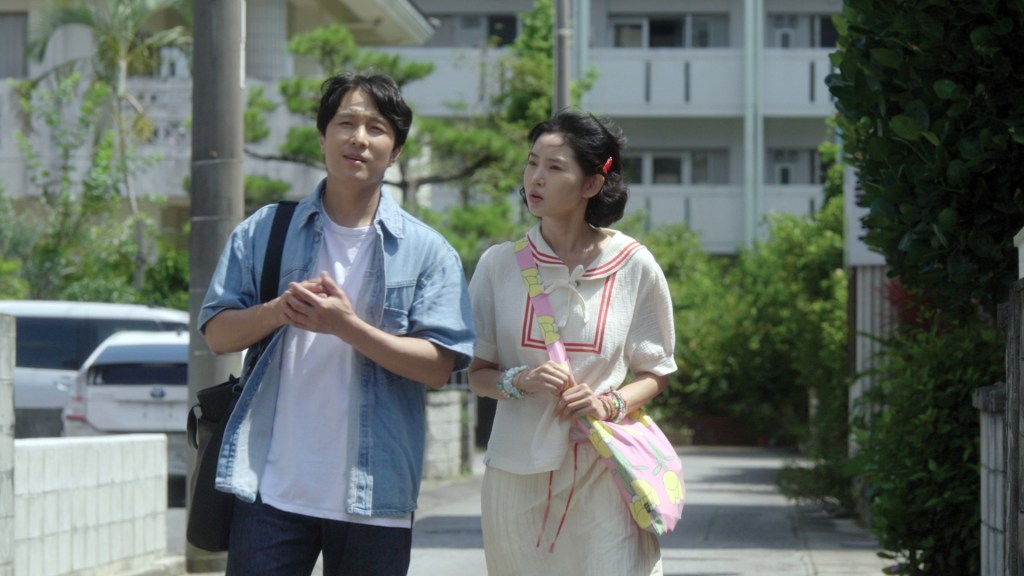
Unhappy in the city, a young woman embarks on a love affair with a photographer from Hokkaido .

RETAKE

Looping summer holiday drama as a teenager working on a film with his crush gets the opportunity to “retake” some of his mistakes.

Sayonara, Girls.

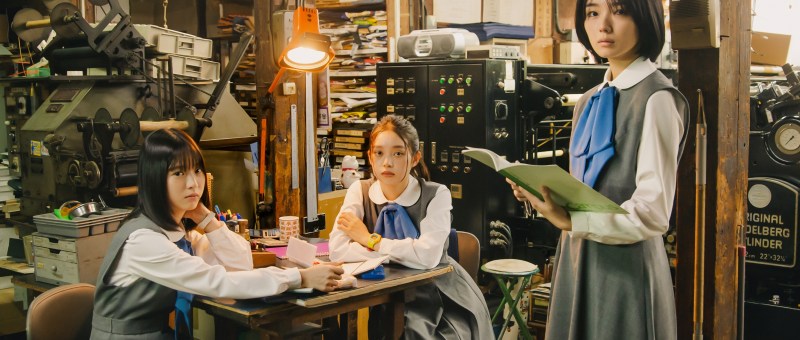
A collection of teens contemplate the ghosts of youth in facing graduation from a school soon to be demolished in Shun Nakagawa’s poignant drama. Review.

August in the Water

Imported 35mm Print – Featuring Director Gakuryu Ishii In-Person. 

Sogo Ishii’s ’90s masterpiece in which a female transfer student enters a higher plane of consciousness after undergoing a diving accident.

Mermaid Legend

Elegiac horror from Toshiharu Ikeda in which an ama diver plots revenge when her husband is killed after witnessing a murder.

Moving

A young girl struggles to come to terms with her parents’ impending divorce in Shinji Somai’s ethereal coming-of-age drama.

Kadono Eiko’s Colorful Life: Finding the Magic Within

Documentary focussing on the renowned author best known for Kiki’s Delivery Service.

The Making of a Japanese

Featuring Director Ema Ryan Yamazaki In-Person

Documentary focussing on Japan’s elementary school system and shot over the course of a single year.

Shunga: The Lost Japanese Erotica

Documentary focussing on the erotic artwork of the Edo era.

JAPAN CUTS 2024 runs at Japan Society New York July 10 to 21. Tickets are on sale now. Full details for all the films are available via the official website and you can also keep up with all the latest details by following the festival’s official LetterboxdInstagramFacebook page and X (formerly) account.

Summer Vacation 1999 (1999年の夏休み, Shusuke Kaneko, 1988)

The curious thing, or perhaps a curious thing among many, about Shusuke Kaneko’s loose adaptation of Moto Hagio’s The Heart of Thomas Summer Vacation 1999 (1999年の夏休み, 1999 Toshi no Natsuyasumi) is that it takes place in a theoretical future that is also quite clearly an imaginary past. In a second introductory sequence, the voice of an adult man tells us that his is his memory, a fragment of the past kept alive by the clarity with which he remembers it. We don’t know who this voice belongs to, though the images encourage to think it must be the man the boy on screen, like the others played by a girl, will one day become but in another sense this boy doesn’t really exist either or at least is the bearer of several different identities.

The fact he travels to this remote mansion in the countryside on an otherwise empty train signal’s the place’s unreality and detachment from the regular world. We’re told it’s 1999, a year that was still to come on the film’s release in 1988, and inevitably hints at a millennial dread along with the new dawn the writer describes himself having in experienced in what is otherwise a summer holiday movie. However, in the opening sequence we witnessed a boy who looked very like this one slip what is later assumed to be a suicide note under another boy’s door before walking through the gothic space of the country mansion and out to a rugged cliff where he takes his own life by jumping into a nearby lake. The name of the boy who died, apparently brokenhearted and filled with despair after his romantic overtures to another boy were rebuffed, was named Yu (Eri Miyajima). This one claims his name is Kaoru (also Eri Miyajima) and is different in temperament in character to the boy who may have died, his body has not been found, though to the others staying at the school over the summer holiday he seems somehow like a vengeful ghost arriving to take them to task for Yu’s death. 

Kaneko specifically frames the school as haunted through the gothic photography of its billowing curtains and 19th century European aesthetics but also through its emptiness. The sound of children laughing, the boys who have left and returned somewhere else, echo through empty corridors further framing it as a place of memory and it seems true enough that the other boys who remain are trapped here in the same way they are trapped within themselves in their inability to express their emotions. The youngest of the boys, the sensitive Norio, (Eri Fukatsu) intensely resents Kazuhiko (Tomoko Otakara) who is as he describes beloved by all but himself cannot bear to be loved and may have contributed to Yu’s suicide through the abruptness of his romantic rejection. 

Later Kazuhiko recalls a memory of himself watching the sunset as a child in which he felt so terribly alone, as if he were the only person left on earth and there was no one with whom he could share this beauty. This sense of loneliness and isolation is further symbolised by the remote nature of the boarding school which seems to exist outside of time itself. Inspired by the setting of the novel, the boys dress in a fashion more associated with 19th century aristocracy than the late 1980s yet they are surrounded by machines and makeshift, retro futuristic technology in which they spend their days programming some kind of computer system. The leap into the lake is also into memory, but otherwise a kind of rebirth or rebaptism which allows Kazuhiko to make sense of himself and the other boys to come to an acceptance of Yu, Kaoru, and everything he embodies in relation to themselves. 

Even so, the elliptical nature of the film’s ending hints that this is a continually looping story replaying endlessly in the memory of a now much older man recalling the journey into adolescence in which he ruptured the shell of his ignorance much as the caterpillar becomes a butterfly even if that butterfly was something that Kaoru wanted to kill without harming its beauty. Perhaps in away that’s what the man has done in preserving this memory with its all of its gothic shades of billowing curtains and shadowy corridors amid the ethereality of the twilight of youth.


Summer Vacation 1999 screened as part of this year’s Queer East.

Mom, Is That You?! (こんにちは、母さん, Yoji Yamada, 2023)

“People of my generation can’t throw anything away,” an older woman admits on her hearing her daughter-in-law has just been featured in a TV series about decluttering. Inspired by Ai Nagai’s 2001 play, the latest from veteran director Yoji Yamada Mom, Is that You? (こんにちは、母さん, Konichiwa, Okasan) seems to hint at a series of circular generational divides while suggesting that the children of the Bubble-era in particular are too quick to get rid of things they don’t think they don’t need anymore.

That’s the irony of soon-to-be 50-year-old Akio’s (Yo Oizumi) salaryman job in HR. It’s his job to cut dead wood from the company and this current round of polite requests to employees of a certain level to take early retirement includes his uni friend Kibe (Kankuro Kudo) who doesn’t take kindly to what he sees as a personal betrayal. Unlike Akio who is beginning to tire of the salaryman dream, Kibe fiercely fights for his position and identity as an executive at a big company even when faced with banishment room treatment and disciplinary dismissal after an altercation with the boss.

But what Kibe doesn’t know is that Akio is already facing a series of crises. His marriage has collapsed and his university student daughter Mai (Mei Nagano) is having a crisis of her own. Fresh from her tidying success, her mother has told her that all she can do is get good grades followed by a boring salaryman job like her dad’s which doesn’t seem to be what she wants which is why she’s run off to stay with her grandmother Fukue (Sayuri Yoshinaga) who runs a traditional shop selling tabi socks near the Sumida River. Fukue has a kindly, laid-back attitude remiscent of the shitamachi spirit found in other Yamada films in contrast to the stressed out uptightness of Akio who hasn’t told her about his impending divorce nor work troubles but finds himself paying a visit home in an attempt to sort himself out only to find Fukue keeping herself busy with a local charity group and nascent relationship with a church pastor. 

Fukue’s charity work is emblematic of a waste not want not philosophy that has otherwise disappeared from the modern society as they pick up the things other people don’t want and donate them to the needy even if it sometimes seems a little simplistic or patronising. Biting into some reject crackers from the local rice cracker shop, Akio reflects that they’re something that’s made to console people and it’s work that has meaning unlike his soulless corporate job that gives him nothing other than stress and money. At the time the play was written, the fallacy of the salaryman dream was clear for all to see in the post-Bubble society but to a man like Akio getting a company job was a big deal and his success is still the talk of his mother’s friends even he starts to wonder if he still has time to start again and discover a more meaningful way of living.

Some of these ideas, and the timescales involved, make much more sense for the play’s millennial setting rather than the film’s apparent present day given the references to the firebombing of Tokyo which would require the older protagonists to be their late 80s to even remember. Akio dismisses his mother’s charity work and insists that the homeless are only those who opted out of the competitive society he too has come to doubt or else were excluded from it, while he’s resentful of her attachment to the pastor in contrast to Mai who is excited by the prospect of her grandmother’s love affair and enduring possibilities of age while Fukue is beginning to fear not death but dependency if her health should suddenly decline. 

It’s in the midst of her heartbreak that the film affords Fukue a new beginning if in coming full circle, Akio choosing to make a clean break with the unhappiness in his life and Mai embracing her youth while falling for the old world charms of her grandmother’s tabi sock shop almost exclusively catering to sumo wrestlers, who as someone points out never waste anything, and people trying ceremony for the first time at 60. Like most of Yamada’s work, the film has a gentle humanity and melancholy poignancy but also a sense of hope and continuity that run contrary to an overly corporatised society in which young and old are already losing faith.


Mom, Is That You?! screened as part of this year’s Toronto Japanese Film Festival.

Original trailer (No subitles)

Don’t Call it Mystery (ミステリと言う勿れ, Hiroaki Matsuyama, 2023)

Totono once again finds himself at the centre of of conspiracy in the big screen edition of the popular drama based on the manga by Yumi Tamura, Don’t Call it Mystery (ミステリと言う勿れ). Embroiled in what first looks like a family succession drama as he points out recalling The Inugami Family, he soon discovers there’s more in play than might be expected but also that the wounds of the past are slow to heal and often cause people to act in unexpected ways.

In any case, he ends up getting involved care of Garo (Eita Nagayama) who is still on the run following the end of the TV series so unable to help a teenage girl, Shioji (Nanoka Hara), who is one of four grandchildren in line to inherit her grandfather’s legacy if only she can fulfil the bizarre quest he left for them in his will. Her worry is that, as family law dictates one person inherits everything, there will inevitably be deaths and violence involved as the cousins battle each other for the prize of a giant estate near Hiroshima where Totono also just happened to be on a day trip.

Once again, the running gag is that mystery just seems to find Totono who only wants to get on with living his peaceful life as a student eating curry and going to museums though there are some tantalising clues to his own backstory littered through the piece such as his unexpected familiarity with the city of Hiroshima. The case this time as also has a link to Totono’s famously curly hair which only adds to his Kindaichi-esque sense of eccentricity deepened by his reluctance to allow Shioji’s family to do his laundry or to a take a bath in another person’s home. But these foibles are, as he points out to those around him, reflective of a conflict in what is considered considerate behaviour. They think they’re being nice by offering to do his laundry, but he doesn’t want them to so it’s just additional inconvenience for him much in the same way as you if offer someone a lift to the station thinking that’s easier for them and they accept not to cause offence but are secretly disappointed because they were looking forward to the walk.

Totono’s defining characteristic as an accidental detective is indeed his emotional intelligence and ability to pick up on the slightest things that might be bothering those around him, often prone to lengthy monologues that advocate for a more compassionate world and better understanding between people. As the mystery becomes clear, he begins to realise that the parents of the grandchildren were trying to protect them from the toxic legacy of tradition and end the ridiculous family succession drama that apparently led to the deaths of some of their immediate relatives. He gives similar advice to Shoji’s cousin Yura (Ko Shibasaki) on hearing her father tell her that women are happiest as wives and mothers and she should drop what she’s doing to pay more attention to her husband and daughter. Totono takes him to task for his sexist thinking and tells him it’s unfair, advising Yura that she might not unwittingly want to pass these ideas on to her own daughter by suppressing herself to conform to her father’s outdated idea of conventional femininity.

As Totono says, children are like wet cement and the things dropped on them leave their mark for the rest of the child’s life. It seems that the family was in a sense haunted by a child they’d wronged and worried would someday come back to wreak their revenge as a phantasmagorical embodiment of their latent guilt and shame about how they usurped their fortune. What the grandchildren come to realise, is that their late parents did actually understand them and wanted them to be happy following their own paths rather than bound by tradition or outdated notions of properness regardless of whatever happens with the grandfather’s more literal legacy and the buried skeletons it contains. Filled with the same kind of gentle intrigue and mystery along with the compassionate spirit of the TV series and manga, the big screen edition features another difficult case for Totono that also begins to illuminate his own troubled past and the secrets behinds his empathetic soul.


Don’t Call it Mystery screened as part of this year’s Toronto Japanese Film Festival.

Original trailer (English subtitles)
Missing (ミッシング, Keisuke Yoshida, 2024)

Why is it that we rush to judgement rather than empathy? When a little girl disappears during a short walk from a local park to her home, less than helpful members of the public are quick to turn on the parents while news media, eager for ratings and clicks, is only too happy to give the people what they want casting aside ethical concerns in their exploitation of the parents’ pain all while the little girl remains missing.

In this society, it’s quite normal culturally for children of Miu’s age, six, to walk short distances alone and be left unsupervised at home at for short periods of time. Nevertheless, the public is quick to blame the mother, Saori (Satomi Ishihara), because she had gone to a concert that night and didn’t notice frantic calls from her husband worried because Miu was not at home when he got back from work at 7pm. Soari too blames herself, as is perhaps natural, but it’s unreasonable to expect anyone to never go out for an evening again after having children. Her husband comes in for less scrutiny, which might be surprising, though her brother, Keigo (Yusaku Mori), soon finds himself the prime suspect having been the last to see Miu and allowed her to walk home alone though he would previously have walked her back.

The family find themselves under scrutiny with their every move judged by an unforgiving society. When they dare to buy fancy pastries, online trolls suggest they can’t be all that bothered about Miu after all and are living the high life with the extra money they no longer need to spend on her. Given all that, it might be surprising that they turn to the media for help but in their desperation to find Miu they will leave no stone unturned. Idealistic reporter Sunada (Tomoya Nakamura) seems to want to help them, but is constantly undermined by his bosses who pressure him to take the story into more sensational territory. Though he wanted to write a human interest piece supporting the parents and raising awareness about Miu’s disappearance, he ends up placing them in the firing line for even more trolling and particularly of Saori’s brother Keigo who is an introverted, awkward man not suited to appearing on television. 

Sunada says he wants to help, but it’s undeniable that the media is exploiting the parents’ desperation raising serious ethical concerns as to how they safeguard sources and subjects while shaping the narrative around sensitive issues. Sunada takes a producer to task for placing images of a cement mixer and the sea into the ident for the piece as if it were hinting at what might have happened to Miu but really what the station is most interested in is digging up dirt on the family rather than drawing out new information on the case. A fellow journalist is having great success with a salacious story about the mayor’s son committing fraud, but his piece is less crusading investigative journalism than gossip inviting judgement. Disliking his flippant attitude, Sunada reminds him their job’s not to make people laugh, but his colleague gets a fancy promotion to head office while Sunada is stuck doing random feel good stories about seals.

Their treatment at the hands of the media also exposes a divide within the couple with Saori often frustrated by her husband’s attitude, feeling as if he isn’t invested enough. Yutaka (Munetaka Aoki) suggests simply not reading the online comments and ignoring the trolls while Saori feels compelled to defend herself. He is also warier of pranks and scammers, unwilling to simply jump on every lead out of desperation when so many people seem intent on causing them further pain. Perhaps it makes people feel more in control of their lives to blame the parents, as if something like this couldn’t happen to them because they make what they feel to be better choices, rather than accept that life is random and unfair and little girls can disappear into thin air mere steps from their own door. Unable to find her own daughter, Saori begins defending other people’s children getting a job as a crossing guard to ensure they reach home safely while simultaneously frantic and afraid, handing out fliers to a largely disinterested populace ever hungry for novelty and excitement and embarrassed by her pain even as they continue to feed on it.


Missing screened as part of this year’s Toronto Japanese Film Festival.

Original trailer (English subtitles)
(Ab)normal Desire (正欲, Yoshiyuki Kishi, 2023)

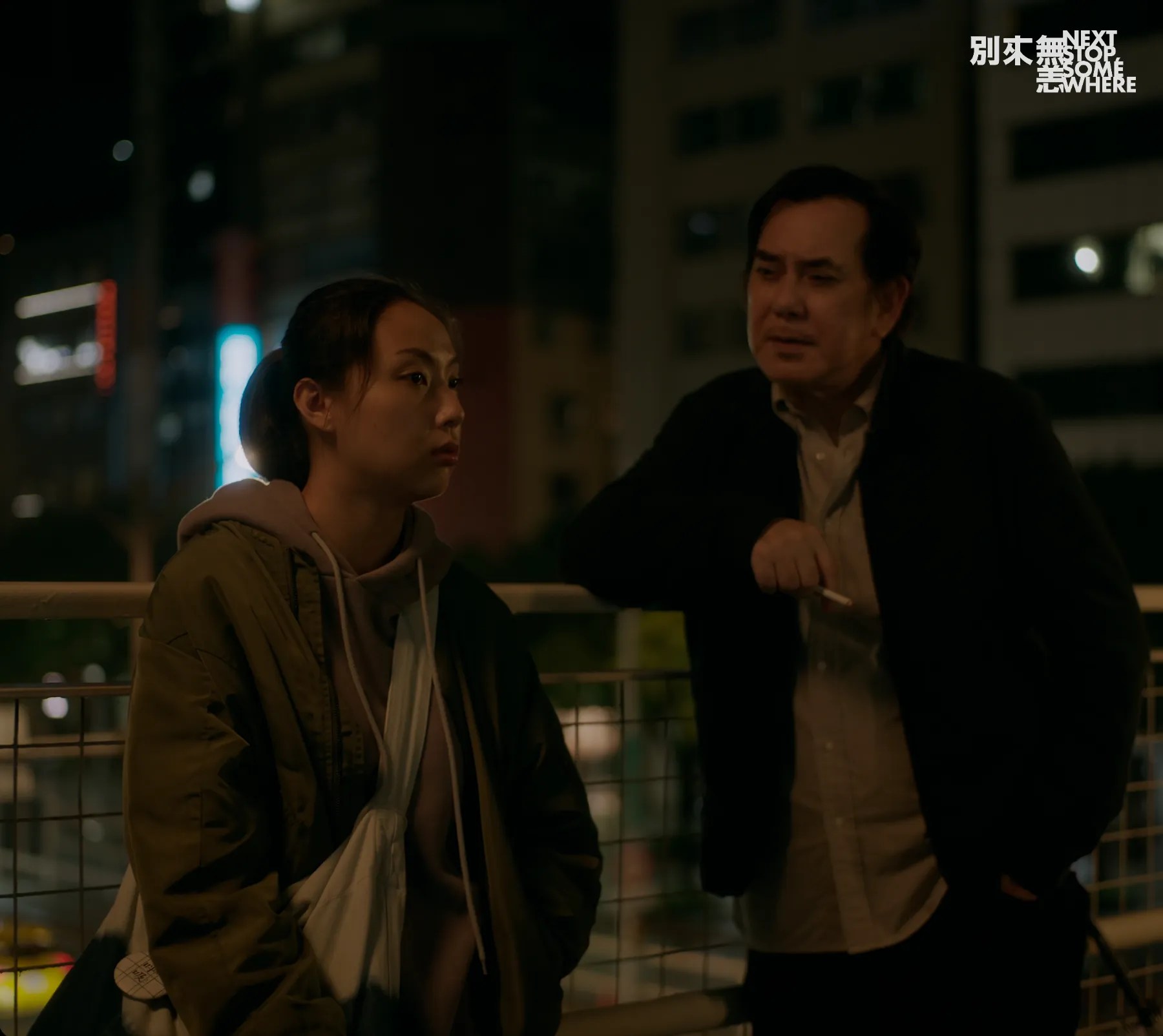
There’s a pun embedded in the Japanese title of Yoshiyuki Kishi’s heartfelt drama (Ab)normal Desire in that first character in the word for “sexual desire” (seiyoku, 性欲) has been replaced by one that can be read the same but has the meaning of “correct”, or “proper”. But “normal” is also relative construct that implies conformance with the majority even if that may not actually be the case. As one of the protagonists later remarks “everyone is pervy” though they themselves feel such a degree of shame and otherness that it’s largely prevented them from living any kind of life at all.

In that sense it may be hard to understand why a fetish for water would invite such severe self-loathing in that it causes no harm to others if admittedly resulting in ridicule if exposed. Then again, society can be a fierce watchdog. Department store shop assistant Natsuki (Yui Aragaki) is taken to task by her pregnant colleague who refuses to take her seriously when she says she’s not really interested in getting a boyfriend before giving her a lecture about her biological clock. Though Natsuki appears uninterested in her vacant prattling, the woman later becomes upset and harshly tells her that she was only trying to be “nice” because she felt “sorry” for her and that making people be nice to you in this way is actually a form of harassment which, whichever way you look at it, is some particularly twisted logic.

Her alienation seems to stem from the fact that she feels “abnormal” and that her fetish for water is a part of herself she must be careful to hide. Her parents watch a news report on Tokyo Rainbow Pride and marvel at the idea that there are now choices other than marriage and children but even among the young there remains confusion and shame amid an inability to reconcile the seemingly opposing concepts of “normality” and “diversity” as they struggle to define themselves. A plan to have a male dancer who usually dances in a masculine style dance in a more feminine way backfires when he points out that asking someone to dance in a way they don’t want to doesn’t really do much to advance “diversity”.

But diversity isn’t considered an ideal by all and parents of young children find themselves confused and conflicted when their kids begin to reject conventionality at an early age by asking to withdraw themselves from school and instead focus on other kinds of education that align with their interests. Challenged by his wife about why he never listens to their son’s concerns, prosecutor Hiroki (Goro Inagaki) replies that he should “just be normal” and later describes people who are “unable to live normal lives” as bugs in the system which must eradicated. A symbol of lingering authoritarianism, Hiroki is an intensely conservative man obsessed with properness who thinks it’s his job to decide which crimes everyone is guilty of rather than make any attempt to understand the world around him outside of binary terms like right and wrong or normal and abnormal. When his assistant passes him information on fetishes as a potential explanation for the case of a man who repeatedly steals taps, he simply rolls his eyes and dismisses it.

Yet he perhaps has his own fears and internalised shame as evidenced by his outrage on discovering that another man has been coming to the house to help his wife with tech setup for their son’s new outlet in livestreaming and not only that, he was able to blow up the balloons that Hiroki himself failed to inflate. It’s his rigid authoritarianism that eventually alienates his wife and son who come to see him only as an oppressive bully unable to accept anything that differs from his own definition of “normal”. Finally, he’s the one who is isolated, imprisoned by his own repression and lack of understanding or unwillingness to accept those around him.

Even so, despite its positive messages that no one should feel themselves alone or that society has no place for them the film muddies the waters by introducing fetishes that are necessarily problematic in that they cause harm to others who do not or cannot consent and could not and should not be accepted by mainstream society though oddly those that have them seem to feel less shame only fearing being caught because acting on their desires is against both moral and judicial laws. In any case, in discovering togetherness, that they are not alone, those who feel their desires to be “abnormal” can begin to ease their loneliness and find a place for themselves in an often judgemental world.


(Ab)normal Desire screened as part of this year’s Toronto Japanese Film Festival.

Original trailer (English subtitles)
Great Absence (大いなる不在, Kei Chikaura, 2023)

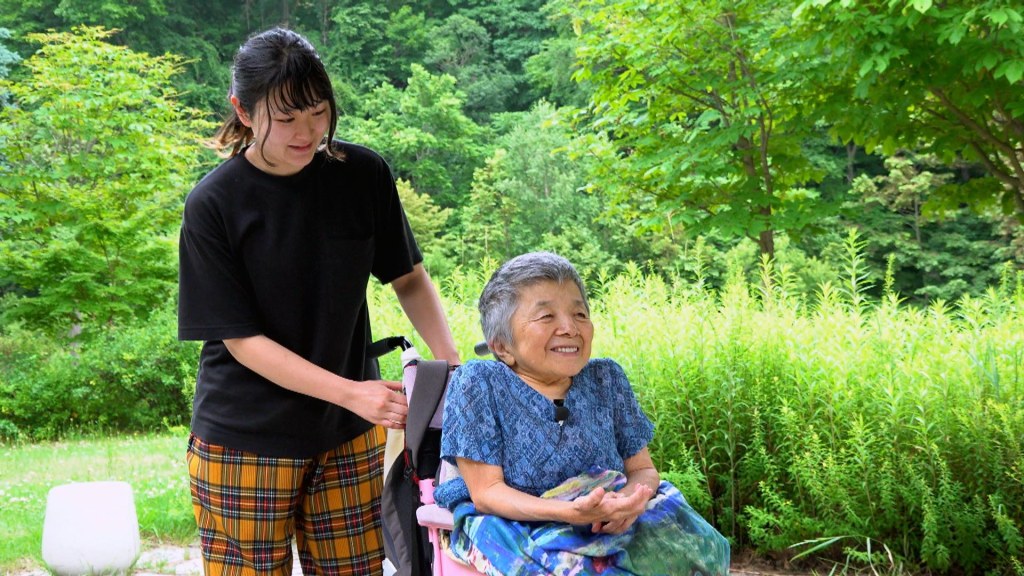
“She’s not here. That’s everything,” is what the hero of Kei Chikaura’s poetic drama A Great Absence (大いなる不在, Oinaru Fuzai) is told when enquiring about the whereabouts of his missing stepmother and in the end is forced to accept it. That’s all there is, she isn’t here. The ways that Naomi (Hideko Hara) is there and at the same time not become central to the narrative in which absence is also of course a deeply felt presence.

That might also describe Takashi’s (Mirai Moriyama) relationship with his estranged father whom he’s barely seen since his parents divorced when he was 12. Yohji (Tatsuya Fuji) was evidently a difficult man, fussy and superior. Every line that comes out of his mouth is delivered as a mini lecture and generally filled with barbed criticism even if that might not really be what he meant to say. That might be why Takashi has stayed out of contact with him, though he has little choice but to respond after being contacted by the police who tell him that Yohji called them claiming he and his wife were being held hostage. Apparently suffering with advanced dementia, Yohji has now been placed in an eldercare facility though no one seems to know what’s happened to Naomi with a vague idea that she had been hospitalised sometime after falling ill and that living alone exacerbated Yohji’s cognitive decline.

Someone later asks Takashi why he came given that with the long years of estrangement no one would have blamed him for saying it was no longer any of his business, but there does seem to be latent desire for some kind of connection albeit one frustrated by awkwardness and the unhealed wounds of the past. Yohji had been a ham radio enthusiast which suggests that he was trying to reach out to people though struggled with communication and only ever found the words in writing as evidenced by the unexpectedly poetic love letters Takashi finds stapled into the diary which once belonged to Naomi but now somehow rests with him. 

Takashi spends much of the rest of the film wanting to return the diary as if he would be abdicating responsibility for it, refusing this particular inheritance along with any curiosity about the man his father is both then and now. In the care home, Yohji believes he is being held prisoner by a foreign power and offers only bizarre and disturbing explanations for what might have happened to Naomi, while attempts to communicate with the sons from her previous marriage are frustrated by longstanding resentment. Takashi’s stepbrother informs them that Yohji refused to contribute to her medical fees claiming he didn’t see why he should though it seems that he is trying to enact some kind of revenge or is seeking compensation for what he feels Yohji took from him. He also blames Yohji for the decline of his mother’s health convinced that the strain of living someone so casually cruel even before the intensification of his dementia eventually caused her to become ill.

He might in a way have a point, though it seems it was absence that also ate away at Naomi as the man who wrote her all those long and profound letters began to slip away, becoming aggressive and irritable. He may not have forgotten her, but also did not quite recognise the woman she was. It may be that it became impossible for her go on living with someone who was no longer there just as Yohji feels the ache of her absence and is mired in the regret and longing of the young man he once was who first let her slip through his fingers. 

This sense of absence may also have crept into Takashi’s own marriage with his wife (Yoko Maki) complaining that he may not have told her what had happened with his father if he had not needed to cancel another family event, nor did he want her to accompany him though eventually she insisted and perhaps succeeds in closing a gap through their shared attempts to unravel the secrets of Yohji and mysteries of the past. The sequences from the play which Takashi is performing that bookend the film, he speaks of a broken king who may not even be a king at all and echoes the sense in which Yohji has finally become absent from himself. At times profound and elegiac, the crisp 35mm photography adds to the sense of ongoing melancholy and irresolvable loss if tempered by an elusive serenity.


Great Absence screened as part of this year’s Toronto Japanese Film Festival. It will also be making its New York Premiere as part of this year’s Japan Cuts on July 18 ahead of its theatrical opening in the US on July 19.

Matched (マッチング, Eiji Uchida, 2023)

The dangers of online dating are, as Eiji Uchida’s Matched (マッチング) suggests, a blurring of the lines between romantic fantasy and “real” organic love that threatens to spiral into dangerous obsession. Part stalking drama, part technophobic thriller, the film seems certain that dating apps are bad but perhaps also critiques another kind of romantic mania that leads people to believe there’s something wrong with not being coupled up and maybe it’s worth the risk of encountering someone dangerously unhinged in the desperation to find Mr. or Mrs. Right.

Rinka (Tao Tsuchiya) originally had no interest in dating apps, though she’s beginning to feel awkward about still being single at 29 and spending her free time drinking with her father (Tetta Sugimoto). His advice that romance isn’t really her thing and that’s alright doesn’t really go down all that well with her, yet the fact remains that on a baseline level it’s not really something she actively wants for herself. This is in part ironic as she works as a wedding planner running around satisfying her clients every whim to give them the big day they’ve always dreamed of only to see the man she’s long been carrying a torch for, her old high school teacher, marry a woman he met through an app.

Rinka’s intense resentment might cause us to wonder if she has something to do with the spate of serial killings targeting newly wed couples who got together through the Will Will dating app only after her friend signs her up on in, she too becomes a kind of victim after matching the decidedly creepy Tom (Daisuke Sakuma) who lurks around in the shadows declaring that he was born under bad star and abandoned in a coin locker as an infant. When the school teacher is murdered and she’s somehow linked to the case by a tabloid media article, Rinka’s life begins to spiral out of control while she can only believe that it must be Tom, who continues to stalk her relentlessly with ominous messages, that’s behind it with only the support of Will Will engineer Tsuyoshi (Nobuaki Kaneko) to rely on.

The really mystery is why Will Will doesn’t seem to have a block function or at least why Rinka wouldn’t use it unless she genuinely fears for her safety and thinks their message history will be good evidence. Her friend Naomi’s (Moemi Katayama) constant swiping hints at the superficiality of app-based dating, judging only by a photograph on gut feeling alone. To that extent, Rinka’s offline connection with Tsuyoshi should then be the rightful path to love but he’s a little odd too. Even given Rinka’s situation and his theoretical ability to help her because of his access to the app, he comes across as somewhat possessive and over eager announcing to Rinka in a record store after a single date that she need never fear anything again because he will protect her. 

It’s men that may be the problem, along with the inherent temptations presented by technology as evidenced by the legacy of a romance that bloomed during the chatroom boom and eventually turned about as toxic as it’s possible to get. The other problem with dating apps is that they’re full of people who are already attached and looking for romantic fantasy to escape from the monotony of their everyday relationships along with the stress and burden of responsibility that comes with having a family. These are sins that have quite literally been visited the children, but to come full circle the film may eventually suggest that you can’t really trust anyone and that people can often be callous and indifferent such as the young man inspecting the room where his uncle hanged himself and dismissively tossing away a photo of happier times. 

We never really find out the motives behind the serial killings beyond a suggestion of resentment that these people have supposedly found “love” online in a way others couldn’t having been rejected for what they see as superficial reasons. Meanwhile, the line between a devoted boyfriend and a controlling stalker already seems quite thin, and there are times when Rinka may think the stalker is the lesser of two evils no matter how creepy he might otherwise seem. In any case, love is serious business and you’ll pay a heavy price for betraying it. Ideally, it’s the fantasy and reality that have to match but Rinka at least seems a little lost between the two despite the increasing surreality of the events which have engulfed her.


Matching screened as part of this year’s Toronto Japanese Film Festival

Original trailer (English subtitles)
Stay Mum (かくしごと, Kosai Sekine, 2024)

Late into Kosai Sekine’s maternal mystery Stay Mum (かくしごと. Kakushigoto), a doctor describes the behaviour of an old man living with dementia as a “convenient delusion” and later remarks forgetting is a kind of salvation that liberates him from what was apparently a very stressful life of repression and properness. Yet to the heroine there’s something very unfair about someone who has hurt her so deeply being allowed to just forget all about it while she has to go on carrying the legacy of his unkindness along with her own grief and pain.

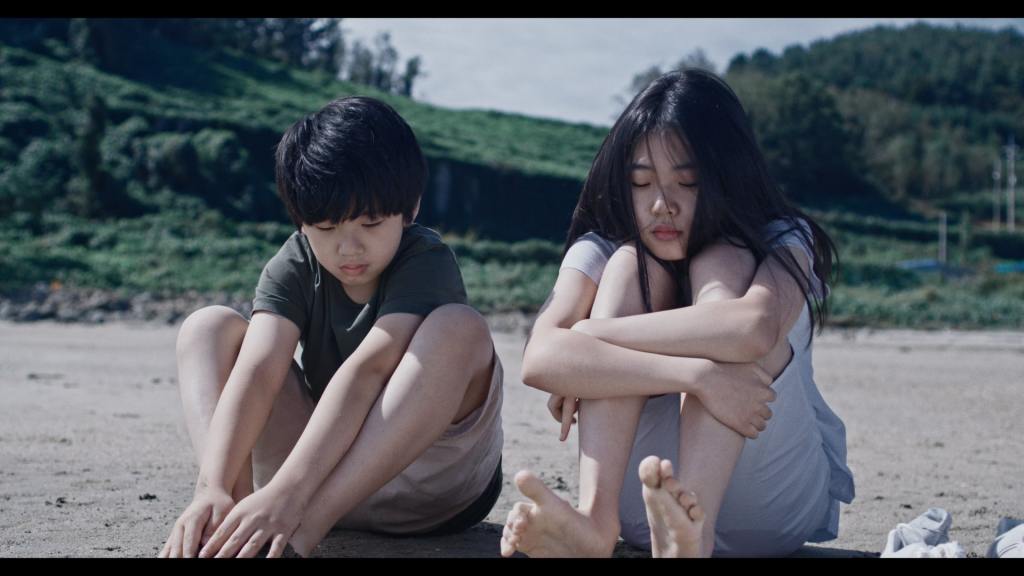
Ironically enough, she finds herself caught in the middle as a mother and a daughter after taking in a little boy her friend accidentally ran over who appears to have extensive scars and bruising that suggest he has been mistreated by his birth family for some time. The boy also claims to have lost his memory, leading Chisako (Anne Watanabe) to fill in the blanks for him. She gives him a name, Takumi, and tells him that he is her son intending to raise the boy covertly while temporarily staying in her rural hometown to care for her estranged father after he was found wandering around in a state of undress.

Even Takumi realises the irony of Chisako’s father Ko (Eiji Okada) falling further into a state of forgetting just as he is learning to “remember” thanks to the memories Chisako imparts to him in their fictional shared history. The film’s English title is a kind pun playing the fact that everyone involved must “stay mum” in order to maintain this delusion of family life while also hinting Chisako’s desire to reclaim her maternity having lost a child of her own. The Japanese title more literally translates as “that which is hidden” while the novel that it’s based on is titled the more direct “lie” though of course it leaves ambiguous to which lie it is referring. But as the doctor had said, it becomes a “convenient delusion” for everyone which grants them a kind of peace and serenity that allows them to reclaim exactly what they wanted out of life but perhaps could not get in any other way.

But of course, it can’t last and at the same time also delays a final confrontation with the reality that would truly allow them to move forward. Someone later accuses Chisako of brainwashing Takumi, essentially kidnapping him while forcing him to play the role of her son as if she were simply mentally disturbed and desperate to overcome her grief rather than genuinely concerned and morally outraged by the idea of allowing a boy who shows clear signs of abuse to return to a home in which he will continue to be mistreated. But at the same time, she struggles to relate to her father and behaves towards him in ways which to Takumi may seem abusive, shouting at and at one point slapping him after a particularly unkind remark. Her inability to control herself further compounds her sense of failure as both mother and daughter, still carrying an internalised sense of inadequacy because of her father’s toxic parenting while in the midst of forgetting he is perhaps still able to perceive the mistakes he made that cost him a functioning relationship with his daughter.

Ko spends his days crafting statues of the goddess of mercy as if begging for atonement all while unable to recall the face he wished to give her. The irony is that as the doctor said, forgetting allows him to drop his guard and to remember the costs of the way he lived his life. As Chisako counters there are also things which shouldn’t be forgotten no matter how painful they may be to remember, along with those which cannot really be forgiven, though the act of wilful forgetfulness does perhaps provide a salve for the wounds of the past. Though at times overly contrived and strikingly predictable, Sekine’s empathetic contemplation of the emotional truths behind the bonds of parents and their children ends in a violent confrontation with corrupted parenthood but equally in a gesture of mutual salvation which ironically depends entirely on the willingness to speak the truth both emotional and literal. 


Stay Mum screened as part of this year’s Toronto Japanese Film Festival

Original trailer (no subtitles)
All the Long Nights (夜明けのすべて, Sho Miyake, 2024)

The latest in a recent series of films critical of Japan’s contemporary employment culture, Sho Miyake’s All the Long Nights (夜明けのすべて, Yoake no Subete) presents a more compassionate working environment as key to a happy and fulling life brokered by small acts of attentive kindness in the knowledge that we are all carrying heavy burdens. Based on a novel by Maiko Seo, the film captures a sense of serenity that can be found in the wonder of life itself and the discovery of the “infinite vastness beyond the darkness” that a starry sky presents.

A lack of compassion in the generalised society is signalled early on in the fact that the heroine, Misa (Mone Kamishiraishi), struggles with a condition that is little understood and belittled by those around her. On bonding with workplace colleague Takatoshi (Hokuto Matsumura) who is experiencing panic disorder, he dismisses her issues as “that female thing” and suggests it doesn’t compare to the effects his condition is having on his life. She counters him that she didn’t know there was a ranking, but is obviously rankled by the refusal of the world around her to take her PMS seriously even though it causes her to lash out at others and often ruins employment opportunities because it’s impossible for her to regulate her emotions in the way that is generally expected in contemporary working culture. 

Each of them have ended up working at a small company that manufactures scientific instruments for children after originally working in larger corporate structures with very clear hierarchical systems and rigid modes of behaviour. Yet we can see right away that Misa’s colleagues are aware of her condition and seem to have accepted it. When she blows up at Takatoshi over his habit of drinking carbonated water the sound of which gets on her nerves, they gently steer her away while explaining to him not to pay it any mind. In any case, Misa is still embarrassed by her behaviour and regularly buys pastries at a nearby bakery in an act of continual atonement even though her boss tells her not to get into the habit of it.

Takatoshi’s rather rude refusal of her pastries, clumsily explaining that he dislikes raw cream, is another symptom of his aloofness and unwillingness to be a part of the office community. He is continually looking to get his old job back and looks down on this kind of work as being lower in status than a regular office job at a big company, something perhaps reinforced by his well-meaning girlfriend who seems to want him not only to get better but to reassume his former position despite the implication that it’s what made him ill in the first place. Tsujimoto (Kiyohiko Shibukawa), his former boss, however remains compassionate and supportive perhaps in part because his older sister took her own life due to workplace pressures which has made him more sensitive to the troubles of those around him. That’s also true of the boss of the science company, Kurita (Ken Mitsuishi), whose younger brother also took his own life for unclear reasons leaving him acutely aware of the importance of paying attention to the feelings of others.

It’s in this compassionate environment that Misa and Takatoshi each begin to rediscover a new sense of confidence in their mutual solidarity regarding their personal struggles along with a better idea of what kind of life suits them rather than focusing on how they’re seen by others or living up to a societal notion of what defines conventional success. As they’re tasked with creating a voiceover script for the company’s mobile planetarium, they come to an appreciation of the beauty found in darkness along with the light that shines within it in. As Misa reflects, there is nothing in life that does not change, not even the stars, but amid all that anxiety we can still help each other and live peaceful, quietly profound lives finding fulfilment in the mundane. Shot in a hazy, slightly detached naturalism the film eventually finds a joy in life’s simplicity and the warmth of human connection that exists outside of the corporate superstructures that have come to define most of our lives while otherwise robbing us of the ability to fully embrace it or ourselves.


All the Long Nights screened as part of this year’s Toronto Japanese Film Festival

Original trailer (English subtitles)