The Man from Island West (西部來的人, Huang Ming-chuan, 1991)

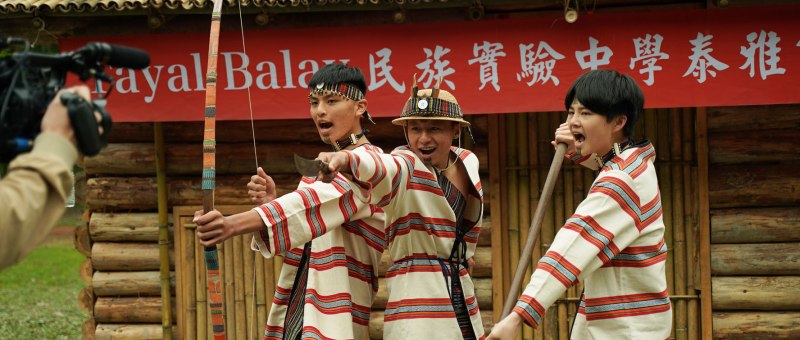
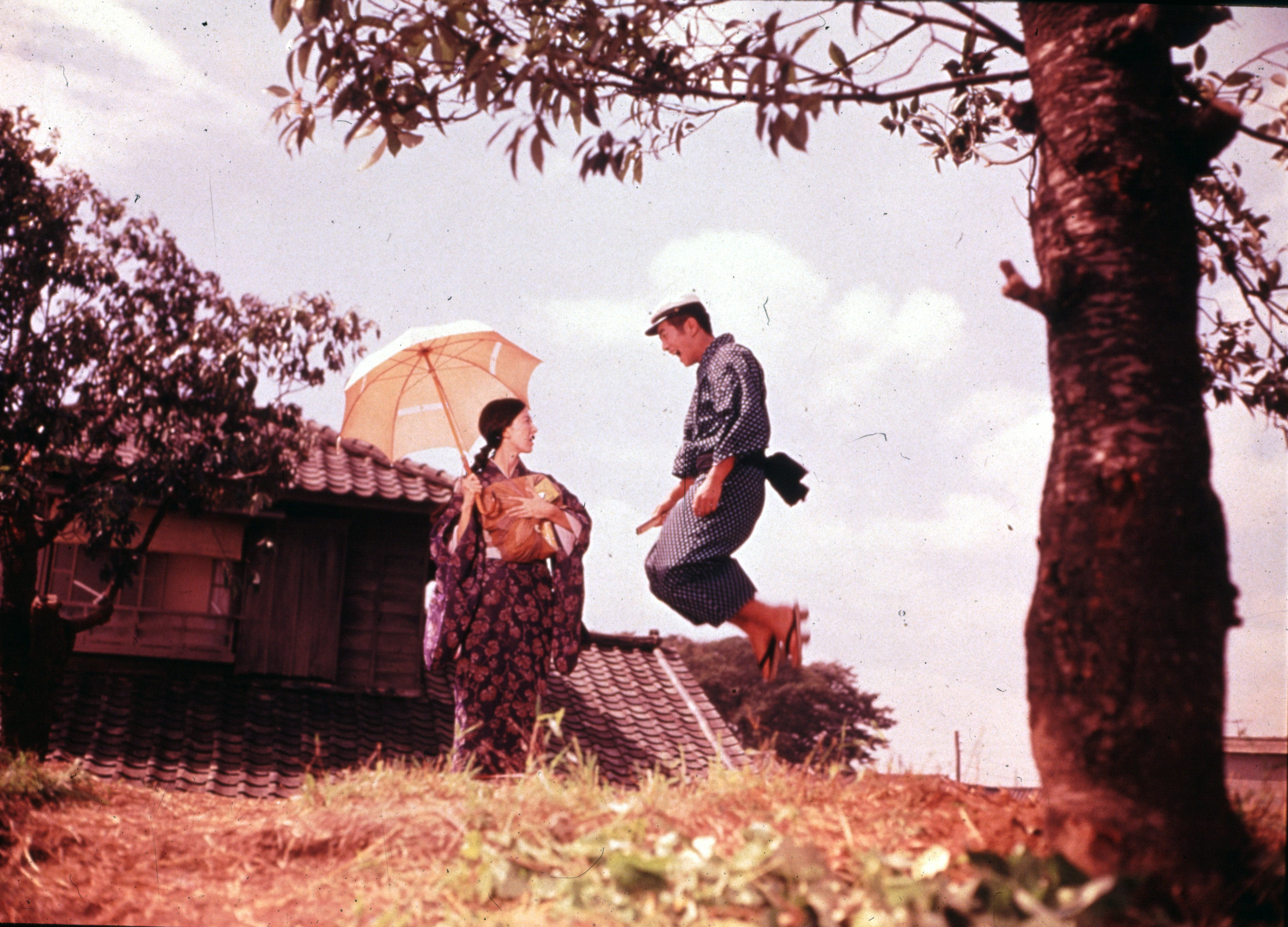
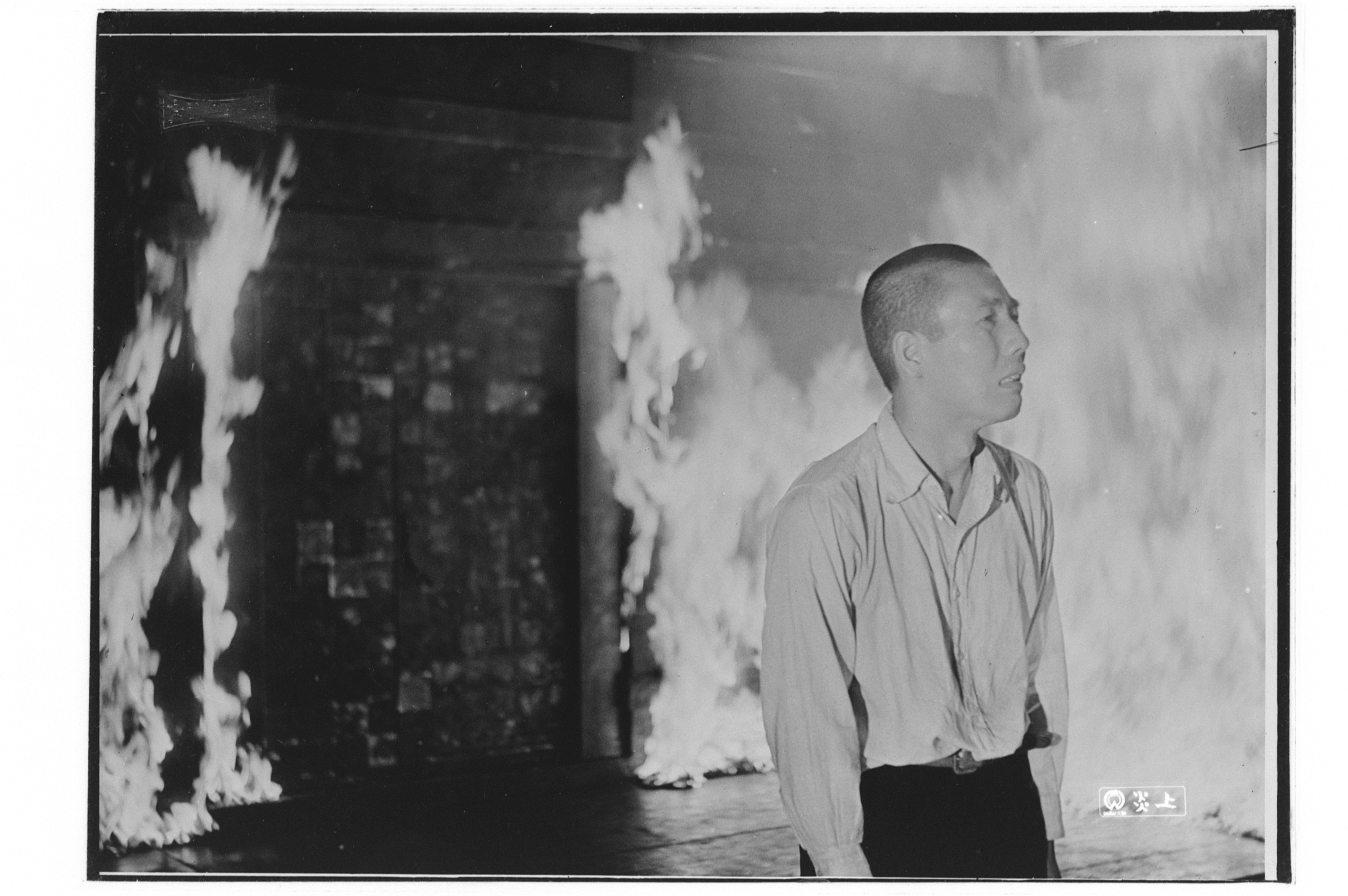
Two indigenous men find themselves searching for a place to belong in a changing Taiwan in Huang Ming-chuan’s poetic drama The Man From Island West (西部來的人, xībù lái de rén). A folktale told at intervals throughout the film sees a curious young man leave his community and find another only to be cast out, return, and be cast out again. While one young man dreams of escaping the village he sees as backwards and restrictive, another who had left longs to return but finds that one place is much like another and neither have much place for him. 

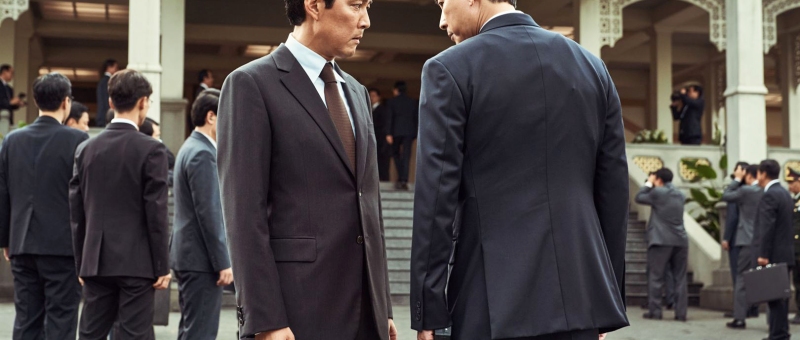
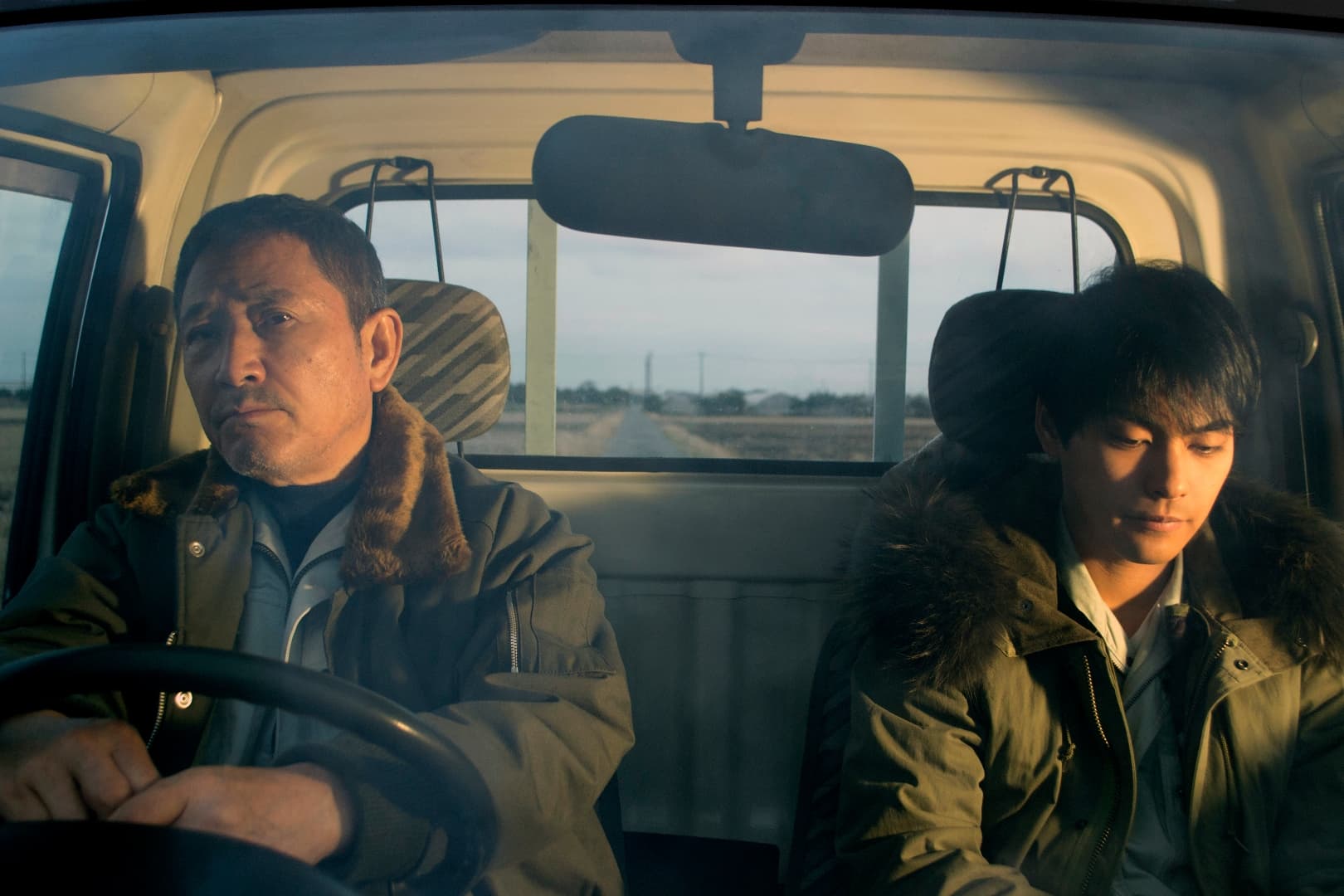
Beginning and ending in a fiery crash, the film opens with a limping Ah-Ming (Wu Hong-ming) having survived a car accident assumed to be a suicide attempt. Keeping himself to himself, Ah-Ming finds refuge with a local man and his hotheaded son, Ah-Chuan (Chen Yi-wen), who has a job at the local quarry as do most of the men of the indigenous community who have not already left for the city. Though the pair generate something like an awkward friendship, it is soon disrupted by the return of Hsiu Mei (Shaw Tswe-fen), Ah-Chuan’s former girlfriend, who has returned after five years in Taipei now apparently a rich woman. 

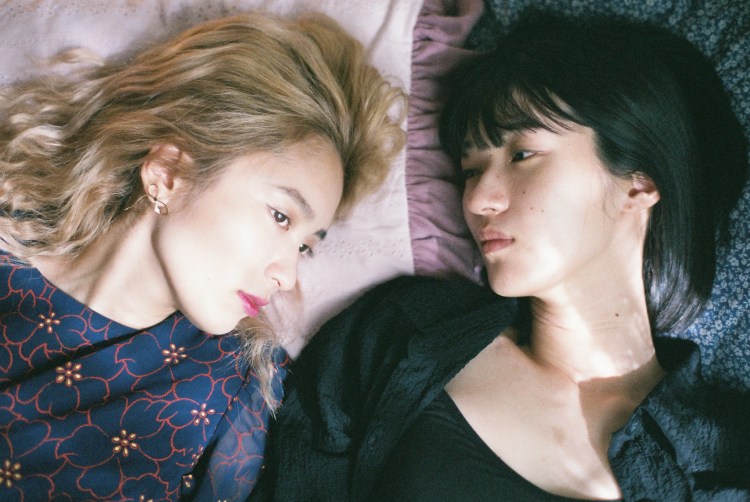
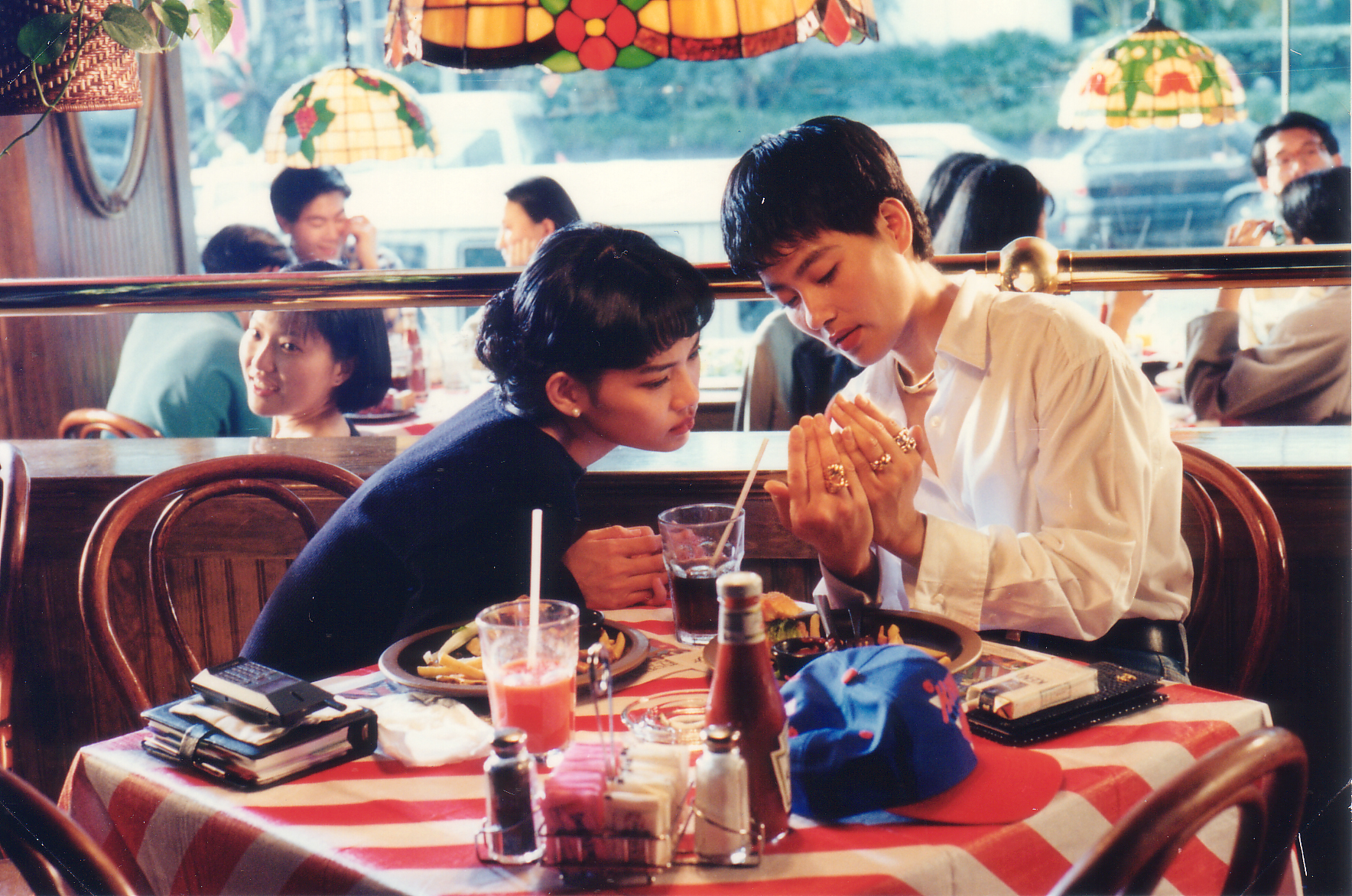
“There’s only one thing that mountain girls can do in Taipei” Ah-Chuan explains, “They never come home to stay. It affects them all in the same way”. Ah-Chuan may long to go to Taipei himself, but cannot accept the returned Hsiu Mei, reminding her that she is not the same girl she was five years ago rejecting her both because of her involvement with sex work and because of her urbanisation. As we discover, Hsiu Mei is on the run from trouble in the city and had perhaps thought to find refuge back in the village free from the corruptions of urban life only she gradually realises that she doesn’t fit in there anymore either. As Ah-Chuan had said, she’s not the girl she was before and the men of the Atayal community are not so different from those in Taipei who refused to recognise her humanity seeing her only as a commodity to be used and discarded. 

“There’s no difference between here and Taipei” Ah-Ming agrees, “all cold, loneliness, dreams of faraway places, one always awakes to harsh realities”. Telling his own story through that of the folktale, Ah-Ming reflects on his mountain childhood, sent away to the city by a father who wanted a better life for his son but is said to have wasted away with his eyes open waiting his return. For whatever reason, it seems that city life did not suit Ah-Ming and he longs to return to the simplicity of the village but is still seen as somehow other unable to reintegrate into its society living first in a chicken coup and then symbolically in a disused tunnel trapped between one place and another. 

When she makes the decision to leave, Hsiu Mei gives her red scooter to Ah-Ming in some sense giving him the possibility of movement which it seems he does not really take up but is in any case prevented from doing so when Ah-Chuan steals the bike from him. Yet as his father points out, Ah-Chuan does not think things through. All he knows is quarrying, he is not the sort of boy who could survive in the city but nor is he an Atayal man. As his father laments, they used to hunt in the forests all day long but now all they do is cut stone, caught between tradition and modernity but discovering only ruin and exploitation. Ah-Chuan snatches a basket weaved by his father which is also like that in which Ah-Ming used to ride on his father’s back and takes off in anger but on re-encountering Hsiu Mei is forced into the realisation that he will not leave the village and this life is all that he will have. A poetic, lo-fi epic, Huang’s indie drama is also perhaps in its way about Taiwan after martial law, seeking a home and an identity in searching for its roots though it seems for Ah-Chuan and Ah-Ming all there may be is a kind of restless wandering in the yearning for an elusive sense of belonging. 


The Man from Island West screens 17th October as part of this year’s Taiwan Film Festival Edinburgh.

Original trailer English subtitles

When the Dawn Comes (黎明到來的那一天, Zhang Hong-Jie, 2021)

When Chi Chia-Wei appealed to the Legislative Yuan for marriage equality in 1986, he was told that “homosexuals are perverted minorities that seek to disrupt social morals for their own sexual desires”. 33 years later in 2019, Taiwan became the first Asian nation to legalise same-sex marriage. Zhang Hong-Jie’s documentary When the Dawn Comes (黎明到來的那一天, límíng dàolái de nà yī tiān) follows Chi during the final days of the campaign amid a counter offensive from conservative groups who hoped to prevent the legislative change going ahead. 

Chi has been a literal flag bearer for the LGBTQ+ community, a familiar sight at protests and pride parades well known for climbing to the highest point available and waving a rainbow flag where no one can miss it. Indeed the documentary captures him doing just this despite his advancing age and the efforts of the authorities to prevent him. His campaign has been a long one, beginning when he was just a young man as the opening sequence points out with dark hair who held a press conference and came out publicly as a gay man becoming the first in Taiwan to do so. Now his hair is grey, and he is still fighting the same the battle though when this battle is done he knows there will be others still to fight. 

When he first began his campaign for marriage equality Chi was battling the stigmatisation of the gay community during the AIDS crisis, continuing to argue that advocacy for gay rights and AIDS prevention should be carried out at the same time. In some ways subverting the prejudice shown against him, Chi became a well known figure handing condoms out in the streets wearing a series of striking outfits as a kind of performance art. As another advocate points out, what made his approach different was that it refused to submit to internalised shame in normalising the idea of gay sex while encouraging safe practice and educating both the gay and straight communities about the importance of sexual health. 

Nevertheless, Chi was not uncontroversial. Though he took a hands on approach in AIDS activism, setting up a hospice for those with nowhere else to go, he was criticised for inviting the press to cover it leading some of the patients to leave resenting Chi for breaching their privacy. He then went on to sue three men whom he accused of hiding their diagnosis and going on to knowingly infect others, something that was also widely criticised in the community for essentially outing these men and their partners publicly and potentially setting a dangerous precedent when it comes to medical privacy. One fellow activist speculates that Chi may have justified his actions on the grounds of discouraging others from doing the same but points out that it in part had the reverse effect with some unwilling to be tested at all fearful that they might end up getting sued too if the test came back positive. On the other hand, he also regularly submitted blood samples on behalf of men who were too afraid to go in person lest their private lives be exposed. At one point Chi became such a thorn in the authorities’ side that they tried to frame him for a random crime and eventually sent him to prison for five months for “misappropriating waste”. 

As for himself, Chi is also in a somewhat difficult position in that his longterm partner (who is never seen in the documentary) is still in effect closeted and facing pressure from his family to marry. Asked if they personally plan to marry once the law goes into effect, Chi can’t really answer suggesting only that they may do once his partner’s father passes away explaining that he is an only child. In one of the hearings, a lawmaker brings up an anxiety about what to do with ancestral tablets while the question of the family line still seems to lie behind prejudice towards same sex relationships. Meanwhile, his partner has long been taking anti-depressants to cope with the pressure of his family’s lack of acceptance, while Chi too is also on numerous kinds of medication for conditions caused by the stress of his work. Even so, once marriage equality is fulfilled, Chi immediately files for a paper marriage with a Malaysian man to challenge the new legislation’s failure to account for international marriages, determined to continue fighting for fully equal rights. Zhang’s documentary never shies away from some of the more controversial aspects of his activism, but nevertheless celebrates the determination of a man who dedicated his life to a cause for which he was never afraid to stand out and proud.


When the Dawn Comes screens 16th October as part of this year’s Taiwan Film Festival Edinburgh.

Original trailer (English subtitles)

Shrieking in the Rain (雨に叫べば, Eiji Uchida, 2021)

“Let’s change Japanese film” a duplicitous distributor tries to convince a diffident director though his “creators first” stance predictably turns out to be somewhat disingenuous. Inhabiting the same territory as Netflix’s Naked Director, Eiji Uchida’s meta dramedy Shrieking in the Rain (雨に叫べば, Ame ni Sakebeba) finds a young woman struggling to take charge of her artistic vision while plagued by workplace sexism, commercial concerns, and absurd censorship regulations but finally claiming her space and along with it her right to make art even if not quite everyone understands it, 

Set entirely on a Toei lot in the summer of 1988, the film opens with rookie director Hanako (Marika Matsumoto) locking herself inside a car with her hands clamped over her ears, fed up with the chaos that seems to surround her. How Hanako got the job in the first place is anyone’s guess, but it later becomes clear that she is in a sense being exploited by the producer, Tachibana (Kazuya Takahashi), who thinks a pretty young girl directing a softcore porno is a selling point in itself. Meanwhile, he’s teamed up with an US-based production company and its Japanese producer, Inoue (Kiyohiko Shibukawa), who seems fairly exasperated by the Japanese-style shoot and despite his pretty words is all about the business. For him, the main selling points are the actors, one a young idol star intending to boost his profile by getting into films and the other a veteran actress stripping off for the first time in an attempt to revitalise her fading career. 

Surrounded by male industry veterans, Hanako struggles to get her voice heard and feels under confident on set as they encircle her and bark orders she doesn’t quite understand. Her decisions are continually overruled by the male AD, cameraman, and finally Tachibana who always has his mind on the bottom line while Hanako’s inability to express herself to the crew results in endless takes of scenes that others tell her are “pointless” and should be cut despite her protestations that they are essential to the piece. A forthright female makeup artist (Chika Uchida) asks if filmmaking should really be this heartless as she watches Hanako humiliated by the chauvinistic cameraman who forces her to get on her knees and beg for help, while a more sympathetic grip (Gaku Hamada) later tells her that becoming a successful director has little to do with talent and a lot to do with the art of compromise. 

Nevertheless, Hanako tries to hold on to her artistic vision even while some roll their eyes considering the project is a softcore romantic melodrama revolving around a love triangle involving two brothers in love with same woman. Inoue claps back that film is a business, admitting that when he said creators first he just meant the ones that make money. According to him, anyone could direct the film because all anyone’s interested in is the actress’ bared breasts and the teenybopper appeal of top idol Shinji. Or in other words, it doesn’t really need to be good, it’s going to sell anyway. In any case, it seems incongruous to cast a squeaky clean idol in an edgy erotic drama especially considering that if they want to market it to his fans then they need to secure a rating which allows them to see it without adult supervision. Business concerns and censorship eventually collide when the rather befuddled censor puts a red line through some of their kink and explains that the actress’ third hip thrust has just earned them an X rating. 

Unlike Hanako and her similarly troubled junior camerawoman Yoshie (Serena Motola), veteran actress Kaede at least knows how to advocate for herself and get what she wants on set so that she can do her best work. Only in this case doing her best work means she wants to go for real with arrogant idol star Shinji who refuses to wear a modesty sock or trim his pubic hair to fit in with the arcane regulations of the censors board. Shinji is brought to task by aspiring actor Kazuto who is pissed off by his unprofessional behaviour while struggling to get a foothold in a difficult industry and apparently finding one through a romantic relationship with the producer which otherwise seems to be a secret from cast and crew. 

In any case a final confrontation prompts a rebellion against Inoue’s production line metaphor as the crew reaffirm that they are a team working together on an artistic endeavour not mere cogs in his machine. Reemerging in bright red lipstick, Hanako returns to retake what’s hers boldly claiming her artistic vision and taking charge on set before descending into an unexpected musical number. With a retro sensibility, the film neatly echoes late 80s production style with a cutesy background score often heard in movies of the era while posters for top Toei movies from the 70s and 80s such as Yukihiro Sawada’s No Grave for Us line the walls. A meta rebuke against the constraints placed on filmmakers by those who shout “creators first” to bolster their image but never follow through Shrieking in the Rain, is at once a homage to the classic days of low budget Toei erotica and an inspirational tale of an artist finding her voice in a sometimes repressive industry.


Shrieking in the Rain screened as part of this year’s Camera Japan.

Original trailer (no subtitles)

I am More (모어, Lee Il-ha, 2021)

I am More (모어, More) is as much a mission statement as it is a simple piece of biographical information in Lee Il-ha’s musical documentary following transgender drag artist More. Born in Korea but based in Japan since 2000, Lee’s previous documentaries focused on the position of Zainichi Koreans but with I am More he explores the position of minorities within Korea itself while providing a platform for More to express herself fluently through music and performance art. 

More describes herself as having a love hate relationship with drag which she has been performing for over 20 years in the bars and clubs of Itaewon. She relates that she still has a gun in her heart and that going to perform is like going on duty while throwing shade on the Western customers at her bar and their $1 tips. Even so, drag was a liberating experience for her on arriving in the city in which attitudes towards gender norms were much stricter than they had been in the small town where she grew up even if they had not exactly been much warmer there. Embarking on her studies at Seoul University of the Arts, a fellow student punched her in the face and told her to lose her feminity while when forced to do military service she was briefly placed in a mental hospital. 

More’s warmhearted and completely accepting mother claims that there was no bullying during More’s childhood and that nobody thought much of her atypical gender presentation, but More also reveals that she once tried to take her own life during high school but survived and in fact went straight to an exam to avoid getting in trouble for missing classes. Her teacher also recalls another student whom he describes as “effeminate” and apologises for the way they were treated by their classmates while More seems to have developed a friendship with one of the bullies who tormented her but also showed her kindness. He reflects on the various ways their perspective was “limited” by their small-town upbringing remembering how small he felt on going to the city and realising he was no longer at the top of the social hierarchy. 

The situation may be very different than it was during More’s childhood, but the LGBTQ+ community still faces prejudice and discrimination from religious groups who are seen protesting pride events and harassing attendees while a patriotic song from the era of dictatorship singing of “our Korea” ironically plays in the background. More is in a longterm relationship with a Russian man, Zhenya, whose immigration status is precarious as he is stuck on a job seeker’s visa. Same sex marriage is not recognised in Korea meaning that he is unable to apply as a spouse and is in the midst of trying to gain Korean citizenship. Meanwhile despite having a PhD in chemistry he is currently unemployed and losing himself in the comparatively tranquil world of Pokémon Go where he says the monsters are kinder than people. Though they have been together a long time, some of it on and off as Zhenya later implies, Lee follows More as she introduces Zhenya to her parents who welcome him with open arms and make sure to invite him to all the major celebrations as More’s partner seeing as he obviously has no other family in Korea to spend them with. 

Meanwhile, Lee spends much of the documentary focussing on More’s rehearsals for a show in New York celebrating the 50th anniversary of Stonewall during which she develops a friendship with Hedwig and the Angry Inch star John Cameron Mitchell who later travels to Korea and remarks on how difficult it can be to be yourself in a conformist society where individuality can sometimes be read as selfishness. Hedwig in a sense brings things full circle with a reference back to More’s own Wig in a Box moment discovering drag in Itaewon while Lee is careful to give her her own space to express herself as she lip syncs to iconic pop songs and performs poetry and performance art in elaborate outfits at Seoul landmarks as if beckoning towards a new and more inclusive culture. A vibrant portrait of a queer artist who is absolutely herself I am More more than lives up to its name in its electric advocation for a world of love and joy. 


I am More screened as part of this year’s New York Asian Film Festival. It will also be screening in London on 13th November as part of this year’s London Korean Film Festival.

Festival trailer (dialogue free)

Though the film’s subtitles refer to More as “he”, she has confirmed with festival organisers that she prefers feminine pronouns.

Images: ⓒ2021 EXPOSED FILM, All Rights Reserved

Taiwan Film Festival Edinburgh Announces 2022 Programme

The Taiwan Film Festival Edinburgh returns to cinemas for its third edition bringing a selection of shorts and features to the city from 15th to 20th October. This year’s edition will feature a strand dedicated to actor Chen Yi-wen including his co-directorial feature The Cabbie.

Shorts: Being Alone Together

Doc Replay: Portraits

  • When The Dawn Comes | Zhang Hong-jie | 2021 | 60 mins – documentary focussing on the life of LGBTQ+ rights activist Chi Chia-wei in the run-up to the vote on marriage equality.
  • The Catch | Hsu Che-chia | 2021 | 54 mins – documentary focussing on indigenous fishermen who travel to Taiwan’s Lanyang River every November to catch the season’s first eel.

Chen Yi–Wen Retrospective

  • The Man From Island West | Huang Ming-chuan | 1991 | 90 mins – drama focussing on an indigenous man who journeys back to his origins while the son of the man who saved his life struggles to fit into mainstream society.
  • Growing Pains | Lin Po-yu | 2020 | 25 mins – short in which a father’s decision to buy his son new shoes leads to a series of tragic events.
  • Increasing Echo | Chienn Hsiang | 2021 | 85 mins – marriage is a curse from which there is no cure in Chienn Hsiang’s horror-inflected pandemic-era social drama. Review.
  • Treat or Trick | Hsu Fu-hsiang | 2021 | 106 mins – a corrupt policeman finds himself in weird mountain village in search of his missing friend and a bag of stolen diamonds in Hsu Fu-hsiang’s farcical crime caper. Review.
  • The Cabbie | Chen Yi-wen, Chang Hwa-kun | 2000 | 94 mins – romantic comedy in which a lovestruck taxi driver attempts to woo a grumpy policewoman (Rie Miyazawa) by getting as many parking tickets as possible.

Taiwan Film Festival Edinburgh takes place in-person 15th to 20th October, 2022 at Summerhall and Everyman Edinburgh. Full details are available via the official website and you can also keep up with all the latest details by following the festival on FacebookTwitterInstagram, and YouTube.

Autobiography (Makbul Mubarak, 2022)

“It’s 2017. Forget about hierarchies. We are friends” a former general disingenuously reassures from the other side of the bars in Makbul Mubarak’s pointed exploration of the mediation of power in contemporary Indonesia, Autobiography. A young man with few prospects for the future is drawn towards authoritarianism by a charismatic father figure but is soon confronted by the realities of his quasi-fascist posturing only to discover that there may be no real escape from the violent world of toxic masculinity that he has unwittingly entered. 

19-year-old Kib (Kevin Ardilova) lives alone in a vast mansion, the country home of a former general, Parna (Arswendy Bening Swara), who soon arrives unexpectedly with the intention of beginning his political career. Kib is quite obviously awestruck by the figure of the General, gazing at him like some long lost saviour drunk on the sense of power he exudes from every pore. On silently collecting the old man’s laundry, he stops to stare at a large portrait of him in uniform on the bedroom wall as if somehow thinking he too could one day be a fine general wielding such infinite power for himself. 

Such a thought might in a sense be transgressive. Kib is a servant in this house and as his father Amir, currently in prison for standing up to developers who were trying to steal his land, points out, their ancestors have always served the ancestors of Purna. Purna may tell him that no one cares about class anymore, but it obviously isn’t true or these two men wouldn’t be on opposite sides of the bars, or perhaps they would but their positions might be reversed. “Be careful who you trust” Amir tries to warn his son, but it’s already too late. Kib is ambitious. There’s something that bristles in him when Purna asks after his brother and wonders how well he can be doing as a migrant worker in Singapore with thinly concealed disdain in his voice. When Purna gives Kib an army shirt and says he looks just like him when he was young, a resemblance soon noticed by others, it flatters him to think he may be the General’s son rather than that of a mere servant turned convict. 

The more time he spends with Purna the more like him becomes, walking around with a swagger, exuding power and intimidation as if he really were a soldier not just a boy in a green shirt. Tragically he doesn’t even quite understand how this power mechanism works or what it’s implications are. When he accidentally bumps into a mosque while attempting a tight three point turn, local men surround the car demanding compensation. Purna gets out and puts on a show of authority. On realising what they’re dealing with the men instantly back down. Purna has a sheepish Kib apologise, and the men apologise to him, before explaining that sorry is a powerful word that can turn rage into blessing. What Kib fails to realise is that Purna is talking not about humility but intimidation, a mistake he learns to his cost in bringing a boy only a little younger than himself to Purna to “apologise” for disrespecting him expecting the General to pull the same trick again but shocked when events take a much darker turn than he’d anticipated. 

The boy he brought in, Argus, was the son of a woman whose coffee plantation would have to go if Purna got his hydroelectric plant approved. Purna sells the plant as a way of dealing with the problems caused by inefficient infrastructure but hides the corruption at its centre, forcing families off their land for the developers’ benefit through violence and intimidation. Argus is just as angry Kib, only he’s not falling for Purna’s sales patter. Kib watches the General shift the blame onto the developers, whom he backs and back him, while claiming to be a man of the people and giving a glib speech at the funeral of a boy he killed in nothing other than pettiness. 

Yet Purna is ageing and his grip on power may not be as firm as it once was while his seeming sentimentality in his attachment to Kib as a surrogate son is also a weakness. Kib may be deciding that being a migrant worker’s not as bad as becoming the heir of a man like Purna, but once you’re in it’s hard to get out as the ambivalent closing scene implies catching him dumbstruck once again only now like a general overseeing his troops and in one way or another a prisoner of his father’s house, a servant inheriting the mansion whether he wants it or not. In many ways a tale of seduction, Autobiography paints a fairly bleak picture of the contemporary society ruled by violent masculinity and fragile authority figures who quite literally visit their sins on their sons. 


Autobiography screens 15th/16th October as part of this year’s BFI London Film Festival.

Original trailer (English subtitles)
Hidden Letters (Violet Du Feng & Zhao Qing, 2022)

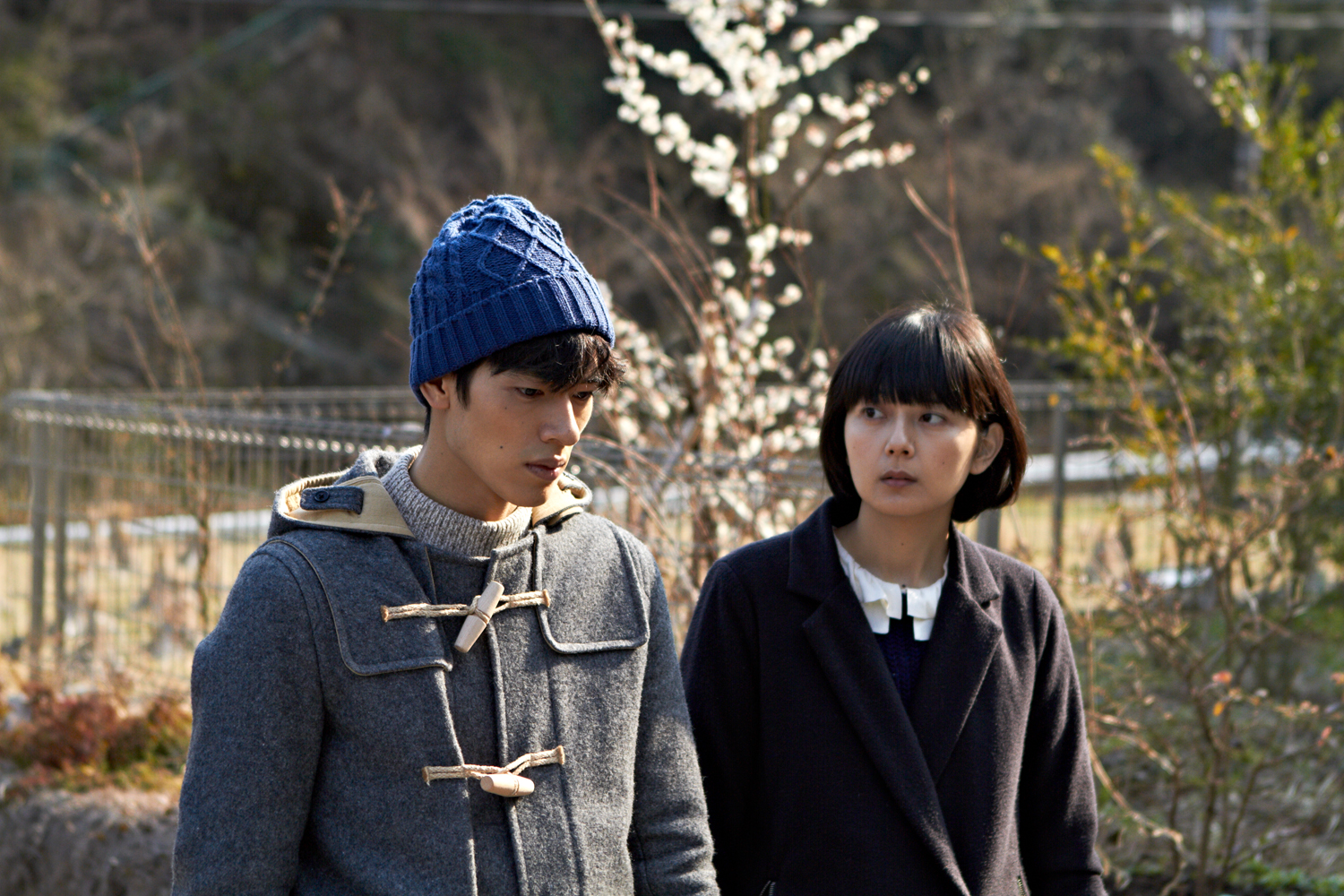
As the title cards that open Violet Du Feng and Zhao Qing’s Hidden Letters explain, women in feudal China had little freedom. Subjected to cruel practices such as foot binding, they were forbidden from learning to read or write and often confined to their husband’s home where they were expected to sacrifice themselves in service of his family. As someone later describes it, Nushu was secretive script created by women to communicate with each other in acknowledgment of their shared suffering with tiny messages concealed in fans or handkerchiefs, yet even as contemporary women try to preserve it its messages are co-opted by male patriarchal authorities in an increasingly capitalistic society. 

In fact, the documentary tells us little about the history of Nushu and its creation in part because its history is opaque in its nature as a tool of subversion. What we do learn is that Nushu was discovered only in 1983 and that little of it survives because women’s writings were often burned with them lest this only means of communication be exposed. One of the documentary’s two primary subjects, Hu Xin, runs a museum dedicated to Nushu in a small rural town and has formed a close relationship with one of its last living inheritors, He Yanxin, who talks with her openly of the miseries of her life as a woman and the lifeline Nushu once extended to help make them bearable. Nevertheless, she stresses that her Nushu was necessarily covert and unlike that of Xin whose Nushu is public and incorporates song and dance. 

It may in a sense be surprising that Xin, who has dedicated her life to the secret writings of women oppressed by patriarchy, still holds fairly conservative views. She married a man she met at the museum but he was violent and finally forced her into a late term abortion after learning their child would be a girl. Now a divorcee, she is too embarrassed to attend a neighbour’s wedding in her hometown and continues to feel as if she has “failed” as a woman in not becoming a wife or mother with a happy family home. Even He Yanxin ironically points out that the Nushu women would attend a mountain shrine to pray for sons, though in any case you can understand why they would not want to bring a daughter into this world of cruel subjugation. “We were only slaves to men” Yanxin explains, recounting that she was not even allowed to look her brothers-in-law in the eye as she carried them water and was often uncertain which of them she was addressing. 

We have to ask ourselves how much has really changed. Simu, the documentary’s second subject, is a woman with a more modern outlook yet drawn to the traditional. An opera singer by trade she lives a comfortable life in Shanghai and has found strength and inspiration in the existence of Nushu. As we meet her she is engaged to a man who first seems sympathetic, but expresses more conservative views on taking her home to meet his family. Getting her to drink a bitter tonic to encourage conception he then tells her that they shouldn’t have children right away because they need to buy a house so that his mother can stay with them when the baby’s born. She can continue with her opera career (it comes with several government perks related to housing and other subsidies), but he wants her to take another part-time job, dismisses Nushu as a “hobby”, and insists that she dedicate herself entirely to their family leaving her no time for anything for herself. As she looks askance at the camera for help, it’s plain that her situation is in reality little different from that of a feudal woman trapped in her husband’s home robbed both of identity and of fulfilment. 

Simu eventually breaks off the engagement with the support of her comparatively progressive parents and especially of her mother, a doctor who recounts her own childhood in which her father, a coal miner, would not allow her sister to be educated. They were “liberated” by the Great Leap Forward’s false promise of “equality” which saw fit to acknowledge them as equal only when their productivity was required to be so. In any case, she believes society has in a sense devolved and that contemporary women face harder battles in a culture which once again judges them solely on their ability to bear children.

Disturbingly, the legacy of Nushu has itself been co-opted to enforce the very values that it rebelled against. The director of Xin’s museum, a man, claims that Nushu represents the virtues of true womanhood, obedience, acceptance, and resilience, that he feels have been lost in this modern society of independent women. Meanwhile, while Xin makes Nushu banners at a tourism convention her male bosses huddle round putting Nushu slogans on promotional knickknacks such as retractable chopsticks in the shape of nunchucks. They claim that Nushu must be monetised if it is to survive while robbing it of its soul, overruling a woman’s objection that naff tie ups with KFC are not the answer to this particular problem. At the opening ceremony for the Beijing Nushu Cultural Exchange Center there are only men onstage to unveil the plaque for some reason to theme of The Magnificent Seven. 

Leaving the city to follow the guiding light of Nushu, Simu writes letters to her ancestors reassuring them that it’s better now than it was then. Women have agency over their marriages, foot binding has been banned, and they can live self-reliant lives of freedom and independence. Considering her experiences, Simu’s words might sound a little idealistic, not quite as it is but as she would like it to be. Yet as another woman puts it, perhaps the responsibility of the women of today is to live up to the legacy of Nushu and its spirit of rebellion in once and for all shaking free of oppressive feudalistic and patriarchal social codes. 


Hidden Letters screened as part of this year’s BFI London Film Festival and is available to stream in the UK via BFI Player 14th to 23rd October.

Original trailer (English subtitles)

Love Life (Koji Fukada, 2022)

Emotional distance and the contradictions of the modern family conspire against a grief-stricken newlywed couple in Koji Fukada’s moving social drama inspired by the 1991 Akiko Yano hit, Love Life. Interrogating love in all its forms along with its limitations, Fukada seems to asks if love is ever enough to overcome a sense of loneliness or if the space between people can really be bridged by communication alone while the couple find themselves pulled back towards the unfulfilled potential of failed romance in contemplating the possibilities of different if not necessary better futures. 

The fracture points in the recent marriage of Jiro (Kento Nagayama) and Taeko (Fumino Kimura) are thrown into relief during a double celebration as the couple host what is superficially a party for Taeko’s six-year-old son Keita (Tetsuta Shimada) winning an Othello competition but in reality a surprise do for father-in-law Makoto’s (Tomorowo Taguchi) 64th birthday. The elephant in the room is that Makoto does not approve of the marriage, making a rather unkind remark about second hand goods in irritation that his son has chosen to marry a woman who already had a son. Though Jiro’s mother Akie (Misuzu Kanno) is in general kind and keen to defend her new daughter-in-law even she tactlessly adds that she hopes the couple provide them with their “own” grandchild as soon as they can. The remark appears to cut to the quick of the already wounded Taeko, a look of dumbfounded confusion on her face in this sudden moment of accidental rejection. 

During the party, Keita is killed in a tragic domestic accident of the kind for which no one is to blame and could easily strike any family. Police questioning further emphasises the couple’s disconnection as a policewoman probes why Jiro had not legally adopted Keita as his son when they married only to discover that he did not want to do so until he’d received his father’s permission to add him to their family register. Though only married for a little under a year, Jiro had felt himself to be Keita’s father and loved him as a son yet is awkward in his grief, wanting to cry alongside his wife but feeling as if he had no right to do so. The feeling is compounded when Keita’s estranged father, Park Shinji (Atom Sunada), suddenly arrives at the funeral, soaking wet and in inappropriate clothes, to first breakdown over the coffin and then roundly strike his former wife across the face before being escorted away by security. 

In a mirrored scene, Taeko had asked her husband shortly before the party about another woman, Yamazaki (Hirona Yamazaki), sensing that there may have been something between them and feeling an anxiety in the precarity of their married life. Jiro is then left anxious by the resurfacing of Shinji yet trying to act against it, later advising Taeko that she should feel free to help him seeing as it seems he has fallen on hard times and has no one else to turn to as he is deaf and communicates in Korean sign language which few around him know. Taeko had previously used sign language to slip into a different world with her son when Jiro had asked why he never wants to play Othello with him only for Keita to reply in silence that it’s only because he’s not very good at it. There is a palpable pain on his face observing the closeness that exists between Taeko and Shinji as they communicate in a private language while, as Yamazaki later describes it, he is a man never quite able to look anyone in the eye. 

While he is drawn back to his unfinished business with Yamazaki, Taeko finds herself filling the void in her life by trying to rescue Shinji. Treating him almost as a child, she comes to believe that he cannot survive without her yet later realises that the intimacy she felt between them was only an illusion, Shinji had never really been emotionally honest with her and there are in fact plenty of other people with whom he can communicate if only he chose to do so. Just as she had been isolated at the party, marooned in the kitchen on her own, she is abandoned once again yet perhaps coming to a final acceptance of her son’s death along with a clearer understanding of her love and life even if it all it means is walking in parallel with no clear direction. A melancholy mediation on grief, Love Life suggests you don’t so much move on from the past as take it with you even as the pair of conflicted lovers determine to look to the future rather than the past as a path to salvation.


Love Life screens 8th/9th/14th October as part of this year’s BFI London Film Festival.

Original trailer (Japan subtitles only)

Small, Slow But Steady (ケイコ 目を澄ませて, Sho Miyake, 2022)

Part way through Sho Miyake’s empathetic character study Small, Slow But Steady (ケイコ 目を澄ませて, Keiko, Me wo Sumasete), an older man visits a doctor and is told that though he may think there is nothing really to worry about at the moment, a tiny drop of water falling steadily can soon make its mark in stone. It’s in one sense the small, slow, but steady stresses of everyday life that have eaten away at the soul of Keiko (Yukino Kishii), an aspiring boxer who is fast losing the will the fight. Yet it is also a small, slow, but steady process that allows her to begin moving again, climbing a new hill towards the next bout no longer so afraid of leaving the safety of the familiar. 

Deaf since birth, Keiko became a professional boxer two years previously and makes ends meet with a part-time job in housekeeping at an upscale hotel. Miyake often positions her as in a way free of the frenetic nature of the noisy city, unaffected by the shouts of rude passersby and unlike the men at her boxing gym never subjected to angry rants from her coaches. Yet it’s also at times as if she feels a kind of loneliness in the minor rejections of an indifferent society which often fails to cater to her difference. Few people are able to sign, even those at her gym haven’t learned, while others are sometimes impatient in her attempts to communicate. The restrictions of the coronavirus pandemic meanwhile only make things worse for her given that constant masking means she can no longer rely on lipreading nor can she hear the public health messages being blasted out in public spaces reminding citizens that there is a state of emergency in place and they should restrict their journeys to the barest of essentials. 

Then again, in the gym, she obviously cannot sign because the gloves her impede her ability to communicate. Nor can she hear the session bell or words of encouragement and advice from her coaches and the crowd. The chairman of the boxing club (Tomokazu Miura) admits in an interview that deafness is potentially fatal for a boxer, but that what Keiko may crave is a kind of internal peace in the surrender to the purely physical which allows her to empty her mind of everyday troubles. She may have taken up boxing as some say after being bullied as a child because of her disability, quite literally fighting back against a conformist society she refuses to beaten by, but has also found something reassuring in its slow and steady rhythms that allows her to reorient herself blow after blow. 

The chairman also says, however, that it’s not a matter of having a preternatural talent so much as a steady work ethic and above all a big a heart, describing her finally as simply “a really nice person”. “Why don’t you have your guard up properly?” another of her coaches asks her, while her brother having noticed there is obviously something bothering her tries to get her to talk, only for her to point out that “talking doesn’t doesn’t make a person any less alone”. With rumours the pandemic, along with the boss’ failing health, will finally take the boxing gym too, Keiko fears losing this final safe space but finds herself unable to stand up and fight for it. Though she had struggled to find a gym who would accommodate her disability, she is ambivalent when a new solution is found in an empathetic female coach (Makiko Watanabe) running a modern training facility who is learning sign language and keen to empower her in her own decision making rather than patronise or railroad her. Afraid of getting hurt, she takes a step back unwilling leave the security of the past for the possibility of the future. 

As Keiko reminds herself in her diary, self-control is the most important thing and the force she struggles with, suddenly losing her concentration in the middle of a match because the thoughtless referee keeps telling her to listen to him when he calls stop. In the end, it’s something quite trivial that sets her back on the path, a kind yet seemingly meaningless moment of acknowledgement from an unexpected source. Shot in a richly textured 16mm, Miyake captures Keiko’s isolated everyday with stunning clarity finding her alone amid the noisy city staring into space and looking for direction. Using intertitles to translate sign language his composition mimics that of a silent movie and lends an almost elegiac quality to the moribund boxing gym as it becomes an accidental victim of its times but ends on a note of quite resilience in the small, slow, but steady rhythms of gentle forward motion. 


Small, Slow But Steady screened as part of this year’s BFI London Film Festival.

Original trailer (no subtitles)
The Woman in the White Car (하얀 차를 탄 여자, Christine Ko, 2022)

A small-town policewoman unfairly held back by a traumatic past is embroiled in a complicated case of distorted realities in Christine Ko’s twisty, B-movie thriller, The Woman in the White Car (하얀 차를 탄 여자, Hayan Chaleul Tan Yeoja). Alluding to a novel which is mentioned in the film and both clue and red herring simultaneously, the title may actually be a minor spoiler but is also neatly allusive in its sense of mystery which at the same time proves mildly reductive even as we ask ourselves who such a woman may be. 

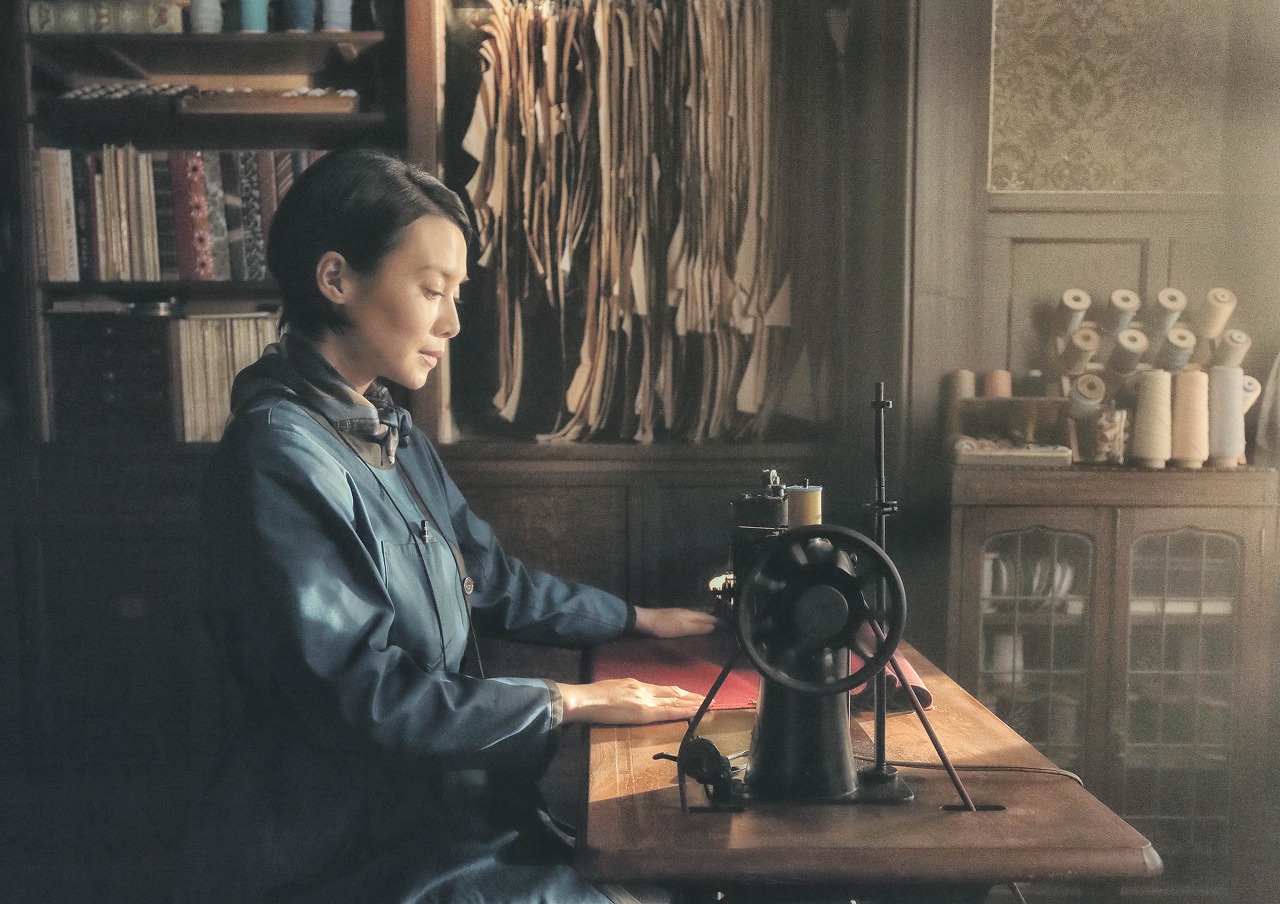
The film opens, however, with a silver car which has a large dent to its front bumper arriving at speed at a hospital where the driver, Do-kyung (Jung Ryeo-won), pulls another woman she calls sister out of the passenger seat while trying to get the attention of medical staff explaining that the woman has been stabbed by an abusive partner, Jung-man. All of that is obviously very distressing but when policewoman Hyun-ju (Lee Jung-eun) arrives on the scene she is immediately alerted to what seem to be inconsistencies in Do-kyung’s story some of which could possibly be chalked up to shock along with the revelation that Do-kyung has been diagnosed with schizophrenia and her recollections of events may be unreliable. 

Then again as Hyun-ju says, just because Do-kyung has schizophrenia it does not mean there is no truth in her testimony, just as it does not mean that anyone else with no such condition is necessarily telling the truth. Identifying with her on some level, Hyun-ju tries to tease out the hidden meaning behind Do-kyung’s words to unlock an objective reality but is also mindful of the possibility that Do-kyung may actually be completely lucid and playing them all for fools. The plot thickens when it is realised that the woman in the silver car is not Do-kyung’s sister Min-kyung as she had claimed, but an otherwise unidentified passenger whose origins they do not know further casting doubt on Do-kyung’s version of events along with the existence or not of prime suspect Jung-man. 

As she had received the call about the incident, Hyun-ju had been having a meal with her naive assistant Young-jae who had complained how boring their lives were as small-town police officers while Hyun-ju had even insisted on finishing her dinner before leaving for the hospital believing it couldn’t really be that urgent. On witnessing her talent for investigating, he asks her why she didn’t leave to pursue a more fulfilling career elsewhere only for her to explain that she stayed to look after a father we later learn to be abusive whose cutting criticism eroded her confidence in seeking a better life. All the women are in fact similarly constrained, but eventually fighting back against those who are preventing them from taking full control over their lives and in some cases creating a narrative that allows them to do so while claiming their freedom. 

Ko piles twist onto twist through a series of unreliable narrators each giving contradictory versions of events but each in their own small way hinting at greater truths which eventually present themselves to Hyun-ju leaving her with a dilemma in solving a mystery but wondering if it’s better to let it rest and each of the women, herself included, go free. Switching aspect ratios and colour grading to present different versions of reality through flashback and thought experiment, Ko places material clues in each of the stories to act as tiny anchors while setting the tale at a creepy mountain lodge in the middle of nowhere filled with gothic uncertainty and almost chilling loneliness. Accompanied by an overtly B-movie score, the film certainly indulges, with pleasure, in a series of genre cliches from mental illness to unreliable narrators, blood in the snow, and dangerous mountain curves but is finally anchored in a more certain reality unlocked by a detective’s unexpected empathy even if that same empathy leaves her vulnerable to a more literal kind of deceit. “I was just saving myself” one of the women admits, speaking for all taking their destiny into their own hands and reclaiming their freedom in the knowledge that only they can do so.


The Woman in the White Car screens 7th/8th October as part of this year’s BFI London Film Festival.

Original trailer (English subtitles)