Taiwan Film Festival Edinburgh Announces Lineup for First Ever Online Edition

Originally scheduled to take place in physical form for the very first time this year, the Taiwan Film Festival Edinburgh has reconfigured itself as an online event showcasing a host of underseen classics from throughout the island’s cinematic history.

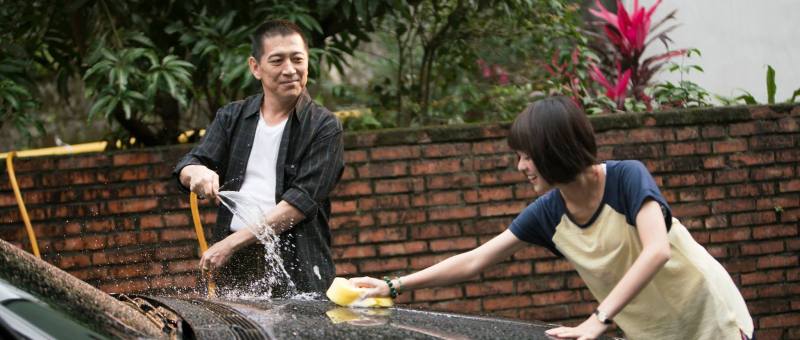
Taiwanese Hokkien-Language Cinema 

The Husband’s Secret (1960), dir. Lin Tuan-Chiu
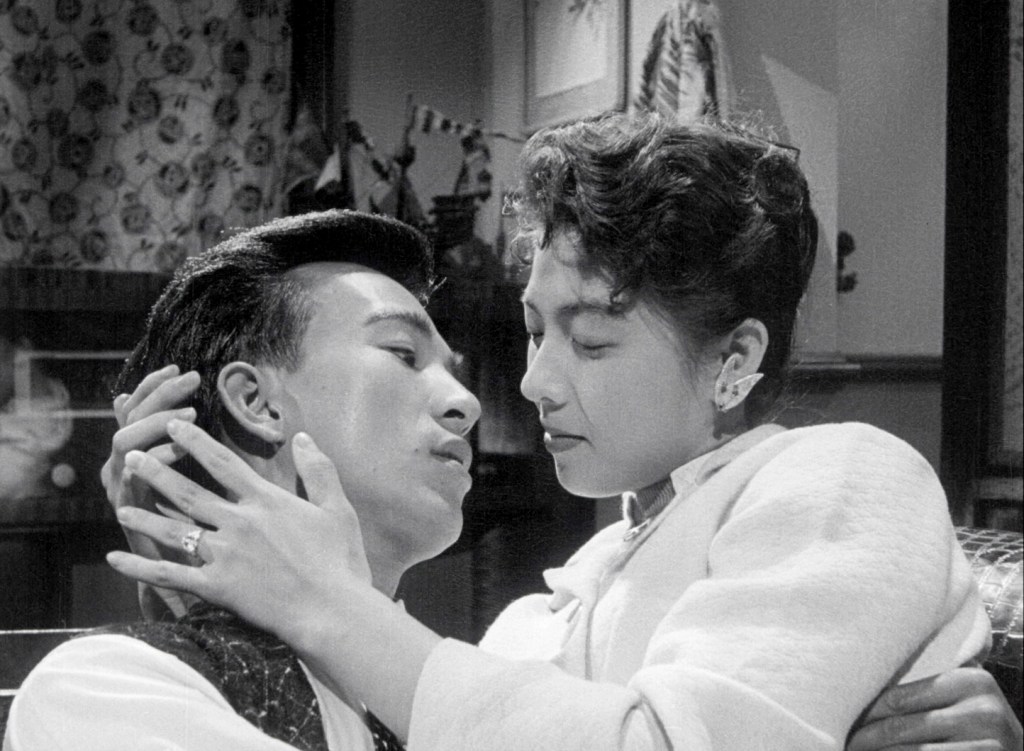
A happily married woman tries to help a school friend who has fallen on hard times after becoming a single mother, but the situation is complicated when it turns out the father of her friend’s baby is actually her husband…

Six Suspects (1965), dir. Lin Tuan-Chiu
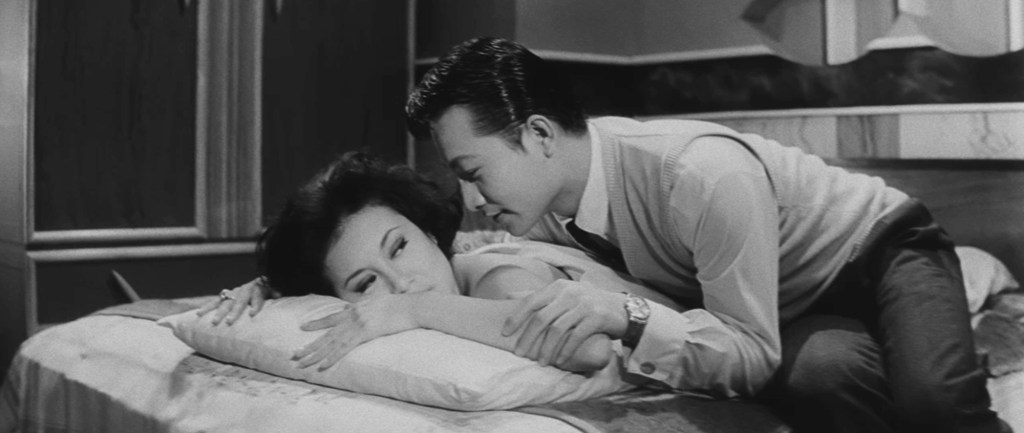
Stylishly shot noirish pro-police crime movie in which a blackmailer is offed leaving a series of suspects all annoyed by him because of his capacity to expose their dodgy dealings in the increasingly amoral post-war economy. Review.

The Bride Who Has Returned From Hell (1965), dir. Hsin Chi
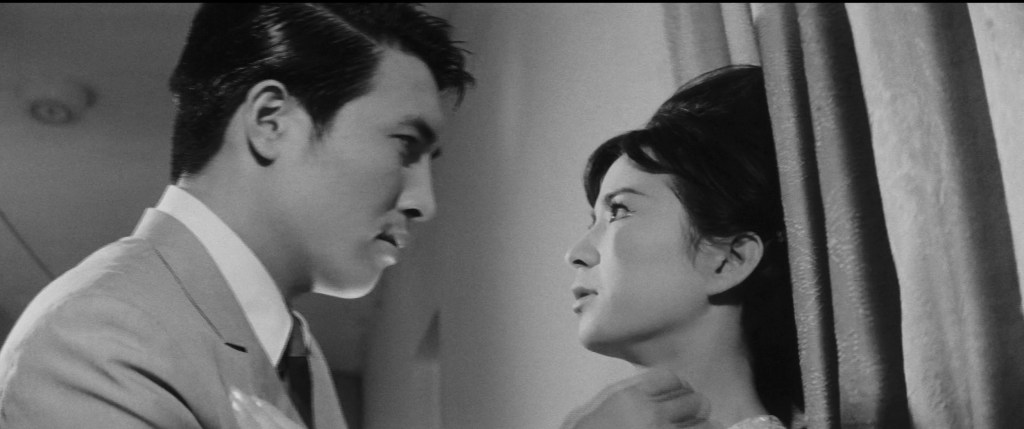
Gothic mystery based on Mistress of Mellyn in which an entrepreneur believes that his wife has drowned after trying to elope with another man whose body was found after a boating accident along with a woman’s purse while she remains absent…

A Borrowed Hong Kong, the Imagined China in Taiwan, and Trans-regional Cinema 

A City Called Dragon (1970), dir. Tu Chun-Hsun
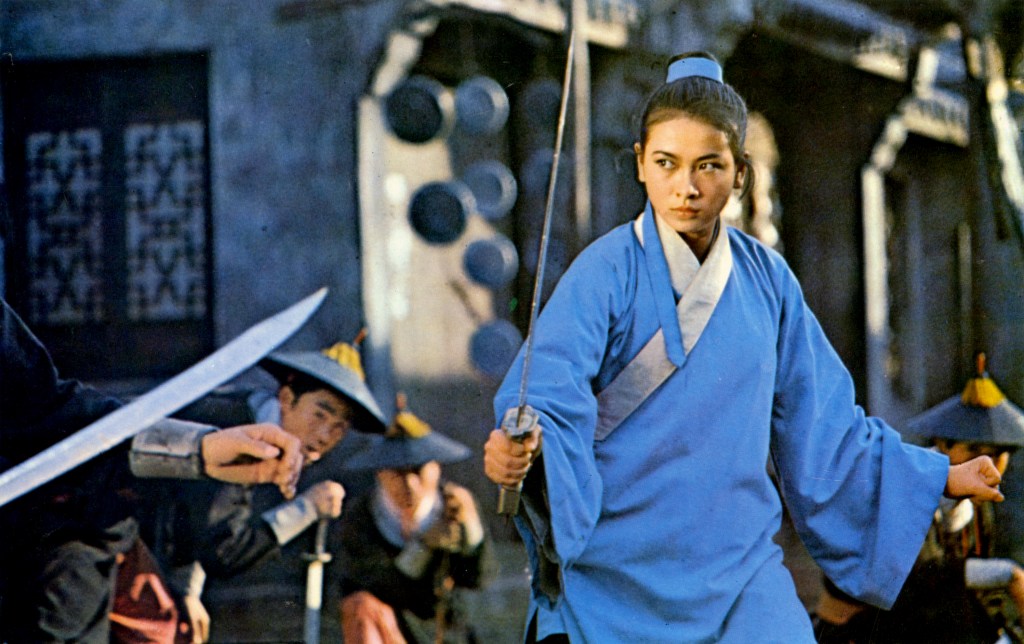
Sumptuous Taiwanese wuxia starring A Touch of Zen’s Hsu Feng as a revolutionary who ventures to the capital to meet up with a comrade and retrieve a secret map, only she later learns that he along with his whole family has already been executed…

Four Moods (1970), dir. Li Han-Hsiang, Pai Ching-Jui, Li Hsing, King Hu
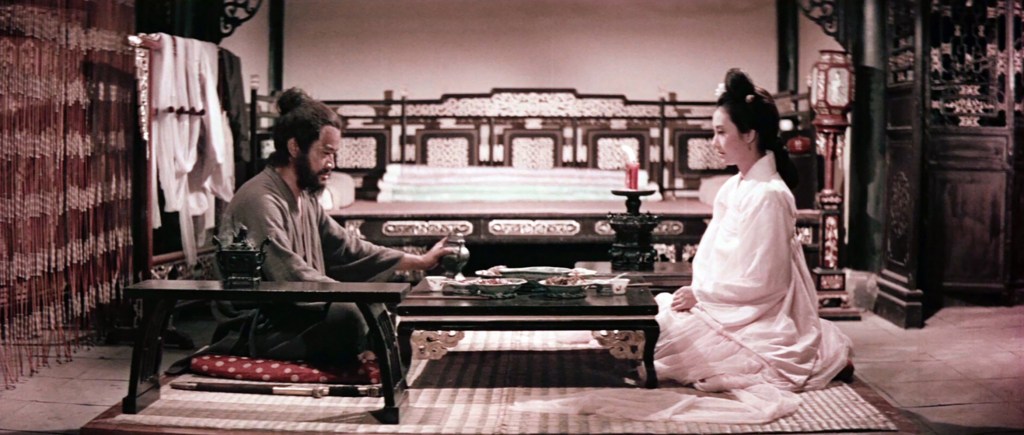
Four-part portmanteau movie featuring folklore-themed contributions from Li Han-Hsiang, Pai Ching-Jui, Li Hsing, and King Hu.

Melodrama Divas

Where the Seagull Flies (1974), dir. Li Hsing 
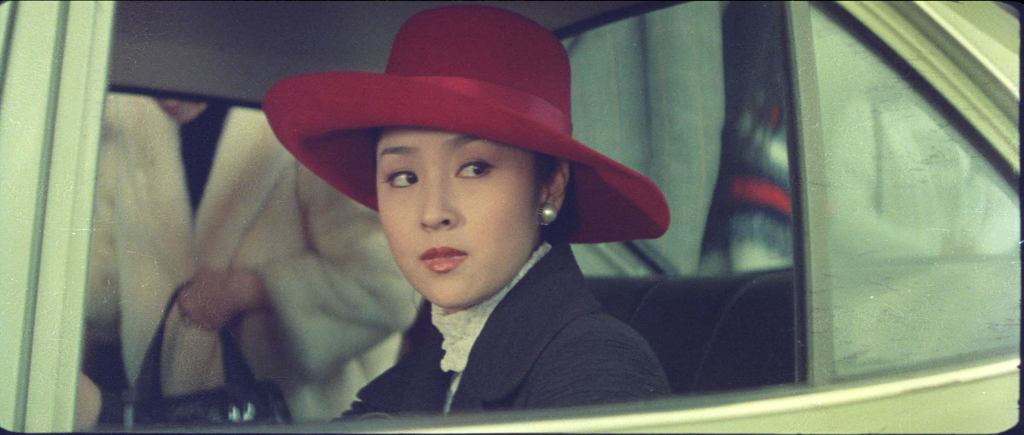
A Taiwanese journalist encounters three identical young women but they each disappear right after he falls in love with them. In Hong Kong she is a woman attempting suicide after killing her husband, in Singapore a Filipina bar hostess, and in Taipei his younger sister’s uni friend. After discovering her identity and that she likes to play tricks on men, he plots his revenge…

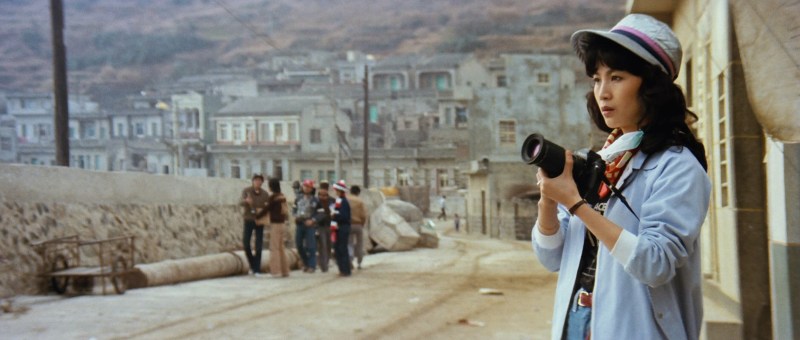
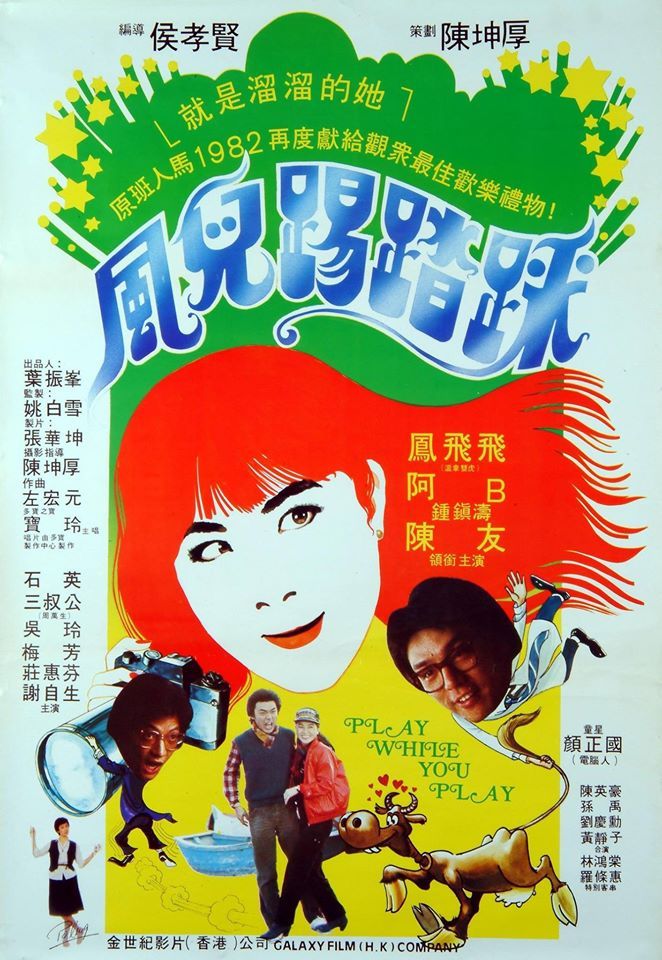
Cheerful Wind (1981), dir. Hou Hsiao-Hsien
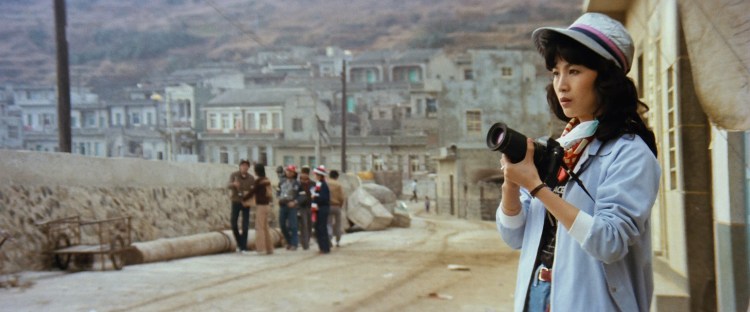
Early idol drama from Hou Hsiao-Hsien starring Fong Feifei as an independent young woman working in advertising who falls for Kenny Bee’s blind musician. Review.

Taiwan New Cinema and Its Legacy

The Sandwich Man (1983), dir. Hou Hsiao-Hsien, Tseng Chuang-Hsiang, Wan Jen
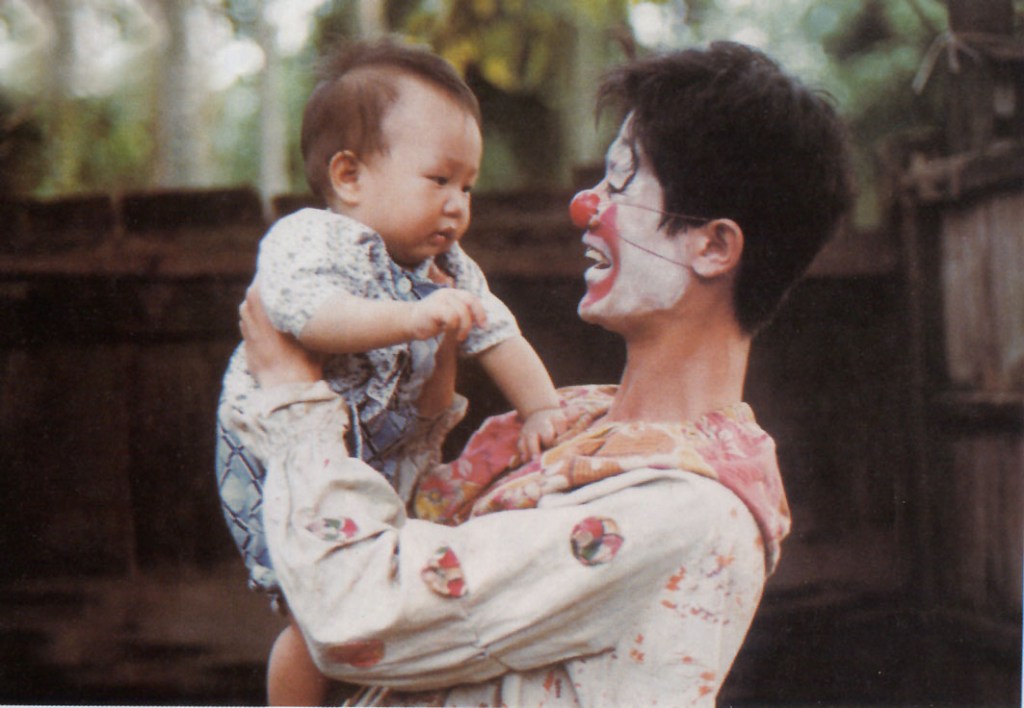
Tripartite portmanteau film inspired by the short stories of Huang Chun-Ming and exploring the changes in Cold War Taiwanese society. Features contributions by Hou Hsiao-Hsien, Tseng Chuang-Hsiang, and Wan Jen.

Kuei-Mei, a Woman (1985), dir. Chang Yi 
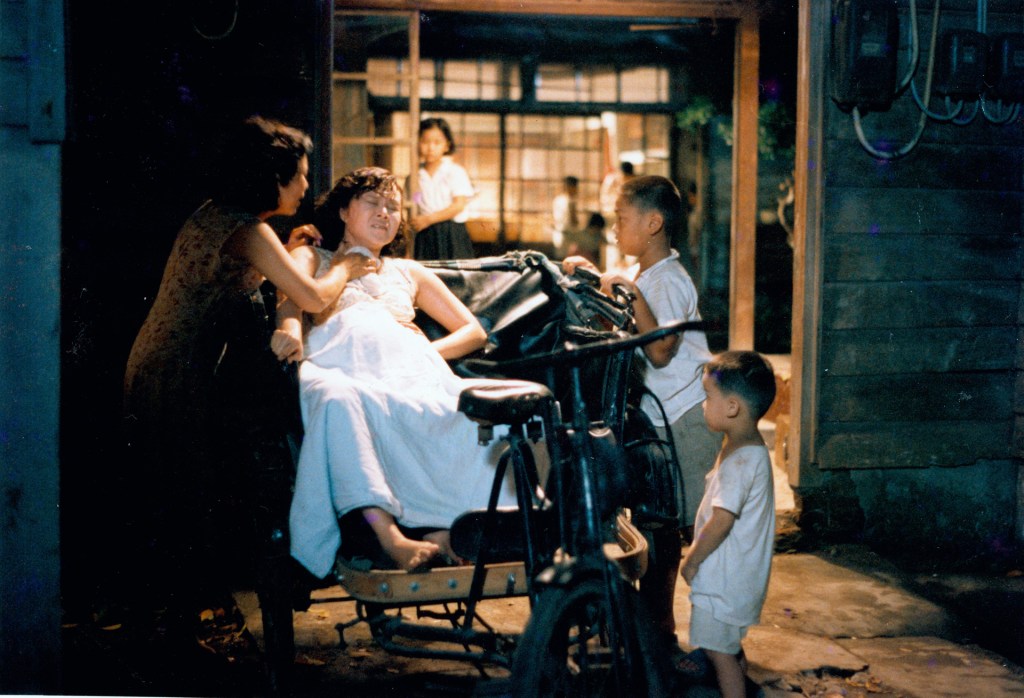
Melodrama inspired by the Xiao-Sa novel in which the heroine, Kuei-Mei escapes the Mainland for Taiwan to live with her cousin but is married off to a widowed Chinese refugee who already has three children and a massive gambling addiction leaving her with no choice other than to seek a better life in Japan.

When Love Comes (2010), dir. Chang Tso-Chi
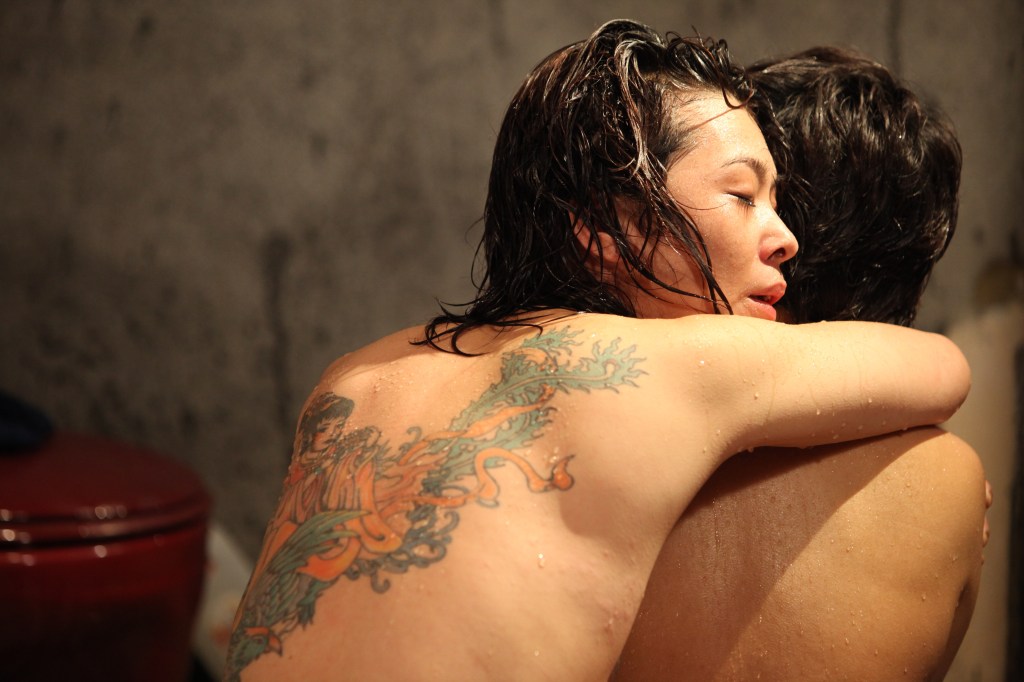
A young woman living with her two mothers, father, uncle, and grandfather comes to understand more about her family when she is abandoned by her boyfriend after becoming pregnant.

God Man Dog (2007), dir. Chen Singing 
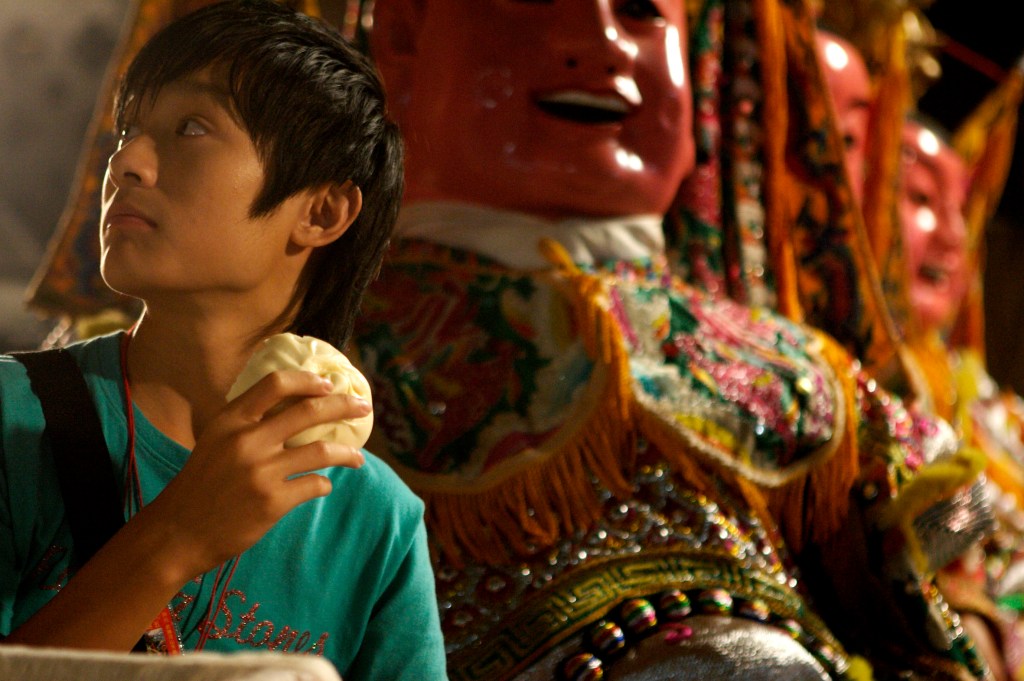
A hand model suffering from post-natal depression, a bereaved indigenous couple, their daughter in the city, and a one-legged man driving a giant Buddha bus, are brought together by a stray dog. Review.

Midi Z Selection

Jade Miners (2015), dir. Midi Z

Midi Z’s first documentary focusses on the jade miners continuing to work against the back drop of the continuing conflict with the Kachin Independence Organization which had brought the industry to a halt.

Ice Poison (2014), dir. Midi Z
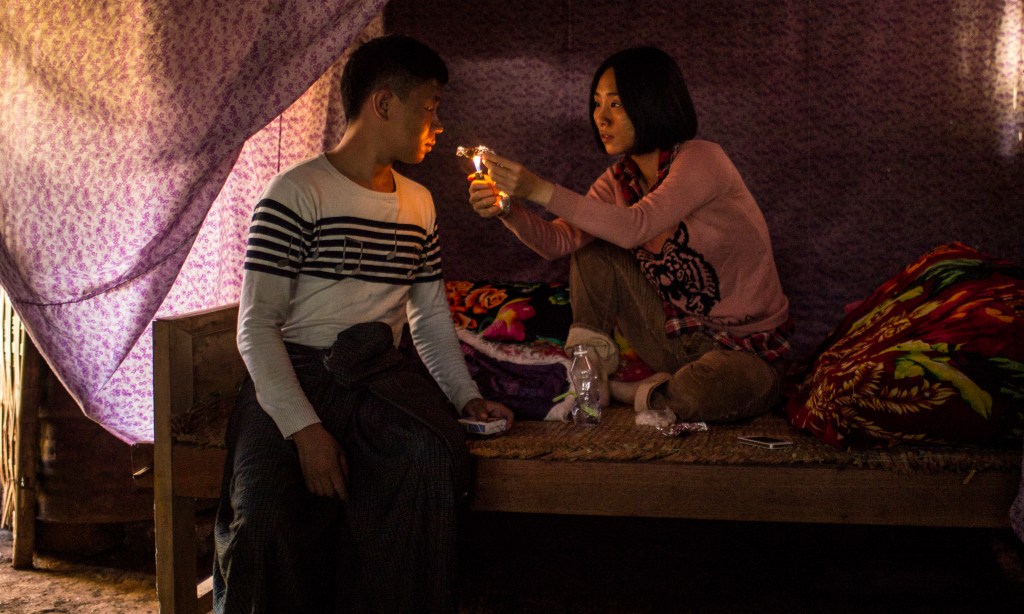
When economic forces render his farm unviable, an old man sells his cow to buy a motorcycle for his son so he can make money taking people into town but he ends up becoming involved in drug trafficking to help a woman trying to bring her child back to Myanmar after being tricked into marriage in China.

The Palace on the Sea (2014), dir. Midi Z
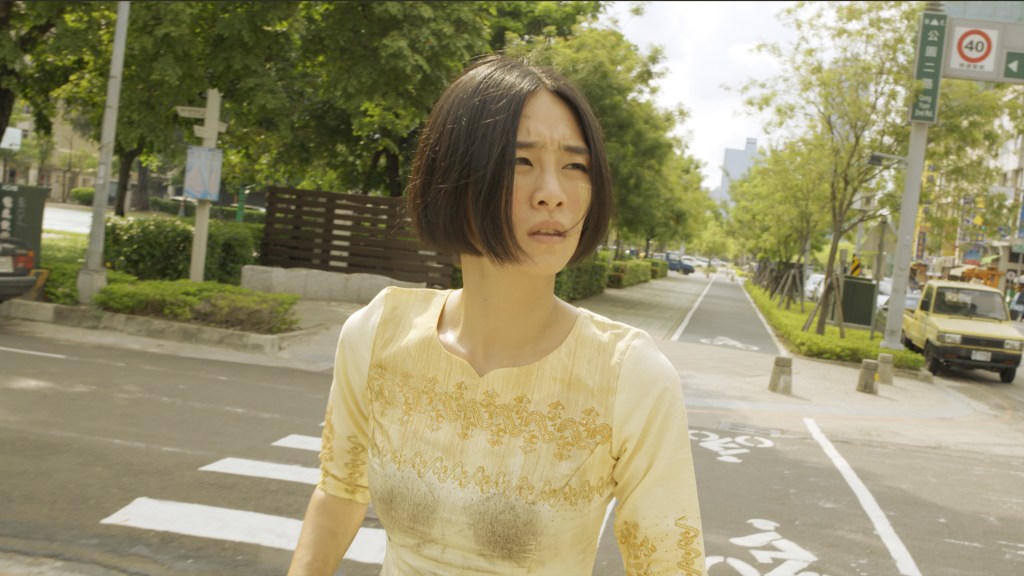
Experimental short in which a Buddhist monk tries to free the ghost of a woman from a floating restaurant.

Docs: Exploring Diversity in Pursuing the Taiwanese Identity 

How Deep is the Ocean (2000), dir. Tang Hsiang-Chu
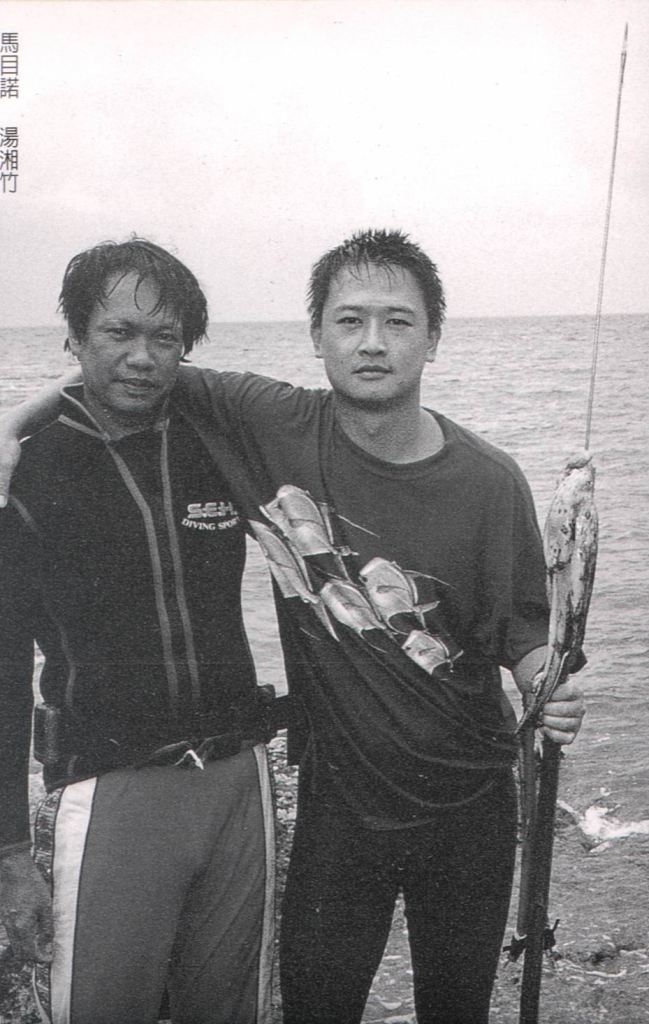
Documentary following a young man from the Tao indigenous minority who returns home to Orchid island after pursuing a better life on the Mainland.

Out/Marriage (2012), dir. Nguyen Kim-Hong
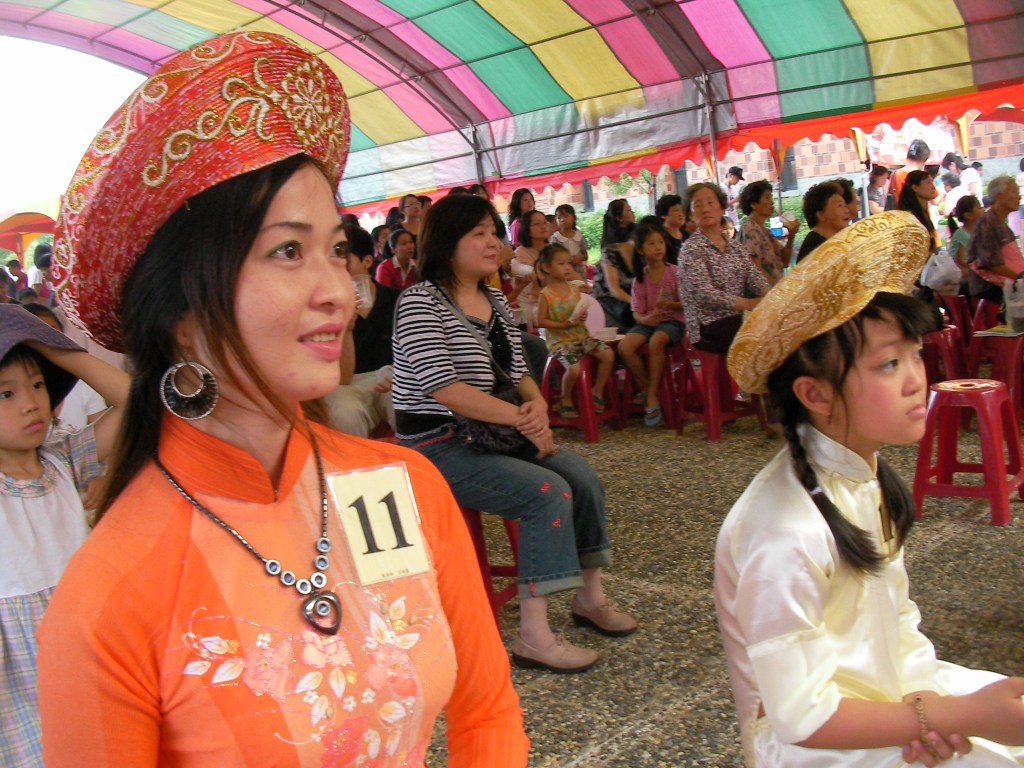
Documentary following a Vietnamese woman who came to Taiwan to marry but endured years of domestic abuse before escaping and becoming a single-mother to her son.

The Mountain (2015), dir. Su Hung-En 
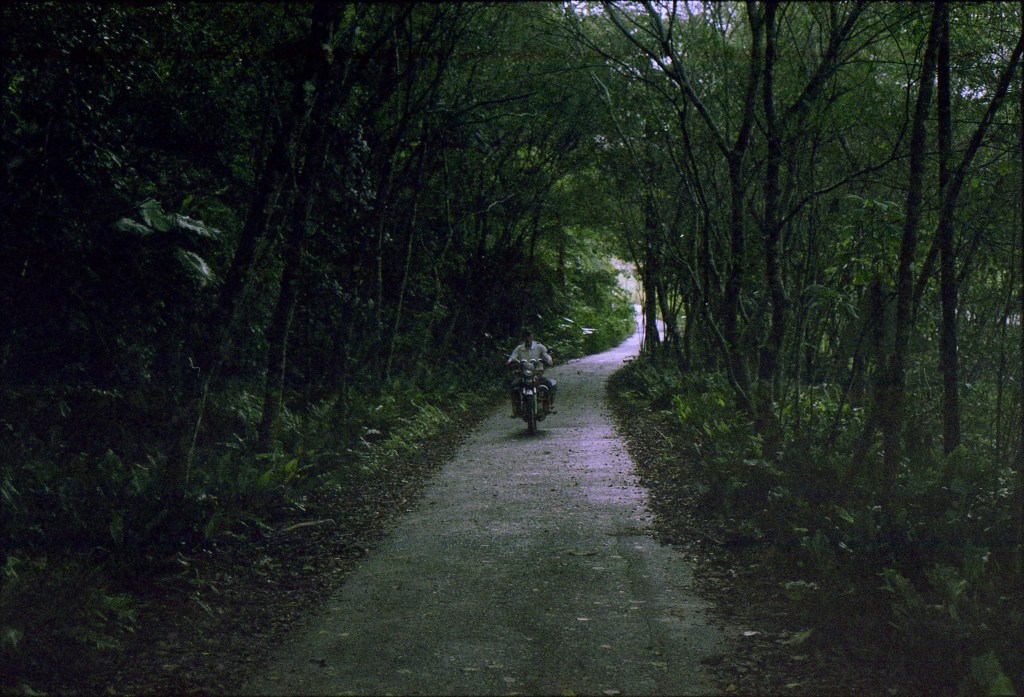
Documentary following the director’s grandfather, Teymu Teylong, a hunter from an indigenous community.

The Taiwan Film Festival Edinburgh will take place online from 18th to 27th September with all films streaming for free! Full details are available via the official website and you can also keep up with the festival via the official Facebook Page and Twitter account.
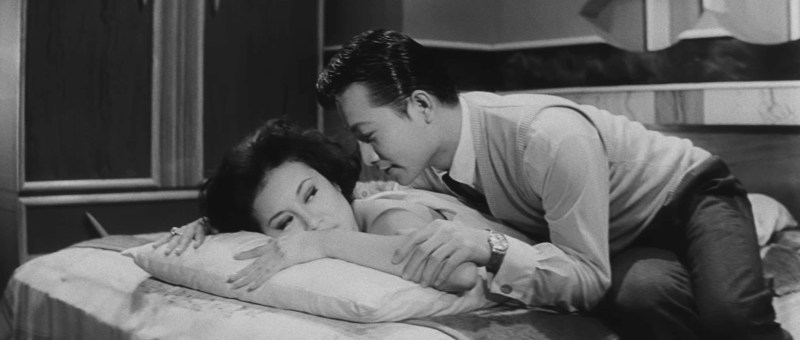
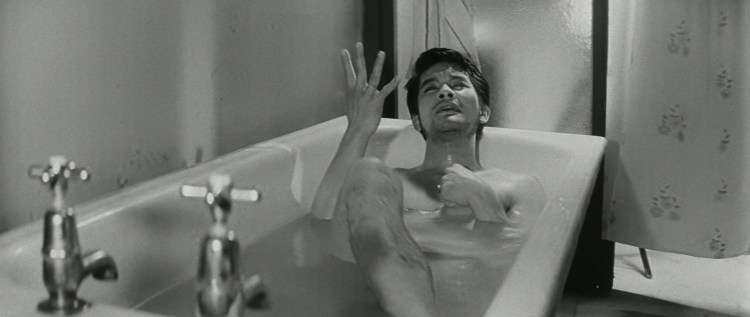
Six Suspects (六個嫌疑犯, Lin Tuan-Chiu, 1965)

“Crime doesn’t pay” is the moral of many a film, but few of them care to state as much upfront. Not perhaps since The Public Enemy has a moral message been declared so baldly on screen as it is in the title card overlying the opening of Lin Tuan-Chiu’s Six Suspects (六個嫌疑犯) which tells us in no uncertain terms not only that you reap what you sow, but also that we law abiding citizens have nothing to fear because we are “well protected” by the police. In the end, Six Suspects was never released (apparently because Lin was unhappy with it rather than any censorship issues), but is perhaps a curious example of a pro-police drama masquerading as a noirish crime thriller with a surprisingly leftist message that dares to suggest the new middle class is inherently corrupt. 

Our anti-hero is a roguish blackmailer, Tenn Kong-Hui (Wu Dongru), who has a habit of following people around and taking photos he can use as leverage against them later. His ex-girlfriend Tai-Giok (Zhang Qingqing) has moved on and attempted to go straight with a job as the secretary to the CEO of a steel firm, but is also having a “serious” affair with the man who hopes to become his son-in-law, Lap. Meanwhile, the chairman’s brother, Khe-bing, has troubles of his own. He’s already being blackmailed by a bar hostess who may have lied about conceiving a child with him before he was married to his elegant wife, who is also a target for Kong-hui after he spots her meeting with a beatnik artist. The real problem, however is that through all his various investigations, Kong-hui has stumbled on a deeply entrenched system of corruption running between the steel company and local contractors. 

It will come as no surprise that Kong-hui is eventually bumped off. Someone knocked him on the back of the head and then turned the gas on to make it look like he killed himself. His roommate, actually in love with the chairman’s daughter even though she’s still planning on marrying Lap to please her dad, freely admits Kong-hui was “scum” but thinks it’s unlikely he did himself in. The police eventually agree, but have the luxury of too many suspects. Who did it? Two yakuza-esque petty gangsters going by the names “Snake” and “Turtle” because of their tattoos, Lap, his old flame Tai-Giok, the roommate who apparently argued with him on the night in question and then passed out drunk in a park, Khe-bing and/or his wife, or someone else entirely? 

In some senses, it doesn’t really matter. The society here is so inherently corrupt that no one is really “innocent” except perhaps the pure-hearted roommate who remains shocked and disgusted by the results of his police detective friend’s investigations and innocently in love with the chairman’s unobtainable daughter. The ambition that comes from the widening wealth gap is instantly on display as the film opens with Lap in bed with Tai-Giok but brushing off her suggestions that they marry by reminding her she’ll be the most comfortable of mistresses when he marries the chairman’s daughter. In another kind of film, they would be our central couple – their pure love corrupted by post-war greed, but we later realise neither of them is very much in love at all and their “relationship” must be based on some other factor. Lap isn’t betraying Tai-Giok to marry the boss’ daughter, though there may be other casualties of his all too willing complicity in an increasingly amoral economy which sees him gleefully accepting kickbacks and wining and dining clients in restaurants where you can hire scantily clad dancers to entertain you while you eat. 

Despite his rather obvious villainy, Kong-hui wasn’t really all that bad, just a product of the world in which he lived. In fact, the film almost sides with him in his one man crusade against “immorality”. In any case, the real villain as we later see is equal parts prudery and an elitist entitlement that enables this level of corruption to prosper. Our “heroes” are of course the police, turning their collars to the cold as they work tirelessly to fight “crime” but also, it has to be said, acting on behalf of an oppressive regime which may be the biggest villain of them all. 


Six Suspects screened as part of touring retrospective Taiwan’s Lost Commercial Cinema. It will also be available to stream in the UK as part of the Taiwan Film Festival Edinburgh from 18th to 27th September.

Restoration trailer (English / Traditional Chinese subtitles)

Cheerful Wind (風兒踢踏踩, Hou Hsiao-Hsien, 1982)

A leading figure of the New Taiwan Cinema movement, Hou Hsiao-Hsien has sometimes been regarded as difficult or inaccessible but there has always been a kind of playfulness in his wistful romanticism and it is not perhaps as surprising as it might first seem to realise that like many directors of his generation he began his career with a series of idol movies starring top Hong Kong star Kenny Bee. Cheerful Wind (風兒踢踏踩, Fēng Ér Tī Tà Cǎi, AKA Play While You Play) reunites him with Cute Girl co-star and Taiwanese chart topper Fong Fei-fei* who, in true idol movie fashion, sings the title tune the refrain of which is heard frequently throughout. For all that, however, it’s a surprisingly subversive effort in what is often regarded as a conservative genre, painting its heroine as a free spirited modern woman and refusing to punish her either for her breezy approach to romance or for rejecting marriage in favour of individual fulfilment. 

The heroine, Hsiao Hsing-Hui (Fong Fei-Fei), is a keen photographer working for an ad company currently shooting a commercial for detergent in a traditional seaside village. Whilst there she catches sight of Chin-tai (Kenny Bee), a musician she later discovers to be blind and, therefore, not catching sight of her as she had first assumed. Somewhat problematically, Hsing-hui decides to use Chin-tai in the commercial, an essentially exploitative action that plays into various unhelpful stereotypes about the blind as they hope to show that “even” those who cannot see are aware of their brand despite being unaware of the branding. She does something similar after unexpectedly running into him back in Taipei and “helping” him to cross a road he had no intention of crossing, but this does at least provide the opportunity of a second meet cute which kick starts their relationship. 

Hsing-hui, however, is technically already attached to nerdy colleague Lo Zai (Anthony Chan Yau) with whom she is living though apparently in separate rooms. He is keen to move things forward and has already quit his job with the intention of taking Hsing-hui to meet his mother in Hong Kong who has apparently been nagging, but she is in no particular hurry and has in fact already agreed to fill in for her brother teaching at the primary school in her home town while he goes to Australia for a tennis competition. 

This new focus on international travel perhaps symbolises the growing ambitions of a newly prosperous, globalising society. Hsing-hui’s dream is not marriage but to see the world, which is one reason she’s staying with Lo Zai in that they plan to tour Europe together and she fears she may never have another opportunity. Back in Taipei, meanwhile, when Hsing-hui’s country bumpkin father (Chou Wan-sheng) arrives to take a look at Lo Zai, they take him to eat pizza and drink Coca-Cola in a trendy restaurant but he finds himself doubly displaced. He speaks mainly Taiwanese dialect and struggles to understand the capital’s preferred Mandarin, quickly lost after failing to understand directions while trying to find the bathrooms at the station and enduring a series of comic misunderstandings while trying to converse with Lo Zai who hails from Hong Kong. In fact, the family aren’t really that keen on the idea of her marrying a Hong Konger, but in a pleasantly modern touch Hsing-hui’s father is quick to tell her that it’s her own decision and as long she’s sure he’ll support it. 

Chin-tai meanwhile jokes about a wife needing good teeth as if she were a goat or a horse being sold at auction and as sympathetic as her father is, he also brings up dowries while attempting to negotiate with Lo Zai who goes along with it but isn’t actually that invested in the “hassle” of marriage anyway. “I prefer the old ways, they were more romantic then” Chin-tai confesses, and to an extent Hsing-hui does too, a hippieish free spirit even in the country where she’s taken to task by her new boss for getting the kids to paint an undersea mural on the playground wall rather than the government approved slogans they were supposed to be reinforcing. For all of this drive and positivity, this is still a nation trapped under martial law and would be for the next five years which makes the tacit approval of Hsing-hui’s desire to seize her own destiny romantic and otherwise all the more subversive. What she gets is a universal happy ending with a man who has no desire to trap her and vows to wait while she achieves her dreams in the hope that she will then return to him. Hou’s second feature sees him flirt with youthful post-modernist aesthetics and is so absolutely of its time that it almost hurts, but for all of its essential fluffiness is also an infinitely breezy affirmation of a woman being absolutely herself and the men just dealing with it as she steps bravely into a freer future entirely of her own choosing. 


Cheerful Wind streamed in its new restoration as part of this year’s Udine Far East Film Festival.

Festival teaser trailer (dialogue free)

Title song performed by Fong Fei-fei

*The standard pinyin romanisation of 鳳飛飛’s name is Feng Fei-Fei, but she is usually credited as Fong Fei-fei.

We Are Champions (下半場, Chang Jung-Chi, 2019)

What is the best way to “win”, team work and camaraderie or authoritarian austerity? Two brothers find themselves on different paths in Chang Jung-Chi’s high school basketball drama We Are Champions (下半場, Xiàbàn Cháng), but in true manly fashion eventually end up repairing their fracturing familial relationships through sporting competition as a healthier substitute for physical violence (though that too is not entirely absent). Who wins and who loses might not be as important as it first seems, but then again perhaps there is more than one way to “win”. 

Close in age, big brother Hsiu-yu (Fandy Fan Shao Hsun) and little brother Tung-hao (Berant Zhu Ting-Dian) live with an aunt and uncle in the backroom behind their seamstressing factory and spend most of their free time playing basketball out in the street with other youngsters. The boys’ mother passed away when they were small and times being what they are, their dad has had to travel to find work and is not able to check in on them very often. The reason the guys play basketball so much is that they hate living with their permanently angry uncle and want to move out, putting the money they make through street games and part time jobs into an escape fund. 

Things begin to change for them when they’re spotted by a basketball coach from a local high school who gives them a few tips and offers them a shot at joining the team. Tung-hao is keen, but Hsiu-yu has given up on his dreams of basketball glory because of a hearing injury that saw him mercilessly bullied on the middle school courts. Tung-hao ends up getting scouted by an elite school, Yuying, but the authoritarian coach flatly tells him that there’s no space for Hsiu-yu because he doesn’t allow disabled people on his team. Tung-hao is conflicted, but ends up joining after fighting with his uncle and storming out of the house. He’s sorry for his brother, but all he wants to do is play basketball so he’s taking his chance. Hsiu-yu is happy for him and wishes him well, eventually taking the sympathetic coach who spotted them at the outdoor court up on his offer to play for decidedly small but scrappy high school team Kuang Cheng. 

Kuang Cheng isn’t perfect, Hsiu-yu still gets bullied because of his hearing aid at least to begin with, but unlike Yuying they run on a principle of solidarity. The coach is a supportive, paternal presence that Hsiu-yu finds particularly useful in the continuing absence of his father and motivates his players through trying to give them the confidence to be all they can be. Over at Yuying, meanwhile, they all wear identical black uniforms, have buzz cuts, and spend all their time drilling with military discipline. The coach has no time for the personal lives of his players, abruptly kicking one guy off the team simply because he was late to practice. Yuying is, to put it bluntly, a bedrock of ruthless authoritarian elitism. They think they’re entitled to win because they’re the best, and they won’t hear any arguments to the contrary. 

These ideological differences continue to place a strain on the brothers’ relationship with Tung-hao remaining conflicted about his decision to leave his brother behind and doubling down on the manly militarism of his coach’s philosophy to make it seem worthwhile. Having not seen him in a long while, Hsiu-yu calls out to his brother across the basketball court but Tung-hao ignores him, eventually answering only after Hsiu-yu returns to let him know that he’s just had a call about a relative being seriously injured and taken to hospital. Tung-hao tells him he’s not interested in family drama because he’s here to practice with his new buddies before crossing the line back towards the other side. 

Despite all of that, however, good brother Hsiu-yu never gives up on family feeling and continues to support Tung-hao in his heart even while they’re rivals on the court. Tung-hao is increasingly conflicted by his coach’s determination to destroy his brother, even using his hearing problems against him, but is eventually healed by Hsiu-yu’s forgiveness even as he prepares to shatter all his dreams. Sometimes you can “win” by being the better man, or by accepting someone’s forgiveness, or just doing your best, and other times you can throw a ball through a hoop all on your own. Victories come in all shapes and sizes, but true champions are the ones who know how to lose with grace and win with magnanimity. 


Originally scheduled as the centrepiece of the suspended Season 10, We Are Champions streams for free in the US on June 12 as part of Asian Pop-Up Cinema’s Mini-Focus: Taiwan Cinema Online. Viewers in Italy will also be able to catch it streaming as part of this year’s online Udine Far East Film Festival.

Original trailer (English subtitles)

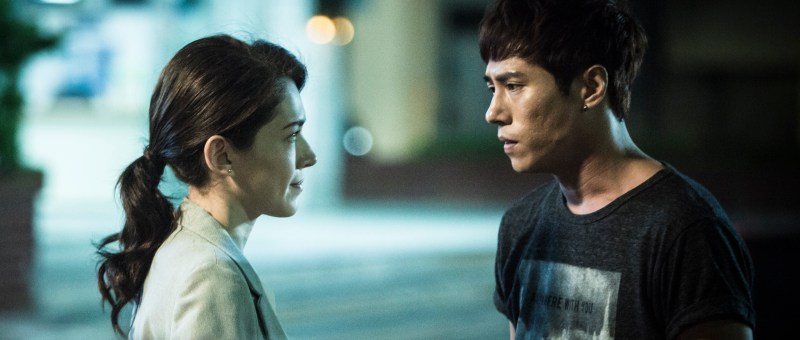
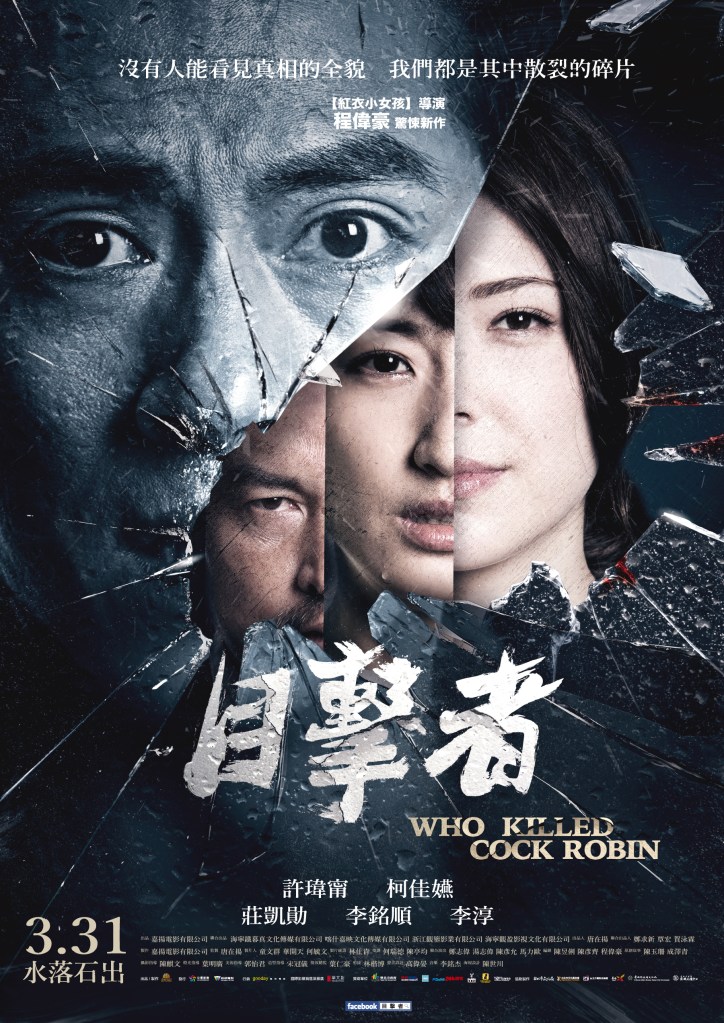
Who Killed Cock Robin (目擊者, Cheng Wei-Hao, 2017)

“Everything in this world has already been decided, no one is free” according to a jaded, psychopathic killer in Tag Along director’s Cheng Wei-Hao fatalistic neo-noir, Who Killed Cock Robin (目擊者, Mùjīzhě) . As the English title implies, each has their part to play when it comes to the orchestration of death, but the peculiar confluence of circumstances sees the central “witness” corrupted by his decision to alter his position, becoming part of the story in a way a journalist never should.

At 30-ish, Chi (Kaiser Chuang Kai-hsun) is a jaded paparazzo tuning in to the police scanners for the latest scoop on potentially scandalous crime. He thinks he’s hit the jackpot in pulling off the road and discovering a local politician in a car wreck with a beautiful young woman he later realises is a top glamour model, but his insistence on pushing the story without proper background checks comes back to haunt him when the politician comes out with documents proving he married the model in secret some months earlier and signals his intention to sue. All of a sudden, Chi’s bright future is slipping away from him. His mentor retires, and he’s abruptly made redundant, effectively fired for the problematic politician scoop. It’s at that point he starts looking back at photos he took of another car crash nine years earlier when he was still a rookie and realises his boss may have deleted some behind his back. 

As his mentor, Chiu (Christopher Lee Meng Soon), eventually tells him, Chi isn’t the sort of man who’d fight for justice for someone he didn’t even know. He’s in this for petty revenge in hoping to expose some kind of scandal involving the boss who got him fired. He’s also, however, meditating on the earnest young man he once was and the jaded hack he’s since become. As an intern he wanted to do hard journalism and make a difference, but after falling in with Chiu he became corrupted by urbanity, seduced by the fancy suits, celebrity contacts, and stylish parties. He does his business by forming “relationships” with useful people such as law enforcement officers though homosocial bonding, i.e. drinking and women. 

Chiu also, perhaps ironically, thanks his wife for helping him make the “relationships” which have enabled his successful life. These complex networks of interwoven corruption are what keeps the city running, but they’re also a web that can be unravelled to reveal the dirty secrets at its centre. Chi seems to know that fate is coming for him. “Things that happened to you come round in circles” he drunkenly laments on learning not only that the used car he was duped into buyng is an illegally remodelled vehicle but also that the chassis belongs to the one from the accident he witnessed all those years ago. Car accidents plague him, as if implying his life is one long car crash bracing for the impact. 

Yet, as Chiu cautions him, he only has a part of the truth. He is lied to and misled, left to reply on the reporter’s instinct he has long since allowed to become rusty. His investigation places others in danger, not least a young woman who was beginning to think she’d escaped the accident’s wake and built a nice life for herself free of past transgression. But Chi still has to make a choice, try to expose this world of infinite corruption for what it is while accepting his own complicity within it, or decide to unsee what he worked so hard to uncover and go back to being the hack reporter dependent on that same web of corruption whose entanglement he was so keen to escape. 

“I just want to know the truth” Chi claims, as a good reporter should, but his subjects ask him “what’s the point?”, “everyone wants to know the truth, but once you know then what?”.  It’s a good question, and one perhaps that Chi doesn’t know the answer to, reducing his dilemma to a sheepish grin and a cynical joke. “I prefer to remember happier things”, he admits. An infinitely compromised figure, Chi finds himself on dark and fatalistic path towards discovering, at least, his own truth. “I believe in myself” he later tells an equally corrupted colleague but something tells us we perhaps should not. 


Who Killed Cock Robin streams online for free in the US as part of Asian Pop-Up Cinema’s Mini-Focus: Taiwan Cinema Online on June 11.

International trailer (English subtitles)

The Gangster’s Daughter (林北小舞, Chen Mei-Juin, 2017)

Do little fish always get eaten by bigger ones, or can they manage to swim free into kinder waters? As the title perhaps suggests, The Gangster’s Daughter (林北小舞, lín běi xiǎowǔ) finds its young heroine battling parental mystery, stepping into her father’s world of crime and dubious morality while he grows ever more disillusioned with his duplicitous lifestyle and the price he has clearly been paying to survive it. Yet they are both in many ways victims of the corruptions of the society in which they live in which others play the system in less overt ways but to the same ends in order to manipulate individual privilege. 

Now a teenager, Shaowu’s (Ally Chiu) parents split up when she was little and she and her mother returned to live with her grandmother in Kinmen, an idyllic island village. Shaowu has no real memories of her father, Keigo (Jack Kao), a Taipei gangster and her grandmother is reluctant to enlighten her. The first time she sees him in many years is at her mother’s funeral at which he makes a notable appearance, an obvious “gangster” in dark sunglasses and sharp suit, backed by a dozen henchmen that, it later transpires, have been hired for the day by his overenthusiastic minions who thought he needed to look “good” while paying his respects to the mother of his child. 

For herself, Shaowu is a rebellious teen who hangs out in a makeshift den where she keeps the various souvenirs she finds of a more violent time in scouring the corn fields for landmines. A pair of horrible boys appear to be bullying her as an orphan with an atypical family background, but Shaowu is unfazed until a nasty prank backfires and harms her only friend. In revenge, she dumps a pail of cow dung over the ringleader while he’s eating his lunch right in the middle of the classroom which would be funny if it weren’t that his dad’s a bigwig with political clout. Reluctant as she is, grandma calls Keigo to help her negotiate with the school, but it ends with a “recommendation” that it might be better Shaowu continue her education in the capital. 

Which is all to say, that father and daughter have quite a lot in common. Shaowu becomes fascinated with the gangster life, acting out scenes from movies with an umbrella only to be stunned when she tries the same thing after finding one of Keigo’s guns and it turns out to be loaded. She finds herself sucked into his homosocial gangster world, dining with big boss Ting who remembers her from when she was a baby and has just returned from an extended stay in Thailand, and making friends with the daughter of another gangster, while Keigo ponders new routes forward as a responsible father trying to protect his daughter from the dangers of the circles in which he moves. 

Twin crises arrive when his underling Dreamer gets into a fight a powerful corrupt cop, Chang, while Boss Ting edges towards moving the gang into drugs which is something Keigo, a noble gangster, cannot condone especially after he finds some stuffed into a cigarette packet one of Shaowu’s new friends asked her to look after. He tries do his best as a modern dad, patiently reminding himself that his daughter’s not a little girl and refraining from laying down the law, but is frustrated by her fascination for everything he regards as a fall from grace in his life as a petty gangster. He wants to get out and dreams of opening a restaurant with his girlfriend but discovers that the gangster world may not be done with him yet. 

Father and daughter are, it seems, divided by an increasingly corrupted society where bent cops like Chang are no better than gangsters themselves while snotty kids know they can do as like they because they have powerful fathers and will never be expected to take responsibility for their actions. Little fish like Keigo don’t stand any kind of chance especially when they insist on swimming against the tide in adhering to the same kind of romanticised ideas of gangsterdom that Shaowu idolises from movies hopped up on jianghu idealism. Taipei or Kinmen, it doesn’t really matter. You’ll still find yourself squatting in the tall grass while others plot against you in the open. In her first narrative feature documentarian Chen Mei-Juin delights in capturing local character from the faded grandeur of traditional island life to the sleazy, neon-lit underbelly of the modern capital but never shies away from the ugliness which underpins it all and disrupts even the most essential of bonds.


The Gangster’s Daughter streams online for free in the US as part of Asian Pop-Up Cinema’s Mini-Focus: Taiwan Cinema Online on June 10.

Original trailer (English subtitles)

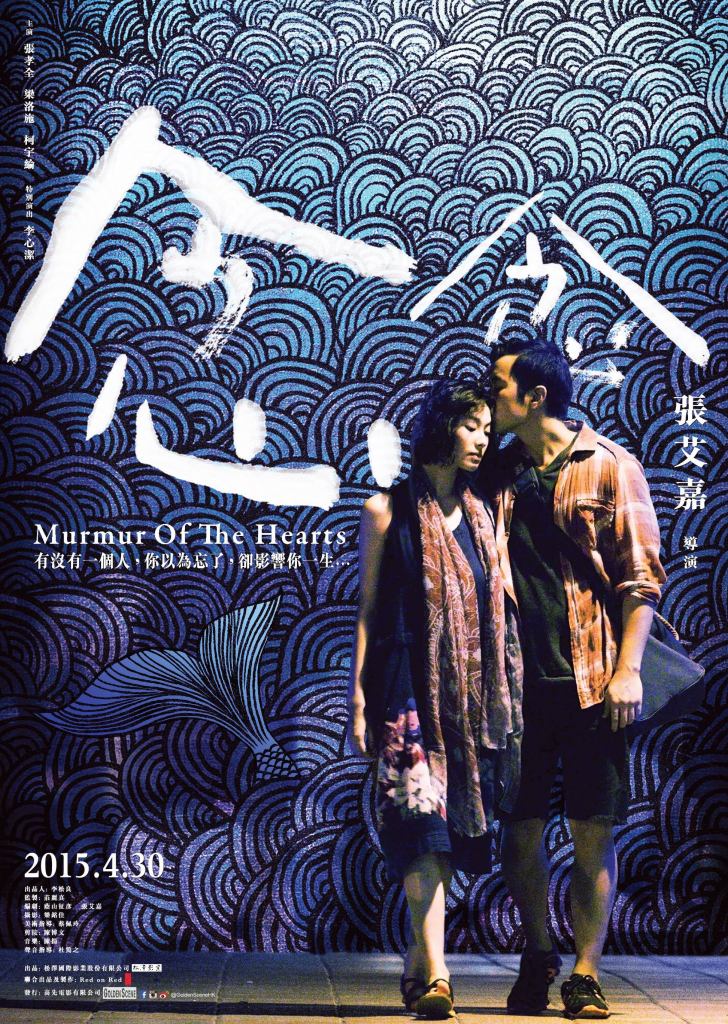
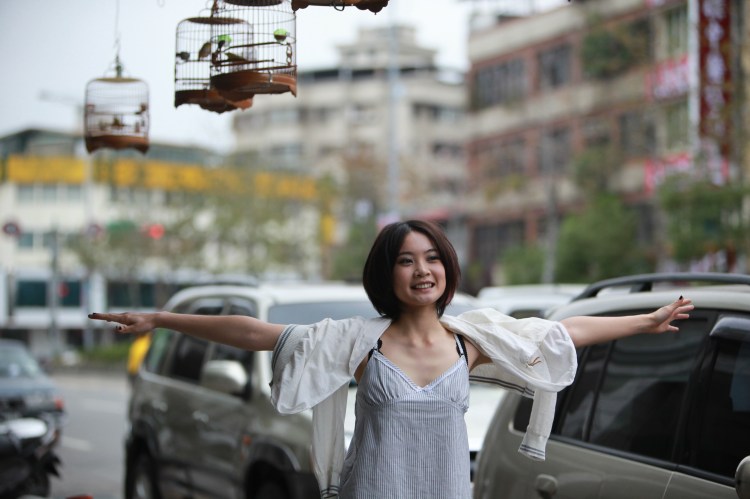
Murmur of the Hearts (念念, Sylvia Chang, 2015)

A legacy of abandonment frustrates the futures of three orphaned adults in Sylvia Chang’s moving drama, Murmur of the Hearts (念念, Niàn Niàn). Marooned in their own small pools, they yearn for the freedom of oceans but find themselves unable to let go of past hurt to move into a more settled adulthood, eventually discovering that there is no peace without understanding or forgiveness and no path to freedom without learning to let go of the shore. 

The heroine, Mei (Isabella Leong), is an artist living in Taipei and apparently still consumed with rage and resentment towards her late mother. She is in a troubled relationship with a down on his luck boxer, Hsiang (Joseph Chang Hsiao-chuan), who has abandonment issues of his own that are compounded by toxic masculinity which leaves him feeling inadequate in failing to live up to the expectations of his long absent father. Mei’s long lost brother, Nan (Lawrence Ko), meanwhile is now a melancholy bachelor in his 30s who, unlike all the other young men, never swam far from home, working for a tourist information company on Green Island which, though once notorious as a penal colony housing political prisoners during the White Terror has now become a tourist hotspot thanks to its picturesque scenery. 

Like one whole cleaved in two youthful separation weighs heavily on each of the siblings who cannot but help feel the absence of the other. Their mother, Jen (Angelica Lee Sinje), trapped in the oppressive island society, was fond of telling them stories about a mermaid who escaped her palace home by swimming towards the light and the freedom of the ocean. She tells the children to be the “angels” rescuing the little fish trapped in rock pools by sending them “home” to the sea, and, it seems, eventually escaped herself taking Mei with her but leaving Nan behind. Neither sibling has been ever been able to fully forgive her, not Mei who lost both her family and her home in the city, or Nan who stayed behind with his authoritarian father wondering if his mother didn’t take him him because she loved his sister more. 

Mei, meanwhile feels rejected by her father after overhearing him on the phone saying he wanted nothing to do with either of them ever again. Idyllic as it is, the island wears its penal history heavily as a permanent symbol of the authoritarian past which is perhaps both why Mei has never returned, and why Nan has remained afraid to leave. Unable to make peace with the past they cannot move forward. Mei’s life has reached a crisis point in the advent of maternity. She is pregnant with Hsiang’s child but conflicted about motherhood in her unresolved resentment towards her mother while insecure in her relationship with the emotionally stunted Hsiang who, likewise, is terrified of the idea of fatherhood because of his filial insecurity. 

Only by facing the past can they begin to let it go. Chang shifts into the register of magical realism as a mysterious barman arrives to offer advice to each of the siblings, Nan indulging in an uncharacteristic drinking session while sheltering from a typhoon on the evening his father that his father dies and somehow slipping inside a memory to converse with the mother who was forced to leave him behind, coming to see the love in her abandonment. Jen told him that she wanted him to see the world, but he is reluctant even to go Taipei and afraid to seek out his sister. 

Jen’s battle was, it seems, to save her children from the oppressions of Green Island, to be their angel returning them to the great ocean she herself felt she’d been denied. She wanted her children to be “creative”, resisting her abusive, authoritarian husband and his fiercely conservative, patriarchal ideals but eventually left with no option other than to leave. Yet the children flounder, left without guidance or harbour. “I don’t know where my home is”, Mei laments, revealing that she only feels real and alive when angry. For all that, however, it’s Jen’s story that finally sets them free, showing them path away from the prison of the past and finally returning them to each other united by a shared sense of loss but unburdened by fear or resentment in a newfound serenity.


Murmur of the Hearts streams online for free in the US as part of Asian Pop-Up Cinema’s Mini-Focus: Taiwan Cinema Online on June 9.

Original trailer (English subtitles)

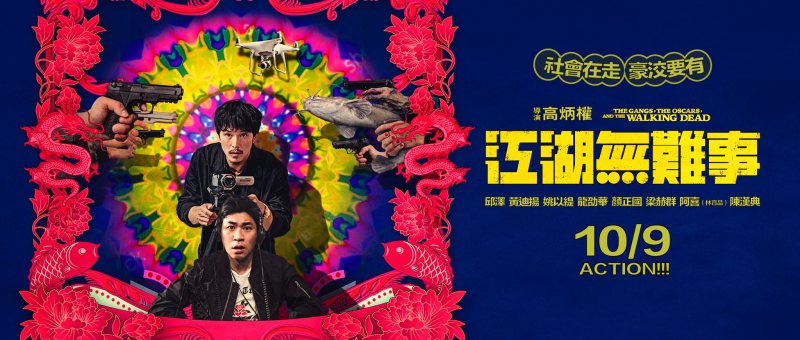
The Gangs, the Oscars, and the Walking Dead (江湖無難事, Kao Pin-chuan, 2019)

You remember that film back in the ‘80s where those guys go to their boss’ house for a party only he’s dead but they want to have a good time without being murder suspects so they pretend that he’s alive, only it turns out he was going to have them killed because they found out about his massive fraud and embezzlement? The Gangs, The Oscars, and The Walking Dead (江湖無難事, Jiānghú Wú Nán Shì) is kind of like that, if lacking the mild critique of rampant consumerism. 

Our heroes are BS (Roy Chiu), a film producer, and his director/childhood best friend Wenxi (Huang Di-yang). Wenxi is a lifelong film buff who decided he had to grow up and make a zombie movie after falling in love with hopping vampires from Hong Kong. BS has been trying to make his friend’s dream come true, but the production gets derailed when the lead actor is engulfed by a sex scandal and the guys end up taking on odd jobs to make ends meet one of which involves filming the funeral of a recently deceased mob boss who later joined the boy scouts to give back to the community. The job goes just about as wrong as it’s possible to go seeing as they manage to set fire to the corpse, but somehow they manage to impress Boss Long (Lung Shao-hua) who agrees to fund their movie on the condition that part of it is shot in Japan, and his girlfriend Shanny (Yao Yi-ti) gets to play the lead. 

The second part is more of a deal breaker than the first because Wenxi’s long gestating zombie script revolves around a pure and innocent high school girl who quickly gets zombiefied during the initial outbreak but somehow retains her humanity while a heroic PE teacher/gangster falls in love with her as they fail to survive the apocalypse. Shanny is many things, but passing for a high schooler will be a stretch and in Wenxi’s eyes at least she is neither beautiful nor “pure”. To be fair, Shanny does look as if she may have suffered a lot in her life, but Wenxi’s peculiar obsession is with a mole on her face which he seems to find unsightly. In any case, it’s not a problem for very long because Shanny ends up dying during a freak accident at the launch party leaving the guys with several problems of a different order. Afraid of Boss Long, they decide to hire a top SFX artist and manipulate Shanny’s body as if she were a puppet so no one knows she’s dead. 

Sadly the film has little sympathy for Shanny who is treated more or less as a human plot device, a ridiculous figure of fun who seems to have sealed her own fate by being an “immoral” woman involved with a man like Boss Long who is, we find out, using her in more ways than one as are his not so loyal henchmen. Latent misogyny later gives over to mild homophobia as the boys figure out that Shanny got her unusual looks after getting plastic surgery to look like her favourite drag queen, so they decide to try asking him to help out, playing into an extended joke about Boss Long being fooled into canoodling with a man.

The theme, however, is brotherhood and loyalty not only between BS and Wenxi, but also Boss Long, Shanny/drag queen Hsiao Ching, and the gang. You have to die to figure out who your real brothers are, according to Boss Long, and it’s a lesson which gets put to pretty good use by just about everyone. At the end of Wenxi’s screenplay, everyone is supposed to become a zombie – the ultimate end of the world pay off for anxiety suffers, at least you won’t have to worry about getting zombified anymore, but is intended to render everyone “equal” so the world is “fair”. There is something quite ironic therefore in their unwitting zombification of Shanny, exploiting her body even after death while playing at being tough guy gangsters so they can make a film with zombies in it they are certain will win an Oscar. Aside from all that, however, the Wenxi gets his “happy” ending which eventually honours Shanny’s memory while cementing a feeling of brotherhood and acceptance placing Hsiao Ching firmly at the boss’ side as they look forward to a bright new movie making future founded on the ashes of the violent past.


The Gangs, the Oscars, and the Walking Dead was screened as part of this year’s Osaka Asian Film Festival.

Original trailer (English / Traditional Chinese subtitles)

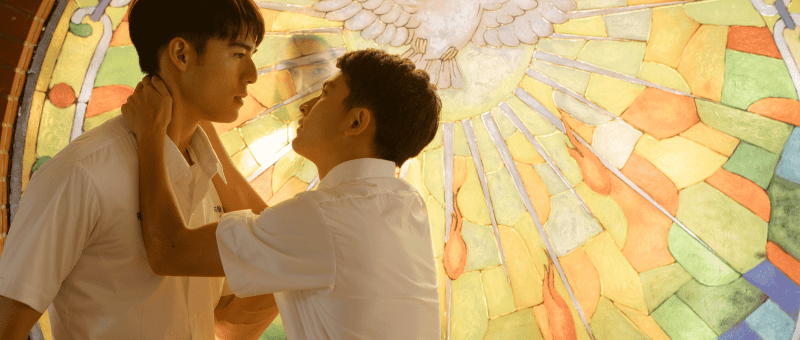
Your Name Engraved Herein (刻在你心底的名字, Liu Kuang-hui, 2020)

Taiwan is often thought to be the most socially liberal of Asian nations and was the first to legalise same sex marriage in 2019, but a little over 30 years ago things were very different. Many thought that the lifting of martial law which had been in place for 38 years would usher in a new era of freedom only to discover that society is slow to change and despite a gradual opening up the old prejudices still remain. So it is for A-han, the hero of Liu Kuang-hui’s Your Name Engraved Herein (刻在你心底的名字, Kè Zài nǐ Xīndǐ de Míngzi) who finds himself struggling to accept his sexuality as young man coming of age in changing times. 

In 1987, as martial law is repealed, A-han (Edward Chen) is a student at a Catholic boys boarding school run along military lines. Many things are changing, but the school is much the same, as the principal Dirty Head (Ta Su) makes plain in conducting an impromptu inspection of the boys’ bunks looking for anything untoward. Nevertheless, A-Han and his friends sneak out at night to play in a band and hang out with girls. A-Han’s reticence is put down to shyness, but the reason he’s not much interested is that he’s taken a liking to a rebellious student, Birdy (Wang Shih-shien), only he’s not quite sure how to interpret his feelings or how to come to terms with them. 

This is in part because the school itself is extremely homophobic with the boys actively policing suspected homosexuality as a means of homosocial bonding. When the gang are caught sneaking out, band leader Horn (Barry Qu) targets an effeminate boy he accuses of dobbing them in, beating him up in the bathroom little knowing that A-han is hiding in a nearby stall after bringing ointment to Birdy who has also been caned. A-han emerges from the stalls after Horn hears a noise and is encouraged to join in the fun, handed a baseball bat and asked to participate in a literal act of queer bashing to prove his manhood. To his shame, A-Han prepares to comply, only to be saved by Birdy who breaks cover to rescue the other boy while casting scornful looks at Horn and the gang but most especially at the hypocritical A-Han. 

Taking his nickname from the Alan Parker film, Birdy may indeed be as “wild” as his namesake, but his rebelliousness has its limits and perhaps masks an internalised sense of shame. Nevertheless, he connects with the conflicted A-Han and the boys generate an intense friendship that of course has tension at its centre. A trip to Taipei to mourn the death of the president brings them closer, but also makes them feel ashamed as they witness a protester holding up a sign to the effect that homosexuality is not a disease and marriage is a human right being carted off by plain clothes police while the uniformed kind lurk in the shadows behind. Martial law may be over, but not everyone is free. As A-Han grows bolder, Birdy finds himself travelling in the opposite direction, dating a rebellious female student, Banban (Mimi Shao), as a kind of beard in the frustrated hope that he may “save” A-Han from his homosexuality by denying their feelings before they can fully develop. 

The central irony is that because of the changes to the educational system the high school is now required to take female pupils and the hardline Catholic, militarist teachers are paranoid about “misbehaviour”, even putting up a chainlink fence to divide the girls from the boys. Romance is forbidden even for heterosexual couples, and homosexuality unthinkable. A-Han finds himself trying to talk to his priest, Father Oliver (Fabio Grangeon), who would like to be more sympathetic but cannot offer him much by the way of advice. Later we discover that Father Oliver left his native Montreal to escape religious oppression and joined the priesthood to mask his own homosexuality, finally leaving the Church to live a more authentic life only many years later when such things were more acceptable. 30 years on A-han travels to a much changed Montreal where he sees lesbians dancing happily in bars and men kissing in the street with no one batting much of an eyelid. He reflects on all that’s changed and all the wasted time he and others like him were forced to endure hiding who they were, living in a world without love. A melancholy lament for the lost opportunities of a repressive society, Your Name Engraved Herein ends on a note of hope in which first love can blossom once again in a less restrictive world where all are free to love without shame.


Your Name Engraved Herein made its World Premiere as part of this year’s Osaka Asian Film Festival.

Original Trailers (English subtitles)

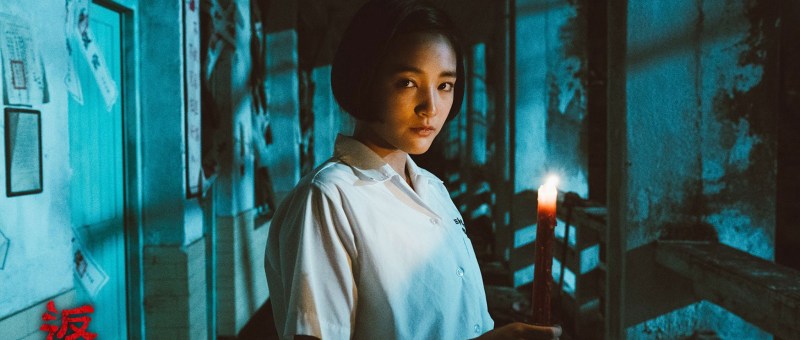
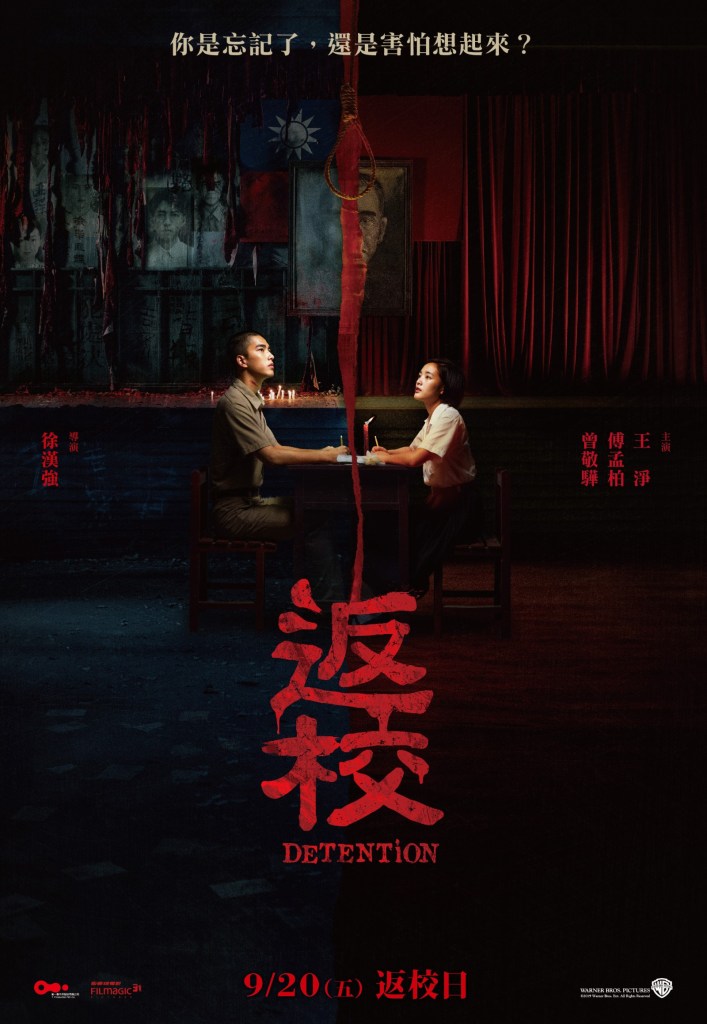
Detention (返校, John Hsu, 2019)

“Have you forgotten or are you scared of remembering?” a mysterious supernatural force seems to ask the heroine of John Hsu’s ironically named Detention (返校, Fǎn Xiào). In fact, the Chinese title means something close to “back to school”, hinting at its central message which uses the, it argues forgotten, tyranny of the “White Terror” to remind us that freedom is hard to win but harder still to keep. An unfortunately timely message given the assaults on democracy across the world but even more so given the recent protests in Hong Kong which have found support in Taiwan as it too looks back on its complicated history.

Based on a popular survival horror video game, Detention’s first hero is idealistic student Wei Zhong-ting (Tseng Ching-hua) who we quickly learn was picked up and tortured by the military police for reading books banned by the regime as part of an underground club run by two of his teachers – mild-mannered artist Zhang (Fu Meng-po) and stern musician Yin (Cecilia Choi Sze-wan). Set in 1962, the film finds itself at the height of the “White Terror”, a period of martial law which lasted for 38 years, during which any resistance real or perceived towards Chiang Kai-shek’s Kuomintang government was brutally suppressed with thousands tortured, imprisoned, or killed by the regime.

Wei finds himself in a lucid nightmare, trapped in his school building which has become derelict and seemingly abandoned while cut off by a raging flood. Gradually he starts to piece together memories of what must have happened, realising that his fellow club members seem to be absent and something must have happened with the military police. While in the school he runs into a fellow classmate, Fang Ray-shin (Gingle Wang Ching), though she doesn’t quite seem to remember him. Having apparently fallen asleep and woken up in this nightmare world, Fang seems even less clear about what’s going on than Wei but desperately wants to find their teacher, Zhang, with whom, we learn, she has fallen in love. 

Plagued by horrifying visions that maybe repressed memories or simple nightmares, the pair are chased by giant monsters dressed in KMT uniforms standing in for the terror of living under an authoritarian regime. Only, these particular nightmare soldiers are literally “faceless” in that their hollowed out skulls, which themselves sit on fetid, rotting corpses, are filled only by a mirror making plain that the faces of the “faceless” regime are our own. Fang and Wei become convinced that someone has betrayed them by giving one of the illicit books to arch militarist teacher Inspector Bai, but they can’t be sure who it was, finally doubting even themselves in their inability to remember the exact circumstances which brought them here. 

Flashing back to the “real” world, we discover that one sort of oppression cannot help but lead to others. Fang’s father is a respected soldier and supporter of the ruling regime, but he’s also abusive towards his wife, enforcing a rule of fear and violence even within his own home. Her mother has taken to religion in order resist him, regretting her marriage and furiously praying that he will soon be “gone for good”. “Gone for good” becomes a kind of mantra for others straining to free themselves from obstacles to their desires. Fang learns all the wrong lessons from her parents, allowing herself to be corrupted by their twin failures – her father’s in being a willing participant in the oppression of others, and her mother’s in subverting the world in which she lives in an attempt to free herself from violence. 

Yet, as Zhang later tells her, no one is really at fault because they are all victims of the oppressive rule of the KMT. The ruined schoolhouse becomes a kind of repository for the orphaned memories of a forgotten past. You can tear it down and build a fancy apartment complex over the top, but the ghost of authoritarianism is always lurking on the horizon, and capitalist success will not safeguard your freedom. Those left behind have to tell the story so  this never happens again because those who fail to learn from history are doomed to repeat it. Zhang imagined himself a narcissus, living in his own world without caring what other people thought and claiming that the solidarity of silent understanding is the best cure for loneliness, but he lived in times in which he had no freedom in which to live, sacrificing his own future to become the selfless roots of emancipation blooming only for those who will come later.


Detention screens in Amsterdam on March 5/7 as part of this year’s CinemAsia Film Festival. It will also screen in Chicago on March 26th as part of the 10th Season of Asian Pop-Up Cinema.

Original trailer (English subtitles)