Fantasia Confirms Second Wave of Titles for 2022

The Fantasia International Film Festival returns to cinemas for its 26th edition taking place once again in Montreal from July 14 to Aug. 3. With the full programme announced later this month here’s a look at the East Asian titles so far confirmed amid an impressive lineup of global genre cinema.

Japan

  • Anime Supremacy – adaptation of the novel by Mizuki Tsujimura following three women in the anime industry.
  • Baby Assassins – a pair of mismatched high school girls raised as elite assassins get swept into gangland conflict while forced to live together to learn how integrate into society in Yugo Sakamoto’s deadpan slacker comedy. Review.
  • Convenience Story – comedy from Satoshi Miki in which a failed comedian encounters a mysterious woman at a convenience store.
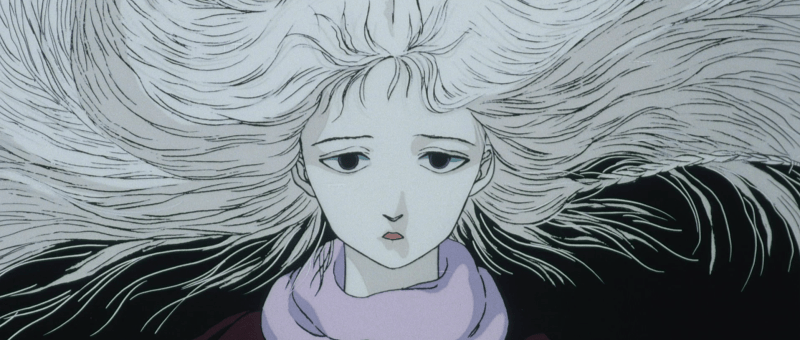
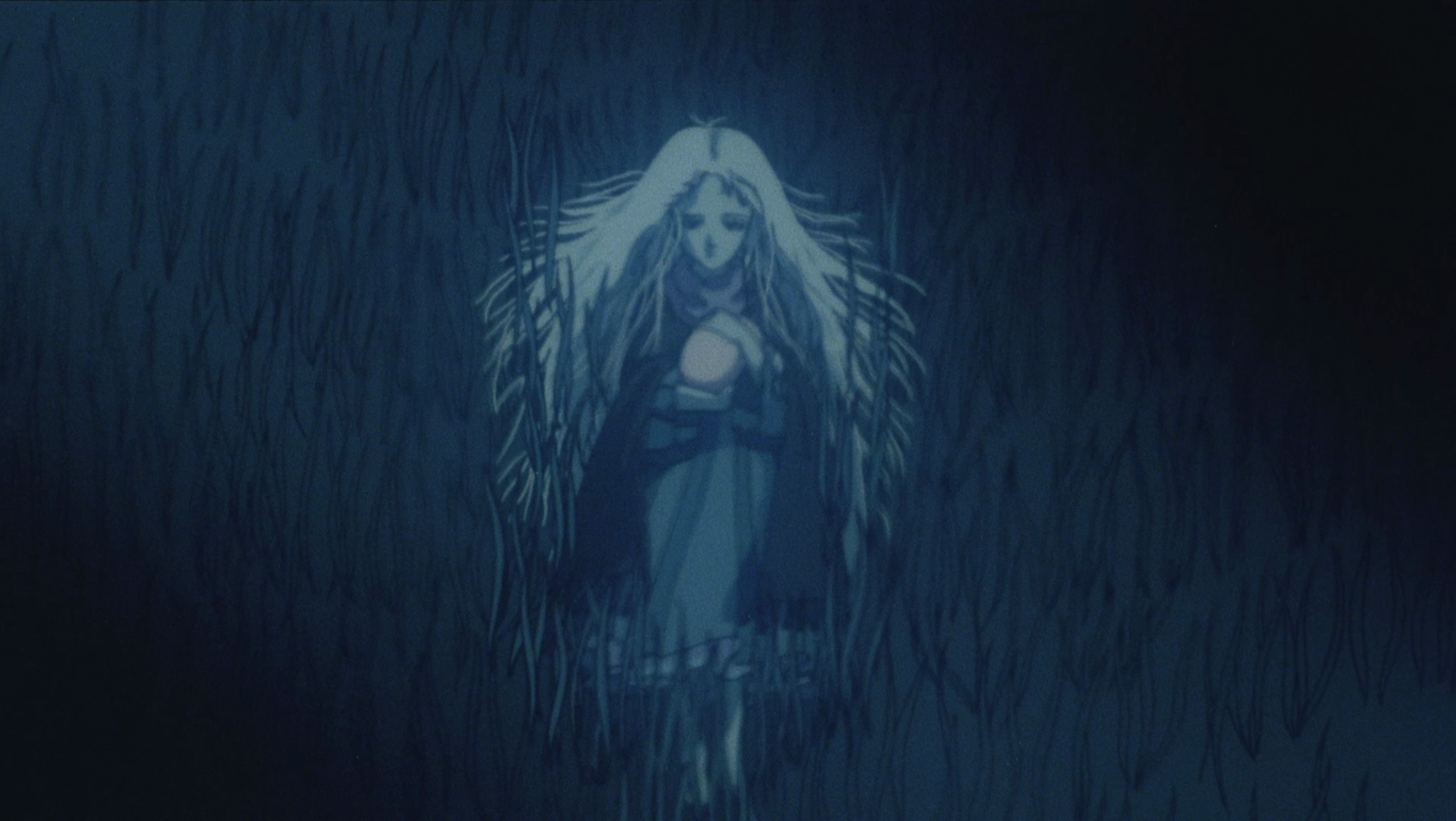
  • Girl from the Other Side – dark anime adaptation of the manga by Nagabe in which a little girl lost in the forest bonds with a mysterious beast.
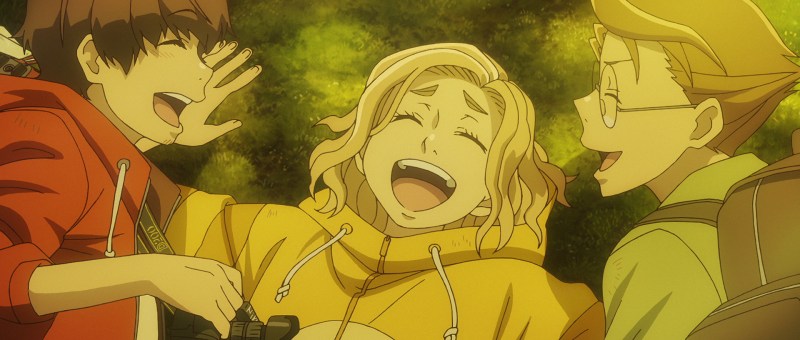
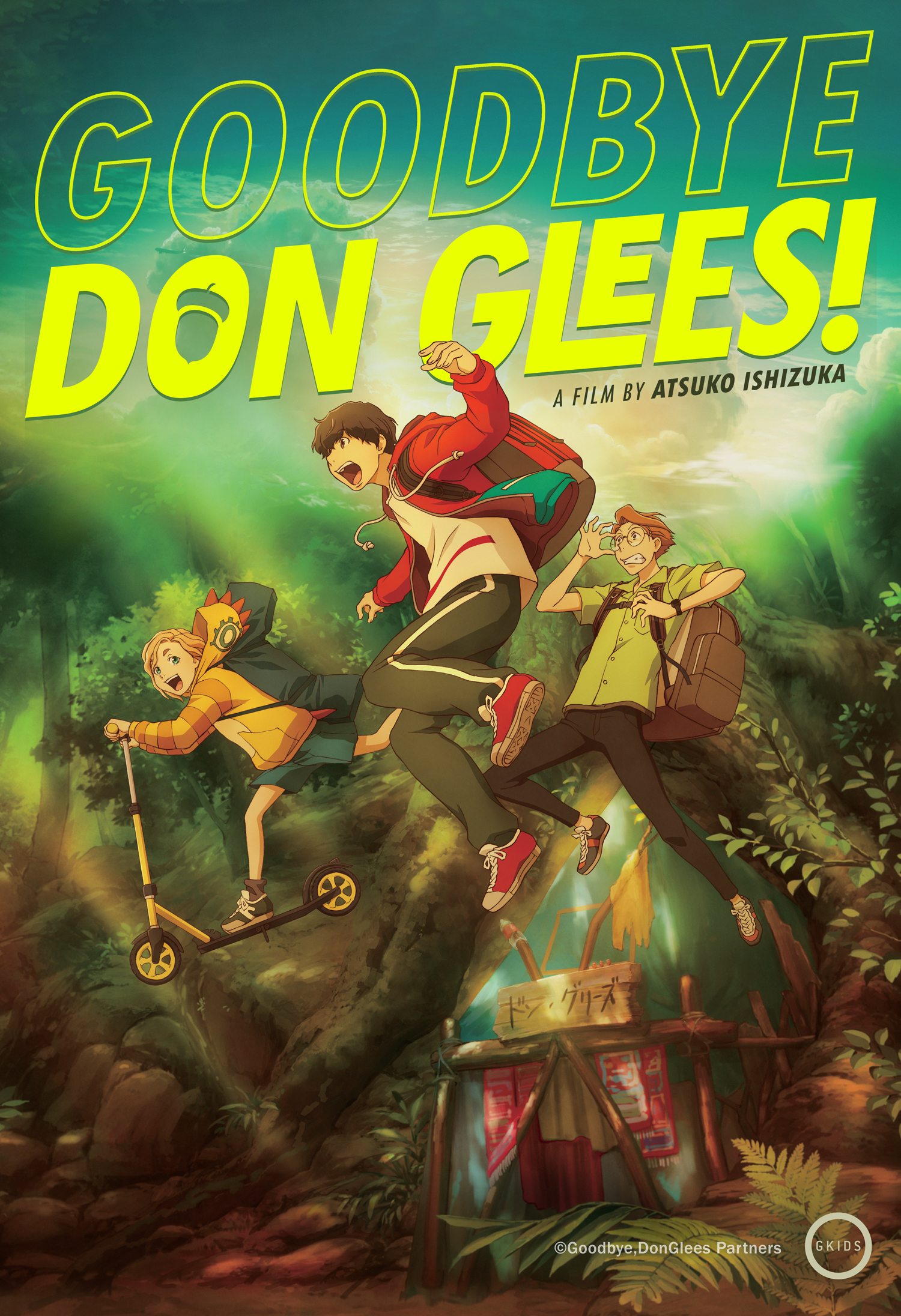
  • Goodbye, Donglees! – animation in which two boys head off into the woods after being falsely accused of starting a fire.
  • Just Remembering – bittersweet love story from Daigo Matsui inspired by Jim Jarmusch’s Night on Earth.
  • Inu-Oh – a blind Biwa player and a cursed young man exorcise the spirits of the Heike through musical expression in Masaaki Yuasa’s stunning prog rock anime. Review.
  • Kappei – quirky comedy in which a collection of adults raised for an apocalypse that never happened must try to live normal lives.
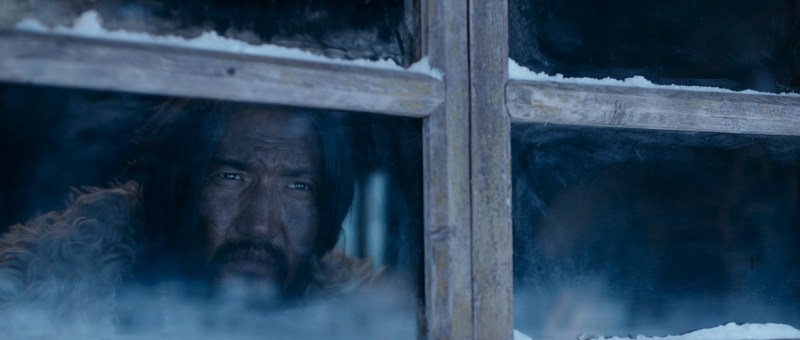
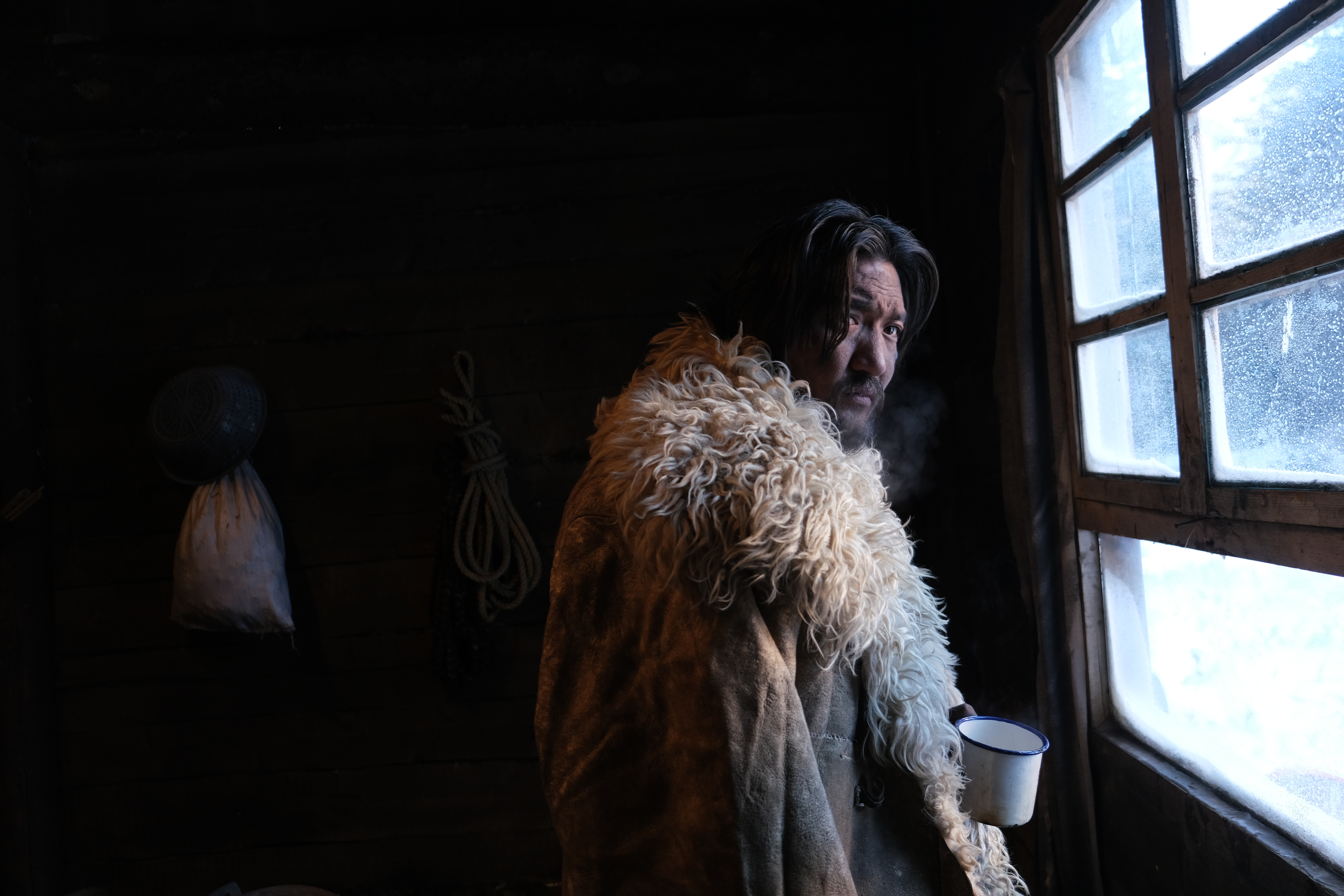
  • Missing – darkly comic thriller in which a young girl searches for her father who went missing after saying he was going to claim the bounty on a serial killer he spotted in town.
  • The Mole Song: Final – undercover cop Reiji finds himself increasingly conflicted in his mission to take down Todoroki in the final instalment of the comedic trilogy. Review.
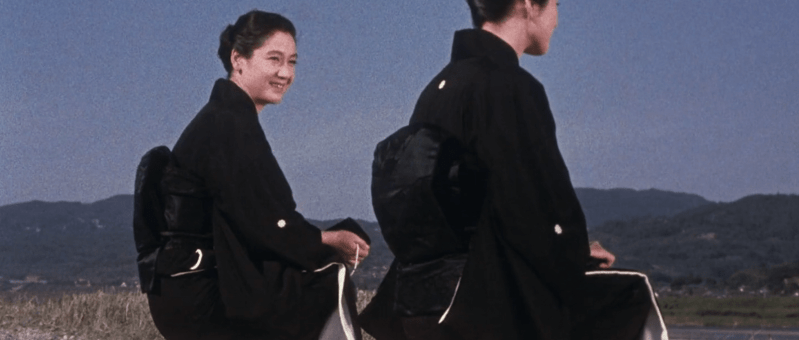
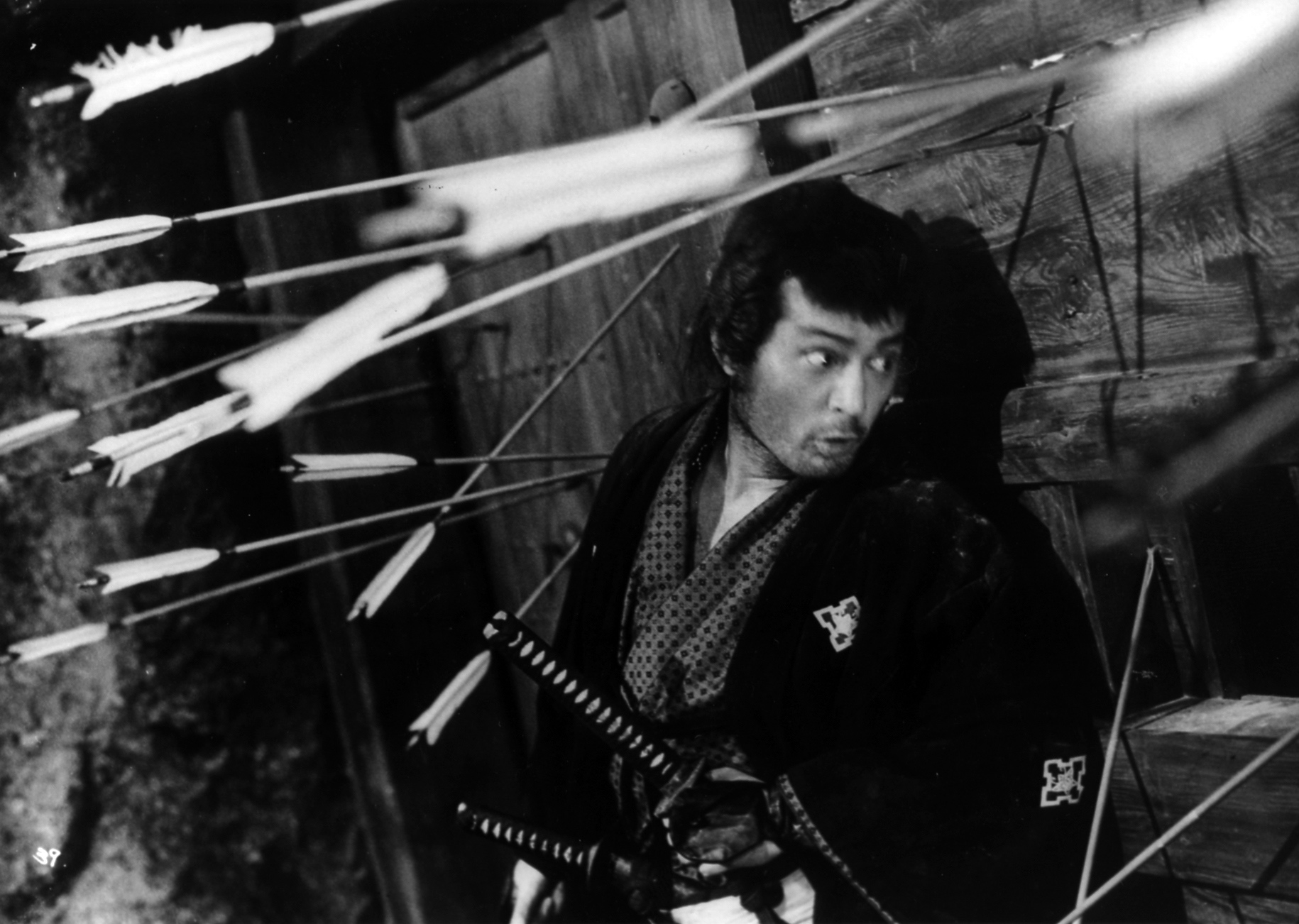
  • The Pass: Last Days of the Samurai – holding fast to samurai ideals a progressive retainer realises his era is at an end in Takashi Koizumi’s homage to classic samurai cinema. Review.
  • Popran – a self-involved CEO gets a course correction when his genitals suddenly decide to leave him in Shinichiro Ueda’s surreal morality tale. Review.
  • Shari – experimental film in which a red monster invades the ordinary life of a snowy town.
  • Shin Ultraman – big budget adaptation of the classic tokusatsu series directed Shinji Higuchi with a screenplay by Hideaki Anno.
  • What to Do with Dead Kaiju – satire from Satoshi Miki in which bureaucrats must try to decide how to dispose of the corpse of a defeated kaiju.

Korea

  • Chun Tae-il: The Flame That Lives On – animated biopic of labour activist Chun Tae-il who self-immolated in protest of Korea’s exploitative employment environment.
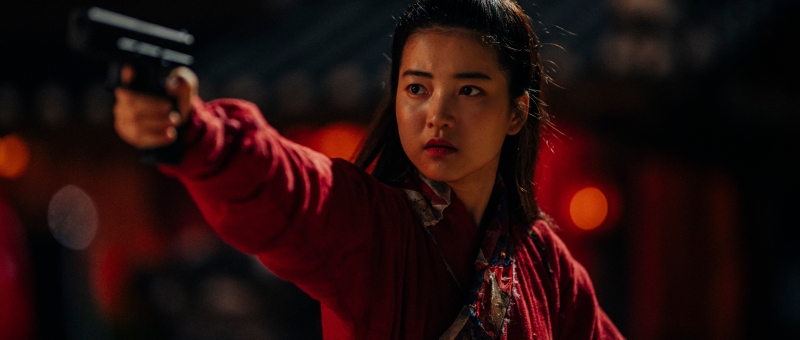
  • Heaven: To the Land of Happiness – a chronically ill thief and a “poetic fugitive” find themselves on the run from a “philosophical gangster” in Im Sang-soo’s playful existential drama. Review.
  • Next Door – drama inspired by the life of Kim Dae-jung in which the leader of the opposition tries to battle a government which has installed a surveillance team in the house next door.
  • On the Line – a former policeman gets back on the case when his wife is targeted by telephone scammers in Kim Gok & Kim Sun’s steely action thriller. Review.
  • The Roundup – sequel to The Outlaws starring Ma Dong-seok as a detective who pursues a vicious killer all the way to Vietnam.
  • Stellar – dramedy in which a man comes to understand his father while on the run in his beat up Hyundae Stellar.

Philippines

  • Whether the Weather is Fine – Philippine drama in which a mother and son search for missing loved ones in the aftermath of disaster.

Thailand

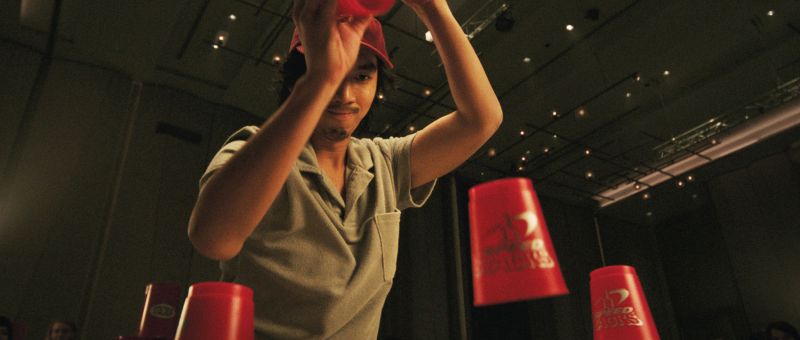
  • Fast and Feel Love – drama in which a world champion sport stacker has to learn to look after himself after his girlfriend dumps him.
  • One for the Road – a New York club owner returns to Thailand on learning that his friend has been diagnosed with terminal cancer.

The Fantasia International Film Festival runs in Montreal, Canada, July 14 to Aug 3. Full details for all the films are available via the the official website, and you can also keep up with all the latest news via the festival’s official Facebook pageTwitter account, Instagram, and Vimeo channels.

Wind (随风飘散, Dadren Wanggyal, 2020)

“Who made these rules?” an exasperated young woman asks, fed up with her constant stigmatisation for something that was in any case not her fault. Set in a small Tibetan village, Dadren Wanggyal’s Wind (随风飘散, suífēng piāosàn) takes aim at entrenched misogyny while suggesting that the traditional patriarchal social codes by which the village operates have caused nothing but misery not only for women but for their men too who all too often turn to drink and violence in order to escape their own sense of imprisonment. 

Only the wise old grandmother seems to know better. She is the only one to show kindness to Samdan (Sonam Wangmo), a young woman she discovers in her barn who has given birth to a child out of wedlock. Seven years later, Samdan and her daughter live in a small home on the outskirts of the village but are regarded as social pariahs shunned by the local women and often described as filthy witches in part because Samdan has had to resort to offering sexual favours to local men in exchange for food and assistance. Meanwhile, the old lady continues to support them sending her son Gonbo (Genden Phuntsok) to supply the pair with meat yet Gonbo is careful never to venture inside while his wife, Urgyen Tso (Wondrok Tso), remains intensely disapproving. Gonbo soon has a son, Tsering, who is sickly leading Urgyen Tso to blame Samdan and her daughter Gelak (Tsering Drolma) for his poor health. Seven years on from that, Samdan’s 14-year-old daughter becomes a surrogate sister to Gonbo’s son who is bullied by the other children because he is small and weak but is constantly misunderstood by the judgemental village society.

Both Gelak and Tsering are in various ways made to pay for their parents’ transgressions. It isn’t Gelak’s fault that she was born to a mother who was not married, though she is the one called “witch” and seemingly blamed for anything that might go wrong throughout the local area. Neither is it her fault that her mother has little other option than accept gifts from lecherous men in order to support them both in the absence of a husband in this wickedly patriarchal society. Tsering meanwhile becomes the victim of his mother’s unhappy marriage, knowing that Gonbo has someone else in his heart that he was forced to give up because a marriage was already arranged for him. It is really his moral cowardice which has led to all the subsequent problems in that he should not have begun a relationship he was not prepared to fight for nor agreed to marry another woman out of a sense of obligation and then gone on to resent her for it. For these reasons, Urgyen Tso has become a jealous woman and most of all for her sickly son while seemingly unaware of how he is treated by the other boys in the village. Gelak is the only one who stands up for him, stepping in to challenge the bullies and later carrying him home when he is seriously injured by one of their pranks yet is constantly blamed for making him ill despite Tsering’s assertions that she is not responsible and in fact helped him.   

In any case, it’s this sense of rejection and futility that eventually push Gelak towards a desire to take charge of her own destiny. The wise old lady had told her that her only option was to find a husband to care for herself and her mother, yet Gelak has had enough of unreliable men and chooses an opposing path. Using the loom the old lady had given her, she resolves to earn a living for herself ordering her mother never to accept a gift from any of the local men ever again while taking on all of the duties the man of the household would usually perform. That would include taking part in the ritual at the Holy Mountain on behalf of her family, somewhere that a woman would ordinarily not be allowed to go. Breaking with tradition she takes the men to task, asking who exactly made these rules and why while challenging the village’s essential misogyny to claim her full autonomy and right to head her own household in the absence of a man. 

Chastened they do not stop her, though as for what happens after that the answer may not be so easy. Interestingly enough, the protagonist of the story on which the film was based, The Bastard Child Gelak, was a boy, yet Gelak’s determination to claim her right to equality and liberate her mother from years of stigmatisation presents an existential challenge to the outdated social codes of the village in which women are forced to bear the brunt of male failure without recourse or remedy. Elegantly lensed amid the dramatic scenery of a Tibetan mountain village, Dadren Wanggyal’s impassioned drama paints an animated portrait of contemporary Tibetan life while arguing passionately for long-awaited social change. 


Wind streamed as part of Odyssey: a Chinese Cinema Season.

Original trailer (English subtitles)

Let Me Hear It Barefoot (裸足で鳴らしてみせろ, Riho Kudo, 2021)

“I can touch it if I reach out” one of the heroes of Riho Kudo’s second feature Let Me Hear It Barefoot (裸足で鳴らしてみせろ, Hadashi de Narashite Misero) claims as he narrates a fantasy trip to Iguazu Falls, but his tragedy is that he can not reach out and neither can his friend or really anyone in this suffocating enclave of moribund small-town Japan. As in her debut Orphan’s Blues, Kudo finds her heroes trapped with a space of artificial nostalgia and yearning for escape while in constant dialogue with Wong Kar-Wai’s melancholy romance Happy Together as the two young men process their frustrated desires not only for each other but for an end to the loneliness that defines each of their lives. 

Naomi (Shion Sasaki) is lonely in part because he feels trapped. Having dropped out of university he’s working in his father’s (Masahiro Komoto) recycling depot while his best friend and high school sweetheart Sakuko is about to move to Canada. He first catches sight of the enigmatic Maki (Tamari Suwa) at the local pool after trying to learn to swim to effect change in his life and later bonds with him along with a mysterious old woman, Midori (Jun Fubuki), who has lost her sight and claims to have travelled the world in her youth. What the boys later discover is that Midori had not been entirely honest in that her travels had been vicarious, related to her by a third party long since departed whom she did not want to forget. Following a health scare she tries to give Maki her savings telling him to travel the world in her stead but he soon discovers that she was sadly mistaken about amount she’d put away. Lacking the heart to tell her, Maki decides to use an old tape recorder to fake trips to famous places ironically mirroring her final confession that her friend had never travelled either but made all the stories up for her benefit. 

The tape recorder conceit of course directly recalls Happy Together as does the final destination of the Iguazu Falls while hinting at the unattainable freedom each of the young men yearns for as mediated by their desire to travel the world. “We can go anytime” Maki tries to convince Naomi in his mounting desperation though each of them on some level knows they will never leave nor escape their sense of loneliness. Maki describes himself as feeling as if he is trapped within a magnetic field, surrounded by people but unable to touch them. A man permanently at odds with his environment, Naomi feels the same but their feelings for each other are complex and confusing. In a repeated motif one reaches out to touch the other but suddenly pulls back, their repressed desire expressed only through increasingly intense play fighting until one is finally unable to go on with the subterfuge and unsuccessfully attempts to address their unresolved romantic tension. 

Much of their courtship occurs in Naomi’s converted garage bedsit, a space filled with unwanted relics of the past from countless VHS and discarded books to TVs and radios. The garage is his literal safe space, Naomi explaining to Maki that he feels the urge to collect things out of a sense of security that they are safe here even if they disappear from the outside world. “Memories will stay” Maki reminds him, but that’s not good enough for Naomi who ironically can only trust the things that he can touch. Preoccupied with a sense of loss he is unable to move forward, cannot take hold of himself or his desires wishing to preserve the past at all costs while Maki has learnt to live in the moment able to let go but adrift in the present. 

“We may not even be alive tomorrow” Naomi wails in desperation, feeling as if he’s running out of time while boxed in by his equally lonely, disappointed father as a vision of his future self worn down by small-town life and a persistent sense of futility. The two men are forever divided, literal glass standing between them in the closing scenes in which they can no longer touch even if they wished it. Small-town life is it seems the place dreams go to die as symbolised in Sakuko’s eventual defeated return, Naomi left only with resignation to the life he had rejected in an acceptance of the failure of his unfulfilled desires. “I don’t want to forget” he claims echoing Midori’s explanation for her mysterious tattoo while left only with the ironic words of Maki’s cassette tape in their melancholy echo of the romantic impossibilities of Happy Together, “we need to start over”. 


Let Me Hear It Barefoot streamed as part of this year’s Nippon Connection.

Images: (c)PFF Partners

Chang’e (常娥, Shen Lianlian, 2021)

A middle-aged woman’s stultifying life in rural China is momentarily enlivened by the arrival of a man who organises ceremonies for the dead in Shen Lianlian’s naturalist drama, Chang’e (常娥, Cháng é). Named for the goddess of the moon in Chinese mythology, Shen’s film finds its embittered heroine lonely and resentful while also consumed with guilt over her desire to feel something more only to have her hopes of a new life dashed and like the goddess find herself alone as if marooned on a distant planet. 

Shen opens the scene with the noisy clanging of the factory where 55-year-old Xiaoxiang (Wang Xiaoxiang) works, its repetitive rhythms marking out her life with dull futility. Foul mouthed and angry, she snaps at those around her not least her 30-year old bachelor son who shows no desire to get married while repeatedly reminding her that there’s nothing he can do but wait until a new apartment he wants to buy becomes available for sale. Meanwhile they discuss the death of a neighbour living in very similar circumstances to Xiaoxiang who is later revealed to have taken her own life. 

This ominous event, however, presents new possibilities to Xiaoxiang who takes a liking to the mysterious middle-aged man who arrives to help them conduct the local death rites despite having previously criticised her neighbours for being unable to carry them out themselves. Because of a lack of available accommodation, Xiaoxiang ends up hosting him in her apartment and enjoying a sense of domesticity long absent from her life as her husband works away and rarely returns home. It’s at this point that she begins having bad dreams finding herself trapped in a rising bucket while the machine hammers behind her or walking around a market where the chicken’s feet remind her of human hands and she notices an embroidered shoe floating in the water. 

Like the goddess Chang’e, Xiaoxiang has a pet rabbit she keeps in a cage with whom she closely identifies unable to escape the prison of her own existence yet her eventual parting with the creature is less liberation than resignation or even a kind of suicide. Meanwhile she watches a rocket, Chang’e 5, launch for the moon while seated firmly on her sofa. The mysterious man’s arrival may raise the sense of possibility, of a new more emotionally fulfilling life, but he is also of course a spectre of death hovering on the horizon. Along with the paper houses constructed for the ceremony, Xiaoxiang passes fires in front of graves confronting her with the ever present threat of mortality. She is told that the cause of her nightmares lies in having offended the dead for whom she must burn more sacrifices yet nothing seems to cure her anxiety or loneliness. 

In a sense Xiaoxiang is performing her own death rites while coming to an accommodation with the idea that her life will have no more changes, as certain and repetitive as the machine which she operates. Shen captures the crushing disappointment of her small-town existence where even small pleasures such as buying a new coat are guilt-inducing luxuries with an unforgiving naturalism. Xiaoxiang gossips with a colleague suspecting that one of the other workers is being harassed by their boss but otherwise does nothing, her friend reminding her she no longer needs to worry about things like that as she is “not as pretty” as the unfortunate young woman. Using a cast of non-professional actors, the lead actress is indeed a factory worker from the director’s hometown, Shen lends an air of futility to the lives of women like Xiaoxiang while likening her to the distant and melancholy figure of Chang’e who finds herself alone, marooned on a lonely planet solely for her transgressive desires for emotional fulfilment in a life of stultifying productivity. 


Chang’e streamed as part of Odyssey: a Chinese Cinema Season.

Original trailer (simplified Chinese / English subtitles)

Under the Stars (星の子, Tatsushi Omori, 2020)

“The time of realisation comes and then that person changes” according to the words of a new religion guru. The sentiment is true enough, even if the meaning is slightly different from that which she’d intended. Young Chihiro, however, the heroine of Tatsushi Omori’s adaptation of the novel by Natsuko Imamura Under the Stars (星の子, Hoshi no Ko), is indeed approaching a moment of realisation as she begins to question everything about the world around her as it had been presented throughout the course of her life. 

As a baby, Chichiro (Mana Ashida) had suffered from severe eczema which had left her in terrible pain and her parents suffering with her in witnessing her distress. On the advice of a colleague, Chichiro’s father (Masatoshi Nagase) decides to try using “Venus Blessed Water” which is apparently full of cosmic energy that can cure all ills. Chihiro begins to recover and her parents become devotees of the cult which produces it eventually alienating her older sister, Ma (Aju Makita), who is unable to reconcile herself with the outlandish beliefs they advance and rituals they conduct. 

For Chihiro, however, the cult is all she’s ever known so it is in that way “normal” and it’s never really occurred to her to question it even after her sister’s mysterious “disappearance”. But as she approaches the end of middle-school, a few well placed questions from her classmates give her pause for thought wondering if her parents’ claims about the miracle water could possibly be true or if, as her best friend Watanabe (Ninon) wonders, they are simply being scammed. After all, if water could solve all the world’s problems it would either be ridiculously expensive or completely free and if you could stay healthy by placing a damp towel on your head then everyone would be doing it. Her parents claim they don’t get colds because the water boosts their immune system, but perhaps they’re just lucky enough to be the kind of people who don’t often get that kind of sick or the fact that they obviously spend almost all their time in the bubble of the cult reduces their exposure. 

Her crunch point comes when her handsome maths teacher (Masaki Okada) on whom she has a crush spots her parents doing the ritual in a park and exasperatedly points them out as complete nutcases. When she eventually tells him who they are, he inappropriately calls her out in front of the entire class by telling her to get rid of her “weird” water while subtly undermining her religious beliefs with advice about how to avoid getting colds or other potentially dangerous seasonal viruses. Omori presents the cult neutrally, hinting that the discrimination Chihiro is facing as a member of a “new religion” may be unfair while the beliefs of traditional religions may seem no stranger to the unfamiliar and to criticise them so directly would be deemed unacceptable in any liberal society. In a sense perhaps we all grow up in a kind of cult only latterly questioning the things our parents taught us to be true. Chihiro’s uncle Yuzo meanwhile had once tried to use science and experience to undermine her parents’ beliefs, he and Ma swapping out their holy water for the tap variety to prove to them that they are being duped only for them to double down and refuse to accept the “truth”. 

Uncle Yuzo and his family eventually offer Chihiro a place to stay in the hope of getting her out of the cult but are also of course asking her to betray her parents by leaving them. She remains preoccupied by the fate of her sister, particularly hearing rumours about the cult supposedly disappearing those who turn against them, but is torn between her growing doubts and love for her parents while privately suspicious about the fate of a child much like herself kept locked up by his mum and dad who say he’s terribly ill and unable to speak (which doesn’t exactly support the cult’s claims of universal healing), but who knows what might actually be true.

Shoko (Haru Kuroki), the wife of the guru Kairo (Kengo Kora), is fond of reminding the younger members that they are not there of their own free will which is of course true whatever the implications for fate and determinism because they are children whose parents have forced them to attend which might explain their sense of resentment or what she implies is “resistance” to their spiritual messaging in urging them to make an active choice to accept the cult’s teachings. Chihiro is coming to a realisation that she may be on a different path than her parents but delaying her exit while they too are possibly preparing her for more independent life. Lighter than much of Omori’s previous work despite its weighty themes, Under the Stars is also in its way about the end of childhood and the bittersweet compromises that accompany it. 


Under The Stars streamed as part of this year’s Nippon Connection.

Original trailer (no subtitles)

Images: (c) 2020 “Under the Stars” Production Committee

Love Conquers All (爱情征服一切, Tan Chui Mui, 2006)

“Girls are mostly stupid” extols the dubious romantic lead of Tan Chui Mui’s debut feature, “they think their love can conquer all”. Ironically titled Love Conquers All (爱情征服一切, àiqíngzhēngfúyīqiè), Tan’s ‘90s drama wonders how true that might be or if in a sense love can at least triumph over reality as we watch the naive heroine falling wilfully or otherwise into a dangerous web of abuse and exploitation while torn between the innocent romance of a hometown boyfriend and the confusing compromises of seedy urbanity. 

Innocent country girl Ping (Coral Ong Li Whei) travels from her home in Penang to work in a relative’s restaurant in Kuala Lumpur. While using a pay phone to keep in touch with her family, she comes to the attention of John (Stephen Chua), a somewhat rough local man who quickly begins stalking her bizarrely enough with the offer of a bunch of bananas to which Ping claims to be allergic. Nevertheless, lonely in her new life in the city rooming with her employer’s young daughter Mei, she eventually gives in and begins a relationship with him. While they’re at a hawker stand one evening, he introducers her to his friend, Gary, whom he claims is a pimp. Gary’s modus operandi is to pick up a new girl every three months, make her his girlfriend and then disappear sending a friend to say he’s in trouble with some shady types and needs money fast. Unable to pay, the young woman is drawn into sex work which Gary forces her to continue on his return before selling her off to people traffickers and starting the process over again. 

Ping seems fairly horrified by John’s story, but inevitably experiences something similar herself as John expresses fear for his future given the precarity of his underworld life, turns up with bruises, and then disappears sending Gary to tell her he needs money fast. She knows what’s happening but goes along with it anyway, perhaps out of a sense of fatalism or as John has suggested because she gives in to the romantic fallacy that her love can save him though he only means to use and discard her. Or perhaps, who knows, it is just a coincidence and he really does love her after all. A minor moment of potential exploitation mirroring their earliest date in which she suggests buying him a jacket but he prefers a different, possibly more expensive one, may imply something different. 

In any case, Ping’s view of romance may be overly idealised informed by the brand of TV drama so cheesy that little Mei and her mum can’t help giggling as they watch. Mei too is in the middle of an innocent romance with a penpal who calls himself only the “Mysterious Man” which is on one level worrying even if her explanation that he usually talks about stuff at school implies they may be of a similar age and she may even know him. At different stages, both Ping and Mei are seen drinking at the cafe staring into space thinking of their respective romantic interests though Ping’s situation is obviously not quite so innocent. On a fairly coercive date in which he idly raises the idea of marriage and children, John drags her to the beach and posits an ideal family life in small house like that of his aunt to whom he introduces her as his wife but may or may not actually mean to provide her. 

“You have no choice unless you jump” John uncomfortably repeats as he completes his romantic conquest even as Ping continues to call her hometown boyfriend on the phone telling him she loves him even in front of a mildly jealous John. Perhaps their romance is to her a kind of fantasy of romantic sacrifice set in contrast with the more prosaic sacrifice she has made to leave her family and travel to the city. While working in the cafe she’s approached by another creepy guy only a little older than John but just as persistent and taking much the same approach insistently asking for her name though she eventually manages to brush him off. Yet the question remains, is Ping merely a romantic fool, “stupid” as John had said, or a young woman attempting to take control of her romantic destiny as perhaps Mei is doing when she asks her mother to drive her to her pen pal’s address so she can figure out what he looks like? Shot digitally in a retro 4:3, Tan’s debut feature is replete with zeitgeisty detail of Kuala Lumpur in the ‘90s and filled with the lacuna of nostalgia, but offers no real answers for the duplicitous nature of love. 


Love Conquers All streamed as part of Odyssey: a Chinese Cinema Season.

Original trailer (English subtitles)

The Mole Song: Final (土竜の唄 FINAL, Takashi Miike, 2021)

“He’s horny and looks like a fool but you can count on him” according to top mob boss Todoroki and it’s as good a description as any of the hero of Takashi Miike’s adaptation of the manga by Noboru Takahashi, The Mole Song: Undercover Agent Reiji. Billed as the conclusion of the trilogy each of which is scripted by Kankuro Kudo, The Mole Song: FINAL (土竜の唄 FINAL, Mogura no uta Final) arrives almost 10 years since the series’ first instalment and five years after the second as Reiji (Toma Ikuta) proceeds towards his ultimate target and staves off the next evolution of organised crime.

To rewind a little, as film frequently does in flashbacks to the earlier movies, Reiji was a useless street cop facing a host of complaints not least for being a bit of a creep upskirting the local ladies until offered the opportunity to go undercover in the yakuza in order to break a drug smuggling ring run by ageing boss Todoroki (Koichi Iwaki). No longer technically a law enforcement officer because undercover operations are apparently illegal in Japan, Reiji has begun to find himself torn between his ultimate mission and the codes of gangsterdom not least in his relationship with sympathetic, old school yakuza Papillon (Shinichi Tsutsumi) so named for his love of butterflies many of which adorn his brightly coloured suits. 

Reiji’s inner conflict may ironically mirror the giri/ninjo push and pull central to the yakuza drama as he begins to realise that in completing his mission of taking down Todoroki he will end up betraying Papillon who once saved his life at the cost of his legs. Papillon meanwhile is presented as the idealised figure of the traditional yakuza in his fierce opposition to the drugs trade in the conviction that all they do is make people’s lives miserable and destroy families. He alone maintains the traditional ideas of brotherhood that underpin the underworld society in which a boss is also a father and betrayal is a spiritual if also in a sense literal act of suicide. His opposite number, meanwhile, Todoroki’s son Leo (Ryohei Suzuki), is the evolution of the post-Bubble yakuza, highly corporatised and essentially amoral. Papillon compares him to a mutant butterfly fed on coca lives that will eventually kill all of those with which it is confined while Leo himself claims that he intends to redefine the concept of the yakuza for the new generation. 

Caught between policeman and gangster, Reiji’s identity confusion is mediated through his relationships with Papillon on the one hand and pure-hearted love interest Junna (Riisa Naka) on the other. Each of them at one point tells Reiji that he is dead to them, thereby exiling him to the other side temporarily or otherwise. His yakuza traits which include the perversity which plagued him before endanger his otherwise innocent love for Junna in his inability to control his impulses, upsetting her by revealing a possible fling with a local woman while working on the drug deal in Italy, while his inclination towards police work that informs his sense of “justice” places him at odds with Papillon even though they are in many ways pursuing the same goal in keeping Japan free of dangerous drugs and the crime at surrounds them while purifying the contemporary yakuza of the pollution they have caused and restoring it to the pure ideal of another kind of “justice” advocated by Papillon which Todoroki has in a sense betrayed. 

As the film makes clear, the traditional yakuza is in any case on its way out with successive law enforcement initiatives that perhaps unfairly in some senses prevent them from living their lives. Todoroki’s guys defend their choices to the more idealistic Papillon under the rationale that they can’t open bank accounts, rent apartments, or even make sure their kids have lunch to take to school, so they have to dirty their hands with these less honourable kinds of work. Leo is simply a turbo charged version of their determination to survive. As eccentric cat-like gangster Nekozawa (Takashi Okamura), making a shock reappearance, explains it isn’t as if they can go straight either because who’s going to hire a former yakuza for a regular job? 

There may be in a sense a sympathy for those caught out by their choices with no real way back, a more liberal view of “justice” leaning either towards that by their own code or a simple rejection of the amoral selfishness of those who think nothing of ruining the lives of others for their own gain. With plenty of call backs to earlier instalments, Reiji once again opening the film buck naked with in this case a vase for modesty, Miike maintains the same slapstick sense of humour frequently employing zany animation and even a puppet show to express Reiji’s sometimes simplistic way of thinking. The film even unexpectedly shifts into tokusatsu in its closing sequence, bearing out the similarity in the titular “mole song” to the classic Mothra refrain, while placing Reiji and Papillon back into their respective roles having perhaps exchanged something between them in continuing to pursue their shared goal of a drug-free society. 


The Mole Song: Final streamed as part of this year’s Nippon Connection.

Original trailer (English subtitles)

Images: Ⓒ2021 FUJI TELEVISION NETWORK/SHOGAKUKAN/JSTORM/TOHO/OLM ⒸNOBORU TAKAHASHI/SHOGAKUKAN

One Summer (一个夏天, Yang Yishu, 2015)

“It makes no difference having a husband or not” a friend of the heroine in Yang Yishu’s One Summer (一个夏天, yī gè xiàtiān) laments, yet Zhen is determined to retreive hers or at least find out why he seems to have been swallowed whole by the contemporary society. Trying her best to live a “normal” life or at least give the semblance of one to her daughter she searches for answers but becomes increasingly disillusioned with every step closer to her husband’s salvation. 

Zhen’s otherwise ordinary and comfortable life is disrupted by a doorbell in the middle of the night. Insistent, the bell rings continuously forcing Zhen’s husband Xiaoping to investigate. The ringers turn out to be policemen who make a less than polite request for Xiaoping to accompany them to the station not even allowing him time to say goodbye to his wife or explain what’s going on. The knock at the door is a hallmark of authoritarianism and it’s this cold and austere regime which Zhen finds herself battling. She has no idea why her husband has been taken or to where or for how long. No one can tell her anything either, she’s left entirely alone and in the midst of her confusion must try to balance caring for her young daughter with the increased financial demands of becoming a single mother temporarily or otherwise. 

The neighbourhood woman she asks to watch her little girl explains that she can’t help because the house she paid for in the country for her in-laws to live in is going to be knocked down and she needs to go back there to make a fuss and pay some bribes to make the best of a bad situation. Meanwhile, a third party at the lawyer’s office where Zhen goes for help mutters about bribing the judge and she’s later tricked into giving a large sum of money to gangsters on the advice of someone who said they knew how to help Xiaoping. 

Chasing the police, she’s denied any sort of information before someone more senior tells her that she’s got the wrong station so they can’t help her anyway and in any case suspects are apparently prevented from seeing their families so there’d be no point in finding him. Later she’s told that she might not be able to see Xiaoping until either the case is dropped or he’s been sentenced which might take “several years”. After exhausting the legal routes she tries asking around their old friends to see if anyone knows anything she doesn’t and discovers that some of them have moved abroad or died in mysterious circumstances. Uni friend Lu now a lawyer and continuing to carry a torch for her agrees to help but also remarks on how she’s changed from the bright and cheerful actress he once knew now a wife and mother assigned to an archive where she subversively helps a young woman research a documentary on a persecuted scholar. 

Eventually she discovers that Xiaoping has been hauled in on possibly spurious charges relating to some potentially dodgy dealings at his NGO, accused of illegal fund-raising, tax evasion, and for some reason bigamy which you think would alarm Zhen but it doesn’t seem to suggesting that she either has so much faith in Xiaoping that she refuses to accept it could be true or has decided that it isn’t relevant. On the other hand, the neighbourhood woman offers a few pointed words on experiencing domestic violence from her overbearing husband while her friend laments that hers is always away working so it’s almost as if she weren’t married at all almost implying that Zhen may as well give up her quest because men are unreliable and in some sense always absent even if not literally imprisoned by the state. 

And then just as abruptly as it began everything seems to have been “settled” as if it never happened in the first place. The police harassment, necessity of becoming acquainted with her husband’s business affairs, the stress and worry of trying to take care of her daughter and provide her with a stable home, along with the need to run round her old friends begging for help most of them can’t offer all seemingly forgotten in the interests of a return to genial domesticity. Even so a sense of tension remains, the constant anxiety of living under an authoritarian regime in which a knock at the door may come at any time and you may never see your home again. 


One Summer streamed as part of Odyssey: a Chinese Cinema Season.

Original trailer (no subtitles)

The End of the Pale Hour (明け方の若者たち, Hana Matsumoto, 2021)

A series of youngsters contend with disillusionment amidst the failure of the salaryman dream in Hana Matsumoto’s adaptation of the “I Novel” by Masahiko Katsuse, The End of the Pale Hour (明け方の若者たち, Akegata no Wakamonotachi). United by a chorus of “it wasn’t supposed to be this way”, the choice left to them is to resign themselves to life’s disappointment or to take a gamble on a happier future which though it might not work out might grant them a greater feeling of control over an existence which often seems pointless and unfulfilling. 

The unnamed protagonist (Takumi Kitamura) is already feeling a degree of trepidation even at a gathering that has been organised by a brash fellow student who crassly brands it the “winners’ party” to celebrate that they’ve all been able to line up jobs for after graduation in a competitive employment market. He ends up leaving with an equally bored woman (Yuina Kuroshima), a graduate student a little older than him, and drifts into a relationship with her that seems doomed to failure not least in her constant reminders that “everything ends sometime” and “our youth will be over soon, we need to enjoy it now”. The man insists that their youth won’t end just because they’ve entered the working world but in a sense it of course does, his sparkler fizzling out portentously as he’s forced to think of the future. 

A recent trend has seen large numbers of graduate recruits quit their company jobs within the first three years for reasons the man and his new workplace friend Naoto (Yuki Inoue) quickly discover. Japanese companies generally hire en masse in the spring and then shuffle employees into various departments after a probationary period sometimes letting the ones who don’t make the grade go entirely. Though he had done well in the preliminary tasks and hoped to be assigned to the prestigious planning department where the real work gets done, the man is assigned to the “General Affairs” section of office dogsbodies marked out from the regular salaryman workers by their uniform jackets which make it clear that their work is considered menial mainly concerned with setting up furniture for meetings, taking care of maintenance tasks such as replacing light bulbs, and dealing with interoffice complaints. He is constantly told off for not stamping his documents properly only for someone to explain to him that he needs to make sure his name appears at the correct angle to symbolise his bowing to the boss on paper in an example of the rigid office culture for which the young have increasingly little patience.  

Part of the man’s problem is his passivity. He’s dissatisfied with the system but is at heart conventional and lacks the courage to break with it. The woman is seemingly less so, a free spirit who’s chosen a path she believes to be more creatively fulfilling excited that she might make something that will one day be in someone’s hands. But then as we discover she is more conventional than she first appears, her openness and enthusiasm perhaps partly fantasy to mask the disappointment that she too feels that her life has not turned out as she thought it would. The man remarks that he likes walking around at twilight because it’s the only moment in which he can feel free, a moment of infinite possibility in the liminal space between one day and the next in which today is already over but tomorrow has not started. Later Naoto will say something similar of their youthful days as fresh hires filled with resentment but also determination, railing against the system until the early hours of the morning, describing it as the “magic hour” of their lives though they never knew the light was dimming. 

Such dejection may be slightly unwarranted given that none of them are even 30 by time of the film’s conclusion despite the minor greying of their hair. In any case, the man seems to have come to an acceptance of youth’s end, taking the spirit of the twilight with him as he charts a new, if still conventional course, choosing not to jump ship like his friend but tentatively make an application to get out of General Affairs into a better salaryman job. “It’s been a magic time, hasn’t it?” the woman had said of their brief holiday, “like a dream” but one from which she knows, and perhaps he does too, they’ll soon have to awake. Expressing the anxieties of contemporary generation dissatisfied with their overly corporatised lives in a rigid and conservative society, The End of the Pale Hour nevertheless ends with a sense of the dawn and the promise of new beginnings if tinged with the glow of youthful nostalgia. 


The End of the Pale Hour streams in Germany until 6th June as part of this year’s Nippon Connection.

Original trailer (English subtitles)

The Ark (方舟, Wei Dan, 2020)

Something that often gets forgotten in the midst of the pandemic is that people continued to suffer from other illnesses and ailments some they may have been ultimately unable to receive treatment for. Wei Dan’s sometimes harrowing documentary The Ark (方舟, fāngzhōu) revolves around an elderly woman, Xihua, who is hospitalised with a wasting disease in spring 2020 just as the pandemic takes hold and is cared for largely by her children and grandchildren as they try to figure out what’s best for her while coming to terms with the idea that their mother and grandmother may not be able to overcome this final illness. 

Shot in a dispassionate black and white and a claustrophobic 1:1 frame, Wei captures Xihua’s obvious sense of confusion and distress. A brain haemorrhage some years previously apparently left her unable to speak meaning that she is unable to communicate her pain to her caregivers while her family try to explain to the medical staff what her condition is showing them her legs almost entirely wasted away. While the family do their best to care for her themselves, patiently emptying her bedpan and analysing its contents, they also express suspicion and frustration with the medical establishment repeatedly stating that they worry their mother is not getting proper care because the doctors are after bribes all the time with other patients bringing in expensive gifts to curry favour. 

Meanwhile, money in particular begins to press on the mind of Xihua’s oldest son who is obviously in a degree of mental distress unable to bear the thought that his mother might die because he cannot get the money together to pay for her treatment while simultaneously worrying that maybe all he’s doing is selfishly prolonging her suffering. When it’s suggested that an operation may alleviate Xihua’s symptoms, he finds himself ringing people he hasn’t spoken to in years most of them perhaps understandably sympathetic but unwilling or unable to help. The directness of this approach places an additional strain on his marriage as his wife feels embarrassed to see him begging around for money and thereby exposing the fact they don’t have any. Meanwhile she also worries about the financial stability of their own family, at one point snapping at him that they should pull the kids out of school and tell them their futures are ruined. In a heated moment, she even mentions leaving him reopening old wounds in complaining that she feels as if nothing she does is ever good enough and her husband is no good to her. 

When Xihua passes away after having had an operation to remove a sizeable gallstone that had been causing an obstruction in her bowel, the sense of discord only increases as it becomes apparent that some members of the family, which is largely Christian, are extremely religious and offended by the idea of any kind of traditional rites being performed believing it would upset God. Briefly expanding to 16:9, Wei cuts away from the heated arguments to find Xihua’s grieving son weeping over the body feeling as if all his efforts were in vain while trying to comfort himself that at least she is no longer suffering. 

The family’s distress runs parallel with the expansion of the pandemic though the hospital itself seems to be running more or less as normal save for the odd man in a hazmat suit disinfecting the waiting room even as the family describe a quarantine centre on the television in Xihua’s room as an “ark”. Compounding the worries of Xihua’s son, he’s about to lose his job while one of the grandchildren also complains that his clothing business is struggling and he’s thinking about opening a dry cleaner’s instead. Someone unironically advises him to think about investing in elder care which he suggests is about to become a growth industry thanks to China’s ageing population and the adverse effects of the One Child Policy which has left a generation unable to care for all their elderly relatives, not to mention their own children, at once. Though quietly harrowing, Wei’s film nevertheless finds a degree of serenity in its final stretches as the children return to their family home and its myriad memories throwing this private tragedy in stark relief amid so many other losses in age of fear and suffering. 


The Ark streamed as part of Odyssey: a Chinese Cinema Season.

Original trailer (English subtitles)