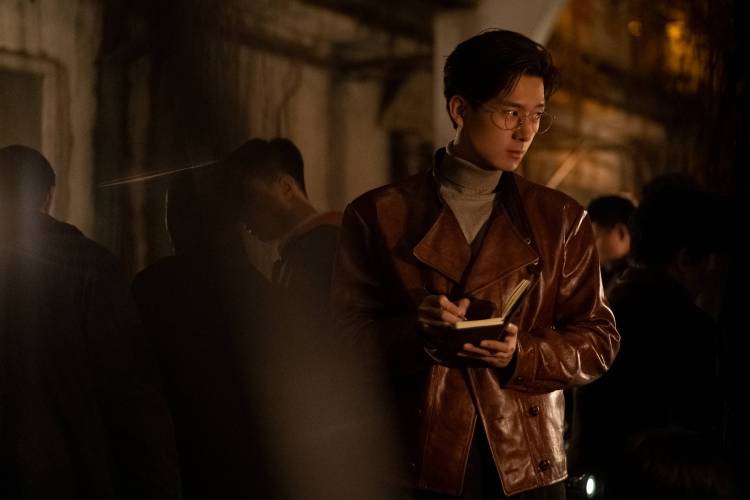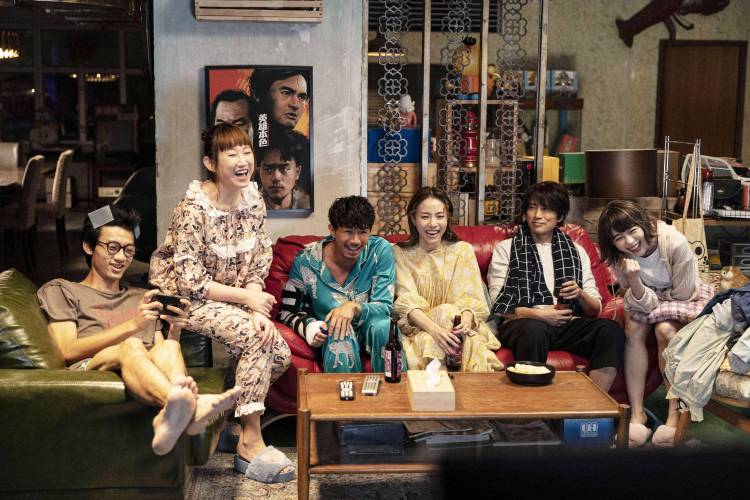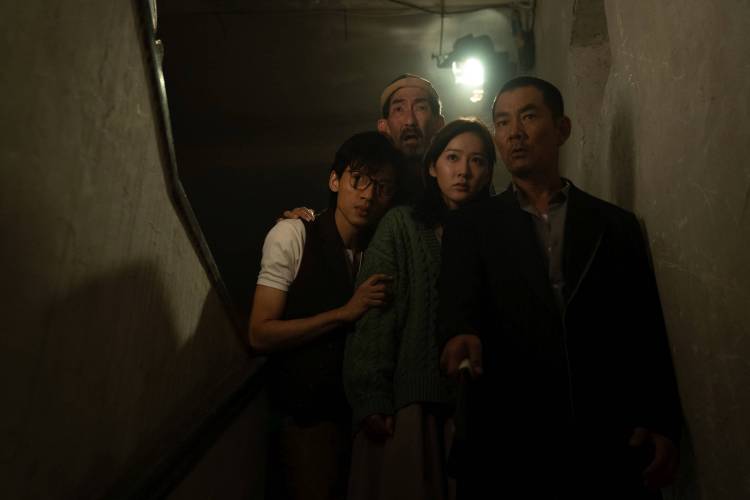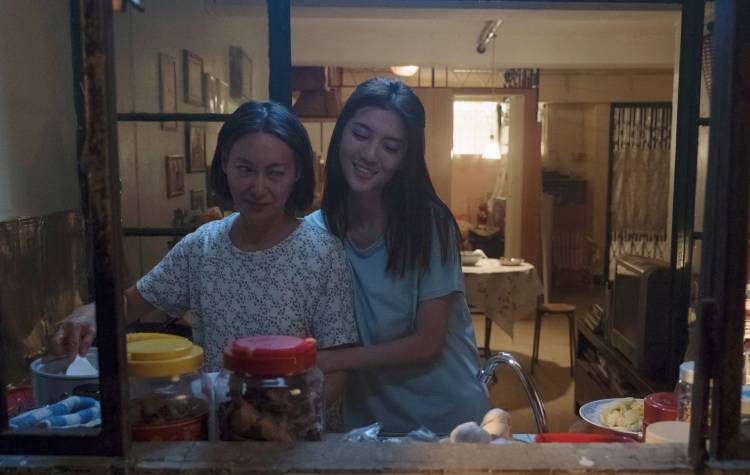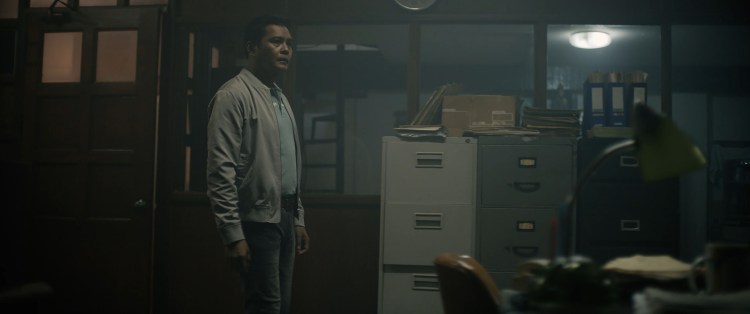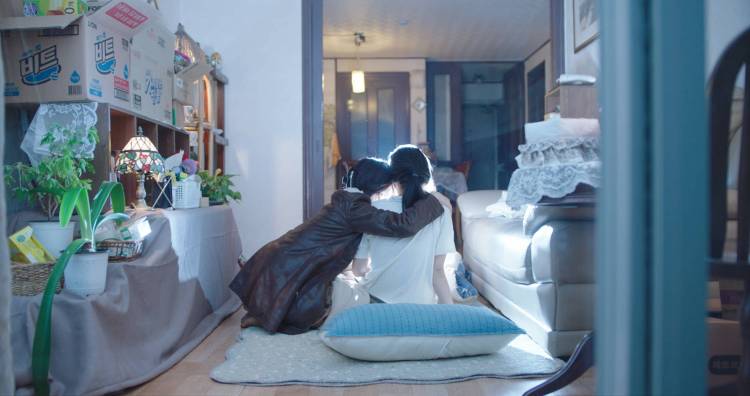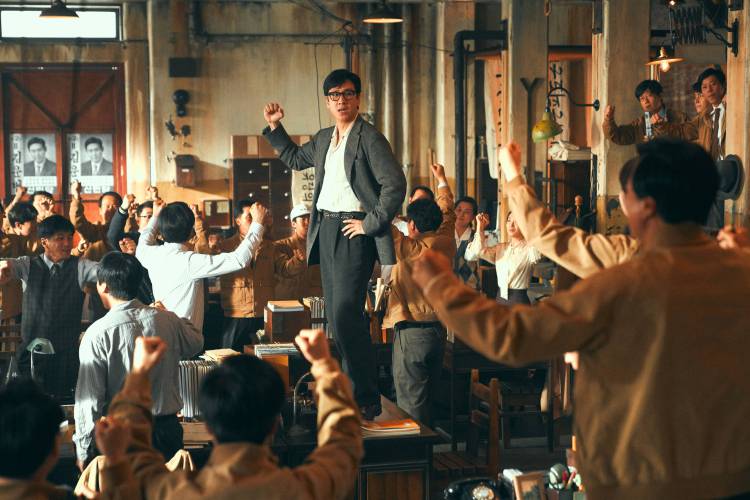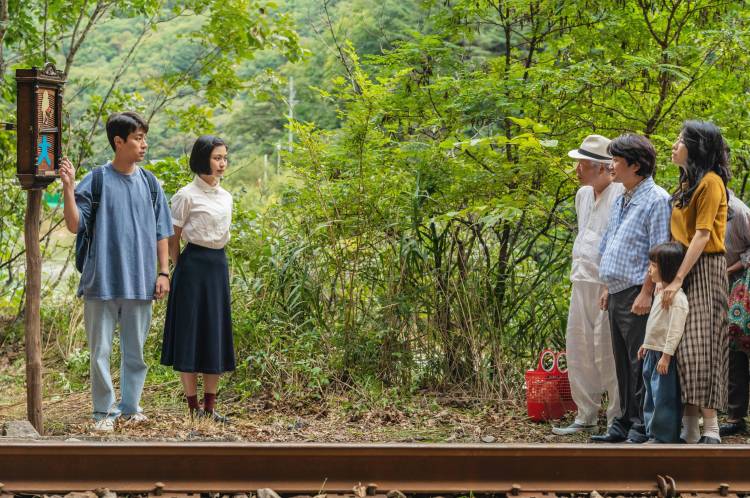
Melting Sounds (ほとぼりメルトサウンズ, Kahori Higashi, 2021)

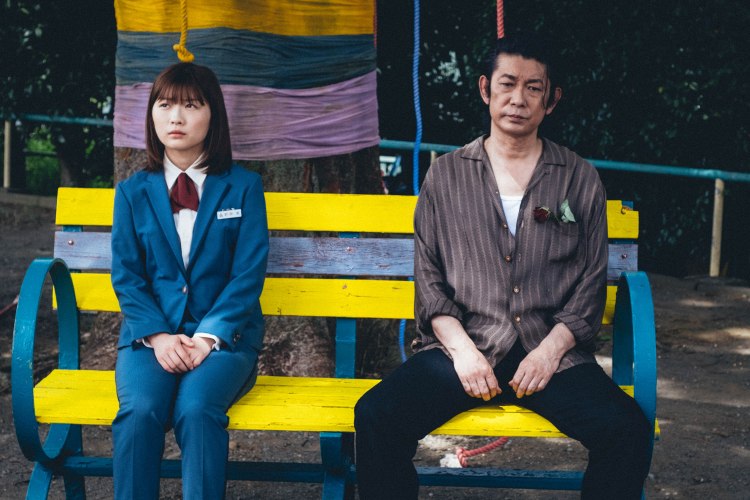
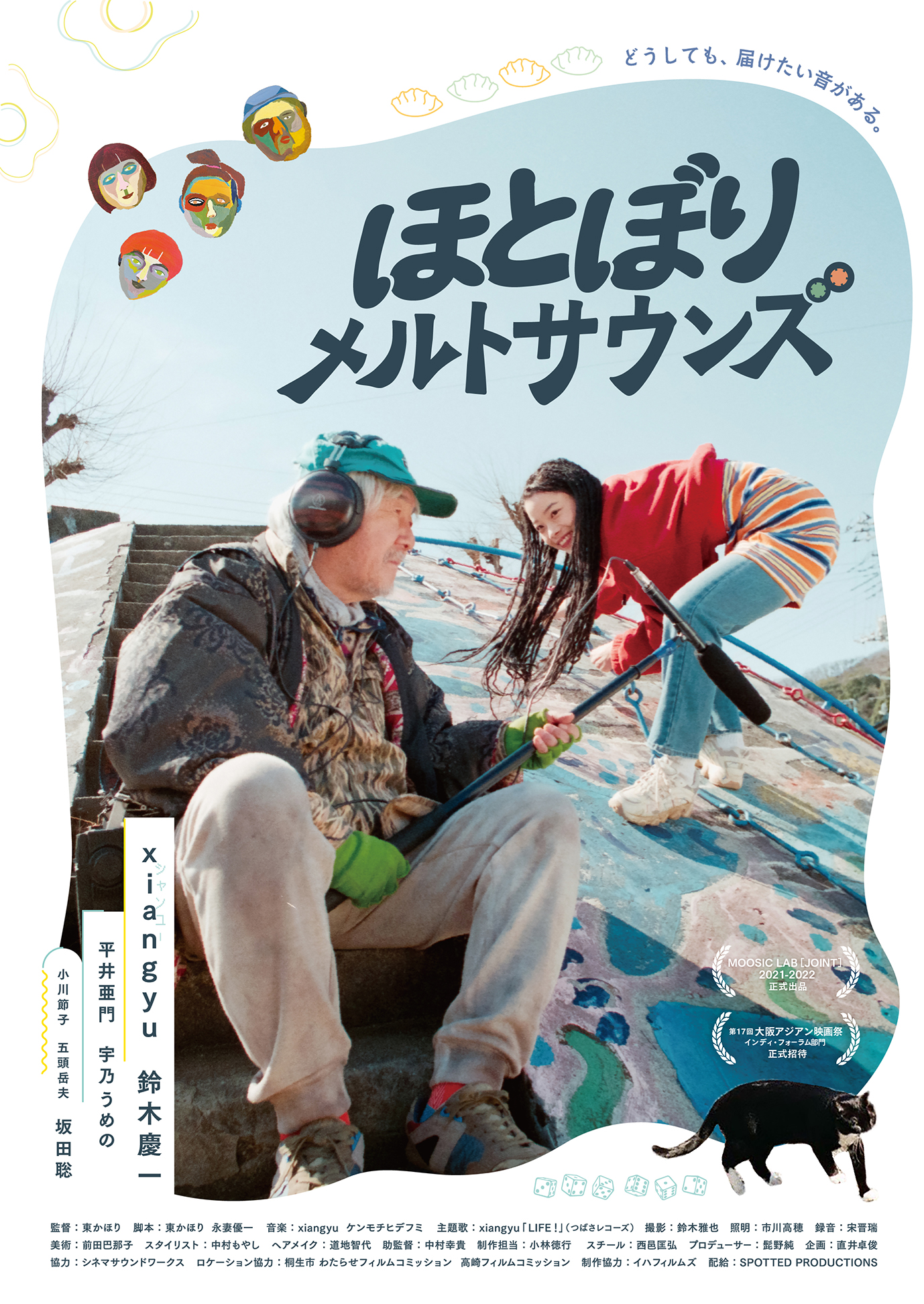
“They’re all dealing with something. They have nowhere to go back to” an old man sighs watching a cohort of similarly aged men doing callisthenics in a local park knowing that they’re about to lose this place too. A Moosic Lab production, Melting Sounds (ほとぼりメルトサウンズ, Hotobori Melt Sounds) is about what you keep and what you have to let go as the heroes try to preserve a disappearing soundscape while unable to resist the march of progress as even their little backwater finds itself at the mercy of modernising developers. 

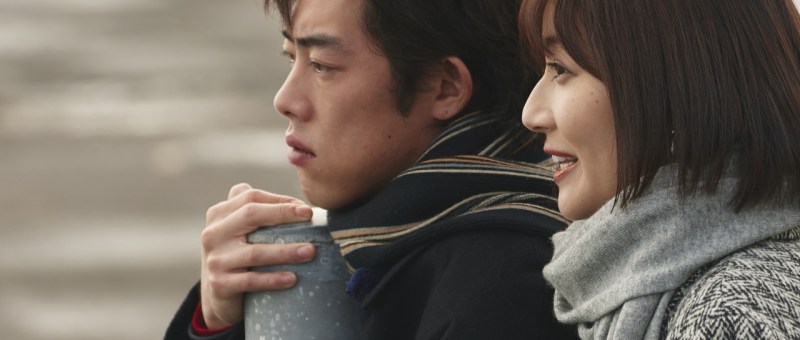
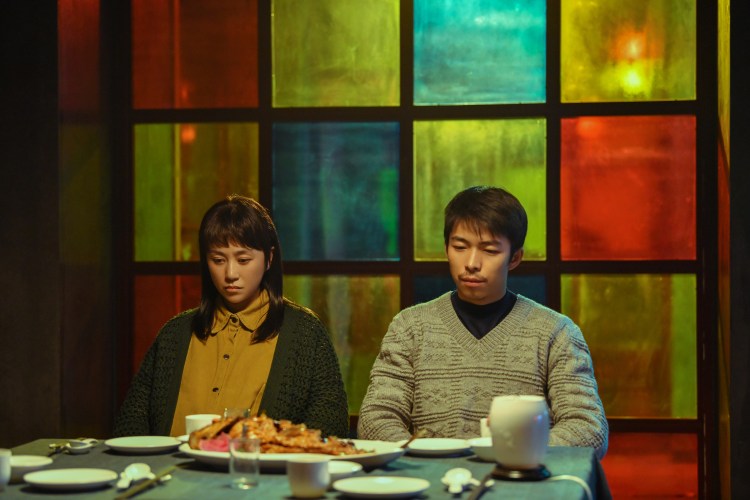
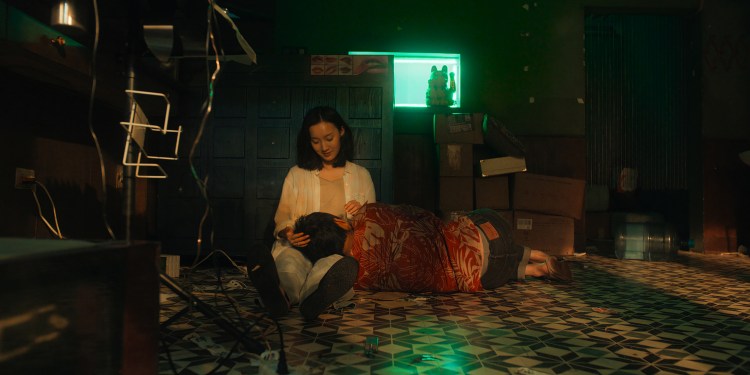
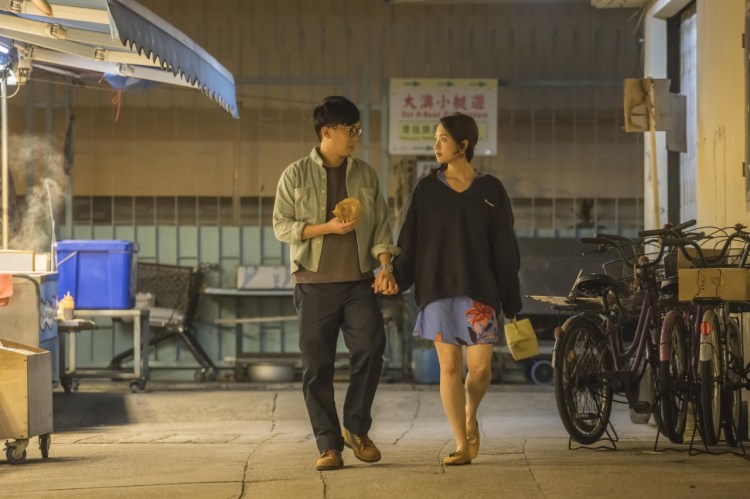
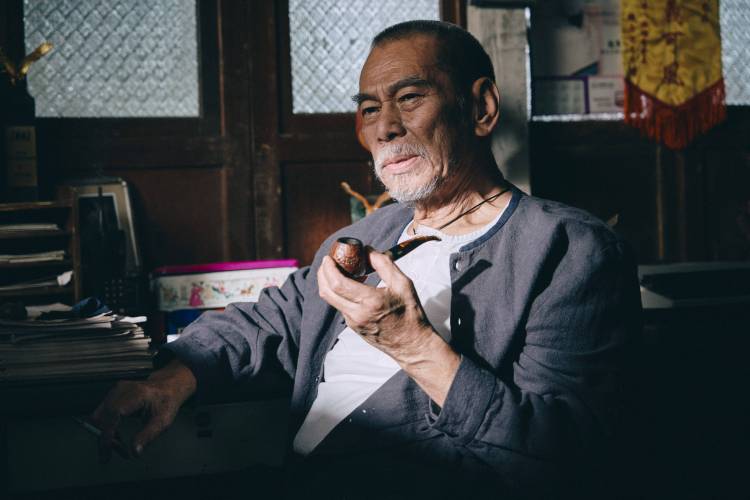
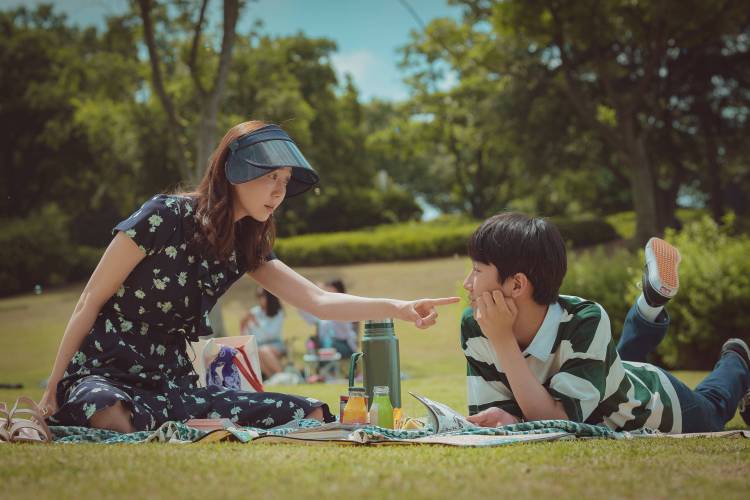
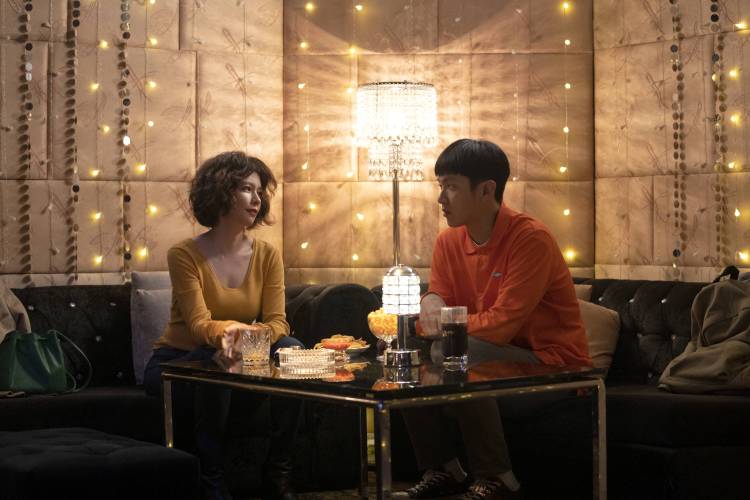
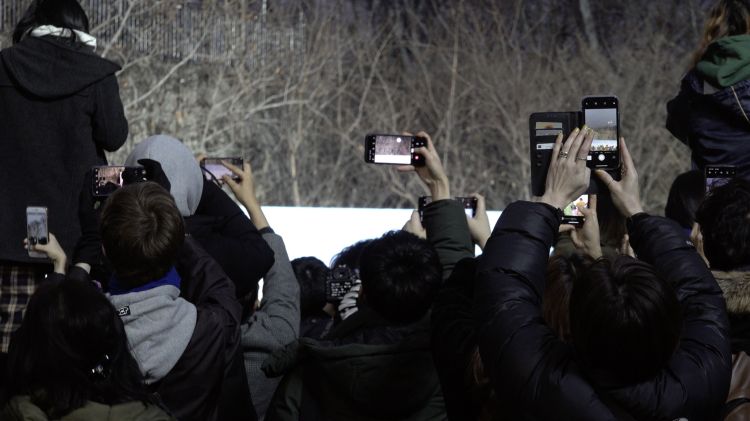
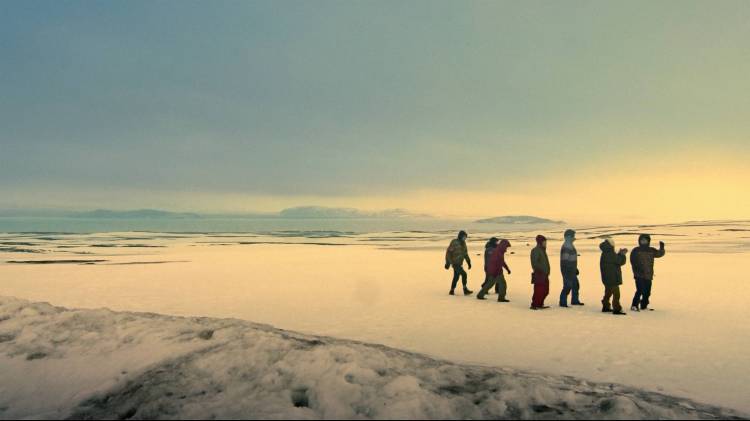
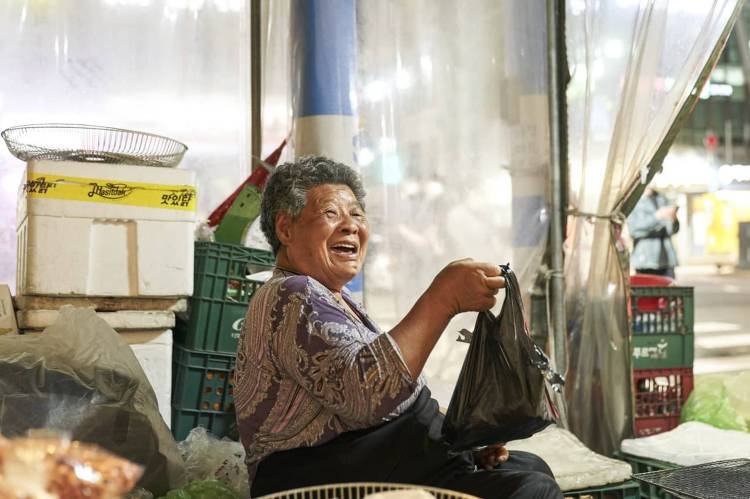
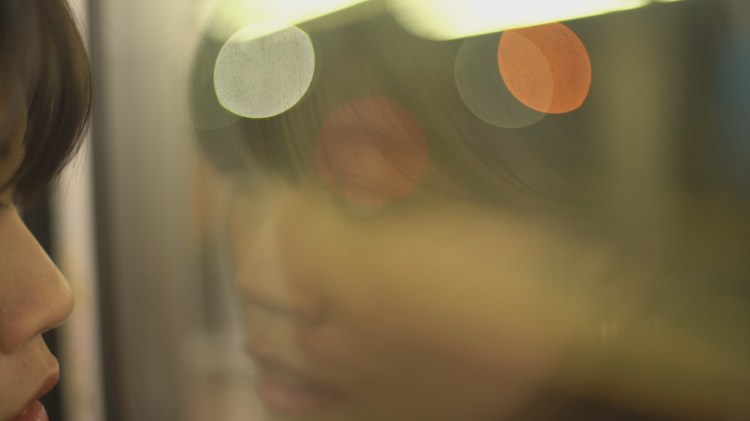
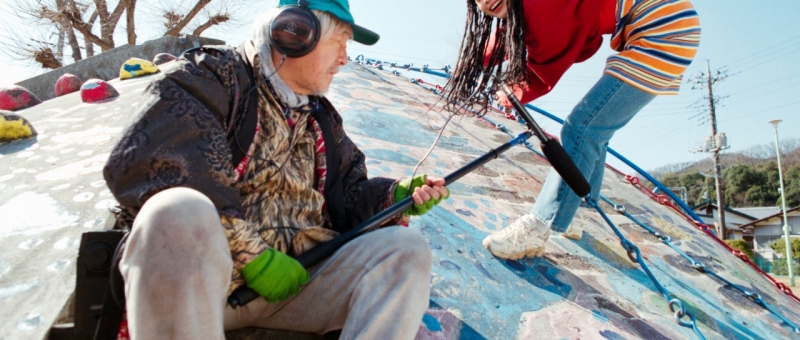
Hoping for a solo getaway, Koto (xiangyu) arrives at the rural home of her late grandmother only to discover a strange man, Take (Keiichi Suzuki), camping in the garden. As she will repeatedly, rather than enlist the authorities Koto invites Take into the house where it’s warmer and discovers that he’s in the middle of an important project recording ambient noise from around the village attempting to capture the banal sounds of everyday life such as someone going to the dentist or a young couple having a pointless argument in the street. Meanwhile, the pair receive a visit from a young man, Yamada (Amon Hirai), bearing a tablet featuring the face of a woman, Hiroko (Umeno Uno), trying to explain to them that the house needs to be knocked down so they should hurry up and move out. Unfazed, Koto once again asks Yamada to come and sit under the kotatsu where it’s warm, the young man later taking a break from his job to stay with them under the pretext of convincing them to leave while they’re later joined by Hiroko who also becomes increasingly conflicted and decides to join their small family. 

Just as Take had said they’re all dealing with something, Koto having become estranged from her father whom she no longer talks to, Take as we discover recording the sounds on old-fashioned speaker walkmans for his late sister who was killed in a landslide, and Hiroko and Yamada each conflicted in their work for a greedy amoral developer who reveals that he too was responsible for evicting mostly elderly people from their homes in a town that has since become famous for bubble tea. The four of them are already displaced by the modern society, as are the men doing callisthenics in the park as they watch their town gradually dismantled around them, pushed out even from disappearing and depopulated rural Japan by an encroaching modernity. The developer claims he wants to rejuvenate the town to attract young people to return but is indifferent to what is being lost such as the recording of the nostalgic five o’clock chimes which so moves Hiroko, adding only that they no longer have them where they are only for Hiroko to suggest that you can only hear them if you’re pure of heart. 

Take claims he’s making a “grave of sounds” but he’s also capturing a moment in time and with it the essence of life. As he puts it everything has a sound from a flower blooming to air conditioners and church bells, each of them a part of something bigger immersed in the now. As he points out, everything comes to an end eventually, be it love or friendship or even family. The recordings are a kind of proof of life, but paradoxically also its passing the final implication being that all things have their season and it’s best to enjoy them while there’s time. Small-town Japan may be disappearing or at least changing even if the promised bubble tea might not be quite what you’d expect but that doesn’t necessarily mean it all has to go. 

Thanks to Koto’s warmheartedness, inviting each of them into the house despite having arrived for a “solo” getaway, the trio of youngsters find a new solution to their sense of lonely disconnection discovering a kindred spirit in their shared desire for something simpler and more wholesome as they play boardgames together by candlelight, making curry and gyoza sure to record the sound of them sizzling. A warm and quirky ode to the various ways life can be improved by the simple act of stopping to listen, Kahori Higashi’s laidback debut may be about learning to let things go but also appreciating what you have while you have it and taking what you can with you while being kind and openhearted even in the face of those attempting to run you out of town.


Melting Sounds screened as part of Osaka Asian Film Festival 2022

Original trailer (no subtitles)
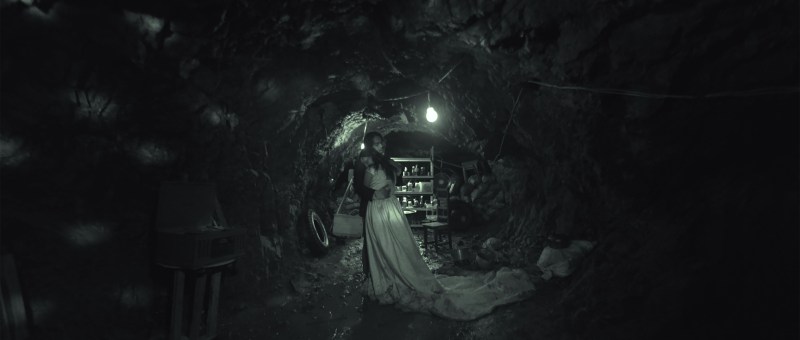
Rabid (Erik Matti, 2021)

The last few years have obviously been stressful for everyone, but Erik Matti’s four-part pandemic-era horror anthology Rabid roots itself in the anxieties lurking below the simple fear of disease or strain of isolation painting a sometimes uncomfortable picture of the contemporary society. Ranging from class conflict to caring for the sick, brain drain, and economic despair, the four episodes find each of their protagonists trapped in a maddening world which no longer makes sense with little idea how they got there or how to escape. 

The first chapter, “Bad Luck is a Bitch”, for instance takes place entirely within the home of a wealthy family whose lives have not changed drastically under coronavirus restrictions because their jobs can be done from home and their livelihoods do not depend on the kind of business that requires face to face interaction. The trouble starts when mother Mayette (Cheska Diaz) takes pity on an old woman who comes begging at her door with a sign stating she is a deaf mute whose son passed away of COVID-19. Mayette invites her to stay in the family’s home as an act of kindness but also one that’s tinged with snobbery explaining to her husband they can do with more help seeing as their maid is no longer available. The old woman is later exposed as a witch using black magic to possess the family and take over the house. 

Her transformation could be red either as the family’s animosity towards the poor, the husband and daughter against taking the old woman in in case she has COVID-19, or as a manifestation of the poor’s resentment taking revenge on the rich for their lack of compassion. In any case it’s ironic that Mayette’s act of kindness has such devastating consequences for her family, the act itself corrected in the conclusion when she calls her daughter to help another beggar offering only food and sending the woman and her child on their way. Meanwhile the family’s attempt to get help from outside is frustrated by a breakdown of community trust during the pandemic when challenged by local patrols who remain suspicious of them and their health status, while the family’s modernity also undermines their safety their salvation coming only from the daughter’s boyfriend and his interest in the occult. 

Chapter two’s “Nothing Beats Meat” by contrast is melancholy black and white treatment of love and isolation seemingly set in the midst of a zombie apocalypse in which a loving husband attempts to help his zombified wife beat her meat addiction by going cold turkey underground. Filled with a sense of fatalistic romance, the segment’s ironically upbeat ending asks what point there is in being well in a world of sickness when all the love and care there is will not bring the husband’s wife back to him leading him to decide that it is better to simply join her. 

The husband’s inner conflict feeds into the themes of the third instalment “Shit Happens” which is set in a small hospital and revolves around newly qualified nurse Becky (Ayeesha Cervantes) who is seen to be not entirely committed to her new job merely waiting it out until her visa arrives so she can go abroad. Exasperated nurse Reggie (Ricci Rivero) reveals that her predecessor only lasted three days for the same reason while he himself is working a double shift because of short staffing levels. He also accuses her of neglecting her work, avoiding its least pleasant aspects in conveniently forgetting to look in on a patient who had them soiled themselves and needed cleaning up. Beckoned into an alternate reality by the ghost of an old woman, she is soon confronted by her fears covered in poo and vomit while finally abusing the patient who is it seems taking revenge for the neglect she felt at the hands of her doctors while alive. This chapter both underlines the pressures on frontline health workers who are also dealing with their own fears and anxieties along with those of the patients who have no choice other than to trust them, and perhaps also offers direct criticism of those like Becky who only want to escape their responsibilities through chasing more lucrative work abroad. 

That sort of thinking is also in play in the final story, “HM?”, which is apparently a common abbreviation used in online selling meaning “how much?” and later takes on a different nuance when the heroine stumbles on a secret Russian food additive that must only be used in small quantities, as we discover, because it is extremely addictive turning those who overindulge into rabid zombies who lose all sense of reason trampling over each other to ease their craving. Widowed single mother Princess (Donna Cariaga) was in a difficult position having lost her job when ABS-CBN lost its media broadcast licence because of the political realities of Duterte’s Philippines and struggling to find a new one in the difficult economic conditions of the pandemic. Like many she decided to start an online side hustle as a home cook despite having no previous experience or talent but finds unexpected success thanks to the Russian serum only for the situation to get out of hand leaving her unable to cope with the demand on her business not to mention the zombified hordes who soon descend on her home. 

A fly buzzes through each of the instalments as if signalling the lingering malaise from class-based paranoia to pure desperation and the temptation of a quick fix. Inspired by original stories from Michiko Yamamoto, each of the tales paint a less than flattering picture of the contemporary society not limited to the stresses and strains of life in the middle of a pandemic but only exacerbated by them as pretty much everyone finds themselves trapped in a maddening world that no longer makes sense with no clear sign towards a wholly acceptable way out. 


Rabid streams worldwide until 30th April as part of this year’s Udine Far East Film Festival.

Original trailer (English subtitles)

Far Away, Further Away (遠くへ,もっと遠くへ, Shinji Imaoka, 2022)

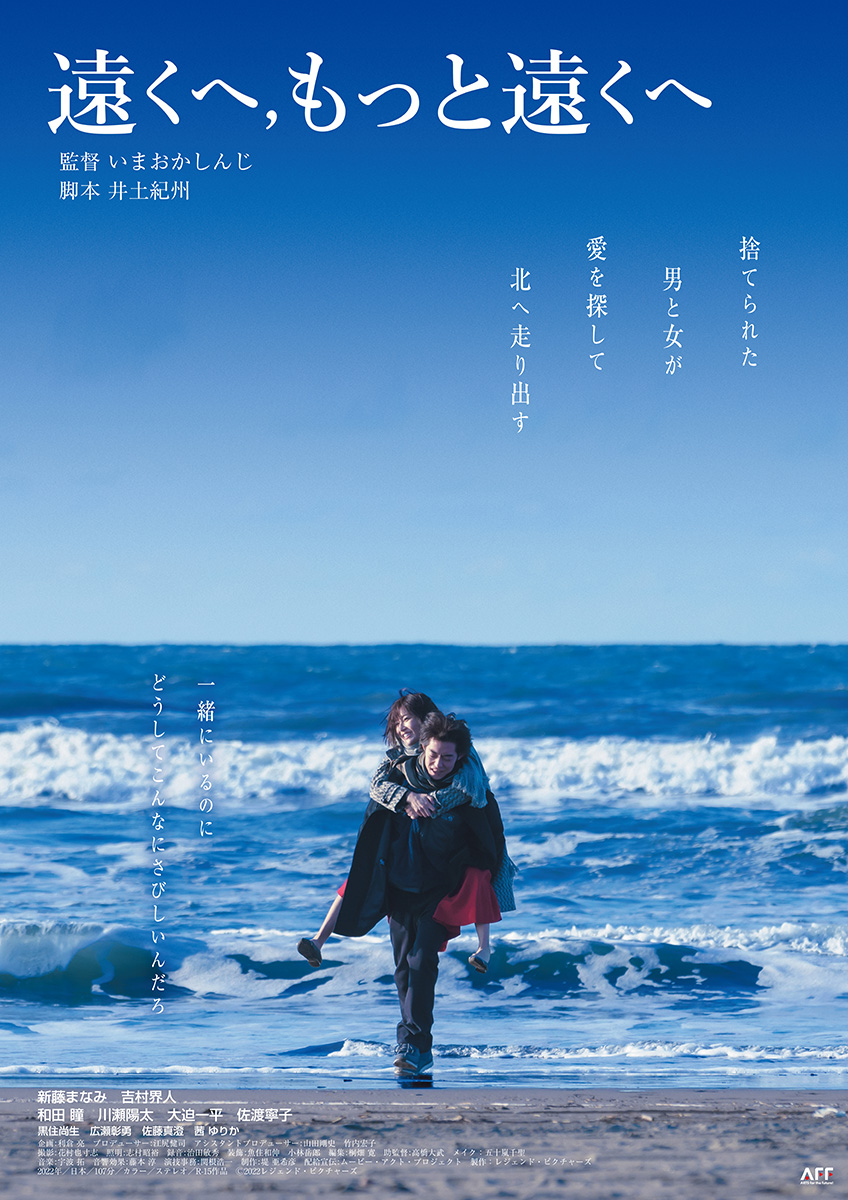
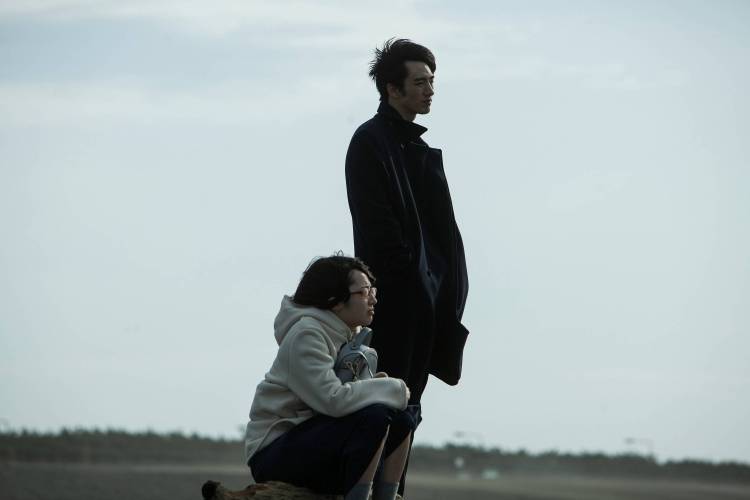
Is there an ideal way of coming to terms with the end of a marriage, or is better to take it as it comes? The heroine of Shinji Imaoka’s relationship drama Far Away, Further Away (遠くへ,もっと遠くへ, Tooku e, Motto Tooku e) thinks she has it all figured out and has started taking practical steps towards an efficient separation only to have the rug pulled from under her never having considered that her husband may also be unsatisfied and her attempts to mitigate his hurt feelings therefore less than relevant. Imaoka began his career in pink film and is probably best known outside of Japan for the erotic musical fantasy Underwater Love but has in recent years taken to more contemplative drama such as 2019 study in grief Reiko and the Dolphin, here continuing a key theme in the exploration of the difficulties in relationships between men and women. 

The main reason Sayoko (Manami Shindo) wants to leave her husband is that they’ve simply grown apart. Smiling gently at a sweet older couple looking at a two-seater sofa in the furniture store where she works, she reflects on their words that a marriage is weaker without common interests realising that she and Goro have none. A fishing obsessive, Goro usually retreats to his room after dinner to update his blog and fondle fishing equipment while her suggestion that she join him on his next trip is met with less than enthusiasm. Meanwhile, though she likes her job at the furniture store she’s beginning to feel as if she’s stuck in a rut and no closer to achieving her dreams of becoming an interior co-ordinator disappointed to discover a quote she’d written for younger couple who seemed happy enough in the shop screwed up in the park. One might assume they’ve obviously had an argument about it on the way home which probably isn’t anything to do with Sayoko but still she begins to wonder what the point is leading to Goro to advise her to quit her job laying bare the true source of his dissatisfaction in the marriage in that he was looking for a woman prepared to become a conventional housewife which in turn might explain why he’s not interested in the shared interests approach to marriage Sayoko suggests but prefers to maintain a separate lives model in which she takes care of the domestic while he has his work and individual hobbies to blow off steam. 

So distant from each other have they become that Sayoko hasn’t really realised she’s not the only one who wanted to end the marriage nor has he seemingly realised she’s in the process of leaving him. Her plan for a measured exit is nixed by her husband’s request for a divorce but through her quest to find a new apartment she gradually draws closer to lovelorn estate agent Yohei (Kaito Yoshimura) who is particularly interested in her story as his own wife, Mitsuko, left him seemingly out of the blue some years ago and he’s never really come to terms with it a part of him still assuming she’ll eventually come back. In a bid to find some closure Sayoko suggests they take off together to look for her so he can start to move on, heading north on a Hokkaido-bound road trip that takes her back to her own hometown where she reflects on her parents’ marriage after discovering her mother’s second life as a widow in which she has begun to fulfil herself as a singer no longer required to fulfil the role of the traditional housewife which Sayoko had rejected. 

Dealing with their respective baggage the pair grow closer and begin to move on together, further and further away until they reach the coast looking for a ferry to take them on to Sakhalin. The memories of old lovers retreat further and further away too, increasingly blurred and distant eclipsed by new ones even if a sense of loneliness remains. Contrasting the verdant natural vistas of rural Hokkaido with the greyness of Tokyo city life Imaoka adds a sense of childlike wonder as his heroine’s tendency to dance while repeating the same phrase with increasing intensity begins to rub off on her dejected love interest, making the case for striking out for a far off happiness rather than simply resigning oneself to an unsatisfying present. 


Far Away, Further Away screened as part of Osaka Asian Film Festival 2022

Original trailer (no subtitles)

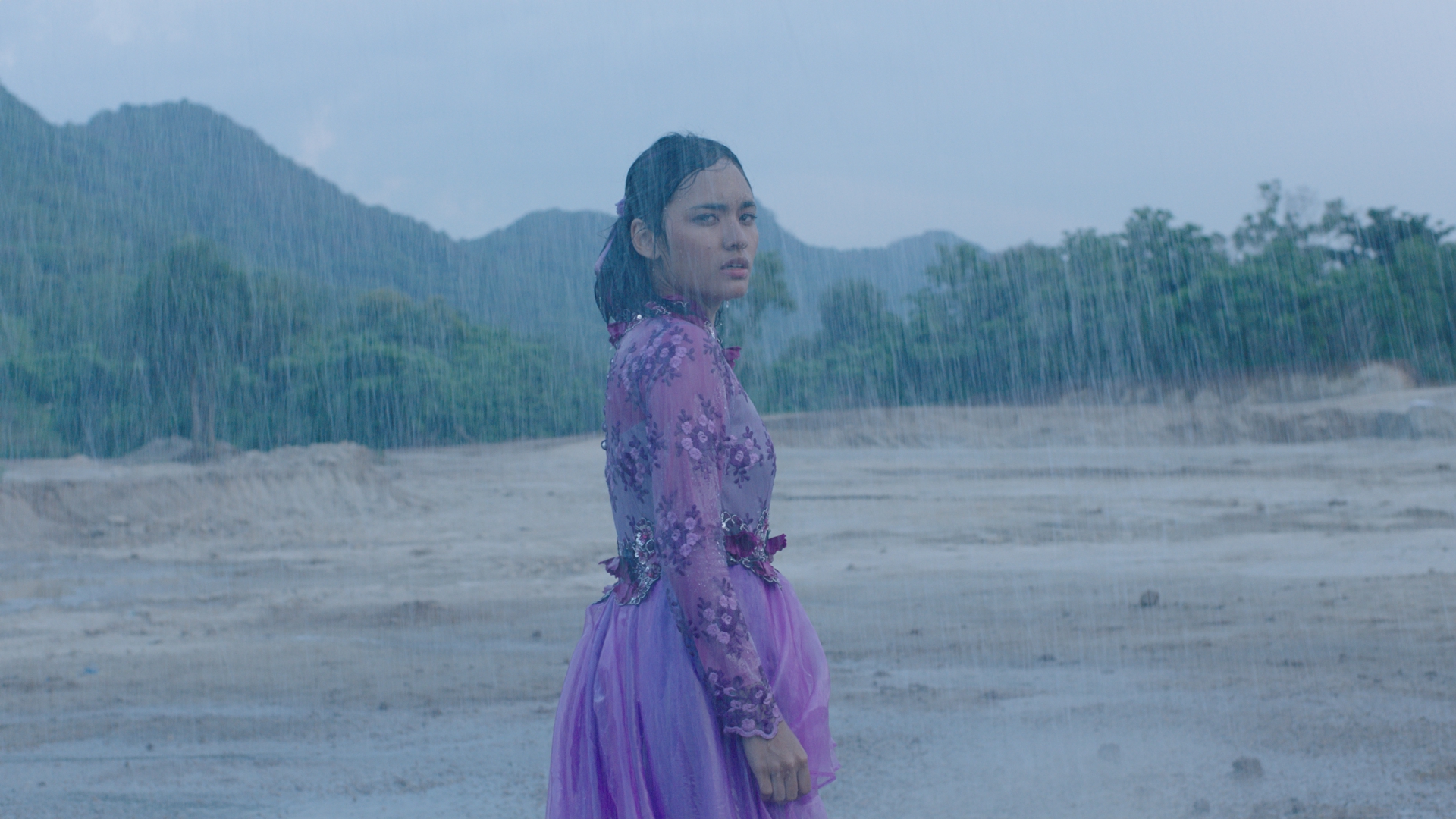
Tomb of the River (강릉, Yoon Young-bin, 2021)

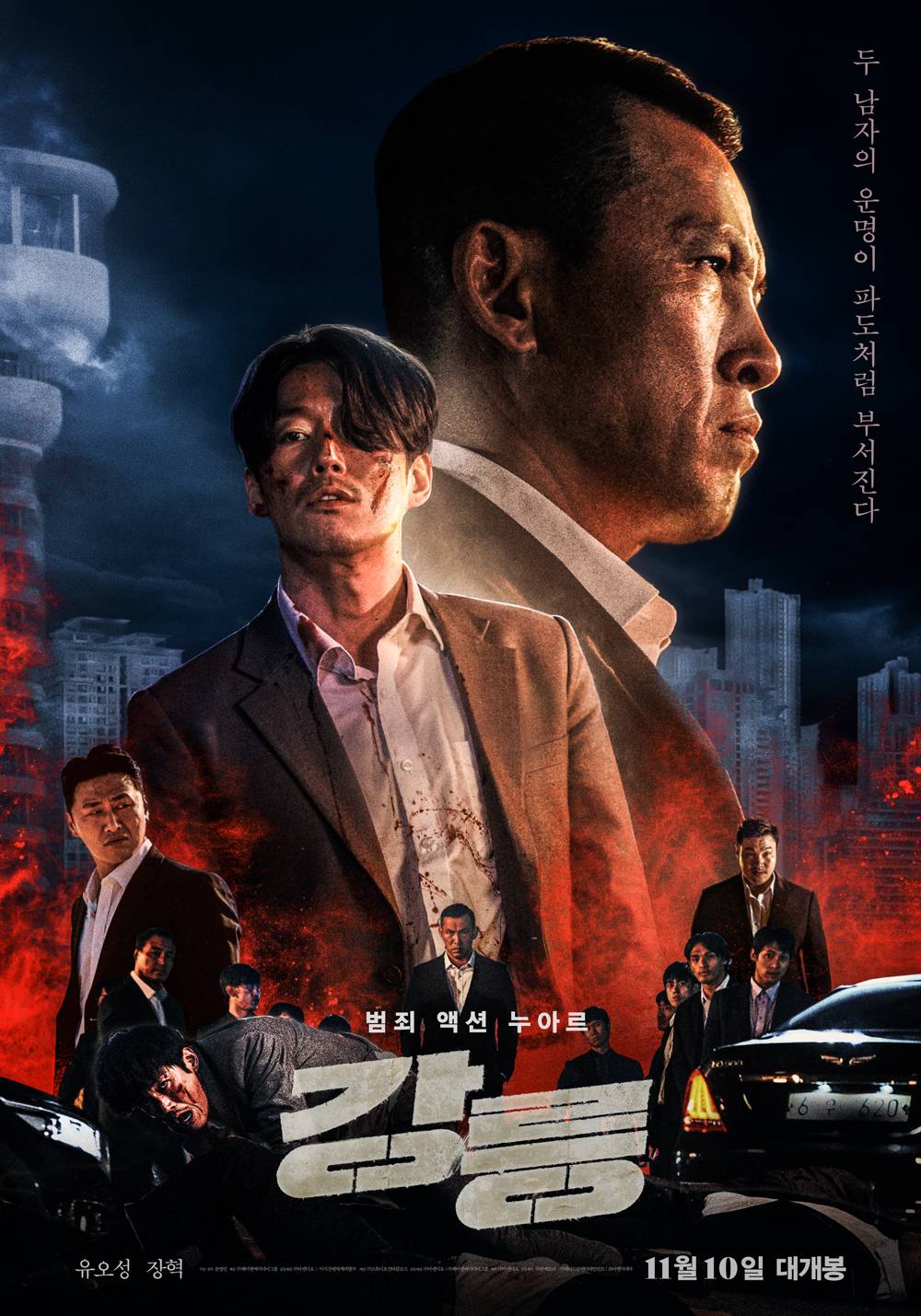
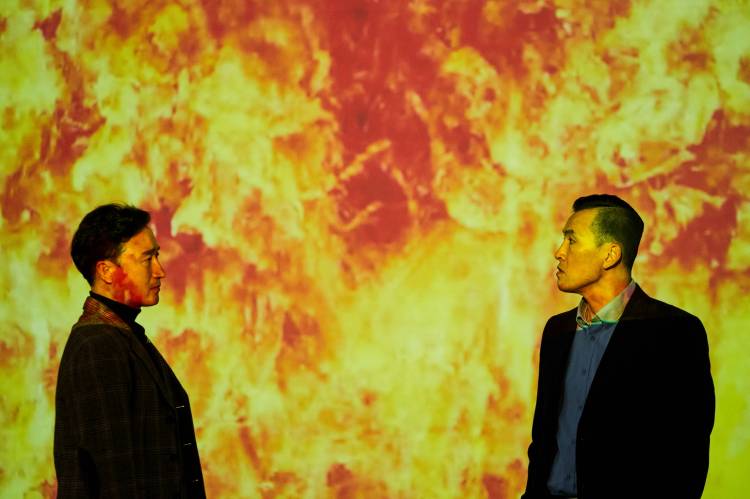
“Why did you turn this place into hell?” a reformed gangster asks his defeated enemy only to be told that nobody made the world this way, it is just is. In any case, Yoon Young-bin’s purgatorial gangster epic Tomb of the River (강릉, Gangneung) finds itself in a world of conflicting moral values in which organised crime has become increasingly legitimised conducted by men in sharp suits sitting in elegant surroundings but no less thuggish, violent, and immoral than it ever was. 

The two opposing forces are hippyish middle-aged enforcer Gil-suk (Yu Oh-seong) whose boss has adopted an anti-violence philosophy, and the psychotic Min-suk (Jang Hyuk) whom we first meet as the only survivor of a smuggling boat massacre hiding in the hold eating the dead bodies of his comrades whom he may or may not have killed himself. The battle ground is a new casino resort in the previously peaceful rural backwater of Gangneung shortly to host the upcoming 2018 Winter Olympics. Gil-suk’s ageing boss decides to hand him the reins of the business but he objects out of old-fashioned gangster etiquette because the complex is technically located in an area handled by his colleague Chung-sub (Lee Hyun-kyun) who is currently in the boss’ bad books after a group of young people were found passed out having taken drugs in one of the karaoke rooms he manages. 

Gil-suk is perhaps a representative of disingenuous contemporary corporatised gangsters who still operate like thugs but do so with a veneer of elegance, his now elderly boss having achieved a state of zen in giving him small pieces of wisdom such as “don’t fight. If you fight you suffer whether you win or lose”. Gil-suk later echoes him when he tells his friend to leave Min-suk alone and that rather than fighting they should share a meal with him sometime instead acknowledging that his gang members’ lives seem to have been hard. But his compassion is as it turns out, misplaced, Min-suk is not the sort of man who can be befriended or softened with kindness for he is the personification of humanity’s baser instincts in unbridled selfishness and destructive desire. 

“I did it to survive” his underlings often justify themselves, believing they have no other option than to behave the way they do while Min-suk exploits the venality and misfortune of others as a kind of get out of jail free card promising to wipe their debts if they take the fall for his crimes. Sooner or later everyone betrays everyone else for reasons of greed or self-preservation, even Gil-suk eventually pulled towards the dark side while his policeman friend (Park Sung-geun) attempts to save him from himself. “What other choice did I have?”, he asks, but to conform to the dubious morality of the world around him. He criticises the police for a lack of action, but watches and does nothing as Min-suk carves up his entire squad of foot soldiers while patiently making his way towards him. 

The irony is that Gil-suk had been the good gangster, never wanting more than he needed and always happy to share. He is confused by the betrayal of his closest friends because he cannot understand their motivation. He had always thought of the resort as “ours” never considering that it could be “mine” while his friend tells him he should take it all because if he doesn’t someone else will. To prove his point Gil-suk tries to broker a peaceful solution by offering to share control with Min-suk in a process of appeasement, suggesting he take the club while he keeps the casino and they split the profits between them before eventually deciding to surrender it entirely in order to curry favour with an even shadier corporate gangster whose polite interest in the resort he’d previously rebuffed. 

Taking on spiritual dimensions in its gloomy backgrounds, battles fought under the light of a full moon, and the snow falling over the living and the dead in the melancholy final sequence Yoon’s hellish tale seems to take place in a gangster purgatory in which as Gil-suk finally announces romance really is dead, in its place only internecine violence and the intense desire to survive by any means possible mortal anxiety provoking only preemptive greed and cruelty. As Min-suk suggests “only death will end things” but everyone here is in a sense already dead only trapped in the eternal limbo of the gangster mentality. 


Tomb of the River streamed/screened as part of this year’s Udine Far East Film Festival.

International trailer (English subtitles)

The Great White Tower (白い巨塔, Satsuo Yamamoto, 1966)

“It’s about the right thing to do, it’s about conscience, and Prof. Zaizen lacks conscience” according to a star witness at the conclusion of a medical malpractice trial in Satsuo Yamamoto’s adaptation of the novel by Toyoko Yamasaki, The Great White Tower (白い巨塔, Shiroi Kyoto). One of a series of films heavily critical of the medical system in the midst of rising economic prosperity, Yamamoto’s tense political drama presents the succession intrigue at a university hospital as an allegory for the nation as a whole implying that lingering feudalistic and authoritarian thinking has poisoned the contemporary society. 

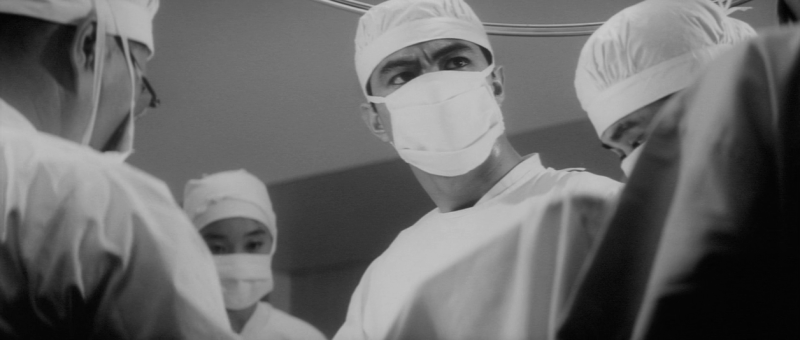
This is in part reflected in the way in which major hospitals are often run as large family businesses where succession is a dynastic matter. In this case, however, the scene is a prominent university hospital in Osaka at which the head of the surgical department, Azuma (Eijiro Tono), is about to retire. Generally, one of his assistant professors would simply move up after being approved by a board comprised of other department heads but the problem is no one, and especially not Azuma, is particularly happy with the most likely candidate, Zaizen (Jiro Tamiya). The issue between them seems to be one of ambition and authority. Zaizen is regarded by all as an excellent doctor with a stellar track record but he is also cold and arrogant with no regard for departmental protocol all of which of course offends Azuma as does his background and person. The son of a country teacher, Zaizen prospered through the dedicated labour of his widowed mother along with family connections before marrying into the extraordinarily wealthy and influential Zaizen family who run a large obstetrics clinic. Consequently, he is free to pursue his interests and lacks the economic anxiety that might make another employee wary of pushing his luck. 

His humble background might have placed a chip on Zaizen’s shoulder but it’s also clear he’s part of a new generation that does things differently from the last, apparently keen to build a public media brand appearing in a glossy magazine which brands him “the magic scalpel” thanks to his success in treating pancreatic cancer. While they might not be able to argue with his track record, other doctors worry that Zaizen has developed a god complex and is slapdash with his practice often timing his operations and smugly pleased with himself when hitting a new record. Azuma first picks him up on this in the case of elderly patient, questioning his treatment decisions in accusing him of neglecting to fully consider the patient’s post-op wellbeing. This then becomes something of a recurring theme as good doctor Satomi (Takahiro Tamura) is minded to bring Zaizen in on the tricky case of a man, Sasaki (Nobuo Minamikata), he suspects may have pancreatic cancer but has been repeatedly diagnosed with chronic gastritis. 

Though it’s political intrigue that in some senses leads him to Zaizen, Satomi is otherwise depicted as the responsible physician who deeply cares for his patients’ wellbeing and not much at all for interoffice politics. Thus he continues to investigate Sasaki’s case even when other doctors tell him he’s wasting too much time on one patient and should just leave it at gastritis. Zaizen, meanwhile, is the exact opposite taking one look at the X-rays and deciding it is pancreatic cancer after all but thereafter ignoring Satomi’s advice after taking over the case refusing to run a CT scan to verify that the cancer hasn’t spread to the lungs as Satomi fears it might have. 

For Zaizen Sasaki ceases to matter, to him the human body is no different to a machine and he perhaps more engineer than doctor even as he proclaims medicine more art than science in insisting that he just knows the early signs of pancreatic cancer while others are unable to detect them. After the first operation we see him perform, a grateful wife stops to thank him profusely for saving her husband’s life though he treats her coldly and implies it’s all part of the job before going outside to celebrate his private glory in his record-breaking feat. It’s then a minor irony that he finds himself later slapped with a malpractice suit by Sasaki’s wife upset that he was unavailable as her husband was dying because he was preoccupied with the ongoing elections for Azuma’s successor.

The implication is that the dehumanisation of the health industry has reduced it to the status of any other company, the head doctors no better than ambitious salarymen whose lives are defined by their job titles. The various department heads eventually descend into factions with Azuma plumping for an external candidate, Kikukawa (Eiji Funakoshi), while others line up behind Zaizen or his internal rival Kasai (Koichi Ito). Influence is brokered largely by outright bribery or industry manipulation by external influential players including Zaizen’s wealthy father-in-law and a professor in Tokyo who can offer monetary perks, access to funding, and potential promotions to those willing to vote for their chosen candidate. The main argument against Zaizen is his bad character, yet the fact he has been carrying on an affair with a bar hostess is never used against him even as they prepare to smear a rival candidate with his mistress even suggesting they hire a hitman to take him out completely. Zaizen’s minions meanwhile make an ill-advised visit to Kikukawa to ask him to withdraw bizarrely stating the importance of maintaining “democracy” even as they themselves deliberately undermine it for their own gain.  

It’s this sense of feudalistic, fascistic authoritarian chumminess that Azuma’s daughter Saeko (Shiho Fujimura) later decries in asking her father why he did nothing to change such a destructive system while he himself had the power to do so the implication being that he saw no need because he continued benefit from it. Only she and Satomi present any kind of challenge to the hypocrisy that pervades the medical system but eventually discover that there is no place for integrity in the contemporary society. Zaizen miraculously falls upwards every time because his success is more expedient that his failure. Even the Tokyo professor brought in as an expert witness during the malpractice suit declares that Zaizen is unfit to be a physician because of his arrogance and total lack of human feeling but pulls back from testifying that he caused the death of his patient through negligence later explaining to a colleague that if a university professor were to be found guilty of malpractice it would undermine public faith in the medical system. 

If can’t they can’t have faith in the medical system, the very people who are supposed to care for them when they are most in need, how can they have faith in anything else? As the rather bleak conclusion makes clear, the entire system is rotten to the core and no longer has any place for idealists like Satomi who are continually pushed to the margins by those jockeying for power in this infinitely corrupt society defined by hierarchy and cronyism while ordinary people, like Sasaki, continue to pay the price. Just as in his opening sequence, Yamamoto takes a scalpel to the operations of the medical industry to expose the messy viscera below but ultimately can offer no real cure in the face of such an overwhelming systemic failure. 


Original trailer (no subtitles)

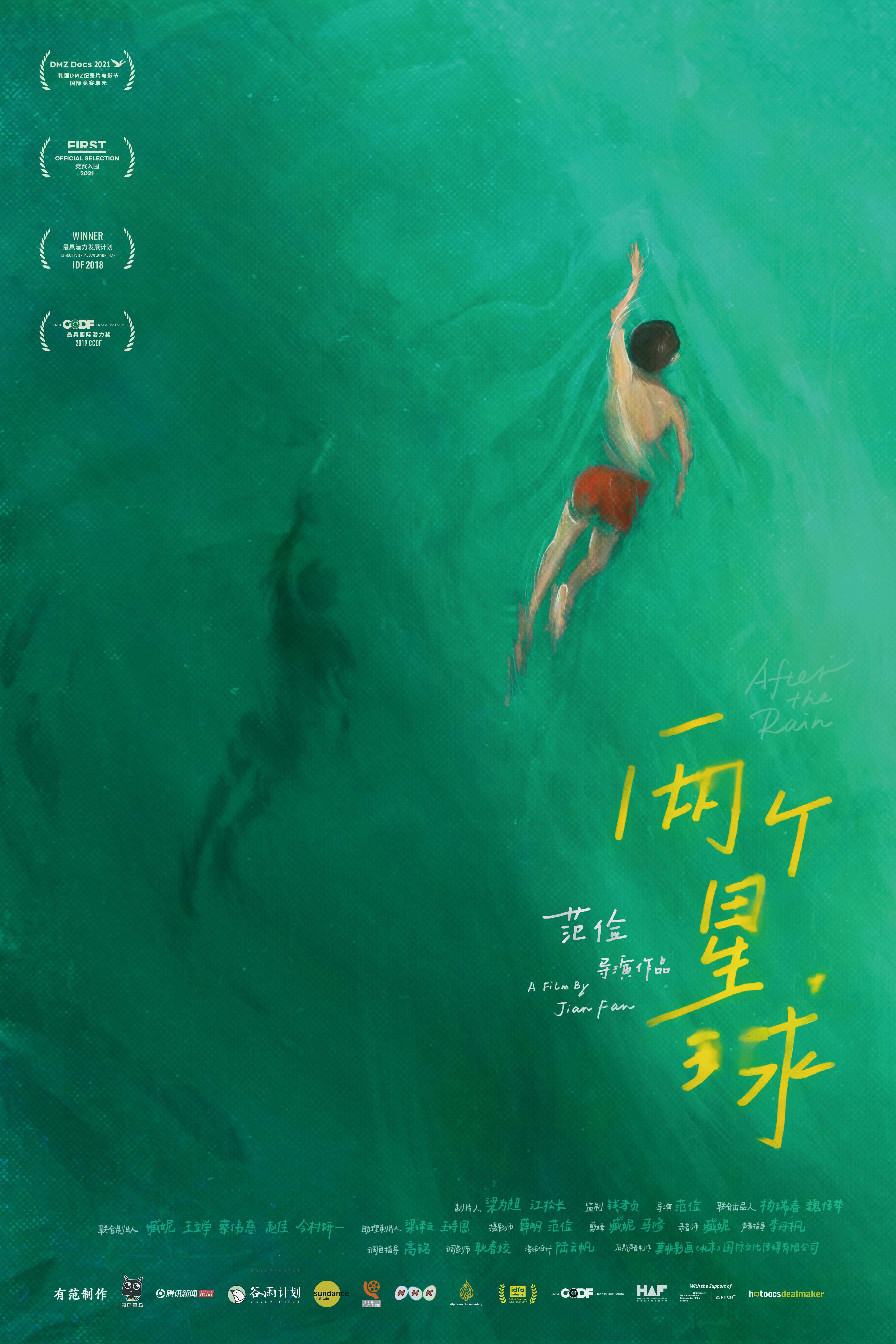
After the Rain (两个星球, Fan Jian, 2021)

When the Great Sichuan Earthquake struck in 2008, 69,000 people lost their lives while a catastrophic blow was dealt to local infrastructure. With the One Child Policy then still strictly enforced, parents who had lost children in the disaster were offered government assistance in order to conceive a second child. It might be crass to describe these children as “replacements”, yet in one sense that is what they were intended to be. Jian Fan’s observational documentary After the Rain (两个星球, liǎng gè xīngqiú) follows two such children and their traumatised parents as they try to move on as a family in the wake of tragedy. 

Sheng is still haunted by his inability to rescue his daughter, Rain, from beneath the rubble of her school house. He and his wife Mei have decided to take part in the IVF programme and are hoping for a girl, believing in a sense that they’d be getting their daughter back. IVF doesn’t work out for them, but Mei conceives naturally a few months later and gives birth to a baby boy, Chuan. On what should be an unambiguously happy occasion, the sense of disappointment is palpable, Sheng in particular feeling cheated and resentful to have been denied a reunion with his daughter. Ying and her husband, meanwhile, are also unsuccessful with IVF but are simultaneously struggling to rebuild a relationship with their second daughter, Ranran, for whom they had to pay the second child fine subsequently sending her to stay with relatives in the countryside before bringing her back when their eldest girl, also called Rain, was killed in the earthquake. 

Both children are over burdened with the knowledge that they owe their existence to their sibling’s death, Mei bluntly telling Chuan that Rain’s life was sacrificed for his while later revealing that she sometimes dressed him as a girl as an infant while Ranran is forced to reckon with her parents’ decision to send her away only to be recalled when her sister died. At a memorial event other mothers discuss what they’ve told the children they conceived after the earthquake about their older siblings with most disapproving of Mei’s blunt approach fearing that such knowledge will burden their children or leave them feeling guilty and unloved but Mei is unrepentant. After all it is in a sense the truth. Because of the One Child Policy, the existence of these children would not have been possible had their elder sibling not have died in a such a horrifying way. 

Even so, Sheng in particular struggles to bond with his son catching himself letting it slip out that he wasn’t allowed to spend time with his daughter so he’s little interest in doing so with Chuan refusing to take him out to an amusement park harping on about how wasteful Chuan is and how much money he’s costing him. He constantly runs the boy down, criticising his performance at a school sports day and snapping at him at home with the obvious consequence that Chuan mainly ignores him and stays close to his mother though she is also at times unsympathetic, angry with him for crying while in pain after a medical procedure. 

A heartbreaking sequence sees little Chuan all alone and looking lost amid the graves at a memorial event for the earthquake while his parents talk with others in the same position, as if for a minute they’d forgotten he existed. Trapped in grief, Sheng still lovingly washes one of his daughter’s dolls on the rooftop and seems at times torn and remorseful complaining that it made him feel sad inside to notice there was no light in Chuan’s eyes but still harbouring resentment towards him as if blaming his son for “replacing” his daughter. Ying meanwhile recounts all the ways Ranran is different from Rain as if the differences sometimes upset her even if she is in a sense closer to her than she had been to her older daughter leaving her with an additional sense of guilt. 

“Losing a kid leaves your heart empty” Ranran’s grandma remarks each of the parents still struggling to come to terms with their loss while the children equally struggle to accept the absence of an older sibling they never knew of whose loss they are constantly reminded and expected to mourn. Nevertheless they are all doing their best trying to move past their grief and rebuild their lives but ultimately unable to let go of the traumatic past while their children grow away from them left with only loneliness and resentment. 


After the Rain screens at UltraStar Cinemas Mission Valley, San Diego April 25 as part of this year’s SDAFF Spring Showcase.

Original trailer (English subtitles)

Big Night! (Jun Robles Lana, 2021)

In the opening scenes of Jun Robles Lana’s darkly comic farce Big Night! a young man is shot in the head by another young man, this one wearing a motorcycle helmet with its visor down, who calmly walks away and gets back on the back of the bike he arrived on his friend then driving them both away. Of course people are shocked but then again not all that much, they barely pause despite the fact that his man, Ronron, was well known to them and no one really thought he had much to do with drugs. Beautician Dharna (Christian Bables) gossips about the killing with his friend Biba but gives it little thought before returning to his day, so normalised has death on the streets become in Duterte’s Philippines. 

Dharna may not have given much thought to extrajudicial killings, but then it’s different when it’s you who might be next in the firing line as he discovers when Biba gets an advance view of the following day’s “Watch List” from her law enforcement boyfriend. What ensues is a kafkaesque quest to clear his name though there’s no real “official” path towards getting off a watch list when you’re on one. His boyfriend Zeus who is due to perform in a “Big Night” pageant at a local gay bar that very night suggests simply fleeing to another district, but flight implies guilt and as Dharna points out he’ll lose all his customers if he has to move to another area and neither of them have the money to start all over again somewhere new. Like many of Dharna’s friends and acquaintances Zeus doesn’t seem to share his concern. “The police won’t bother you if you’re not doing anything illegal” he naively advises, sure it’s all just a random mistake that soon will blow over but otherwise so numbed to the idea of extrajudicial killing that he doesn’t really think too much of it and is mainly annoyed that Dharna has lost interest in helping finish his costume for the big show. 

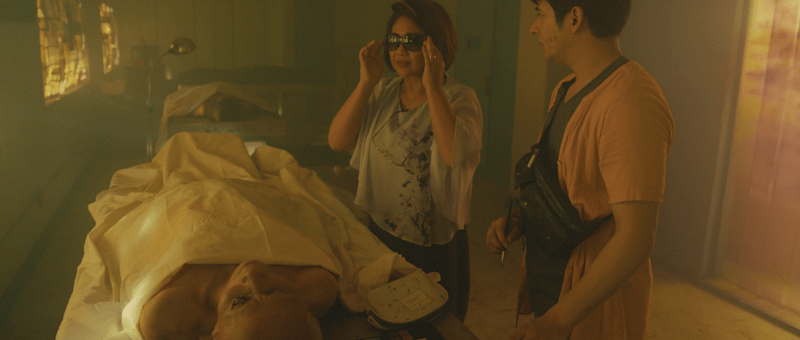
Neither of them can think of a reason why Dharna, under his full legal name, would have been placed on a list as he’s not a drug user and doesn’t know anyone who is. He does, however, have some useful connections including local law enforcement official Cynthia who isn’t terribly interested or helpful but manipulates his anxiety to force him to help her out by filling in for her regular mortician, Connie, who has mysteriously not shown up for work. The morgue is currently overflowing, Cynthia making a dark joke that undertaking is a growth industry while revealing that there are so many bodies in part because families have to pay a fee to get them back and most of those involved in extrajudicial killings are from the slums so they can’t afford it. Even so, she explains to Dharna that they get more donations when families can see the body which is why he’s supposed to make them up to look as good as they can despite many of them having sustained gunshot wounds to the head or face. 

Cynthia sends him on to local community leader Roja warning him that he’s “allergic to gays” while he too makes Dharna do his bidding pointlessly walking laps around a fountain in some sort of macho display of endurance while insisting that he’s so anti-drug that even if he gets a stomach upset he just powers through it with raw masculine energy. He too is a self-interested hypocrite spouting religious nonsense while hanging out in “massage parlours”, dangling the idea of salvation but unprepared to grant it. Dharna wonders if it might have been someone from the area where he grew up who reported him but discovers that unlicensed midwife Melba (Janice De Belen) makes a point of not putting any names forward at all and is herself willing to risk breaking the law to help women in need who are denied medical treatment because of their poverty.

It’s impossible to avoid the implication that this is happening to Dharna in part because he’s poor and powerless in an authoritarian and hierarchal society but he’s eventually forced to consider that someone may have put his name in a drop box anonymously, that perhaps they gave a random name when someone asked for one to save their own, because they had something against him, or sought to profit in some way from his absence. Like the witch trials of old, the war against drugs is another tool that can be manipulated for personal gain and so inured to violence has the society become that many are prepared to use it. Dharna finds himself at the centre of a random conspiracy in which he has no other option than to accept his complicity or die, discovering that as the radio report that opened the film had suggested the same officials in charge of prosecuting the war on drugs are in fact secretly using it to secure their stranglehold over the local drugs trade. 

Dharna finds himself compromised at every turn, beginning by offering free haircuts to help his case to progressing to covering up state crime, literally, by repairing the faces of the dead and graduating to faking a seizure in an ambulance to bypass a checkpoint. At the hospital he is confronted by the face of an old lady filled with despair one hand holding that of a little girl and the other a pair of bloody sandals before she simply collapses. Dharna tries to wash the sandals clean but there’s only so much you can do when the stain runs so deep. The irony of his big night taking place on All Souls Day is not lost though there’s precious little time for honouring the dead when your survival can no longer be assured. 


Big Night screens at UltraStar Cinemas Mission Valley, San Diego April 23/27 as part of this year’s SDAFF Spring Showcase.

Original trailer (English subtitles)

Nothing Serious (연애 빠진 로맨스, Jeong Ga-young, 2021)

Through her first three features in which she also played the lead, Jeong Ga-young had established herself as a provocative indie voice casting herself as an often unsympathetic if transgressively frank heroine contending with the vagaries of the modern society. Nothing Serious (연애 빠진 로맨스, Yeonae Bbajin Romance), by contrast, marks her debut as a commercial film director and perhaps softens some of her harsher edges but nevertheless maintains her characteristic saltiness and often witty dialogue in what is otherwise closer to Nora Ephron than Hong Sang-soo. 

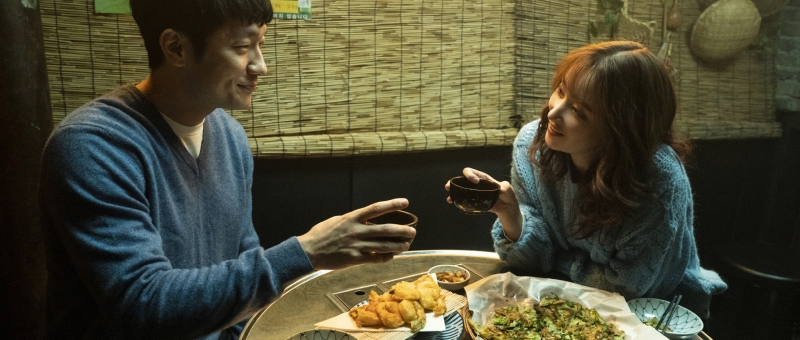
Though played by Jeon Jong-seo rather than the director herself, 29-year-old Ja-young is a classic Jeong heroine transgressively frank in terms of her sexuality and finding herself in something of a tailspin as she approaches her 30th birthday as a single young woman drowning in debt with neither career nor relationship success to boast of. Meanwhile across town nerdy magazine staff writer Woo-ri (Son Suk-ku) finds himself having to write almost all of the magazine himself in part he suspects as punishment for having helped a friend leave to start up their own online publication. His particular problem is that his boss has asked him to take over his friend’s sex column which is really not his thing especially as he’s in an on again off again non-relationship with colleague Yeon-hee (Lim Sun-woo) who has just informed him she’s getting engaged to her old boyfriend. 

Inevitably the pair end up meeting through dating app Love Bridge to begin with just for a no strings New Year one night stand only to inconveniently realise they quite like each. Even so, their personal issues continue to overshadow the relationship, those being Ja-young’s hurt and anxiety on hearing that an old boyfriend who treated her badly and broke her heart is getting married, and the fact Woori signed up to Love Bridge mainly to find inspiration for his column which becomes an unexpected hit with readers who prefer the slow-burn tease of their romance to the X-rated content of Woo-ri’s predecessor. 

While not really “dating” the couple continue to share their relationship woes with each other, Ja-young continually fed up with her attempts to meet “normal” men who don’t invite their mother on dates, turn out to be married, or are just plain odd. Her previous boyfriend branded her an insanely jealous “alcoholic nymphomaniac” while she simply tells it like it is as a sexually liberated young woman who refuses to feel ashamed for feeling desire but is also in her own way lonely and looking for companionship as perhaps is Woo-ri while conflicted in his betrayal of her even if he is careful not to use any identifying details in his column. 

Along with their romantic woes, the pair also share a sense of hopelessness about the future, Woo-ri disappointed in himself for his lack of success as a serious writer and Ja-young staking her hopes on a career in podcasting after being forced to leave a job at a radio station because of the awkwardness between herself and a colleague she’d previously dated. Interviewing her grandmother and a series of other women she fears were denied the right to become the protagonist of their own lives, always someone’s wife or mother looking after children or in-laws, she wonders if she’s managed it herself or if things are really as different now as she had thought them to be while she continues to struggle drowning in debt and loneliness with very little hope for the future. 

Jeong’s prognosis is, however, a little more hopeful than in her previous films Ja-young and Woo-ri each flawed but basically good falling in love despite themselves only to see their connection undermined by its superficial inauthenticity. If nowhere near as caustic, she retains her sense of playfulness, even throwing in a reference to her first film Bitch on the Beach not to mention the tiny animated heads emerging from the pair’s phones, through sophisticated dialogue instantly capturing a sense of the everyday life of the average 20-something in the contemporary society longing to overcome their sense of cynicism and believe in a genuine romantic connection. Strangely charming in its breeziness, Jeong’s commercial debut loses none of her wit but gains a little in warmth as these crazy kids learn to put their anxieties aside and give love a chance even if it turns out to be nothing serious after all. 


Nothing Serious screens at UltraStar Cinemas Mission Valley, San Diego April 23 as part of this year’s SDAFF Spring Showcase.

International trailer (English subtitles)

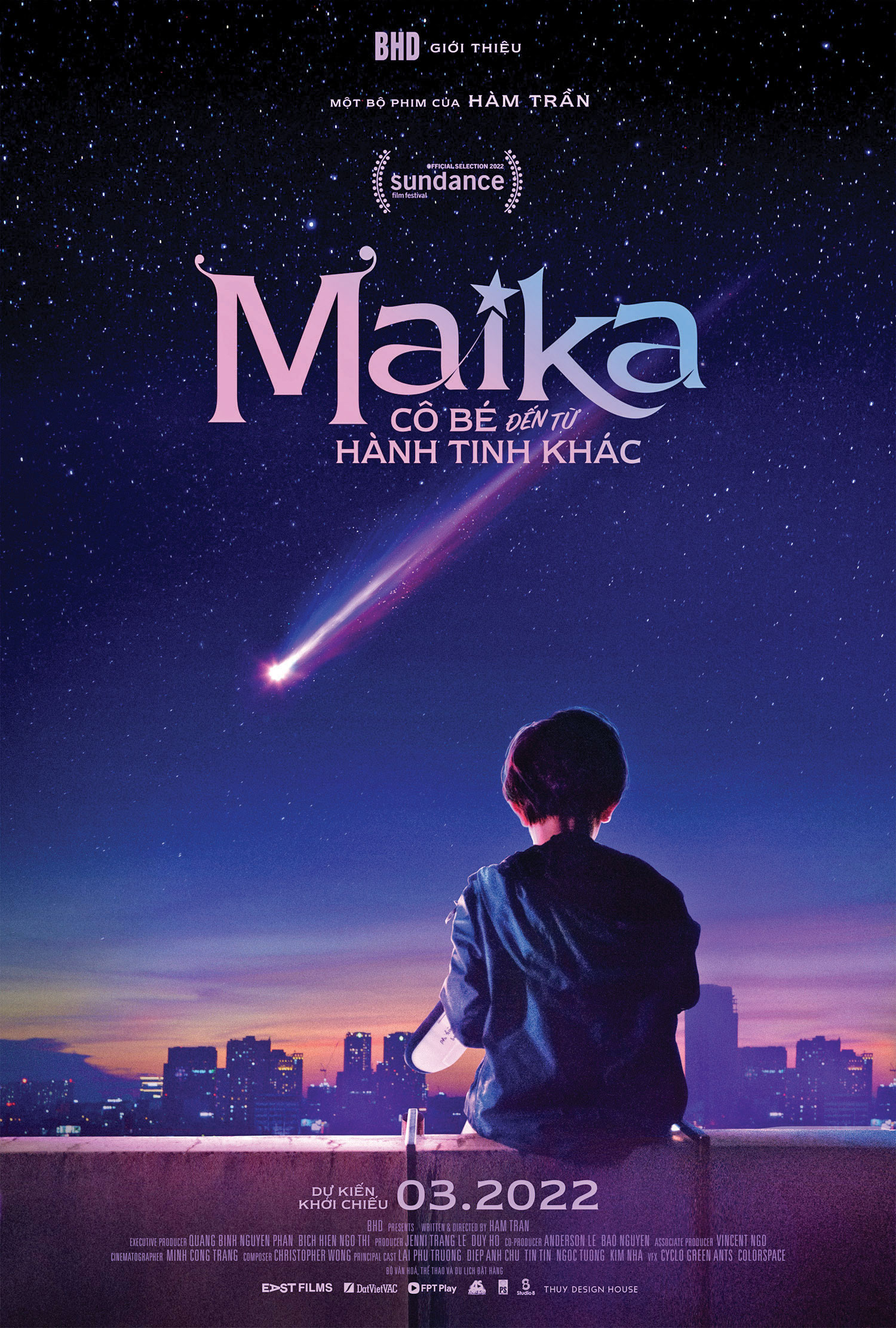
Maika: The Girl From Another Galaxy (Cô Bé Đến Từ Hành Tinh Khác, Ham Tran, 2022)

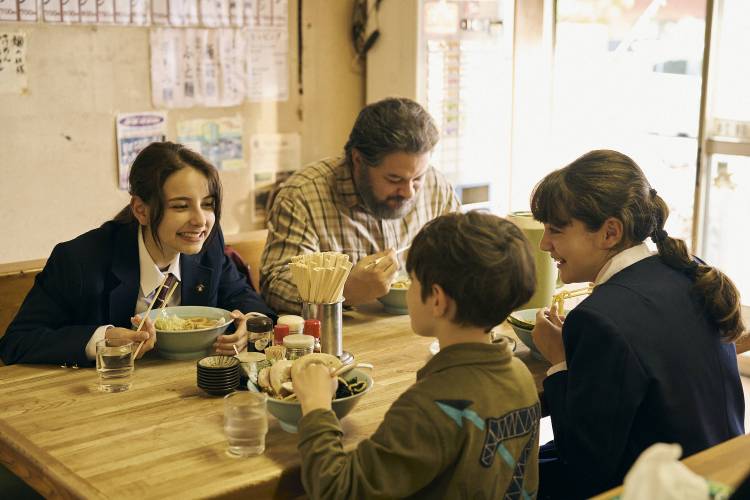
A small boy struggling to come to terms with loss learns to find accommodation with grief while helping a marooned extraterrestrial get back to her people in the delightful Vietnamese family film, Maika: The Girl From Another Galaxy (Cô Bé Đến Từ Hành Tinh Khác). A classic kids’ adventure movie, Ham Tran’s zany tale finds its young hero not only trying to reorient himself in a world of constant change but also attempting to process the wider sources of societal destabilisation such as rapid gentrification and shady billionaire scientists with dubious ambitions. 

Eight-year-old Hung lost his mother to illness a year or so ago and is now living alone with his father Thanh who is forced to work long hours in his shop fixing mobile phones in order to clear the family’s mounting debts. Not only are they being constantly hounded by a pair of thugs working for a local gangster with a thing for Japan who wants to evict all the tenants so he can sell their building to developers to build more luxury apartments, but his best friend is moving to Saigon and his already busy dad seems to have become awfully friendly with pretty neighbour Miss Trang. When his father breaks a promise to watch a meteor storm with him, Hung goes out on his own and witnesses a strange sight which he later learns to be a UFO crashing to Earth subsequently discovering a young girl, Maika, who has been marooned and is looking for her comrade so she can contact the mothership and get a ride home. 

“Even fishes need friends” Hung’s friend had told him on leaving her fish with him so it could be close to his, and that’s true enough for Hung himself now left largely alone and looking for both companionship and adventure. Besides bonding with Maika, he also has a frenemy in a boy who lives in the upscale apartments whose drone keeps chasing his remote control aeroplane. CuBeo is a somewhat awkward boy who just wants to be friends with Hung but admittedly has a funny way of showing it, largely because he has asthma and his overprotective family don’t let him out to play with the other kids so he’s incredibly bored and intensely lonely despite all the high tech toys he has at home. Like Hung, he also seems to have lost his mother and has a workaholic father who rarely visits having left him and his older brother Bin largely in the care of a live-in tutor. 

Eventually any sense of class conflict between the two boys disappears as they gradually become friends while bonding over their shared quest to help Maika get back to her family battling the gangster thugs and shady billionaire Nghia who seems to have bought up half the area for his special space project and intends to exploit Maika’s advanced scientific knowledge after having impounded her spaceship. Of course, Nghia and the local gang boss turn out to be little different, in it for personal gain rather than any real interest in the evolution of mankind, while the kids just want to protect their friends and the world in which they live. Making full use of their shared skills, Hung and Beo have immense fun crafting their own weapons, modifying NERF guns to shoot silly putty or slapping their enemies in the face with kimchi, determined to save Maika from Earthly greed. 

Through this transitory friendship, Hung begins to come to terms with the loss of his mother while repairing his relationship with his dad and preparing to move on in making friends with Miss Trang no longer seeing her as a threat to his mother’s memory in learning that she’ll always be in his heart as will Maika. Boasting some impressive effects visualising Maika’s various powers and alien technology, Ham Tran’s retro world building otherwise has a defiantly down to Earth sensibility contrasting the inherent warmth of Hung’s cluttered home and friendly neighbourhood with Beo’s obvious loneliness in the emptiness of his white box high rise flat. Child-friendly humour and a healthy dose of silliness add to the whimsical charm, yet the central messages of learning to live with grief and loss even at such a young age are sure to touch the hearts of children and adults alike. 


Maika: The Girl From Another Galaxy screens at UltraStar Cinemas Mission Valley, San Diego April 23 as part of this year’s SDAFF Spring Showcase.

Original trailer (no subtitles)
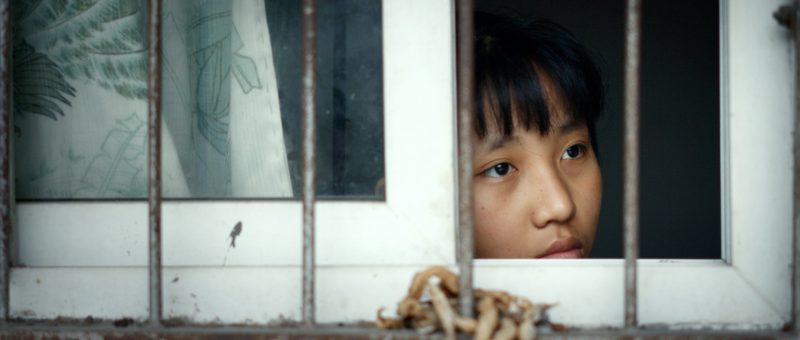
Udine Far East Film Festival Confirms Lineup for 24th Edition

The Udine Far East Film Festival returns for its 24th edition 22nd – 30th April in a hybrid format with the complete programme screening at the Teatro Nuovo Giovanni da Udine and a selection also available to stream online in Italy and in many cases beyond (geographical restrictions noted below). While most films are available to stream for the entire festival, those marked “Gala” stream once only with a four hour window to view. This year’s recipient of the Golden Mulberry Award for Lifetime Achievement is Takeshi Kitano whose 1993 film Sonatine screens in the Restored Classics strand.

Cambodia

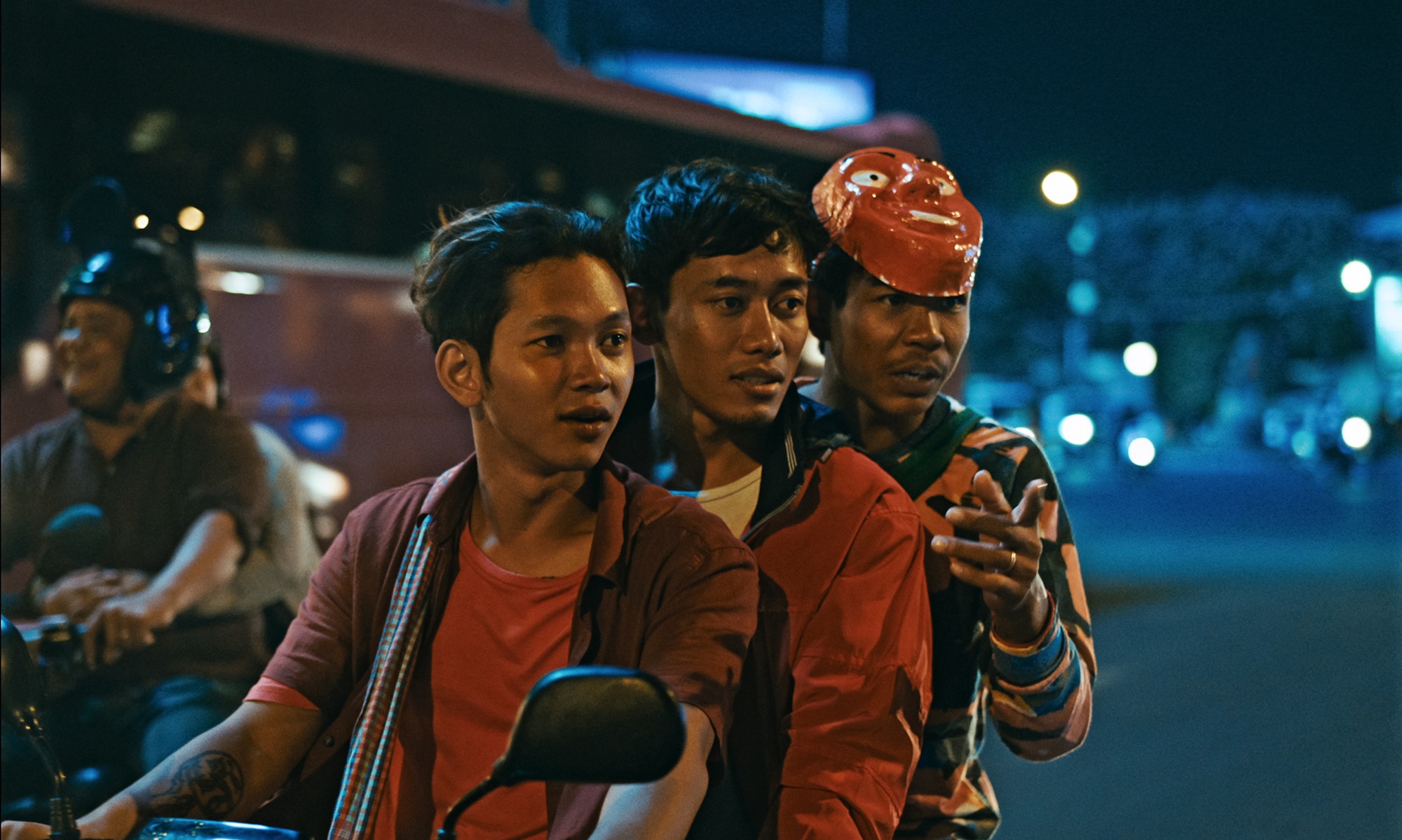
  • White Building – A young man contemplates the loss of home and history as the building he’s lived in all his life faces demolition in Kavich Neang’s ethereal coming-of-age drama. Review.

China

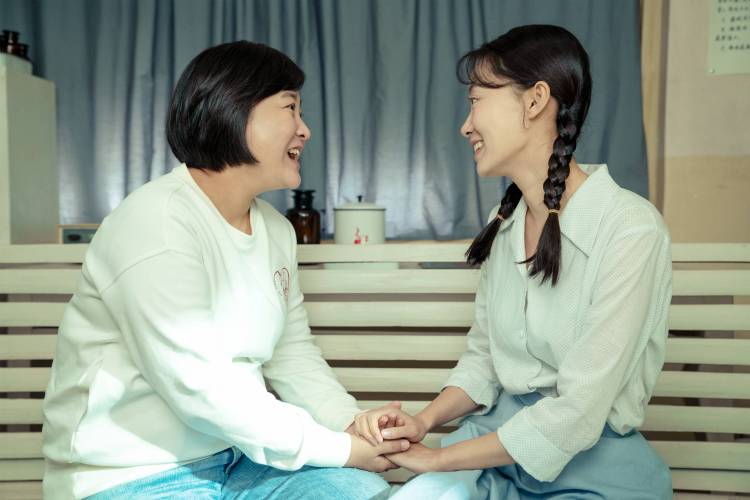
  • Hi, Mom – a young woman is transported back to 1981 and gets to know her mother as a young woman in a comedy directed by and starring comedian Jia Ling.
  • I Am What I Am – CGI animation revolving around three village boys trying to master the traditional lion dance.
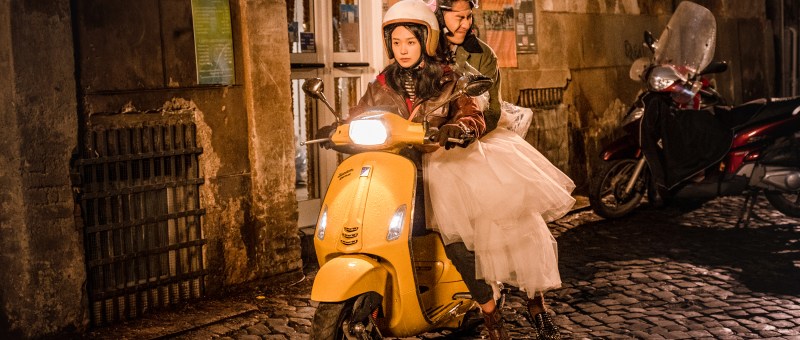
  • The Italian Recipe – romance in which a spoilt pop star travels to Rome for a reality show and falls for a girl who wants to become a chef.
  • Manchurian Tiger – black comedy starring Zhang Yu in which a truck driver, his wife, his girlfriend, and a poet recovering from mental illness are caught up in a bizarre series of events. Online Italy only.
  • Nice View – dramedy from Wen Muye (Dying to Survive) in which a young man takes a chance on a risky business venture to pay for his sister’s medical treatment.
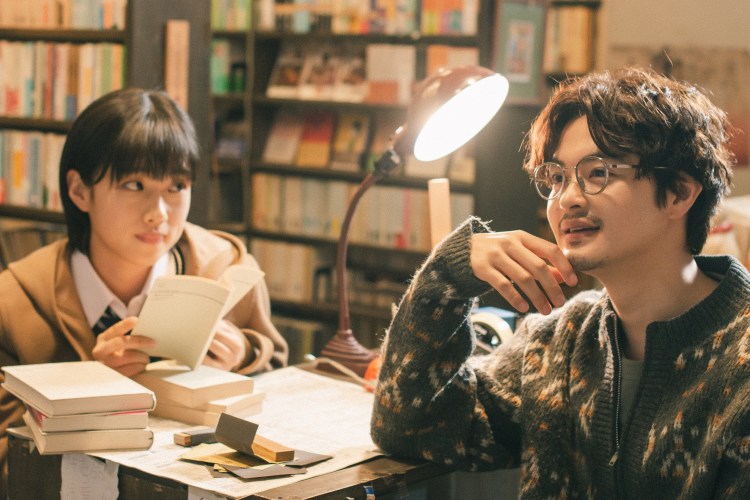
  • Return to Dust – rural romance in which a couple who met through an arranged marriage come to trust and respect one another.
  • Too Cool to Kill – Chinese remake of Koki Mitani’s movie set comedy The Magic Hour. Online Italy Only
  • Streetwise – gritty drama in which a 21-year-old man becomes a debt collector to pay his father’s medical bills.

Hong Kong

  • Caught in Time – crime drama inspired by real life criminal Zhang Jun. Online Italy Only
  • Far Far Away – An introverted IT guy (Kaki Sham) gets a crash course in romance when he ends up dating a series of women from the far flung corners of Hong Kong in Amos Why’s charming romantic comedy. Review.
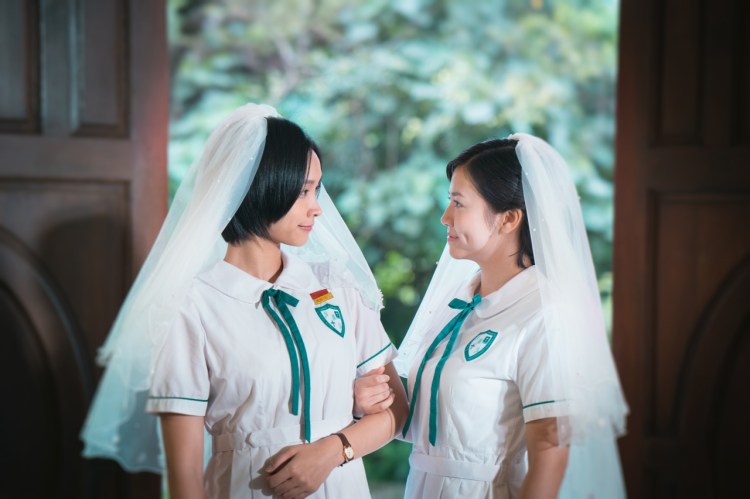
  • The First Girl I Loved – A young woman begins to re-evaluate her teenage romance when her first love asks her to be maid of honour at her wedding in Yeung Chiu-Hoi & Candy Ng Wing-Shan’s youth nostalgia romance. Review. Online Worldwide (Except Asia)
  • Legendary in Action! – wuxia from Justin Cheung.
  • Schemes in Antiques – mystery adventure from Derek Kwok in which a drunken antiques expert must find a priceless Buddhist head. Online Italy Only.
  • Table for Six – anarchic comedy from Men on the Dragon’s Sunny Chan in which a crisis erupts at a family dinner when one of the guests arrives with the host’s old flame.
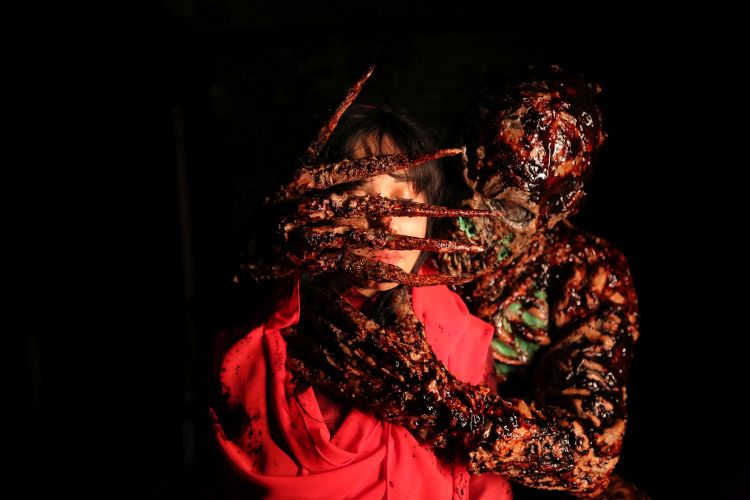
  • Tales from the Occult – horror anthology featuring entries from Fruit Chan, Fung Chih-chiang, and Wesley Hoi
  • Twelve Days – marital drama starring Stephy Tang and Edward Ma
  • Sunshine of My Life – autobiographical drama about the sometimes difficult relationship between a daughter and her parents each of whom are blind.

Indonesia

  • Yuni – A young woman decides she wants more out of life but finds herself trapped by the oppressive social codes of her conservative hometown in Kamila Andini’s bleak social drama. Review. Online Italy Only

Japan

  • Just Remembering – bittersweet love story from Daigo Matsui inspired by Jim Jarmusch’s Night on Earth.
  • Love Nonetheless – erotic comedy from Jojo Hideo. Online Worldwide.
  • Missing – darkly comic thriller in which a young girl searches for her father who went missing after saying he was going to claim the bounty on a serial killer he spotted in town.
  • My Small Land – a young woman who came to Japan as refugee when she was a child finds her life upended when her family’s refugee status is revoked.
  • Noise – drama from Ryuichi Hiroki in which three childhood friends attempt to cover up a murder. Online Europe Only.
  • One Day, You Will Reach the Sea – powerful drama from Ryutaro Nakagawa in which a young woman struggles to come to terms with the loss of a friend who went missing in the 2011 tsunami. Online Italy Only
  • Popran – outlandish comedy from Shinichiro Ueda in which an arrogant CEO’s genitals decide to leave him and he has to find them within six days or lose them forever. Online Italy only [Gala]
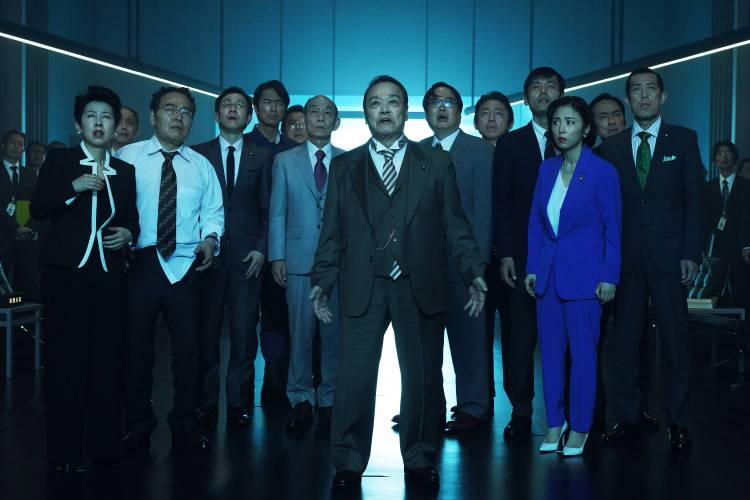
  • What to Do with the Dead Kaiju? – satire from Satoshi Miki in which bureaucrats must try to decide how to dispose of the corpse of a defeated kaiju.
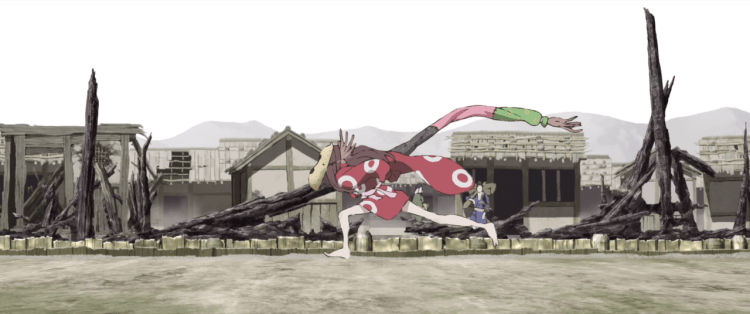
  • INU-OH – a blind Biwa player and a cursed young man exorcise the spirits of the Heike through musical expression in Masaaki Yuasa’s stunning prog rock anime. Review.

Malaysia

  • The Assistant – thriller in which a man unjustly imprisoned plots revenge
  • The Devil’s Deception – horror in which a pregnant woman haunted by her brother’s death begins to have strange visions while staying at a remote mansion

The Philippines

  • Leonor Will Never Die – cineliterate meta comedy in which a formerly successful filmmaker now struggling to make ends meet is thrown into an unfinished script after being knocked out by a TV set. Online Italy Only [Gala]
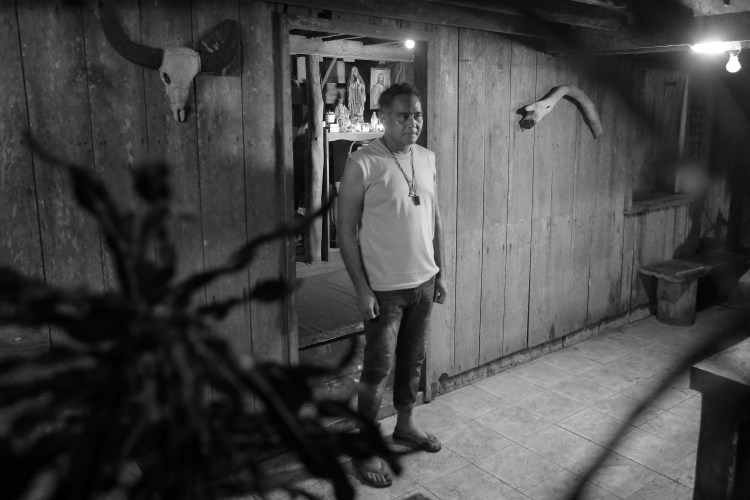
  • Rabid – pandemic-era horror anthology from Erik Matti. Online Worldwide.
  • Reroute – horror in which a couple end up in a sinister place when their car breaks down while taking the scenic route home. Online Worldwide.
  • On the Job: The Missing 8 – sequel to On the Job in which a corrupt reporter begins an investigation when his colleagues disappear while a hitman imprisoned for a crime he didn’t commit plots escape.

South Korea

  • The Apartment with Two Women – familial drama in which the already strained relationship between a mother and daughter declines when one runs the other over.
  • Confession – mystery drama in which a man is accused of a locked room murder
  • Hostage: Missing Celebrity – remake of Saving Mr Wu in which actor Hwang Jung-min is kidnapped and must try to escape. Online Worldwide.
  • The Killer – a former hitman is charged with babysitting a friend’s daughter only for her to be kidnapped by thugs
  • Kingmaker – political drama revolving around an idealistic politician and his campaign strategists. Online Italy Only
  • Miracle: Letters to the President – ’80s-set drama in which a small rural town comes together to build a railway station
  • Perhaps Love – romantic drama in which a blocked writer bonds with an aspiring author. Online Worldwide
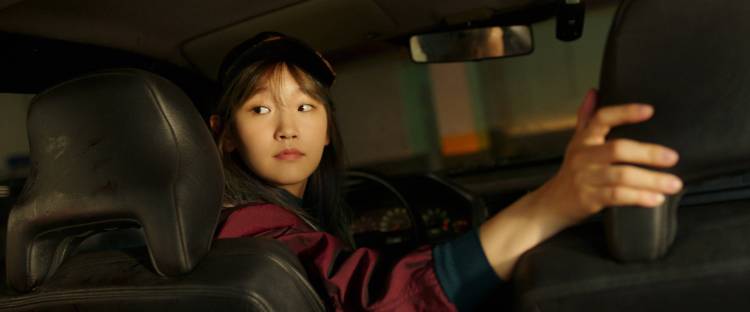
  • Special Delivery – action drama starring Park So-dam as a delivery driver who is drawn into intrigue when a child gets into her car. Online Worldwide.
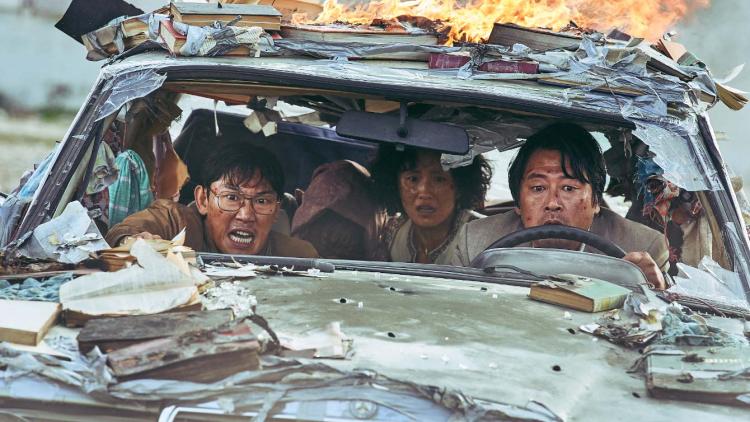
  • Thunderbird – a taxi driver tries to get back a car his brother pawned which is filled with his gambling winnings but nothing goes to plan.
  • Tomb of the River – gangster drama in which rival gangs go to war over the building of a lucrative resort. Online Worldwide [Gala]
  • Escape from Mogadishu – North & South Korean diplomats are forced to set ideology aside to escape the increasing violence of the Somali Civil War in Ryoo Seung-wan’s intense action drama. Review.

Taiwan

  • Incantation – interactive found footage horror movie in which a mother tries to cure her daughter of a curse
  • Mama Boy – romantic drama in which a young man falls for a single mother working at a love hotel
  • Terrorizers – drama revolving around an angry young man who goes on a public slashing attack

Thailand

  • Cracked– horror in which a prominent painter’s suicide provokes a series of bizarre events. Online Worldwide.
  • One for the Road – a New York club owner returns to Thailand on learning that his friend has been diagnosed with terminal cancer. Online Italy Only.

Documentaries

Restored Classics

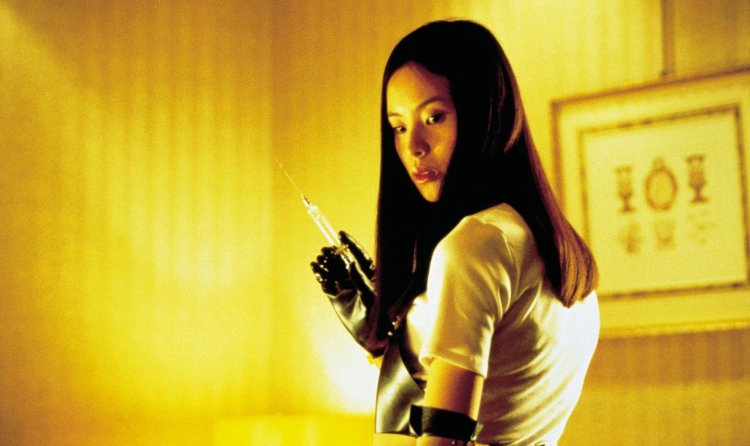
  • Audition – Takashi Miike’s deceptive drama begins as a gentle romcom before edging slowly towards the horrific as a widower (Ryo Ishibashi) takes his his friend’s advice and sets up a fake audition to find the perfect wife but ends up finding something quite different.
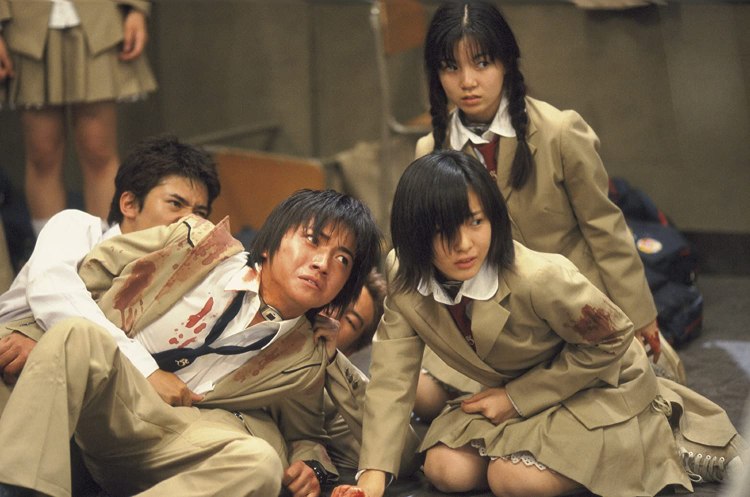
  • Battle Royale Director’s Cut – Kinji Fukasaku’s millennial classic in which a class of school children is sent to an island and forced to fight to the death
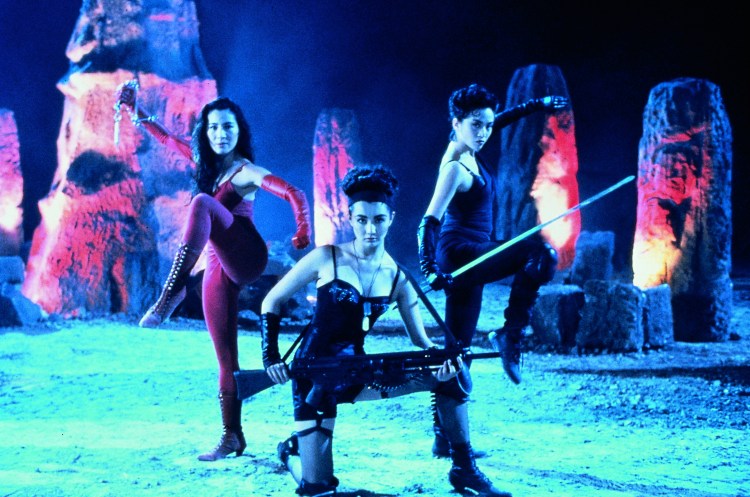
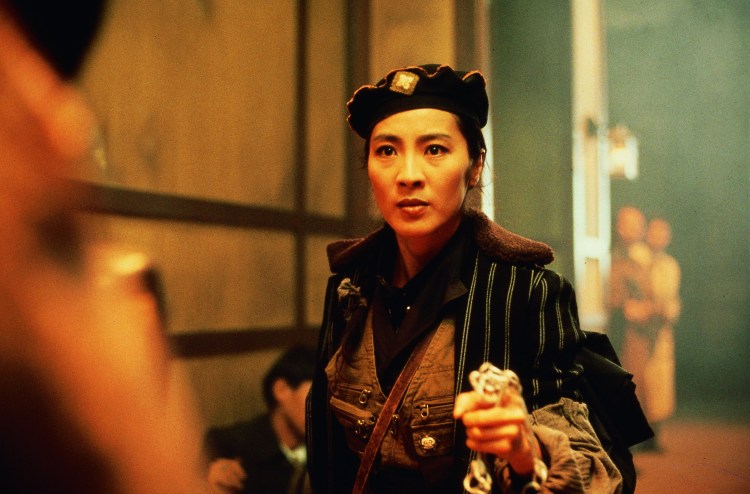
  • The Heroic Trio – Anita Mui, Maggie Cheung, and Michelle Yo star in Johnnie To’s 1993 classic
  • Executioners – sequel to Heroic Trio
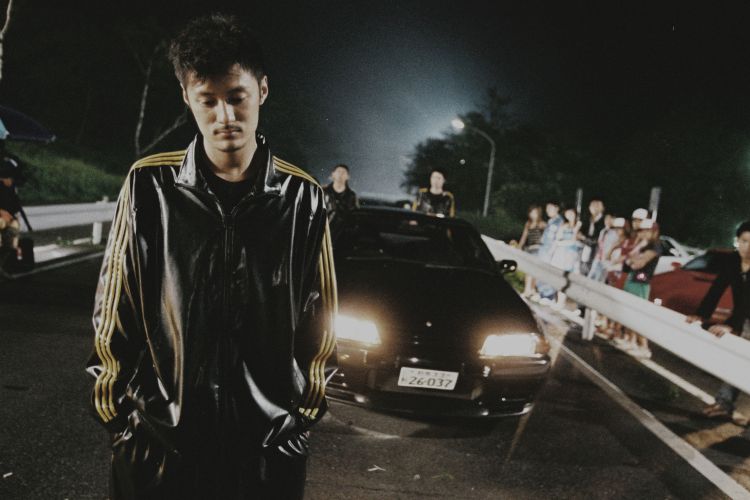
  • Initial D – Andrew Lau & Alan Mak’s 2005 adaptation of the Japanese drag race manga
  • The Swordsman of All Swordsmen – Joseph Kuo’s 1968 wuxia following a swordsman’s 20-year quest to avenge the death of his parents
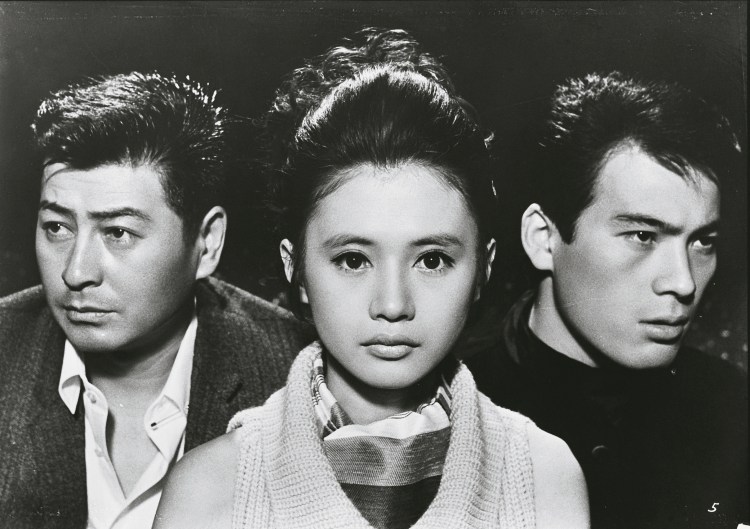
  • Pale Flower – Masahiro Shinoda’s 1964 noir starring Ryo Ikebe as a recently released yakuza drawn to a self-destructive female gambler
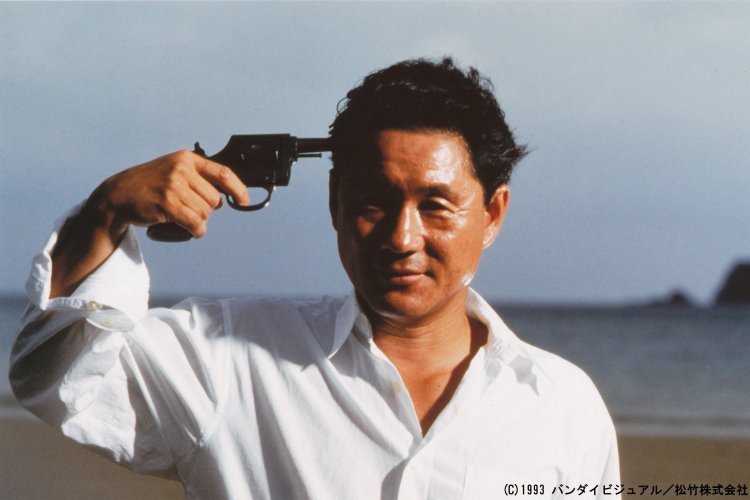
  • Sonatine – Tired of the life, a veteran gangster ponders retirement but knows his brief island holiday is only a temporary respite from his nihilistic life of violence in Takeshi Kitano’s 1993 melancholy existential drama. Review.

Visions of Manila in Philippines Movies

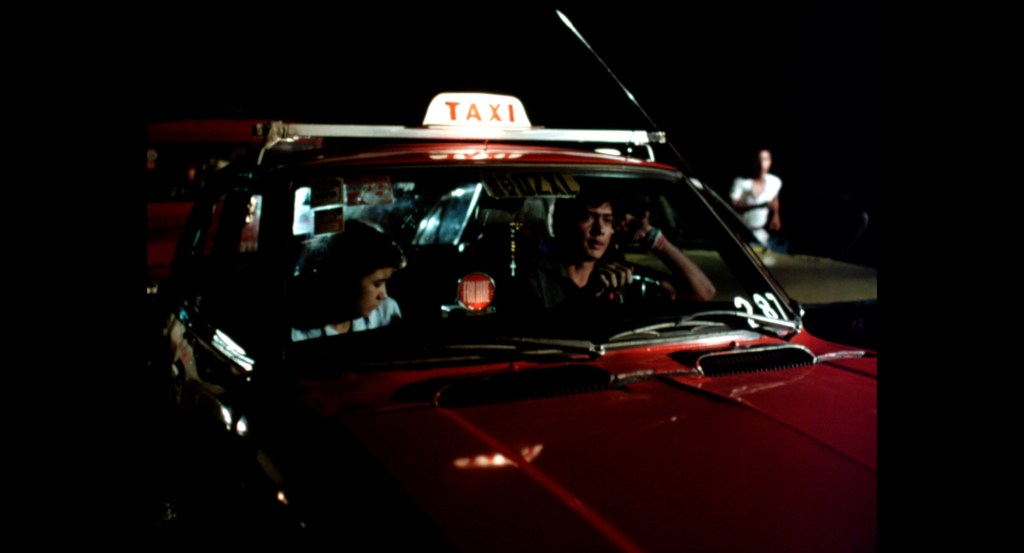
  • Manila by Night – Ishmael Bernal’s 1980 oddyssey through the nighttime city. Online Worldwide [Gala]
  • Manila in the Claws of Light – Lino Brocka’s 1973 drama in which a young man travels to the city in search of his missing girlfriend. Review.
  • Metro Manila – Sean Ellis’ 2013 social drama in which a man moves to the city and becomes an armoured truck driver. Online Italy only
  • Slingshot – Brillante Mendoza’s 2007 neo-realist noir. Online worldwide
  • Neomanila – Mikhail Red’s 2017 bleak extra judicial killing drama. Review. Online Worldwide.

The 24th Udine Far East Film Festival runs online and in person at the Teatro Nuovo Giovanni da Udine 22nd – 30th April. Full details for all the films are available via the official website and you can keep up with all the latest news by following the festival on FacebookInstagramYouTubeTwitter, and Tumblr.