
San Diego Asian Film Festival Announces Lineup for 2022 Spring Showcase

The San Diego Asian Film Festival returns for its 11th Spring Showcase April 21 – 28 bringing some of the best in recent in East Asian and Asian American cinema to the city’s UltraStar Cinemas Mission Valley. Highly anticipated Anita Mui biopic Anita will open the festival on April 21 while documentary Free Chol Soo Lee will bring the event to a close April 28. The Sunday Spotlight meanwhile is dedicated to actress/director Kinuyo Takana showcasing new 4K restorations of four of her six directorial features.

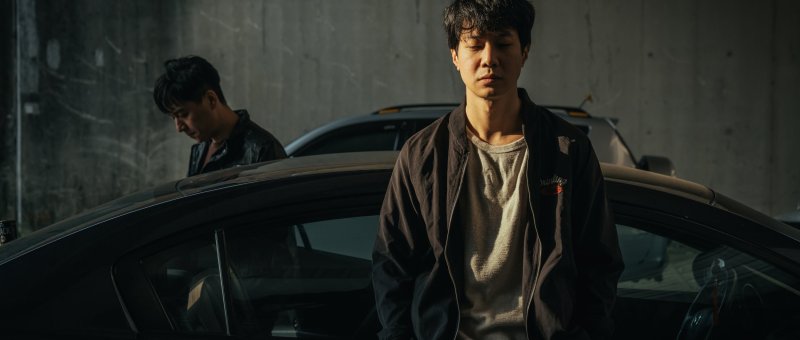
Anita

Longman Leung’s highly anticipated biopic of iconic Cantopop superstar and revered Hong Kong actress Anita Mui who sadly passed away after battling cervical cancer at the young age 40 in 2003.

Free Chol Soo Lee
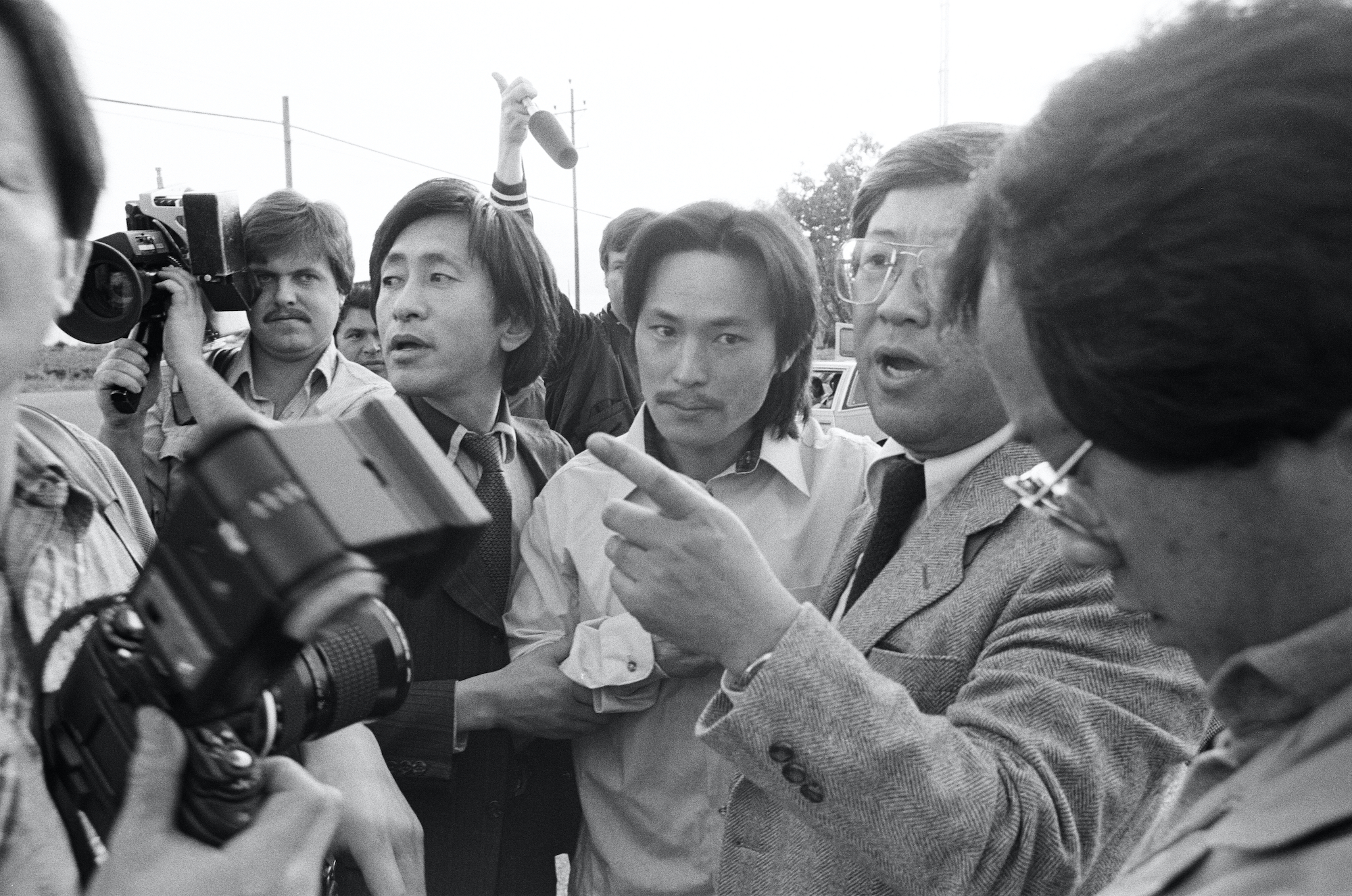
Documentary focusing on the case of Chol Soo Lee who was falsely convicted of the murder of a Chinese gangster in 1973.

After the Rain (Director: Jian Fan, China, 104 min, 2021)
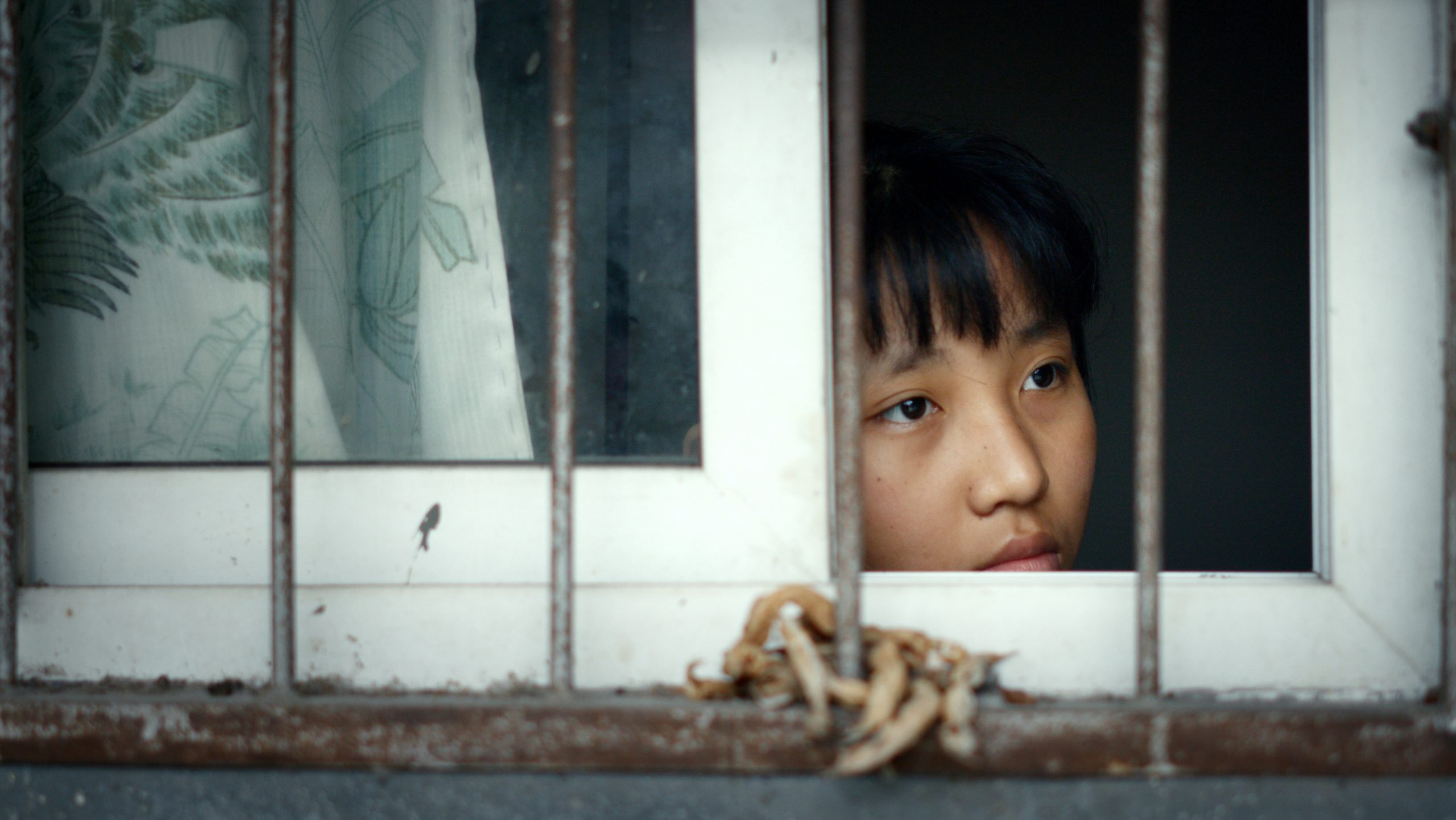
Documentary following two families who participated in a government scheme to help them have another child after losing their daughters in the 2008 Sichuan earthquake.

Big Night! (Director: Jun Robles Lana, Philippines, 105 min, 2021)
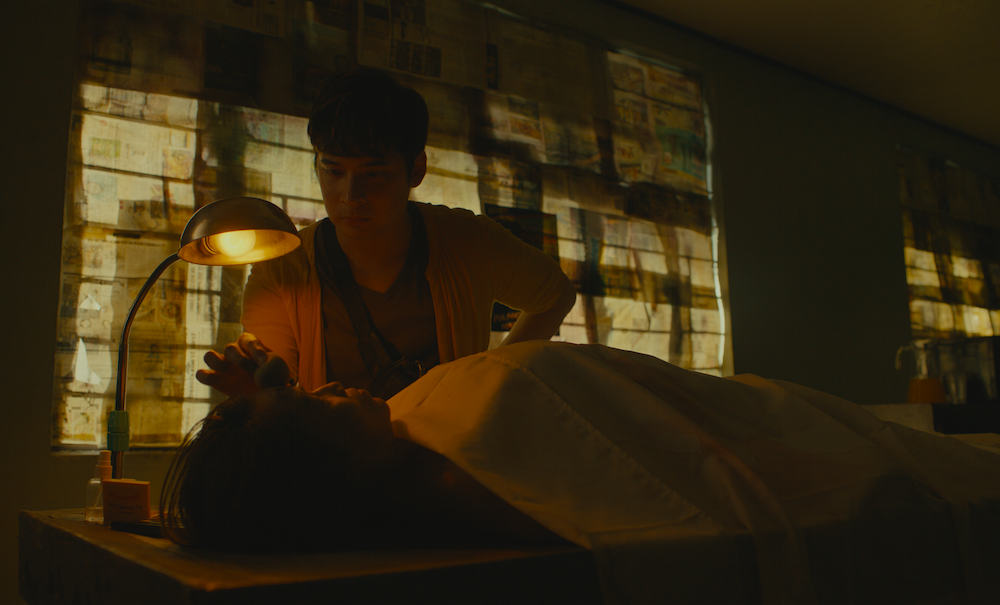
Ironic dramedy set in the slums of Duterte’s Philippines in which a gay beautician’s life is turned upside-down when he discovers his name has been added to a “watch list” for suspected drug users.

Fortune Favors Lady Nikuko (Director: Ayumu Watanabe, Japan, 96 min, 2021)

Heartwarming animation adapted from the novel by Kanako Nishi in which a teenage girl comes to accept her larger than life mother while learning a few things about herself. Review.

Maika The Girl From Another Galaxy (Director: Ham Tran, Vietnam, 105 min, 2022)

Fantastical family film from Vietnam in which a little boy who has recently lost his mother strikes up a strange friendship with a little girl from another world and takes on an evil billionaire with the help of his superrich frenemy to make sure she gets back to her people.

Nothing Serious (Director: Jeong Ga-young, South Korea, 95 min, 2021)
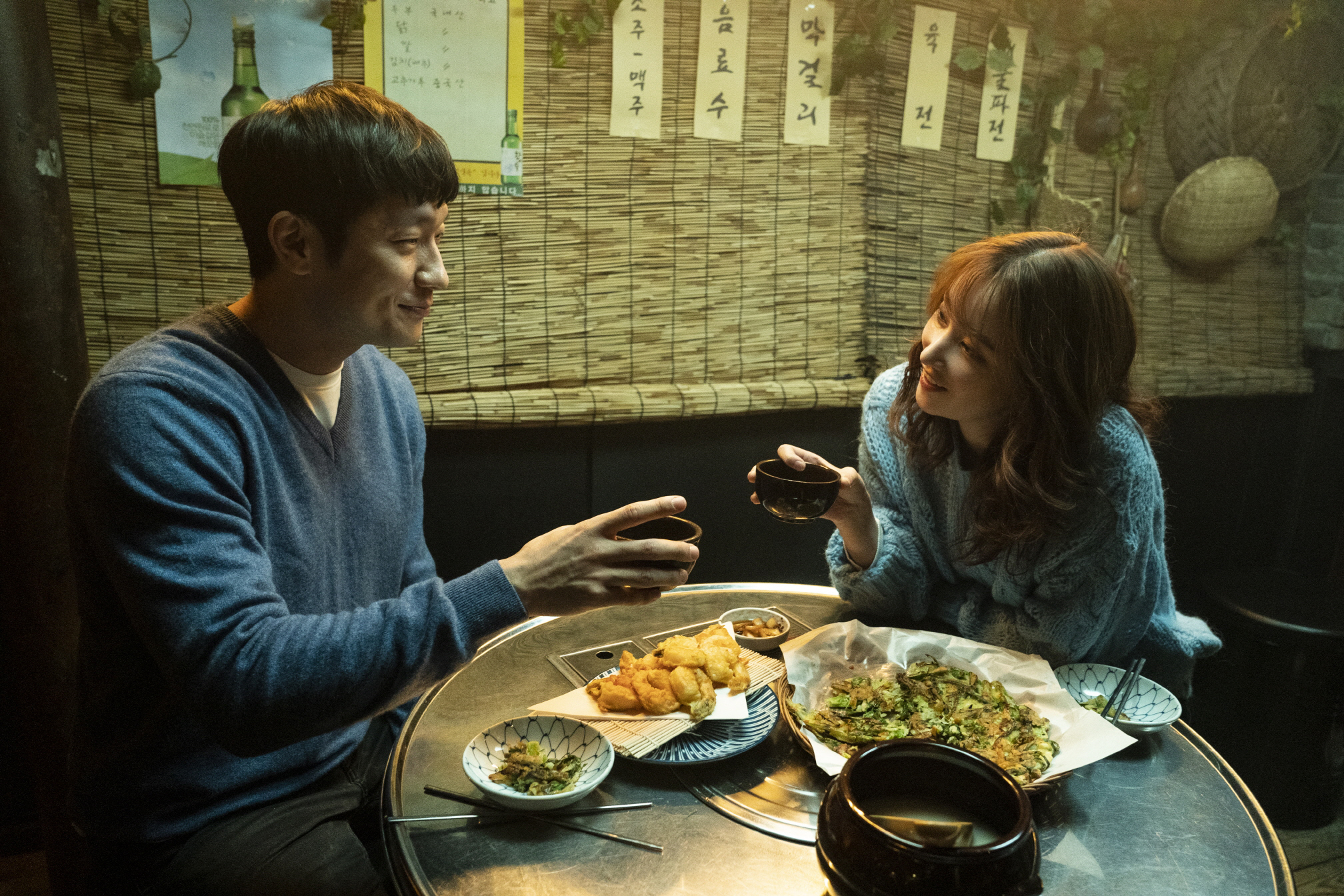
The first commercial feature from Jeong Ga-young (Bitch on the Beach Hit the Night, Heart), loses none of her caustic wit in a cynical yet ultimately heartwarming romantic comedy as a nerdy writer bonds with a sexually liberated yet emotionally heartbroken podcaster while preparing material for a sex column he didn’t want to write.

On The Line (Director: Kim Sun, Kim Gok, South Korea, 109 min, 2021)
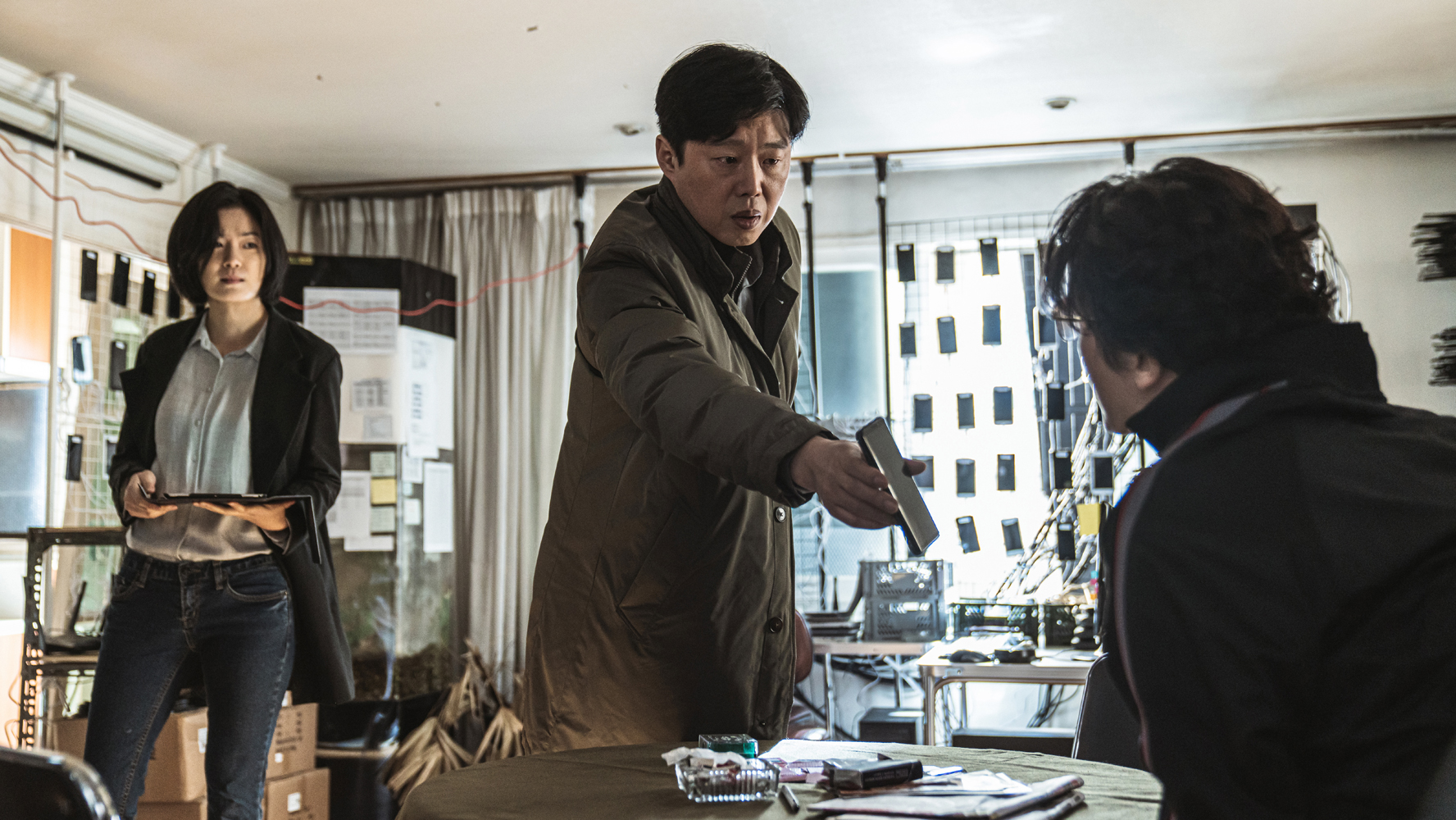
Action thriller in which a former policeman turned construction worker gets back on the case when his wife and boss find themselves falling victim to complex telephone fraud.

Quickening (Director: Haya Waseem, Canada, 89 min, 2021)
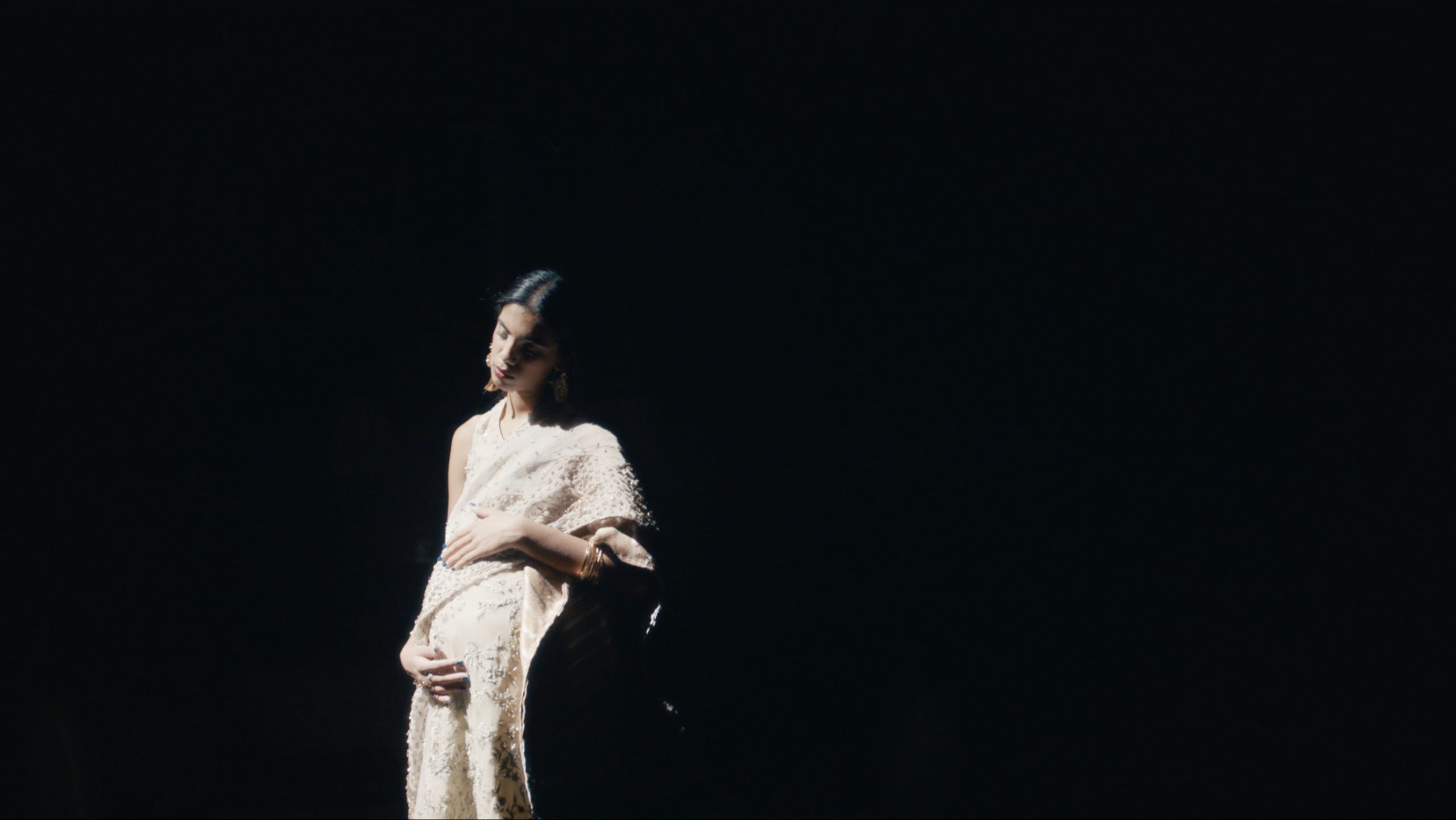
A young dancer is consumed with internal conflict after falling for a fellow student in Haya Waseem’s indie drama.

Yuni (Director: Kamila Andini, Indonesia, Singapore, France, Australia, 95 min, 2021)
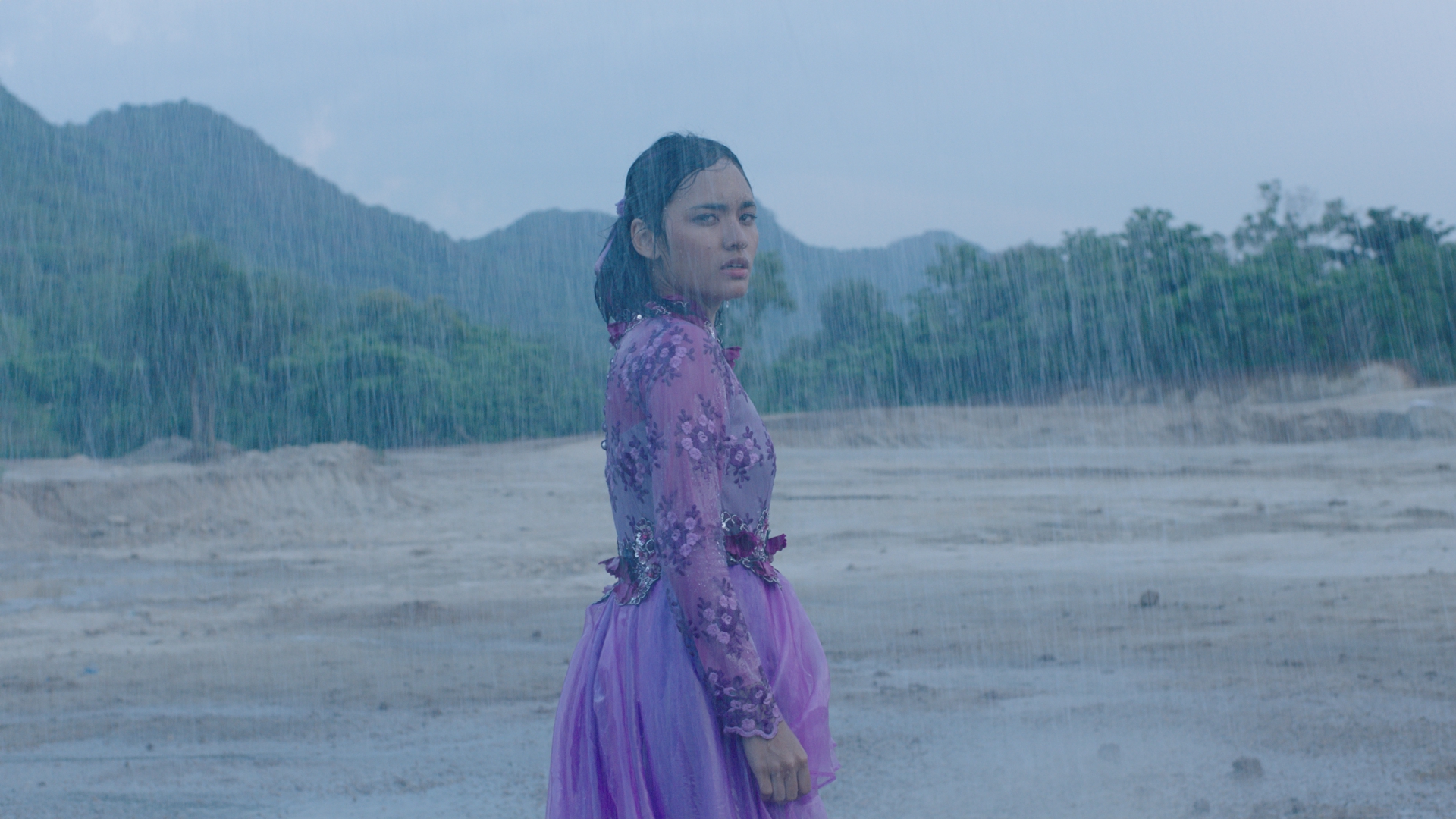
A young woman wanting to continue in education stuns her small conservative town by turning down a handsome suitor and thereafter finds herself in a series of impossible situations in Kamila Andini’s heartrending exploration of the lives of contemporary Indonesian women. Review.

Mystery Kung-Fu Theater 

Directed by Kinuyo Tanaka
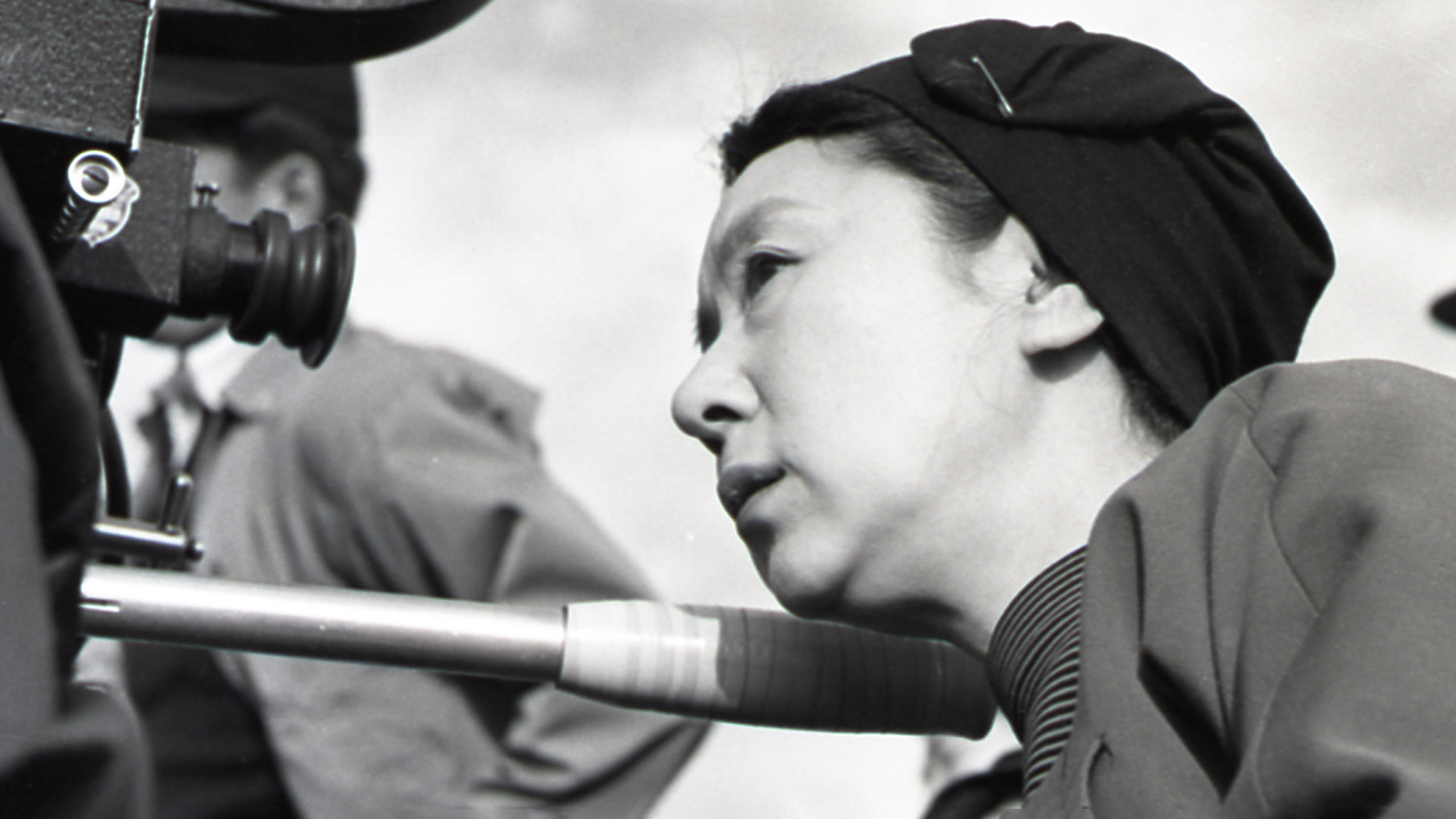
This edition’s Sunday Spotlight shines on legendary golden age actress Kinuyo Tanaka who later became the first woman to have a career as a film director in Japan releasing six features between 1953 and 1962. The series will present four of her films in their new 4K restorations:

This year’s San Diego Asian Film Festival Spring Showcase runs April 21 to 28 at UltraStar Cinemas Mission Valley. Full details for all the films as well as ticketing links and screening information can be found on the official website where tickets and passes are already on sale. You can also keep up with all the latest news by following SDAFF on Facebook, Twitter, and Instagram.
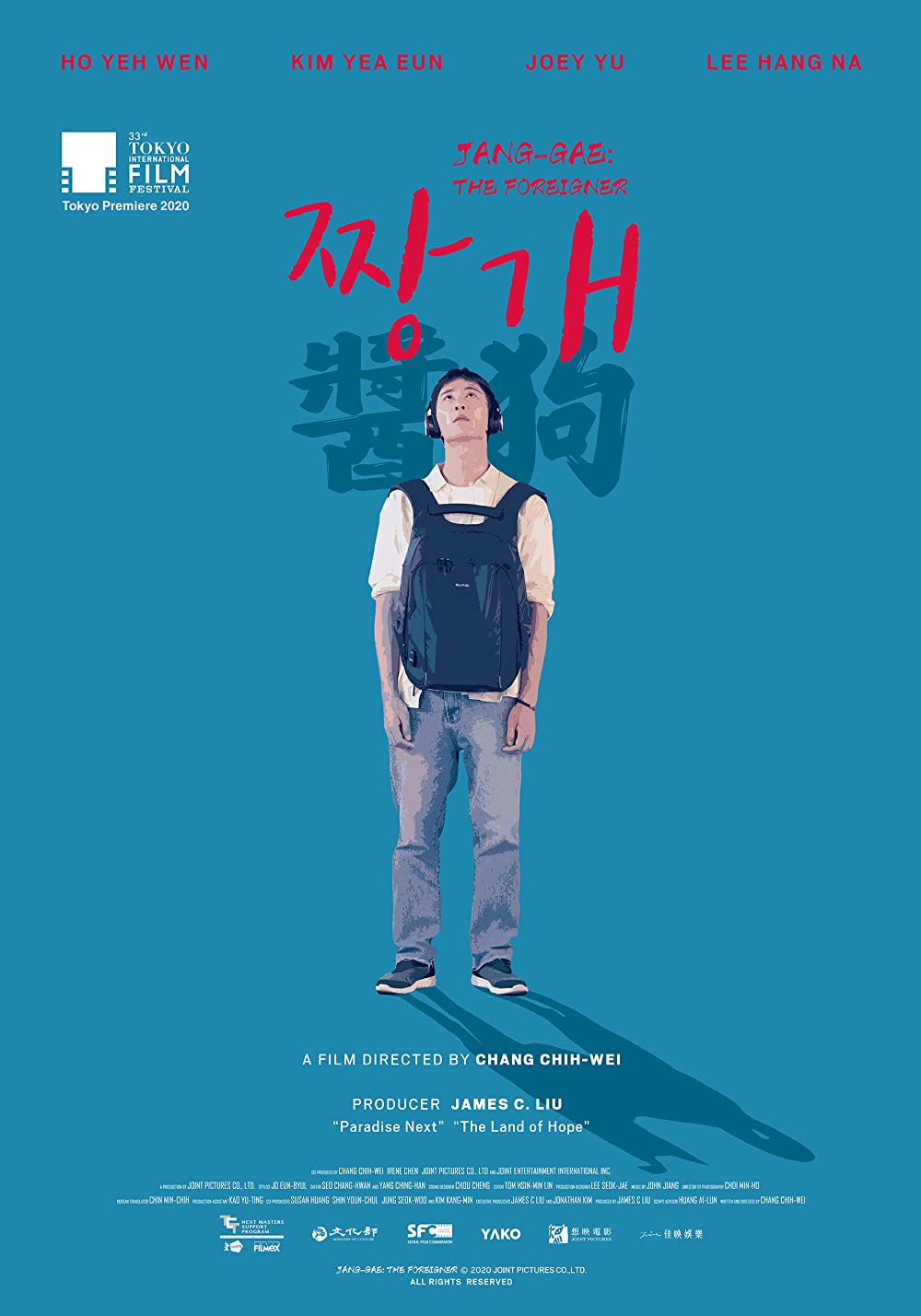
Jang-Gae: The Foreigner (醬狗, Chang Chih-Wei, 2020)

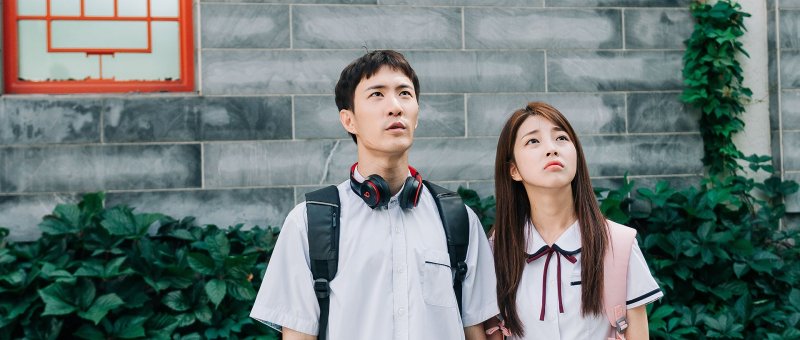
An angry young man struggles to repair his fracturing sense of identity in Chang Chih-Wei’s provocatively titled Jang-gae: The Foreigner (醬狗, jiàng gǒu). “Jang-gae” is in itself a derogatory term for Korean-Chinese translated literally as “sauce dog”, while the film’s hero Gwang-yong (Ho Yeh-wen) feels himself to be a perpetual outsider continually othered in Korea but having little affinity for his Chinese roots and dreaming of a future in the US having been short-listed for a scholarship programme only to be confronted with the contradictions of his identity when his father is taken ill and having the wrong kind of passport may jeopardise his dreams of going abroad. 

For reasons unknown to him, Gwang-yong’s father Seo-sang (Joey Yu) pulled him out of the Chinese-medium school he’d been studying at and moved him to a regular Korean high school instead. Although a straight-A student and in fact the class monitor, Gwang-yong experiences constant xenophobic microaggressions from his classmates who sarcastically repeat the common Chinese greeting “Have you eaten yet?” and refer to him as “sauce dog” while the teacher expresses surprise that “even a foreigner like Gwang-yong” has mastered Korean history. The teacher’s remark is quite ironic in that Gwang-yong may have a Taiwanese passport but he was born and raised in Korea, as, it happens, was his father. In fact, his family has no real connection with Taiwan, his grandfather fled Mainland China during the civil war and presumably applied for a Republic of China passport as a supporter of the Nationalist Party. In any case, his passport is also a non-citizen one which grants no right of abode because his family has no household registration in Taiwan meaning in essence that Gwang-yong is stateless and has no citizenship of any sort. 

For obvious practical reasons, he wants to apply for a Korean passport which he’s entitled to by right of birth as his mother is a Korean citizen but his father won’t have it. Meanwhile, despite bullying him the other boys all complain that foreigners have it easy believing that he got a leg up in the scholarship scheme for being non-Korean while he’ll also be exempt from the National Exam and military service (which as he points out he’d have to do in Taiwan if he were a full citizen there), but being exempt from each of these requirements for Korean citizens leaves him feeling even more excluded reinforcing the sense that he’s not really a part of the culture in which he has grown up in the only country he’s ever known. He tells his mother that he just wants to live a dignified life in Korea, but is ruffed up by a trio of thuggish men later claiming to be police immigration officers accusing him of overstaying on his visa not so much as even apologising after forcibly pulling his wallet out of his pocket and seeing his birthplace listed as Korea on his ID. 

Most of his animosity is directed at his father who speaks to him only in Mandarin and is in general authoritarian and unsupportive, yet his father’s illness also causes him to lash out at his mother laying bare his own internalised shame in berating her for having married someone who was Korean-Chinese as if all his problems would have been solved if she’d only married somebody Korean, blaming her rather than standing up against the xenophobia and prejudice which pervade his society. Meanwhile the girl he has a crush on at school, Ji-eun (Kim Yea-eun) who is also an outcast having moved schools after the grandmother who was raising her passed away, just wants to get out of “Hell Joseon” and doesn’t much care where to. He points out swapping Hell Joseon for Taiwan’s “Ghost Island” might not make much difference, but discovers that his accidental statelessness leaves him doubly disadvantaged denied his full rights in either place while equally unable to escape. 

Even so his father’s illness forces him to reconsider not only his relationship to him but to his Chinese heritage along with the Korean, Ji-eun also reminding him that the people who make it in Korean society are the ones who learn to stand up for themselves which perhaps informs his final act of rebellion against the bullies no longer willing to be meek or apologetic but directly challenging their attempts to intimidate him having gained a new confidence. A gentle coming-of-age tale in which a young man comes to understand both his father and his heritage Jang-Gae: The Foreigner never shies away from the problems faced by ethnic minorities in contemporary Korea nor the inequalities of the non-citizen passport but does allow its conflicted hero to find a degree of equilibrium in himself secure in his own identity. 


Jang-Gae: The Foreigner streamed as part of the 14th season of Asian Pop-Up Cinema.

Original trailer (English subtitles)

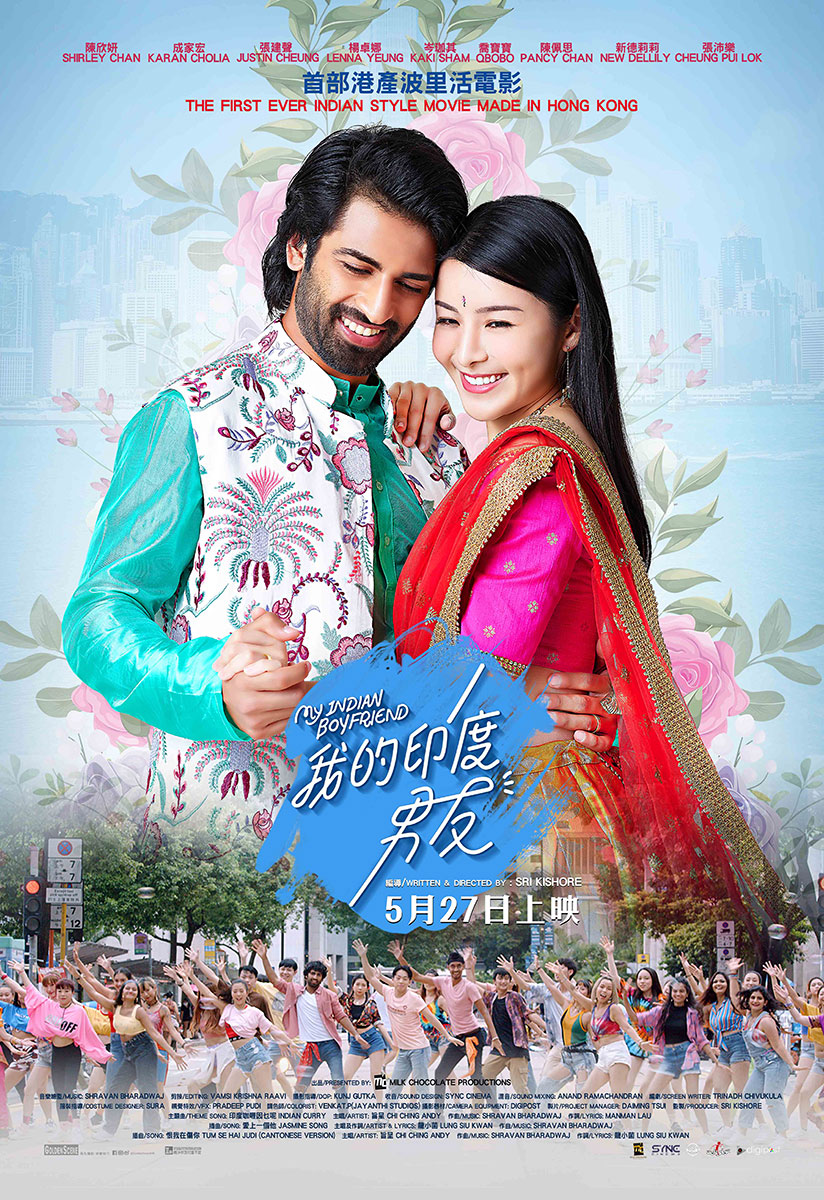
My Indian Boyfriend (我的印度男友, Sri Kishore, 2021)

An awkward young man from India begins to see new possibilities in life after falling for his beautiful neighbour in Sri Kishore’s comic melodrama My Indian Boyfriend (我的印度男友). Billed as the first ever Indian-style film made in Hong Kong, Kishore’s musical romance has already come in for a degree of criticism with some objecting to what they see as a pun on a racial slur in the film’s original Cantonese title (which has since been changed) though the cross-cultural love at the film’s centre does perhaps attempt to overcome a sense of division even if cultural differences are not in the end what keeps the couple apart so much as their individual circumstances. 

The hero, Krishna (Karan Cholia), is the youngest of three siblings and moved to Hong Kong with his family as a child but has been unable to settle, finding it difficult to get a job and repeatedly stating a desire to return to India. Jasmine (Shirley Chan Yan-Yin), meanwhile, is a model and dance instructor technically engaged to sleazy businessman Richard (Justin Cheung Kin Sing) to whom she feels indebted because he took care of her family when her father died but otherwise appears not to like very much possibly because of his worryingly controlling, possessive personality. In fact, the pair’s first meeting is brokered by Richard’s unsolicited racist provocation on spotting Krishna and his Chinese friend Kong (Kaki Sham) outside the building into which Jasmine is about to move generating a sense of animosity that proves difficult to dissipate until Krishna discovers that Jasmine is actually a friend of his sister’s and thereafter falls in love with her. 

It has to be said that Krishna’s obsessive courtship crosses the line of what is considered appropriate, quite clearly making Jasmine uncomfortable and leaving her in a difficult position because of her friendship with the rest of the family. We can see that Richard is definitely bad for her (and every other woman on the planet), but to begin with it’s not clear Krishna is much better save for the fairly low bar that when he realises his behaviour is problematic he does agree to back off if occasionally trying to badger Jasmine into a platonic friendship while warning her against marrying Richard whom she already agrees is likely to make her extremely unhappy. 

Richard meanwhile is continually spitting chips, both incredibly jealous and intensely racist throwing racial slurs around at random and later sending in some of his hired thugs to have Krishna beaten up though it’s unclear why he thought doing either of these things would help to endear him to Jasmine even as he continues to leverage the financial assistance he’s given her family to imply she has no other choice but to become his wife in recompense. In fact neither of the men really give much thought to what Jasmine might want, nor does her mother (Griselda Yeung) take her feelings into consideration coming from an earlier time in which financial stability was the only concern either oblivious to Richard’s many red flags or thinking they’re worth putting up with so long he continues to provide a comfortable life. Even so Richard’s obvious racism does not seem to be so far out of line with society around him, Krishna finding himself constantly facing xenophobic microaggressions with even a prospective employer taking one look at him and openly remarking that they don’t hire South Asians followed by a justification based on a series of offensive racial stereotypes. 

The constant xenophobia along with his father’s incessant criticism fuels Krishna’s sense of futility along with his half-hearted desire to return to India where he perhaps feels he might do better free from the twin pressures of unfair parental expectation and societal prejudice. Nevertheless, his love for Jasmine forces him to confront himself and turn his life around now given a reason to start making a concrete life for himself in Hong Kong while her love for him strays a little into the uncomfortable as she’s won over by the force of his feelings and thereafter turns him into a kind of project, a fixer upper boyfriend, restoring his sense of confidence by embracing his talent for dancing so that he can begin to make something of himself while she continues to struggle with her mother’s disapproval not only because of her prejudice towards Krishna on the grounds of his ethnicity but her insistence on the debt they owe to Richard. But then as Krishna says love is love whether it’s in India or Hong Kong, and will eventually conquer all. Featuring several Bollywood-style musical sequences and some fairly questionable twists typical of romantic melodrama, Kishore’s light hearted love story does at least embody a sense of cross-cultural flow as the lovers (and their families) overcome their various prejudices to embrace the love they have for each other. 


My Indian Boyfriend screened as part of Osaka Asian Film Festival 2022

Original trailer (Traditional Chinese/English subtitles)

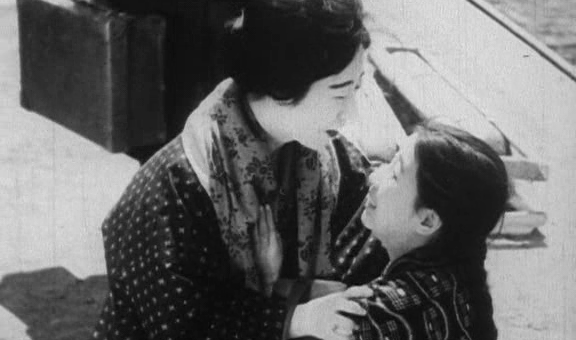
The Dawning Sky (明け行く空, Torajiro Saito, 1929)

A family broken by economic shock and destructive male pride is eventually mended through Christian faith in Torajiro Saito’s 1929 silent melodrama The Dawning Sky (明け行く空, Akeyuku Sora). Though most of his work is currently presumed lost, Saito became known as the “god of comedy” while working at Shochiku’s Kamata studios yet Dawning Sky while affecting a cheerful tone is marked by a sense of sadness and anxiety that perhaps reflects the precarities of the world of 1929.

Recently widowed Kyoko (Yoshiko Kawada) has learned to bear her grief by doting on her newborn daughter Reiko, though her world is about to implode as the bank operated by her previously wealthy father-in-law Junzo (Reikichi Kawamura) has collapsed leaving the family in financial ruin. Kyoko’s parents approach Junzo offering to take her back, but the idea provokes only intense resentment in Junzo’s wounded pride as he takes it that they no longer feel his family is good enough for their daughter now that he is no longer rich. A traditionally minded woman Kyoko pleads with him to stay but he will have none of it, throwing her out but insisting on keeping Reiko with him. Out of old-fashioned ideas of loyalty, Kyoko decides that she will not return to her parents nor marry again but is at a loss for what to do sadly wandering about ominously near a bridge before catching sight of the cross on a Christian church and feeling herself saved. Some years later, Kyoko is sent to a small town as a female pastor where, by total coincidence, Junzo is also living with Reiko (Mitsuko Takao) and now working as a lowly coachman. 

The cause of Kyoko’s forced dislocation is located directly in the economic shock of the late 1920s which causes Junzo to lose his family bank and with it the social status which gives his life meaning, but it’s also implicitly the demands growing consumerist capitalism which have already undermined traditional familial bonds and responsibilities. Junzo is so consumed by resentment towards Kyoko’s family, who may have made the offer for pure-hearted reasons rather than snobbish disdain for Junzo’s ruined state, that he coldly separates a mother from her child and thinks nothing of the consequences seeing only red in his internalised shame in having failed in business. Yet true happiness is evidently not possible until he finally learns to abandon his lust for material success. “I’m poor, I know, but life is nice and carefree because I have my granddaughter” he explains to one of his passengers having reconsidered his priorities and come to realise it’s familial bonds which are most important after all. 

Nevertheless, he continues to hide the truth from Reiko having told her that both her parents are dead while she continues to pine for a mother she’s never known. Her little friend Koichi meanwhile is the only son of his widowed mother who is bedridden and unable to work. As the family is poor Koichi is responsible not only for her care, they’ve rigged up a kind of machine which automatically dispenses her medicine while he isn’t there to administer it, but for the cooking and cleaning too. The two children first bond when Reiko discovers a wounded pigeon shot by Koichi and scolds him that he has no right to kill living things though he only wanted to feed his sick mother, the pair of them deciding to bury the pigeon and give it a proper funeral. This brings her to the attention of the pastor, Kyoko, who is proving especially popular in the local community because of her innate kindness and compassion. But in suspecting that Reiko may be her daughter, Kyoko is at a loss as to how to move forward unwilling to disrupt her life with Junzo by telling her the truth while torn apart inside by her wounded maternity and new duties to her Christian faith. 

The film’s overt religious overtones are perhaps surprising for the world of 1929 as is the near universal approval with which the church is viewed in the local community with only the strange and bookish Hide refusing to attend on the grounds that he hates Christians while all of the other children begin hanging out inside largely because of Kyoko’s warmth and kindness. It is finally Christian virtues which allow the family to be repaired, Junzo overcoming his sense of wounded male pride when faced with Reiko’s constant pining as the pair eventually make a mad dash towards the station on learning that Kyoko has decided to leave town rather than risk causing Reiko further pain by disrupting her new life. “God’s grace brought them together” as the benshi intones, yet as much as Kyoko’s maternity is restored she remains a liminal figure returning not to Junzo’s house but only to the church as its pastor recommitting herself to her religious duties while looking out sadly as Reiko plays with the other children in the beautiful countryside suggesting that the ruptured bonds of the traditional family cannot ever be fully repaired. 

Saito’s elegant mise-en-scène has its moments of poignancy in the expressionist angles of Kyoko’s walk into darkness or frequent employment of superimposition, not to mention the intensity of its climactic storm scene intercut the with the spiritual ferocity of Kyoko’s desperate praying surrounded by candles in the dark and empty church, but the film is first and foremost a melancholy tale of familial reunion which, while in some senses incomplete, nevertheless suggests that true happiness exists only in simplicity, the family repairing itself through jettisoning contemporary ideas of capitalistic success and social hierarchy in order to embrace their natural affection for each other.


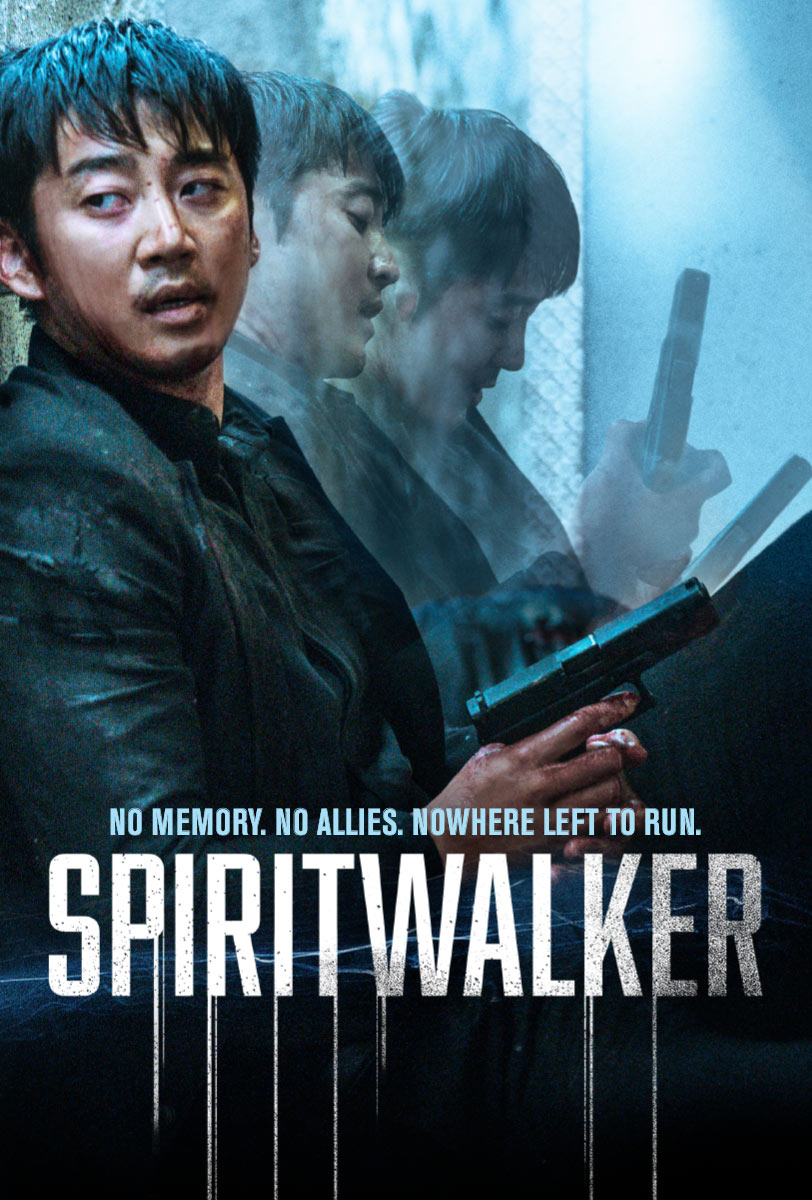
Spiritwalker (유체이탈자, Yoon Jae-geun, 2021)

“Who do you think I am?” the amnesiac hero of Yoon Jae-geun’s existential thriller Spiritwalker (유체이탈자, Yucheitalja) eventually asks having gained the key to his identity but continuing to look for it in the eyes of others. Yet as he’s told by an unlikely spirit guide, maybe knowing who you are isn’t as important as knowing where you’ve come from and where it is you’re going advising him to retrace his steps in order to piece his fragmented sense of self back together. 

A man (Yoon Kye-sang) comes round after a car accident with no memory of who he is or how he got there. He arrives at the hospital after a homeless man (Park Ji-hwan) calls an ambulance for him, but quickly realises he might be in some kind of trouble especially as the police are keen to find out who shot him and why. With that in mind, he decides to make a break for it but finds his sense of reality distorted once again as the world around him changes eventually realising that he’s shifted into the body of another man somehow connected to his “disappearance”. In fact this happens to him every 12 hours which is in many ways inconvenient as his impermanence hampers his ability to keep hold of the evidence he’s gathered while preventing him from making allies save for the homeless man who is the only one to believe his body-hopping story. 

As the homeless man points out, no-one in his camp really knows who they are anymore and to a certain extent it doesn’t really matter (in fact, he never gives his own name) because they have already become lost to their society as displaced as the hero if in a slightly different way forever denied an identity. What the homeless man teaches him, however, is that the essence of his soul has remained figuring out that at the very least he’s a guy who prefers hotdogs to croquettes even if he can’t remember why which is as good a place to found a self on as anywhere else. Even so, through his body-hopping journey he begins to notice that all of his hosts are in someway linked, inhabiting the same world and each possessing clues to the nature of his true identity. 

The central mystery, meanwhile, revolves around a high tech street drug originating in Thailand which causes hallucinations and a separation of body and soul apparently trafficked to Korea via a flamboyant Japanese gangster with the assistance of the Russian mafia in league with corrupt law enforcement members of which have begun getting dangerously high on their own supply with terrible if predictable results. This sense of uncertainty, that everyone is operating under a cover identity and those we assumed to be “good” might actually be “bad” and vice versa leans in to Yoon’s key themes in which nothing is really as it seems. Body and soul no longer align, the hero constantly surprised on catching sight of “himself” in mirrors, not knowing his own face but realising that this isn’t it while desperate for someone to “recognise” him as distinct from the corporeal form he currently inhabits. Though they may not be able to identify him, some are able to detect that he isn’t “himself”, behaving differently than expected, speaking in a different register, or moving in a way that is uniquely his own even while affected by other physical limitations such as one host’s persistent limp. 

Inevitably, the hero’s path back to reclaiming his identity lies in unlocking the conspiracy of which he finds himself at the centre, figuring out which side he’s on and what his highest priorities are or should be in gaining a clear picture of his true self as distinct from the self that others see. High impact hand-to-hand combat sequences give way to firefights and car chases while the hero finds himself constantly on the run in an ever shifting reality, Yoon employing some nifty effects as an apartment suddenly morphs into a coffee shop as the hero shifts from one life to another existentially discombobulated by the lives of others but always on the search for himself and a path back to before finding it only in the returned gaze of true recognition. 


Spiritwalker is released on blu-ray in the US April 12 courtesy of Well Go USA.

Interntational trailer (English subtitles)

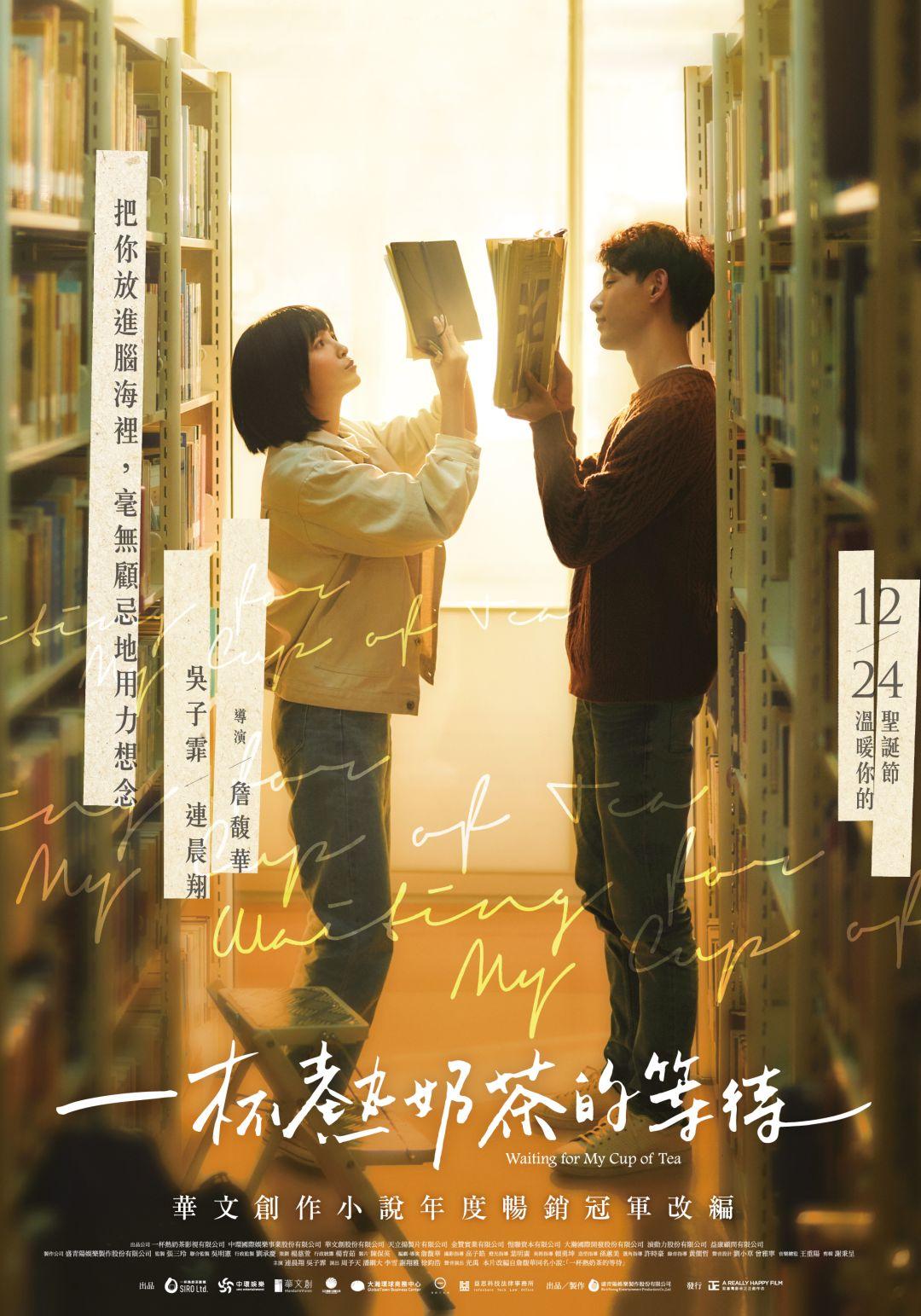
Waiting for My Cup of Tea (一杯熱奶茶的等待, Phoebe Jan Fu-hua, 2021)

How long should you wait for love? Released during the prime romance season over the Christmas holidays and adapted from her own novel, Phoebe Jan Fu-hua’s Waiting for My Cup of Tea (一杯熱奶茶的等待, yī bēi rè nǎichá de děngdài) wonders if love is something you can defer or something to which you should submit as a collection of youngsters attempt to deal with various kinds of baggage from unresolved attachments to chronic illness, career worries, and the burden of responsibility for one’s own feelings and those of others. 

Xiao-hua (Ellen Wu), for example, is a shy young art student who seems to stand at a distance from her friends while intensely irritated by a classmate/neighbour who has a sideline as a model and seems to have everything passed to her on a plate simply for being pretty. It’s Yi-chun’s love life, however, which is beginning to annoy her partly because each of her suitors, which Xiao-hua suspects may extend to at least three, constantly rings her bell mistakenly believing Yi-Chun’s is broken. After being jokingly threatened by Yi-chun’s overbearing secret boyfriend, she later runs into another young man, Zi-jie (Simon Lien Chen-hsiang), ringing her bell in vain advising him to come back later fearful of a scene should he enter and find another guy in Yi-Chun’s flat, while she’s also touched by the sight of a third man, A-wen, sitting quietly on a bench opposite her window next to a bouquet of flowers assuming he too is probably waiting for Yi-Chun. 

Feeling sorry for A-wen sitting out in the cold waiting for a girlfriend who’s probably off with someone else, Xiao-hua buys him a hot milk tea from a vending machine which will become something of a motif throughout the film, but it’s Zi-jie she eventually falls for after a series of meet cutes during which he declares himself uninterested in committed romantic relationships and indifferent to Xiao-hua’s revelation that Yi-Chun may have as many as three guys on the go at the same time. Even so, he appears much more interested in her than he ever was in the model next-door, later ending his association with Yi-Chun rather abruptly much to her surprise in order to better romance Xiao-hua if mainly through an air of mystery. 

Though all of these people are very young, in the main college students about to graduate, they each have their own barriers to romance which they’re wary to overcome, Xiao-hua’s being her previous relationship with fellow student Shao-Ping who broke up with her to take care of a childhood friend living with mental illness while selfishly asking Xiao-hua to wait for him. At one point or another, everyone asks someone else to wait or else to give them time, Xiao-hua eventually that of asking Zi-jie on figuring out why he seems to be keeping a distance from her echoing the words of the radio host she’s fond of listening to that he should give her time and learn to let her in, while he later asks the same of her, and of course A-wen is always “waiting” in one sense or another. There is something a little uncomfortable in Shao-ping’s broodiness, opposed to Xiao-hua’s new relationship not only because he unfairly believes he still has a right to a say in her romantic future but uncomfortably suggesting that he sees an ironic degree of symmetry fearing that Xiao-hua will discover that Zi-jie is a “burden” she will become responsible for an idea tacitly affirmed in the otherwise positive conclusion in suggesting that Zi-jie must wait until he’s physically fit for love before committing himself fully. 

Meanwhile Xiao-hua’s romantic naivety is challenged by relationships between her friends witnessing a couple she thought were made for each other suddenly break up while each of them prepare for their lives after college, getting jobs and moving on often in different directions. She comes to realise that it’s unfinished business that holds people back and that in the end it’s better to have an uncomfortable conversation than leave a door open that would be better closed because there’s no sense waiting for a moment that’s already passed, but then paradoxically commits herself to waiting as an act of faith in a surer love. A gentle meditation on loneliness, grief, and the internalised barriers to romance Jan’s melancholy drama is less an advocation for moving on than for taking the time to find the right direction or at least one that is your particular cup of tea. 


Waiting for My Cup of Tea screens in Chicago April 10 as part of the 14th season of Asian Pop-Up Cinema.

Original trailer (English subtitles)

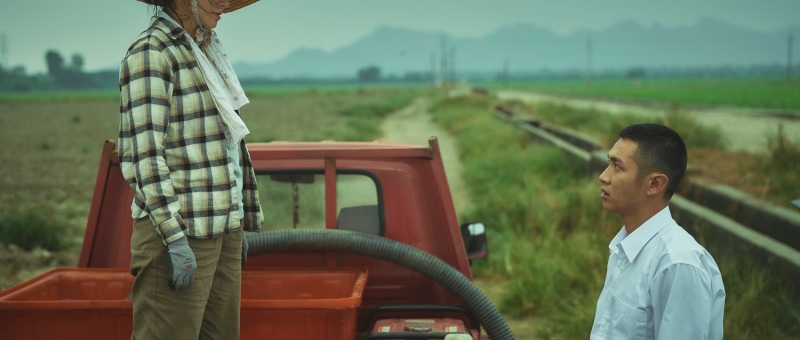
Grit (鱷魚, Chen Ta-Pu, 2021)

A former gangster just released from prison finds his loyalties conflicted while working for a corrupt local official in Chen Ta-pu’s quirky romantic crime drama, Grit (鱷魚, èyú). According to a not particularly interested policeman, no one really cares about things like loyalty or morality anymore but like the best of noble gangster heroes, Yu Da-Wei (Kai Ko Chen-tung), otherwise known as Croc because of an incomplete tattoo of a dragon on his back, really does yet his nobility only makes him vulnerable to the machinations of those around him even as he does his best to stand up to thuggish intimidation masquerading as local government. 

At 17 years old, Yu was convicted of a gangland murder though it was rumoured at the time that petty gang boss Liu (Lee Kang-sheng) may have orchestrated the hit and set the young man up as a scapegoat promising him riches on release and that the grandfather who raised him would be looked after. Now a local councillor, Liu at least keeps his promise handing over twice the agreed amount of money along with a folder detailing where his grandfather’s ashes have been interred, but is otherwise unsupportive while later reluctantly agreeing to give Yu a job in his office during which he runs in to stubborn farmer Chen (Angelica Lee Sinje) whose father has recently passed away after a drunken accident. Chen has being trying to ring the council for weeks because someone’s cut off the water supply to her rice paddy but no one is willing to help her get it turned back on. Over earnest in his new occupation, Yu throws himself into action but is largely unaware of the vagaries of local politics and the likely reasons behind Miss Chen’s sudden inability to earn her living. 

Chen is quick to denigrate local government, complaining that they always turn up for weddings and funerals but when you really need them they’re nowhere to be found. That’s one reason she’s so surprised by Yu’s genuine attempts to help but conversely disappointed when nothing is really done. For his part, Yu is disappointed too because he really thought they were there to serve the people so he rolls up his sleeves and unblocks the irrigation channel himself but thereafter finds himself on the receiving end of the harassment Chen has been facing for months because she refuses to sell her land to developers. Liu is only motivated to help on discovering that the thugs at Chen’s farm may have been sent by a political rival but thereafter resorts to typical gangster tactics. Rather than try to help Chen, he blackmails his way onto the deal and then tells Yu to do whatever it takes to get her off her land so they can all profit as part of a dodgy real estate scam.  

An old school gangster, Yu is torn between loyalty to his old boss for whom he’s already been to prison and doing the right thing especially as he begins to bond with Chen as she continues to care for him after he is badly injured by thugs. He naively gives Liu opportunities to change, tries to convince Chen her land’s not worth dying for, and searches for another solution but eventually finds himself hamstrung by the contradictions of the world in which he lives where former gangsters are now in legitimate power and the state continues to behave like a low level street gang. It might be tempting to read a wider political message into Chen’s determination to hang on to her land which as her father was fond of saying is the only thing you can’t import as she alone refuses to give in to intimidation asking why it is they’re telling her to leave when there seems to be no good reason while Yu is eventually pushed towards resistance if only in her defence because of the mutual kindness that has arisen between them, two people otherwise alone in the world. 

“We all have our own worth” Liu snarls, but Yu is perhaps beginning to realise his, no longer the naive kid but turning the boss’ weapons back on him willing to sacrifice himself in order to save Chen even if he retains an unrealistic belief that Liu will honour his promises. Quirky in tone and somehow earnest, Chen Ta-pu’s charming crime drama is at once an innocent romance in which a lonely woman and a morally compromised man find love while battling institutional corruption, and a tale of personal redemption as the hero discovers “something more important” than loyalty to an oppressive social system and exploitative mentor.  


Grit screens in Chicago April 10 as part of the 14th season of Asian Pop-Up Cinema.

Original trailer (Traditional Chinese / English subtitles)

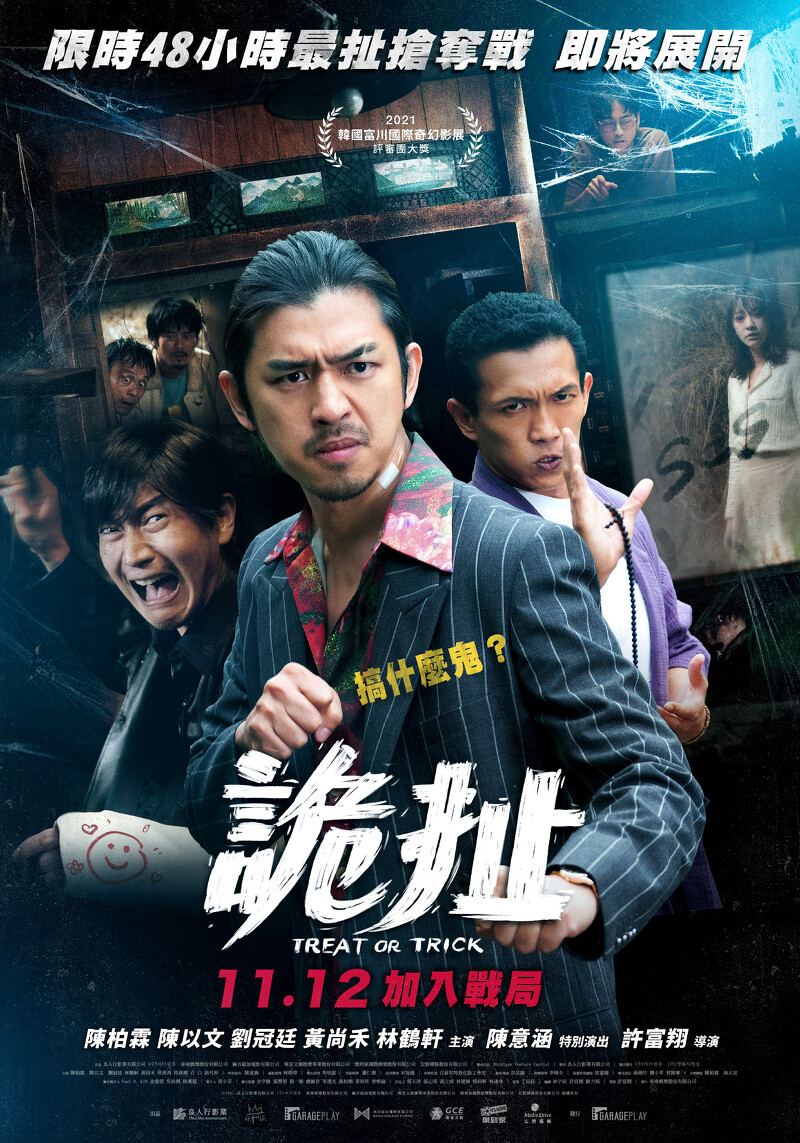
Treat or Trick (詭扯, Hsu Fu-Hsiang, 2021)

Diamonds, What it is it about them that makes everyone crazy? A bag of the elusive gemstones leads a series of corrupt cops towards a purgatorial hellscape deep in the mountains in Hsu Fu-Hsiang’s remake of the 2004 Korean film To Catch a Virgin Ghost, Treat or Trick? (詭扯, guǐ chě). The title could stand in for diamonds themselves which after all have little intrinsic value outside the illusionary desirability they evoke, but also hints at the “trickster” nature of its duplicitous hero. 

Corrupt cop Feng (Chen Bolin) admits that he didn’t join the police out of a fierce sense of justice, but because it was more convenient for his gangster lifestyle as he demonstrates in arresting a bunch of crooks only to stage a secondary robbery, getting his best friend Chiang (Yen Sheng-yu) to pose as a thief taking him hostage and running off with a bag of diamonds. Only, unbeknownst to Feng, Chiang has been picked as a fall guy for Boss Lin (Yu An-shun) to whom they were supposed to deliver the diamonds and has taken off with them. This is obviously a problem for Lin who takes cop Psycho hostage and charges Feng, his buddy Monk, and a guy from the gang Yang (Liu Kuan-ting), to track him down and bring the diamonds back. The trouble is that Chiang got into a car accident swerving to avoid the ghostly presence of a young woman and has wandered into a very weird village where everyone seems to be acting suspiciously. 

In many ways, you could see the village as a kind of purgatorial space inhabited by those trapped between two worlds towards which the gang of corrupt cops is beckoned to answer for their transgressions. Meanwhile, they’re also haunted by the figure of the mysterious woman whose presence is both help and hindrance hinting at dark goings on in this very remote area where visitors are a rarity. Having found out about the diamonds, the villagers are obviously keen to keep hold of them but then there are only so many to go round and it’s not as if you can cut a diamond in half, so the dilemma remains exactly who is going end up with the loot and how creating division on both sides. 

You couldn’t really say that either of these groups are the good guys, but it’s true enough that the villagers variously end up paying a high price for their greed usually caught out by their attempts to get one up on the cops, injured by backfiring weapons or caught in their own traps. Meanwhile, even Chiang falls victim to the essential weirdness of the village in succumbing to a freak accident which leads some to believe that he is dead though in a running gag he turns out to be more or less unkillable as if the eeriness of the place will not allow him to die no matter how many times he’s thrown off a hill, nailed in the head, crushed under falling objects, or set on fire. Yet Feng and his buddies remain largely untouched, outsiders in this strange world and completely by accident occupying some kind of murky moral high ground in trying to rescue their friend (along with diamonds which they need to get Psycho back and save their own lives by smoothing things over with Lin).

Hopping from the gangster movie to supernatural horror, martial arts, and mystery Hsu’s absurd morality farce throws in a series of running gags from “unlucky” Chiang’s strange ability to survive the unsurvivable to frequent allusions to the diamond sutra while possessing its own sense of karma as the greedy find themselves victims of their own scheming, but then perhaps not as the final twist might imply. Even so in this weird place, natures and destinies perhaps possess the ability to change, eccentric thug Yang getting far too into his role as a cop and finally deciding he’d like to be a “good guy” after all while guided by their brotherhood Feng and Monk too find themselves rediscovering a sense of justice in accidentally helping to solve a long dormant cold case. It’s all curiously circular, which is perhaps fitting for this farcical morality tale, but the jury seems to be out on whether even the brotherhood between Feng and his buddies not to mention their newfound sense of justice can survive the cursed allure of the stolen diamonds. 


Treat or Trick screens in Chicago April 9 as part of the 14th season of Asian Pop-Up Cinema.

Original trailer (Traditional Chinese / English subtitles)

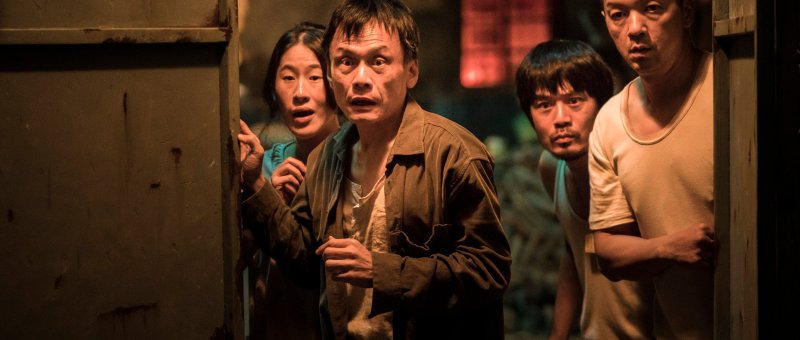
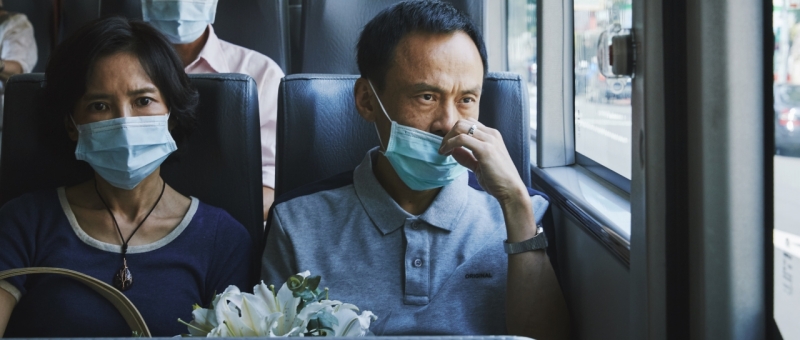
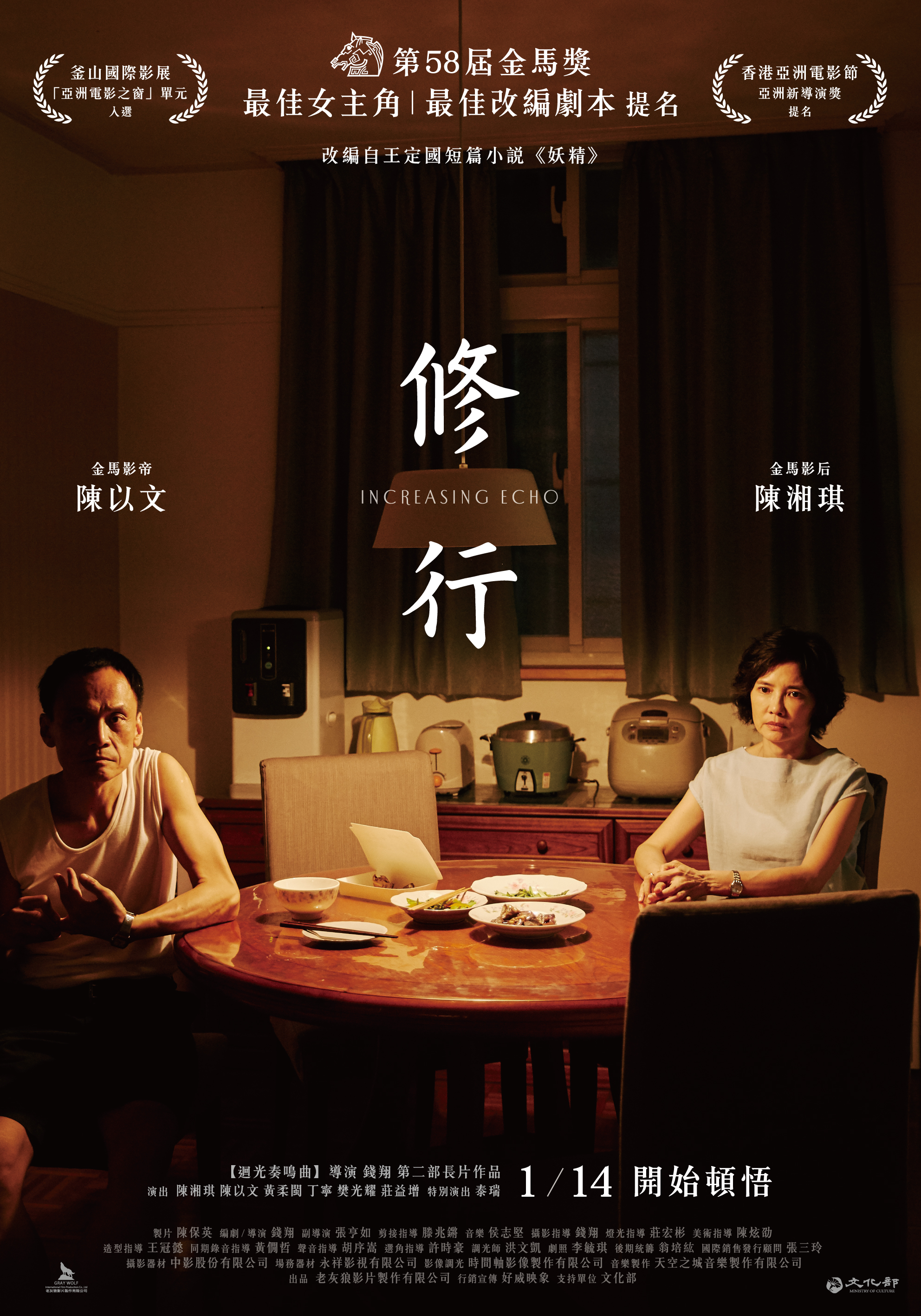
Increasing Echo (修行, Chienn Hsiang, 2021)

Marriage is a curse from which there is no cure in Chienn Hsiang’s horror-inflected pandemic-era social drama Increasing Echo (修行, xiūxíng). Though the English-language title may hint at the spiralling quality of the shared resentment between a husband and wife no longer, if they ever had been, happy with each other, the Chinese reflects on the heroine’s spiritual journey as she searches for a release from her internalised imprisonment but finds it increasingly difficult to “become a little bird and fly away”. 

Reuniting with Exit’s Chen Shiang-chyi, Chienn opens the film with a surreal scene of a collection of people dressed in white stumbling around zombie-like in a park while some kind of guru instructs them to listen to the voice inside which will guide them towards their own tree. One of the blindfolded devotees, Mrs Yan (Chen Shiang-chyi) eventually embraces a trunk but subsequently faints after a cicada lands on her arm. Encounters with the natural world will prove increasingly ominous, yet we can infer from Mrs Yan’s distress that even if she has managed to find her own tree or at least a solid trunk to hang on to it has not given her the sense of release that she is seeking. With her son about to be married, she finds herself trapped in a loveless relationship with her equally depressed husband Fu-sheng (Chen Yi-Wen) who sips from a hip flask all day at the office, ignores his wife’s calls, and sits in a depressing convenience store cafe every evening to delay having to go home. 

As we later discover the major source of discord between the pair is Fu-sheng’s infidelity, Mrs Yan having discovered his affair with his secretary, Ke-yun (Huang Rou-Ming), some years previously after hiring a private detective. Never really healed, the wound is reopened when Mrs Yan receives a surprise phone call from Ke-yun’s sister who is stuck abroad due to COVID-19 and wants Fu-Sheng to visit his former mistress who has been living in a nursing home for some years having sustained some kind of brain injury that has left her largely unable to communicate. Though originally outraged, Mrs Yan pays a visit to Ke-yun herself and then goads Fu-Sheng into accompanying her though whatever it was she intended the event only forces Fu-sheng into revolt taking off with the dog in tow leaving her all alone in the family home. 

For his part, Fu-sheng quite clearly identifies with the family dog, Terry, surreptitiously feeding him junk food in the park after being admonished for giving him salty table scraps. Where Mrs Yan would prefer to keep him safely at home, Fu-Sheng keeps letting Terry escape to wander freely with the result that he ends up with a canine venereal disease. The vet advises Mrs Yan have him neutered, but this is obviously something Fu-sheng can’t countenance himself feeling fairly emasculated and trapped within his marriage. In this the film perhaps leans uncomfortably leans into patriarchal social codes in implying that Mrs Yan is at fault for limiting her husband’s sexual freedom with even the private detective she hires to find him telling her that it’s good to let him stay out a little and that he’ll come home once he’s got bored and had enough which sounds like statement more applicable to a randy dog like Terry or a child who’s wandered off in a huff than a cheating husband indifferent to his wife’s feelings and willing to risk his relationship with his son by not showing up for any of the wedding prep. 

The implication that Mrs Yan has brought this on herself is further deepened by her gradually fracturing sense of reality born of the array of pills we see her taking each morning and her investment in a cult-like new age religious practice which is later betrayed when she returns to her spiritual home and discovers someone’s put it up for rent. Her world is full of eeriness and ominous symbols from the pigeons which seem to follow her around, to the ghostly corridors at the hospital to which Ke-yun has been consigned with Mrs Yan perhaps also harbouring a sense of guilt though each of them is themselves imprisoned if in an obviously different sense. In this age of social distancing, Mr and Mrs Yan appear to have had a lengthy head start, their alienation from each other later leading towards an act of violence which provides no sense of release only further constraint. Broken by the anxious knelling of Buddhist prayer bells, Increasing Echo hints at the radiating legacies of emotional betrayal but paints the marriage of Mr and Mrs Yan as a kind of maddening curse for which there is no cure only perpetual misery amid the impossibility of separation. 


Increasing Echo screens in Chicago April 9 as part of the 14th season of Asian Pop-Up Cinema.

Original trailer (Traditional Chinese / English subtitles)

You Have To Kill Me (我是自願讓他殺了我, Chan Chun-Hao, 2021)

An earnest policeman discovers nothing is quite as he thought it to be in Chan Chun-Hao’s adaptation of the novel by Feng Shi, You Have to Kill Me (我是自願讓他殺了我, wǒ shì zìyuàn ràng tāshā le wǒ). Drawn into a dark web of intrigue which eventually points to abuse of power and a low regard for human life, he is forced into a realisation that even as a law enforcement officer he can never be certain of what is real and what is not while caught in the middle in a battle of between parents each trying desperately to protect their sons. 

About to propose to his live-in girlfriend Kai (Janel Tsai), Shing’s (Cheng Jen-shuo) world comes crashing down when he and his partner Ye-ze (Xue Shi Ling) are dispatched to the mountains and discover that she is the victim of the homicide they’ve been sent to investigate. Shing apprehends the apparent killer, Li Zi-jian (Snoopy Yu), running away from the scene, but the situation is complicated when it turns out that Zi-jian is the son of a local politician, Chairman Li (Yin Chao-Te), and while he admits to the killing claims that he did it at the instigation of Kai who was suffering from terminal cancer and wanted him to help her escape her suffering. A look at Kai’s medical records bears out his story, but on closer examination Shing realises the documents don’t add up. His suspicions are confirmed when Kai’s parents, whom he had seemingly never met, arrive and fail to identify the body claiming instead that it is another woman who had been harassing their daughter, Lin Jing. 

Shing is forced to accept that he might not have known the woman he wanted to marry and that their relationship was founded on a lie, uncertain how much of any of it might have been real. Meanwhile he runs into a series of bureaucratic roadblocks as the chairman continues to disrupt the investigation in order to protect his son, eventually having Shing taken off the case leading him to investigate all alone discovering even more uncomfortable truths that cause him to question his reality. Leaving aside the minor plot hole that it seems unusually easy to live under an assumed name in contemporary Taiwan even if you’re involved in activities which would generally require an extensive background check, Shing has good reason to be confused as he dives ever deeper into an amoral morass in which those with power are prepared to manipulate it for their own ends without much thought for the lives of others. “That’s how much a person is worth” the chairman baldly states signing a settlement agreement over something else his son may or may not have done, later claiming that it doesn’t matter if he caused someone’s death “accidentally” and he’d do it all again to save his son. 

Even so, the chairman may have limits in that his attempts to manipulate the system are bureaucratic in nature and seemingly unnecessary at least it seems as if there would be easier ways to achieve his aims without directly harming others even if they would risk lives indirectly. Meanwhile his accomplice is also seemingly involved in order to protect their family, willing to compromise themselves morally to protect their elderly relatives while believing nothing that bad would come of their actions. Then again, Shing finds himself on the receiving end of further recriminations accused of having failed to protect the woman he knew as Kai from herself leaving her with only a dark path to ensure that justice would be done and corruption exposed. 

While Zi-jian feared he was a burden to his father feeling himself unloved even as he went to such drastic lengths to protect him, Kai/Jing was also afraid to fully trust Shing fearing she’d one day disappoint him unable to move on from her traumatic past without putting it to rest. Taking aim firmly at the societal corruption that allows the rich and powerful to misuse their position for their own gain while ordinary people suffer Chan’s noirish drama situates itself in a murky world of constant uncertainty in which even an earnest policeman can be largely oblivious of the lives of those around him while the purest of motivations can lead to only darkness and misery.  


You Have To Kill Me streams in the US April 4 – 10 as part of the 14th season of Asian Pop-Up Cinema.

Original trailer (English subtitles)