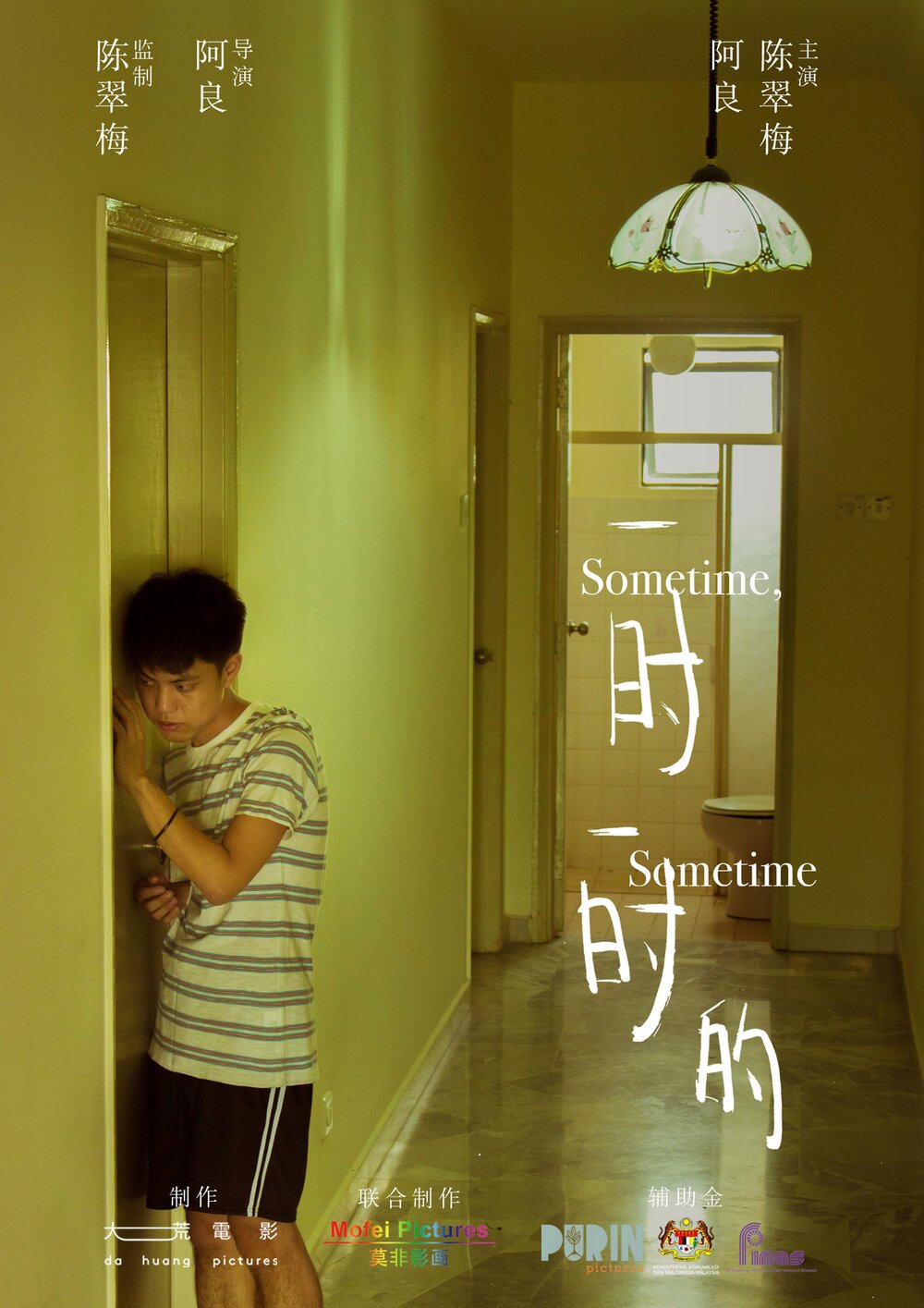
Sometime, Sometime (一时一时的, Jacky Yeap Swee Leong, 2020)

The relationship between mother and son necessarily changes over time, though both find themselves caught in a moment of flux in Jacky Yeap Swee Long’s Sometime, Sometime (一时一时的, Yīshí Yīshí de) in which educational crossroads, employment woes, and unexpected romantic pathways seem set to divide parent and child as they awkwardly swap roles but eventually discover a new equilibrium that will allow them to move forward into individual if perhaps co-dependent futures. 

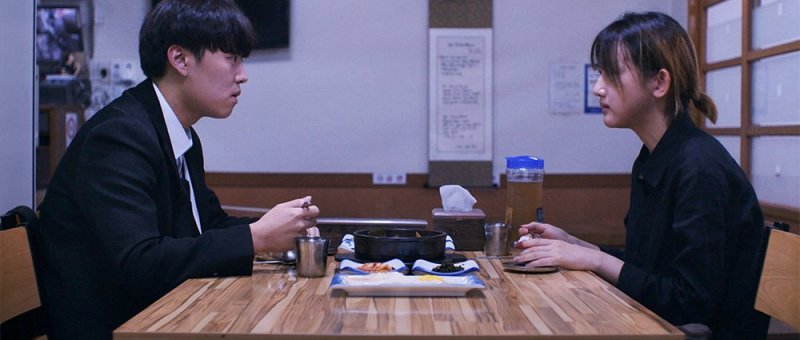
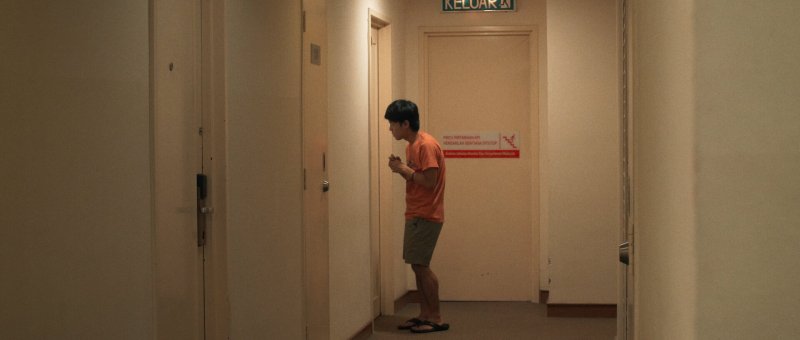
At 16, Zi Kien (Jacky Yeap Swee Leong) is trapped in an educational limbo while he waits for exam results which will help him decide on the further course of his life. Meanwhile, he resents the helicopter parenting of his devoted single mother Elaine (Tan Chui Mui), arousing her suspicion locking his bedroom door when all he was doing was trying on a shirt he bought himself that she later complains is a little on the big side. When he figures out, however, that his mum has got a new boyfriend, Mr. Lee (Loh Kok Man), the situation is reversed. He doesn’t like it that she’s not quite so overly invested anymore and resents for the moment not being the centre of her attention. Insisting on coming along on a dinner date, he is deliberately difficult, suddenly claiming that he’s gone vegetarian despite having been seen eating pork ribs for breakfast solely to mess with Mr. Lee’s proposed order. For his part, Mr. Lee seems not to be particularly bothered, simply adding an egg dish while getting some sweet and sour pork for himself should Zi Kien abruptly change his mind. 

This flip flopping seems to be typical of Zi Kien’s character at least according to his mother who complains he’s sometimes one thing and sometimes another. Today he’s “vegetarian” but then again he might have forgotten all about it by dinnertime tomorrow. A young man at a crossroads, he flounders for direction, perhaps looking for guidance from the older generation but mildly mocked by some of his peers who regard him as a mother’s boy too afraid of upsetting Elaine to think about applying for the lucrative residential jobs at a casino resort as some of his friends are doing. Zi Kien lies that he bought the shirt for potential interviews, only to be railroaded into taking a short term placement at the supermarket where the worryingly domineering Mr. Lee works. “No need to think about it” he insists on hearing Zi Kien’s lukewarm response, acting as if it’s all arranged and leaving the boy with virtually no chance to refuse.

Yet there’s perhaps a part of Zi Kien that responds to the kind of authority that relieves him of the burden of choice. He finds himself parroting back words from Mr. Lee as if they were profound nuggets of wisdom rather than the banal logic of a slightly conservative middle-aged man. His friend Xue-Ting (Yap Jia Ern) even tells him that he sounds like one of her irritating uncles, once again remarking that his shirt looks too big for him and recommending he might be better to try the women’s section (adding that she herself often finds the kids’ selection a better fit). Only later does he start to wonder if there’s not something slightly arrogant in all Mr. Lee’s “guidance”, immediately making suggestions on how the video he showed him might be “improved” if he added some mournful music and interviewed a few more of his friends from the “lost and confused” generation. His birth father later viewing the same video advances something similar only seeing not anxiety but comedy, advising him that adding music might make it “funnier”. Only Xue-Ting thinks the video’s fine as it is, though Zi Kien later tries the same mansplaining logic on her in railroading the longterm vegetarian into trying “real” meat seemingly unaware that it has the potential to make her quite ill.  

Elaine at least seems better placed to resist Mr. Lee when he also tries to railroad her into taking a job at his company on hearing that the mall where she was working in a department store will soon be closing. Curiously, their relationship seems to breakdown afterwards, though he keeps hanging around hoping to catch the “psychopath” who damages cars parked in a particular space without authorisation. Elaine’s decision to get a haircut (one perhaps so disappointing that she ends up wearing an ugly wig) might be as much a reaction to her son’s possibly inappropriate clinginess as to her boyfriend’s domineering nature, but also speaks of her new desire to take control of herself and her life, buying a used car from a friend so they can be truly independent but then teaching Zi Kien how to drive it, not to mention even teaching him how to smoke a cigarette. Zi Kien is anxious enough to spend some of his part-time money on a long wig (an equally awful, retro 80s contraption) to put her back the way she was before, Elaine agreeing to wear it from time to time to show she appreciates the sentiment but later getting herself tidied up with a slightly more fashionable bob. 

Through their respective parallel dramas, mother and son eventually learn to reconfigure themselves for a new future, more comfortable in their roles and perhaps each with new direction. Elliptical and rich with doublings, symmetry, and repetition, Yeap’s gentle summer story is quietly humorous while undoubtedly well observed and filled with a loving empathy for this most essential, if sometimes frustrating, of connections.  


Sometime, Sometime streams in Poland until 6th December as part of the 14th Five Flavours Film Festival.

Festival trailer (English subtitles)
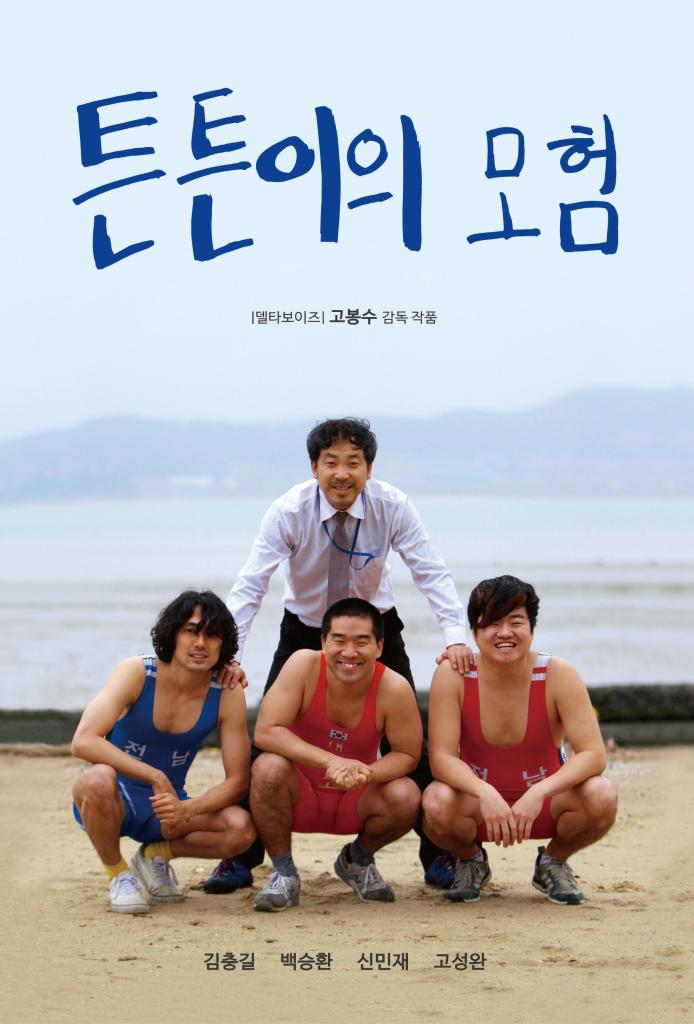
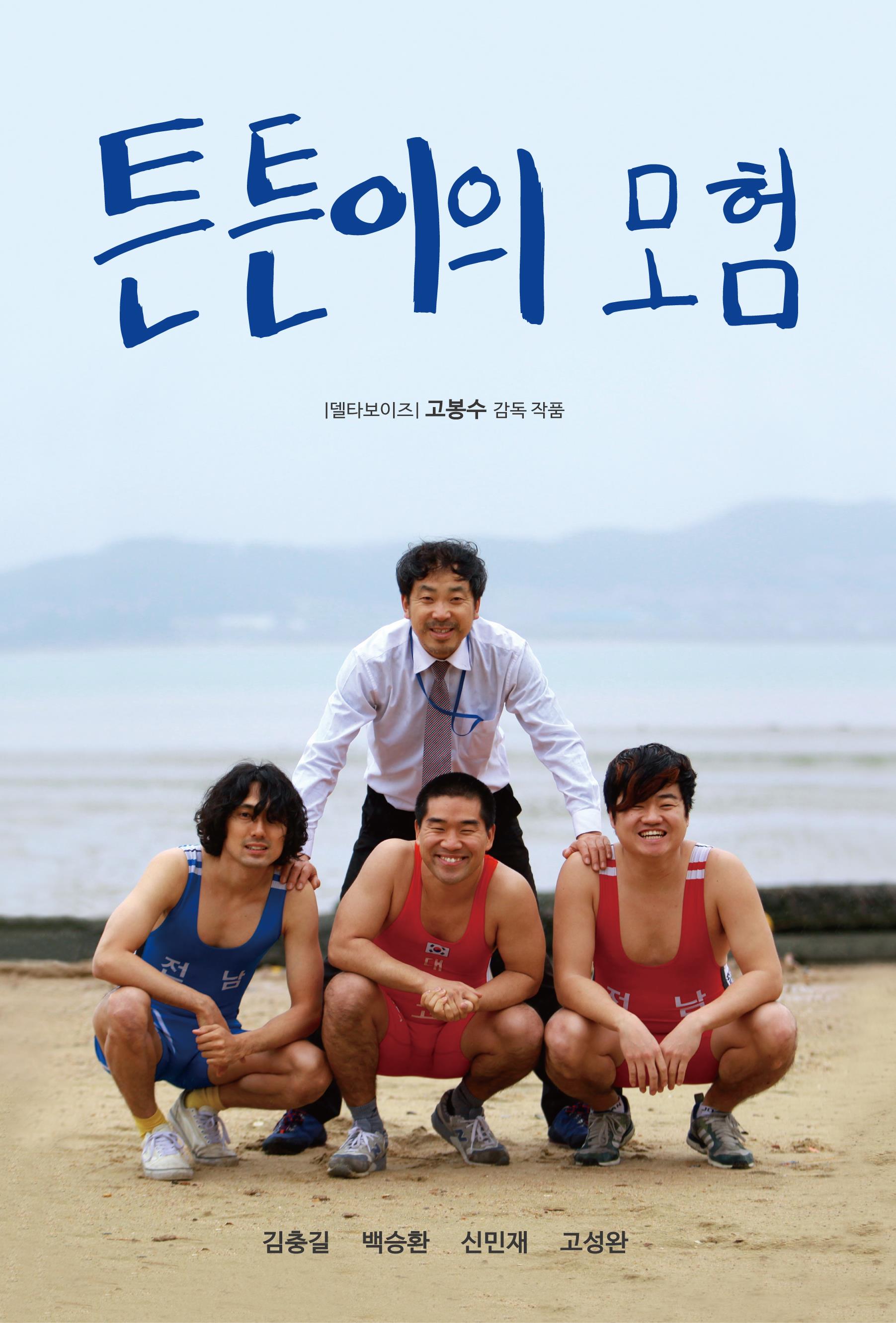
Loser’s Adventure (튼튼이의 모험, Ko Bong-soo, 2018)

Three aimless young men attempt to shake off small-town despair through the medium of high school wrestling in Ko Bong-soo’s underdog indie sports comedy Loser’s Adventure (튼튼이의 모험, Teunteuniui Moheom). Unkind as it may be to say, the young men are or at least feel themselves to be “losers”, each battling a sense of hopelessness dealing with difficult family circumstances and desperate to escape “this pathetic life” as one terms it for the comparatively brighter lights of Seoul. 

In his last year of high school, Choon-gil (Kim Choong-gil) is now the only member of the wrestling club seeing as everyone else has long since drifted away and, in fact, the coach (Ko Sung-hwan) quit ages ago to drive a bus because he enjoys being able to earn a living. Choon-gil, however, refuses to give up and has been writing daily letters to the head of the wrestling federation in the hope that he’ll somehow be able to resurrect his sporting dreams while trying to convince his conflicted friend Jin-kwon (Baek Seung-hwan) to rejoin the team. While Choon-gil lives alone with his authoritarian, alcoholic father, Jin-kwan has a mild complex about his widowed Filipina mother and her relationship with the dance-loving boss at her job in a junk shop. Hyuk-jun (Shin Min-jae), meanwhile, is a tough guy dandy living with an older brother and and sister in the absence of parents. A petty delinquent and a member of the faintly ridiculous “Black Tiger” gang, Hyuk-jun thinks wrestling’s a bit naff and is offended when his brother tries to give him an ultimatum to start studying hairdressing at his sister’s salon or pick a sport to get good at with the hope of getting a scholarship to uni. 

None of our guys is particularly bright, they know they’re unlikely to make it out through their academic prowess and probably they don’t really think wrestling is going to take them anywhere either but it’s at least something. The most sceptical of the boys, Jin-kwan reminds Choon-gil that he isn’t even very good at the sport and the only reason they took it up in the first place was because the coach semi-adopted them as the surrogate father they each needed at the time. Nevertheless, he’s determined to do whatever it takes to make his wrestling dreams come true. He is however, in for a shock as it turns out that the building holding the wrestling gym is due to be demolished in the imminent future. For some reason moved by Choon-gil’s pleas, the coach calls in a few favours and manages to get the guys listed on an upcoming tournament with the hope that if they don’t lose too badly it will show that the moribund club has promise and is worth saving. 

The irony is that as hard as he trains Choon-gil just doesn’t have much of an aptitude for the sport. He adopts the position of a mentor to new recruit Hyuk-jun, but annoyingly enough he turns out to be something of a natural, while Jin-kwon, the skinniest of the boys though also the tallest, resents the coach’s constant pressure to lose more weight. They are each, as it turns out, at the mercy of their essential character flaws, Choon-gil the hardworking dreamer who just doesn’t have it, Jin-kwan timid and struggling against himself, and Hyuk-jun talented but hotheaded and self-sabotaging in allowing his emotions to get the better of him. 

Still, they do not give up. No one really rates their chances, Choon-gil’s violent, drunken father even attempts to disown him for his love of wrestling, insisting that he become a bus driver instead for the steady paycheque, while Jin-kwan is openly mocked by his sister and Hyun-juk’s dream of starting a business in Seoul is derided both by his brother and by the Black Tigers who continue to plague him even after he tells them that wrestling’s cool after all and they’re all just a bunch of small town losers. The jury’s out on whether the guys can wrestle themselves free of their sense of impossibility and despair, not to mention their sometimes unsupportive family members, but they have perhaps at least found an outlet for their frustration not to mention a surrogate fraternity as they continue on their “loser’s journey” together looking for an exit from the disappointing small town future. 


Loser’s Adventure streams in Poland until 6th December as part of the 14th Five Flavours Film Festival.

International trailer (English subtitles)

Gundala (Joko Anwar, 2019)

“If we see injustice before our eyes and do nothing then we’re no longer humans” the idealistic father of a future superhero instructs his young son, trying to impart a sense of humanitarianism as a basic moral good. It’s a lesson the boy will find himself unlearning and resuming later, his innocence well and truly destroyed by an often cruel and cynical society only to be reawakened to the idea that it doesn’t need to stay that way. Among the most recognisable names of Indonesian cinema, Joko Anwar turns his hand to the creation of a local comic book cinematic universe, adapting the 1969 comic Gundala by Harya “Hasmi” Suraminata for the present day filtering contemporary Jakarta through classic Gotham. 

Operating as an origin story for the titular hero, Gundala opens with the young hero Sancaka (Muzakki Ramdhan) unable to prevent his father’s (Rio Dewanto) death due to his fear of electrical storms when he is first set up by a duplicitous factory boss and then assassinated while leading a protest for fair pay and conditions. Soon after, Sancaka loses his mother (Marissa Anita) too after she is forced to go to the city for work and never returns. Ending up a ragged street kid, he’s saved from an attack by a rival gang by an older boy (Faris Fadjar Munggaran) who teaches him how to protect himself physically and mentally by convincing him that the only way to survive on the street is keep his head down and walk on by even if it looks like others are in trouble. 20 years later the adult Sancaka (Abimana Aryasatya) is an aloof young man working as a security guard at a print house where his sympathetic mentor Agung (Pritt Timothy) begins to remind him of his father in his conviction that “living is no use if you stop caring and only think about yourself”, while he also finds himself defending the woman next-door, Wulan (Tara Basro), and her young brother Teddy (Bimasena Prisai Susilo), from hired thugs sent to intimidate them because of their involvement in a protest against the forced redevelopment of a local marketplace.  

Events seem echo around him. The major villain Pengkor (Bront Palarae) is also an orphan but on the opposing side as the son of a cruel plantation owner murdered by his not altogether ideologically pure workers whose desire for fair pay and conditions he had resolutely ignored. According to cynical politician Ridwan (Lukman Sardi), Pengkor became a union organiser of his own, leading an uprising at the abusive orphanage he was placed into by a cruel uncle hoping he’d die and free up the inheritance, thereafter becoming a kind of godfather to the fatherless with a thousands strong army of eternally grateful orphans he saved acting as sleeper agents for a coming revolution. 

Pengkor’s nefarious plan involves fostering a conspiracy surrounding contaminated rice said to make the unborn children of the women who eat it turn out “immoral”, a generation of psychopaths unable to tell right from wrong. Fairly unscientific, it has to be said, but playing directly into the central questions of the nature of “morality” in a “immoral” society. Can it really be “moral” for bosses to exploit their workers and get away with it, for politicians to cosy up to gangsters and remain complicit with corruption, and for a man like Pengkor to be the only hope for orphaned street kids otherwise abandoned and ignored by a wilfully indifferent society? Pengkor decries that hope is the opiate of the masses, but that’s exactly what Gundala eventually becomes for them in his “electric” ability to resist, eventually rediscovering his humanity as he designates himself as the embodiment of “the people” pushing back against the forces of oppression and seeming at least to win if only momentarily.  

Young Sancaka’s fear of lightning is, in essence, a fear of his power and his social responsibility something he is quite literally shocked into accepting. In a world of quite striking social inequality, he finds himself the lone defender of the oppressed whose very existence spurs others, including previously cynical politician Ridwan, into rediscovering their own humanity in the resurgent hope of a better future. As someone puts it, peace never lasts long but you keep fighting for it because every moment is precious. Not so much a battle of good versus evil as a battle for the meaning of good, Anwar’s Gundala recalibrates the anxieties of the late ‘60s for the modern era and creates an everyman hero not only to resist them but to foster a spirit of resistance and humanity in the face of heartless cynicism. 


Gundala streams in Poland until 6th December as part of the 14th Five Flavours Film Festival.

Original trailer (English subtitles)

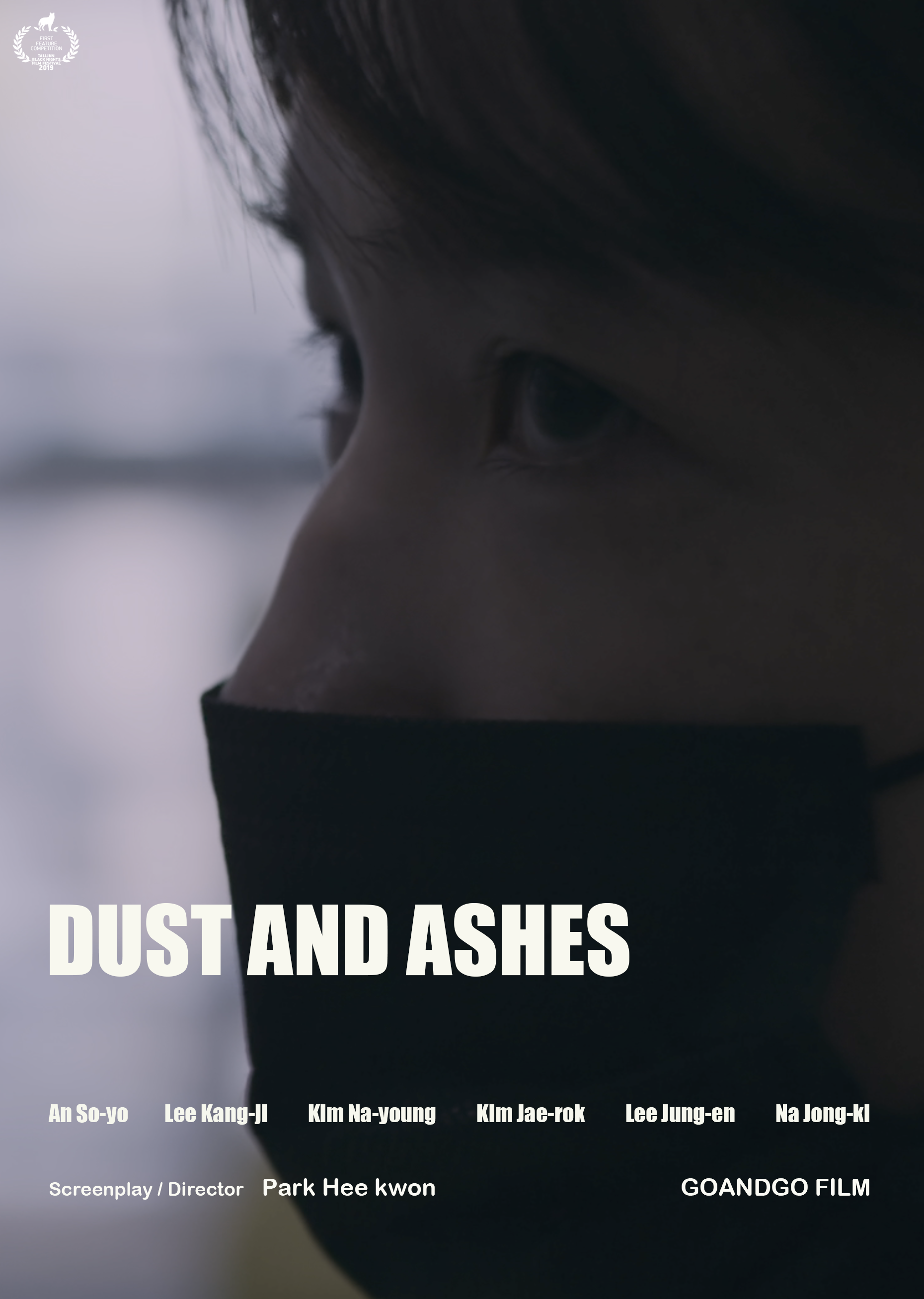
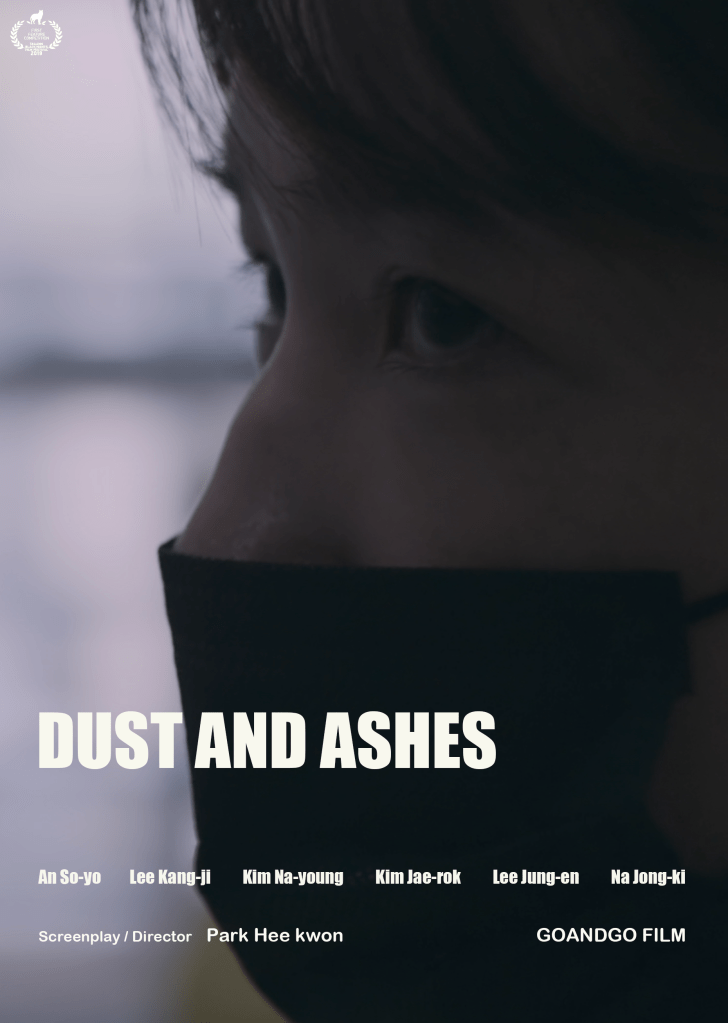
Dust and Ashes (축복의 집, Park Hee-kwon, 2019)

“People are property of the government from the cradle to the grave, since it’s all over they give it back to you” a corrupt policeman ironically explains handing over a dodgy document designed to help a desperate young woman subvert her tragedy. Stark in execution, Park Hee-kwon’s near wordless exploration of urban poverty Dust and Ashes (축복의 집, Chuk-bok-eui Jip) finds its heroine resorting to the unthinkable in a simple quest to survive while trapped in a world collapsing all around her. 

As we first meet Hae-su (Ahn So-yo), she’s leaving her factory job which evidently involves substances so toxic that she washes right away and scrubs her jacket clean ready for the next day before leaving for her other gig, scrubbing barbecue grills at a restaurant. She keeps trying to call someone who doesn’t pick up and walks home through the darkened streets, pausing so long outside the door we wonder if she’s gone to see whoever it is who won’t return her calls but eventually lets herself in with a key and walks quickly to the bathroom without turning on the light as if there’s something in there she doesn’t want to see.

Perhaps we begin to doubt Hae-su, somewhat uncertain of what has actually happened, but we can also see that she is griefstricken and nervous, driven to extremes in the depths of her despair. She must necessarily have known what was waiting for her at home, planned it, knowing exactly what it is she must do next. Her brother, Hae-jun (Lee Kang-ji), meanwhile is evidently not so much in favour, petulant and resentful but aware he has little choice in playing the role which has already been dealt him. Hae-su’s painful quest takes her on a journey through the corruptions of the modern society from a dodgy doctor taking cash for certificates to a corrupt policeman ‘helping” her alter the narrative circumstances to her advantage but only for a fee. 

Meanwhile, she’s about to be evicted, the entire area she lives in earmarked for “redevelopment”, a wasteland of deconstruction strewn with dust and rubble. We see her suffer the ignominy of a funeral with no flowers where she and her brother are the only mourners, a sight which seems to raise eyebrows not least with the insensitive policeman. Opening with darkness and the sounds of machinery, Park situates us in an industrial hellscape as if our entire lives took place on a gurney, trapped inside a wooden box being slowly pushed towards the fire. Showing the entirety of the funeral process in painful detail from the tender yet efficient embalming to the eventual cremation, grieving becomes something impossibly cold and clinical, no fancy curtains here merely an LCD screen reminiscent of that above a baggage claim carousel to let you know your loved one’s ashes (or more accurately bone dust ground in an industrial blender) are now ready for collection neatly packaged inside another, smaller wooden box. 

Yet Hae-su has no choice but to put up with these indignities. There appears to have been some level of male failure involved in the family, an absent or estranged father figure apparently no help, while we can also infer that the shadowy presence bothering her that she takes such care to avoid is an agent of the loan sharks in part responsible for her financial predicament. We can only imagine the desperation that must have forced this small group of people to take such a dreadful decision, and the anxiety of those left behind as they wonder if it will all come to nothing. Yet even if it works out, we get the impression Hae-su is running to stand still. Victory only means the continuance of the status quo, there seems precious little sign Hae-su or her brother will be able to escape their penury especially after everyone, including the loan sharks and dodgy policeman, exacts their cut. 

In the end all there is is dust and ashes. Hae-su evermore encumbered, wearing a mask to stave off the inevitable but still breathing in the corruption of the world around her as it too collapses into dust, a deconstructed wasteland of economic hubris. Necessarily bleak, Park’s spare, numbed photography finds only emptiness in Hae-su’s rain-drenched streets even as she strides off into the distance determined to survive no matter what it takes. 


Dust and Ashes streams in Poland until 6th December as part of the 14th Five Flavours Film Festival.

Festival trailer (English subtitles)
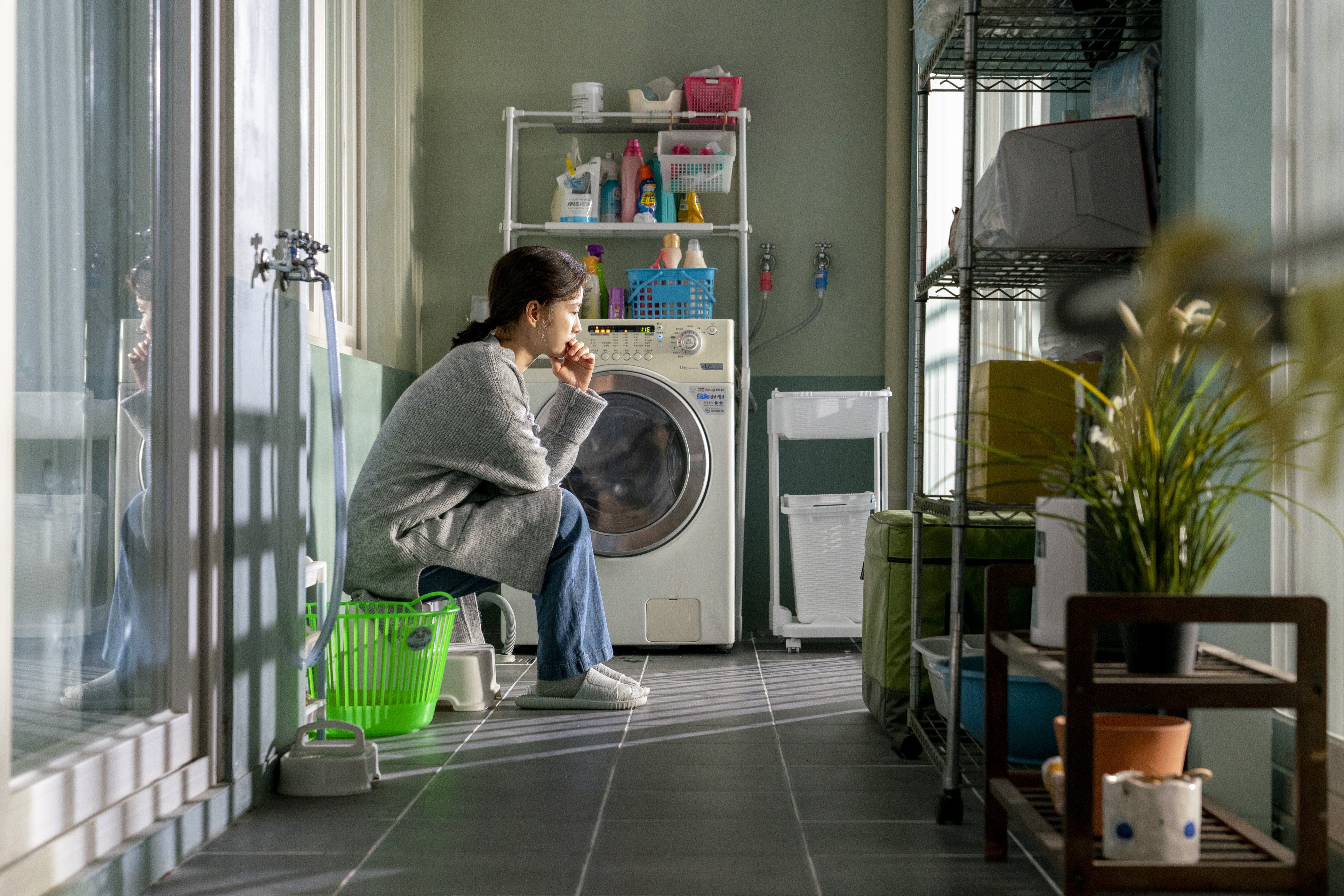
The Takatsu River (高津川, Yoshinari Nishikori, 2019)

What price modernity? Post-war migration saw a rapid turn towards urbanisation with the young forsaking their countryside hometowns to chase the salaryman dream in the cities. Though there has in recent years been a mild reversal to the prevailing trend as economic fluctuation and technological innovation have a generation of anxious youngsters looking for a simpler life, the effects of rural depopulation have only become starker in light of Japan’s ageing society leaving the elderly isolated in inaccessible communities with few family members or facilities to support them. This push and pull of the traditional and the modern is at the heart of Yoshinari Nishikori’s The Takatsu River (高津川, Takatsugawa), in many ways an elegy for a vanishing Japan but also an ode to the furusato spirit and to continuity in the face of change. 

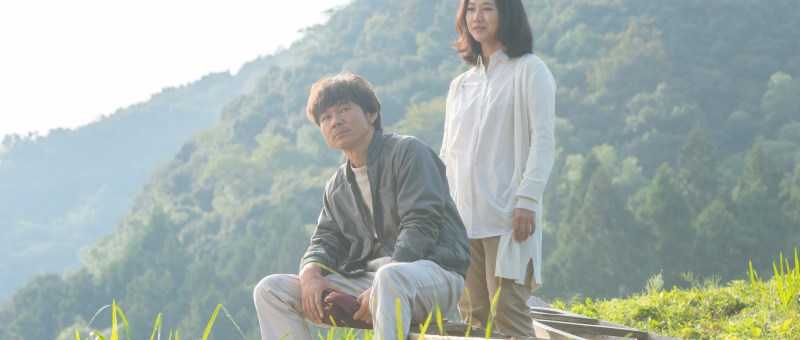
Set in a small town on the Takatsu River in Japan’s Shimane prefecture on the South West coast of Honshu, the central drama revolves around the middle-aged Manabu (Masahiro Komoto), a widower with a teenage son and a daughter recently returned from university in Osaka. His problem is that his son Tatsuya (Ishikawa Raizo) has been skipping out on rehearsals for the Kagura dance society, something which is obviously close to his father’s heart. About to graduate high school Tatsuya is perhaps at a crossroads, like many of his age trying to decide if his future lies in his hometown staying to take over the family farm, or in the cities as a regular salaryman. 

“Everyone thinks of leaving once” Manabu philosophically laments to the lady at the post office though like most of the other parents he does not try to influence his son’s decision even if he’s additionally grumpy about his lack of commitment to Kagura dance. The dance troupe is not just a precious artefact of traditional culture or a means of entertainment but a social hub for the small community in which the generations mix freely and are equally represented. One older man affectionately known as “Pops” (Choei Takahashi) is over 80 years old but refuses to give up the art of Kagura dancing, not only because he loves to perform but because he enjoys being part of the society especially as he lost his eldest son to a flood in childhood and the other, Makoto (Hiromasa Taguchi), has become a lawyer in the city who rarely visits his hometown claiming that his wife has a dislike of “bugs”. 

Acting as a surrogate son to the old man, Manabu’s other quest is to convince Makoto to visit a little more often, touting the idea of a reunion for some of their old elementary school friends a few of whom are, like Manabu, still living in the village. Unfortunately, however, Makoto’s time in the city has fully converted him into a heartless ultra-capitalist who struggles to understand a more traditional way of thinking. Meeting up to celebrate the successful graduation of another friend’s apprentice as a sushi chef, the guys lament the case of their friend Yoko (Naho Toda) who never married, apparently calling off an engagement to look after her elderly mother who has dementia while acutely feeling the responsibility of taking on her family’s 300-year-old traditional sweet shop. Confused, Makoto wonders why you wouldn’t just stick the parents in a home and get married, much to the consternation of his friends. Similarly, when Manabu asks him for some legal advice about how to stop a resort being built up river he reveals himself to be fully on the side of corporate power. After all, he points out, a resort will bring jobs and foot traffic to the area encouraging modernisation and better transport links which will also draw young people back towards the village. If you want to save the community, perhaps it’s the best and only way. 

Yet as Manabu points out, the Takatsu is the last clean river in Japan. His daughter Nanami (Ito Ono) came back after uni because she missed the taste of sweet fish that you just can’t find anywhere else. If the river is polluted by construction, the fish will disappear and perhaps there’ll be nothing left to “save”. With the local school set to close now there are only a handful of pupils, Manabu and his friends are minded to pick their battles and protect what it is that’s most important, eventually reacquainting Makoto with his furusato spirit by confronting him with the traumatic past which had kept him away. Bar repeated references to the double-edged sword of the Takatsu in the potential for lethal flooding, Nishikori’s gentle drama perhaps provides an overly utopian view of country living which sidesteps the hardships that can often accompany it, but also celebrates community spirit and an atmosphere of mutual support, qualities which have convinced city-raised farmhand Kana (Yurie Midori) that the rural life is the one for her. A gentle elegy for a disappearing way of life, The Takatsu River is ultimately hopeful that something at least will survive as long as the clear stream flows on.


The Takatsu River streams in Poland 25th November to 6th December as part of the 14th Five Flavours Film Festival.

Original trailer (English subtitles)
Five Flavours Confirms Complete Programme for 2020 Online Edition

Warsaw’s Five Flavours Film Festival is the latest to go online in these troubled times. Streaming in Poland 25th November to 6th December the 14th edition of the nation’s premier showcase for East Asian film once again boasts a fantastic selection of recent hits from across the region.

China

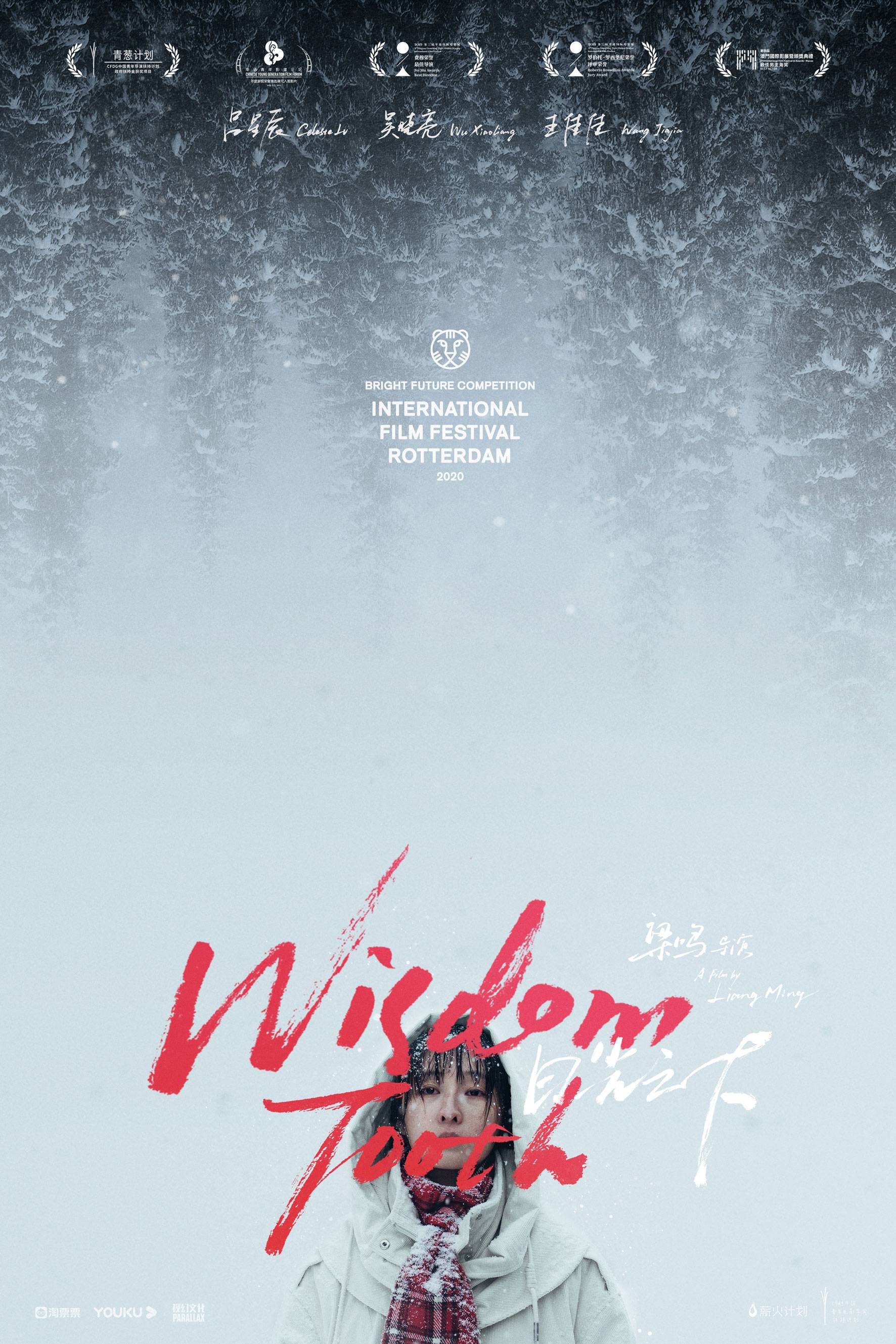
  • Wisdom Tooth – A young woman’s pain and confusion with the world around her is manifested as a dull ache in her jaw in Liang Ming’s icy coming-of-age drama. Review.

Hong Kong

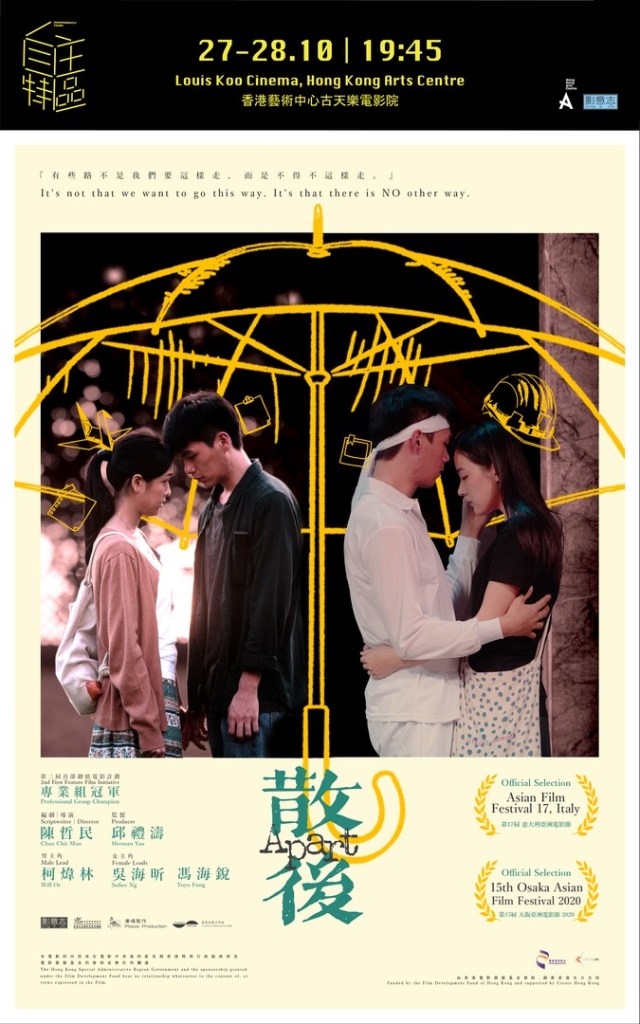
  • Apart – Star-crossed lovers find themselves pulled in different directions while Hong Kong finds itself at a crossroads in Chan Chit-man’s youth drama following a group of Umbrella Movement students into the Anti-Extradition Bill era. Review.
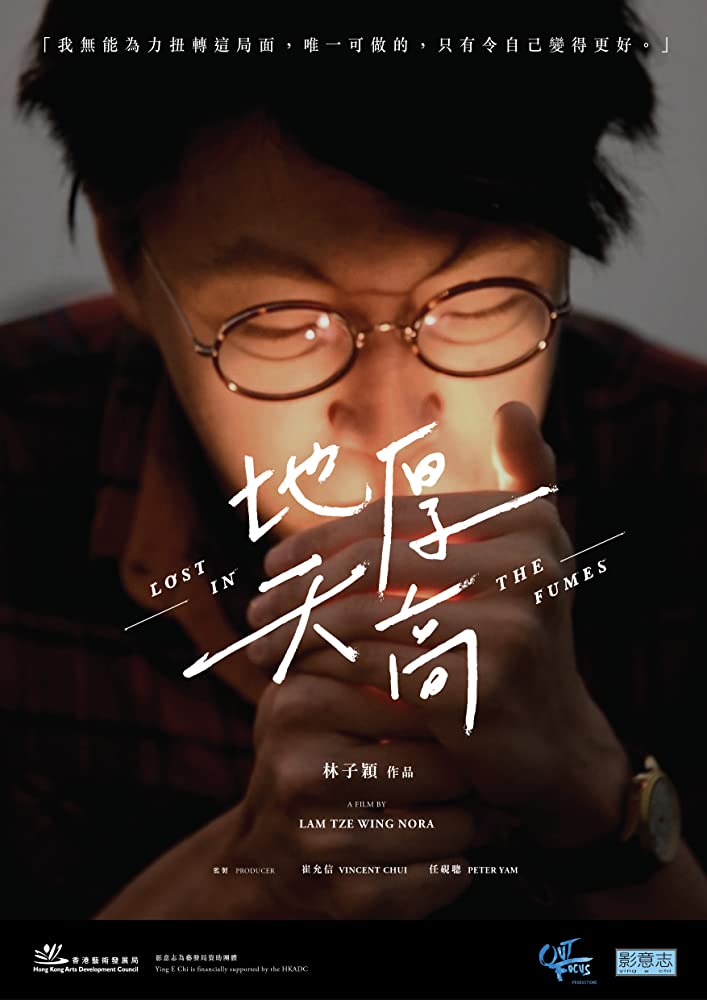
  • Lost in the Fumes – documentary following politician and activist Edward Leung
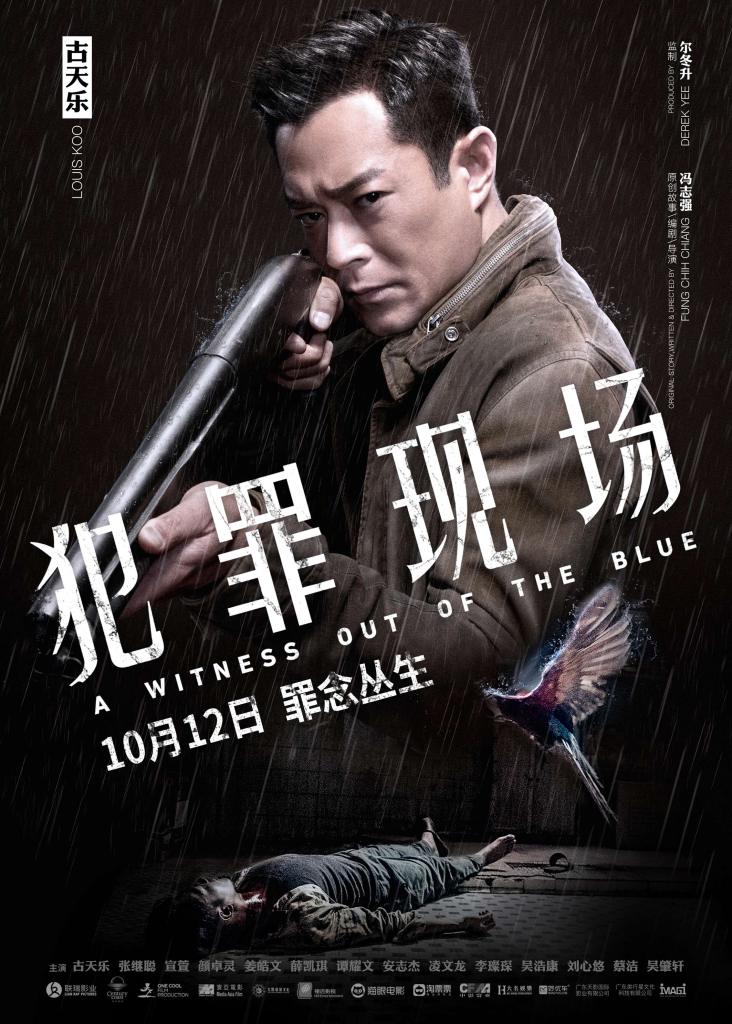
  • Witness Out of the Blue – An eccentric policeman investigates a murder based on the testimony of the only eyewitness, a parrot, in Fung’s absurdist noir thriller. Review.
  • Memories to Choke on Drinks to Wash them Down – Leung Ming Kai & Kate Reilly’s omnibus film explores the unique culture of Hong Kong at a moment of crisis through four very different stories. Review.
  • My Prince Edward – A young woman begins to consider her choices when her controlling boyfriend proposes and she’s forced to deal with the fallout from a sham marriage in Norris Wong’s humorous exploration of contemporary relationships. Review.
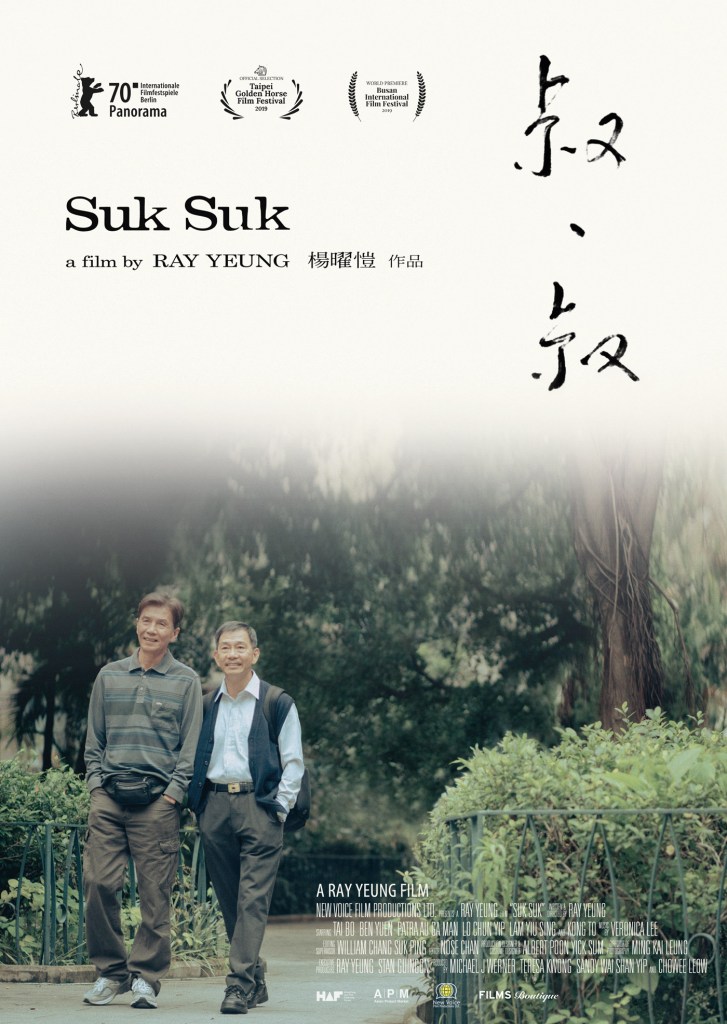
  • Suk Suk – two elderly, closeted men meet by chance and fall in love.
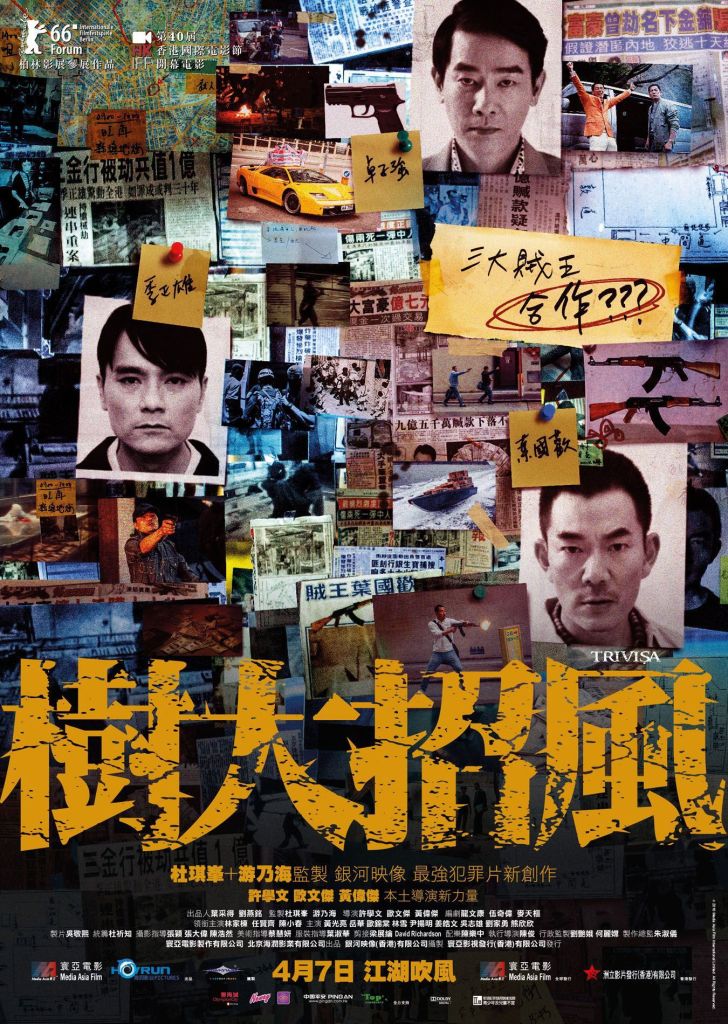
  • Trivisa – three part omnibus directed by young directors discovered as part of Johnnie To’s Fresh Wave programme. Review.

Indonesia

  • Gundala – superhero action from Joko Anwar.
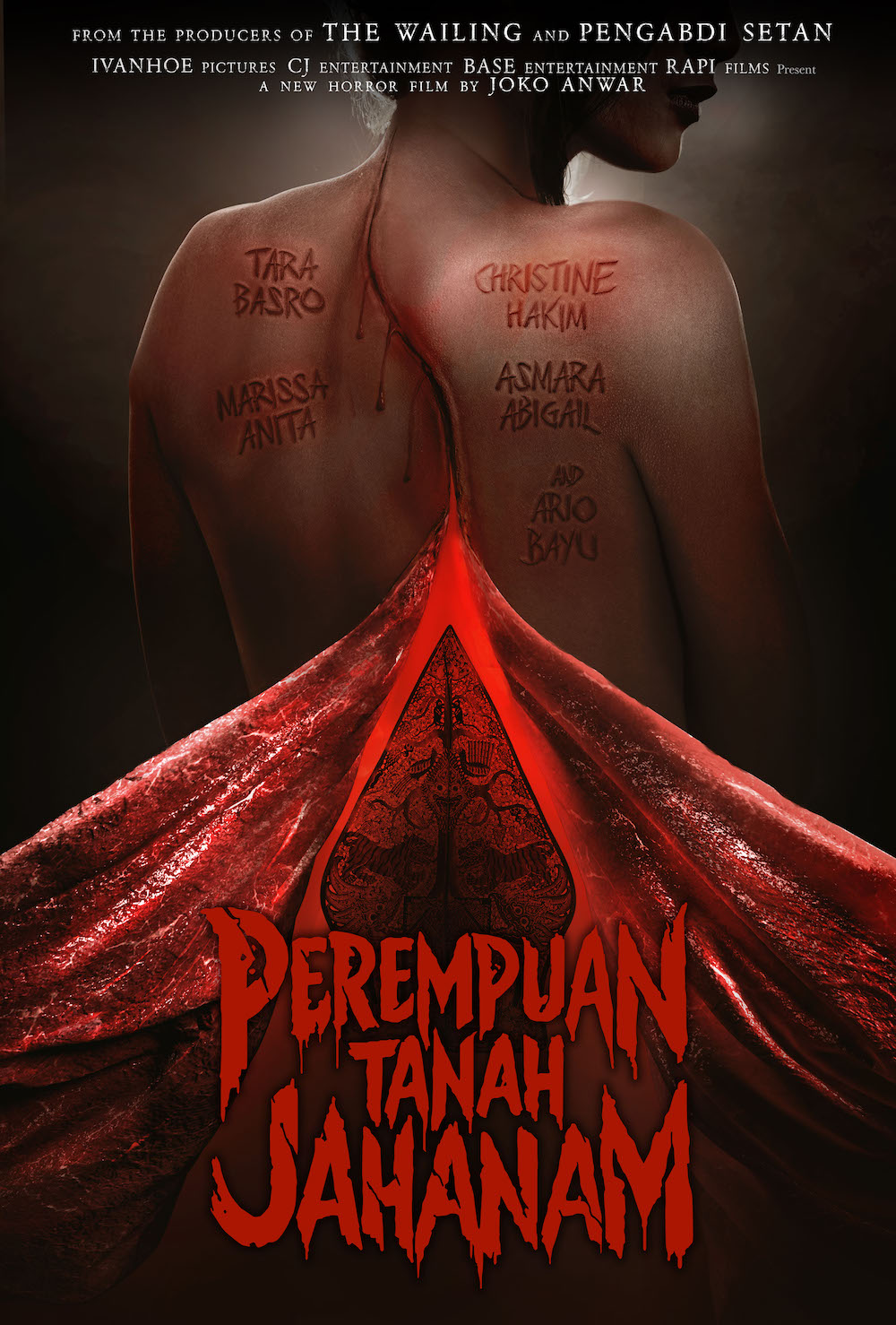
  • Impetigore – Joko Anwar horror in which a woman returns to her village to claim an inheritance but is caught up in sinister goings on.

Japan

  • Bento Harassment – a harried mother bonds with her distant adolescent daughter by trolling her with bento! Review.
  • Bittersweet – lowkey BL drama in which a young woman with an irrational loathing of vegetables is encouraged to make peace with her rural roots after falling for a gay guy who happens to be a vegetarian. Review.
  • Daughters – flatmates attempt to deal with unplanned pregnancy.
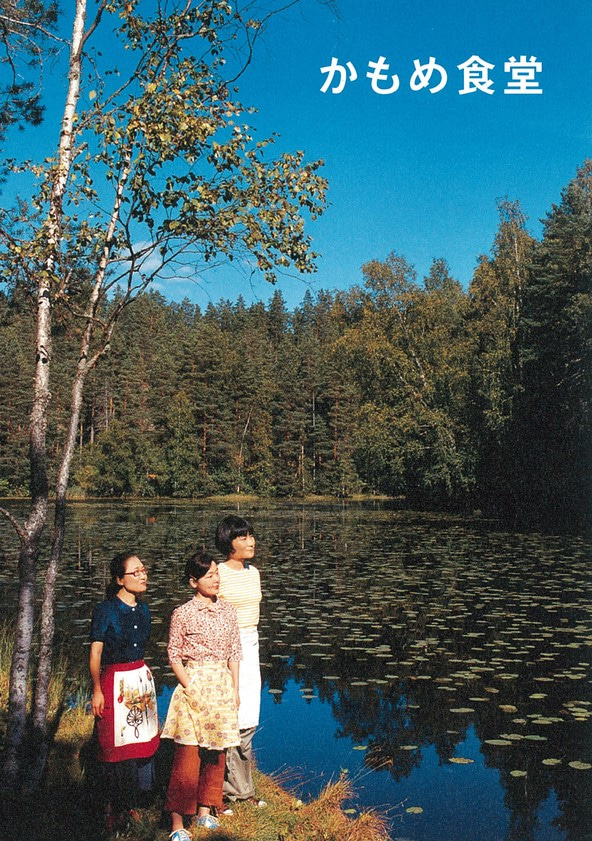
  • Kamome Diner – surreal drama in which a middle-aged woman opens a cafe in Finland and bonds with a group of similarly displaced Japanese women.
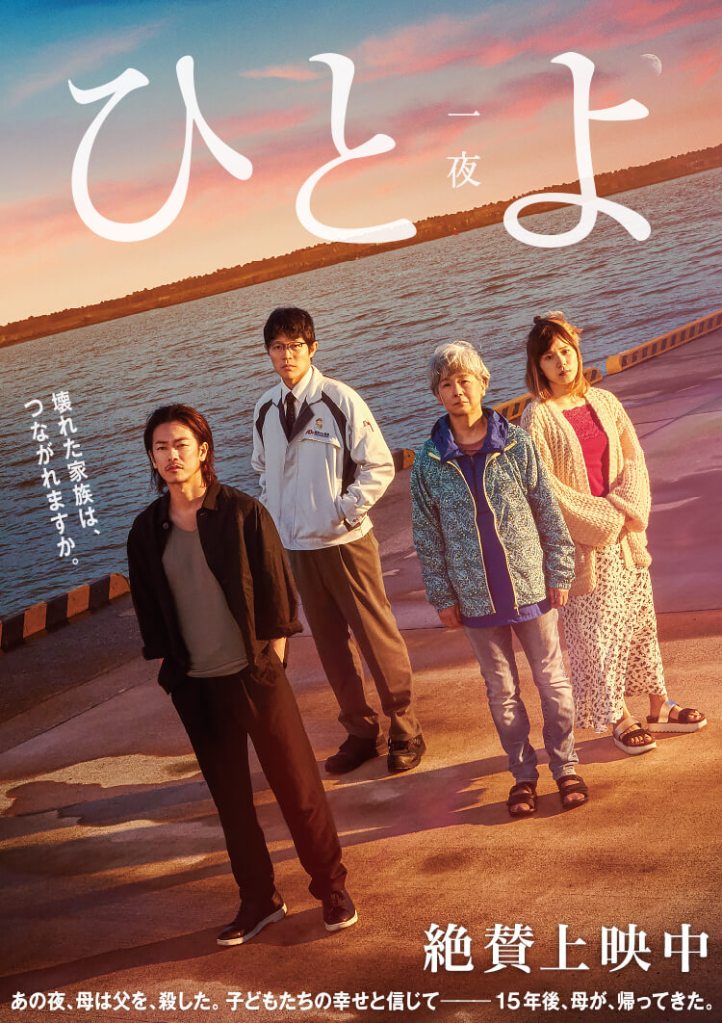
  • One Night – adult children are forced to face the legacy of trauma and abuse when their mother returns after 15 years of exile in Shiraishi’s raw family drama. Review.
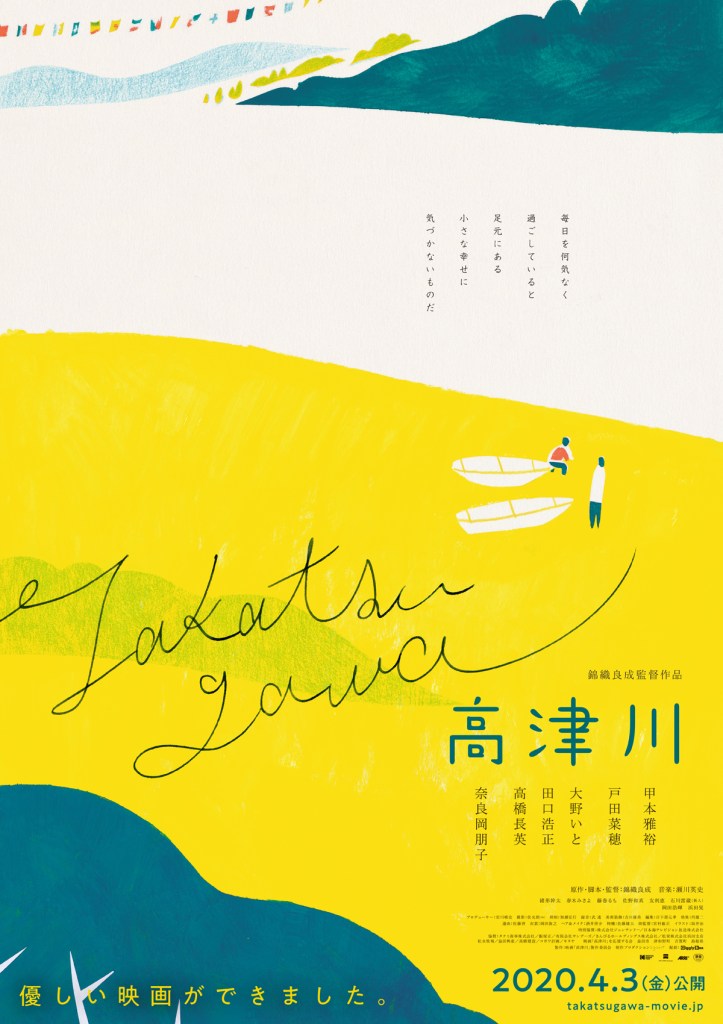
  • The Takatsu River – laidback rural drama in which a middle-aged man desperately tries to preserve the art of Kagura dance.
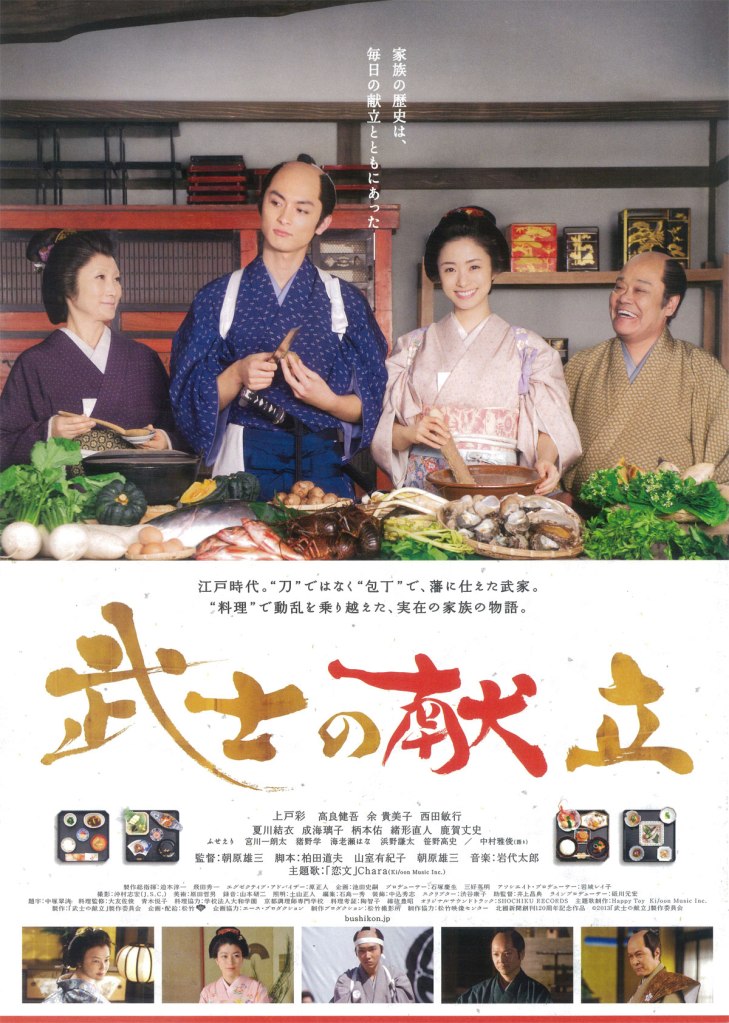
  • The Tale of Samurai Cooking – period drama in which a moody samurai is forced to learn the culinary arts.
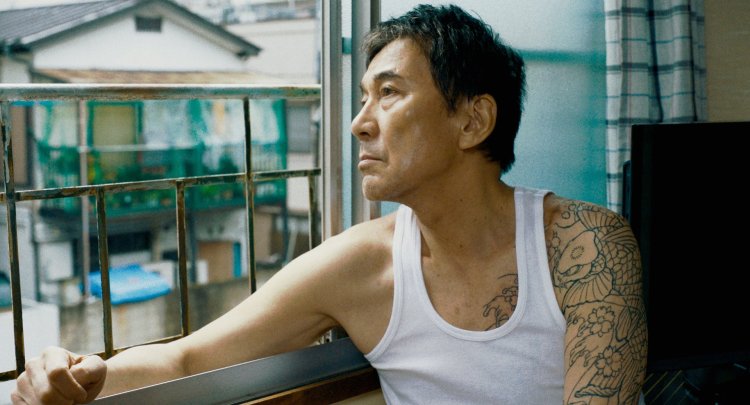
  • Under the Open Sky – A pure-hearted man of violence struggles to find his place in society after spending most of his life behind bars in Miwa Nishikawa’s impassioned character study. Review.

Korea

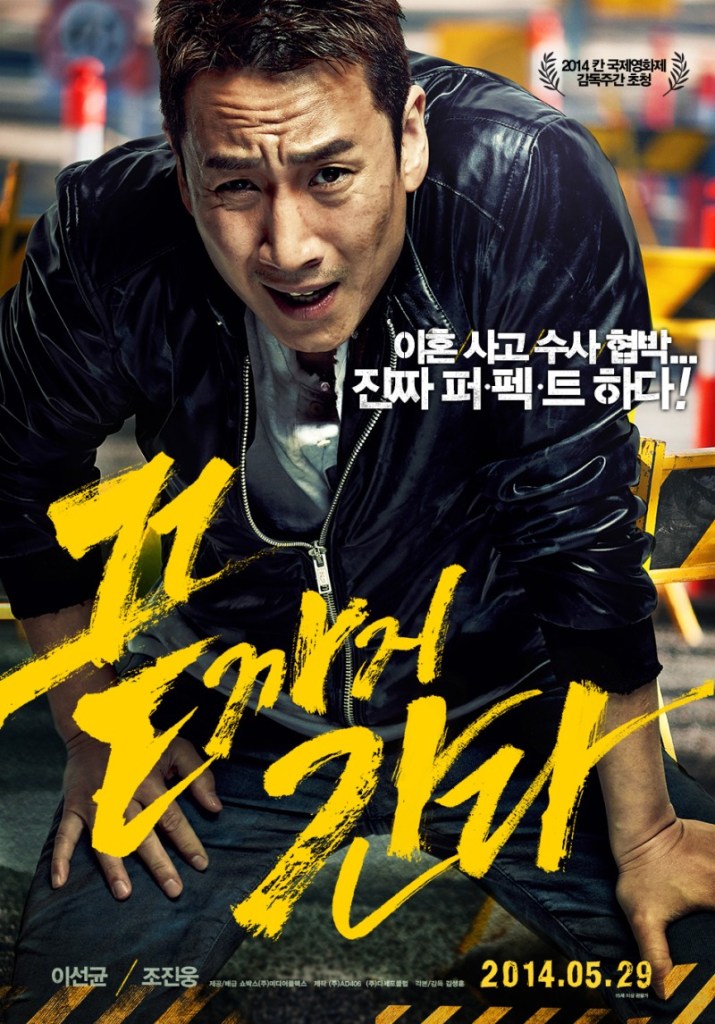
  • A Hard Day – a corrupt policeman runs a man over on the day of his mother’s funeral and comes up with an ingenious place to hide the body.
  • Beasts Clawing at Straws – An elusive Louis Vuitton bag full of cash sends a collection of disparate souls into a desperate frenzy in Kim Yong-hoon’s darkly humorous thriller. Review.
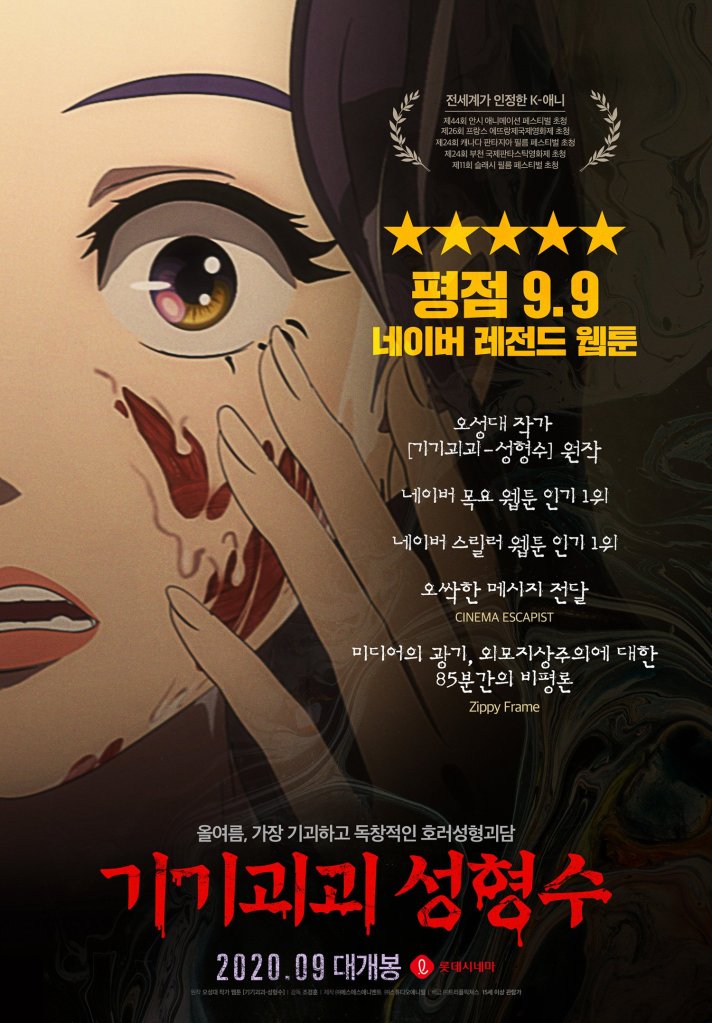
  • Beauty Water – animation in which a woman who believes herself ugly tries an experimental treatment to make herself beautiful.
  • Dust and Ashes – a young woman enduring extreme poverty finds herself dealing with the unthinkable.
  • Kim Ji-young, Born 1982 – an ordinary woman is pushed to breaking point by the cognitive dissonance of living in a fiercely patriarchal society in Kim Do-young’s sensitive drama. Review.
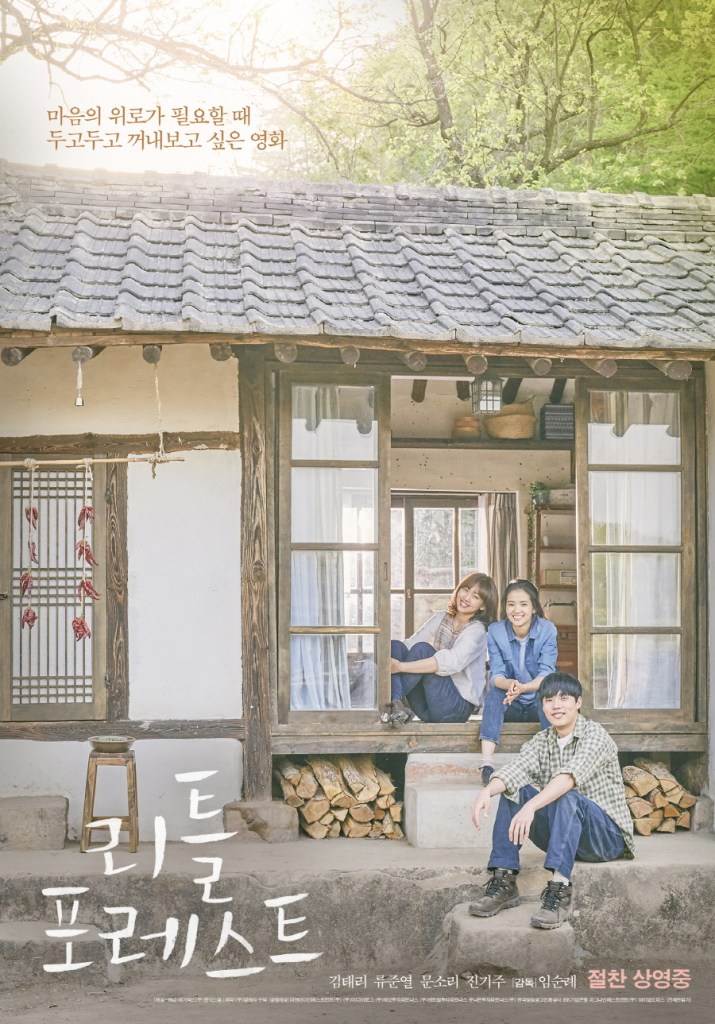
  • Little Forest – beautifully laidback drama in which a young woman returns to her country home after becoming weary of the city. Review.
  • Loser’s Adventure – three hapless young men chase wrestling glory.
  • Lucky Chan-sil – a producer undergoes an existential crisis when her longterm collaborator suddenly dies in Kim Cho-hee’s charmingly whimsical drama. Review.
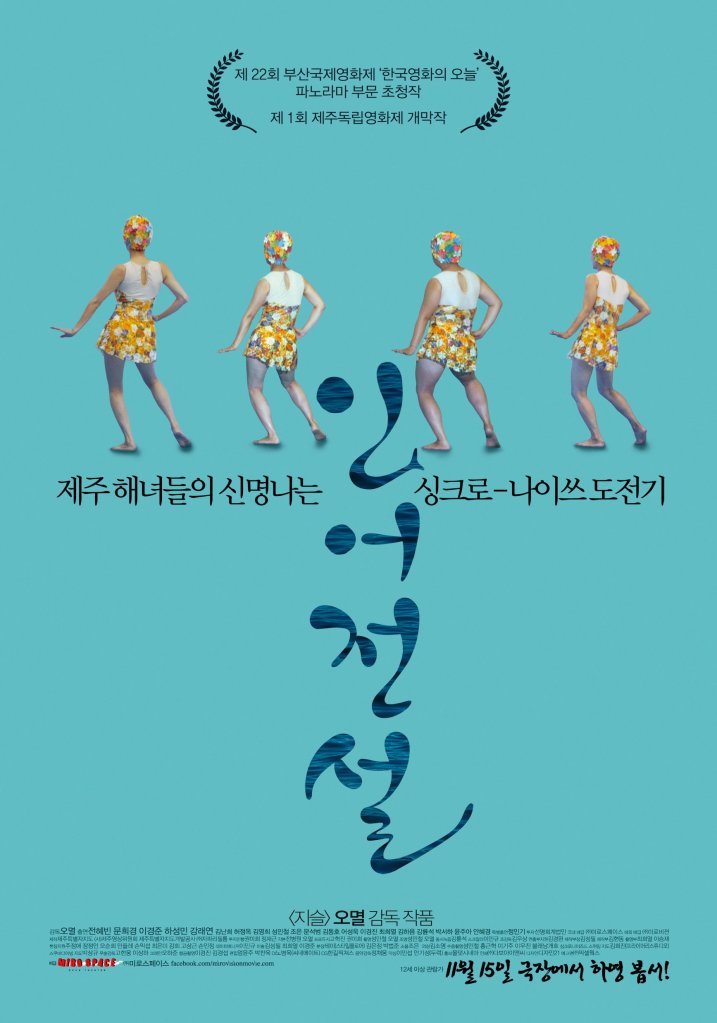
  • Mermaid Unlimited – light comedy in which a government body decides to recruit a team of traditional Haenyo divers as a warmup act for a synchronised swimming competition.
  • Microhabitat – a young woman living in poverty couch surfs when priced out of life’s only pleasures. Review.

Malaysia

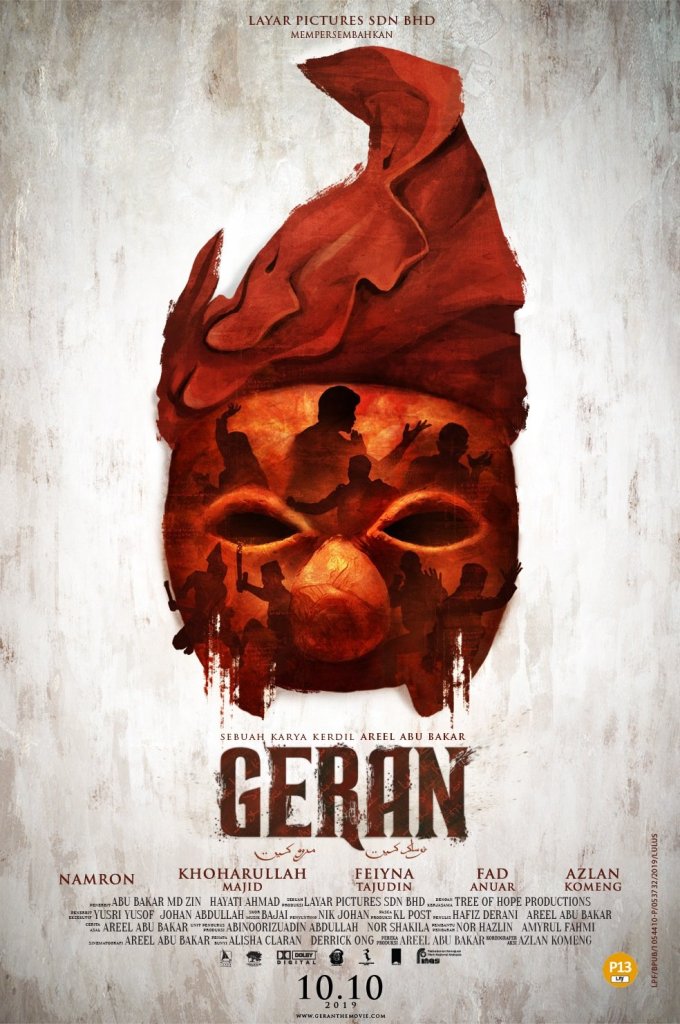
  • Geran – martial arts drama showcasing Malaysian Silat in which siblings try to find their younger brother after he runs off with the deed to their family home.
  • Sometime, Sometime – the relationship between mother and son is tested when mum gets a boyfriend.

Philippines

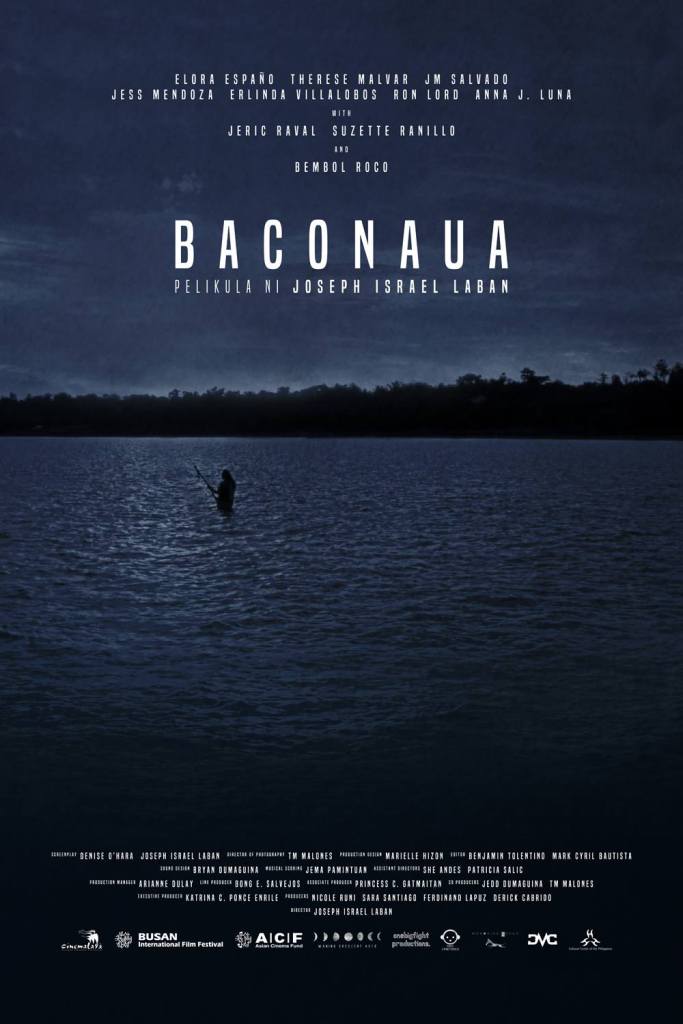
  • Sea Serpent – atmospheric island drama in which three siblings lose their father at sea.
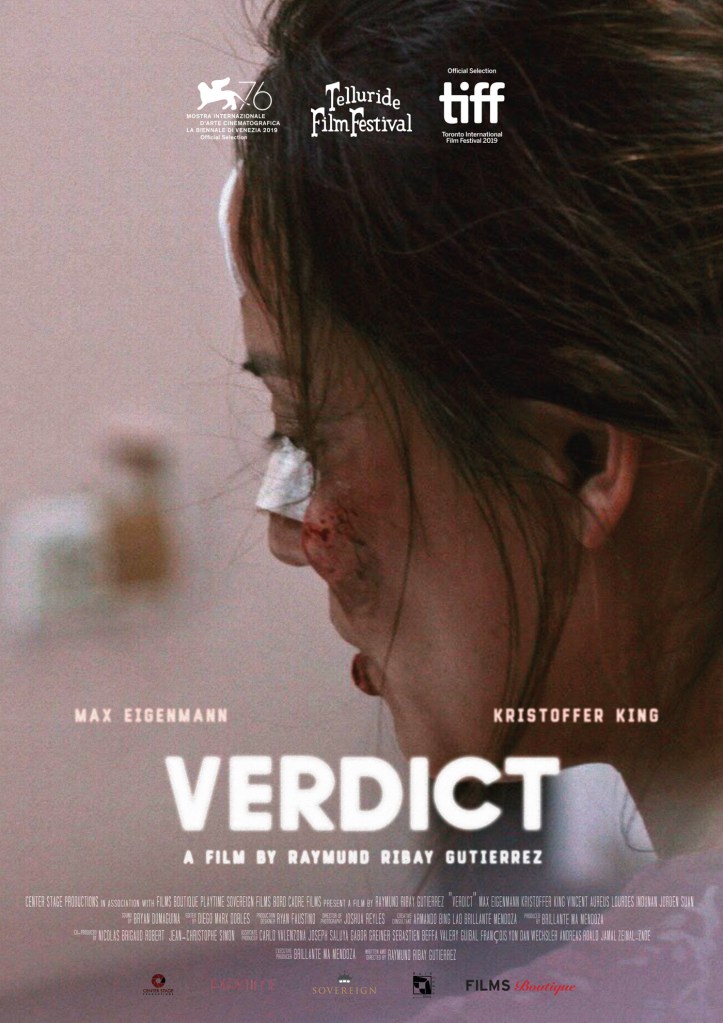
  • Verdict – a woman suffering domestic abuse tries to get help after her drunken husband hurts their child but struggles to find justice in a patriarchal society.

Singapore

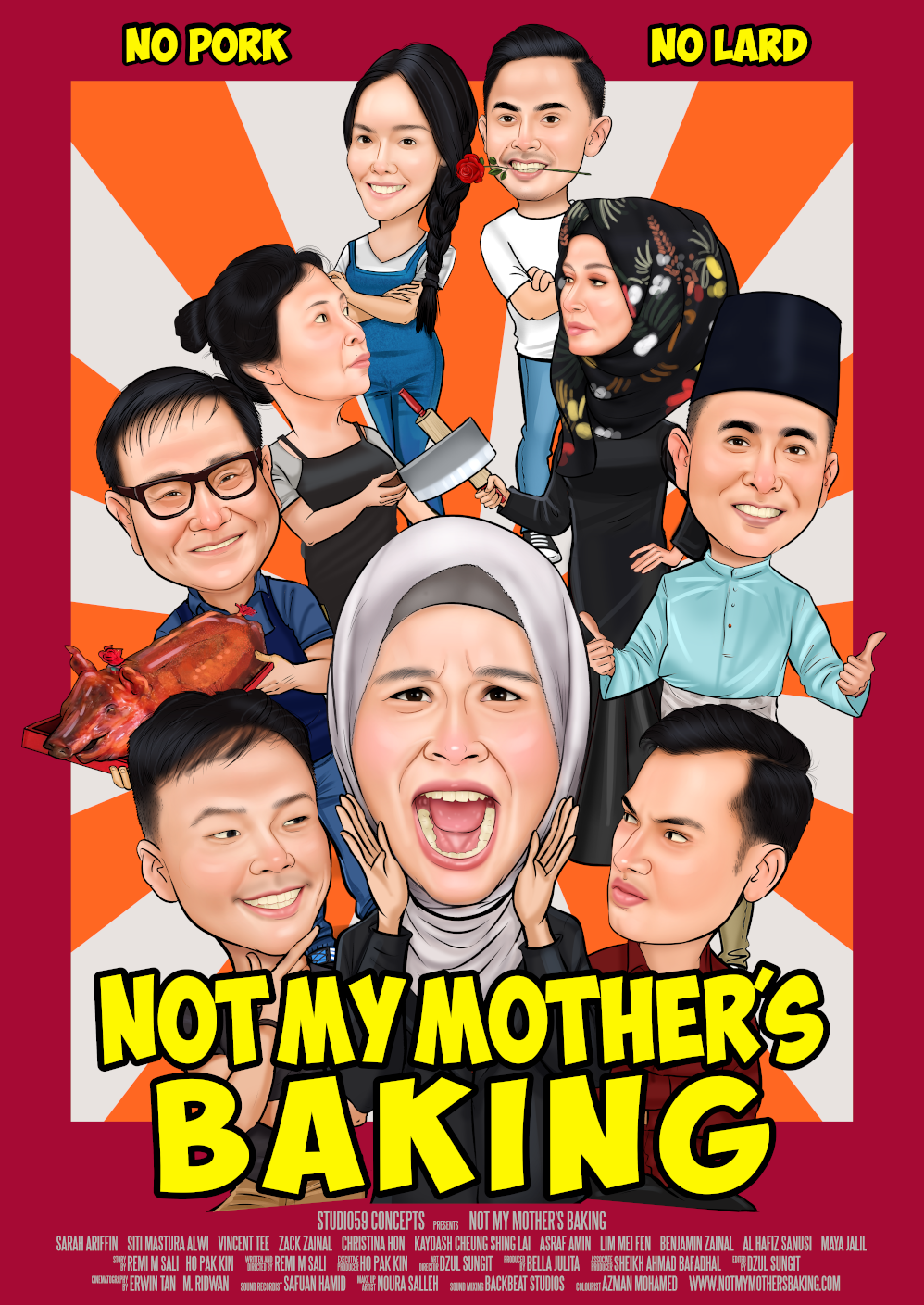
  • Not My Mother’s Baking – sweet rom-com in which a muslim Malay chef falls for a Chinese guy whose family run a roast pork stall.

Taiwan

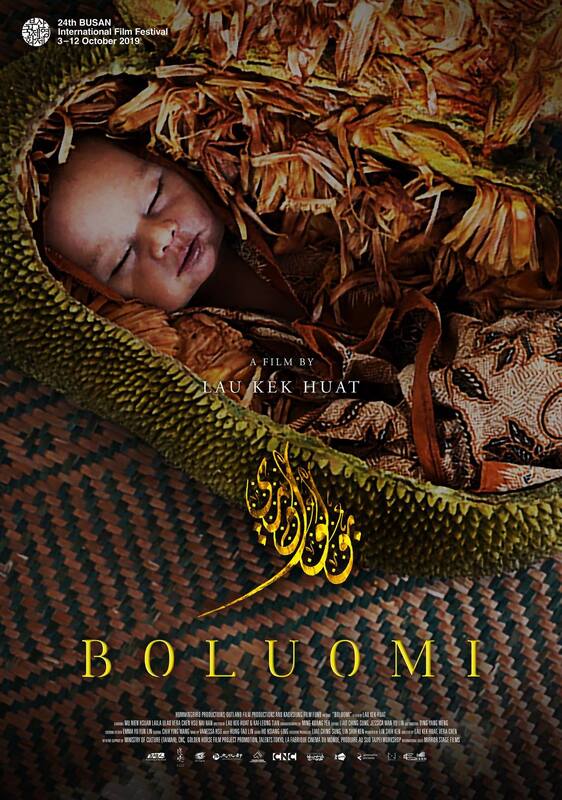
  • Boluomi – a young Malaysian student bonds with a lonely Filipina migrant worker.
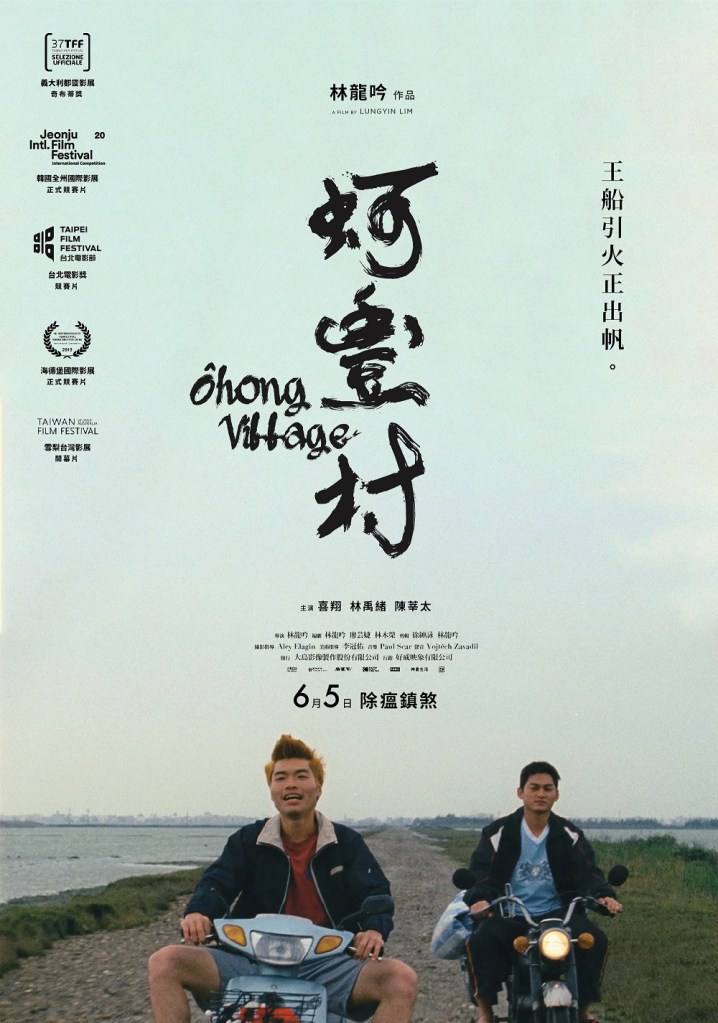
  • Ohong Village – a young man returns to his home village after experiencing disappointment in the city

Vietnam

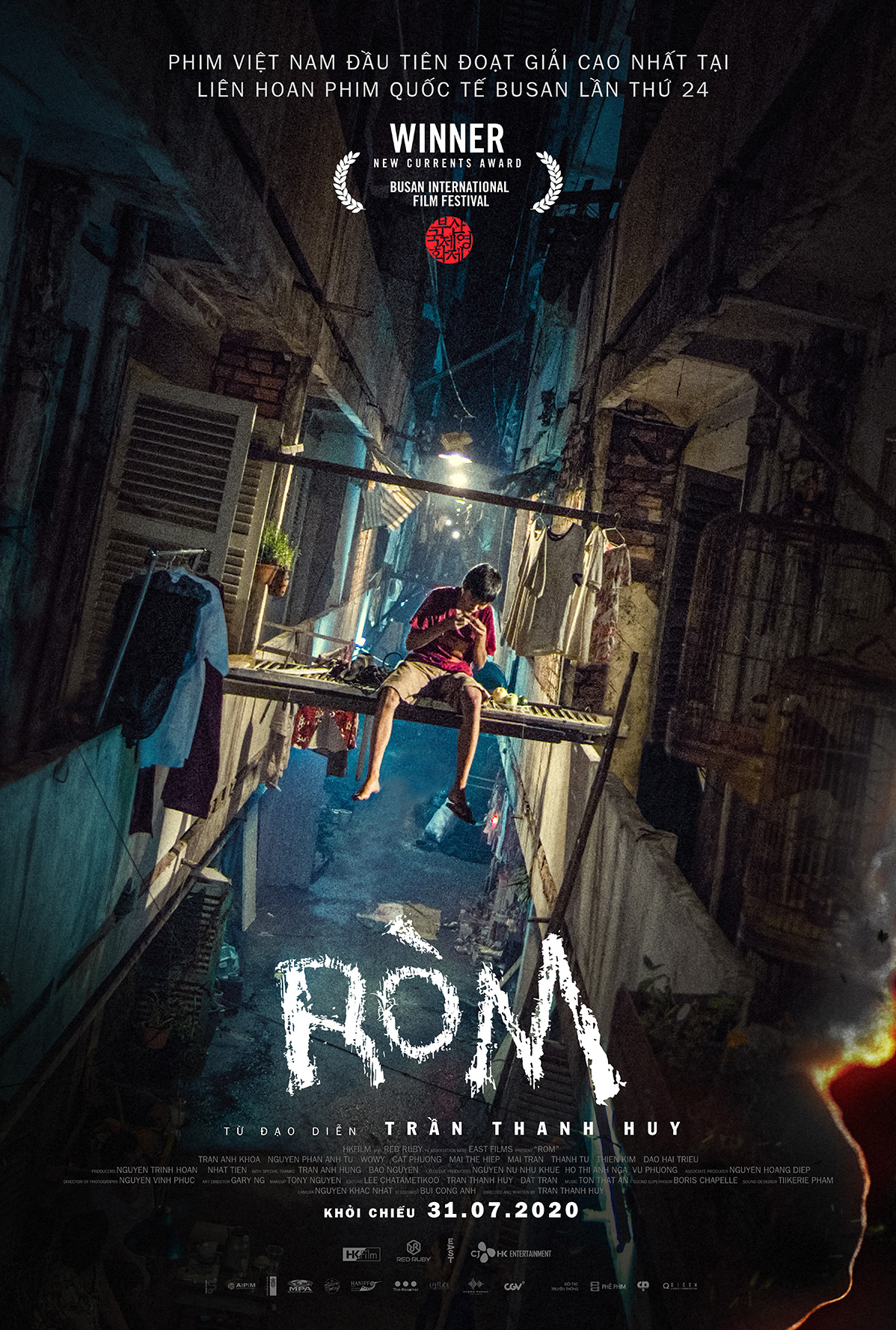
  • Rom – The residents of a rundown slum awaiting demolition stake everything on lucky numbers in Trần Thanh Huy’s gritty portrait of modern Saigon. Review.

Cambodia/Laos/Myanmar/Thailand/Vietnam

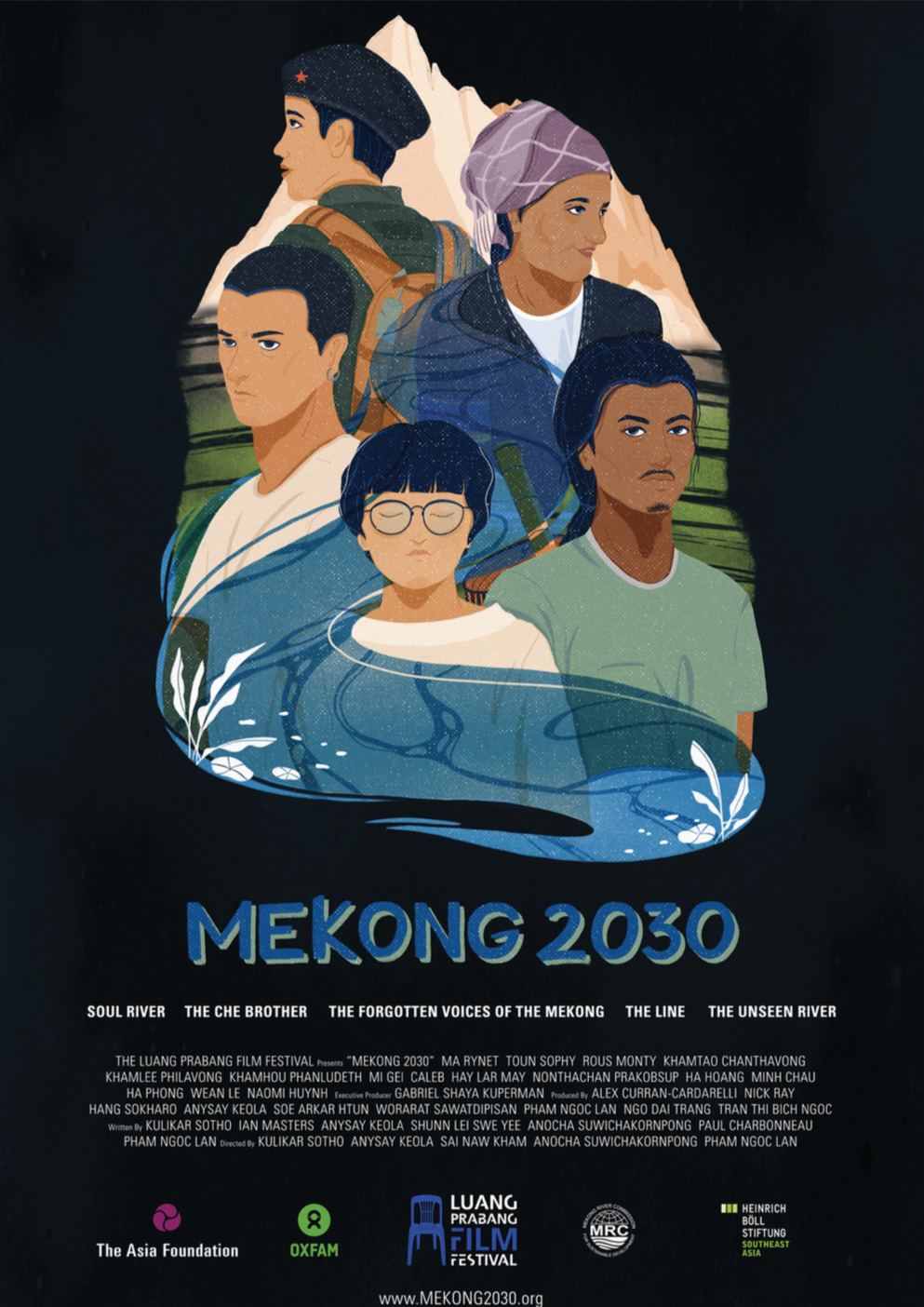
  • Mekong 2030 – five directors from different nations along the Mekong River contemplate what life might be like in 10 years’ time in this five-part omnibus. Review.

Five Flavours streams in Poland 25th November to 6th December. More information on all the films as well as streaming windows and links can be found on the official website, and you can keep up with all the latest news via the festival’s Facebook PageTwitter Account, Instagram, and YouTube Channels.

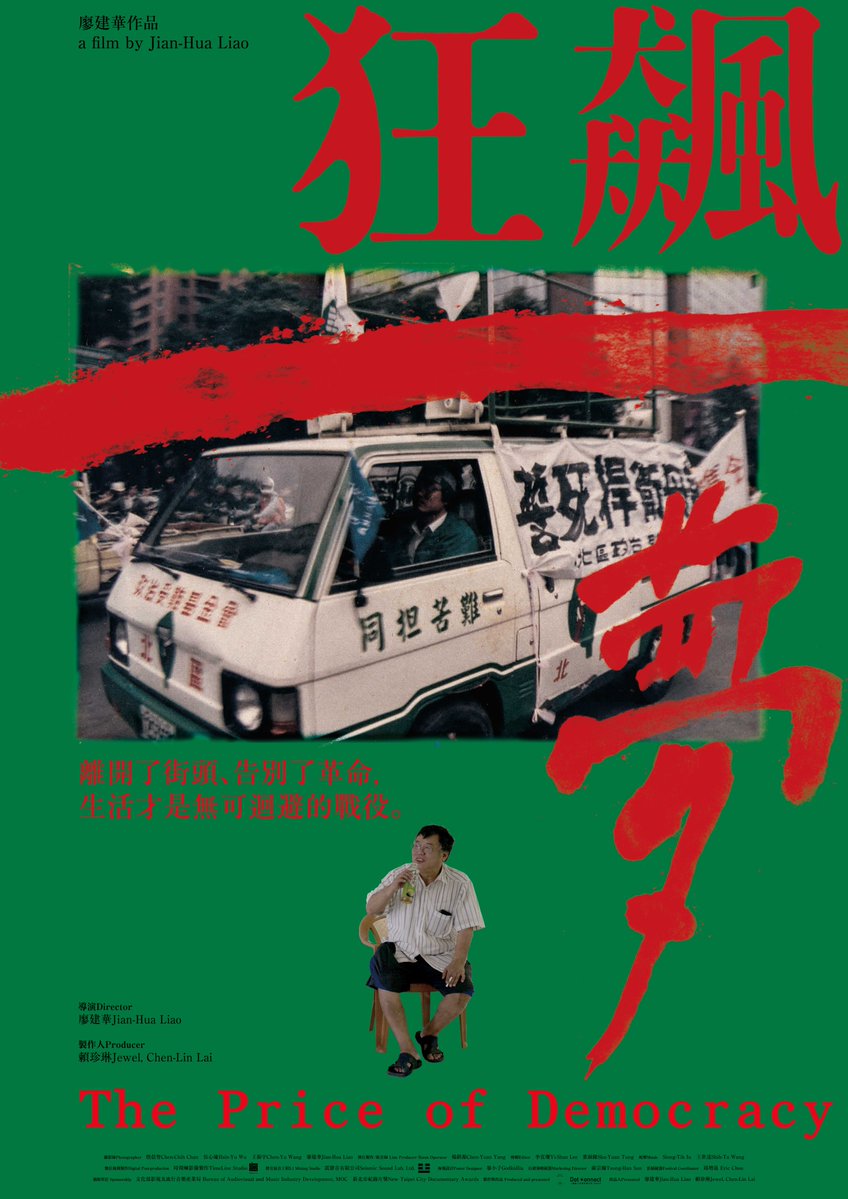
The Price of Democracy (狂飆一夢, Liao Jian-Hua, 2019)

What does a revolutionary do after the revolution? Lacking direction in his own life, director Liao Jian-Hua finds himself asking the question of those who fought for an end to martial law in Taiwan, wondering if the price they paid for their idealism was really worth it. Following two now elderly protestors both of whom continued with activism after the advent of democracy, he discovers that the battle was never really won and that each has their share of loss if not quite regret for the sacrifices they made to try and bring about the better world. 

The first of Liao’s subjects, Hsin-i, is a popular novelist though perhaps unexpectedly known for romance featuring working class women rather than anything more overtly political. Daughter of a Mainland soldier, she was married with two children when she first began to become disillusioned with Taiwan’s political situation after realising the extent to which the authorities would go to rig elections. Unfortunately, the family she married into was staunchly nationalist, actually members of the KMT, and after her husband read a satirical story she wrote for a magazine the marriage broke down. Fearing reprisals, Hsin-i’s husband and in-laws emigrated to America and took her children with them while she remained in Taiwan and deepened her involvement in the movement for democracy. 

Kang, meanwhile, is a Minnanese man from the South who came to Taipei for work. Staunchly leftist, he lives up to his ideals even in his 60s earning no more than the minimum wage and living in a kind of commune with other gentlemen of a similar age, often allowing those in need to stay giving up his bed to make space for them. Like Hsin-i, his activism eventually cost him his family though he admits that his marriage was perhaps a mistake to begin with with. Showing Liao pictures of his youth he reveals himself to be quite the dandy and caught up in the consumerist revolution of an increasingly prosperous society (another wealthy girlfriend even bought him a Renault when they first came to Taiwan), only to be converted to socialism after leaving the army. He admits that he married his wife largely because she was pregnant but was uncomfortable with her upper-middle class lifestyle, her father attempting to railroad him into running a convenience store. Given their ideological differences, the marriage failed and Kang lost contact with his son who would now be in his early 30s. 

Other members of the activist group swap similar stories, that their wives and families complained that they “changed” after getting into activism or accused them of neglecting their familial duties for the political. Kang describes this as a choice between “small” love and “big”, familial love versus the societal. He and his friends chose big love at the expense of the small, devoting themselves to bettering their society. Hsin-i meanwhile doesn’t see it quite the same way and harbours a degree of guilt and regret for not having been as present as she might have liked in the lives of her family, often torn between activism and caring for her elderly mother while obviously missing her children even now forlornly looking up the Facebook profile of the daughter who declined to have contact with her. 

Though each of them continued with activism after the end of the martial law period, both Hsin-i and Kang also have traumatic memories of what was obviously a very intense time, recalling the tragic death of one young man who self immolated in protest against oppressive KMT regime. While Kang seems to accept his act with sadness, it led Hsin-i to question the movement and her place within it that others knew this young man planned to take his life in such painful way and did nothing to discourage him. From the vantage point of a very different Taiwan following the victory of Tsai Ing-Wen’s Democratic Progressive Party in 2016, now regarded as the most liberal of Asian nations, Liao wants to ask them if they feel all their suffering was worth it but discovers perhaps that he’s asking the wrong question when the costs of betraying one’s ideals may not be worth contemplating. There is always work to do, and whatever it may have cost them, both Hsin-i and Kang have remained true to themselves as they continue to do what they can to bring about the better world filled with a big love for the whole of their society. 


The Price of Democracy (狂飆一夢, Kuángbiāo Yī Mèng) streams in the UK 28th November to 5th December as part of Taiwan Film Festival UK

Original trailer (English subtitles)
Go! Crazy Gangster (風雲高手, Chang Ching-feng, 2016)

Nothing is impossible, according to the surreal logic of zany sports comedy Go! Crazy Gangster (風雲高手, Fēngyún Gāoshǒu). The only crazy gangsters here are two old men, childhood friends both obsessed with basketball, who work out their gang rivalry through the much more healthy medium of high school tournaments. The hero is not a gangster, but he does admittedly dress like one. In any case, the point is that given the right motivation, even the most hopeless of slackers, and the most rebellious of delinquents, can be reformed by the mutual solidarity of team sports. 

Lai-Fong (Alien Huang) is a reservist on a professional basketball team, a last resort player known chiefly for his laziness. Variously nicknamed “idler”, “benchwarmer”, or “waterboy”, he is not exactly keen to get on the court. Nevertheless, after getting hit by random meteorite the unthinkable happens. He not only gets to play, he becomes his team’s MVP and guides them to an unprecedented victory. Shortly after that, however, he’s seduced and blackmailed by pretty high school teacher Hsaio-Yun (Cyndi Wang) whose gangster father Liao (Liao Jun) then forces him to take a job coaching a losing girls’ high school team. Unbeknownst to Lai-Fong, Hsiao-Yun has become the subject of a bet between Liao and his friend Tseng (Ma Ju-lung) to the effect that her hand in marriage has been promised to his thuggish son Shuai-Nan (Dean Fujioka) if the team loses. 

The problem is that the high school basketball team is made up of delinquent girls because the school have been using it in lieu of detention. Predicatably, they don’t want to actually have to participate in sports and so they do everything they can to get rid of Lai-Fong before having a change of heart in realising the extent to which he actually does care for them in an admittedly fast turnaround from his “idler” persona. Thanks to his newfound sense of compassion and desire to assume his responsibility as a coach, he begins figuring out the girls’ problems from the ringleader’s difficult home life with her mother’s struggling business, to the demands of a showbiz dream. Meanwhile he’s apparently always been kind, Hsiao-Yun recalling that they have a childhood connection which has long given her strength seeing as she was herself lonely in her youth, the other kids unwilling to befriend the daughter of a scary gangster. 

Chang neatly subverts a number of conventional stereotypes, recasting his scary gangsters as childish old men who play video games and exercise their rivalry on the basketball courts rather than in the streets, the hint of violence lingering somewhere off screen. The women are tenacious and mature, the men feckless and ineffectual, but then there is the mild unpleasantness that Hsiao-Yun has been wagered by her father as part of the friendly rivalry he has with Tseng who also resents that he’s already “lost” in the child stakes because Hsaio-Yun is just much “better” than his son Shuai-Nan who despite studying abroad at Harvard seems none too bright and is little more than a vain thug. 

Nevetheless, what everyone learns is that it’s not really about winning or losing but gaining confidence in being yourself while drawing strength from mutual solidarity. Hsiao-Yun begins to stand up to her gangster dad, perhaps realising that he had no right to bet her in the first place so she doesn’t necessarily have to go along with it even if the team loses while Lai-Fong declares himself proud of the team whatever happens knowing how hard they’ve worked to come this far. His attitude may be defeatist, resigned to an inevitable loss, but he’s willing to chalk this up to experience, a valuable lesson for the road ahead. Hsiao-Yun, however, reminds him that they’ve come this far precisely because they were together and they’re still together now so as long as they stay that way there’s always a chance. 

To put it bluntly, Go! Crazy Gangster makes very little sense, a Taiwanese take on Hong Kong mo lei tau nonsense comedy it rattles absurdly from one unexpected plot development to the next. Nevertheless it hardly matters as the gang get their game on through sorting out their personal problems thanks to the love and support of their teammates, gaining the confidence to fight for their dreams on the court and off.


Go! Crazy Gangster streams in the US Nov. 27 – 29 as part of Asian Pop-Up Cinema & TACCGC’s @Home with Taiwan Cinema: Love & Hope

Original trailer (English subtitles)
Joyful Mystery (Misteryo sa Tuwa, Abbo Q. Dela Cruz, 1984)

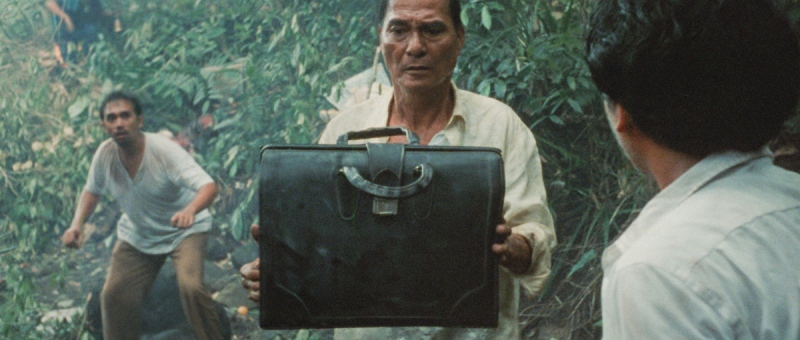
If you “found” a fancy bag full of cash and the guy who was carrying it obviously won’t be needing it anymore, what would you do, hand it in, or take it and keep quiet? Many would have little problem with option two, though as someone later points out sometimes big money can be a big problem. Rarely seen on its release during the martial law era, Abbo Q. Dela Cruz’s Joyful Mystery (Misteryo sa Tuwa) is both a tale of human greed and selfishness and of the thinly veiled feudalistic corruptions of an era. 

Clearly dated to the 19th August, 1950, the film opens with a raucous celebration for the baptism of the village chief’s youngest son Tiko (Kenneith Hutalla) which is all too soon disrupted by the harbingers of doom in the form of an aircraft trailing black smoke that duly crashes right into the forest in which we saw the villagers living and working throughout the social realist title sequence. The villagers rush to the scene, but once there they quickly start looting the wreckage largely ignoring the handful of bodies thrown out of the bisected plane despite the theoretical possibility that at least some of them may still be alive. The trouble starts when three men pick up a fancy briefcase belonging to “an American” and are spotted by a fourth man, a soldier, Castro (Lito Anzures), who claims to have found the briefcase first and laid claim to it. Soon after, the local mayor (Mario Taguiwalo) arrives with two Chinese businessmen who’ve come looking for their colleague who, they claim, was carrying a large amount of money intended to fund their business project. 

Despite the happy scene of the opening party at which it is assured there is food enough for everyone, it’s clear that the lure of the loot has exerted a corrupting force over the previously close village as each family attempts to hide whatever it was they took from the crash site for themselves so they won’t have to share. The three men, village chief Ponsoy (Tony Santos Sr.), problematic libertine Mesiong (Johnny Delgado), and earnest young man Jamin (Ronnie Lazaro), agree to share out the contents of the bag equally, all harbouring different dreams from a comfortable life in the city to owning a horse and the ability to get married, but are nervous about Castro, making a pact they won’t give up the money no matter what happens. 

That turns out to cause more of a problem once the authorities start looking for the bag. Captain Salgado (Robert Antonio), perhaps for obvious reasons the only incorruptible figure to be found, suspects that someone may have found the money already and decided to keep it, while the mayor admits he might have done the same, eventually entering into a pact with Castro to steal the bag from the villagers and split the contents between them. Living comfortably in the city, the mayor cares little for his co-conspirators, planning to blame the Huk rebels living in the forest for any negative fallout and otherwise making a patsy out of Castro to ensure he won’t have to part with too much of the money. 

At a loss for what to do, the villagers’ wives automatically suspect the mayor is involved, innately distrustful of authority figures, even doubting the captain whom they otherwise believe to be good and just. We’re repeatedly told that villagers are greedy mercenaries, they don’t agree to help the army with the bodies from the crash until offered money (nor do they seem worried about the fires) despite the fact that they will obviously encourage the encroachment of wild animals such as rats which are later seen to be enough of a problem that the mayor again offers a bounty on their heads in an effort to get the villagers involved in culling them. Yet we can also see that they’re trapped by a series of changing though outdated social codes in which the feudal relationships between peasants and landowners have crumbled but the farmers have been hung out to dry at the mercy of corrupt political figures such as the venal mayor and distrustful of the revolutionary Huk whose opposition to the feudal legacy they fail to understand. You can’t blame them for taking the money because they’re in desperate need and there are no other mechanisms by which they might improve their circumstances. It’s desperation rather than greed which begins to turn them against each other as they jealously guard the opportunity hidden in the money which points towards a better life for themselves and their families. 

Perhaps ironically, the film begins with a baptism and ends with a wedding which is to say that it travels anti-clockwise to come full circle as the villagers once again dance and celebrate, perhaps uncomfortably vindicated in their moral failing even as they “win” in overcoming the systemic corruption which otherwise oppresses them. Their victory however is only to a point, the social realism of the title sequence is repeated in the credits, the farmers returning to the forests just as they always have and perhaps always will no matter what illusionary dreams they might have had of escape fuelled only by the promise of misbegotten riches. 


Joyful Mystery streamed in its recent 4K restoration as part of this year’s San Diego Asian Film Festival.

Restoration trailer (English subtitles)
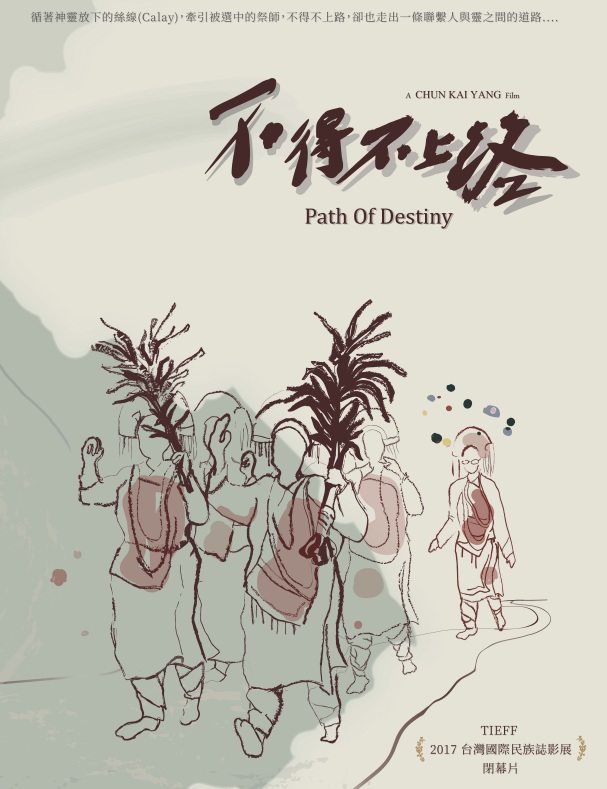
Path of Destiny (不得不上路, Yang Chun-Kai, 2017)

Taiwan’s indigenous culture is an all too often neglected facet of the island’s history, but as Yang Chun-Kai’s documentary Path of Destiny (不得不上路, Bùdébù Shànglù) makes plain, it is sometimes unknown even within its own community. Following researcher Panay Mulu who has been studying the Sikawasay shamans of the Lidaw Amis people in Hualien for over 20 years and has since become a shaman herself, Yang explores this disappearing way of life along with the (im)possibilities of preserving it for later generations in the fiercely modern Taiwanese society. 

A member of the indigenous community though from a Christian family, Panay Malu recalls witnessing Sikawasay rituals in her childhood though only at the harvest festival. Her family’s religion made the existence of the Sikawasay a taboo, viewed as a kind of devilry to be avoided at all costs. Yet running into an entirely different kind of ritual, Panay found herself captivated not least by the beautiful ritualised music and thereafter began trying to gain access to the community who were perhaps understandably frosty in the beginning. Eventually she gave up her teaching position to devote herself to research full time and was finally inducted as a shaman becoming a fully fledged member. 

Listening to the stories of the old ladies, they explain that those who become Sikawasay often do so after sufffering from illness, one of the main rituals involving a shaman using their mouth to suck out bad energy and cure illness. Yet they are also subject to arcane rules and prohibitions that they fear put younger people off joining such as refraining from eating garlic, onions, and chicken, and being required to avoid touch prior to certain rituals. Under traditional custom, widows are also expected to self isolate at home often for a period of years to avoid transmitting the “bad energy” of their grief to others. 

Perhaps for these reasons, Panay is the youngest of the small group of Sikawasay who now number only half a dozen. A poignant moment sees her looking over an old photograph from a 1992 ritual featuring rows of shamans dressed in a vibrant red smiling broadly for the camera. The first row and much of the second are already gone, Panay laments, and as we can see there are only old women remaining with no new recruits following Panay in the 20 years since she’s been with them. Even one of the older women confesses that she would actually like to give up being a Sikawasay, it is after all quite a physically taxing activity with the emphasis on ritual singing and dance, but she fears being punished with illness and so continues. This lack of legacy seems to weigh heavily on Sera, the most prominent among the shamans, who breaks down in tears complaining that she often can’t sleep at night worrying that there is no one behind them to keep their culture alive save Panay who is then herself somewhat overburdened in being the sole recipient of this traditional history as she does her best to both preserve and better record it through academic study. 

It’s a minor irony then much of her recordings exist on the obsolete medium of VHS, but one of the other old ladies is at least hopeful while taking part in the documentary that people might be able to see their rituals on their televisions in their entirety and the culture of the Sikawasay will not be completely forgotten. Panay expresses frustration that, ironically, their own culture is often explained back to them by external scholars from outside of the community, while another Amis woman praises her implying that their own traditional culture is something they have to relearn rather than simply inheriting. An old lady who says her husband was once a shaman though her son neglected his shamanic nature and left to study describes the Sikawasay as the “real Amis people”, vowing never to give up on shamanism though acknowledging there’s nothing much she could do about it if it disappears. In any case, through Yang’s documentary at least and Panay’s dedicated research, the rituals of the Sikawasay have been preserved for posterity even if their actuality risks extinction in the face of destructive modernity. 


Path of Destiny streams in the UK 28th November to 5th December as part of Taiwan Film Festival UK

Original trailer (English subtitles)