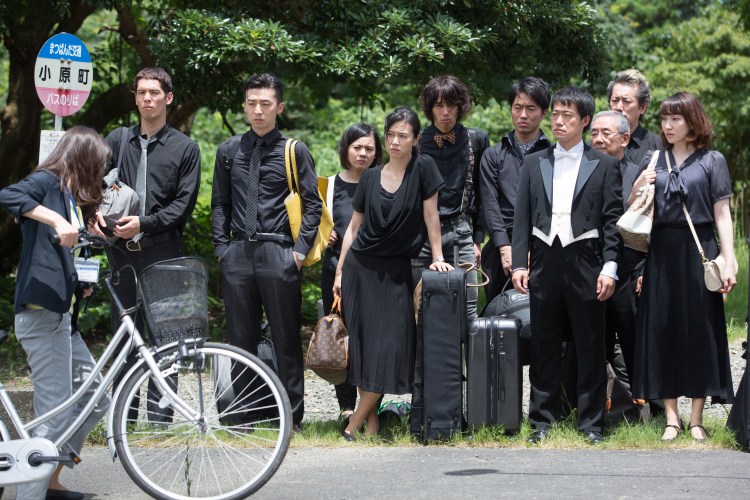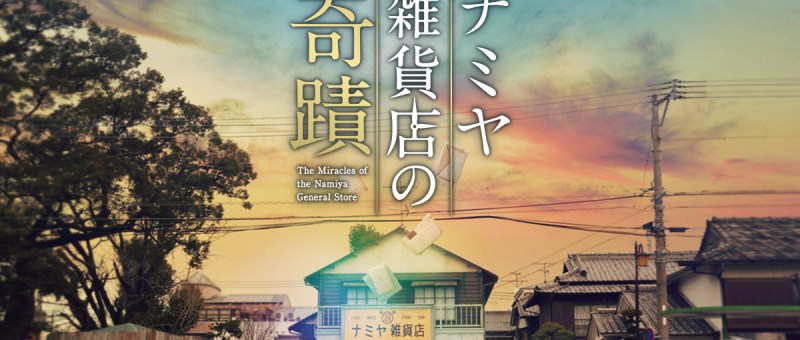
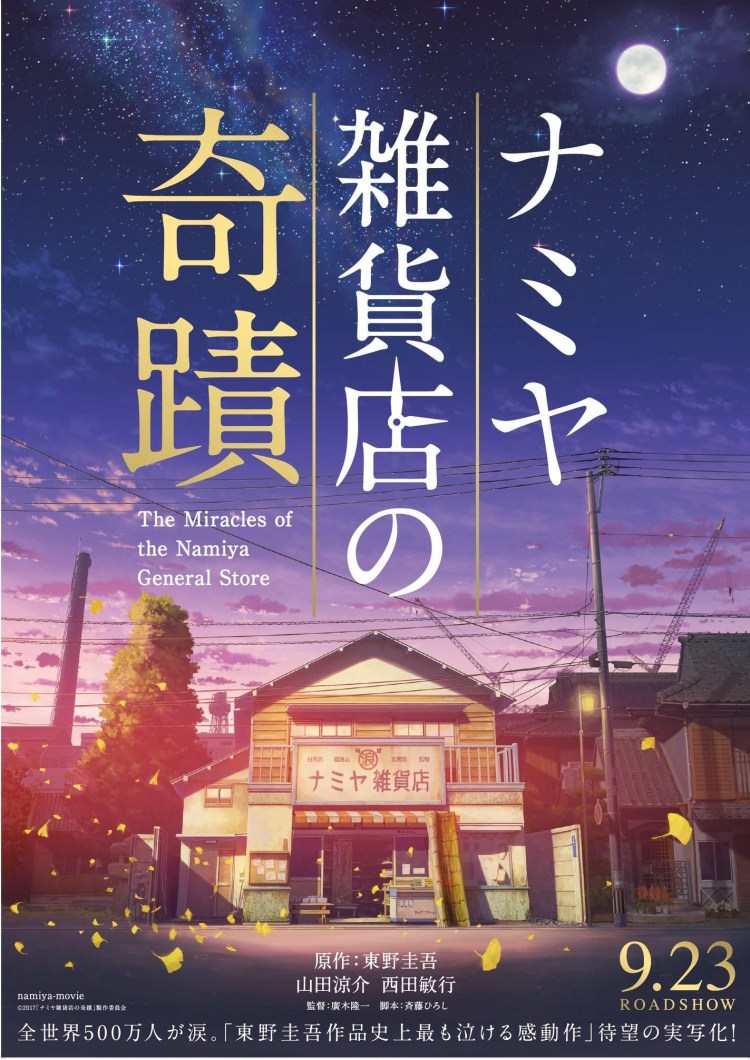
Miracles of the Namiya General Store (ナミヤ雑貨店の奇蹟, Ryuichi Hiroki, 2017)

Miracles of the Namiya General Store posterKeigo Higashino is probably best known for his murder mysteries, most particularly the international best seller The Devotion of Suspect X. His literary output is however a little broader than one might assume and fantastical hypotheticals are very much a part of his work as in the bizarre The Secret in which a mother wakes up in her daughter’s body after a fatal accident. Miracles of the Namiya General Store (ナミヤ雑貨店の奇蹟, Namiya Zakkaten no Kiseki) is indeed one of his warmer stories even if it occasionally veers towards the author’s usual taste for moral conservatism in its yearning for a more innocent, pre-bubble Japan that is rapidly being forgotten.

Back in 1980, Mr. Namiya (Toshiyuki Nishida) runs the local store and is a much loved member of the community. As an older man with plenty of life experience, he also offers an agony uncle service. People with problems can simply write him a letter and drop it through his box. He’ll have a bit of a think about it and then either paste up a response on the village noticeboard outside or, if the question is a little more delicate, place his reply in an envelope in the milk box.

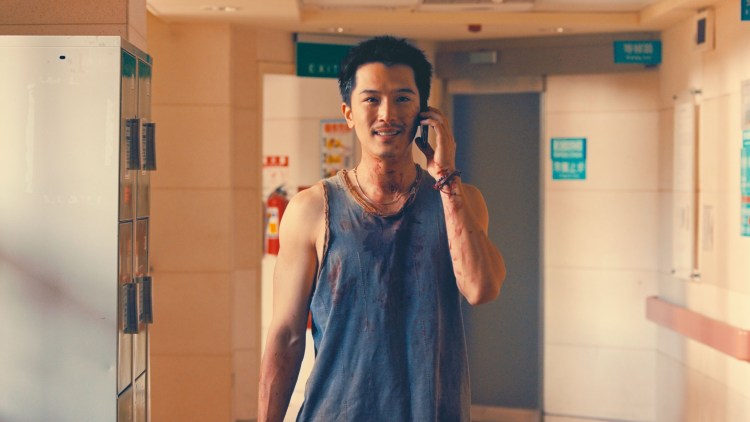
32 years later, a trio of delinquent boys end up taking refuge in the disused store after committing some kind of crime. While they’re poking around, what should pop through the letter box but a letter, direct from 1980. Freaked out the boys try to leave but find themselves trapped in some kind of timeslip town. Eventually they decide to answer the letter just to pass the time and then quickly find themselves conversing with an earlier generation by means of some strange magic.

At the end of his life, what Mr. Namiya is keen to know is if his advice really mattered, and if it did, did it help or hinder? His introspection is caused in part by a news report that someone he advised on a particularly tricky issue may have committed suicide. Mr. Namiya isn’t now so sure he gave them the right advice and worries what he told them may have contributed to the way they died. This itself is a difficult question and if it sounds like a moral justification to point out that no one was forced to follow Mr. Namiya’s “advice” and everyone is ultimately responsible for their own decisions, that’s because it is but then it doesn’t make it any less true. Then again, Mr. Namiya’s advice, by his own admission, was not really about telling people what to do – most have already made a decision, they just want someone to help them feel better about it. What he tries to do is read between the lines and then tell them what they want to hear – the decision was always theirs he just helped them find a way to accommodate it.

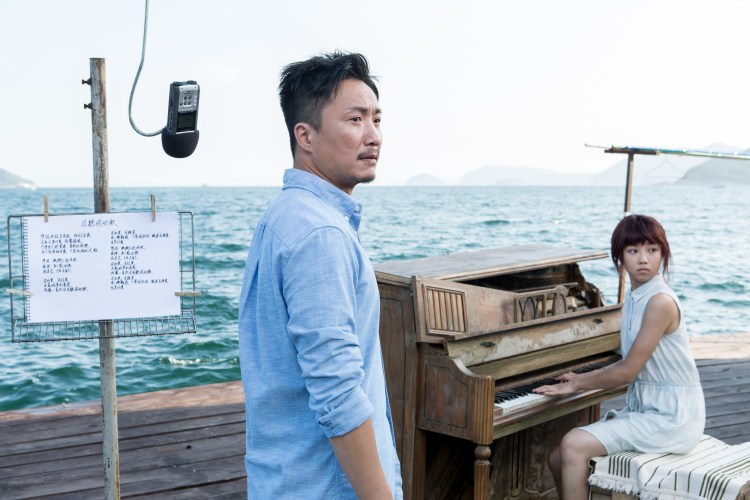
The boys have quite different attitudes. Kohei (Kanichiro), who takes the initial decision to write back, is compassionate but pragmatic. As we later find out, the three boys are all orphans and Kohei counsels a melancholy musician who wants to know if he should give up on his Tokyo music career and come home to run the family fish shop that he should count himself lucky to have a place to come back to and that if he was going to get anywhere in music he’d have got there already. Mr. Namiya’s philosophy proves apt – the musician writes back and argues his case, he wants to carry on with music but feels guilty and hopes Mr. Namiya will tell him it’s OK to follow his dreams. For the boys however, “dreams” are an unaffordable luxury and like a trio of cynical old men they tell the musician to grow up and get a real job. That is, until he decides to play them a tune and they realise it’s all too familiar.

Similarly, a conflicted young woman drops them a letter wanting advice on whether to become the mistress of a wealthy man who claims he will help her set up in business. The boys say no, do not debase yourself, work hard and be honest – that’s the best way to repay a debt to the people that raised you. Again she writes back, she wants her shot but it is a high price. That’s where hindsight comes in, as does advance knowledge about Japan’s impending economic boom and subsequent bust.

As expected, everything is connected. Higashino maybe romanticising an earlier time in which community still mattered and the wisest man you knew ran the corner store, but then there’s a mild inconsistency between the idealised picture of small town life and the orphanage which links it all together – these kids are after all removed, even perhaps exiled, from that same idea of “community” even if they are able to create their own familial bonds thanks to the place that has raised them. The most cynical of the boys once wanted to be a doctor, but as another boy points out it takes more than just brains to get there. While it’s a nice message to say that there are no limits and nothing is impossible, it is rather optimistic and perhaps glosses over many of the issues the kids face after “graduating” from the group home and having nowhere else to go. Nevertheless, seeing everything come together in the end through the power of human goodness and the resurgence of personal agency is an inspirational sight indeed. The world could use a few more miracles, but as long as there are kind hearted people with a desire for understanding, there will perhaps be hope.


Original trailer (English/simplified Chinese subtitles)

Okayo’s Preparedness (お加代の覚悟, Yasujiro Shimazu, 1939)

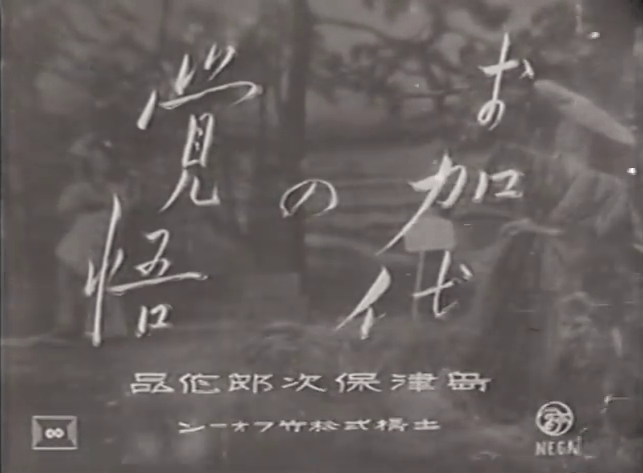
Okayo's Preparedness title cardYasujiro Shimazu had been the pioneer of the “shomingeki” and a fierce chronicler of the lives of ordinary lower middle class people. The growing presence of the militarist regime, however, demanded a slight shift of focus. 1939’s Okayo’s Preparedness (お加代の覚悟, Okayo no Kakugo) has its share of propaganda content, but it’s also mildly subversive. In the conventional narrative, a woman must get married and a man must find a purpose. Shimazu turns this upside-down – a man becomes a husband and a woman finds artistic fulfilment in the midst of heartbreak.

In the contemporary era, Osumi’s (Kuniko Miyake) husband has been drafted and is away fighting at the front leaving her alone at home where she makes ends meet running a traditional dance school while looking after their small daughter Mitsuko (Kazue Hayashi). Okayo (Kinuyo Tanaka) is the star pupil at school and also a live-in apprentice, functioning almost as a servant but regarded as a member of the family. The trouble begins when a Osumi gets a visit from her brother-in-law who has received a letter from her husband in which he requests some photographs of his wife and family going about their daily lives while he is unable to be with them. The amateur photographer he’s brought along is a young man of quality and the older brother of one of the school’s pupils. Okayo has developed a fondness for Shunsaku (Ken Uehara) during her time walking his little sister home and secretly hopes he returns her affections. Shy and nervous, she is nevertheless overjoyed when he takes her for tea while they wait for the photographs to be developed. Shunsaku, however, was just being kind. He actually has his eye on another pupil at the school (someone more of his social class) and Okayo is destined to experience her first real heartbreak.

Shimazu gets his propaganda obligations out of the way fairly quickly. We cut to a picture of a man in uniform proudly hanging on the wall whom we later realise to be Osumi’s absent husband. Though Osumi worries about him, his enlistment was regarded as a cause for celebration – Okayo felt obliged to have a rare cup of sake, and it’s clear Osumi is proud to be married to a man defending the nation. Nevertheless, it is also clear that he is experiencing suffering – Okayo and Osumi wonder if he too can enjoy the simple pleasures of warm sake and boiled tofu so far away from home, and Osumi also makes sure to send him a pair of of geta in her care package fearing that he may be missing the small but essential facets of his Japaneseness. Though this is only 1939 and the situation is not yet “serious” there is the betrayal of a mild anxiety in Osumi’s fears as well as in her husband’s letter which states the anxiety he feels after learning that a friend was told of trouble at home only after the fact. After all, it’s hard to put unpleasant news in a letter to someone you know to be already experiencing hardship. Hence the request for the photographs – real visual evidence that his wife and daughter are healthy and happy, rather than mere words which may be offered in the interests of comfort.

Meanwhile, Shimazu is secretly building a second argument behind the scenes. We expect the simple love story of Okayo and Shunsaku will proceed along the usual lines. He will come to appreciate her and they will marry despite the class difference and the difficulty of the times. That is not, however, what happens. Okayo’s attraction is apparently one-sided. Osumi’s brother-in-law warns her that Shunsaku is popular with the ladies, even if he also points out his rather stiff, respectable nature. Shunsaku’s mother has apparently had difficulty finding a suitable match for him which increases Okayo’s hopes, but the reason turns out to be that he has developed at attraction for another pupil at the school, as Okayo finds out listening at the door when Shunsaku’s mother comes to Osumi for an additional character reference. All at once Okayo’s world collapses. She remembers that she is a servant, forever separated from the “nice young ladies” who take classes at the school, and that her youthful romance has been little more than a distracting fantasy.

Earlier on, while taking tea with Shunsaku, Okayo had remarked on how important Osumi had told her her dancing training was as a means of achieving independence and self-sufficiency. The ability to dance well enough to teach (and acquire such well regarded pupils) is after all how Osumi has been able to support herself with a husband away in the army. Osumi’s brother-in-law also tells her something similar when he reminds her that it’s important for her to concentrate on her art rather than getting lost in a romantic daydream. Osumi, realising how hurt Okayo has become after overhearing her conversation with Shunsaku’s mother tries to comfort her with the same logic, convincing her that her infatuation in an entirely normal part of being young and that it will pass. Encouraging her to concentrate on her dancing so that she can turn it into a valid career, Osumi provides both a shoulder to cry on and a valid plan for the future, remaining both sympathetic and supportive in witnessing her pupil’s suffering.

Making a bold formal switch, Shimazu dramatises Okayo’s moment of self-actualisation as a dance sequence taking place in parallel to Shunsaku’s wedding. Sadly picking up a bow she slowly moves to the stage and begins to sing, eventually moving into dance before the scene dissolves and Okayo is in full costume, mid-performance playing the part of a brokenhearted woman watching her beloved marry another. Having danced through her pain and doubly experienced the suffering of her romantic disillusionment, Okayo collapses in exhaustion on the bare stage of the studio, gazing out at the windows and weeping once again as they remain empty yet perhaps open.


Let Me Eat Your Pancreas (君の膵臓をたべたい, Sho Tsukikawa, 2017)

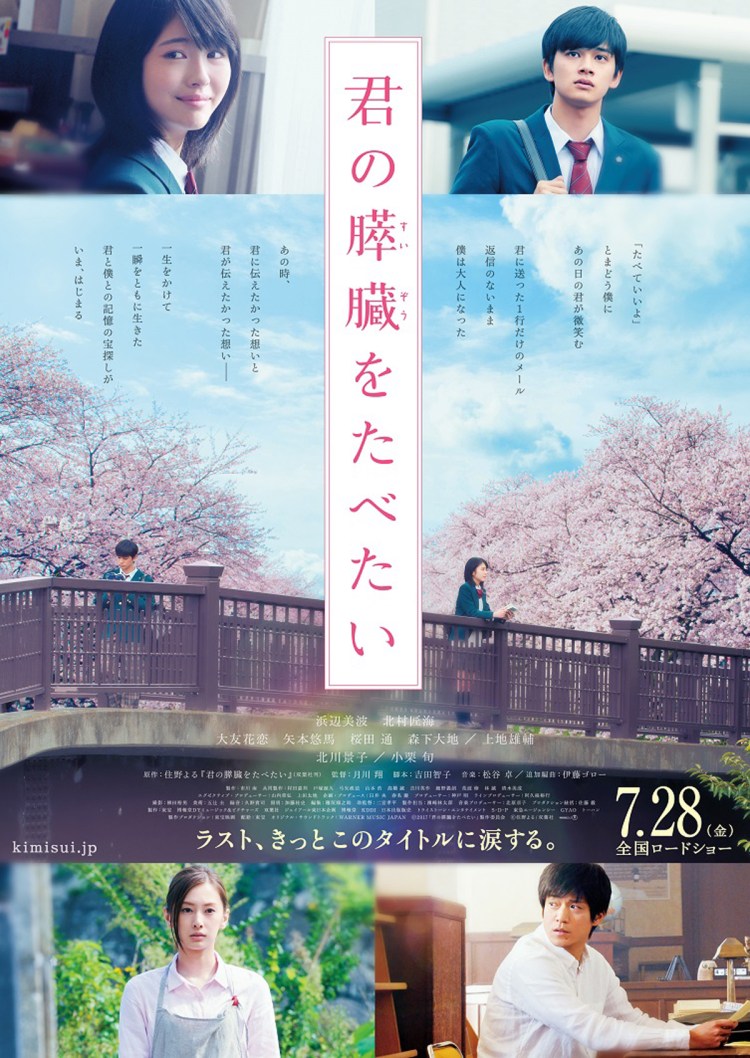
Let me eat your pancreas posterBack around the turn of the century, a new kind of melodrama was taking the Japanese box office by storm. “junai” or “pure love” was not exactly new in terms of genre but began to grow in popularity in the early 2000s thanks to growing interest in Korean television drama, finally hitting its zenith in 2004 with Crying Out Love in the Centre of the World. The junai boom lasted only a couple of years, but Japanese cinema has never been able to get enough of tragic stories of first love destroyed by cruel fate and, ironically enough, returns with the improbably titled Let Me Eat Your Pancreas (君の膵臓をたべたい, Kimi no Suizo wo Tabetai) which sets its fictional past in 2003 – exactly the same time as the contemporary presents of the junai classics.

In 2012, Haruki Shiga (Shun Oguri) is a melancholy high school teacher who can’t decide if teaching is really his vocation and has a resignation letter sitting in his desk. Meanwhile, he is handed a slightly upsetting task by his boss – the school library has become too rundown to consider renovating and so it’s going to have to close. When Shiga was a high school student at this very school, he also ran the library club (he now has a qualification in librarianship) and so he seems to be the perfect person to ensure everything gets packed up and dealt with in the proper fashion. The library, however, holds some painful memories for him – of a girl he grew close to for only a few months while she battled a terminal illness and changed his life forever.

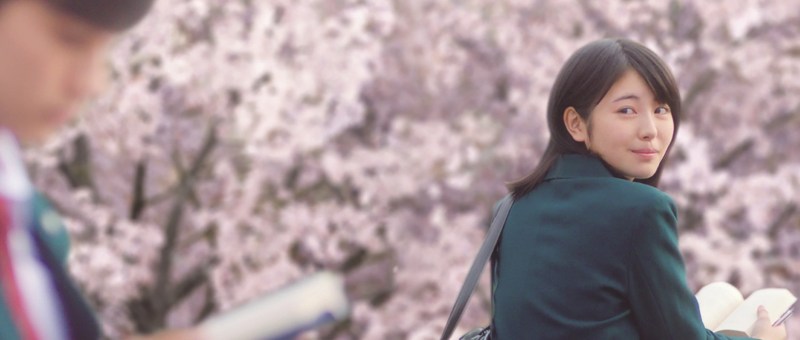
12 years previously, Sakura (Minami Hamabe), a popular young woman, drops her sickness diary on leaving the hospital, whereupon Shiga picks it up and unwittingly becomes the only person outside of Sakura’s family to know that she is suffering from a degenerative pancreatic illness and has only a couple of years at most to live. She knows her case her is hopeless and the treatment she receives will only prolong her life temporarily while easing her symptoms, but is determined to live out the rest of her days to the fullest.

Unlike Sakura, Shiga (Takumi Kitamura) describes himself as a loner who isn’t good with people. He spends his days with a book in his hand and is thought of by most of his classmates (if they think of him at all) as the creepy silent boy. Thus his unexpected friendship with Sakura raises more than a few eyebrows with the other kids, especially Sakura’s best friend Kyoko (Karen Otomo) who is both jealous and confused as to why her friend has suddenly started hanging out with the loser boy. Then again it’s precisely because of this aloofness that Sakura first believes she can entrust her final days to Shiga – as virtual strangers it’s much easier to process the idea of an ending, if Sakura had tried to confide in Kyoko about her illness it would only have marred the end of their friendship. Shiga is detached, he doesn’t get emotionally involved, but despite himself still cares which makes him the ideal point of support for a girl longing to escape a carefully ordered life to get a taste of everything she knows she will miss.

Let Me Eat Your Pancreas may situate itself in the junai era of the early 2000s, but owes an undeniable debt to Shunji Iwai’s seminal 1995 romantic melodrama Love Letter and even borrows its central library conceit with a hidden message which eventually reaches its destination much later than intended. Like Love Letter, in which one of the heroines is perpetually worried about the possible repercussions of minor illnesses, Pancreas is keen to remind us that the truth is we are all dying and illness or not today might be our last day – it’s best to make the most of it without sitting around worrying about what the future might hold.

Sakura, dying yet so full of life and energy, is keen to impart her life philosophy to the introverted Shiga. For Sakura life is about connection, sharing experiences with others be they joy or pain. Shiga, though loathed to admit it, is in his own way desperately lonely but has resolved himself to surviving alone, believing that he lacks the ability connect meaningfully with other people. His nascent connection with Sakura is destined to end in tragedy but does at least begin to release something in him which had long been suppressed. Even so, as an adult he’s just as withdrawn and isolated as he’d been as a teen and it’s not until he’s forced to revisit this traumatic incident in his early life that he learns the full value of its lessons. Let Me Eat Your Pancreas, though wilfully embracing some of the genre’s more problematic elements, is a beautifully affecting return to the world of junai which manages to turn a story of death and tragedy into a celebration of life and love as its isolationist hero begins to find the strength to embrace the art of being alive no matter how painful it may turn out to be.


Original trailer (no subtitles)

Asian Pop-Up Cinema Returns for Season Seven

DearEx

Chicago’s Asian Pop-Up Cinema returns for its seventh season from 12th September to 14th November with eight film screenings to take place at AMC River East 21 plus an additional nine films screening for free at various venues around the city.

Sept. 12, 7pm: Adulthood

Introduction and Q&A with Director Kim In-seon and Actress Lee Jae-in.

Adulthood

14-year-old Kyung-un meets her uncle Jae-min for the first time at her father’s funeral. Jae-min is, as it turns out, a conman and even cons his bereaved niece out of her inheritance. To get her money back, Kyung-un agrees to pose as Jae-min’s daughter so he can woo his next mark lonely pharmacist Jum-hee, but not everything goes to plan…

Sept. 19, 7pm: Smaller and Smaller Circles

Introduction and Q&A with Director Raya Martin

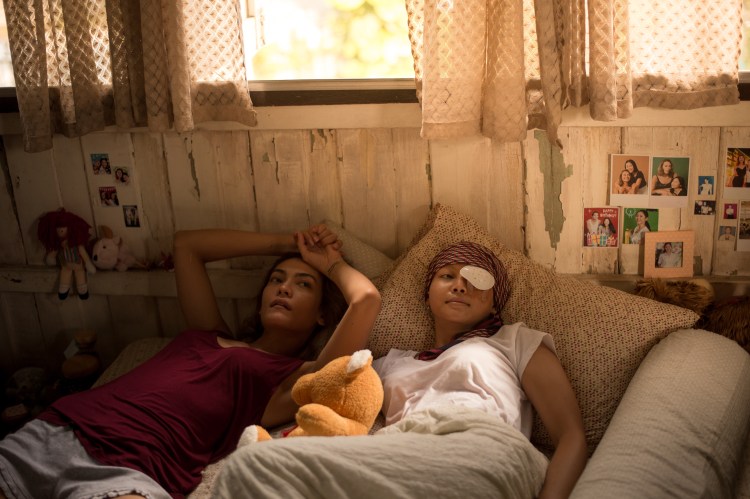
SmallerAndSmallerCirclesRaya Martin adapts the novel by F.H. Batacan in which two priests investigate a series of killings targeting young boys in the slums of Manila.
Sept. 25, 6.30pm: Namiya

Free screening at Claudia Cassidy Theater at the Chicago Cultural Center

Namiya banner

Three orphans hole up in a disused shop which used to belong to an agony uncle (played by Jacki Chan!) in Han Jie’s adaptation of the Keigo Higashino novel. Review.

Sept. 26, 7pm: Sad Beauty

Introduction and Q&A with Director Bongkod Bencharongkul

Sad Beauty

Actress Bongkod Bencharongkul steps behind the camera for her second directorial outing in which the friendship of two women is tested by the need to dispose of a body.

Sept.28: Singing with Angry Bird

Free screening at Illinois Institute of Technology. Time TBC.

SingingWithAngryBird

Korean Kim Jae-chang runs a children’s choir in Pune, India and has earned the nickname “Angry Bird” thanks to his fiery temper. Though the choir has had a positive effect on the children’s lives, some of the parents have yet to see the value and so Angry Bird has decided to train the parents alongside the children for a joint concert.

Oct. 2, 7pm: Concerto of the Bully

Introduction and Q&A with Director Fung Chih-chiang and Art Director Chet Chan 

ConcertoOfTheBully

Chow, a singersongwriter popular on the internet, has been captured and is being held against her will on a raft while waiting for her pop-star boyfriend to pay the ransom. Gifted with extremely good aural memory, she decides to offer “musical therapy” to the kidnapper in order to facilitate her escape…

Oct. 3, 7pm: When the Sun Meets the Moon

WhenSunMeetsMoon

Astrology fans Sun and Moon meet during a power cut following a freak rainstorm in 1992. They fall in love but Sun is sent away to boarding school and eventually leaves the country. Their love, however, endures…

Oct. 6: Any Way the Wind Blows

Free screening. Time/location TBC

AnyWayTheWindBlows

A civil servant accidentally invites the Tokyo Wind Orchestra to Yakushima by mistake having intended to invite a more prestigious organisation. Realising they weren’t wanted, the musicians attempt to leave the island but find themselves trapped by the civil servant who is desperate to cover up her error…

Oct. 24, 7pm: Walking Past the Future

Introduction and Q&A with director Lee Rui-jin and producer Zhang Min

Walking past the future still 1

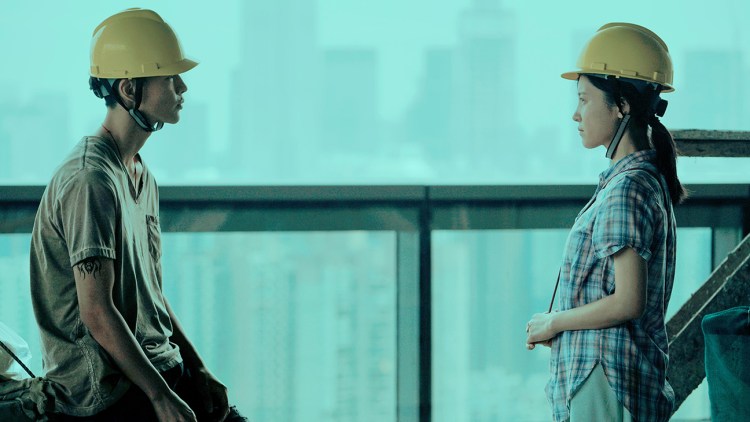
Yang Yao-ting’s parents have been forced to return to their home village in Gansu after losing their jobs in Shenzhen but after 25 years pretty much everything has changed. Hoping to get her family a home in the city, Yang Yao-ting finds herself returning to Gansu as a volunteer in a series of high risk medical tests…

Oct. 26, 2pm: Ritoma

Free screening at Flashpoint Chicago

Ritoma

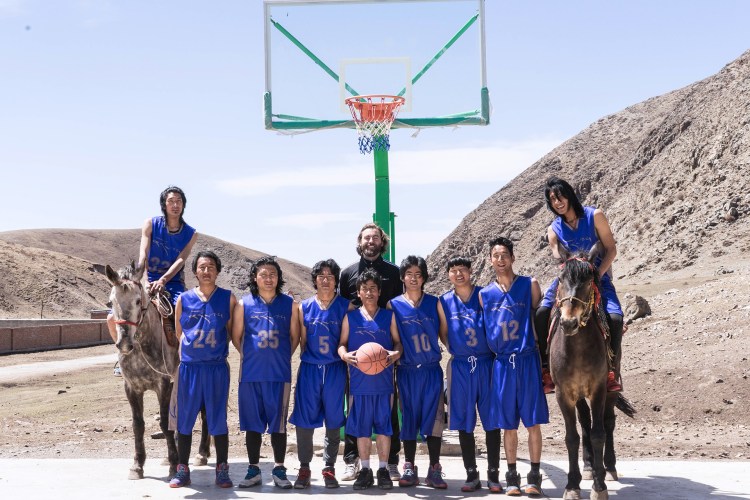
Ruby Yang’s documentary focuses on the unlikely popularity of basketball among nomadic tribes in Tibet.

Oct. 27, 2pm: Made in Vietnam

Free Screening at Chinese-American Museum of Chicago

MadeInVietnam

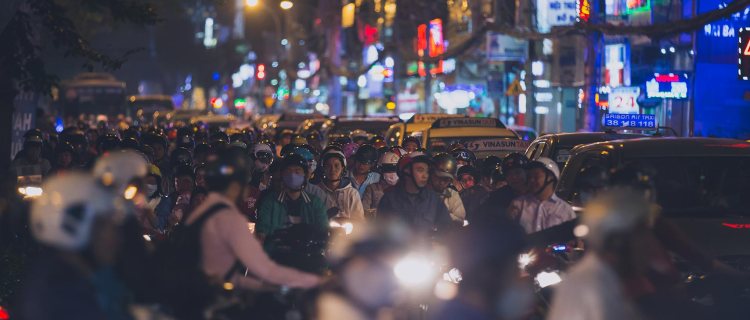
Thi Vo left Vietnam for Hong Kong as a child after the war, later emigrating to Canada when he was four years old. Thirty years later he attempts to find his father and discover the secrets of his past.

Nov. 8, 7pm: Dear Ex

Introduction and Q&A with Director Hsu Chih-yen.

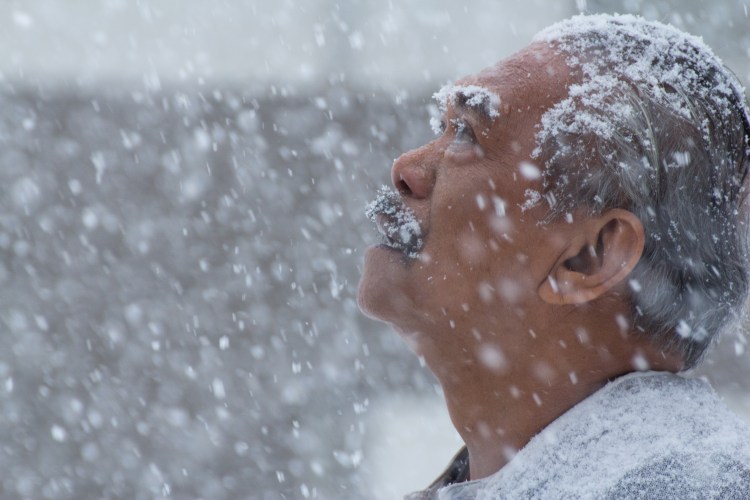
Dear Ex still 1Chengxi’s dad has just died. He’d left the family sometime before and despite the best efforts of Chengxi’s mum, Chengxi knew perfectly well that it was to be with another man. The problem now is Chengxi’s dad has left everything to his new partner Jay and Chengxi’s mum is not at all happy about it…  Review.
Nov. 3: Asian Three-Fold Mirror 2016: Reflections

Free Screening at Illinois Institute of Technology. Time TBC.

A co-production between the Tokyo International Film Festival and Japan Foundation Asia Center, Asian Three Fold Mirror: Reflections features three short films – one from Japan, one from the Philippines and another from Cambodia.

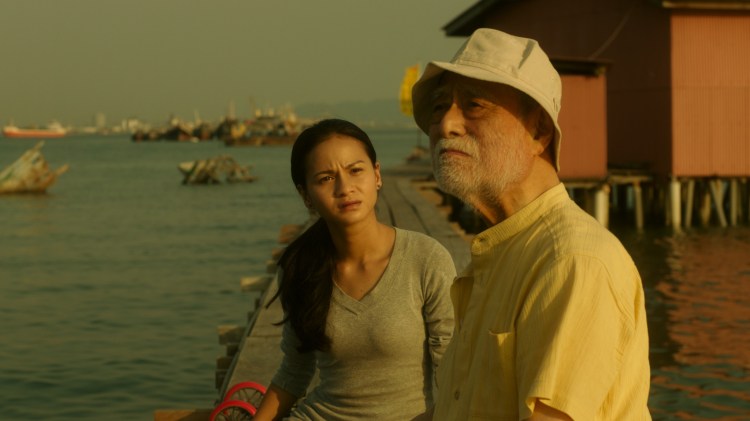
Shiniuma – Filipino director Brillante Ma Mendoza tells the story of Marcial who is forced to return to the Philippines after years living in Japan.

SHINIUMA-AsianThreeFold

Pigeon – Isao Yukisada follows a Japanese man living in Penang who raises pigeons on his roof.

PIGEON-AsianThreeFold

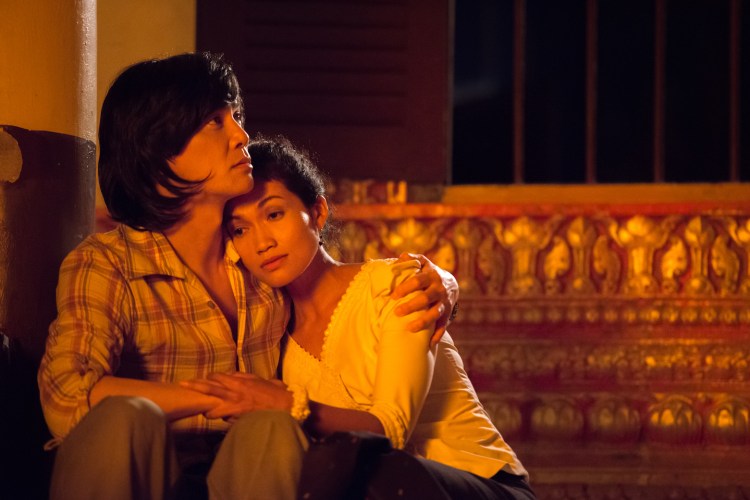
Beyond the Bridge – a Japanese man building a bridge in Phnom Penh falls in love with a local girl and vows to marry her, but…

Beyond The Bridge

Nov. 11, 1pm: Happy Hour

Free Screening at The Screening Room at the Ambassador Hotel

HappyHour

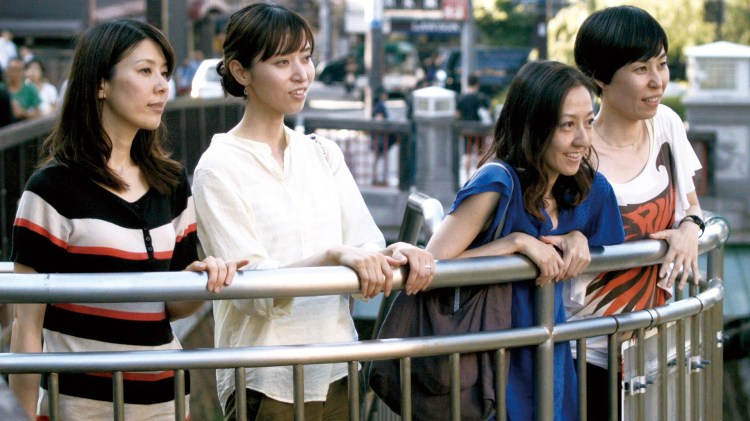
Ryusuke Hamaguchi’s five hour exploration of the everyday lives of a group of middle-aged women living in Kobe.

Nov. 14, 7pm: One Cut of the Dead

Introduction and Q&A with Actor Takayuki Hamatsu

One Cut of the Dead still 1

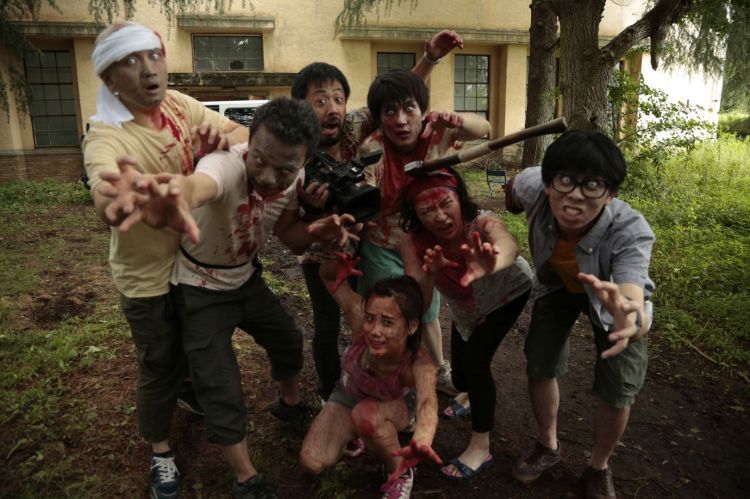
A horror shoot is invaded by real zombies in Shinichiro Ueda’s anarchic comedy! Review.

Full details for all the films are available via Asian Pop-Up Cinema’s official website. You can also keep up with all the latest news by following Asian Pop-up Cinema on Facebook, Twitter, and Instagram.

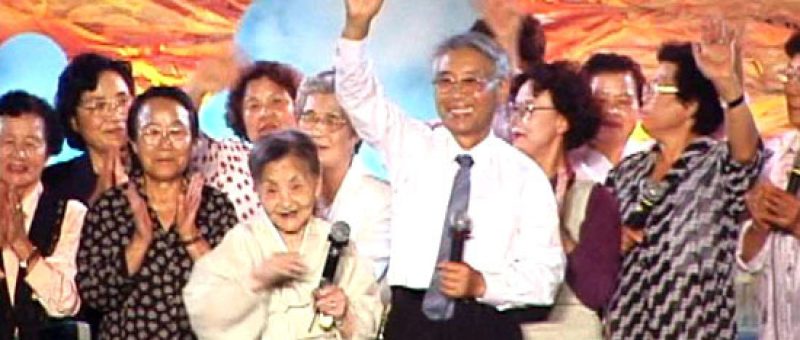
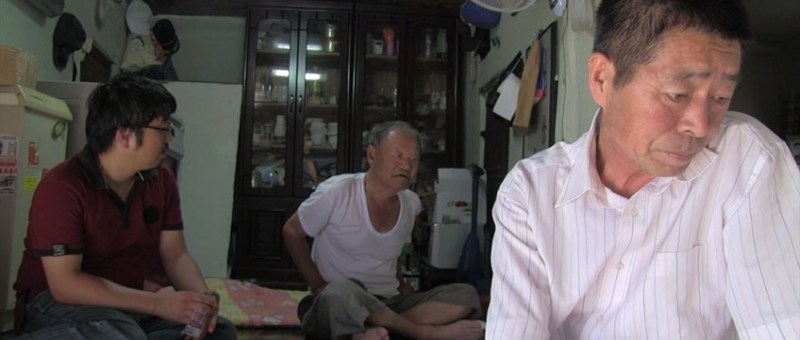
Repatriation (송환, Kim Dong-won, 2004)

Repatriation posterIt is sometimes said that citizens of a divided nation suffer more from the manipulation of the division than from the division itself. Kim Dong-won’s landmark 2004 documentary Repatriation (송환, Songhwan) tackles this issue from the side in examining the lives of “unconverted” political prisoners – spies from the North who endured years of torture yet never abandoned their core ideology. Kim tells their stories with warmth and empathy, but cannot avoid the various ways they have been used and misused as proxies in a long dormant war, sometimes willingly but sometimes not. Personal friendships aside, Kim’s view of the ex-prisoners is coloured by the political attitudes of his times in which the left, deeply wounded following the subversion of the hard won fight for democracy, longs to see the right’s claims of the North as mere propaganda and perhaps idealises the positive qualities of life North of the border only to have their illusions shattered and their hopes once again dashed

Back in 1992, a priest asked director Kim Dong-won for the use of his car. He was bringing a pair of “unconverted” long term prisoners to the village and needed help. Despite his reservations Kim agreed and against the odds, Choi and Kim were warmly welcomed into the small community who came together to look after the two old men regardless of their controversial beliefs and pasts as spies sent down from the North more than 30 years previously.

“Unconverted” is, strictly speaking, the preferred language of the North. The South refers to the same prisoners as “converts-to-be”, which is to say that the normal practice for captured spies is a period of lengthy torture designed to force the captives to “convert” from North Korean communism to regularised South Korean anti-communism. The language in itself is telling, and Kim frames his tale as one of faith and martyrdom with the Unconverted painted as true believers who never wavered even in the face of extreme suffering and persecution. Indeed, the suffering itself only strengthened their resolve and legitimised their struggle – if they are prepared to go this far to obliterate your ideas, then your ideas must after all have power.

This idea of an almost religious belief in the righteousness of North Korean “socialism” seems to have caught Kim’s attention, but he is not blind to the darker sides of their continued indoctrination. Kim and Choi have frequent get togethers with others in the same position, singing North Korean folksongs and communist anthems while they extol the virtues of a land they’ve not set foot in since they were young men, pining for a homeland that might not exist anymore. The Unconverted want to go home, but those of a more practical mindset might wonder what would happen to them if they could – will they be welcomed with open arms as they seem to think, or be treated with suspicion as returnees who’ve lived freely in the South which has, after all, released them willingly?

Meanwhile, belief in the “goodness” of the North begins to crumble with increasing improvement in relations which gradually lays bare the truth of the Communist state, suffering heavily thanks to the fall of the Soviet Union and ongoing economic reforms in China. Pervasive governmental corruption had encouraged many to feel that any and all information regarding the evils of North Korea must be lies created to spread fear as part of a vast propaganda machine and so when much of it turned out to be the truth it was a double blow to an already wounded left whose revolution had been betrayed when a newly democratic Korea went ahead and elected the dictator’s chosen successor. The Unconverted become a political pinball – if the South lets them go home some will praise their compassion, but many more will read it as a defeat while the North may well make full capital out of their returned heroes’ unbreakable resolve while also using them to attack the “cruel” South for treating them so badly and refusing to allow those still imprisoned to return.

Yet Kim’s concerns are human before they’re ideological – these are men who want to go home and someone is telling them that they can’t. The Uncoverted are mere pawns in an ongoing ideological game being played by two sides of a never-ending civil war. The division itself remains weaponised by both sides, each seeking to use it to demonise the other and no matter your personal ideology the inhumanity of making political capital of ordinary people ought to be disturbing. What Kim proves, however, is that a kind of “reunification” is possible – that friendships can be formed across ideological lines and that a peaceful coexistence can be won over common ground so long as there is the will to find it.


Screened as part of the London Korean Film Festival 2018: Documentary Fortnight.

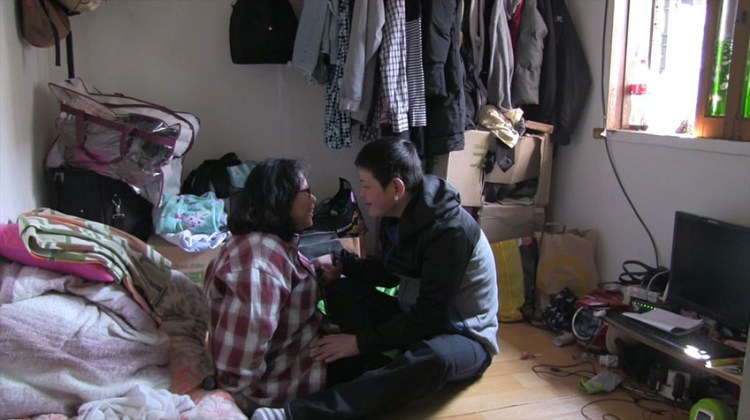
A Slice Room (사람이 산다, Song Yun-hyeok, 2016)

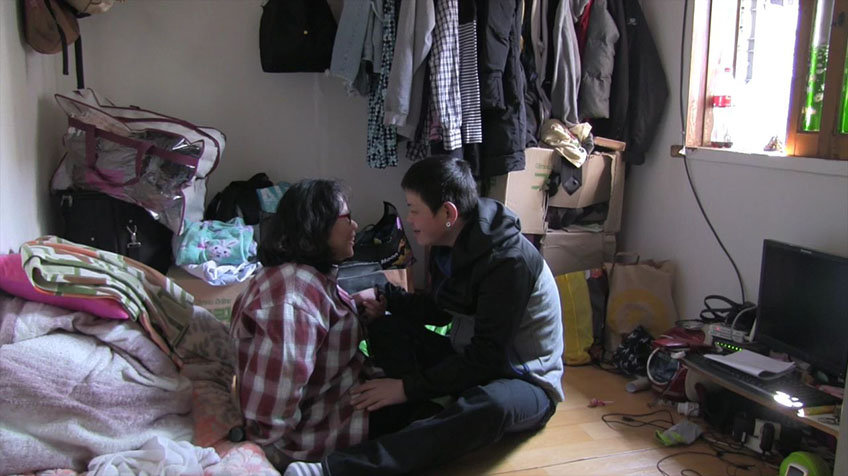
slice room still 1It’s easy to view a city like Seoul as a shining example of economic prosperity in which even ordinary people enjoy a high standard of living and perhaps no longer need to worry about extreme poverty or hunger. Of course, this is not the case and despite the aspirational image the city likes to project for itself, a long and complex history of political instability, authoritarian government, and the legacy of the 1997 Asian financial crisis have ensured the survival of an oppressed underclass unable to escape the roots of their poverty due to entrenched social issues which will not allow them to free themselves from the Slice Room existence.

Director Song Yun-hyeok first learned of the “jjok bang” or “Slice Room” phenomenon while working with the homeless and himself lived in one of the tiny tenement rooms for a year in order to make the documentary. He follows three groups of impoverished people who have each found themselves trapped in the slums for different reasons. 27-year-old Il-so was born in the jjok bang and has lived in the community all his life. He lives with his girlfriend, Sun-hee, who uses a wheelchair and finds it difficult to get around the makeshift world of the jjok bang without him. Meanwhile, 60-something Nam-sung lost his job after the Asian financial crisis and has been drifting aimlessly ever since as has Chun-hyun whose mental health issues prevent him from gaining secure employment.

Bad luck can happen to anybody, but the forces which conspire to keep someone in the jjok bang are no accident only a result of deliberate governmental failures. The reason many are unable to get off benefits and return to mainstream society is down to a law which mandates familial support – i.e. if a son gets a job his father loses his benefits even if the prospective job is not enough to support them both or if there are other dependents involved. Thus Nam-sung, by most standards an old man, finds himself in the humiliating position of having to reconnect with his estranged parents in order to get them to sign a consent form so that he can have access to government subsidy and take up a job his social worker has found for him. The family, whom he has not seen for 40 years, are also aware of the support legislation and are worried they will at some point be required to support Nam-sung and so they disown him and refuse to sign. Nam-sung is back at square one with no other options because of the say so of his father even though he is old enough to be a grandfather himself.

Meanwhile, Il-so and Sun-hee want to get married and start a family, but once they become a couple they will also receive a substantial benefits cut and seeing as they are also unable to work because of health issues and the support law, they have no real possibility of being able to support themselves without government help. Nevertheless they decide to try and fulfil their dream of building a family only to face a further dilemma when Sun-hee becomes pregnant.

Medical costs are another constant worry. Il-so, who has spent his entire life in the jjok bang, has long standing health issues from high blood pressure and diabetes to recurrent TB. Disease is rife in the jjok bang and mysterious deaths not uncommon, but the secondary problems are spiritual malaise and creeping depression as the hopelessness of the jjok bang world begins to sap the strength of those who live there, convincing them there is no way out of this world of crushing of poverty. For those like Chun-hyun the situation is even more precarious as they attempt to manage their conditions while living in the impossible jjok bang society, forced into exploitative, low paid and illegal labour simply to get by all while worrying about being caught out, losing their benefits and their homes.

Nam-sung, having found temporary relief outside of the city, is forced to return to the jjok bang but has resigned himself to wanting nothing more than to be allowed to live there until he dies. The jjok bang, however, has been scheduled for demolition which might be a good thing in many ways save that no provision has been made for where these people are supposed to go – rents everywhere else are simply too high and many will have no other option than being forced back onto the streets. With no address they’ll have no access to welfare or possibility of finding work and so the whole vicious cycle starts over again. Make no mistake, these problems are not exclusive to Korea but are the result of an uncaring and authoritarian government which continues to abnegate its responsibilities towards its most vulnerable citizens while social stigma and a belief that the poor have only themselves to blame continues to perpetuate a myth of othering which thinks the problem will eventually solve itself in the cruellest of ways. Director Song Yun-hyeok explores the lives of the jjok bang residents with empathy and understanding, demonstrating the extent to which they are rendered powerless by a needlessly arcane social welfare system in the hope that something might finally change.


Screened as part of the London Korean Film Festival 2018: Documentary Fortnight.

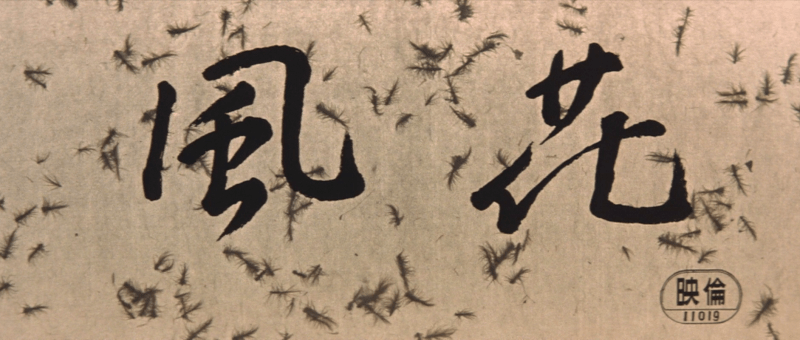
The Snow Flurry (風花, Keisuke Kinoshita, 1959)

Snow Flurry poster 2

Studies of the post-war world have often made the cities their home. Filled with the starving, the ruined, and the hopeless, the cities of post-war Japan were places of defeat but also of perseverance as a betrayed generation struggled to survive in whatever way they could. Generally speaking, the rural countryside seems to fare better, coping only with the absence of lost sons and lonely daughters as life goes on much as it always has. Nevertheless things are changing even here. Recalling the subversion of his earlier Army, Keisuke Kinoshita’s The Snow Flurry (風花, Kazahana) employs a complex non-linear structure to examine the various ways in which the past continues to inform the future, trapping post-war youth in the same way their parents were trapped not only with a legacy of wartime rigour but with the weight of the feudal world pressing down upon them as they struggle to escape the authority of the generation by whom they have been betrayed.

We begin with the conventional “happy ending”. A middle-aged woman looks on with genuine happiness as a younger one leaves in a bridal outfit before running off to look for her son, Suteo (Yusuke Kawazu), who has run off towards the river with dark thoughts clouding his mind. Stepping back a little, we are told that 19 years previously Suteo’s mother, Haruko (Keiko Kishi), attempted double suicide with his father, Hideo (Masanao Kawakane) – the son of the local lords. Hideo, fearing that he would soon be sent away to war and knowing that his noble family would never approve of the woman he loved, felt death was his only solution but while his attempt succeeded, Haruko’s did not. Surviving she gave birth to a child and was eventually taken in by Hideo’s family, the Naguras, but only to avoid the gossip in town that their heartlessness was the cause of their son’s death. Haruko and Suteo, rather than living in the main house with the other family members, occupy a small shed to the side of the property and are treated as a maid and farm hand respectively. The only member of the family to treat them kindly is the grand-daughter, Sakura (Yoshiko Kuga), who is a little older than Suteo and remains unmarried at 25 while her grandmother insists on finding a wealthy man willing to marry into the family and save it from dying out altogether.

Though the main action takes place in 1959, not much has changed in the village and the eventual arrival of modern cars belonging to Sakura’s prospective suitors proves jarring in more ways than one. The Naguras, once the feudal landlords, have been greatly reduced in status thanks to the post-war agricultural reforms which limited the amount of land which could be held by one family to that which they could reasonably farm themselves. This obviously means that their income has sharply decreased which, coupled with the patriarch’s profligacy, makes their present way of life untenable unless they can find a wealthy man to marry into the family and re-inject it with cash while they figure out how to make money by farming their own land. Sadly, this will be hard because the Naguras are terrible people with a bad reputation thanks not only to their unpleasant personalities but the lingering stigma of Hideo’s death and the continuing existence of Suteo.

Nagura (Yasushi Nagata), a hard man, rejected his son’s remains out of shame for his “cowardice” in refusing to die bravely for the emperor. When Suteo is born in 1941, he takes it upon himself to register the child’s birth name without consulting the mother, insisting that the child is neither hers nor his but belongs to the nation and will be expected to sacrifice himself in his father’s place to make up for Hideo’s failure of duty. “Suteo” itself means “abandoned boy” and is hardly a warm legacy to leave to anyone let alone your own grandchild and the only offspring of your own late son.

Despite their reduced circumstances, the Naguras continue to behave like lords and are trapped within the feudal pre-war world, obsessed with status and position while those around them have entered the brave new era of promised equalities and modern possibility. Sakura, the only “legitimate” child of the last generation, is literally kept a prisoner by her hardline grandmother (Chieko Higashiyama) who has insisted on conferring various “accomplishments” such as traditional dance and learning to play the piano intended to hook an upperclass husband. Such things hardly matter now in the post-war world and any man who valued them is unlikely to make her very happy, but the Naguras care little for happiness and only for their own “good” name. Sakura wanted, like her friends, to go Tokyo for university but of course she couldn’t – her family wouldn’t even let her spend time with the other girls because there were boys around and they viewed even that as “improper” given her “position”. It’s no wonder that Sakura already feels as if her life will be “crushed by the weight of this house” and longs to leave it, as well as her cold and oppressive family, far behind her.

Suteo’s tragedy is the same has his mother’s, he has fallen in love with someone who can never be his because of outdated notions of social class and the unbreakable authority of the older generation. Sakura loves him too, though she hardly knew it until faced with her own dilemma and realises a marriage is the only way to escape her miserable existence even if she must sacrifice her feelings to do so. Despite all this lifelong suffering, grandma declares herself satisfied in having reasserted her noble status in marrying Sakura off to another prominent family, even if it is to a second son and no one could be persuaded to take on their family name. The Nagura family ends here and she gives her permission for the estates to be sold after she’s gone. All of this sacrifice in name of honour was, apparently, entirely pointless.

Employing a bold non-linear structure in which past and present inhabit the same space, Kinoshita mythologises his ordinary villagers through the repeated use of theatrical narration in the songs which accompany Sakura’s traditional dance, commenting on the action with a melancholy passivity. Trapped by circumstance and burdened by legacy, his protagonists are backed into corners with no way out other than to accept the paths before them. The future for Suteo lies in “abandonment” as he prepares to reject his cruel history and attempts to start again by walking bravely into the post-war world free of feudal oppression.


Original trailer (no subtitles)

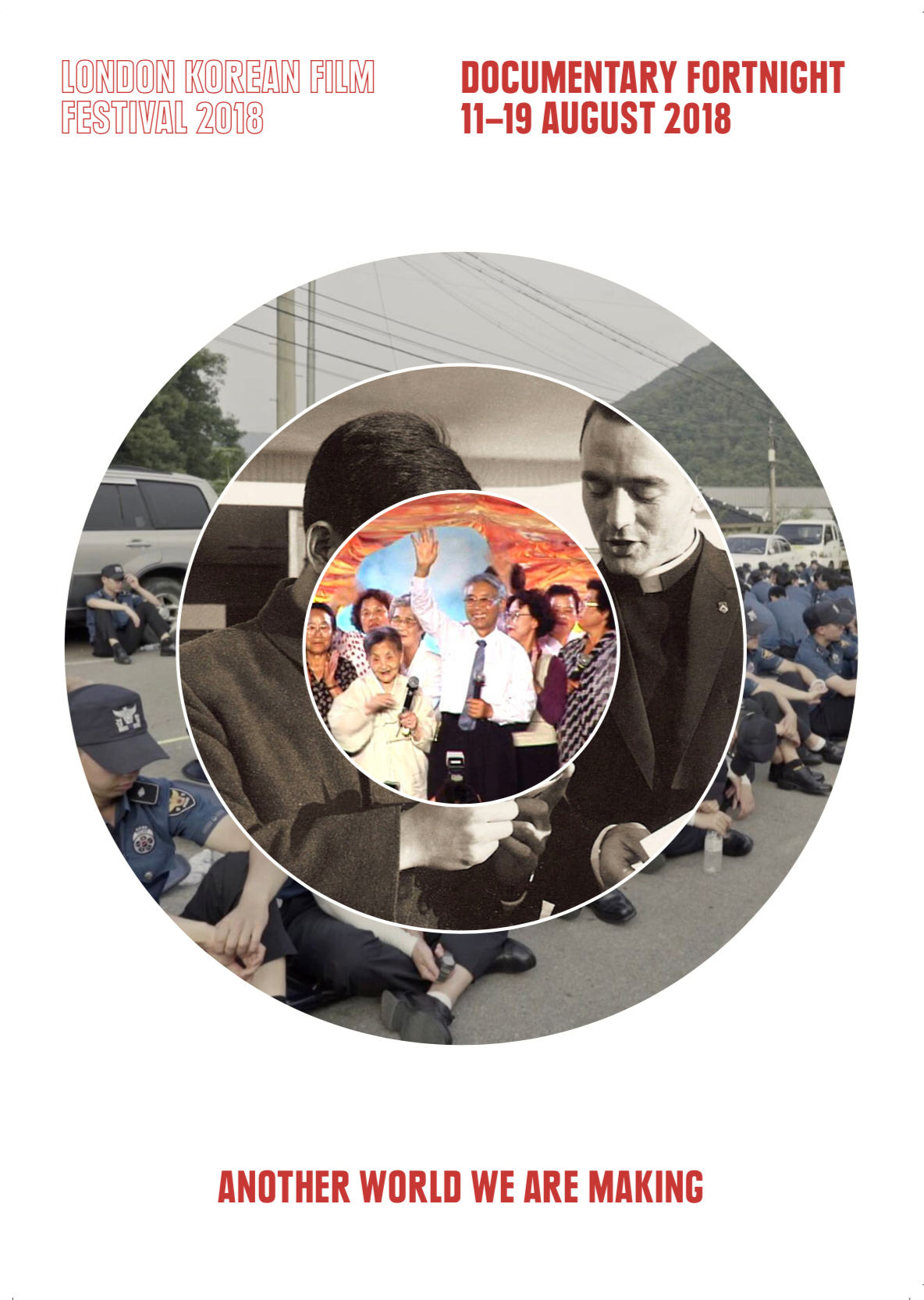
London Korean Film Festival 2018: Documentary Fortnight

Another World We Are Making

The London Korean Film Festival has always made a space for documentary in its packed out programme but for this year’s edition they’ve decided to go a little further and give it a spotlight of its own with two weekends dedicated to the art. On August 11/12, and 18/19, six short and feature lengths films will be screened with directors Kim Dong-won and Song Yun-hyeok making an appearance to present their work.

11th August – Birkbeck Cinema

11.30am: A Slice Room

slice room still 1

Song Yun-hyeok examines the social reality behind the prosperous facade of contemporary Korean society through the lives of those living in “slice rooms”. Director Song Yun-hyeok will also be in conversation with Nam In Young following the screening.

2.30pm: The Sanggyedong Olympics / The 6 Day Struggle at the Myeongdong

6 day struggle

Kim Dong-won’s 1988 documentary Sanggyedong Olympics follows the resistance movement towards urban regeneration amongst a community north of Seoul who had been unfairly evicted from their homes without proper compensation or adequate time to find new accommodation. Kim planned to stay only one day but ended up living amongst the community for three years.

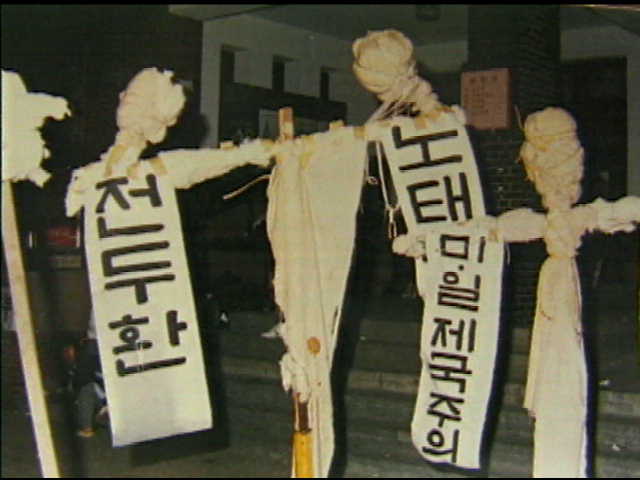
The 6 Day Struggle at the Myeongdong Cathedral, completed during 1996-7, looks back at the pivotal 1987 sit-in which became a catalyst for the June democracy movement.

Following the two short docs, Kim Dong-won will also be in conversation with Nam In Young.

12th August – Birkbeck Cinema 

1.30pm: Repatriation 

repatriation still 1

In what many consider his masterpiece, Kim Dong-won examines the lives of the “unconverted” – North Korean “spies” who refuse to renounce their communist beliefs despite longterm imprisonment in the South. Refused the possibility of returning to the North on release, most were left without support in South Korea facing economic hardship and social stigma, dependent on solidarity networks to help them integrate into society. Kim follows two such men over a decade as they try to rebuild their lives in the fluctuating political climate of the ’90s.

The film will be followed by a conversation with Kim Dong-won chaired by Chris Berry.

4.45pm: Roundtable 

A roundtable panel discussion chaired by Professor Chris Berry discussing the Korean independent documentary scene from the late ’80s to the present. Nam In Young of Dongseo University will provide an overview of filmmaking collectives within the sociopolitical history of South Korea while directors Kim Dong-won and Song Yun-hyeok will be on hand to offer their personal experiences.

18th August – Korean Cultural Centre

3pm: Soseongri 

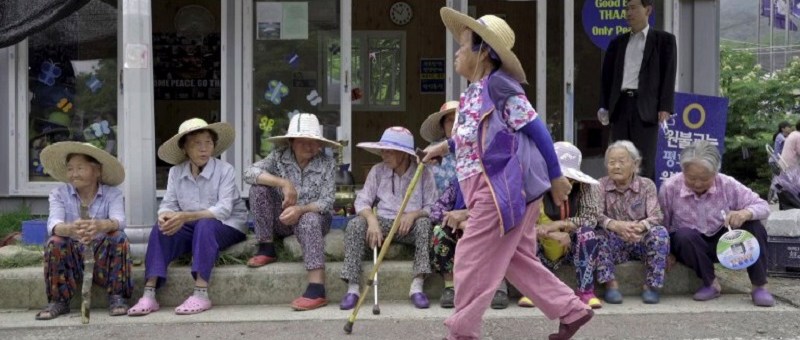
SKOREA-FILM-DIPLOMACY-DEFENCEPark Bae-il’s Soseongri follows a community of elderly farmers facing rural depopulation problems who find themselves in conflict with the police when the decision is taken to place the THAAD anti-aircraft system in their village.
19th August – Korean Cultural Centre

3pm: Jung Il-woo, My Friend 

Jung Il-woo, My Friend 

Kim Dong-won’s most recent film pays tribute to North American Jesuit priest, Jung Il-woo, who dedicated his life to improving the lives of the poor in South Korea.

All the events are free to attend but tickets must be booked in advance via the links above. Full details for all the films are available via the official website, and you can keep up with all the latest news via the festival’s  TwitterFacebookFlickrInstagram and YouTube channels

Ironfinger (100発100中, Jun Fukuda, 1965)

Ironfinger posterBy 1965, Japan was back on the international map as the host of the last Olympics. The world was opening up, but the gleefully surreal universe of Toho spy movies isn’t convinced that’s an entirely good thing. Jun Fukuda had begun his career at Toho working on more “serious“ fare but throughout the 1960s began to lean towards comedy of the absurd, slapstick variety. 1965’s Ironfinger (100発100中, Hyappatsu Hyakuchu) boasts a script by Kihachi Okamoto – Okamoto might be best remembered for his artier pieces but even these are underpinned by his noticeably surreal sense of humour and Ironfinger is certainly filled with the director’s cheerful sense of cartoonish fun with its colourful smoke bombs, cigarette lighters filled with cyanide gas, and zany mid-air rescues. The English title is, obviously, a James Bond reference (the Japanese title is the relatively more typical “100 shots, 100 Kills”) and the film would also get a 1968 sequel which added the spytastic “Golden Eye” (though it would be given a more salacious title, Booted Babe, Busted Boss, for export). Strangely the unlikely villains this time around are the French as Tokyo finds itself at the centre of an international arms smuggling conspiracy unwittingly uncovered by a “bumbling vacationer”.

We first meet our hero as he’s writing a postcard to his mum in which he details his excitement in thinking that he’s made a friend of the nice Japanese man in the next seat seeing as he’s finally stopped ignoring him. When they land in Hong Kong, our guy keeps shadowing his “friend” until he decides to ask him about “Le Bois” to which his “friend” seems surprised but is gunned down by bike riding assassins before he can answer though he manages to get out the word “Tokyo” before breathing his last. Picking up his friend’s passport and swanky hat, our guy becomes “Andrew Hoshino” (Akira Takarada) – a “third generation Japanese Frenchman” and “possibly” a member of Interpol.

The bumbling “Andy”, who can’t stop talking about his mother and is very particular about his hat (for reasons which will become clear), is obviously not all he seems. Despite his penchant for pratfalls and cheeky dialogue, he also seems to be a crack shot with a pistol and have an ability to talk himself out of almost any situation – at least with the aid of his various spy gadgets including his beloved cigarette lighter and a knife concealed in his wristwatch for cutting himself free should he get tied up. Andy “said” he was just here on holiday, but are all those postcards really for his dear old mum waiting for him in Paris or could they have another purpose? Why is he so keen on finding out about “Le Bois” and why does he always seem to end up at the centre of the action?

These are all questions which occur to one of his early antagonists – Yumi (Mie Hama), the ace explosives expert who often feels under-appreciated in the otherwise all male Akatsuki gang. Apprehending Andy, Yumi originally falls for his bumbling charm only to quickly see through his act and realise she might be better hedging her bets with him – hence she finally teams up with Andy and straight laced streetcop Tezuka (Ichiro Arishima) who’s been trying to keep a lid on the growing gang violence between the Aonuma who now run the town and the Akatsuki who want to regain control. Andy doesn’t much care about sides in a silly territorial dispute, but it might all prove helpful in his overall mission which is, it turns out, very much in keeping both with that of the gang-affiliated Yumi and law enforcement officer Tezuka.

There isn’t much substance in Ironfinger, but then there isn’t particularly intended to be. There is however a mild degree of international anxiety as our heroes become, in a sense, corrupted by French sophistication whilst “relying” on “Interpol” to solve all their problems (“Interpol” is frequent presence in Toho’s ‘60s spoofs providing a somewhat distant frontline defence against international spy conspiracies). Fukuda keeps things moving to mask the relative absence of plot as the guys get themselves into ever more extreme scrapes before facing certain death on a mysterious island only to save themselves through a series of silly boys own schemes to outwit their captors. Perhaps not as much fun or not quite as interesting as some of Toho’s other humorous ‘60s fare, Ironfinger is nevertheless a good old fashioned espionage comedy filled with zany humour and a cartoonish sense of the absurd.


Akira Takarada shows off his French

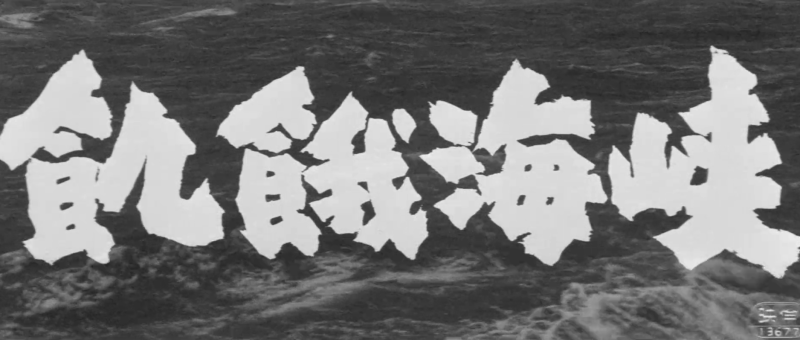
A Fugitive from the Past (飢餓海峡, Tomu Uchida, 1965)

Fugitive from the past“There’s no way back” intones a spirit medium in the throws of a possession early on Tomu’s Uchida’s three-hour police procedural, A Fugitive from the Past (飢餓海峡, Kiga kaikyo, AKA Straits of Hunger). Her message will be repeated frequently throughout the journeys of our three protagonists – a guilty man seeking escape from himself, the hooker with a heart of gold who thinks of him as a “kind person”, and the obsessive policeman whose quest to find him threatens to destroy his own family and chance of ongoing happiness. Beginning in 1947, Uchida’s adaptation of the novel by Tsutomu Minakami is a cutting indictment of post-war inequalities but is also keen to remind us that the war was merely a symptom and intensifier of problems which existed long before and are likely to survive long after.

In 1947, three men in military uniforms attempt to escape from Hokkaido after committing a crime while the island is subject to a typhoon warning. Using a ferry disaster in which hundreds of people have been killed as cover, the men steal a boat and try their luck on the stormy seas. Only one of them makes it. Once all the bodies from the ferry are accounted for, two more are discovered and later identified as recent parolees from Abashiri prison. The dead convicts are then linked to a local robbery, murder, and arson case in which a large amount of money was stolen leaving the third man, described by witnesses as bearded, tall and imposing, the prime suspect in the deaths of the two prisoners as well as the original robbery.

Calling himself “Inugai” (Rentaro Mikuni), the “third man” takes off with all the money and ends up forging an unexpectedly genuine connection with a cheerful prostitute just on the way back from her mother’s funeral. Yae (Sachiko Hidari), claiming to have seen through to Inugai’s kindly soul, seems to reawaken something within him but the next morning he moves on leaving only a vast a mount of money and some nail clippings behind him. Meanwhile, Yumisaka (Junzaburo Ban), the dogged policeman who discovered the convicts’ bodies, tracks him at every turn.

The world of 1947 is a hellish one in which perpetual hunger is the norm and crushing impossibility all but a given. Inugai is starving. With rationing in place the black market is flourishing while the unscrupulous profiteer off the back of other people’s desperation. This is a land of defeat where to survive at all is both shame and victory, yet somehow you have to go on living. Inugai, like many a hero of golden age Japanese cinema, is engaged in an internal war to erase the dark past, drawing a veil over what it took to move from post-war privation to economic prosperity. He does however take his unseeing further than most in adopting a new, more respectable persona, remaking himself as self-made man and wealthy philanthropist keen to “pay back” the society which has been so supportive of his “success”.

Thus when Yae, whose attempt to remake herself in the capital has fared far less well, spots Inugai’s photo in the papers and decides she just must track him down, it’s not that Inugai fears blackmail or even really that she poses a threat but that she shatters the integrity of his carefully crafted post-war persona and reminds him who he really is. A climactic storm mirroring that which illuminated their first meeting also graces their last as “Inugai” finally resurfaces, committing an impulsive act of animal violence which tugs at the strings of his new life and sets the whole thing unravelling.

Yae used Inugai’s money to pay off her debts and get out of the brothel, but even if the Tokyo of 1947 was warmer than that of Hokkaido it was no more kind and her attempt to lead an “honest” life was quickly derailed by underworld crime and unforgiving law enforcement. Realising there’s nowhere left for her to go she resigns herself to life in the red light district but does at least manage to find a “nicer” establishment run by a kindly older couple where the girls are like one big family. Her meeting with Inugai has come to take on mythical proportions in her mind – she even worships a tiny relic of him in the form of one of his nail clippings. Hoping to repay his kindness she commits herself to hard work and barely spends any of her money on herself, dreaming of the day she will one day see him again.

Yumisaka, however, mirrors Yae’s devotion in his all encompassing “hate” for Inugai as his obsession consumes him, costs him his job, and threatens to ruin his family. Alerted by two more bodies washing up out of the sea, a young detective (Ken Takakura) puts two and two together and gives Yumisaka a chance to vindicate his long held convictions but what they discover through the shifting sands of invented truths and corrupted memories is a legacy of suffering and resentment which runs far further back than the recent wartime past. As Yumisaka later puts it, those who’ve never been poor or miserable cannot understand the desperation felt by those who have in the presence of money. Inugai, poor and trapped by circumstance, longed to escape the drudgery of Hokkaido life but couldn’t live with what he did to do it and so conjured up another history for himself.

Still, the truth will out and there really is “no way back”, not for Inugai or for his nation which seems determined to continue unseeing the darkness of the previous 30 years as it begins to find a degree of comfort once again. Incorporating strong spiritual overtones from the sutras Yumisaka is so strangely adept at reciting to the gloomy intoning of the spirit medium, Uchida imbues all with a heavy sense of dread as a man attempts to outrun his fate by running from himself only to be tripped up by sudden moment of panic born of a lack of faith in his only true believer. A chronicle of the post-war era, A Fugitive From the Past makes poverty its ultimate villain but attempts to paper over spiritual corruption with the pretty trappings of conventional success will only end in ruin as the unresolved past eats away at the foundations of a brave new world.


Original trailer (no subtitles)