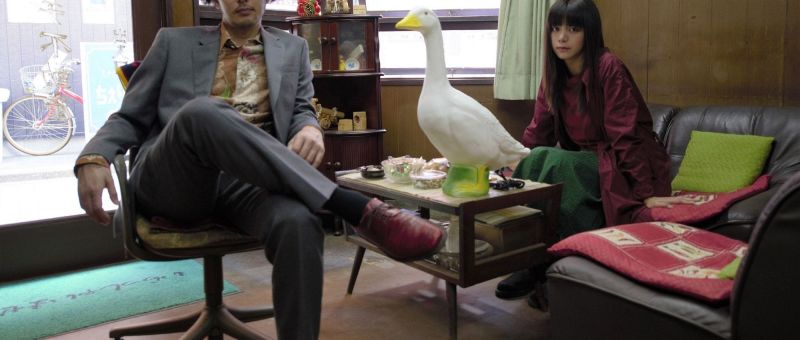
 In the olden days, when there had been a traumatic incident, holy people would be brought in to perform some kind of ritual to “purify” the air so life could go back to “normal”. These days people don’t believe in ghosts, or at least not in ghosts of that kind, but there is still a degree of discomfort involved in spending time in a place where something unpleasant has happened. Japanese rental laws state that a prospective renter/buyer should be informed if something untoward has occurred in the property, but the law only requires you to tell the next person in line. Therefore, if you can find a person willing to spend a few days in an apartment with a troubled past, they could be quite a useful asset to the unscrupulous estate agent.
Miko Yakumo (Elaiza Ikeda) is just such a woman and has therefore found herself falling into a “room laundering” career thanks to her uncle Goro (Joe Odagiri), a roguish real-estate-broker-cum-underworld-fixer with a sideline in fake IDs for undocumented migrants. Miko’s father died when she was five, and her mother disappeared without warning a few years later leaving her with her grandmother who died when Miko was 18. She’s now 20 and is nominally in her uncle’s care but having dealt with so much loss and abandonment, she prefers to keep to herself, always closed off with a pair of headphones blocking her ears, speaking to no one. The apartment “job” therefore suits her well enough with its clear stipulation to avoid mixing with the neighbours, but there’s one big drawback. Miko has recently developed the ability to see ghosts which is sometimes a problem given the circumstances her new places of residence became vacant.
A tale of learning to deal with the past, Room Laundering (ルームロンダリング) takes its heroine on some long, strange journeys but despite its death laden themes and Miko’s emotional numbness it has its essential warmths even if they’re sometimes harder to see. Miko’s travels chart a course of modern loneliness as she encounters those who’ve found themselves passing away alone, in pain and in sadness – old ladies whose bodies weren’t found until they’d almost all rotted away, neglected children who starved to death after being abandoned, businessmen who killed themselves after getting into debt, a catalogue of human misery seemingly without end. Miko doesn’t find the ghosts scary because she thinks real people are scarier. They lie, and they leave, and they let you down. At least the ghosts will stick around even if you wish they wouldn’t.
Even so, interacting with the recently deceased begins to reawaken Miko’s sense of vitality. Drinking with (or more accurately on behalf of) an insecure punk rocker (Kiyohiko Shibukawa) who took his own life before sending off his demo tape proves an oddly fulfilling experience for the otherwise introverted young woman, while staying in the apartment of a murdered cosplayer (Kaoru Mitsumune) gives her a sense of purpose when she decides to help the unfortunate woman move on by unmasking the real killer. Meanwhile, she also breaks her non-fraternising rule to chat to the geeky boy next-door (Kentaro Ito) and starts to wonder if maybe not all the living are so bad after all.
In dealing with the legacy of abandonment while literally living a transient life, Miko is forced to confront the ghosts of her past and exorcise them in order to escape her self imposed limbo. Only by being on her own can she reach the realisation that she is not alone. Meanwhile, Uncle Goro’s originally shady looking services for migrants without the proper papers begin to look more altruistic than they first seemed. He, like Miko, is helping himself by helping others who are also trapped in a kind of limbo only a more prosaic earthbound one of rigid bureaucracies and xenophobic exploitation. Goro maybe a dodgy estate agent with a sideline in forcing grannies out of their homes to pave the way for “redevelopment” but at least he’s found a better system of room laundering than his colleague who generally just rents to foreigners and visa overstayers he can either evict or extort if things go wrong. It just goes to show a little bit of empathy goes a long way. After all, you’re a long time dead.
Room Laundering was screened as part of the Fantasia International Film Festival 2018.
Original trailer (no subtitles)




 Following on from the
  Lee Byung-hun stars as a conflicted high school teacher who begins to see echoes of a woman he loved and lost years ago in a male student.
 Kim Ki-young recasts the folly of war as a romantic melodrama in which a Korean conscript to the Japanese army receives harsh treatment from his sadistic superior but later falls in love with a Japanese woman.
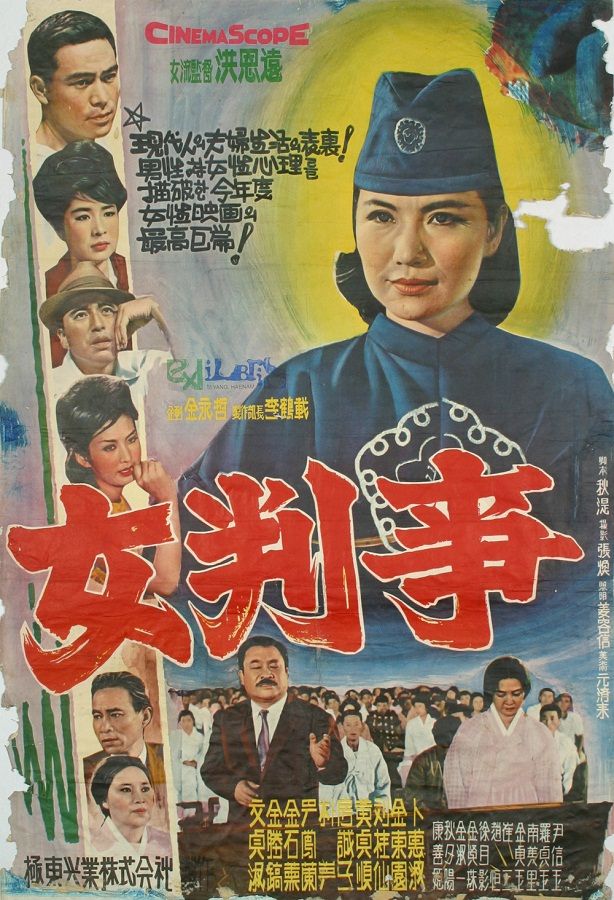 Moon Jeong-suk stars as a determined young woman hellbent on becoming a judge in defiance of social convention which views marriage and motherhood as the only paths to female success. Encouraged by her father but forced to dodge her mother’s constant attempts to marry her off, she pursues her dream in spite of intense disapproval.
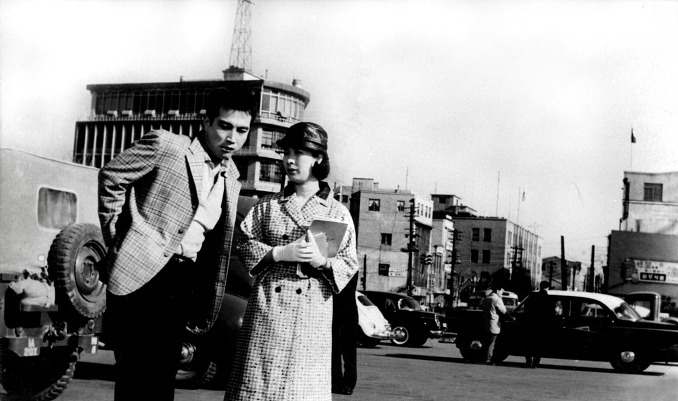 Kim Ki-duk (the old one!) draws inspiration from Ko Nakahira’s Dorodarake no Junjo for a tragic tale of love across the class divide as poor boy Du-su (Shin Seong-il) and Ambassador’s daughter Johanna (Um Aeng-ran) meet by chance and fall in love. Faced with the impossibility of their “pure” love in an “impure world” the pair find themselves an impasse, unable to reconcile their true feelings with the demands of the society in which they live.
 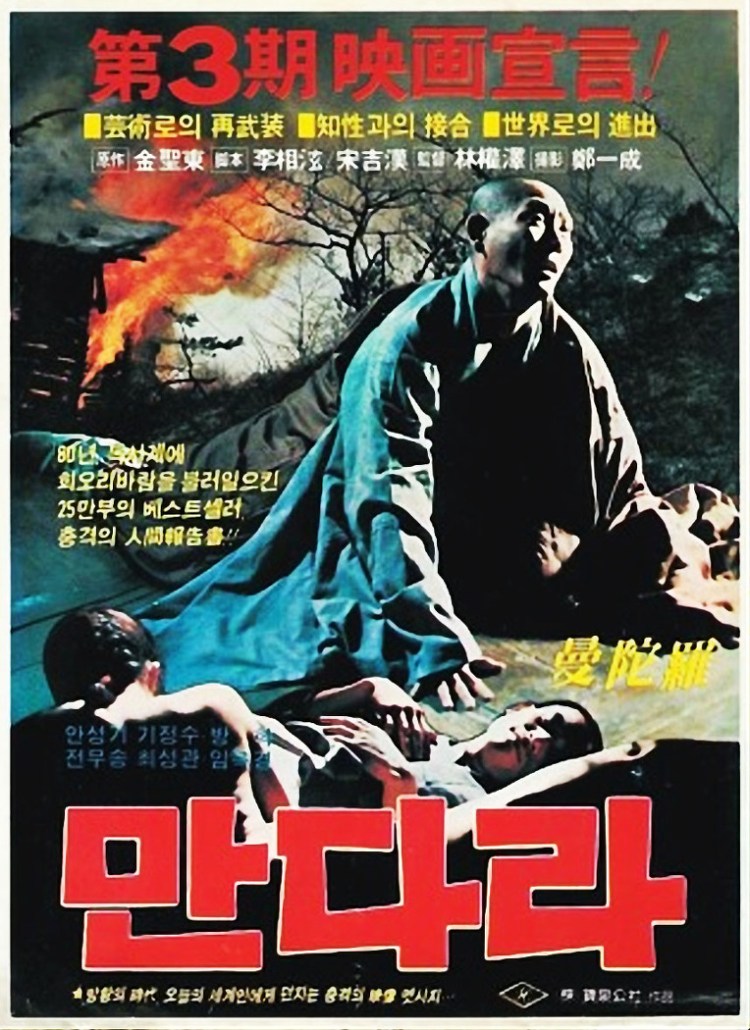 Im Kwon-taek’s “artistic breakthrough” stars Ahn Sung-ki as a young man who has abandoned his girlfriend and university studies to become a Buddhist monk but later meets an older man who indulges all of life’s Earthly pleasures such as wine and women.
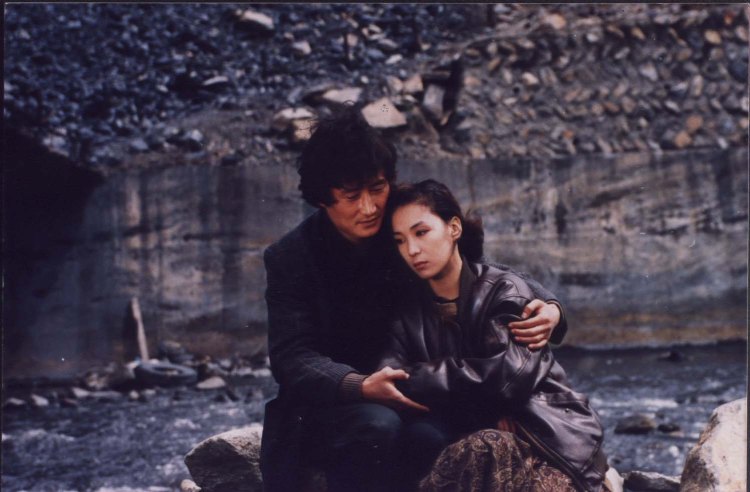 Park Kwang-su revisits the democratisation movement in its immediate aftermath as a student who hides from the authorities in a small mining village finds himself at odds with his environment while haunted by the possibility that his longed for revolution will not come to pass.







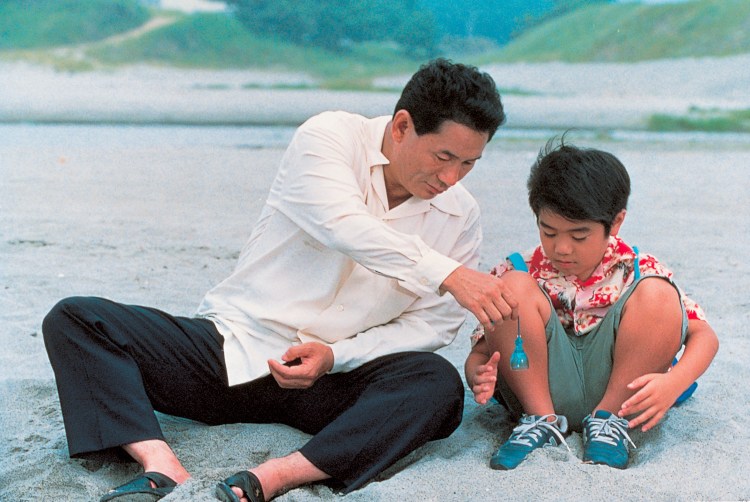 A summery treat indeed – Takeshi Kitano’s whimsical gem sees a grumpy middle-aged man forced to take a lonely little boy on a roadtrip to track down his long absent mum whilst also dealing with his own complicated family legacies.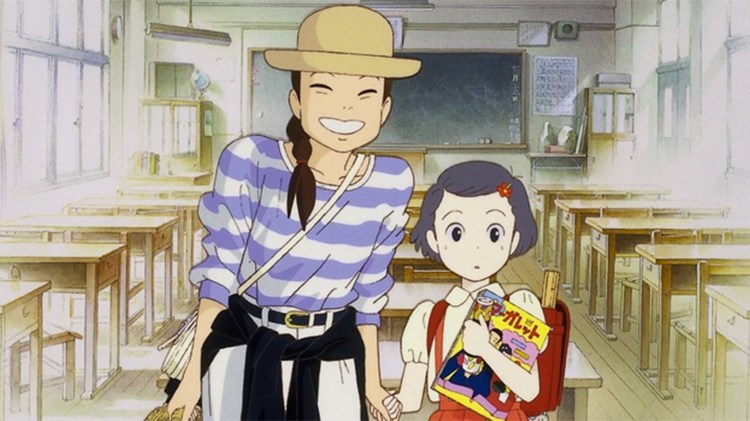

 Mitsuko, a cheerful woman who likes to help people, has returned to Japan pregnant, broke, and alone after being abandoned by her American boyfriend. Going where the wind blows her, Mitsuko ends up returning to her home town and letting it all hang out while she solves everyone else’s problems in one of Yuya Ishii’s early whimsical comedies.






 Windows on Worlds