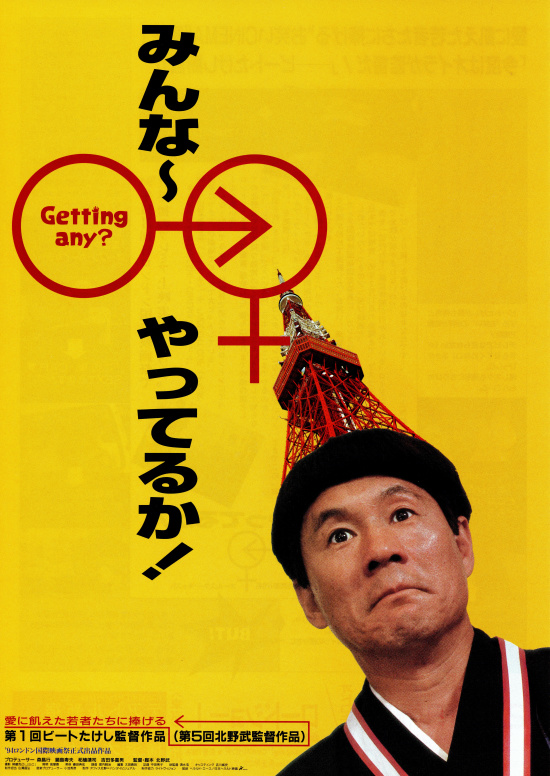
 Despite his reputation for violent gangster dramas and melancholy arthouse pieces, Takeshi Kitano is one of Japan’s most successful comedians and began his career as half of an irreverent and anarchic “manzai” comedy double act. 1995’s Getting Any? (みんな~やってるか!Minna – yatteruka!) is his first big screen comedy and loosely takes the form of a series of variety-style skits in which a lonely, hapless middle-aged man tries on various different personas in the pursuit of his goal but remains an isolated bystander in the surreal events which eventually engulf him. Part bawdy, sleazy sex comedy and satire on the death of materialism in the post-bubble world, Getting Any? is a cineliterate journey through Showa era pop culture peppered with gratuitous nudity and absurd running jokes.
After watching a very 1980s “aspirational” movie in which a good looking, wealthy young salaryman type gives a young lady a lift in his flashy convertible in which they later end up having sex, Asao (Dankan), watching at home in his pants with his grandpa sitting behind him, decides the reason he hasn’t got any luck with women is that he doesn’t have a car. So, he goes and gets one from a very strange salesman but as he doesn’t have much money the car he gets is, well, it’s unlikely to get stolen, and he still isn’t getting anywhere. He tries a convertible too but that’s no good. Then he starts fantasising about air hostesses, decides to become an actor, gets mistaken for a top yakuza hitman, and comes into contact with a pair of mad scientists who want to turn him invisible.
Asao has only one goal – to have sex with a lady (preferably in a car), but he never stops to think of his potential partners as anything more than a receptacle for his desires. Consequently, he refuses to look at himself or consider the ways he might be getting in the way of his own needs, but constantly chases a quick fix thinking that the reason women don’t want him is because of something material that he lacks. He thinks the path to sexual success lies in cars, money, status, and finally technology, but none of these things really matter while Asao remains Asao.
As part of his journey, passive as it is, Asao does not always remain Asao, or at least the Asao he was for very long. Having failed to be the sort of man who can woo with car, he tries acting – literally playing a part, at which he seems quite good except for going “overboard”. An incident on an aeroplane sees him mistaken for a top yakuza which he is less good at but every mistake only ever works out in his favour. Thanks to his involvement with the mad scientists whom he allows to experiment on him so that he can go peeping in the women’s baths, Asao will finally become another kind of creature entirely, literally reduced to feeding off the excrement his nation has recently produced.
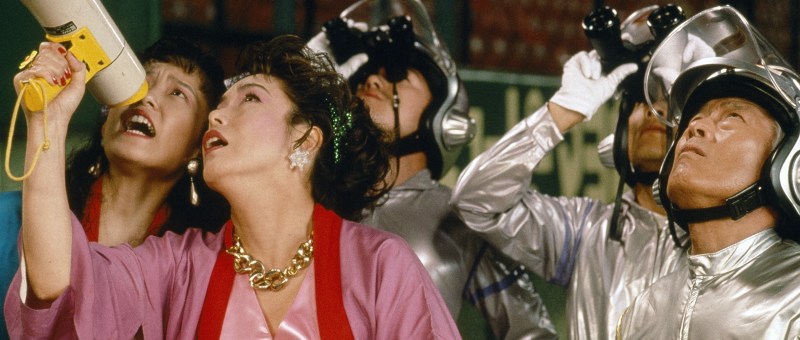
Kitano works in just about every element of almost “retro” pop-culture he can think of from the amusing soundtrack of Showa era hits and references to famous unsolved crimes to a hitman named “Joe Shishido” (star of Branded to Kill), the Zatoichi series, a Lone Wolf and Cub ventriloquist dummy duo, the Invisible Man, Ghostbusters, The Fly, and finally Toho’s tokusatsu classics culminating a lengthy skit inspired by Mothra including the iconic Mothra song given new lyrics and the same old dance performed by two full-sized ladies. Though most viewers will be able to spot the joke even without quite understanding it, some knowledge of Japanese pop-culture from the ‘70s and ‘80s will undoubtedly help.
The central joke revolves around Asao’s fecklessness as he repeatedly fails at each of his schemes, only occasionally succeeding and then by accident, and not for very long. A charmless literalist who lacks the imagination to achieve his goals in a more natural way, Asao fails to learn anything at all, engulfed by one surreal situation after another. It does however give Kitano the excuse to indulge Asao’s flights of fancy as his sexual frustration sends him off into a series of bizarre reveries involving topless women desperate to make love to the suave male stand-in Asao has imagined. Filled with silly slapstick humour and frequent nudity, Kitano’s subtle satire may get lost but even if the joke begins to wear thin just as “flyman” finally lands on his object of desire, there is plenty of amusement on offer for fans of lowbrow humour.
Getting Any? is released on blu-ray by Third Window Films on 16th October, 2017.
Original trailer (English subtitles)











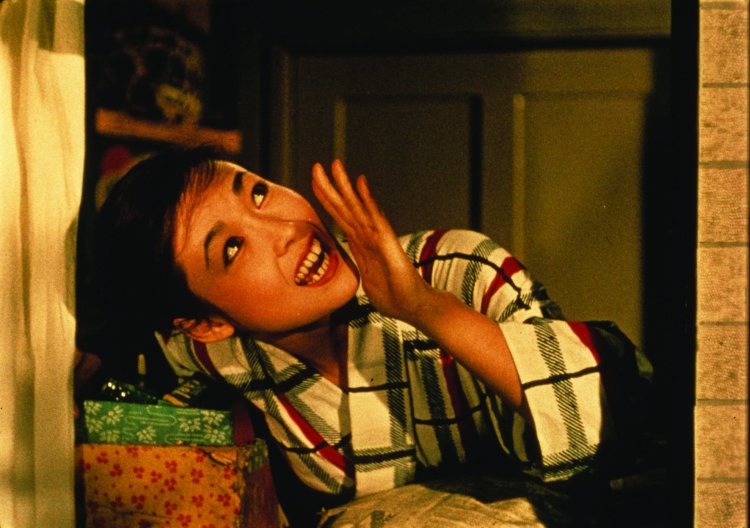 Running at BFI Southbank through October and November,
 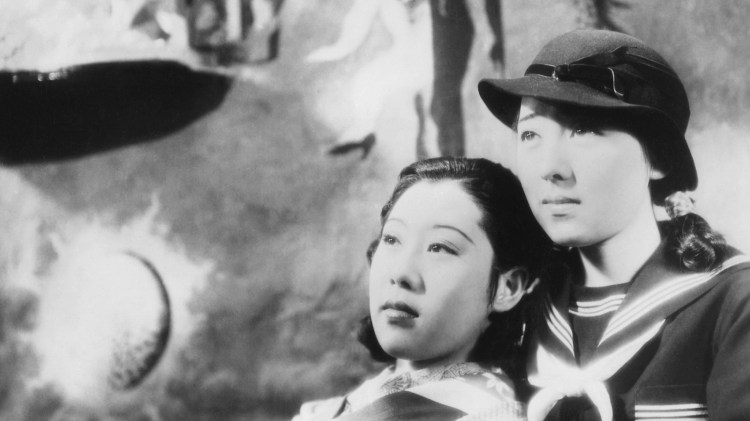 Starring Mizoguchi’s frequent leading lady Isuzu Yamada, Osaka Elegy centres on a switchboard operator who finds herself trapped in a ruinous relationship with her boss in an effort to save her father who has ruined himself through gambling debts.
 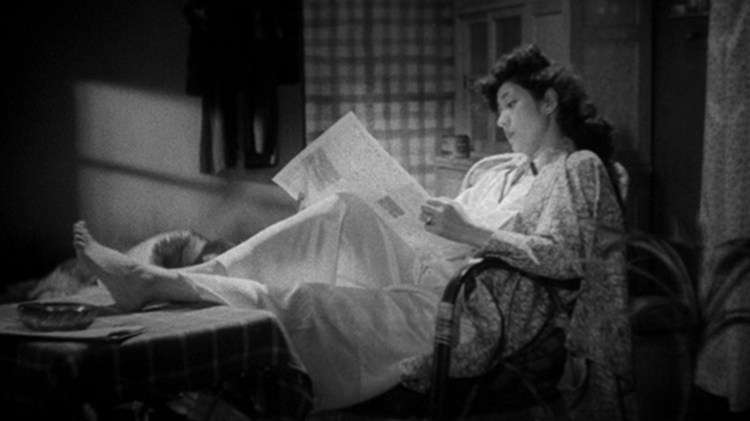 Women of the Night, completed in 1948, will screen along side Osaka Elegy (1936) and stars Kinuyo Tanaka in a tale of two sisters trying to survive in the ruined Osaka one of whom is a war widow and the other dangerously involved with a drugs smuggler. 35mm.
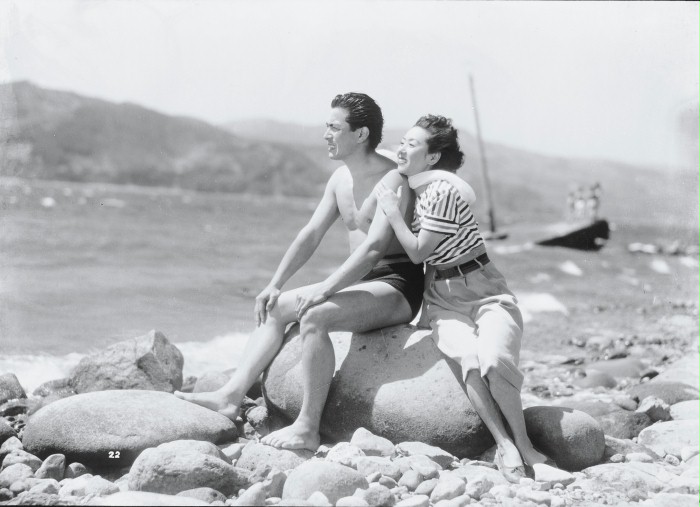 Kinuyo Tanaka also stars in Keisuke Kinoshita’s 1950 melodrama Wedding Ring. Starring opposite Toshiro Mifune, Tanaka plays a housewife who travels back and fore from the seaside, where her sickly husband convalesces, to Tokyo where she runs her family’s jewellery store. A chance encounter with a strapping doctor (Mifune) on a train has unforeseen consequences as the pair grow closer and the husband begins to realise that he cannot provide the happiness his wife is seeking. 35mm.
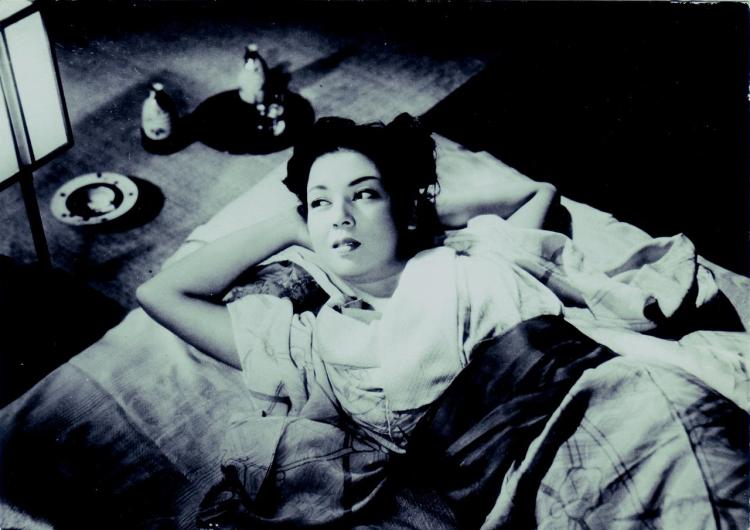 Clothes of Deception is directed by Kozaburo Yoshimura who was the subject (along with Kaneto Shindo) of the BFI’s previous
 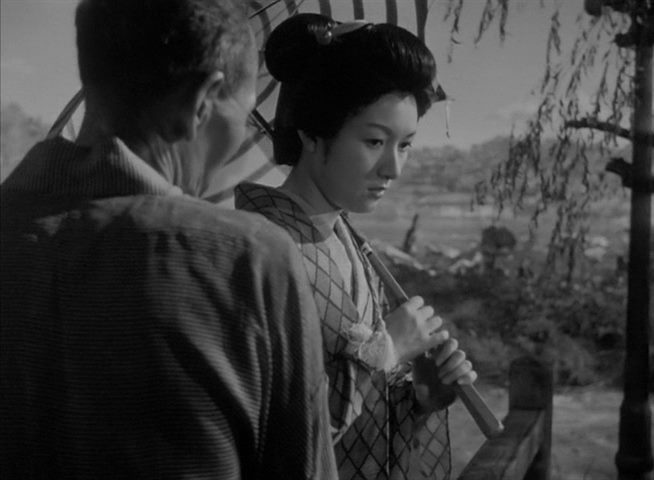 Shiro Toyoda’s melodrama stars Hideko Takamine as a divorced woman who becomes the mistress of an elderly money lender to support her father but dares to dream of a happier future after falling for a young student. 35mm.
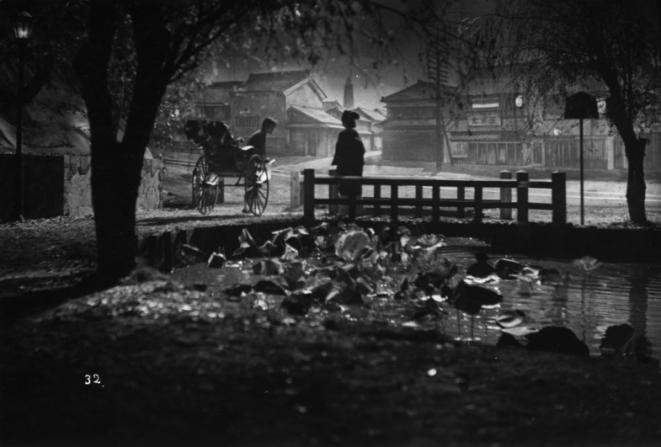 Tadashi Imai’s adaptation of a number of stories by 19th century writer Ichiyo Higuchi came top in Kinema Junpo’s best of list for 1953 and features three stories of women suffering at the hands of men. 35mm.
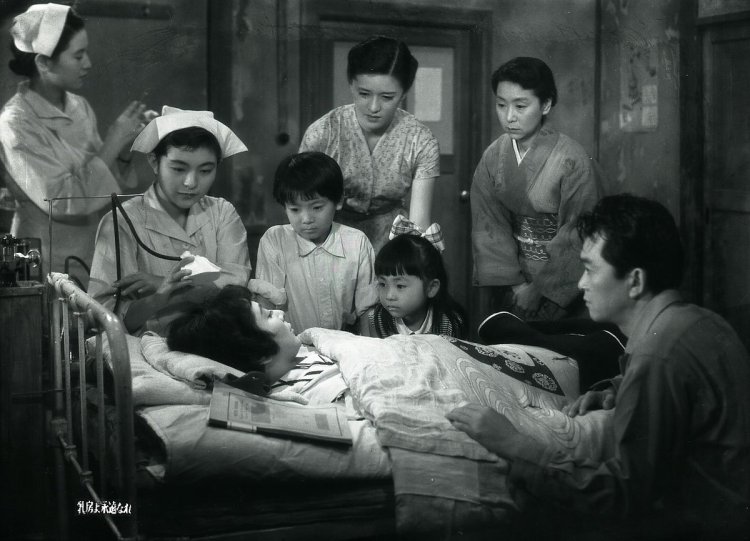 Kinuyo Tanaka, one of Japan’s great actresses, was not the nation’s first female director as she is sometimes described, but she was the first to have a career as a film director. The Eternal Breasts is Tanaka’s third directorial effort (following
 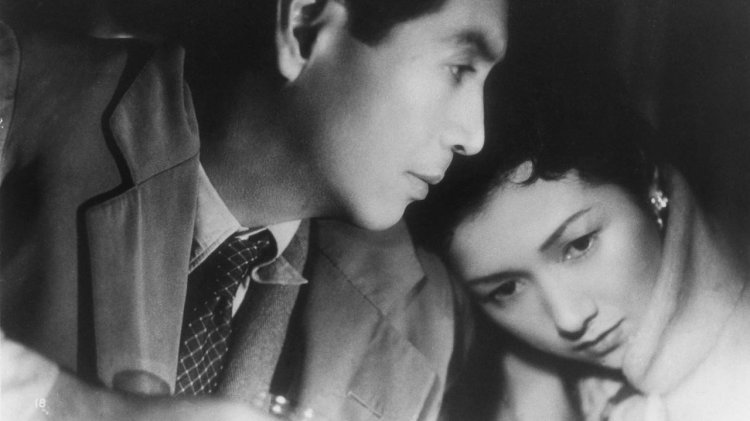 Hideko Takamine and Masayuki Mori play two former lovers cast adrift in the new post-war world world where their love is both impossible and impossible to escape. Naruse’s melancholy melodrama is the story of a woman who strives for self-determination while chasing a man who craves only respectability, as trapped and confused as her still divided nation. 35mm.
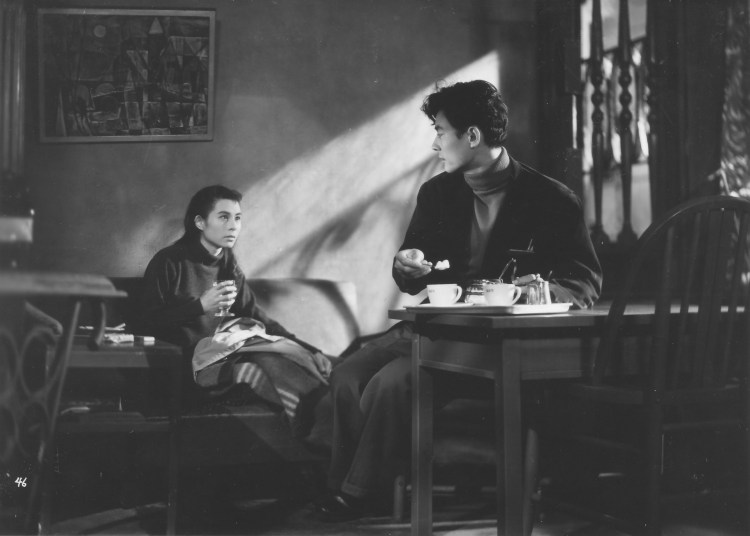 Masayuki Mori stars again in another romantic melodrama this time for Heinosuke Gosho (
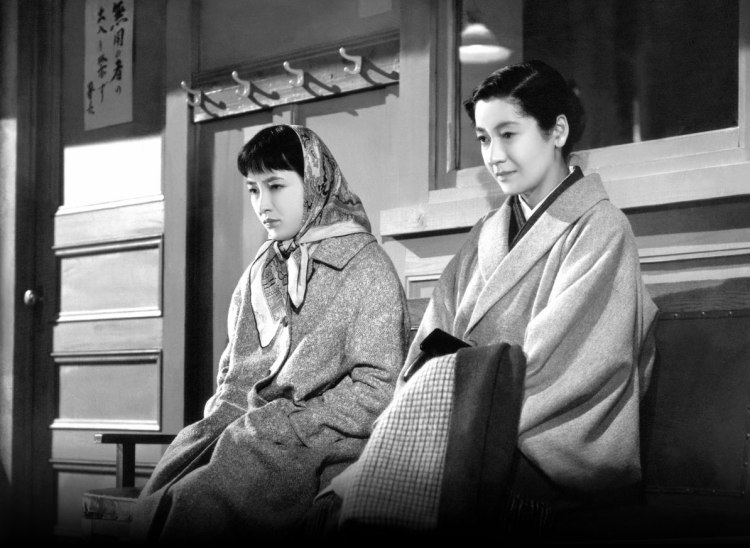 Among the darkest of Ozu’s post-war movies, Tokyo Twilight is a less forgiving family drama in which Setsuko Hara plays the older of two sisters who has returned home from a failing marriage with her little girl in tow only to find out that her unmarried student younger sister is facing an unwanted pregnancy.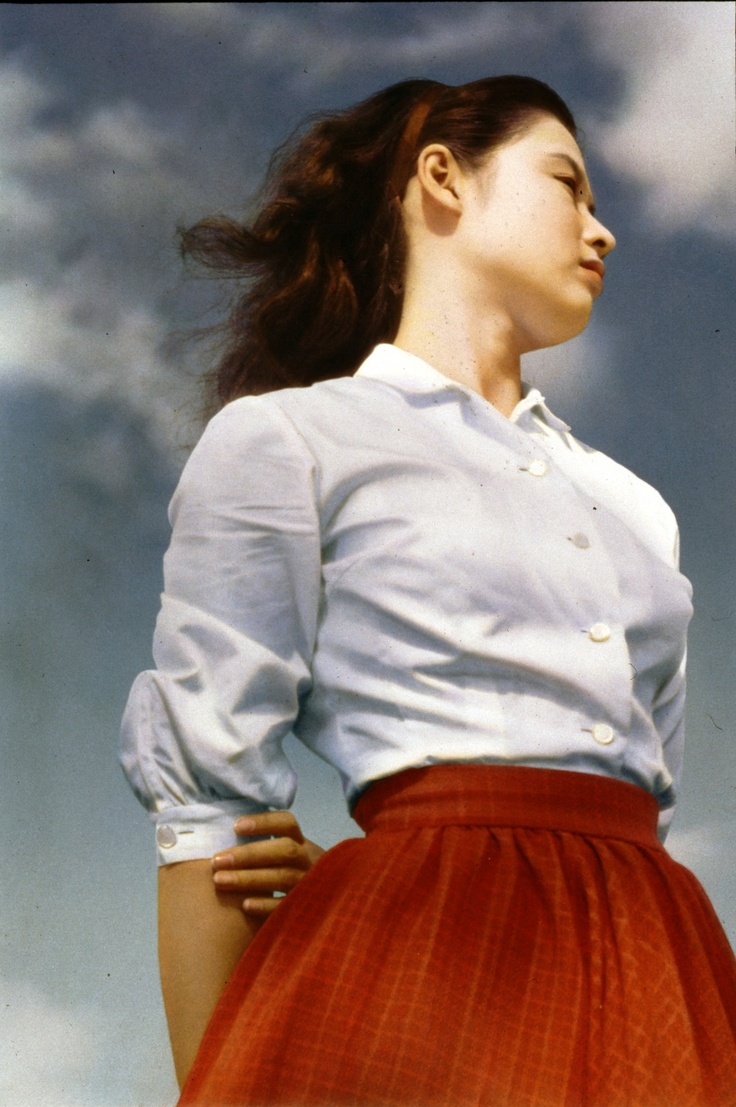
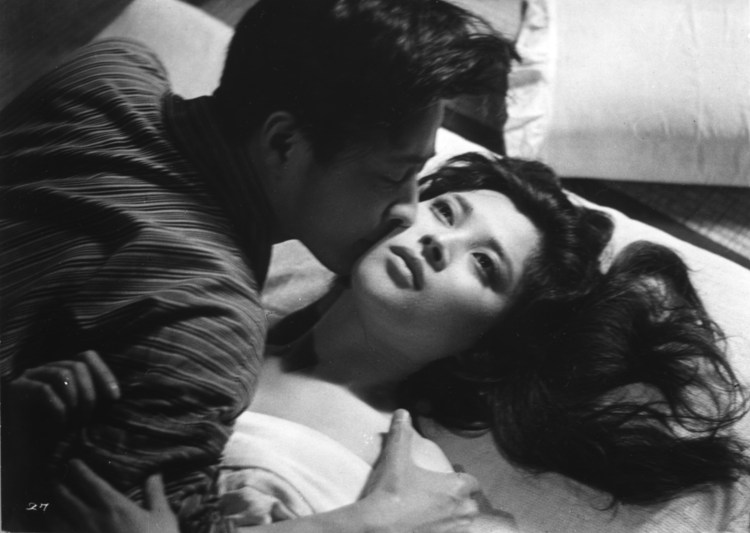 Soon after An Affair at Akitsu, also known as
 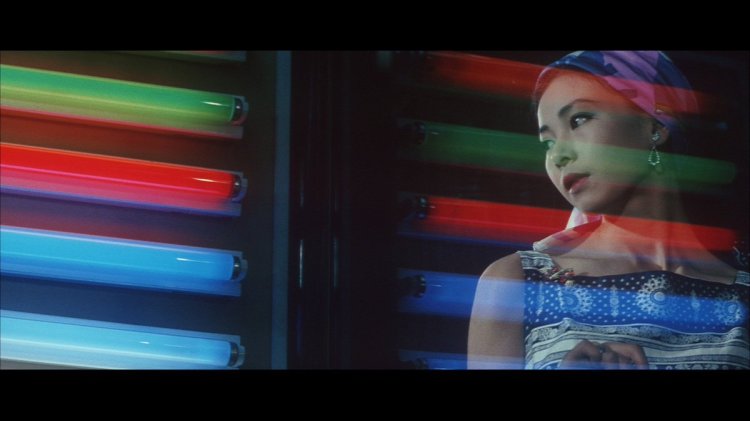 Recently restored, Noburu Nakamura’s The Shape of Night stars Miyuki Kuwano as a young woman forced into prostitution by a no good boyfriend. 35mm.
 Windows on Worlds