Jimmy and Cherie, against all the odds, are still together and in a happy longterm relationship in the third addition to Pang Ho-cheung’s series of charming romantic comedies, Love off the Cuff (春嬌救志明). Following the dramatic declaration at the end of Love in the Buff, the pair have continued to grow into each other embracing each of their respective faults but after all this time Jimmy and Cherie have to make another decision – stay together forever or call it quits for good.
The major drama this time around occurs with the looming spectre of parenthood as Cherie’s long absent father and Jimmy’s “godmother” suddenly arrive to place undue strain on the couple’s relationship. These unexpected twin arrivals do their best to push Cherie’s buttons as she’s forced to re-examine her father’s part in her life (or lack of it) and how he may or may not be reflected in her choice of Jimmy, whilst Jimmy’s Canadian “godmother” makes a request of him in that he be the father of her child. Jimmy, a self confessed child himself, does not want anything to with this request but is too cowardly to hurt the feelings of a childhood friend and is hoping Cherie will do it for him. Cherie is wise to his game and doesn’t want to be trotted out as his old battle axe of a spouse but at 40 years of age children is one of the things she needs to make a decision on, another being whether she wants them with Jimmy.
Cherie’s father was an unhappy womaniser who eventually abandoned the family and has had little to do with any of them ever since. In his sudden return he brings great news! He’s getting married, to a woman much younger than Cherie. Building on the extreme insecurities and trust issues Cherie has displayed throughout the series, her faith in Jimmy crumbles especially after she intercepts some interestingly worded (yet totally innocent) text messages on his phone which turn out to relate to an unfortunate incident with their dog. Jimmy’s reliability continues to be one of his weaker elements as the behaviour he sees as pragmatic often strikes Cherie as self-centered or insensitive. Things come to a head during a disastrous getaway to Taipei in which the couple are caught in an earthquake. Cherie freezes and cowers by the door while Jimmy ties to guide her to safety but his efforts leave her feeling as if he will never value anything more than he does himself.
Moving away from the gentle whimsy of Love in a Puff, Cuff veers towards the surreal as the pair end up in ever stranger, yet familiar, adventures including a UFO spotting session which goes horribly wrong landing them with community service and accidental internet fame. A real life alien encounter becomes the catalyst for the couple’s eventual romantic destiny as does another of Jimmy’s grand gestures enlisting the efforts of Cherie’s father to help him win back his true love. Cherie’s troupe of loyal girlfriends even indulge in some top quality song and dance moves in an effort to cheer her up when it’s looking like she’s hit rock bottom though, improbably enough, it’s Yatterman who eventually saves the day.
Supporting cast is less disparate this time around relying heavily on Cherie’s dad and Jimmy’s godmother but Cherie’s friends get their fare share of screentime even if Jimmy’s seem to fade into the background. Cherie never seems to notice but one of her friends is in love with her and is not invested in her relationship with Jimmy, constantly trying to get her to come away on vacation to a nostalgic childhood destination, but most of the girls seem to be in the dump camp anyhow loyally making sure Cherie thinks as little about Jimmy as is possible lest she eventually go back to him.
Trolling the audience once again with the lengthiest of his horror movie openings (so long you might wonder if you’ve wandered into the wrong screen), Pang begins as he means to go on, mixing whimsical everyday moments of hilarity with surreal set pieces. It’s clear both Jimmy and Cherie have grown throughout the series – no longer does Jimmy skip out on family dinners with Cherie’s mother and brother but patiently helps his (future?) mother-in-law figure out her smartphone as well as becoming something like her errant father’s wingman. Things wrap up in the predictable fashion but it does leave us primed for the inevitable sequel – Love up the Duff? Could be, it’s the next logical step after all.
2010’s Love in a Puff was a delightfully low-key, slow burn romance in which two lonely smokers found each other over a back ally rubbish drum and a series of aimless text-based and ambulatory conversations. Jimmy and Cherie were both so diffident, fearful, and emotionally restrained that their grand love affair ended on a positive if ambiguous note, promising only to continue in forward motion. Where is there to go in a sequel? The same place again, apparently. Or, more precisely, Beijing.
So, Jimmy (Shawn Yue) and Cherie (Miriam Yeung) have found true love, moved in together and are very happy. Except, Jimmy is still Jimmy and Cherie is still Cherie and so there are problems. Things come to a head when Jimmy forgets a dinner arrangement with Cherie’s family, invites her to a beach party that turns out to be a work engagement, and then unwisely tries to win an argument by “reminding” her who plays the bills. Unsurprisingly, when Jimmy returns home Cherie has gone back to her mother’s. Jimmy takes a job in Beijing and starts dating an air hostess only for Cherie to also get an unexpected transfer to the mainland capital.
More or less following the pattern of the first film but with the roles of the protagonists reversed, Jimmy and Cherie find themselves falling back into the same old routine as they’re marooned in an unfamiliar city. Jimmy, still immature and self-centred, may have started an accidental relationship with a stewardess his friend intended to molest on an aeroplane, but it’s essentially superficial (at least from his side) and once again he finds himself texting Cherie whilst bored with his girlfriend’s elegant friend set. Cherie, not over Jimmy (much as she’d like to be) and perhaps regretting her over hasty grand gesture, begins a tentative relationship with a sensitive millionaire, Sam (Xu Zheng), whose only defects seem to be an old-fashioned idea of chivalry and the fact that he is extremely bald.
Despite Sam’s obvious goodness, Cherie can’t let Jimmy go and is ultimately disappointed to find that some of his childish strangeness has rubbed off on her – in fact, the very qualities which Sam finds attractive are ones she associates with Jimmy. Back to sneaking around, bickering, and exchanging cryptic text messages the pair are left to wonder if anything has really changed. The problems are exactly the same – neither one is willing to trust the other enough to make a real go of things. Cherie, still a little over sensitive about the (very small) age difference between herself and Jimmy as well as her ticking clock, resents being made to feel like the old ball and chain when Jimmy plays the coward in lying to her to go out drinking with friends. Jimmy still fears confrontation too much talk to Cherie in a straightforward way and so they’re locked in continuing cycles of passive aggressive drama.
Once again Jimmy and Cherie are the main draw though their friends take on a slightly larger role. Eunuch (Roy Szeto) remains Jimmy’s worst enabler as he urges him to make a series of bad decisions in making a life in the mainland capital, though there is a potential happy ending for Cherie’s “plain” friend Brenda (June Lam) whose lack of looks was the butt of such mean-spirited humour in the first film. Transposing the action to Beijing Pang takes another look at modern love with its marriage markets full of old women sitting in parks with signs selling the virtues of their sons not to mention the terrible blind dates but even if the actions of the central couple lean towards the sordid as they re-engage in accidental adultery, the romance is always gentle, innocent, and sincere. Jimmy and Cherie bonded in a puff, but now they have to learn to love each other “in the buff”, warts and all or call it quits.
Pang wisely drops the documentary conceit though maintains the laid-back aesthetic and whimsical music as the ballad of Jimmy and Cherie continues. The various cameo appearances threaten to derail the low-key style of the drama but once again Pang manages to capture something youthful, fresh, and heartfelt even if not moving very much beyond the original.
Original trailer (Cantonese with traditional Chinese/English subtitles)
Following the first previews around six weeks ago, the world’s biggest festival dedicated to Japanese cinema has now unveiled the full lineup for 2017! Taking place in Frankfurt from May 23 – 28, Nippon Connection is divided into six strands featuring everything from the latest blockbusters to retrospectives, animation, a children’s section and a selection of cultural events and lectures. There are around 100 films on offer and we’ll be previewing some of the strands separately over the next few days beginning with:
Nippon Cinema
The Nippon Cinema section aims to showcase some of the biggest mainstream cinema hits of recent times with a few old favourites thrown in to boot. The Nippon Cinema award, bestowed by the festival’s audience, includes a prize of €2000 sponsored by Bankhaus Metzler.
Kenji Yamauchi adapts his own play At the Terrace – a tense yet farcical comedy of manners in which the artifice of propriety is gradually stripped away from a collection of wealthy party guests. Check out our review for a more detailed description.
Katsuya Tomita makes a welcome return following his critically acclaimed Saudade with a lengthy yet engrossing tale of love and the red light district as a Thai girl tries to make a life for herself in Bangkok’s Japan-centric hostess bars and brothels. Take a look at our review of Bangkok Nites from late last year for more information on this impressive, expansive film.
Shunji Iwai is another director making a welcome return with the equally epic A Bride for Rip Van Winkle. This quietly melancholy tale of a drifting shy girl gently nudged into a more positive place through a series of seeming crises is another beautifully drawn character study from Iwai who has been absent from cinema screens for far too long. Check out our review here.
Daguerreotype is something of a departure from the other films on offer as it’s entirely in French. Starring one of France’s best young actors in Tahar Rahim, the film also marks the first production mounted outside of Asia for veteran director Kiyoshi Kurosawa. Taking him back to his psychological horror roots, Daguerreotype is a creepy gothic ghost story inspired both by Edgar Allen Poe and his Japanese namesake, Edogawa Rampo.
Dawn of the Felines is one of the films created for Nikkatsu’s Roman Porno reboot project which is also being celebrated with a Roman Porno retrospective (more on this later on). Directed by Devil’s Path director Kazuya Shiraishi, this melancholy tale of three girls working in Tokyo’s red light district takes its name from Noboru Tanaka’s classic pink film Night of the Felines.
Directed by one of Japan’s foremost blockbuster helmers Shinsuke Sato (whose I am a Hero is also screening in the festival) Death Note: Light up The New World is the latest in a series of films inspired by Tsugumi Ohba’s manga in which a death god drops his precious ledger which has the power to kill anyone whose name is written inside it. Starring some of Japan’s best young actors in Masahiro Higashide, Sosuke Ikematsu, and Masaki Suda this latest installment promises exciting thrills with a philosophical edge.
If Death Note wasn’t nihilistic enough for you, the festival will also feature Tetsuya Mariko’s Destruction Babies. This hard-hitting tale of violent youth and hopeless futures again stars some of Japan’s best younger actors in Yuya Yagira, Masaki Suda, Nana Komatsu and Sosuke Ikematsu. Director Tetsuya Mariko is also expected to attend the festival in person to present the film. Review.
Moving back in time a little, 2015’s The Emperor in August is Masato Harada’s attempt to chronicle the last days of the war as Japan reconciles itself to surrender and considers the best way to do it. The film stars veteran actor Koji Yakusho who will also be receiving the festival’s Nippon Honour Award in celebration of his long and successful career.
The debut film from Kei Ishikawa, Gukoroku: Traces of Sin stars Satoshi Tsumabuki as an ambitious reporter trying to find the truth behind the brutal, unsolved murder of an ordinary Tokyo family.
In the first of two films presented at the festival, SABU goes on an existential journey in Happiness as a mysterious man appears in town with a strange helmet which allows the wearer to re-experience the happiest moment of their lives. Stars veteran actor Masatoshi Nagase.
Koji Fukada returns to the themes of family and disruptive interlopers but skews darker than ever before in Harmonium. Tadanobu Asano stars as the home invader recently released from prison and taking refuge with “an old friend” but there’s something decidedly strange about his relationship with the father of the family and generally ominous presence. You can check our review of the film from late last year here.
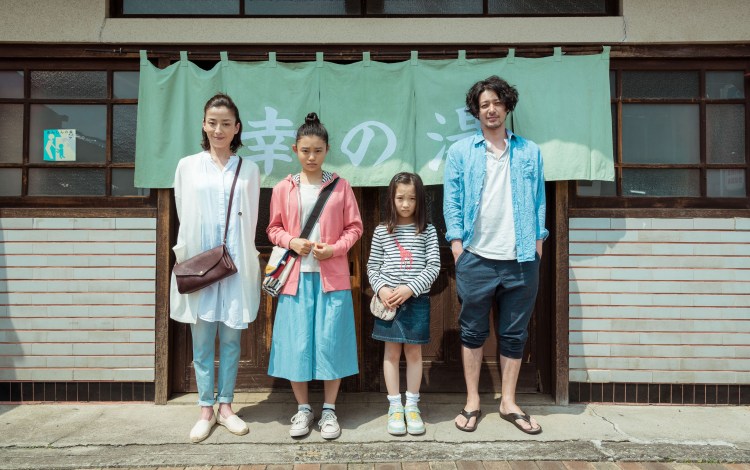
Her Love Boils Bathwater officially opens the festival and stars Rie Miyazawa as a single mother diagnosed with a terminal illness who is determined to bring her disparate family back together and save the family bathhouse in the process. Rie Miyazawa picked up the best actress award at this year’s Japan Academy Prize ceremony for her role in film which is far funnier than its synopsis sounds.
From one hero to another, the second movie helmed by director Shinsuke Sato to feature in the festival stars comedian Yo Oizumi as a mildmannered, unsuccessful mangaka who finds hidden reserves inside himself when faced with the zombie apocalypse. I am a Hero is adapted from the manga by Kengo Hanazawa and you can check out our review of the film here.
From one plucky underdog to another – Let’s Go Jets! From Small Town Girls to U.S. Champions?! stars a team of aspiring Japanese cheerleaders who want to strut their stuff all the way to the top spot in the US championships.
Miwa Nishikawa returns with The Long Excuse – an adaptation of her own novel starring Masahiro Motoki as a self centered author and minor celebrity who is unmoved when his wife dies in a bus accident but finds his humanity reawakening after bonding with the bereaved children of the best friend who died beside her.
SABU’s second film in the festival, Mr. Long, sees a hardened Taiwanese hitman taken in by a kindly little boy and his family after a job goes badly wrong.
Nobuhiro Yamashita is another director with not one but two films making it into the festival this year. The first of them, My Uncle, is a hilarious tale of an exasperated nephew’s eventual bonding with his father’s younger brother – a part time professor of philosophy who has an answer for everything but spends most of his time lying on his futon “thinking” or “resting his brain” by reading children’s manga. Check out our review here.
Yamashita’s second entry, Over the Fence, is a slightly less cheerful affair. Joe Odagiri stars as a recently divorced man returing to his hometown of Hakodate who eventually learns to open himself up to new possibilities through an intense relationship with zookeeper/hostess Yu Aoi whose emotional volatility neatly counters his internal numbness. Review here.
Rumour and speculation dominate a housing estate when one half of a recently arrived older couple abruptly disappears. Moonlight flit? Murder? Divorce, affairs, scandal? The truth is stranger than fiction in Junji Sakamoto’s absurd comedy The Projects.
Satoshi: A Move for Tomorrow is the true life story of tragic shogi player Satoshi Murayama who first developed a love of the game during a childhood illness and subsequently devoted his entire life to its mastery despite his declining health. Review.
Godzilla is back and bigger than ever! Directed by Evangelion’s Hideaki Anno along with live action Attack on Titan director Shinji Higuchi Shin Godzilla (Godzilla Resurgence) is equal parts classic monster movie and biting political satire.
Godzilla’s not the only existential threat posed to Japanese society as one ordinary family find out in Shinobu Yaguchi’s black out drama. Survival Family begins with the unthinkable as a simple power outage lasts for days with no official explanation. After waiting patiently for the problem to be resolved, the Suzuki family decide to escape the city to find Mrs. Suzuki’s survivalist father in the hope that he will know how to cope with the post-electric world. Review.
Now for something completely different – Juzo Itami’s noodle western Tampopo will also screen as a Nippon Film Dinner during which bento boxes filled with delicious Japanese treats will be served.
After dinner comes breakfast! This one is screening with German subtitles only but if you can understand German or Japanese or don’t mind not understanding anything at all you can enjoy a delicious breakfast buffet whilst taking in Jun Ichikawa’s adaptation of the Haruki Murakami short story Tony Takitani in which a lonely man meets and falls in love with a beautiful woman only for her obsession with shopping to come between them.
Finally, Akihiko Shiota’s Wet Woman in the Wind is the second of the Roman Porno Reboot movies to be featured in the festival and follows the adventures of a playwright with writer’s block who tries to retreat to the country for some peace, quiet, and time to reflect. Then he hooks up with a nymphomaniac waitress instead!
That’s all for Nippon Cinema – join us again next time for a look at Nippon Visions, a strand dedicated to bold new innovations and special formats. You can find the full details for all the films, screening times and ticket links on the festival’s official website and you can also keep up with all the latest news via the Nippon Connection Facebook Page, Twitter account, and Instagram channel.
Smokers. Is there a more maligned, ostracised group in the modern world? Considering the rapid pace at which their “harmless” pastime has become unacceptable, you can understand why they might feel particularly put out – literally, as they find themselves taking refuge in designated smoking areas or perhaps back allies where it seems no one’s looking. For all the nostalgia about how easy it was to strike up a friendship with a stranger just by asking for a light, it is also important to remember that smoking is not so “harmless” after all and there are reasons why smokers are asked to keep their activities amongst those who’ve also decided to ignore the warnings. The Smoking Ordinance, oddly enough, may have accidentally boosted the social potential of a smoke as those eager for a puff are given additional reasons to spend time together in an enclosed space, building a sense of community through nicotine addiction.
Pang Ho-cheung’s landmark romantic comedy Love in a Puff (志明與春嬌) takes this idea to its natural conclusion as recently dumped ad exec Jimmy (Shawn Yue) and trapped in a going nowhere relationship cosmetics girl Cherie (Miriam Yeung) begin to bond over a cigarette or two taken in a back ally near Jimmy’s office. Actually, Cherie doesn’t event work here, she’s wandered over and found a collection of kindred spirits whilst trying to avoid being spotted by her boss who thinks smoking is bad for your skin (not great when you’re supposed to be a walking advert for the makeup you’re pushing). Whilst the other guys and girls gossip about Jimmy’s great failed romance – his girlfriend cheated on him with and then left him for a Frenchman who has a better job in the company, Cherie listens patiently even though she’s clearly outside of this tight social circle. For Jimmy, this might be just what he needs – a breath of fresh (well, differently perfumed) air that has almost nothing to do with his current circle of work based friends.
Nothing in particular happens but the pair grow closer as they both attempt to escape the less satisfying elements of their lives. Relying on text messages delivered in a mix of text speak English and Chinese, Jimmy and Cherie message each other when they get bored – he eating hot pot with colleagues, she trapped at a fancy dress karaoke party, getting together to waste time but each unwilling to consider what any of this means. Eventually Cherie decides to make a real decision, but predictably enough, Jimmy freaks out and jumps on the brakes only to realise his hasty reaction might have been mistaken.
The tone is light and playful as Pang trolls the audience by beginning as a horror movie complete with dripping blood credits and scary music. The sequence turns out to be just one of the silly stories they gang entertain each other with during their cigarette breaks – in fact this one is a staple of Indian pizza delivery boy Bitta who tells it every time a new girl shows up. The grisly opening sequence even makes a fun return as Jimmy uses it to prank Cherie bringing them closer together whilst also highlighting his boyish, irreverent character. These same qualities which help Jimmy get through to Cherie may also be among the reasons his previous girlfriend ended the relationship, becoming bored with his familiar antics such as his strange love of buying ice-cream in a convenience store solely for the dry ice which likes to put in the toilet to enjoy the incongruous smoke effects.
Laid-back in style, Pang allows the back and forth between the leads to take centre stage whilst peppering the edges with a collection of background details about their friends and social lives. Cutting to a series of direct to camera documentary-style interviews, Pang adds a layer of commentary about modern love and relationships which extends right into the end credits with a hopeful man’s strange story about a girlfriend’s dog, all of which has the ring of authenticity even if occasionally mean-spirited as in its mocking of a plain girl stood up by an online date deceived by her overly flattering profile picture.
Love comes creeping and Jimmy and Cherie dance around each other, unable to speak plainly but occasionally moving forward through grand gestures. Each assuring the other they’re “in no hurry”, the great gateway to future happiness appears not with the traditional declaration of love but the “simple and straightforward” “I miss you”. Surprisingly cute and innocent for a Cat III comedy, Love in a Puff is an inconsequential tale of love blossoming in smokey city backstreets between a girl who’s tired of waiting and a guy who doesn’t know where he’s going but together they might just be able to figure it all out.
The world of shojo manga is a particular one. Aimed squarely at younger teenage girls, the genre focuses heavily on idealised, aspirational romance as the usually female protagonist finds innocent love with a charming if sometimes shy or diffident suitor. Then again, sometimes that all feels a little dull meaning there is always space to send the drama into strange or uncomfortable areas. Policeman and Me (PとJK, P to JK), adapted from the shojo manga by Maki Miyoshi is just one of these slightly problematic romances in which a high school girl ends up married to a 26 year old policeman who somehow thinks having an official certificate will make all of this seem less ill-advised than it perhaps is.
Kako (Tao Tsuchiya) is only 16 and, truth be told, a little innocent, even naive when it comes to love though she desperately wants to get herself a proper boyfriend. Dragged by a friend to singles mixer where she’s abruptly told that’s she’s 22 for the next few hours, Kako is bashful and dutifully refrains from underage drinking or inappropriate behaviour. Against the odds she hits it off with handsome policeman, Kota (Kazuya Kamenashi), who still thinks she’s 22 and that her reticence is a sign both of shyness and of maturity. Inadvertently blurting out her real age, Kako blows things with Kota who, as policeman, has no interest in dating a 16 year old. However, leaving Kako to walk home alone after the last train has left through a dodgy area of town is not a good idea and she’s soon beset by a gang of moody boys! Luckily, Kota’s policeman instincts have kicked in and he turns up to save the day with some delinquent moves of his own.
Despite the age difference, Kota and Kako have a genuine connection but Kota is anxious not to do anything dishonourable or untoward. Thus, facing the prospect of breaking up with his teenage sweetheart, he abruptly proposes marriage! After all, when the government rubber stamps something it must be OK and no-one can be accused of doing anything morally wrong, right? The surprising thing is, Kota puts on a fancy suit and goes to break the news to Kako’s parents only to have them give up almost without a fight. Her father may be angry to begin with but he’s soon won over and left with nothing other to say than please look after my girl (and try not to get her pregnant until she’s finished her education).
Kako is then placed in the incongruous position of being both a regular high school girl and a married housewife. Kota is stationed at the local police box with two other officers – one an older guy and the other a young woman who both support him in his new life as a married man. The couple live in an improbably large house inherited from Kota’s late parents but their relationship remains chaste and innocent. Perhaps realising that this unusual union will not be welcomed by all Kako has not told anyone at school about her marriage whilst she goes about trying to rescue the sensitive delinquent, Okami (Mahiro Takasugi), who accidentally put her in the hospital before she was valiantly rescued by Kota.
Okami and Kota lock horns over several things from Kako to the rule of law but they have more in common than it might first seem. Kota, once a violent teen himself, is nursing a huge debt to his policeman father killed in the line of duty. Taking on his father’s mission, Kota has dedicated himself to serving and protecting even if he once rebelled against that very thing as the kind of teenage punk Okami currently aspires to be. Okami has his own share of troubles at home which explain most of his behaviour as well as his aversion to law enforcement but Kako sees straight through his tough facade for the damaged boy inside. Kota too comes to find him more of a kindred spirit in need of rescue than a danger to society who needs locking up and also views him as an ally in being another of Kako’s admirers.
Ryuichi Hiroki thrives on this sort of uncomfortable drama, bringing a touch of moral queasiness to an otherwise cute story of innocent romance. Kota and Kako never particularly deal with the elephant in the room aside from Kako’s worries that Kota sees her a little girl who needs protecting rather than a wife who wants to stand alongside him as an equal. Then again Kako is quite happy in a subservient role, playing directly into her romantic fantasies. Hiroki directs all of this in true shojo style, keeping it all very chaste and innocent, overcoming all obstacles related to the inappropriateness in the central relationship and reaffirming the fact that true love is real, occurs in unexpected places, and is waiting for every romantic young girl who dreams of a tall guy in a dashing uniform. Unrealistic? Perhaps, but that’s shojo.
Recent Hong Kong action cinema has not exactly been known for its hero cops. Most often, one brave and valiant officer stands up for justice when all around him are corrupt or acting in self interest rather than for the good of the people. Shock Wave (拆彈專家) sees Herman Yau reteam with veteran actor Andy Lau turning in another fine action performance at 55 years of age as a dedicated, highly skilled and righteous bomb disposal officer who becomes the target of a mad bomber after blowing his cover in an undercover operation. These are universally good cops fighting an insane terrorist whose intense desire for revenge and familial reunion is primed to reduce Hong Kong’s central infrastructure to a smoking mess.
Some years prior to the main action, J S Cheung (Andy Lau) is undercover with a gang of bomb loving bank robbers. When they decide to load up a few taxis with explosives, Cheung just can’t let innocent people and fellow officers get caught in the crossfire and so he blows his cover and tips the cops off to the weaponised motor vehicles. Head honcho of the gang, Blast (Jiang Wu), is not best pleased especially as his younger brother Biao (Wang Ziyi) gets himself arrested. Flash forward to the present day and Blast has come up with his plot for revenge – placing large amounts of explosives in the Cross Harbour Tunnel and taking everyone in the general area hostage until the authorities agree to release his brother and he’s satisfied himself in outwitting Cheung.
In this at least Shock Wave fits neatly into the mad bomber genre as Blast goes to great lengths to terrorise the public for irrational and entirely selfish reasons. Blast’s original twin motives centre on a need to get his brother out of prison and the need to destroy Cheung but Biao has decided one of the reasons he quite liked being in prison was that Blast wasn’t there and Cheung isn’t really interested in playing Blast’s game. Blast, as his brother points out, is someone who rarely considers the thoughts or emotions of other people, acting selfishly and assuming his own desires are the only ones which matter. This essential selfishness is echoed in a fairly subtle point about the financial impact of the tunnel crisis and how others stand to profit from it while hundreds people remain terrified and captive inside a giant tube surrounded by water which may soon collapse if Blast loses his temper.
Th mad bomber may be a cinematic staple but Shock Wave relies too heavily on familiar genre elements to make much on an impact of its own. Characterisation is often shallow in the hero cop vs insane criminal set up with supporting characters reduced to a single prominent emotion. The inevitable romantic subplot gives Cheung an emotionally fragile, recently divorced school teacher as an angelic girlfriend only to have her experience sudden qualms about getting involved with someone who does such a dangerous job.
Even if the narrative fails to impress, Yau produces an exciting visual spectacle reportedly spending vast sums of money building an exact replica of the Cross Harbour Tunnel. Filled with explosions, gunfights, and high octane action Yau keeps the tension high by turning the dial right down as Cheung and his gang do their thing with cool, calm military precision disarming everything from C4 to unexploded World War II bombs. At two hours, Shock Wave is pushing the ideal for an action thriller but largely makes its lengthy running time count despite a number of underdeveloped subplots.
A vehicle for Lau who also takes a producer credit, Shock Wave is defined by his performance as the dashing and heroic member of the bomb disposal squad. Jiang Wu’s mad bomber provides hearty support but is never given much to do other than emphasise his villainy with sneering taunts and occasional acts of cruelty. Cheung’s schoolteacher girlfriend Carmen, played by Song Li, is about as generic as they come seeming only to exist for the classic girlfriend in peril plot device but Song and Lau have good chemistry and the relationship does at least help to up the otherwise absent emotional content. Simply put, Shock Wave is an excuse for the ageing Lau to play the action hero once again and he plays it to the hilt. At times frustratingly formulaic, Shock Wave does manage to maintain the tension until the grippingly explosive finale whilst also paying tribute to those who run towards the crisis rather than away from it in full knowledge of the price they may pay in coming to the defence of ordinary people.
There’s a slight irony in the English title of Yoshitaka Mori’s tragic shogi star biopic, Satoshi: A Move For Tomorrow (聖の青春, Satoshi no Seishun). The Japanese title does something similar with the simple “Satoshi’s Youth” but both undercut the fact that Satoshi (Kenichi Matsuyama) was a man who only ever had his youth and knew there was no future for him to consider. The fact that he devoted his short life to a game that’s all about thinking ahead is another wry irony but one it seems the man himself may have enjoyed. Satoshi Murayama, a household name in Japan, died at only 29 years old after denying chemotherapy treatment for bladder cancer in fear that it would interfere with his thought process and set him back on his quest to conquer the world of shogi. Less a story of triumph over adversity than of noble perseverance, Satoshi lacks the classic underdog beats the odds narrative so central to the sports drama but never quite manages to replace it with something deeper.
Diagnosed with nephrotic syndrome as a child, the young Satoshi spent a lot of time alone in hospitals. To ease his boredom his father gave him a shogi set and the boy was hooked. Immersing himself in the world of the game, Satoshi read everything he could about tactics, practiced till his fingers bled and came up with his own unorthodox technique for playing that would eventually take him from his Osaka home to the bright lights of Tokyo. Determined to become the “Meijin”, beat top shogi player Habu (Masahiro Higashide), and get into the coveted 9th Dan ranking Satoshi cares for nothing other than the game, his only other hobbies being drink, junk food, and shojo manga.
Undoubtedly brilliant yet difficult, Satoshi is not an easy man to get along with. Years of medical treatment for nephrosis have left him pudgy and bloated, and an aversion to cutting his hair and nails (poignantly insisting that they have a right to live and grow) already makes him an unusual presence at the edge of a shogi board. He’s not exactly charming either with his overwhelming intensity, aloofness, and fits of angry frustration. Yet the shogi world fell in love with him for his encyclopaedic yet totally original approach to the game. His friends, of which there many, were willing to overlook his eccentricities because of his immense skill and because they knew that his anger and impatience came from forever knowing that his time was limited and much of life was already denied to him.
This insistent devotion to the game and desire to scale its heights before it’s too late is what gives Satoshi its essential drive even if the road does not take us along the usual route. Reckless with his health despite, or perhaps because of, his knowledge of his weakness, Satoshi operates on a self destructive level of excessive drink and poor diet though when he starts experiencing more serious problems which require urgent medical intervention, it’s easy to see why he would be reluctant to get involved with even more doctors. Eventually diagnosed with bladder cancer, Satoshi at first refuses and then delays treatment in fear that it will muddy his mind but the doctors tell him something worse – he should stay away from shogi and the inevitable stress and strain it places both on body and mind. For Satoshi, life without shogi is not so different from death.
Satoshi has his sights set on taking down popular rival Habu whose fame has catapulted him into the Japanese celebrity pantheon, even marrying a one of the most beloved idols of the day. Habu is the exact opposite of Satoshi – well groomed, nervous, and introverted but the two eventually develop a touching friendship based on mutual admiration and love of the game. On realising he may be about to beat Satoshi and crush his lifelong dreams, Habu is visibly pained but it would be a disservice both to the game and to Satoshi not to follow through. Outside of shogi the pair have nothing in common as an attempt to bond over dinner makes clear but Habu becomes the one person Satoshi can really talk to about his sadness in the knowledge that he’ll never marry or have children. As different as they are, Satoshi and Habu are two men who see the world in a similar way and each have an instinctual recognition of the other which gives their rivalry a poignant, affectionate quality.
Despite the game’s stateliness, Mori manages to keep the tension high as elegantly dressed men face each other across tiny tables slapping down little pieces of wood featuring unfamiliar symbols. Japanese viewers will of course be familiar with the game though overseas audiences may struggle with some its nuances even if not strictly necessary to enjoy the ongoing action. Matsuyama gives a standout performance as the tortured, tragic lead even gaining a huge amount of weight to reflect Satoshi’s famously pudgy appearance. Rather than the story of a man beating the odds, Satoshi’s is one of a man who fought a hard battle with improbable chances of success but never gave up, sacrificing all of himself in service of his goal. Genuinely affecting yet perhaps gently melancholy, Satoshi: A Move for Tomorrow is a tribute to those who are prepared to give all of themselves yet also a reminder that there is always a price for such reckless disregard of self.
Every keen dramatist knows the most exciting things which happen at a party are always those which occur away from the main action. Lonely cigarette breaks and kitchen conversations give rise to the most unexpected of events as those desperately trying to escape the party atmosphere accidentally let their guard down in their sudden relief. Adapting his own stage play titled Trois Grotesque, Kenji Yamauchi takes this idea to its natural conclusion in At the Terrace (テラスにて, Terrace Nite) setting the entirety of the action on the rear terraced area of an elegant European-style villa shortly after the majority of guests have departed following a business themed dinner party. This farcical comedy of manners neatly sends up the various layers of propriety and the difficulty of maintaining strict social codes amongst a group of intimate strangers, lending a Japanese twist to a well honed European tradition.
Haruko (Kami Hiraiwa), a youngish middle-aged woman has stepped out onto the terrace to check her phone with a degree of privacy but she is shortly joined by a late arrival to the party, Tanoura (Hiroaki Morooka), who lets out a long sad sigh right alongside her. The party’s hostess, Kazumi (Kei Ishibashi), hears his small howl of exasperation and decides to make something of it. Embarking on a strange line of questioning, she gets Tanoura to admit not only to a fondness for the woman who was just on the terrace, but particularly for her shapely white arms. Tanoura fusses and backpedals but is pushed into a corner of defeat with relative ease by his more experienced host. Unfortunately he did not know that Haruko is the wife of a fellow guest – in fact, the guest of honour who has just delivered a speech at the dinner party (which he missed because he was late). Kicking off a late night challenge, Kazumi’s brazen questioning and subsequent decision to announce the results to the group at large proves the catalyst for visible crumbling of the bourgeoisie which is about to take place.
Even though everybody ought to be getting home, the guests linger and the atmosphere becomes increasingly tense and awkward. Insecure hostess Kazumi quickly begins a war with her attractive rival, Haruko, using the bizarre obsession everyone seems to have with her arms as the first round of fire. Haruko counters that she disagrees and thinks Kazumi is the more attractive because of her low cut dress designed to show off her ample bosom. This line of conversation makes the men feel very awkward, especially when asked for their opinion but someone then attempts to move to a higher level by discussing similar themes in the works of Kawabata and Tanizaki, though this flies over the heads of some of the guests prompting a return to the slightly unpleasant atmosphere of the earlier part of the evening.
If Kazumi is attempting to remain the dominant female at her own party, the men have various other concerns mostly bound up with their working relationships. Business and pleasure rarely mix, at least not at parties, and so there’s an immense amount of politeness and de-escalation involved in the way in which they talk to each other. Mr. Soejima (Kenji Iwaya) – Kazumi’s husband, the host, and the owner of this fine villa has organised the party as a networking event at which Haruko’s husband, Taro (Ryuta Furuta), delivered the keynote speech. Another company guest, Masato (Takashi Okabe), is known and not known as he’s recently lost an awful lot of weight thanks to gastric surgery which means no one quite recognises him and despite having been quite a drinker in the past he is now supposed to be avoiding alcohol altogether. While Masato spends most of the evening sitting quietly to the side, Tanoura seems to get dragged into arguments despite his attempts to remain neutral and polite, eventually bursting into tears as he thinks about the horrors of Syria – not a side of him this hard-nosed, business focused gathering is likely to find endearing.
Alcohol flows, secrets are revealed and flirting is embarked upon as pretty much everyone is after Haruko who is dismayed to find her husband either hardly notices or is actively allowing other men to flirt with her to increase his networking potential. The arrival of the Soejima’s son, Teruo, throws another kind of energy into the room as he reveals juicy details about his parents’ marriage and becomes the subject of a few barbed comments from his father. Teruo is young and handsome, becoming something of a mirror for the ways that Haruko has dominated the conversation despite his mother’s best efforts to remain in charge, even matching her in the beauty of his arms. As the evening finally draws to a close sex and death mingle across the crowded terrace filled with onlookers not sure in which direction to cast their gaze.
Yamauchi sticks to his one set conceit but shoots it from various angles to best capture the drama erupting amongst this group of not quite friends. The two women face off against each other while their husbands do the same only with tales of their masculine exploits. No one quite knows how to behave now that they’ve moved away from the business table, who they’re supposed to be and what their proper place is, leading to a dangerous destabilising of the established social order. Haruko, at least, is striking out to prove she’s more than her husband’s wife even if she was made to come to this party against her will and has wanted to go home for ages.
Opting for an appropriately surreal, retro edge, Yamauchi closes with a series of “you have been watching” portraits and the sight of an adorable small furry squirrel captured in the garden to remind you that not everything here is ugly and attempting to misrepresent itself to get the best out of a difficult social situation. Hilarious, if excruciating, At the Terrace neatly sends up the hypocrisy of the bourgeoisie as they lie, deflect, and sometimes spar in order to conform to their expected social roles only to inadvertently destroy them through improper application.
Nobuhiro Yamashita may be best known for his laid-back slacker comedies, but he’s no stranger to the darker sides of humanity as evidenced in the oddly hopeful Drudgery Train or the heartbreaking exploration of misplaced trust and disillusionment of My Back Page. One of three films inspired by Hakodate native novelist Yasushi Sato (the other two being Kazuyoshi Kumakiri’s Sketches of Kaitan City and Mipo O’s The Light Shines Only There), Over the Fence (オーバー・フェンス) may be among the less pessimistic adaptations of the author’s work though its cast of lonely lost souls is certainly worthy both of Yamashita’s more melancholy aspects and Sato’s deeply felt despair.
Shiraiwa (Joe Odagiri) wants nothing to with anything or anyone. His wife has divorced him and he doesn’t see his child but he still wears his wedding ring and feels like a married man, unable to move on from the suspended end of his marriage. Having no place else to go, Shiraiwa has come back to his home town of Hakodate – a run down harbour town on the southern point of Hokkaido. For no particular reason other than it allows him to continue claiming unemployment benefits, he’s enrolled in a back to work scheme at a vocational school which teaches carpentry skills. Keeping himself aloof and explaining to anyone that takes an interest that he’s “human scum” and they’d best keep away, Shiraiwa is eventually convinced to go drinking with fellow student Dajima (Shota Matsuda) at his favourite bar.
Dajima introduces him to a much needed motivating factor in his life, a free spirited hostess girl with the strangely manly name of Satoshi (Yu Aoi). Satoshi argues loudly with customers in the street and dances with wild abandon in the middle of a room of quiet drinkers but on getting to know her better her rapidly changeable moods and occasional fits of violent despair speak of a more serious set of problems which Satoshi herself feels as ill equipped to deal with as Shiraiwa has been with the failure of his marriage.
Failure is something which hangs heavily over the film as the grey dullness and stagnant quality of the harbour town seems to bear out its inescapability. Unsurprisingly, in one sense, everyone at the vocational school is there because they’ve already failed at something else though some of them have more success with carpentry than others. Shiraiwa takes the work seriously even if he doesn’t really see himself heading into a career as a carpenter but there’s an additional reason why the environment is so oppressive and the uniforms not unlike those of a prison. Everyone is here because they have to be and they can’t leave until they’ve completed their re-education. The teacher at the school is always quick to remind everyone how it was when he worked in the field, only he never did, he’s a failure and a prideful fantasist too.
The other men face various problems from age and dwindling possibilities, to intense pressure to succeed leading to eventual mental breakdown, and trying to build a new life after leaving the yakuza, but Shiraiwa is unique among them in the degree to which he has internalised his essential failures. Having convinced himself that he’s “human scum” Shiraiwa wants everyone else to know too as he intentionally refuses any sense of forward motion or progress in his life to reassure himself that there is no possible future for him. Satoshi has convinced herself of something similar though her dissatisfaction and fear of rejection are deeply ingrained elements of her personality which are permanent personal attributes. Pushing Shiraiwa to address the questions he could not bear to face, she helps him towards a more positive position whilst simultaneously refusing any kind of reciprocal self analysis.
There’s an additional cruelty in Satoshi’s manic declaration that Shiraiwa drove his wife insane that’s in part self directed and raises a mutual anxiety between them as Shiraiwa may be falling for a woman who already feels herself to be “mad”. Satoshi’s strange impressions of birds and animals point to her closeness to nature and separation from conventional society but also perhaps of her fear of hurting other people through her periodic descents into self destructive cruelty. As caged as the animals in the zoo where she works, Satoshi decides to try letting them out only to discover that the eagle has no desire to leave his perch.
Hakodate becomes a kind of purgatory for all as they each attempt to conquer their demons and win the right to move on to better and brighter things. Melancholy as it is, Yamashita adds in touches of his trademark surrealist humour but even in its sadness Over the Fence leaves room for hope. Climaxing in an inconsequential yet extremely important softball game the meaning of the film’s title becomes apparent – you’ll never know if you can hit that ball over the fence until you find the courage to take a swing but you may never be able to find it without the help and support of a kindred spirit.
Crazy uncles – the gift that keeps on giving. Following the darker edged Over the Fence as the second of two films released in 2016, Nobuhiro Yamashita’s My Uncle (ぼくのおじさん, Boku no Ojisan) pushes his subtle humour in a much more overt direction with a comic tale of a self obsessed (not quite) professor as seen seen through the eyes of his exasperated nephew. “Travels with my uncle” of a kind, Yamashita’s latest is a pleasantly old fashioned comedy spiced with oddly poignant moments as a wiser than his years nephew attempts to help his continually befuddled uncle navigate the difficulties of unexpected romance.
Yukio (Riku Ohnishi) has been given one of the most dreaded homework assignments ever – he’s supposed to write an essay about an “interesting” family member. This is a problem because Yukio thinks his family is very boring – dad is a civil servant, mum is a housewife, and his little sister is very frank but fails to generate sufficient interest for a whole essay. At this point, Yukio’s eccentric Uncle (Ryuhei Matsuda) enters the scene to enquire if the next edition of a children’s manga magazine has been released yet. Yukio says it has but he doesn’t buy it anymore because he’s grown out of it. Uncle hasn’t and wants him to buy one as soon as possible, convincing Yukio to pay 30% of the sticker price in the process. Annoyed, Yukio starts chronicling his Uncle’s strange adventures in school essay which proves a hit with his teacher (Erika Toda) who has accidentally become Uncle’s biggest fan.
Uncle lives with the family because he’s “a philosopher” which involves a lot of rejecting capitalist ideals and lying on his futon “thinking” or reading manga to give his brain a rest. Though Uncle’s brother and the father of the family (Kankuro Kudo) is content not to rock the boat, his wife (Shinobu Terajima) is often fed up with Uncle’s behaviour and is trying to set him up with proposals for an arranged marriage to get rid of him. Uncle is having none of it but is instantly smitten after being introduced to Japanese-Hawaiian photographer Eri (Yoko Maki). Eventually chasing her all the way to Hawaii with Yukio in tow, Uncle tries his luck with romance but only seems to get himself mixed up in even more unpredictable mischief.
There’s something so pleasantly innocent about My Uncle with its almost nostalgic tone and embrace of the surreality of everyday life. As seen through the eyes of Yukio, Uncle is not an entirely sympathetic figure at the beginning of the film. A part-time professor, Uncle talks big but spends his life rooting through ashtrays looking for smokable cigarette butts and collecting coupons to use for cheap dinners. Attempts to entertain the children backfire when he gifts them a very realistic plastic toy of a giant millipede though he does sometimes take Yukio out on “thinking expeditions” – usually on weekends and holidays to not be in the house to be shouted at by Yukio’s parents who are rapidly loosing patience with Uncle’s inability to progress in life.
If this were a series (and one could only hope) you could easily call the first instalment “Uncle Falls in Love” as Uncle finds himself finally thinking about settling down with the beautiful and outgoing Eri. Eri does seem to be among the few people who finds Uncle’s unusual qualities charming though he might need to rethink his plan of action if he’s finally to win her heart. Unfortunately, Eri is about to move back to Hawaii but invites Yukio and Uncle to visit. Uncle is desperate to go but as he can’t even afford to buy cigarettes, international travel is out. Undeterred, Uncle comes up with a number of labour intensive schemes to get there rather than actually working for the money but eventually makes it with Yukio’s help. There is, however, a rival on hand in Eri’s former boyfriend Shinsuke (Shigeyuki Totsugi) who is equally determined to win her back.
Life with Uncle may be one of constant exasperation but as Eri points out it’s never boring. Whether he’s getting himself arrested for accidentally buying weed or making up wild stories about himself in a misguided attempt to impress people, Uncle lives on a different plane of existence. Yukio reflects on all of this with a world weariness worthy of a 70 year old man but eventually comes to a kind of grudging affection for his silly old Uncle who is quite clearly setting himself up for a fall even if he has his heart in the right place. Yamashita mixes in poignant moments such as a reflective look over Pearl Harbour which gives rise to a discussion of life as a Hawaiian citizen of Japanese descent during the war, but broadly the tone is a bright one of zany humour and ironic one liners. Hilariously funny in a gentle, old fashioned way, My Uncle is Yamashita in full on comedy mode but all the better for it even as he leaves us desperate to find out what other strange adventures befall Uncle in the continuing saga of his existence.
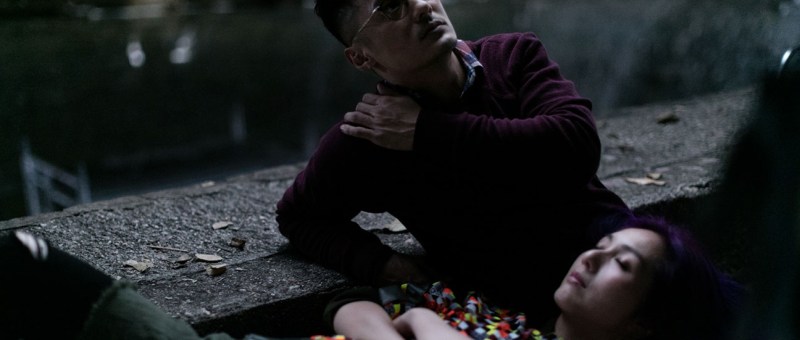
 Jimmy and Cherie, against all the odds, are still together and in a happy longterm relationship in the third addition to Pang Ho-cheung’s series of charming romantic comedies, Love off the Cuff (春嬌救志明). Following the dramatic declaration at the end of Love in the Buff, the pair have continued to grow into each other embracing each of their respective faults but after all this time Jimmy and Cherie have to make another decision – stay together forever or call it quits for good.
 2010’s
  Following the
  Kenji Yamauchi adapts his own play
  Katsuya Tomita makes a welcome return following his critically acclaimed
  Shunji Iwai is another director making a welcome return with the equally epic
 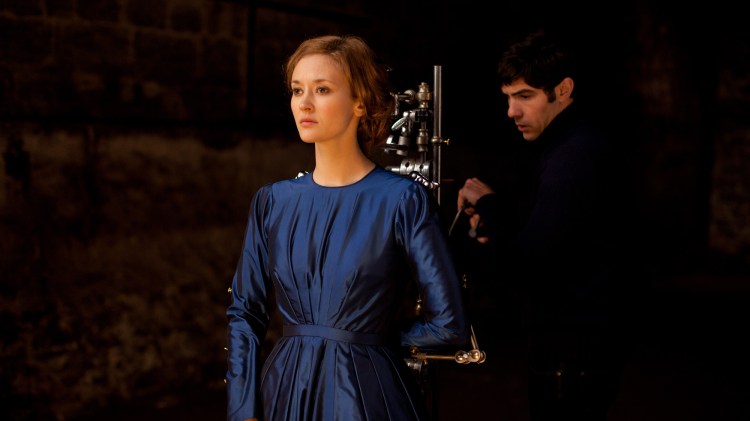 Daguerreotype is something of a departure from the other films on offer as it’s entirely in French. Starring one of France’s best young actors in Tahar Rahim, the film also marks the first production mounted outside of Asia for veteran director Kiyoshi Kurosawa. Taking him back to his psychological horror roots, Daguerreotype is a creepy gothic ghost story inspired both by Edgar Allen Poe and his Japanese namesake, Edogawa Rampo.
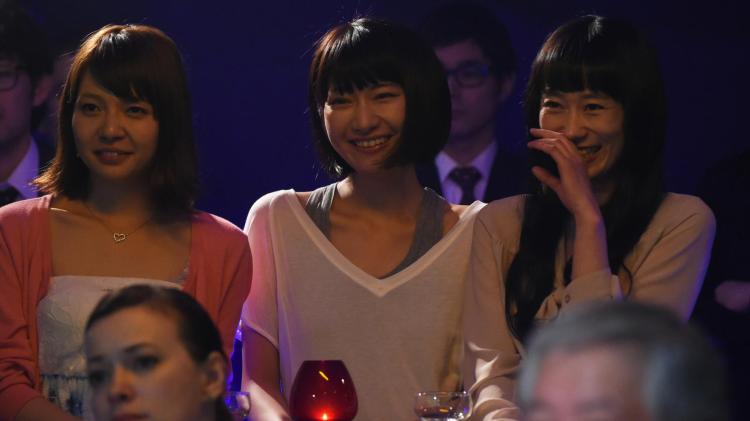 Dawn of the Felines is one of the films created for Nikkatsu’s Roman Porno reboot project which is also being celebrated with a Roman Porno retrospective (more on this later on). Directed by Devil’s Path director Kazuya Shiraishi, this melancholy tale of three girls working in Tokyo’s red light district takes its name from Noboru Tanaka’s classic pink film Night of the Felines.
 Directed by one of Japan’s foremost blockbuster helmers Shinsuke Sato (whose
  If Death Note wasn’t nihilistic enough for you, the festival will also feature Tetsuya Mariko’s
 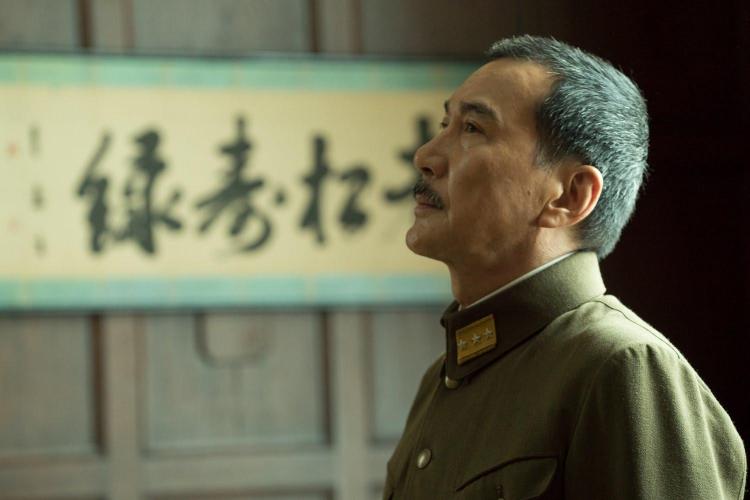 Moving back in time a little, 2015’s
 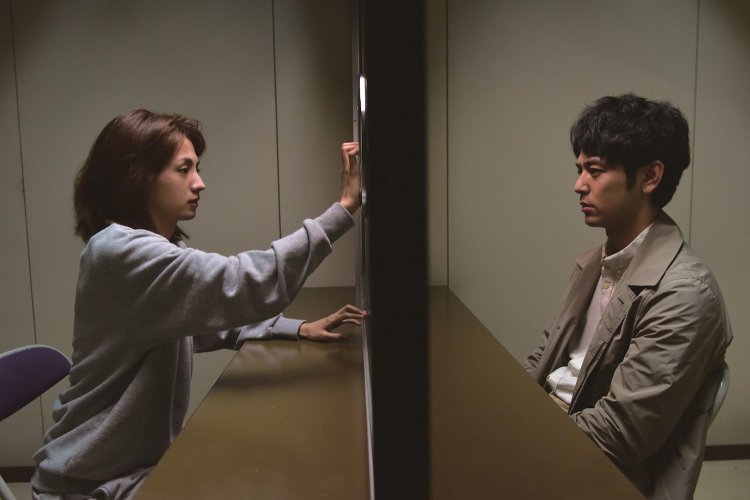 The debut film from Kei Ishikawa, Gukoroku: Traces of Sin stars Satoshi Tsumabuki as an ambitious reporter trying to find the truth behind the brutal, unsolved murder of an ordinary Tokyo family.
 In the first of two films presented at the festival, SABU goes on an existential journey in Happiness as a mysterious man appears in town with a strange helmet which allows the wearer to re-experience the happiest moment of their lives. Stars veteran actor Masatoshi Nagase.
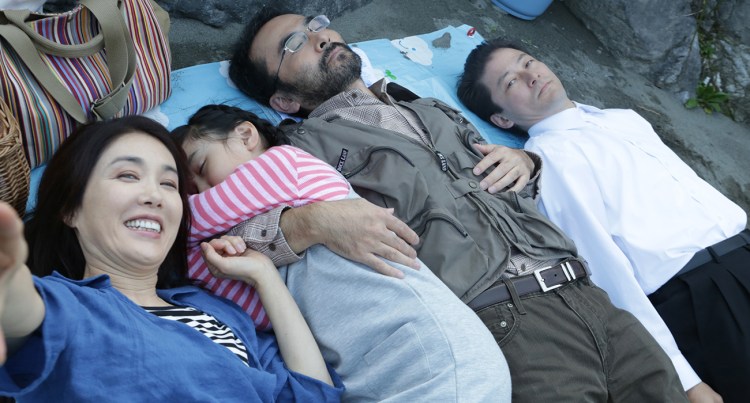 Koji Fukada returns to the themes of family and disruptive interlopers but skews darker than ever before in
 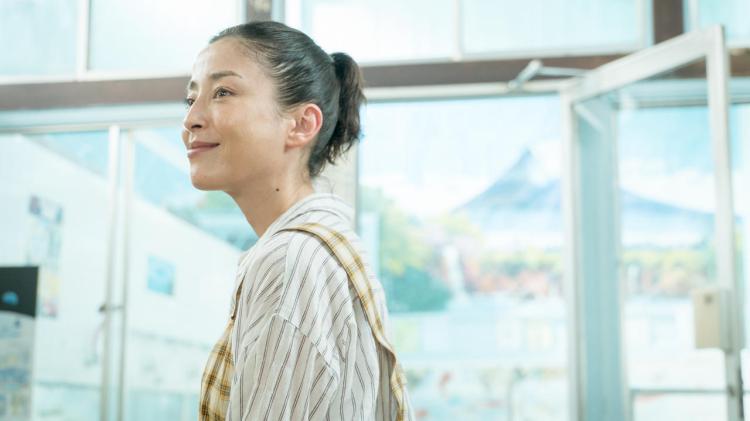 Her Love Boils Bathwater officially opens the festival and stars Rie Miyazawa as a single mother diagnosed with a terminal illness who is determined to bring her disparate family back together and save the family bathhouse in the process. Rie Miyazawa picked up the best actress award at this year’s Japan Academy Prize ceremony for her role in film which is far funnier than its synopsis sounds.
 From one hero to another, the second movie helmed by director Shinsuke Sato to feature in the festival stars comedian Yo Oizumi as a mildmannered, unsuccessful mangaka who finds hidden reserves inside himself when faced with the zombie apocalypse.
 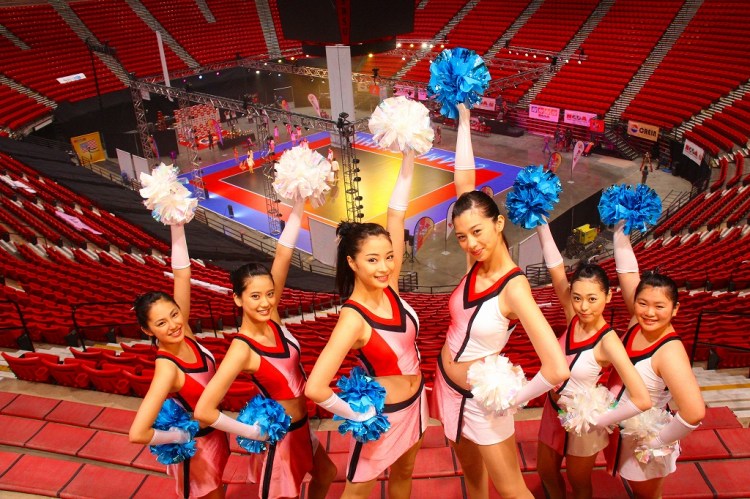 From one plucky underdog to another – Let’s Go Jets! From Small Town Girls to U.S. Champions?! stars a team of aspiring Japanese cheerleaders who want to strut their stuff all the way to the top spot in the US championships.
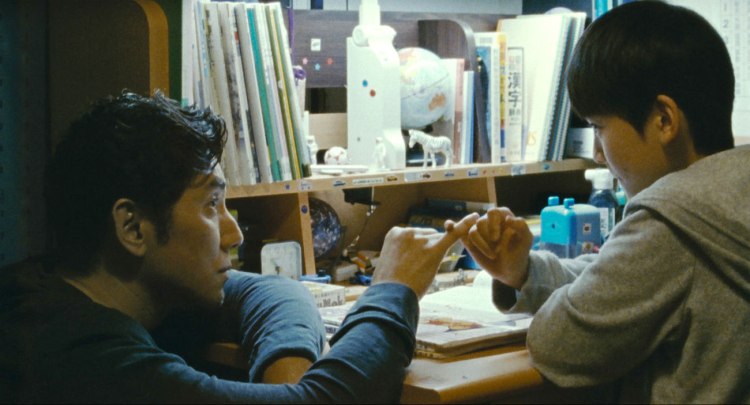 Miwa Nishikawa returns with The Long Excuse – an adaptation of her own novel starring Masahiro Motoki as a self centered author and minor celebrity who is unmoved when his wife dies in a bus accident but finds his humanity reawakening after bonding with the bereaved children of the best friend who died beside her.
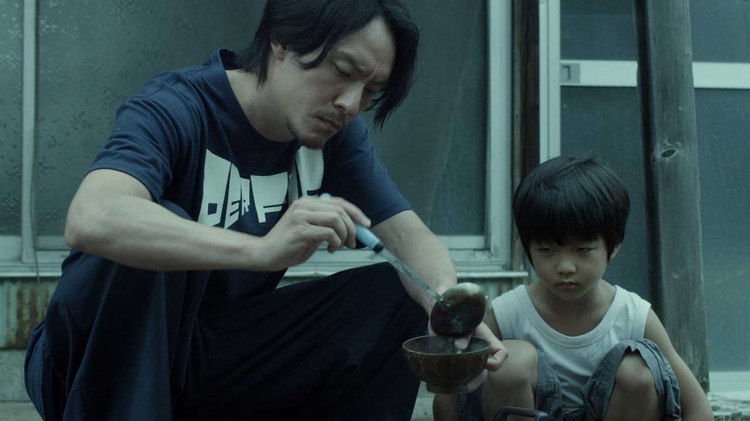 SABU’s second film in the festival, Mr. Long, sees a hardened Taiwanese hitman taken in by a kindly little boy and his family after a job goes badly wrong.
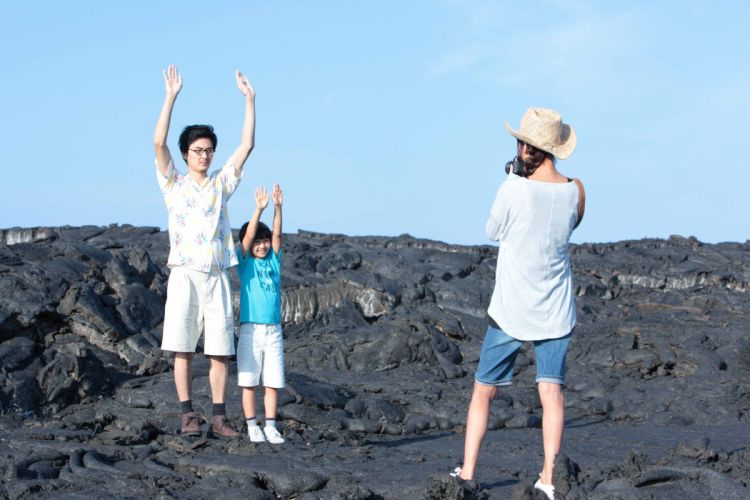 Nobuhiro Yamashita is another director with not one but two films making it into the festival this year. The first of them,
  Yamashita’s second entry,
 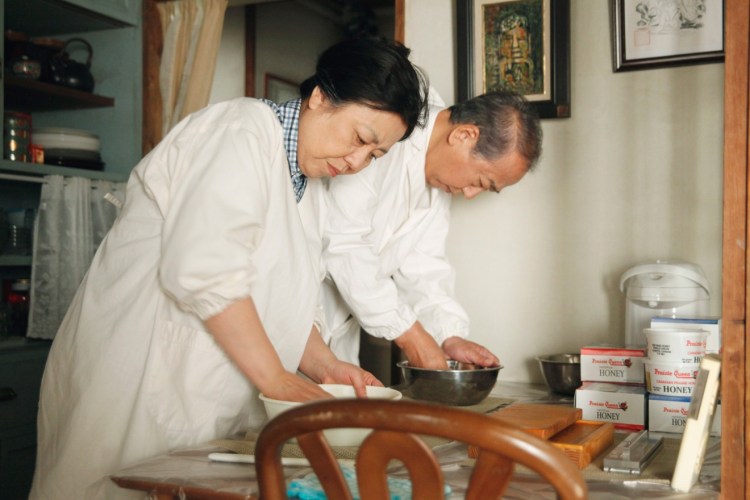 Rumour and speculation dominate a housing estate when one half of a recently arrived older couple abruptly disappears. Moonlight flit? Murder? Divorce, affairs, scandal? The truth is stranger than fiction in Junji Sakamoto’s absurd comedy The Projects.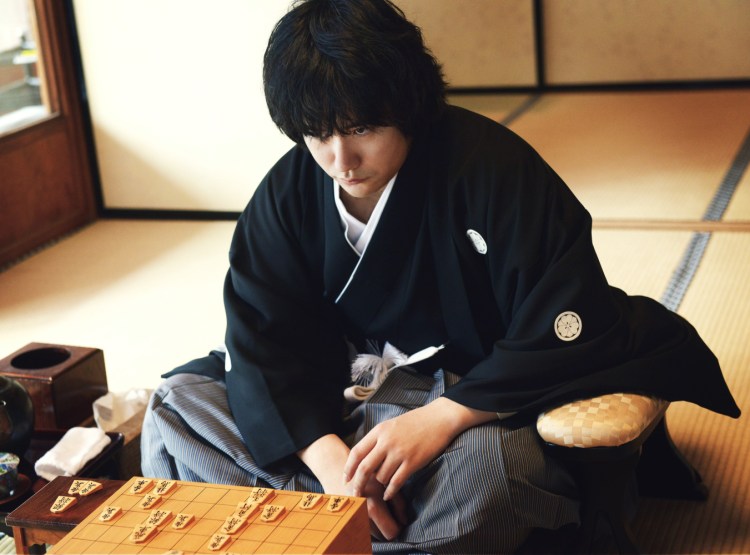
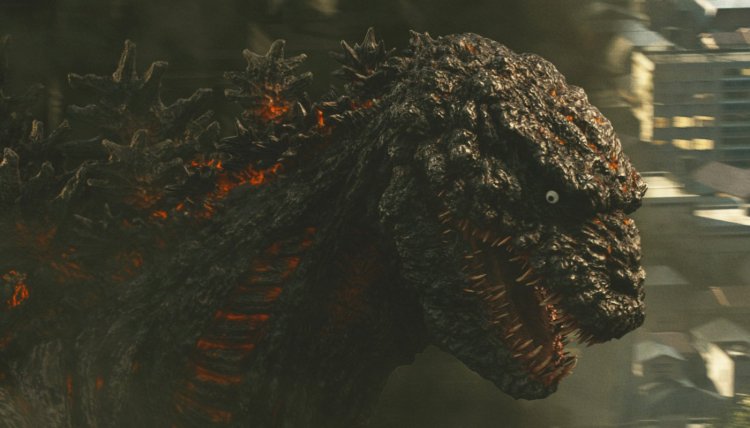 Godzilla is back and bigger than ever! Directed by Evangelion’s Hideaki Anno along with live action Attack on Titan director Shinji Higuchi Shin Godzilla (Godzilla Resurgence) is equal parts classic monster movie and biting political satire.
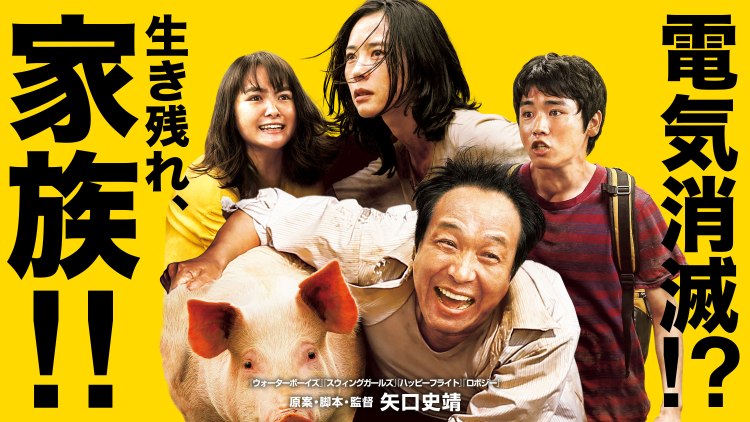 Godzilla’s not the only existential threat posed to Japanese society as one ordinary family find out in Shinobu Yaguchi’s black out drama.
 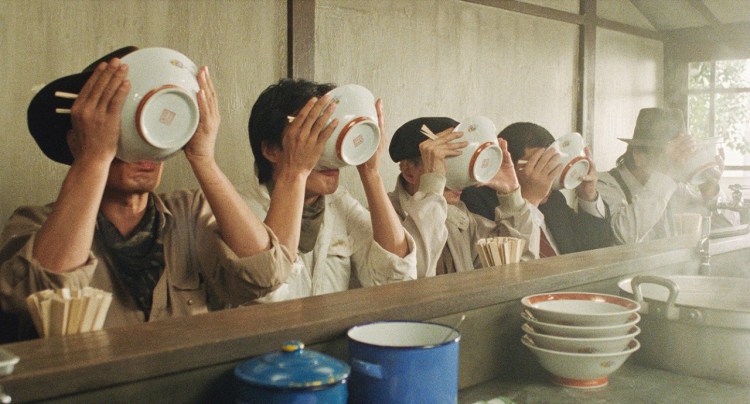 Now for something completely different – Juzo Itami’s noodle western Tampopo will also screen as a Nippon Film Dinner during which bento boxes filled with delicious Japanese treats will be served.
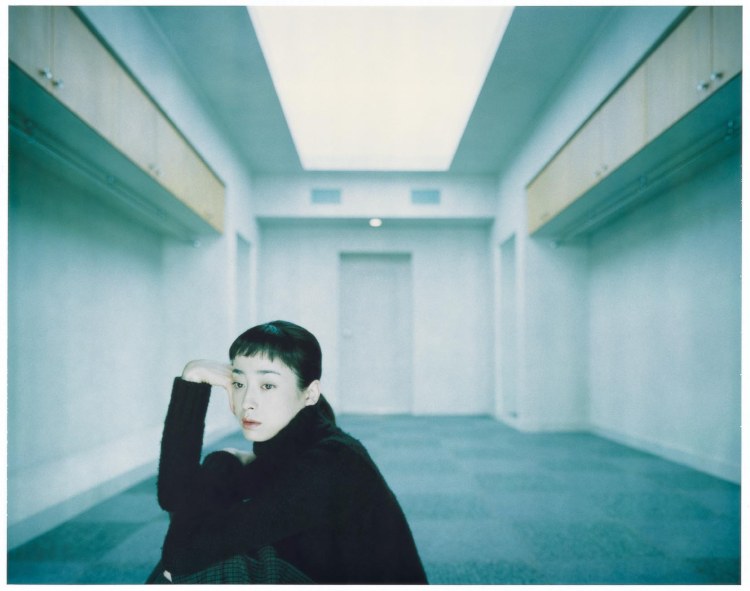 After dinner comes breakfast! This one is screening with German subtitles only but if you can understand German or Japanese or don’t mind not understanding anything at all you can enjoy a delicious breakfast buffet whilst taking in Jun Ichikawa’s adaptation of the Haruki Murakami short story Tony Takitani in which a lonely man meets and falls in love with a beautiful woman only for her obsession with shopping to come between them.
 Finally, Akihiko Shiota’s Wet Woman in the Wind is the second of the Roman Porno Reboot movies to be featured in the festival and follows the adventures of a playwright with writer’s block who tries to retreat to the country for some peace, quiet, and time to reflect. Then he hooks up with a nymphomaniac waitress instead!
 Smokers. Is there a more maligned, ostracised group in the modern world? Considering the rapid pace at which their “harmless” pastime has become unacceptable, you can understand why they might feel particularly put out – literally, as they find themselves taking refuge in designated smoking areas or perhaps back allies where it seems no one’s looking. For all the nostalgia about how easy it was to strike up a friendship with a stranger just by asking for a light, it is also important to remember that smoking is not so “harmless” after all and there are reasons why smokers are asked to keep their activities amongst those who’ve also decided to ignore the warnings. The Smoking Ordinance, oddly enough, may have accidentally boosted the social potential of a smoke as those eager for a puff are given additional reasons to spend time together in an enclosed space, building a sense of community through nicotine addiction.
 The world of shojo manga is a particular one. Aimed squarely at younger teenage girls, the genre focuses heavily on idealised, aspirational romance as the usually female protagonist finds innocent love with a charming if sometimes shy or diffident suitor. Then again, sometimes that all feels a little dull meaning there is always space to send the drama into strange or uncomfortable areas. Policeman and Me (PとJK, P to JK), adapted from the shojo manga by Maki Miyoshi is just one of these slightly problematic romances in which a high school girl ends up married to a 26 year old policeman who somehow thinks having an official certificate will make all of this seem less ill-advised than it perhaps is.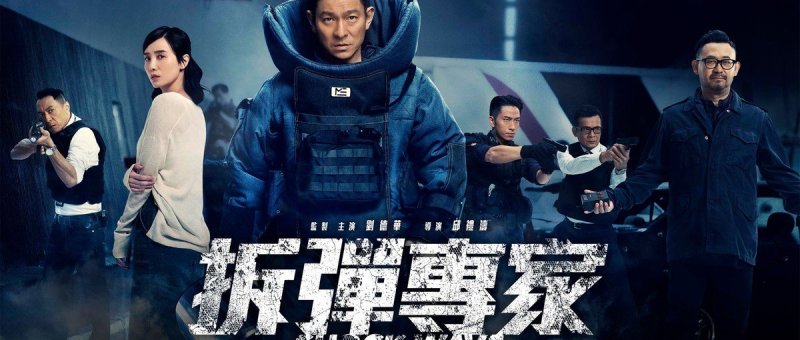
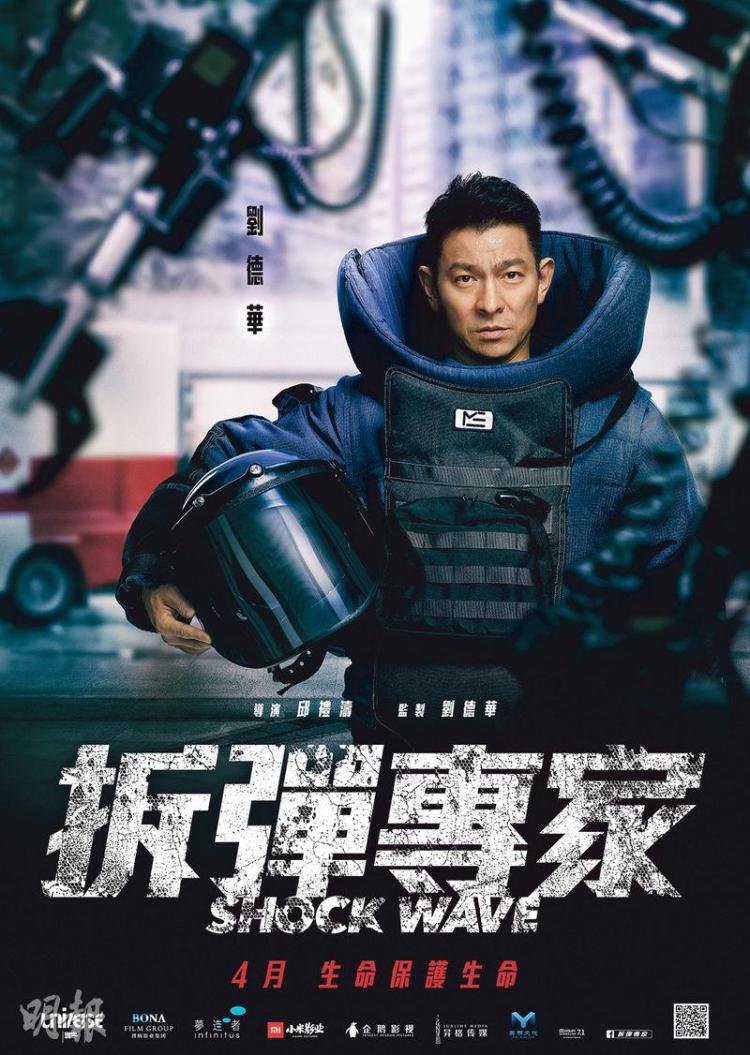 Recent Hong Kong action cinema has not exactly been known for its hero cops. Most often, one brave and valiant officer stands up for justice when all around him are corrupt or acting in self interest rather than for the good of the people. Shock Wave (拆彈專家) sees Herman Yau reteam with veteran actor Andy Lau turning in another fine action performance at 55 years of age as a dedicated, highly skilled and righteous bomb disposal officer who becomes the target of a mad bomber after blowing his cover in an undercover operation. These are universally good cops fighting an insane terrorist whose intense desire for revenge and familial reunion is primed to reduce Hong Kong’s central infrastructure to a smoking mess.
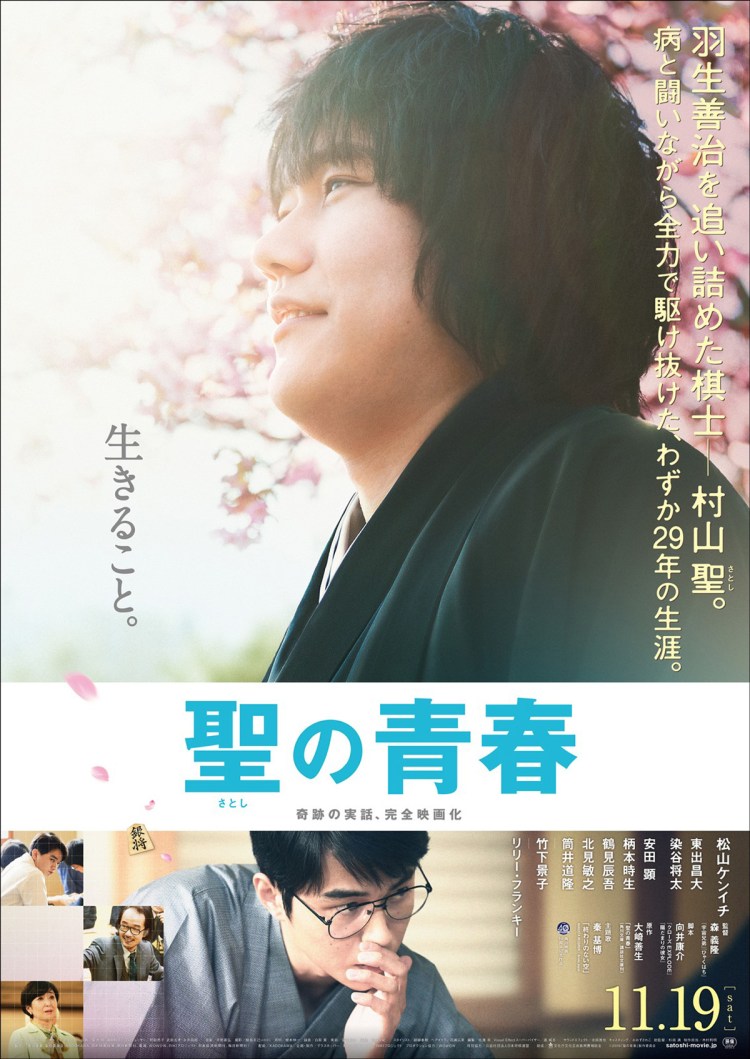 There’s a slight irony in the English title of Yoshitaka Mori’s tragic shogi star biopic, Satoshi: A Move For Tomorrow (聖の青春, Satoshi no Seishun). The Japanese title does something similar with the simple “Satoshi’s Youth” but both undercut the fact that Satoshi (Kenichi Matsuyama) was a man who only ever had his youth and knew there was no future for him to consider. The fact that he devoted his short life to a game that’s all about thinking ahead is another wry irony but one it seems the man himself may have enjoyed. Satoshi Murayama, a household name in Japan, died at only 29 years old after denying chemotherapy treatment for bladder cancer in fear that it would interfere with his thought process and set him back on his quest to conquer the world of shogi. Less a story of triumph over adversity than of noble perseverance, Satoshi lacks the classic underdog beats the odds narrative so central to the sports drama but never quite manages to replace it with something deeper.
 Every keen dramatist knows the most exciting things which happen at a party are always those which occur away from the main action. Lonely cigarette breaks and kitchen conversations give rise to the most unexpected of events as those desperately trying to escape the party atmosphere accidentally let their guard down in their sudden relief. Adapting his own stage play titled Trois Grotesque, Kenji Yamauchi takes this idea to its natural conclusion in At the Terrace (テラスにて, Terrace Nite) setting the entirety of the action on the rear terraced area of an elegant European-style villa shortly after the majority of guests have departed following a business themed dinner party. This farcical comedy of manners neatly sends up the various layers of propriety and the difficulty of maintaining strict social codes amongst a group of intimate strangers, lending a Japanese twist to a well honed European tradition.
 Nobuhiro Yamashita may be best known for his laid-back slacker comedies, but he’s no stranger to the darker sides of humanity as evidenced in the oddly hopeful Drudgery Train or the heartbreaking exploration of misplaced trust and disillusionment of My Back Page. One of three films inspired by Hakodate native novelist Yasushi Sato (the other two being Kazuyoshi Kumakiri’s Sketches of Kaitan City and Mipo O’s The Light Shines Only There), Over the Fence (オーバー・フェンス) may be among the less pessimistic adaptations of the author’s work though its cast of lonely lost souls is certainly worthy both of Yamashita’s more melancholy aspects and Sato’s deeply felt despair.
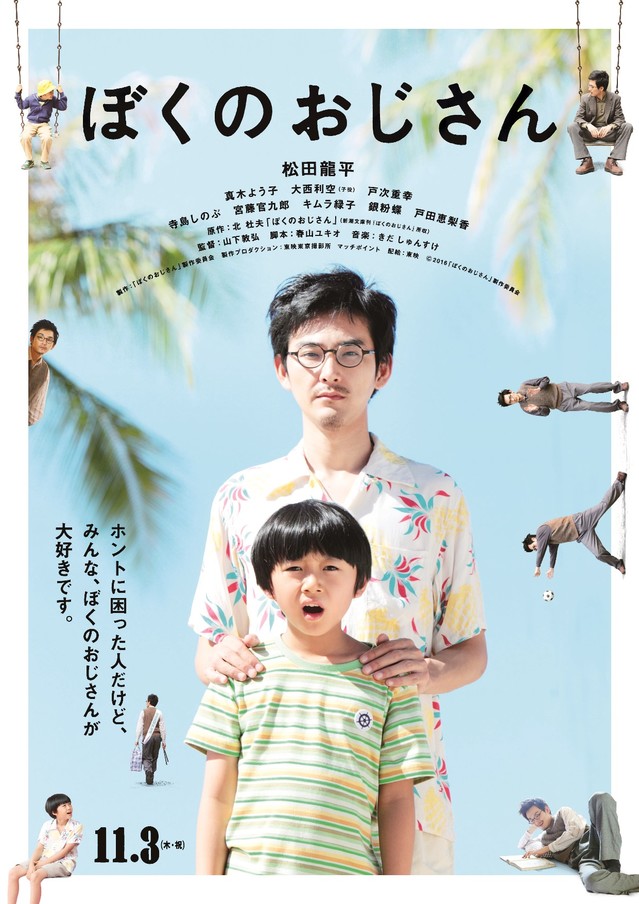 Crazy uncles – the gift that keeps on giving. Following the darker edged Over the Fence as the second of two films released in 2016, Nobuhiro Yamashita’s My Uncle (ぼくのおじさん, Boku no Ojisan) pushes his subtle humour in a much more overt direction with a comic tale of a self obsessed (not quite) professor as seen seen through the eyes of his exasperated nephew. “Travels with my uncle” of a kind, Yamashita’s latest is a pleasantly old fashioned comedy spiced with oddly poignant moments as a wiser than his years nephew attempts to help his continually befuddled uncle navigate the difficulties of unexpected romance.
 Windows on Worlds