 Conventional wisdom states it’s better not to get involved with the yakuza. According to Hamon: Yakuza Boogie (破門 ふたりのヤクビョーガミ Hamon: Futari no Yakubyogami), the same goes for sleazy film execs who can prove surprisingly slippery when the occasion calls. Based on Hiroyuki Kurokawa’s Naoki Prize winning novel and directed by Shotaro Kobayashi who also adapted the same author’s Gold Rush into a successful WOWWOW TV Series, Hamon: Yakuza Boogie is a classic buddy movie in which a down at heels slacker forms an unlikely, grudging yet mutually dependent relationship with a low-level gangster.
Ninomiya (Yu Yokoyama), a classic slacker, makes ends meet by acting as a kind of liaison officer between the normal world and the yakuza one. His contact, Kuwahara (Kuranosuke Sasaki), is a scary looking guy but as yakuza go not so bad to work with. Following the government’s organised crime crackdown, Ninomiya finds himself at more of a loose end and so when an elderly film director, Koshimizu (Isao Hashizume), comes to him and asks to meet a yakuza first hand, Ninomiya sets up a meeting. Yakuza and movies can be a dangerous mix but somehow or other Koshimizu manages to charm the pair and even gets Kuwahara’s boss, Shimada (Jun Kunimura), to invest some of his own money.
Unfortunately, this is when things start to go wrong. Koshimizu’s pretty “daughter” is really his mistress (as Kuwahara suspected) and the wily old bugger has taken off for the casino paradise of Macao with both the beautiful woman and suitcase full of yakuza dough. Kuwahara is now in a lot of trouble and ropes in Ninomiya to help him sort it out but in their pursuit of Koshimizu they eventually find themselves caught up in a series of turf wars.
Yakuza comedies have a tendency towards unexpected darkness but Hamon’s key feature is its almost childish innocence as Ninomiya and Kuwahara go about their business with relatively few genuinely life threatening incidents. Though the pair bicker and argue with Ninomiya always secretly afraid of his big gangster buddy and Kuwahara fed up with his nerdy friend’s lack of know how, the relationship they’ve developed is an intensely co-dependent one which fully supports the slightly ironic “no me without you” message. Eventually growing into each other, Ninomiya and Kuwahara move increasingly into the other’s territory before finally re-encountering each other on more equal footing.
These are less rabid killers than a bunch of guys caught up in a silly game. Shady film director Koshimizu turns out to be some sort of cartoon hero, perpetually making a sprightly and unexpected escape despite his advanced age while the toughened gangsters hired to keep him locked up find themselves one hostage short time after time. Ninomiya’s worried cousin Yuki (Keiko Kitagawa) keeps trying to talk him into a more ordered way of life which doesn’t involve so much hanging round with scary looking guys in suits, but Ninomiya is reluctant to leave the fringes of the underworld even if he seems afraid for much of the time. Kuwahara is a yakuza through and through, or so he thinks. This latest saga has left him in an embarrassing position with his bosses, not to mention the diplomatic incident with a rival gang, all of which threatens his underworld status and thereby essential identity.
Still, all we’re talking about here is having a little more time for solo karaoke, not being bundled into the boot of a car and driven to a remote location. Filled with movie references and slapstick humour this is a yakuza tale inspired by classic cinematic gangsters rather than their real world counterparts but it still has a few things to say about human nature in general outside of the fictional. An odd couple, Ninomiya and Kuwahara couldn’t be more different but besides the fact they don’t quite get along, they make a good team. No me without you indeed, solo stakeouts are boring, even if you do bicker and fuss the whole time it’s good to know there’s someone who’ll always come back for you (especially if you tell them not to) ready to take the wheel.
Hamon: Yakuza Boogie was screened at the 19th Udine Far East Film Festival.
Original trailer (no subtitles)
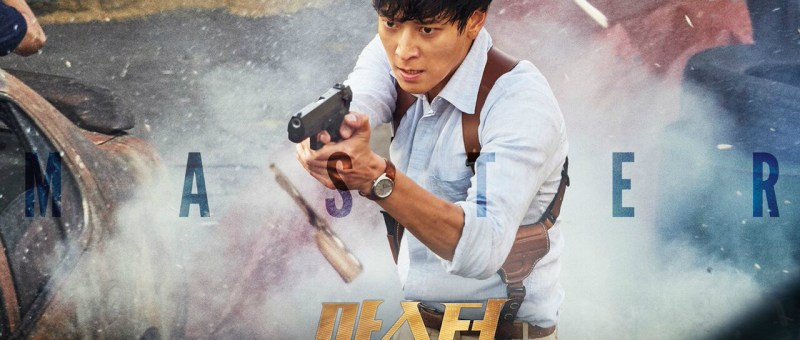
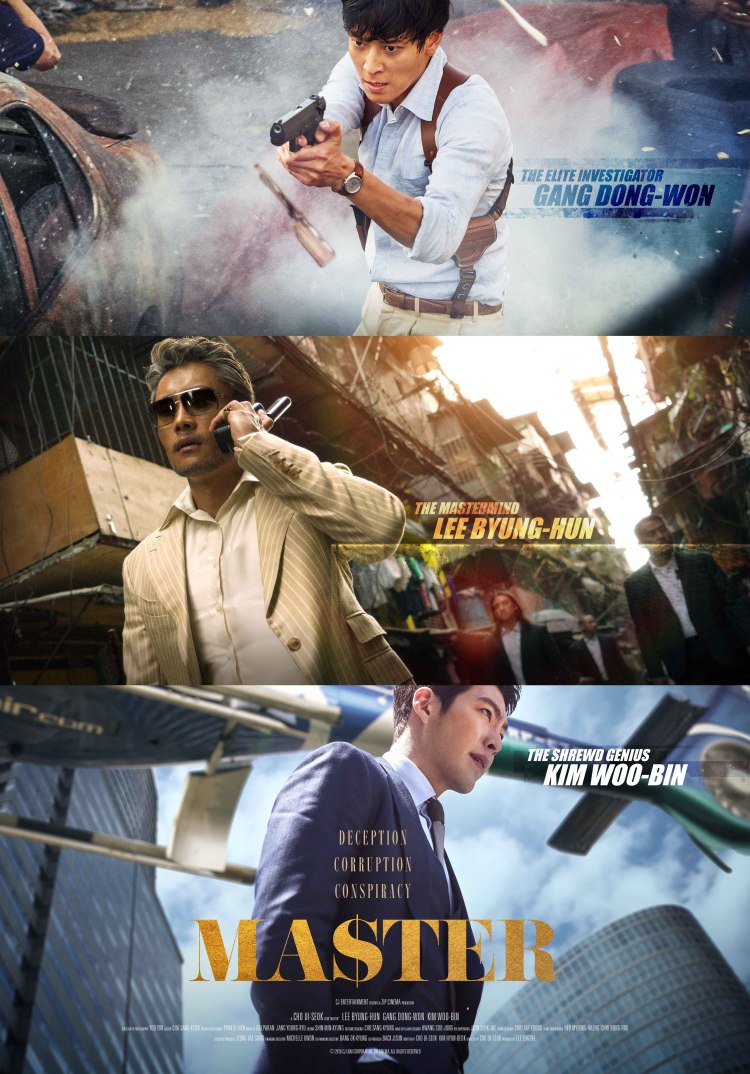 Corruption has become a major theme in Korean cinema. Perhaps understandably given current events, but you’ll have to look hard to find anyone occupying a high level corporate, political, or judicial position who can be counted worthy of public trust in any Korean film from the democratic era. Cho Ui-seok’s Master (마스터) goes further than most in building its case higher and harder as its sleazy, heartless, conman of an antagonist casts himself onto the world stage as some kind of international megastar promising riches to the poor all the while planning to deprive them of what little they have. The forces which oppose him, cerebral cops from the financial fraud devision, may be committed to exposing his criminality but they aren’t above playing his game to do it.
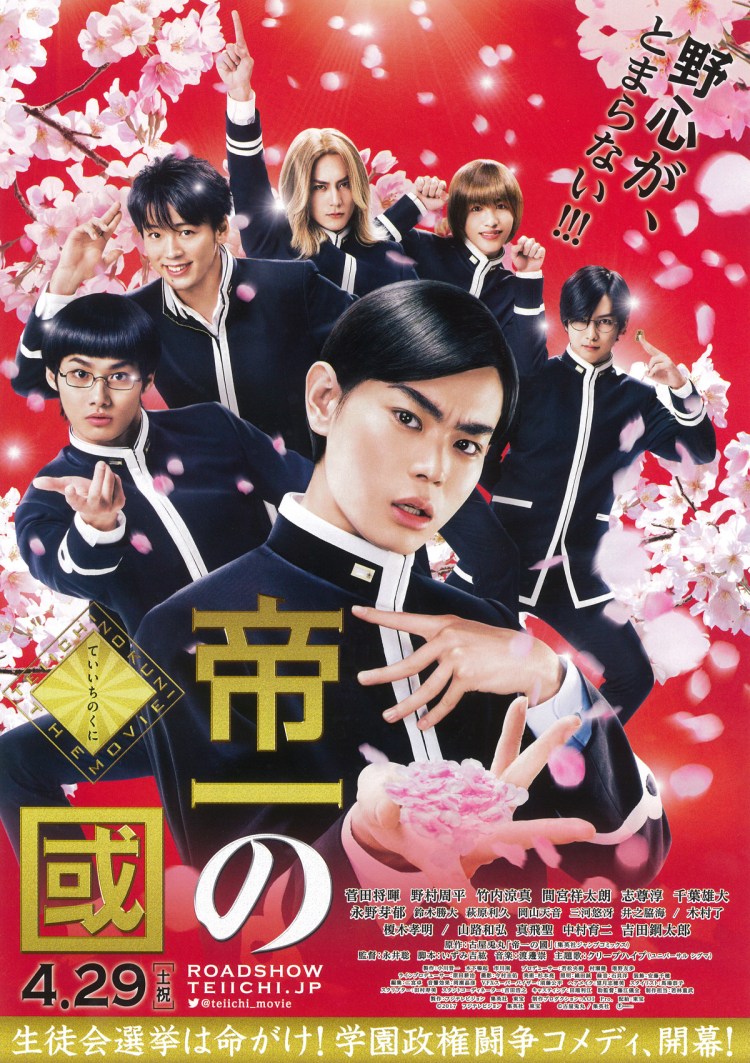 Back in the real world, politics has never felt so unfunny. This latest slice of unlikely political satire from Japan may feel a little close to home, at least to those of us who hail from nations where it seems perfectly normal that the older men who make up the political elite all attended the same school and fully expected to grow up and walk directly into high office, never needing to worry about anything so ordinary as a career. Taking this idea to its extreme, elite teenager Teiichi is not only determined to take over Japan by becoming its Prime Minister, but to start his very own nation. In Teiichi: Battle of Supreme High (帝一の國, Teiichi no Kuni) teenage flirtations with fascism, homoeroticism, factionalism, extremism – in fact just about every “ism” you can think of (aside from altruism) vie for the top spot among the boys at Supreme High but who, or what, will finally win out in Teiichi’s fledging, mental little nation?
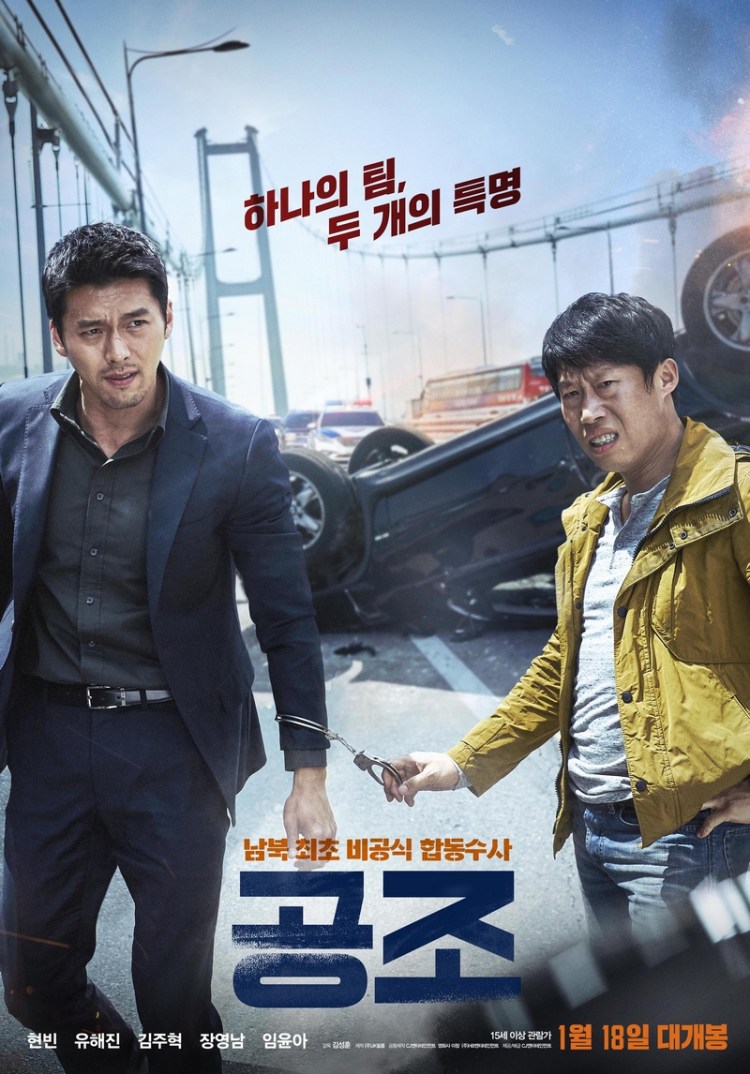 South Korean cinema has a fairly ambivalent attitude to its policemen. Most often, detectives are a bumbling bunch who couldn’t find the killer even if he danced around in front of them shouting “it was me!” whereas street cops are incompetent, lazy, and cowardly. That’s aside from their tendency towards violence and corruption but rarely has there been a policeman who gets himself into trouble solely for being too nice and too focussed on his family. Confidential Assignment (공조, Gongjo), though very much a mainstream action/buddy cop movie, is somewhat unusual in this respect as it pairs a goofy if skilled and well-meaning South Korean police officer, with an outwardly impassive yet inwardly raging North Korean special forces operative.
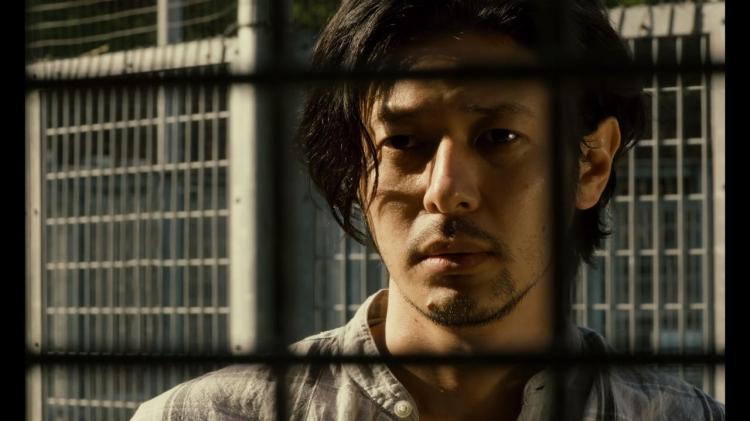 Japan Cuts returns for 2017 with even more of the best in recent Japanese cinema. Ahead of the full programme reveal the festival has announced a few early teasers for what promises to be another year of fantastic films from Japan.
 Fan favourite director Nobuhiro Yamashita will once again feature in the festival with his installment in the trilogy of movies inspired by author Yasushi Sato,
  Another festival favourite Sion Sono returns with his contribution to the Roman Porno Reboot Project, Anti-Porno.
 Kiyoshi Kurosawa’s first international production, Daguerrotype, also makes its way into the festival. Taking the director back to his psychological horror roots, this gothic European ghost story stars one of France’s best young actors, Tahar Rahim, as a photographer’s assistant caught up in both odinary and supernatural conspiracies.
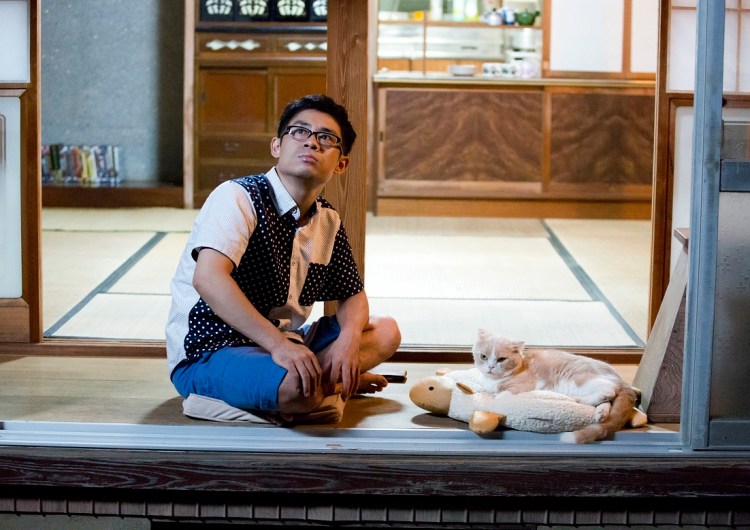 The one you’ve all been waiting for – Neko Atsume House! An adaptation of the popular smartphone game, Masatoshi Kurakata’s film stars Atsushi Ito as a novelist with writer’s block who moves house to stimulate himself only to be overrun with cute cats instead.
 The only documentary announced so far, Konrad Aderer’s Resistance at Tule Lake examines the case of 12,000 Japanese-Americans labeled “disloyal” for attempting to resist the government’s internment order.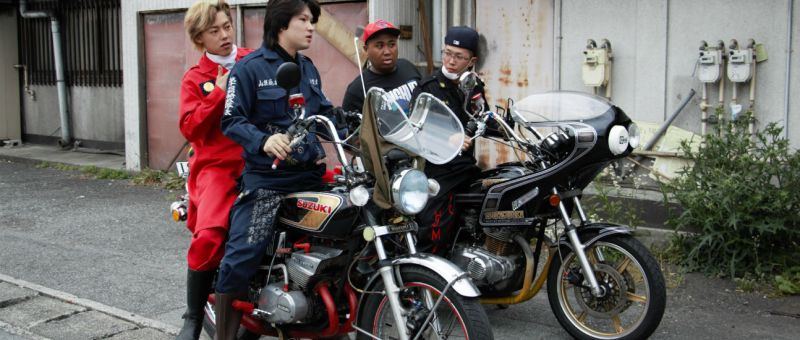
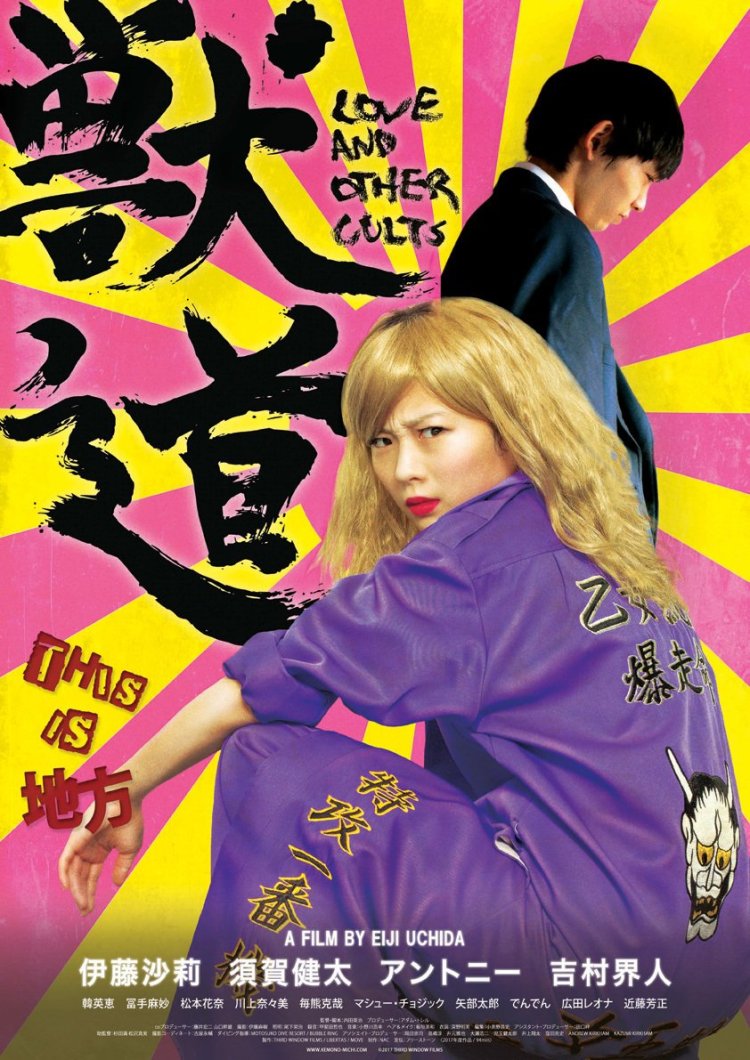 Eiji Uchida’s career has been marked by the stories of self defined outsiders trying to decide if they want to move towards or further away from the centre, but in his latest film Love and Other Cults ( 獣道, Kemonomichi), he seems content to let them linger on the margins. The title, neatly suggesting that perhaps love itself is little more than a ritualised set of devotional acts, sets us up for a strange odyssey through teenage identity shifting but where it sends us is a little more obscure as a still young man revisits his youthful romance only to find it as wandering and ill-defined as many a first love story and like many such tales, one ultimately belonging to someone else.
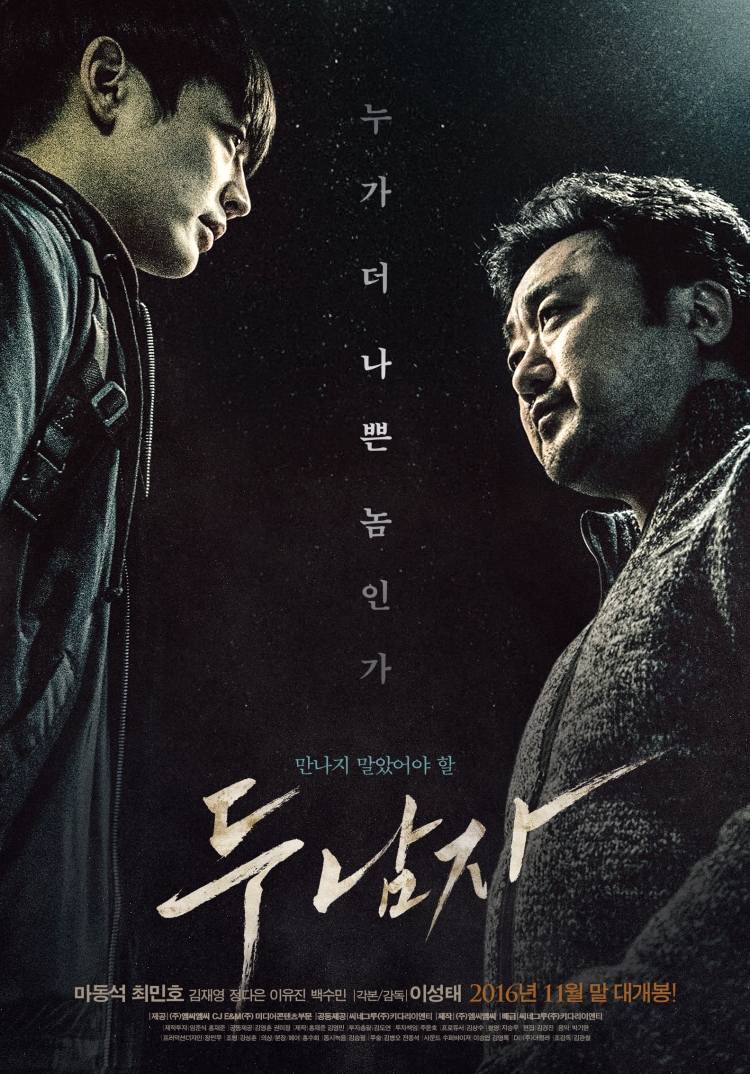 The best laid plans of mice and men often go awry, as the old saying goes, but for four down at heels street kids even their meagre attempts to evade a desperate situation land them in even more trouble than they’ve ever been in before. The debut feature from director Lee Sung-tae, Derailed (두 남자, Doo Namja) is bleak and gritty though underpinned by an ironic sense of love and connection which is itself often “derailed” or subverted as genuine feeling becomes a tool to be exploited in the ongoing war between those fighting amongst themselves to get a hand on the bottom rung of the ladder.
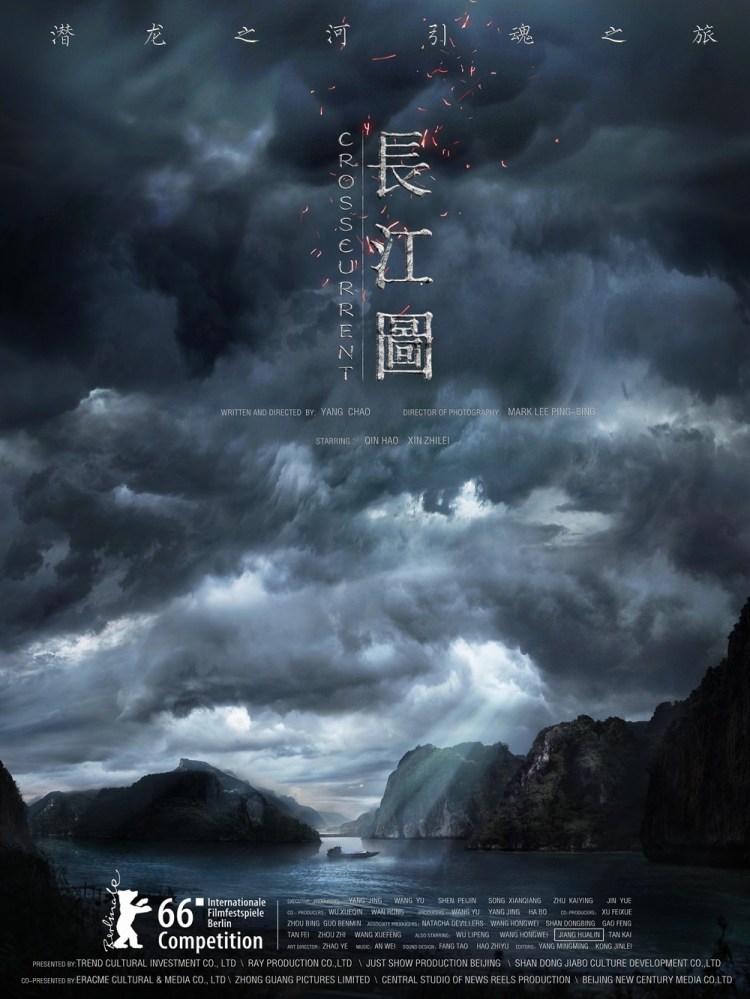 “Time, like a river, flows both day and night” as the narrator of Yang Chao’s poetical return to source Crosscurrent (長江圖, Chang Jiang Tu) tells us early on. Like the crosscurrent of the title, ship’s captain Chun sails forth yet also in retrograde as he chases a love he can never truly embrace. Truth be told, the philosophical poetry of a lonely sailor condemned to sail a predetermined course at the mercy of the winds and tides is often obscure and confused, like the half mad ramblings of one who’s spent too much time all alone at sea. Yet his melancholy passage is more metaphor than reality, or several interconnected metaphors as water yearns for shore but is pulled towards the ocean, a man yearns to free himself of his father’s spirit, and mankind yearns for the land yet disrupts and destroys it in its quest for mastery. Often frustrating in its obscurity, Crosscurrent’s breathtaking visuals are the key to unlocking its meditative sadness as they paint the beautiful landscape in its own conflicting colours.
 Hiroshi Nishitani has spent the bulk of his career working in television. Best known for the phenomenally popular Galileo starring Masaharu Fukuyama which spawned a number of big screen spin-offs including an adaptation of the series’ inspiration The Devotion of Suspect X and
  So,
So, 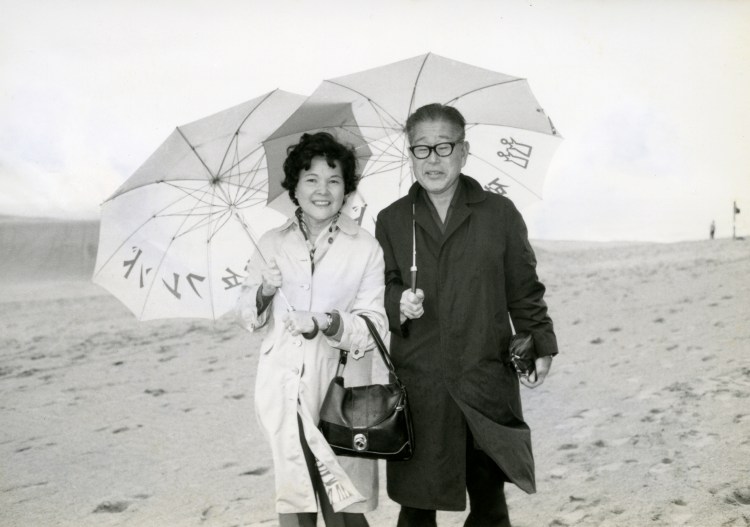 Japanese-American director Kimi Takesue’s 95 and 6 to Go was filmed over six years during which she travelled to Hawaii following the death of her grandmother to learn more about the history of her family. Talking to her grandfather about his life and her own stalled film project, Takesue neatly weaves the personal and the universal for a meditation on life, love, loss and endurance.
 Produced by Ian Thomas Ash (A2-B-C, -1287) Boys for Sale is the debut feature from Itako and focuses on the world of male prostitution in Tokyo’s Shinjuku 2-chome.
 Come on Home to Sato is the debut feature from Yoshiki Shigee. Filmed over three years, the film follows the social workers and professionals involved with Kodomo no Sato – a safehaven for children of all ages and backgrounds in Osaka’s Nishinari district.
 The intriguingly titled Gui Aiueo:S A Stone From Another Mountain To Polish Your Own Stone is a strange road movie/documentary/performance piece from Go Shibata featuring UFOs, hermits, and sustainable toilets.
 A selection of three short NHK documentaries :
 Gilles Laurent’s La Terre Abandonée follows the residents of Tomioka who refused to obey the evacuation order after the meltdown of the Fukushima Daiichi nuclear plant.
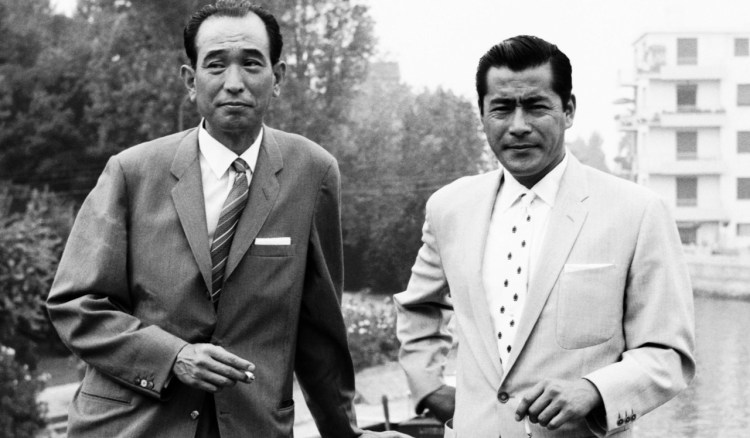 Steven Okazaki’s Mifune: The Last Samurai is an attempt to chart the legendary actor’s career as it intersects with the history of samurai cinema.
 Atsushi Funahashi’s Raise Your Arms and Twist! Documentary of NMB48 follows the aspiring idol stars as they go about their tightly controlled lives in one of the most controversial sectors of the Japanese entertainment industry.
 Start Line charts deaf filmmaker Ayako Imamura’s bicycle journey through Japan.
 Masked wrestling provides a ray of hope for a directionless little boy in Kohei Taniguchi’s Dynamite Wolf. Sponsored by the Dotonbori Pro Wrestling League.
 Ayako Fujimura’s charming family drama Eriko, Pretended follows its aspiring actress protagonist as she travels home for the funeral of her older sister. Having pretended to be much more successful than she really was, Eriko makes the abrupt decision to stay behind in her hometown, look after her sister’s orphaned son and take over her job as a professional mourner.
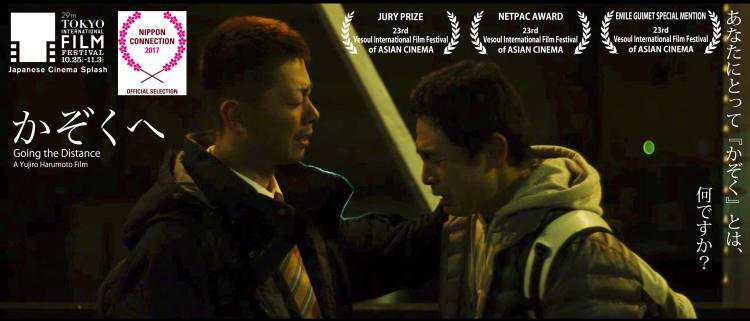 Boxing trainer Asahi plans to marry his long-term girlfriend Kaori and has found a job for his close childhood friend, Hiroto, to bring him to Tokyo. Everything seems fine but Hiroto has fallen victim to a scammer and needs Asahi’s help. His first instinct is to postpone the wedding and help his friend whom he regards as a “brother” as they grew up in the same orphanage but Kaori wants her elderly grandmother to come so it needs to be as soon as possible. Going the Distance is the debut feature from director Masahiro Umeda who is expected to attend the festival in person to present his film.
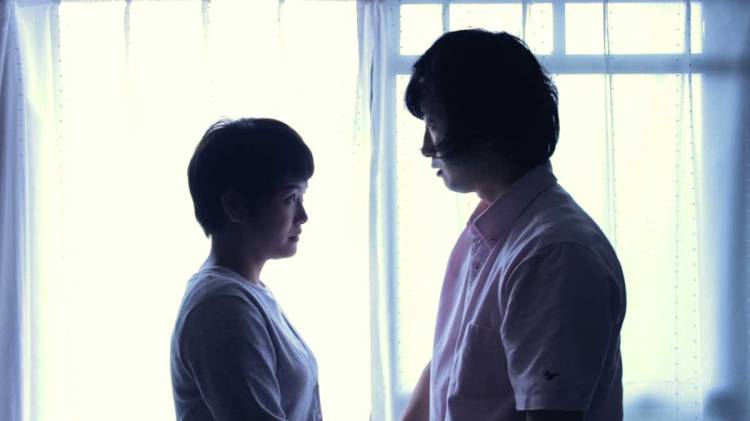 Tamaki and Kaori just can’t say Good/Bye in Izumi Matsuno’s nuanced drama. Despite having “broken up” the pair continue to share their apartment, marking their individual territories with coloured tape but new romantic possibilities force them to re-examine their peculiar relationship.
 Hirokazu Kai’s hard-hitting coming of age drama
  Another technically broken up but still living together drama, Shingo Matsumura’s Love and Goodbye and Hawaii presents its heroine Rinko with a problem when she realises her ex Isamu might have found someone else.
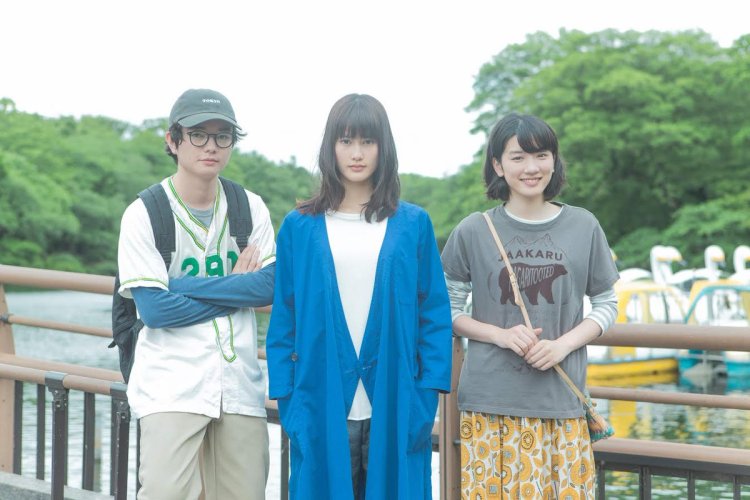 Set in Inokashira Park, Natsuki Seta’s Parks stars Ai Hashimoto as a college student who teams up with Shota Sometani and Mei Nagano to recreate the missing portions of a mysterious love song.
 The latest film from Hirobumi Watanabe, Poolsideman won the Japanese Cinema Splash Award at the Tokyo International Film Festival 2016 and focuses on the dull and lonely life of a lifeguard whose existence changes when he’s sent to a different pool.
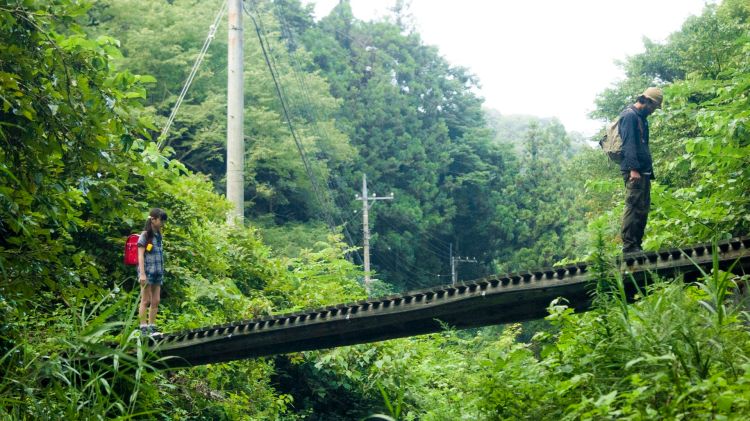 Yusuke Takeuchi won the best director award at the Thessaloniki International Film Festival for The Sower. Dealing with guilt and atonement, this sombre film follows Mitsuo as he returns from three years in a mental institution and bonds with his two nieces only for his fragile happiness to be disrupted by unexpected tragedy.
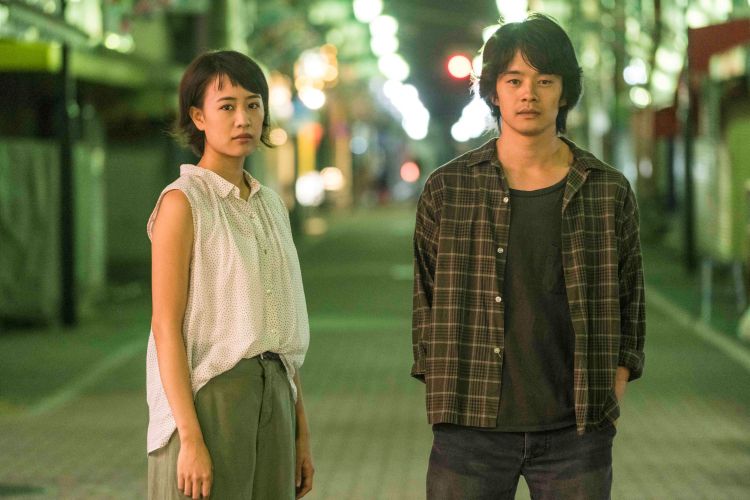 The latest film from Yuya Ishii, The Tokyo Night Sky Is Always the Densest Shade of Blue stars Shizuka Ishibashi and Sosuke Ikematsu in an exploration of youthful alienation.
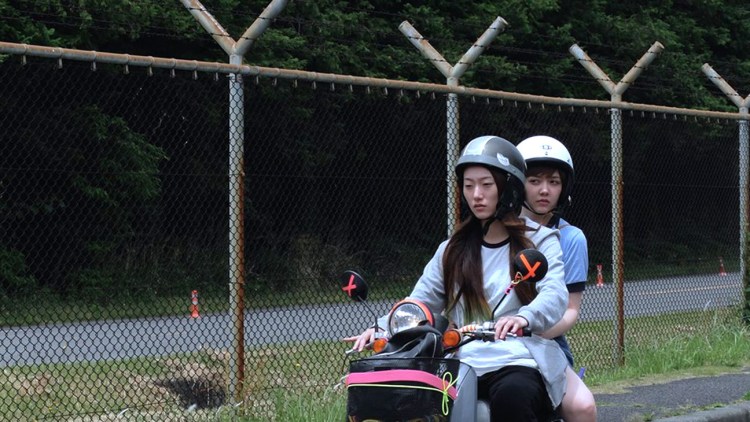 Daisuke Miyazaki’s Yamato California explores themes of cross cultural pollination through the story of teenager Sakura who lives near the biggest American military base in Japan and dreams of becoming a rapper. When she meets the Japanese-American daughter of her mother’s boyfriend, she finally finds an ally in an otherwise alienating place.
 Skip City Shorts includes four of the short films created for the Skip City International D-Cinema Festival in Saitama.
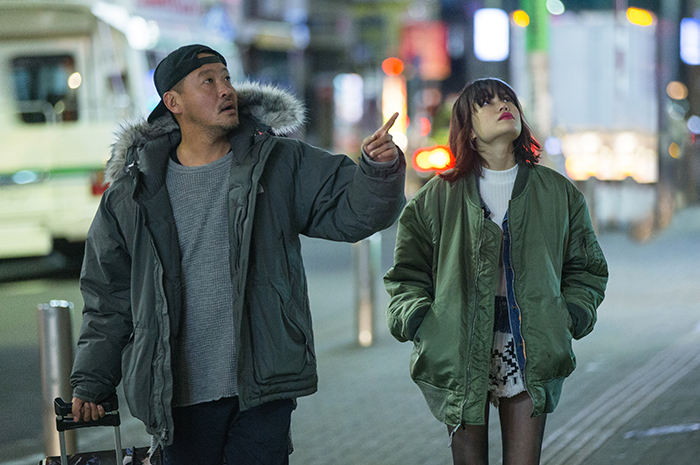 Six young filmmakers show different sides of Tokyo in the TKY2015 Short Film Series.
 Two shorts made by students of the Graduate School for Film and New Media at Tokyo University of the Arts.
 Windows on Worlds