 The world of shojo manga is a particular one. Aimed squarely at younger teenage girls, the genre focuses heavily on idealised, aspirational romance as the usually female protagonist finds innocent love with a charming if sometimes shy or diffident suitor. Then again, sometimes that all feels a little dull meaning there is always space to send the drama into strange or uncomfortable areas. Policeman and Me (PとJK, P to JK), adapted from the shojo manga by Maki Miyoshi is just one of these slightly problematic romances in which a high school girl ends up married to a 26 year old policeman who somehow thinks having an official certificate will make all of this seem less ill-advised than it perhaps is.
Kako (Tao Tsuchiya) is only 16 and, truth be told, a little innocent, even naive when it comes to love though she desperately wants to get herself a proper boyfriend. Dragged by a friend to singles mixer where she’s abruptly told that’s she’s 22 for the next few hours, Kako is bashful and dutifully refrains from underage drinking or inappropriate behaviour. Against the odds she hits it off with handsome policeman, Kota (Kazuya Kamenashi), who still thinks she’s 22 and that her reticence is a sign both of shyness and of maturity. Inadvertently blurting out her real age, Kako blows things with Kota who, as policeman, has no interest in dating a 16 year old. However, leaving Kako to walk home alone after the last train has left through a dodgy area of town is not a good idea and she’s soon beset by a gang of moody boys! Luckily, Kota’s policeman instincts have kicked in and he turns up to save the day with some delinquent moves of his own.
Despite the age difference, Kota and Kako have a genuine connection but Kota is anxious not to do anything dishonourable or untoward. Thus, facing the prospect of breaking up with his teenage sweetheart, he abruptly proposes marriage! After all, when the government rubber stamps something it must be OK and no-one can be accused of doing anything morally wrong, right? The surprising thing is, Kota puts on a fancy suit and goes to break the news to Kako’s parents only to have them give up almost without a fight. Her father may be angry to begin with but he’s soon won over and left with nothing other to say than please look after my girl (and try not to get her pregnant until she’s finished her education).
Kako is then placed in the incongruous position of being both a regular high school girl and a married housewife. Kota is stationed at the local police box with two other officers – one an older guy and the other a young woman who both support him in his new life as a married man. The couple live in an improbably large house inherited from Kota’s late parents but their relationship remains chaste and innocent. Perhaps realising that this unusual union will not be welcomed by all Kako has not told anyone at school about her marriage whilst she goes about trying to rescue the sensitive delinquent, Okami (Mahiro Takasugi), who accidentally put her in the hospital before she was valiantly rescued by Kota.
Okami and Kota lock horns over several things from Kako to the rule of law but they have more in common than it might first seem. Kota, once a violent teen himself, is nursing a huge debt to his policeman father killed in the line of duty. Taking on his father’s mission, Kota has dedicated himself to serving and protecting even if he once rebelled against that very thing as the kind of teenage punk Okami currently aspires to be. Okami has his own share of troubles at home which explain most of his behaviour as well as his aversion to law enforcement but Kako sees straight through his tough facade for the damaged boy inside. Kota too comes to find him more of a kindred spirit in need of rescue than a danger to society who needs locking up and also views him as an ally in being another of Kako’s admirers.
Ryuichi Hiroki thrives on this sort of uncomfortable drama, bringing a touch of moral queasiness to an otherwise cute story of innocent romance. Kota and Kako never particularly deal with the elephant in the room aside from Kako’s worries that Kota sees her a little girl who needs protecting rather than a wife who wants to stand alongside him as an equal. Then again Kako is quite happy in a subservient role, playing directly into her romantic fantasies. Hiroki directs all of this in true shojo style, keeping it all very chaste and innocent, overcoming all obstacles related to the inappropriateness in the central relationship and reaffirming the fact that true love is real, occurs in unexpected places, and is waiting for every romantic young girl who dreams of a tall guy in a dashing uniform. Unrealistic? Perhaps, but that’s shojo.
Policeman and Me was screened at the 19th Udine Far East Film Festival.
30s trailer (no subtitles)
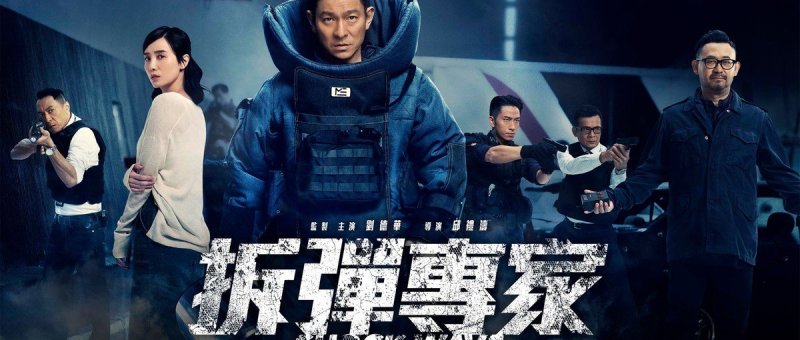
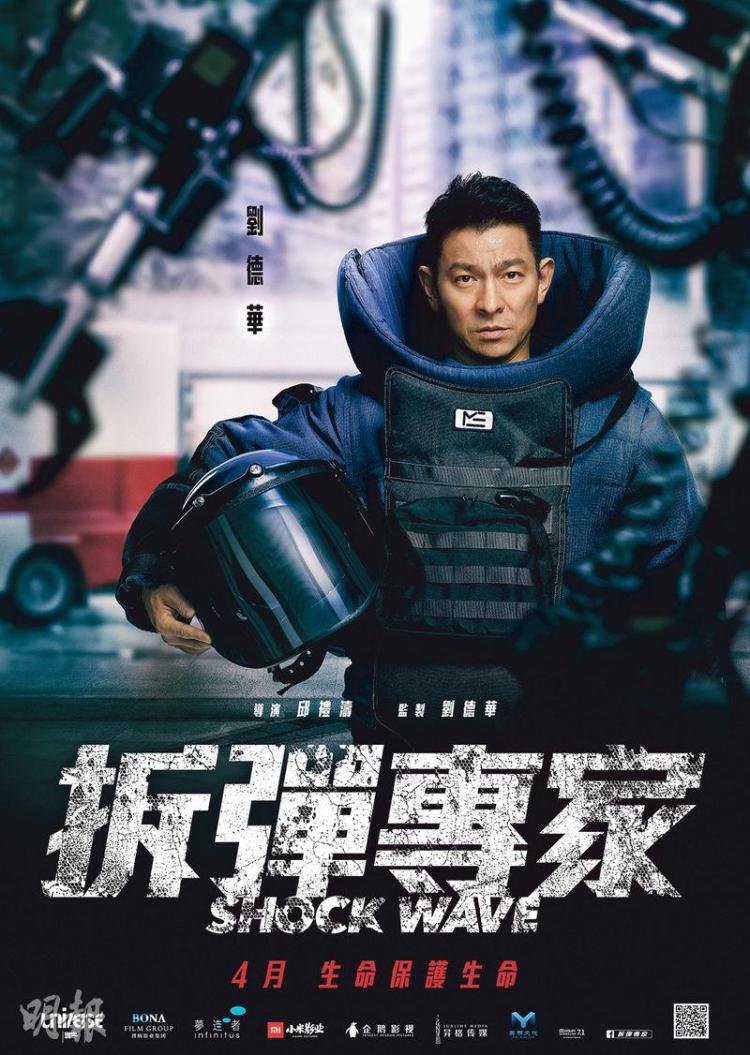 Recent Hong Kong action cinema has not exactly been known for its hero cops. Most often, one brave and valiant officer stands up for justice when all around him are corrupt or acting in self interest rather than for the good of the people. Shock Wave (拆彈專家) sees Herman Yau reteam with veteran actor Andy Lau turning in another fine action performance at 55 years of age as a dedicated, highly skilled and righteous bomb disposal officer who becomes the target of a mad bomber after blowing his cover in an undercover operation. These are universally good cops fighting an insane terrorist whose intense desire for revenge and familial reunion is primed to reduce Hong Kong’s central infrastructure to a smoking mess.
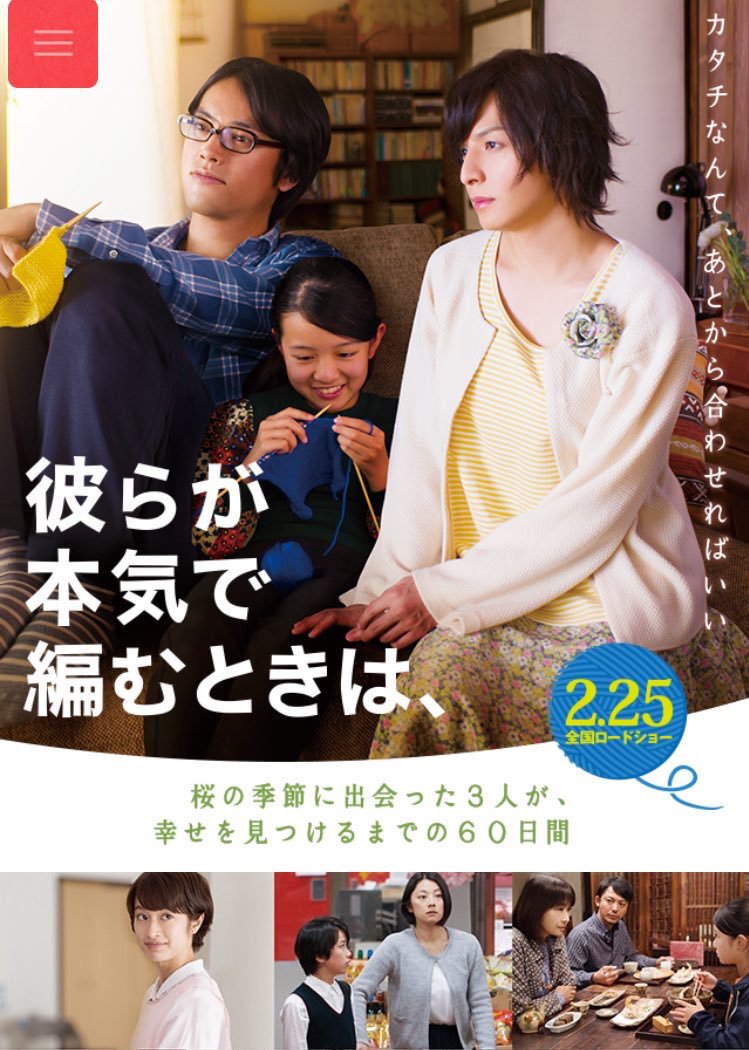 While studying in the US, director Naoko Ogigami encountered people from all walks of life but on her return to Japan was immediately struck by the invisibility of the LGBT community and particularly that of transgender people. Close-Knit (彼らが本気で編むときは, Karera ga Honki de Amu Toki wa) is her response to a still prevalent social conservatism which sometimes gives rise to fear, discrimination and prejudice. Moving away from the quirkier sides of her previous work, Ogigami nevertheless opts for a gentle, warm approach to this potentially heavy subject matter, preferring to focus on positivity rather than dwell on suffering.
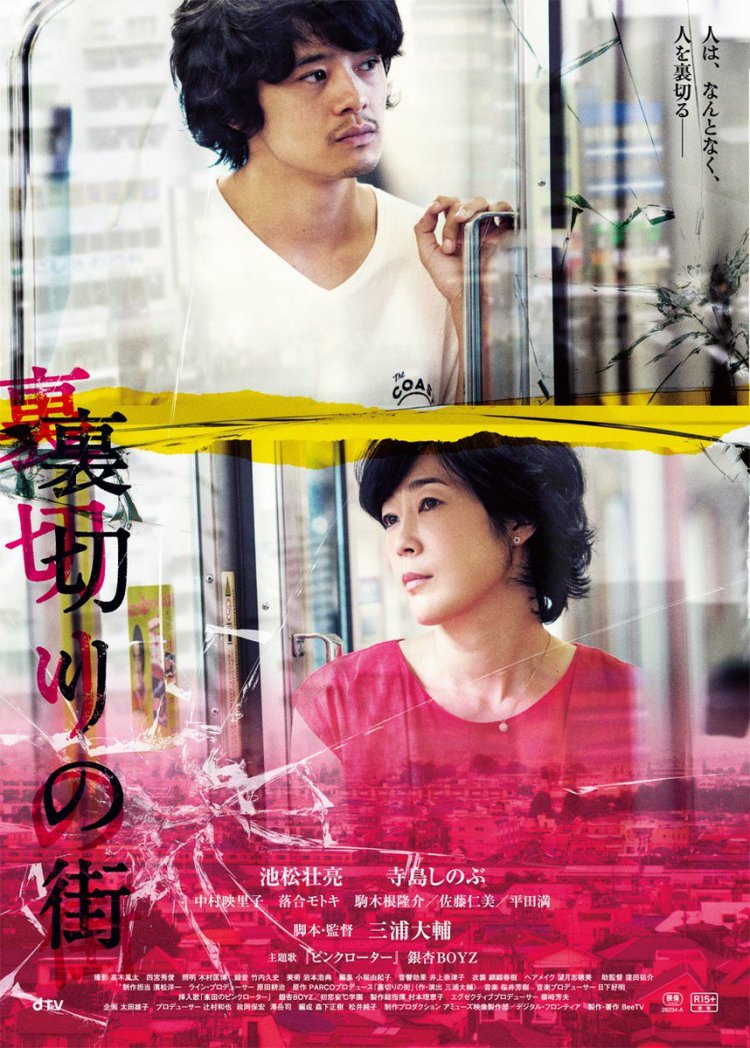 What is it that makes one person betray another? Following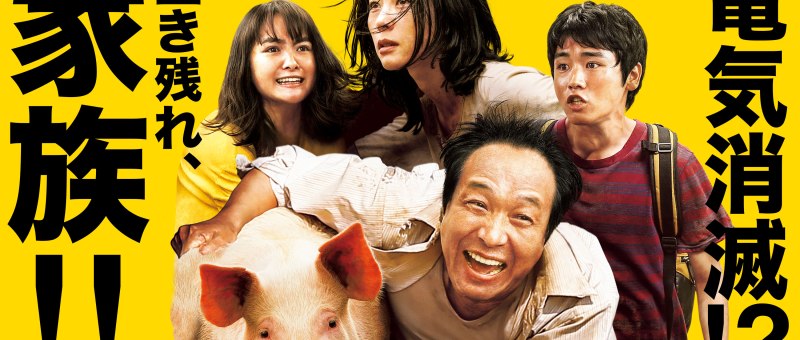
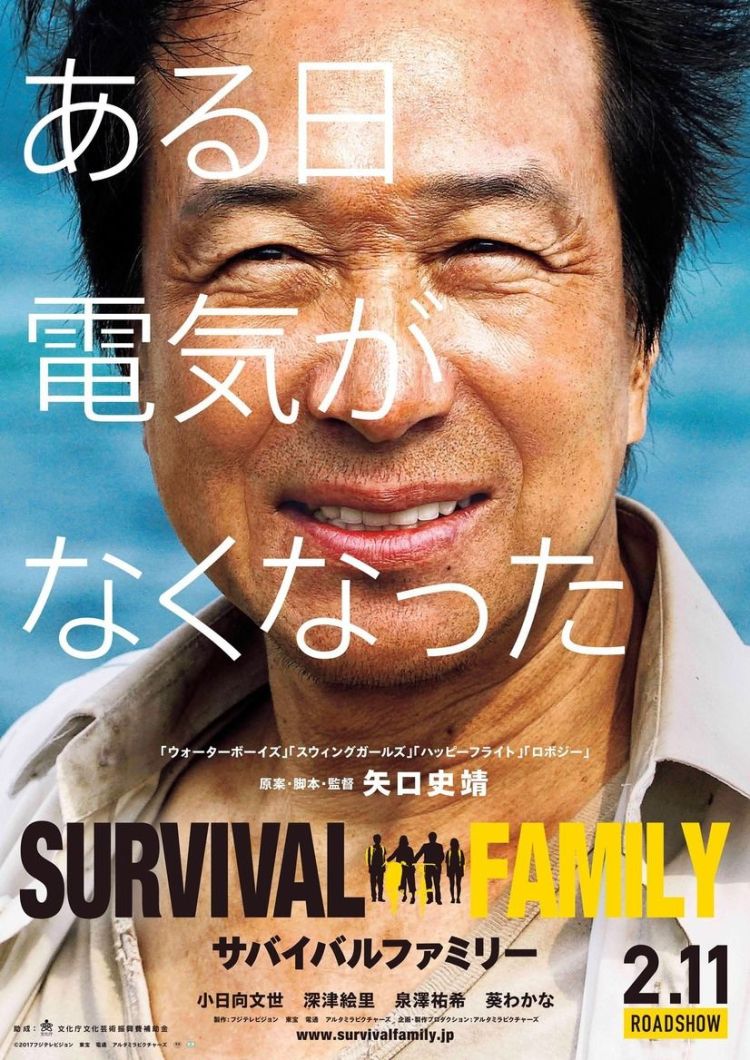 Modern life is full of conveniences, but perhaps they come at a price. Shinobu Yaguchi has made something of a career out of showing the various ways nice people can come together to overcome their problems, but as the problem in Survival Family (サバイバルファミリー) is post-apocalyptic dystopia, being nice might not be the best way to solve it. Nevertheless, the Suzukis can’t help trying as they deal with the cracks already present in their relationships whilst trying to figure out a way to survive in the new, post-electric world.
 Raymond Yip Wai-man’s Cook up a Storm (决战食神, Juézhàn Shíshén) was scheduled to open at Chinese New Year but eventually found itself delayed and awkwardly repositioned as a Valentine’s Day date movie. Something of a rarity, there is no real romance in Cook up a Storm though it may inspire a post-movie visit to the nearest Chinese restaurant with its deeply felt tribute to classic Chinese cuisine and the raucous social gathering that often goes with it. Yip does his best to throw in as many themes as possible from the familiar tradition vs modernity to fathers and sons and the undue influence to China’s new ruling class who possess extreme wealth but (apparently) no taste. Most of these get somewhat lost in the meandering script which eventually falls into a conventional tournament narrative as two very different chefs face off in the kitchen before realising they have more in common than not.
 Windows on Worlds