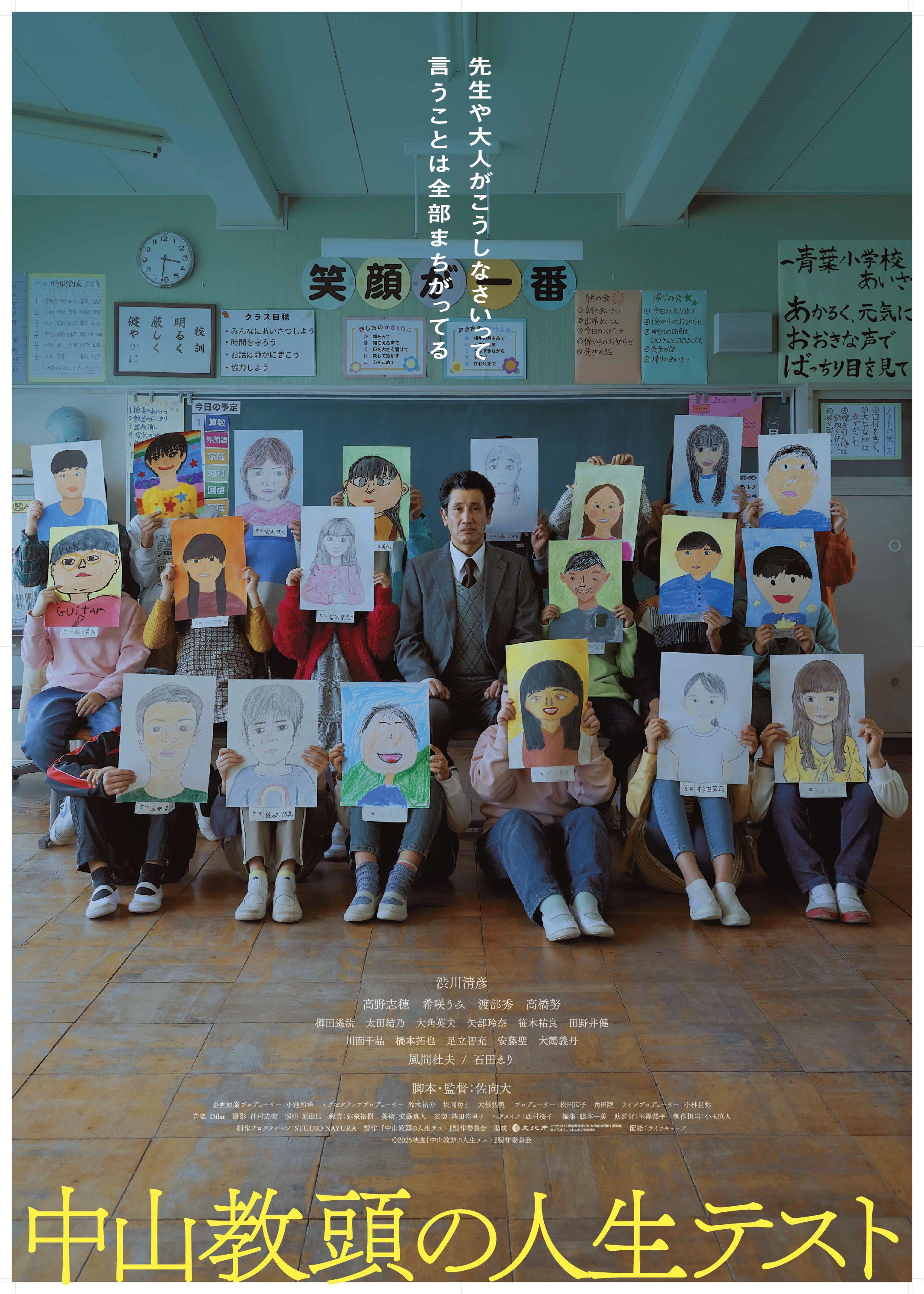
PRINCIPAL EXAMINATION (中山教頭の人生テスト, Dai Sako, 2025)

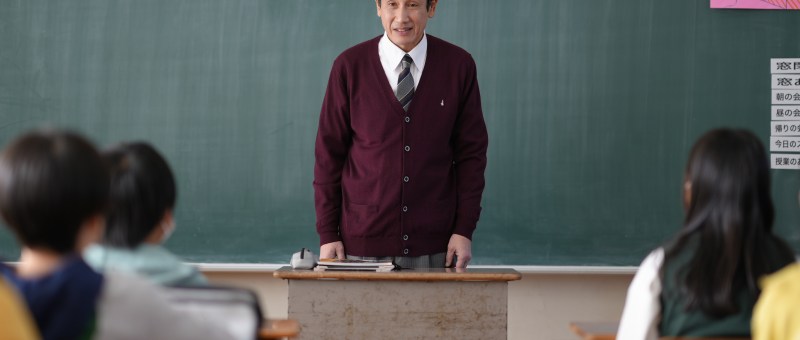
What is the place of the teacher in the contemporary society? Are they extensions of authority whose only role is to insist on order and produce children who will be obedient and know how to follow rules, or is it to educate and care for them so they can become the best versions of themselves free from the pressures of a conformist society? After taking some time away from active teaching, an absent-minded deputy headmaster finds himself confronted by just these contradictions as he’s suddenly tasked with taking over a class of primary school children while studying for the exams to qualify as a head teacher.

A mild-mannered man, it’s clear that Nakayama (Kiyohiko Shibukawa) is already overloaded and that the headmistress, Ms. Takamori (Eri Ishida), delegates most of her work to him. Though he was a frontline teacher for most of his career, he took an admin job after his wife’s death and seemingly lost his enthusiasm for the profession but quickly finds himself in the middle of a wider dispute about the scope of a teacher’s responsibilities to their students. He’s asked to take over after the current teacher, Kurokawa (Shu Watanabe), takes a leave of absence having come in for criticism from the children and their parents over his overly harsh teaching style. We see him force the children to repeat their morning greeting several times because they were not “in unison,” while he otherwise singles children out in front of the class for various rule infractions or poor performance. He appears to be more or less bullying some of the students, including Reona (Michiru Kushida), who comes from a single-parent family and is not able to get her mother to check her homework over for her because she just doesn’t have time.

There is a degree of push and pull between the teachers and parents over the shared responsibility for educating the child with some feeling that asking parents to do this kind of task is unreasonable while also reinforcing traditional gender roles in expecting there to be someone at home who is always available and dedicated only to raising children. This mistaken assumption disadvantages children like Reona while also stigmatising her in front of the rest of the class. Meanwhile, teachers are overly cautious of upsetting parents if they tell a child off in school. One irate father makes a point of coming in to see them when his son was merely questioned about something that happened after class and appears to be something of a bully himself. His son was one of the boys who criticised Kurokawa, and seems to have a lot of pent-up anger that could become a problem in the future but there isn’t much they can do about it at school. 

Kurokawa had only been appointed because Ms. Takamori insisted on temporarily suspending the original teacher, Ms. Shiina (Shiho Takano), because of complaints about something that happened outside of school. She had accepted an invitation to a barbecue with the children’s families where a child fell over and was injured. Ms. Shiina was then criticised for not properly supervising the children though she had only been at the barbecue as a guest and wasn’t responsible for watching them. Nevertheless, she was criticised because her role as a teacher leads people to think that she should be somehow responsible for any children present even when attending in a personal capacity as a private citizen, further emphasising a blurring of the lines when assessing the boundaries around the roles of teacher and parent. 

Ms. Shiina, who also appears to be queer coded, is presented as a more progressive teacher who doesn’t care about playing the game but only about the children’s welfare and wants them to grow up to be morally responsible people who can think for themselves. The irony is that Ms. Takamori may have been similar, later saying that Ms. Shiina reminded her of herself when she was younger, but because of the discrimination and prejudice she faced as a woman she decided her life would be best served by following all the rules so no one could complain. A former champion weightlifter, she had been criticised for a lack of femininity all her life and is also subject to the sexist and misogynistic judgements of the former headmaster, Kishimoto, who has made Nakayama his prodigy, but only if he plays the game which means becoming the kind of teacher who puts appearances first and enforces discipline rather than attempting to find out what’s going on in the children’s lives or fully understand the realities of class dynamics.

Indeed, it turns out to be the kids who are following the rules who are the worst and actively encouraging the semblance of order maintained through hierarchical bullying. Nakayama tries to investigate, but only arrives at half the truth and is torn between his desire to become a head teacher, which means submitting himself to the rigidity of the school system, and the idealism he once had for teaching. He finds himself effectively bullied, pressured into going along with things he doesn’t think are right which is the opposite of what he wanted for the children. As he eventually tells one of them, everything the teachers say is wrong, and what they really wanted to do was right, which is as close to admitting the irony of his position as it’s possible to get. 

The film’s English title has its ironies too as this is also an examination of Nakayama’s principles and how far he’s willing to compromise on them to be validated by the system in becoming a headmaster. He betrays his principles when he takes the test, but gets away with it and is in fact uncomfortably praised for his hardline stance after lying to protect Ms. Takamori by saying it was his decision to suspend a pupil who was caught shoplifting and drinking though some criticise it for its unfairness on the child. After all, suspending them will just result in them having nothing to do and getting into more trouble. But on the other hand, some parents now see this child as problematic and don’t want them back at the school where they worry they may prove disruptive to their own children’s education and development. 

The film offers no solutions though lands on the side of the children rather than the authority, sympathising with Ms. Shiina and encouraging Nakayama to regain his former idealism rather than become just another tool of an already oppressive social system. The fact that Nakayama loses his notebook implies a disregard for the kind of rules that are written in the headmaster’s manual and a return to his own judgement while leaving his final decision ambiguous as to which side of the line he will finally be on or whether he can really change this system from within. Though pretty bleak about the education system and its implications for the wider society, there is still a note of optimism in those like Ms. Shiina who don’t care about the rules so much as the children’s wellbeing that there is still a place for a more idealised form of teaching even within a fairly oppressive society.


PRINCIPAL EXAMINATION screens 31st May as part of this year’s Nippon Connection.

Trailer (no subtitles)

Hotspring SharkAttack (温泉シャーク, Morihito Inoue, 2024)

Just when you thought it was safe to go back to the onsen, prehistoric sharks decide it’s time to strike back against unsuspecting bathers. Is it really so wrong to want to relax in some nice, warm water or are we actually invading the sharks’ territory? In any case, Morihito Inoue’s creature feature Hotspring SharkAttack (温泉シャーク, Onsen Shark) is as much about the ravages of capitalism as it is about aquatic terror as the social media-obsessed mayor fixes his sights on saving the town through a massive onsen complex.

Tellingly, many of the local people are against the plan, which will have profound effects on their livelihood, while many of the local politicians are reluctant to close the onsen despite knowing about the shark issue in much the same way the mayor in Jaws refuses to lose the beach because they don’t want to risk damaging the tourist industry. When they do eventually close them, little children cry to their mothers about not being allowed into the baths, which just shows how important hot springs culture is to this area. 

But then it is quite weird, sharks suddenly snatching people from the baths and somehow dragging them back to sea. Modern science has an answer, thanks to top sharkologist Mayumi (Yu Nakanishi), but it’ll take a bit longer to find a way to stop them getting in while Mayumi agonises about her role in the proceedings as a lover of sharks yet essentially responsible for their destruction. A part of her still wants to find a way to coexist peacefully even as the sharks wreak havoc on the town and continue to pose a serious risk to life. Even so, the area ironically becomes a tourist hotspot after all as a swarm of live streamers arrive to try to experience the shark-infested waters for themselves despite the danger. 

Meanwhile, the sharks’ gills light up like the onsen symbol on maps while the mayor is haunted by the spirits of his ancestors and also wears a tie with little onsens on it. He later thinks better of his sleazy capitalist ways and comes to the realisation that it’s his responsibility to save the town even if that means torpedoing his landmark new resort and acknowledging the harm it would do to the local area. It seems that these prehistoric, super squishy sharks only got woken up because of global warming which is why they’re drawn to warmer waters and able to terrorise innocent onsen-goers. 

The same might be said of Maccho, a very buff guardian of onsen culture who can’t remember who he is or why he was born but is committed to defending protecting hot springs everywhere. Everyone in the town is keen to protect them too, and not just because they drive the local economy. The police chief’s about to retire with a vague idea about becoming a novelist but is still determined to clear up the shark problem, while his assistant later fights off a bunch of sharks single-handed to give the others time to do their thing. 

Unable to use guns because these sharks are also full of methane, this particular issue requires a less conventional solution, though the irony is that it lies at the heart of the problem. The weird disease the sharks starts spreading can only be cured by an antidote found within their own fins. The government might be content to simply destroy the town first, hinting at the indifference of the Tokyo elite to small-town disaster, but the local community won’t let that happen and nor will the hot springs guardian. Inoue adds in a fair degree of absurdity in order to make his central conceit work including a series of weird gags about eating a sub on a sub while harnessing the reality of his low budget to add a note of surreality to the town. The sharks themselves have a pleasingly retro design while the practical effects add to the sense of absurdity right down to the cute little submarine the team eventually constructs using the 3D printer that was designed to build the soulless onsen complex with its rooftop pool and ill-advised bungee jumping facilities. If there’s one thing that Hotspring SharkAttack has, it’s genuine heart along with small-town pride and a sense of fun that actively revels in the ridiculousness of its premise.


Hotspring SharkAttack screens 31st May as part of this year’s Nippon Connection.

Trailer (no subtitles)
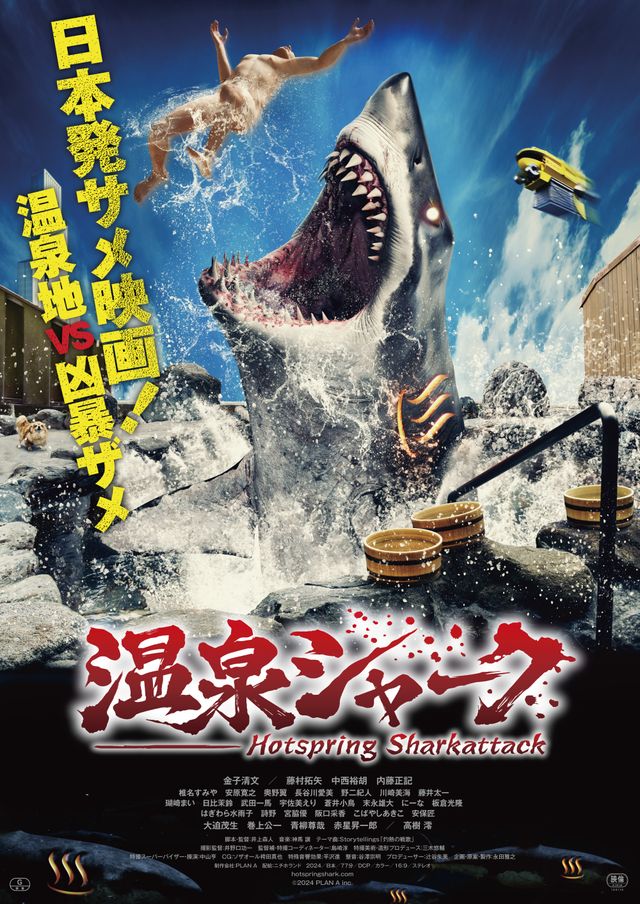
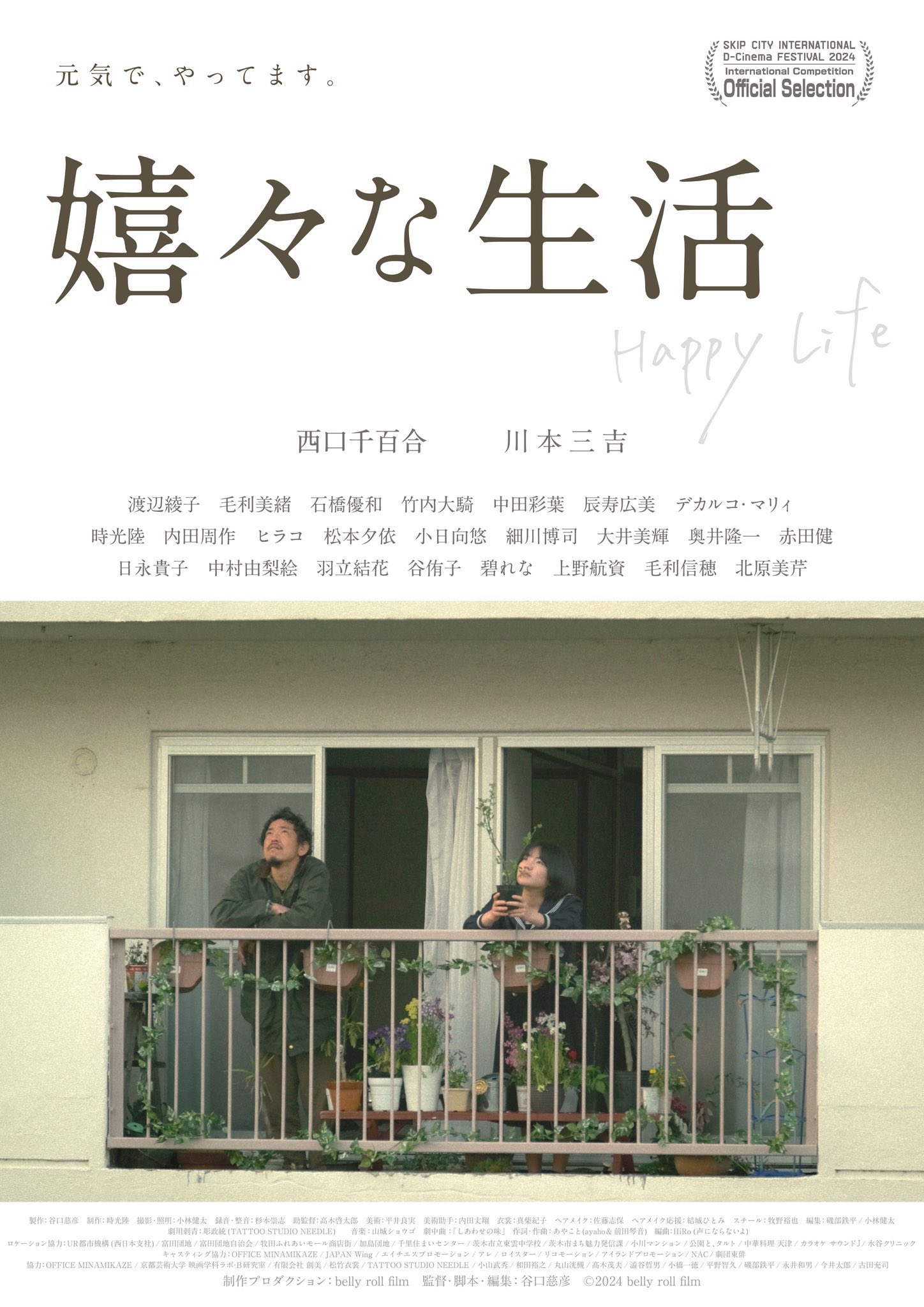
Happy Life (嬉々な生活, Yoshihiko Taniguchi, 2024)

A teenage girl finds herself responsible for her family after her mother’s sudden death and father’s descent into depression in the ironically named Happy Life (嬉々な生活, Kikina Seikatsu). Filmed with gritty realism, Yoshihiko Taniguchi’s indie drama explores life on the margins but also the judgement and stigmatisation of those who are struggling, along with the echoing effects of parental neglect and a wider lack of compassion and understanding in the community.

Kiki once had a happy life but after her parents moved into a larger apartment on a housing estate, it all seemed to go wrong. Her mother died suddenly, and her father Kensuke has become depressed which has left him unable to work and plunged the family into financial insecurity. As the oldest of three siblings, Kiki has had to pick up the strain with the consequence that she has little time to think about her own future. She tells a friend that she doesn’t have any dreams, but it maybe more that she already feels them to be impossible. She’s more or less stopped going to school and is checking out ways to earn a lost of money fast including a few jobs for a dodgy relative of her friend Miyu who keeps trying to talk her into taking up compensated dating or embark on a blackmail plot of their unpleasant head teacher they say is at any rate at least over friendly with pupils. 

Mr. Maehara is also harassing Kiki’s seemingly similarly depressed teacher who has a habit of putting things in his letter box as revenge. Though he chided her for not addressing Kiki’s truancy problem or investigating whether there might be issues at home, Ms. Kozuma does later take an interest in Kiki and her family which does allow her to begin emerging from her own depression after quitting her teaching job. Lifting some of the burden from Kiki, she helps out by cleaning the apartment and cooking for the family while encouraging Kensuke to apply for benefits and seek psychiatric treatment for his declining mental health.

Those on the danchi are supportive in some ways and in others not. Many of the neighbourhood women feel sorry for the children and often give them leftover food, but at the same time they’re wary of Kensuke and have lost both patience with and sympathy for him. The family is now several months behind on the rent and some of the other residents dissapparove of the family being allowed to go on living there while there is no immediate sign that their living standards will continue to rise. A window herself, Mrs Miyake takes Kensuke to task for failing his children but he doesn’t have much of an answer for her, while Ms Kozuma tells her they should be patient because Kensuke ill and can’t simply snap out it to resume a paternal role over his family.

For his own part, he resents Ms Kozuma’s help because it highlights his own failing but is unable to do anything about his situation while lost in dreams of his late wife. Matters come to a head when he inexplicably takes a little girl’s scooter and throws it on the ground which proves the last straw for a community that’s already come to think of him of “scary”. The irate father of the little girl goes so far to suggest that the family should leave because Kensuke makes people “uncomfortable”, even though his own aggression makes him dangerous and unpredictable. Kiki tries to talk back and defend her father, but the other man simply tells Kensuke that he needs to teach his kids some manners because his daughter’s got problems too, signalling the extent to which anyone who doesn’t fit the norm is not really welcome in this society. 

Even so, thanks to the help of Ms Kozuma and means of connecting with her late mother, Kiki gains the courage to dream, too, deciding she will go to high school after all and would like to become a nurse. Though often bleak in its depiction of the family’s mounting disintegration, the film does allow a ray of possibility to leak through suggesting that Kiki will be able to rediscover a happy life sometime in the future even if right now she doesn’t even have the time to imagine in.


Happy Life screens 30th May as part of this year’s Nippon Connection.

Trailer (English subtitles)

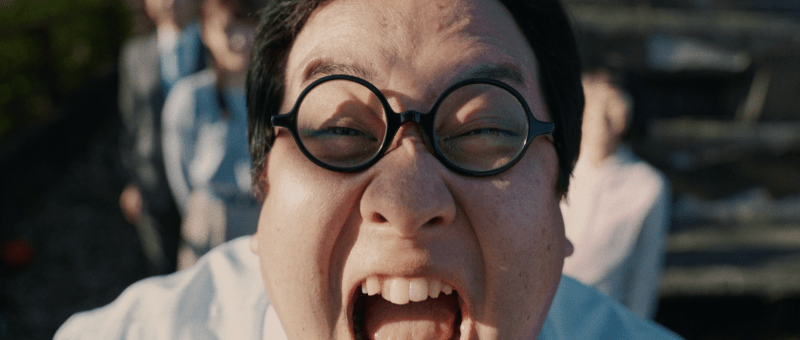
Kaiju Guy! (怪獣ヤロウ!, Junichiro Yagi, 2025)

“This is my grand revenge against the world,” a frustrated civil servant insists while watching a giant avatar of himself destroying the town. Yamada (Gumpy) always wanted to make Kaiju movies, but now approaching middle age he’s given up most of his dreams and aspirations and lives a dull life working in the tourism division of the local council. An opportunity presents itself when he’s put in charge of a PR video for the town at the behest of its ultra-conservative mayor.

Junichiro Yagi’s Kaiju Guy! (怪獣ヤロウ!Kaiju Yaro!) has a meta quality given that it’s about a film designed to promote the local area, but there are many other parallels in play. The first would be Yamada’s unsatisfying life standing in for that of a corporate drone, while the mayor (Michiko Shimizu) is later cast as the villain precisely because of her reverence for “tradition” and is under the impression that changing anything would be a betrayal of her ancestors in a nod to the rigidity of local government. Yamada’s teacher had told him to smash through the constraints, though that’s something he’s only just beginning to find the strength to do. 

Though Yamada immediately suggests making a kaiju movie, he’s quickly shot down and reminded the mayor wants a conventional puff piece they can use to promote the town. Back in middle school, everyone had laughed at him for his DIY kaiju movie except his teacher who told him not to worry about what other people think and that those who challenge the status quo will always come in for attack or ridicule. Back then, the town of Seki had been the monster, though this time it’s supposed to be the victim that will eventually be saved. The mayor’s script had ironically been for a particular brand of hometown movie that’s become common in Japanese cinema in recent years in which a young person has their dreams crushed in Tokyo and rediscovers the charms of the place where they grew up after returning home in defeat. But there is something quite sad about the juxtaposition of Yamada thinking through the themes of the movie while riding his moped along empty streets which are flanked by rows closed shops.

The economic possibilities of the town becoming a tourist hotspot if the movie does its job might be one reason why many of the local businesses immediately pitch in to help besides a desire to display their hometown pride. Of course, most of them pull out when Yamada reimagines it as a kaiju movie even if he has a few supporters who think a kaiju movie might be fun and interesting way to sell the positives of Seki. In the course of making his movie, with the help of a grumpy, retired kaiju movie master by the name of Honda (Akaji Maro), Yamada discovers a way to use various local assets, such as filming sparks at the factory to create the fire-breathing effect and capturing the strange sound of a local bird for its roar. The heroes of the film become the local businesses supporting it who appear as a mini squad teaming up to fight the monster, while Yamada himself plays the marauding beast and “saviour” of the town going after the mayor and city hall to challenge their conservative insistence on tradition. 

What he eventually discovers is that even the mayor herself is oppressed by “tradition supremacy” and once had to give up her own hopes and dreams to conform to her family’s insistence on the way things should be done. Her abrupt decision to make the film may have been a reflection of her latent desire for change, both for herself and for Seki even as she constantly harps on about cormorant fishing and sword making which are apparently the two biggest draws. Ironically, the film completely fulfils its role as a PR movie for Seki capturing the small-town charms of the area along with its warm community spirit. Smashing through barriers with his kaiju movie, Yamada’s dull and grey existence is suddenly brightened through accessing his creativity and having his artistic desires validated by those around him. Not only are kaiju movies not naff or nerdy, but a source of fun that can bring the community together as well encourage visitors from outside if only to explore the kind of place that could have produced something so wonderfully unconventional.


Kaiju Guy! screens 30th May as part of this year’s Nippon Connection.

Trailer (English subtitles)

Images: © 2024 Team KAIJU GUY!

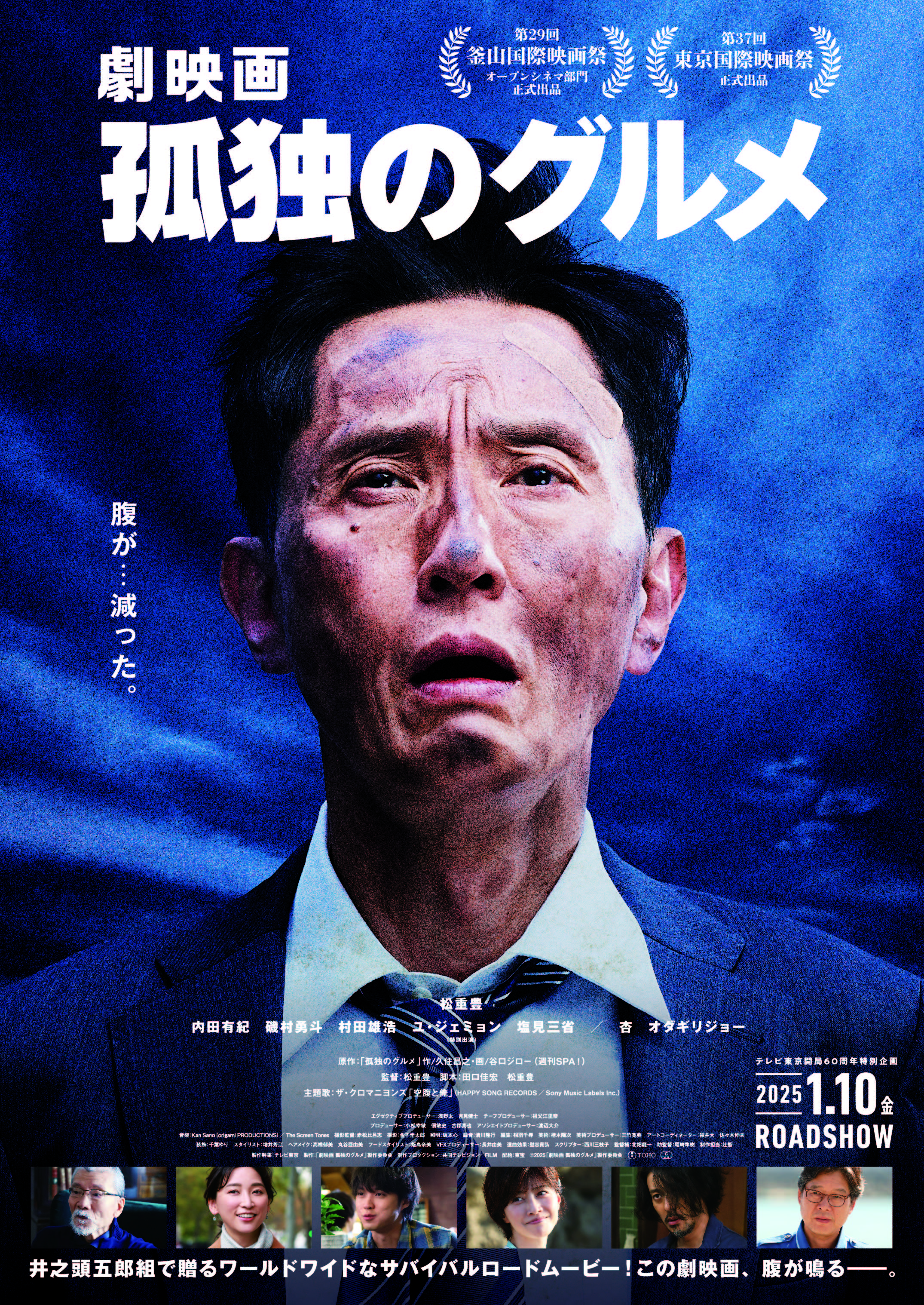
The Solitary Gourmet (劇映画 孤独のグルメ, Yutaka Matsushige, 2024)

Isn’t it funny how a good bowl of soup can make everything better? Based on the manga written by Masayuki Qusumi and illustrated by Jiro Taniguchi, the feature-length edition of the long-running series has a distinctly soupy feel as salaryman Goro (Yutaka Matsushige) finds himself travelling Japan and abroad in search for the ingredients of a soup an old man ate as a child. Airing since 2012, The Solitary Gourmet TV series was a trendsetter for Japanese comfort foodie cinema and has given rise to several other similarly themed shows in which the protagonist visits a real life establishment and enjoys whatever they have to offer from food to sake, sweets, and even traditional bathhouses.

In fact, there’s even a meta joke towards the end of Solitary Gourmet (劇映画 孤独のグルメ, Geki Eiga: Kodoku no Gourmet) in which one of the restaurants Goro goes to is featured in a show about a foodie salaryman while he plays a fellow customer. The newly international setting reflects the increased budget of a theatrical feature and also helps to expand the series’ episodic format in leading Goro on a crazy chase that begins with the daughter of an old friend in Paris (Anne Watanabe) who enlists him to hunt down the ingredients for her grandfather’s cherished soup. Of course, this provides an excuse for Goro to go to the remote Goto Islands and learn about the local cuisine while running around collecting random samples like he’s on a side quest in an RPG. 

Then again, it also offers him the chance for some surreal adventures, including getting cast away on an uninhabited island before being rescued by the Korean-speaking residents of a food research institute. It’s there that he meets Shiho (Yuki Uchida), a Japanese woman living on “an island for women who are fed up with men,” and a former restaurant worker retreating from a marriage fracturing under the pressures of trying to run a restaurant in the post-COVID society. When Goro later catches up with her husband (Joe Odagiri), he too is a depressed, broken figure who now only serves fried rice in his incredibly unwelcoming restaurant. But being talked into helping Goro recreate the old man’s beloved soup seems to reactivate his creative juices and give him the desire to get back on his feet. 

Star Yutaka Matsushige directing for the first time throws in a brief homage to Tampopo but what the film is most interested in is the universality and healing power of a tasty broth from the onion soup Goro eats in Paris to the Haejangguk, or hangover soup, that he orders in Korea while being watched over by an exasperated immigration officer (Yoo Jae-myung). That Goro’s quest takes him so far hints at the shared history of the two nations and the various culinary influences and universalities running between them with soup a means of healing and friendship. Exchanging a few words of Korean, Goro tries to ask what the name of the fish in his soup is, only to come to an understanding when the immigration officer writes it down for him in Chinese characters. 

All this food really does bring people together, as Goro gets pretty much everyone he meets roped into his quest to recreate the old man’s childhood dish as his deathbed request. Matsushige recreates the zany humour of the TV series including his familiar “I’m hungry” catchphrase, followed by the camera taking three steps back and picturing Goro in front of some notable landmark. He also doesn’t seem to be getting much work done while running around trying to figure out this soup even he’s never actually tasted it and is reliant on the old man’s fragile recollections. Goro had been in Paris to deliver a painting of somewhere he once lived and the old man remarked that photographs are records of time but painting turns them into memories. Food, or more specifically soup, might do something similar, at least according to the old man who is desperately trying to reclaim something of the home comforts of his youth. Of course, the old man is the only one who knows what the soup tastes like, so perhaps Goro is on a fool’s errand, but as he later says, soup does seem to be the water of life and thanks to its healing qualities a universal symbol of peace and harmony not to mention friendship and kindness.


The Solitary Gourmet screens 29th May as part of this year’s Nippon Connection.

Trailer (English subtitles)

Images: ©2025 “Solitary Gourmet” Film Partners

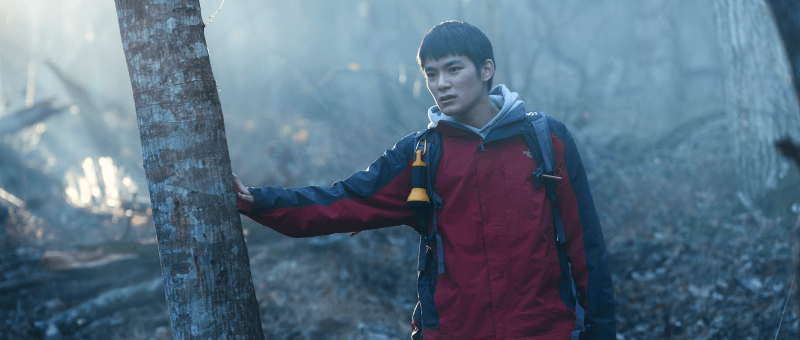
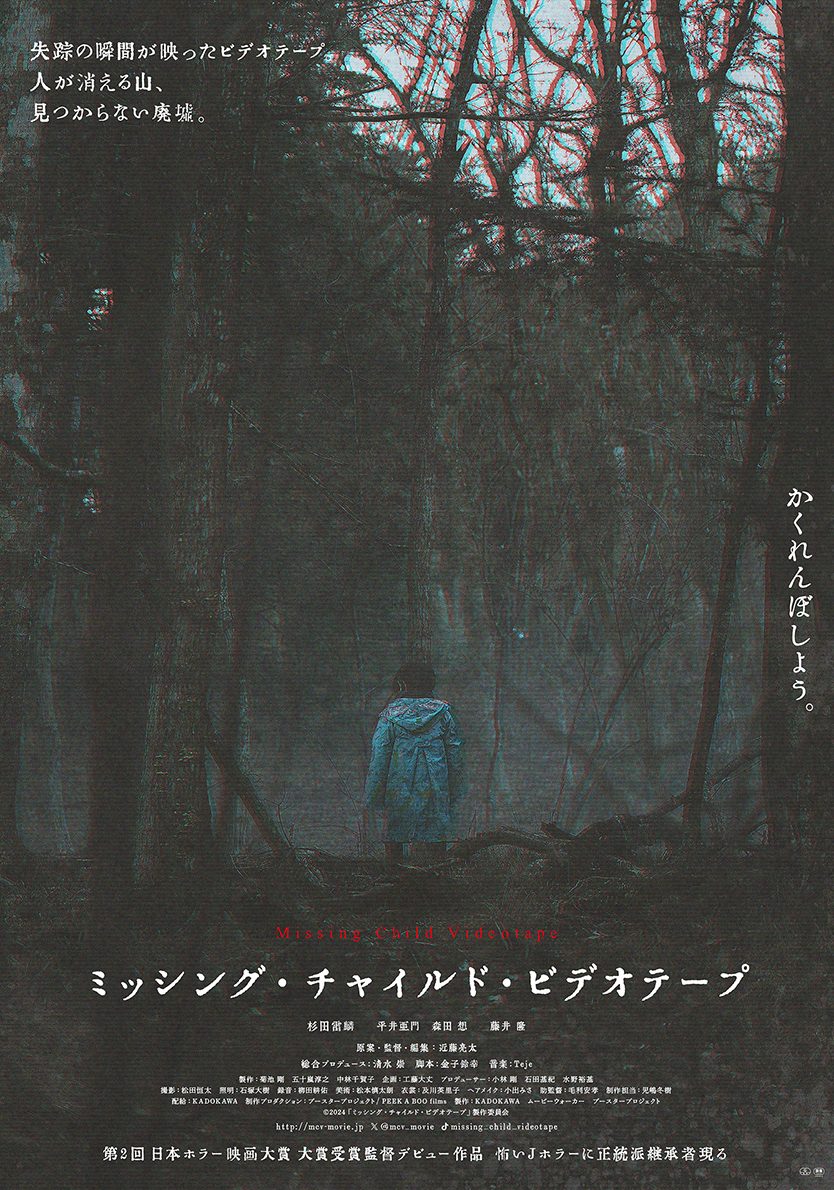
Missing Child Videotape (ミッシング・チャイルド・ビデオテープ, Ryota Kondo, 2024)

“Now you’re it,” a little boy says, but in a game of hide and seek it can be difficult to tell the seeker from the sought. Inspired by classic J-horror, Ryota Kondo’s eerie debut feature Missing Child Videotape (ミッシング・チャイルド・ビデオテープ) takes the innate fear we have of things that are so old they surpass our understanding and couples it with a more psychological dread in which the heroes are quite literally haunted by their personal traumas.

The irony is that we first meet Keita saving a little boy lost in the forest, though he’s haunted by his failure to do the same for his younger brother Hinata who disappeared 13 years previously when they were both children. Keita’s mother regularly sends him VHS tapes of the day Hintanta went missing he shot while playing with his father’s camera. Keita had been rude to his mother and seemingly resented his little brother tagging along behind him. He tells Hinata to go away, which he of course then does, never to be seen again. The boys somehow wander into a disused building where Keita suggests they play hide and seek, mostly so Hinata will go hide and stop bothering him. Catching sight of Hinata in a corridor, Keita tells him that he’s now “it” so it’s time to come look for him instead, but now he can’t find his brother anywhere. His rising panic is palpable from the terror in his voice to the increasing shakiness of the camera, even as it transitions into the mental state of the adult Keita as if the tape itself were on a constant loop in his mind. 

There is a suggestion that the boys are still playing hide and seek and that Hinata has also been trying to find his way back to his brother all this time. As for the now grown-up Keita, he’s fairly detached and on a surface level a little indifferent, still resenting his brother for seizing an eternal spotlight. He’s sick of everyone talking about it all the time and equally of the ambivalence of being the brother of the boy who disappeared, alternately pitied and suspected. He thinks his parents actually thought he probably killed Hinata but did nothing about it, while he always resented them anyway. Even as a child, it seemed apparent to him that they were only playing the roles of a family and none of it was “real”. In any case, he did not want to be forced into the role of big brother with all the responsibility that entails. 

To that extent, Keita is also a “missing child” and a man who is still a boy lost in a disused building that apparently never existed. His search for his brother is also a way of reclaiming himself and opening up to more complete human connections. The film is curiously ambiguous in its depiction of the relationship between Keita and Tsukasa, the man with whom he lives who has psychic abilities and is able to see ghosts and supernatural entities. Tsukasa tells the equally haunted reporter Mikoto that he’s “the person who lives with him,” but the pair otherwise behave more like a couple if one that seems content to let their secrets breathe.  

Nevertheless, Tsukasa comes to the conclusion that Keita is “under the influence of the mountain,” which as it turns out, has taken several more victims before and since Hinata’s disappearance. Another strange young man tries to warn Keita not to go back there, telling him a weird story about how his grandmother cannot really be his grandmother because of the ironic results of her sacrifice to the mountain gods. Indeed, this curse may reflect the lack of respect we’ve shown to the natural world as the mountain has become a dumping ground for unwanted things from bits of temples to a collection of funerary urns. Perhaps “unwanted” people are being thrown away there too, spirited away by the mountain and placed in some other realm. 

Kondo includes two kinds of tape each of which is imprinted with the psychic echoes of a traumatic event as Mikoto comes across a cassette recorded by students who also found the building that doesn’t exist, reflecting both the technological anxiety of classic J-horror along with the way that trauma replays and imprints itself on the present. Keita still appears to be haunted, and not least by himself as well as whatever did or didn’t happen the day his brother disappeared and the latent guilt he feels because of it. Playing hide and seek with himself, it seems that Hinata, and those he’s lost, may indeed have been with him all along, though both seeker and sought are apparently both trapped within this infinite loop of fear and loneliness. 


Missing Child Videotape screens 28th May as part of this year’s Nippon Connection.

Original trailer (English subtitles)

Images: ©2024 “Missing Child Videotape” Film Partners

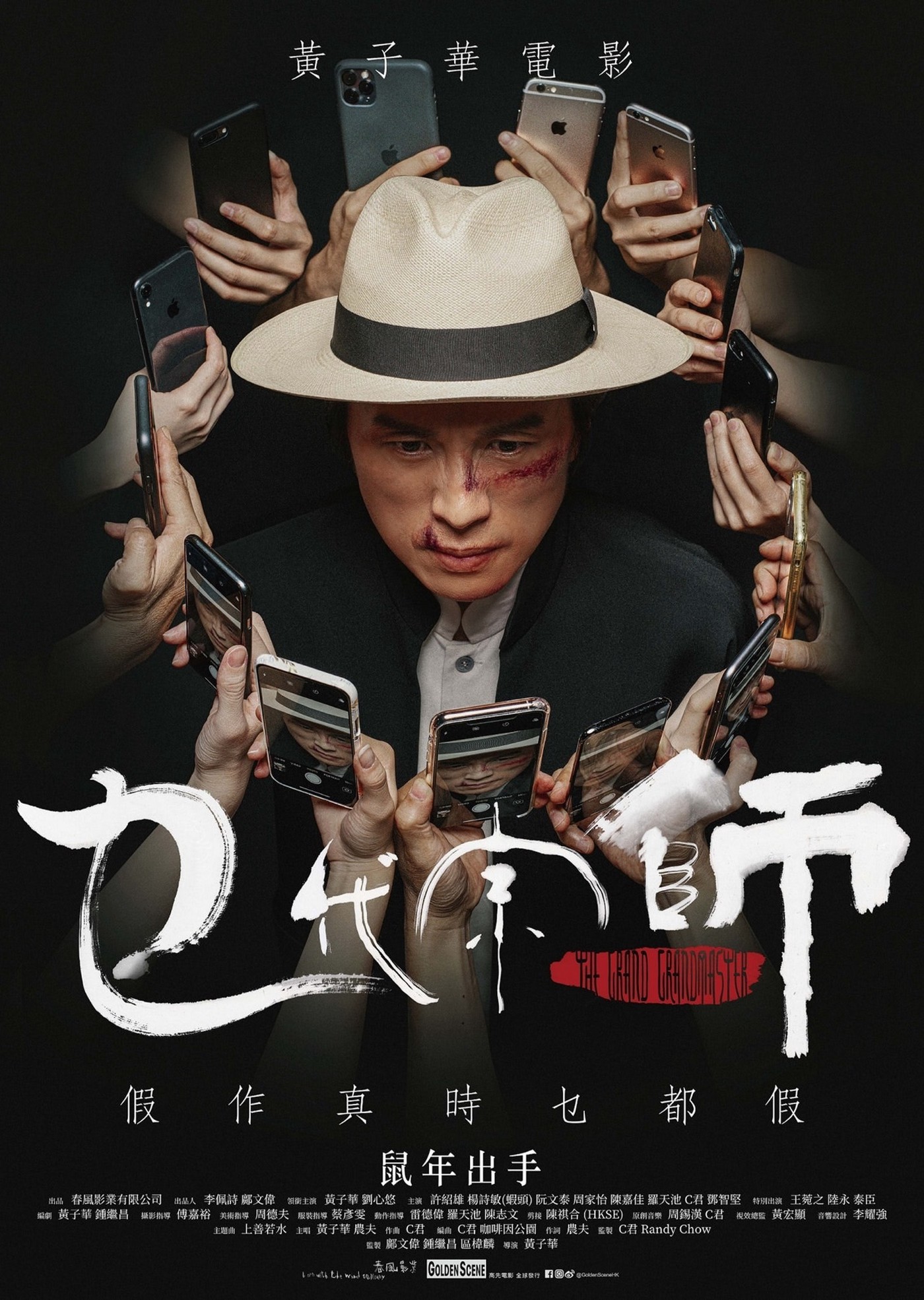
The Grand Grandmaster (乜代宗師, Dayo Wong, 2020)

Are you actually “the grandmaster” or just a bit “grand”, the hero of The Grand Grandmaster (乜代宗師) is eventually forced to ask himself after being confronted with the various levels of his self-delusion. Legend has it that comedian Dayo Wong sold an apartment to finance his second directorial feature in order to produce a purely local film without having to submit himself to the strictures of the Mainland censors’ board or accept funding from the greater PRC, a move which endeared him to the young protestors then still out in the streets campaigning for democracy. The Grand Grandmaster was one of the few New Year films to make into cinemas before they shut down because of the pandemic but aside from Wong’s grand gesture is perhaps light on political content, save for a mild satire on the commercialisation of kung fu. 

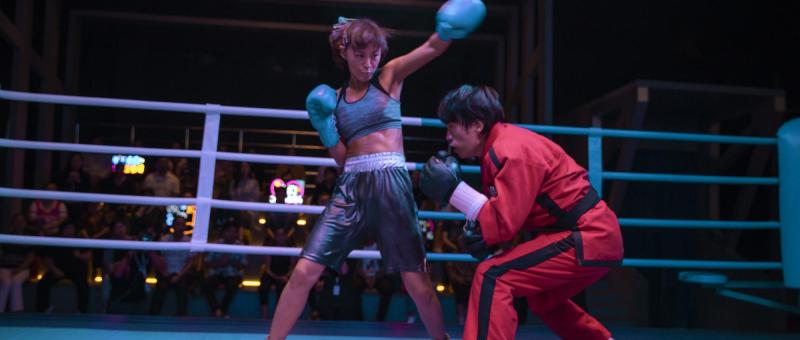
The Grand Grandmaster, Ma Fe-lung (Dayo Wong Chi-Wah), is the latest guardian of the Ma Ka Thunder Style martial art apparently carried by one of his ancestors to Hong Kong from the Mainland during the Song dynasty. Ma Ka Thunder has since become something of a brand with its own dedicated merchandising line and video ads playing on giant billboards featuring Fei-lung himself as the face of the organisation. His hopes for US expansion along with his general business plan are disrupted when he gets into a public altercation with an old man who tries to steal his taxi and then makes a scene claiming that Fei-lung hit him leading Chan Tsang (Annie Liu Xin-You), the “boxing goddess”, to emerge from the shadows and give Fei-lung a public beating. Filmed by everyone in the surrounding area, the event becomes a viral phenomenon that leaves Fei-lung humiliated but while his minions urge him towards a public rematch to regain his reputation, Fei-lung is consumed with despair on realising there is no way he could ever hope to defeat the feisty young woman. 

Wong has fun satirising the lore of kung fu as Fei-lung outlines the strange tenets of the Ma Ka Thunder Style which turns out to make more sense that it first seems only generations of practitioners have it seems forgotten something quite fundamental. Fei-lung and his associates have to ask themselves if the art of Ma Ka is really just “fake fighting”, something suggested to Fei-lung by his loyal assistant who makes a point of overdoing his defeat and admits he only stays with the school because living outside is hard and here he gets room and board. Urged to show his full strength, he effortlessly defeats his master but only by abandoning Thunder Style for a selection of moves from other martial arts. 

The remainder of the film sees Fei-lung trying to “dodge” Tsang, firstly by trying to bribe her to throw the fight for him and then by convincing her to get more “comfortable” with the idea of losing. Events take a rather strange turn when Tsang’s dad gets involved and starts training Fei-lung for real in an effort to get back at his daughter for quitting boxing after a single defeat apparently humiliating him in another nod to the film’s strangely sexist worldview. Tsang bizarrely falls for Fei-lung after witnessing the depths of his self-delusion in his complex relationship with his ex-wife, building to a crisis which accidentally makes a case for domestic violence in insisting that Tsang will only believe that Fei-lung really loves her if he defeats her in the ring. 

Nevertheless, the conclusion is an oddly egalitarian one in which there is no win, no lose, no draw. Fei-lung realises the various ways in which he’s been deluding himself and presumably emerges with a little more clarity, awakened to the true meaning of the “virtue like water” motto of Ma Ka Thunder Style which apparently lies in generosity of spirit, giving without expecting in return and like water trickling down. Which is to say, Fei-lung learns to stop dodging life’s blows, to give up on tricks and fakery, and to be a little more authentic, which is perhaps how he wins Tsang’s heart and respect. A committed performance from Liu helps to mitigate some otherwise flat comedy though the saga of the kung fu con man rediscovering his sense of social responsibility through a true appreciation of martial arts never quite hits home, while a strange mid-credits diversion perhaps proves one move too far.


Trailer (Traditional Chinese / English subtitles)

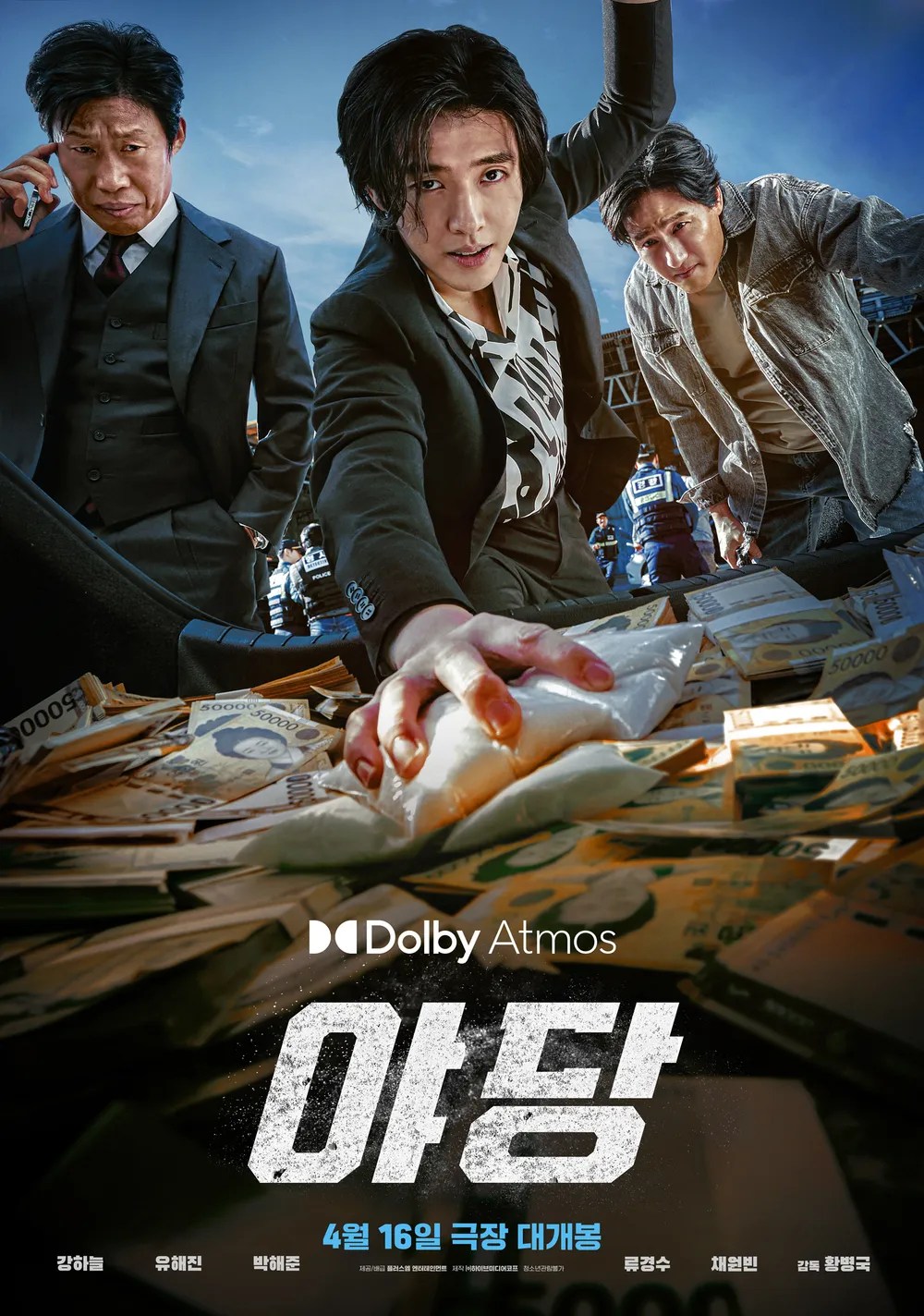
Yadang: The Snitch (야당, Hwang Byeng-gug, 2025)

A Korean prosecutor can make or break a president, according to the ambitious Ku (Yoo Hae-jin) making a final power play to put an arrogant chaebol son in his place. But Ku isn’t trying to make a stand for the rule of law so much as bend it to his own will while securing his position, because in the world of Yadang: The Snitch (야당) justice is largely illusionary while mediated through the complex interplay between the social and political elite, crime, and law enforcement.

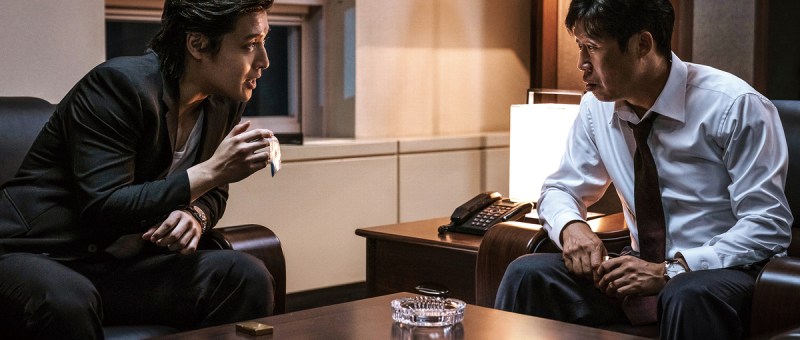
The hero, Kang-su (Kang Ha-neul), makes this plain in explaining that the big drug busts that get the police into the papers are largely all orchestrated through the snitchery of yadang like himself, a set up in which low-level drug users are encouraged to become police informants in return for lenient sentences allowing the detectives to take care of the dealers. Perhaps that’s all very well, as detective Sang-jae (Park Hae-joon) says, there’s no point locking up hundreds of users because the supply is endless and it makes no difference to the business. Kang-su’s likening of them cockroaches is a little problematic, even if he has a point that if you want to get rid of the infestation you have to go in for the nest.

But it turns out the nest is in an unexpected place because the nexus of corruption is in the government and political system which has been infiltrated by wealthy businessmen looking to further their own ambitions through politics while their feckless children behave like princelings knowing they can do whatever they want and then ring their fathers to make whatever consequences might occur go away. Though the film doesn’t go too deeply into it, there is something in the fact that both Ku and Kang-su come from poor, single-parent families though the direction of their ambitions might be quite different. Ku has studied hard to become a prosecutor and escape his poverty, but has only 10 years to make it into the top ranks or be forced to resign. He exploits Kang-su’s desire for wealth and agency to help him achieve his ambitions but though he describes him as a brother, is all too ready to throw him under the bus once he’s no longer useful to him. 

For his part, Kang-su relishes his role within this ironic system as someone on the fringes of crime but also facilitating law enforcement without being manipulated by the police in the same way that their informants often are. Sang-jae swears to protect a young actress after picking her up in a bust if she helps him catch the kingpins but in the end he can’t do it, partly because of Ku, but also because at the end of the day his fellow officers have the same opinion of their snitches as Ku does his and aren’t terribly invested in their safety or wellbeing. After getting caught up in Ku’s showboating raid on a hotel where chaebol son Hoon is partying with yakuza drug dealers, Su-jin’s (Chae Won-bin) career is ruined and on her release she has only the drug scene to rely on with the consequence that she becomes an addict and a dealer herself.

But it was Hoon (Ryu Kyung-soo) that made her a user in the first place by spiking a drink and then went on to use his privilege to control her and make sure that she stayed within his orbit. Ambitious men like Ku make their deals and let the chaebol sons get away with their crimes, though his late in the game attempt to remind Hoon that he could ruin his father’s chances of becoming Korea’s next president if he chose to implies his own sense of worthiness that he is actually above this illusionary elite though he may be overestimating his reach. These three branches of branches of power operate in a symbiotic system and need each other to survive. Ku is only really a kind of Yadang himself, mediating between a social and political elite while enjoying only the illusion of power and independence. Hwang ups the action stakes with some high impact set pieces including that in which Kang-su uses the brute force of his Hummer to literally bulldoze a car full of drug dealers while the police chase after them with metal poles, but seems to suggest the real violence stems from the system if ultimately opting for an ironic buddy cop conclusion in which Kang-su uses his considerable skills in a more legitimate fashion.


Trailer (English subtitles)

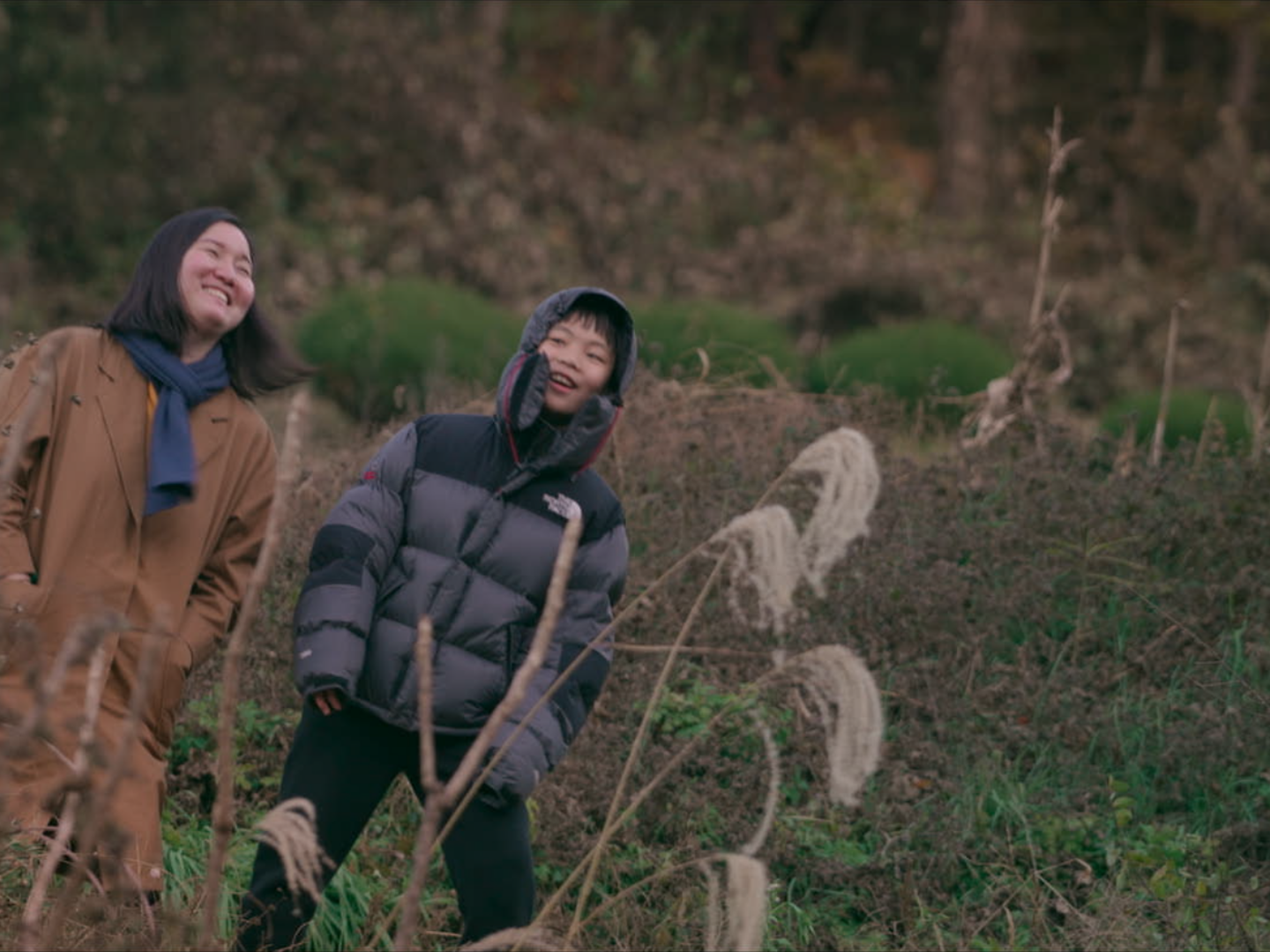
Edhi Alice (에디 앨리스: 리버스, Kim Il-ran, 2024)

“I’m Alice, who is living in the present,” one of the two protagonists of Kim Il-ran’s documentary Edhi Alice tells the camera when asked to introduce herself. A transwoman in her 40s, Alice got her name from film director Lee Joon-ik while working on Dong-ju: The Portrait of a Poet, a film inspired by the life of a poet who died as a political prisoner yearning for freedom and authenticity in a Japanese jail during the colonial era. 

Freedom and authenticity are both things that Alice has found in her transition and is continuing to seek. As a child, she had a consciousness of herself as female until her sister remarked in a phone call that she was becoming a man after noticing that her voice was breaking. Surrounded by an intensely patriarchal society, Alice convinced herself to conform to common notions of masculinity, even getting married in an attempt to live as a man and prove herself as one by having a child. Only after the marriage ended did she begin to embrace her authentic self by undergoing surgery which, she points out, is somewhat unusual in that she chose to remove her genitals right away because she couldn’t bear to live with the reminder of her masculinity. However, she has avoided other kinds of medical interventions such as plastic surgery stating that she doesn’t see the point now that she is already in her 40s and has no plans to date. 

She does, however, live in a more liminal space in which her transness is not immediately apparent while working in a stereotypically masculine industry as a lighting director for film and TV in which, as she points out, her height and strength are definite advantages. Though she says she has not experienced much prejudice and discrimination while working on films, she reveals that she was dismissed from a TV project because the producers were “ultra-conservative” and did not want to work with her. Meanwhile, there’s a genuine poignancy in the crew’s visit to a public bath as Alice reflects that she probably won’t ever have the opportunity to visit one again, suggesting that she most likely won’t be admitted to the women’s bath given her gender presentation and fears may make people uncomfortable if she were. 

Edhi doesn’t have the same trouble, but has not yet completed her transition having visited a fortune teller and been advised to wait until a more auspicious time. Working as a councillor for LGBTQ+ youth, she assumed she must have been gay because she liked men but only later came to realise after joining an LGBTQ+ choir that the gay men around her did not experience the same kind of discomfort in their bodies and that she must be trans. But like Alice, she originally tried to conform to what it means to be a man in Korean society. When she tried to explain her identity to her mother, she had dismissed it by saying that it was only because she didn’t want to serve in the military. Trans people are not welcomed in the armed forces and Edhi reflects on the death of Byun Hui-su who fought for her right to serve by beginning her transition while on leave from military service. Her desire to continue being a member of the armed forces was denied and she was dismissed. She later took her own life.

While affected by the deaths of so many people around her who could not find a way to survive amid the intensely conformist pressures of Korean society, Edhi does her best to live her life while taking care of her parents and nephews. Though her father might use male pronouns and continue to refer to her as his son and her mother, though supportive, worries that she might regret her choices later, Edhi was surprised by the ease with which her nephews simply accepted her explanation of her transness and agreed that “Edhi is just Edhi,” agreeing to call her by her name rather than uncle or aunt. She fears being forgotten and regrets having thrown away photos of her other life but continues to pursue her dream of living in a house with her mother and opening a cafe. While never shying away from the physical pain involved in transitioning, the film reinforces the sense of liberation it can bring if tempered by the realities of life in contemporary Korea.


Edhi Alice screens at the ICA 18th May as part of this year’s Queer East.

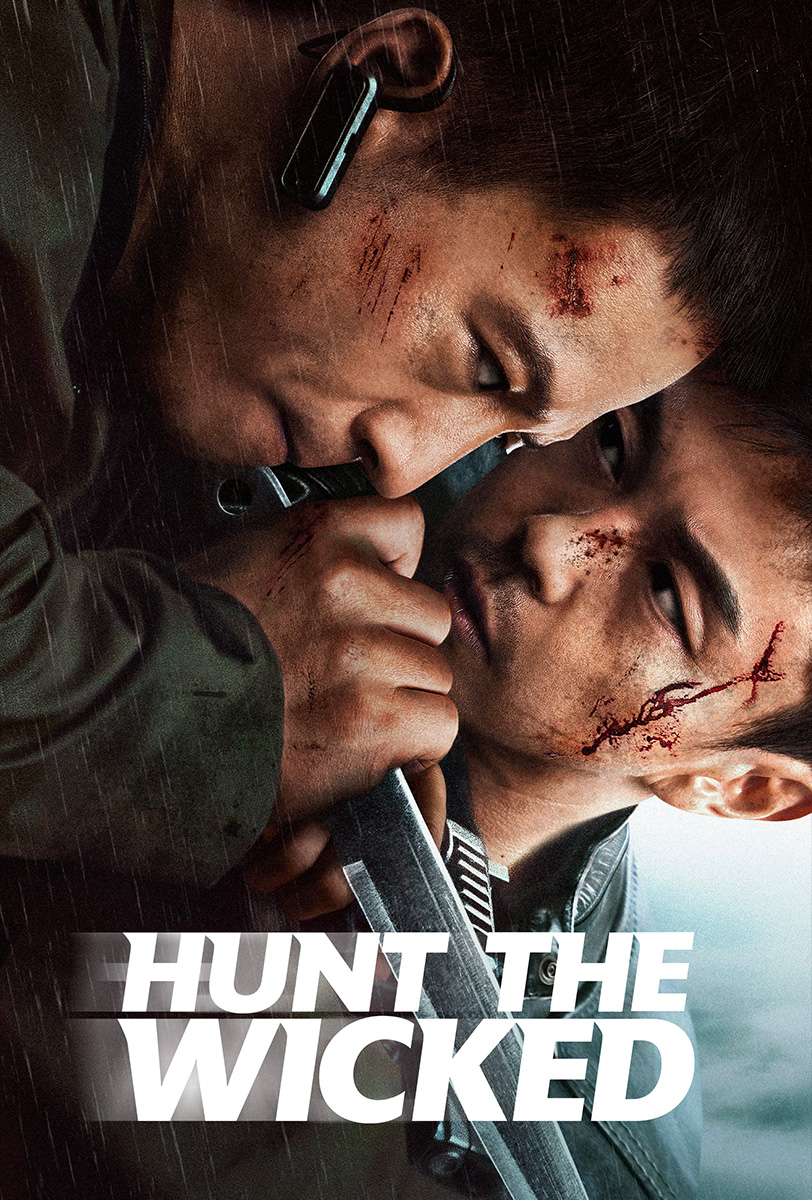
Hunt the Wicked (缉恶, Chris Huo Suiqiang, 2024)

Once again set in a fictional South East Asian nation, Chris Huo Suiqiang’s Hunt the Wicked (缉恶, jī è) neatly unites the contemporary obsessions of political corruption and drugs as an earnest cop discovers he has an unexpected ally in a man he first assumed to be a crook. Consequently, and perhaps subversively, he realises that these twin problems can only be rooted out from outside of the official justice system and the rules of conventional law enforcement.

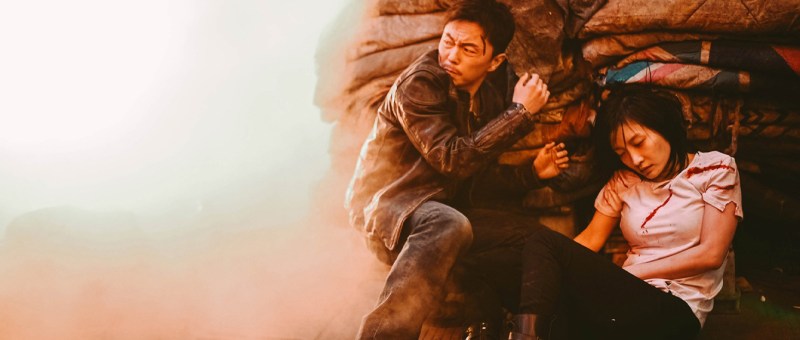
The opening sequence sees Wei Yunzhou (Andy On) and his wife Na Mei (Hong Suang) go after a chemistry professor who has secretly been working on a new techno drug called Ice Spider for a kingpin named King Long whom they have yet to identify. Making off with the designer drugs encased in ice, Wei Yunzhou is later confronted by hero cop Huang Minjin (Tse Miu) who takes the credit for their recovery. The city of Wusuli had been regarded as drug free as Huang and his colleagues had already rounded up all of the local dealers, but in fact, despite what Huang’s superiors instruct him to say in the press conference, the drugs were manufactured locally and that there’s another gang in town who are now running the entire operation alone.

A subplot about cleaning up the sewers to make the water drinkable hints at the embedded corruption of the society in which the mayor, who ran on a Duterte-esque anti-drugs platform, is later revealed to be the mysterious kingpin King Long and in effect merely used his position to take out the competition. Wei’s wife Na Mie later also hints at a persistent sense of elitism and inequality as Huang refuses to believe her claims that people are being abducted and used as drug mules against their will by insisting that it’s impossible for large numbers of people to be going missing under the radar. Pointing out most of them were from the slums, Namie explains the truth is they simply weren’t missed and the system so little values the lives of those like her from poor areas that it doesn’t bother to account for them. 

Though Wei first seems like he wants to take over the drugs business in Wusuli, it soon turns out that he as something else on his mind and like Huang is pursuing a noble mission in trying to get revenge against King Long. Realising they share a common goal, the two men generate an uneasy alliance as they team up to expose the mayor and take down not only Kin Long but all the other gangs who are working with him while setting free all the people he stole from the slums and getting rid of the source of corruption before mayor Song Pa can be elected as governor making him otherwise unassailable.

Huo ups the action stakes while making use of top stars Tse Miu and Andy On one of whom fights with a sledge hammer on a chain and the other a retractable knife on a wire. In some ways, these two weapons represent their approaches to justice, with Huang pictured on TV using the sledge hammer to smash through the ice and expose the drugs. He makes a noise and does everything in the open. Huang is so old school, he can’t even work the new printer. Wei meanwhile is a silent killer slicing and dicing with his knife on a string while otherwise using it to craft salmon sashimi at every conceivable opportunity. He’s pursuing his own kind of justice in the shadows and playing a long game that makes it unclear whose side he’s really on until it becomes obvious that he doesn’t really care about drugs or even really the corruption. He’s motivated solely by vengeance that is tinged with righteousness in that like Huang he is also trying to get justice for his men who were also casualties in this duplicitous war on drugs. 

As usual, the film ends with a roundup of the punishments all the guilty parties were given after being caught and arrested to ram home the message that both corruption and drugs are definitely bad things that no one should have anything to do with. It does however accidentally endorse the hero’s brand of rogue justice even if each of them also pay a price for stepping outside of the accepted rules of law enforcement. Then again, the fates of each of the female characters attached to the three leading men leave a sour taste in the mouth in rendering each of them mere plot devices in the guys’ machinations. The same could be said for the awkward characterisation of female police officer Tianyu (Gu Jing) as the squad’s maternal figure in her obsession with getting everyone their favourite dinner while simultaneously at the centre of a love triangle between boxing cop Li (Anson Leung Chun Yat) and the intense Huang. Nevertheless, the film more than makes up for any shortcomings in its high-octane action sequences and impressive production values.


Hunt the Wicked is released on Digital in the US on May 20 courtesy of Well Go USA.

Trailer (English subtitles)