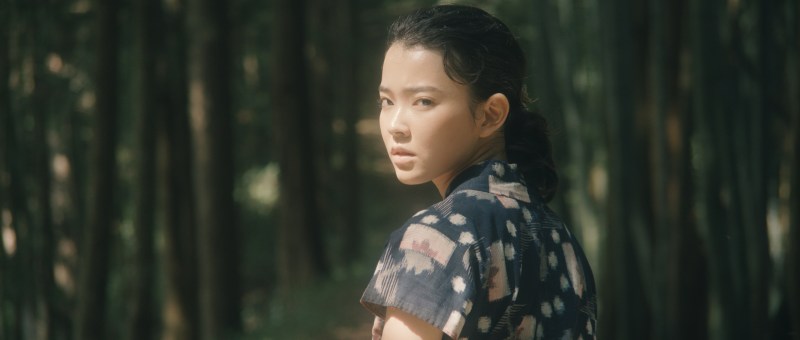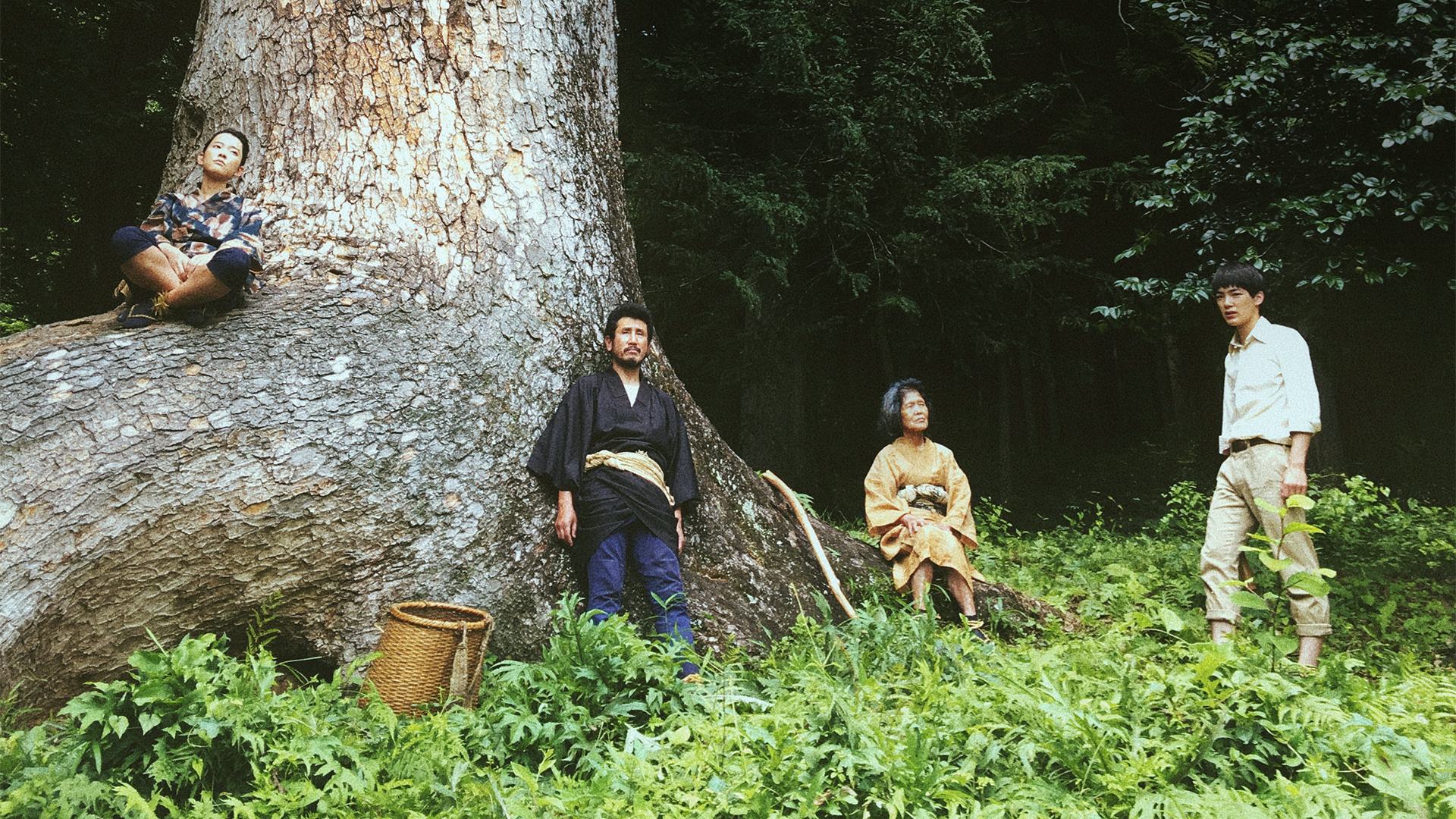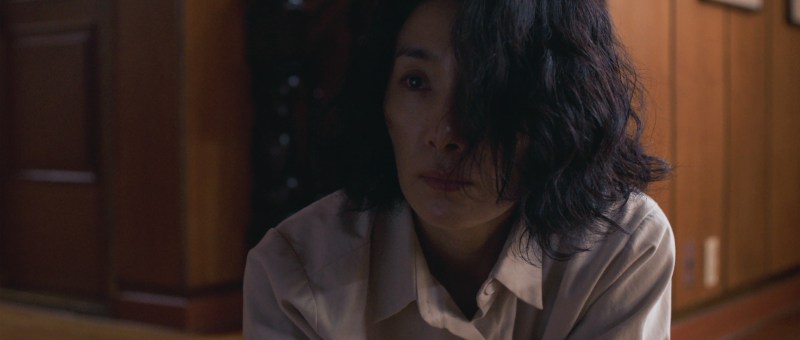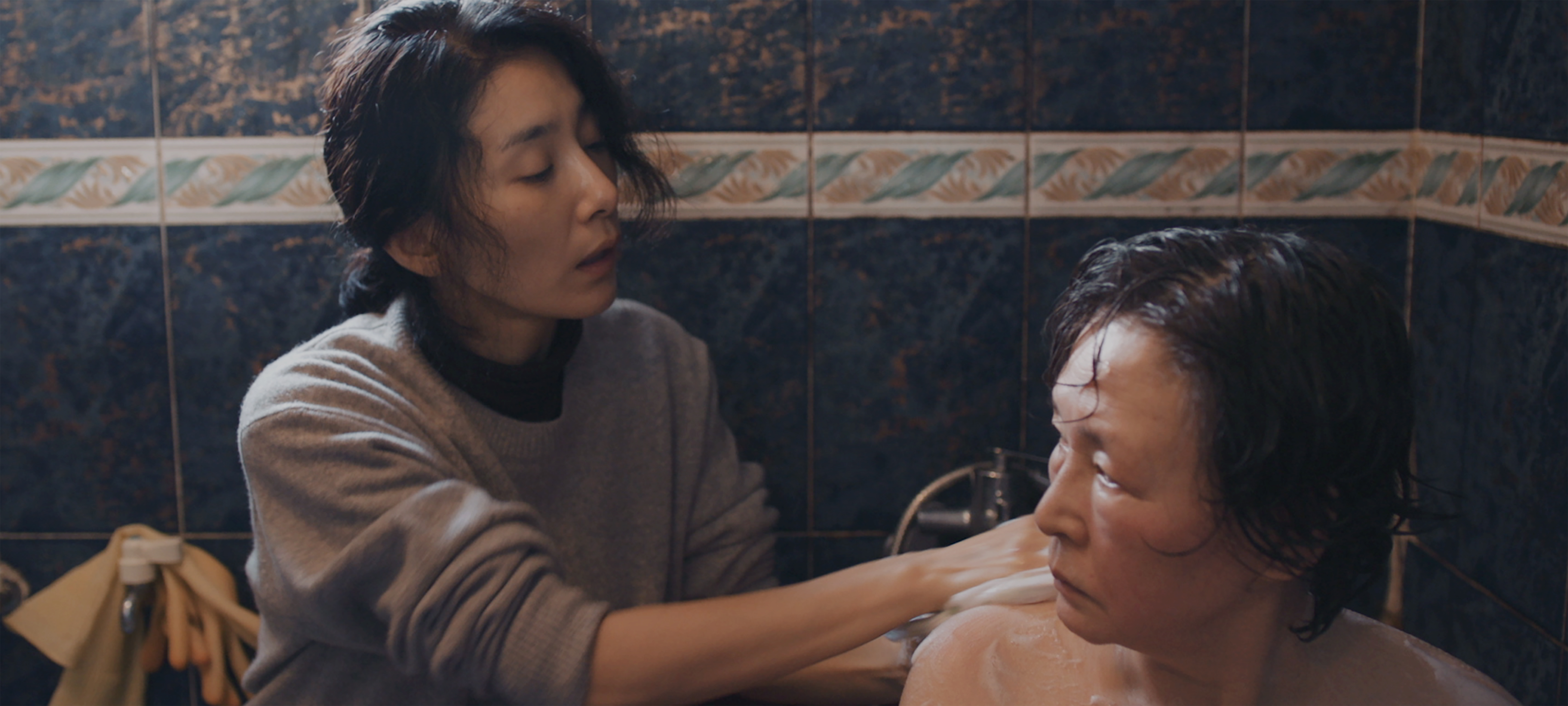
The Cord of Life (脐带, Qiao Sixue, 2022)

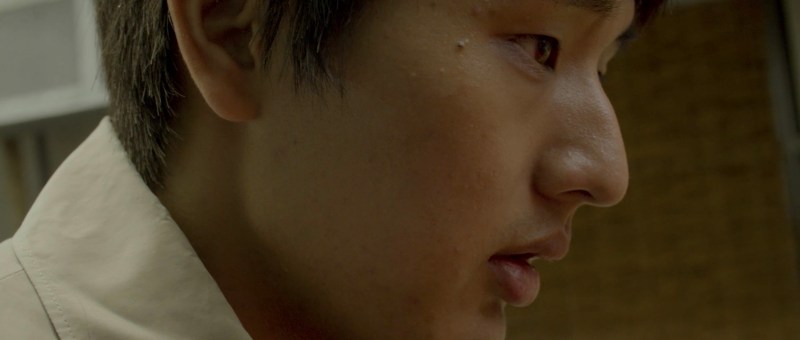
“The flowers of the Steppe can’t bloom forever,” an old woman explains somewhat cheerfully though not really knowing to whom she is speaking in Qiao Sixue’s deeply moving Mongolian drama, The Cord of Life (脐带). A young man struggles to find the balance between embracing his traditional culture and the desire for modernity, but begins to discover new direction after taking his elderly mother who is suffering with dementia back to the grasslands in search of the place she calls “home”.

Naranzug has several “homes” throughout the film though none of them are perhaps exactly what she means which maybe more a feeling than a physical location. In any case the first of them is the home of her eldest son, a flat in the city where they’ve installed a door with bars on it on her room to stop her wandering off. Apparently the neighbours have been complaining and it’s already led to a physical altercation which has serious financial implications for the family. Younger brother Alus (Yidar) has long been living in Beijing where he makes a living as a musician combining electronica with the Morin Khuur fiddle he learned to play as a child. When he’s called back to help, he’s shocked both by the progression of his mother’s condition, she no longer recognises him, and the way his brother and his wife treat her though as Naranzug later says herself they are quite clearly exhausted and are doing the best they can with the resources available to them. 

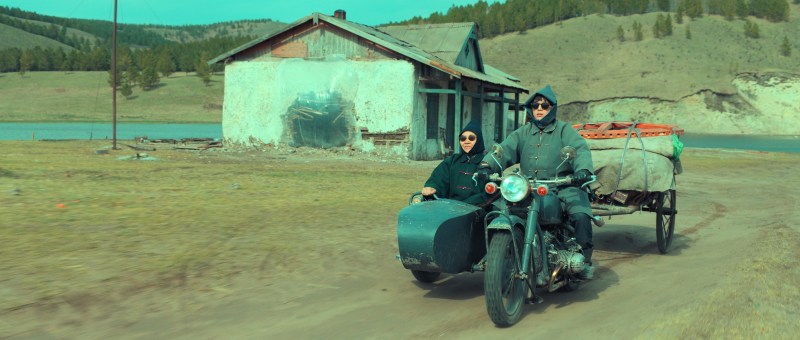
Alus particularly objected to the prison cell-style door and the practice of locking his mother up which seemed so undignified, though he later resorts to something similar himself in the titular cord, a literal rope that he uses to tie her to him so that she won’t get lost or injure herself. At one point he loops the rope around her waist and pulls her as if she were a stubborn cow unwilling to leave the paddock, coaxing her back inside the house with his music. Several times Naranzug is liked to a wandering animal who should be free upon the Steppe, firstly the lost cow but also a mother sheep to a lost lamb she later delivers to a paddock where she sings a folk song to encourage a ewe to feed it in a metaphorical allusion to her inability to recognise her own lost son who is also a lost lamb searching for his mother. 

She repeatedly asks Alus to take her “home” but he struggles to understand what she means because to him he already has, reminding her that their house on the Steppe is also “home” before realising that she pines for her childhood and long dead parents who lived by a long forgotten tree. The rope between them becomes a surrogate umbilical cord that allows them to an extent to reconnect as Alus becomes more familiar with life on the Steppe as its atmosphere pours into him in much the same way the sheep drank from the ewe or the farmer transferred fuel from one bike to another. “It shouldn’t all be Morin Khuur and throat singing” the comparatively traditionalist Tana encourages him, “we’re not living in the past”, giving him freedom and permission to embrace both the new in electronica and the traditional in the sounds of the plains. It’s not for no reason that Naranzug is always telling him to “listen”, for music is everywhere. 

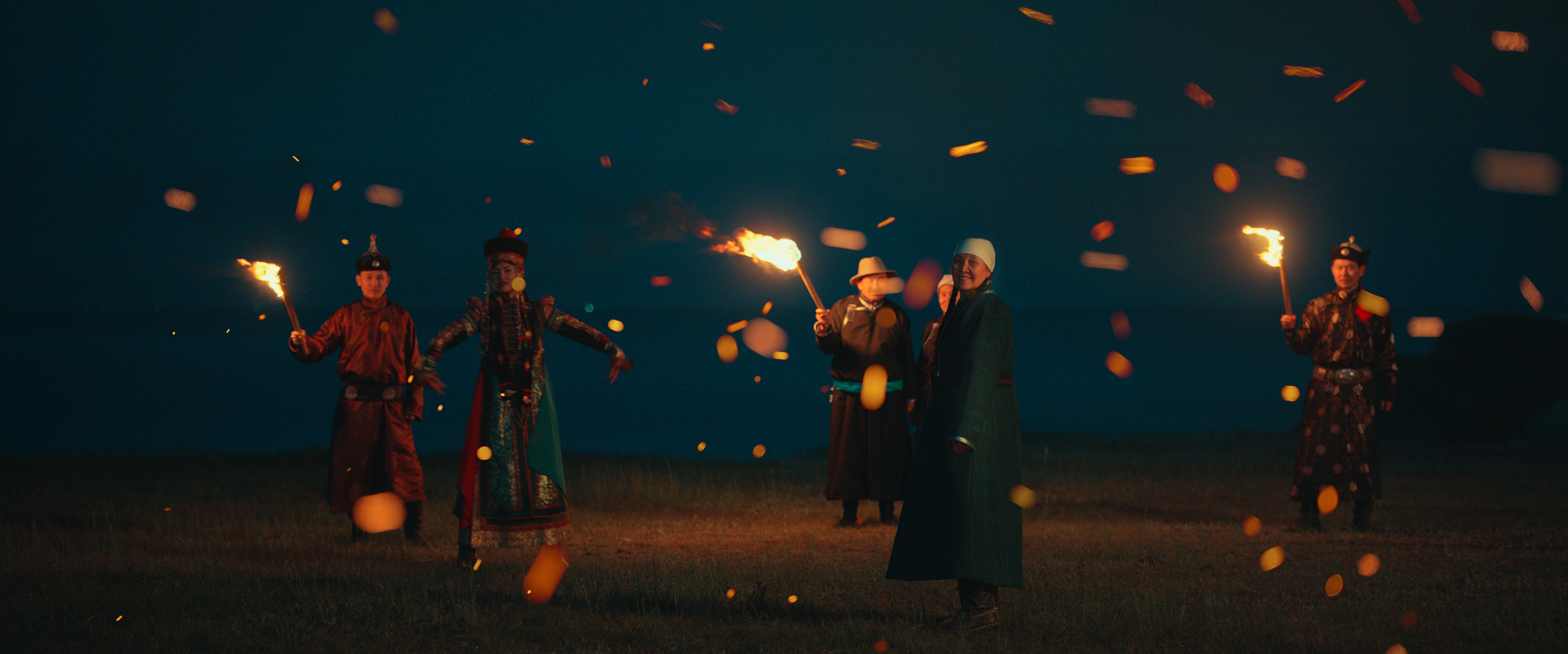
Qiao Sixue’s roving camera captures a real sense of poignancy along with mysticism in the moving final scenes in which Alus must say farewell to his mother, letting her go or perhaps return to the embrace of others in the “home” that she was always seeking. She thanks him for returning her to this “happy place” of music, fire, and dance that seems like something from another time or perhaps out of time. As she reminds him, the river never stops flowing though the flowers on Steppe cannot bloom forever. Through a series of surreal adventures, mother and son begin to reconnect while Alus quite literally rediscovers his roots and then like the river keeps going moving forward under the Mongolian skies taking the past with him into a new future on a journey towards a new home.


The Cord of Life screened as part of this year’s New York Asian Film Festival

Original trailer (Simplfied Chinese subtitles only)
12 Weeks (Anna Isabelle Matutina, 2022)

“Not all women want to be mothers” according to the heroine of Anna Isabelle Matutina’s 12 Weeks, yet this is apparently largely what society expects of them. Faced with an unexpected pregnancy at 40, Alice decides on abortion though it is technically illegal in the fiercely Catholic Philippines and she finds herself having to offer justification for her choices while trying to process her complicated relationship with her own mother who often tells her that she too wanted an abortion but obviously did not go through with it and left shortly after Alice was born to become a domestic worker in Hong Kong. 

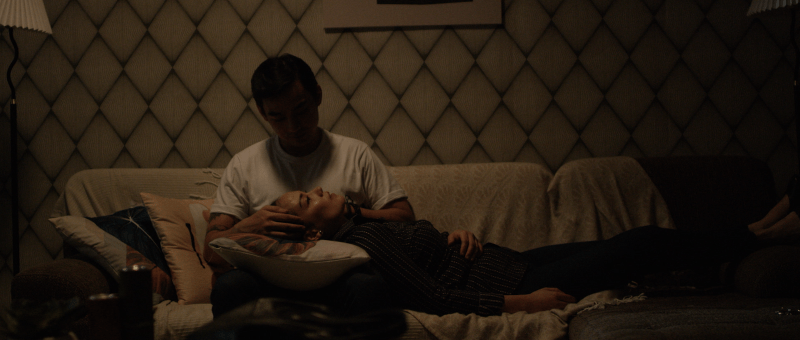
The irony is that Alice (Max Eigenmann) works for an NGO supporting people displaced by natural disaster or civil unrest but is to an extent displaced herself in her estrangement from her mother, Grace (Bing Pimentel). In a poignant moment after having been made aware of the pregnancy by Alice’s violet ex Ben (Vance Larena), Grace brings out a box of baby clothes that once belonged to Alice only she never got to wear them because her grandmother who was raising her told Grace not to send anything but money because she had no way of knowing what size her daughter was. Grace is excited about the prospect of becoming a grandmother because it gives her a second chance at the motherhood she was denied by economic circumstance especially as the implication is she could play a larger role in their upbringing while Alice continues with her career. 

But even considering the strained relationship between them, Grace is far from supportive more or less taking over booking doctor’s appointments on her daughter’s behalf without really consulting her. Aside from the awkwardness and upset of the situation, Alice cannot discuss the abortion with her mother because of its illegality and the risks it might cause to herself and those otherwise involved in it. To be able to access an abortion safely, she has to undergo a counselling session and is then told that her operation will take place at 11pm hinting at its illicitness that it must take place under cover of darkness. The counsellor is sympathetic and clear that she isn’t trying to change her mind even if some of the questions seem invasive or patriarchal. Asking if Alice has been subject to domestic violence she offers help making sure that she’s not being pressured into an abortion she might not want by violent partner or the necessity of escaping them. 

Ben is indeed violent and it’s a fact that if she changes her mind and keeps the baby it will become much more difficult to keep him out of her life. Slightly younger than she is, he is moody and insecure while financially supported by Alice and living in a home she owns. He is not a responsible person with whom to raise a child though places extreme pressure on her to have the baby and manipulatively leaks the pregnancy news to Grace knowing she’ll do the same. Alice discovers that in reality everyone else is making her decisions for her, including a colleague who suddenly cancels a trip she was supposed to make to a disaster area on the grounds that his own wife has recently had a miscarriage and in his opinion it’s not safe for her to go. 

Set during the imposition of martial law on Mindanao in 2017, the film implies that a kind of martial law already exists for women who are unable to make their own decisions about their reproductive health or exercise their own autonomy. Alice is repeatedly told that she should have the baby because she is already 40 and the chance won’t come again though little thought is given to whether she wanted the chance or not while her own thoughts surrounding motherhood are clouded by the relationship she has with Grace which was largely affected by the economic realities that forced her to become a migrant worker. In part she rejects becoming a mother out of anxiety worrying that she is not suited to it, but is also conflicted in its inextricable ties to Ben and with wider patriarchal violence in general depriving her of the ability to choose from all angles. In the end a choice is made for her in the cruellest of ways leaving her more or less powerless with only the small comfort of female solidarity. 


12 Weeks screened as part of this year’s New York Asian Film Festival

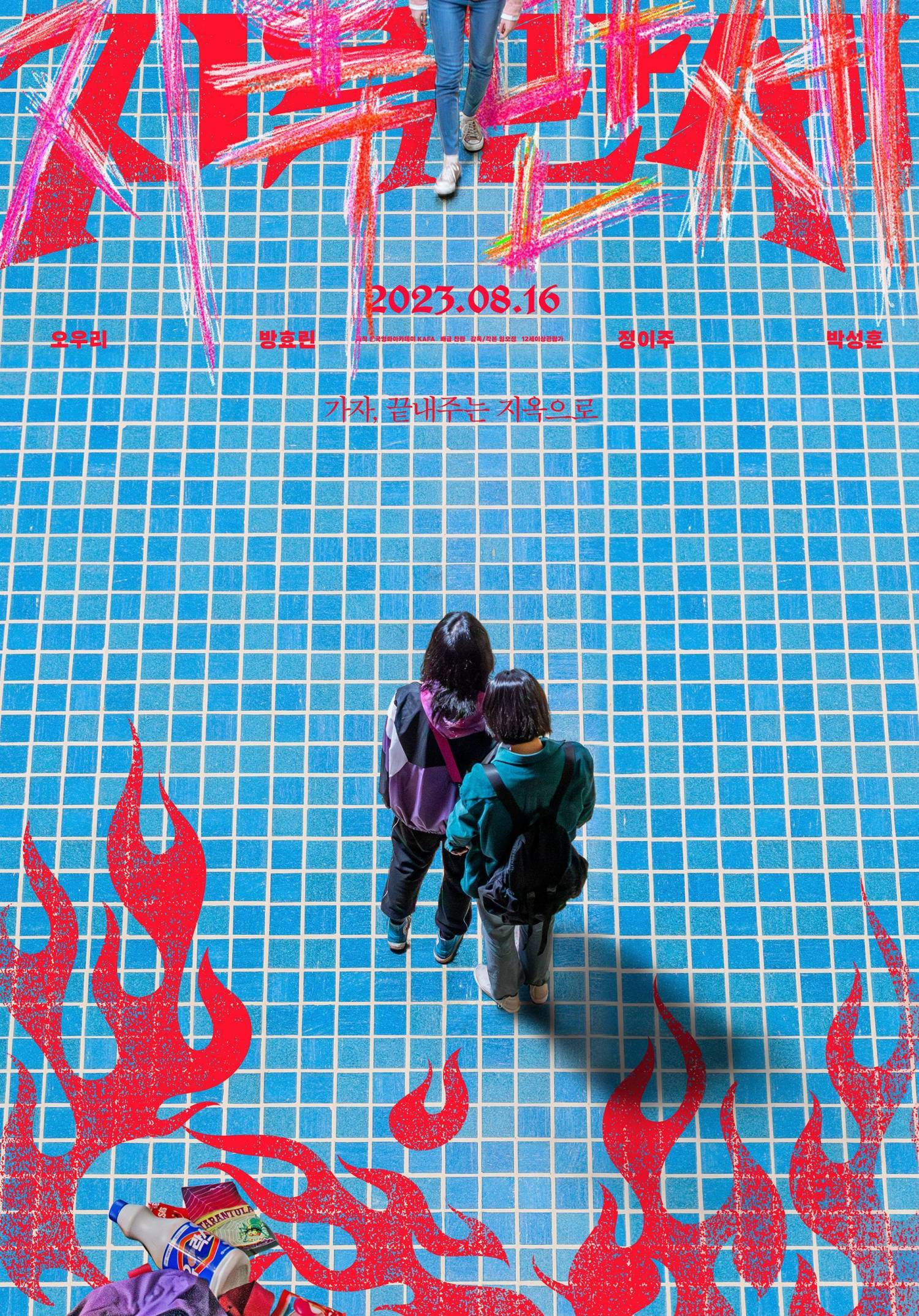
Hail to Hell (지옥만세, Lim Oh-jeong, 2022)

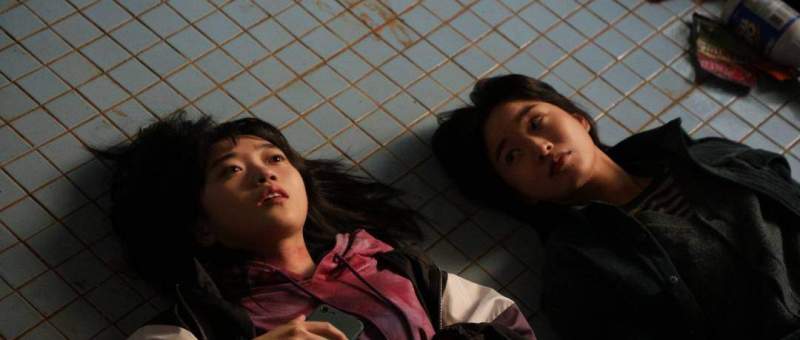
Two teenage girls swap thoughts of suicide for revenge on learning that their former tormentor is living well in Seoul but find their plans frustrated on discovering she has joined a religious organisation and apparently reformed in Lim Oh-jeong’s bullying drama, Hail to Hell (지옥만세, Jiogmanse). “Hell” is what the two girls, and a fair few others, believe their lives to be while seeing little way out other than taking their own lives but are confronted with questions of redemption and forgiveness not to mention death and paradise while plotting vengeance in the capital. 

The surprising thing about high school girls Na-mi (Oh Woo-ri) and Sun-woo (Bang Hyo-rin) is that Na-mi was once part of popular girl Chae-lin’s (Jung Yi-Ju) gang and only left it when they turned on her. Nevertheless, the two young women have bonded in their shared victimisation and desire for an end to their suffering. After several failed attempts at taking their own lives, they change tack on coming across Chae-lin’s Instagram posts which imply that she is living the high life in Seoul and even planning to study abroad which the girls regard as a cruel irony given the extent to which the bullying orchestrated by Chae-lin has disrupted their lives. Unsure exactly what they plan to do, they board a bus to the capital and make their way towards Chae-lin only to discover she’s joined a weird cult in which the members are expected to earn points through doing service in order to qualify for a ticket to “paradise”.

The language itself is quite sinister even if the “paradise” that’s on offer otherwise sounds fairly conventional. Then again, there is no real evidence that “paradise” actually exists while Chae-lin claims that her mother is already there which is why she’s so desperate to go. When the girls first arrive, her expression is strange to the extent that it’s impossible to tell if she’s “happy” to see them or merely excited by the prospect of tormenting them all over again. She says that she’s already confessed all her sins and views the girls’ appearance as a miracle sent by god so that she could atone and earn their forgiveness. Then again, being forgiven for one of your sins is worth the most amount of points and Chae-lin would definitely win if Na-mi and Sun-woo could be talked in to publicly forgiving her. 

Whether Chae-lin has changed or not the girls are divided on the prospect of forgiveness and whether the way they’ve been treated is something that even should be forgiven. Na-mi begins to concede that Chae-lin may have changed “a bit”, but is later forced to reflect on the ways she herself hasn’t changed or faced her complicity with Chae-lin’s bullying when she was a member of the gang while still apparently susceptible to her manipulation. Then again, it’s impossible to tell if Chae-lin is only in the religion for cynical reasons or genuinely believes in its teachings. The church itself has a distinctly eerie quality only deepened by talk of a possibly problematic article, onerous demands on members to buy “offerings”, and a points-based system of spiritual redemption. 

Meanwhile, it seems there is bullying even here with a young woman abruptly silenced, threatened with both a loss of points and “punishment”, for even making the suggestion that someone may be bullying her. Though Sun-woo sympathises with her plight, she does not know how to help her or to change the culture within the church. “No matter how long you wait, no one will help you,” Sun-woo advises another trapped young woman as she in turn attempts to shake off the feeling of powerlessness she had experienced as a victim of bullying and harassment. Neither girl had found any help from those around them, Sun-woo’s family apparently preoccupied with her disabled sister and Na-mi’s mother blaming her for being bullied insisting it was her own fault for being “weak” rather than fighting back but if their experiences have taught them anything, it’s that they can rely on each other and that they don’t really want to die so much as live without fear which might be more possible than they’d previously assumed it to be. “Welcome back to hell” Na-mi somewhat cheerfully calls out, countering a sign on the bus which had ironically claimed that wherever we are is “paradise” but perhaps finding something in it as she and Sun-woo prepare to move forward together having exorcised a few demons and reclaimed a sense of their own agency. 


Hail to Hell screened as part of this year’s New York Asian Film Festival

Trailer (English subtitles)

In Her Room (ひとりぼっちじゃない, Chihiro Ito, 2022)

The hero of Chihiro Ito’s debut feature In Her Room ( ひとりぼっちじゃない, Hitori Bocchi ja nai) is so pathologically shy that he has become almost invisible, a ghost-like presence not fully of this world. Colleagues ignore him, taxis never stop, and restaurant staff continue their conversations as if he wasn’t even there. At one point he’s run over by a car and tells the police that the person probably didn’t see him or realise they’d hit someone. Only a mysterious woman he later describes as showing him a side of himself that even to him was unfamiliar pays him any attention but then there’s something a little bit sinister in her otherworldliness that causes us to wonder what it is she wants from him. 

Dr. Susume (Satoru Iguchi) is so awkward that he’s taken to practicing small talk with the skull he uses as a training tool at the dentist surgery where he works. He seems almost abstracted from himself, unable to relate to others because his emotions are distant from him. His mother keeps calling and asking him to come visit her because there’s something she wants to talk to him about but he brushes her off, telling her she should do whatever she likes as if disinterested in whatever it might be that she wants to say. In fact, she is the only person who seems to be able to see him, calling out to him from a car to offer him some homemade bread, but he still doesn’t really engage with her. We start to wonder if he has a problem with the other person in the car, Tomoko, a middle-aged woman who may be his mother’s partner though she too greets him warmly and is understanding of his reluctance to spend time with them.

Miyako (Fumika Baba), the mysterious woman who lives in a fantastic flat entirely covered in indoor greenery, asks Susume if he loves his mother but he deflects her question and simply says that he wants her to be happy for the rest of her life. For a time, we can’t be sure if Miyako and her wonderful apartment actually exist or are simply the manifestation of Susume’s headspace as he tries to talk through his loneliness and lack of self, only it later seems that other people see her too and in fact frequent her home much in the same way Susume does which causes him a degree of obsessive jealousy. He is particularly bothered by the presence of Yuko (Yuumi Kawai), a woman who works in a nearby grocery store and is also friendly with Miyako and similarly possessive. He later tells her that Miyako is guiding him towards the person he’s supposed to be, though Yuko isn’t so sure and suggests her existence is a little more sinister. Apparently she keeps a giant ball of hair taken from everyone she’s ever known in a hidden drawer, and then a man apparently took his own life in her apartment though Yuko refuses to share the contents of his note with him. 

Yuko’s words contribute to a growing sense of unease exacerbated by a video Susume watches from a man who sounds like a cult leader who suggests that misfortune may be caused by magic or sorcery, leading credence to the idea that Miyako is some kind of forest-dwelling witch gently luring Susume into her trap. Soon after their relationship becomes physical, a praying mantis is seen climbing on her plants. Susume’s uncertainty is reflected in the carving he is making of Miyako’s face which gradually starts to take shape though is also in its way a self-reflection in much the same way he said that Miyako was showing him a side of himself that only she could see. When he finally delivers it to her, it’s just as blank as her expression, a smooth sphere with a vague outline of personality. She places it quietly in a shed where her various friends sometimes hide to spy on each other. 

The trio attend a weird play together in which a giraffe-man allows his community to eat him because he is a terminal people pleaser of the kind we might assume Susume to be only the play seems to arouse a flash of resentment. He tells Miyako that he thought the giraffe-man’s actions were duplicitous, that he must have been secretly confident that he would taste good and was in a sense showing off. He isn’t sure who he’s most angry with, the people that decided to satiate not their hunger but their curiosity by eating him or the giraffe-man himself for letting them do it. But Miyako replies that to her it’s quite the opposite. The giraffe-man simply wanted to be of use to those around him. A grim image of the dismembered giraffe is later echoed in that of a squashed bug, suggesting that this is what Miyako is doing to her various callers, feeding on their insecurities and leaving nothing more than a bloody carcass behind. 

Even so, Susume begins to realise that he’s being presented with a choice and decides on change, finally facing his mother and embracing her happiness along with Tomoko while expressing a desire to uproot himself to see if he’s capable of change in a different place. Adapting her own novel, Ito allows an eerie sense of mystery to remain never quite explaining the true nature of Miyako or the surreal nightmare sequence in which Susume is chased by a glowing orange entity, but instead ends on an ambivalent note at once hopeful and maybe not as Miyako carefully stores her effigy perhaps just one more trophy in a treasure trove of lost souls. 


In Her Room screened as part of this year’s New York Asian Film Festival.

Original trailer (no subtitles)

J005311 (Hiroki Kono, 2022)

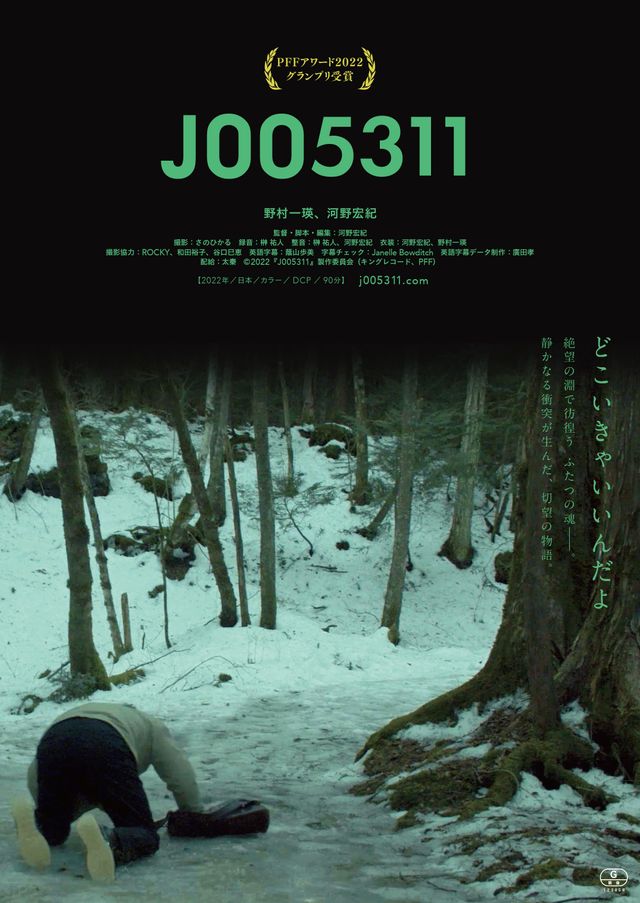
If a stranger offers you a large amount of money to drive to an undisclosed location, what would you say? Hiroki Kono’s J005311 is so named for a bright new star born when two stars already dead collided which goes some way to explaining the central relationship between the two men at the film’s centre. Though they rarely speak, a kind of connection arises between them that changes them both in unexpected and unexplained ways but perhaps gives each a new sense of hope and possibility. 

After some kind of alarming phone call, Kanzaki (Kazuaki Nomura) throws away various things in his apartment and leaves as if not expecting to return. He goes out and tries to hail a cab, but it seems as if the driver refuses to take him where he wants to go. Kanzaki slowly walks away and sits down wondering what to do next before catching sight of a young man running furiously across the road after snatching a woman’s handbag. Kanzaki wouldn’t usually be the sort to chase a thief, but tears off after the man and makes him a rather unexpected offer. He will pay him a million yen if only he’ll agree to drive him to a location near Mount Fuji around two hours away. The man is understandably suspicious and in fact tries to snatch the bag Kanzaki had the money in but is ultimately unsuccessful and agrees to the drive.

No real explanation is given for why Kanzaki is prepared to pay this large sum of money to get someone to drive him rather than taking public transport at least part of the way or booking a car through some kind of chauffeuring firm where long fares are more usual. It may be because he’s afraid whoever called him will find him on a train or bus, which would also explain why he leaves his phone behind at a service station, or perhaps he just wants company and companionship on what is looking increasingly like a final journey. Kanzaki tells the man, Yamamoto (Hiroki Kono), that he’s going to meet “a friend” which is a fairly unimaginative lie he doesn’t believe for a second though he for the moment he lets it go. Later Yamamoto notices he has a rope in his bag while we also see Kanzaki loop its strap around his neck and try to strangle himself all of which adds grim import to his final destination. 

For his part, Yamamoto is wary of the arrangement and also of Kanzaki who is awkward in the extreme. He tells Kanzaki that he can buy whatever he likes with the million yen yet when he asks what he’ll use it for he says he doesn’t know. He says he likes work that’s “easy” like construction or deliveries while evidently supplementing his income with the purse snatching which he remarks gets easier each time you do it. Several times it seems as if Yamamoto may run off with the money, or just run off leaving Kanzaki stranded, but eventually comes back if for unclear reasons that nevertheless suggest he’s begun to care Kanzaki and feels to an extent responsible for him while fearing what awaits him at his destination. 

Kanzaki too feels responsible for Yamamoto, eventually asking him to give up bag snatching as if implying that he’s better than that and ought to respect himself more. After tipping copious amounts of sugar onto his food at a rest stop, Kanzaki shoves a whole pastry into his mouth and seems as if he’s about to cry perhaps feeling rejected or that he overstepped the mark with Yamamoto before suggesting that he might want to walk the last part alone only for Yamamoto to once again return and follow him. In a sense they begin to save each other, bonding in a shared sense of despair if exchanging few words and emerging with a new sense of possibility forged by their unexpected sense of connection. Kono follows the two men with restless intensity, the camera swooping POV style or clinging tightly to them in the confines of the rented car while eventually seeming to vibrate in the poignant closing scenes. At times obscure, the film nevertheless has a wintery poetry and melancholic soul and ends on a note of silent serenity as the two men prepare to move on though who knows where to. 


J005311 screened as part of this year’s JAPAN CUTS.

Sanka: Nomads of the Mountain (山歌, Ryohei Sasatani, 2022)

A young man finds himself caught between the new Japan and the old while befriending the last remnants of a nomadic people in Ryohei Sasatani’s poetic drama, Sanka: Nomads of the Mountain (山歌, Sanka). Set in the mid-1960s the film harks back to something older and more mystical that seems at odds with the Japan of the bullet train and economic miracle but equally sees its hero reckon with the more recent past in his father’s authoritarianism born of his militarist upbringing and wartime service.

Norio (Rairu Sugita) does seem to be a more sensitive boy. Bullied at school he comes home with a bruised face and is berated by his father Sakaguchi (Kisuke Iida) for his lack of manliness while struggling to come to terms with the death of his mother on the mountain two years previously. That’s one reason he ends up bonding with Shozo (Kiyohiko Shibakawa), one of the last remaining members of the Kenshi people who live a nomadic lifestyle migrating across the mountain throughout the year to take advantage of the terrain. Becoming a kind of father figure, Shozo teaches him how to fish and live on the mountain while Norio also develops a fondness for his daughter Hana (Naru Komukai) who appears to be around the same age as he is. 

The contrast between the two men could not be more stark. People in the town still refer to Sakaguchi as “the sergeant” and fiercely respect him for his wartime service. Norio finds a picture of his father in uniform along with a gun wrapped up in the back of drawer as if reminding him of the oppressive authority that hangs over the house. The townspeople are also grateful to Sakaguchi because he’s planning to build a golf course, a symbol of a newly prosperous society with a growing middle class, that will bring a lot of jobs to the area which is struggling economically with the decline of the agricultural industry. To build the golf course, Sakaguchi plans to get to rid of the mountain which will force Shozo and his family off the land and sever their connections with the forest and earth. 

To the townspeople the presence of the Kenshi is something taboo that embarrasses them. People accuse them of thievery and try to shoo them away. A policeman even stops Shozo and forces him to throw the fish he was trying to sell back to the river claiming that he’s frightening people just in his presence. Norio experiences an additional layer of shunning solely because of his association with the Kenshi and is later berated by his father for causing him embarrassment by associating with them. He reminds him to be mindful of his “status” and describes the Kenshi as “trespassers” as if denying them the right to exist. 

Norio obviously disagrees and is quickly seduced by the mountain’s serenity explaining that it helps him forget about the troubles of his life. But for Hana the situation is more complicated. Her friend Yoshi and her family went town from the mountain two years previously and she enviously looks on as she gossips with her school friends torn between her loyalty to her Kenshi roots and the desire for modernity in which she could live a comfortable life and get an education. If she stays on the mountain, she’ll be the last of her kind yet she struggles to reconcile herself with the idea of moving on just as Norio struggles with his own future in a rapidly changing Japan and seeks refuge in the mountains and a world beyond invisible to humans. 

Filled with a gentle poetry as Hana dances amid a rainstorm and voices echo through woods along with the sound of feet clad in woven sandals, the film is a kind of lament for an older, mystical Japan eventually eroded by a quickening modernity along with a critique of the lingering militarist authoritarianism which has simply transformed into corporate capitalism as symbolised by Norio’s cruelly conservative father. Yet as Hana had said, they’ll be Kenshi wherever they go, implying perhaps that her culture will not necessarily disappear so much as be carried forward even as the mountain itself becomes a casualty of a society in danger of forgetting its roots in a headlong dash towards a prosperous modernity.


Sanka: Nomads of the Mountain screened as part of this year’s JAPAN CUTS.

Original trailer (no subtitles)

Greenhouse (비닐하우스, Lee Sol-hui, 2022)

A middle-aged woman makes a series of questionable choices while pursuing her dream of a stable home with her teenage son in Lee Sol-hui’s downbeat tale of life on the margins of contemporary Korea, Greenhouse (비닐하우스). The Korean title of “Vinyl House” might be a little more accurate, in that the heroine lives in a disused polytunnel on an allotment her son later says the family used to go to every weekend before his parents’ divorce while eagerly waiting for his return after which she hopes to start again.

The son, however, first says that he has no desire to live with her and intends to stay with an uncle after leaving juvenile detention. The film never directly states what led him there, but he later mentions he and some friends all seemingly released at the same time used to break into houses owing to having “nowhere to drink.” One of his chief objections seems to be his mother’s lack of a more traditional home and the embarrassment it causes him with his delinquent friends which is one reason why Moon-jung (Kim Seo-hyung) is desperately saving her money for a deposit on a modern flat and a life of comfort she can otherwise only dream of. She has a job as a housekeeper for a wealthy older couple, the wife has dementia and is paranoid Moon-jung is trying to kill her, and the husband has all but completely lost his sight, but faces the implosion of her dreams with the announcement that they are considering moving into a nursing home.

In a repeated motif, Moon-jung often violently slaps herself on the side of the head in an apparent act of self-harm. Explaining that she used to see a psychiatrist but can no longer afford it, she joins a support group for people in a similar position and encounters a vulnerable young woman, Soo-nam (Ahn Ji-hye), with whom she later develops a sisterly connection after realising that she may be trapped in an abusive relationship she is unable to escape because of her learning difficulties. 

They are each in their way pushed out of mainstream society by virtue of their age, poverty, or disability and largely reliant on the kindness of strangers that rarely comes their way. The film only ever hints at the hard life Moon-jung may have lived but suggests that her past trauma may help to explain some of her otherwise incomprehensible decisions after the old lady hits her head and presumably dies in a domestic accident. While she cares for a wealthy older couple who remain independent in their own home, Moon-jung’s mother lives a miserable life in an inexpensive nursing home. A woman visiting her roommate soothes and strokes her mother encouraging her to keep on living as long as possible even if it’s “like this” while Moon-jung seems to have mixed emotions, on one level guilty not to be able to care for her mother herself and perhaps wanting to be relieved of any responsibility towards her. 

In some ways, Moon-jung’s tragedy may be that she is at heart just an ordinary, decent person and is torn between a genuine desire to help and care for others and a cynicism that tells her she is foolish for doing so. She wants to help Soon-nam perhaps identifying with her suffering, but is also resentful of her sudden attempt to latch on to her and fearful her presence may disrupt the new life she dreams of with her son which is the only ray of hope in an otherwise miserable existence. When that dream is threatened she decides to anything she can to save it even if it seems obvious that her series of bad decisions will not pay off because her subterfuge will quickly be exposed. 

What she doesn’t bank on is the sheer magnitude of cosmic ironies the film throws at her in which every avenue of her life is somehow undermined by another from her relationship with the elderly couple to her friendship with Soon-nam, and a romance with a man who may have been in someway abusive. Exploring the hopelessness experienced by an abandoned generation whose children have mostly moved abroad and outsourced their care, the plight of women like Moon-jung trying to do their best but frustrated by extreme bad luck, and vulnerable young people like Soon-nam who has no one to defend her as an orphan with learning difficulties, the film may suggest that they are each trapped in the hothouse of the modern society baked alive by hopelessness and indifference while struggling to find a place for themselves in an increasingly unforgiving city. 


Greenhouse screened as part of this year’s New York Asian Film Festival.

Original trailer (Korean subtitles only)

The Three Sisters of Tenmasou Inn (天間荘の三姉妹, Ryuhei Kitamura, 2022)

Caught in a space of existential limbo, a young woman struggles with the uncertain nature of life. What’s the point of living in a world that might end, she asks herself, seemingly not having realised that it’s as it always was, the world is always ending and may blink out at any given second. Ryuhei Kitamura’s adaptation of the manga by Tsutomu Takahashi The Three Sisters of Tenmasou Inn (天間荘の三姉妹, Tenma so no San Shimai) plays out a little like a mashup of Hirokazu Korea’s Afterlife and Our Little Sister, but ultimately meditates on how to live on in the shadow of loss.

After all, as the relentlessly cheerful heroine Tamae (Non) later says, life is hard but the world is not so bad and everyone has their part to play. That’s something she discovers for herself after falling into a coma following a traffic accident and arriving at Tenmasou Inn in the picturesque seaside town of Mitsuse. As is explained to her, the inn exists in a liminal space between Heaven and Earth where those caught between life and death are expected to make a choice on their direction of travel. 

But Tamae begins to enjoy her time at Tenmasou in part after learning that the owner’s daughters, Nozomi (Yuko Oshima) and Kanae (Mugi Kadowaki), are her half-sisters. They are fully aware of their liminal status and that unlike Tamae they can never return to the mortal world or make any kind of life for themselves in Mitsuse where time stands still. Nevertheless, Tamae’s relentless cheerfulness and knack for human empathy prove key assets, beginning to return an energy and warmth that has those around her giving new thought to their cosmic inertia and if it’s really possible to go on living in a constant state of timelessness. 

Tamae might want to stay, experiencing for the first time the sense of family that she’s searched for all her life. She considers giving up the rest of her time to stay with them, but is reminded that no one can stay in this transient place forever while this version of Mitsuse which seems to hang over the “real life” town may soon disappear. Those who live there describe it as like living in a dream, a confusing simulacrum of life in which no time passes. There are those who make the eventual decision to pass on towards rebirth while others opt to stay, still having unfinished business or perhaps just not quite yet ready. 

Recalling the 2011 tsunami, the film touches on the difficult subject of survivor’s guilt and how to come to terms with loss on a mass scale while Tamae tries to process what it means to live and to not to. She resolves that “people don’t end when they die” but live on in the memories of those who remember them, though her conviction that she must live on as a kind of conduit for the souls of others may also rob her of a degree of her selfhood in her own right to live simply as herself.

Even so as she admits life is hard. An old woman suffering with liver cancer who had been blind for many years looks for beauty in the afterlife only to be reminded that there are beautiful things everywhere if you take the time to look. She too has had a life of sadness, but discovers that it might not be too late to make up for lost time, while a very young woman who felt herself to be alone learns that she has a friend and there are those who care for her even she did nearly burn the inn down in a fit of temper. Unabashedly sentimental, the film is as much about moving on as it is about learning to live in the present as the various guests contemplate whether to return to the world of the living with all of its pain and loneliness, or proceed to that of the dead knowing that there’s no guarantee the next life will be any better. Melancholy but also in its way uplifting, Kitamura’s empathetic drama eventually settles on a note of poignancy in which the act of living becomes its own memorial and defiant act of remembrance in the face of constant and unexpected loss.


The Three Sisters of Tenmasou Inn screens in New York Aug. 6 as part of this year’s JAPAN CUTS.

Original trailer (English subtitles)

THE FIRST SLAM DUNK (Takehiko Inoue, 2022)

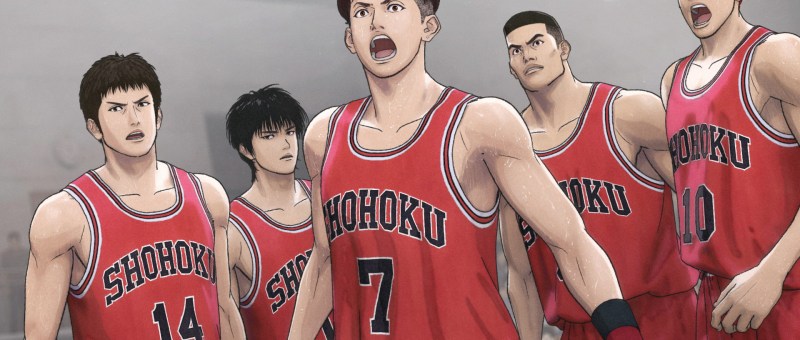
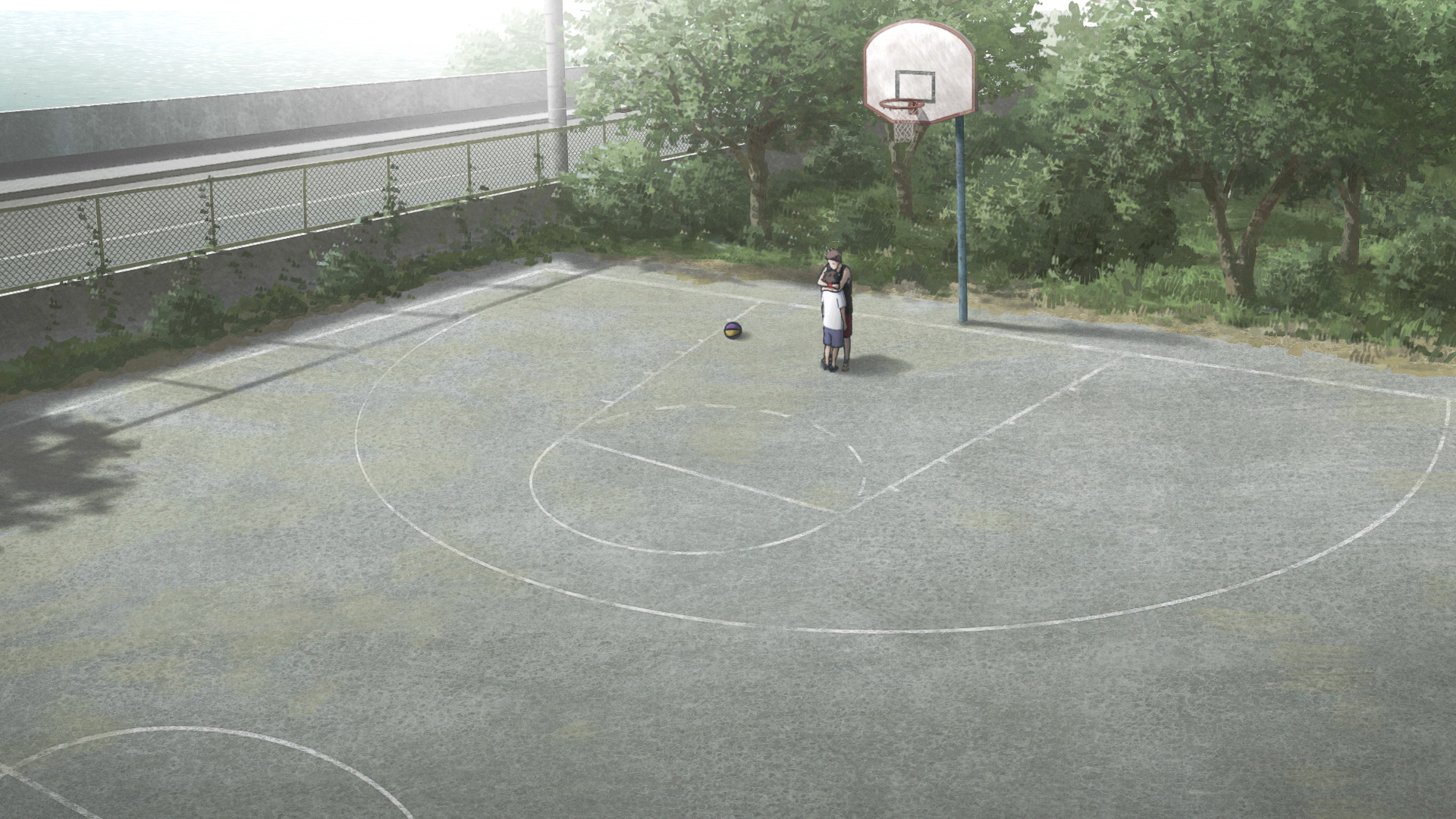
Takehiko Inoue’s basketball-themed manga Slam Dunk is a ‘90s landmark that also spawned a hugely popular TV anime adaptation. A few attempts had been made over the years to produce a feature-length film, but Inoue had turned them all down until, that is, the production team were able to come up a unique look that matched the author’s vision and truly made it seem as if the characters were “alive”. Finally impressed, Inoue then agreed to script and direct the anime himself even going so far as to retouch scenes in both 3DCG and 2D to ensure they fulfilled his high expectations. 

Titled The First Slam Dunk, the film takes place entirely over a single game but switches its focus from the protagonist of the manga, red-haired former delinquent Sakuragi (Subaru Kimura), to “Speedster” Ryota Miyagi who makes up for his short stature with nimble manoeuvres. Inoue cuts between the championship match with rivals Sanno and the players’ private lives as they battle their demons and insecurities on the court and off. 

Originally from Okinawa, Ryota lost his father and brother in quick succession. Sota had been something of a mentor figure, getting him into basketball and encouraging him to keep playing even if others said there was no point because he was simply too small. When Sota chose to cut their practice short to go fishing with some friends, Ryota was of course upset and angry saying a few things he came to regret when Sota was lost at sea and never came back. “Cocky” as someone later describes him, Ryota uses bravado to mask his insecurity and struggles to redefine his relationships with his grief-stricken mother and younger sister while also competing with the shadow of his absent brother whose number he continues to wear even after moving to the mainland and joining a new high school team, Shohoku. 

As he later says, basketball was a means of dealing with his grief though it was difficult for his mother to support him because its associations with Sota. Showcasing the stories not otherwise told in the manga, Inoue taps into an adolescent sense of existential crisis and individual anxiety as filtered through the basketball game in which, as their quietly supportive middle-aged coach tells them, it’s only over when you decide to give up. Meanwhile, the guys from Sanno are experiencing something similar and most particularly Ryota’s opposing number, Kawata, even if the team is also given an edge of uncanny invincibility in the sometimes suspicious aura of their coach. 

Only by facing their individual anxieties can the guys begin to play a full role on the team, each of them as the coach says bringing their own unique talents and learning to play to each other’s strengths. In the end it comes down to willpower and self belief, continuing to play even when victory seems impossible and pressing for the final slam dunk even as the seconds tick down to zero. Inoue captures a real sense of tension in the game scenes, the dynamism of the 3DCG and the use of motion capture paying off along with some innovative creative decisions that really allow the game to come “alive” in the way Inoue seems to have envisioned with victory hardly assured as the guys go all out utilising not only their physicality but strategy and psychology in trying to claw their way back from 20 points behind with time fast running out. 

Very different stylistically from the average anime sports movie and particularly one following a previous TV adaptation, Inoue displays a truly remarkable sense of cinematic composition while he largely steers away from the kind of high school cliches common to the genre concentrating instead on strong characterisation and an otherwise poignant story of learning to live with grief as Ryota begins to become his own man while honouring his brother’s legacy. Often dazzling in its dexterity, Inoue’s directorial debut excels both on the court and off finding the small moments of doubt and confusion among each of its heroes and witnessing them achieve a psychological slam dunk that allows them to keep moving forward despite their fears and anxieties in refusing to give up even when it might seem hopeless. 


THE FIRST SLAM DUNK screens July 26 as the opening night gala of this year’s JAPAN CUTS and opens in cinemas in the US & Canada July 28 courtesy of GKIDS.

The Abandoned (查無此心, Tseng Ying-ting, 2022)

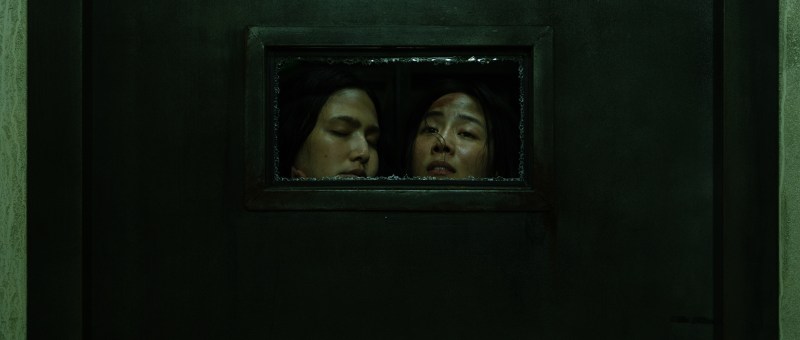
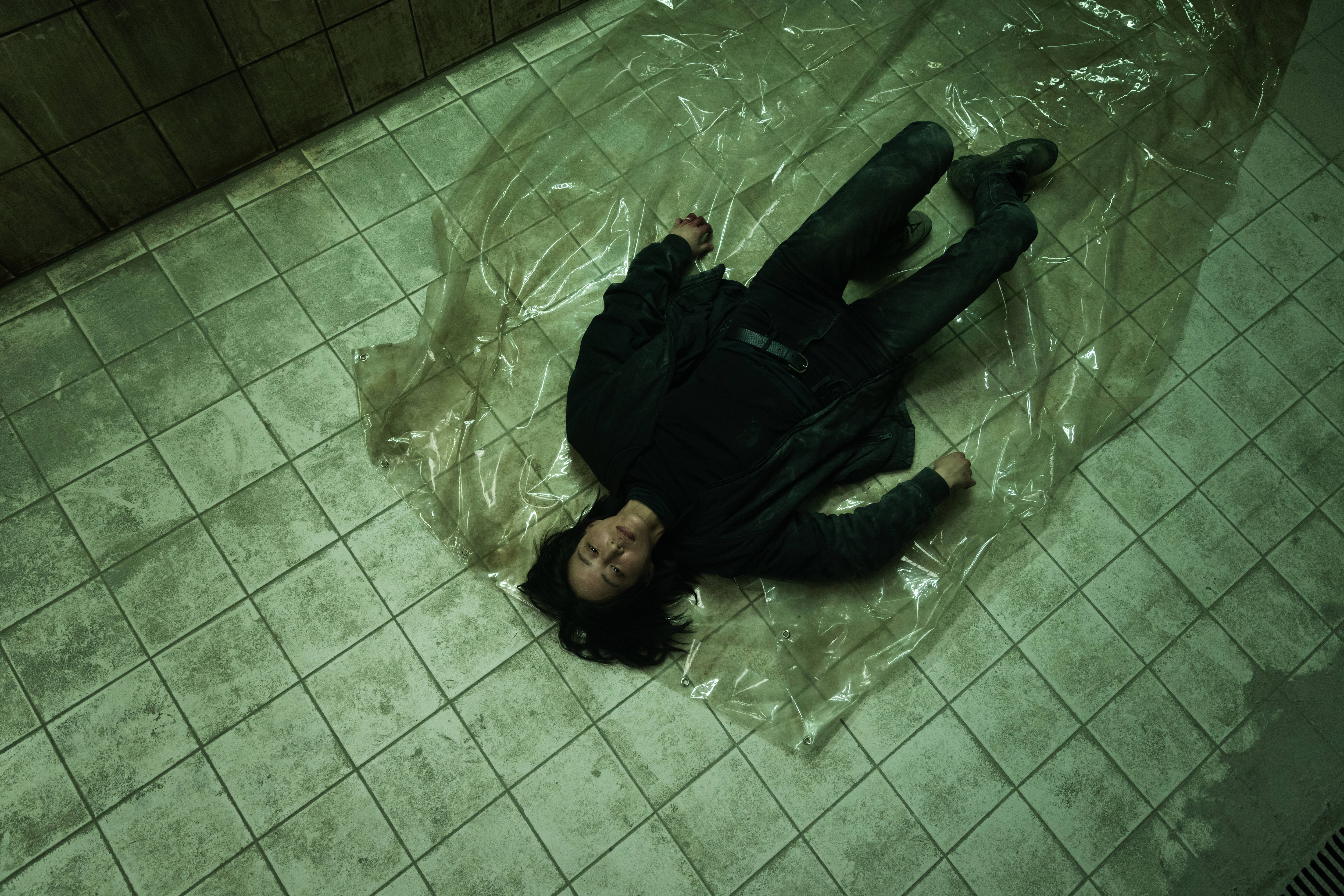
Just about everyone in Tseng Ying-ting’s psychological thriller The Abandoned (查無此心, Chá wú cǐ xīn) has been in some way left behind. The title most obviously refers to the body of a murdered woman unceremoniously dumped in a local river though as we later discover she wasn’t so much abandoned as returned, but the investigating officer is also battling her grief in feeling abandoned by her husband who took his own life and it could as well apply to the liminal status of migrant workers in Taiwan who have been largely abandoned by a society that is increasingly dependent on their labour. 

As policewoman Wu Jie (Janine Chang Chun-ning) points out to rookie Wei-shin, if she found a body she’d obviously call the police but if you can’t call the police because you’re afraid they’ll deport you you might have no other option than to make it go away. But the strange thing is that Waree’s body was left where it would be found and Jie will later claim that it is in a sense Waree who “saved” her by unwittingly frustrating her attempt to take her own life while consumed by grief and guilt over her husband’s death. Later it seems as if the killer of these women, each of whom has their heart and ring finger removed, intended to send the bodies back to their exploitative employers making a grim a point while leaving them with an impossible choice knowing that they can’t very well go to the police and risk undermining their entire business enterprise which relies on the labour of workers of who’ve either left the positions the visas they were granted were originally for or never had any in the first place.

Waree’s former boyfriend You-sheng (Ethan Juan) is left with just such a dilemma when the body of another woman, Yeti, is delivered to their factory calming the worried workers while secretly burying her himself in the mountains little knowing that a similar fate has befallen Waree whom he’s been looking for ever since she dropped out of contact as has her sister Saipin, also an undocumented worker from Thailand. The killer seems to target these women because he knows it’s unlikely anyone will look for them though they also have personal motives in their own sense of abandonment, resentful in feeling as if they’ve been deceived in love while unable to see how the other party may have felt trapped and exploited while their passport was held captive depriving them of the free choice to leave. 

As it turns out, the person who left Waree’s body in the water did it because they were worried she wouldn’t be able to return home, not wanting her to be disappeared in the way their employer might have wished her death hushed up like so many other anonymous workers whose families never hear of them again but at least acknowledged. Wu Jie is also unable to return home, mostly sleeping in the car directly below the bloodstained bullet hole under which her husband shot himself. Her boss ironically tells that if her heart remains in the car she’ll never escape, echoing the missing hearts of the murdered women taken as grim trophies by the heartless killer. 

Ironically enough, to solve the case Wu Jie must regain the desire to live finally facing her abandonment along with her grief and guilt for her inability to save her husband while working with the conflicted You-sheng who similarly feels both abandoned and guilty in the failure of his relationship with Waree whom he was reluctant to marry and might have saved if he had. Tseng aptly demonstrates the precarious position of undocumented migrant workers in Taiwan who are often exploited by their employers and rendered invisible by a society which largely treats them with disdain while left vulnerable to crime and violence in being unable to turn to the authorities for help. He also hints at a degree of misogyny present in the police force as Jie is at one point asked to leave the case as the higher ups don’t like the idea of two women working together while Jie simultaneously feels pressured to stay knowing that the situation is too complicated for an earnest rookie to manage on her own. Exploring the grimy underbelly of an otherwise prosperous nation, the film has only sympathy for those have in one way another been abandoned and can see little prospect of escape from their fear and loneliness. 


The Abandoned screens July 26 as part of this year’s New York Asian Film Festival.

Original trailer (Traditional Chinese / English subtitles)

Images: @Renaissance Films Limited. Love Me Tender Production Company