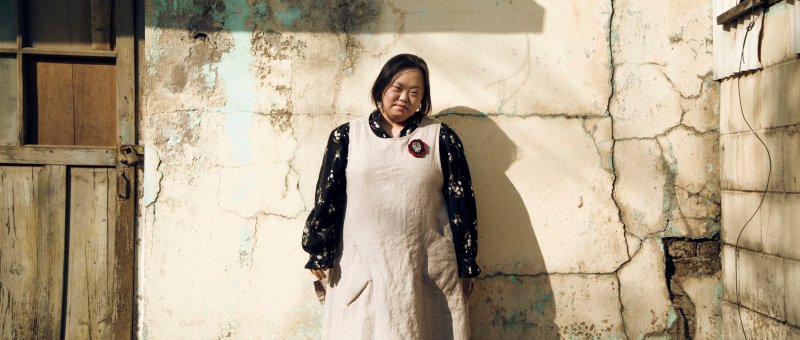
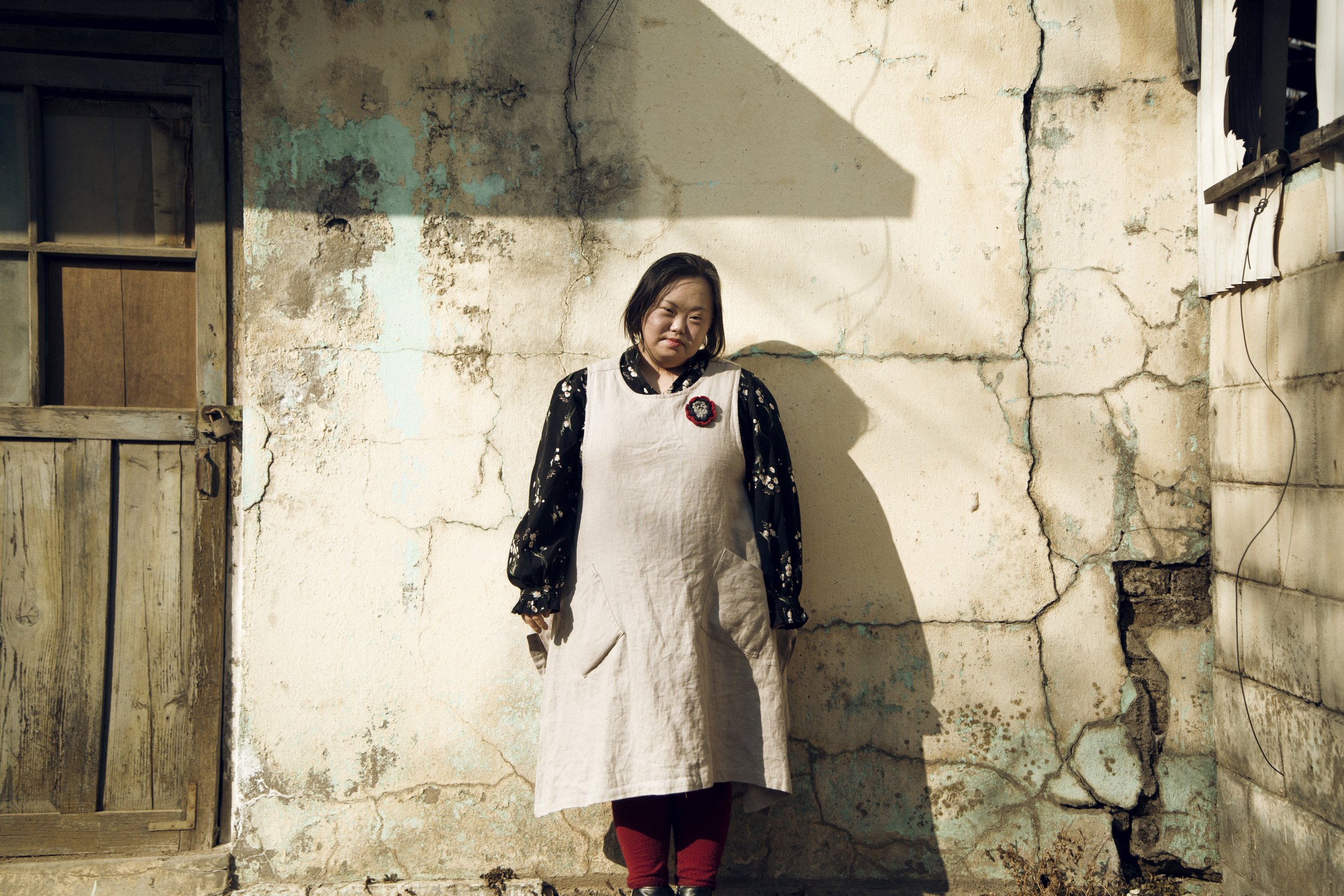
“We all have different ways of looking at the world” according to a customer to Jung Eun-hye’s caricature stand at a local market explaining that she’s told all her friends to come and check her out because she wants them to see the world from Eun-hye’s perspective. A short time later, however, the same woman seems to attempt taking advantage of her in pleading for a little more change back than she’s actually owed because she’s handed over her bus fare home. The exchange in some sense characterises Eun-hye’s existence in her persistent battle to show others the world the way she sees it, responding to her customers’ pleas to make them look pretty that they are pretty already, while often experiencing discrimination on the grounds of her disability,
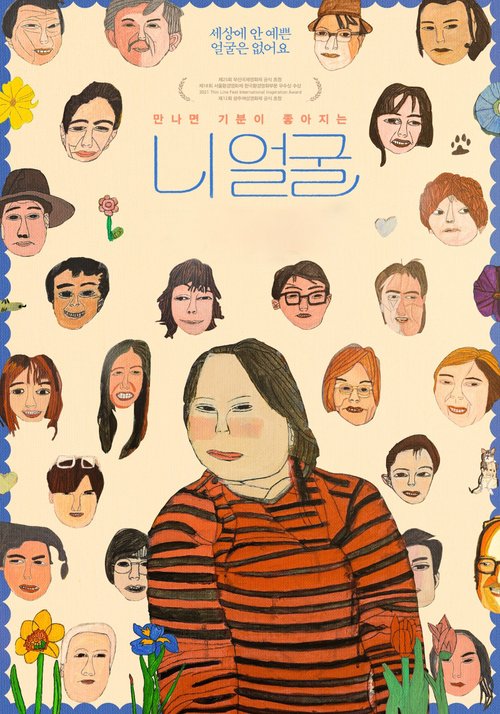
Directed by Eun-hye’s stepfather documentary filmmaker Seo Dong-il, Please Make Me Look Pretty (니얼굴, Nieolgul), follows Eun-hye over a period of three years as she develops a career as an illustrator that eventually leads to a solo exhibition and a residency at a centre promoting the work of disabled artists. Eun-hye was born with down syndrome and at 27 had been unable to secure a job, left at home all day with nothing to do but knit. Helping out at her mother’s art school she developed a desire to draw herself and adopted an unconventional style that is all her own. Her mother says that if she attempted to teach her conventional art theory, Eun-hye simply nodded and then went back to drawing instinctively. Originally with her mother’s help, she began drawing carictures at a local crafts markets and soon gained a steady stream of customers.
Though in the beginning some may have complained and even asked for their money back, people came to love Eun-hye’s unique vision in which as she says she draws what she sees. She is clear that they are “caricatures” and not “portraits”, though looking at her compositional style they bare a strong resemblance to traditional portrait paintings from the feudal era with a comparatively large empty space at the top and the subject looking directly ahead. Her mother occasionally offers advice, telling her she should have started higher up on the paper, or that she’s made one of the people too big in comparison to the other but Eun-hye draws things the way she sees them and quickly becomes irritated with her mother hovering over her until she concedes to let Eun-hye draw in peace.
It is however quite tiring, especially in the heat of summer or in the freezing cold, and it occasionally seems like it might be too much for her but Eun-hye resolves to soldier on and eventually runs the stall all on her own even if struggling a little when it comes to figuring out the right change and dealing with confusing customers. In her spare time she writes song lyrics in a notebook that poignantly describe her loneliness and feelings of isolation as a disabled person often locked out of mainstream society, but clearly enjoys interacting with the other vendors at the market and participating in its community atmosphere. After saving money from her work, she is able to host a solo exhibition and is also invited to illustrate a book on business etiquette aimed at the disabled community as well as taking up a residency at a centre dedicated to promoting the work of disabled artists.
What’s most evident is how happy drawing seems to make Eun-hye, giving her both an outlet and means of expressing herself while expressing her love for others in drawing caricatures which truly make their subjects feel seen as if Eun-hye has captured how pretty they are on the inside as well as out. Since the documentary was completed, she’s also gone on to become an actress playing an artist with down syndrome in the popular TV drama Our Blues and continuing to raise awareness of the lives of disabled people in a society which can often be hostile and unaccommodating. In any case, she continues to draw the world as she sees it, a place where everyone is pretty and deserving of love even if they don’t always see her the same way.
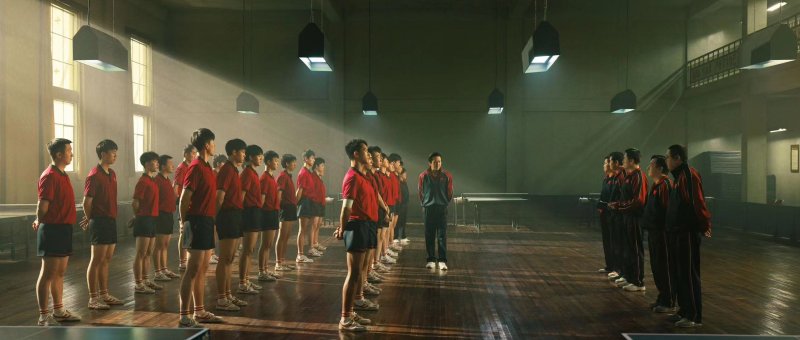
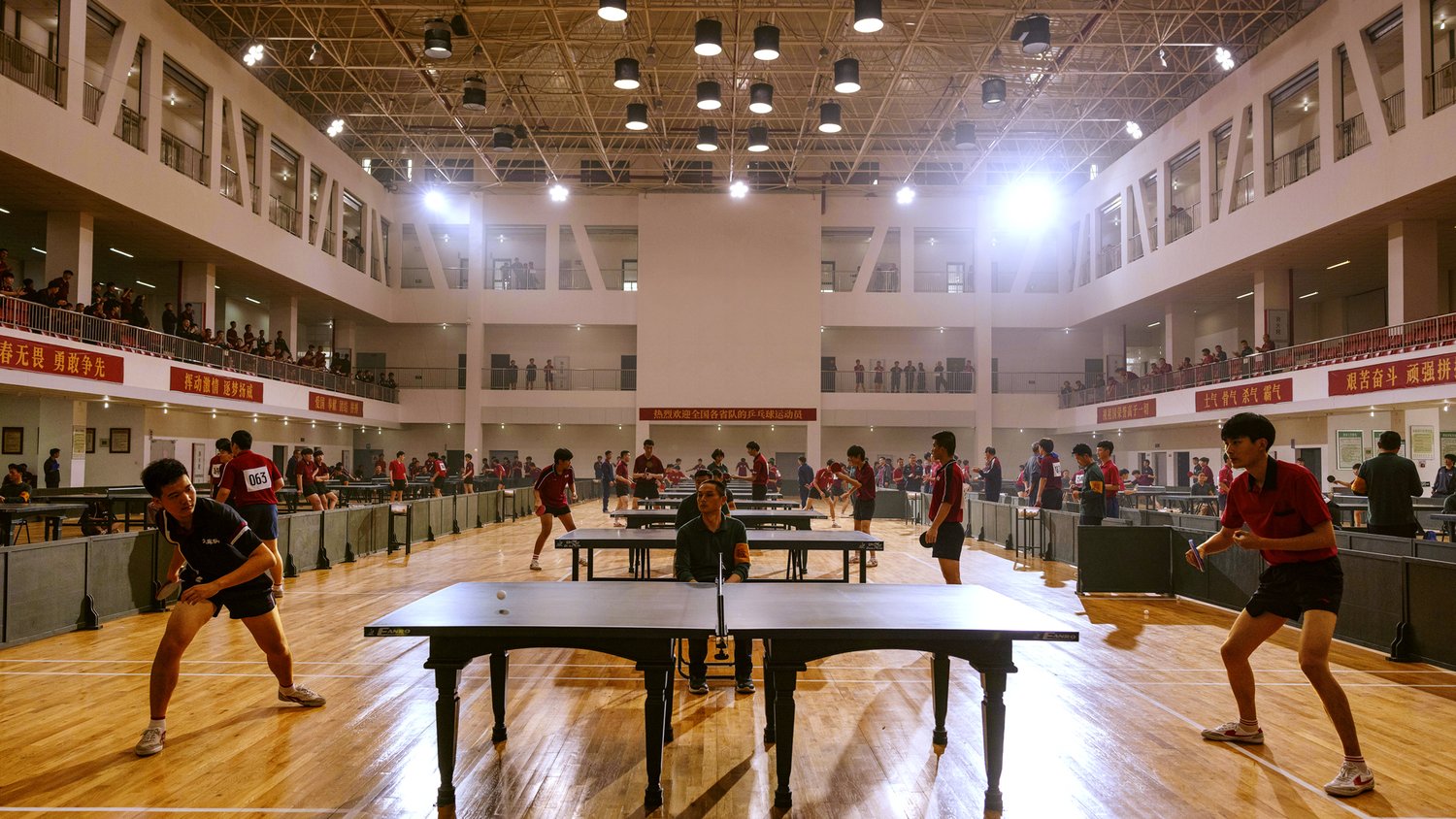
A changing China tries to recapture its sense of possibility by regaining its reputation as a ping pong powerhouse in Deng Chao and Yu Baimei’s rousing table tennis drama, Ping Pong: The Triumph (中国乒乓之绝地反击, Zhōngguó Pīngpāng zhī Juédì Fǎnjī). China can lose at any other sport, but not ping pong according to one aggrieved player making a dramatic return to the national team and echoing a sense of resurgent energy even as embattled coach Dai (Deng Chao) struggles to convince those around him that China can prevail.
As the film begins, Dai is an exile living in Rome and training the Italian national team. He has fully acclimatised to the comparatively relaxed Italian society, is dressed in a stylish tailored suit and wool overcoat, and has a fashionable European haircut. But to some, including it seems an institutionally racist police force, he’ll always be an other as he discovers on trying to report a mugging but ending up getting arrested himself and questioned by a cop who doesn’t like it that he’s wearing an expensive watch. With his wife heavily pregnant, Dai decides to return home to China but is offered only an assistant coaching job and given a pokey flat that doesn’t even have its own bathroom in contrast to the spacious house the family were living in in Rome while the Chinese national team flounders in an ongoing decline.
Dai’s fortunes in Italy play into the persistent message of contemporary mainstream Chinese cinema that there are no safe places for the Chinese citizen outside of China and that the only solution is to return home as soon as possible, while it’s also clear that his Westernisation is portrayed as a kind of bourgeois decadence that must eventually be corrected. On return to China, Dai continues to dress in his Italian suit rather than the team tracksuits worn by the other coaches until he’s fully reassimilated into the team and he’s even at one point criticised for spending too much time on his hair that could better be spent on training. Nevertheless, as he later points out they’re being beaten by European teams who are often trained by Chinese coaches who like him decided to chase their fortunes abroad in the confusions of early ‘90s China.
A lengthy sequence near the film’s beginning suggests that the Chinese players feel the game has been taken away from them unfairly, that though they did not invent ping pong, it has become so integral to the Chinese identity that its loss strikes at the heart of the nation’s vision of itself. Afraid of China’s success, international nations conspired to effect the restriction in trade of a special kind of glue China used for paddles while modifying the rules so that they were more in favour of taller European players rather than small and speedy Chinese sportsmen whose techniques are no longer a fit for the contemporary game. Dai’s battle is partly to force change among traditionalists and convince them that China needs to up its game to meet international competition if it is to reclaim its sporting crown.
It’s tempting to read the film as an allegory for China’s current economic ambitions if also a look back to a time of defeat in which the nation righted itself and became champions once again through unity, hard work, and faith in the future. The message is rammed home in the final pep talk Dai gives to a nervous player whose wealthy family disapprove of his choices and regard him as an embarrassment, reminding him that while their Swedish rivals took time out for holidays, sleeping, and eating breakfast they trained every minute of every day and he should learn to trust in that when faced with the seemingly insurmountable mountain of the European champion. Another player is told that he could lose the use of his arm if he continues playing but does so anyway (and is later fine), while it’s clear that Dai has made sacrifices which have strained his familial relationships in spending so much time away from his wife and young son.
There’s also a subtle current of less palatable national unity in Dai’s wife’s claim that their son is slow to speak not only because his father is away so often but that he’s surrounded by too many different dialects and it’s impeding his development, making an uncomfortable argument for the primacy of standard Beijing-accented Mandarin. Nevertheless, the message is fairly clear in the frequent cut backs to young children watching the games and once again seeing China on the world stage, gaining a new sense of possibility for their own lives in the vicarious success of sporting championship. Deng and Yu shoot the matches with breathless intensity and an unexpected immediacy as the ball seems to barrel through the camera, and at one point takes the place of the star on the Chinese flag. “Chinese are the most diligent” Dai reminds his player, certain that they will get there in the end through sheer force of will, hard work, personal sacrifice for the national good, and above all togetherness as they battle seemingly insurmountable odds to reclaim their sporting crown and with it a national identity.
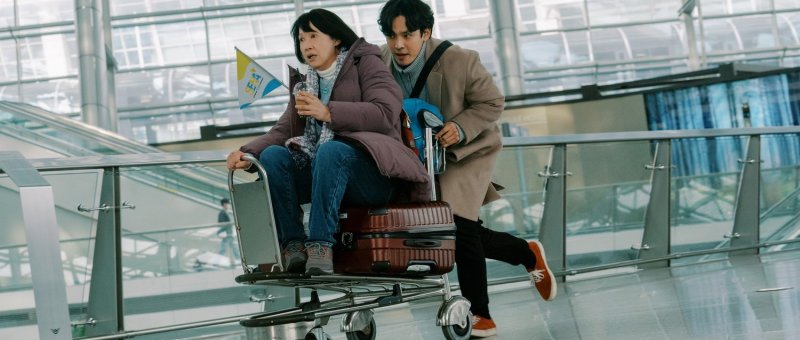
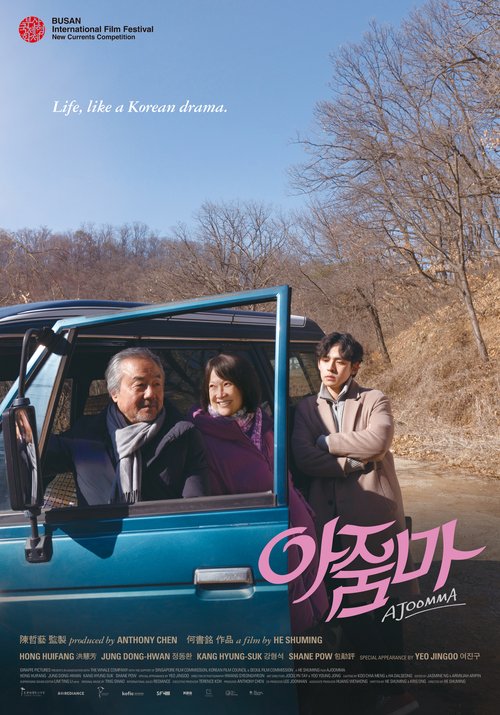
A middle-aged Singaporean woman begins to rediscover her sense of self after making an unexpected solo trip to Korea in He Shuming’s heartwarming dramedy, Ajoomma (아줌마). “Ajoomma” is the generic term for an older woman in Korean, and even in her native Singapore, the heroine Bee Hwa (Hong Hui Fang) is known largely as “Auntie” no longer possessing much of a name or identity and obsessed with Korean TV dramas in thrall to their larger than life emotions just hoping to feel something again in the midst of her loneliness.
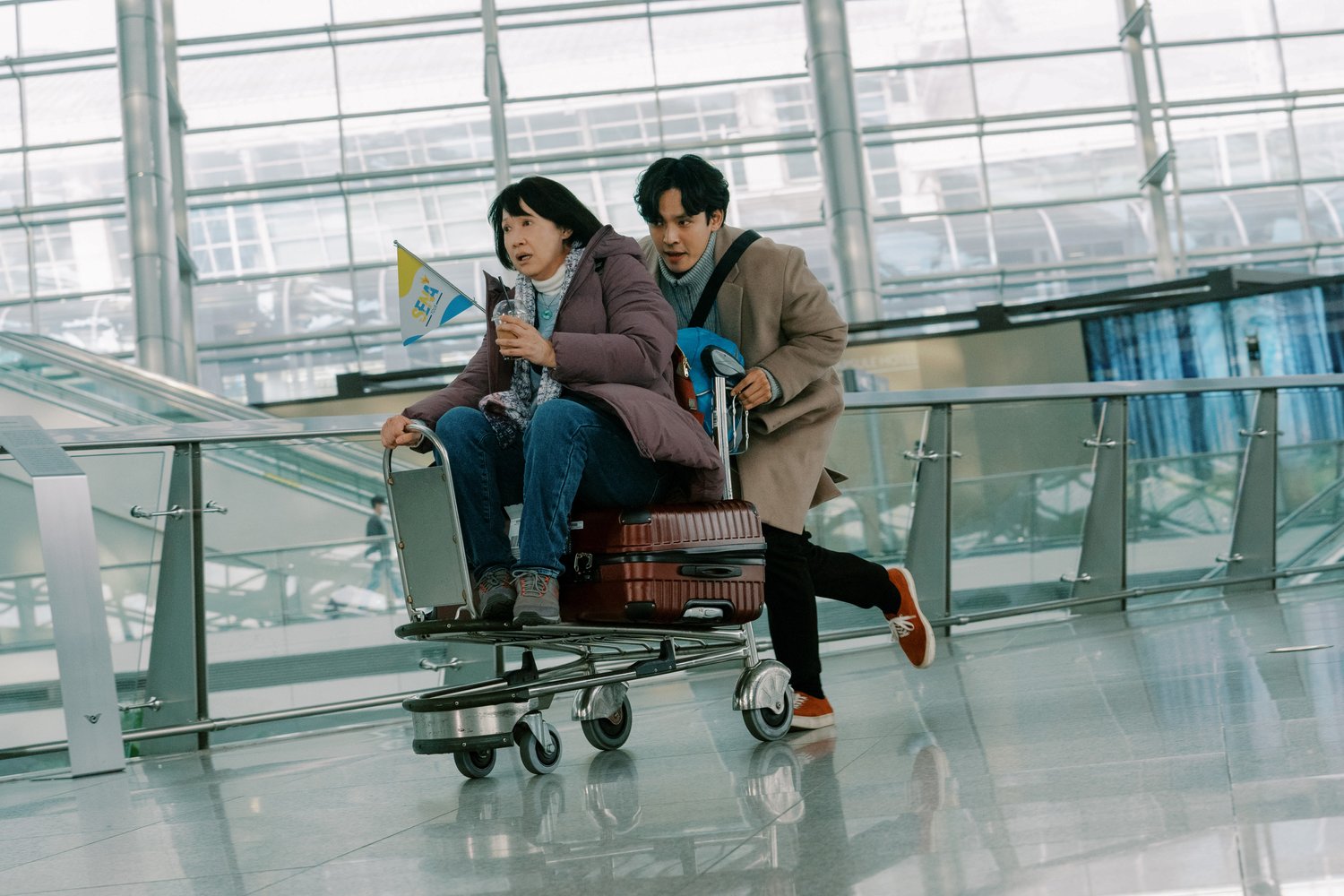
Bee Hwa has a grown-up son, Sam (Shane Pow), but he remains somewhat distant towards her. “He never shares anything with me” she later complains to a mother and daughter duo on the Korean tour together after a few drinks. Sam was supposed to come on the trip with her, but he got an interview for a big job in America and tried to get her to cancel. Bee Hwa would rather Sam didn’t go abroad, but her sense of loneliness is only deepened with the dawning realisation that Sam may be gay and has chosen not to share that part of himself with her. When she realises the tour is not refundable as Sam said it would be, she makes a bold decision to go on her own despite never having travelled alone before. Her confusion at the airport is palpable as she’s suddenly confronted with unexpected bureaucracy, trying to fill in landing cards and find her way to the tour group which turns out to be led by a handsome man with the look of a K-drama star but a defeated and cynical air unsuited to his role as a tour guide.
Just as Bee Hwa longs for a closer relationship with her son, Kwon-woo (Kang Hyung-seok) is desperately trying to win back his wife and daughter who have moved in with his disapproving mother-in-law following his difficulties with employment and subsequent debts to loansharks. Kwon-woo wants to show them that he can be a responsible husband and father by holding on to his tour guide job and making enough to pay off the debts so they can get an apartment of their own, but is also his own worst enemy and prone to making mistakes not least the one leaving Bee Hwa behind after failing to make sure everyone was back on the bus before it left.
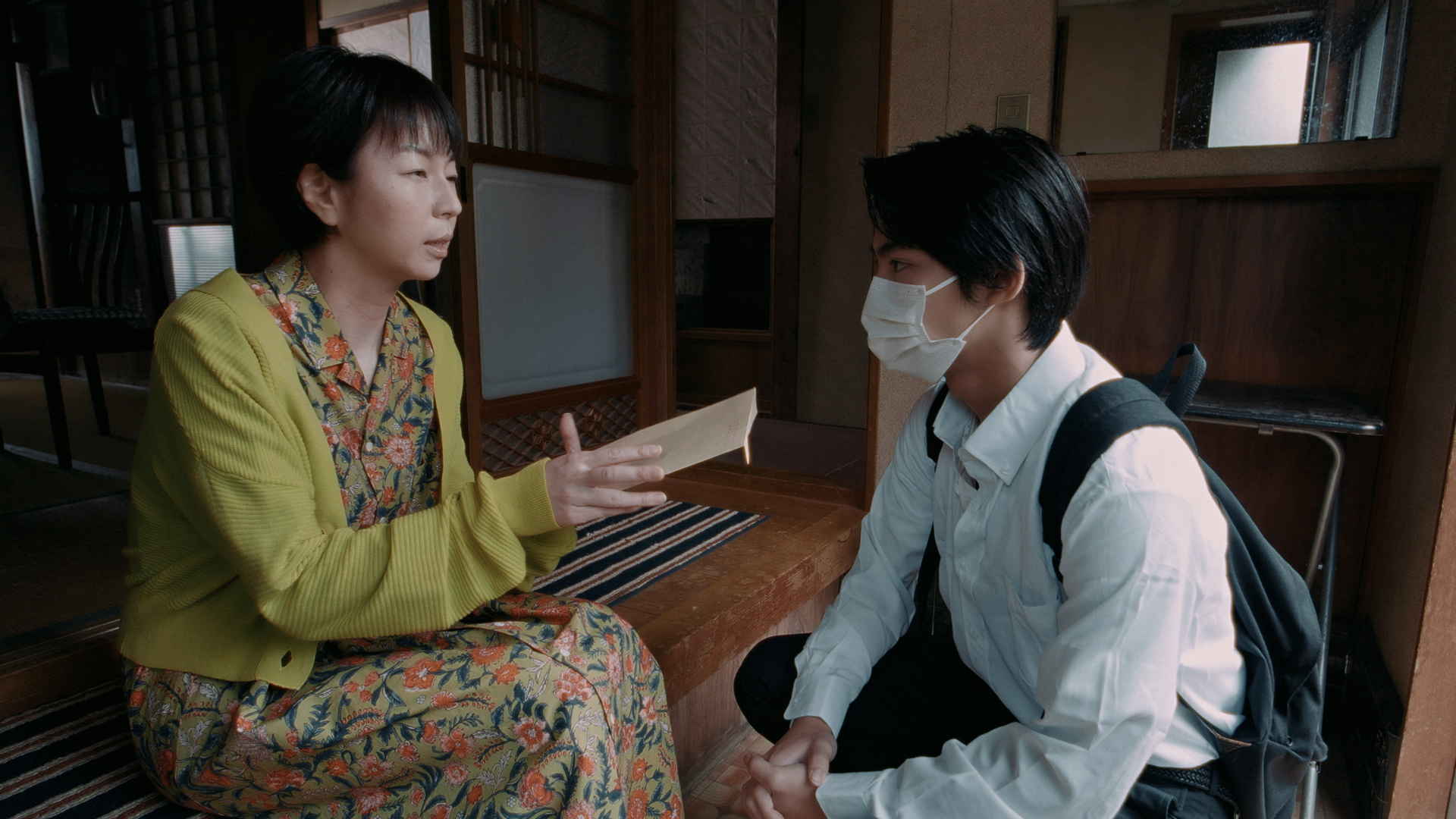
It’s only thanks to sympathetic security guard Jung Su (Jung Dong-hwan), himself a lonely widower whose sons live far away, that Bee Hwa doesn’t freeze to death in the middle of Seoul. Just like Bee Hwa, he’s lonely even with his beloved pet dog Dookie and mainly bides his time carving figures of animals out of wood. He helps her because he doesn’t know what else to do and despite the language barrier, Bee Hwa only understands the kind of words that come up a lot in Korean drama and he doesn’t know Mandarin or much English, the pair quickly find a sense of mutual solidarity bonding in their shared sense of loss mixed with mild disappointment in life’s ordinariness. Kwon-woo asks Bee Hwa if she regrets the choices that she made that left her little room for herself, and she says she doesn’t but does perhaps hanker for something more in her life than just being a faceless ajoomma who likes Korean dramas but has lost sight of herself.
The trip to Korea reminds her that she can do things on her own and doesn’t necessarily need Sam there to help her, finally buying something nice just for herself rather than getting it someone else. As she dances in the snow she realises that she can still have new experiences and feel childlike joy, even if she is “an auntie” she has plenty of time in front of her to do whatever she wants with no longer subject to social expectations, patriarchal husbands, or judgemental sons. Billed as the first co-production between Singapore and South Korea, He’s heartwarming drama celebrates not only the simple power of human kindness but the resilience of women like Bee Hwa seizing the freedom of age and resolving to live the rest of her life on her own terms.
“Why was living so hard for him?” a brother remarks of man he assumed to have died in an accident after severing ties with his family, though with little sympathy in his voice and in truth should the brother be dead it would be all the better for him. Adapted from a novel by Keiichiro Hirano, Kei Ishikawa’s A Man (ある男, Aru Otoko) asks questions not so much about the limits of identity and the existence of an authentic self, but the kinds of labels we place on others and the prejudice that often accompanies them that makes some want to run from themselves.
Accidental detective Kido (Satoshi Tsumabuki), a lawyer who previously represented the recently widowed Rie (Sakura Ando) in her divorce from her first husband, is a case in point. He tries not to react while his wealthy and extremely conservative father-in-law runs down a case he’s just won representing the parents of a man who took his own life after being expected to work extreme overtime by an exploitative company solely to fulfil the image of the salaryman. The father-in-law sneers and complaints about the family receiving compensation before moving on to a rant about the welfare state scoffing that “real” Japanese don’t rely on such things which are only for “Koreans and people of that ilk”.
Aside from its unpleasant xenophobia, the remark is insensitive as Kido is himself third generation Zainichi Korean, though a naturalised citizen of Japan. Throughout the film, he’s bombarded with social prejudice and racist abuse to which he chooses to say nothing, because there’s nothing he can really say, though leaving us to wonder if his decision to marry his wife (Yoko Maki), the daughter of a wealthy and conservative family, is an attempt to secure his own identity as a member of Japanese society even while bristling at her further demands, that they should invest in a more impressive, larger detached house as recommended by her father and also have another child.
Kido’s quest to uncover the “true” identity of Rie’s husband Daisuke (Masataka Kubota) who is discovered to have been living an assumed identity when the brother of the man whose name he borrowed arrives at his memorial service, is also a quest to affirm his own identity which is in many ways as self-constructed as Daisuke’s is assumed to be. The interesting thing is that Daisuke, who said little of his past, used the other man’s backstory leaving no doubt that is not quite a case of mistaken identity that brings Kyoichi (Hidekazu Mashima) to Daisuke’s memorial service, though he is quick enough to disparage the life the deceased man shared with Rie in a rural “backwater” while making vague references to insurance policies and inheritances and simultaneously offering to pay for the funeral expenses as if reclaiming ownership over Daisuke’s legacy.
Like Kido’s father-in-law, Kyoichi appears to be a cynical and self-interested man and it’s not difficult to see why the other Daisuke may have wished to escape his life with him. As an older man points out, everyone has things in their past and though they might not seem like much to others it’s natural enough to want run from yourself, to leave everything behind and start again somewhere else. In Japan, this is much easier to do than in some other countries and it’s true enough that changing one’s name is not that uncommon either. Rie’s young son Yuto, now old enough to question his own identity, took his mother’s maiden name after the divorce, then Daisuke’s surname Taniguchi when he married his mother. Now he wonders what his name should be if it is not Taniguchi and who he really is underneath it.
In essence, we give people names as a kind of label to describe our relationship to them as a means of mapping out the world. These labels also come with prejudices such as that directed towards Kido as a Zainichi Korean and to another of the “disappeared” men who struggled to emerge from the shadow of his father’s crime as a death row felon. The projection of an identity can be harder to live with than the identity itself. When Kido’s wife tells him that he doesn’t seem himself and she wants him to go back to the way he was before, it’s a rejection of the new identity that has begun to surface through his quest to identify Daisuke and an instruction that he conform to the image of him she has constructed for herself as a typical Japanese salaryman not so different from her father in their affluent, middle-class existence.
Having satisfied himself that he understands the man Daisuke came to be, Kido’s self-image and sense of identity seem to be reaffirmed. He is happier with his wife and son, and has fewer doubts about his place in the world, but then he’s suddenly confronted with an unexpected revelation that undermines his new sense of security in causing him to doubt the veracity of the image he has of others, and consequently of their relationship with him which again leaves him unanchored unable to affirm his image of himself without its reflection. Rie’s final acceptance that in the end she never needed the “truth” (now that she has it) points to the same answer, that in the end Daisuke’s name was irrelevant because he was the man he was to her at the time that she knew him and this is all we can ever really know of each other in a continual act of faith in interpersonal connection. A man can be many people at once, or in quick succession, and none of them any less “real” than another. “It’s nobody’s life but your own,” Kido is reminded even as he struggles to reorient himself in a merging of identities self-constructed or otherwise but perhaps destined to remain forever a stranger to himself.
Philip Yung’s first film since the acclaimed Port of Call was scheduled for release all the way back in 2018 only to be repeatedly held up by troubles with the censors later compounded by the coronavirus pandemic. For many reasons, it isn’t surprising that Where the Wind Blows (風再起時) would run into trouble with the current censorship regime dealing as it does with the touchy subject of police corruption albeit it in the colonial era, but the most surprising thing may be that it was passed at all given the subversive undertones of a late speech delivered by the voice of reason, ICAC chief George Lee (Michael Hui Koon-man), whose attack on the corrupt practices of the British authorities has obvious parallels with the modern day.
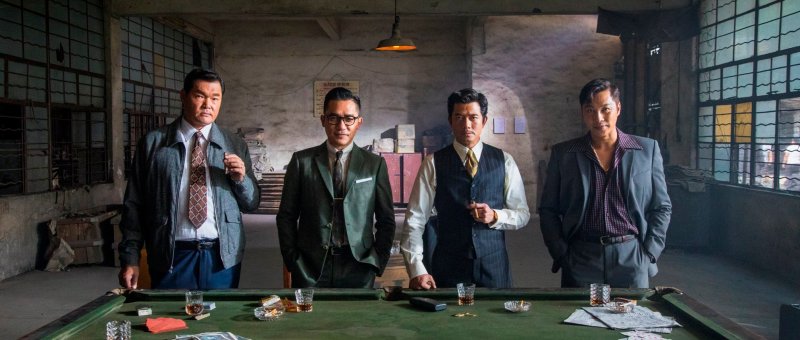
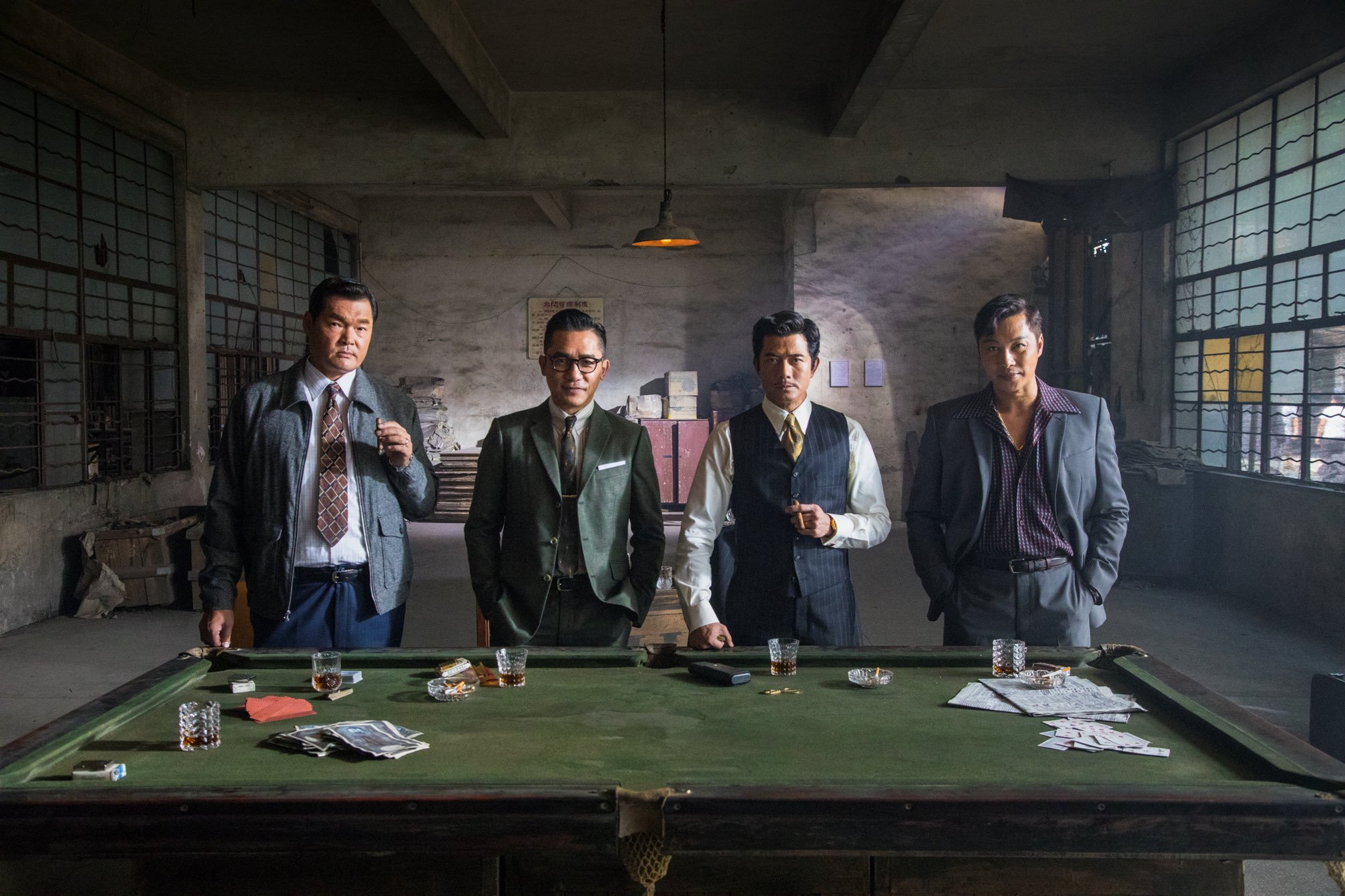
The film is however set firmly in the past ranging from the 1920s to the 1980s and inspired by the “Four Great Sergeants” of post-war Hong Kong who amassed great personal wealth while working as police officers. Once again, the police is just the biggest gang, or perhaps the second biggest given that the great racket in town is the colonial rule. It is indeed the British authorities who have enabled this society founded largely on systemised corruption, something which as Lee points out they are unwilling to deal with because it suits them just fine and they have no real interest in the good of Hong Kong.
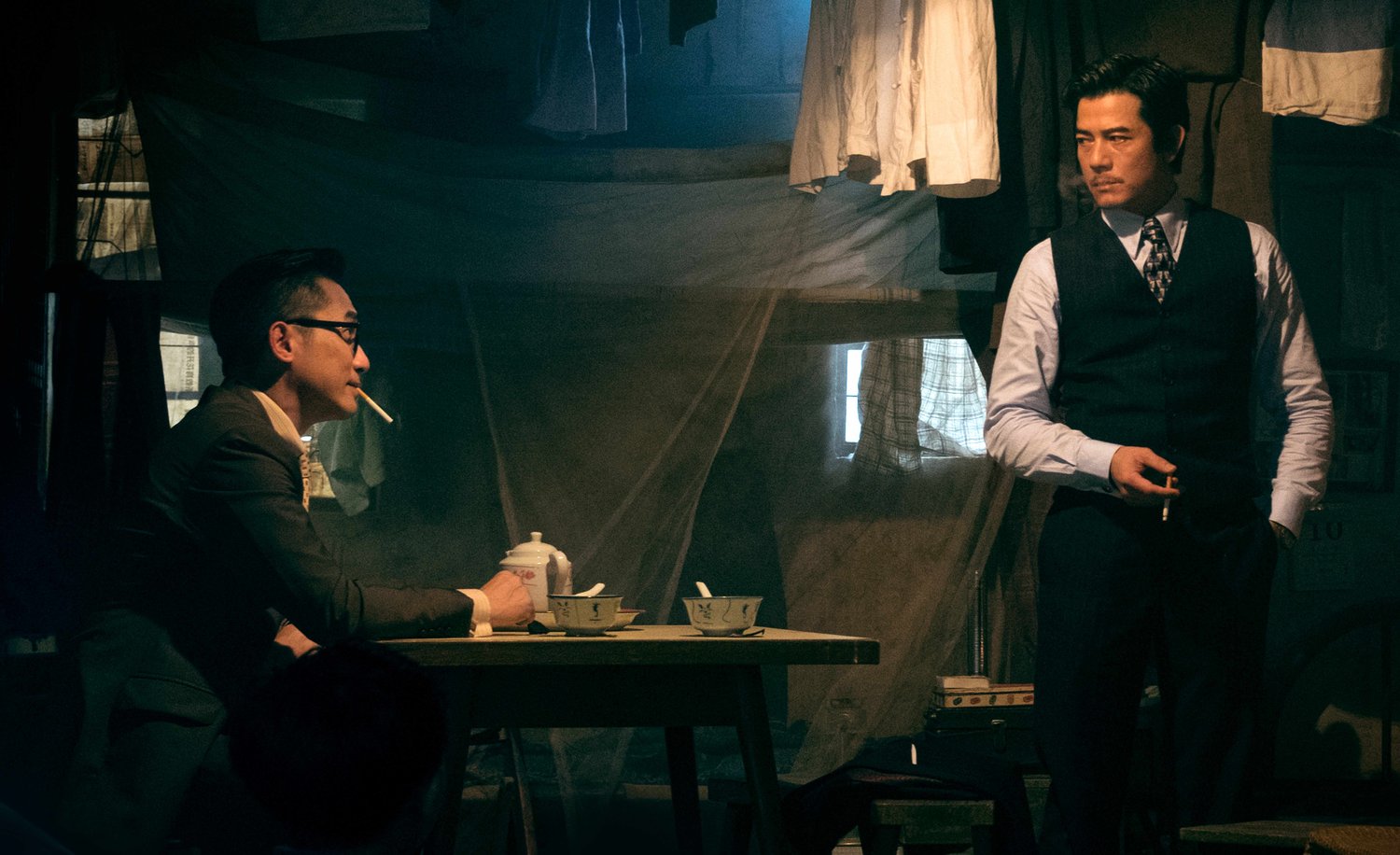
In any case, flashy cop Lok (Aaron Kwok Fu-shing) started out as an earnest bobby before the war who was shocked by the institutionalised corruption all around him and refused to participate in it. But his law abiding nature only made him a threat to other officers who needed him to be complicit in their crimes to keep them safe. After several beatings, he ended up accepting the culture of bribery just to fit in. In the present day, he and likeminded detective Nam (Tony Leung Chiu-wai) justify their dubious methods under the rationale that they’re helping to “manage” triad society by effectively licensing the gangs in taking protection money to leave the chosen few alone while enriching themselves in the process.
Then again, the balance of triad society is disrupted by the arrival of a bigger Mainland outfit which later ends up backing Lok, with the assistance of his Shanghainese wife (Du Juan), to place him in a position which is the most beneficial to themselves. To quell riots by supporters of the KMT in 1956, Nam lies to the protestors that he secretly supports their cause and that if they do not disperse there is a chance the British Army will forcibly disperse them which he also describes as an inappropriate outcome because this is a matter that should be settled among the Chinese people not by foreigners. In the final confrontation with ICAC chief Lee, the British authorities rule out military or police action, though the rioters in that case are in fact policeman angry about increasing anti-corruption legislation. Ironically enough, Lee’s speech advocates for something similar to that which Nam had suggested, essentially saying that the Hong Kong people should decide their own future and that society in general should be more mindful as to the kind of Hong Kong their children and grandchildren will eventually inherit.
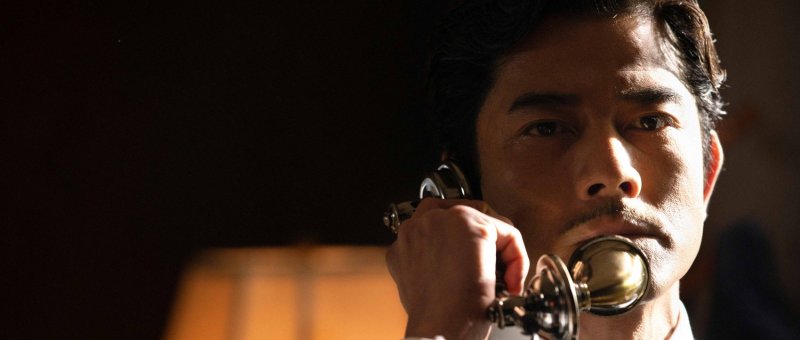
In any case, the four sergeants are soon eclipsed by changing times while Lok and Nam are mired in romantic heartbreak in having fallen for the same woman who brands Nam an over thinker and implies she may have married Lok less out of love than in the knowledge he’d be easy to manipulate. For his part, Lok is damaged by wartime trauma which has left him cynical and nihilistic while filled with regret and longing for a woman he lost during the war in part because he did not have the money to pay for medical treatment which might have saved her. In this sense, it’s money that is the true corrupting force in a capitalist society in which, as Lee suggests, it might eventually become necessary that you’d have to bribe a fireman to save your house or an ambulance driver to get your ailing mother to a hospital. Then again, as Nam says power lies in knowing there are those weaker than yourself. Yung’s sprawling epic apparently rant to over five hours in its original cut before being reduced to three hours forty-five and then finally to the present 144 minutes leaving it a little hard to follow but nevertheless filled with a woozy sense of place and an aching longing for another Hong Kong along with a melancholy romanticism as a lonely Nam dances alone to a ringing telephone bearing unwelcome news.
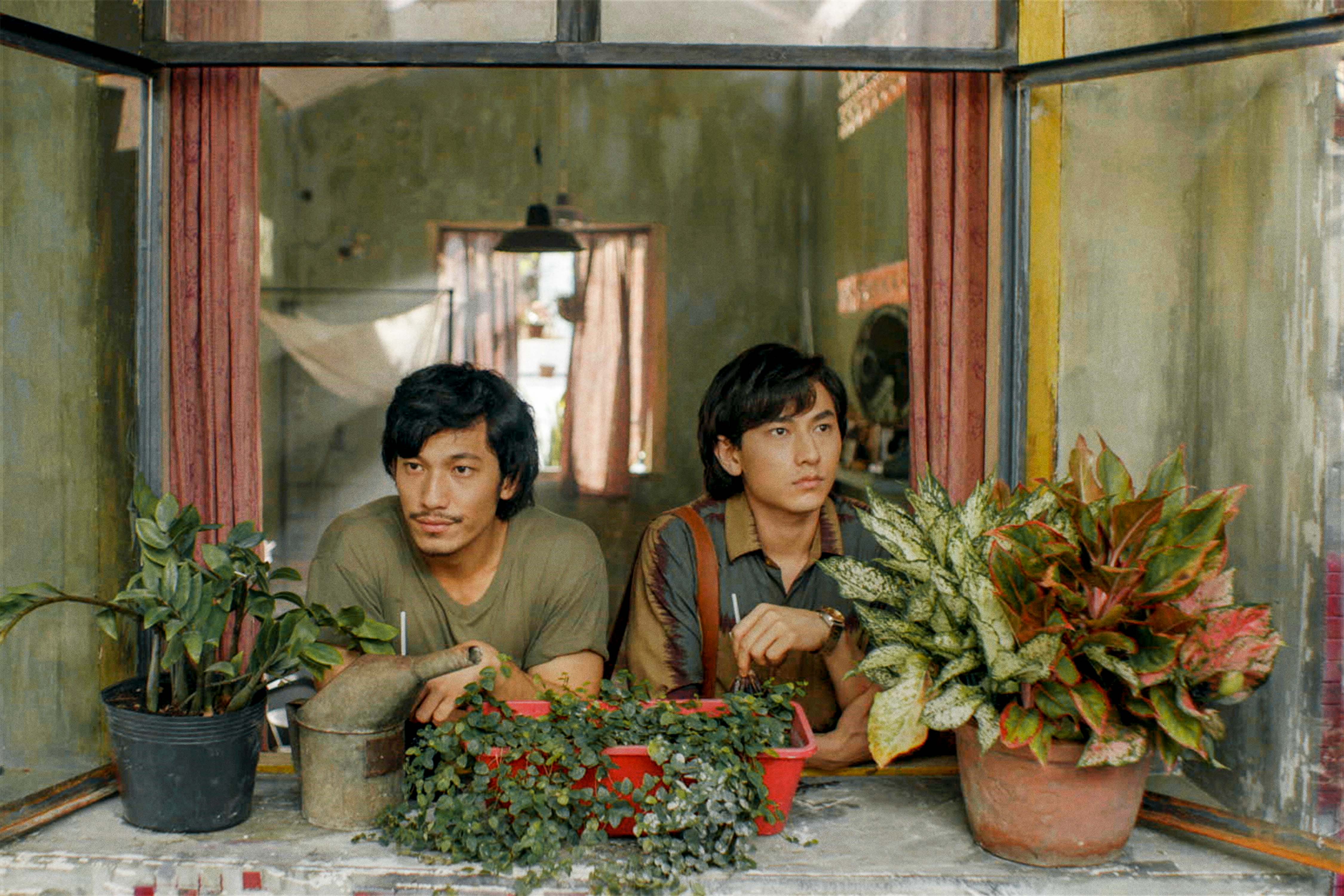
Asian Pop-Up Cinema returns for its 16th season in cinemas across Chicago March 18 to April 16. The season will kick off with a special pre-launch screening of Philip Yung’s highly anticipated 1960s crime drama Where the Wind Blows with lead actor Aaron Kwok scheduled to attend in person. It will then present films from Japan, South Korea, China, Hong Kong, and Taiwan, while a selection of Korean films will also be available to stream in the US and Canada via Eventive along with Vietnamese LGBTQ+ drama Song Lang and gritty Chinese neo-noir Old Town Girls.
Lead Actor Aaron Kwok is scheduled to attend for the award ceremony and introduction of the film.
Long-awaited latest film from Port of Call’s Philip Yung starring Aaron Kwok and Tony Leung Chiu-wai as policemen who forge dangerous alliances with organised crime in ’60s Hong Kong.
Japan Week
AMC Evanston 12 (1715 Maple Ave, Evanston, IL)
Opening Film
Saturday, March 18, 2:30 PM : A Man (ある男, Kei Ishikawa, 2022)
The latest film from Kei Ishikawa (Gukoroku: Traces of Sin, Arc), A Man stars Satoshi Tsumabuki as a lawyer who is pulled into a web of intrigue when a former client asks him to investigate her late husband who had been living under an assumed identity.
Saturday, March 18, 5:30 PM: She Is Me, I Am Her (ワタシの中の彼女, Mayu Nakamura, 2022)
Career Achievement Award recipient lead actress Nahana and director Mayu Nakamura are scheduled to attend in person to introduce the film and have a Q&A after the film presentation moderated by Mark Schilling.
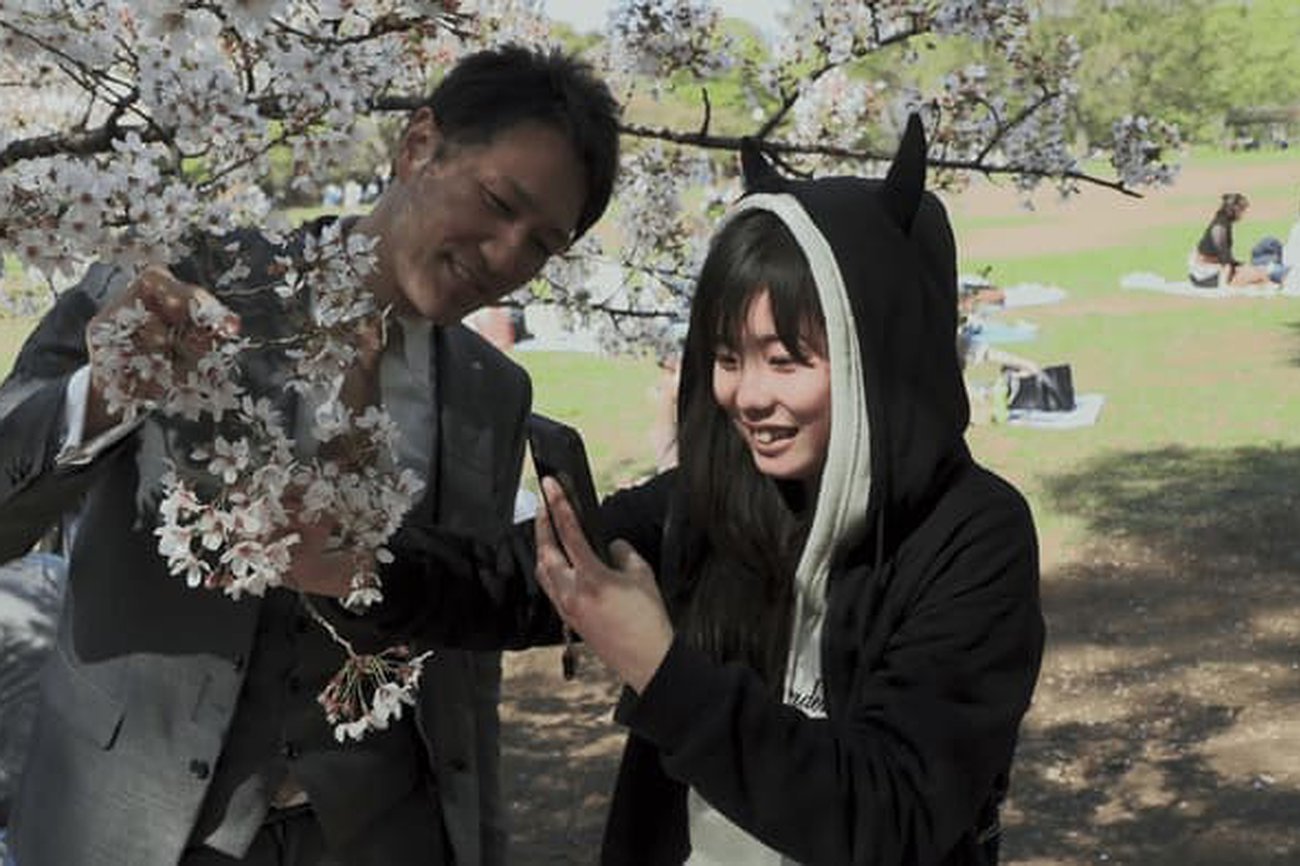
Mayu Nakamura’s anthology film spins four of tales of contemporary loneliness exacerbated by the COVID-19 pandemic each starring actress Nahana as a conflicted housewife meditating on past regret, a lonely woman who takes a liking to a takeaway delivery driver, a sex worker displaced by the pandemic, and a blind woman who offers a hand of salvation to a telephone scammer. Review.
Presenter/Producer Evelyn Nakano Glenn and Writer/Director Antonia Grace Glenn are scheduled to attend in person to introduce the film and have a Q&A after the screening moderated by Mark Schilling.
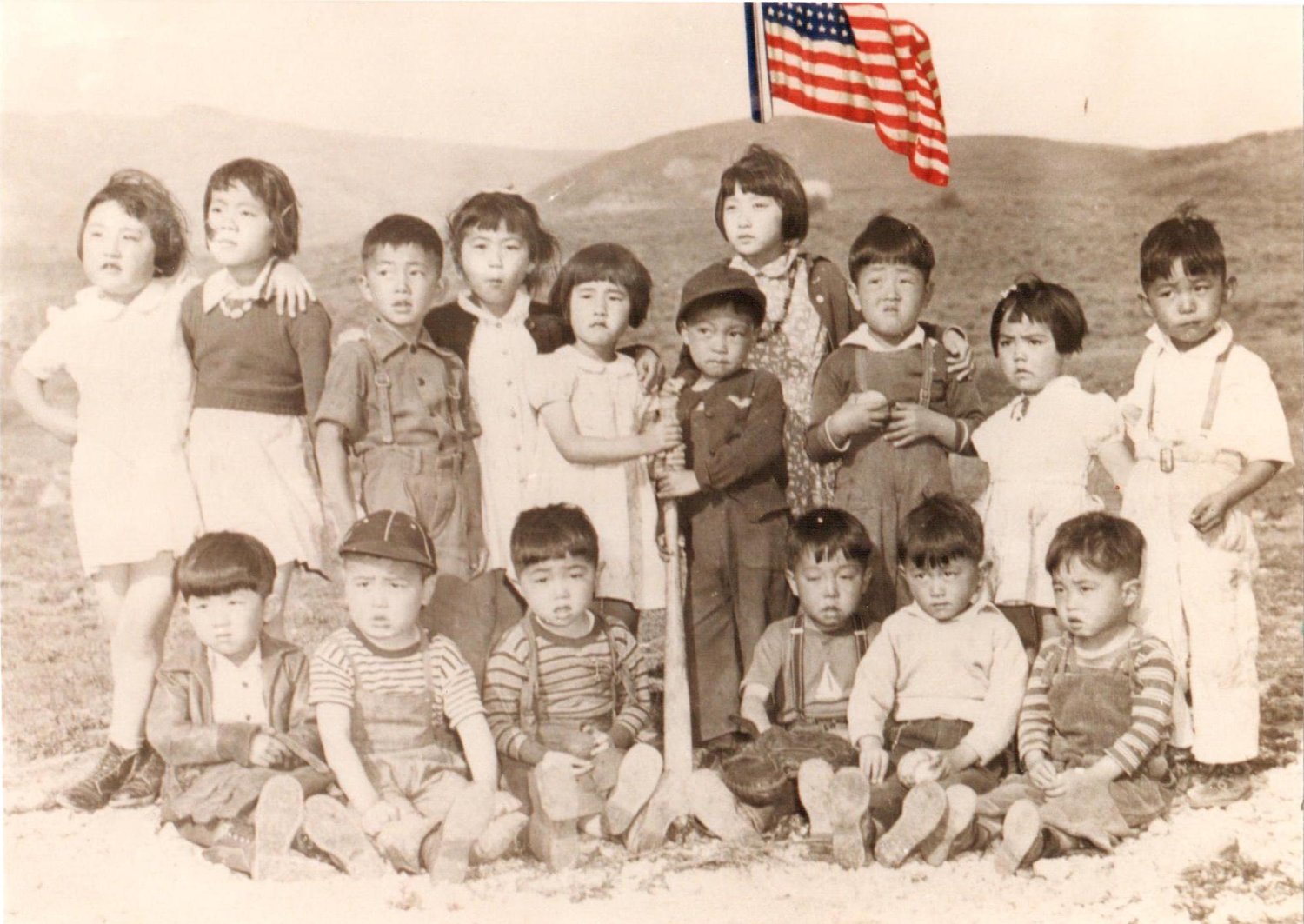
Antonia Grace Glenn’s documentary focuses on the Japanese Americans who evacuated voluntarily in the wake of Executive Order 9066 and avoided entering the internment camps but became refugees in their own country.
Sunday, March 19, 5:30 PM: Convenience Story (コンビニエンス ストーリー, Satoshi Miki, 2022)
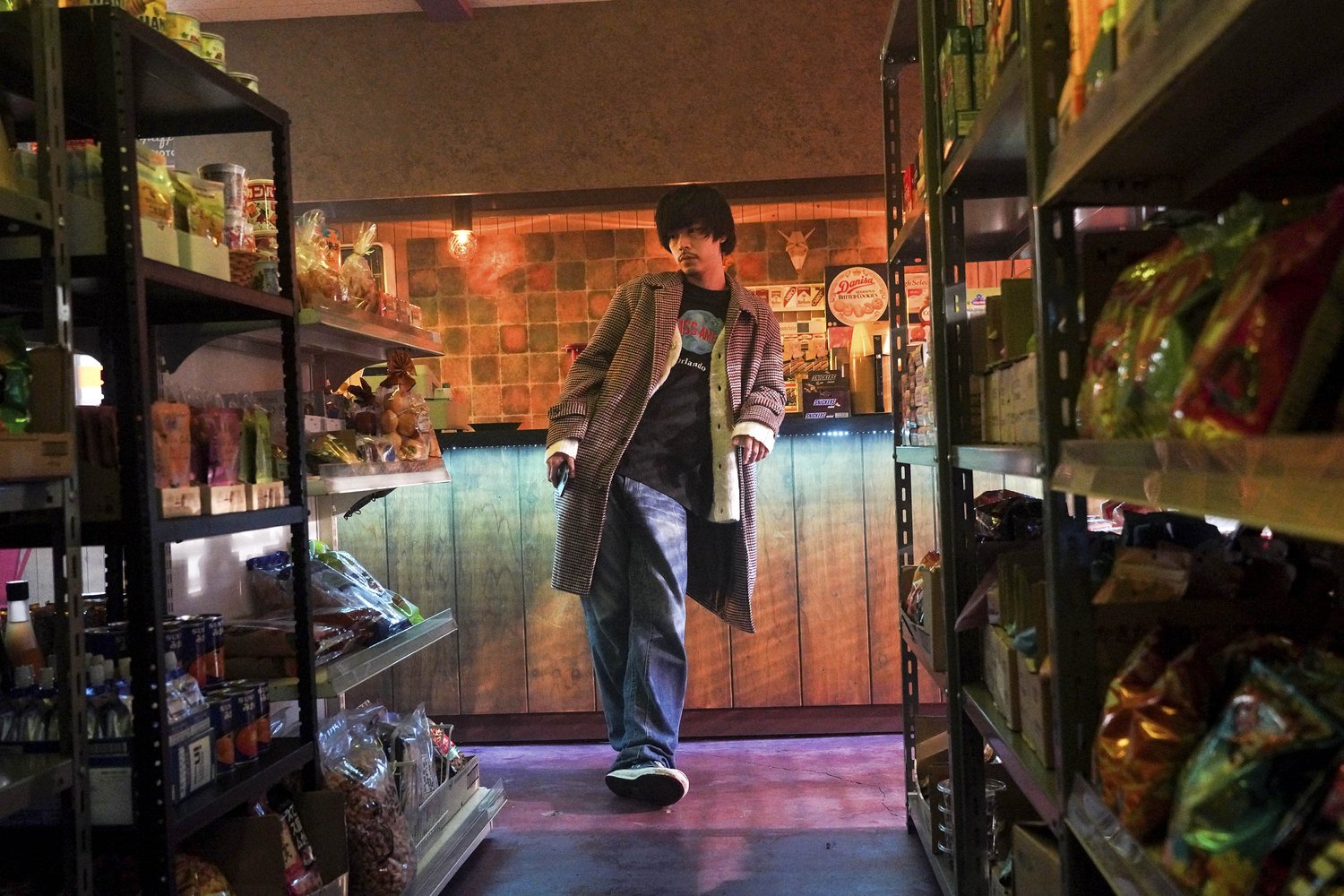
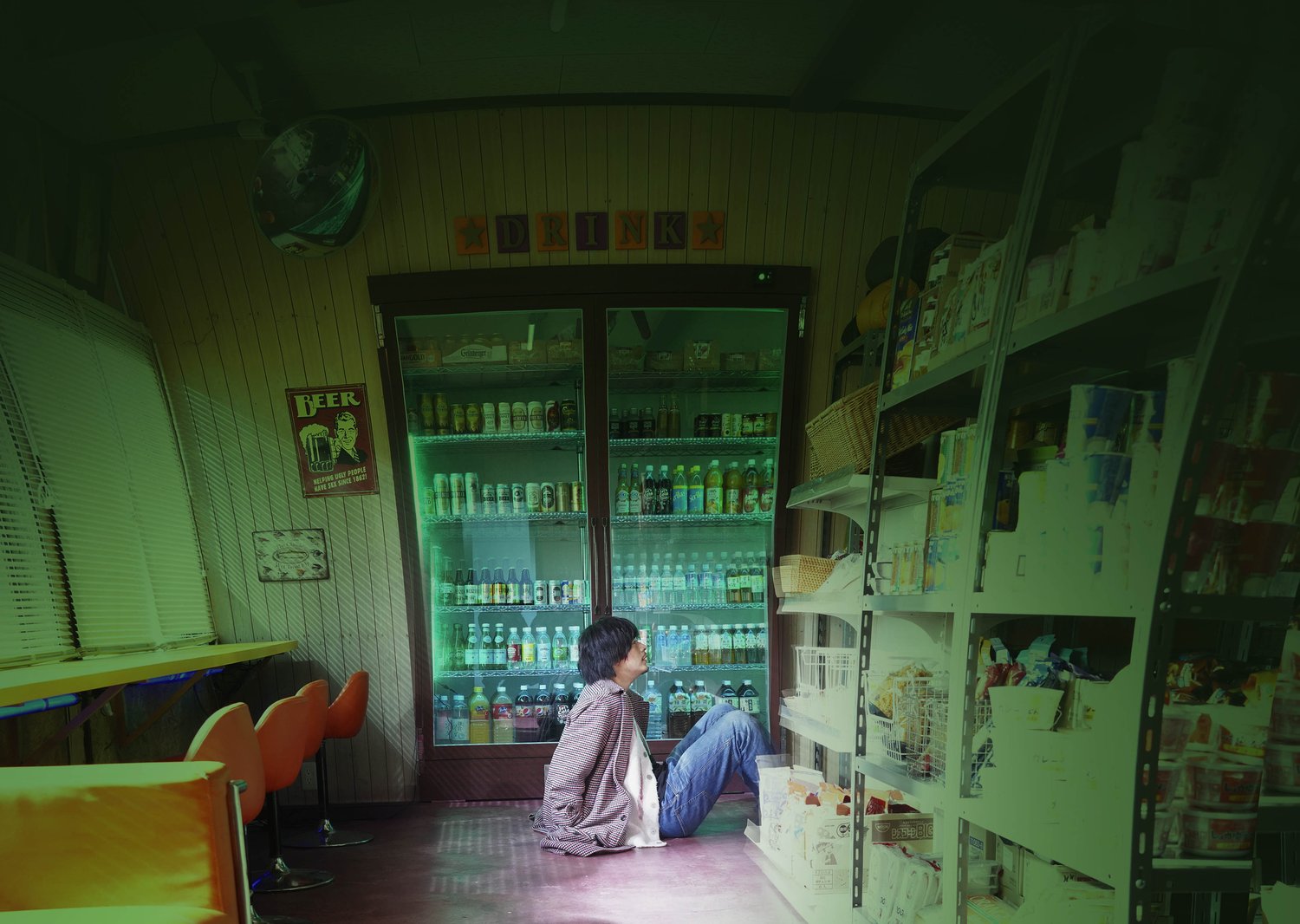
Surreal Lynchian adventure based on a story by film writer Mark Schilling and directed by Satoshi Miki following a blocked writer (Ryo Narita) who becomes trapped in a weird alternate reality after entering a mysterious convenience store. Review.
Wednesday, March 22, 6:30 PM: Umami (Slony Sow, 2022)
Alliance Française de Chicago (54 W Chicago, Chicago, IL 60610)
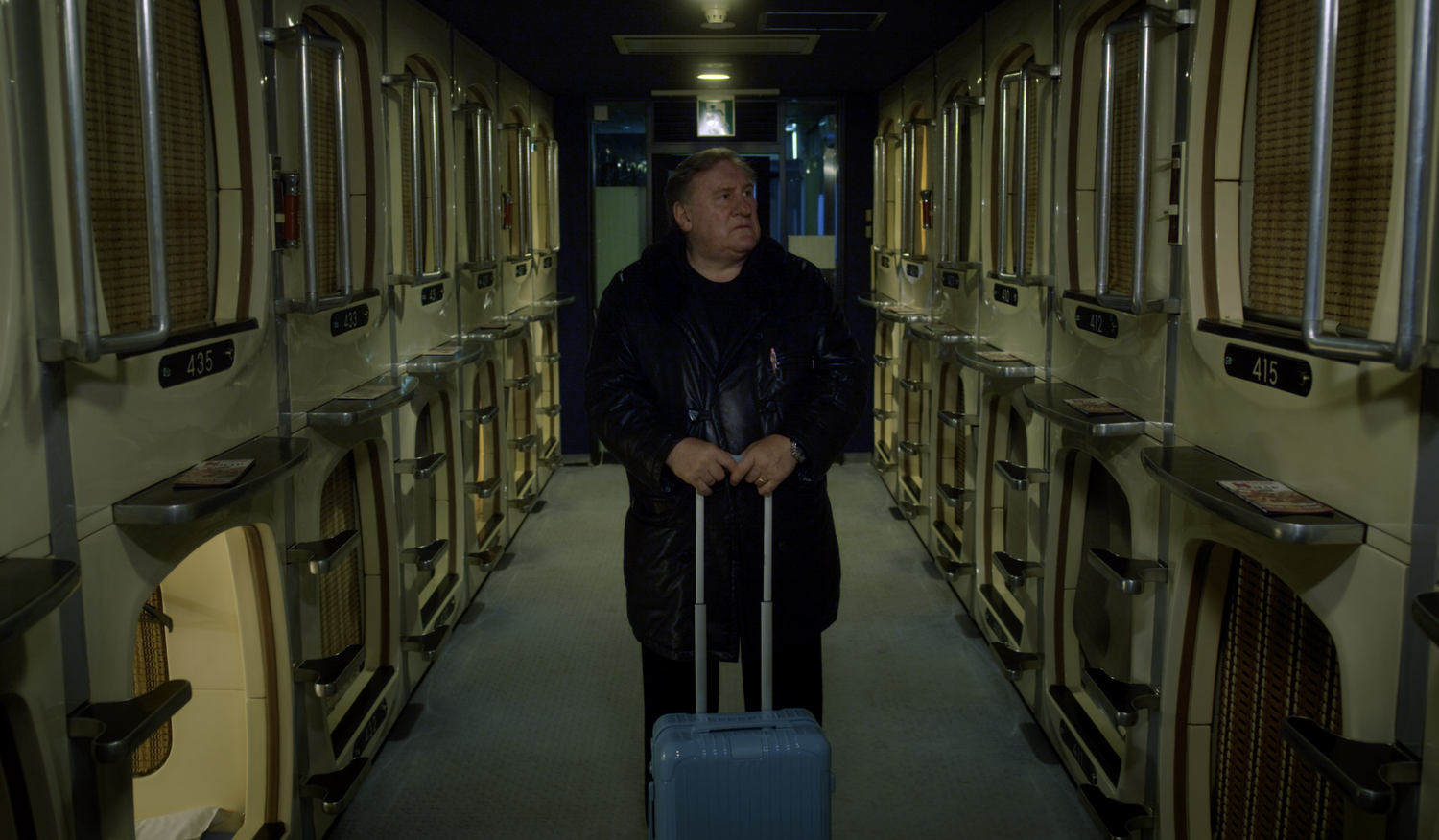
French-Japanese co-production starring Gérard Depardieu as a chef who has a near death experience and embarks on an existential journey to Japan haunted by his defeat in a culinary competition decades earlier at the hands of a Japanese ramen master.
Singapore and China
Michael Paul Galvin Tower, Schulz Auditorium at Illinois Institute of Technology (IIT) (10 W. 35th St., Chicago)
Saturday, March 25, 2:30pm: Ajoomma (아줌마, He Shuming, 2022)
Drama in which a middle-aged woman from Singapore chases her obsession with Korean TV dramas all the way to Seoul only to become lost and embark on a journey of unexpected self-discovery,
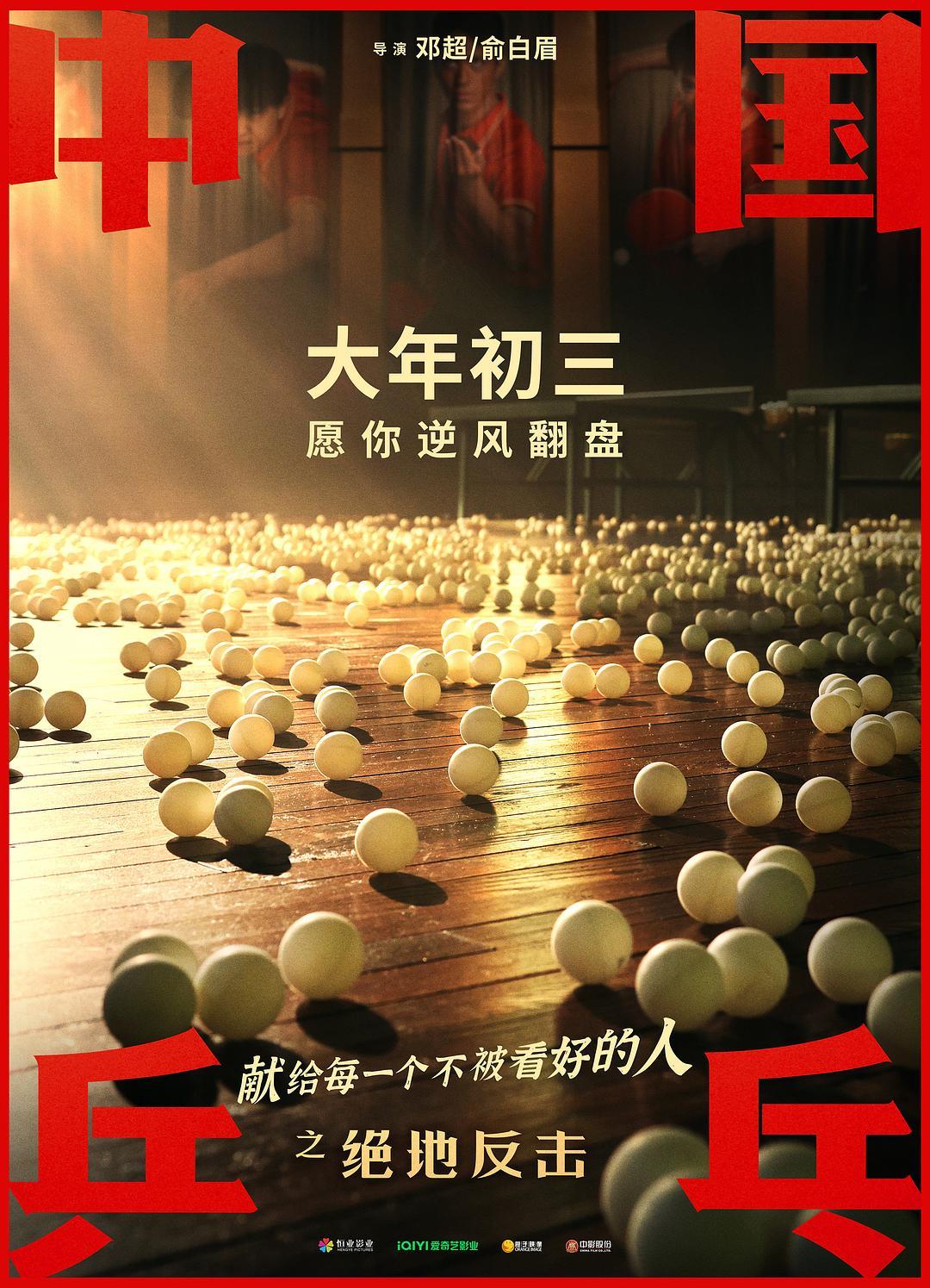
Saturday, March 25, 4:30 PM: Ping Pong: The Triumph (中国乒乓之绝地反击, Deng Chao & Baimei Yu, 2023)
True life sporting drama starring Deng Chao as a table tennis coach tasked with putting together a new national team.
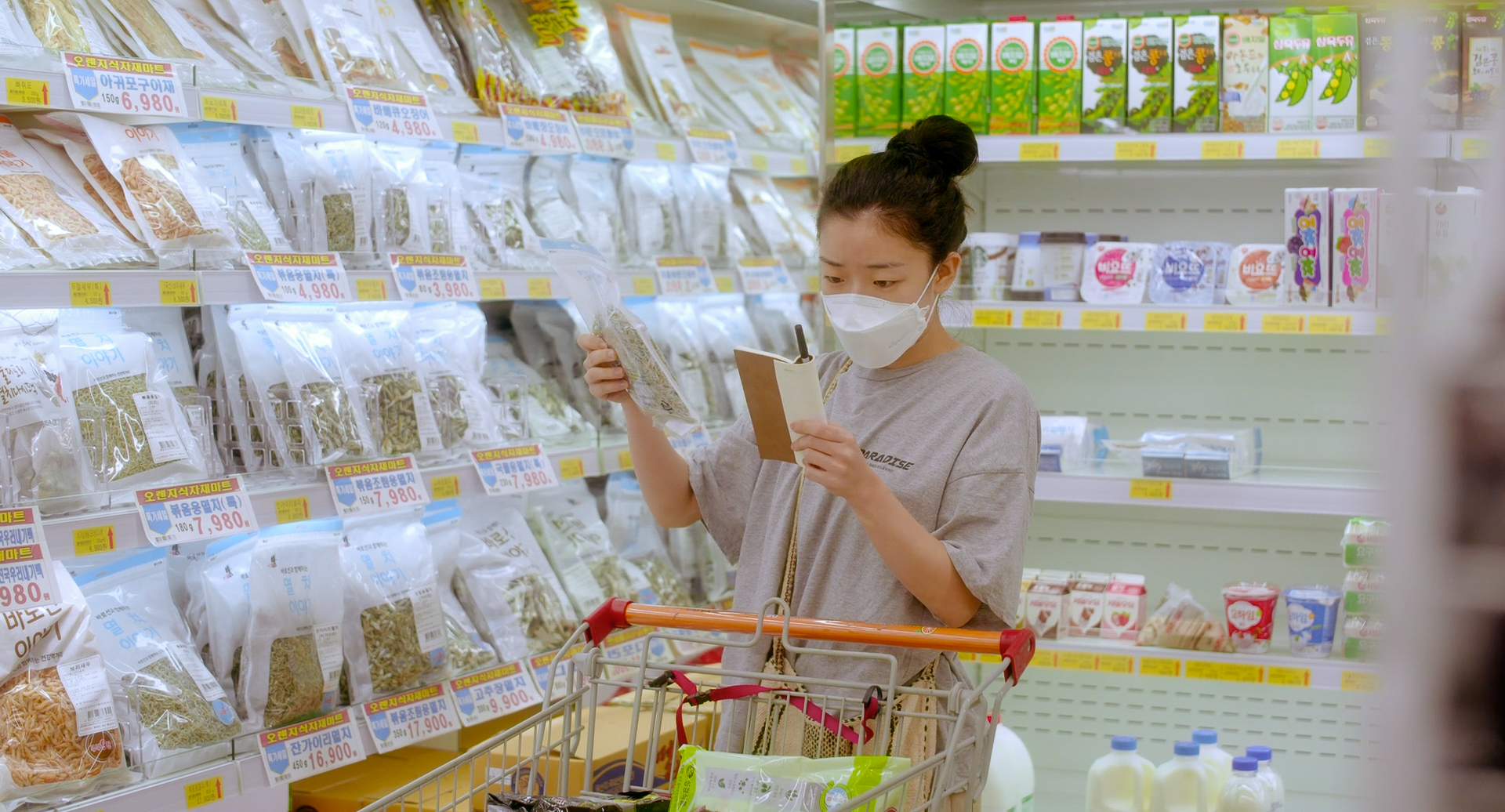
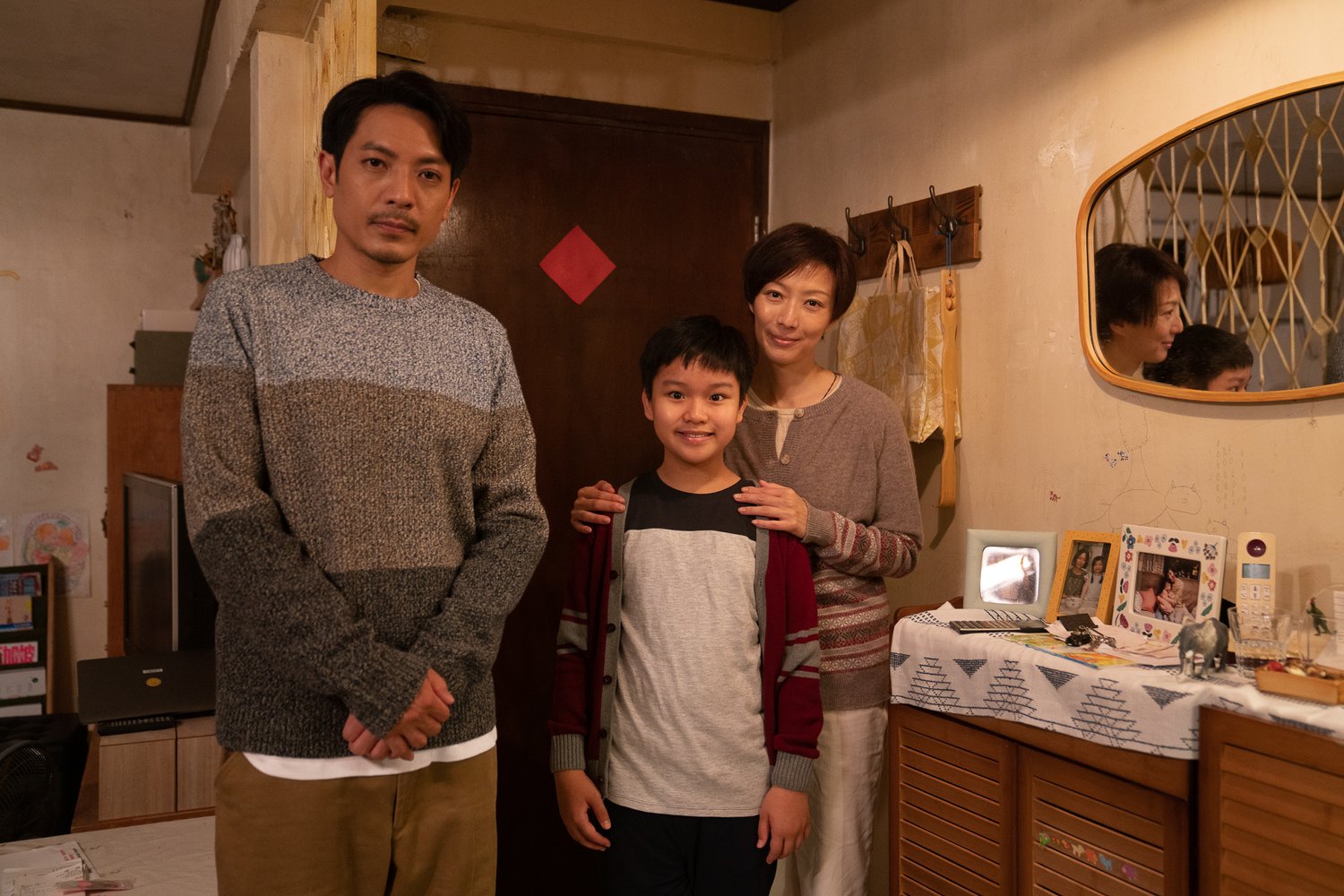
Documentary following a young woman who was born with Down Syndrome and is often on the receiving end of societal prejudice but has found release in drawing portraits of others which express a deep love and respect for all she meets despite not receiving the same in return.
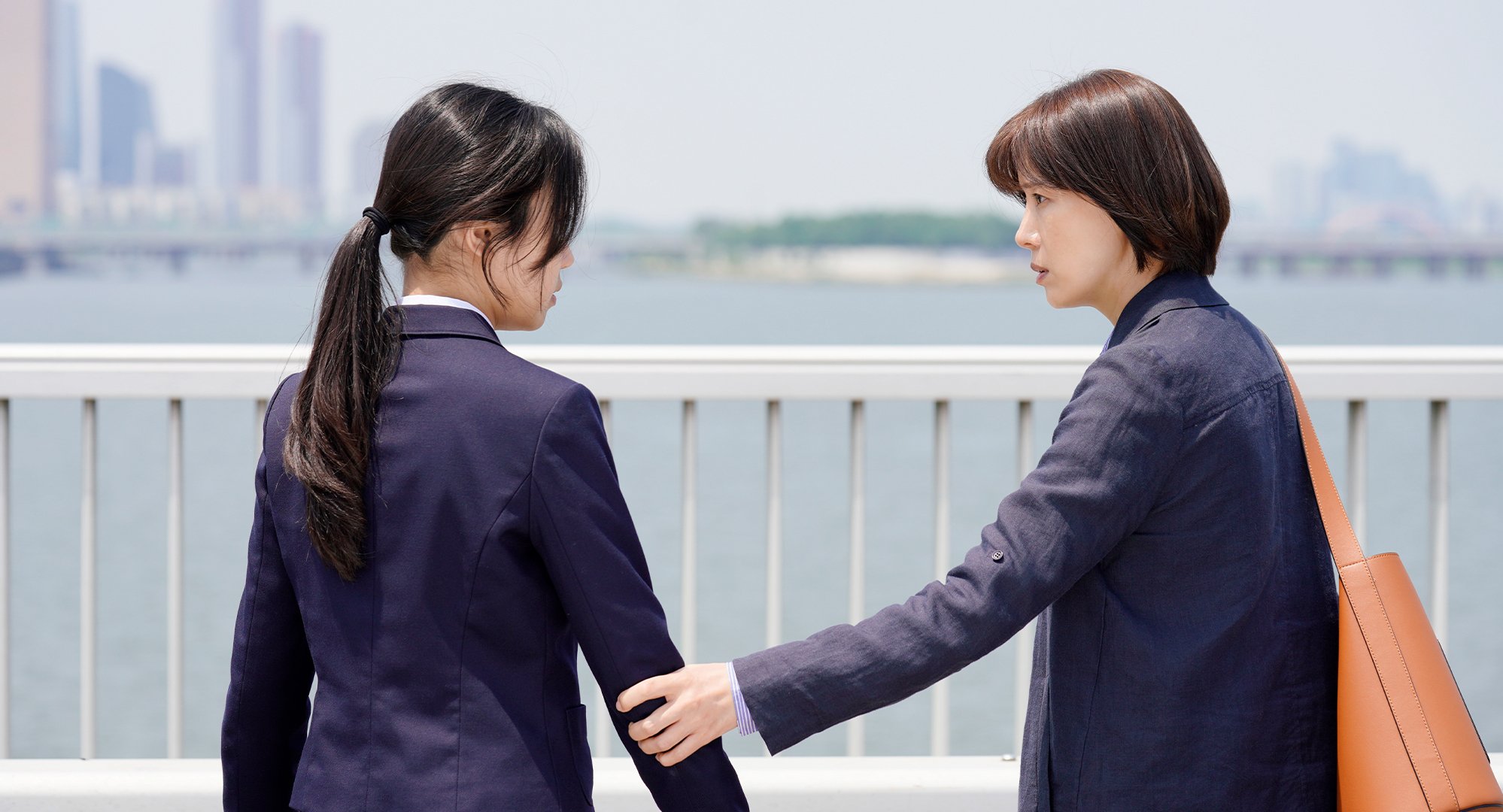
Drama in which a young woman raised in an orphanage considers taking her own life but is prevented by a hospice nurse who paradoxically tells that she will show her how to die.
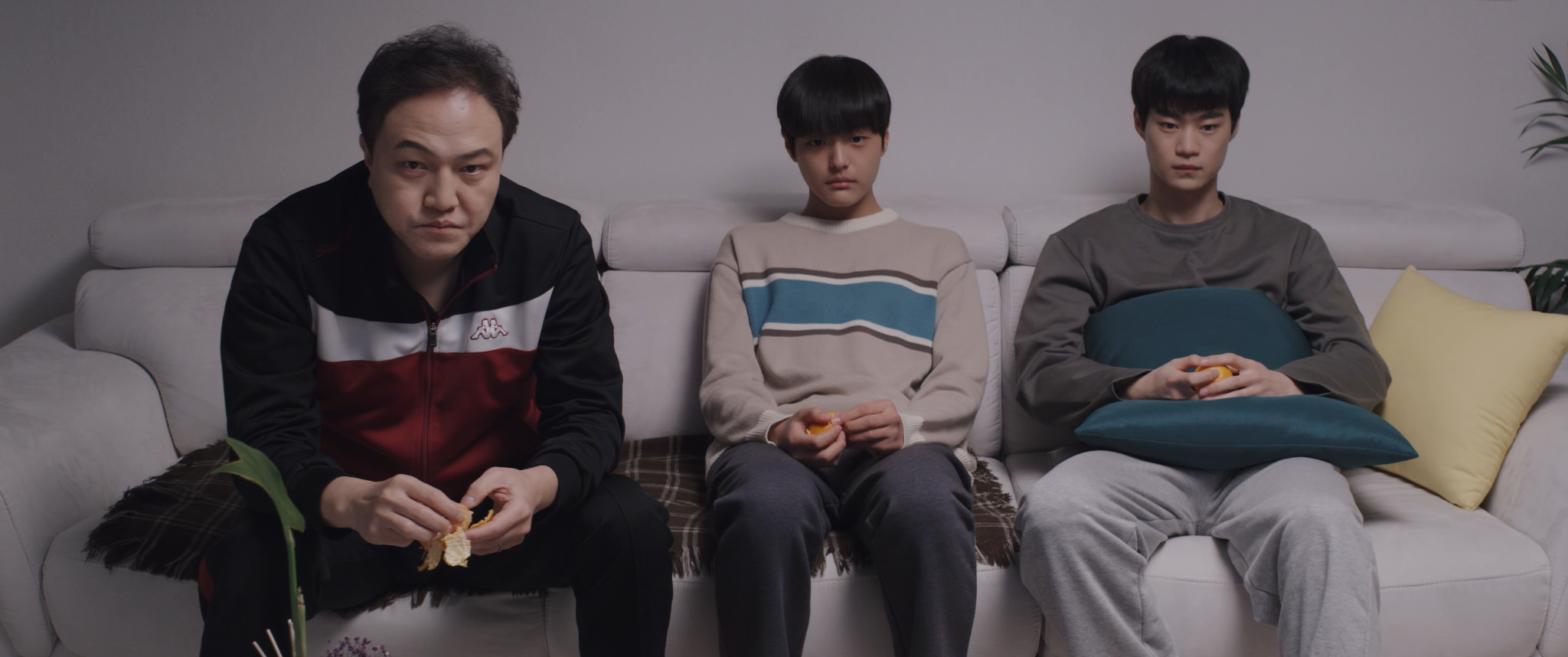
Do-yoon, a young man planning to travel to Australia, reunites with his estranged father and agrees to live with him and his younger brother, Jae-min. When his father dies suddenly, Do-yoon gives up his plans of going abroad to become his brother’s guardian but later discovers an earth-shattering secret.
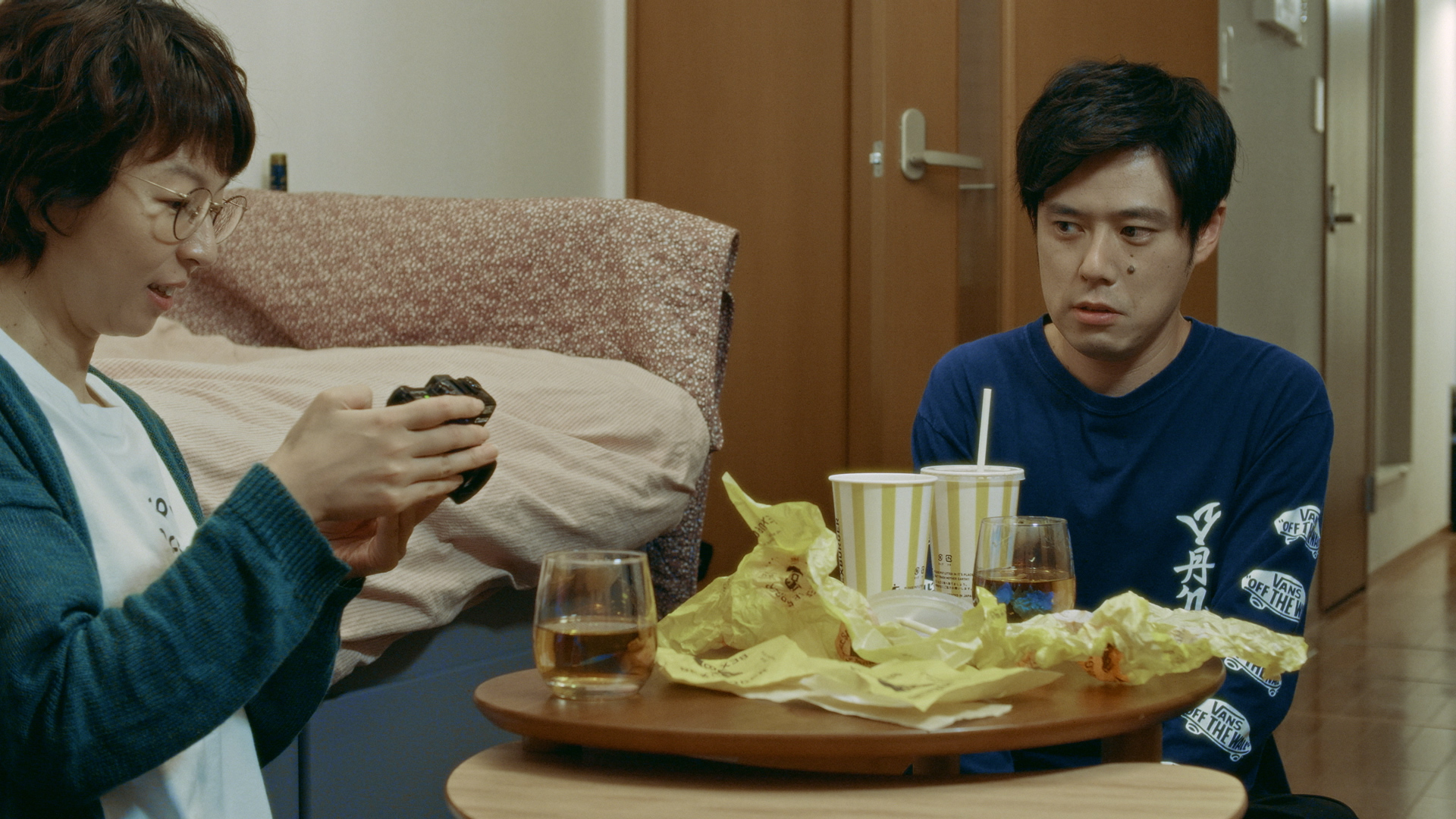
Quirky indie dramedy following 25-year-old drop out Juri who is charged with looking after her mother’s kimbap shop during the pandemic while she travels to care for her own mother in the country. Review.
Hong Kong Week
AMC NEWCITY 14 (1500 N Clybourn Ave, Chicago, IL 60610)
Bright Star Award recipient Renci Yeung and the director Jack Ng Wai Lun are scheduled to attend the award ceremony and Q&A in person.
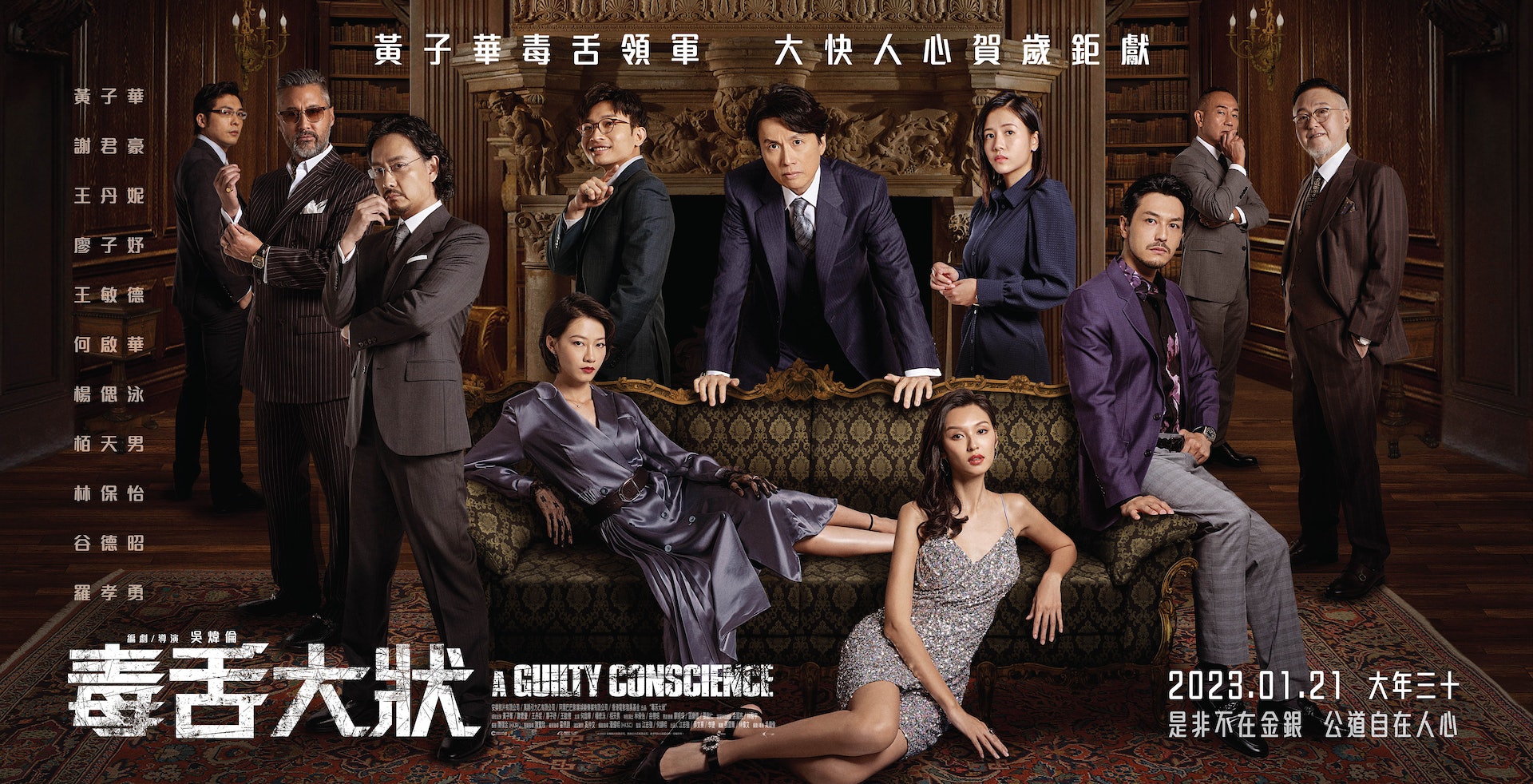
A cynical lawyer’s existence is upended when a case he’d assumed would be easy ends in a bereaved mother being sent to prison for seventeen years for a crime she almost certainly did not commit in this often hilarious courtroom drama which puts social inequality on trial. Review.
Incredibly dark true crime courtroom drama inspired by a notorious case from 2013 in which a man murdered his parents with the help of a friend who has learning difficulties and then went on TV to appeal for information on their disappearance. Faced with conflicting testimonies, the jury must examine their own prejudices and the mechanisms of the justice system as they attempt to weigh guilt and innocence. Review.
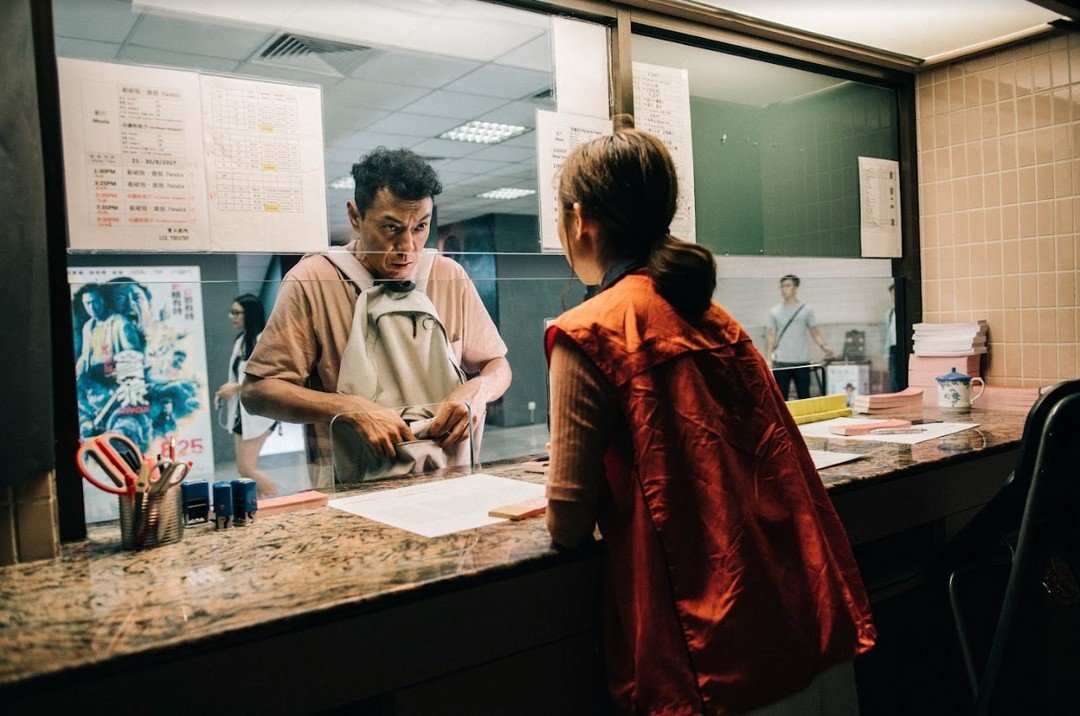
The producer of a reality TV show decides to investigate a local film buff known as Lil’ Kim (Philip Keung) who somehow shows up uninvited on movie sets or crashes premieres and press conferences though nobody seems to know anything about why or where he came from.
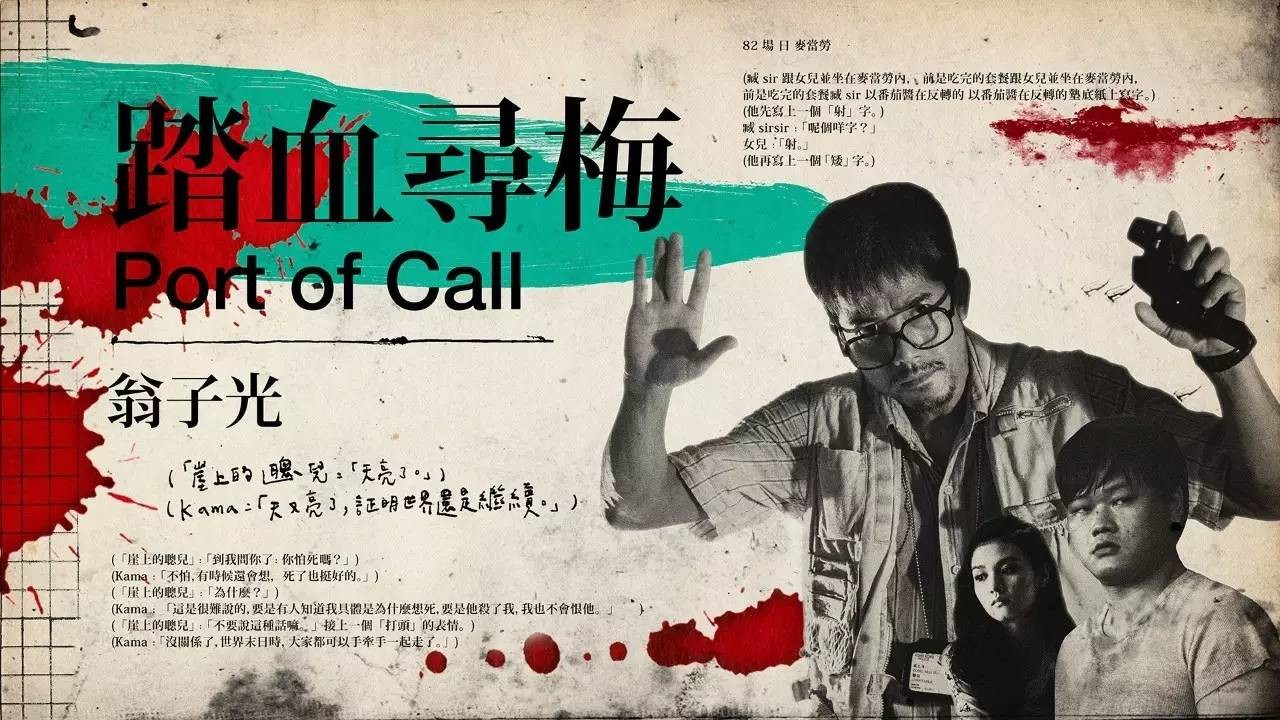
Saturday, April 1, 7:30 PM: Port of Call (踏血尋梅, Philip Yung, 2015)
Electric 2015 crime drama/state of the nation address in which a world-weary policeman is charged with investigating the death of a young woman in which the prime suspect has already confessed but claims that he killed her only because she asked him to. Review.
Sunday, April 2, 2:30 PM: Lost Love (流水落花, Ka Sing Fung, 2022)
Director Ka Sing Fung is scheduled to attend for INTRO and Q&A.
A couple who have recently lost a child decide to foster, but the decision places additional strain on their relationship as the father drifts into an affair feeling pushed out by his wife’s dedication to the children under their care.
April 3 – 9, 2023: Movies You May Have Missed Streaming on Eventive
The left behind children of decaying industrial China find themselves at the mercy of a corrupted parental legacy in Shen Yu’s gritty neo-noir. Review.
April 3 – 9, 2023: Movies You May Have Missed Streaming on MUBI.com
Streaming available for U.S. and Canada viewers at MUBI.com. (Registration is required first to access the free trial link).
Meta documentary-style drama from Werner Herzog following controversial “rental family” figure Yuichi Ishii as the lines between fantasy and reality begin to blur when he’s tasked with playing father to a lonely little girl.
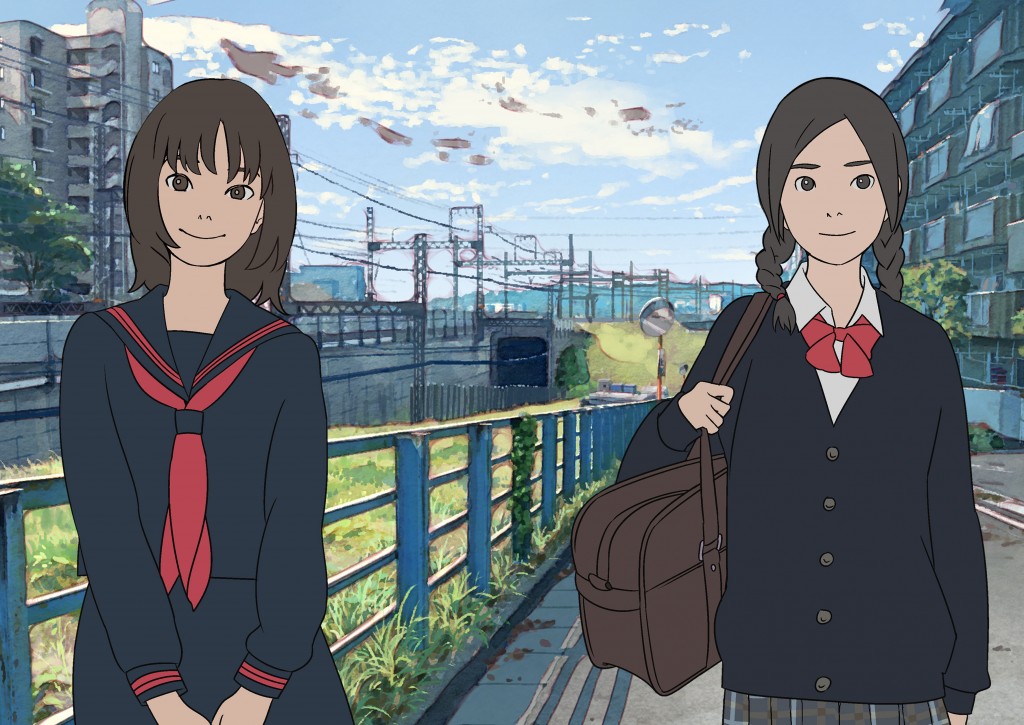
Animated prequel to the much loved Shunji Iwai film Hana and Alice featuring the voices of original actresses Yu Aoi and Anne Suzuki as Alice transfers to a new school and ends up investigating the disappearance of the previous occupant of new friend Hana’s home.
Taiwan Week
AMC NEWCITY 14 (1500 N Clybourn Ave, Chicago, IL 60610)
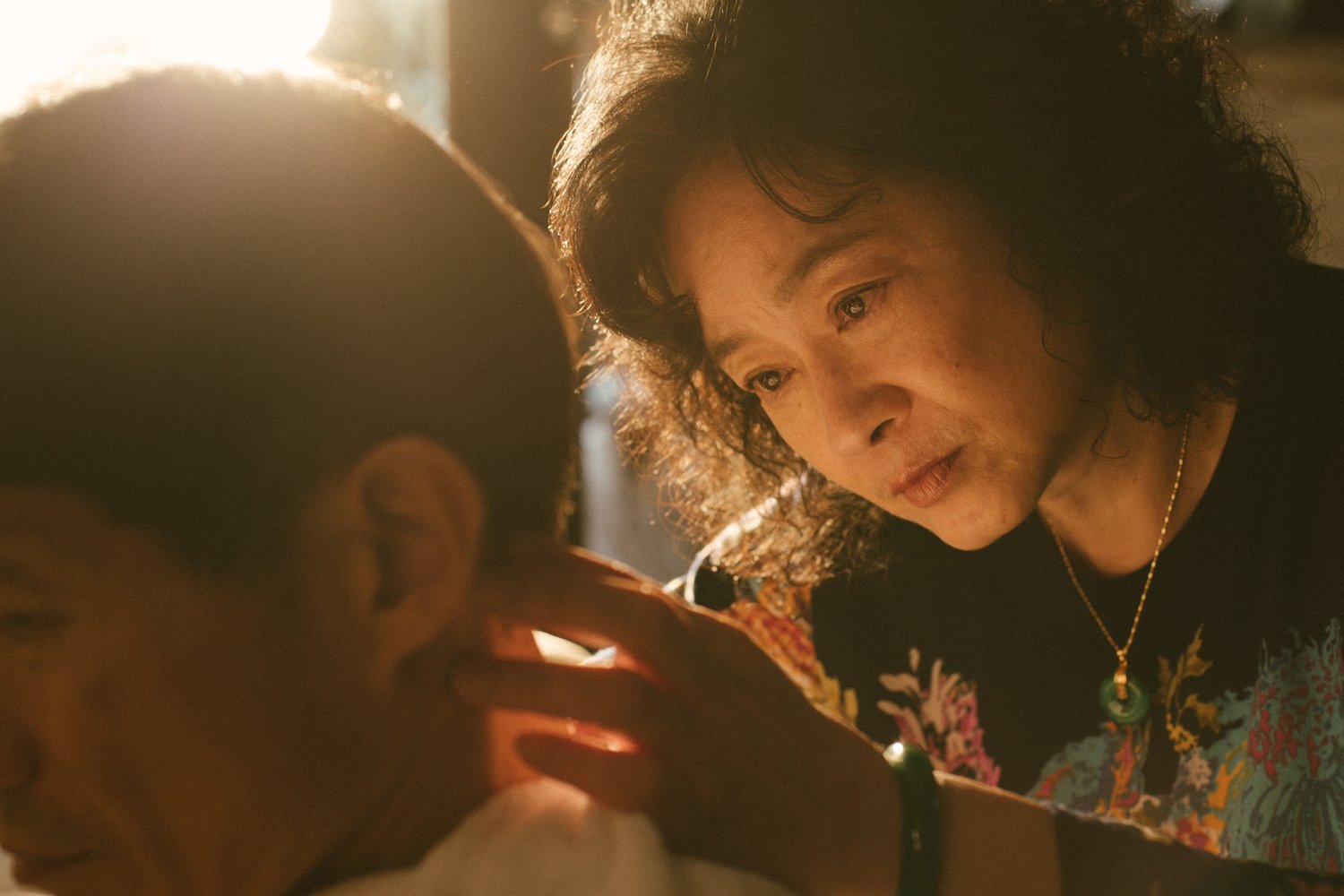
Saturday, April 15, 2:30 PM: Day Off (本日公休, Fu Tien-Yu, 2023)
A veteran hairdresser embarks on a road trip when the family of an old client who had moved far away and has since become bedridden ask her to come and cut his hair.
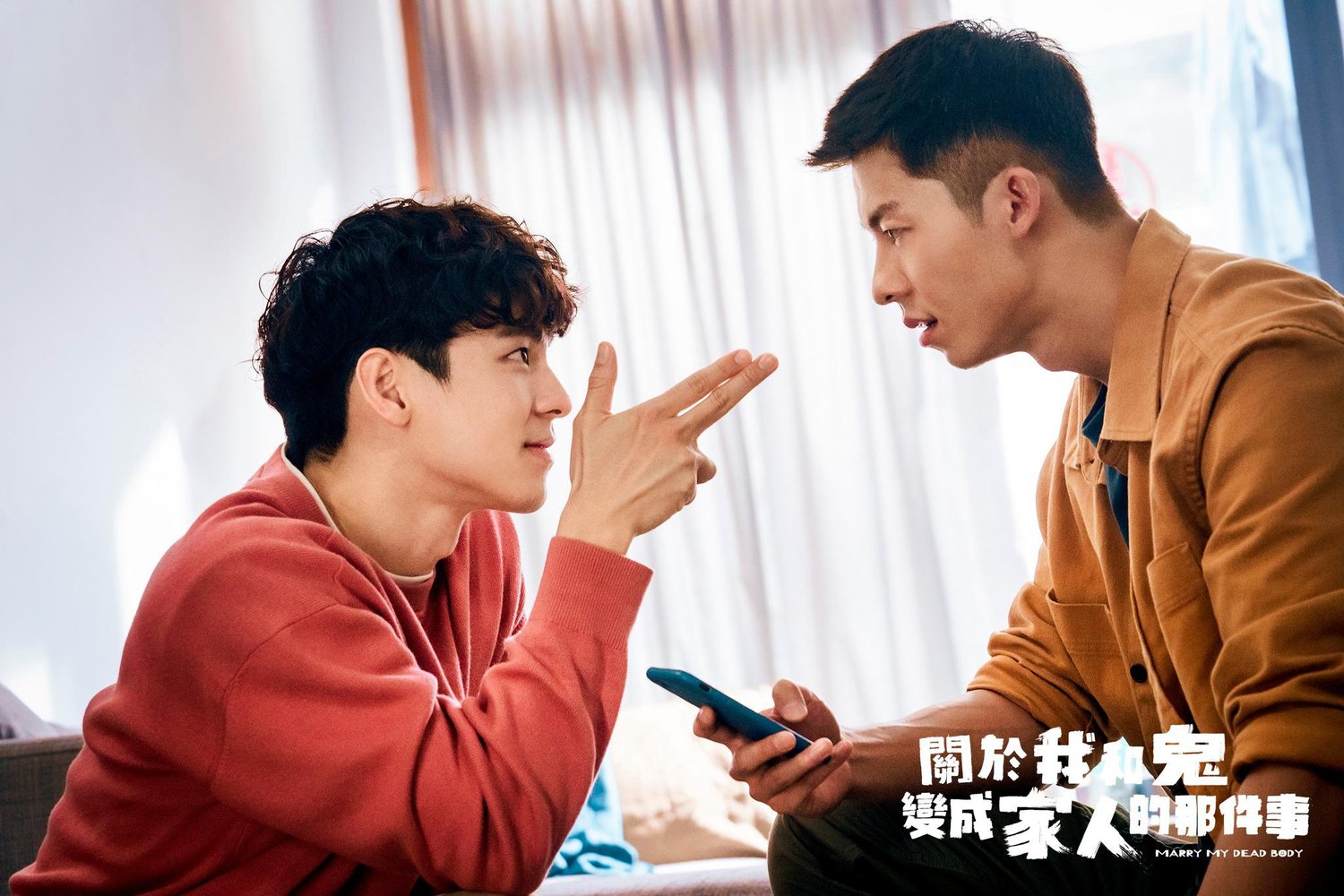
Saturday, April 15, 5:30 PM: Marry My Dead Body (關於我和鬼變成家人的那件事, Cheng Wei Hao, 2022)
A police officer discovers a red wedding envelope but soon realises the proposal comes from the other side and it is the ghost of a murdered man who wants to marry him!
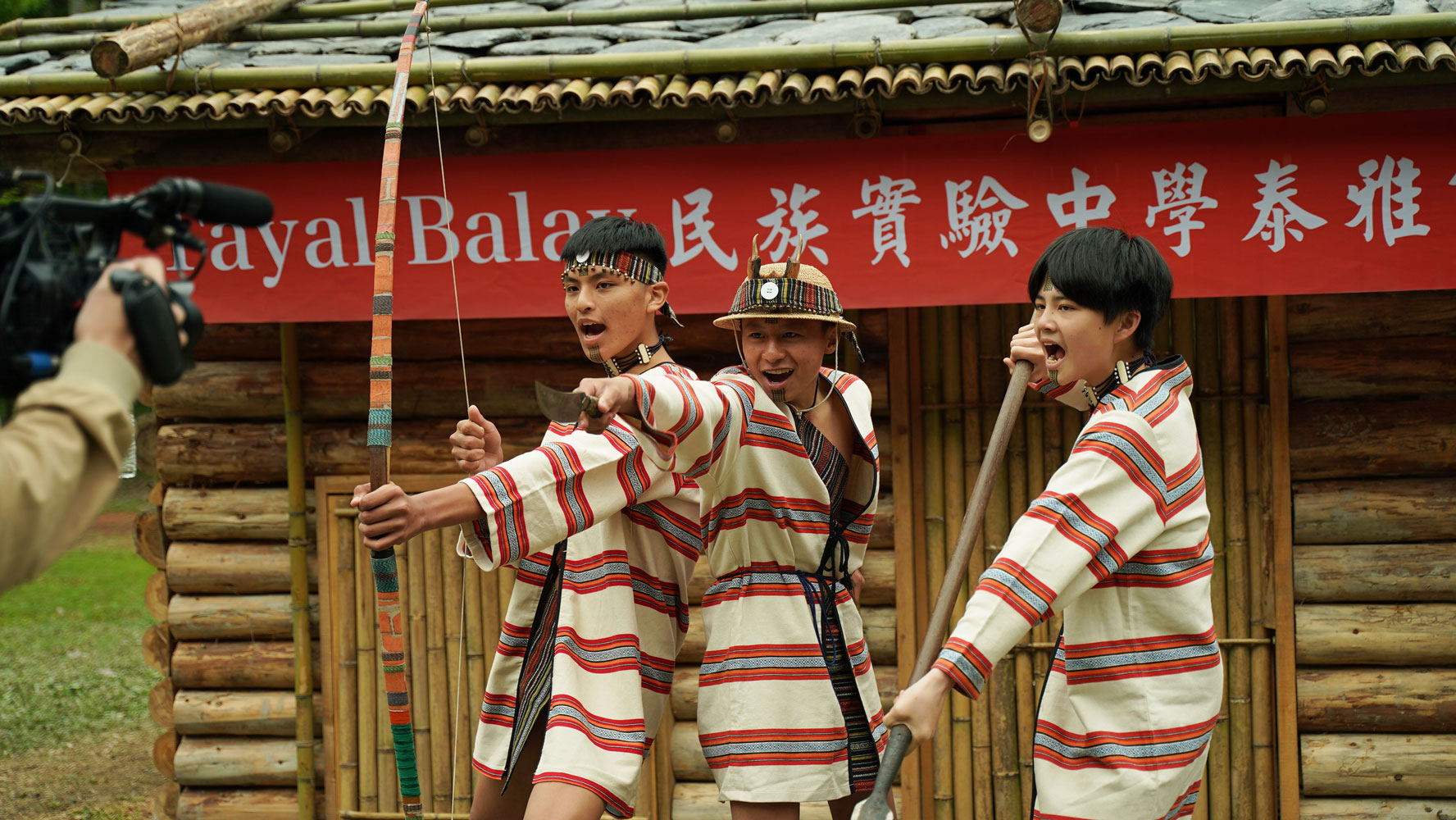
Sunday, April 16, 2:30 PM: GAGA (哈勇家, Laha Mebow, 2022)
Lighthearted drama in which the lives of an indigenous family are thrown into turmoil when the grandfather passes away suddenly. Review.
Season Finale
Sunday, April 16, 5:30 PM: Lost in Forest (山中森林, Johnny Chiang, 2022)
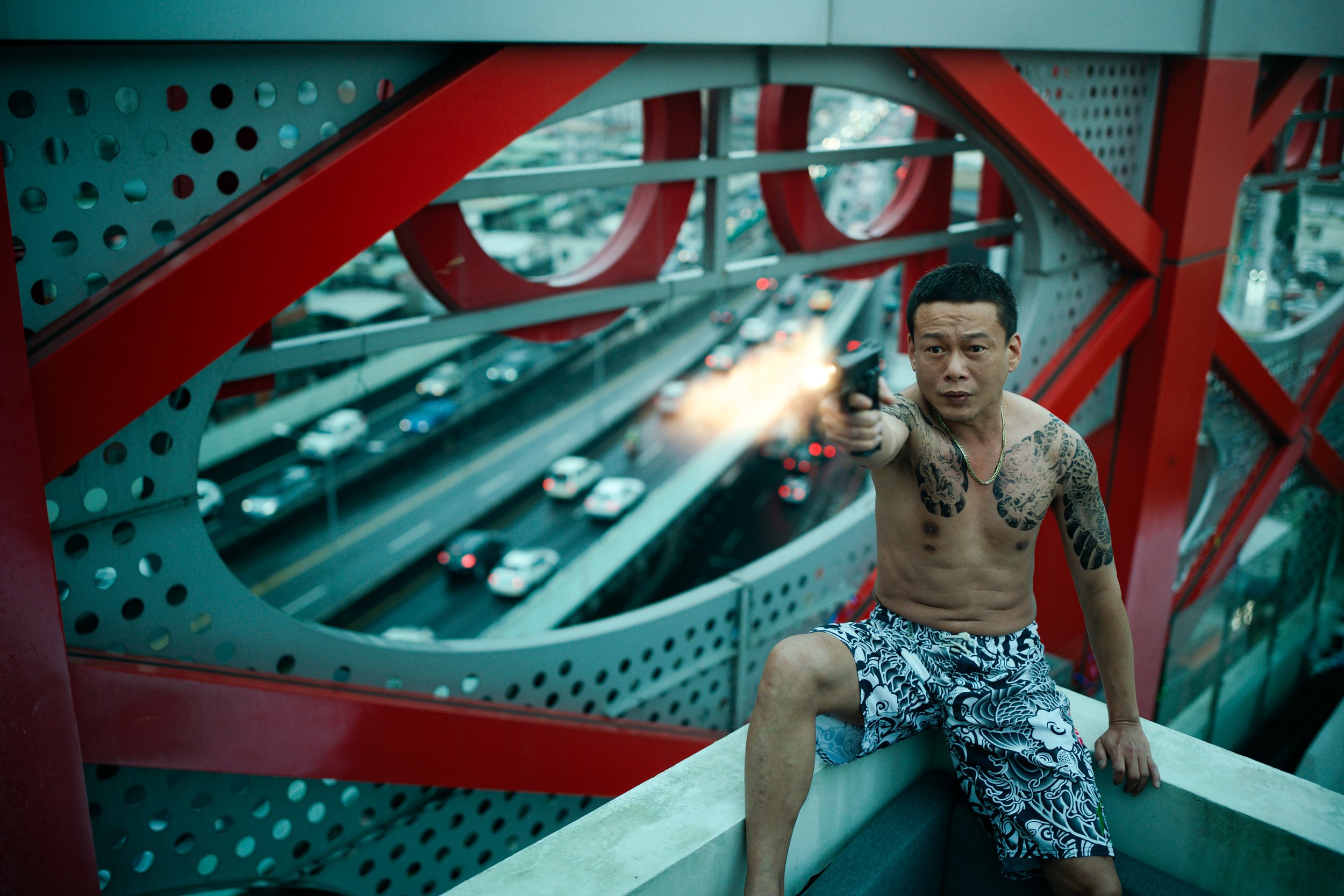
Director Johnny Chiang and lead actor Lee Kang Sheng are scheduled to attend to introduce the film and have a Q&A afterwards.
Crime drama starring Lee Kang Sheng as a former gangster who served 12 years in prison after saving his friend who has since become the boss in their former territory. Though he had intended to leave the world of crime behind, he is soon pulled back in when his friend is murdered by a petty footsoldier.
Asian Pop-Up Cinema runs March 18 to April 16 at cinemas across Chicago with select films available to stream online throughout the US and Canada. Further details can be found on the official website where tickets are already on sale and you can also keep up with all the latest news by following Asian Pop-up Cinema on Facebook, Twitter, Instagram, and Vimeo.
Chicago’s Asian Pop-Up Cinema will be returning for its 16th season March 18 to April 16 and has just announced the programme for its opening weekend which will be dedicated to Japanese Cinema. Running March 18 & 19 the Japanese Showcase will open with awards favourite A Man, while French-Japanese co-production Umami will follow March 22.
Guest Host and introduction by Mark Schilling (Japan Times/Variety). A pre-recorded Q&A with Director Kei Ishikawa will be featured after the screening
The latest film from Kei Ishikawa (Gukoroku: Traces of Sin, Arc), A Man stars Satoshi Tsumabuki as a lawyer who is pulled into a web of intrigue when a former client asks him to investigate her late husband who had been living under an assumed identity.
Director Mayu Nakamura and lead actress Nahana, who is also the recipient of the Career Achievement Award, will be in attendance for an introduction plus a post-screening Q&A moderated by Mark Schilling.
Mayu Nakamura’s anthology film spins four of tales of contemporary loneliness exacerbated by the COVID-19 pandemic each starring actress Nahana as a conflicted housewife meditating on past regret, a lonely woman who takes a liking to a takeaway delivery driver, a sex worker displaced by the pandemic, and a blind woman who offers a hand of salvation to a telephone scammer. Review.
Producer Evelyn Nakano Glenn and Director Antonia Grace Glenn are scheduled to attend in person for an introduction plus a post-screening Q&A moderated by Mark Schilling
Antonia Grace Glenn’s documentary focusses on the Japanese Americans who evacuated voluntarily in the wake of Executive Order 9066 and avoided entering the internment camps but became refugees in their own country.
Introduction by Mark Schilling followed by Q&A moderated by Chicago-based writer Michael Foster after the feature presentation.
Surreal Lynchian adventure based on a story by film writer Mark Schilling and directed by Satoshi Miki following a blocked writer (Ryo Narita) who becomes trapped in a weird alternate reality after entering a mysterious convenience store. Review.
French-Japanese co-production starring Gérard Depardieu as a chef who has a near death experience and embarks on an existential journey to Japan haunted by his defeat in a culinary competition decades earlier at the hands of a Japanese ramen master.
The full lineup for season 16 will be announced Feb. 27. The Japanese Showcase runs at Evanston’s AMC 12 (1715 Maple Ave, Evanston, IL 60201) March 18 & 19 with Umami on following on March 22. Tickets are on sale now priced at $10, Seniors (62+) $8, and free for Students with valid ID & educational email address. Further details can be found on the official website and you can also keep up with all the latest news by following Asian Pop-up Cinema on Facebook, Twitter, Instagram, and Vimeo.
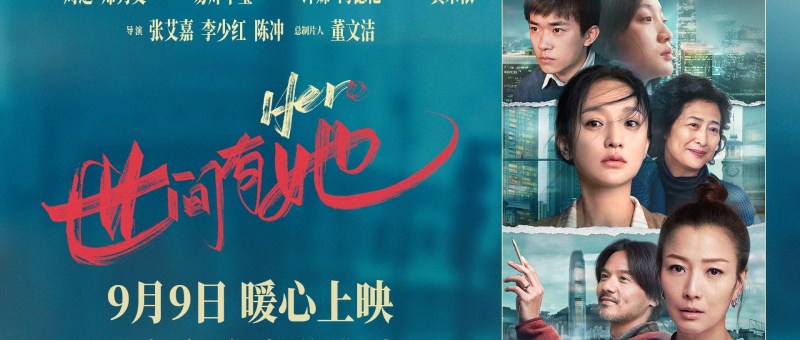
The latest addition to the growing sub-genre of Chinese pandemic movies, tripartite anthology film Hero (世间有她, Shìjiān Yǒu Tā, AKA Her Story) is the first to root itself in the lives of contemporary women just as they are disrupted by the arrival of COVID-19. As might be expected, the themes are largely those of love and endurance which draw additional poignancy from a Lunar New Year setting that prioritises family reunion but may also be in their way reactionary in reinforcing patriarchal social codes while implying that it might be the women who need to give a little and reassess their notion of what’s really important.
Directed by Li Shaohong, the opening sequence pits 30-something mother Yue (Zhou Xun) against her domineering mother-in-law, Ju (Xu Di), whose love and care for her son and grandson borders on the destructively possessive. Yue is the first to contract the mysterious new form of pneumonia then taking hold in Wuhan, prompting Ju to immediately try and kick her out of her own flat while insisting her son, Kai, and grandson, Dongdong, come back with her to another city further north. When lockdown is declared in Wuhan, the grandmother is trapped with the family but her acrimonious relationship with Yue adds to an already stressful situation. After Ju comes down with COVID too, Kai and Dongdong take refuge in the empty flat of a friend leaving the two women alone but mainly phoning Kai to complain about each other.
A phone call from Yue’s parents eventually forces Ju into a reconsideration of her corrupted filiality as she remembers that Yue is also someone’s daughter and a mother herself. She accepts that Yue’s criticism of her as overly invested in her son’s life is fair and mostly born of her loneliness rather than an attack on her otherwise conservative values that imply she exists only in service of the men of the family, while realising that by failing to take proper care of herself she accidentally increases the burden on those around her and should instead agree to care and be cared for as a part of a harmonious community.
This question of interdependence also raises its head in the third chapter directed by Sylvia Chang set in Hong Kong and filmed in Cantonese. Chang’s segment is not really much about the pandemic save for the additional strain it places on the relationship between press photographer Chelsea (Sammi Cheng Sau-man) and her husband Daren (Stephen Fung Tak-lun) with whom she is in the process of separating. When their son develops a fever, they end up in a blazing row discussing the reasons their marriage is falling apart which relate mostly to differing views of contemporary gender roles with Daren apparently reluctant to do his fair share at home while lowkey resentful that Chelsea has not only continued to work but is professionally ambitious especially as, it’s implied, his salary is not really enough to support a family of four on its own. The family also have a Filipina helper who in a rather poignant moment is heard singing happy birthday to her own child back in the Philippines whom she cannot see because she’s earning money taking care of Chelsea’s. Like Yue, Chelsea is also prompted to consider what’s most important, but the implication seems to be that she’s the one in the wrong and should learn to prioritise her family while her husband is more or less vindicated rather than encouraged to change.
Only the middle section, directed by Joan Chen, attempts to deal with the gaping losses of the pandemic era as a young woman, Xiaolu (Huang Miyi), tries to gather the courage to tell her parents, who are still hoping she’s going to hook up with a now successful childhood friend, that she’s going to marry her uni boyfriend, Zhaohua (Jackson Yee), who’s stayed behind in Wuhan to look after their cat while she returns to Beijing for Lunar New Year. Xiaolu keeps in regular contact by phone but soon discovers that Zhaohua has become ill with a mysterious illness. She immediately decides to return to Wuhan but he warns her not to because it isn’t safe and shortly thereafter the city is locked down while she and her family are placed under quarantine in Beijing. Shot in a washed out black and white only the various FaceTime conversations between the young couple are in colour hinting at the greyness that now surrounds Xiaolu’s existence and the distance between herself and the happy life in Wuhan which has now been taken away from her.
The film’s Chinese title more literally means “the world has her” or maybe more simply implies that she is in the world, more of an everywoman contending with the extraordinary than the “hero” of the title though the survival of the three women is in its own way also of course “heroic”. This concept of heroism may however be somewhat problematic in its emphasis on patriarchal social codes which insist that their first and only duty is to the family even if the message of holding your friends and relatives closer in the wake of disaster is universally understandable. Nevertheless, it does perhaps pay tribute to the women’s perseverance and determination to seek kindness and love even in the most difficult of times.
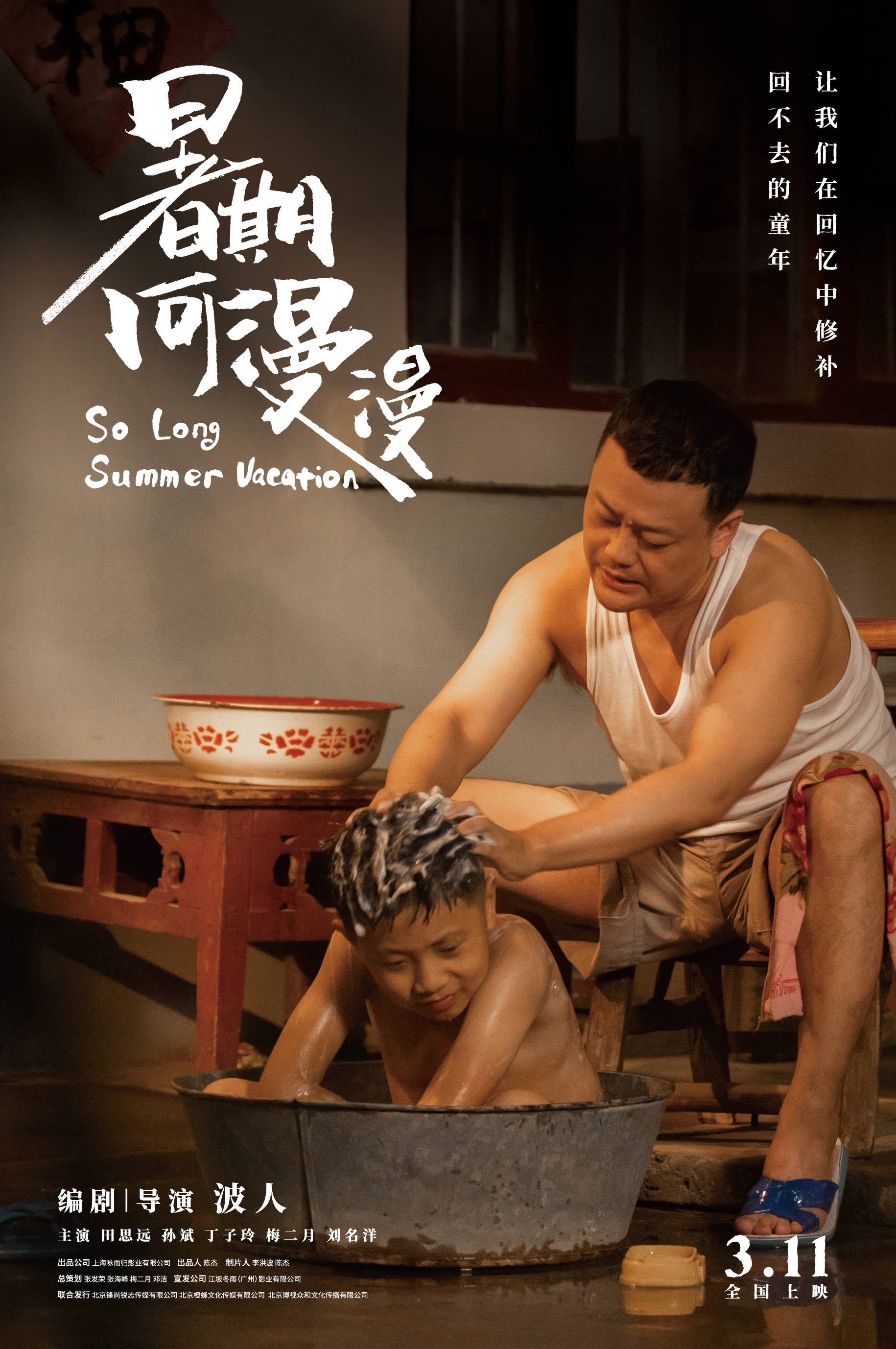
A small boy tries to work out what to do with a seemingly endless and infinitely boring summer in early ‘90s rural China in Bo Ren’s nostalgic childhood dramedy, So Long Summer Vacation (暑期何漫漫, shǔqī hé mànmàn). Told largely from the boy’s point of view, the film meditates on a China in the midst of transition along with the effects of the pre-reform work system on the family, the One Child Policy, sexism and conservatism all while the hero watches and learns.
All Xiaojin (Tian Siyuan) really wants for this summer is to learn to swim in the river, but his parents have banned him from going near it for the understandable reason that it’s dangerous. Usually, his father’s (Sun Bin) parents would be around to look after him, but they’ve decided to spend the summer with their other son while his father objects to his mother’s (Ding Ji Ling) idea of sending him to stay with his maternal grandma further out into the country because he thinks she’s too indulgent and last time he got into trouble for digging up the neighbours’ radishes. As Xiaojin is already 12 years old, they decide to let him stay home alone, but they also lock the front gate and tell him to spend his time studying though there’s not much else to do and he’s evidently bored and lonely as a child of the One Child Policy stuck in the house all day on his own.
His problem is compounded by the fact that most of his friends have also gone away for the summer, the boy from next-door despatched to Shenzhen to spend time with his absent father. But while Weidong is away, Xiaojin begins to understand the hidden sadness of his mother, auntie Fengying (Mei Eryue), who has taken to having presents sent to herself to pick up at the local post office pretending that they are from the husband who otherwise seems to have abandoned her. As she tells Xiaojin, aside from the office job that affords her a slighter higher status than her factory worker neighbours, she has nothing to fill her time other than a little gardening. As no one else has much to do either, her life also becomes fodder for one of the few available activities, gossip, with the other neighbourhood ladies making scandalous allusions to her many “affairs” which are sadly unfounded. Pushed to the brink by the hopeless of her life, she even begins to consider suicide.
Xiaojin’s parents, meanwhile, are mainly consumed by their role as workers and left with little time to look after him. His father is preoccupied by the factory’s 100-day labour competition, seemingly less excited about the prospect of winning a significant prize than being “busy with work” and showing off his dedication through his productivity, while his mother is a seamstress who sometimes works unsociable hours. Little Xiaojin is pretty self-sufficient and as he is fond of saying has figured out how to do things like light a stove or cook a meal simply through having observed his mother and grandmother doing the same, but is obviously lonely at one point agreeing to swap one of his father’s valuable stamps with another boy on the condition that he comes to play with him for only three days. The other boy, Bin, hadn’t really wanted to because there’s “nothing to do” at Xiaojin’s house whereas his family has a TV set which still seems to be a rarity in the local area.
When Bin takes Xiaojin to the river and they end up getting into trouble, one could argue that it wouldn’t have happened if only his parents had taught him to swim whether in the river or in a modern pool as his father suggested doing but never followed through. But their response is to tie him to a bench and beat him so badly that auntie Fengying and the other neighbours bang on their door and tell them to stop. Even grandma from the country who’s somehow ended up finding out about it comes straight over to tell them off, basically sending them to their room to think about what they’ve done while she looks after Xiaojin and asks the ancestors for their forgiveness. Part of his Xiaojin’s anxiety had rested on the fact that, because of the One Child Policy, she has only one son and has the twin pressures of needing to get it right with Xiaojin so that he grows up into a responsible member of society and living in constant fear that something will happen to him and they’ll be left alone in their old age. A short coda featuring Xiaojin in the present day as a father raising a son of his own suggests he’s doing things a little differently but still reflecting on that one very boring summer when the highlight of his day was ripping a page off the calendar and the only thing he wanted was to be able to swim in the river.
An immature young man recently released from prison for assaulting his girlfriend’s lover finally begins to grow up when unexpectedly saddled with looking after a grumpy little girl otherwise unwanted by her remaining family members in Liu Jiangjian’s feel good tearjerker, Lighting Up the Stars (人生大事, Rénshēng Dàshì). As much a tale of finding an accommodation with death and learning to move on as it is of the joys of forged families and unexpected connections, Liu’s drama is as the Chinese title suggests very much about the big things and what it takes to realise what they are.
At this point in his life, San (Zhu Yilong) hasn’t been giving much thought towards the big things largely because he is consumed by resentment and a sense of inadequacy. He’s keen on getting back together with old girlfriend Xi (Janice Wu Qian) but sends her worryingly controlling voice notes and later becomes violent when she tries to break up with him before discovering that she is pregnant and plans to marry the guy he went to prison for beating up. “I can’t see you becoming a good father” she explains, regarding him as too immature to support the family she is keen to start. San is stung by the suggestion, as he is by his elderly father’s constant needling and refusal to hand the family funeral business over to him, but also has to concede she has a point.
Nevertheless, there is a kind of tenderness to him as seen in his gentle washing of the body of an elderly woman still lying on the bed where she died while her son and his incredibly callous wife try to organise an express funeral so they can take their spoilt son to Beijing to participate in an academic competition. Meanwhile, little Xiaowen (Yang Enyou) watches while hiding in a cupboard before bursting out and demanding to know what they’ve done with her grandma. It seems that no one has taken the time to explain to Xiaowen exactly what’s happened or what’s going to happen to her now seeing as her grandmother had been raising her. Charging around like Nezha pointing her spear at everyone she meets, Xiaowen sets off to rescue grandma by chasing San’s van and eventually ending up at the funeral parlour which she then refuses to leave. Her uncle comes to fetch her but shockingly decides to leave her there with San and his two friends, asking them to look after her until they get back despite having absolutely no idea if they are suitable people to be looking after a little girl.
These tears in the fabric of the traditional family are in some ways a result of a contemporary society. Xiaowen’s aunt point blank refuses to have her, insisting that she doesn’t want to expend resources on someone else’s child while blaming her husband for paying too much attention to his niece and not enough to their bratty son who lets them all down by humiliatingly failing the Beijing exam. Her hyperfocus is a reflection of the One Child Policy and rising consumerism as she seeks to express her status as a mother through her son’s success while simultaneously ruining their familial relationships with her constant nagging and hard-nosed practicality. Xiaowen’s henpecked uncle simply goes along with it for a quiet life, obviously very upset by his mother’s death but unable to defy his wife. San meanwhile is at odds with his father and sister who think he’s no good, will never be able to settle down and live a conventional life, and is incapable of accepting the responsibility of the family business. San may think some of this too, living with a sense of inadequacy feeling as if he doesn’t measure up to his absent elder brother, while seemingly floundering in his attempts to make something of himself.
Through his relationship with Xiaowen he finally begins to come into his own in accepting the responsibility of fatherhood, caring for her both physically and emotionally while repairing his fracturing relationship with his own father and coming to terms with the past. He teaches Xiaowen about death and how to accept it, but also reminds her that her grandmother’s never really gone and will always be with her. Finally, San begins to think about the big things but about the small things too, planting stars in the sky as Xiaowen puts it as they prepare to get on with the business of living even in the presence of death.









 Windows on Worlds