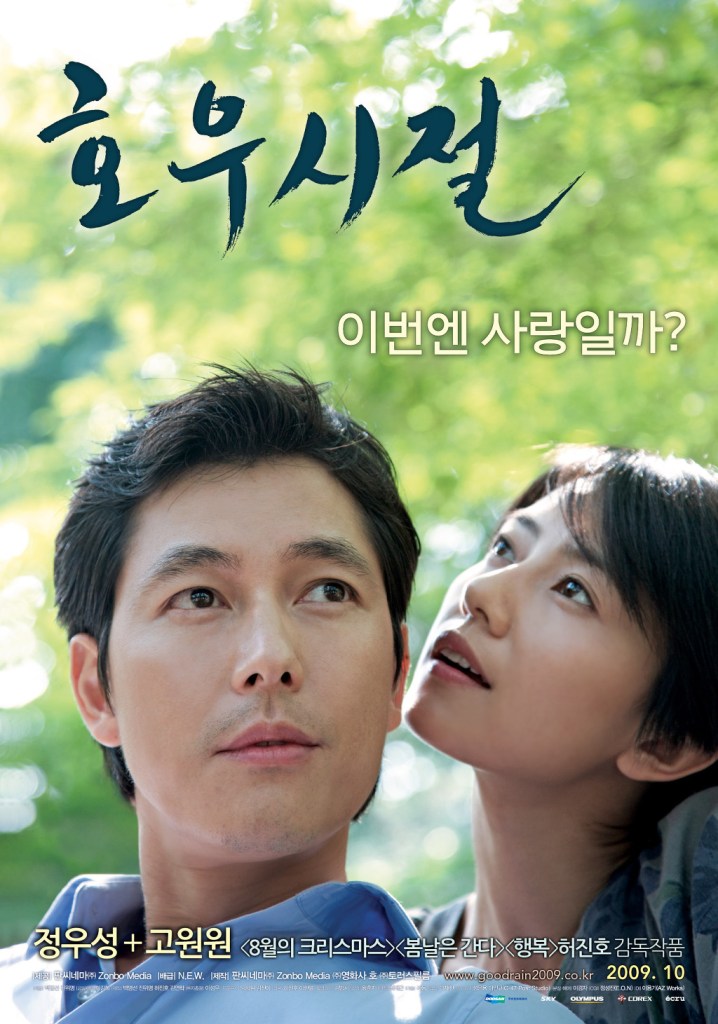
 Hur Jin-ho’s A Good Rain Knows (호우시절, Howoosijeol) was originally developed as a short intended to form part of the China/Korea collaborative omnibus film Chengdu, I Love You which was created as a tribute to the area following the devastating 2008 earthquake. However, Hur came to the conclusion that his tale of modern day cross cultural romance required more scope than the tripartite omnibus structure would allow and decided to go solo (Chengdu, I Love You was later released with just Fruit Chan and Cui Jian’s efforts alone). Very much Korean in terms of tone and structure, Hur uses his central love story to explore the effects time, memory, culture, and personal trauma on the lives of everyday people.
Smart suited businessman Park Dong-ha (Jung Woo-sung) has arrived in China as part of the Korean efforts to provide assistance in rebuilding after the 2008 earthquake which took thousands of lives and caused mass destruction. Met by a genial Korean ex-pat acting as his guide, Dong-ha takes in some sightseeing including a park dedicated to Tang dynasty poet Du Fu. As it turns out, an old university friend is also working at the park museum as a multilingual tour guide. There is more than a little unfinished business between Mei (Gao Yuanyuan) and Dong-ha though time has been passing all the while, throwing up obstacles every way you look to try and frustrate this serendipitous reunion.
Though the film is a collaborative effort between China and Korea, the bulk of the dialogue is spoken in English as Mei doesn’t speak Korean and Dong-ha doesn’t know any Mandarin (the pair apparently studied in the US and each returned to their home country separately, subsequently losing touch). Truth be told, the English is not always successful leaving both actors a little adrift – something which is not helped by conflicting Chinese and Korean acting styles. However, in someways this slight hesitance only adds to the restrained quality of their romance as each frequently adds tiny phrases of their own languages, becoming lost for words or trying to find exactly the right thing to say at the right moment.
The romance between Mei and Dong-ha never quite got going in their student days and seems to have taken on the status of a great lost opportunity. Time has moved on and they’re both different people. Student Dong-ha wanted to be a poet but now he’s a company man, even if a slightly conflicted, melancholy and romantic sort. Mei’s life has followed a more natural course though she too carries a deep seated sense of sadness caused by more recent personal tragedies. Both are left in a place of needing to relearn how be themselves – Dong-ha by getting back to writing and Mei by (literally) getting back on a bike but these are more natural, personal problems rather than the familial or social concerns which are the usual barriers to a successful melodrama romance.
Beautifully photographed, A Good Rain Knows takes its cues from Du Fu when it comes to the poetic, filling the screen with its vibrant green scenery. Of course, this contrasts strongly with the ruined buildings Dong-ha visits as well as the upscale hotels and restaurants, but the natural surroundings at least lend a healthy feeling of earthy wholesomeness to the proceedings. Hur has opted for a Korean orientated viewpoint, framing Chengdu as the slightly alien place it is to Dong-ha filled with bizarre foodstuffs and awkward conversations but nevertheless also an opportunity to reassess the current course of one’s life. A mature, realistic romance, A Good Rain Knows ends on a note of hopeful ambiguity – wisely avoiding the big romantic finale, Hur undercuts the inherent melodrama with wistful melancholy, the possibility of a happy ending is still in sight but there are no easy answers here, only a need for time and commitment.
Original trailer (English subtitles)
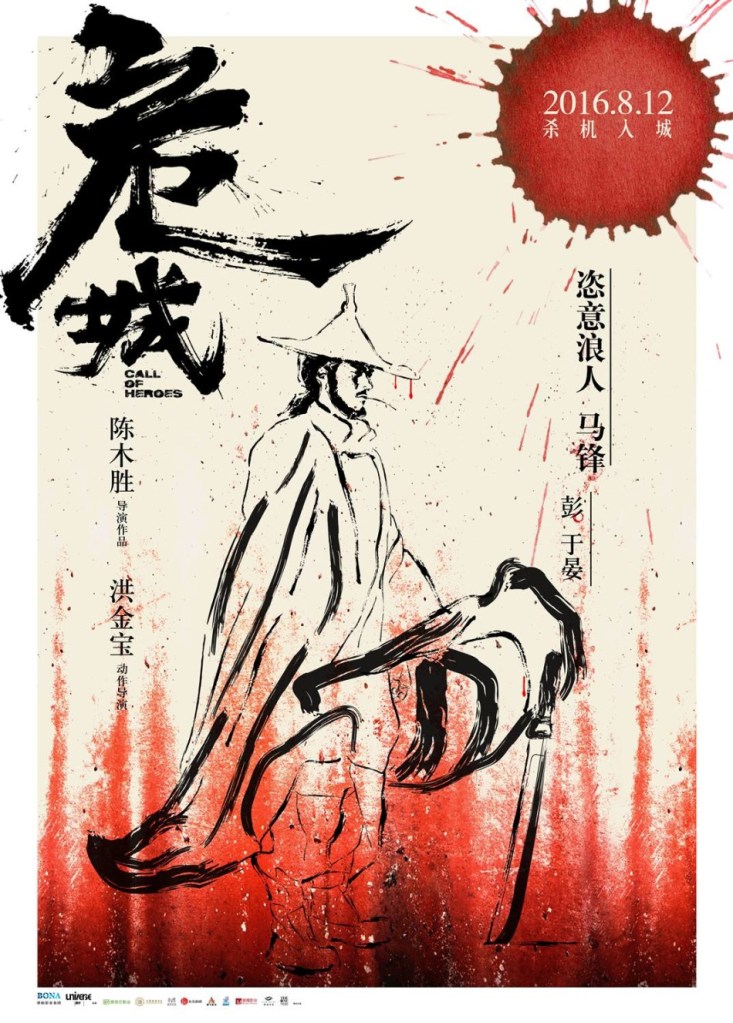 A blast from the past in more ways than one, Benny Chan’s Call of Heroes (危城, Wēi Chéng) is a western in disguise though one filtered through Akira Kurosawa and Sergio Leone more than John Ford. Filled with Morricone-esque musical riffs and poncho wearing reluctant heroes, Chan’s bounce back to the post-revolutionary warlord era is one pregnant with contemporary echoes yet totally unafraid to add a touch of uncinematic darkness to its wisecracking world.
 Evil, so a wise man said, begins when you start treating people as things. Fritz Lang’s Metropolis showed us a city that literally was its people – nothing but a vast yet perfectly functional machine with the workers little more than cogs to be replaced and discarded once worn out. Zhao’s Behemoth (悲兮魔兽, Bēixī Móshòu) is no fantasy but a very real journey through our own world and so we follow our narrator, a poetic, naked stand in for Dante’s Virgil, through hell and purgatory on a path to paradise only to find ourselves staring into a void filled with our unfulfilled desires and forlorn hopes.
 Chinese cinema screens are no stranger to the event movie, and so a Chinese remake of the much loved 1997 Hollywood rom-com My Best Friend’s Wedding (我最好朋友的婚礼, Wǒ Zuì Hǎo Péngyǒu de Hūnlǐ) arrives right on time for Chinese Valentine’s Day. Purely by coincidence of course! However, those familiar with the 1997 Julia Roberts starring movie may recall that My Best Friend’s Wedding is a classic example of the subverted romance which doesn’t end with the classic happy ever after, but acts as a tonic to the sickly sweet love stories Hollywood is known for by embracing the more realistic philosophy that sometimes it just really is too late and you have to accept that you let the moment get away from you, painful as that may be.
 Often, people will try to convince of the merits of something or other by considerably over compensating for its faults. Therefore when you see a movie marketed as the X-ian version of X, starring just about everyone and with a budget bigger than the GDP of a small nation you should learn to be wary rather than impressed. If you’ve followed this very sage advice, you will fare better than this reviewer and not find yourself parked in front of a cinema screen for two hours of non-sensical European fantasy influenced epic adventure such as is League of Gods (3D封神榜, 3D Fēng Shén Bǎng).
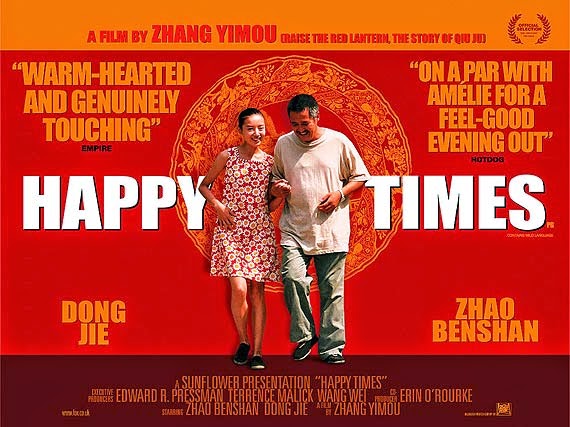 Possibly the most successful of China’s Fifth Generation filmmakers, Zhang Yimou is not particularly known for his sense of humour though Happy Times (幸福时光, Xìngfú Shíguāng) is nothing is not drenched in irony. Less directly aimed at social criticism, Happy Times takes a sideswipe at modern culture with its increasing consumerism, lack of empathy, and relentless progress yet it also finds good hearted people coming together to help each other through even if they do it in slightly less than ideal ways.
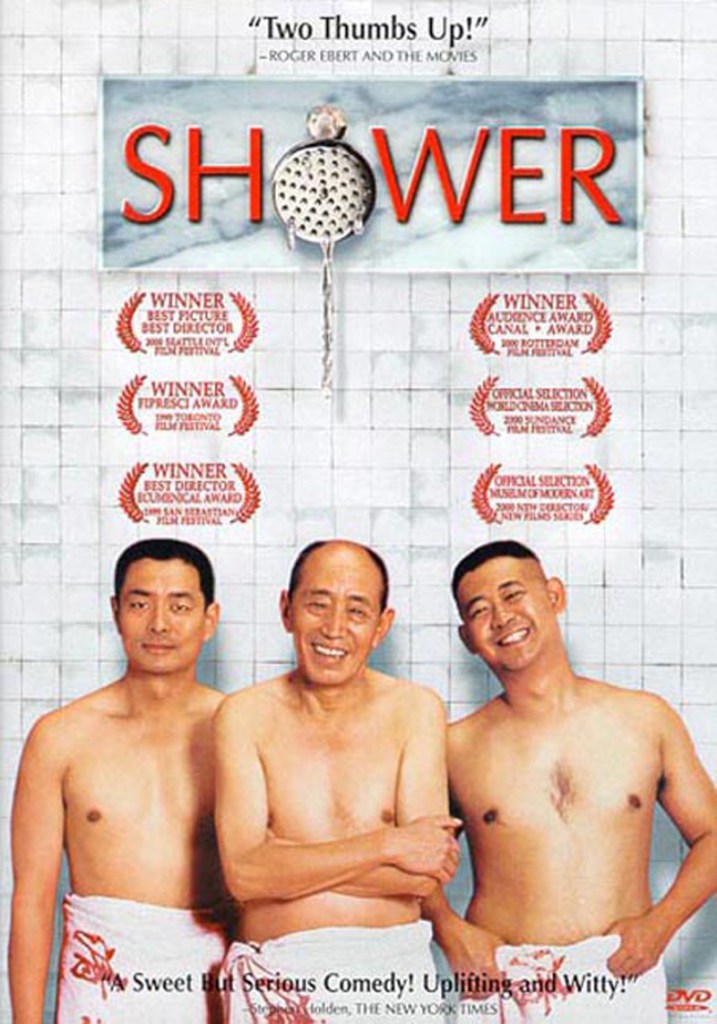 China is changing. Transforming faster than any other society at any other point in history. This brave new future, flooding in as it has across an ancient nation, has nevertheless left a few islands of dry land untouched by modern progress. Old Liu’s bathhouse is just one of these oases, far away from the big city with its frantic pace and high technology. In the city, you can step into a tiny cubicle and “undergo” a shower inside a contraption that’s just like a carwash, only for people. In Liu’s bathhouse you can relax for as long as you like, laughing and joking with old friends or just hiding out from the world.
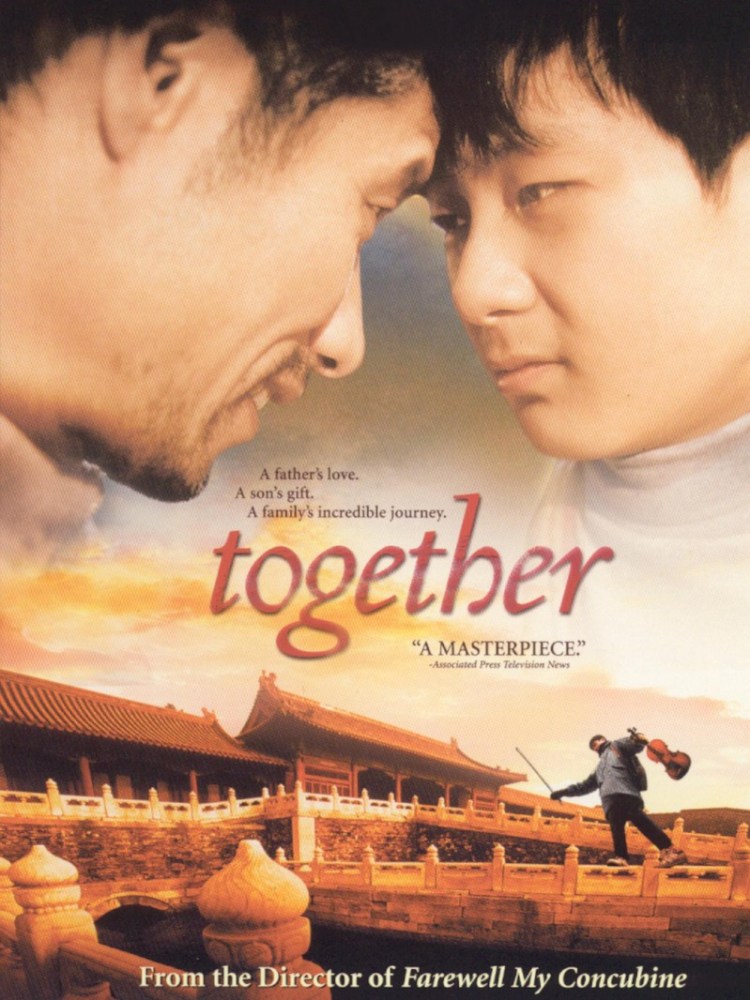 It’s a sad truth, but talent isn’t enough to see you succeed in the wider world. In fact, all having talent means is that unscrupulous people will seek to harness themselves to you in the hope of achieving the kind of success which they are incapable of obtaining for themselves. 13 year old Xiaochun is about a learn a series of difficult life lessons in Chen Kaige’s Together (和你在一起, Hé nǐ zài yīqǐ), not least of them what true fatherhood means and whether the pursuit of fame and fortune is worth sacrificing the very passion that brought you success in the first place.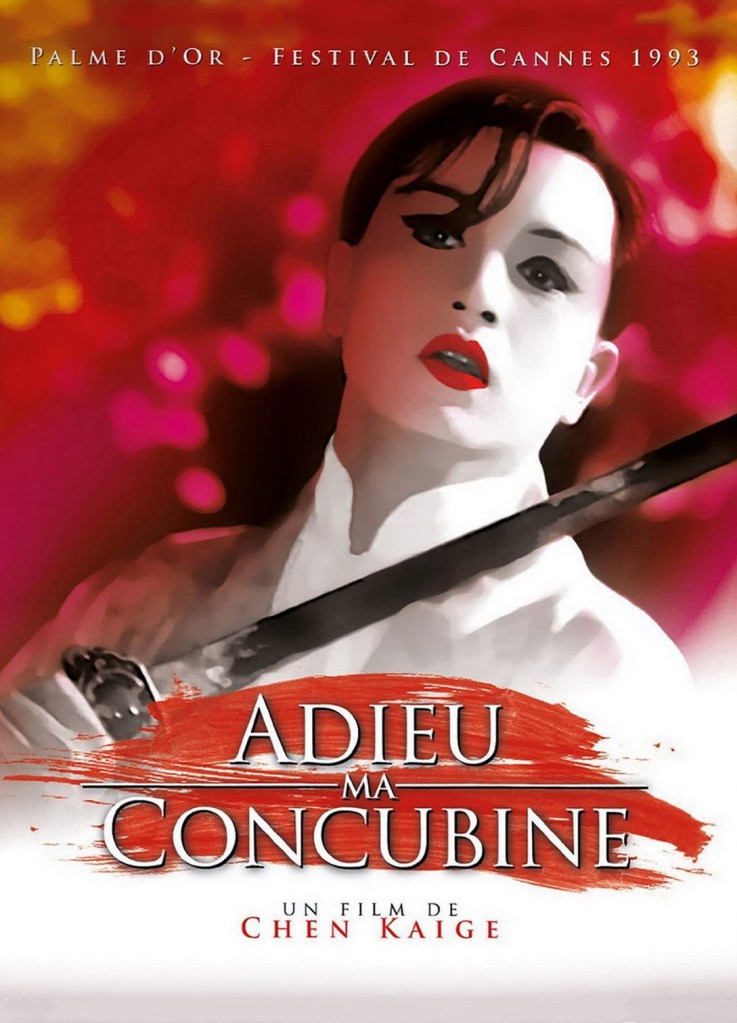
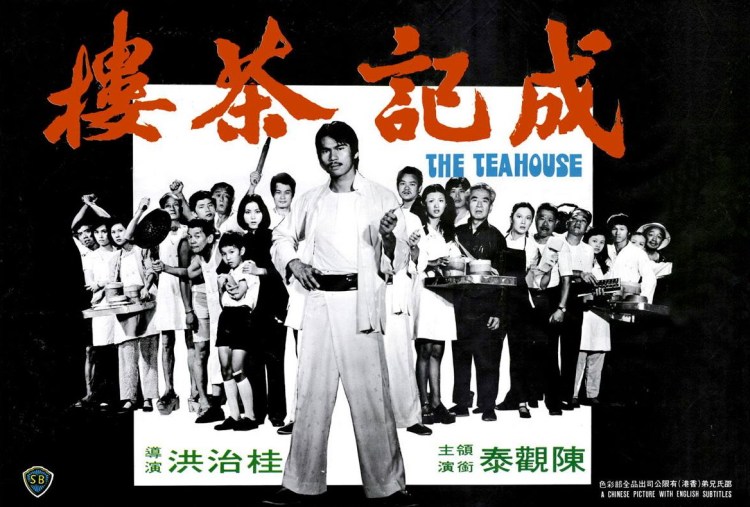 Where oh where are the put upon citizens of martial arts movies supposed to grab a quiet cup of tea and some dim sum? Definitely not at Boss Cheng’s teahouse as all hell is about to break loose in there when it becomes the centre of a turf war in gloomy director Kuei Chih-Hung’s social minded modern day kung-fu movie The Teahouse (成記茶樓, Cheng Ji Cha Lou).
 Windows on Worlds