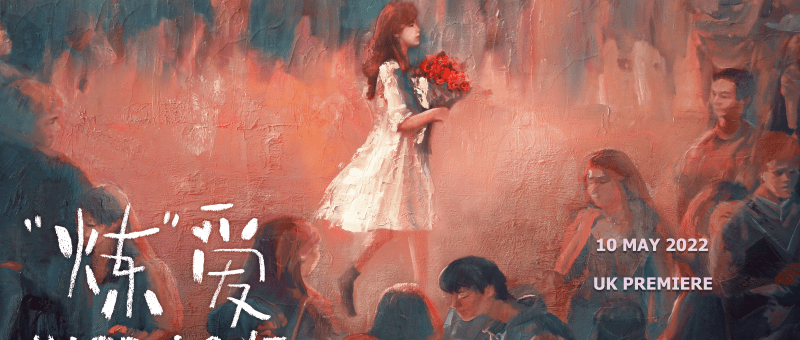
Hard Love (“炼”爱, Tracy Dong, 2021)

China’s rapid transformations throughout the 20th century have created perhaps not one but many generational divides. Even so the largest fracture point between the older generation and their offspring may be in their contradictory views of the institution of marriage. In a society where women are notoriously “Christmas caked” at 25, Tracy Dong’s Hard Love (“炼”爱, liàn ài) follows a series of women mainly in their 30s who are for various reasons currently attached. Though none of the women have entirely rejected the idea of marriage and or the traditional family it’s also true that they have different motivations, desires, and requirements than their mothers or grandmothers may have had. 

Indeed, in contrast with other nations where women are often invited to mixers and speed dating evenings for free because fewer attend, the organiser of an event at the film’s beginning laments that he can never find enough men. Some voices in the older generation wonder if men have simply lost interest in dating because there are of course so many other things to do in the contemporary society besides of course from the pressures of work. Others suggest that some women put too much pressure on their men to provide comfortable lives, though many of them also cite the changing nature of gender roles as a possible explanation suggesting that men feel emasculated and unnecessary in a world of independent women. 

Each of the women we see has achieved a degree of success and is in no need of a man to be able to support themselves in the modern society. In the film’s opening sequence, the camera pans over a series of banners at a marriage market in a park advertising older women looking for love many of whom already own property and have impressive careers. Meanwhile, their criteria for potential matches has also risen, many listing a minimum height requirement, educational background, or degree of professional attainment. They don’t call it a marriage market for nothing, many modern women seem to be approaching looking for a husband in the same way one would look for a house or job working off a checklist with a series of red lines on which they are unwilling to compromise. Perhaps you could see this as a kind of commodification and evidence of the victory of consumerism in the modern China, yet on the other hand perhaps it’s more that these women know what they want and that they deserve more whereas their mothers have been convinced that they should be grateful for whatever they can get. 

Meanwhile, as a man points out, the men around their age are mostly looking for younger women in part for practical reasons because they intend to start a family soon after marrying. Few are willing to consider a woman who has been married before or already has children, many still possessing a chauvinistic mindset threatened by a successful woman’s independence. One woman, Yue, recounts that her boyfriend’s mother took against her thinking that the apartment she shared with her son was too big and therefore an unfair burden on him even though Yue herself was shouldering the majority of the rent a factor which also seems to have eaten away at their relationship. Later she begins to date a sympathetic man who seems nice and says all the right things but still flirts with another woman while they’re out together. 

The implicit conclusion that each of the women seems to come to, though mostly by accident, is that they have other things in their lives more important to them than finding a husband. Career woman Maggie is taken to task by a friend who implies she’s unfeminine in being too “rational”, but reveals that the only experience she’s had that conforms to his description of love is when she was working for Uber. On a recent date on a yacht she thought she was falling in love but soon realised that what she liked wasn’t the guy but sailing. Another woman meanwhile describes Hello Kitty as the love of her life, while former actress Tao dedicates herself to caring for her daughter but contradictorily considers hiring an actor to play the father so she won’t feel left out. While the men especially in the older generation may have become a little romantic and sentimental, retreating from a consumerist trend in appealing to emotion, the women have begun to realise that marriage isn’t the be all and end all. Open to the possibility, they see no need to wait or settle for less but will continue living their lives whether Mr. Right decides to make an appearance or not. 


Hard Love screens in London at Picturehouse Fulham and in Edinburgh at Picturehouse Cameo on 10th May as part of Odyssey: a Chinese Cinema Season.
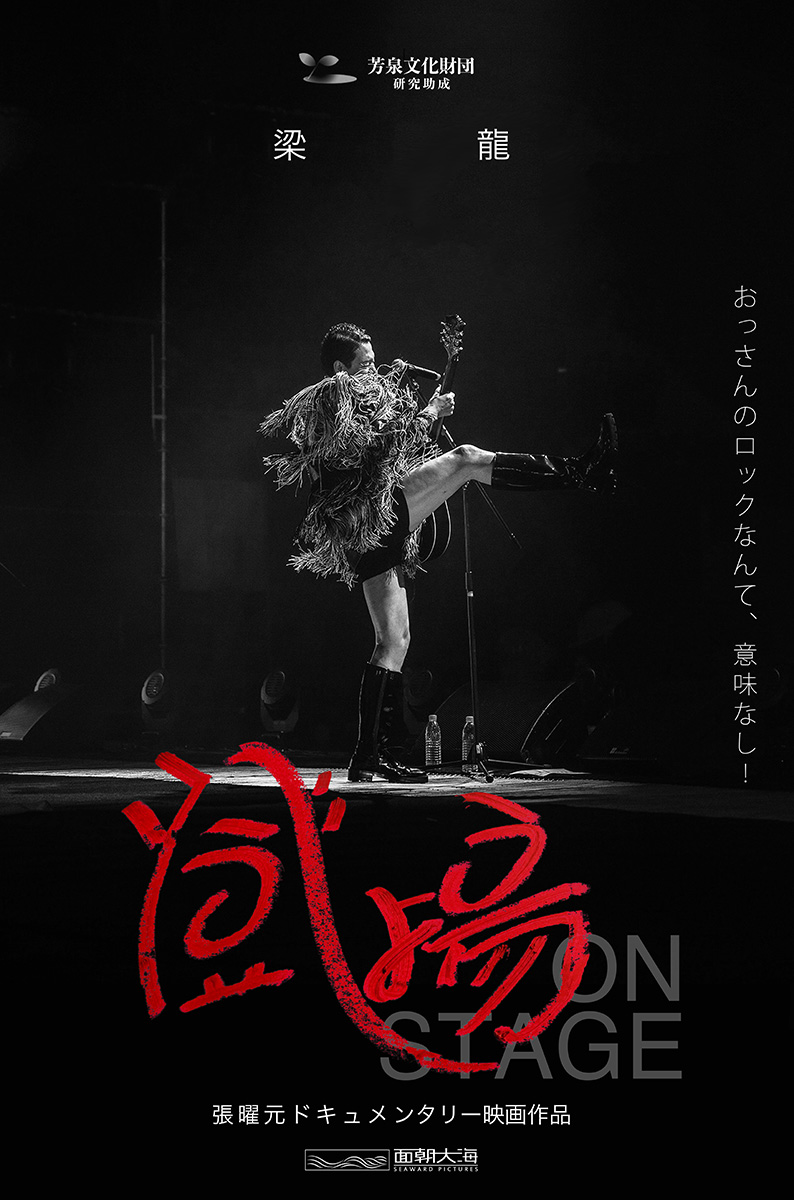
ON STAGE (登場, Zhang Yaoyuan, 2021)

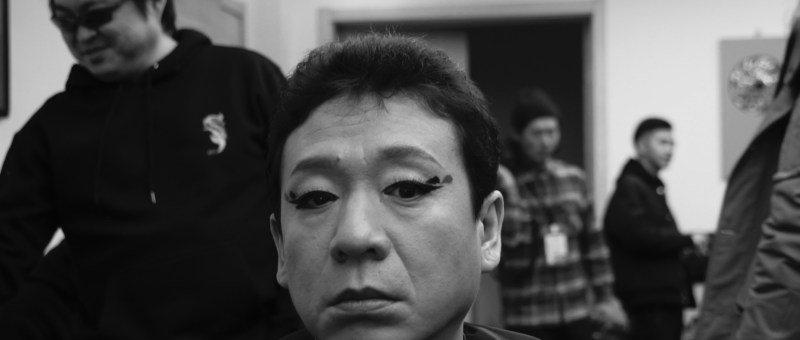
Lead singer of alternative rock band Second Hand Roses, Liang Long has been a sometimes controversial figure previously known for his shaved head and androgynous appearance often appearing onstage in female clothing and heavy makeup. Ironically enough Zhang Yaoyuan’s documentary ON STAGE (登場, Dēngchǎng) captures him mostly off, now with a full head of hair as he prepares for a New Year concert in his home area of Shenyang in the North East while simultaneously shooting a movie later released as No Problem directed by Looking For Lucky’s Jiang Jiachen.  

Zhang also hails from the North East and the area does seem to be important to the film, a banner above the stage at one point bearing the message “Develop the North East” with the film crew also wondering if their film can help do the same only for Liang to correct them that “revive” might be better than “develop” seeing as the area had been prosperous in the past but is now struggling without the oil industry. Meanwhile, he’s joined in the discussion by Wang Hongwei, star of Jia Zhangke’s Xiao Wu which the pair later reference while lamenting the decline of the North East before going on to describe the modern day Hegang as a kind of film city but not in an altogether good way each scandalised that apartments are so cheap it’s more cost effective for film crews to buy rather than rent even if they make a loss when they sell at the end of the shoot. Meanwhile, the gang later go on tour paying a visit to the China–North Korea Friendship Bridge in Dandong with two crew members engaging in separate mini rants about North Korea tricking China into paying more than their fare share by pulling out early. 

In any case, Liang is certainly cineliterate, shooting a Wong Kar-Wai-esque intro video for his upcoming concert set to Quizás, Quizás, Quizás and featuring a woman walking sadly through the streets. Another crew member decides to have another pop at Japanese directors, mystified by their admiration for natural light having sworn off ever working with Shunji Iwai again because he wanted to do things his own way. Doing things his own way is however something that’s very important to Liang as he explains to a caller on a radio show “I must keep my style from inside to outside”. The caller had somewhat impolitely explained that she originally thought his eccentric appearance seemed “nutty” but later came to understand it wondering if it’s something that Liang was doing deliberately only for him to answer that he’s fine with people describing him as crazy because he knows he’s “normal”. “When I’m in an artistic state, everything goes natural. Nothing weird” he adds, implying that his appearance is merely the purest expression of his artistic intent though it’s true enough that others may not always approve of his use of makeup or androgynous dress. Nevertheless, the concerts seem to attract a coterie of diehard fans copying his style often dressing in rose-patterned shirts and dresses with wigs and makeup, Liang later asking a photographer to go out and film them because he says they enjoy being appreciated. 

Liang does indeed seem to be a savvy operator, also interacting with his fans through live streaming which he describes as more difficult than performing onstage though he does seem pretty nervous hanging around in the wings waiting for the intro to finish ahead of his big New Year concert. Meanwhile, he’s frequently seen taking photo ops with fans and family members of the crew, in general pleasant to be around if occasionally impatient never grandstanding or pushing his fame but hanging out with his crew drinking and swapping stories. Even so he’s scathing when asked for recommendations of contemporary bands complaining that there’s “no one worth respecting” because most are artistically stagnant trading on past glory rather than coming up with new ideas. Stagnancy is not perhaps something of which you could accuse him given how incredibly busy he seems to be in just this short period of his life, never really stopping between rehearsing for the New Year show, shooting the movie, and live streaming for his fans. Shot in a crisp black and white, Zhang’s observational documentary frames him a garrulous yet contemplative man perhaps most at home onstage in the most natural state of his pure artistic vision. 


ON STAGE screened as part of Osaka Asian Film Festival 2022

Original trailer (Japanese subtitles only)

After the Rain (两个星球, Fan Jian, 2021)

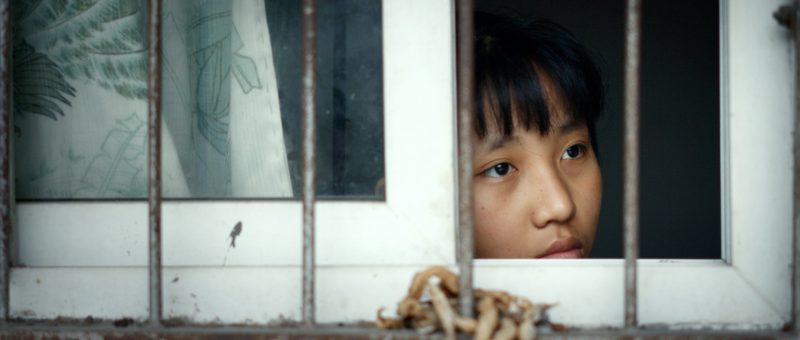
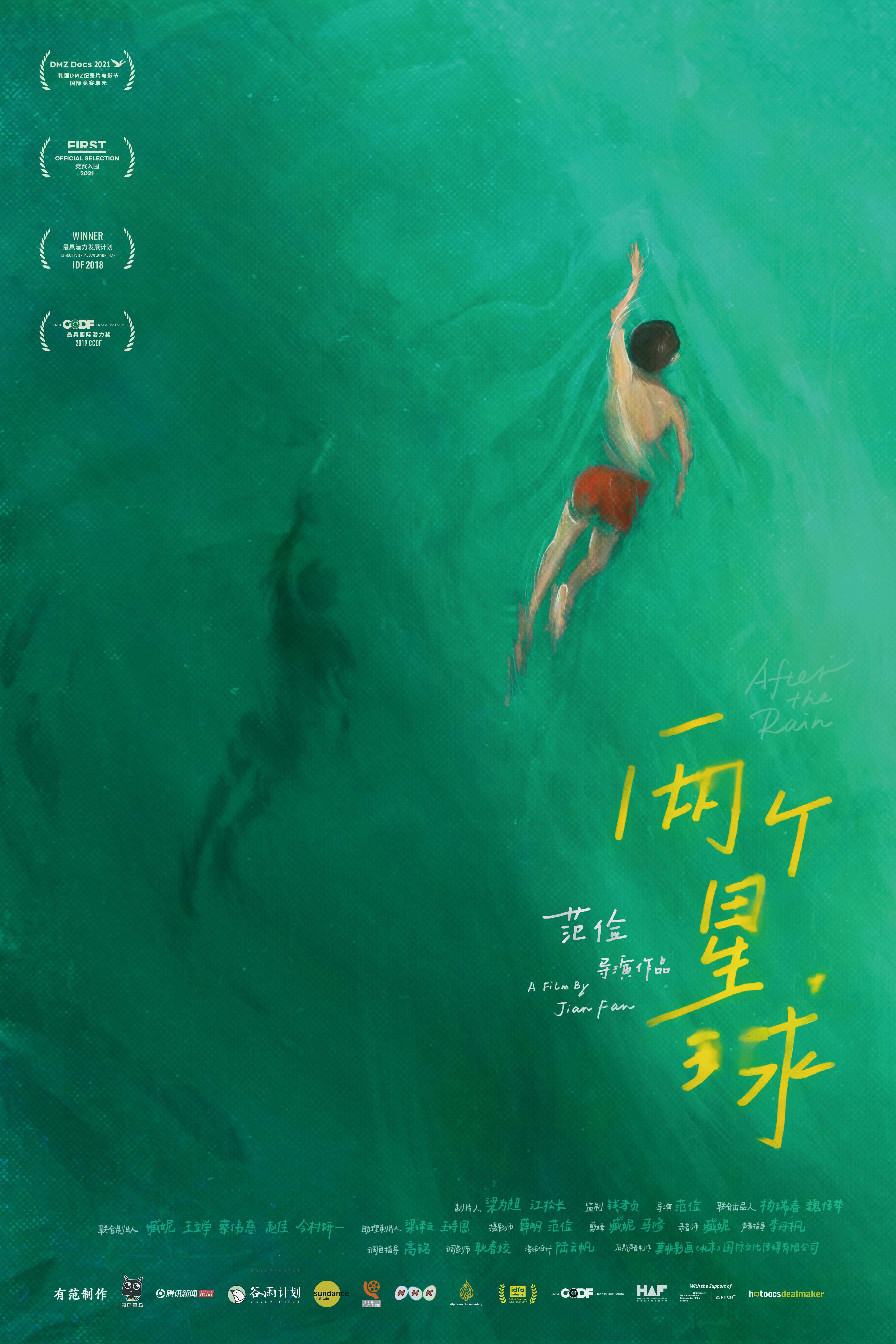
When the Great Sichuan Earthquake struck in 2008, 69,000 people lost their lives while a catastrophic blow was dealt to local infrastructure. With the One Child Policy then still strictly enforced, parents who had lost children in the disaster were offered government assistance in order to conceive a second child. It might be crass to describe these children as “replacements”, yet in one sense that is what they were intended to be. Jian Fan’s observational documentary After the Rain (两个星球, liǎng gè xīngqiú) follows two such children and their traumatised parents as they try to move on as a family in the wake of tragedy. 

Sheng is still haunted by his inability to rescue his daughter, Rain, from beneath the rubble of her school house. He and his wife Mei have decided to take part in the IVF programme and are hoping for a girl, believing in a sense that they’d be getting their daughter back. IVF doesn’t work out for them, but Mei conceives naturally a few months later and gives birth to a baby boy, Chuan. On what should be an unambiguously happy occasion, the sense of disappointment is palpable, Sheng in particular feeling cheated and resentful to have been denied a reunion with his daughter. Ying and her husband, meanwhile, are also unsuccessful with IVF but are simultaneously struggling to rebuild a relationship with their second daughter, Ranran, for whom they had to pay the second child fine subsequently sending her to stay with relatives in the countryside before bringing her back when their eldest girl, also called Rain, was killed in the earthquake. 

Both children are over burdened with the knowledge that they owe their existence to their sibling’s death, Mei bluntly telling Chuan that Rain’s life was sacrificed for his while later revealing that she sometimes dressed him as a girl as an infant while Ranran is forced to reckon with her parents’ decision to send her away only to be recalled when her sister died. At a memorial event other mothers discuss what they’ve told the children they conceived after the earthquake about their older siblings with most disapproving of Mei’s blunt approach fearing that such knowledge will burden their children or leave them feeling guilty and unloved but Mei is unrepentant. After all it is in a sense the truth. Because of the One Child Policy, the existence of these children would not have been possible had their elder sibling not have died in a such a horrifying way. 

Even so, Sheng in particular struggles to bond with his son catching himself letting it slip out that he wasn’t allowed to spend time with his daughter so he’s little interest in doing so with Chuan refusing to take him out to an amusement park harping on about how wasteful Chuan is and how much money he’s costing him. He constantly runs the boy down, criticising his performance at a school sports day and snapping at him at home with the obvious consequence that Chuan mainly ignores him and stays close to his mother though she is also at times unsympathetic, angry with him for crying while in pain after a medical procedure. 

A heartbreaking sequence sees little Chuan all alone and looking lost amid the graves at a memorial event for the earthquake while his parents talk with others in the same position, as if for a minute they’d forgotten he existed. Trapped in grief, Sheng still lovingly washes one of his daughter’s dolls on the rooftop and seems at times torn and remorseful complaining that it made him feel sad inside to notice there was no light in Chuan’s eyes but still harbouring resentment towards him as if blaming his son for “replacing” his daughter. Ying meanwhile recounts all the ways Ranran is different from Rain as if the differences sometimes upset her even if she is in a sense closer to her than she had been to her older daughter leaving her with an additional sense of guilt. 

“Losing a kid leaves your heart empty” Ranran’s grandma remarks each of the parents still struggling to come to terms with their loss while the children equally struggle to accept the absence of an older sibling they never knew of whose loss they are constantly reminded and expected to mourn. Nevertheless they are all doing their best trying to move past their grief and rebuild their lives but ultimately unable to let go of the traumatic past while their children grow away from them left with only loneliness and resentment. 


After the Rain screens at UltraStar Cinemas Mission Valley, San Diego April 25 as part of this year’s SDAFF Spring Showcase.

Original trailer (English subtitles)

No Man is an Island (沒有人該成為孤島, Jay Chern, 2022)

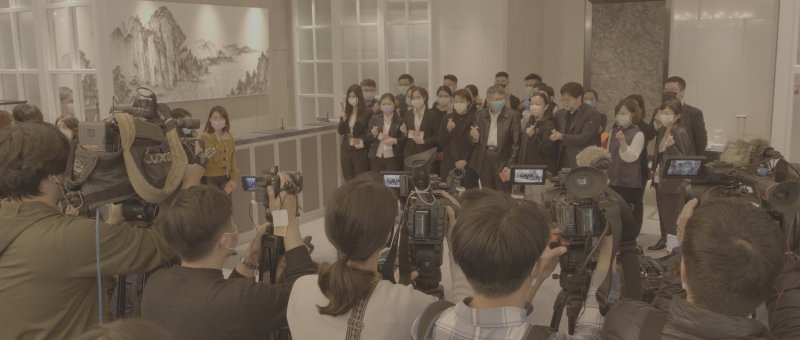
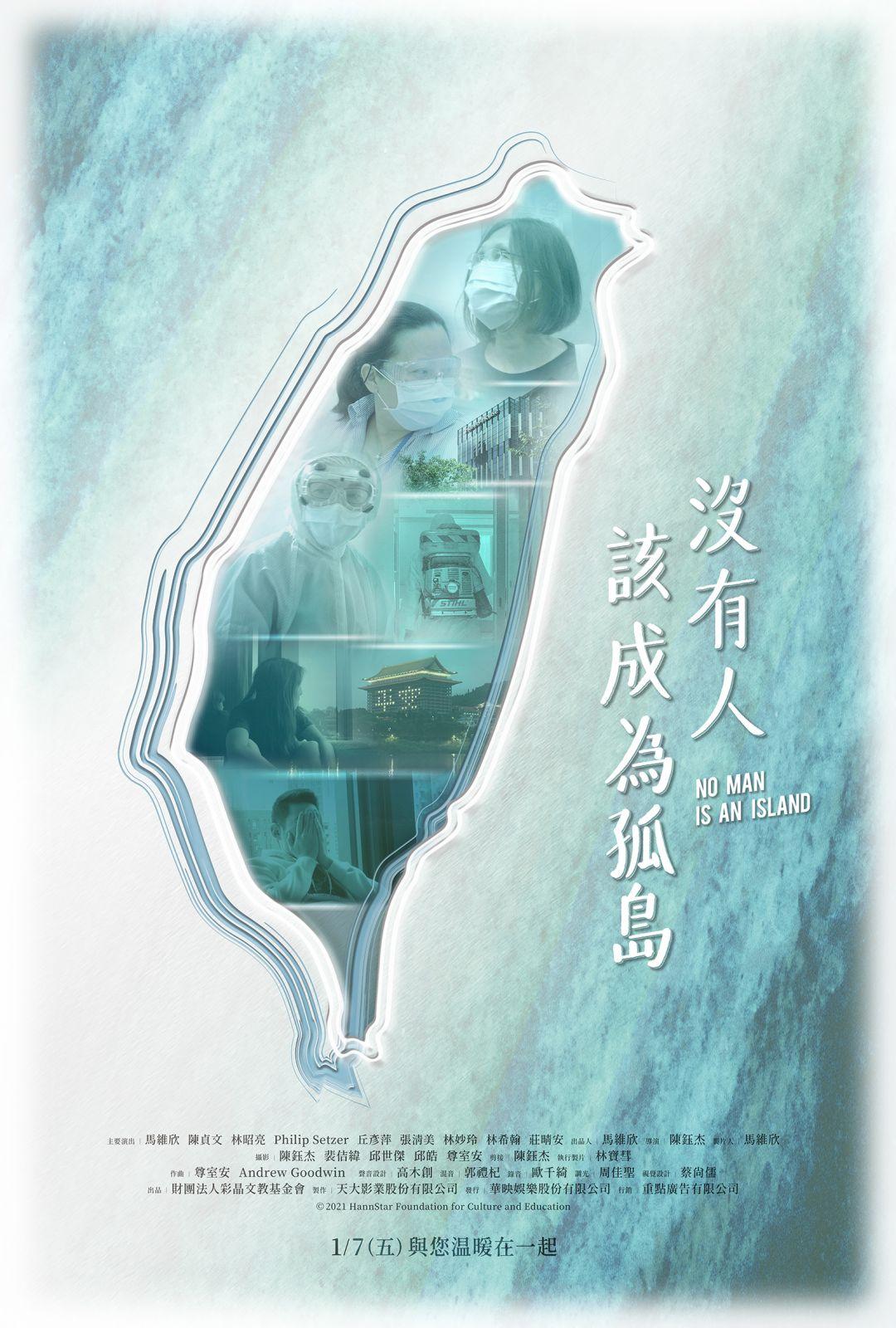
For much of the pandemic, Taiwan was regarded as a success story having largely managed to avoid mass infections through a well formulated public health programme that meant for many life could carry on more or less as normal. Jay Chern’s documentary No Man is an Island (沒有人該成為孤島, méi yǒurén gāi chéngwéi gūdǎo) focusses on the sometimes forgotten frontline workers that made that sense of normality possible while losing their own in situating itself in a small hotel which agreed to become a quarantine facility for travellers arriving from overseas. 

Chern spends much of his time with the hotel’s manager, Rebecca Ma, who at one point describes the decision to house those needing to quarantine as the biggest mistake of her life but also something she ultimately felt was the right thing to do, that it would be wrong to refuse when they had the capability to help. Nevertheless, she makes clear that her greatest responsibility was to her staff, negotiating with the government that they’d only agree to offer quarantine services if they’d be provided with full PPE while we can also see the extensive procedures they must take to keep the the guests and themselves safe disinfecting rooms after guests leave and allowing several hours before deep cleaning them while running UV disinfectant lamps throughout the building. 

Meanwhile, they also face some pushback from the local community upset by the close proximity to those who may be carrying COVID-19 only to be reminded that if they weren’t quarantining at the hotel they’d have to go somewhere else and could even be staying in the apartment below theirs so the point is in many ways moot. Even within the hotel Ma is well aware of how boring and distressing being trapped in quarantine could be even in a hotel as nice as hers fully preparing herself for a series of picky complaints from guests with quite literally nothing else to do taking out their frustrations on the front desk team. Meanwhile, others forget that it’s not a holiday, they’re in quarantine, and want access to normal hotel services around the clock not always taking kindly to being reminded that certain things may not be possible. 

With that in mind, it’s genuinely touching to see the level of care that the hotel staff have for those staying with them taking note of their mental health as well as the physical. Ma recounts personally preparing a meal for the first few quarantiners and is often seen organising special treats for the guests particularly in the holiday periods so that they don’t feel alone as if the hotel staff is their family even gifting pretty flowers and cupcakes for mother’s day as well as small toys to keep children entertained. She herself has been living away from her family in the hotel to keep everything running smoothly while further members of staff move in later during the stricter lockdowns put in place after the situation intensifies ironically because of lax quarantine processes at another hotel which allowed airline personnel to leave earlier than otherwise recommended. 

Mindful of her responsibilities, Ma makes a point of leading by example never asking anyone else to do something she wouldn’t or put themselves in harm’s way unnecessarily. One employee reflects that she was so frightened that she wrote her will and explained to friends what to do with her ashes should the worst happen, but in general the atmosphere among the staff seems cheerful and upbeat, Ma giggling that she feels like a naughty child ringing people’s doorbells and then running away to let them know their meals have arrived. Privately she admits that the situation can be stressful because no mistakes can be made, it is quite literally a matter of life and death, but also a job she just needs to keep doing to the best of her ability. 

Chern also speaks to a few of the quarantiners one of whom is his own mother returning from the US to care for his bedridden grandmother, while others have returned to be closer to their families or because it is simply safer in Taiwan than wherever they were before, allowing each of them to chronicle their experiences in their quarantine diary as they try to stave off cabin fever and the anxieties of their long journeys home. Hanns House has become for them a small safe haven until they’re able to go back out into the world. “Sometimes life isn’t about what we want or if you’re ready, but rather if it’s necessary” Ma adds, later reflecting that the pandemic is turning into a never-ending marathon, “If you can’t run, crawl to the very end”.  


No Man is an Island streams in the US April 4 – 10 as part of the 14th season of Asian Pop-Up Cinema.

Original trailer (English subtitles)

Bamboo Theatre (戲棚, Cheuk Cheung, 2019)

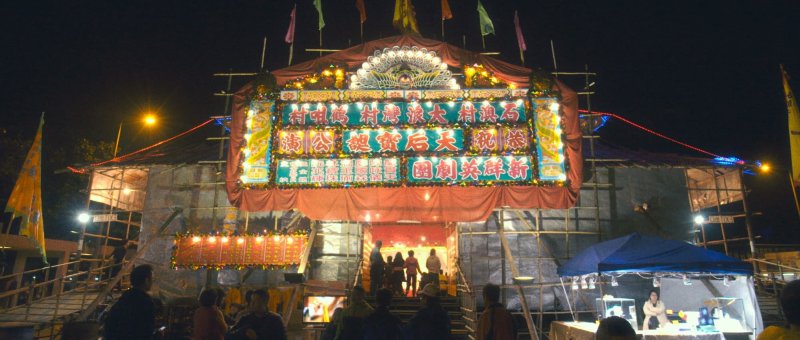
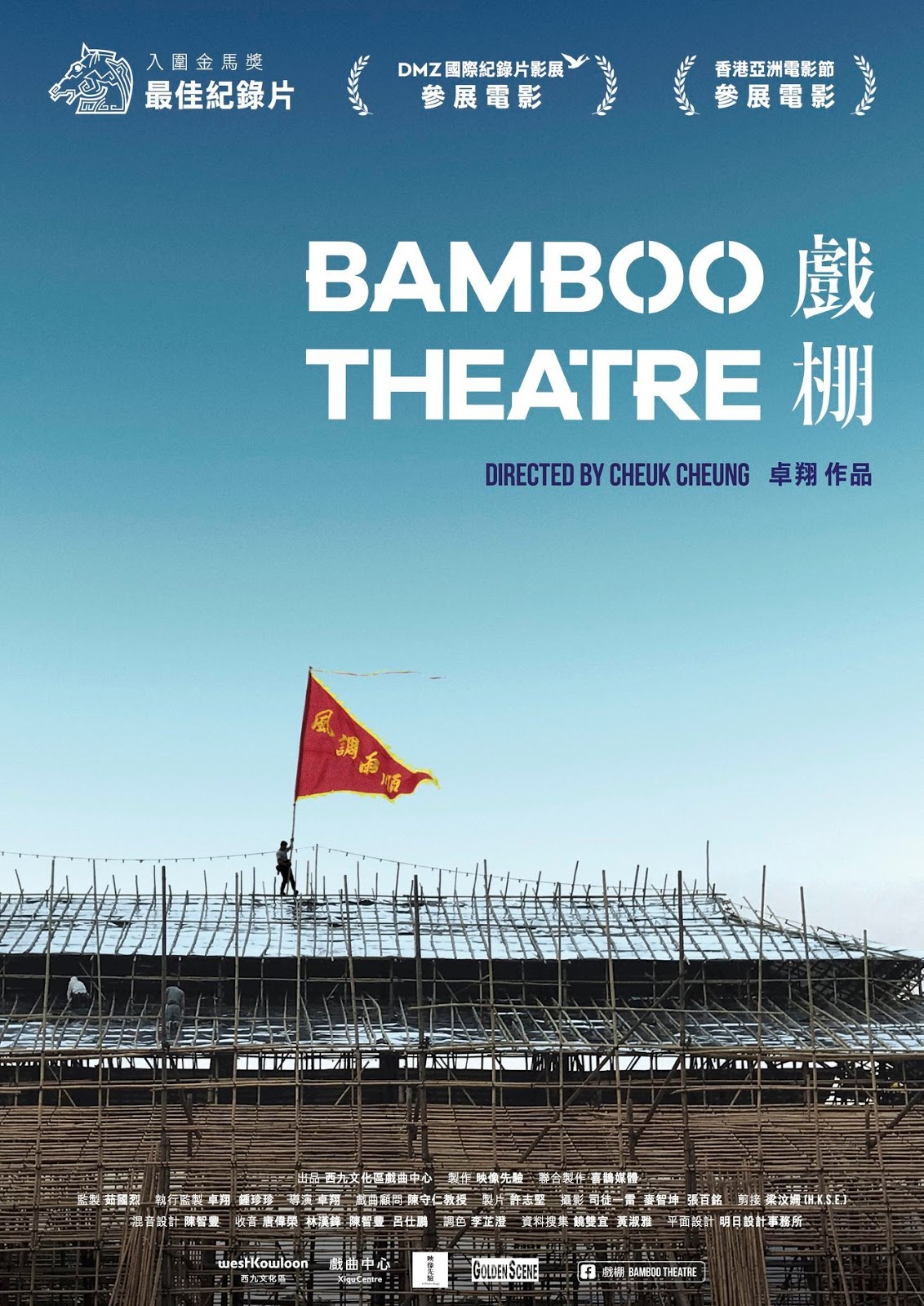
Cheuk Cheung’s otherwise observational documentary Bamboo Theatre often interrupts the action with a series of title cards beginning “this is a space”, a space for ritual, for culture, for the traditional and for its evolution both manmade and somehow spiritual. Bamboo Theatre (戲棚) is in fact Cheuk’s third documentary on the subject of Chinese opera having apparently developed an interest through a chance encounter that left him surprisingly moved, but the focus this time is as much on the building as it is on the art emphasising the ironic endurance of these transient structures forever dismantled and rebuilt in a constant process of change and renewal. 

As the closing titles reveal, the number of bamboo theatres operating across Hong Kong has dropped by 30% though the traditional practice continues to endure with communities across the islands conducting ritual to honour the birth of Tin Hau, goddess of the sea. Built entirely from bamboo without the use of a single nail, the structures are a marvel of engineering yet intended to stand for less than two months, performances taking place for only three to seven days before the entire theatre is dismantled and transported to its next location to be resurrected anew. Cheuk elegises the disappearing art form through long sequences of painstaking construction scored with classical music as if to lament the dying nature of the craft while bearing testament to its survival as the company crafts its own space with its own hands not only a stage and makeshift covering but a warren of backstage corridors where costumes are steamed and pressed while actors rehearse or put on their makeup. A scenic boat is even is whipped up mid-performance seconds before being tracked on stage. 

Meanwhile, the theatre creates its own kind of spectacle outside its doors a mini festival taking place in the open air with stalls selling nicknacks and street food. The audience appears diverse, a mixture of small children accompanied by parents or grandparents along with elderly spectators attending alone, the kids well behaved and engaged with this very traditional art form. As another of the title cards reminds us, this is a space for entertaining both people and the gods, ritual and enjoyment presented with equal importance which explains perhaps how this incredibly laborious practice has managed to endure in an age which largely values convenience. 

Then again as one performer complains in one of the few scenes featuring dialogue, why don’t they put up a mobile toilet for the performers along with the rest of the structure, their personal convenience it seems valued comparatively little. A mess of hanging cloths, the backstage areas appear more spacious than one might expect, but are also subject to their own arcane rules a sign reminding women not to sit on crates for the gods though it seems unlikely anyone is doing very much sitting at all given the general business of backstage of life. Even once the audience has gone home, an old man commandeers the darkened stage to practice his art singing to an empty auditorium in an otherwise silent night. 

Having begun the film with a theatre’s construction Cheuk closes with its dismantling, foil sheeting from the roof clashing to the floor with apocalyptic intent yet also suggesting that this is how something survives, taken down in one place to be rebuilt in another the same but different, transient and eternal. In this way, xiqu opera survives its ritualised nature taking on an almost mystical dimension in its constant acts of appearance and disappearance though perhaps it’s ironic to think of something so obviously built by human hands as “intangible” culture. Even so, the enduring power of the bamboo theatre captured with an ethereal distance through Cheuk’s sensitive lensing is perhaps a sign of hope for the future in the face of persistent anxiety that such iconic local traditions are always at the risk of erasure. 


Bamboo Theatre screens in Chicago on April 2 as part of the 14th season of Asian Pop-Up Cinema.

A Thousand Fires (Saeed Taji Farouky, 2021)

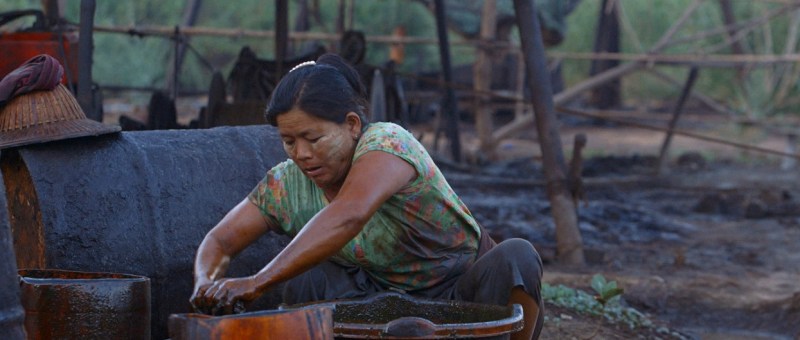
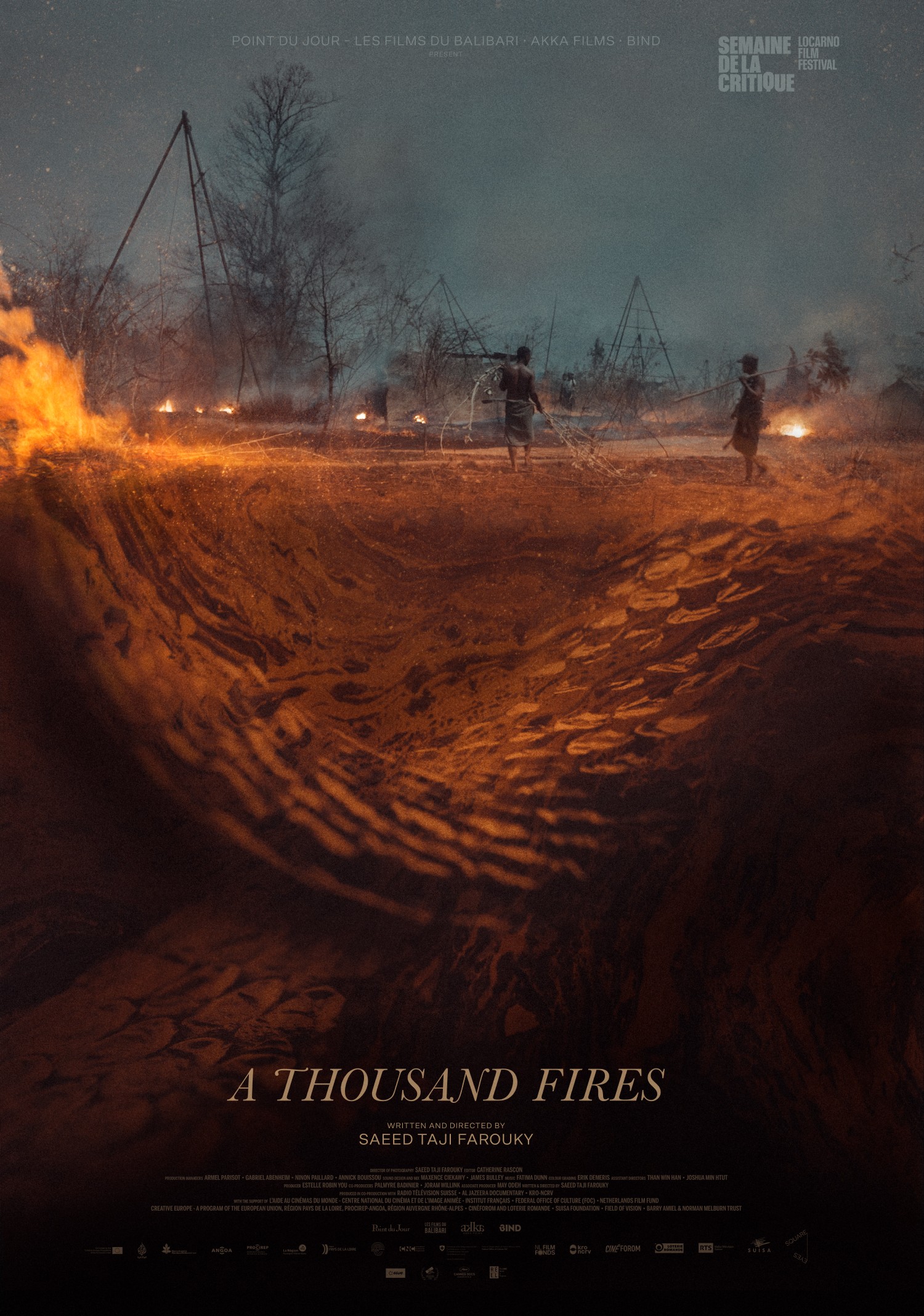
The whole world turns on oil, but most of us give little thought to where it comes from to the extent that we never really think of oil at all aside from that which it powers. Saeed Taji Farouky’s elegantly lensed observational documentary A Thousand Fires follows a small family in Myanmar who support themselves through unregulated oil digging, operating the kind of hand cranked wells one might associate with 19th century prospecting and getting barely a barrel a day but still fetching more than they might be able to get through farming. Yet this intrusion of modernity continues to disrupt their otherwise traditional existence as they ponder better lives for their children that will necessarily take them far away from their parents and their home. 

As they later reveal Thein Shwe and Htwe Tin once made their money through farming but now they only draw oil. You might think it would be a less intensive occupation, but the rigs require constant supervision and the machinery often breaks either needing immediate repair or resulting in a day’s lost work. Yet Thein Shwe is worried most about his oldest son, Zin Ko Aung, who is wilful and rebellious rarely helping his parents out to the extent the he worries if his son would even be able to start the engine for the well if no one were available to do it for him. 

His mother meanwhile makes slightly passive aggressive comments about a young woman his age who finished high school and now has a good job as the manager of a textile factory in the city. It might not be that there is no way out for him, but the parents worry that as he seems to have rejected both education and inheriting the oil wells he will be left with nothing at all. Their daughter, by contrast, is currently staying with them along with their baby granddaughter having married and moved to another town. Perhaps a part of them knows that in order to give their children better lives they must effectively send them away while worrying if they’ll be alright, if their sacrifices will have been worth it and these other lives are indeed better than theirs. 

To quell some of this anxiety we see them consult a fortune teller to find out if Zin Ko Aung will achieve success only to be told that he’d be better off if they changed his name from the one they gave him at birth to the one the fortune teller suggests. Capitalising on his talent for football they send him to the city to apprentice with a youth team for a year with no way of knowing if it’ll pay off and Zin Ko Aung will be able to make it as a sportsman, as his sister jokes becoming the first famous person from their village able to support the family with his newfound riches. The family also take part in several traditional festivals, praying for a “prosperous life” while eerily paying homage to a god of oil by “feeding the dragon” pouring liquid into a greyish swamp which bubbles and snorts as if burping in gratitude. 

Then again another passerby reveals that a Buddhist priest in their area cleared a hole and set fire to it causing an explosion that rocked the mountain. In an ironic touch, we witness a festival in which young children have their heads shaved in preparation for being ordained as monks before cutting directly Zin Ko Aung enjoying his new city life by getting a fancy haircut drenched in a red smock which strangely resembles religious robes. Another fortune teller the couple visit in the city warns Thein Shwe that his lifeline is short and he must be careful to remember his religion, while adding at that no matter one’s good intentions the only place you’ll find an honest man is in a cemetery.  Simultaneously he tells Htwe Tin that she is the leader of her family and admonishes her that women are overly materialistic and simply want too much. In any case all she seems to want is for her son to find his way even if he has to leave his family to do so. Poignantly as the film ends the couple are left alone, their son-in-law arriving to take their daughter home and their son away in the city while all they’re left with is more of the same dredging oil up from beneath soil and feeding the ever hungry dragon of the contemporary society that barely knows of their existence. 


A Thousand Fires screens in New York March 19 as part of Museum of the Moving Image’s First Look 2022

Trailer (English subtitles)

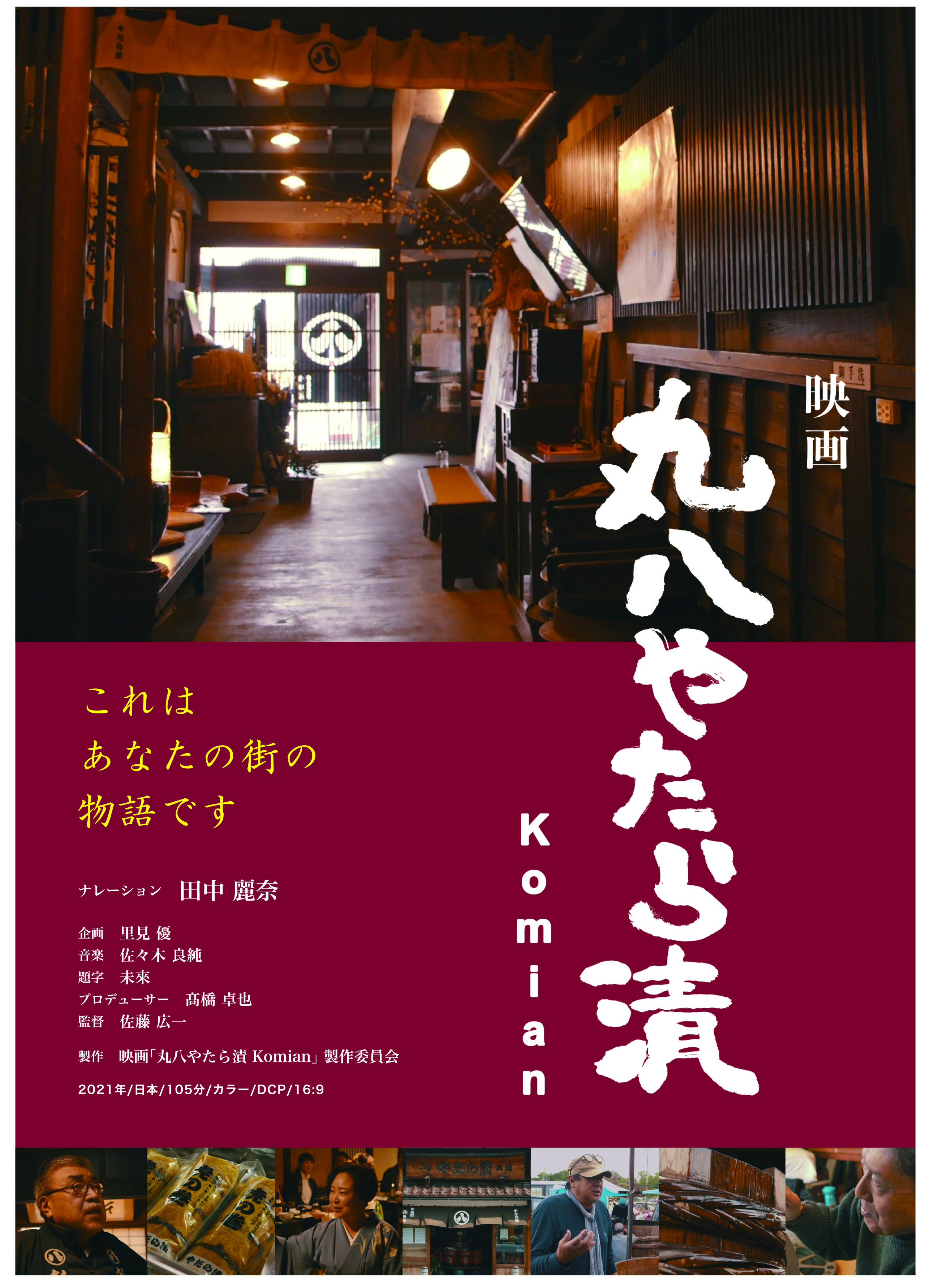
Pickles and Komian Club (丸八やたら漬け, Koichi Sato, 2021)

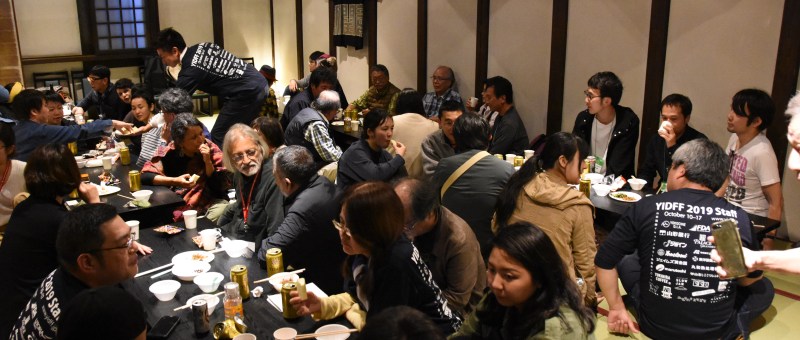
For years the Komian Club had been a familial haunt for visitors to the Yamagata International Documentary Film Festival becoming almost an artificial hub where filmmakers and spectators could meet on equal terms. However, the 135-year-old family-run pickle store was left with little choice other than to close given the decline in demand for pickles among younger consumers and the additional strains placed on their business by the conoravirus pandemic. 

Pickles and Komian Club (丸八やたら漬け, Maruhachi yatarazuke Komian) is as much about the film festival and the wider Yamagata community as it about the building at its centre. The loss of the store leaves many feeling quite literally displaced, not only lacking a new place to gather and mourning the atmosphere of the traditional building, but reflecting on the absence of these kinds of structures in the urban environment which places value only in the land on which new structures more profitable to the modern economy may be built. We’re told that the pickle store had been approved as an intangible cultural asset because of its luxurious interior, but this does not apparently provide much protection under Japanese property laws. The store’s owner Yoshinori mentions the possibilities of someone buying his storehouse and moving it to a new location preserving all of its period features but is eventually forced to sell to developers who plan to knock it down to build build yet another generic apartment block. 

As he explains, in Japan property depreciates over time and the value that it has is essentially sentimental rather than financial. Few people are interested in preserving these traditional buildings along with their classical architectural styles because there is no real financial incentive to do so. The best that can be done is to salvage what one can that could be re-used or incorporated in another structure such as the heavy wooden beams and ornate friezes. Yoshinori sells one of his giant wooden pickling vats to an old friend who runs a traditional Japanese inn which is then repurposed as a bath. His friend worries what the decline of traditional culture might mean for his business, inns largely being the repository of the traditional in the modern society. But the repurposing of the vat which in essence turns something used for industry into something used for leisure is an example of one way to bring something of the past into the present finding new uses for old technology. 

While the pickle store could not be saved, other owners of similar properties have been able to breathe new life into old spaces, turning a small outside guesthouse into a cinema which the local community can enjoy or renting out part of the premises for local events taking full advantage of the calming atmosphere such traditional buildings can offer. Though as an architecture student later makes plain what’s needed is further action at the legislative level to ensure that older buildings are better protected and less likely to be torn down because of an economic imperative that has no interest in tangible history. Seeing the buildings stripped of their assets then roughly broken apart is a heartrending sight as is the giant empty space they leave behind robbing the area of its unique atmosphere in favour of the generically urban. 

One interviewee makes the point that in choosing to focus on documentary film the festival in a sense made an investment in its future by choosing the unique over the flashy, building a friendly atmosphere of openness and equality rather than the red carpets and VIP areas which can often define some other events. In a sense it’s this loss of traditional spaces which damages the fabric of the community in further distancing one person from another while robbing it of the architectural history that gives it its sense of place.  Even so the presence of the festival providing a place in which filmmakers and film lovers from all over the world can gather is a potent symbol of alternative community bolstering the local, while the young are also busying themselves finding new ways to incorporate the traditional into their modern lives or breathing life back into that which had been thought old-fashioned but might now be reappreciated for its quality of serenity in an ever changing society.


Pickles and Komian Club Storytellers streams worldwide (excl. Japan) via DAFilms until Feb. 6 as part of Made in Japan, Yamagata 1989 – 2021 (films stream free until Jan. 24)

Trailer (no subtitles)

Storytellers (うたうひと, Ryusuke Hamaguchi & Ko Sakai, 2013)

Many tend to forget the folktales and fables they were told when young or at least until they themselves have a child yet it’s often through mystical stories that we first begin to learn about the world and our place within it. Third in a series of documentaries by Ryusuke Hamaguchi & Ko Sakai focussing on the Tohoku region in the wake of the 2011 earthquake and tsunami, Storytellers (Utauhito) follows folklore scholar Kazuko Ono of Miyagi Minwa no Kai as she travels the local area visiting friends in order to hear the various stories they remember from their youth. 

Yet as she explains during a trademark Hamaguchi backseat monologue in a car he and co-director Sakai are driving, folktales may have different meanings and interpretations to different people and in different eras in their own particular context. As an example she cites the tale we’ve just heard recited by an elderly woman titled The Monkey’s Bride in which a farmer with three daughters unwisely promises a wife to a monkey who agrees to help him with his rice paddy. The first two daughters refuse, but the third agrees because her father made a promise only to trick the monkey, who has been nothing but kind to her, into drowning himself in a lake. As a child, Kazuko like many disliked the story feeling sorry for the monkey who had acted only with humanity and does not seem to warrant being killed in such an unkind fashion. But then she began to reconsider how her grandmother from whom she first heard it may have read the tale as a woman married off at 16 who constantly tried to run away and only wanted to escape cruel treatment at the home of her in-laws. To her the daughter in the story was brave, doing that which she could not in freeing herself from a forced marriage after being sold to pay her father’s debt. Looking deeper again she began to wonder if the monkey wasn’t also a metaphor for the rich landowners who oppressed peasant famers with only poor quality paddies who were often forced to sell off their daughters in return for financial assistance. 

Other stories meanwhile speak of the ingenuity of the poor, a little girl rewarded after responding to an ad promising vast riches for anyone who manages to bore the story-loving lord, she managing it quickly by making him repeat a lengthy nonsense phrase at regular intervals. A story apparently meant to encourage young couples to find “clever” ways of sorting out marital disputes similarly finds a husband returning from the city selling his wife’s lover whom she hastily shut in a water jar, getting one over on him and her, getting his hands on 10 ryo, and even getting the jar back too. Such stories tell us something about the world in which they took place, female adultery in this case not so much of problem able to be solved with some comedic shenanigans rather than the point of a sword, while we might equally find it an absurd way to deal with marital infidelity. Then again there are also a series of thematically similar stories cautioning against marginalised members of society who create problems in order to gain fame and fortune through solving them such as two bizarre tales of magical instruments which cause people’s bottoms to sing an absurd and annoying song which only the holder of the object can stop allowing them to leverage their new talents for unearned wealth and status. 

Even so it isn’t perhaps the tales that matter so much as their transmission, many of the elderly storytellers recalling memories of their grandmothers from whom they first heard how the shrimp got its curved back or of eagles who tried to fly to the edge of the ocean. Each of the storytelling sessions begins in ritualised fashion, Kazuko and the other party introducing themselves to each other though they have all been friends for years or sometimes decades and already know each other well. As in the story of the girl and the lord, we’re reminded that tales like these expect call and response, an exchange between the storyteller and the listener that transcends the story itself. A now elderly man recounts that he’d forgotten most of the tales his eccentric grandmother had told him before joining the folktale group in his 40s, but also advances that the stories she gave him were intended to foster a sense of wonder in the world along with a confidence and security that would allow him move freely through the darkness. A lesson in oral history in which these ancient tales are shared and retold before reaching new generations is perhaps a sign of hope that something has and will survive in the simple act of speaking and listening even as Kazuko explains that in order to hear the story she must also change herself so she too may keep moving forward . 


Storytellers streams worldwide (excl. Japan) via DAFilms until Feb. 6 as part of Made in Japan, Yamagata 1989 – 2021 (films stream free until Jan. 24)

Dear Pyongyang (Yang Yong-hi, 2006)

“Whether she accepts my ideas or not, I’m glad because she’s all grown up” the father of documentarian Yang Yong-hi insists implying perhaps that he has more respect for his daughter’s questioning nature than she had assumed he might. Deeply personal, Dear Pyongyang is Yang attempting to parse the disconnect between her loving parents’ lifelong faith in the Great Leader and her own upbringing in a much more open society which has encouraged her that she should be free to live her own life and make her own decisions rather than as her father would have it devote herself to a “fatherland” which remains unfamiliar to her. 

As the opening titles explain, Korea was annexed by Japan in 1910 and fell under colonial rule until its independence was returned with the collapse of the Japanese empire at the end of the war only to be partitioned in 1948. During the colonial era, many Koreans had settled in Japan, divisions also emerging between them as those who supported the North chose to take North Korean nationality even if in reality from the south. Yang’s father was one such person, having grown up around ardent Marxists on Jeju Island. A member of pro-North organisation Chongryon, he devoted his life to activism campaigning for the rights of other Zainichi Koreans while proselytising for Kim Il-Sung thought. He even sent his three sons “back” to North Korea as part of a repatriation program in 1971 incorrectly believing that the North’s economy was improving, the nation would soon be reunified, and relations with Japan would become normalised. Had he known it would mean an almost permanent separation, he may have made a different choice. 

Six years old at the time and kept behind as the only daughter, Yang attended North Korean schools and was in a sense indoctrinated with North Korean propaganda yet she was also coming of age in Japan where she was free to listen to the Beatles and watch movies while it gradually became obvious to her that the place her brothers had been sent to was far from the paradise they’d been promised. She herself was able to meet with them in 1983 as part of a school trip but even then she was only permitted to see them for short periods of time agreed with North Korean authorities. Permitted to travel back and forth with some regularity she finds herself noting more each time how the images in her mind don’t line up, fixing her gaze on a incomplete tower construction long since abandoned as an ironic symbol of the North’s false prosperity. 

In actuality Yang cannot show much of this in her film for obvious reasons and in the time she spends with her brothers and their families, their lives seem comfortable enough save the odd power cut. Her young nephew has even benefitted from the CDs she used to send his father and is an accomplished piano player. Nevertheless, her mother Yon has been sending heat packs en masse to each of the brothers as well as other friends and relatives after receiving a letter telling her that one of the grandchildren had been suffering frostbite because of the extreme cold. Yon had always sent care packages to her children, so shocked on receiving the first photo of them from the North and noticing how much weight they’d lost that she tore it up rather than let their father see it, but boxes have increased significantly in size as the families grew and she became more aware of the reality of the situation in Pyongyang. Still she and her husband remain loyal to the Great Leader, unable to discern the level of cognitive dissonance in the evidence of their eyes and their faith in North Korean communism. 

It’s the disconnect that Yang can’t understand or forgive, finding it particularly galling that her parents have been supporting whole communities with their care packages but everyone attributes the largesse to the goodness of the Great Leader even though the packages wouldn’t be necessary if the system itself had not failed. Her ideological opposition to her father manifests itself in her desire to change her nationality though opting not for a Japanese passport but a South Korean one that would allow her to travel more easily if also ironically preventing her from visiting her brothers and extended family in the North. Finally he seems to relent, admitting that the “circumstances have changed” and he wants her to have more opportunities in her working life. In any case, even if she lived in the South she would be free to visit him in Japan in a way his sons are not, his exclusion of her from his instructions that his sons and grandchildren should devote their lives to the “fatherland” perhaps a tacit acknowledgement that she need not follow his path but should seek her own. Then again perhaps it’s also an acceptance that his life’s work has not turned out as he’d hoped and has in fact robbed him of the company of his children through literal and ideological divide. Even so this moment of compromise allows Yang to begin to bridge a division she thought unbreachable, able for the first time to see her father as just that, longing to hear his thoughts and have him listen to hers only to be immediately robbed of the opportunity. At times raw and filled with a sense of melancholy regret, Yang’s incredibly personal documentary is partly a treatise on the destructive effects of cognitive dissonance and blind faith, but also on the freedom to be found in mutual acceptance. 


Dear Pyongyang streams worldwide (excl. Japan) via DAFilms until Feb. 6 as part of Made in Japan, Yamagata 1989 – 2021 (films stream free until Jan. 24)

US Trailer (Japanese & Korean with English subtitles)

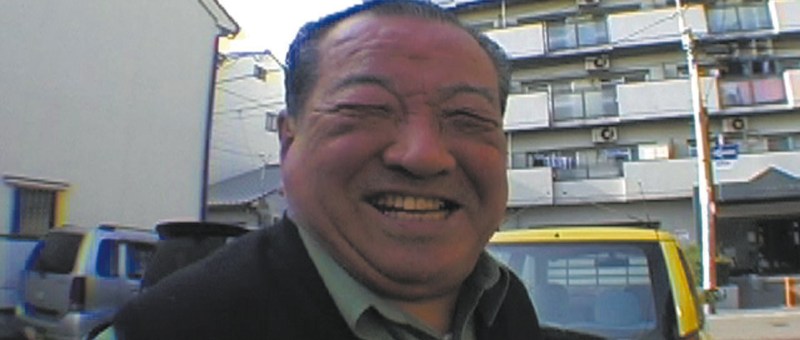
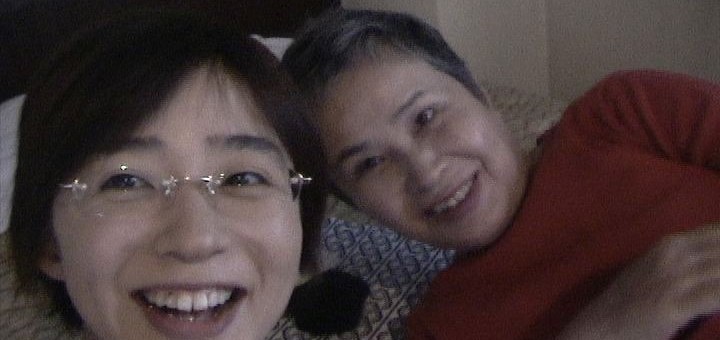
The Cheese & The Worms (チーズとうじ虫, Haruyo Kato, 2005)

A series of quotidian observations of an ordinary life, Haruyo Kato’s moving personal documentary The Cheese & The Worms (チーズとうじ虫, Cheese to Ujimushi) sees the director returning to her hometown in order to spend time with her mother, Naomi, who is suffering with a terminal illness, and her elderly grandmother. Yet hers is not so much an exploration of sickness or old age as what it means to live in the shadow of death through the tiny moments of the everyday which ultimately construct a life as her mother tries to find joy in ordinariness and the director an acceptance of the abruptness with which a life can end. 

Kato structures her tale as a series of vignettes each preceded by a title card featuring two words joined by an ampersand until such time as her mother passes away at which a single word remains only later joined by others. She begins and ends with the sky, but otherwise captures the small moments of everyday life that might otherwise be forgotten such as her mother cooking, attempting to grow vegetables in the field behind her home or appreciating the cosmos flowers blooming near by. Poignantly they decide to plant more the following year though uncertain if Naomi will see them bloom. 

Meanwhile, Naomi uses her remaining time perfecting old hobbies such as learning to play the shamisen or painting in preparation for an exhibition alongside others from the retired teachers association. She spends time with her two young grandchildren and witnesses the birth of a third, the family coming together to celebrate grandma’s birthday. They do not talk very much about death save discussing Kato’s childhood trauma having lost her father young contributing to her sense of despair regarding her mother’s illness and declining health. We see her undergo various hospital treatments and gradually become weaker though trying to live as normal a life as possible. 

Kato asks her grandmother if she fears death but is told that once you reach a certain age it no longer frightens you, she hoping only that it be peaceful and as painless as possible for herself and those left behind. One of Naomi’s regrets had also been that in dying first she would be abandoning her elderly mother while grandma too struggles to accept the loss. Poignant pillow shots capture the anxieties of ageing in her scattered mobility aids and the false teeth sitting in a glass, or otherwise find her too trying her best to live while reflecting that Naomi at least got to see her four grandchildren and lived a full and happy life. On her death she had said she wanted to become dust of the cosmos, while grandma after thinking for a moment answered that she’d like to be the earth which is perhaps a touching metaphor for a life of a mother and a daughter. 

Yet the reality of Naomi’s death is echoed in its absences. Kato flipping through an old day planner as the number of appointments gradually declines before all of a sudden the pages are blank save for the boxes where her mother had penned in the days of the week, the book thereafter one of constant emptiness that reminds her of all the life left unlived in the terrible abruptness of its ending. She and her siblings later attend a sumo match in her mother’s place, reflecting that the camera flashes are like twinkling stars and wishing she could have come with them to see it. 

Kato and her grandmother rewatch the home videos she had shot of her mother, reflecting on lost moments and their own memories as they each try to find acceptance and accommodation with loss. At her funeral, Naomi’s youngest grandson had attempted to crawl over her body, too young to understand the meaning of death and bursting into tears at the adults’ reaction, a confused mixture of horror and bemusement as they gently lift him away. It’s in these small, forgettable moments that Kato eventually finds meaning in life a sense of everyday happiness now unburdened by fear or anxiety and existing only as fragmentary memories of warmth and humour and given in a sense a second life in their constant replay through the art of Kato’s gentle filmmaking. 


The Cheese & The Worms streams worldwide (excl. Japan) via DAFilms until Feb. 6 as part of Made in Japan, Yamagata 1989 – 2021 (films stream free until Jan. 24)