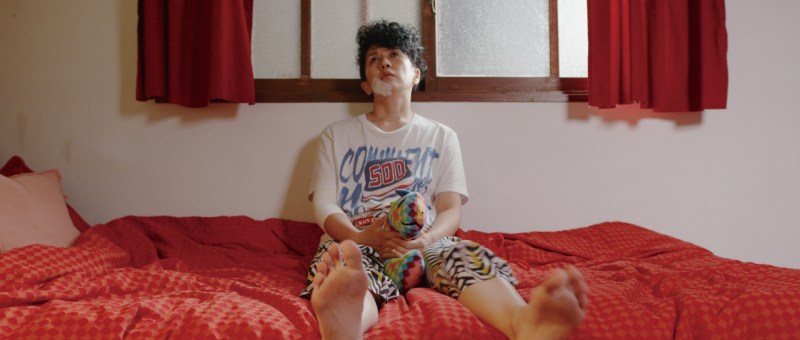
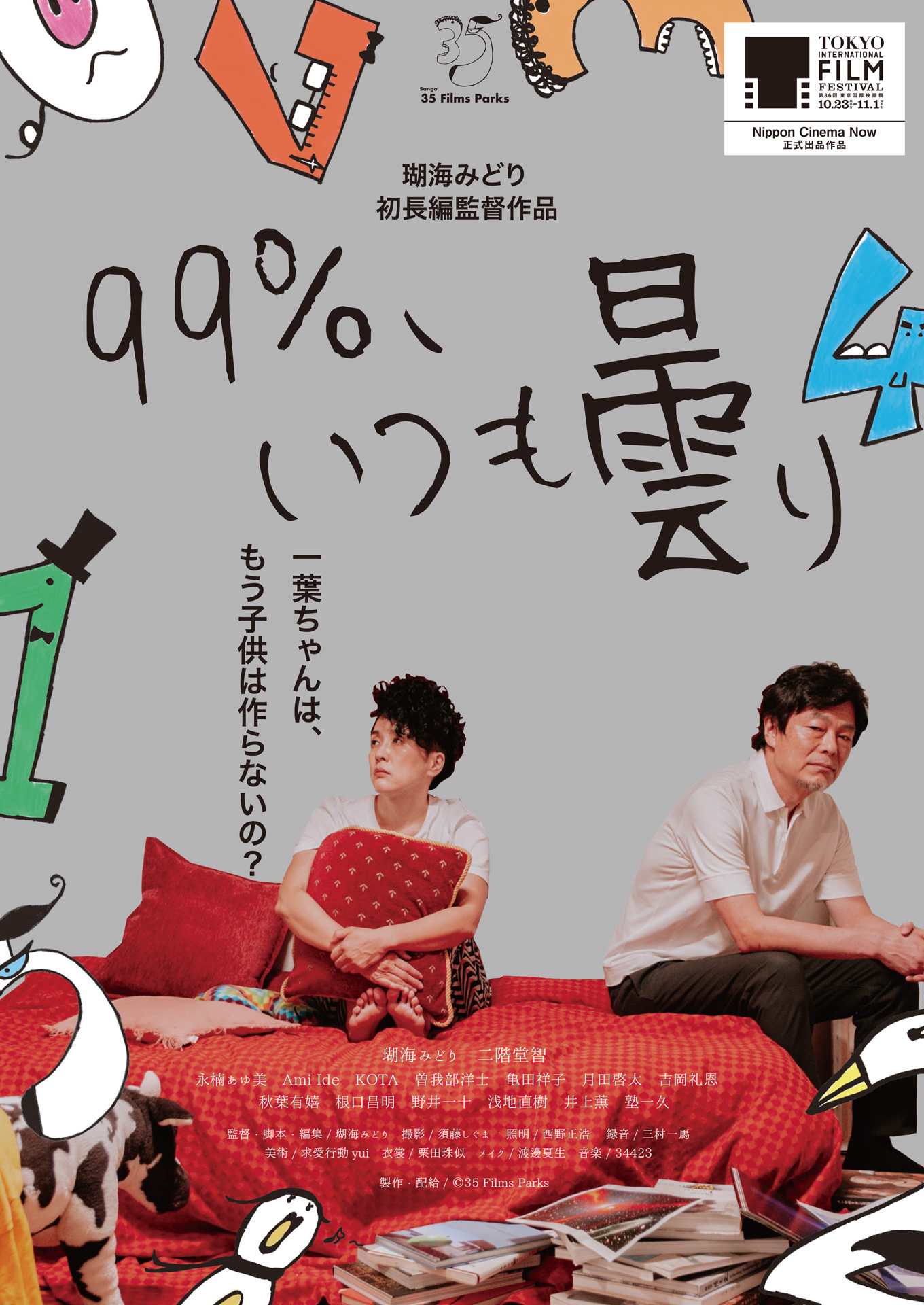
Why do some people feel themselves entitled to ask insensitive questions at emotionally delicate moments? Kazuha (Midori Sangoumi) may have a point when she calls her oblivious uncle a bully when a lays into her about having no children at the first memorial of her mother’s passing, but still his words seem to wound her and provoke a moment of crisis in what otherwise seems to be a happy and supportive marriage.
Kazuha is a very upfront person and fond of directly telling people that she thinks she has stopped menstruating so she doesn’t think she could have a child now even if she wanted one. One of the other relatives, however, suggests that her husband, Daichi (Satoshi Nikaido), may feel differently which somewhat alarms her. The questioning had made her angry and offended, not least by the implication that a woman’s life is deemed a success only through motherhood and that those who produce no children are somehow “unproductive”, but it was all the more insensitive of her uncle to bring it up given that Kazuha had suffered a miscarriage some years previously.
The miscarriage itself appears to have resulted in some lingering trauma that’s left Kazuha with ambiguous feelings towards motherhood. Having been bullied and excluded as a child because she is autistic, Kazuha is reluctant to bring a child of her own into the world in case they too are autistic and encounter the same kind of difficulties that she has faced all her life. As the film opens, she’s trying to get in touch with someone about the results of a recent job interview but getting flustered on the phone and asking what may be perceived as too many questions all in one go. She does something similar while trying to enquire at a foster agency about a clarification of their guidelines as to whether she would be eligible to adopt as an autistic woman which she fears she will not be. It just happens that no one is available to talk to her that day as they’re all at an outing leaving only a member of the admin team behind to man the desk while Kazuha repeatedly asks the same question in the hope of a response.
The truth is, Kazuha might have liked to raise a child but not her own while for Daichi it’s the opposite. He may still want to have a biological child but is not particularly interested in raising someone else’s. This question which has reared its head again at a critical moment immediately before it may be too late places a strain on their marriage as they contemplate a potential mismatch in their hopes and desires for the future. Daichi is reminded he has no other remaining family as his younger sister passed away of an illness some years previously and his parents are no longer around either. As he tells a younger woman at work, Kazuha is his only family while others needle them that there’ll be no one there for them in their old age should they remain childless.
Part of the issue is a lack of direct communication as Daichi talks through his relationship issues with a colleague in trying to process Kazuha’s revelation that she felt relieved after the miscarriage given her guilt and anxiety that the baby would also be autistic which is not something that had previously occurred to him nor that he particularly worried about. The film seems to hint that Daichi has the option of moving on, perhaps entering a relationship with his younger colleague, if his desire to have a biological child outweighed that to stay with Kazuha while that is not an option for Kazuha herself who is left only wondering if she should divorce him so he can do exactly that. In flashbacks, we see her reflect on some of her past behaviour and realise that she may have inadvertently hurt someone’s feelings in speaking the truth and been shunned herself because of it. Even so, she has a warm community around her who love her as she is and are in effect an extended family. The accommodation that she finds lies in fulfilling herself through art and building a relationship with her nephew while also helping and supporting those around her. It may be cloudy 99% of the time, but there’s still a glimmer of light and a radiance that surrounds Kazuha as she embraces life as she wants to live it rather than allow herself to be bullied by belligerent uncles and the spectres of social expectation.
99% Cloudy… Always screens as part of this year’s Japan Foundation Touring Film Programme.
Trailer (English subtitles)

 The
The 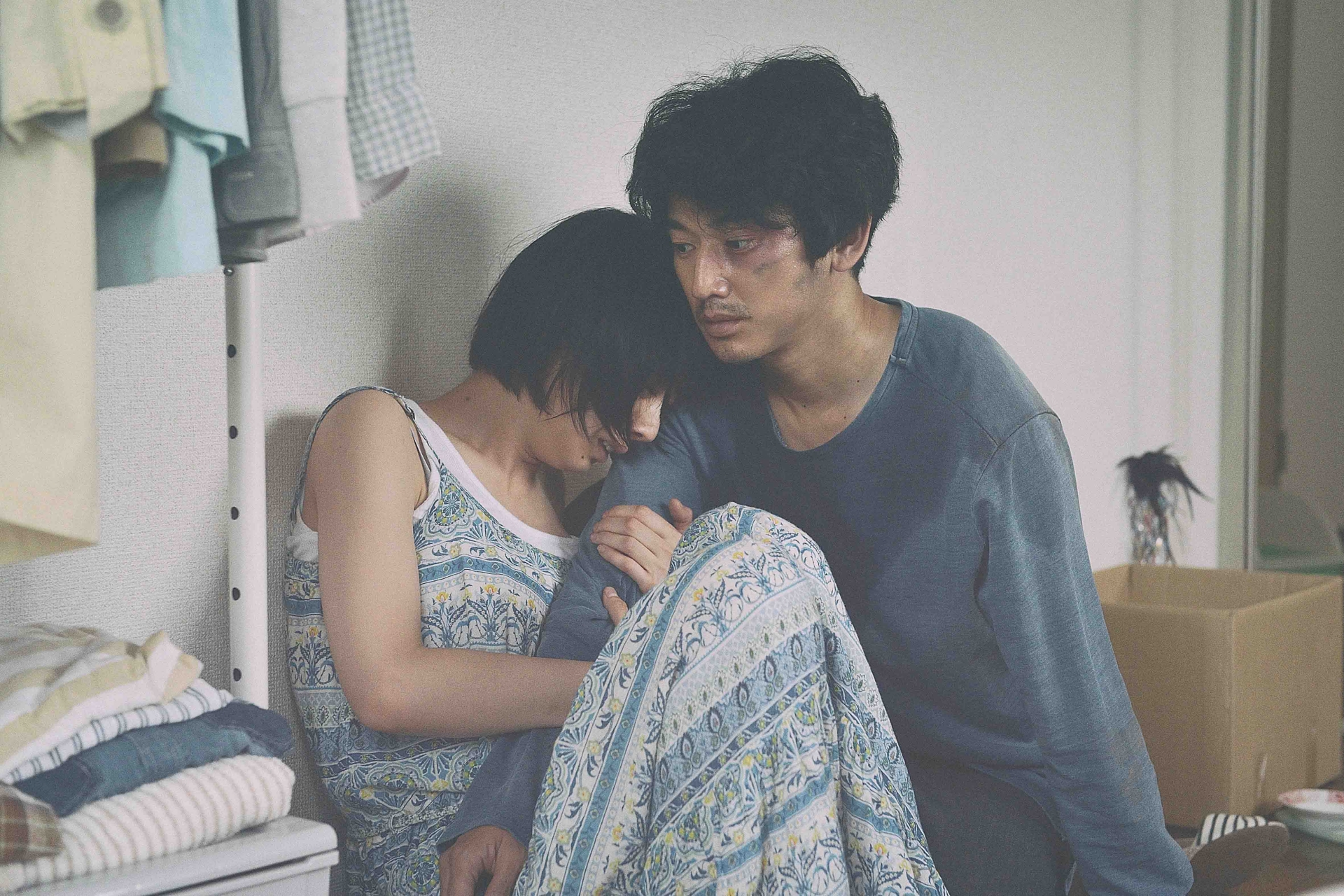 Toma Ikuta stars as a failed journalist working in a small factory who befriends an introverted co-worker (Eita) only to begin to suspect that he may be connected to a series of child murders 17 years previously. One of two films released by Takahisa Zeze (
 Charming fantasy adventure from Takashi Yamazaki adapting the popular 80s manga by Ryohei Saigan in which a newlywed eccentric author finds himself travelling to the underworld to retrieve his wife who has been taken there as a result of a bizarre clerical error (and a little yokai interference).
  Comedy drama from
 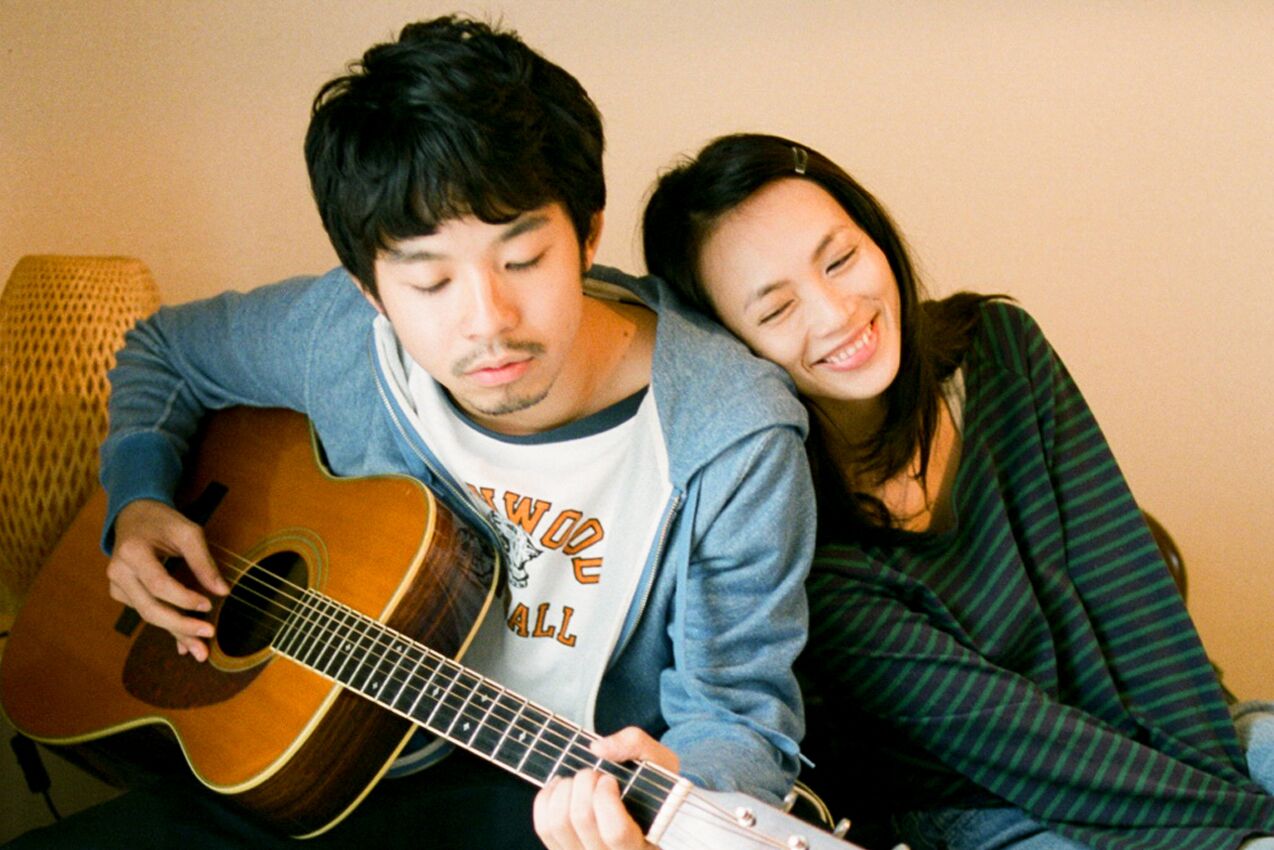 Tsuchida (Asami Usuda) has decided to financially support her singer-songwriter boyfriend Seiichi (Taiga) but he doesn’t know she’s supplementing her income with a part-time job at hostess bar to make ends meet. Meanwhile, her head is turned by an old flame (Joe Odagiri) in Masanori Tominaga’s adaptation of the popular manga by Kiriko Nananan.
 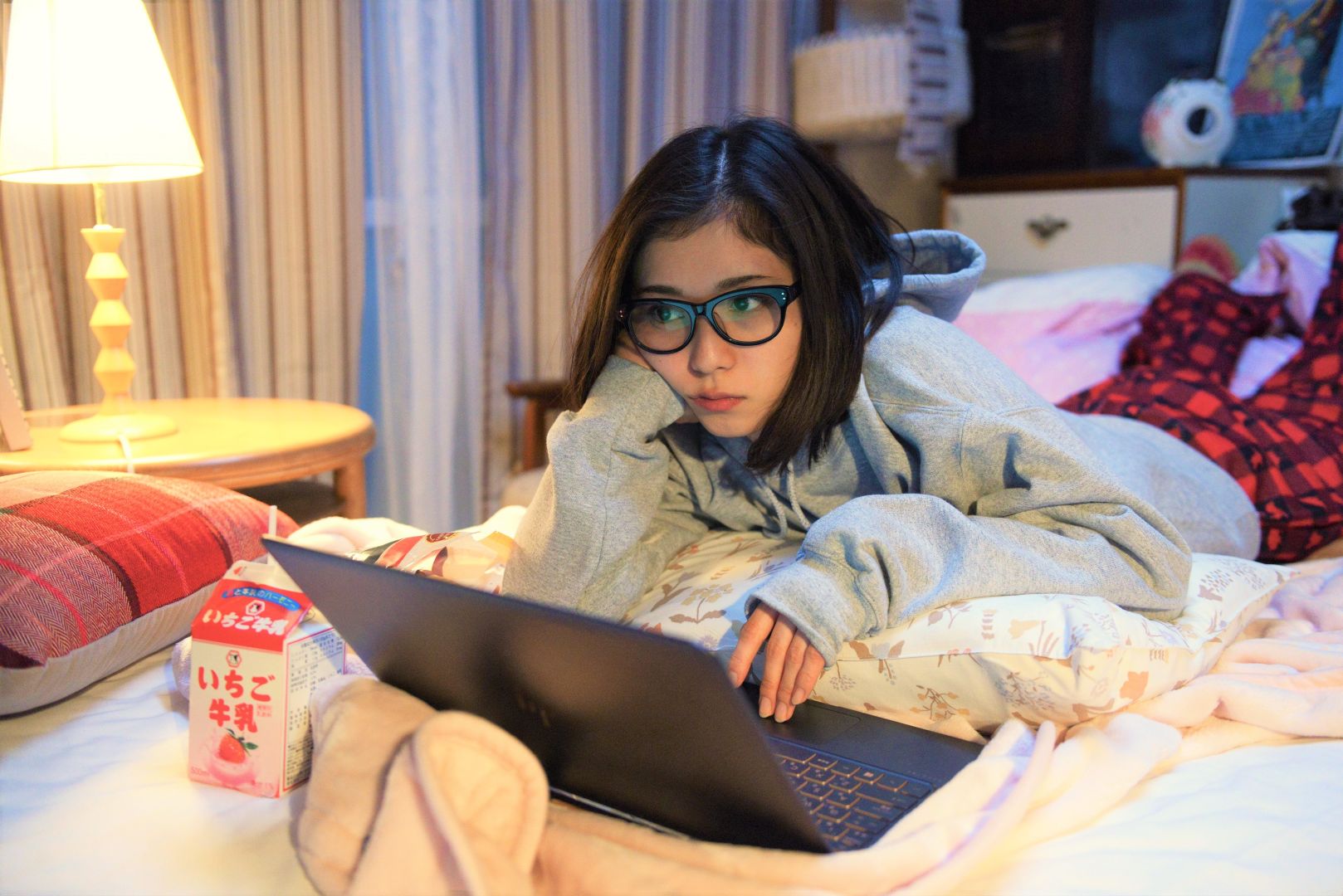 Intensely shy and socially awkward, 24-year-old Yoshika (Mayu Matsuoka) lives in a fantasy world and spends her free time engaging in her favourite hobby of looking up extinct animals on the internet. Harbouring a long standing crush on a middle-school classmate she nicknames “Ichi” (no. 1), her existence is shaken by the unexpected attention of a colleague she refers to as “Ni” (no. 2). An ultimately uplifting yet sometimes heartbreaking tale of learning to forget about anxiety and just live anyway from genre veteran Akiko Ohku.
 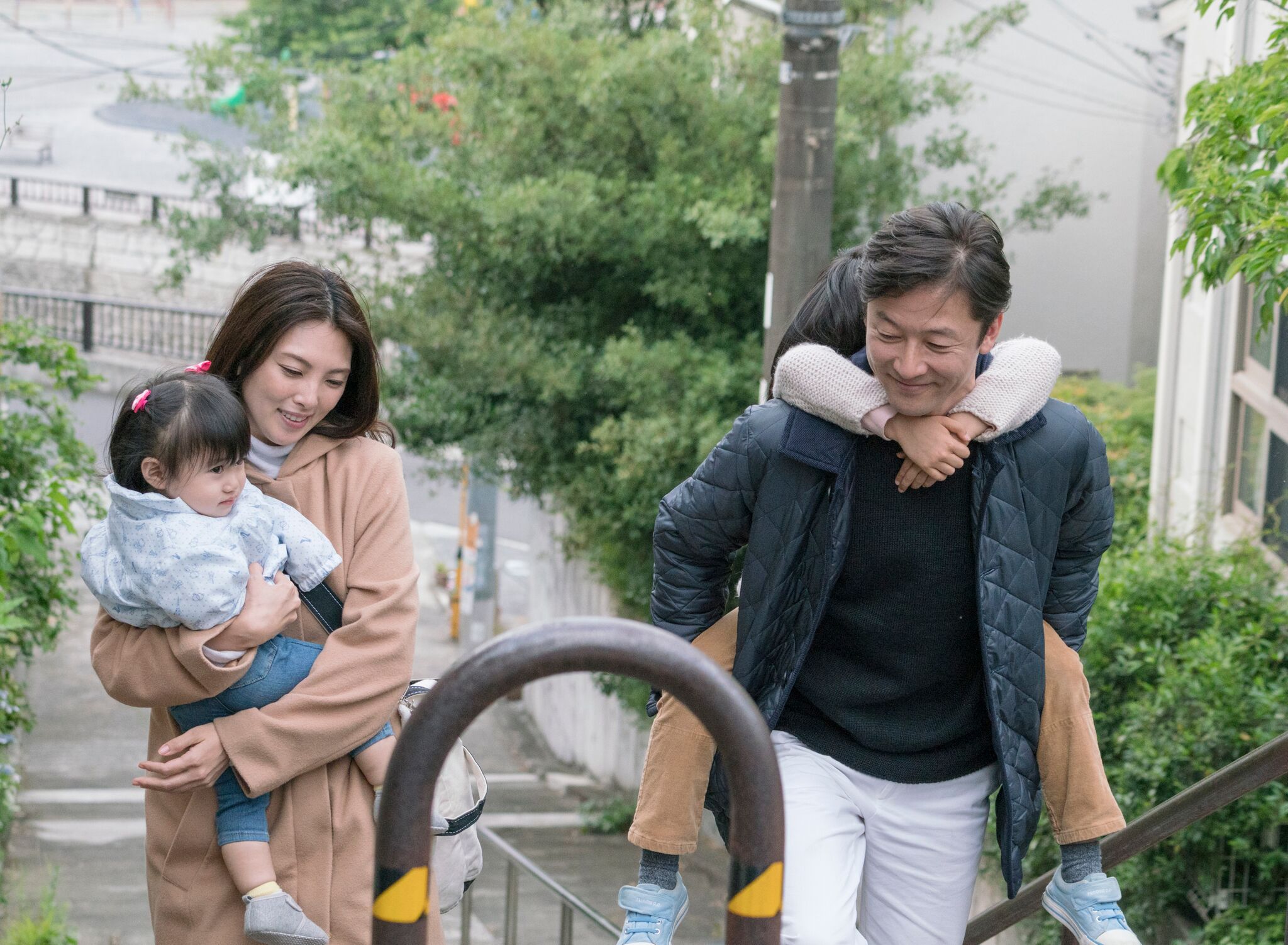 Tadanobu Asano stars as a man who’s taken the unusual decision to prioritise family life over career but finds himself conflicted when his second wife reveals she is pregnant with their first child in Yukiko Mishima’s empathic family drama.
 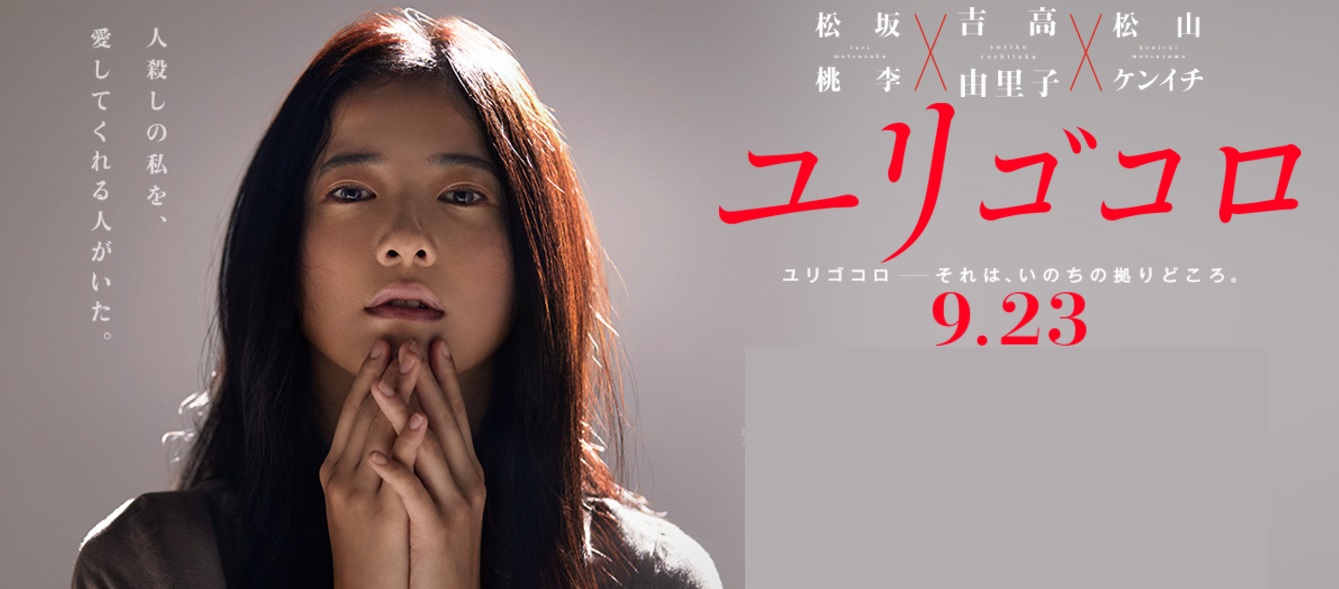 Ryosuke’s life is pretty great. He’s about to open his own restaurant and marry his beautiful fiancée Misako, but his happiness is soon ended when his father is diagnosed with late stage pancreatic cancer. Going through his belongings, Ryosuke finds a worrying entry in his father’s diary which implies he may have committed a murder. To make matters worse, Misako suddenly disappears without trace. Naoto Kumazawa adapts the bestselling novel by Mahokaru Numata.
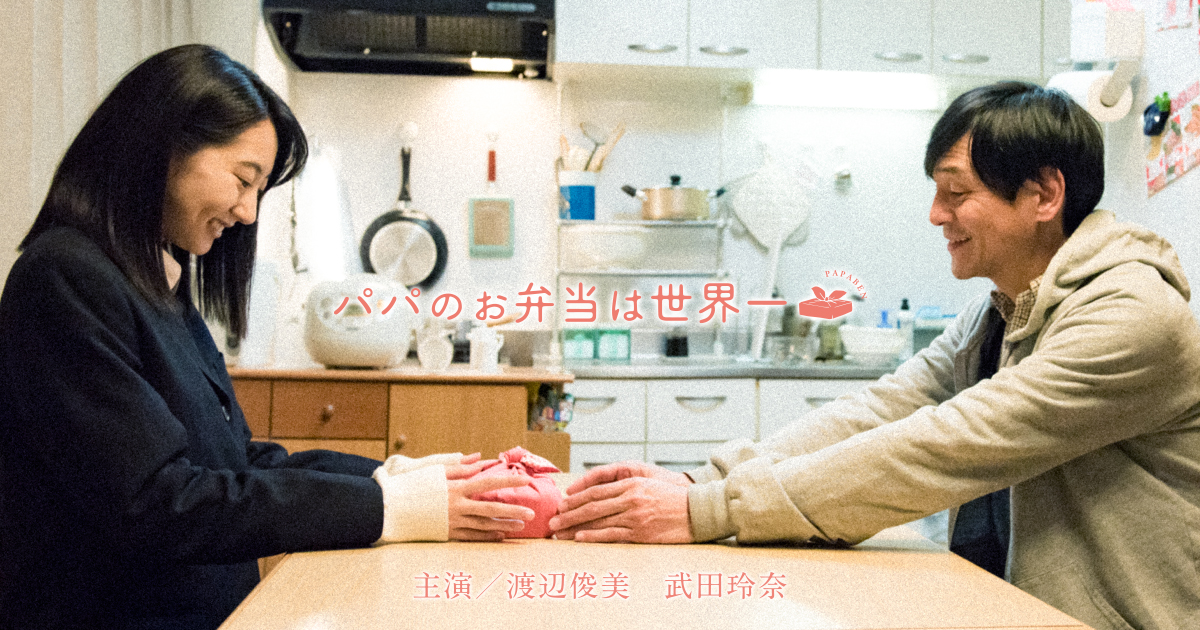 Inspired by a viral news story, Masakazu Fukatsu’s cheerful drama stars former hip hop idol Toshimi Watanabe in a role somewhat echoing his own life seeing as he too published a best selling book filled with pictures of the bento he lovingly crafted for his teenage son. Here he plays a divorced dad doing his best to master the traditionally female art of homemade lunch boxes.
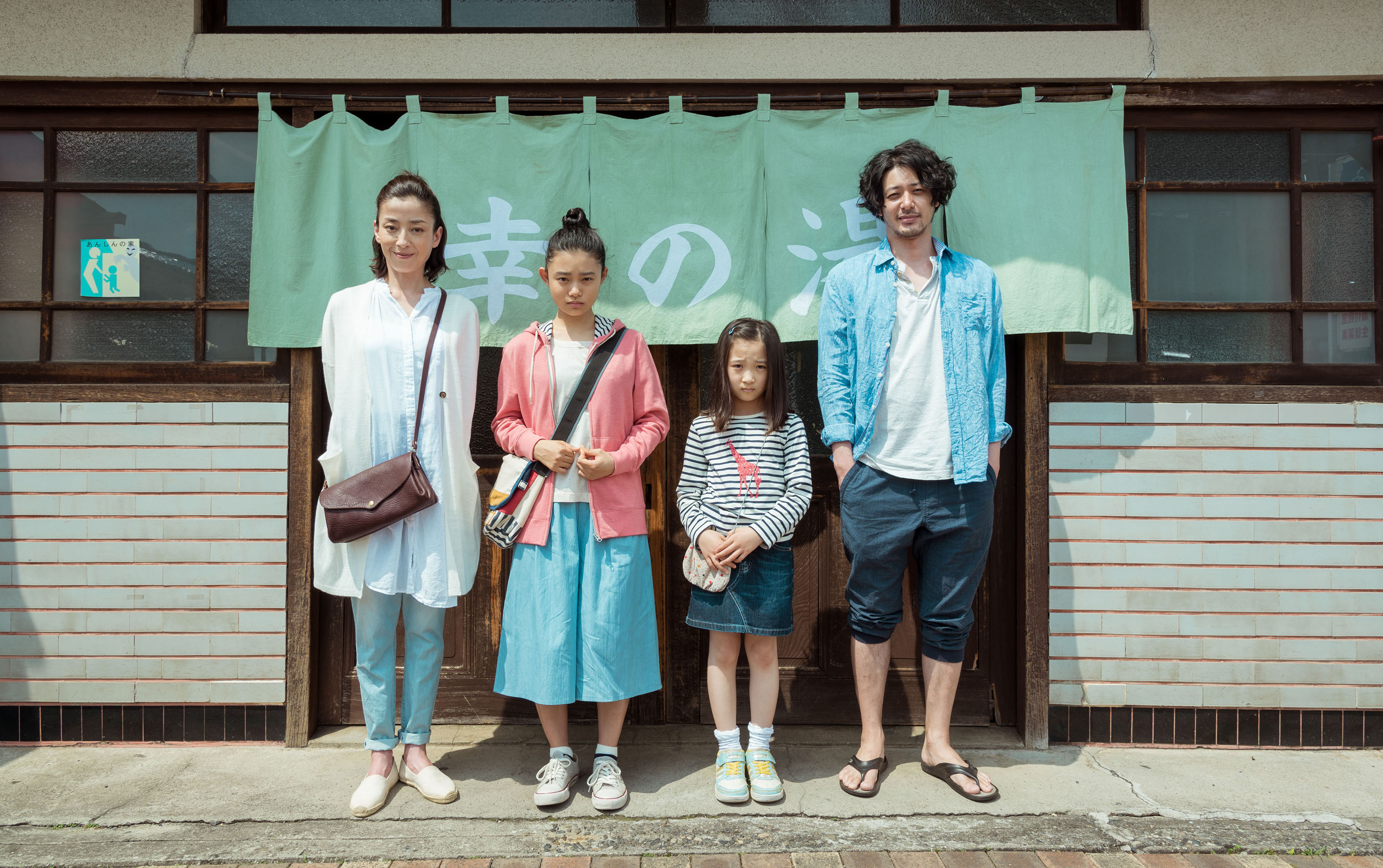 Capturing Dad’s Ryota Nakano turns his attention mum! Rie Miyazawa stars as a struggling recently single mother whose husband has run off with another woman that he supposedly got pregnant during a drunken one night stand. Diagnosed with terminal cancer, she sets herself to repairing her fractured family while also resurrecting the family bathhouse in the process.
 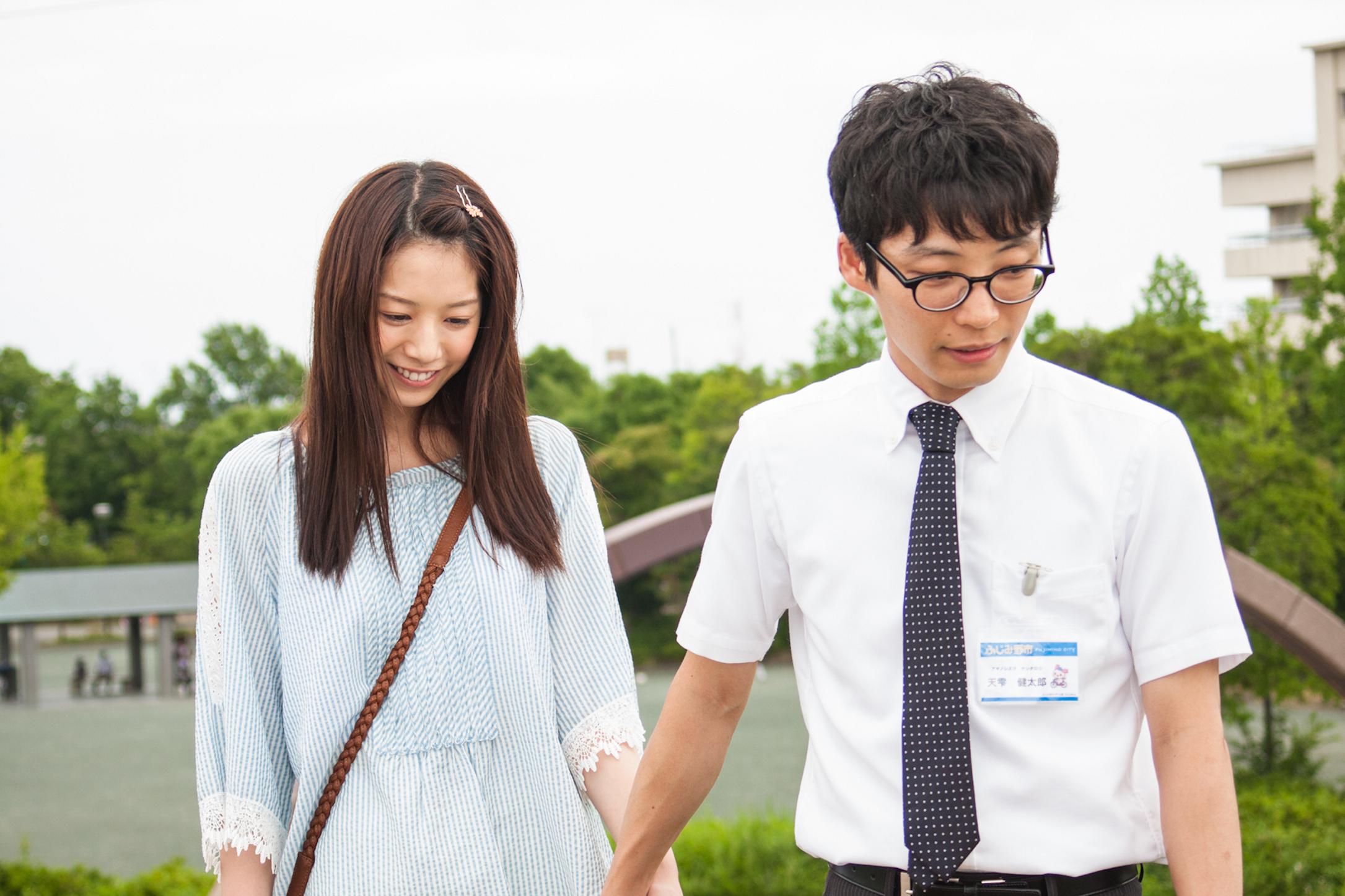 Kentaro, 30-something and single, lives a solitary and isolated life, showing little sign of finding a wife and settling down while his career continues to stagnate. Fearing he will be alone all his life, his parents decide to go to a support group for the similarly afflicted hoping to find a candidate for an arranged marriage. They find only one – Naoko, the daughter of a high ranking salaryman. Naoko’s parents do not disclose the fact that their daughter is blind and also disapprove of Kentaro whom they regard as socially inferior. Nevertheless the pair meet and fall in love but can they overcome the various obstacles to their romance?
 A small town decides to join a scheme to rehome ex-cons in order to combat rural depopulation but fearing that the local community might not accept the new arrivals if they knew where they came from, the authorities decide to keep it a secret. Prejudice and pragmatism go head to head in Daihachi Yoshida’s adaptation of the manga by Yamagami Tatsuhiko and Igarashi Mikio.
 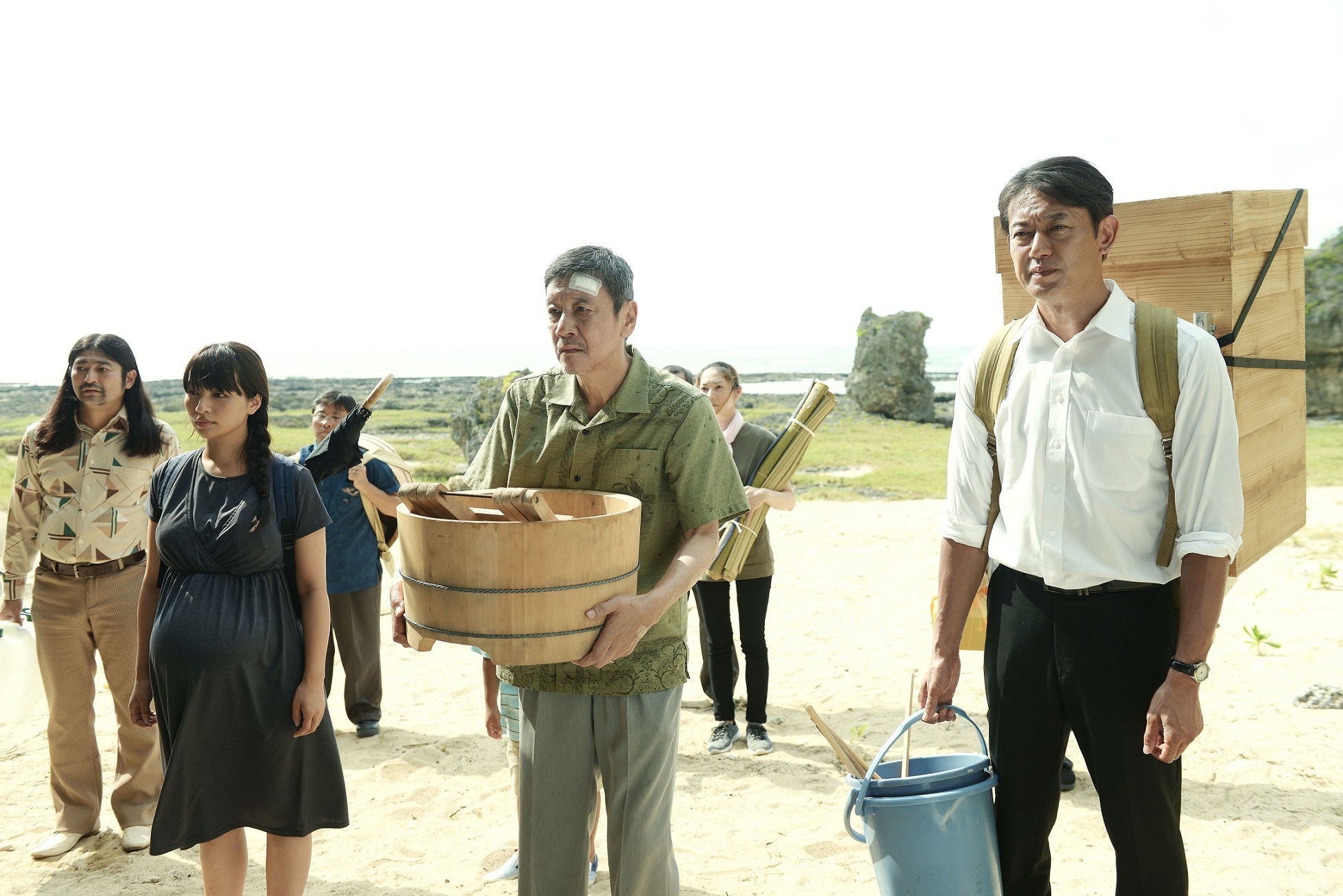 Unmarried pregnant daughter Yuko scandalises her community when she returns home to participate in the bone washing ritual in the second feature from Okinawan comedian Toshiyuki Teruya.
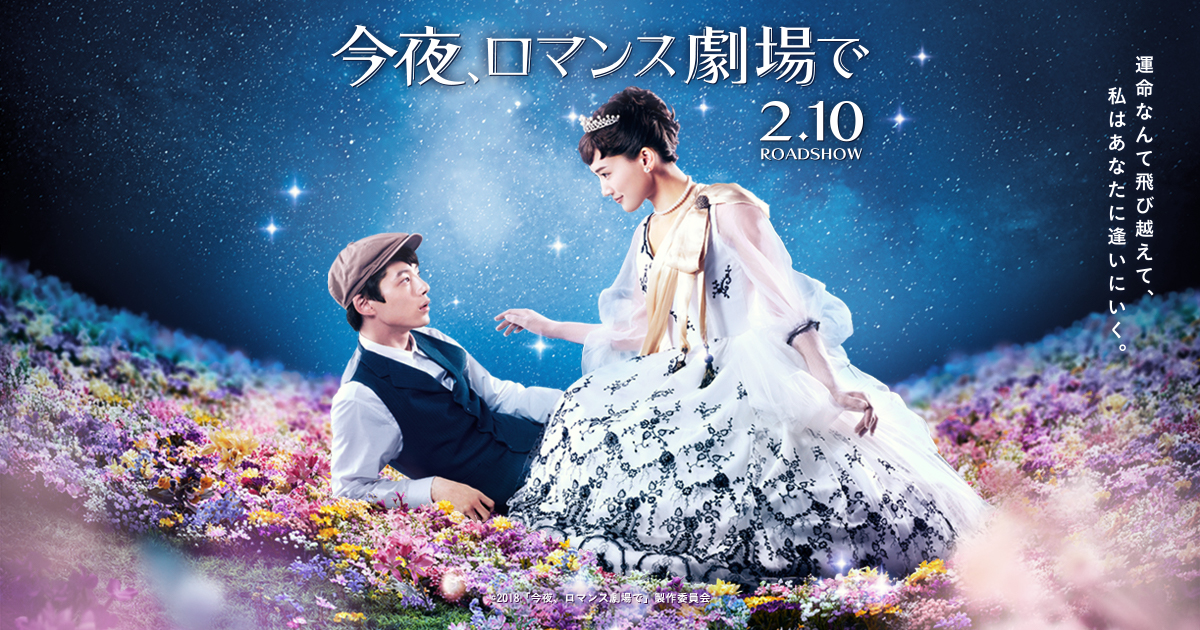 Haruka Ayase and Kentaro Sakaguchi star in a glitzy tribute to the world of golden age cinema! Sakaguchi plays a struggling assistant director failing to make it in the rapidly declining ’60s film industry while dreaming black and white dreams of a more glamorous era. Then, to his surprise, his favourite leading lady steps out of the silver screen and into his technicolor world…
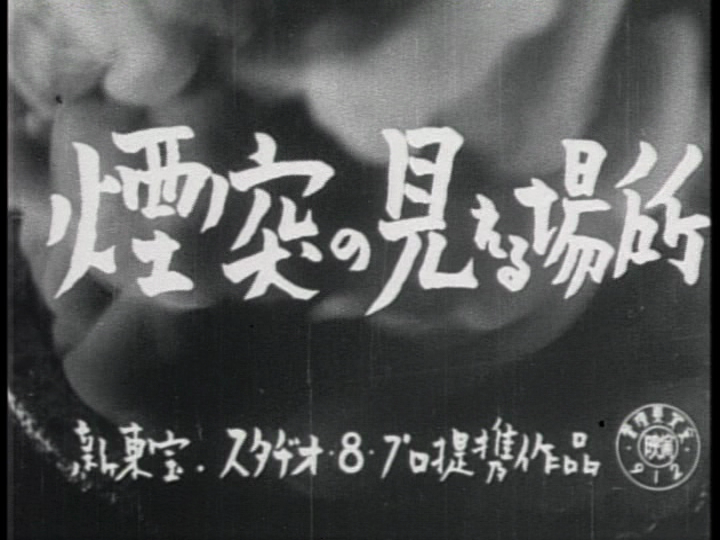 Classic from Heinosuke Gosho centring on a collection of people living in a shared house and attempting to survive in the complicated post-war landscape. Ogata (Ken Uehara) is happily married to Hiroko (Kinuyo Tanaka) but begins to doubt her when he learns that she has secretly taken a job at the bicycle races to supplement the family income while the unexpected arrival of an abandoned baby raises another series of questions.
 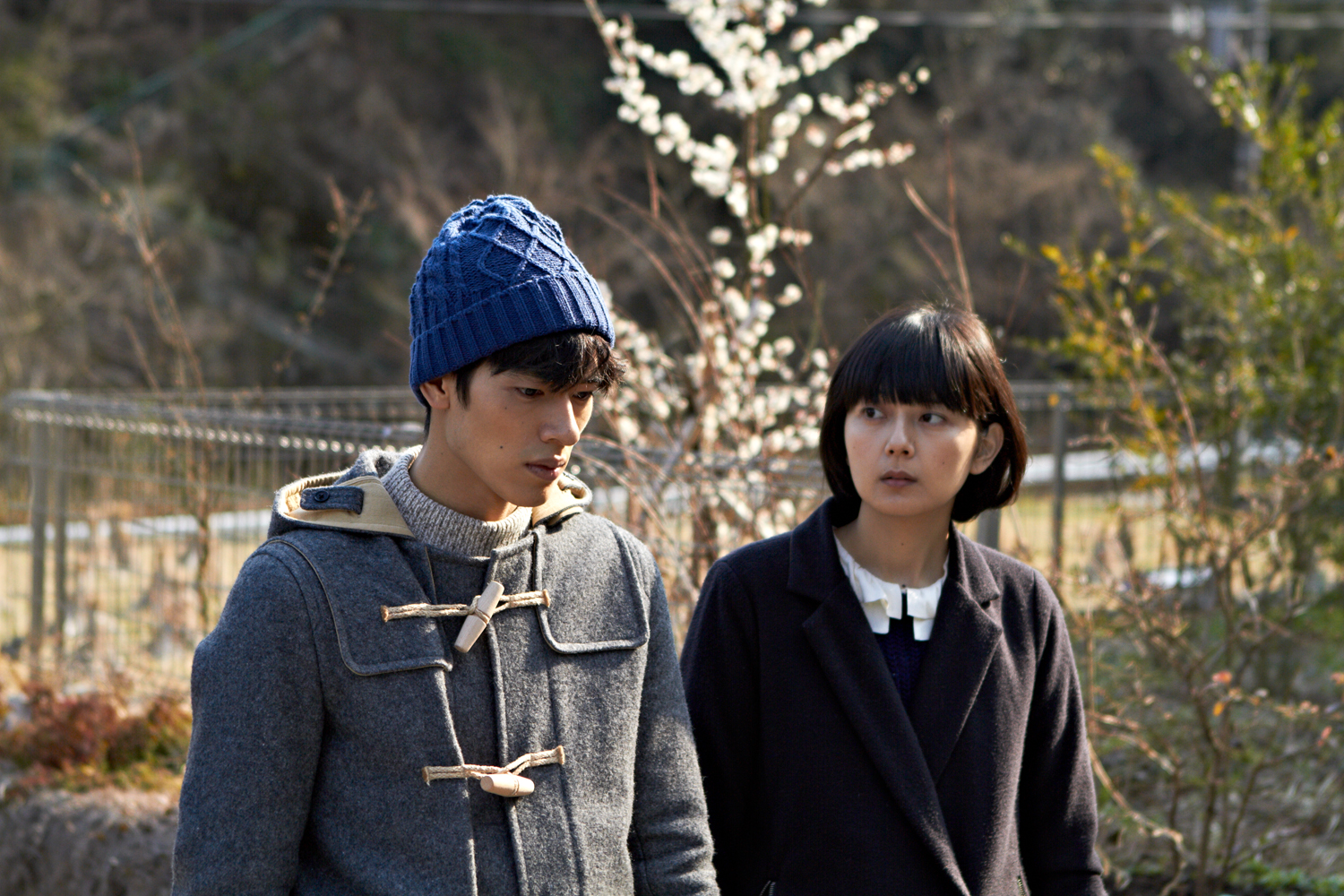 Midori and Masao are 28 years old and they’ve been a couple for four years. With the fire going out of their relationship they consider breaking up but then Midori discovers she is pregnant. Shotgun wedding in the offing, impending parenthood begins to bring them closer together as they finally take the time to get to know each other in the second feature from Yukiko Sode.
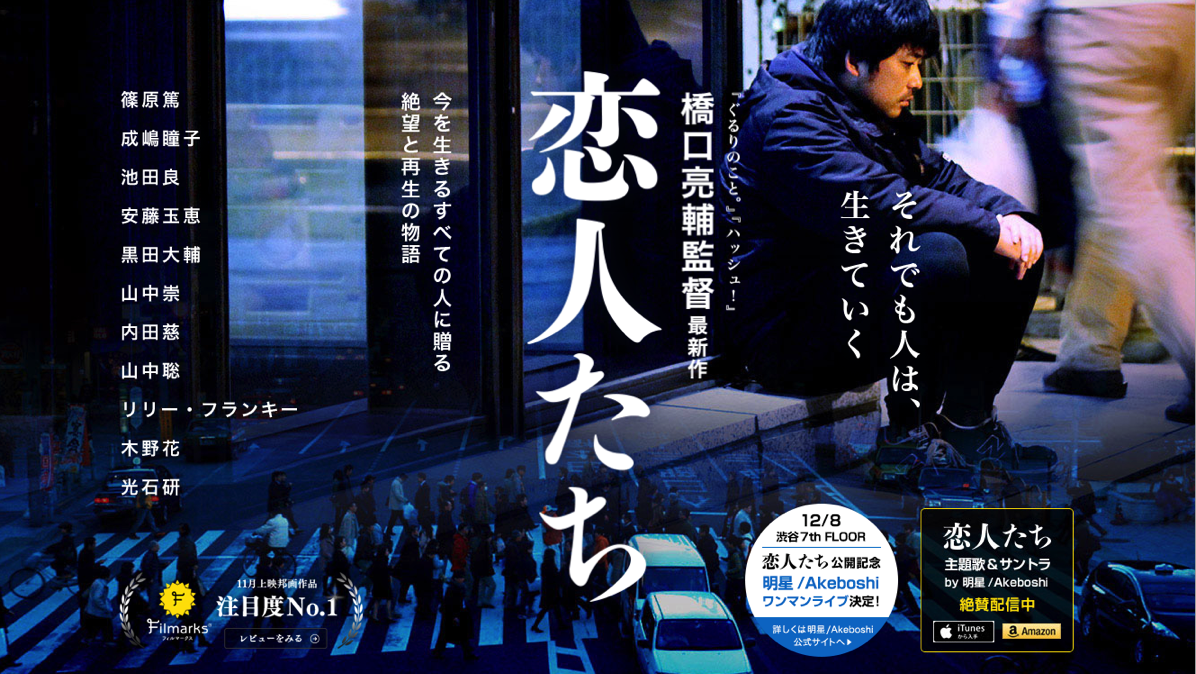 The most recent film from
 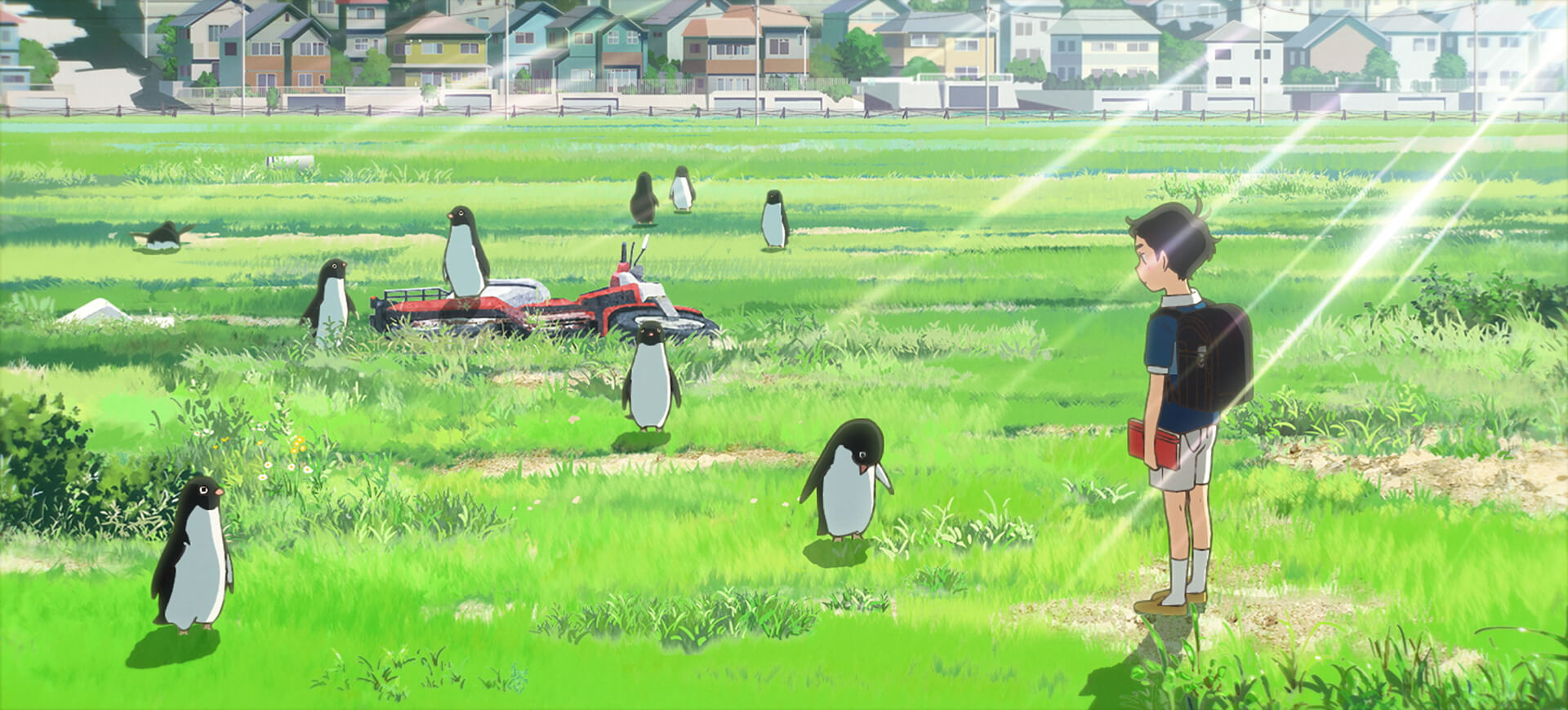 A hyperrational 10-year-old is puzzled by the sudden appearance of a bunch of random penguins in the middle of a hot Japanese summer and tries to solve the mystery all while nursing an adolescent crush on a pretty dental receptionist in Hiroyasu Ishida’s adaptation of the Tomihiko Morimi novel.
 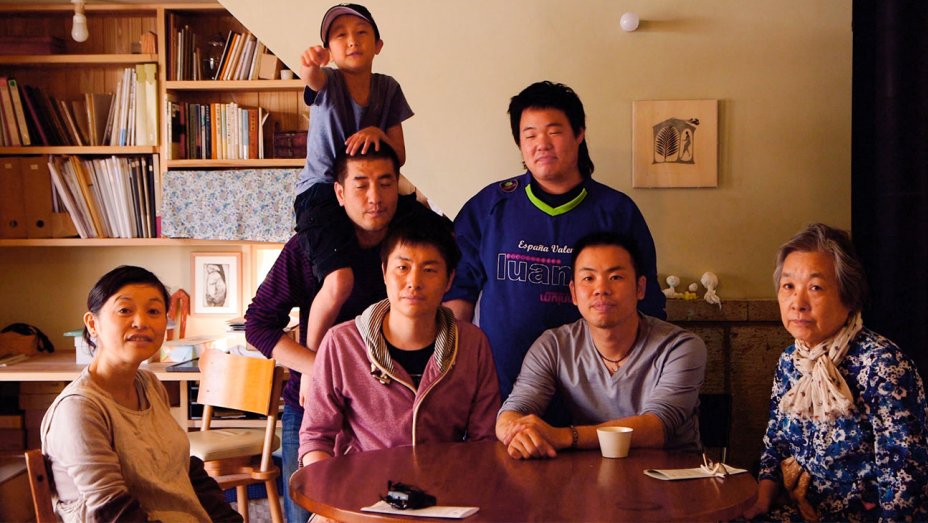 Love Hotel’s Hikaru Toda reunites with Fumi and Kazu who run a law firm in Japan specialising in minority issues and particularly those of the LGBT community.

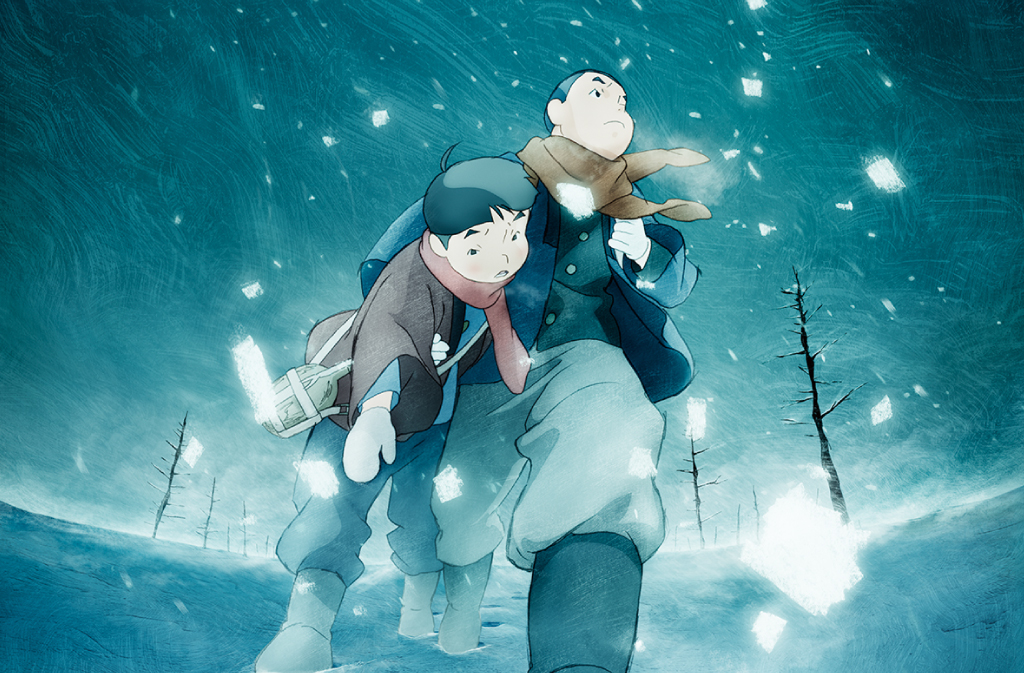 Heart rending animation inspired by Kenji Miyazawa’s classic Night on the Galactic Railroad. Brothers Junpei and Kanta face the loss of their home when the northern island of Shikotan is reclaimed by Russian troops in the aftermath of the second world war.
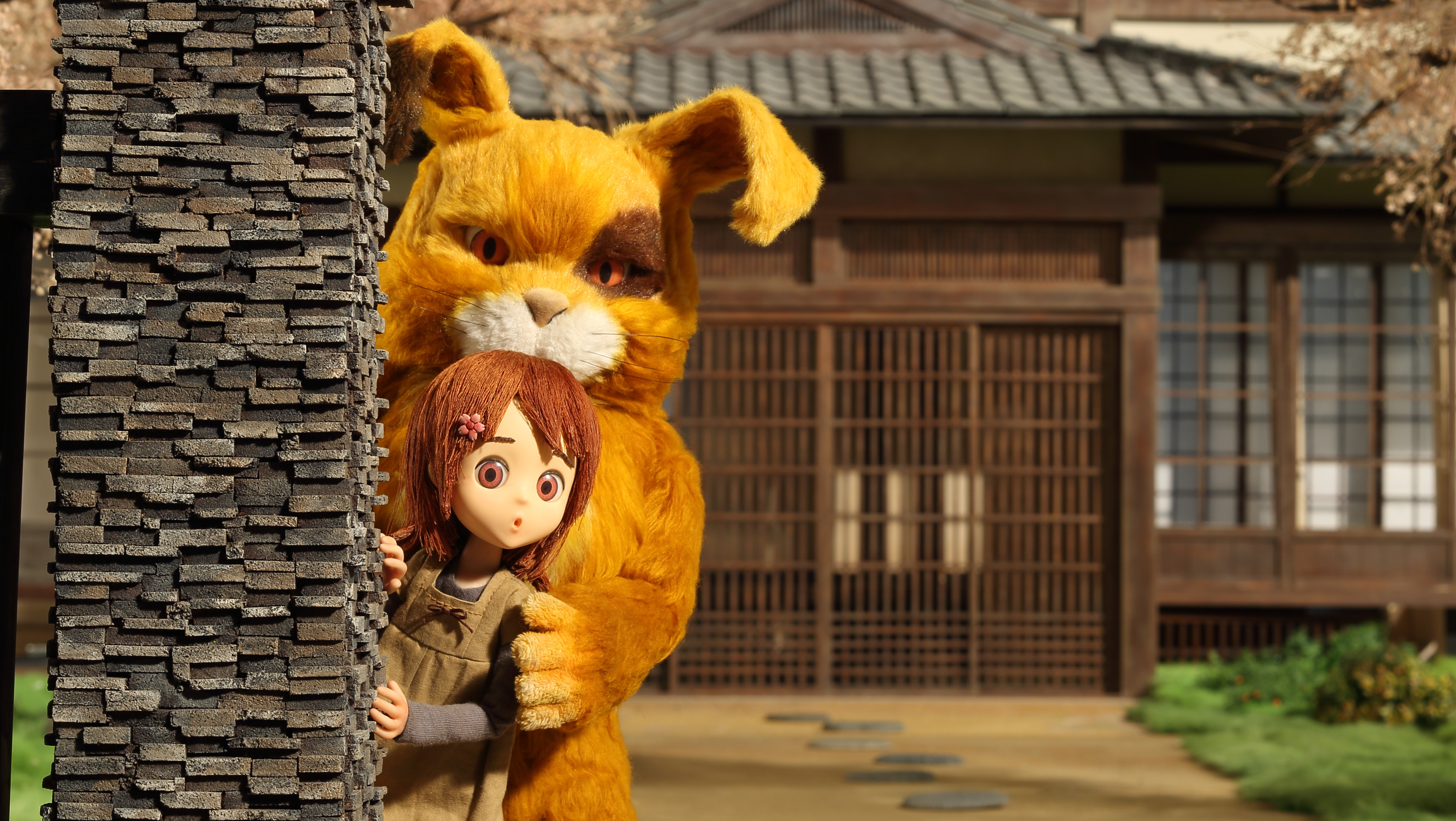 Charming puppet animation in which Chieri, who has recently lost her father, develops an intense bond with her stuffed toy, Cherry. Travelling to her grandmother’s house for her father’s funeral, Chieri experiences a fantastic adventure which helps her to cope with grief and fear of the future.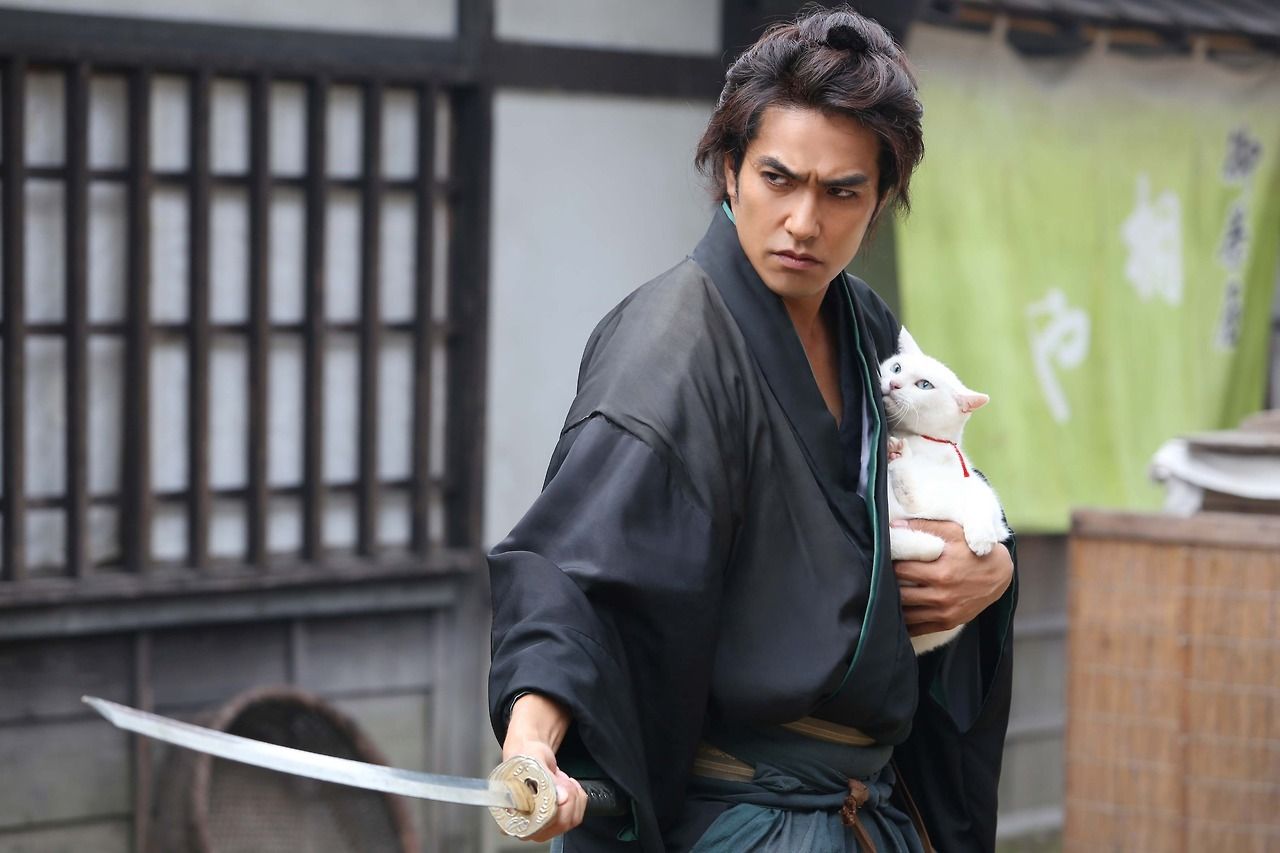



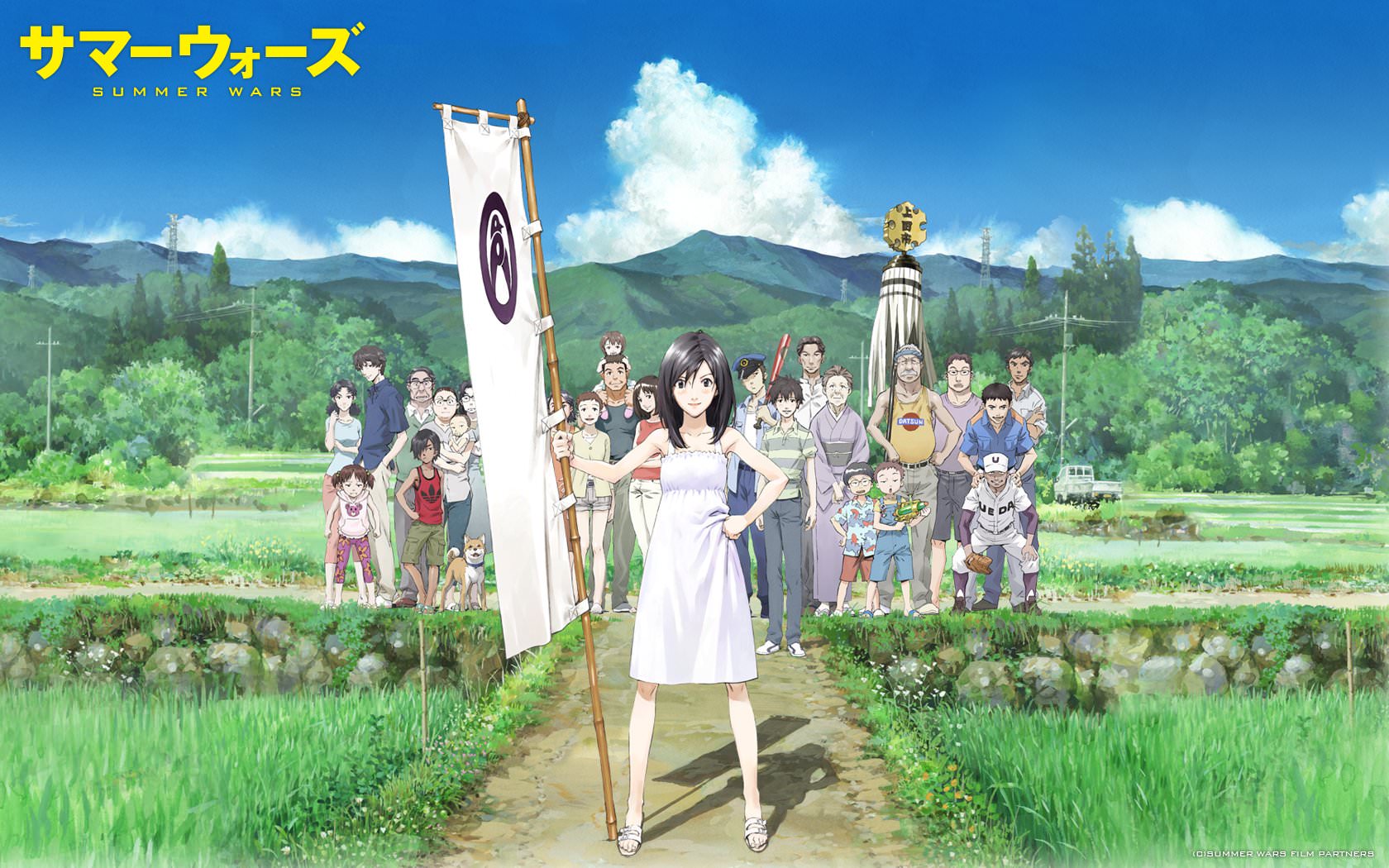

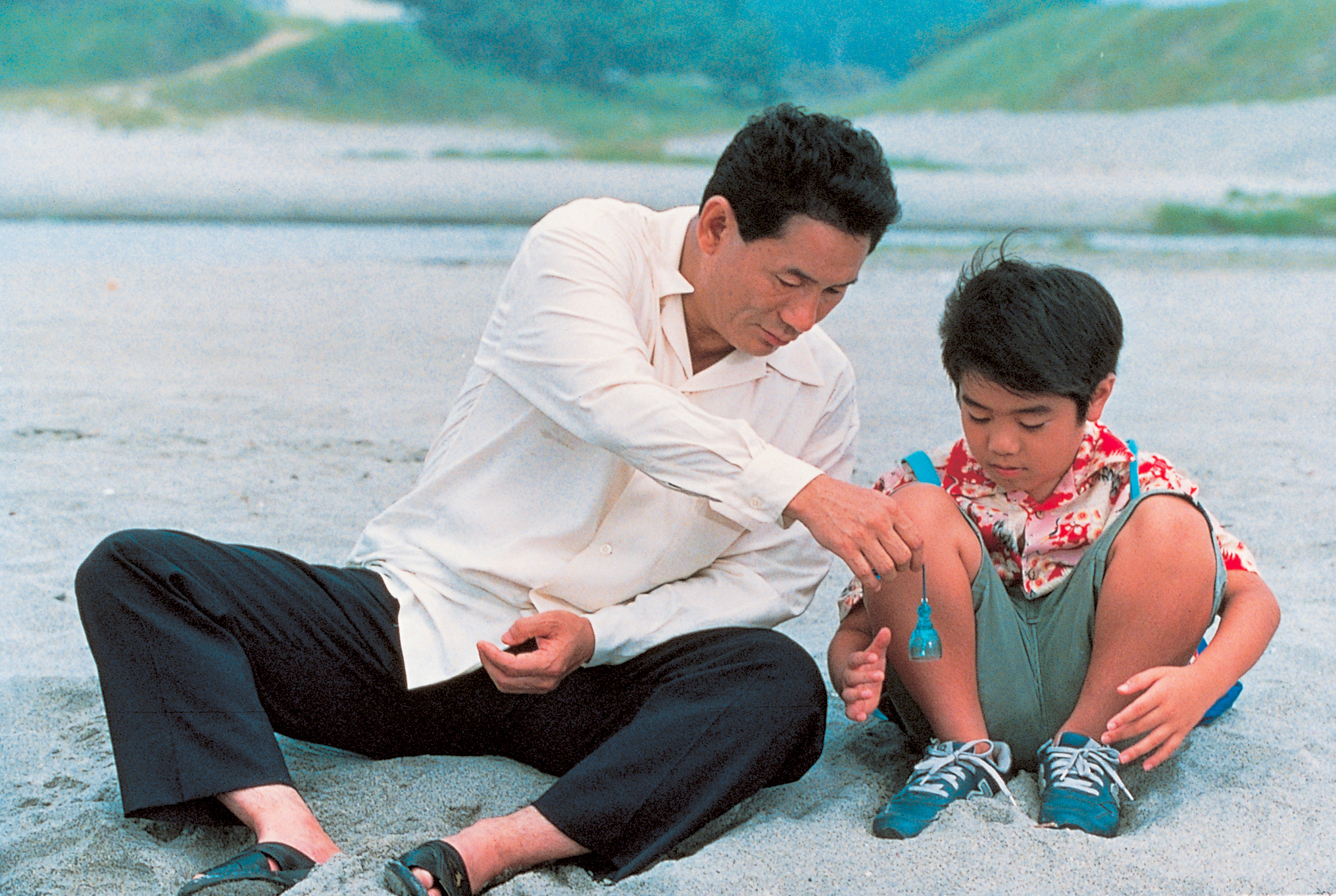 A summery treat indeed – Takeshi Kitano’s whimsical gem sees a grumpy middle-aged man forced to take a lonely little boy on a roadtrip to track down his long absent mum whilst also dealing with his own complicated family legacies.
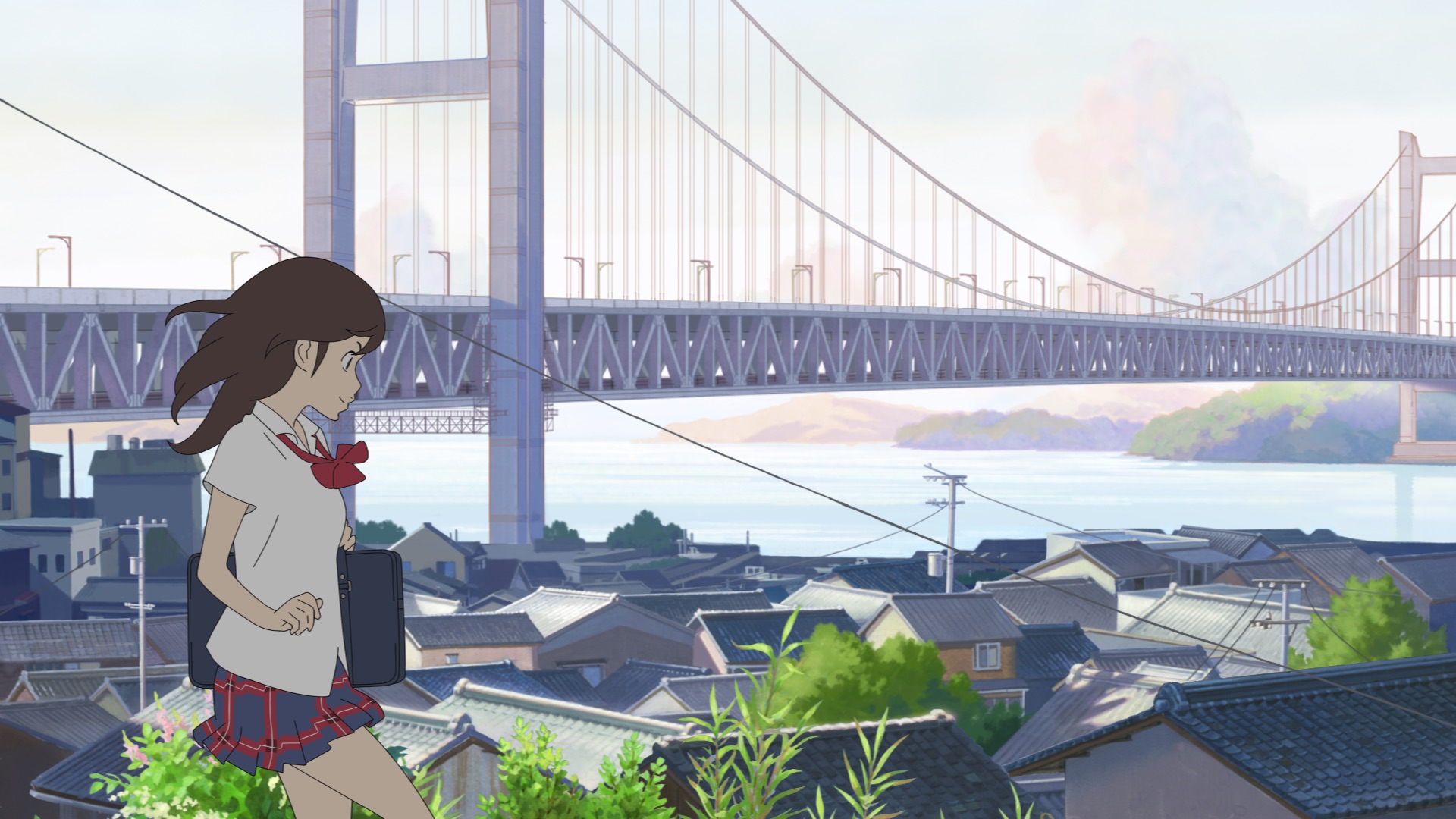
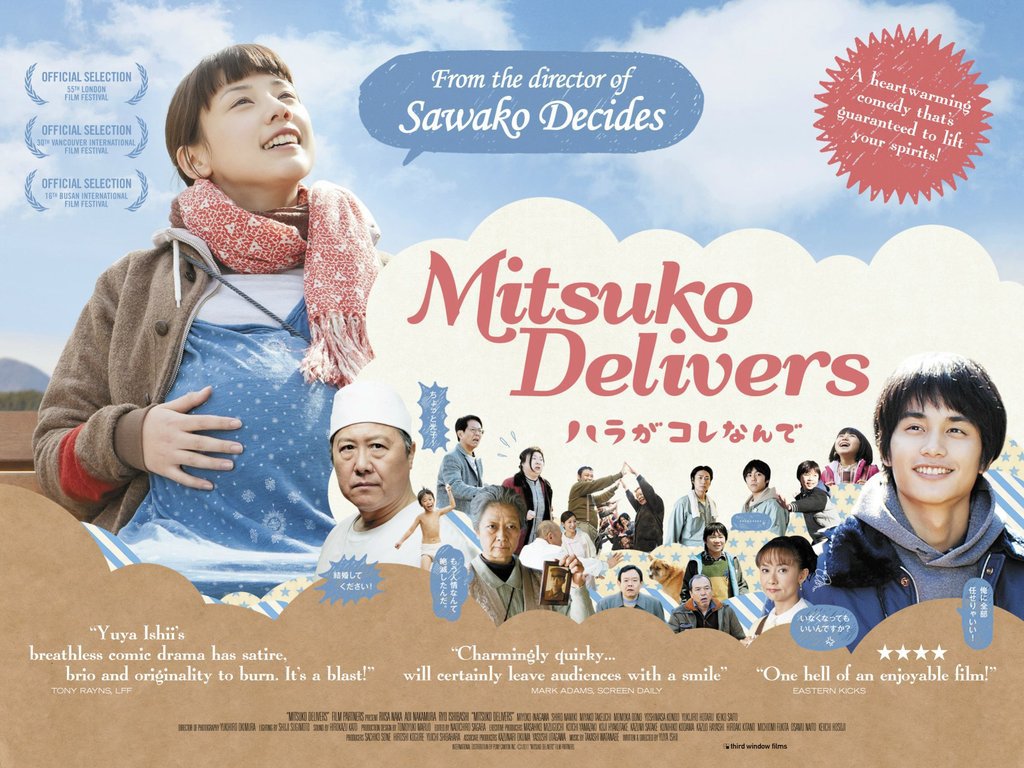 Mitsuko, a cheerful woman who likes to help people, has returned to Japan pregnant, broke, and alone after being abandoned by her American boyfriend. Going where the wind blows her, Mitsuko ends up returning to her home town and letting it all hang out while she solves everyone else’s problems in one of Yuya Ishii’s early whimsical comedies.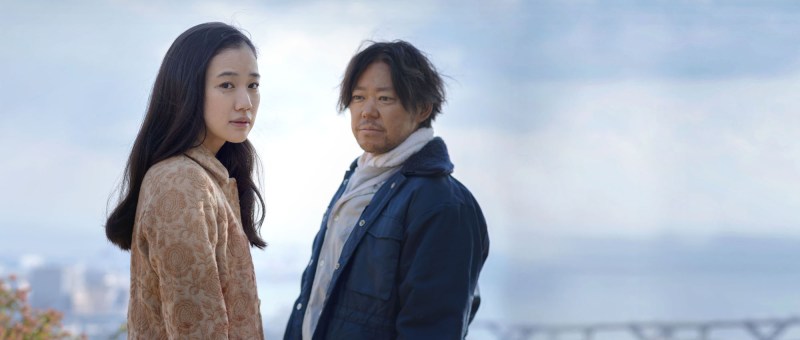
 The
The  Yo Oizumi stars as a high school teacher investigating the disappearance of a friend in another darkly comic, twist filled farce from Kenji Uchida (
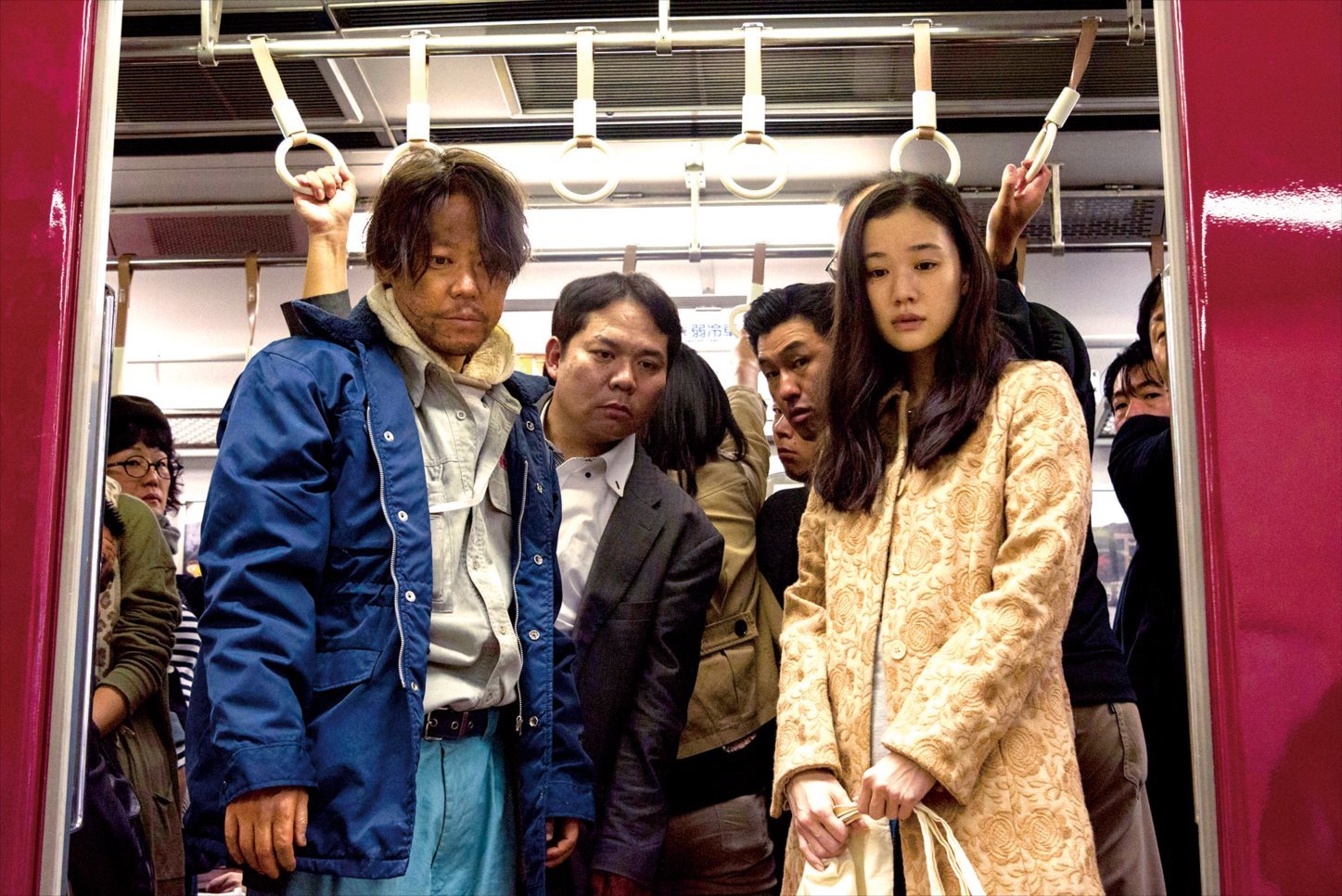 Kazuya Shiraishi (
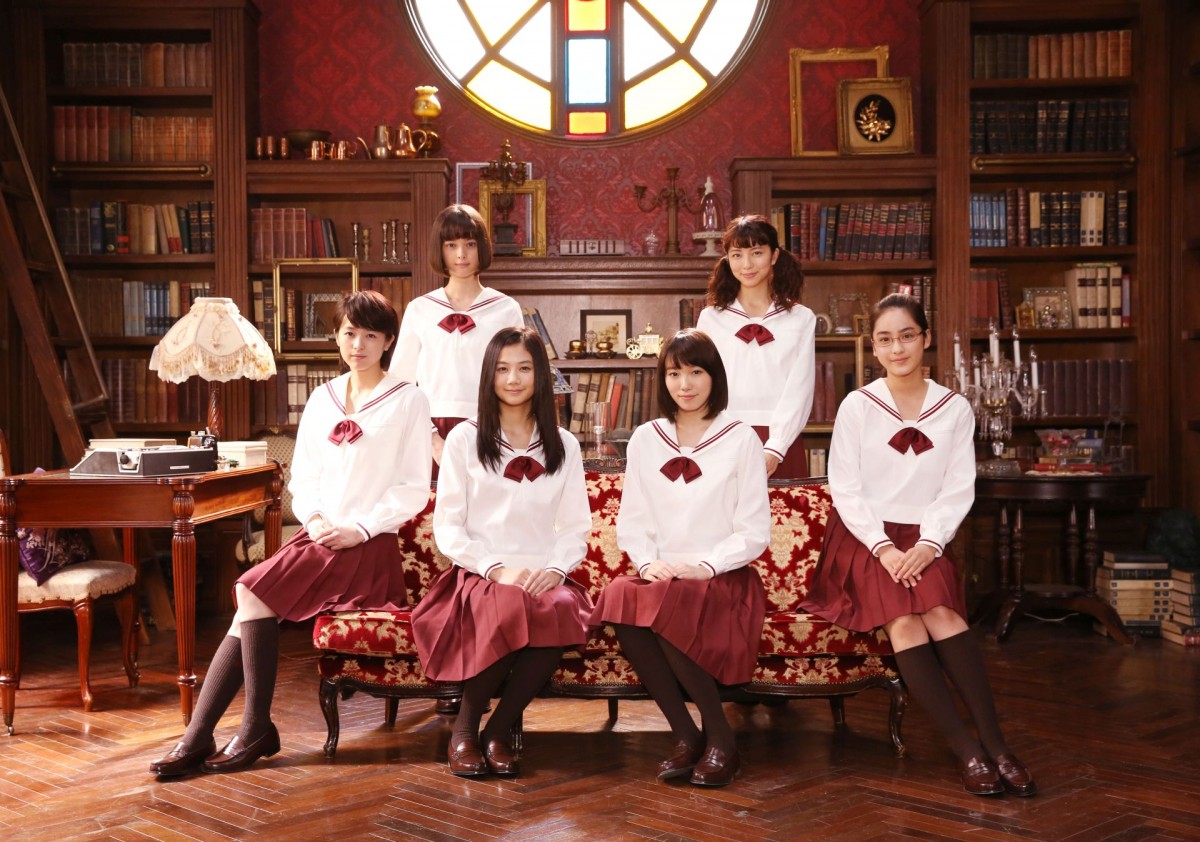 When a schoolgirl falls off a roof foul play is suspected. Who better to investigate than her fellow members of the literature club at an elite academy catering to the daughters of the rich and famous?
 A young reporter (Satoshi Tsumabuki) investigates the brutal murder of a model family whilst trying to support his younger sister (Hikari Mitsushima) who is currently in prison for child neglect while his nephew remains in critical condition in hospital. Interviewing friends and acquaintances of the deceased, disturbing truths emerge concerning the systemic evils of social inequality.
 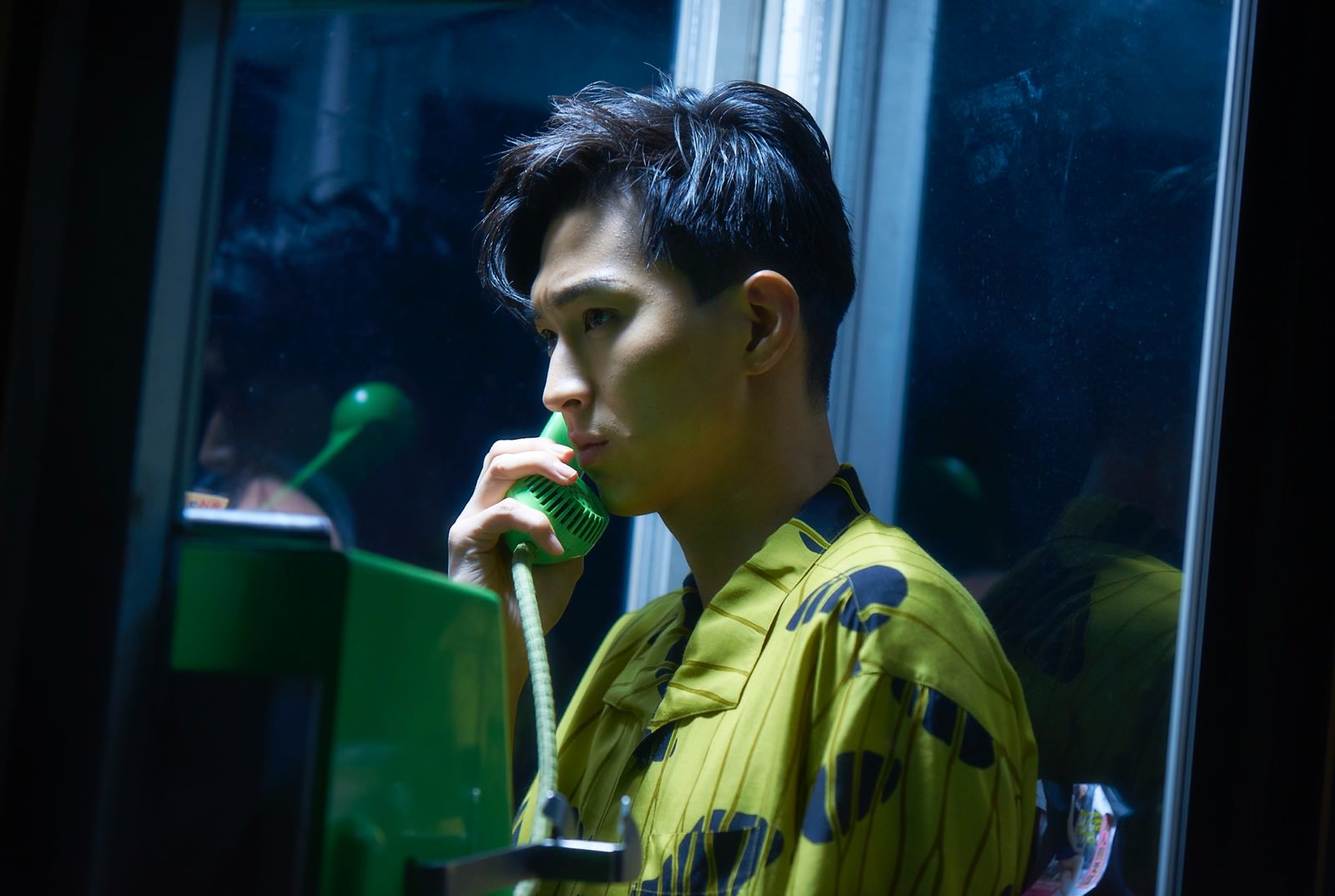 Based on a best selling romantic novel which captured the hearts of readers across Japan, Initiation Love sets out to expose the dark and disturbing underbelly of real life romance by completely reversing everything you’ve just seen in a gigantic twist five minutes before the film ends…
 A young woman goes missing and unwittingly becomes the face of a social movement in Daigo Matsui’s anarchic examination of a misogynistic society.
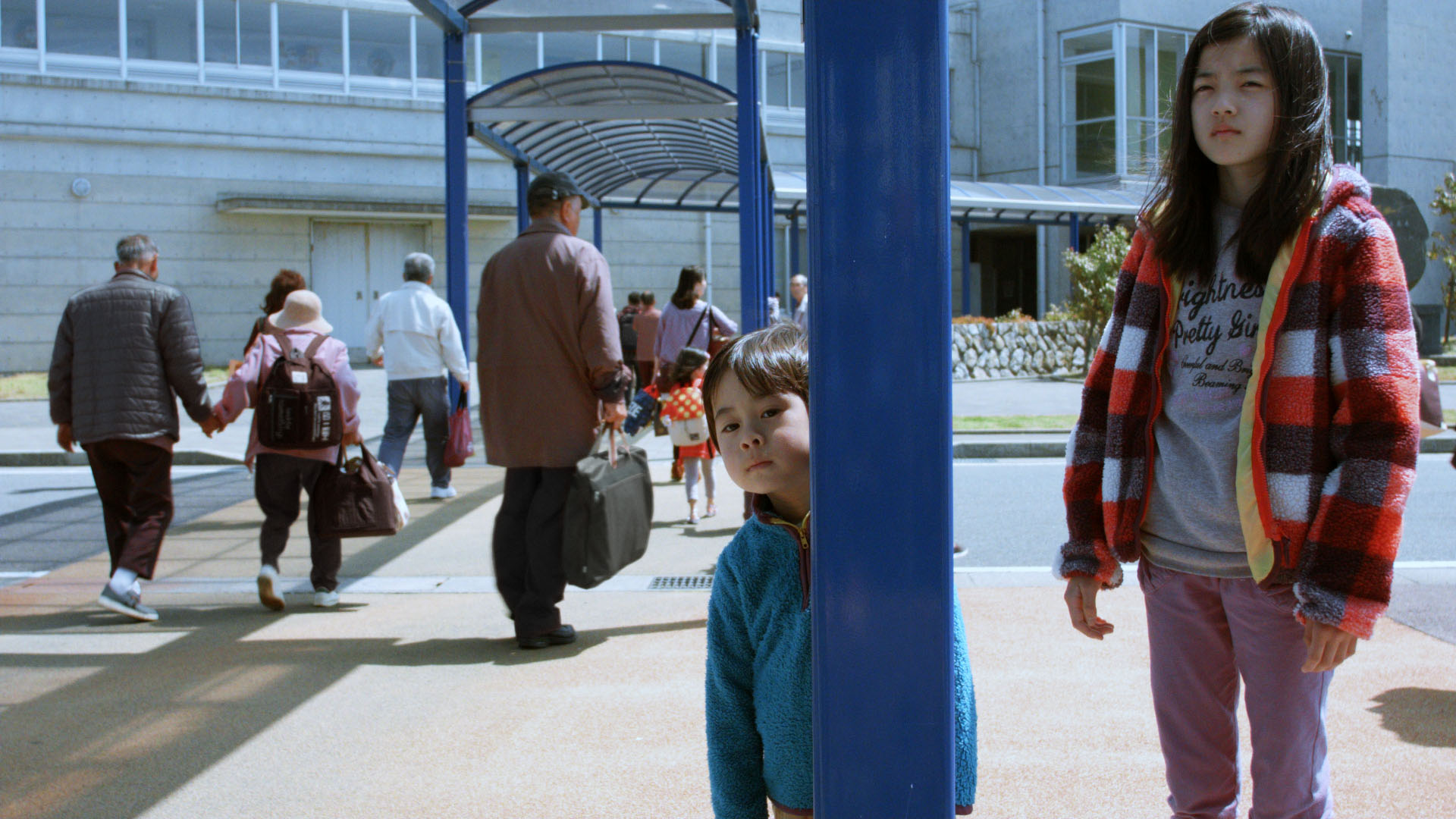 A brother and sister are orphaned after a natural disaster and taken in by relatives but struggle to come to terms with the aftermath of such great loss.
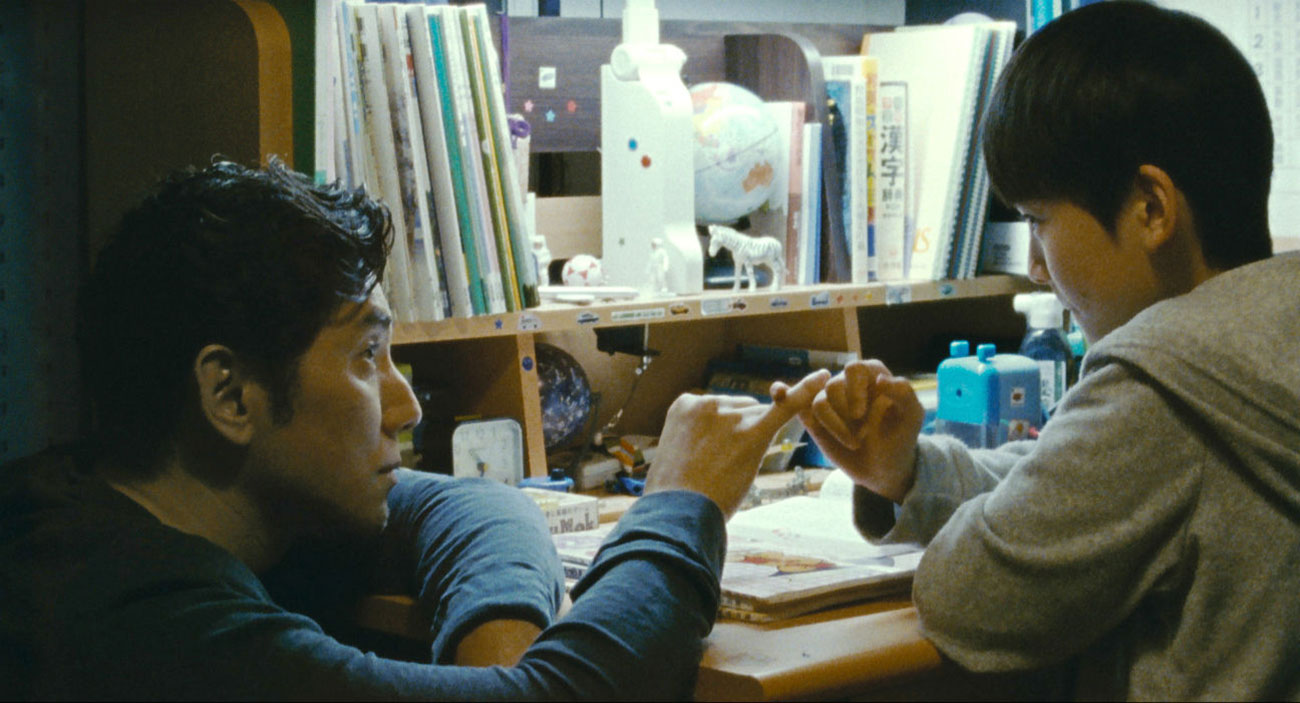 Miwa Nishikawa adapts her own novel in which a self-centred novelist is forced to face his own delusions when his wife is killed in a freak bus accident.
 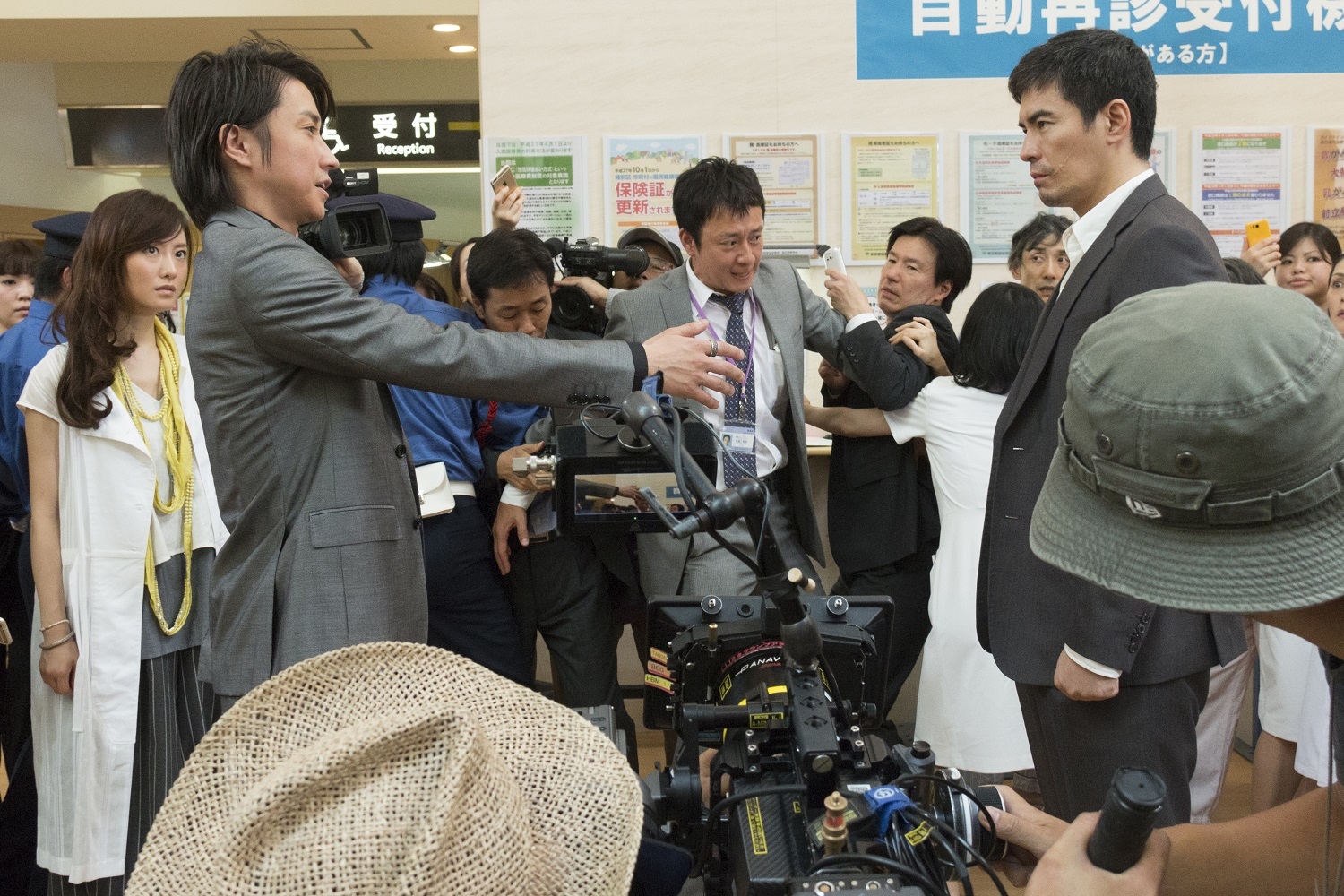 When the statute of limitations passes on a series of unsolved murders, a mysterious man (Tatsuya Fujiwara) suddenly comes forward and confesses while the detective (Hideaki Ito) who is still haunted by his inability to catch the killer has his doubts in Yu Irie’s adaptation of Jung Byoung-Gil’s Korean crime thriller Confession of Murder.
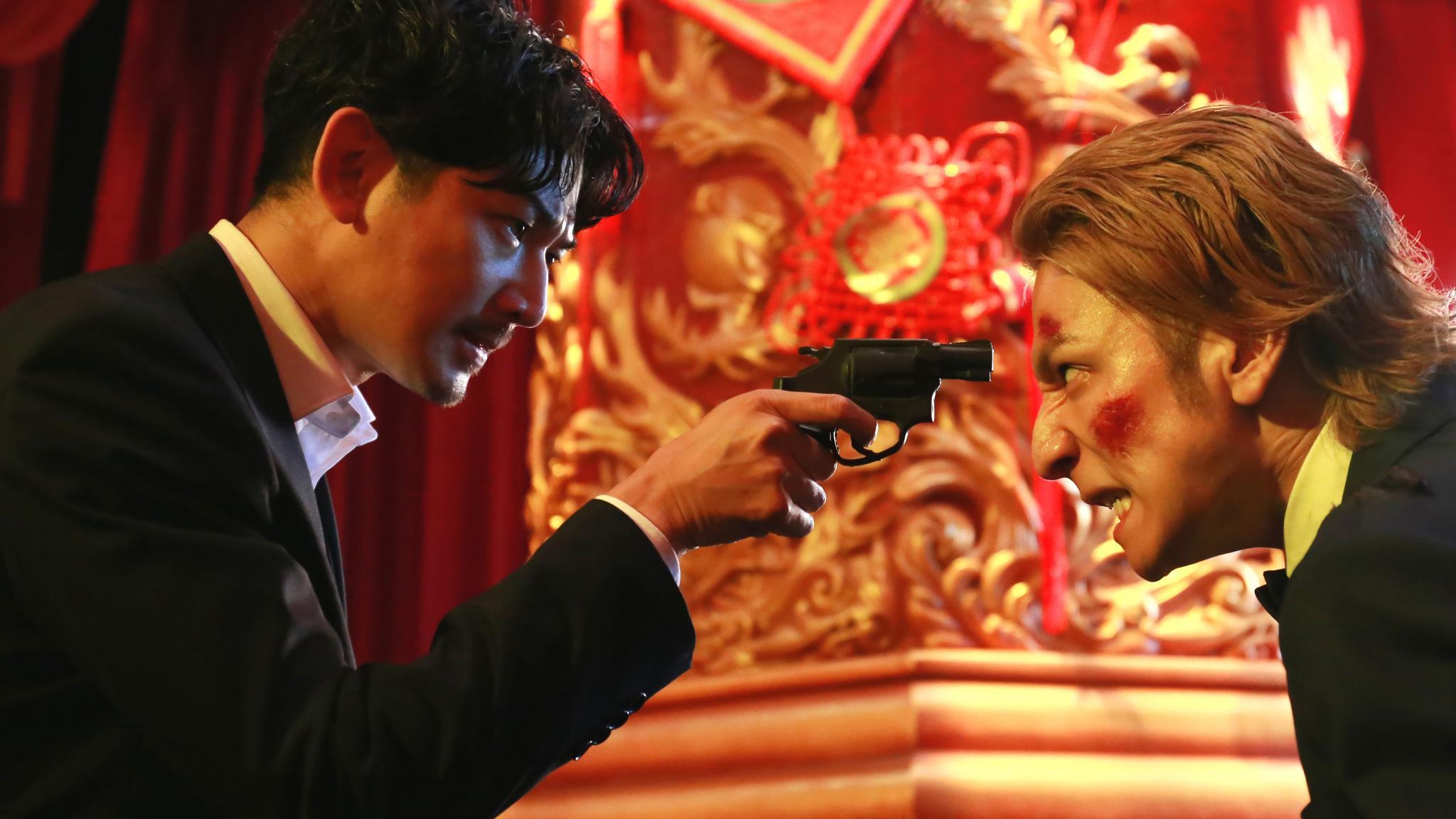 Toma Ikuta stars as maverick cop Reiji in Takashi Miike’s madcap manga adaptation. Reiji has been kicked off the force for trying to arrest a councillor who was molesting a teenage girl but gets secretly rehired to go undercover in Japan’s best known yakuza conglomerate.
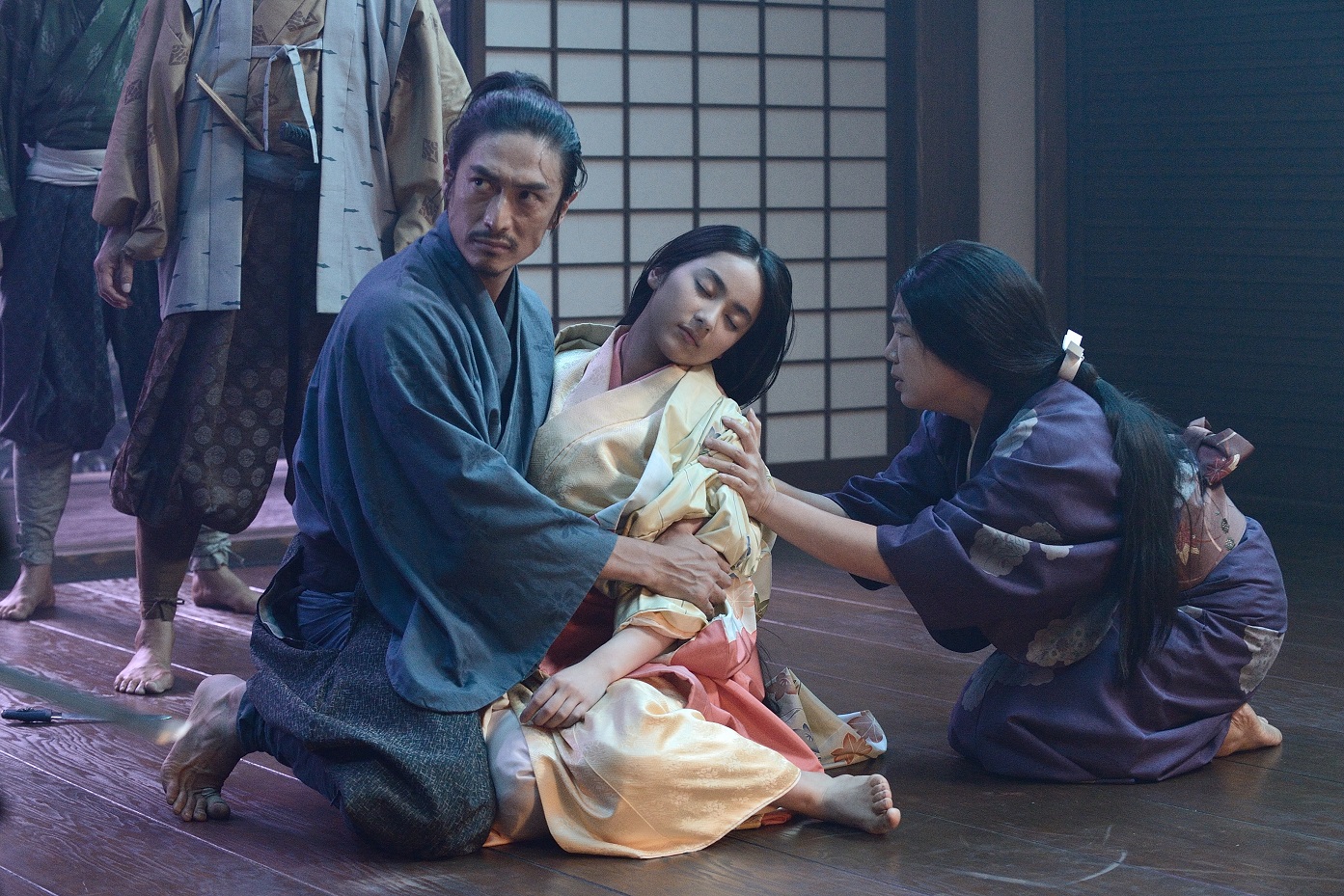 Yoshihiro Nakamura (
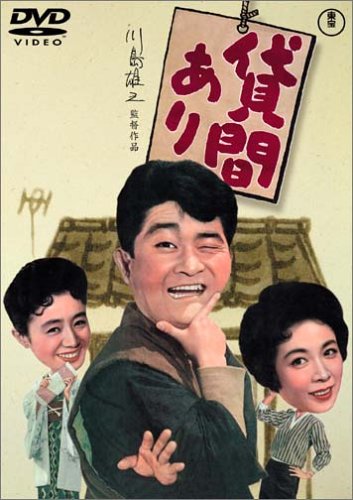 Yuzo Kawashima would have turned 100 in 2018. A comic tale of life on the Osakan margins, Room For Let is a perfect example of the director’s well known talent for satire and stars popular comedian Frankie Sakai as an eccentric writer/translator-cum-konnyaku-maker whose life is turned upside down when a pretty young potter moves into the building.
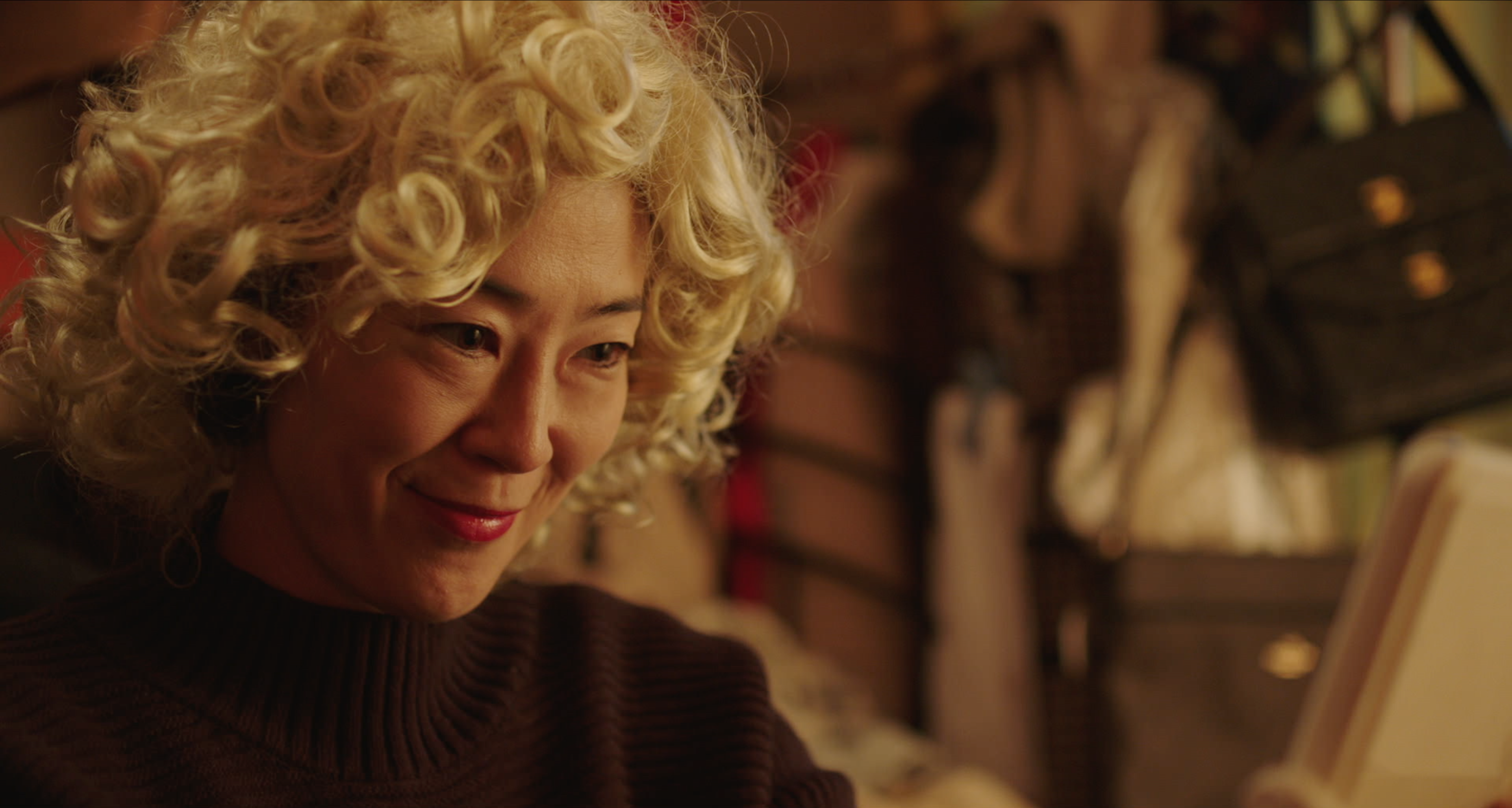 Embittered 55 year old OL Setsuko gets a new lease on life when introduced to an unusual English conversation teacher, John, who gives her a blonde wig and rechristens her Lucy. “Lucy” falls head over heels for the American stranger and decides to follow him all the way to the states…
 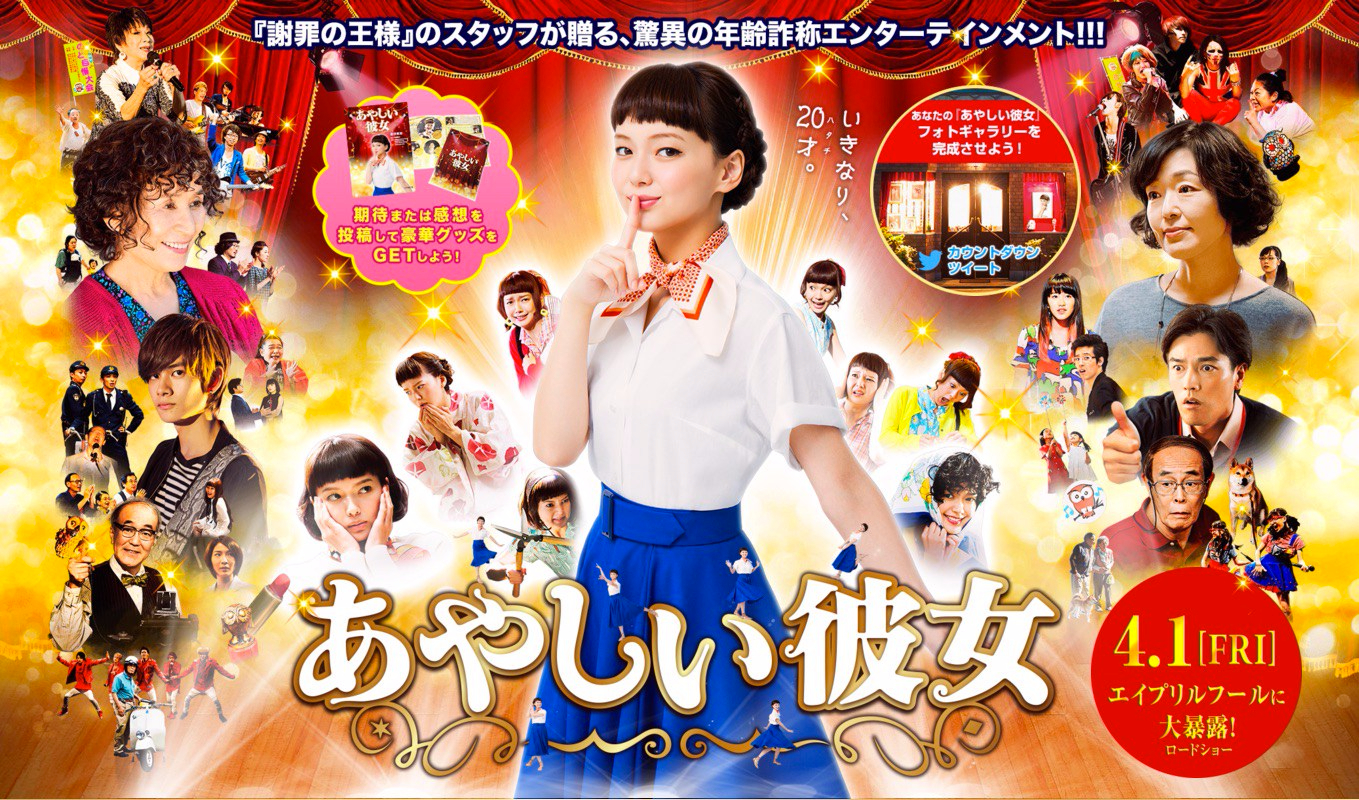 A remake of Korean hit
 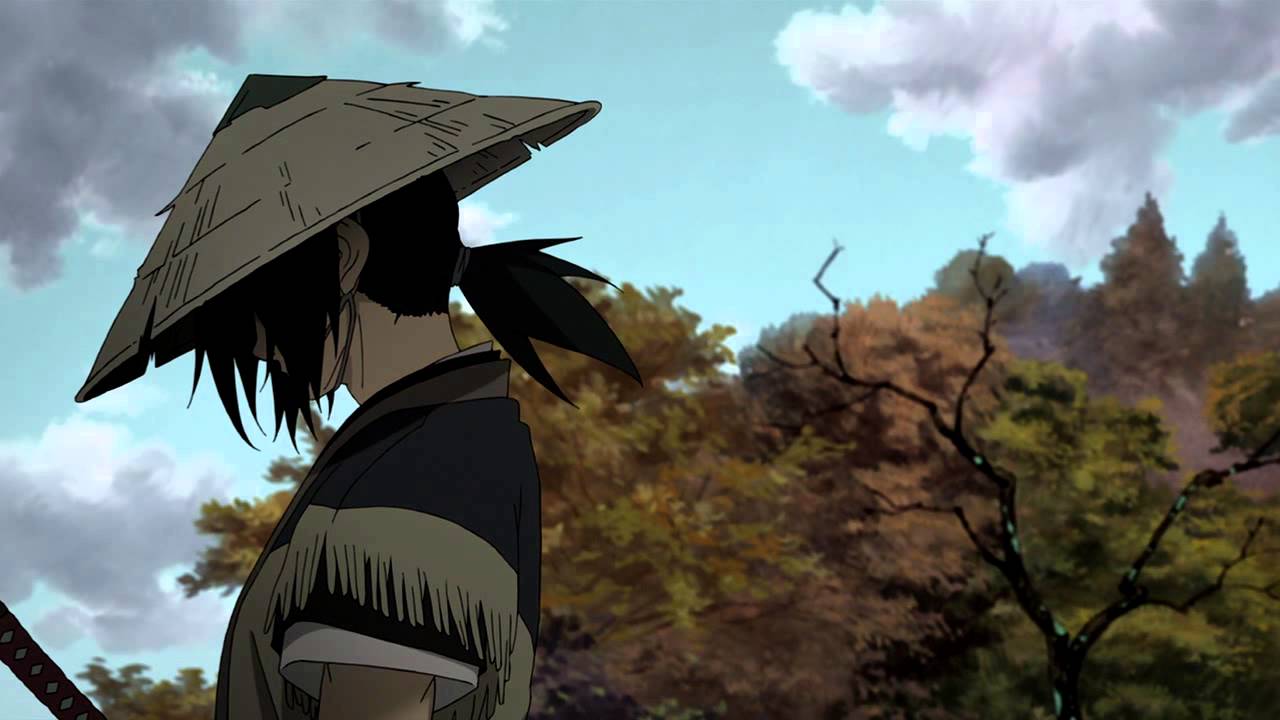 A small boy recruits the mysterious samurai “No Name” as a bodyguard after his dog is injured in an ambush in the landmark animation from 2007.
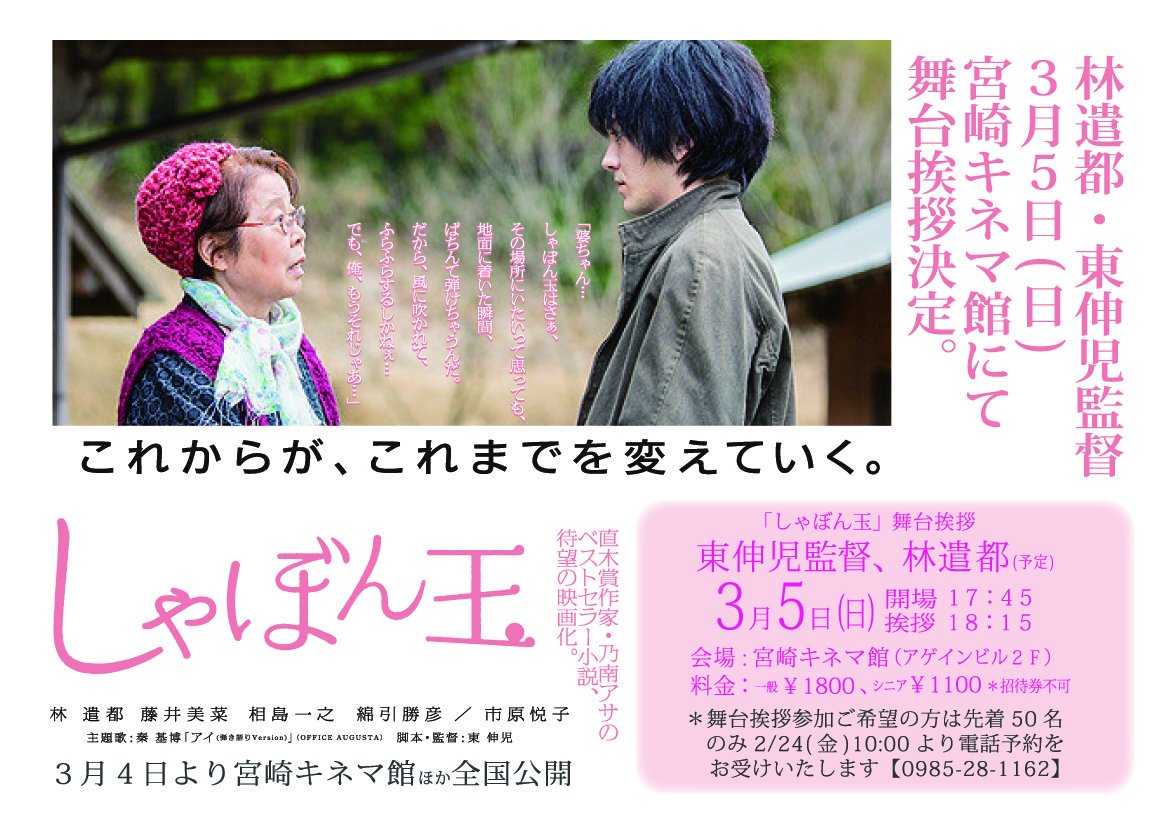 A no good lowlife makes his way by stealing from elderly women but experiences a change of heart when he’s taken in by a kindly old lady deep in the mountains.
 Following the last series of
 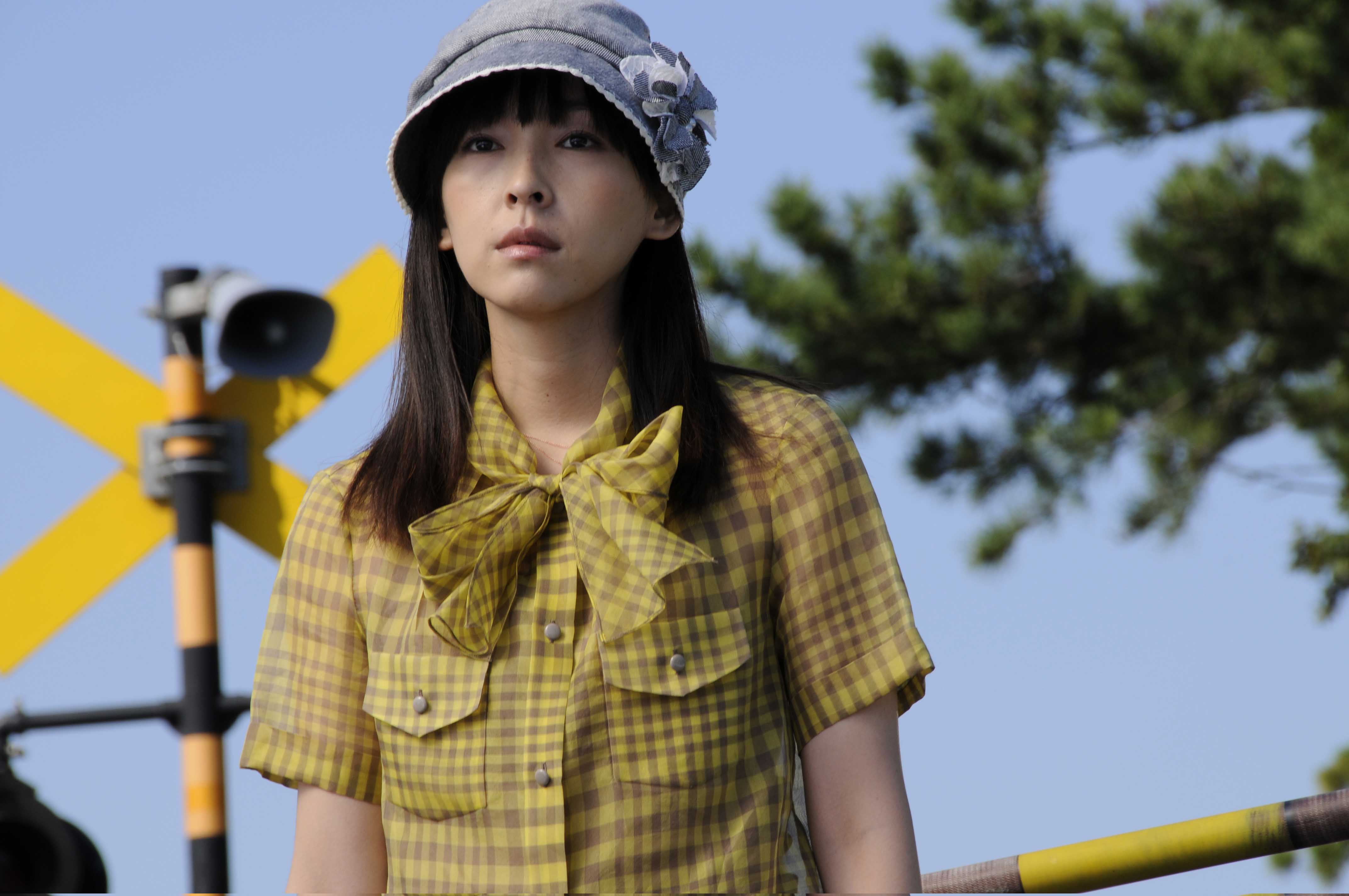 Released in 2009, the second feature from Satoko Yokohama stars Kenichi Matsuyama as Yojin – an Aomori farm boy who lives on a slightly different plane of existence to everyone else. When a pretty school teacher (played by Kumiko Aso) arrives from Tokyo, Yojin becomes determined to win her heart, whatever the eventual costs may be!
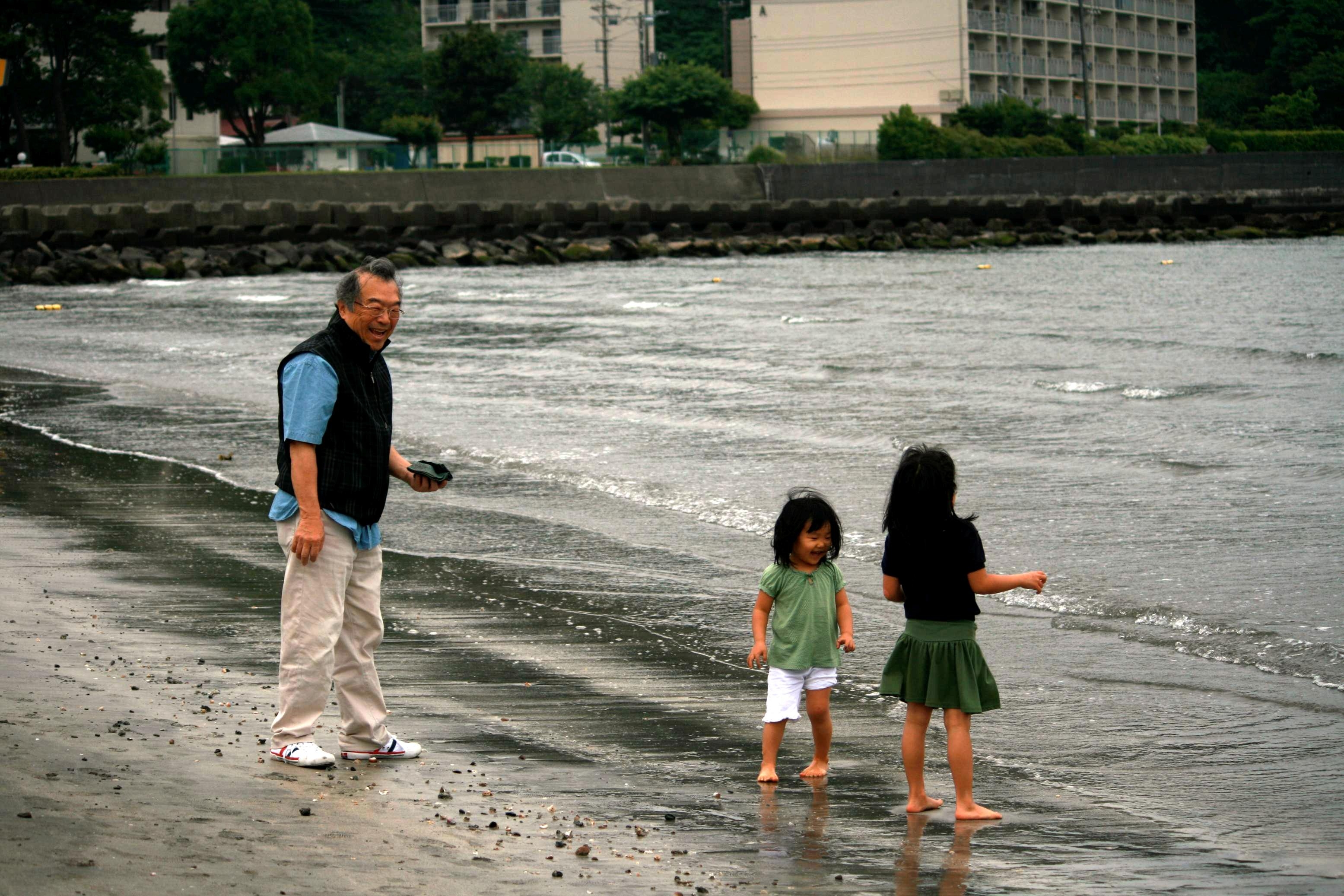 Also known as Ending Note, Mami Sunada’s documentary follows the last days of her father, a lifelong salaryman who retired aged 67 only to be diagnosed with terminal cancer soon after. Realising that he had only a short time left to live, Sunada began preparing for his death, creating his own bucket list and thinking about the “ending note” (a kind of personal testament) that he would leave behind for his family.
 Miwa Nishikawa whose
 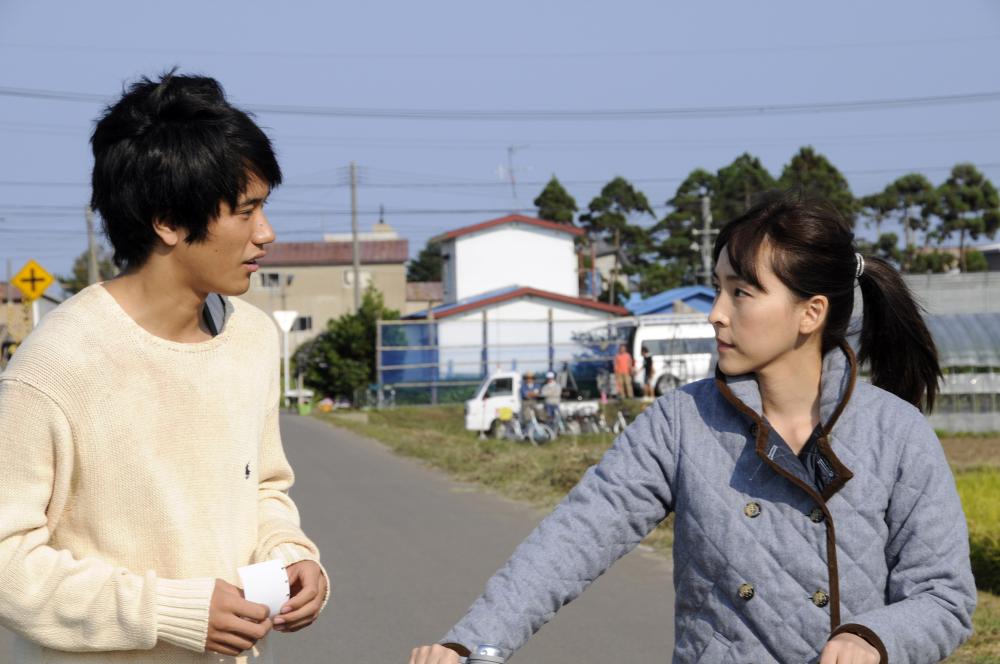 Directly after the screening of Wild Berries, there will be a panel discussion examining the rise of female filmmakers over the last 15 years. Chaired by Kate Taylor – East Asian programmer for the BFI London Film Festival, the panel will also feature film scholar Jasper Sharp (co-founder of Midnight Eye, author of Behind the Pink Curtain), film researcher Alejandra Armendáriz Hernández, and the season’s curator, Irene Silvera.
 Windows on Worlds