Prison Circle (プリズン・サークル, Kaori Sakagami, 2019)

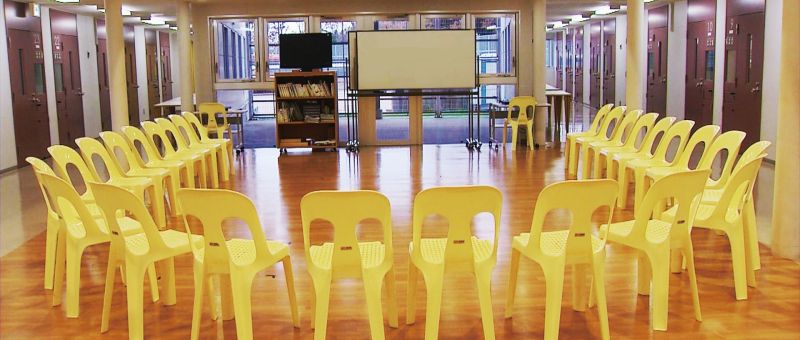
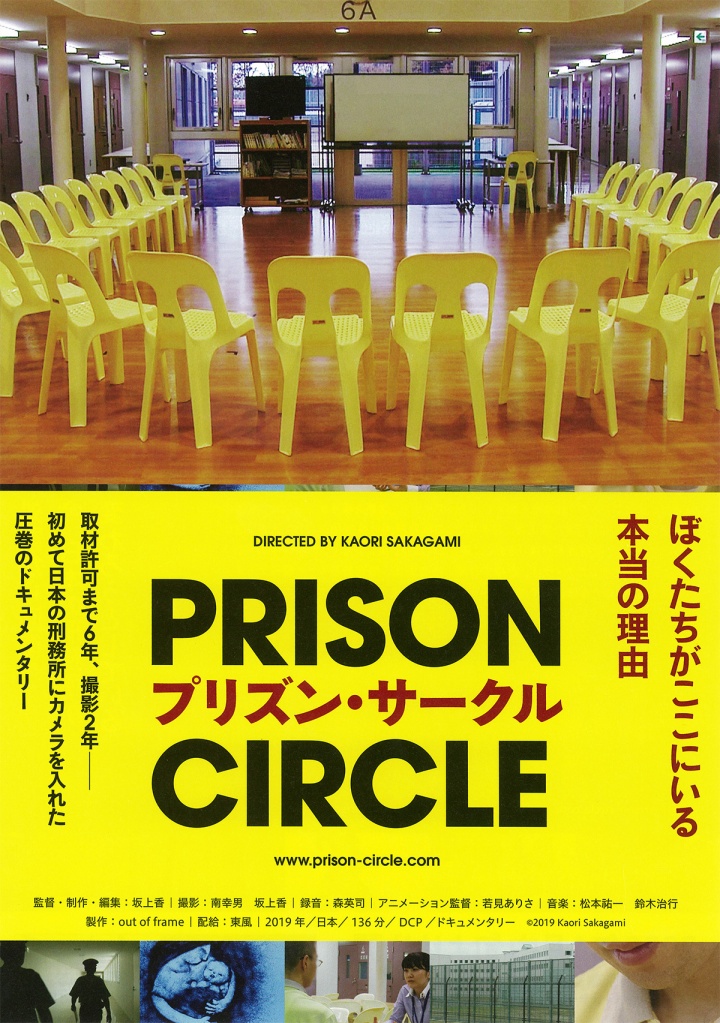
“A scar may recover but trauma never goes away” according to one of the inmates in Kaori Sakagami’s heartfelt documentary Prison Circle (プリズン・サークル). Neatly encapsulating the doc’s themes, the title refers both to the circle of chairs which represents the open group therapy sessions at the centre of the experimental rehabilitation programme on which the film is focussed, and the cycle of violence to which it alludes. Long interested in justice issues, Sakagami follows her two previous documentaries dealing with the US penal system with that of Japan, but concerns herself less with life in prison than the wider social issues which led to these men being convicted of crimes along with their future possibilities for reintegration into mainstream society. 

Sakagami apparently spent six years trying to acquire permission to shoot inside a Japanese prison before coming to an agreement with Shimane Asahi Rehabilitation Program Center which nevertheless has its limitations in that the faces of all the inmates are understandably blurred, she is always accompanied by two guards, and is not permitted to interact with prisoners or anyone working in the prison outside of a few direct interview sessions. Apparently inspired by Sakagami’s US documentary Lifers: Reaching for Life Beyond the Walls, the Shimane programme is the first and only of its kind in Japan shifting the focus away from punishment towards rehabilitation supporting around 40 men through a therapeutic treatment centre (TC) which attempts to help the prisoners understand the reasons for their crimes, empathise with their victims, and eventually return to mainstream society. According to the closing text the programme has been successful in reducing the rate of recidivism among its graduates in comparison with those released from a regular prison. 

In order to qualify, inmates must have the will to change, have no underlying mental health conditions, and be serving at least six months. The prisoners are also described as low risk though many of those we meet have been convicted of violent crimes including those which involved a death. Operating as a small bubble within a larger facility, the TC shares many of the rules and regulations with the wider population in that inmates are expected to raise their hand to ask permission of the guards any time they want to do something, but unlike other blocks are permitted to walk around unsupervised and sleep in “rooms” rather than “cells”. Prisoners engaging in the programme are also partially exempted from mandatory labour requirements while required to participate in the group sessions that are at the core of the TC. 

Following four men over two years, Sakagami finds a fatalistic similarity among their stories despite the differences in their offences, painting their crimes as a cry for help and direct result of childhood trauma. Each of the men who are now in their 20s comes from a difficult family background and experienced abuse, neglect, and bullying which is, the film seems to suggest, the root cause of their lawbreaking. The first of the men, Taku, was abandoned by his abusive father into a children’s home and thereafter left without support as a young man leaving care with nothing to fall back on. Encouraged to be open, he relates his embarrassment in revealing that even as a grown man he often longs to be hugged he feels because his parents never held him when he was a child. The other prisoner reveals he feels something similar, and other of the men admit they fell into crime in part because they wanted to stay connected to something even if it was delinquent kids in place of a family that had already failed them. The last of the men, Ken, also explains that he ended up getting into debt in part because he was buying expensive presents for his mother and girlfriend because he feared they’d abandon him and he didn’t know how else to keep them. 

Yet the prisoners also admit to feeling little remorse, seeing themselves as victims rather than perpetrators and struggling to draw the lines between their trauma and the crimes they have committed along with the hurt they’ve caused to those around them. Through therapy and role play sessions, the prisoners learn to empathise with each other as well as themselves as they begin to process their trauma in an essentially safe space. Sakagami shifts into gentle, storybook-style sand animation in order to dramatise their often horrific childhood memories linking back directly to a fairy tale written by one of the men about a boy who cried wolf because of a mysterious curse which forced him to lie, insisting that he was fine even in his loneliness as he pushed away those who had not rejected him. The boy in the fairy tale is eventually given the power to free himself after being approached by a benevolent god who gives him permission to speak his truth, emerging from his darkness into the light. Though limited by the conditions of filming and over reliant on onscreen text, Sakagami’s compassion for these men and faith in the project is never is doubt as the closing dedication “For everyone who wishes to stop the cycle of violence” makes plain. 


Prison Circle streamed as part of this year’s online Nippon Connection Film Festival. Viewers in the US will also be able to catch it streaming as part of this year’s Japan Cuts!

International trailer (English subtitles)
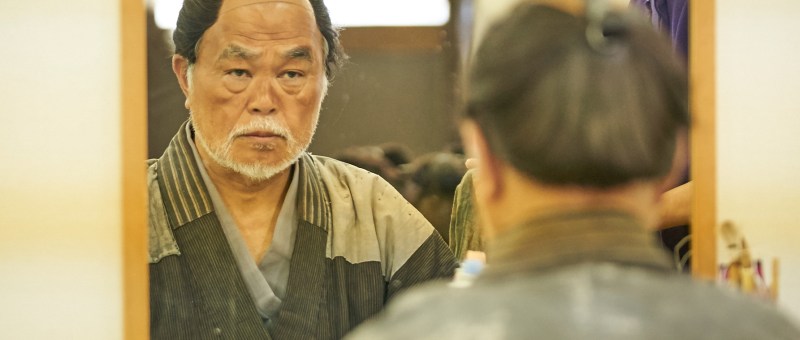
Extro (エキストロ, Naoki Murahashi, 2019)

Extras are the unsung heroes of the movies. Getting up in the middle of the night, prepared to spend hours in makeup, and enduring not only the discomfort but also the boredom of standing around all day waiting for something to happen. Naoki Murahashi’s affectionate mockmentary Extro (エキストロ) is dedicated to those whose names do not appear in the credits and are, according to the characteristically warm onscreen interview from the late Nobuhiko Obayashi, the very force that brings life to the otherwise artificial world of the film set. 

The set in this case being “Warp Station Edo”, an artificial replica of a historically accurate samurai-era town used for the production of jidaigeki TV serials. Murahashi’s first subject is a retired dental technician, Haginoya (Kozo Haginoya), fulfilling a lifelong dream as a background performer, but as we quickly see the life of an extra is not an especially glamorous one. Having got up at the crack of dawn to be there at the time listed on his call sheet, he’s nearly sent away because he doesn’t want to shave his beard and back in old Edo facial hair was prohibited for civilised people. The only solution is to switch his role from townsman to farmer, which causes a costuming delay and gets the AD into trouble. Haginoya then goes on to cause yet more problems by bigging up his part before being taken ill, complaining that his intestines hurt right in the middle of a take. Unsurprisingly, he sits the rest of the day out. 

Meanwhile, the other extras are mostly forced to stand around in the cold waiting for the cameras to start rolling. The agency which provides the background actors laments that extra work is only suitable for flexible people with a lot of free time, i.e. pensioners like Haginoya, but that it also requires physical stamina which they often lack. It also transpires most of the agency’s employees are working on a volunteer basis and earning their money through a separate main job, which really begs the question why they bother especially when the agency itself becomes liable for the extras’ mistakes such as those repeatedly made by one “problem child” including making sneaky peace signs, smiling at the camera, and posting strange on-set photos to social media. 

Not quite content with satirising the production environment and its tendencies towards exploitative employment practices, Murahashi adds a second surreal plot strand introducing two bumbling policemen who are seconded to go undercover as extras after a suspected drug dealer is spotted on camera, somewhat incomprehensibly stepping out of hiding and into living rooms across the country. Predictably, the policemen aren’t very good at the acting business and quickly forget all about the case while becoming overly invested in their cover identities, even attending an acting workshop in an effort to blend in with the background stars. 

While the hero of the jidaigeki TV drama earnestly insists that the extras are what give the fake town “life” and it is in a sense he who is being allowed to perform in their world, not everyone is so forgiving. A pro-wrestler brought in to star in a low budget movie titled Dragon Samurai gets so fed up with the antics of the two policeman that he eventually quits, presumably costing another production company somewhere a lot more money, while a repeated gag sees most of the projects go unreleased because someone involved with the production had too much to drink and engaged in acts of public indecency. One such project is the amazingly titled “Prehistoric Space Monster Gamogedorah”, apparently inspired by a local legend about a giant evil duck.

From the self-obsessed stars who turn up when the money’s right to the embattled agency staff and the stressed out ADs, Murahashi doesn’t quite so much sing the praises of the extras as satirise the low level production industry, but does eventually cycle back to the unironic intro from Obayashi who affirms that the extras, or “extros” as he likes to call them short for “extraneous maestros”, are a part of what gives film its beauty and power. As if to prove that sometimes dreams really do come true, even Haginoya gets his moment in the spotlight mimicking his screen hero Steve McQueen as an Edo-era fireman but disrupting the filming once again by laughing maniacally in joy as he rings his bell while Gamogedorah looms ominously on the horizon.


Extro was streamed as part of this year’s online Nippon Connection Film Festival. Viewers in the US will also be able to catch it streaming as part of this year’s Japan Cuts!

Original trailer (no subtitles)

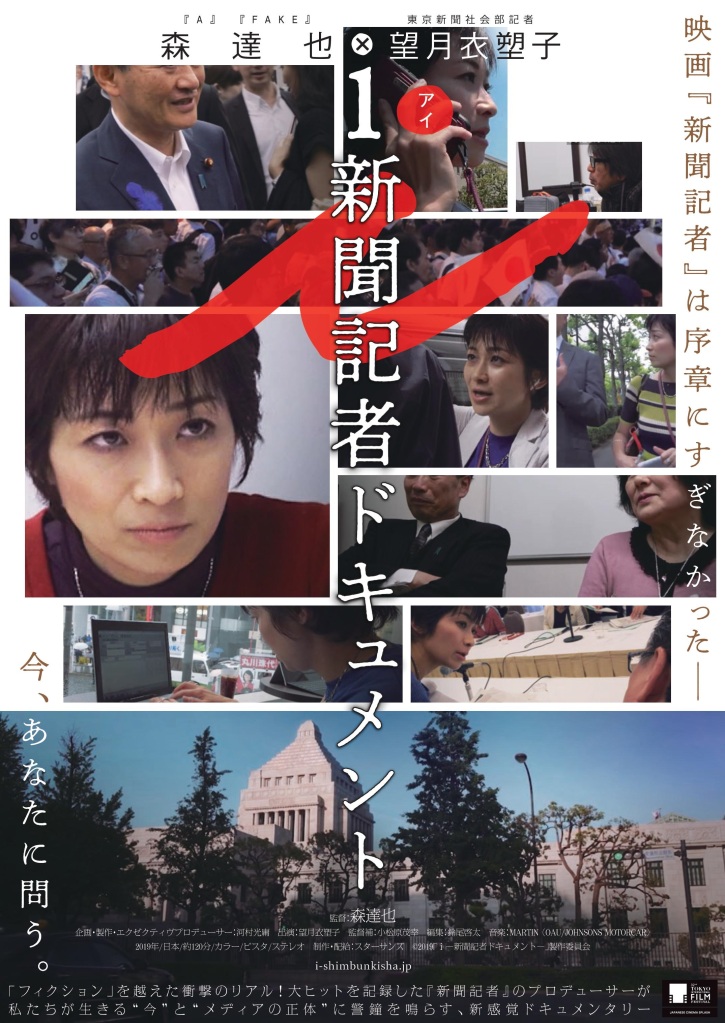
i -Documentary of the Journalist- (i-新聞記者ドキュメント-, Tatsuya Mori, 2019)

“I’m not obliged to answer you” Chief Cabinet Secretary Yoshihide Suga irritably tells a journalist part way through a press briefing. It begs the question, if you’re not willing to be interrogated then what are the briefings really for? Something which unflappable reporter Isoko Mochizuki, subject of Tatsuya Mori’s documentary i -Documentary of the Journalist- (i-新聞記者ドキュメント-, i -Shimbun Kisha Document-) makes a point of asking but of course receives no reply. Reporting for Tokyo Shimbun, Mochizuki has earned a reputation for being “troublesome”, refusing to let politicians off the hook without getting a proper answer. This is of course what a reporter is supposed to do, she’s only doing her job in holding those in power to account in the name of the people, but Japanese politicians are used to deference from journalists who pull in their punches in fear of losing access. She is also the author of the book which inspired last year’s box office smash political thriller The Journalist in which a dogged reporter finds herself an unlikely ally of a conflicted bureaucrat who is minded to blow the whistle on a governmental land scandal. 

As we see, Mochizuki’s everyday life is nowhere near as glamorous or sensational. In fact, Mori struggles to keep up with her as she finds herself constantly on the move dragging a small suitcase and large tote bag all around town while displaying an ironic tendency to get lost trying to exit official buildings. Meanwhile, none of the people she attempts to visit for comment on the relocation of an SDF facility in Okinawa is in when she calls and, again, she has trouble gaining access to the building in order to leave them a note. 

Access, as we soon realise, is the pressing issue. Mochizuki is a well known reporter for a major paper so it would not be politically expedient to have her removed from the room, but even so the powers that be do their best to obstruct her ability to gain answers, firstly by having an usher loudly instruct her to get to the question while she patiently tries to make her point. It amounts to a kind of game. Mochizuki knows Suga will issue a non-reply, insist that the government is acting in accordance with regulations while refusing further comment, and so is using the question to raise awareness of the issue which necessarily takes time in providing context. They then introduce an unofficial policy restricting Mochizuki, but no other reporter, to two questions only to prevent her pressing her point, before escalating matters by crudely issuing an open directive to journalists to avoid basing their comments on “fake” information, attempting to invalidate her line of questioning by implying it is partisan and offered in bad faith. 

The problem is partly that, as Mori is keen to suggest, the system is rigged because of press complicity with government. We learn that the Abe administration, which has long been beset by scandal, has been keeping a stranglehold on the official press club since it took office in 2012. Mori himself tries to get access to briefings to film Mochizuki but is told that it is almost impossible for freelance journalists to gain approval, while a visit to the Foreign Correspondents’ Club reveals that it is no easier for international journalists who may gain access but are not generally given the opportunity to ask questions nor can they speak directly to members of government whom, it is said, are not terribly interested in Japan’s overseas reputation. Papers afraid of losing their spot in the room avoid directly criticising the government, while the rightwing press is content to do the government’s bidding such as in its vilification of the Kagoikes, the couple at the centre of the Moritomo Gakuen scandal in which Prime Minister Abe’s wife was herself implicated, or its attempt to smear a whistleblower on a possibly corrupt sale of land for a veterinary school to an old friend of Abe’s. 

For those reasons while other journalists and politicians may be sympathetic to Mochizuki’s cause in private she receives little support in the room. An increased profile and persistent harassment campaign also brings out the cranks including a death threat from a man who uses a word many would regard as a racial slur to brand her a North Korean spy. The people, however, approve organising a demo in support outside the Diet building insisting on press freedom and government accountability. The title may take things too far in its emphatic “I”, the reporter is not the story, but advocates for an end to the conformist culture of deference to power in which journalists willing to ask difficult questions will no longer be a “troublesome” aberration but the welcomed norm. 


i -Documentary of the Journalist- streamed as part of this year’s Udine Far East Film Festival. Viewers in America will also have the opportunity to catch the film when it streams as part of this year’s Japan Cuts.

Original trailer (no subtitles)

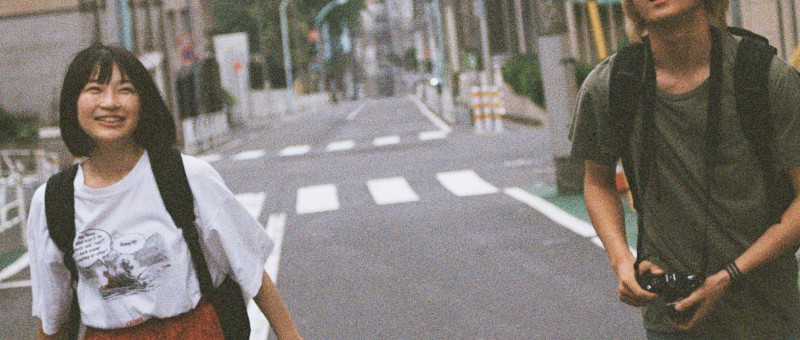
colorless (猿楽町で会いましょう, Takashi Koyama, 2019)

“I think I could capture the real you” a photographer pleads of a subject he has become obsessed with, little knowing the deeply problematic implications of his statement. Shot with a photographer’s eye, Takashi Koyama’s colorless (猿楽町で会いましょう, Sarugakucho de Aimasho), paints its heroes as just that, wandering zombies of modern day Tokyo as estranged from themselves as they are from others, but even as it attempts to draw similarities between their mutual lifelessness cannot help but reflect a misogynistic world view in which the conflicted heroine remains little more than an empty shell, a blank canvas onto which various men project their inner desires leaving her essentially robbed of an identity by an exploitative society. 

When we first meet aspiring freelance photographer Shu (Daichi Kaneko), he is in much the same position, kept waiting by an arrogant magazine editor who has stepped out of the office despite having arranged an appointment to look over his portfolio. When he eventually arrives, Kasamura (Kenta Maeno) rudely dismisses his work, claiming that the selection of photos he’s assembled doesn’t make sense in that it gives no clear indication of his style or intent and aside from that his shots are cold and lifeless. He attributes this lack of passion to the likelihood that Shu has never truly been in love, something which turns out to be true though as we later discover Kasamura is also a cold and cynical man who proudly proclaims the same of himself. Nevertheless, he hooks Shu up with a side job shooting publicity shots for an acquaintance, Yuka (Ruka Ishikawa), hoping to become a “reader’s model” as a path to fame. 

For whatever reason, Yuka seems to incite in him the passion which Kasamura claimed was missing in his work, becoming both muse and object of desire. She describes herself as colourless and wonders if there is a “her” that can be captured, while Shu assures her that he feels much the same but fails to appreciate the various ways in which he is attempting to colour her with his camera, filled with nothing but jealous anxiety when confronted by the possibility that she exists outside of the image he has created of her. The incongruities between what she tells him of herself, his own self created vision, and the evidence presented to him by others bring out an unpleasantly chauvinistic side of him which he perhaps does not even like in himself, abruptly attempting to stop her leaving his apartment without consenting to sex by threatening to withhold the data for the pictures he took, breaking into her phone to check her messages, and later feeling humiliated in realising that she may have hidden from him a prior (or current) life in sex work.

Yuka, meanwhile, remains a cipher. Unexpectedly interviewed as part of an audition she is asked to describe herself but can only reply in terms of the way others see her, answering only that she is often said to have a sunny disposition. We see her parrot back lines she’s heard from one man to another in an attempt to please him, as if wilfully erasing her essential identity to better conform to male desires in an attempt to keep herself safe but also perhaps betraying that she has few words of her own to offer. Yet in private we see a much less complimentary side of her in which she is petty and jealous, resentful of a friend’s success while she seems to get nowhere and, the film uncomfortably insists, willing to use men by exploiting their desire for her which is in essence a desire for a colourlessness they can dye with their own self projected ideals. 

Yuka claims that she does not want to know who she really is, perhaps afraid to know or realising that there really is no value in knowing because her existence is defined by male desire. Her tragedy may be that she isn’t cynical enough, unable to manipulate men to the same extent as her more successful friend, still longing to be known and loved for who she is even while insisting that she does not exist and wilfully misrepresenting herself to those around her out of embarrassment and dissatisfaction with her life. The story she tells in her interview implies a lasting trauma of male abuse which has caused a rupture in her sense of self, unable to grasp an identity other than that granted by others, but still we’re largely left with Shu’s resentment in his inability to “capture” that which cannot be captured in his desire to possess not only Yuka’s body but her image by replacing it with that of his own creation. A dark and cynical take on modern romance, colorless leaves its heroes much where it found them, floundering in an inherently patriarchal society itself devoid of the colour they each desire. 


colorless streamed as part of this year’s Udine Far East Film Festival.

International trailer (English subtitles)
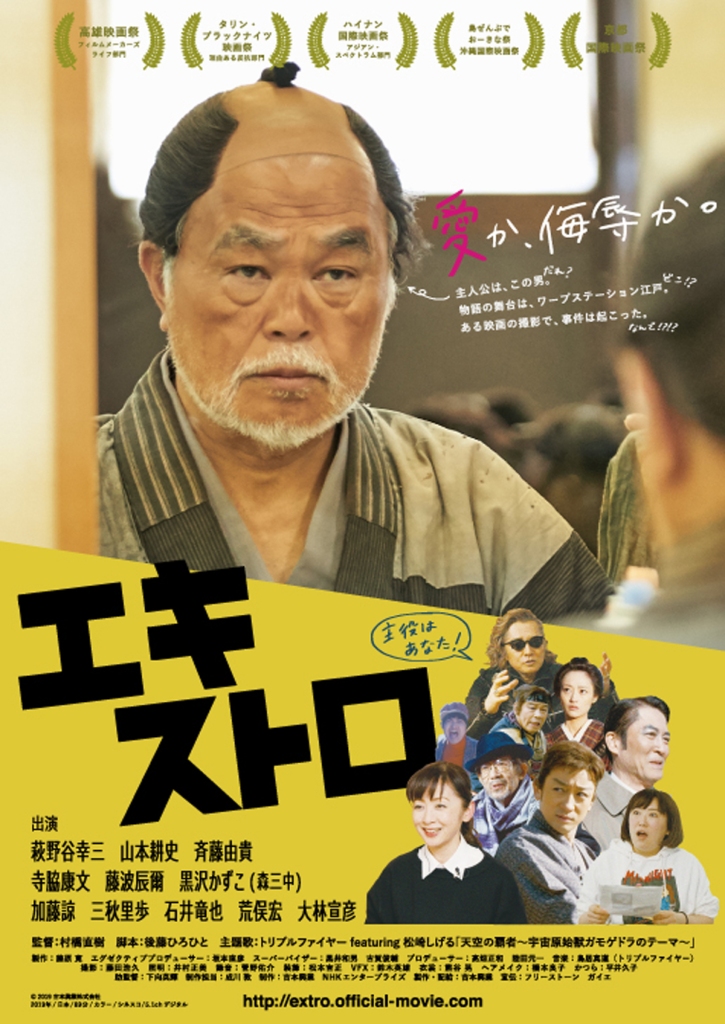
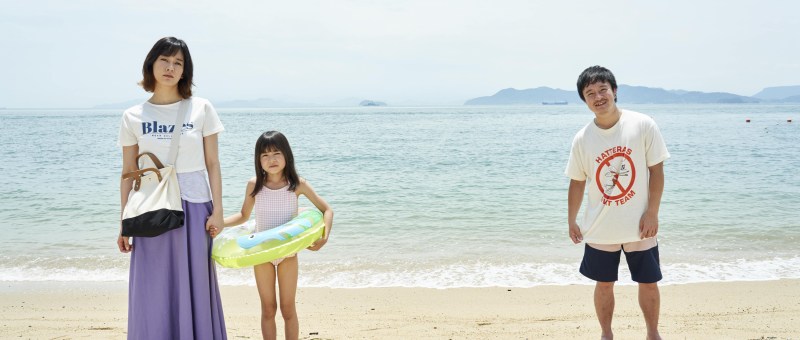
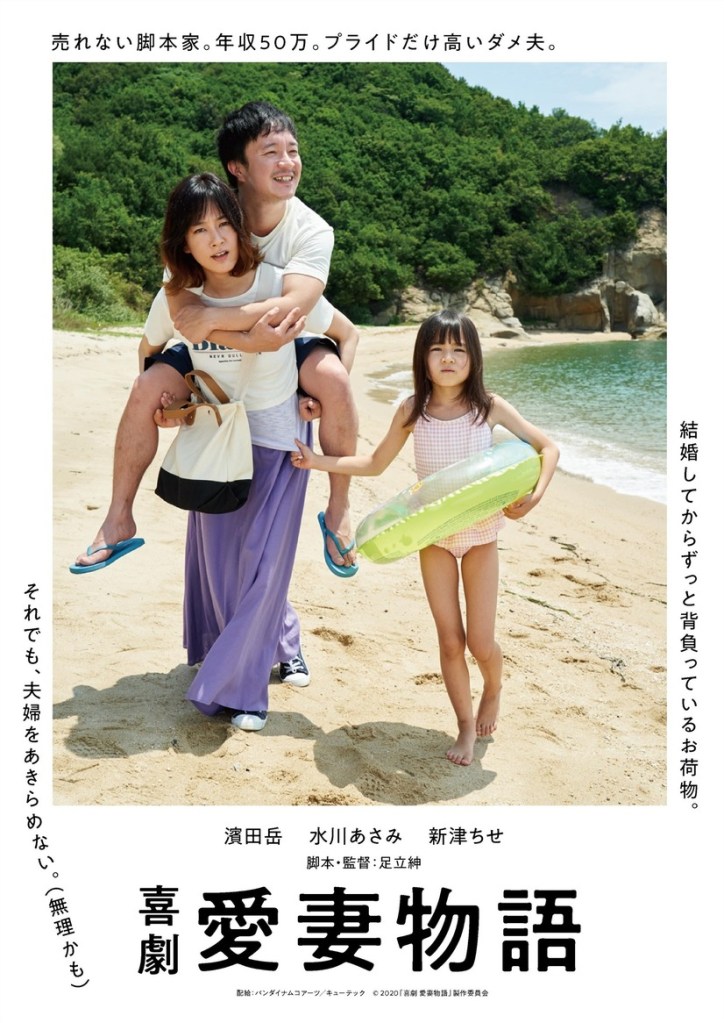
A Beloved Wife (喜劇 愛妻物語, Shin Adachi, 2019)

Adapting his own autobiographical novel, screenwriter and director Shin Adachi claims that the events and characters of A Beloved Wife (喜劇 愛妻物語, Kigeki Aisai Monogatari) are exactly as they are in real life, only the film makes it all look better. Even if true, Adachi can’t be faulted for his honesty. His protagonist stand-in, Gota (Gaku Hamada), has almost no redeeming qualities, while his long-suffering wife receives little sympathy even while giving as good as she gets as a sake-guzzling harridan apparently ready to run her husband down at every opportunity, of which there are many, but Gota is quite simply useless. The Japanese title is careful to include the word “comedy” as a prefix, but this is humour of an extremely cruel variety. 

Married for 10 years with a small daughter, Gota’s chief preoccupation in his life seems to be that his wife, Chika (Asami Mizukawa), no longer finds him sexually desirable and they are rarely intimate. Rather than lament the distance in their marriage, all Gota does is go on a long, misogynistic rant about how he’d get a mistress or visit a sex worker only he has no money while complaining that he has to humiliate himself by helping out with the housework and childcare which he only does to curry favour in the hope that he will eventually be able to have sex with his wife. After some minor success as a screenwriter, his career is on the slide and he’s had no work in months, something which seems to damage his sense of masculinity and in his mind contributes to his wife’s animosity towards him.

He is right in one regard in that Chika is thoroughly fed up being forced to pick up the slack while he sits around watching VR porn, not writing or looking for a job but insisting that the next movie is always just round the corner. She’s tired and overworked, sick of penny pinching and resentful that she has to do everything herself, but it’s not so much the money that bothers her as Gota’s fecklessness while all he seems to care about is sex, meeting his own needs and no one else’s. Even when he takes his daughter, Aki (Chise Niitsu), to the park he ignores her to ogle other women, becoming embarrassed on running into a neighbour we later learn he slept with and then ghosted. He does the same thing again later on a beach, so busy sexting that he doesn’t see her wander off and is roundly chewed out by the lifeguard (an amusing cameo from director Hirobumi Watanabe, giving him the hard stare) who eventually finds her and brings her back. Not content with that, he rounds out the bad dad card by frequently bribing Aki with treats so she won’t spill the beans to her mum about his many questionable parental decisions. 

Really, we have to ask ourselves, why does Chika not leave him? The perspective we’re given is Gota’s and he appears not to understand that any of his behaviour is problematic, which might be why he seems genuinely shocked when Chika reaches the end of her tether and once again suggests divorce. He seems to think some of this at least is performative, part of the act of “marriage”, and she does indeed make a show of her frugality – insisting on sharing a 200 yen bowl of udon with her daughter to save money and climbing up a utility pole to sneak into a hotel after booking only a single occupancy room for the three of them, but is there more in her decision not to leave than habit? Gota seems to think so, especially on noticing her wearing the lucky red pants she bought back when they were young and in love and she believed in his potential. But then perhaps she really is just being economical.  

Nevertheless, she appears to keep supporting him, once again typing up his latest screenplay because he claims not to be able to use a word processor, and laughing off the rather more serious incident in which he is arrested after being discovered by a policeman molesting a drunk woman in the street. Adachi doesn’t appear to have very much to say in favour of the modern marriage, as if this one is no worse than any other (even a friend who married well (Kaho) badmouths her husband and giggles about a young lover), but Gota seems to have learned absolutely nothing even while declaring his love to his sleeping family and vowing to make a success of himself at last. It would be funny, if it weren’t so sad. 


A Beloved Wife is available to stream worldwide until July 4 as part of this year’s Udine Far East Film Festival.

Festival trailer (English subtitles)

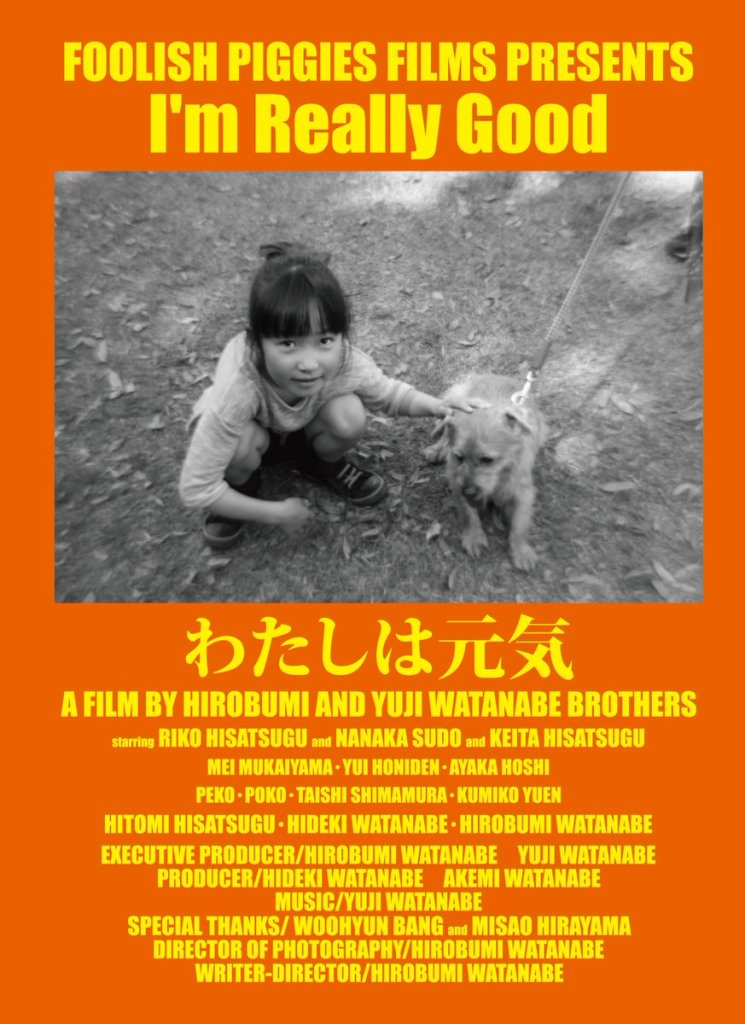
I’m Really Good (わたしは元気, Hirobumi Watanabe, 2020)

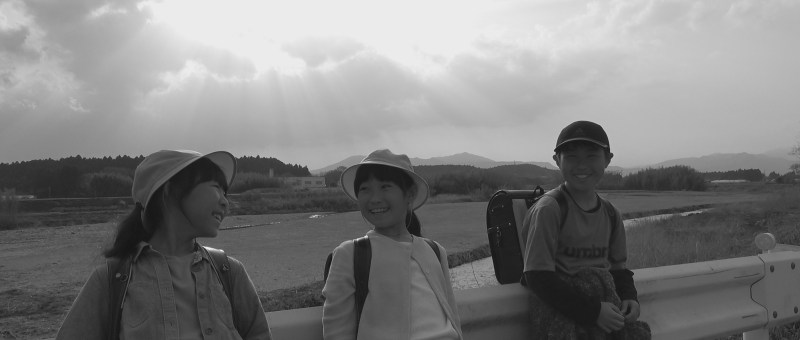
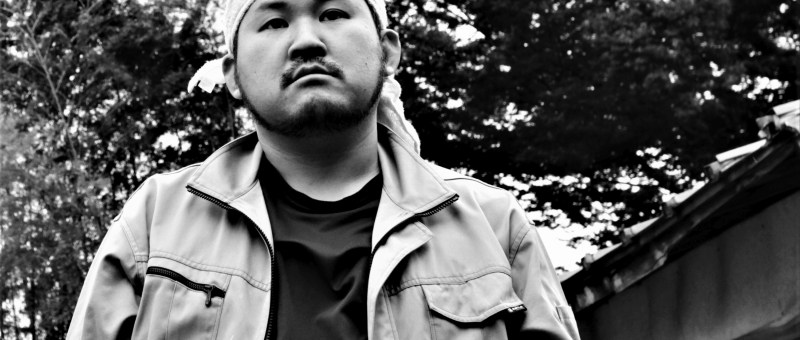
Hirobumi Watanabe has made a name for himself as a purveyor of deadpan wit, often shooting in a stark black and white and casting himself as a sometimes irate monologuer inhabiting a world of silence. With I’m Really Good (わたしは元気, Watashi wa Genki), however, he for the most part stays behind the camera which he operates for himself for the first time in the absence of regular cinematographer Bang Woo-hyun, and subverts the conceits of Poolsideman to show us the innocent world of childhood, following an energetic little girl through one ordinary, though as it turns out, packed with small incident day. 

After opening with a colour sequence in which Riko (Riko Hisatsugu), a very energetic young girl, shoots an encouraging iPhone video, Watanabe returns to a more familiar black and white to find her playing with her best friend Nanaka (Nanaka Sudo), and then waking up to the sound of bird song ready for a brand new day. Like the hero of Poolsideman, she is constantly exposed to the radio news though, we can assume, she is not the one who put it on or actively listening to it. The central irony is that, where Poolsideman’s hero found himself driven in dangerous directions by reports of death, violence, and war, Riko is largely indifferent to the current pensions crisis which seems to be dominating the news. As a child, pensions are not something she is particularly worried about, though in a very real sense this will one day affect her especially in its implications for Japan’s rapidly ageing society as the discussion moves on to potential tax reform and ideas to combat a stagnating economy. In any case, Riko carries on playing happily with her friends, the news washing over her as perhaps it should. 

Meanwhile, her days are filled with ordinary things like walking to school with her brother and Nanaka, chatting about what’s for lunch and what they had for dinner, playing shiritori, and enjoying the pleasant rural landscape. In the evening they make the exact same journey in reverse, returning to their homes where they do their homework and wait patiently for their parents to return from their jobs to make dinner. On this particular day, two unusual events occur the first being she’s ended up with Nanaka’s homework book by mistake and needs to return it. The second is a visit from a strange man with the bizarre name of Kamekichi Jinguji (Hirobumi Watanabe) who claims to be from a company selling textbooks that will send even the dimmest of students to the top of the class. 

Luckily Riko is not duped by Kamekichi whose rather bizarre scam is undermined when she tells him her dad’s a policeman which sends him into a bit of a panic, but his presence does perhaps hark back to the pensions crisis as Riko finds herself targeted by a problem which is usually associated with the elderly in being doorstepped by a fraudulent salesman taking advantage of the fact she is currently without responsible adults with both parents out working. He tries the same thing with Nanaka who is almost taken in, but catches her just after Riko has arrived to give the book back, pausing only to remind the girls that they are the future and it’s their job to build a better Japan. Particularly ironic advice from a guy conning children out of their pocket money in exchange for phoney textbooks, not to mention somewhat unfair in projecting the responsibility for fixing a series of social problems like the pensions crisis into the future when it’s people like him who should be fixing them now to make the better world possible while little girls like Riko and Nanaka play happily enjoying a carefree childhood. 

To that matter, Riko’s childhood seems to be pretty carefree. She hangs out with Nanaka, plays football, enjoys the pleasant country environment and is surrounded by loving family even if sad that her policeman dad often works late and can’t join them for dinner while her older brother is forever playing video games at the table. The politicians on the news debate what standard of life is appropriate, trying to get out of their responsibilities by splitting hairs about the “model family”, but Riko carries on enjoying her ordinary days oblivious to the troubles of the world around her. “I’m really good!” she affirms in her introductory video after politely enquiring after the viewers’ health, and it’s as good a mission statement as you’re likely to find. 


I’m Really Good is available to stream worldwide until July 4 as part of this year’s Udine Far East Film Festival.

Festival trailer (English captions)

Cry (叫び声, Hirobumi Watanabe, 2019)

Hirobumi Watanabe has become closely associated with a particular brand of deadpan, black and white comedy, often casting himself in a prominent role as a motormouth monologuer. Cry (叫び声, Sakebigoe), however, returns him to the themes of 7 Days which proved divisive with critics following as it did the lowkey absurdist charms of And the Mud Ship Sails Away… Once again set in rural Tochigi, the (almost entirely) wordless Cry stars Watanabe this time as a pig farmer rather than cattleman and follows the crushing mundanity of his life over the course of an ordinary week. 

Replete with agricultural detail, Cry is at pains to dramatise the cyclical, rhythmic qualities of a life lived in tune with nature even as that of a pig farmer is in some ways perhaps in conflict with it in the cultivation and constraint of other living creatures. There is perhaps something rather ironic in recalling that Watanabe’s production company is called Foolish Piggies Films, and it’s all but impossible to ignore the odd kind of symmetry in the life of the farmer and his animals who are each in their own way imprisoned on either side of the bars. The major difference between them lies in crowding and solitude, cacophony and silence. Aside from the equally silent grandmother (sadly the final onscreen appearance of Watanabe’s own grandmother Misao Hirayama who sadly passed away last year and had been a constant fixture in each of the director’s films to date) with whom he lives, the farmer has no other human contact, indeed his only “social” outlet is a solo trip to the cinema where he is the sole spectator and the only other person with whom he interacts is the usher who says nothing more than “enjoy the movie”. 

We can infer that the farmer goes to the pictures every Sunday at around the same time after seeing to the pigs, that he likely does so alone, and that this is a fixed part of his weekly routine. On a weekday, we see him rise, eat breakfast with his grandmother, muck out the pigs and break for lunch, usually taking a moment of rest on windswept rooftop under an incongruous electricity pylon as if to signal the encroachment of modernity on his simple life, or in event of rain returning home to read the paper. In the evenings he reads by the light of a small lamp and writes in a diary. Sunday aside, his days are almost identical yet, unlike the heroes of other Watanabe films who often comically walk the exact same routes they came by only in reverse, he seems to vary his path, making the surprisingly long journey between his home and the pens a little less predictable than the other areas of his life. 

The “cry” of the title might express this desire for an interruption to the maddening mundanity of his existence, but otherwise the farmer does not appear to be particularly unhappy with the simplicity of his life save for the intense drumming of the taiko score which accompanies him as he walks along the quiet country paths towards the pens as if he were heading to a battlefield which, in a way, he perhaps is as he engages in the paradoxical task of caring for animals he will one day surrender for slaughter and in fact consume.

He does not seem to be withholding a wail of existential despair, merely living an ordinary life in ordinary ways. Even on his trip to the cinema, he appears to be watching, until he falls asleep, footage from Watanabe’s own I’m Really Good (a poster for And the Mud Ship Sails Away… also sits in the foyer) in which farmland kids walk the same paths he walks but entertain themselves with games of shiritori which is generally much less fun to play on your own even if not exactly impossible. At home he cares patiently for his grandmother, diligently cleaning her dentures, again another part of his routine, while bathing in the calming silence free of the noisy cacophony of the pig pens and of the roar of the wind which sweeps the rooftop. His life may be simple, but perhaps no less repetitive than that of many others and with its own small joys even in its mundanity. 


Cry is available to stream worldwide until July 4 as part of this year’s Udine Far East Film Festival.

Festival trailer (English captions)

Life Finds a Way (普通は走り出す, Hirobumi Watanabe, 2018)

Hirobumi Watanabe goes full 8 1/2 with the decidedly meta comedy, Life Finds a Way (普通は走り出す, Futsu wa Hashiridasu). After the joyful celebration of Party ‘Round the Globe, he returns in a noticeably self-reflective mood once again playing a version of himself as a self-involved, childish blocked filmmaker who fears he is falling out of love with film. Unable to come up with ideas, he fobs off producers and ignores phone calls while hanging out with grandma (Misao Hirayama) and making a nuisance of himself at the library but a mini-nervous breakdown and a reconnection with the film-loving little boy he once was perhaps offer him new direction though the jury’s out on whether “Hirobumi” is ever going to grow up. 

Once again locating itself in peaceful Tochigi and shot in crisp black and white with Watanabe’s trademark deadpan static camera, Life Finds a Way opens with Hirobumi fielding a phone call from a producer in which he confesses that he’s supposed to be working on a script created in collaboration with rock band Triple Fire but he’s getting nowhere so he’s hanging out in a cafe to “relax” while playing Dragon Quest. Later he rings his cinematographer, Bang Woohyun, and makes a similar apology, admitting that he’s going to take some time off to watch the World Cup because, after all, it’s a once in every four years opportunity. Meanwhile, he’s mostly snoozing at home with grandma, or driving around with his almost entirely silent and extremely patient strawberry farmer friend Kurosaki (Kurosaki Takanori). 

One of his early rants offered as a monologue to Kurosaki who seems to be used to them, revolves around his sense of inferiority as a creative unfairly maligned as a lazy good-for-nothing by workaholic Japanese society. In Japan, he says, we worship the worker ant who survives because he works away earnestly, while in France they honour the grasshopper because his beautiful music can cheer you up even in the depths of winter. Hirobumi thinks the French have it right, that Japanese people are too obsessed with doing everything “properly”, always worrying about trivial things. According to him, there are far too many worker ant types in the Japanese film industry. He thinks films should be free and unconstrained, not bound by some kind of ideal. 

In any case, while being quite rude to “worker ant” Kurosaki who labours all day long on his strawberry farm, Hirobumi blames all his problems on having been unlucky enough to have been born in Japan rather than somewhere like France where they appreciate people like him. Later, he interviews a few locals and asks them what they think is the problem with the Japanese film industry, only for Kurosaki to repeatedly answer “it’s Hirobumi”, perhaps getting his own back. In fact, Kurosaki, apparently meaning well, shows Hirobumi a piece about of one of his films in a glossy magazine only it’s uncomplimentary in the extreme which sends him into a rage, ranting furiously about ungrateful audiences and how much he hates film critics. Hirobumi seemingly blames everyone but himself for his faults and failures, climbing all the way up to a hilltop shrine to pray that he wins the Palme d’Or while also asking that the gods not give good jobs to successful directors but give them all to him instead, and for bad things to happen to someone who sent him a strongly worded letter. 

Hirobumi’s “fan mail” appears to be from a stuffy old woman who states that she has “kindly” written to him several times already to explain that his work is an insult to cinema yet he keeps “selfishly” making films. She’d liked to have told him this in person, but was apparently “too busy” so has written another letter urging him to reflect on his life choices and either make “good” films like Koreeda and Miyazaki, or find himself another career. Hirobumi wonders what the point of films is if they don’t make people happy or have the capacity to change the world. Asked what films meant to them most of his interview subjects either had no answer or regarded them only as entertainment. An encounter with himself perhaps reminds him what it was he saw in cinema and allows hims him to begin moving forward creatively. 

But even having finished his script, has Hirobumi really changed? He seems permanently to be surrounded by children, hanging out reading the manga in the kids’ section of the library, lining up behind a string of obedient primary school students to check out his DVDs where he sets a bad example by having a series of Tora-san movies already overdue but using grandma’s card to take out more, and hanging out with his niece catching crayfish in the local stream with a bucket and net just like he must have done since he was little. He lies about missing the World Cup, ignores phone calls from the library to snooze while spending time with grandma, and is not really any nicer to the patient Kurosaki than he was before. But life finds its way, Hirobumi escapes his creative malaise by rediscovering the joy of cinema, healing himself body and soul, and feeling more positive about the future even if nothing has really changed. 


Life Finds a Way is available to stream worldwide until July 4 as part of this year’s Udine Far East Film Festival. It was also scheduled to screen as part of the 10th season of Asian Pop-Up Cinema.

Festival Trailer (English captions)

Original trailer (no subtitles)

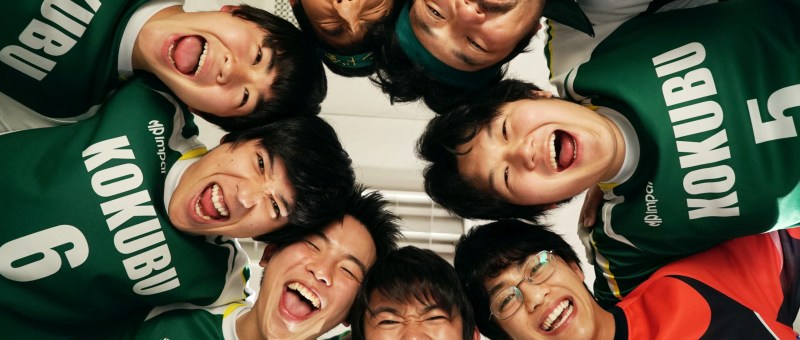
#HandballStrive (#ハンド全力, Daigo Matsui, 2020)

“Reach. Connect. Just like we used to” runs a vaguely inspirational slogan oft repeated in Daigo Matsui’s anti-defeatism teen drama #HandballStrive (#ハンド全力, #HandoZenryoku). We’ve never been so so “connected”, but as someone later puts it “people are selfish. They say whatever they like online” and the false affirmation of internet likes is a poor substitute for the earnest authenticity of those who know they’re giving their all for something they believe in. That’s a lesson that proves hard to learn for the teenage Masao (Seishiro Kato) who is, like many young men, filled with fear for the future and desperate to find some kind of control in world of constant uncertainty. 

In addition to the normal adolescent anxieties, Masao finds himself acutely burdened by a sense of despair as a survivor of the 2016 Kumamoto earthquake which destroyed his home, leaving him temporarily displaced. Thankfully, it seems his entire family survived, but three years on are still living in cramped temporary accommodation. In search of a sense of control, Masao is entirely wedded to his smartphone and an Instagram addict. Finding out that an old middle school buddy, Taichi (Shouma Kai), who moved away after the earthquake is now a top player on his high school handball team, a sport Masao has long given up, sends him looking back over old photos. Posting one on his feed proves unexpectedly popular, partly because it shows the temporary housing complex in the background and provokes sympathy in those who thought the photo was recent. Hoping to continue their Instagram high, Masao and his friend Okamoto (Kotaro Daigo) decide to attach an inspirational hashtag #HandballStrive and align themselves with the campaign to rebuild the area as residents of Kumamoto, only Masao has already posted all of his other handball photos so they need to get creative. 

It’s the creative part that eventually becomes a problem as the #HandballStrive phenomenon spirals out of control. Masao’s fond reminiscence about the sport was partly sparked by a pretty girl, Nanao (Haruka Imou), who plays on the high school team, but he really had no intention of ever stepping back on a court again until cornered by an intense young man, Shimada (Himi Sato), who is the de facto captain of the boys’ team by virtue of being its only remaining member. The boys find themselves press-ganged into joining too, but only ever halfheartedly, never intending to play for real only as a means of staging more photos to post online. 

As Shimada puts it, sometimes your heart connects the pass without you even looking. Masao finds himself lost, unable to fill in his career survey because he has no idea what it is he wants to do with his life and thinking about the future frightens him, in part because he is still intensely traumatised by the aftermath of the earthquake. What use is making plans when something terrifyingly unexpected can happen at any moment? He feels he has no control, and so he over invests in his phoney Instagram success as something stage managed and calculated, totally under his own authority. Masao looks around him for answers but isn’t convinced by what he sees, learning from his brother’s (Taiga Nakano) bubbly girlfriend (Mirai Shida) that he once dreamed of becoming a rock star to change the world through song but after the earthquake gave up on his dreams for the rewards of the practical, becoming a funeral director which is aside from anything else a steady job with relatively little competition. 

Masao gave up on his dream too in that he quit playing handball, or in essence retired from everything. Taichi carried on playing, which is to say that he carried on living and defiantly so, which may partly be the reason the two boys seem to have lost touch. “You always run away from things” an earnest player on the girls team taunts him, ramming home that they at least are serious even if they fail while he is so filled with insecurity that he never even tries. What he realises is that life is the ultimate team sport. “Things are out of control”, Taichi laments, “so let’s change them together” Okamoto suggests. To overcome his anxiety, Masao learns to focus not on the things he can’t control, like earthquakes, but on the things he can, what he can do right now to make a difference, finding meaning in the desire to strive for something even if it’s only handball glory. Perfectly in tune with his teenage protagonists, Matsui takes a standard shonen sports manga narrative and turns it into a manifesto for escaping existential despair as his conflicted heroes learn to connect, just like they used to, by reaching out to each other for support in an increasingly uncertain world.


#HandballStrive is available to stream worldwide until July 4 as part of this year’s Udine Far East Film Festival.

International trailer (English subtitles)
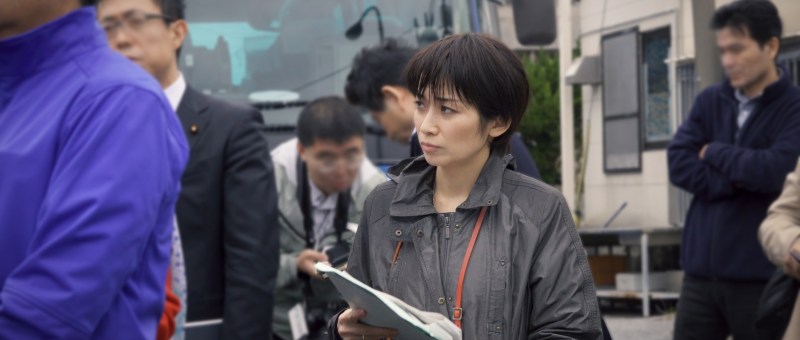
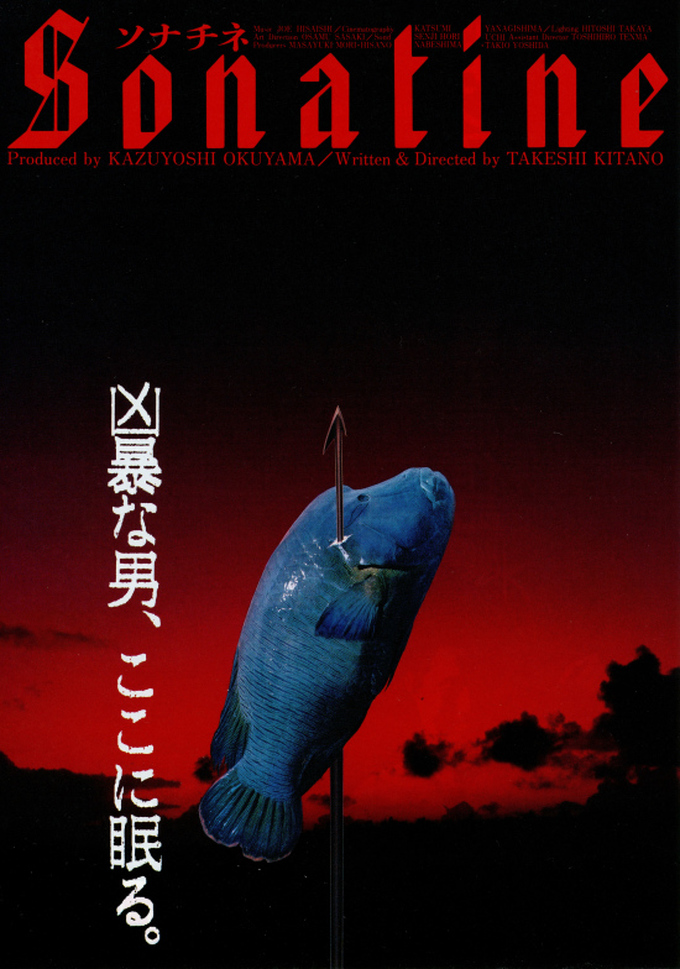
Sonatine (ソナチネ, Takeshi Kitano, 1993)

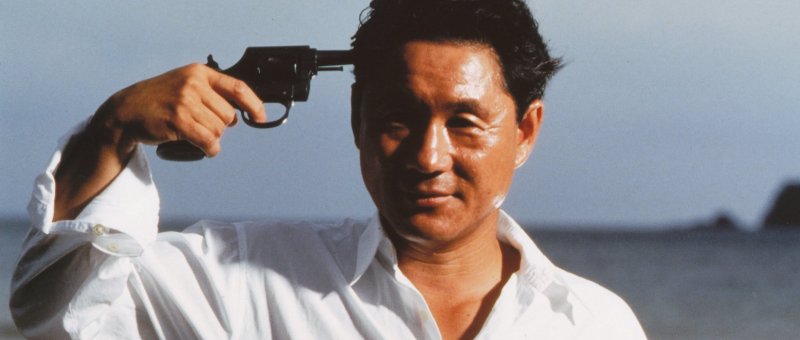
The problem with being a yakuza is that there is never any rest. Staying alive means constant vigilance, make a mistake and it could be the end of you or, conversely, get too good at your job and place a target on your own back. The hero of Takeshi Kitano’s Sonatine (ソナチネ) declares himself tired, not just of the life but life itself. By his fourth picture, Kitano was perhaps feeling something similar, later describing the near-fatal motorcycle accident he encountered some months after the film’s completion as an unconscious suicide attempt. For years he’d been one of Japan’s top TV personalities working a breakneck schedule that left him little time for other outlets such as painting, novels, and acting for others, but still he longed to be taken more seriously as an artist in his home nation where audiences largely stayed away from his “serious” films, as they did with Sonatine which flopped at the box office and put an end to his arrangement with Shochiku who had distributed his first two features in which he had also starred. 

For this third film, A Scene at the Sea, Kitano remained behind the camera and distanced himself from the themes of crime and violence which defined his early career, crafting instead an intensely melancholy tone poem about a deaf surfer falling in love with the ocean. In Sonatine he casts himself as the lead for the first time since Violent Cop, this time as a gangster experiencing extreme existential malaise when confronted with the futility and emptiness of his life in organised crime. Murakawa (Takeshi Kitano) is aware he has probably reached the zenith of his career as a mid-tier gang boss working as a, by all accounts, unexpectedly successful enforcer in a rundown area of the city. His first crisis concerns the owner of a mahjong parlour who thinks the yakuza are an outdated institution and refuses to take their threats seriously. He sees no need to pay them the customary protection money and assumes they’ll back off he simply tells them he’s not interested, but he is very wrong. Murakawa has him kidnapped to teach him a lesson, observing while his minions attach him to a crane and threaten him by dunking him in a large pool of water. Immediately apologetic, the man sees the error of his ways, but Murakawa doesn’t really care about the money anymore and so they dunk him again to see how long it takes a man to drown, barely shrugging as they realise he really died. 

Either because he’s an unusual man, or because he is simply tired of everything, Murakawa no longer bothers to abide by the rules of petty gangsterdom. He doesn’t do deference, smoking away long before his boss offers permission to do so and feeling unafraid to voice his reluctance when he’s ordered to take some of his guys to Okinawa to settle a nascent gang war involving one of their affiliates. Murakawa doesn’t want to go because he lost three men in a similar job in Hokkaido, but in reality has little choice. Later events prove he was right to be suspicious. The Okinawan gang boss tells him that he reported some minor friction with another gang out of courtesy and is confused he’s been sent reinforcements, not that he’s not glad to see them. As soon as they arrive, however, the tension rises and Murakawa and the guys are forced into hiding, holing up at the beach as they await orders from head office or word on a possible truce. 

Murakawa, his two right-hand men, and the Okinawan gangsters adjust to tranquil island life, playing on the beach and taking the time to master the art of Okinawan folk dance, but the grim spectres of death and violence present themselves even here in empty games of Russian roulette and Murakawa’s childish prank of digging sand traps for the guys to fall into as if into their graves. While he’s busy admiring the night sky, the silence is ruptured by a local tough chasing a young woman onto the beach where he proceeds to rape her. Murakawa doesn’t intervene but is challenged anyway and then forced to kill the puffed up youngster while the young woman, Miyuki (Aya Kokumai), becomes strangely attached to him, impressed by his cool dispatch of her attacker. 

Murakawa’s somehow innocent relationship with the young woman creates a minor rift with his men who resent the absence of his leadership at a time of crisis while he ponders alternate futures outside of the gangster brotherhood. But deep down he knows that his idyllic beach holiday cannot last forever and that he will have to leave this liminal space eventually for a destination of which he is all too aware. As he explains to Miyuki, when you fear death so intensely you begin to long for it if only for an end to its terrible anxiety. 

The title “Sonatine” is apparently inspired by the “sonatina”, a short, tripartite piece piano players attempt to mark an attainment of skills before choosing the future direction of their musical career. Murakawa undergoes three distinct arcs, from the city to the beach and back again, but perhaps knows there is no future direction in which for him to travel only the nihilistic fatalism of a life of violence. As for Kitano, it does perhaps draw a line in the sand marking the end of an apprenticeship and its associated compromises as he fully embraces an authentic personal style, like Murakawa no longer prepared to be deferent in an admittedly exhausting world. 


Sonatine is the third of three films included in the BFI’s Takeshi Kitano Collection blu-ray box set and is accompanied by an audio commentary by Chris D recorded in 2008. The first pressing includes a 44-page booklet featuring an essay on Sonatine and introduction to Kitano’s career by Jasper Sharp,  an essay on Violent Cop by Tom Mes, a piece on Boiling Point from Mark Schilling, an archival review by Geoff Andrew, and an appreciation of Beat Takeshi by James-Masaki Ryan.

The Takeshi Kitano Collection is released 29th June while Violent Cop, Boiling Point, and Sonatine will also be available to stream via BFI Player from 27th July as part of BFI Japan.

Original trailer (English subtitles)