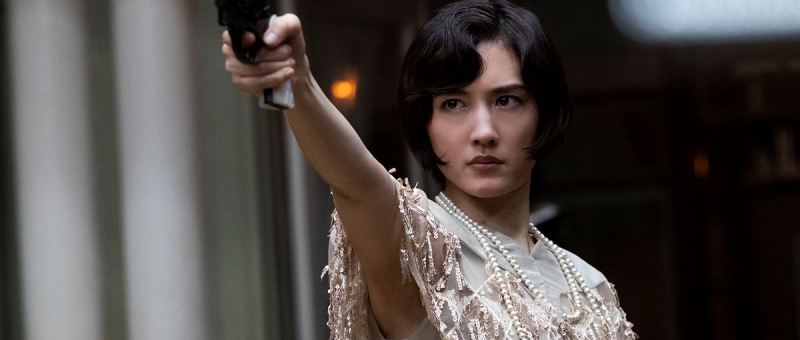

Cloud (Cloud クラウド, Kiyoshi Kurosawa, 2024)

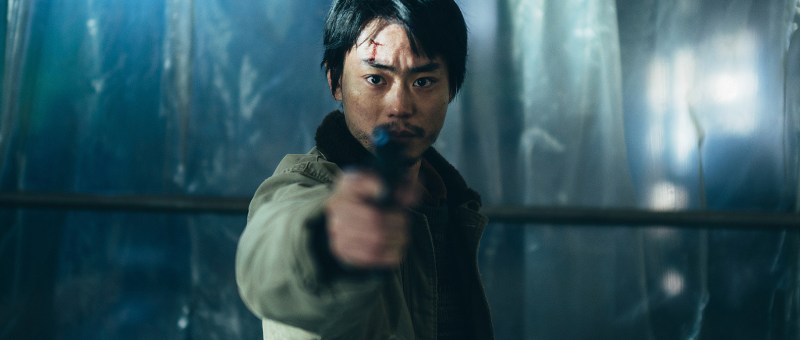
“We wanted to make easy money,” a down-on-his luck reseller admits, “is life easy now?” Factory worker Ryosuke (Masaki Suda) rebels against capitalism by subverting it through buying low and selling high while repeatedly refusing promotions at his job in a textiles factory. Though it might seem that reselling is just a way to earn an income that seems almost passive but is actually fairly labour-intensive, it’s clear that Ryosuke is a young man dissatisfied with capitalistic realities and lacking direction in his life. 

Reselling has become a kind of game to him and like a gambler who plays to lose he’s hooked on the thrill of making a killing exploiting other people’s misery. He’s at once filled with pride and smugness over his apparent triumph over his society and consumed by self-loathing. His friend and fellow reseller Muraoka (Masataka Kubota) tells him that another acquaintance has been arrested for scalping concert tickets with both of them lamenting his foolishness in getting involved with something so risky. The implication is that their friend, Goto, must have been in real desperation to lower himself to such levels and they each fear they may someday end up in the same position. Muraoka laments that that kind of selling is a young man’s game and neither of them have the time or energy to spend all day queuing to buy stuff just to sell it on cheap. They are each, it seems, beginning to feel the increasing desperation of their age that they are running out of time and have little to show for their efforts nor any prospects for the future. 

But on the other hand, neither of them want to be locked into the grind or join the oppressive but secure world of the salaryman. In many ways, Ryosuke’s factory boss Takimoto (Yoshiyoshi Arakawa) represents the “correct” path of hard and honest work, though his own paternalistic conviction in meritocracy seems outdated in a man of his age whose formative years occurred during an era of economic stagnation. He talks to Ryosuke as if he’s a young man who wants to get on but lacks confidence, telling him that he has leadership potential and is wasted on the shop floor, but his language also has an edge of the uncanny as if he were trying to recruit Ryosuke into his own worker drone revolution. In any case, even if it might be true that Ryosuke lacks confidence and ambition, that isn’t the reason he refuses promotions, which seems to be another way of rebelling against capitalism. When he eventually quits, he suggests it’s because he’s sick of being told what to do and wants more autonomy over his life and finances.

He tells his girlfriend Akiko (Kotone Furukawa) that she should quit her job too, which she’s only too happy to do because, unlike him, she actively doesn’t want to work and only wants to spend money. When she said she was thinking of giving up her apartment, Ryosuke naturally asked her to officially move in but she refused because his place is too small and she has too much stuff. Akiko has already been corrupted by the same consumerist bug that’s driving Ryosuke’s reselling business, but neither of them can really afford this lifestyle in the city. Ryosuke’s bright idea is to move to the remote countryside where he’s able to rent a huge, though ominous-looking, property for a fraction of the price with the idea of also economically supporting Akiko who will revert to traditional gender roles as a housewife in charge of the domestic space and most especially the kitchen.

But freedom cannot be found simply by retreating from urbanity and the couple soon find themselves plagued by a pervasive sense of resentment. The locals are not particularly accepting of people from Tokyo and are also needled by their success which is something they feel they’ve been unfairly denied. When Ryosuke tries to report a smashed window, even the policeman hassles him and says he’s received a tip-off that Ryosuke is breaking trading standards regulations by selling counterfeit goods as the real thing. Reselling in itself is not illegal, if definitely dubious morally and incredibly cynical. Ryosuke doesn’t seem to like to think about that and tells his new assistant, Sano (Daiken Okudaira), that he tries to sell all the items as quickly as possible so he doesn’t have to worry too much about their authenticity. If they’re wanted they’ll sell, Ryosuke justifies but he might as well be talking about himself.

“Being real or fake doesn’t matter?” Sano asks him, just as Ryosuke’s online and offline personas start to blur. He’s unaware that there are people actively hunting him for selling them substandard goods and is later pursued by real life vigilantes acting like online trolls and planning to torture him to death during a livestream. Like many of Kurosawa’s heroes, Ryosuke is completely convinced that he’s the benchmark for normal and it’s everything around him that’s strange or unfair. As the internet once again invades the “real” world, or perhaps it’s more that Ryosuke’s living his online life offline, the increasing unreality of the situation makes us wonder if any of this is “really” happening or product of Ryosuke’s fractured identity as it finally collapses under the twin corruptions of capitalism and social media. “Please keep focusing only on making money,” his new guardian angel Sano tells him, “everything will be obtainable. Whatever you want. Even things that can end the world.” Flying through ironically heavenly clouds, Ryosuke reflects that the path to hell really is paved with gold and his Mephistophelian pact with hyper-capitalism may have damned him beyond all repair.  


Cloud is in cinemas from 25th April courtesy of Blue Finch Film Releasing 

UK trailer (English subtitles)

To Mom, With Love (お母さんが一緒, Ryosuke Hashiguchi, 2024)

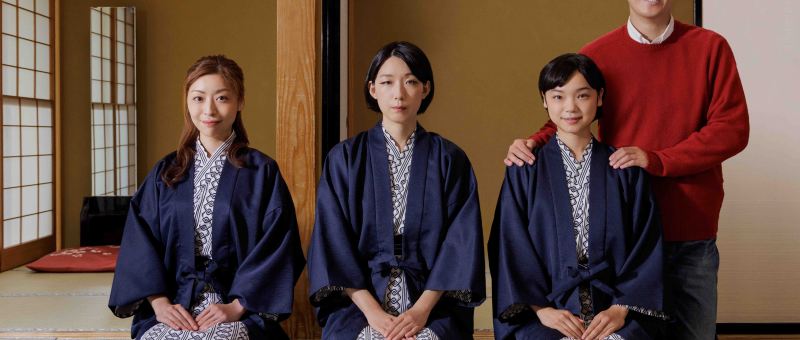
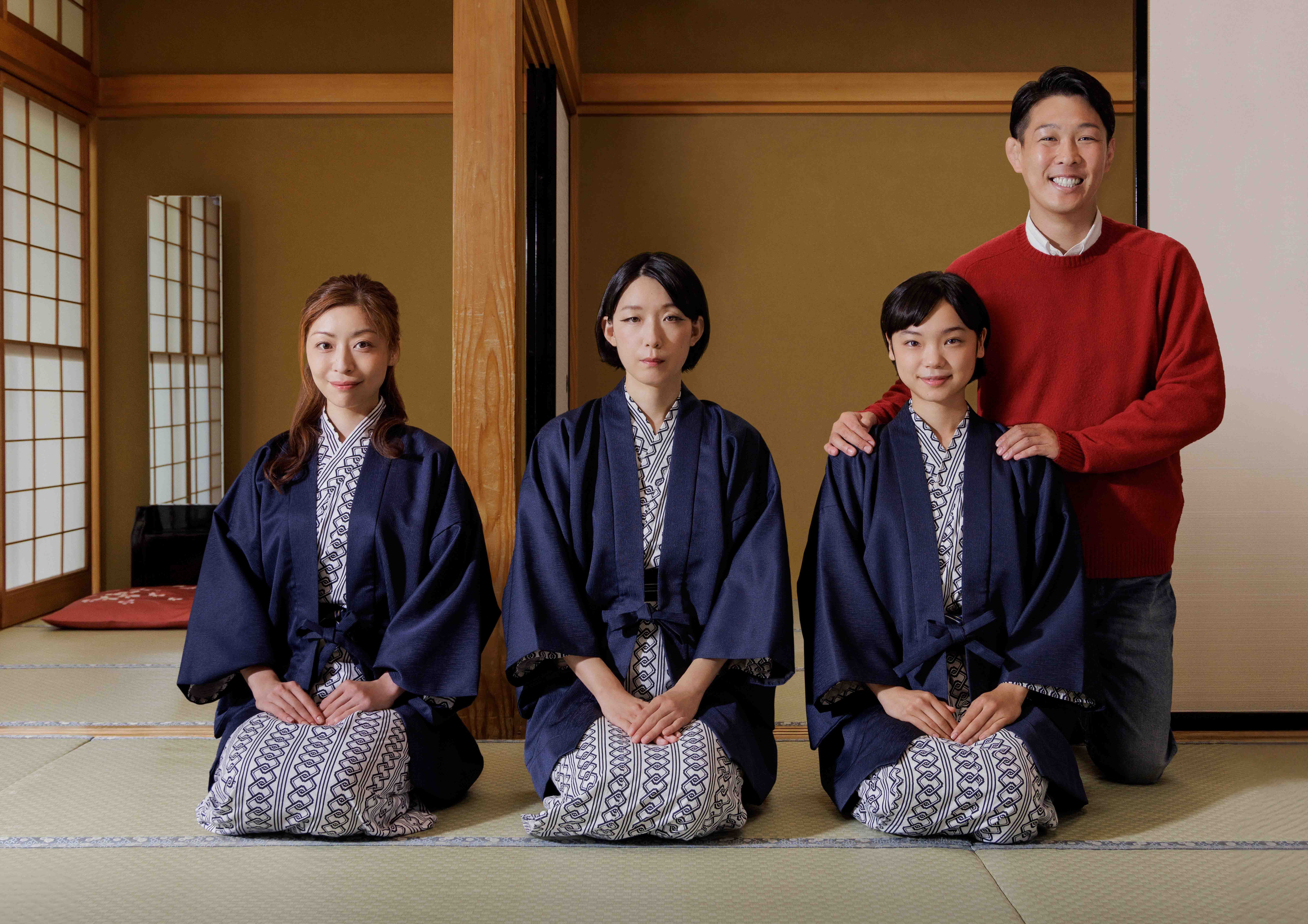
Three sisters embark on an ill-advised family trip to a rundown onsen to celebrate their difficult to please mother’s birthday but eventually discover a kind of serenity in their sisterhood in Ryosuke Hashiguchi’s To Mom, with Love (お母さんが一緒, Okasan ga Issho). Best known for his queer-themed films, this is Hashiguchi’s first feature in a decade and was made to celebrate the 25th anniversary of Shochiku’s family drama channel. As such it explores the perspectives of each of the sisters along with contemplating that of their unseen mother as they each find themselves trapped within oppressively patriarchal social structures.

Which is to say, the main problem is marriage. All the mother wants for her birthday is a grandchild but none of the sisters is married and the older two are ageing out of the prospect of motherhood. 40-ish Yayoi (Noriko Eguchi) has like her mother become somewhat embittered, constantly carping on about the facilities at the old-fashioned inn which she says smells of mould rather than the refreshing scent of tatami mats. She snipes at her sister Manami (Chika Udisa), 35, who has had a string of unsuccessful relationships including one with a married man, while the youngest sister, Kiyomi (Kotone Furukawa), 29, is about to spring the surprise that she is engaged to the son of their local liquor store, Takahiro (Fallgachi Aoyama), as a sort of birthday present for her nagging mother.

This pressure to marry and have children is overwhelming and largely stemming from the mother herself, but it’s clear that she suffered in life because of an arranged marriage to the sisters’ father which was ultimately unhappy. Manami recalls a rare family holiday in which her parents argued in a restaurant and her father violently threw his fork to the floor. He wasn’t an easy person either, but the mother still wants nothing more than to inflict this same misery on her daughters as means of declaring her own life successful. Manami may have a point when she says that they shouldn’t have come on this trip given that it doesn’t seem like something their mother would enjoy and in fact like Yayoi what she apparently enjoys most is complaining about it before going to bed early and ruining everyone’s plans for the evening. 

While all this is going on, Kiyomi has Takehiro hiding out in their room waiting for the signal to join them and doing so patiently without complaint. Though he seems fairly clueless, in contrast to the sisters he’s a calm, easy-going presence and eager to keep the peace. He might be a bit of a flirt, not exactly objecting to Manami’s inappropriately flirty behaviour and hanging out with two other women in the inn’s lounge while Kiyomi bickers with her sisters, but otherwise seems like he just might be nice. An only child, he might secretly be a little jealous of Kiyomi for having siblings to bicker with, though that’s something that Kiyomi is too insensitive to notice at least right away. In any case, his family life seems to have been much warmer and down to earth than that of the sisters who though they berate each other for blaming their problems on others struggle to let go of their familial traumas.

In part, that’s why Takahiro’s arrival sparks such a crisis for it means that Kiyomi will be moving on to the conventionally domestic future which has eluded Yayoi and Manami though they each appear to have desired it. Kiyomi says she was left with no choice but to spring this surprise because her mother wouldn’t listen to her otherwise, but it perhaps also hints at her self-doubt that she will really be able to fulfil these roles as wife and mother or that her own marriage will be any happier than her parents’. Tempers rise and grievances are aired, but in the end you can only really have these incredibly raw arguments with family because they’re the only ones who’ll forgive you once the storm has cleared. Though it may have been a bad idea to come on this trip, there is something in the healing powers of the waters or “power spots” at the local shrine which even seems to cause their constantly “negative” mother to say something nice even as the sisters realise that in the end they only have each other but perhaps need little else.


To Mom, With Love screens as part of this year’s Japan Foundation Touring Film Programme.

Trailer (Japanese subtitles)

Images: ©2024 SHOCHIKU BROADCASTING Co., Ltd.

Secret: A Hidden Score (言えない秘密, Hayato Kawai, 2024)

The shojo manga vibes are so strong with Hayato Kawai’s Secret: A Hidden Score (言えない秘密, Ienai Himitsu) that it’s difficult to believe it’s actually a remake of a Taiwanese film from 2007. Anyone remotely familiar with the genre will have figured the mystery fairly early on though Kawai does his best to build on the gothic overtones in what is actually a story about the hero’s recovery of his love for music having had it beaten out of him while studying abroad in the UK. 

To that extent, Minato’s (Taiga Kyomoto) disillusionment with the piano is akin to a loss of the self. He’s come back from London earlier than expected and is quickly humiliated during his friends’ hazing ritual of making him participate in a piano duel with another student which he gives up on half way through. Having experienced a truly terrible teacher who shouted and bullied him into feeling as if he should give up on music if not life Minato is left listless and lonely with no sense of direction.

This might be why he’s drawn to Yukino (Kotone Furukawa), a mysterious presence he first encounters after being struck by the sound of her playing piano in an abandoned music room soon to be torn down. He asks her what the name of the song is, but she only tells him that it’s a secret like many other things about her. Minato is fascinated but also resentful, captivated by the mystery that surrounds Yukino while frustrated by the playful distance she keeps from him. In many ways she represents life, not only romantic love but restoring his love of music and a sense of confidence in it born of his rediscovery of the simple joy of playing as symbolised by the toy piano which his father (Toshinori Omi) is also trying to repair for him.

Yet it’s also clear something’s not quite right. Yukino’s clothes are slightly old-fashioned and she doesn’t own any kind of mobile phone. No one else on campus seems to know her and she often disappears without warning only to reappear just as unexpectedly. A minor love triangle develops between Minato, Yukino, and his childhood friend Hikari (Mayu Yokota) which later provokes a secondary emotional crisis though it’s clear this slippery duet that Minato is playing gradually allows him to open himself back up emotionally so that he can re-embrace his love of music and once again play the piano which is all he’d lived for until the cruel worlds of sadistic teacher caused him to want to give up on life.

Kawai certainly ups the romance with the gothic aesthetics of the disused music room along with the drafty corridors leading to it, though when the secret is eventually revealed it’s something of an anti-climax given its obviousness and the lack of effect it has on Minato who seems to be left with another unfinished symphony of longing and loneliness destined to echo through his music for years to come. There is however a poignancy in Yukino’s declaration that she just wanted to be an ordinary girl and in the shattering of her romantic illusions when she sees that Hikaru is in love with Minato and subject to none of the barriers that cause her to think her romance has no longterm possibilities. 

More than the Taiwanese original, the film leans into the tropes of shojo manga along with the junai classics of the early 2000s in its supernaturally-tinged tale of tragic romance and impossible love. As such, the film has a nostalgic quality though its retro touchstones seem somewhat out of sync in its polaroid cameras and ‘50s-themed disco even if that itself may equally be a kind of reference to Back to the Future, though more than anything else it’s a tale of a miracle created by music bringing two lonely souls together. It may seem as if Minato is drawn towards death or something dark, but is in reality chasing himself and the melody of a life that’s lost to him, perhaps finally catching it and learning to play again only to find that the dance ends much too soon leaving only the barest echo of itself behind.


Secret: A Hidden Score screened as part of this year’s Nippon Connection

Original trailer (English subtitles)

Best Wishes to All (みなに幸あれ, Yuta Shimotsu, 2023)

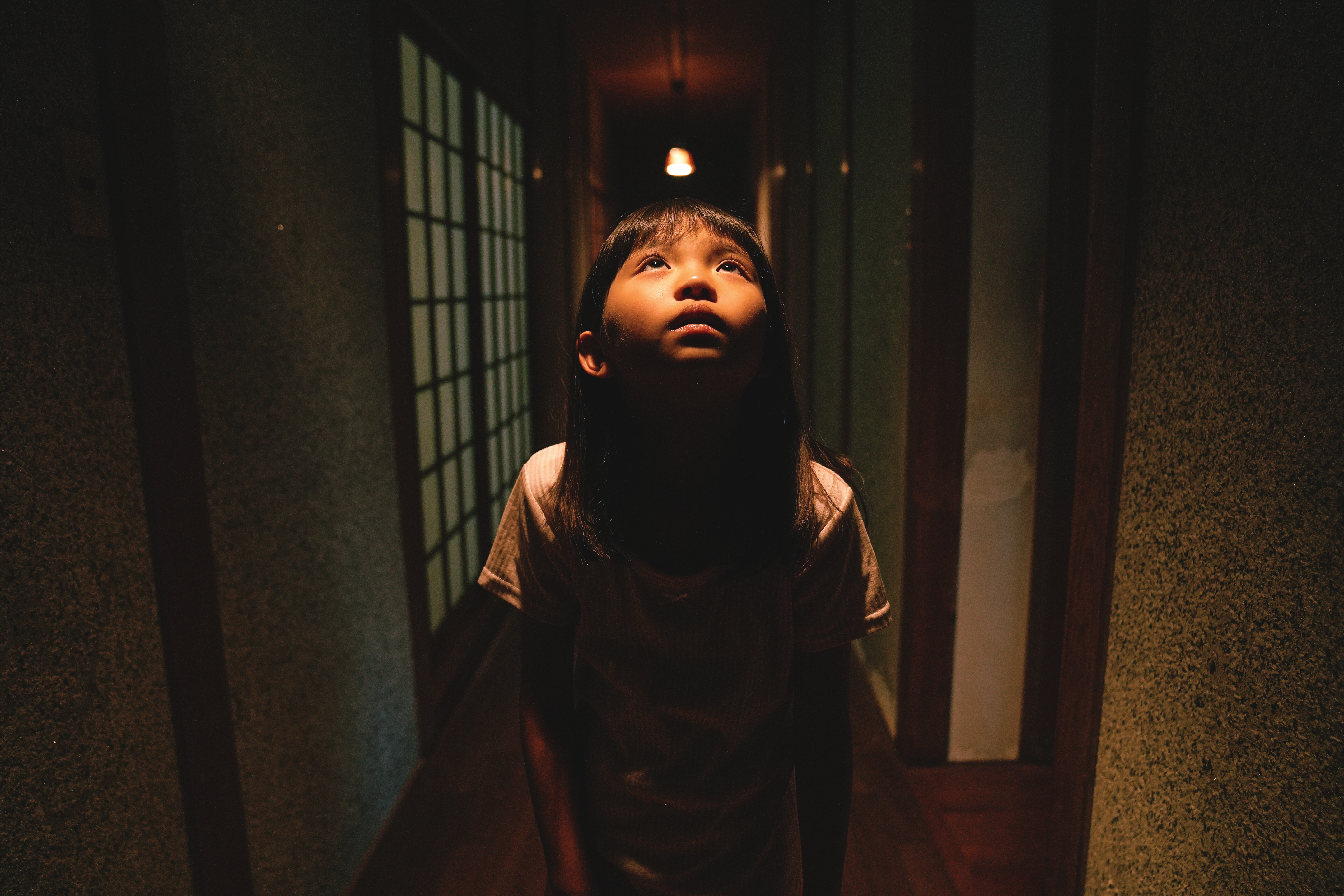
A young woman is confronted with an uncomfortable truth on return to her old hometown in Yuta Shimotsu’s eerie horror satire, Best Wishes to All (みなに幸あれ, Mina ni Sachi Are). Is there really a finite amount of happiness in the world or would there be plenty to go around if only we weren’t all so selfish? The unnamed heroine (Kotone Furukawa) claimed she wanted to become a nurse to “save people” but in the end starts to wonder if the only way to be happy in a cynical world is to meet it on its own terms. 

Even so, there’s something decidedly strange about her reunion with her grandparents. She notices them behaving oddly but isn’t sure whether to chalk it up to their age and not having seen them for a long time, only there’s something a little creepy in their overt “happiness” as they cryptically look up at the ceiling as if gazing at a higher power or suddenly start making pig noises before remarking that they should be happy as they eat their bacon that the animal has achieved its purpose in life. Meanwhile, for unclear reasons they forbid her from hanging out with a childhood friend who stayed in town to take over his father’s farm despite showing promise as an artist.

He too cryptically adds that he thinks there’s enough happiness in the world for everyone to have some without needing to hoard it, adding to the heroine’s unease as she tries to investigate the strange noises coming from behind a locked door in her grandparents’ home. Soon, she begins to discover what it is that makes them “happy” and is confused and appalled, unsure whether she should believe her eyes or has actually gone out of her mind in this already quite weird place. 

On leaving the city, she’d paused on a pedestrian crossing to help an old lady with her bags while a salaryman had knocked hers out of her hands by walking into her. She was the sort of person that thought it was important to help others or at least to be considerate, but is confronted with an uncomfortable truth in being asked if she can go on pretending that her happiness isn’t bought with the suffering of someone else somewhere in the world even if they aren’t exactly “visible” to her. She tries to revolt and reject the strange goings on at her grandparents’ but is told that it’s the way of the world, that it’s happening everywhere, and that really she knows but has chosen not to see because when it comes right down to it she’s as selfish as everyone else and isn’t willing to sacrifice her own happiness to “save” someone else from suffering.

Meanwhile, she realises that some families are being shunned in the village for resisting and these families largely are “unhappy”, though undoubtedly some of that at least must be down to their stigmatisation. She and her friend save a high school boy who was being bullied, but even he later relates to her that he’s decided to “live smart” by going along with the local practice even if it doesn’t seem right to him because it’s pointless to resist when everyone is doing it. Another rejectee also tells her that the village philosophy is a fallacy because even if someone “should” be miserable there’s no way to know how they really feel and if you’re only basing your idea of “happiness” on external validation then of course you’ll always be miserable. 

Confronted with a bizarre series of events, she begins to wonder if she’s going out of her mind and none of this is really happening even while pressured to submit herself to the ways of the village. In effect, she’s being asked to choose her level of comfort with complicity, acknowledging directly that her “happiness” is based on a quite literal exploitation, drained out of those less fortunate than herself. Her friend remained convinced that there is plenty of happiness to go around without needing to extract it from others, but the lessons she learns are more cynical, no longer stopping to help old ladies with their shopping and suspicious of those who do while proudly declaring herself “happy” with her new “reality”. Shimotsu excels in finding the eeriness of the every day in which an ordinary jar of miso or a workman’s tool box can seem to radiate evil while the grandparents’ ordinary house has an incredibly ominous atmosphere that raises a note of uncanniness in their “happy home” suggesting that their quasi-beatific state is more akin to curse than blessing. 


Best Wishes to All screens in New York July 27 as part of this year’s JAPAN CUTS.

Trailer (no subtitles)

BL Metamorphosis (メタモルフォーゼの縁側, Shunsuke Kariyama, 2022)

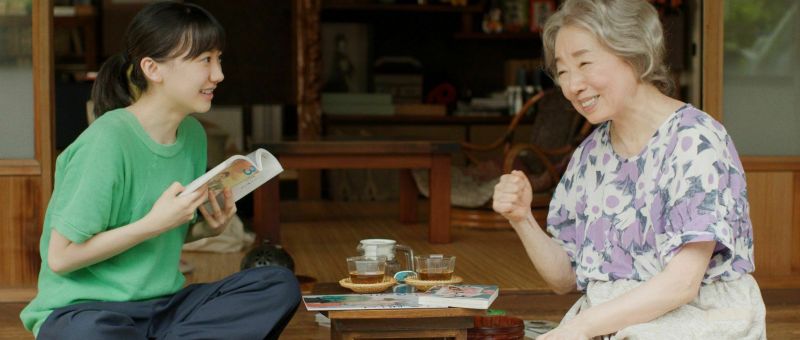
As the heroines of Shunsuke Kariyama’s charmingly heartwarming dramedy BL Metamorphosis (メタモルフォーゼの縁側, Metamorphosis no Engawa) introduce themselves to each other, the older, Yuki (Nobuko Miyamoto), reflects that their names mean “snow” and “sunshine” respectively though for much of the film their roles are reversed. 17-year-old Urara (Mana Ashida) is gloomy and introverted, diffident to the point of inertia and in danger of becoming resentful while the widowed 75-year-old Yuki is relentlessly cheerful despite her loneliness and the increasing effects of age. 

What brings about their serendipitous meeting is, strangely enough, BL manga which a curious Yuki picks up on a whim struck by the beauty of its artwork much to the embarrassment of secret BL fanatic and part-time bookshop girl, Urara. “BL” or “Boys’ Love” manga is a genre which focusses on romance between men but is largely written by and for a straight female audience. Readers have been termed or may term themselves fujoshi, which literally means “rotten girl” and hints at the disdain with which the genre is sometimes held explaining Urara’s intense sense of shame about her secret hobby. She keeps her substantial collection of BL manga in a cardboard box hidden behind several other boxes under the desk in her room where no one will find it, and when an enthusiastic Yuki takes her to a cafe for a few primers, Urara snatches the book from the table before the waitress can see it while two women snigger from behind struck by the incongruity of hearing an elderly lady speak so enthusiastically about a love story between teenage boys. 

Yuki is more open-minded than many might assume even if the lovely suburban house where she holds calligraphy classes is the peak of refined elegance. She’s exactly the sort of person you wouldn’t think would be into BL, but unlike Urara and perhaps because of her age she feels no embarrassment at all and asks her questions straightforwardly without shame. Her cheerfulness and positivity begin to rub off Urara who begins to wonder what it is she’s so ashamed of, why she resents the popular girlfriend of the childhood friend she may or may not have a crush on, and what it is she’s really afraid of pursuing in the course of her life. As the two women bond over over their shared interest a new connection develops that brings sunshine back into each of their lives along with a new sense of strength and possibility in a true tribute to intergenerational friendship. 

Yet the nature of their connection leads Urara, who had considerately brought out a stool for Yuki while searching for a book she wanted at the store, to forget that Yuki is not as young as she was and cannot necessarily accompany her as a friend of her own age might. She invites her to come to a large convention for self-published manga, but then begins to rethink on seeing pictures of the queues realising it might not be much fun for a 75-year-old woman with a couple of mobility problems to stand in line for hours on end just to walk around inside. Her sense of embarrassment in her thoughtlessness causes her to pull away from Yuki, only to come to regret it on returning to her home and finding it a little emptier as if a part of Yuki had already disappeared. 

Nevertheless, it’s Yuki’s encouragement that finally gives Urara the courage to write a manga of her own which is part fan fiction based on the BL manga they’d read together and a tribute to their friendship retold as a BL love story in which two people find each other and bring joy and happiness back into each other’s lives. Yuki ended up becoming a calligraphy tutor because she’d wanted to write a fan letter to the author of a manga she liked as a child but was ashamed of her handwriting and never sent it. The author stopped publishing a while later and she regretted not having told her how much the manga had meant to her. Similarly the author of the manga the pair read (Kotone Furukawa) is mired in creative difficulties and artistic doubt only to unexpectedly rediscover her confidence on coming across Urara’s fan fiction and realise that her work had touched someone and held meaning in their life. The film’s Japanese title translates more literally as “the engawa of metamorphosis” which refers to the small deck area looking on to Yuki’s beautiful garden where the pair often sit together sharing their love of manga, each somehow blossoming under the warm summer sunshine transformed by their friendship and ready to embrace the future.


BL Metamorphosis screened as part of this year’s Japan Foundation Touring Film Programme.

Original trailer (English subtitles)

Any Crybabies Around? (泣く子はいねぇが, Takuma Sato, 2020)

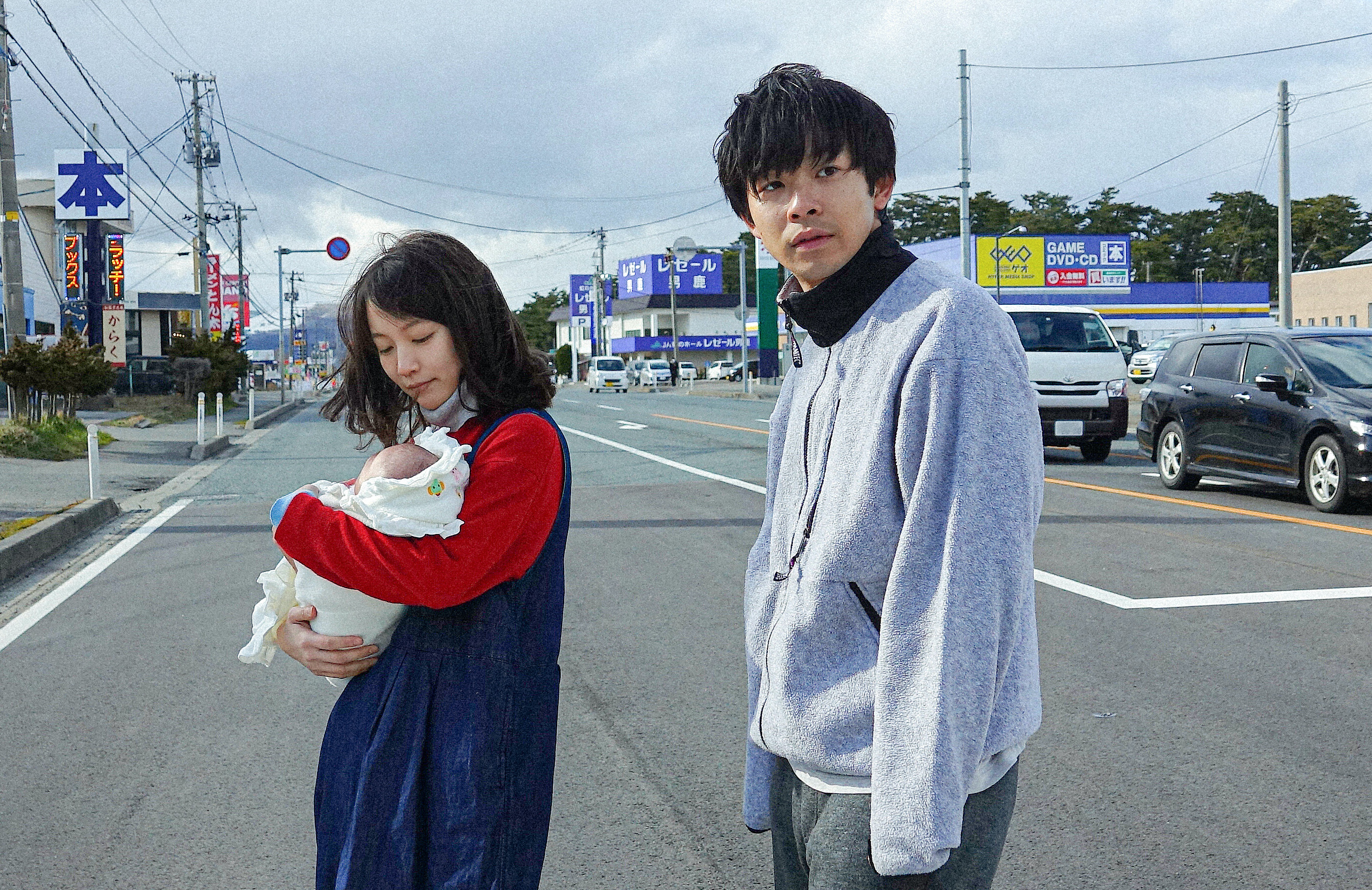
“Get your act together” an exasperated new mother exclaims, but it seems even new fatherhood isn’t quite enough to jolt the aimless hero of Takuma Sato’s paternity drama Any Crybabies Around? (泣く子はいねぇが, Nakuko wa Inega) into accepting his responsibility. Fatherhood is indeed a daunting prospect, however Sato isn’t interested solely in Tasuku’s (Taiga Nakano) attempts to “grow up” and embody the ideals of masculinity in a patriarchal society but also in the nature of fatherhood itself along with its legacies and the effects of male failure on those caught in its wake. 

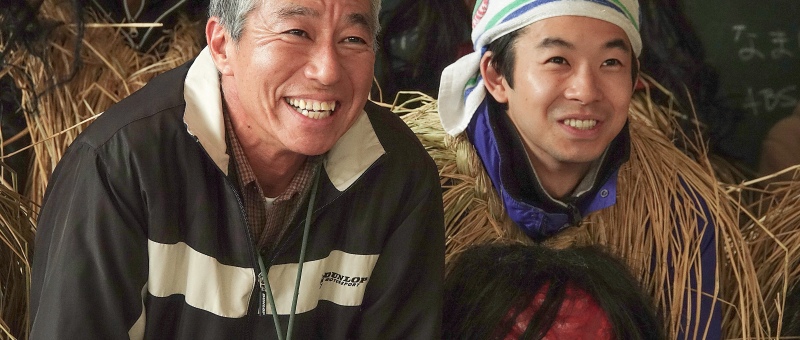
Everyone in the small town of Oga seems to be aware that Tasuku has undergone a shotgun marriage though it’s more the subject of gentle ribbing than scorn or disdain. Many remark on his relative youth, though he’s perhaps not so much younger than his parents might have been when he was born it’s just that times have changed. In any case, his wife, Kotone (Riho Yoshioka), is beginning to get fed up with him worried that he isn’t ready to be a father and isn’t taking the responsibility seriously enough. As young men do he still drinks like a single man and is vulnerable to peer pressure. Kotone begs him not to participate in the local Namahage festival but he insists they have to keep the tradition alive while apparently feeling an obligation to Mr. Natsui (Toshiro Yanagiba) who ensures it continues. She makes him promise not to drink, and he does his best in the beginning but, paradoxically, the Namahage is a drinking festival. Soon enough, Tasuku has had a little too much and beginning to feel hot takes off all his clothes, running around in the nude save for the large oni mask on his face while local reporters there to cover the traditional festival decide to make him a viral sensation. Unable to bear the shame, Tasuku abandons his wife and child and runs away to anonymity in Tokyo. 

The irony is that introducing the festival to the reporters, Mr. Natsui had flagged it up as a bastion of family values, that it’s not about “scaring” children but teaching them “good ethics” while reassuring them that their fathers will always protect them. According to Mr. Natsui, those children then grow up to become fathers who protect their offspring, Tasuku’s unfortunate streaking somewhat undermining his argument. It’s interesting in a sense that Tasuku is himself fatherless, his father having passed away some years earlier leaving not much of himself behind other than the oni masks he carved for the Namahage. Tasuku’s brother (Takashi Yamanaka), who was supposed to be getting married but apparently did not perhaps because of Tasuku’s scandal, later becomes upset on deciding to sell the family business lamenting that he was able to save “nothing” of his father, rejecting the Namahage mask that Tasuku offers him as “trash” while acknowledging perhaps that the Namahage is all is he left them along with the transitory lessons it imparts. 

Tasuku was clearly not quite ready to be a dad, but having spent some time growing up and hearing that his father-in-law has passed away leaving his ex with little choice than to work as a bar hostess on the fringes of the sex trade, he decides to go home and try to make amends. He swears repeatedly that he won’t run away again and will do whatever it takes until he’s forgiven, but still he flounders failing to find secure employment while periodically visiting his grandmother in a nursing home and helping his mother (Kimiko Yo) out selling traditional ice creams at local tourist attractions. “You’re not the only one who can be Nagi’s father” she reminds him as he perhaps begins to realise that there are some bonds you can’t repair even if you’re eventually forgiven for having broken them. 

Performing the Namahage forces Tasuku uncomfortably into the role of the authoritarian father safe scaring the child in order to instil in them a sense of confidence that encourages them not to be afraid of life, in the way that he may ironically be, because there will always be someone there waiting to catch them. The ability to protect a family is a defining feature of the masculine ideal, and the Namahage in its way perpetuates outdated ideas of gendered social roles while Tasuku’s mother and even grandmother are always there for him with unconditional acceptance, supporting him even in the depths of his “disgrace” and encouraging him to move forward even if that means accepting defeat. Keeping the Namahage alive is also in a sense to preserve the paternal legacy, just as Tasuku’s father may have passed nothing else down to his sons so Tasuku may find he has nothing more to offer, perhaps no longer a “crybaby” but still struggling to shift into the role of the father even while belatedly coming of age in the knowledge that he may have left it too late. 


Any Crybabies Around? streams in Germany until 6th June as part of this year’s Nippon Connection. For viewers outside of Germany it is also available to stream in many territories via Netflix.

International trailer (English subtitles)

Wheel of Fortune and Fantasy (偶然と想像, Ryusuke Hamaguchi, 2021)

It might be frightening, when you think of it, how much of life is dependent on coincidence. Chance encounters, some sparking lifelong connection others destined only for aching memory, are after all what life is all about. Given a little imagination, the heroes of Ryusuke Hamaguchi’s triptych of accidental meetings Wheel of Fortune and Fantasy (偶然と想像, Guzen to Sozo) each begin to work through their personal traumas, easing their loneliness in fleeting yet profound connections with others. “I’m glad I met you” one woman says to another, imagination and reality for a moment blurred as they role-play themselves towards a greater accommodation with the missed opportunities of the past. 

“Could you dare to believe in something less assuring than magic?” the anti-heroine of the first episode asks her former lover, undermining the central thesis in suggesting that sometimes coincidence is just that and everything else mere fantasy an attempt to convince oneself that life is grander than it is. Her friend, Tsugumi (Hyunri), excitedly tells her about the best night of her life born of a serendipitous meeting with a man who might be her soulmate but was also wounded, frightened of falling in love, still carrying the scars of betrayal after being cheated on two years previously.

What Tsugumi didn’t know is that Mieko (Kotone Furukawa) is the cheating girlfriend who broke the heart of her star-crossed lover Kazuaki (Ayumu Nakajima), but now Mieko’s sense of betrayal is two-fold. Tellingly, Mieko refers to her friend as “Gumi”, but to Kazuaki she’s the “Tsu” to his “Ka”, literally torn in two while Mieko both fears the loss of her friend and resents the love she herself discarded being picked up by another. The thought of the two of them, a perfect whole as she later admits, together near destroys her. When Kazuaki unwittingly invades their private space she has a choice, indulging in a moment of destructive fantasy which threatens to torpedo her friendship only for Hamaguchi to pull a Hong Sang-soo, zoom in and rewind, to allow her to make a more mature decision albeit one that leaves her exiled but allows a more positive path towards a freer future having let go of this brief moment of emotional trauma. 

But what if your emotional trauma is longer lasting, leaving you feeling isolated unable to understand why it is you’re not quite like everyone else and for some reason they won’t forgive you for it. Married housewife and mother Nao (Katsuki Mori) has gone back to college and is having an illicit affair with a much younger student but is frustrated not to be included in campus life in part blaming her sense of alienation on being so much older while also internalising a sense of discomfort that tells her it’s always been this way. Her lover, Sasaki (Shouma Kai), suggests it’s all her own fault, that she doesn’t know how to “go with the flow” and “puts up walls”. He meanwhile, is shallow and entitled, resentful towards a stuffy professor, Segawa (Kiyohiko Shibukawa), who held him back a year because his grades in French, a required subject, weren’t good enough.

To get back at him, he emotionally blackmails Nao into helping him set up a scandal but Segawa has a literal open door policy and their meeting eventually turns into something deeper even if Nao is forced to admit that a part of her craved this kind of seduction fantasy. Only Segawa, a distant, pensive man, meets her as an equal, tells her that he thinks her inability to go with the flow is no bad thing but a strength in that she lives by her own desires rather than those of an overly conformist society. An ironic mistake, however, later cheapens their profound connection spelling disaster for both while Sasaki it seems, as men like him often do, unfairly prospers plunging Nao into an even deeper sense of despair and self-loathing. “My own stupidity makes me want to cry” she confesses, offered hope only by another chance encounter with the unresolved past. 

Then again, do you actually need to meet to find resolution or is fantasy enough to overcome a sense of loss or missed opportunity? In the midst of a freak technological disaster in which the internet has been temporarily disabled, IT systems engineer Natsuko (Fusako Urabe) attends her 20-year high school reunion but the person she wanted to see wasn’t there. She thinks she sees her in fleeting moment passing each other on an escalator. The other woman seems to recognise her too, the pair of them caught in an escalator loop one chasing the other and thereafter visiting the other woman’s home. But as they talk they realise their chance encounter was mutual case of mistaken identity if one that exposes the similarities between them, connected Natsuko later puts it by an unfillable hole in the heart. Aya (Aoba Kawai), a middle-aged housewife, lives comfortably in a well-appointed suburban home but confesses herself wondering why she’s alive at all, feeling as if “time is slowly killing me”.

Not wanting to waste the “dramatic meeting” they role-play the conversation they might have had, Natsuko regretting having given up too easily on her high school love not wanting to cause her further pain but now realising that her care was mistaken, the pain was necessary for them both and its absence has condemned them to kind of limbo of unresolved longing and regret. Aya meanwhile reveals something else, a “boyish” friend for whom her feelings remain unclear though the final moment of connection in which she remembers her long forgotten name which literally translates as “hope” proves profoundly moving in the momentary connection between these two women, strangers but not, meeting by chance and bound by imagination each restoring something to the other if only in fantasy. 

A meditation on distance and intimacy, Hamaguchi’s series of empathetic character studies owes an obvious debt to Rohmer with a dash of Hong Sang-soo but is perhaps kinder allowing the randomness of life to provoke a gradual liberation in each of these wounded souls if only temporarily. The question might less be if you can believe in something less assuring than magic, than if you can learn to trust the strange mysticism of serendipity. 


Wheel of Fortune and Fantasy screened as part of this year’s BFI London Film Festival.

International trailer (English subtitles)

Kamata Prelude (蒲田前奏曲, Ryutaro Nakagawa, Mayu Akiyama, Yuka Yasukawa, Hirobumi Watanabe, 2020)

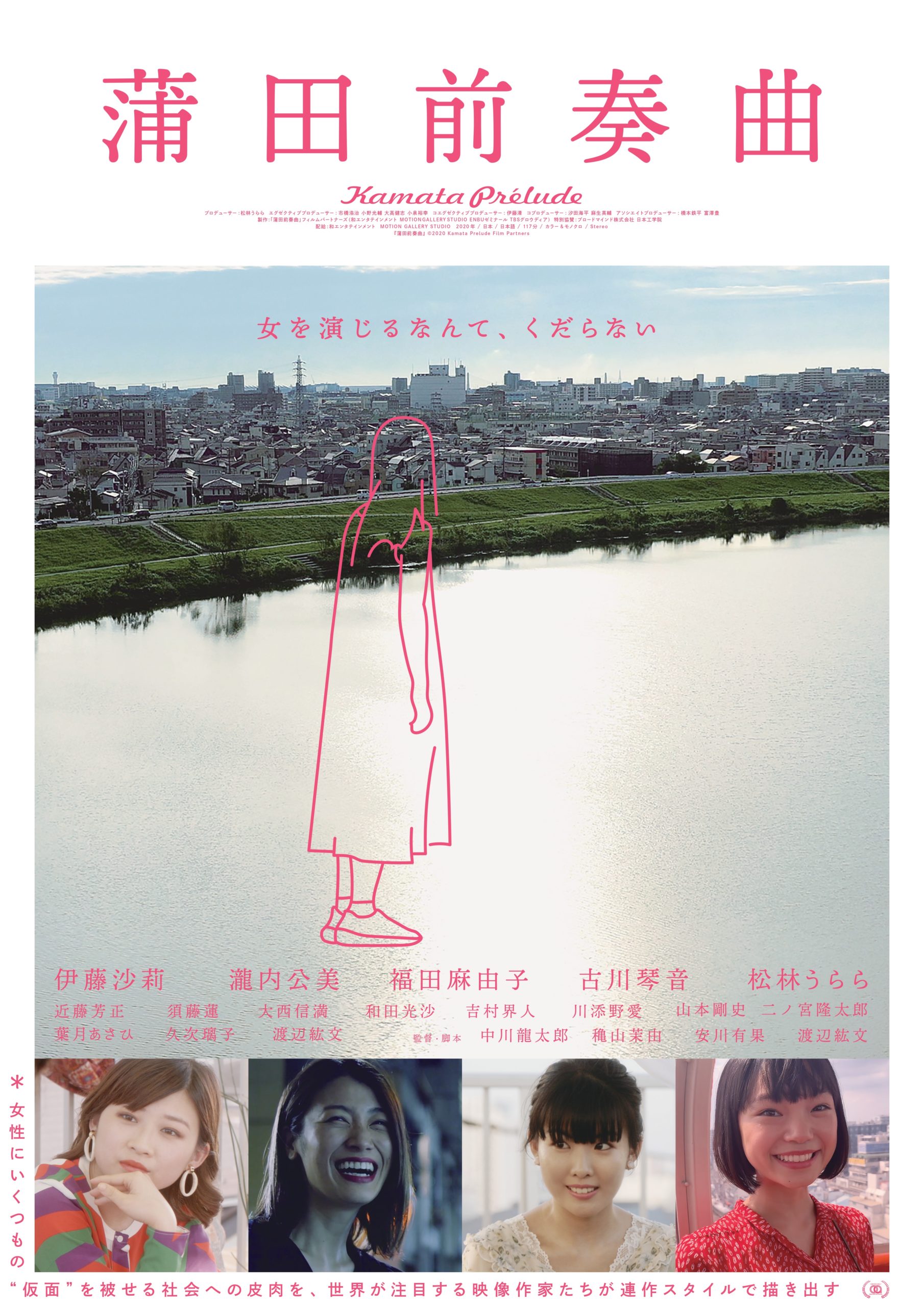
A quiet suburb of Tokyo, Kamata is in someways the birthplace of modern Japanese cinema home to Shochiku’s prewar studio where the “Kamata Style” which aimed to introduce a note of cheerful naturalism to an artform defined by shinpa gloominess was forged. Produced by actress Urara Matsubayashi who hails from the area and stars in three of the four segments, omnibus movie Kamata Prelude (蒲田前奏曲, Kamata Zensokyoku) asks some tough questions about what it means to be a woman and an actress today in the contemporary capital as the heroine, “Machiko Kamata”, contends with various demands from the economic to the emotional. 

Directed by Ryutaro Nakagawa, the first segment finds Machiko (Urara Matsubayashi) introducing herself as she takes part in a strange audition dressed in an inappropriately short cosplay-style nurse’s outfit. After the audition is over, her agent tells her to say “hi” to the director, a theme which will recur in the third chapter as Machiko finds herself feeling uncomfortable, forced to ingratiate herself in order to get ahead. Annoyed after the eccentric director asks her out for dinner, she can’t help asking him why she has to wear the suspiciously skimpy nurse’s outfit provoking him into a worryingly violent outburst. At home, meanwhile, her world is rocked by her younger brother’s revelation that he’s got a girlfriend who is, ironically, a nurse at local hospital. Jealous and resentful, Machiko can’t warm to Setsuko (Kotone Furukawa) who seems improbably sweet and innocent, almost as if she came from another time (the mid-August dating and ornaments for the Bon festival might clue us in as to why). Spending a day bonding with her, however, the two women generate a kind of sisterhood which pushes Machiko into a realisation of the emptiness she feels in her life of constant struggle as an aspiring actress supporting herself mainly with her part-time job at a ramen bar. 

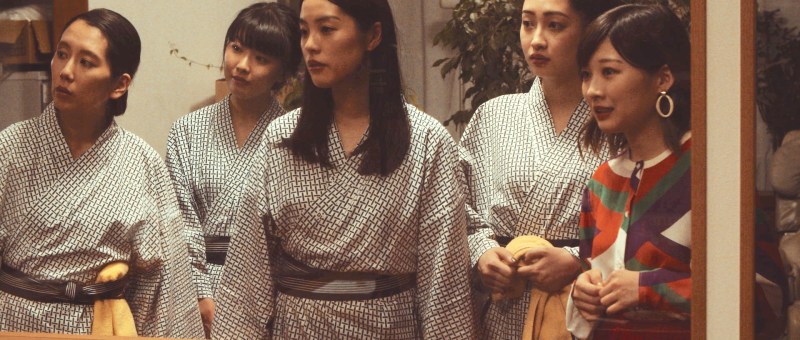
The themes of alienation and insecurity are only depend in the second segment, directed by Mayu Akiyama, in which Machiko reunites with a group of high school friends who are each less than honest about the state of their lives and their unfulfilled desires. Machiko gives the impression that she’s just been in a major movie with a big star, but it turns out she only played a corpse while the rest of the group are scandalised by the bombshell that their friend Marippe (Mayuko Fukuda) has got engaged to a guy from work she’s been seeing secretly for only six months. Besides being somewhat hurt not to have known she was seeing someone, the gang have different reactions to the news with hard-nosed career woman Hana (Sairi Ito) put out by Marippe’s traditional view of conventional gender roles in which she intends to let her career slide to concentrate on being a wife. A trip to a hot spring (the same hot spring seen advertised on Machiko’s T-shirt in part one) brings things to a head with a possibly cheating boyfriend eventually offering the excuse that he is merely a hot spring enthusiast sharing his hobby with a friend of the opposite sex rather than a two-bit louse indulging in the patriarchal double standard. 

Patriarchal double standards are out in force in part three, directed by Yuka Yasukawa, in which Machiko attends another odd audition where she and the other auditionees are asked to outline an episode of sexual harassment they have personally experienced. In fact, we have already seen her be inappropriately propositioned by a middle-aged producer who ran out on her in a coffee shop after she turned him down leaving her with the bill, but the episode she recounts is darker still. As she feared they might, the men in the room quickly figure out who she might have been talking about but proceed to put the blame on her implying that she sleeps around to get ahead and was only offended by the producer’s actions because he wasn’t powerful enough to be useful. It’s another woman however, Kurokawa (Kumi Takiuchi), who kicks things into gear by relating that she was assaulted by a man in a club whom she later reveals to have been the director himself only he doesn’t remember her. The director brings both women back and makes them re-enact Machiko’s tale of being inappropriately propositioned in a producer’s office, increasingly exasperated that the situation seems “too scary” as if he’s entirely missed the point of his own exercise or is actively getting off on the actress’ discomfort. The male cameraman (Ryutaro Ninomiya) is the one who eventually points out that the audition itself has descended into a protracted act of sexual harassment, seemingly conducted solely for the entertainment of the director and his assistant. 

Largely disconnected from the other three chapters, the fourth does not feature Urara Matsubayashi and is in fact set not in Kamata but in director Hirobumi Watanabe’s familiar Tochigi. The opening of his segment, characteristically filmed with static camera and in black and white, finds him once again playing a version of himself ranting about not knowing what to do with this unusual project he has taken on for the money even though he doesn’t generally make shorts, has never done an omnibus movie before, and remains suspicious of the concept. He relates all of this to his 10-year-old niece Riko (star of I’m Really Good), who says absolutely nothing while he continues to treat her as if she were the most famous actress in Japan. Somewhat poignantly, a photograph of Watanabe’s late grandmother sits on a stool off to the side, implying perhaps that little Riko has in some senses taken over her role as silent observer. The main thrust of the action follows Watanabe as he attempts to film a sci-fi movie about an alien invasion with local non-actors, but is finally linked back to the omnibus by Riko’s cheerful letter to Machiko in which she states that she wants to become an actress just like her. Ending on such an upbeat moment seems to imbue a sense of hope for the future that was perhaps previously absent, implying that the hopes and dreams of a little girl at least are worth fighting for if only to live up to her sense of expectation for the magic of the movies. 


Kamata Prelude streamed as part of this year’s Nippon Connection.

Original trailer (English subtitles)

Over the Town (街の上で, Rikiya Imaizumi, 2019)

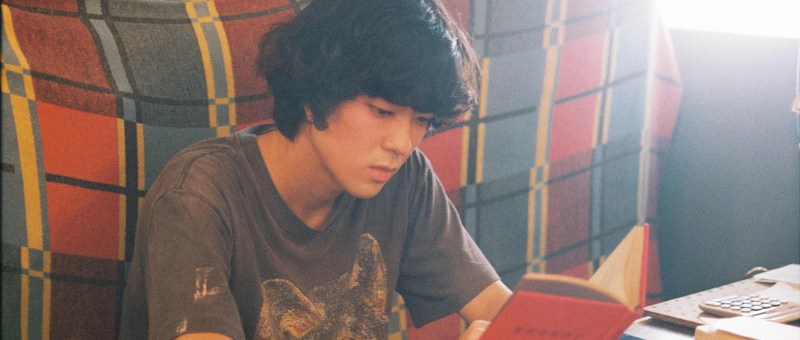
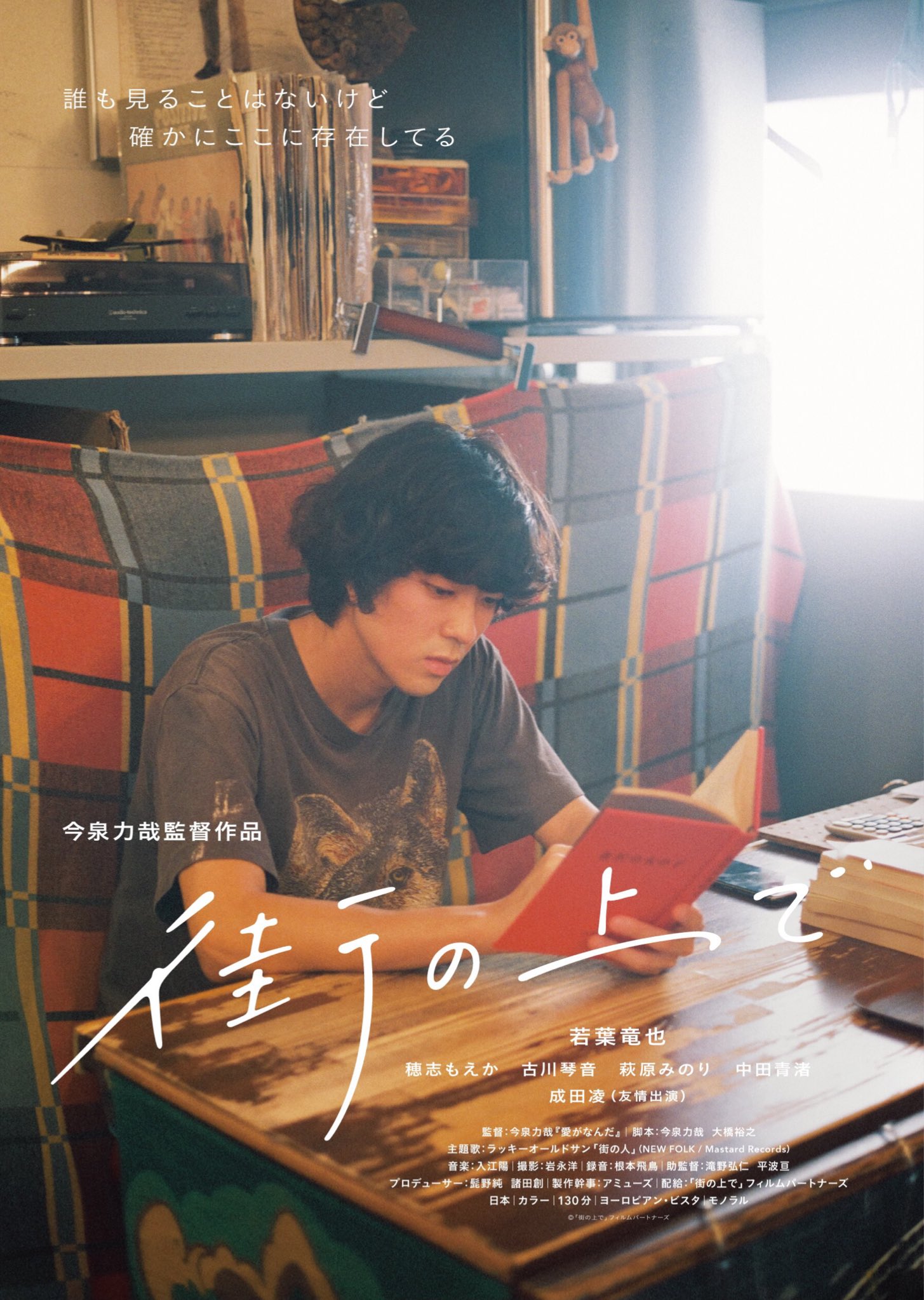
Frustrated youngsters chase an unrealisable dream of idealised romance in Rikiya Imaizumi’s ode to Shimokitazawa, Over the Town (街の上で, Machi no Uede). For the moment at least known as the bohemian, avant-garde artists quarter of the contemporary capital beloved for its slightly retro quality replete as it is with narrow lanes and period buildings, Shimokitazawa is also a place of constant change but as the hero later points out even if “parts change and disappear that doesn’t mean they never existed”. Nevertheless, he seems to be marked by a particular anxiety, as do many of his age struggling to make meaningful connections in an ever shifting world. 

Ao’s (Ryuya Wakaba) world begins to crumble when he’s unexpectedly dumped by his beloved girlfriend, Yuki (Moeka Hoshi), on her birthday. Unceremoniously telling him that she’s met someone else, Yuki rationalises that breaking up is the only option but Ao tries to resist only for her to tell him that he can go on deluding himself that he still has a girlfriend but from now on she’ll be hanging out with someone new. From then on, Ao seems to be surrounded by frustrated couples and worryingly outdated ideas of romantic politics such as those of the students who drop into the vintage clothing shop where he works. Ao assumes they’re a couple, but a row slowly brews as the girl, Asako, declares herself bored with helping the guy, Shigeru, try on clothes that turn out to be for the purpose of impressing a different girl altogether despite knowing that Asako fancies him. Eventually Shigeru makes a highly inappropriate suggestion, almost akin to a bet, that if the woman he has a crush on rejects him he’ll deign to dating her even though Asako is “a distant second” in his heart. The shocking thing is that Asako agrees, a slightly mournful look in her eyes as she finally reaffirms that she really hopes it works out with the other girl. 

Throughout the exchange during which Ao looks on as an awkward bystander, it becomes increasingly difficult to see what’s so great about Shigeru. Meanwhile, not even Ao comes off particularly well, struggling to deal with his breakup and refusing to accept Yuki has moved on. So hung up on her is he that she eventually ends up contacting the barman at his favourite haunt to ask him to have a word, explaining that it’s inappropriate to go on texting your ex even if she doesn’t reply. Meanwhile, he finds himself at the centre of romantic missed connection, captivated by a sad woman at a concert who gives him a menthol cigarette he keeps in his ashtray as a kind of talisman for the rest of the picture. Infinitely awkward, he talks himself out a potential date with the cute girl at his favourite used bookstore (Kotone Furukawa) by asking an inappropriate question, later doing something similar to a woman (Seina Nakata) with whom he makes a more platonic connection as they each reflect that for some strange reason it’s much easier to open up to someone you have no romantic interest in. 

Perhaps that’s why a melancholy policeman keeps stopping random people in the street to ask their advice on his peculiar romantic dilemma in having inconveniently fallen in love with his “niece” (by marriage and the same age as he is, so maybe it’s “OK”, he’d like to think). Shimokitazawa, which Ao rarely leaves, is indeed a small world, the various strands of his romantic entanglements strangely connected from a young woman’s unrequited longing for her sumo wrestler childhood sweetheart to a TV actor’s (Ryo Narita) troubled love life and a young film director’s (Minori Hagiwara) attempt to deflect her own sense of romantic disaffection. Just as Yuki used another man as an excuse to break up with Ao, Ao finds himself recruited as a fake boyfriend to help a young woman shake off a controlling ex whose refusal to accept the relationship is over in the absence of another man skews even darker than his own signalling perhaps like that first vintage shop exchange the dangerously outdated sexual politics which continue to underpin modern dating. Perhaps boring love is the real kind of fun, comfortable and balanced marked by true connection and mutual vulnerability rather than a giddy anxiety. A stubborn holdout where everything’s secondhand in a continual circulatory process of exchange and return, Shimokitazawa is the kind of place where love finds you even if it takes a while to wander on its way. A charming ode to this timeless yet ever-changing district, Imaizumi’s quirky dramedy keeps the neurosis of young love on the horizon but suggests that romance, like a well baked cake, keeps much better than you’d think when cooled.


Over the Town screened as part of the 2021 Osaka Asian Film Festival.

Original trailer (no subtitles)

12 Suicidal Teens (十二人の死にたい子どもたち, Yukihiko Tsutsumi, 2019)

12 Suicidal Teens posterJapan has a relatively high suicide rate, but even so the number of people taking their own lives had been steadily decreasing, hitting a 22-year low in 2016. Conversely, youth suicide rates peaked, hitting a 30-year high. Inspired by Tow Ubukata’s novel, 12 Suicidal Teens (十二人の死にたい子どもたち, Juni-nin no Shinitai Kodomo-tachi), as the title implies, sees a dozen high school students forming a kind of club in which they will take the decision to live or die as a group, ironically undercutting the sense of powerlessness which has led them to the conclusion that they have no other choice other than death.

Ringleader Satoshi (Mahiro Takasugi) has recruited 11 likeminded souls and furnished them with complicated instructions involving a series of secret codes granting them access to a basement meeting room in an abandoned hospital. The 12 dutifully make their way into the building, but a surprise is waiting for them. When the first guest arrives, a young man is already lying in one of the 12 beds arranged around the edges of the room, apparently having jumped the gun, dead or dying after taking a large amount of sleeping pills. Everyone concludes he must be the event’s organiser, only for Satoshi to suddenly arrive and attempt to “open” the meeting at which they’re supposed to discuss the issues thoroughly so they can be sure they’re making the right decision. Because of the unexpected 13th guest, a decision is taken to postpone the discussion until after they figure out what’s going on.

Part of the reason for that is less curiosity than a kind of resentment. The teens are worried that their own deaths maybe misunderstood or misused if they’re discovered with this randomer in their midst. What if he’s the victim of a serial killer and everyone thinks they are too, never getting the message that each of them was desperate to send with their deaths? One young man who is dying to get back at a neglectful mother by denying her a life insurance pay out is worried it might backfire and she’d end up quids in if the police decide he’s a murder victim and not a suicide. He decides to live (for the moment at least) almost all out of spite.

Spite is, it seems, a powerful motivator in one sense or another. What most of our teens want isn’t really death but freedom, an end to pain or suffering. Suicide rates spike in September because bullied students can’t bear the thought of returning to school. Bullying is indeed the reason one of our teens wants to die, only the instigator was a teacher who led his class to victimise an innocent student solely for the crime of being an “annoying” person. Another teen, meanwhile, was bullied until he finally snapped, pushing his aggressor down a flight of stairs. Unable to live with the guilt, he too feels he can’t go on.

For the girls, the lack of control is all the more obvious. One young woman walks around with a surgical mask covering her face, not because she’s hideously burned but because she’s fantastically beautiful. One of Japan’s many celebrity idols, she’s on the cover of a thousand teen magazines but doesn’t recognise herself in the images that she sees and resents the way in which her existence is micromanaged by others. She wants to die as a means of seizing her own agency, to prove that her life and her individuality were valid and mattered as distinct from the fake persona created by her managers. Her fame endangers the mission of the group’s most emo member who declares that the mass suicide should be bomb detonated under an indifferent society, that she’s dying to reject her existence and rebelling against having been born.

Like some of the others, she’s a survivor of abusive parenting and resents having been given a “meaningless” life. A few of the other teens feel the same but for different reasons, they are suffering longterm or terminal health conditions and resent both their fates and being forced to live on without hope. They choose death now to prove they have a choice and are leaving on their own terms, not those of the universe.

Eventually the conclusion that they come to is that to live is also a choice. Working together to solve the mystery of the unexpected guest, they begin to understand a little of each other’s lives and their own, bonding in a shared sense of futility that slowly drifts into a rejection of the nihilism that had convinced them that their only choice was death. A strangely uplifting experience, 12 Suicidal Teens is a dark celebration of life that makes a virtue of endurance and finally finds meaning in commonality and the simple joy of empathic connection.


Original trailer (no subtitles)