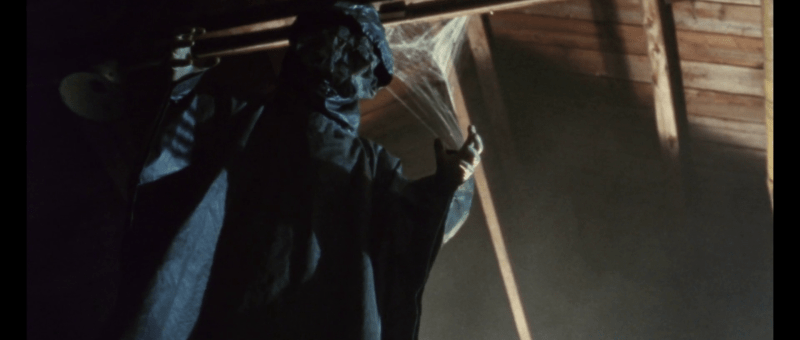
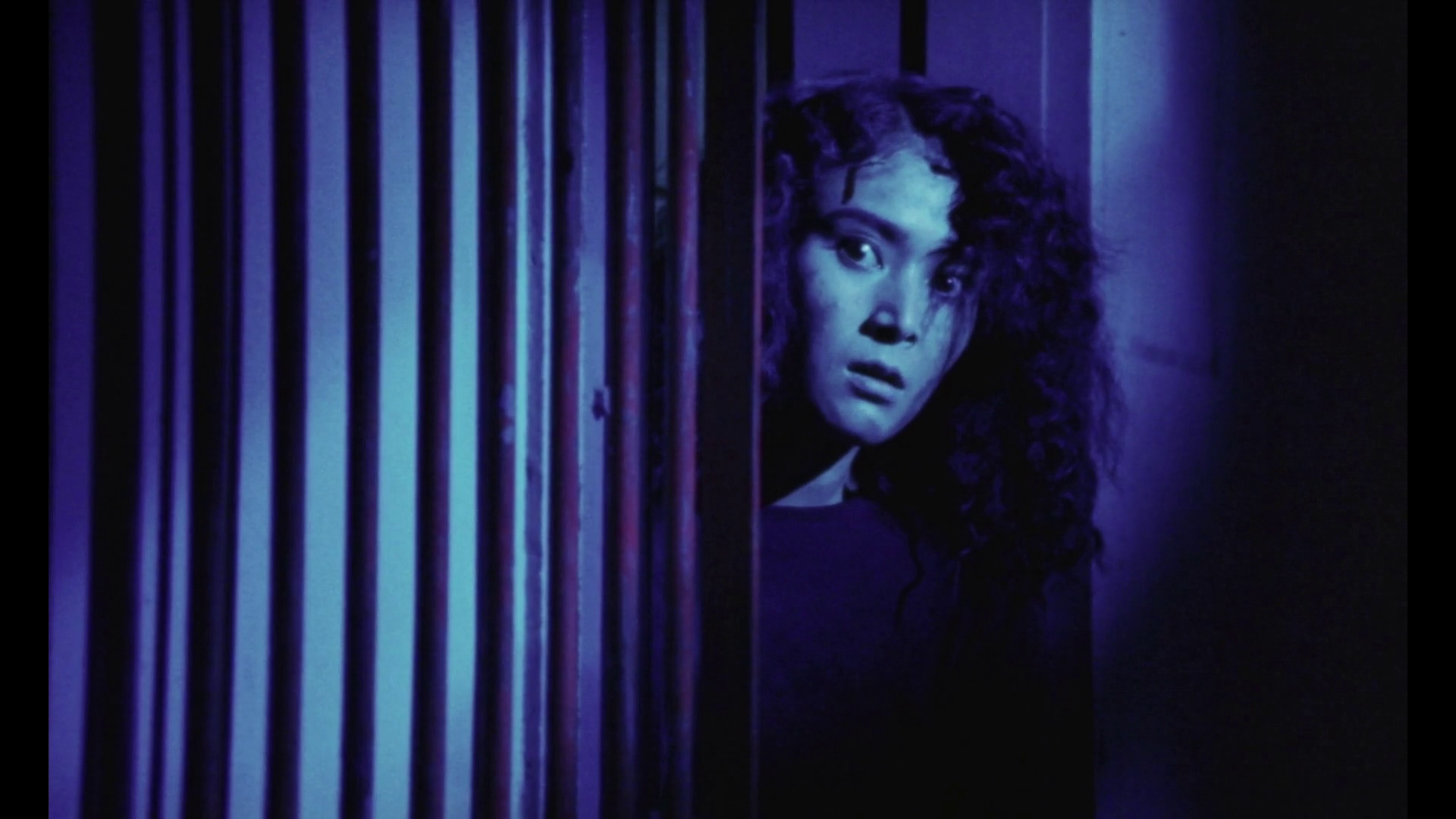
The embattled host of a late-night TV show is confronted by the image of corrupted maternity after receiving a snuff film in the mail that seems to feature herself in Toshiharu Ikeda’s body horror slasher, Evil Dead Trap (死霊の罠, Shiryo no Wana). A giallo-esque slasher echoing alternately by Argento and Cronenberg, the film is in part an exploration of changing gender norms at the height of the Bubble era in which the career woman hero is essentially stalked by a monster baby because she reminds him of a mother he for some reason hates.
Nami’s (Miyuki Ono) late night TV show “for those who can’t sleep” relies on viewers for its content, making use of newfangled VHS technology to play videos sent in to the studio. Her bosses are thinking of canning it for being too “fluffy” which might be one reason Nami does not immediately call the police after receiving a disturbing video of a woman being tortured and killed who is later revealed to have her own face. Instead, she gets the all female (plus one “bodyguard” who is the boyfriend of one of the team) crew together and heads out to the abandoned US military base which appears to feature in the video.
At several points, the women remark on how difficult it is for them working in the TV industry where they need a big story just to earn their place in their room. Nami even jokes that if she were to die investigating the tape it would only boost the ratings while simultaneously putting her life on the line for the sake of her career. Meanwhile, we later realise that Nami is being targeted in part because the killer, who has a child’s voice, thinks she looks like his mother whose voice is frequently heard playing on a loop via reel to reel tape. He later attempts to kill Nami by wrapping what appears to be an umbilical cord around her neck, while she is finally subjected to a forced birth as maternity is visited on her almost as an act of rape even as she resists it. It could even be said that she is a kind of mother to the group, and one who ultimately fails to take care of family as each of her team falls victim to one of the traps set by the killer.
Meanwhile, the film adopts a slasher-esque morality in which the first victim is killed shortly after having sex with her “bodyguard” boyfriend, assistant director Kondo (Masahiko Abe), who had up until that point been suffering with erectile dysfunction only to be sexually revived thanks to the violent and eerie space of the abandoned military base. Another of the women attempts to leave the compound, but is caught by a random man claiming to be working for the killer who violently rapes her but also strangely answers some of her questions about what’s really going on as he does he does so. Nami is also less than shocked by the video after putting it in the machine, giving a response which suggests it’s not unusual to receive this kind of material or to witness such brutal treatment of women.
The killer does indeed make good and ironic use of new technology, at one point putting one of the victims on TV begging for their life to taunt Nami and having a giant set up featuring several screens plus the reel to reel tape. A mysterious man also lurking around the military base suggests to Nami that the sender of the video is likely a crazed stalker, a pervert who wanted to see her naked who lured her to this remote location and then murdered all her friends when actually it’s almost the reverse that’s true and Nami is being targeted both for and not being a mother. Often switching to a Testuo-style shuttling camera and blue-tinted filter, Ikeda enlivens his genre adventure with interesting composition and a fantastic use of lighting right down to the oscillating blue police light in the killer’s lair as Nami attempts to retake control of her image and escape the penetrating gaze of her audience along with the patriarchal cage of an oppressive society.
Trailer (dialogue free)




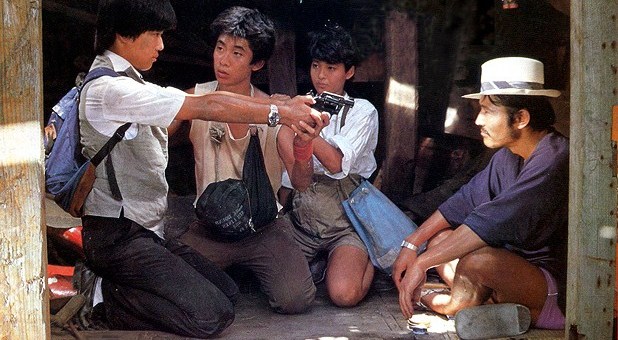
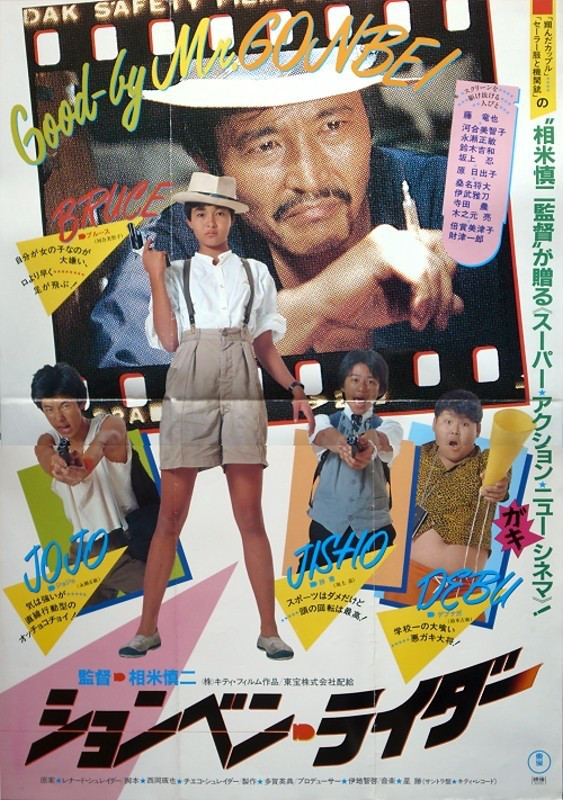
 The family drama went through something of a transformation at the beginning of the 1980s. Gone are the picturesque, sometimes melancholy evocations of the transience of family life, these families are fake, dysfunctional, or unreliable even if trying their best. Morita’s
  Some people love ramen so much that the idea of a “bad” bowl hardly occurs to them – all ramen is, at least, ramen. Then again, some love ramen so much that it’s almost a religious experience, bound up with ritual and the need to do things properly. A brief vignette at the beginning of Juzo Itami’s Tampopo (タンポポ) introduces us to one such ramen expert who runs through the proper way of enjoying a bowl of noodle soup which involves a lot of talking to your food whilst caressing it gently before finally consuming it with the utmost respect. Ramen is serious business, but for widowed mother Tampopo it’s a case of the watched pot never boiling. Thanks to a cowboy loner and a few other waifs and strays who eventually become friends and allies, Tampopo is about to get some schooling in the quest for the perfect noodle whilst the world goes on around her. Food becomes something used and misused but remains, ultimately, the source of all life and the thing which unites all living things.
 Windows on Worlds