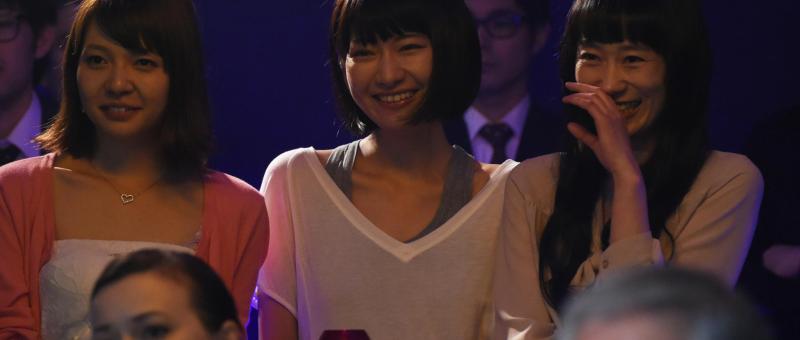
 Towards the end of the 60s and faced with the same problems as any other studio of the day – namely declining receipts as cinema audiences embraced television, Nikkatsu decided to spice up their already racy youth orientated output with a steady stream of sex and violence. The Roman Porno line took a loftier approach to the “pink film” – mainstream softcore pornography played in dedicated cinemas and created to a specific formula, by putting the resources of a bigger studio behind it with greater production values and acting talent. 40 years on Roman Porno is back. Kazuya Shiraishi’s Dawn of the Felines (牝猫たち, Mesunekotachi) takes inspiration from Night of the Felines by the Roman Porno master Noboru Tanaka but where Tanaka’s film is a raucous comedy following the humorous adventures of its three working girl protagonists, Shiraishi’s is a much less joyous affair as he casts his three lonely heroines adrift in Tokyo’s red light district.
Masako (Juri Ihata), Rie (Michie), and Yui (Satsuki Maue) are best friends, though they don’t even know each other’s real names. They each work for a shady escort agency in Tokyo’s red light district where they’re ordered and dispatched by their two-bit hustler of a manager Nonaka (Takuma Otoo) and driven around by the assistant who it turns out has been secretly filming them and posting the videos on YouTube as a kind of exposé on the sex trade.
Each of the women “has their tale to tell” as one puts it but none of them are particularly unhappy in their work, prostitution is simply their way of life and to that extent completely normalised. It does, however, interfere with their ability to form relationships, not just practically but emotionally. For unclear reasons possibly connected to debt collection Masako is technically homeless despite the large amounts of money she can earn, sleeping in cheap motels or all night manga cafes and carting all of her worldly possessions around with her in a tiny carry on size suitcase on wheels. One of her regulars, a millionaire shut in (Tomohiro Kaku), offers to let her stay with him but their relationship is strange and strained – somewhere between business and pleasure with the lines permanently unclear.
Rei, by contrast, is saddled with an elderly client who usually just wants to talk but eventually takes things in an extreme direction. Her path into prostitution is in a sense more positive even if it stems from a kind of vengeance in that the feeling of being needed and providing a valuable service gives her life meaning.
Yui looks for meaning through romance but rarely finds it thanks to the various potential mates she meets through her work. Yui’s young son Kenta has worrying bruises on his face, arms and torso, rarely speaks, and is frequently abandoned by his mother who pays a shady guy to look after him while she spends her time looking for love.
Working for a lenient agency the girls are more or less free agents rather than abused street walkers trapped by debt-bondage and could quit any time they wanted. Yui and Masako may be looking for an escape from this dead-end world – Yui at least is conscious of her age and the declining bookings, but neither names that as something that they are actively pursuing. Rei, by contrast, has made her escape already but has travelled in the opposite direction – from stifling bourgeois life to Belle du Jour liberation, but her eventual destination may be a much darker one than she’d anticipated.
This darkness hovers round the edges as the threat of violence is only ever indirectly expressed or fetishised as in a sequence led by Yui’s possible new partner and the bondage club he works at as one half of a warmup manzai act. Only towards the end does its reality finally surface, making plain how vulnerable and unprotected the women remain whilst on the job. Far from the liberated laughter of Night of the Felines, Shiraishi’s film traps its women with their own despairs as they wallow in an inescapable well of loneliness, satisfying the needs of others but unable to satisfy their own. Bleak but subtly ironic, Dawn of the Felines finds no joy in the sun rising, only the relief of the end of a working day as its three stray cats wander the streets looking for their place to belong.
Dawn of the Felines was screened at the 17th Nippon Connection Japanese Film Festival.
Original trailer (English subtitles)
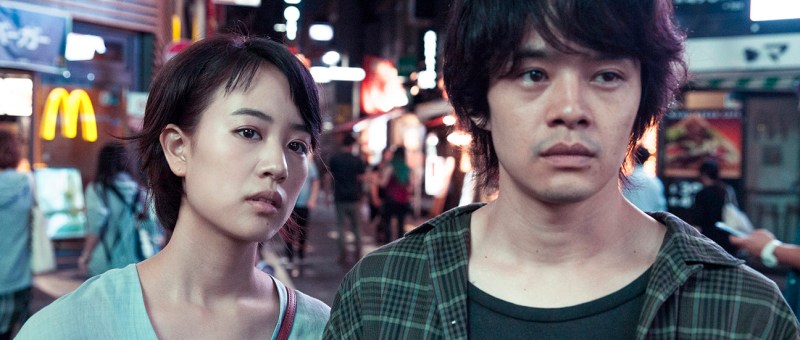
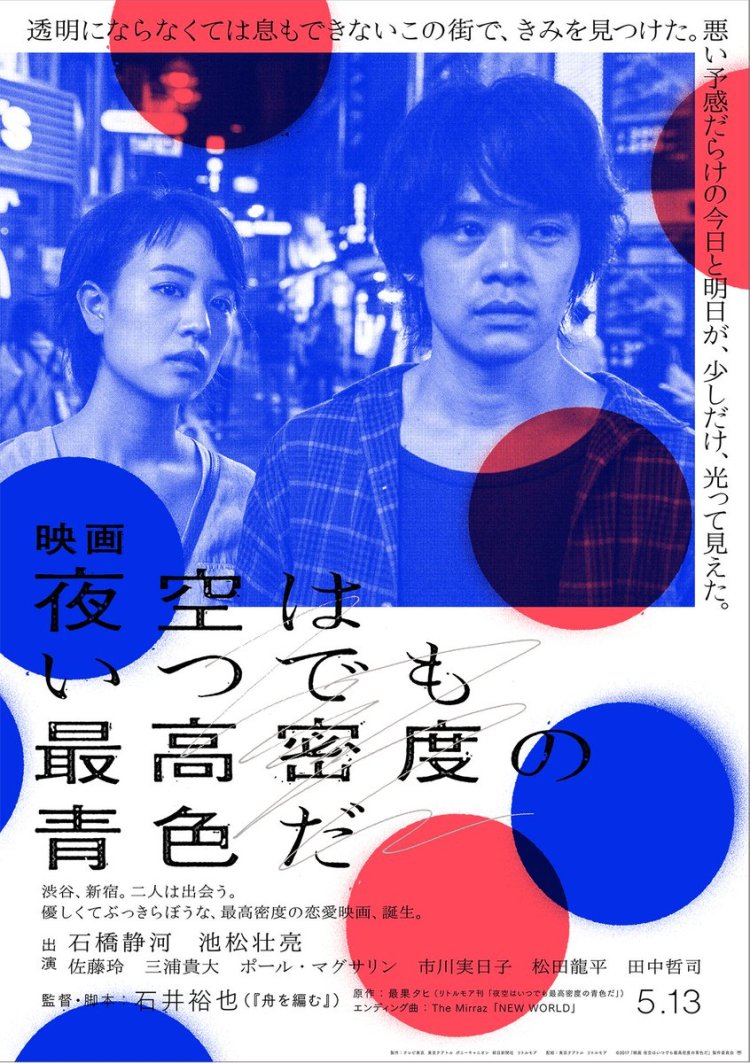 Learning to love Tokyo is a kind of suicide, according to the heroine of Yuya Ishii’s love/hate letter to the Japanese capital, The Tokyo Night Sky is Always the Densest Shade of Blue (夜空はいつでも最高密度の青色だ, Yozora wa Itsudemo Saiko Mitsudo no Aoiro da). This city is a mess of contradictions, a huge sprawling metropolis filled with the anonymous masses and at the same time so tiny you can find yourself running into the same people over and over again. Inspired by the poems of Tahi Saihate, The Tokyo Night Sky is at once a meditative contemplation of city life and an awkward love story between two lost souls who somehow find each other in its crowded backstreets.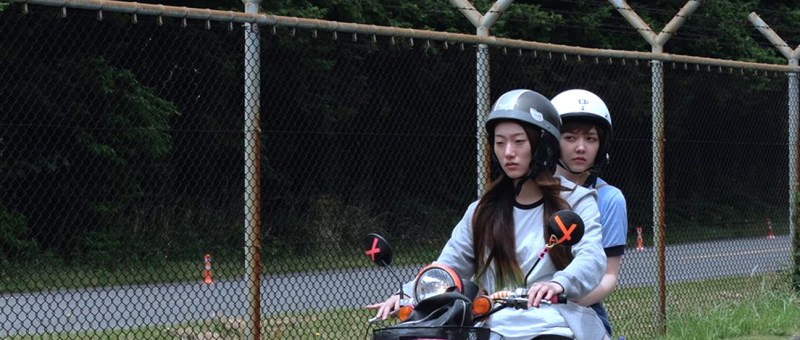
 When you think of the American military presence in Japan, your mind naturally turns to Okinawa but the largest mainland US base is actually located not so far from Tokyo in a small Japanese town called Yamato which is also the ancient name for the modern-day country. The US has been a constant presence since the end of the second world war prompting resistance of varying degrees from both left and right either in resentment at perceived complicity in American foreign policy, or the desire to reform the pacifist constitution and rebuild an independent army capable of defending Japan alone. Daisuke Miyazaki’s second feature, Yamato (California) (大和(カリフォルニア) dramatises this long-standing issue through exploring the life of hip-hop enthusiast and Yamato resident Sakura (Hanae Kan) who idolises an art form born of political oppression in a country which she also feels oppresses her as a Japanese citizen living on the other side of the fence from land which technically still belongs to the US government.
 “Memories are what warm you up from the inside. But they’re also what tear you apart” runs the often quoted aphorism from Haruki Murakami. SABU seems to see things the same way and indulges an equally surreal side of himself in the sci-fi tinged Happiness (ハピネス). Memory, as the film would have it, both sustains and ruins – there are terrible things which cannot be forgotten, no matter how hard one tries, while the happiest moments of one’s life get lost among the myriad everyday occurrences. Happiness is the one thing everyone craves even if they don’t quite know what it is, little knowing that they had it once if only for a few seconds, but if the desire to attain “happiness” is itself a reason for living could simply obtaining it by technological means do more harm than good?
 Each year the Nippon Connection film festival runs a retrospective programme alongside its collection of recent indie and mainstream hits. The subject for this year’s strand is Nikkatsu’s Roman Porno. Heading into the 1970s, Japanese cinema was in crisis mode as TV poached cinema audiences who largely stayed away from the successful genres of the 1960s including the previously popular youth, action, and yakuza movies which had been entertaining them for close to 20 years. Daiei, one of the larger studios known for glossy, big budget prestige fare alongside some lower budget genre offerings went bust in 1971, Shochiku kept up its steady stream of melodramas, but Nikkatsu found another solution. Taking inspiration from the “pink film” – a brand of soft core, mainstream pornography shown in specialised cinemas and made to exacting production standards, they created “Roman Porno” which made sex its selling point, but put big studio resources behind it, bringing in better actors and innovative directors to lend an air of legitimacy to its purely populist ethos.
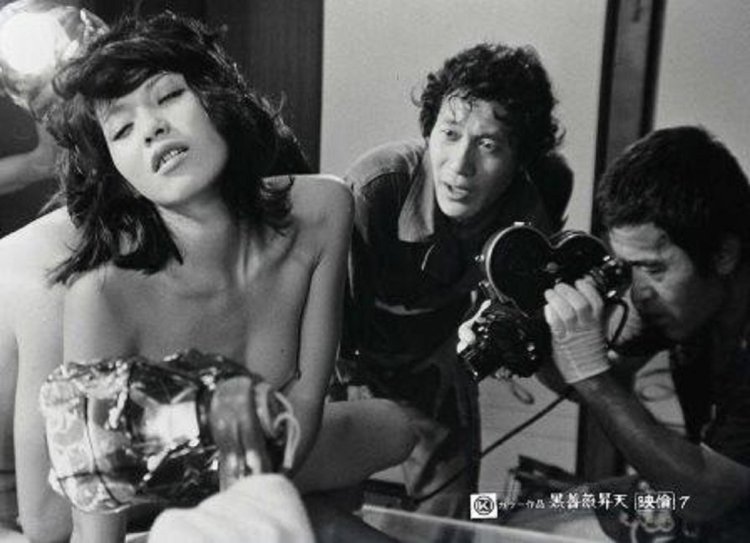 Ecstacy of the Black Rose is a more comedic effort than most of Kumashiro’s output and takes an ironic look at the genre as a put upon director gets fed up when his leading actress falls pregnant and becomes obsessed with finding a woman whose moans he overheard at the dentist’s.
 Following Desire received a Kinema Junpo award for best screenplay as well as the best actress prize for Hiroko Isayama who plays a stripper intent on taking down her rival for the top spot!
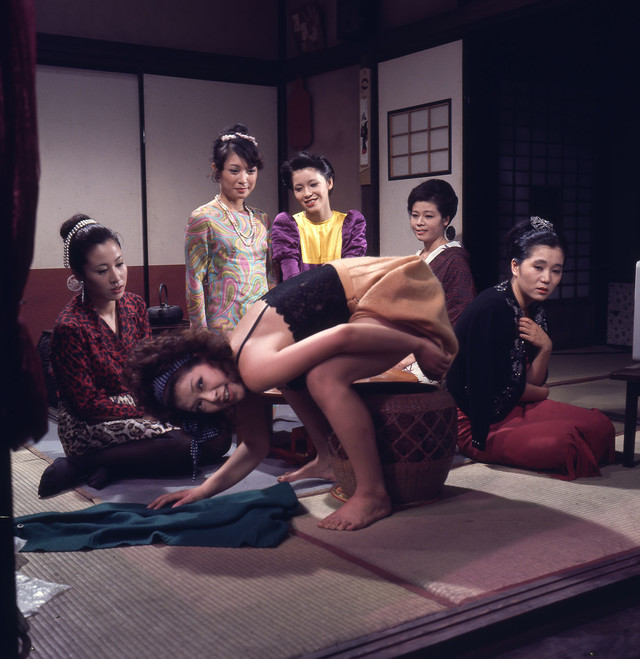 Kumashiro’s Tamanoi Street of Joy takes place on the last day of legal prostitution in 1958 and follows the girls as they mark the occasion in their own particular ways.
 Further proving Kumashiro’s critical stature, Twisted Path of Love was among Kinema Junpo’s 1999 list of the greatest Japanese films of the 20th century. The story of a young man who returns to his hometown but attempts to shed his identity, burning a hole in the conventional village life through sex and violence, Twisted Path of Love also displays Kumashiro’s interesting use of common censorship techniques for artistic effect.
 Often regarded as Kumashiro’s masterpiece, The Woman with the Red Hair picked up a Kinema Junpo best actress award for Junko Miyashita, as well as ranking fourth in their annual best of the year list. The story centres on construction worker Kozo who, along with friend Takao, rapes his boss’ daughter who subsequently becomes pregnant. While she asks Takao to marry her, Kozo embarks on an affair with the mysterious red-haired woman.
 Another of Kumashiro’s most well-regarded Roman Porno, The World of the Geisha takes place in a geisha house in 1918 and examines the various tensions which exist between the women themselves and their customers who have come to the house to escape external political concerns. The film again demonstrates Kumashiro’s tendency to ironic commentary as he tampers with intertitles to make a point about censorship.
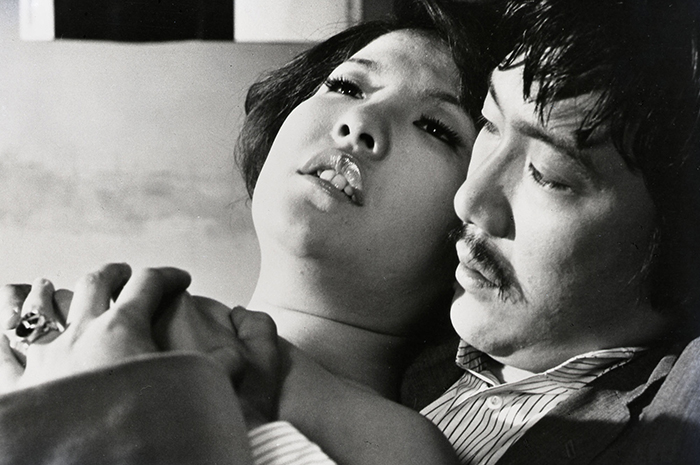 Night of the Felines provides the inspiration for Kazuya Shirashi’s reboot Dawn of the Felines and follows the comical adventures of three prostitutes.
 Stroller in the Attic is among the best known in the Roman Porno canon and adapts an Edogawa Rampo short story about a ’20s boarding house filled with eccentric guests.
 Inspired by the same real life case as In the Realm of the Senses, Noburu Tanaka’s Sada and Kichi takes a more lurid look at the strange case of Abe Sada who strangled her lover after a brief affair and then cut off his genitals to wear as a kind of talisman.
 Nippon Connection aims to showcase all sides of Japanese cinema from the mainstream to arthouse and documentary and this, of course, includes animation.
 A hit at festivals around the world, A Silent Voice is a poignant tale about guilt, redemption, and attitudes to disability.
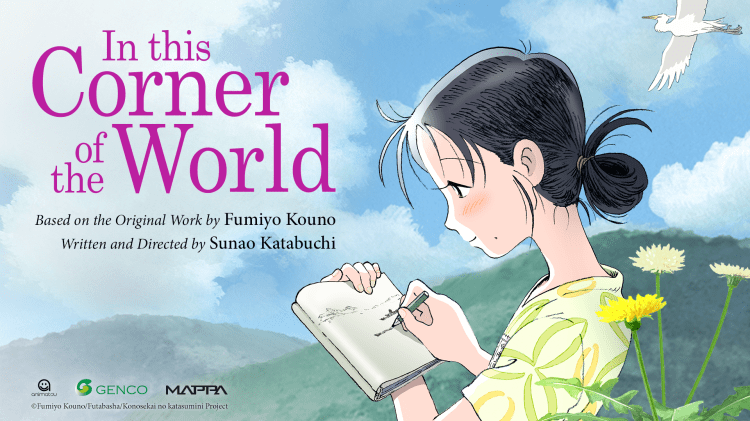 Mai Mai Miracle’s Sunao Katabuchi returns with the multi-awardwinning In This Corner of the World – a coming of age story set in Hiroshima before and after the atomic bomb.
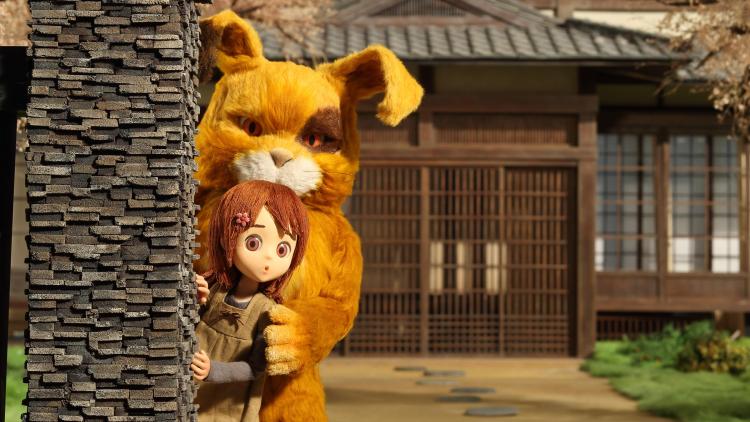 Chieri and Cherry is a charming puppet animation in which Chieri, who has recently lost her father, develops an intense bond with her stuffed toy, Cherry. Travelling to her grandmother’s house for her father’s funeral, Chieri experiences a fantastic adventure which helps her to cope with grief and fear of the future.
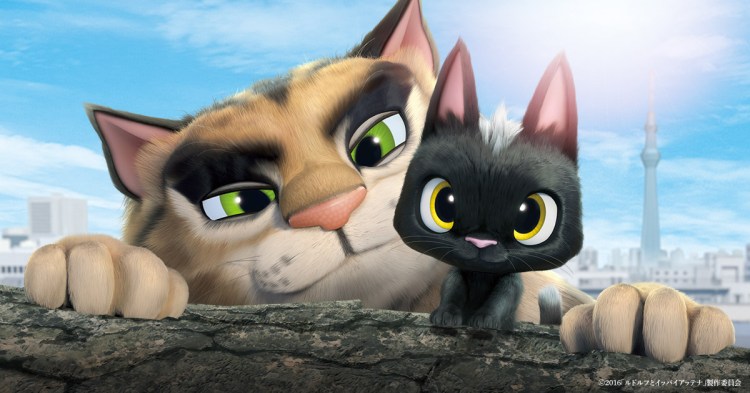 Rudolf the Black Cat stars titular black cat Rudolf from Gifu who ends up accidentally homeless in Tokyo!
 Poetic Landscapes – Recent Gems in Japanese Animation is a selection of some of the best in recent short animated films curated by Catherine Munroe Hotes.
 Tokyo University of the Arts: Animation – a selection of animated graduation films from Tokyo University of the Arts.
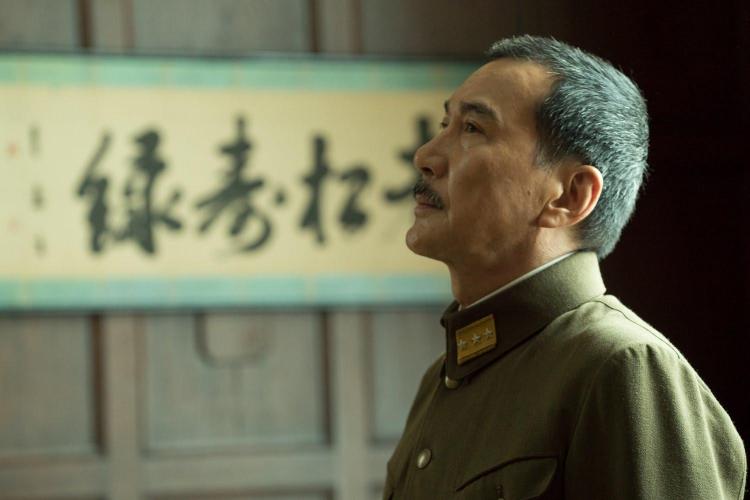 Nippon Connection returns for 2017 in just under a week’s time and to whet your appetite for all the amazing films about to shown in Frankfurt from May 23 – 28, the festival has re-launched its very own
  So,
So,  Japanese-American director Kimi Takesue’s 95 and 6 to Go was filmed over six years during which she travelled to Hawaii following the death of her grandmother to learn more about the history of her family. Talking to her grandfather about his life and her own stalled film project, Takesue neatly weaves the personal and the universal for a meditation on life, love, loss and endurance.
 Produced by Ian Thomas Ash (A2-B-C, -1287) Boys for Sale is the debut feature from Itako and focuses on the world of male prostitution in Tokyo’s Shinjuku 2-chome.
 Come on Home to Sato is the debut feature from Yoshiki Shigee. Filmed over three years, the film follows the social workers and professionals involved with Kodomo no Sato – a safehaven for children of all ages and backgrounds in Osaka’s Nishinari district.
 The intriguingly titled Gui Aiueo:S A Stone From Another Mountain To Polish Your Own Stone is a strange road movie/documentary/performance piece from Go Shibata featuring UFOs, hermits, and sustainable toilets.
 A selection of three short NHK documentaries :
 Gilles Laurent’s La Terre Abandonée follows the residents of Tomioka who refused to obey the evacuation order after the meltdown of the Fukushima Daiichi nuclear plant.
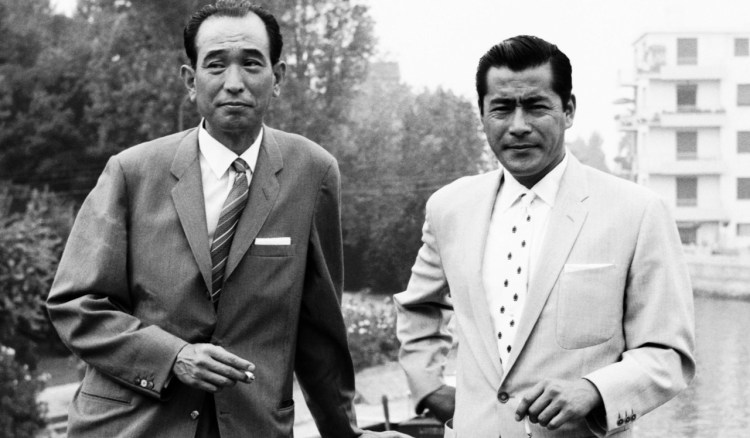 Steven Okazaki’s Mifune: The Last Samurai is an attempt to chart the legendary actor’s career as it intersects with the history of samurai cinema.
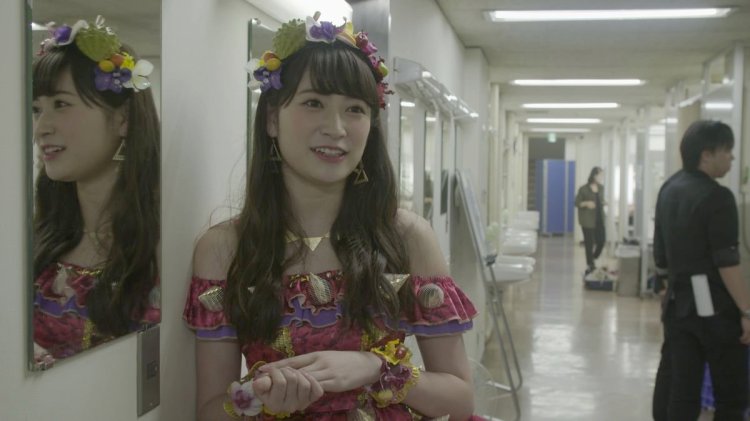 Atsushi Funahashi’s Raise Your Arms and Twist! Documentary of NMB48 follows the aspiring idol stars as they go about their tightly controlled lives in one of the most controversial sectors of the Japanese entertainment industry.
 Start Line charts deaf filmmaker Ayako Imamura’s bicycle journey through Japan.
 Masked wrestling provides a ray of hope for a directionless little boy in Kohei Taniguchi’s Dynamite Wolf. Sponsored by the Dotonbori Pro Wrestling League.
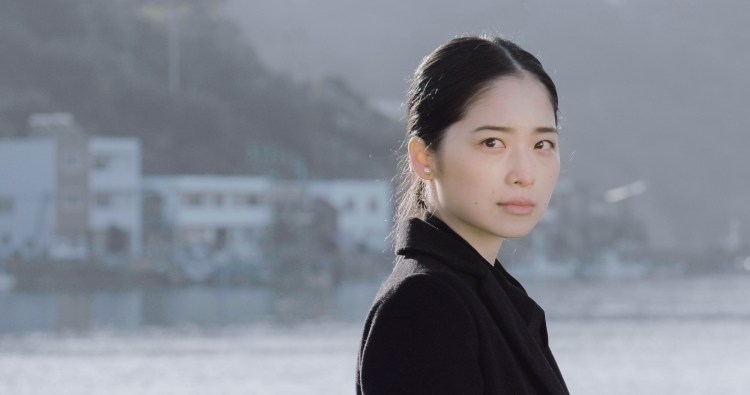 Ayako Fujimura’s charming family drama Eriko, Pretended follows its aspiring actress protagonist as she travels home for the funeral of her older sister. Having pretended to be much more successful than she really was, Eriko makes the abrupt decision to stay behind in her hometown, look after her sister’s orphaned son and take over her job as a professional mourner.
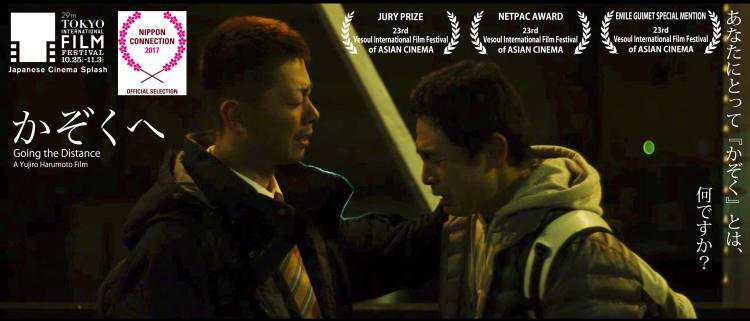 Boxing trainer Asahi plans to marry his long-term girlfriend Kaori and has found a job for his close childhood friend, Hiroto, to bring him to Tokyo. Everything seems fine but Hiroto has fallen victim to a scammer and needs Asahi’s help. His first instinct is to postpone the wedding and help his friend whom he regards as a “brother” as they grew up in the same orphanage but Kaori wants her elderly grandmother to come so it needs to be as soon as possible. Going the Distance is the debut feature from director Masahiro Umeda who is expected to attend the festival in person to present his film.
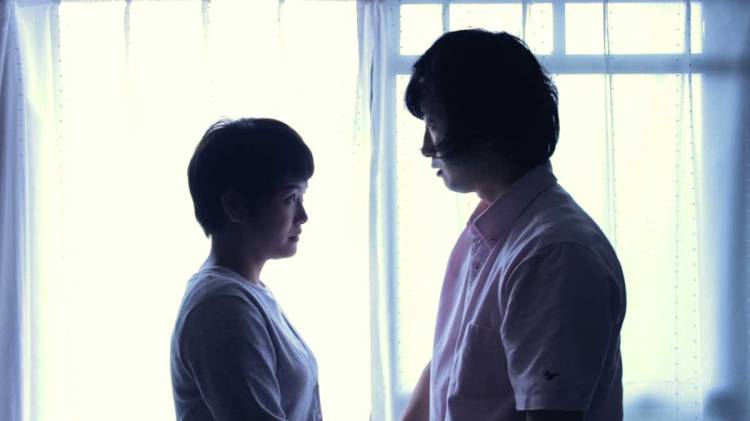 Tamaki and Kaori just can’t say Good/Bye in Izumi Matsuno’s nuanced drama. Despite having “broken up” the pair continue to share their apartment, marking their individual territories with coloured tape but new romantic possibilities force them to re-examine their peculiar relationship.
 Hirokazu Kai’s hard-hitting coming of age drama
  Another technically broken up but still living together drama, Shingo Matsumura’s Love and Goodbye and Hawaii presents its heroine Rinko with a problem when she realises her ex Isamu might have found someone else.
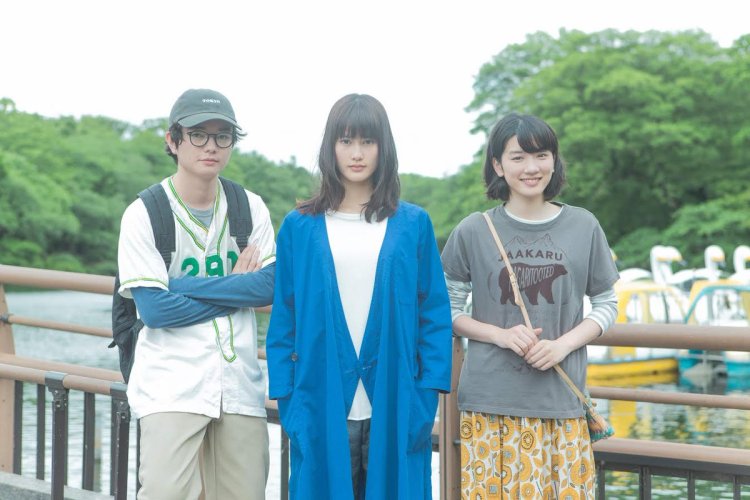 Set in Inokashira Park, Natsuki Seta’s Parks stars Ai Hashimoto as a college student who teams up with Shota Sometani and Mei Nagano to recreate the missing portions of a mysterious love song.
 The latest film from Hirobumi Watanabe, Poolsideman won the Japanese Cinema Splash Award at the Tokyo International Film Festival 2016 and focuses on the dull and lonely life of a lifeguard whose existence changes when he’s sent to a different pool.
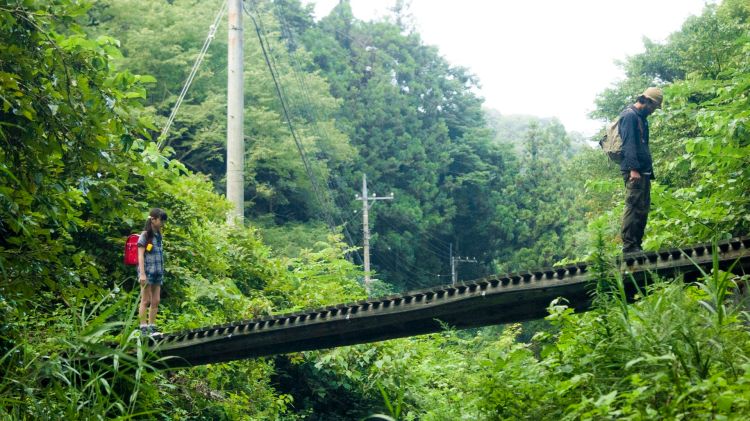 Yusuke Takeuchi won the best director award at the Thessaloniki International Film Festival for The Sower. Dealing with guilt and atonement, this sombre film follows Mitsuo as he returns from three years in a mental institution and bonds with his two nieces only for his fragile happiness to be disrupted by unexpected tragedy.
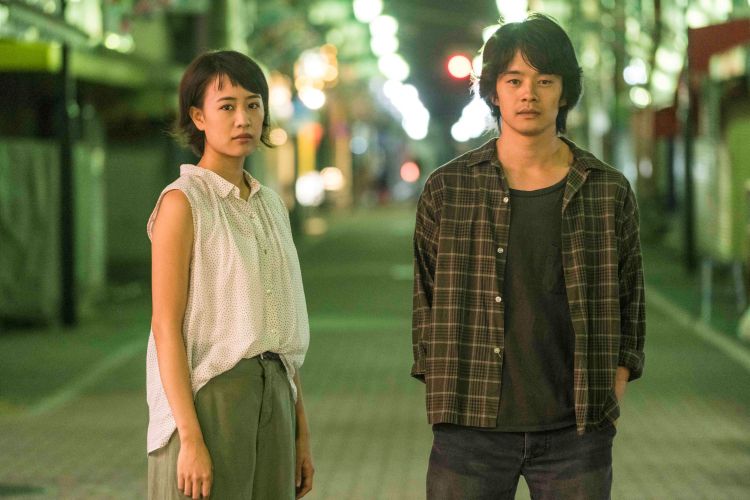 The latest film from Yuya Ishii, The Tokyo Night Sky Is Always the Densest Shade of Blue stars Shizuka Ishibashi and Sosuke Ikematsu in an exploration of youthful alienation.
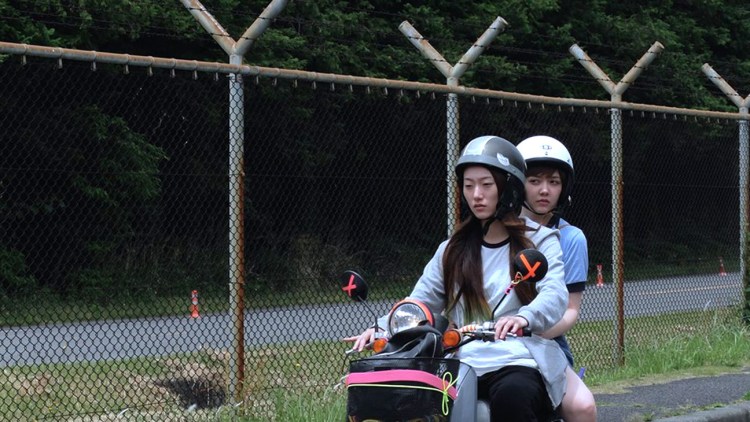 Daisuke Miyazaki’s Yamato California explores themes of cross cultural pollination through the story of teenager Sakura who lives near the biggest American military base in Japan and dreams of becoming a rapper. When she meets the Japanese-American daughter of her mother’s boyfriend, she finally finds an ally in an otherwise alienating place.
 Skip City Shorts includes four of the short films created for the Skip City International D-Cinema Festival in Saitama.
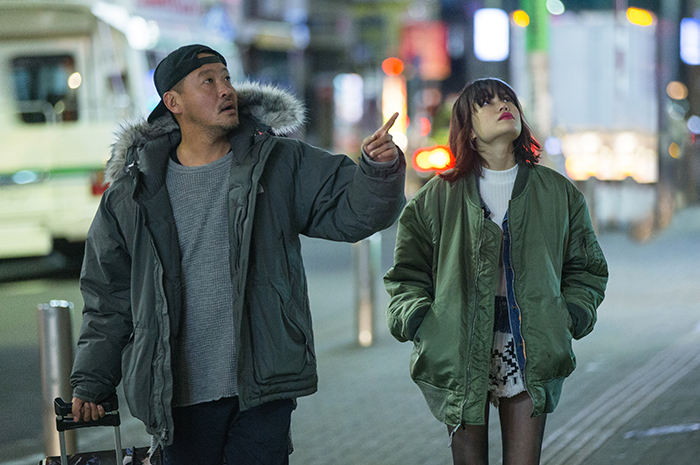 Six young filmmakers show different sides of Tokyo in the TKY2015 Short Film Series.
 Two shorts made by students of the Graduate School for Film and New Media at Tokyo University of the Arts.
 Following the
  Kenji Yamauchi adapts his own play
  Katsuya Tomita makes a welcome return following his critically acclaimed
  Shunji Iwai is another director making a welcome return with the equally epic
  Daguerreotype is something of a departure from the other films on offer as it’s entirely in French. Starring one of France’s best young actors in Tahar Rahim, the film also marks the first production mounted outside of Asia for veteran director Kiyoshi Kurosawa. Taking him back to his psychological horror roots, Daguerreotype is a creepy gothic ghost story inspired both by Edgar Allen Poe and his Japanese namesake, Edogawa Rampo.
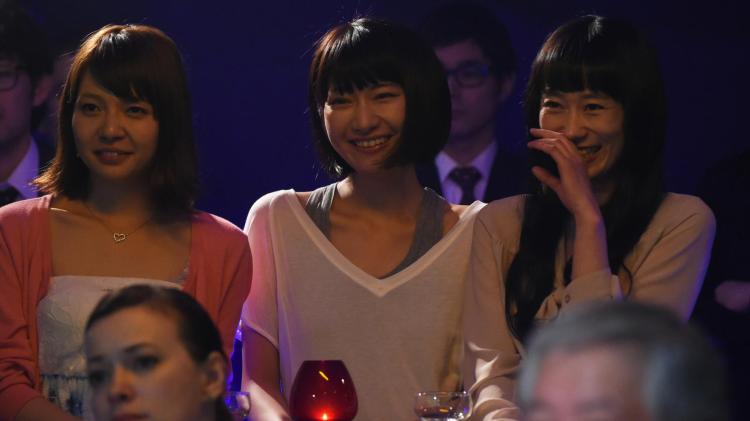 Dawn of the Felines is one of the films created for Nikkatsu’s Roman Porno reboot project which is also being celebrated with a Roman Porno retrospective (more on this later on). Directed by Devil’s Path director Kazuya Shiraishi, this melancholy tale of three girls working in Tokyo’s red light district takes its name from Noboru Tanaka’s classic pink film Night of the Felines.
 Directed by one of Japan’s foremost blockbuster helmers Shinsuke Sato (whose
  If Death Note wasn’t nihilistic enough for you, the festival will also feature Tetsuya Mariko’s
 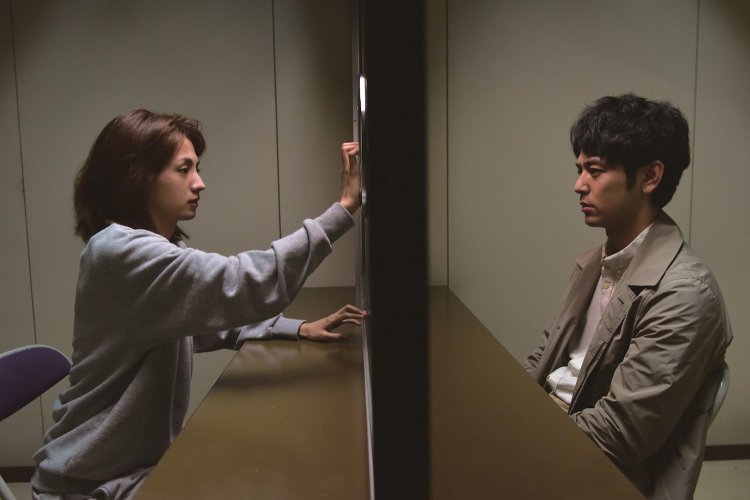 The debut film from Kei Ishikawa, Gukoroku: Traces of Sin stars Satoshi Tsumabuki as an ambitious reporter trying to find the truth behind the brutal, unsolved murder of an ordinary Tokyo family.
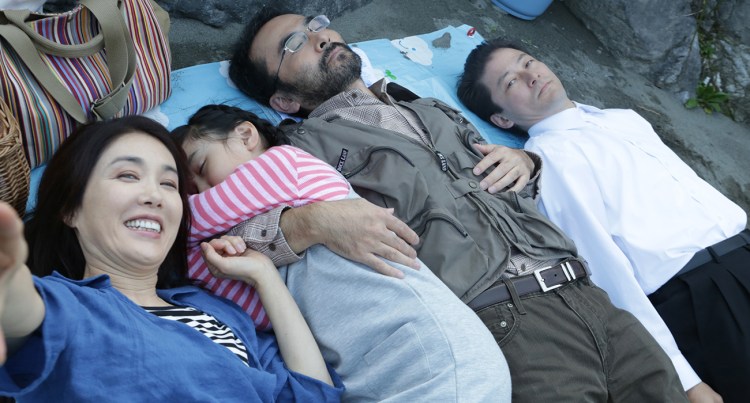 Koji Fukada returns to the themes of family and disruptive interlopers but skews darker than ever before in
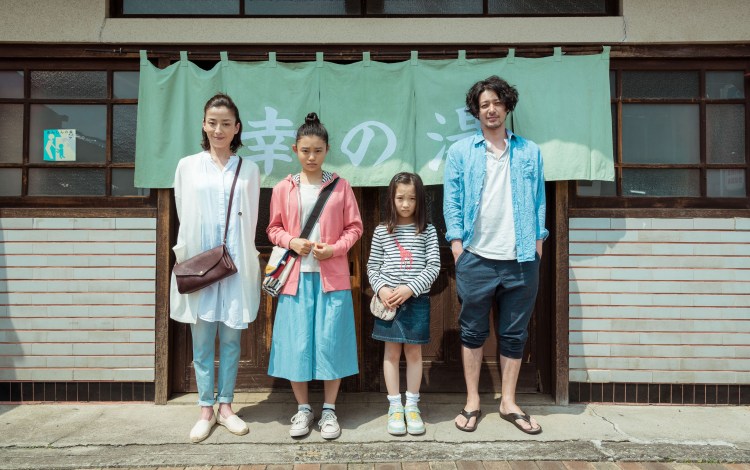
 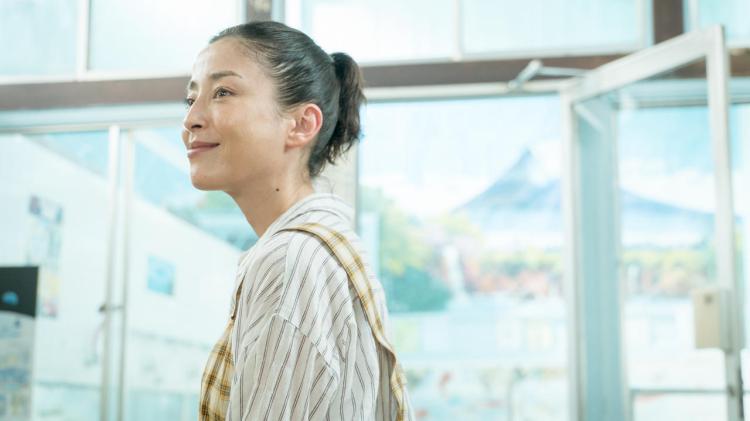 Her Love Boils Bathwater officially opens the festival and stars Rie Miyazawa as a single mother diagnosed with a terminal illness who is determined to bring her disparate family back together and save the family bathhouse in the process. Rie Miyazawa picked up the best actress award at this year’s Japan Academy Prize ceremony for her role in film which is far funnier than its synopsis sounds.
 From one hero to another, the second movie helmed by director Shinsuke Sato to feature in the festival stars comedian Yo Oizumi as a mildmannered, unsuccessful mangaka who finds hidden reserves inside himself when faced with the zombie apocalypse.
  From one plucky underdog to another – Let’s Go Jets! From Small Town Girls to U.S. Champions?! stars a team of aspiring Japanese cheerleaders who want to strut their stuff all the way to the top spot in the US championships.
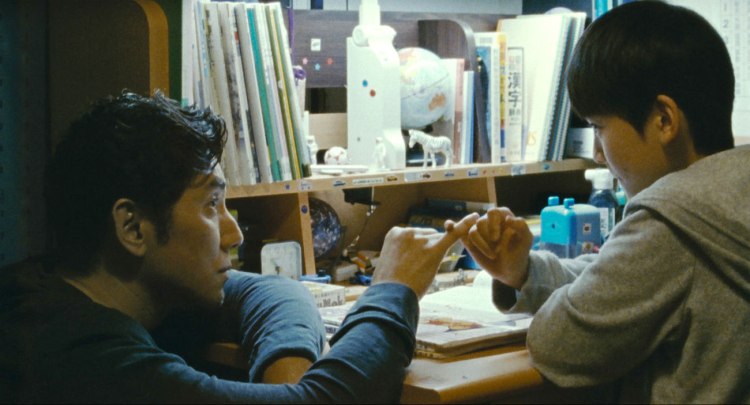 Miwa Nishikawa returns with The Long Excuse – an adaptation of her own novel starring Masahiro Motoki as a self centered author and minor celebrity who is unmoved when his wife dies in a bus accident but finds his humanity reawakening after bonding with the bereaved children of the best friend who died beside her.
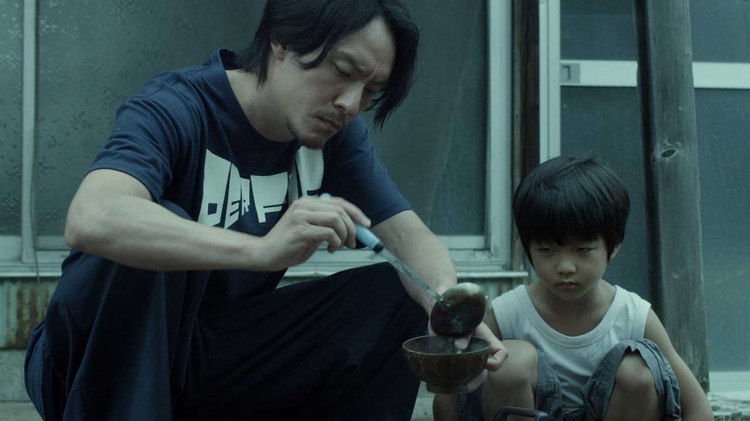 SABU’s second film in the festival, Mr. Long, sees a hardened Taiwanese hitman taken in by a kindly little boy and his family after a job goes badly wrong.
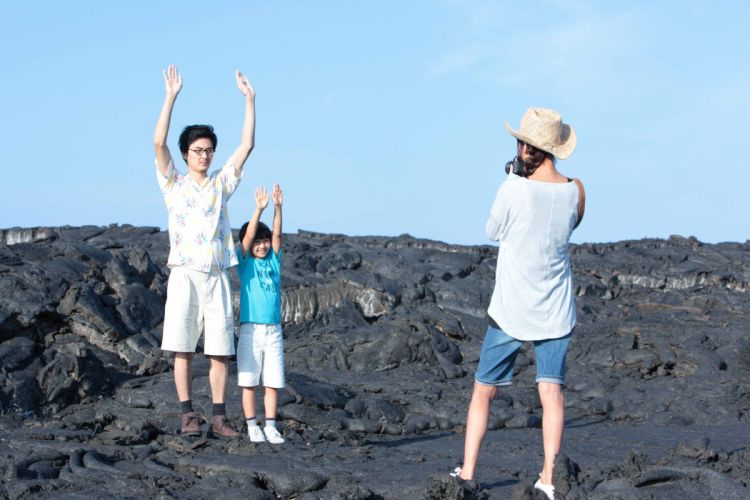 Nobuhiro Yamashita is another director with not one but two films making it into the festival this year. The first of them,
  Yamashita’s second entry,
  Rumour and speculation dominate a housing estate when one half of a recently arrived older couple abruptly disappears. Moonlight flit? Murder? Divorce, affairs, scandal? The truth is stranger than fiction in Junji Sakamoto’s absurd comedy The Projects.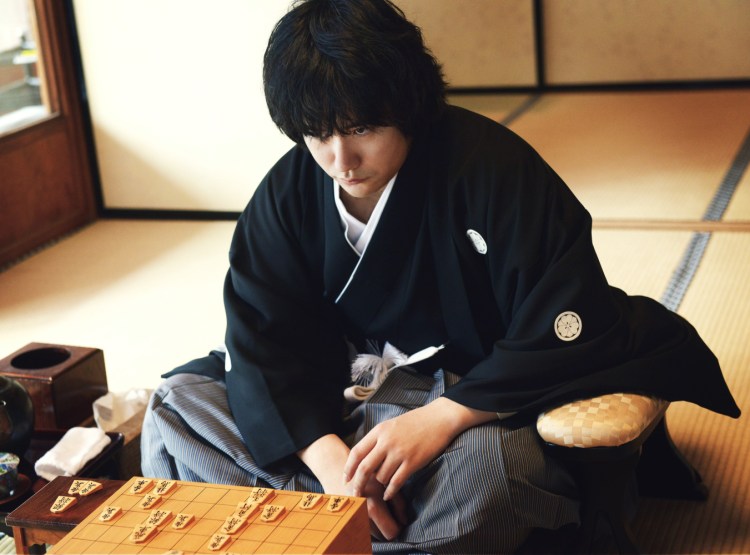
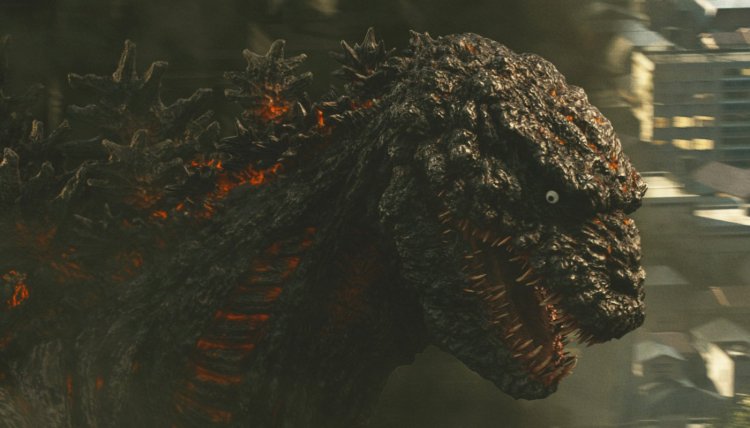 Godzilla is back and bigger than ever! Directed by Evangelion’s Hideaki Anno along with live action Attack on Titan director Shinji Higuchi Shin Godzilla (Godzilla Resurgence) is equal parts classic monster movie and biting political satire.
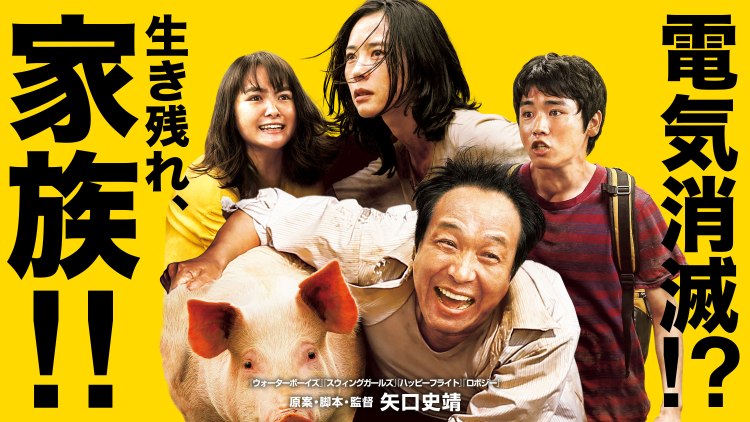 Godzilla’s not the only existential threat posed to Japanese society as one ordinary family find out in Shinobu Yaguchi’s black out drama.
 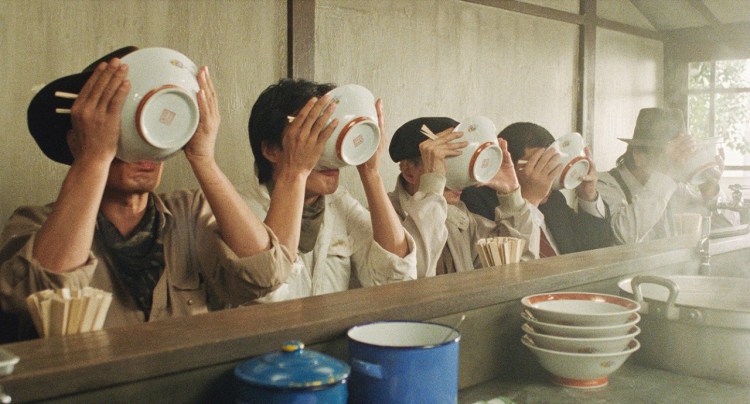 Now for something completely different – Juzo Itami’s noodle western Tampopo will also screen as a Nippon Film Dinner during which bento boxes filled with delicious Japanese treats will be served.
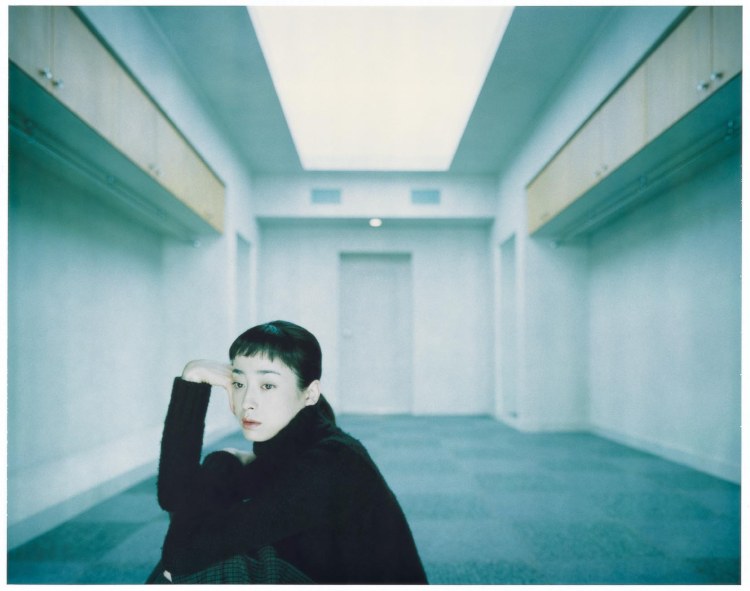 After dinner comes breakfast! This one is screening with German subtitles only but if you can understand German or Japanese or don’t mind not understanding anything at all you can enjoy a delicious breakfast buffet whilst taking in Jun Ichikawa’s adaptation of the Haruki Murakami short story Tony Takitani in which a lonely man meets and falls in love with a beautiful woman only for her obsession with shopping to come between them.
 Finally, Akihiko Shiota’s Wet Woman in the Wind is the second of the Roman Porno Reboot movies to be featured in the festival and follows the adventures of a playwright with writer’s block who tries to retreat to the country for some peace, quiet, and time to reflect. Then he hooks up with a nymphomaniac waitress instead!
 Nippon Connection is the largest festival dedicated to Japanese Cinema anywhere in the world and returns in 2017 for its 17th edition. Once again taking place in Frankfurt, the festival will screen over 100 films from May 23 – 28, many of which will also welcome members of the creative team eager to present to their work to an appreciative audience.
 Director Atsushi Funahashi has hitherto been known for hard hitting fare such as the Fukushima documentary Nuclear Nation as well as narrative films including the heartrending Cold Bloom and cross cultural odyssey Big River. Consequently he steps into the slowly growing genre of idol documentaries from the refreshing position of a total novice. Adopting an objective viewpoint, Funahashi rigourously dissects this complicated phenomenon whilst taking care never to misrepresent the girls, their dreams, or their devoted fanbase.
 Back in 2012, Kiyoshi Kurosawa planned his first international movie, 1905, which would have featured 90% Chinese dialogue and was set to shoot in Taiwan with stars Tony Leung Chiu-Wai, Shota Matsuda and Atsuko Maeda. Sadly, political concerns of the day put paid to 1905, and so Daguerrotype marks Kurosawa’s first foray into non-Japanese language cinema. Starring one of France’s most interesting young actors in Tahar Rahim, this French language gothic ghost story takes the director back to his eerie days of psychological horror.
 Masahiro Motoki makes a welcome return to leading man status as a self-centered B-list celebrity and former author who finds himself largely unmoved after his wife is killed in an accident but later bonds with the bereaved children of her best friend who died alongside her.
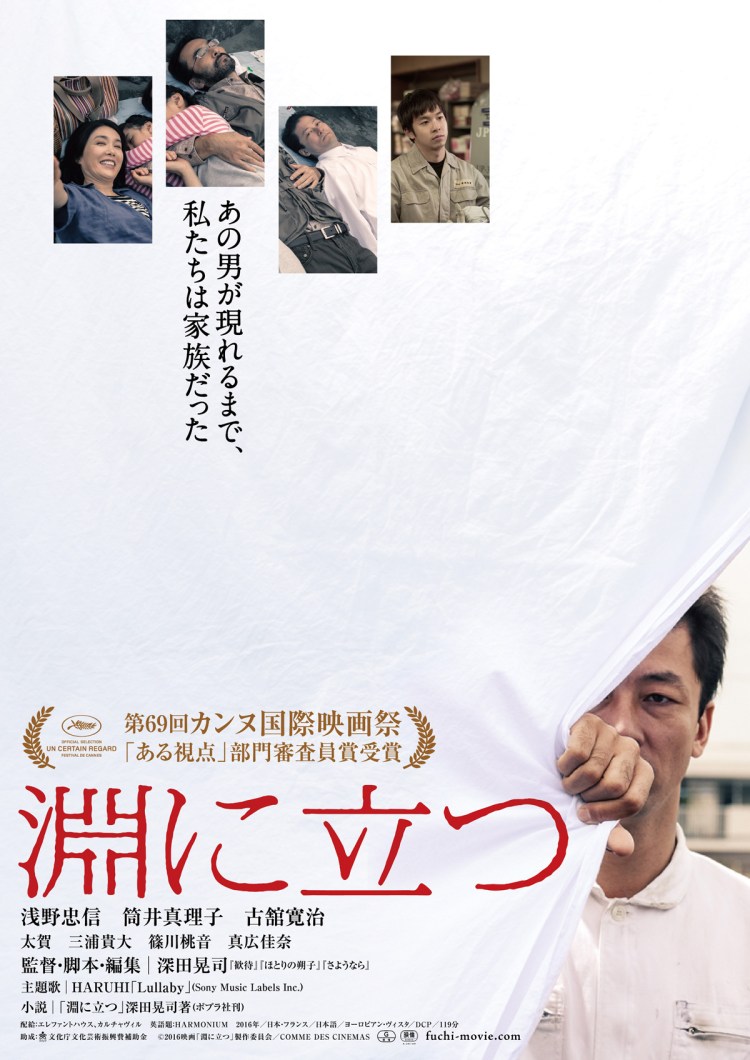 You can check out our
  Beyond nihilism, Destruction Babies paints a bleak prognosis for the youth of Japan who live without hope, disconnected from reality, and know only the sensation of violence. You can check out our review of the film
 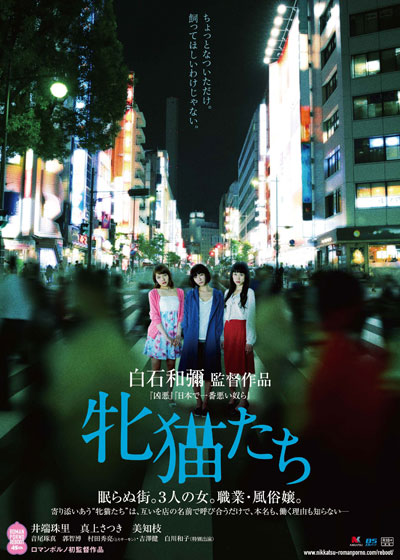 From the director of Twisted Justice and Devil’s Path, Dawn of the Felines follows the adventures of three prostitutes in Tokyo’s red light district.
 Shiota’s film follows a former playwright who tries to get out of town for some peace and quiet but runs into a nymphomaniac waitress instead. Oh well, a change is as good as a rest?
 Windows on Worlds