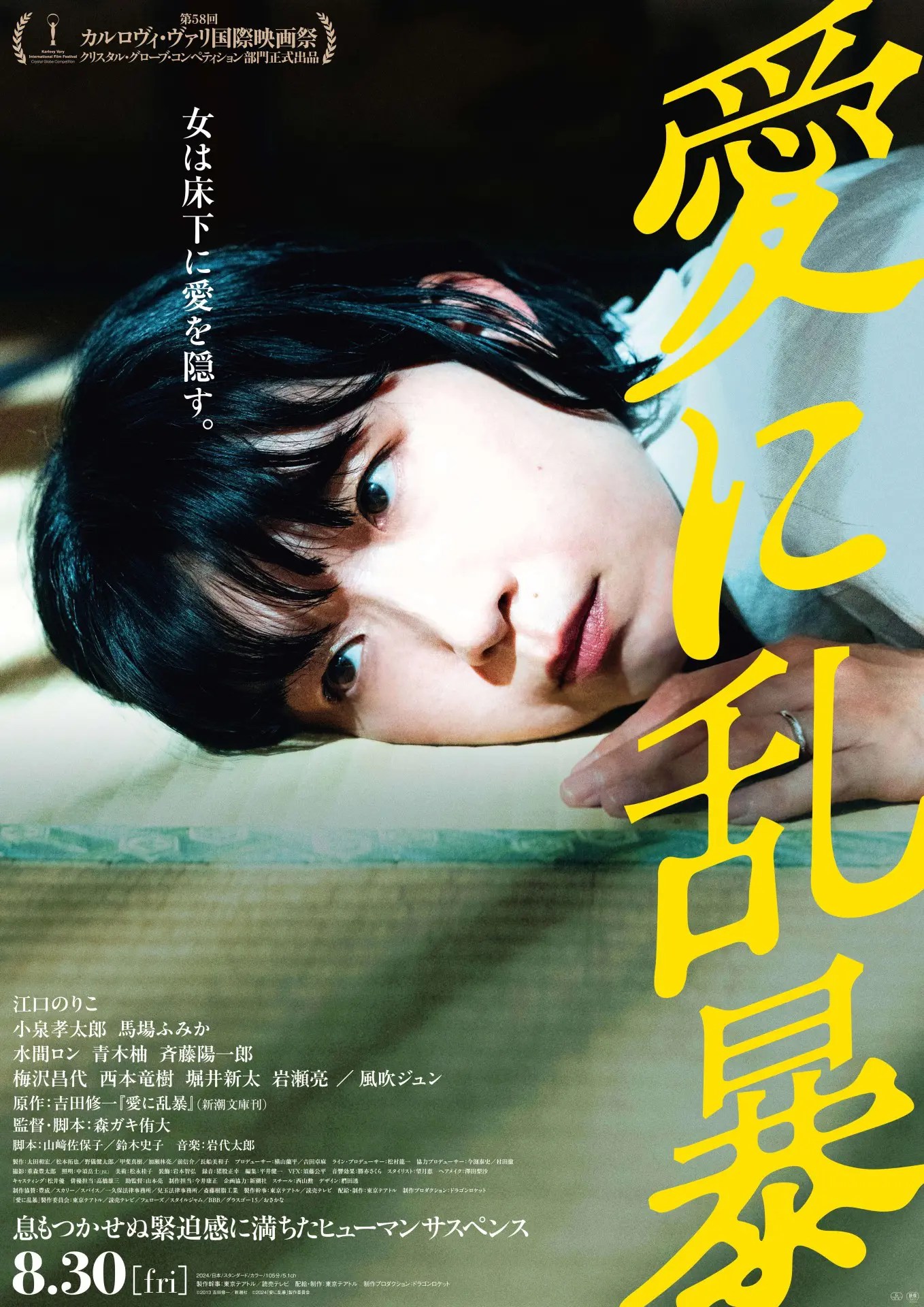
Rude to Love (愛に乱暴, Yukihiro Morigaki, 2024)

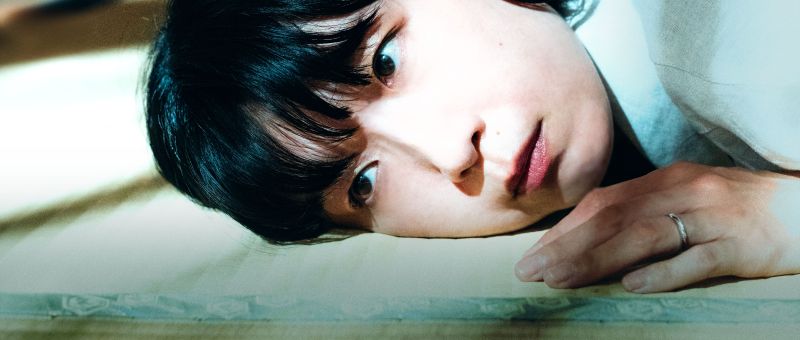
Momoko (Noriko Eguchi) can’t find her cat, Pi-chan. It hasn’t been home for days, and now there’s a stray prowling around near its water bowl. Her mother-in-law, Teruko (Jun Fubuki), can’t abide strays. They come into people’s homes and mess up their gardens. She shoos them away, making it clear they aren’t welcome here. It seems like Momoko’s not all that welcome either, and though her relationship with Teruko is civil enough, it’s clear Teruko has no great love for her and no desire to be any more friendly than she has to be to keep the familial peace.

In many ways, it’s Momoko herself that’s a stray cat and in trying to find Pi-chan she’s trying to reclaim her space within the domestic environment in which she fears she is imminently to be replaced, convinced that her husband, Mamoru (Kotaro Koizumi), is having an affair. At the core of Yukihiro Morigaki’s Rude to Love (愛に乱暴, Ai ni Ranbo) is a cry of despair from a middle-aged woman left with nowhere to turn. Someone in their quiet, residential district has been setting fire to the bins and it’s difficult to not think that the culprit is someone much like Momoko pushed to breaking point and desperate for some kind of release. For Momoko’s part, taking out Teruko’s rubbish has become a daily ritual and one of her key tasks as a dutiful daughter-in-law while she also goes out of her way to keep the place tidy, sweeping up the stray cigarette butts and tin cans that fall from other people’s loosely tied bags. But in other ways, we can see she wants things to change. She repeatedly approaches Mamoru with catalogues to talk about their plans for radically renovating their home, including the removal of a non-load-bearing pillar in the living room, but he generally ignores her.

In fact, Mamoru pays little attention to her at all and is frequently away on “business trips”. Momoko has a sideline in teaching other housewives how to make soap, but left her corporate job eight years previously when she married Mamoru. She tries approaching her old boss to expand the soap-making business and he suggests that she return to the office instead but almost certainly doesn’t really mean it and totally ignores her business proposal. Momoko knows that after so long out of the work force and as a middle-aged woman getting another corporate job is unlikely and the soap classes don’t pay enough to live on. If Mamoru leaves her, she’ll be left flat with nothing to fall back on. This is a key element of Mamoru’s betrayal and one of the reasons that Momoko holds fast to this domestic space to the point she would degrade herself by accepting Mamoru’s affair and begging him not to divorce her. 

Yet in other ways Momoko feels uneasy within it because she and Mamoru had no children. She looks on at other women with their babies and visits a doctor who tells her that her increasingly painful menstrual cramps are a symptom of ageing that she may have been able to ameliorate by giving birth to a child, but also that she is likely heading into the menopause so this maternal milestone is one that may already have passed her by. She can’t escape the feeling that she’s failed to make a success of her womanhood and channels all of her ambitions and desires into the remodelling project that her husband remains entirely uninterested in because he’s already decided to vacate this space. In the depths of her rage, Momoko finally takes a chainsaw to the foundations of her home in the hope of “freeing Pi-chan,” and ends up lying in a grave-like pit in the middle of her living room much like the deluded patriarch of The Crazy Family

The only person who seems to appreciate her efforts is the Chinese student, Li (Long Mizuma), who works at the local garden centre where he is treated poorly by some of the other customers. Mamoru never thanked her for anything, but Li expresses gratitude for her always keeping the rubbish drop tidy. Teruko resents her for something that is really a kind of misunderstanding, but has on some level some sympathy for her plight as a housewife. She idly remarks that she wishes she’d been widowed sooner, which sounds like a terrible thing to say, but also reflects the sense of doom a woman feels in her increasing age that a man does not. Men are never too old to start over but for a woman there are certain things for which is just “too late”, just as it was “too late” for Teruko to fulfil herself after her husband died. She tells Momoko that she still young enough to start over, but Momoko knows that in many ways she’s not. Still, at least the domestic space is hers to do with as she pleases no longer under the watchful eyes of her next-door neighbour and mother-in-law, stray cat no more but master of her own domain.


Rude to Love screens as part of this year’s Japan Foundation Touring Film Programme.

Trailer (no subtitles)

Based on the original novel Shuichi Yoshida “Rude to Love” published by Shinchosha

Images: ©2013 Shuichi Yoshida/Shinchosha ©2024 “Rude to Love” Film Production Committee
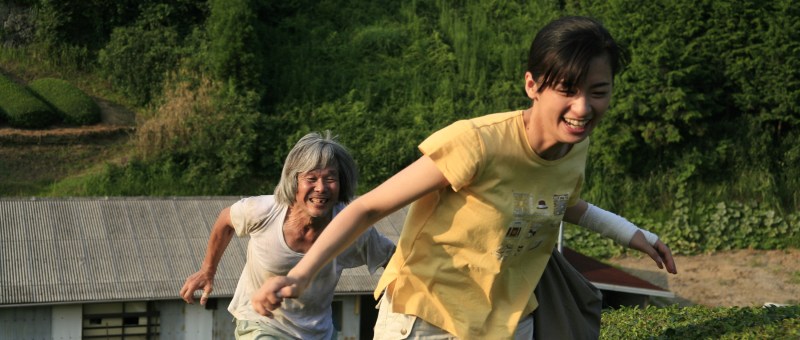
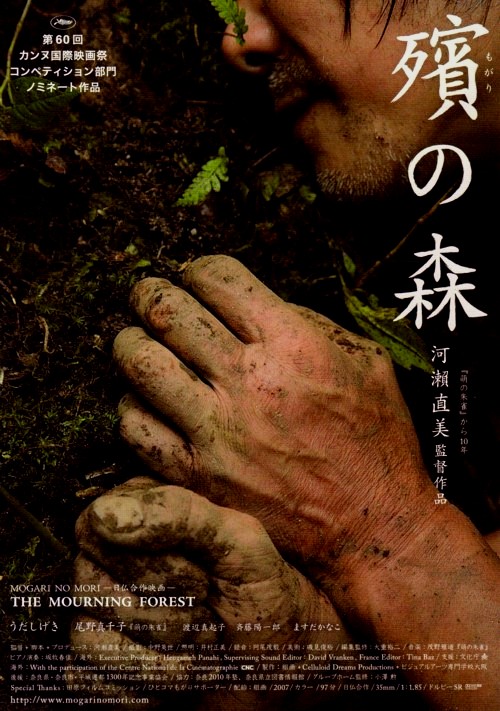
The Mourning Forest (殯の森, Naomi Kawase, 2007)

“There are no set rules,” according to the reassuringly steadfast head of a rural nursing home in Naomi Kawase’s The Mourning Forest (殯の森, Mogari no Mori). Uttering the phrase several times in many different contexts, the words prove truer than they first seem, eventually reassuring the grief-stricken heroine that there is no right way to feel or correct way to mourn, simply a gentle process of accommodation. An unexpected Palme d’Or winner, Kawase’s fourth feature sees her shifting into a more familiar arthouse register yet maintaining her trademark style as two lost souls, one old and one young, search for the “end of mourning” in the beauty of nature. 

The young one, Machiko (Machiko Ono), is a recently bereaved mother who has just taken a job at a local nursing home. We never find out exactly how her son died, in fact we only infer he did from the photo and incense on Machiko’s makeshift altar, but a later conversation with her presumed husband encourages us to assume that she blames herself for his death. Consequently, she perhaps recognises something in the dead-eyed vacancy of one of the home’s residents, Shigeki (Shigeki Uda), who crosses out the middle character, meaning 1000, in her name to make it read the same as his late wife Mako’s. Mako (Kanako Masuda) died 33 years previously, which according to the Buddhist priest visiting the facility means that her spirit will soon be leaving this plane for good, transitioning to the other world to become a Buddha.  

Something in Shigeki, whose name literally means “stimulation” though it is in fact the actor’s own, is awakened by the priest’s pronouncement, encouraging him to embark on a long-delayed journey. The priest too had been responsible for the initial connection between the two grieving souls, giving a perhaps insensitive lecture on the difference between living and existing which lies apparently in the ability to feel alive, something which neither of them perhaps do. For unclear reasons, Machiko agrees to travel with Shigeki to look for his wife’s grave, deep in the forest. Unfortunately they get into an accident on the way and while Machiko goes to look for help, Shigeki wanders off with the consequence that the pair of them eventually end up lost in the woods. 

“I was lost but now I’m here,” Shigeki finally explains, fighting his way through what was assumed to be dementia in his quest to say goodbye to his late wife for good before her soul leaves this world. The pair traverse somewhat difficult terrain, culminating in a painful episode in which Machiko begs the older man not to cross a wild river as if he were determined to cross the styx, or then again perhaps there is another explanation for the rawness of her distress. “We’re alive” they exclaim as they warm themselves by an elemental fire, settling the priest’s question once and for all as they press on in search of a grave and each of making peace with the past. 

As Wakako (Makiko Watanabe) had said, there are no set rules for mourning. Shigeki lived with his grief for 33 years and only found the courage to face it in the knowledge that there was no more time. Yet he reassures Machiko that “the water of the river which flows constantly never returns to its source”. In travelling with Shigeki, Machiko too begins to reckon with her grief, finding a kind of release in his catharsis and witnessing the proof of his long years of devotion suddenly given new purpose. She too is able to lay her mourning to rest in the natural beauty of the verdant forest.

Beautifully capturing the majesty of nature, Kawase shifts away from her trademark style swapping anarchic handheld for stateliness in the stillness of Machiko’s grief while quietly observing the ordinariness of the nursing home even as one resident relates her own grief in having lost a child. Filled with a deep sadness in its melancholy meditation on love, death, loss, and grief, The Mourning Forest is nevertheless a strangely uplifting, elegiac experience in which an old man and young woman find strength in their shared connection as they journey together towards the end of mourning and, perhaps, a rebirth in making at least a kind of peace with their grief and their longing.


Original trailer (English subtitles)

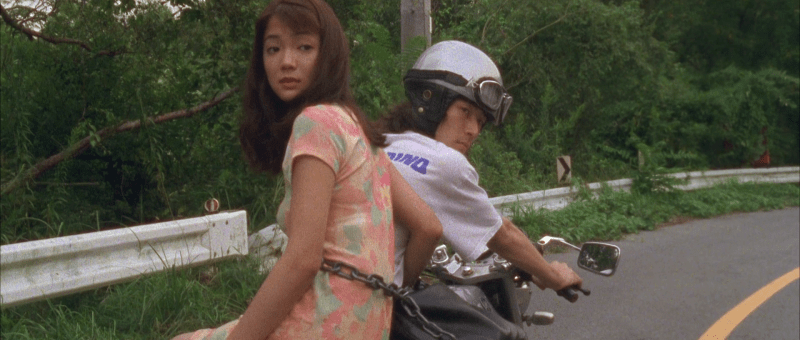
Helpless (ヘルプレス, Shinji Aoyama, 1996)

A title card close to the beginning of Shinji Aoyama’s debut film Helpless (ヘルプレス) lets us know that this drama which spans a single day takes place on Sept. 10, 1989. It is indeed late summer for most of the protagonists, refugees from the Showa era living on borrowed time in Heisei and intensely resentful towards the contemporary society which appears to have no place for them while the glamour of the Bubble economy does not appear to have trickled down to their peaceful provincial existence. 

Yakuza, for example, are very much associated with the post-war past and one-armed foot soldier Yasuo (Ken Mitsuishi) is an old-school street thug who can’t accept that his former boss literally is as dead as the institution itself. He’s met at a train station by two former associates, but it’s clear the older at least is awkward around him finally telling Yasuo not to call “too often”. “It’s nice to be normal,” Yasuo sneers, realising his former comrade has gone straight and lives an ordinary life as a regular businessman which is why he really wants nothing to do with his yakuza past. Yasuo takes his as more than just a personal betrayal and shoots him dead with his own gun.

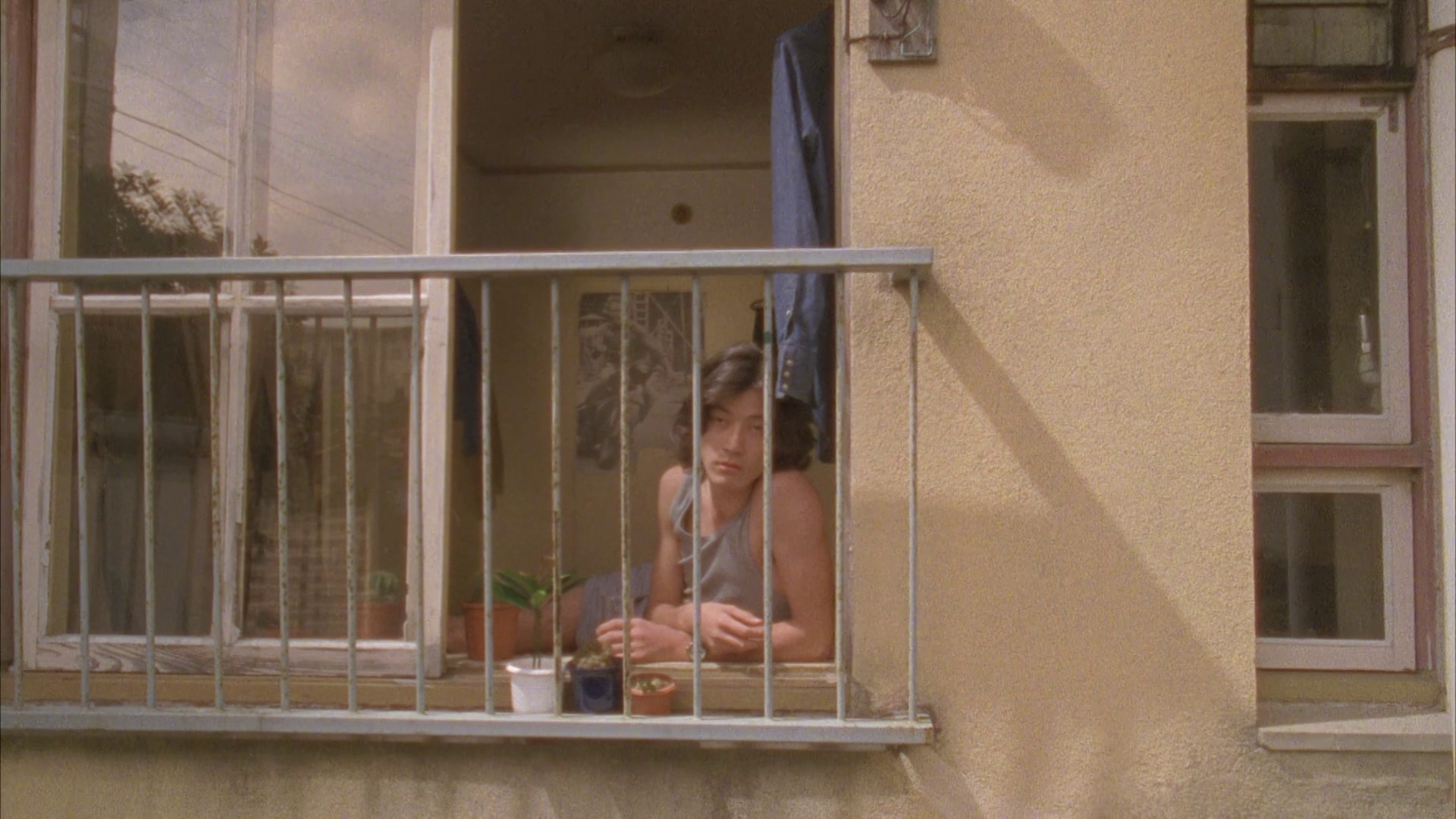
He is quite literally helpless, there’s no place for him in the contemporary society and his only hope is killing his old boss, who is already dead, so he can go back to prison. The only sticking point his younger sister Yuri (Kaori Tsuji) who has learning difficulties and had been living in residential care. Another of Yasuo’s former associates now longer a yakuza, Kenji (Tadanobu Asano), is similarly caring for his father who is in hospital for serious medical treatment. Kenji’s father hums the Internationale to himself and seems to have been consumed by the failure of his personal revolution muttering about blast furnaces while at home Kenji looks out on the now rusty aspirations of another “new era” in a moribund steel plant. He lies to his father that he has a received a job offer from there. 

The two men seem destined to collide, Kenji’s numbed resignation and Yasuo’s irrational rage, though it’s Kenji who later snaps after learning that his father has hanged himself while he was busy taking care of Yasuo’s sister. Even an old classmate he runs into is filled with resentment, talking about taking his “revenge” at the class reunion by poisoning the punch. He says he “forgives” Kenji because he once helped him find his PE kit, though Kenji claims he did it mostly for selfish reasons.The chef at the roadside diner where they wait for Yasuo also seems to be henpecked by his wife who calls him “weaker than a woman.” Kenji later says that he killed them because they ridiculed him, tipped over the edge by his own insecurity and sense of futility. 

Yasuo discovers something similar after being stopped at a roadblock, a policeman expressing sympathy that “they forgot about a punk like you.” Yasuo points the gun at his own head, discovering one last bullet, but it’s not quite clear what happens after that. Yasuo was a wandering ghost anyway, a man of the Showa era haunting the streets of Heisei with a mission to kill a man like himself already dead. On the severed arm Kenji later discovers in his bag, there’s a tattoo of a skull and the motto “help me” which might speak for them all desperately looking for some kind of way out but finding little support. 

But then again, Kenji proves unexpectedly kind caring for Yuri even while Yasuo selfishly considers a double suicide. Dressed in white though also in a T-shirt featuring the cover for Nirvana’s Nevermind which was released in 1991, Kenji is the light and Yasuo the dark despite their mutual violence one bound by nihilism and the other a strange positivity blithely searching for an escaped rabbit just as helpless as he himself may be. Filled with ironic whimsy the film takes place in a purgatorial space inhabited by those displaced by the Bubble who no longer have anything to pin their hopes on while living on borrowed time in a late summer rapidly drawing to a close. 


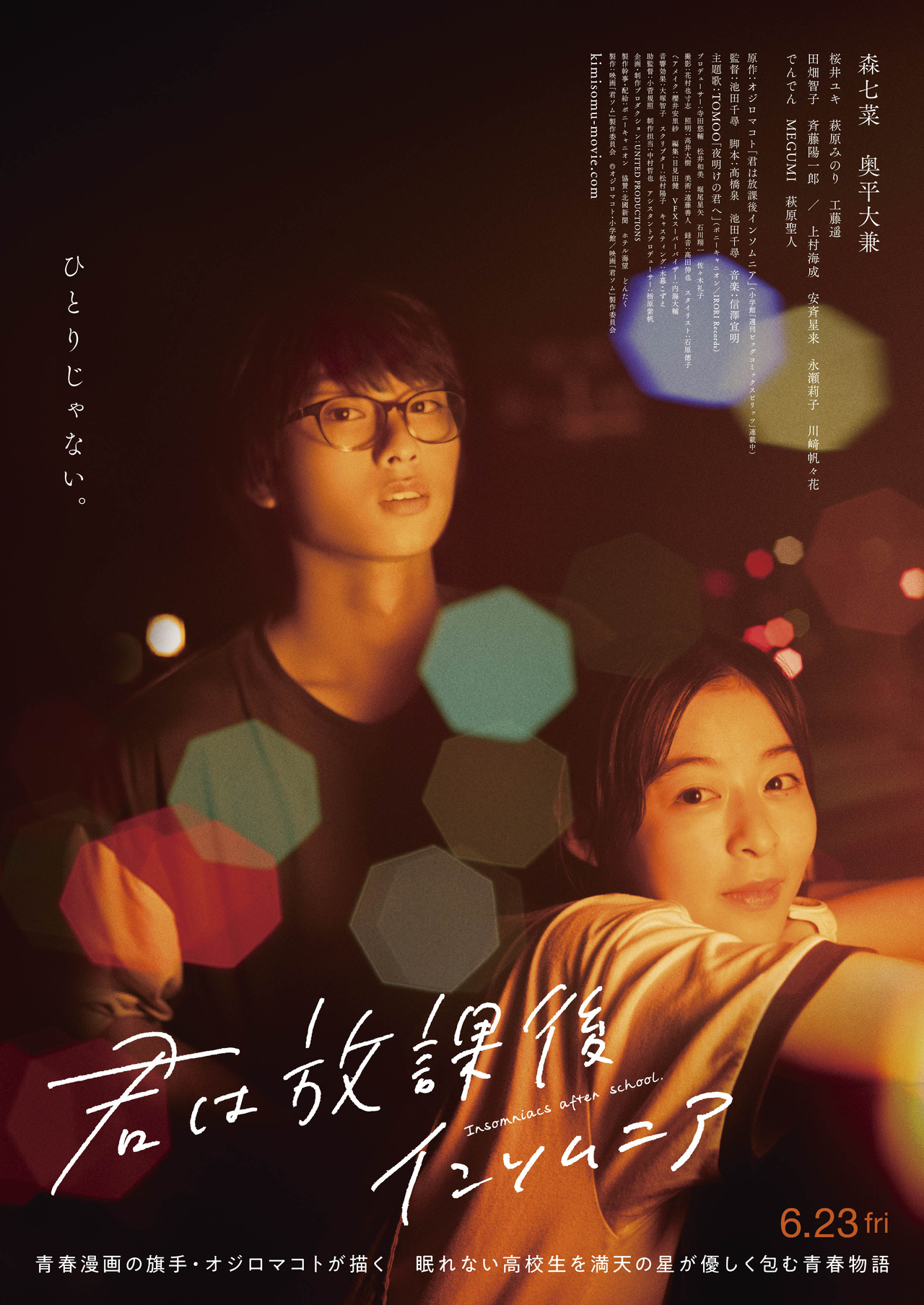
Insomniacs After School (君は放課後インソムニア, Chihiro Ikeda, 2023) [Fantasia 2023]

Two teens begin to overcome their fears and anxieties after bonding over their shared insomnia in Chihiro Ikeda’s adaptation of the Makoto Ojiro manga, Insomniacs After School (君は放課後インソムニア, Kimi wa Hokago Insomnia). It may seem strange in some ways that the pair find their inability to sleep so embarrassing that they keep it a secret from those around them, but then it’s difficult to tell people you’re having trouble sleeping without explaining why which is admittedly to enter the place of emotional vulnerability that each of them is otherwise avoiding. 

Namiki (Daiken Okudaira) describes himself as being overwhelmed by negative thoughts while his days are filled with despair. Unable to sleep at home he struggles to keep his eyes open at school and is otherwise reserved, rejected by many of his peers for being gloomy and aloof with only one real friend to whom he has disclosed his persistent insomnia. When he ventures into a part of the school others avoid thinking it is haunted, he discovers another “ghost” in classmate Isaki (Nana Mori) who also suffers from insomnia and had carved out this small corner of the disused astronomy club as a private lunchtime nap space. Luckily for him, Isaki, who is cheerful and outgoing, is willing to share and soon they become firm friends who decide that their empty nights of dark despair could otherwise be filled with fun and adventure. 

Neither of them really discuss why they aren’t able to sleep until their friendship is more deeply established and the facts emerge somewhat naturally but instead draw strength from their new connection while laying claim to their “sanctuary” in the school’s disused observatory as a place where they can find peace. Discovered by a teacher they have to keep up the pretence of restarting the astronomy club which means deciding on some sort of goal activity as proof that they have a right to the space all of which leads them down a secondary path that distracts them from their sleeplessness as they determine to put on stargazing events and enter a photography competition which requires a short sojourn in the country as well as making entreaties to their classmates for additional help and support. 

Then again, that might be contrary to their original wishes given that what they wanted from the observatory was a private place to sleep free from the stresses of their home lives which are in themselves fairly wholesome problems running from health anxiety to abandonment issues. Parallel scenes remind us that their struggles are largely the same, each has come to blame themselves for things which weren’t their fault and has developed a need to be seen as “good” which has led to chronic people pleasing and low self-esteem. But what their stargazing mission begins to teach them is that some things in life are beyond your control so there’s no point worrying about them, while the sense of eternity they discover watching the movement in the skies helps them overcome an adolescent fear of mortality in realising that “human existence doesn’t disappear so easily” and those who are gone still live on in the hearts of minds of others in the great confluence of humanity. 

Where night had been something to endure, they now find new ways to appreciate their lives in a world that seems more full of possibility than fear. Ikeda’s adaptation revels in its wholesomeness with even its slow-burn romantic subplot relatively innocent in its earnestness as the pair monologue over a voice notes app and quite literally lean on each other for support even if it’s not clear whether their insomnia actually improves or they just find better ways of living with it thanks to the new community they’ve found in the re-formed astronomy club which like most clubs is more about just hanging out than it is about serious study of the stars. Making the most of its picturesque small-town setting, the film discovers a quiet sense of serenity in the beauty of the landscape along with its ever expanding vistas in which the teens learn to overcome their mutual anxieties and embrace the infinite possibilities of life thanks to a true friendship founded on empathy and compassion.


Insomniacs After School screened as part of this year’s Fantasia International Film Festival.

Original trailer (English subtitles)

The Lowlife (最低, Takahisa Zeze, 2017)

The Lowlife 2017In terms of the mainstream cinema industry, the AV (“adult video”) world is viewed with suspicion and distain. AV is where unlucky women end up after having the misfortune to encounter unscrupulous yakuza or be born to feckless parents whose debts they are forced to pay with their bodies. However, mainstream cinema perhaps has a reason to demonise its rival on top of reflecting persistent social stigmas relating to the expression of sexuality. Takahisa Zeze began his career in “pink film”, which is to say softcore pornography, and casts a non-judgemental eye over the modern hardcore porn scene in The Lowlife (最低, Saitei), adapting a novel by AV actress and gravure model Mana Sakura which explores the lives of three women who each have been impacted by the industry.

The first two of our heroines – college dropout Ayano (Kokone Sasaki), and melancholy housewife Miho (Ayano Moriguchi), have made a free choice to enter the AV industry mostly out of loneliness and insecurity. Ayano, who claims to be the only “ugly” one among her many sisters, is convinced to take part in a porn shoot by an unscrupulous boyfriend but finds herself reassured in being adored by the camera and appreciated on set, if only briefly. Miho, meanwhile, is trapped in an unsatisfying marriage to a man who has begun sleeping in his study and continually puts off the discussion of starting a family despite Miho’s intense desire to become a mother. Checking on her husband one morning she is dismayed to find a porn DVD in the open tray of his laptop which feels like a double betrayal in that he has obviously not been “working” all night and has avoided intimacy with her while finding release somewhere else. Irritated, Miho takes the extreme decision of becoming a porn star herself as a strange kind of revenge and motion towards personal fulfilment.

Our third heroine, Ayako (Aina Yamada), however, is looking at the same problem from a different angle in that she is daughter of a single-mother who had previously worked in the porn industry before returning home to her own single-mother to start again and raise her daughter. Takako (Saki Takaoka) is a difficult, flighty woman who still likes to live the high life drinking with random guys and rolling in late or sometimes not at all to the constant worry of her anxious daughter. A gifted artist, Ayako is a shy, gloomy girl who finds it hard to connect with her peers and resents her mother for her unconventional lifestyle. Her problems intensify when she wins a prominent art prize and irritates a classmate who seems to be stalking her causing him to spread the rumour of Takako’s past all over the school.

Social stigma is indeed one of the main problems each of the women face. Ayano, who seems to be otherwise happy enough with her life AV, gets an unexpected visit from her concerned mother and scornful sister when someone presumably spots her in a video and decides to have a word. As Ayano points out to her annoyingly judgemental sister, that means whoever told them just outed themselves as an AV-watcher so perhaps she should ask her boyfriend about that before making sarky comments. Nevertheless, nobody really says anything about the men who consume pornography, only about the “immoral” women who star in them. Ayano’s mother Izumi (Makiko Watanabe) blames herself, complaining that Ayano was the only one of her daughters she never quite bonded with, by turns angry with her for “shaming” the family and concerned that she has “thrown her life away” by becoming forever tainted with the stigma of having been involved in the sex industry.

Corrupted maternity becomes a somewhat uncomfortable theme as each of the women assesses their relationships with other women in the context of the traditional family. Having given up work and become a housewife as society expects, Miho has done everything right but is intensely unhappy because her husband will not move to the next step by starting a family. At 35, she feels her life stagnating, that everything is already settled and nothing will change from now until the time she dies. Neglected by a husband who seems to have lost interest in her as a woman as well as in their shared endeavour of building a home, she finds herself drawn to AV as a path to sexual fulfilment which isn’t really infidelity while also subverting her image of superficial perfection and embracing another identity outside of the home. She remains, however, conflicted as she gazes jealously at a happy family out on holiday at the pleasant mountain lodge where they’ll shoot the movie away from prying eyes. Her involvement in AV is, in a way, also an act of self harm as she punishes herself for her inability to become a mother, while also getting back at her disinterested husband.

Even so, Zeze is careful to frame the AV industry in a positive light. On arrival at the agency, Miho is greeted by an extremely sensitive and sympathetic manager who does his best to ease her concerns while making her feel safe at her most vulnerable. Having felt so neglected and lonely at home, the AV world provides her with a place that she is appreciated, desired as a woman and treated like a star. Similarly, Ayano who had believed herself “ugly” and unlovable begins to gain confidence in herself thanks to being appreciated by the camera, eventually striking up a relationship with a nice guy journalist in a bar which seems like it might develop into something more. While some might argue that the industry is merely exploiting feminine insecurities, it cannot be denied that both women find in it a path towards self acceptance and actualisation.

Despite the fiercely non-judgemental tone, a late plot twist further casts Miho’s transgression as a fall rather than a rise while an eventual connection with Ayako further deepens the maternal subtext as she completes the circle by mothering the lost young woman trying to come to terms with her atypical family situation. Ayako’s grandmother too seems to prescribe motherhood as the answer to all life’s mysteries even if the answer is often that they can’t be solved and all that remains is the urgency of living. Zeze’s depiction of the porn industry might be a rosy one glossing over the seamier side in favour of presenting a world built on empowerment rather than exploitation, but its infinitely sympathetic eye makes plain that porn is just a job like any other and the women who work in it do not deserve the scorn that society often chooses to heap on them.


Original trailer (no subtitles)

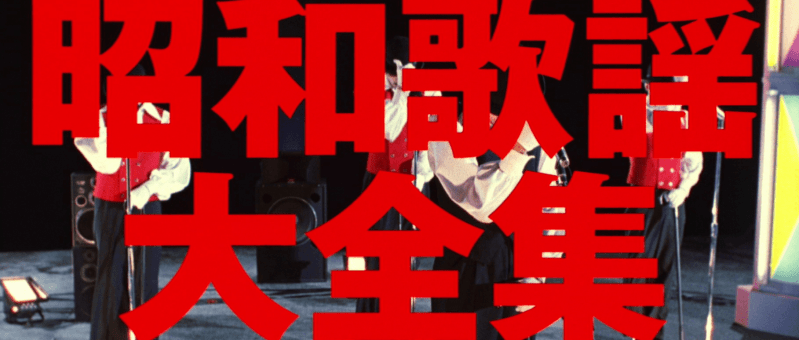
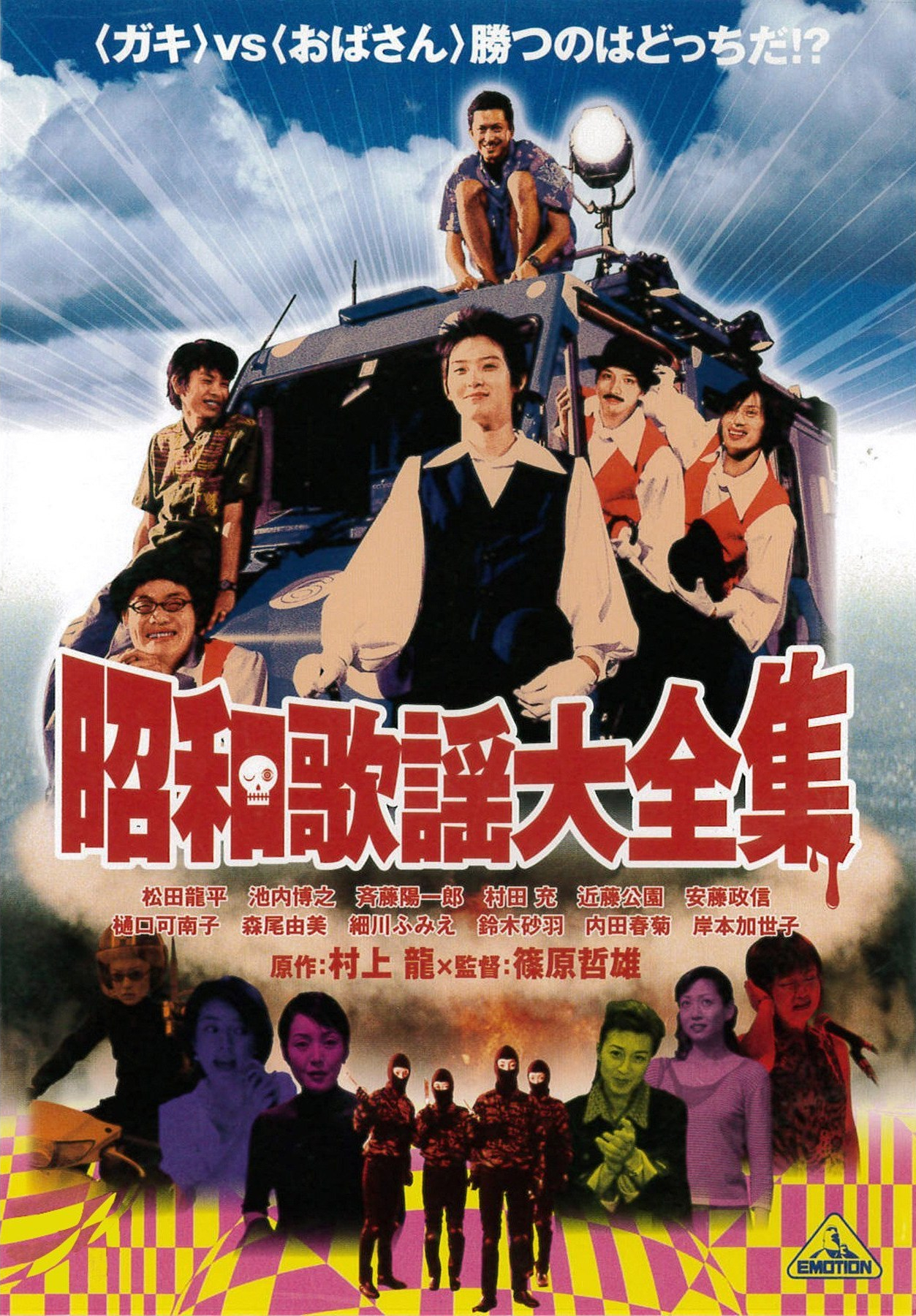
Karaoke Terror (昭和歌謡大全集, Tetsuo Shinohara, 2003)

karaoke terror poster.jpgEver since its invention karaoke has provided the means for many a weary soul to ease their burdens, but there may be a case for wondering if escapism is a valid goal in a society which seems to be content in stagnation. The awkwardly titled Karaoke Terror (昭和歌謡大全集, Showa Kayo Daizenshu), adapted from the book Popular Hits of the Showa Era by Audition’s Ryu Murakami, pits two very different groups of karaoke enthusiasts against each other – aimless adolescent males, and jaded middle-aged women. Despite the differences in their ages and experiences, both enjoy singing the wistful bubblegum pop of an earlier generation as if drunk on national nostalgia and longing for the lost innocence of Japan’s hopeful post-war endeavour to rebuild itself better than it had been before.

We open with the slackers and a voice over from the presumed “hero” of the film, Ishihara (Ryuhei Matsuda), who informs us that he can’t really remember how he met most of the guys he hangs out with but that he always knew the one of them, Sugioka (Masanobu Ando), was a bit cracked in the head. In a motif that will be repeated, Sugioka catches sight of a middle-aged woman just on the way back from a shopping trip and decides he must have her but his attempts to pick her up fail spectacularly at which point he whips out his knife and slashes her throat.

Meanwhile, across town, a middle-aged woman, Hemmi (Kayoko Kishimoto), offers to let a co-worker share her umbrella but the co-worker misinterprets this small gesture of courtesy as romantic interest and crudely asks her “how about a fuck?” to which Hemmi is quite rightly outraged. Rather than apologise, the co-worker shrugs and says his “direct” approach works six times out of eight and some women even appreciate it. Once she manages to get away from her odious aggressor, Hemmi ends up stumbling over the body of the woman murdered by Sugioka and realises she knows her. The murdered woman was one of six all named Midori who were brought together for a newspaper article about the lives of middle-aged divorced women and have stayed “friends”. Outraged about this assault not just on their friend and their sex but directly against “women of a certain age” who continue to be the butt of a societal joke, the Midoris decide they want revenge and hatch a plan off Sugioka, but once they have, the slackers hit back by offing a Midori and so it continues with ever-increasing levels of violence.

Which ever way you slice it, you can’t deny the Midoris have a point and Hemmi’s continuing outrage is fully justified. When the boys rock up at a mysterious general goods store out in the country looking for a gun, the proprietor (Yoshio Harada) is only too happy to give it to them when they explain they need it for revenge and that their targets are middle-aged women. The proprietor has a lot to say about ladies of a certain age. In fact he hates them and thinks that bossy, embittered, unproductive women “too old” to fulfil their only reason for existence will be the only ones to survive a nuclear apocalypse that even the cockroaches cannot overcome. The boys appear timid and inexperienced but ironically enough can’t take their eyes off the middle-aged woman from across the way and her sexy dance routines. They feel entitled to female deference and cannot accept a woman’s right to decline. The Midoris are sick of being “humiliated”. They’ve fallen from Japan’s conformist path for female success in getting divorced or attempting to pursue careers. They’ve lost their children and endured constant ridicule as “sad” or “desperate”, made to feel as if their presence in the workplace past a certain age was “inappropriate” and the prices they have paid for their meagre successes were not worth the reward. They strike back not just at these psychotic boys but at a society which has persistently enacted other kinds of violence upon them.

Meanwhile, the boys remain boys, refusing adulthood and responsibility by wasting their time on idle pursuits. Truth be told, karaoke performances involving dance routines and elaborate costumes is not a particularly “cool” hobby by the standards of the time but it appears that none of these men have much else in their lives to invest themselves in. With the economy stagnating and the salaryman dream all but dead, you can’t blame them for their apathy or for the rejection of the values of their parents’ generation, but you can blame them for their persistent refusal to grow up and tendency to allow their insecurities to bubble over into violence.

As it turns out, adolescent males and middle-aged women have more in common than might be thought in their peripheral existences, exiled from the mainstream success which belongs exclusively to middle-aged and older men who’ve been careful to (superficially at least) adhere to all the rules of a conformist society. Neither group of friends is especially friendly, only latterly realising that “real” connections are forged through direct communication. Their mutual apathy is pierced only by violence which, ironically, allows their souls to sing and finally shows them just what all those cheerful songs were really about. Darkly comic and often surreal, Karaoke Terror is a sideways look at two diametrically opposed groups finding unexpected common ground in the catharsis of vengeance only for their internecine warfare to graduate into world ending pettiness.


Original trailer (English subtitles)

The greatest hits of the Showa era:

Koi no Kisetsu – Pinky & Killers

Hoshi no Nagare ni – Akiko Kikuchi

Chanchiki Okesa – Haruo Minami

Shiroi Cho no Samba – Kayoko Moriyama

Linda Linda – The Blue Hearts

Sweet Memories – Seiko Matsuda

Kaze Tachinu – Seiko Matsuda

Minato ga Mieru Oka – Aiko Hirano

Sabita Knife – Yujiro Ishihara

Hone Made Aishite – Jo Takuya

Kimi to Itsumademo – Yuzo Kayama

Mata Au Hi Made – Kiyohiko Ozaki

Parks (PARKS パークス, Natsuki Seta, 2017)

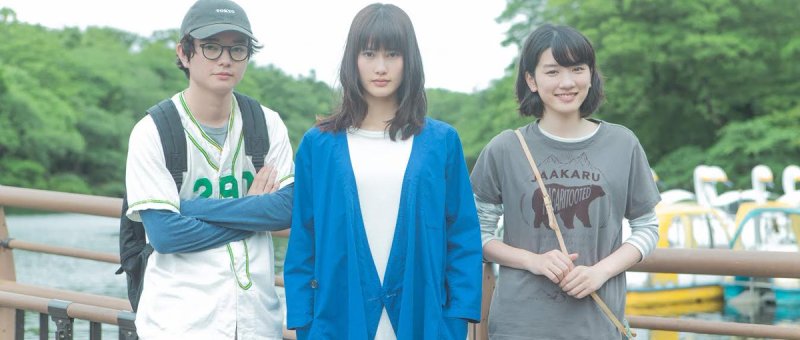
parks posterParks are a common feature of modern city life – a stretch of green among the grey, but it’s important to remember that there has not always been such beautiful shared space set aside for public use. Natsuki Seta’s light and breezy youth comedy, Parks (PARKS パークス), was commissioned in celebration of the centenary of the Tokyo park where the majority of the action takes place, Inokashira. Mixing early Godardian whimsy with new wave voice over and the kind of innocent adventure not seen since the Kadokawa idol days, Parks is a sometimes melancholy, wistful tribute to a place where chance meetings can define lifetimes as well as to brief yet memorable summers spent with gone but not forgotten friends doing something which seems important but which in retrospect may be trivial.
Student Jun (Ai Hashimoto) begins the story with a meta voiceover declaring her intention to begin among the cherry blossoms – letting us know right away that this will be an ephemeral sort of tale. She’s young, in love, and carefree – too carefree, actually, she’s already got a job lined up for after uni but has forgotten to do any of the work needed to graduate. Then, disaster strikes. Dumped by her boyfriend, Jun finds a letter from the university reminding her that she’s way behind and in a lot of trouble (the letter is dated six months previously).

On top of all of this, she bumps into the strange and dreamlike Haru (Mei Nagano) who barges into her apartment which apparently was once home to the lost love of her late father in the 1960s (he was evidently quite an aged dad). Chasing the leads they find in a collection of love letters and photographs the girls track down some of the pair’s old friends and eventually the grandson of the woman in question, Tokio (Shota Sometani), who discovers a reel-to-reel tape among his late grandmother’s effects which contains the remnants of the love song Haru’s father and Tokio’s grandmother were creating together. Seeing as the tape is damaged the trio decide to finish the song which will also form a part of the thesis Jun is supposed to be writing to graduate university.

Light, bright, and breezy like a spring day in a beautiful park, Parks is necessarily slight but filled with all the whimsical nostalgia of the no longer young. Celebrating the park’s 100th birthday, Seta apparently wanted create something which tied the various ages together – hence the 1960s focus, though her 1960s is much more French New Wave and postmodern silliness than it is student protests or economic anxiety. Romance is in the air as lovers meet in the park vowing never to part, only they do for reasons which Haru is desperate to know even if no one else particularly cares about the background to their ongoing project.

The interplay between the three accidental friends is the heart of the drama as they find themselves pulled in various different directions. Shota Sometani’s oddly spirited Tokio with his city boy accent and nerdy attempt at cool wants more Twitter followers and has his eyes set on musical fame where as poor Jun just wants to be left alone to finish Uni while Haru is swept up in the romantic love story of her much missed father.

Or is she? Seta throws in a few meta gags leaving us unsure of who or what Haru really is or if any of this is real. Taking a decidedly Lynchian detour with strange and surreal scenes focussing on a mysterious door, she lends this world an odd sort of charm through, like her New Wave inspiration, often refuses to follow the trail to its conclusion. Flitting between past and future, allowing the two to mingle and overlap and Haru to become a friend of her father as a young man, Parks is a sweet summer daydream filled with gentle music and warm air fit to blow away on the breeze.

The song itself, a characteristically whimsical composition by Tokumaru Shugo (who also has a brief cameo in the film), is a beautifully innocent ‘60s folktune which is then corrupted by the conflicting modern dreams of the easily swayed realists Tokio and Jun while the idealistically romantic Haru listens in horror before Jun finally remembers what all of this was about and tries to fix things before they get any more broken. Some songs are intended to float away on the breeze, like summer adventures and casual friendships and Parks is such a one, though a pleasant way to dream away a warm afternoon.


Parks was screened at the 17th Nippon Connection Japanese Film Festival.

Original trailer (English subtitles available by clicking subtitle button)

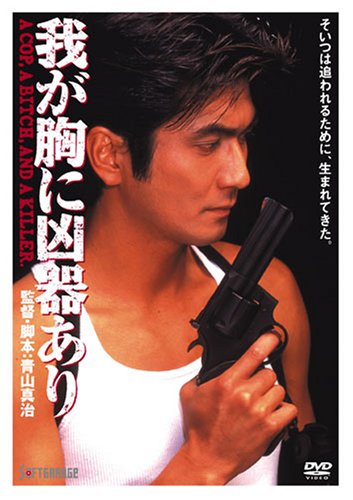
A Weapon in My Heart (我が胸に凶器あり, AKA A Cop, A Bitch, and a Killer, Shinji Aoyama, 1996)

a-weapon-in-my-heartShinji Aoyama would produce one of the most important Japanese films of the early 21st century in Eureka, but like many directors of his generation he came of age during the V-cinema boom. This relatively short lived medium was the new no holds barred arena for fledgling filmmakers who could adhere to a strict budget and shooting schedule but were also aching to spread their wings. After a short period as an AD with fellow V-cinema director now turned international auteur Kiyoshi Kurosawa, Aoyama directed his first straight to video effort – the sex comedy It’s Not in the Textbook!. Released just after his theatrical debut, Helpless, A Weapon in My Heart (我が胸に凶器あり, Waga Mune ni Kyoki Ari, AKA A Cop, A Bitch, and a Killer) is a more typically genre orientated effort with its cops, robbers, and femme fatale setup but like the best examples of the V-cinema trend it bears the signature of its ambitious director making the most of its humble origins.

Call girl Alice has ripped off her gangster bosses for a large amount of heroine only her accomplice has got cold feet and called a relative in the police force. The kid gets shot as officers Goro and his partner Yoshioka wade in all guns blazing but Alice calmly allows herself to be taken into custody. Yoshioka is a strangely cheerful chap who informs Alice that he has a game running where he gives suspects odds to bet on their likelihood of escape. Hers are brilliant because there is no way she is getting away. However, the trio are ambushed by crazy gangster Matsumura and his gang forcing Goro and Alice onto the run. In addition to avoiding Matsumura and his dastardly schemes, Goro and Alice are also being stalked by a mysterious hitman, Hoshi, who claims to be “watching from up above” and has his own motives for his bizarrely heroic hunting style.

This being a V-cinema effort, the production values are low, shot in widescreen but on the kind of cheap video cameras common to the V-cinema movement. Nevertheless, Aoyama makes the most of what he has to create a stylish genre throwback which recalls the Nikkatsu action films of years gone by only a little less madcap even if leaning towards the surreal. Told in a non-linear fashion, exposition is delivered largely through flashbacks but each of these is innovatively offered such as in a touching scene in which Goro remembers a conversation with Yoshioka in which only the lighting darkens to let us know that the happy memory has ended and the melancholy present has resumed. Similar techniques mark Alice’s frequent flashbacks to her traumatic crime, though in line with their much more pressing nature Alice’s memories are given harsher, more abrupt entrances and exits, lacerating the screen as they do her mind.

The genre elements may be familiar enough but Aoyama ensures each of the major players is fully drawn despite the necessarily tight running time. Good cop Goro is arguably the least explored but it’s antagonist Hoshi who leaves the biggest mark. A joke that’s somewhat lost in translation runs on the fact that “Hoshi” means star which lends an oddly comic dimension to his frequently uttered catch phrase in which he promises to be watching “from up above”. Having once abandoned the killing game, Hoshi has found himself forced back into the life in order to earn the money to pay for an operation to restore the sight of his blinded son – something he feels karmically responsible for. Frequently letting our heroes go out of a debt of honour, Hoshi nevertheless has his mission to complete, no matter how much it might offend him to do so.

Our policemen also seem to operate from a mysterious antique shop where they keep the records for their escape based betting games. Add in weird dirt bike riders, mysterious statues, and strange phone calls not to mention a horror movie inspired sequence where our two heroes are trapped in a shed while the enemy looms large in a thunderstorm outside and there are plenty of interesting quirks to be going on with. Deaths are dramatic, slow motion falls and set pieces become remarkably elaborate but there’s also a sort of childish innocence as a fearsome killer tries and fails to unwrap one of his beloved boiled sweets even as he dies. Very much part of the fast and loose V-cinema universe, A Weapon in My Heart is also pure Aoyama, filled with strange details and surrealist touches but ultimately imbued with his own strange brand of humanity.