Bayside Shakedown the Final: The New Hope (踊る大捜査線: THE FINAL 新たなる希望, Katsuyuki Motohiro, 2012)

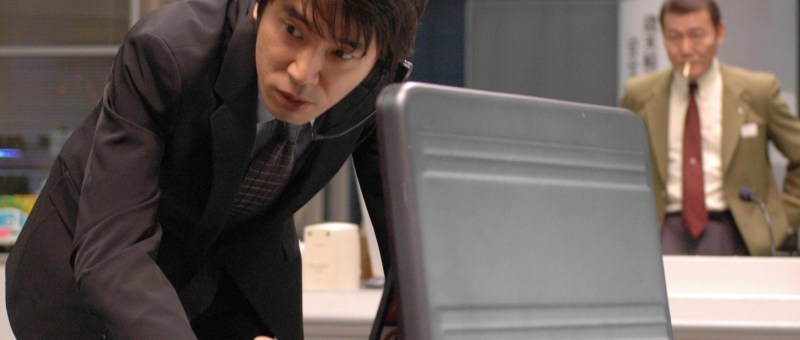
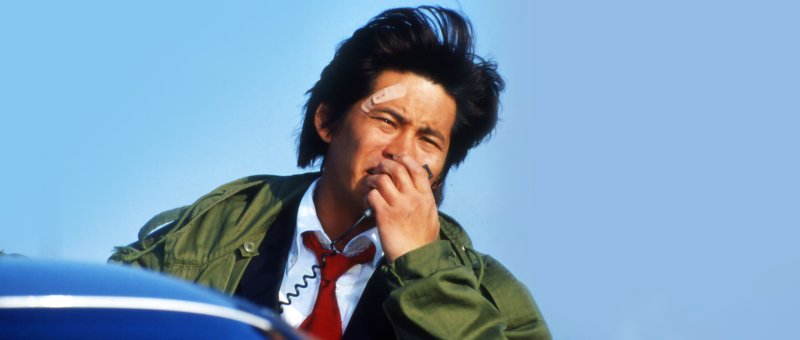
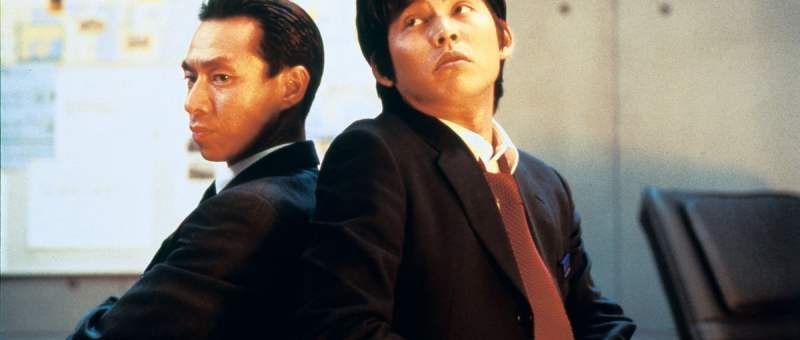
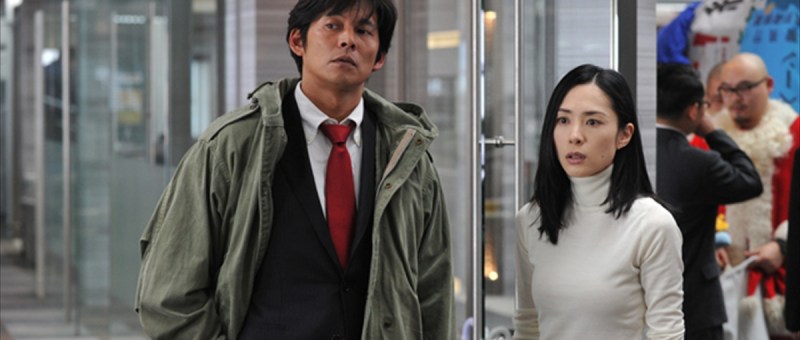
Is it really the end? Billed as the “final” instalment in the Bayside Shakedown series which began with a TV drama in 1997, Bayside Shakedown the Final: The New Hope (踊る大捜査線: THE FINAL 新たなる希望, Odoru Daisousasen the Final: Aratanaru Kibou) once again finds the gang contending with annoying red tape but also with a police force which is intrinsically corrupt and self-serving while questioning if they should remain in an occupation in which they are treated with such disdain. Continuing the familiar pattern from throughout the series, the gang find themselves coming up against a serial killer who may be a crazed vigilante only to discover that the whole thing may have been an extreme inside job designed with the intention of drawing attention to inadequacies in the justice system. 

The problem is that the body they’ve found appears to have been shot with a gun which was removed from the police evidence locker and is linked to a kidnapping case six years previously which just happens to have been handled by Mashita (Yusuke Santamaria) when he was a hostage negotiator. Mashita had ordered an end to the negotiations because of pressure from above to play by the rules with the consequence that the child later died while the prime suspect in the case was recently acquitted of the crime at trial (a staggeringly rare occurrence in Japan). When Mashita’s young son is kidnapped, all eyes are on a rogue policeman, Kuze (Shingo Katori), but it is obvious he is not acting alone. 

Toragai (Shun Oguri), the authoritarian detective from the previous film, has continued along a dark path which only intensifies when his paper on police reforms is rejected out of hand. He too thinks the police force needs structural reform but leans hard into the idea that too many people are getting away with crime rather than concentrating on removing the barriers which prevent police from doing their jobs as Muroi (Toshiro Yanagiba) and Aoshima (Yuji Oda) would probably suggest. Muroi’s lasting dream is of building a police force which trusts policemen to do the right thing and he frequently tells his subordinates that they should feel free to exercise their own judgment. 

Meanwhile, the local cops continue to suffer under the command of the elitist officers from HQ who not only look down on them but assign menial tasks, as does Mashita in finding himself short staffed while most are busy providing security for a local energy summit. While Aoshima had experienced a health crisis that turned out to be a false alarm in the previous film, so this time Sumire (Eri Fukatsu) finds herself struggling with ongoing effects from her shooting in Bayside Shakedown 2 eventually deciding that it might be better to leave the police force entirely while lamenting her unfinished business with Aoshima which remains unresolved even in this “final” instalment while he somewhat unsympathetically can only ask her not to leave rather than express his true feelings. 

Ironically enough, by the time of the final showdown neither of them are actually in possession of a police badge, Aoshima scapegoated by Toragai who still holds a grudge against him while inconvenienced by interference in his scheme to frame a local petty thief for the killings, presenting him with an invitation to resign following serious misconduct accusing him of beating up suspects and planting evidence. One again, the police chiefs sit around a large circular table issuing orders from afar but are mainly concerned how to bury the “scandal” of having a police officer steal a gun from evidence and then use it to commit a murder. In a bizarre twist of fate, it later turns out that the whole thing may be an elaborate, not to mention entirely amoral, plan to expose police shortcomings with a side dose of revenge against Mashita for contributing to the child’s death by insisting on following protocol while receiving heat from above. 

As such the apparently “final” instalment skews a little darker than the series norm while as the subtitle implies offering a new ray of hope in the reversal of Muroi’s fortunes allowing him to embark on the police reforms which have been his and Aoshima’s goal throughout the series. Meanwhile, the film pays tribute to its previous instalments with frequent words of wisdom from the late Waku read from his notebook by his nephew and the ironic return of the previous chiefs reinstated as volunteer mentors as part of a reinforcement programme while familiar faces such as the Captain Kirk cosplayer also make their customary appearances. What’s clear is that there will never really be a “final” outing for Aoshima who reaffirms himself as the last line of defence protecting the local population as he once again runs toward sunset and the next case waiting just behind. 


Trailer (no subtitles)
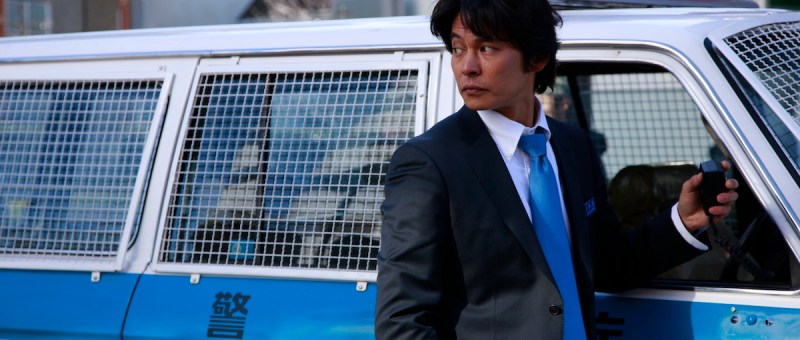
Bayside Shakedown 3: Set the Guys Loose (踊る大捜査線 THE MOVIE 3 ヤツらを解放せよ!, Katsuyuki Motohiro, 2010)

It’s all change at Wangan police station in the third instalment in the Bayside Shakedown series, Let the Guys Loose (踊る大捜査線 THE MOVIE 3 ヤツらを解放せよ!Doru Daisousasen the Movie 3: Yatsura wo Kaihou seyo!). Seven years on from the previous film, many things have changed. Aoshima (Yuji Oda) is now in charge of his team and the precinct is set to move to new purpose-built premises boasting the latest high-tech security systems which will aid them in combating potential terrorism and safeguarding local dignitaries. Even so, the gang will have to deal with some unfinished business from the past before they can fully move on as the circular tale takes us right back to the original film’s villain. 

Following the familiar formula, Motohiro opens with a gag sequence in which Aoshima prepares to give a briefing only it’s not about a case it’s about the logistics of moving offices of which he is in charge and characteristically vowing to do the best job possible. Hindering his progress, however, are two bizarre crimes, the first a bank robbery investigated by his colleague/long-term love interest Sumire (Eri Fukatsu) in which no money is stolen, and a bus hijacking he investigates himself in which the hijackers simply left the scene again without stealing anything. Ironically enough a theft does take place during the move involving three pistols which happen to belong to Aoshima, Sumire, and a new recruit from China, Wang (Kenichi Takito). Soon enough a body turns up on a boat along with Aoshima’s gun sending the gang on the chase for the mysterious thieves. 

The thing we’re constantly told about the new building is how secure it’s going to be, which makes the theft even more ironic, but the truth is that in true franchise style pretty much anyone and everyone is walking in and out carrying moving boxes so nothing is ever really “secure” even in the police station, harking back to the minor villain in the first film who was able to sneak in because he was wearing a fake cosplay police uniform and no one noticed him. Inevitably, this invisible vulnerability eventually comes back to haunt them when the criminals are simply able to steal the manual for the security system and replace it with one of their own to render it unusable to the police later trapped inside the building. Meanwhile approaches to public safety become a matter for debate when it arises that the criminals’ demand is that all of the villains we’ve seen Aoshima arrest so far including psychopathic serial killer Manami (Kyoko Koizumi) who still has a sizeable following online should be released. Counter-intuitively, the police bigwigs are in favour of acquiescing with only Muroi (Toshiro Yanagiba), who has now been promoted to sit at the table himself, objecting on the grounds that it simply isn’t safe to release such dangerous criminals back into society. 

Rather than simply bureaucracy and funding concerns, Bayside Shakedown’s third instalment is more directly critical of the interplay between politics and justice as it becomes clear that the majority of police chiefs care more about public opinion than the law while also mindful of the upcoming general election. Meanwhile the same problem arises with the local police being sidelined by the elites from HQ, a smooth liaison officer Torikai (Shun Oguri) arriving to solve any disputes insisting that the locals be fully respected and allowed to turn their jobs only to turn dark and authoritarian after suffering a catastrophic injury on the job. Once again, Aoshima is forced to consider if his work has real value not only because of the way he’s treated by the cops from HQ but subjected to a healthcare crisis which leads him and many others to assume he’s not long to live. It’s later discovered that he’s been misdiagnosed during his annual checkup, but his boss unethically decides to keep that from him noticing he’s become depressed and lost his mojo, hoping that he’ll be easier to manager but quite the reverse turns out to be true. Again mimicking their previous heart-to-hearts throughout the series, Aoshima perks up after some encouraging words from Sumire in addition to some words of wisdom from the late Waku presented by his rookie nephew and decides to live as if there’s no tomorrow going flat out for justice while caring nothing for his safety. 

Even more than ten years on from the TV series and first big-screen outing, the romance between Aoshima and Sumire still hasn’t quite blossomed despite their respective brushes with death. Many things seem set to change for the Wangan police, the new building acting as a kind of reset while Muroi prepares to move into a more political role and a new, somewhat surprising, local police chief is selected to lead them into a new future just as dedicated to compassionate local policing defined by fairness and justice as they have ever been. 

Trailer (no subtitles)

Negotiator (交渉人 真下正義, Katsuyuki Motohiro, 2005)

Beginning as a popular television drama, Bayside Shakedown developed into hugely successful franchise. Released two years after the second theatrical feature, 2005’s Negotiator (交渉人 真下正義, Koshonin: Mashita Masayoshi) is a self-contained spin-off revolving around Japan’s first specialist negotiator Mashita, whose name actually appears in the title. In Bayside Shakedown 2, he’d returned to the Wangan police department having left to pursue specialist training in the city. Though some of his former colleagues make cameo appearances and Motohiro maintains the lighthearted tone the series is known for, Negotiator essentially reverses the position of previous instalments, adopting the outsider’s perspective as Mashita finds himself implanted in the control room of the metropolitan mass transit system. 

For some reason in Japanese cinema, terrorist threats seem to arrive on Christmas Eve with alarming frequency, significantly upping the stakes for Mashita personally as he was planning to propose to fellow police officer Yukino (Miki Mizuno) after a romantic date the details of which he seems to be rather sketchy on. In any case, the crisis at hand is a rogue and unexpected train on the Tokyo subway. It quickly becomes apparent that someone has hijacked a remote-driven experimental “Spider” train designed to automatically switch gauges so that it can travel between differing lines on the complicated transit map. The hijacker will apparently only speak to Mashita, impressed or irritated by his accidental celebrity status following the Rainbow Bridge incident in Bayside Shakedown 2. One of the problems of that crisis had been the police discovering they do not actually have the power to unilaterally close a bridge because it requires the consent and co-operation of numerous other transportation officials (though actually in the end they just do it anyway). 

Something similar happens to Mashita when he fetches up in the control room to help. The official in charge, Kataoka (Jun Kunimura), directly tells him that they don’t require his assistance. He will just be in the way and should sit quietly in the corner while they get on with solving the crisis. In this scenario, Mashita is the outsider akin to the HQ guys descending on the Wangan police station and taking over, though as a trained negotiator he is more aware of the implications of his actions and temporarily agrees to take a back seat while his team set up shop in a meeting room only to be further embarrassed when it becomes apparent that the hijacker is intent on playing a game with him personally while thousands of ordinary passengers, not to mention railway and law enforcement officials, are placed in danger. 

Unlike previous instalments in the franchise, Negotiator is prepared to leave several questions unanswered such as the hijacker’s identity, purpose, and intentions focussing instead on the approach of the police and railways in response to the crisis. As in Bayside Shakedown 2, a solution is only possible once both sides have learned to trust each other letting go of any sense of division so that they can work together in total harmony. Meanwhile, there is also a minor criticism of institutional insularity as it becomes clear that part of Kataoka’s reluctance to cooperate is out of a sense of duty to the rail service in that he feels himself duty bound to withhold “secret” information that would help Mashita solve the case, that being the existence of tunnels and sidetracks not listed on the map because they are intended for use by the government and the military only in the event of an emergency fearing that revealing them would, ironically, present a security risk. Meanwhile, on the other side, Mashita and his team find their investigations hampered by the fact most of the data they need from HQ is stored on outdated media such as floppy disks, Jazz and Zip drives they do not immediately have the capability to open. 

Meanwhile, Mashita is engaged in a game of cat and mouse with a train obsessive who baits him with movie trivia and inevitably threatens his romance by targeting the oblivious Yukino who thinks she’s been stood up again and has no idea she’s actually in the middle of a terrorist incident. Like the previous films in the franchise, however, the central thesis is that in the end you just have to ignore all of the annoying bureaucracy and learn to work together for a common goal which is in essence what a negotiator is for, Mashita smoothing over conflict and differences of opinion with sympathetic politeness while unafraid to put on a show for the hijacker in order to get what he wants. A seasonal thriller, Negotiator is in an odd way about peace and harmony to all men and saving Christmas from the forces of disorder. 


Trailer (no subtitles)
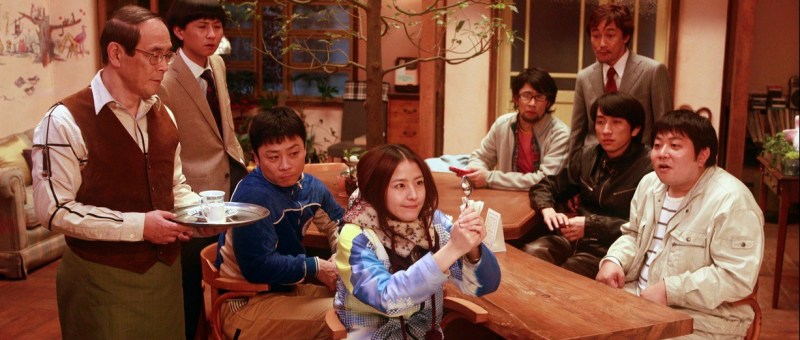
Bayside Shakedown 2 (踊る大捜査線 THE MOVIE 2 レインボーブリッジを封鎖せよ!, Katsuyuki Motohiro, 2003)

A big screen outing for a popular TV drama, Bayside Shakedown proved a runaway box office hit on its release in 1998. Five years later the team at Wangan Police Station are back and much seems to have changed even as the sequel cleverly mirrors the first instalment, but where the earlier film had satirically taken aim at chronic underfunding and excessive bureaucracy, Bayside Shakedown 2 (踊る大捜査線 THE MOVIE 2 レインボーブリッジを封鎖せよ!, Odoru Daisosasen the movie 2: Rainbow Bridge wo Fuusa seyo!) ultimately ends a defence of authority in the face of criminal anarchy. 

Five years on, the team are faced with yet another difficult serial killer case in which top CEOs are being bumped off and artfully posed in public places next to a rotten apple, once again necessitating the arrival of the guys from HQ. This time, however, Muroi (Toshiro Yanagiba), a friend of earnest detective Aoshima (Yûji Oda), has been pushed to the sidelines in favour of the big wigs’ latest favourite, Okita (Miki Maya), who has a much more authoritarian view of policing than many at Wangan are comfortable with. Meanwhile, Sumire (Eri Fukatsu) and Aoshima are busy with their own cases, a pickpocketing family and a “vampire” who bites high school girls’ hair and then runs off respectively, but all the office is a twitter over a love letter penned by their boss and accidentally emailed to everyone in the station because of a computer virus. 

Former Wangan guy Mashita (Yusuke Santamaria), who had transferred to the city, returns having trained as a negotiator but for some reason mostly doing profiling and eventually figuring out that their killers are likely disenfranchised salarymen made redundant by their companies amid the backdrop of a stagnant economy. With no hope for the future, they’ve turned against society and started an anarchist revolution as a collective without leaders. “No bosses, no workers. No ordering, no obeying. No firing, no being fired,” they explain of their principle of equality, adding, “when there’s a leader the individual means nothing”. On one level the film sympathises with them in recognising the pressures they’re facing and unfairness of the economic reality, while simultaneously condemning the idea of a horizontal society. “If the leader is good then the group is strong,” Aoshima explains to them though of course they don’t agree. 

Then again, he says this immediately Muroi has resumed command in the knowledge that he is a “good” leader precisely because he trusts those under him and gives them the freedom to exercise their own judgement in contrast to Okita whose authoritarian micromanaging is soon exposed as a cover for under confidence. A police officer is seriously injured during an operation because she hesitates to make a decision, while both Sumire and Aoshima are forced to let their suspects escape when Okita orders them to stay at their post trying to protect a woman she has effectively decided to use as bait. “Organisations don’t need emotion,” she insists, later irritated by the officers’ reluctance to follow her command when she simply instructs them to “replace” the critically injured officer as if their life were completely disposable. 

Just in the first film, Sumire and Aoshima are forced to question the value of local policing in the face of Okita’s elitism as she tells them that their individual cases can wait because the murder takes priority, describing them as “just local stuff”. “Punch ups and pickpockets, what a waste of police time,” she adds leaving each of them feeling as if their work has no meaning and is not useful to or valued by the community. Aoshima only gets his mojo back after remembering an act of kindness done to him by someone he’d helped in the past, realising that even small things have a positive effect on the society and are always worth doing. That said, he’s not especially sympathetic towards the teenage “vampire” victim largely because he only bit her hair but later gets on the case after more girls turn up with bite marks on their necks. 

In the end it is indeed the local which is good, Okita’s failure allowing Muroi to make good on his promise and allow the local police to do their jobs rather than being relegated to boring legwork such as traffic stops and trawling surveillance footage. Despite having rejected the leaderless anarchy of the villain’s horizontal society, Muroi’s first instruction is to “forget rank, forget class” and have everyone work together encouraging the local cops to help them identify the kinds of places only a local would know which might not be on the map and may be a good hideout for the assassins. There might be something uncomfortable in Aoshima’s insistence on the necessity of a leader in the implicit defence of the hierarchal society, but then Muroi is a good leader who can indeed be trusted wield his power well largely because he trusts those below him, while a weak leader like Okita who holds tight to power because they don’t have the confidence to wield it freely is worse than no leader at all. Once again ending on a note of ironic police accountability, Bayside Shakedown 2 takes aim at the inequalities of the modern society but ultimately makes the case for the value of compassionate local policing in which all crimes at least are treated equally.  


Original trailer (no subtitles)

Bayside Shakedown (踊る大捜査線 THE MOVIE, Katsuyuki Motohiro, 1998)

Those who believe that Japanese cinema has continued to decline throughout the 21st century often cite the release of Bayside Shakedown (踊る大捜査線, Odoru Daisosasen) as a turning point arguing that its vast and unexpected success ushered in an era of populist filmmaking dominated by existing franchises such as television drama, manga, and light novels. Leaving aside the question of whether the industry can really be said to be in a creative decline, the criticism is in itself a little unfair in that the film is exactly what it’s intended to be, perfectly enjoyable mainstream entertainment, while like the television series quietly subversive in its criticisms of police bureaucracy using humour to make subtle digs at the service in a way more “serious” films may not be able to. 

Director Katsuyuki Motohiro signals his intentions in the opening scene in which grizzled, trenchcoat-wearing detective Aoshima (Yuji Oda) stakes out a pleasant suburban house later joined by two colleagues who appear equally serious, yet as it turns out they aren’t on the look out for criminals but simply waiting for their boss, Police Commissioner Yoshida (Shigeru Koyama), to emerge so they can drive him to a police golfing tournament. Ironically enough, the scene is soon repeated, only for Yoshida to be tasered and kidnapped for ransom. Meanwhile, another difficult case arises when a body is found floating in a local river and is discovered to have been murdered, a soft toy found sewn into his stomach. 

The bizarre murder is a problem for the detectives at Wangan Police Station because whenever there’s a difficult case they have to call in the guys from HQ and are then financially responsible for them which is why the guys in accounts would really rather they write down suicide and leave it at that. Budgetary constraints are a persistent theme, the other random case hovering in the background being a phantom thief who keeps stealing the detectives’ receipts so they can’t claim their expenses. In any case, the kidnapping means HQ are involved anyway, quickly taking over an upper floor of the station and locking the local cops out of their investigation or else relegating them to demeaning leg work such as traffic stops and info gathering. 

The conflict between HQ and the local branch is further brought out by the awkward friendship between careerist policeman Muroi (Toshiro Yanagiba) and the earnest Aoshima who have each made a promise to each other that Muroi will climb the ladder while Aoshima takes care of business in the streets to ensure the police force continues to function correctly. Muroi is however in a difficult position, another officer informing him that he’s being put in charge because he’d be an easy fall guy as he went to a regional college while the others are all Todai alumni and minded to look out for each other. He finds himself compromised, unable to keep his promise to Aoshima because of the pressure from above while feeling guilty about the way the local cops are being treated by the bigwigs from the city. Meanwhile the police chiefs sit around a large circular table not unlike the war room in Stanley Kubrick’s Dr Strangelove issuing orders via video link while spending most of their time trying to make sure the local force is sidelined and squabbling over who actually gets to make an arrest. 

Pressured over their expenses, expected to work long hours, and generally made to feel unappreciated the detectives start to wonder what it’s all for, energetic female detective Sumire (Eri Fukatsu) in particular keeping a resignation letter in her desk uncertain whether or not to hand it in. Nevertheless through their quest to save the commissioner along with all the other cases including a potential serial killer operating through a murder fantasy website and a thief who seems to enjoy sneaking into people’s workplaces and stealing small personal items including those of the police officers, they each come to re-appreciate the importance of compassionate local policing along with their responsibility to each other as friends and colleagues even making sure they hold their fellow officers to account especially those involved with the budget. Lighthearted in tone yet boasting a fair few impressive action sequences Bayside Shakedown has in the past been unfairly maligned but is undeniably entertaining with a series of solid mysteries at its centre along with a few jibes at the overly bureaucratised nature of modern policing. 


Trailer (no subtitles)
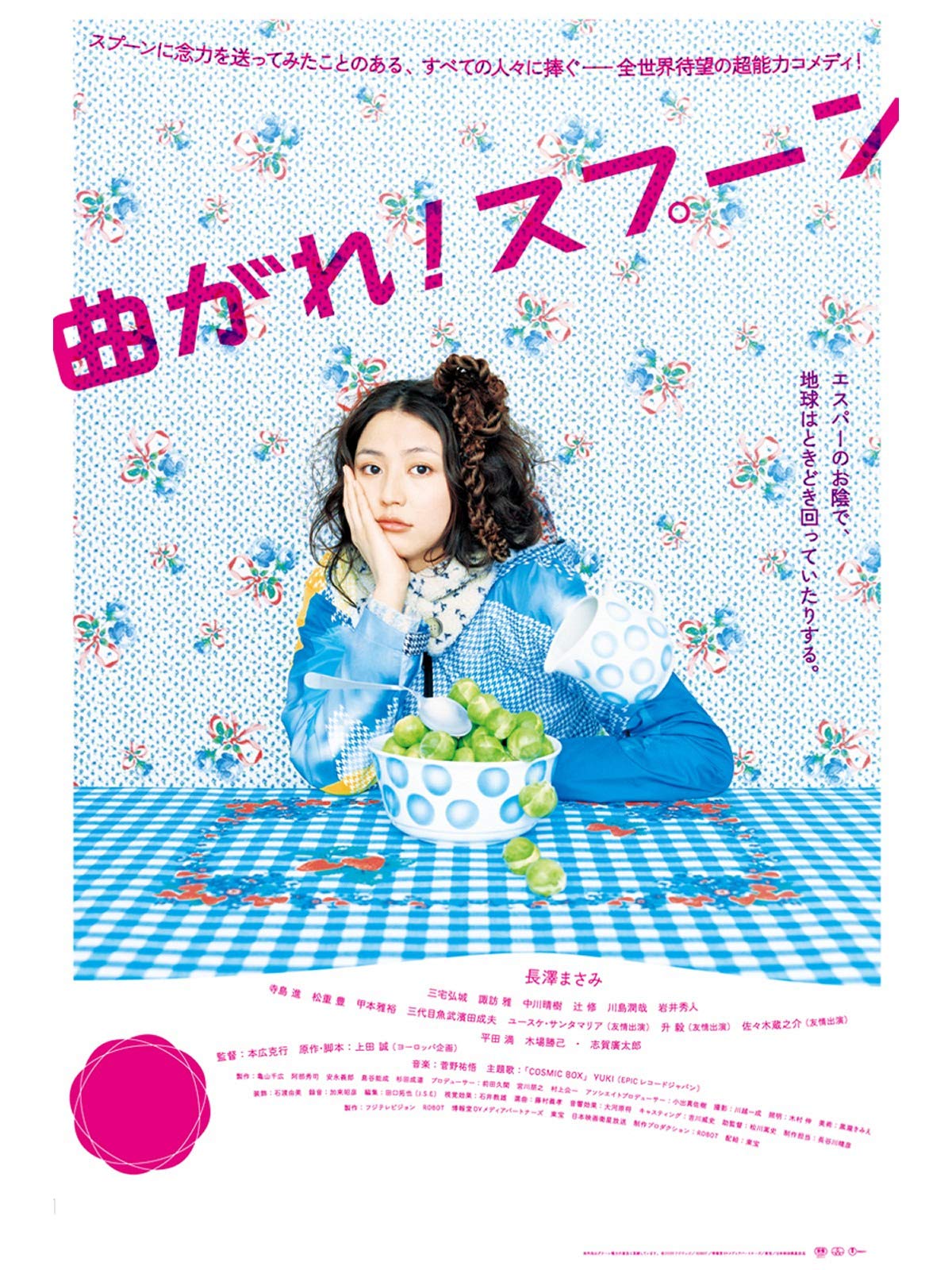
The Vancouver Asahi (バンクーバーの朝日, Yuya Ishii, 2014)

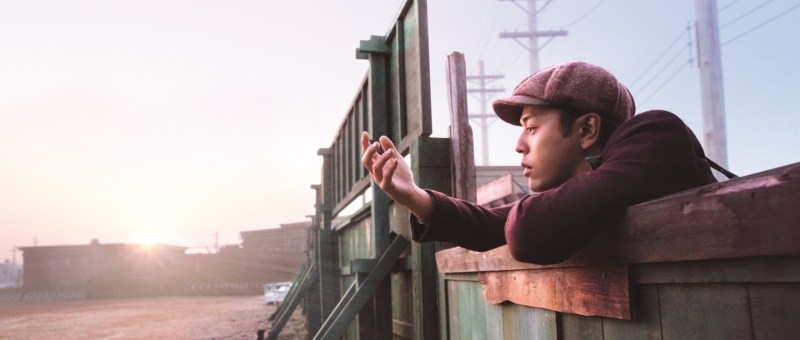
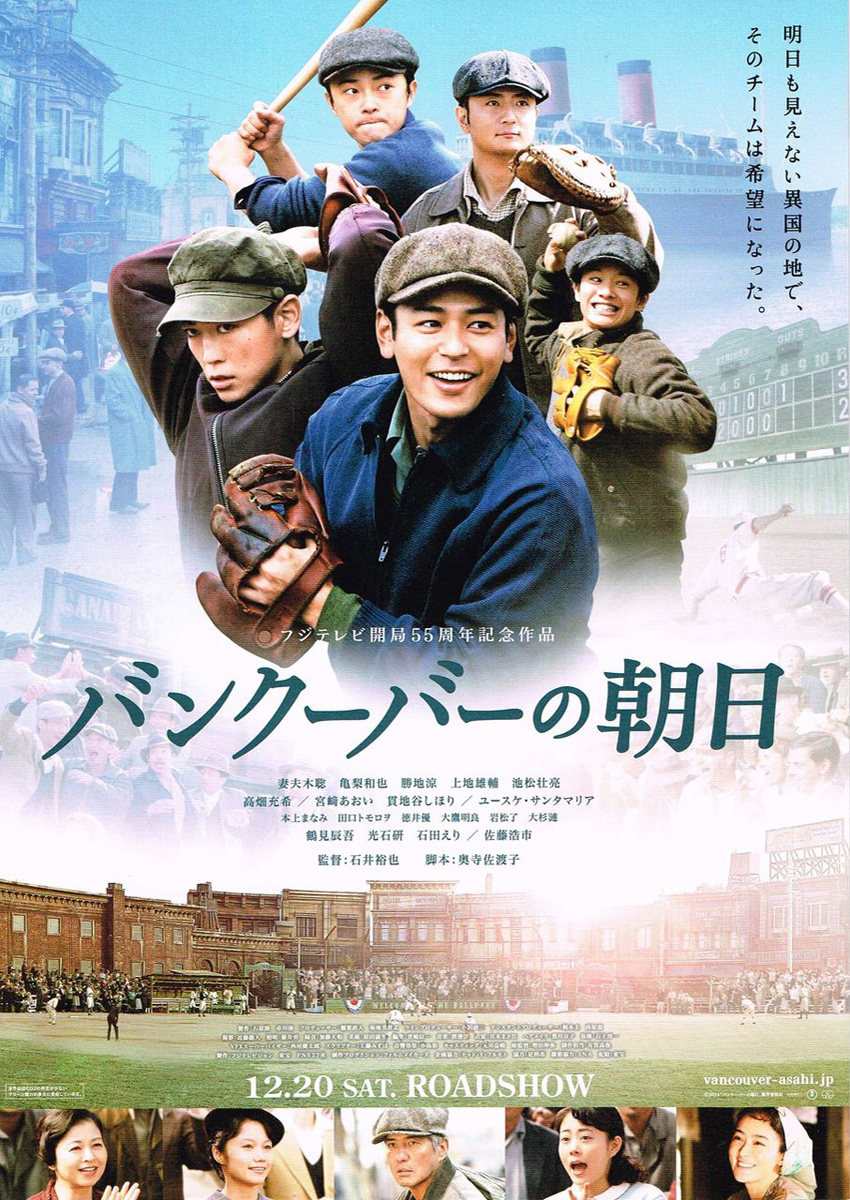
Second generation Japanese-Canadians stake their hopes on baseball in Yuya Ishii’s historical drama The Vancouver Asahi (バンクーバーの朝日, Vancouver no Asahi), inspired by the story of the Vancouver Asahi baseball team which was belatedly granted a place in the Canadian Baseball Hall of Fame in 2003. In many ways a conventional sporting movie in which the underdogs eventually triumph, Ishii does not shy away from the dark shadows of the 1930s even while framing the Asahi’s path to glory as a symbolic punch back against discrimination and oppression. 

As the hero, Reggie (Satoshi Tsumabuki), relates, many like his parents came to Canada at the beginning of the 20th century planning to work for three years and then return to a more comfortable life in Japan only to find themselves trapped in low-paid and exploitative work. Reggie’s main concern is that his drunken and dejected father Seiji (Koichi Sato) still sends the majority of his pay back relatives in Japan meaning their family live like paupers while as he never meant to stay he hasn’t bothered to learn the language or attempt to integrate into the local community. In fact, Reggie is their major breadwinner with his job at the sawmill but the only thing that makes his life worth living is playing baseball with the Vancouver Asahi baseball team even though they are regarded as something of a joke, always at the bottom of the league tables and never actually winning a game. 

The plight of Asahi is closely aligned with that of the immigrant community, divided as it is in its approach to integration with some feeling they should abandon their Japaneseness in order to better get along with Canadians and others fiercely determined to hang on to their traditions. When Reggie admits that they can’t win against the power of the Canadians it feels as if he’s talking about more than just baseball though his solutions are perhaps apt for both in realising that to beat strength you need to be smart. What he comes up with is essentially a bunt and run strategy that plays to their advantages of speed and lightness but also at times feels to him like a trick or a gimmick, an admission that they can’t compete in the normal way. “Why are you always apologising?” Reggie is repeatedly asked, his shyness and mumbling speech always seeking to keep the peace while his desire to offer justification is less as one Japanese old lady puts it “a bad habit of their culture” but a defence mechanism in an environment of potentially violent oppression. 

As Japanese migrants the family faces constant xenophobic micro aggressions, a woman at the hotel refusing to let Reggie’s bellboy friend Frank (Sosuke Ikematsu) carry her bags while they are also suspected as thieves or harassed by the local Canadians. Reggie’s hothead friend Kei (Ryo Katsuji) finds it increasingly difficult to keep his cool, not least as it turns out because his father was killed fighting for the Canadians in the last war and yet he is still treated as a dangerous outsider. Meanwhile, they are paid only half the wages of the Canadian workers, expected to work unreasonable hours, and can be fired without warning. Now an ageing man, Seiji is still a casual labourer fighting for a place on a truck to work at a quarry or construction site often in other towns away from his family in order to get more money. The team is constantly losing players because men lose their jobs and focus on finding new ones or moving away. As one old man laments, there’s no job security and even if you go to a Canadian university it won’t make any difference to your job prospects. Reggie’s sister Emi (Mitsuki Takahata) was on track for a scholarship only to have it pulled at the last minute when parents of the other kids complained it wasn’t right it was going to a Japanese girl. 

After the hotel fires all of its Japanese staff, Frank decides to go “back” to Japan where relatives will help him find work but pointing out to Reggie that he’ll still be seen as an outsider even there and there’s no guarantee anything will be any better in Japan. Poignantly the guys later catch sight of him in a newsreel as a soldier having been sent to the Machurian front. Once war breaks out they are discriminated against again, forced out of their homes and interned leaving all their property behind and destroying their small community, the Asahi included. The team’s unexpected success had forged a bridge between the Japanese and Canadian communities but it was not strong enough to survive the war. Stepping away from the sports movie, Ishii concentrates more on the ways they were betrayed, the team’s success later buried and forgotten while they find the advances they’d made washed away on the shore as if to suggest their strike back against an oppressive society could never be more than superficial while their position remains so precarious. 


Trailer (no subtitles)

Living in Two Worlds (ぼくが生きてる、ふたつの世界, Mipo O, 2024)

Mipo O had been quietly building a reputation as one of Japan’s most promising young indie directors with such lauded films as The Light Shines Only There but has been on an extended hiatus since 2015’s Being Good. Living in Two Worlds (ぼくが生きてる、ふたつの世界, Boku ga Ikiteru, Futatsu no Sekai) marks her return to filmmaking after taking a break to raise a family and, adapted from from an autobiographical book by Daisuke Igarashi, not only explores the realities faced by the deaf community but the complicated relationship between a son and his mother.

Indeed, at times the issue is less that both of Daisuke’s (Ryo Yoshizawa) parents are deaf as it is that he does not listen. When he becomes a teenager, his mother Akiko (Akiko Oshidari) spends a huge amount of money on a high tech hearing aid because she wants to hear his voice, though most of what he says to her is hurtful and unpleasant. His older self is probably regretful, ashamed of the way he treated his mother in particular but also in regards to his rejection of his family because he felt embarrassed by their difference in what is a fiercely conformist culture. He doesn’t give his mother a letter about parents’ day because he doesn’t want her to come and also thinks it would be pointless because she wouldn’t be able to hear anything anyway. Later he tries to get his grandmother to come with him to a parent teacher meeting about his plans for high school and beyond, telling his mother she’d only be in the way. In fact, the meeting is quite awkward because the teacher talks directly to him without trying to include Akiko while Daisuke makes infrequent signs under the table as if embarrassed to have the teacher see them.

As a young child, Daisuke had interpreted for his mother using sign language publicly despite the awkward attitude towards it at home. His grandmother writes things down on paper instead, telling him that it’s too difficult for her to learn. That doesn’t make sense to his young brain as after all he’s picked it up since birth. But this early tension perhaps contributes to his increasingly conflicted feelings. When he brings a friend home, he asks him why his mother speaks in such a funny way but of course it’s normal to Daisuke and this perhaps innocent question begins to cement for him that his family isn’t “normal” and he isn’t like the other children. Resentment towards his mother only grows to the point he begins to blame all of his problems on her including his failure to get into the better high school though she has done nothing but support and encourage him. As she points out, she never had any choice about her schooling and received little education because her parents thought she’d recover her hearing and refused to send her to a specialist school until she was 14 meaning she was just sat there all day twiddling her thumbs while unable to make friends with hearing children who mostly ignored her.

The parents were also against the idea of her marrying her husband Yosuke (Akito Imai) because he was also deaf, nor did they support their decision to have a child believing two deaf parents would not be able to raise one safely or effectively. Such attitudes lay bare the lingering stigma towards disability which remains even within the family unit. Unable to separate himself from being the child of working class deaf parents, the teenage Daisuke abruptly moves to Tokyo with a vague idea of becoming an actor signalling his internal search for an independent identity. The film hints that his liminal status existing between the worlds of the hearing and the deaf has left him with subpar communication skills as seen in his repeated faux pas at job interviews until he finally tells the truth and is offered a job on the spot. There’s an intimacy involved in his interactions with his parents which often can’t be understood by others, but also a less pleasant undercurrent in the way these interplay with speech and his own decisions of when to switch between dialogue and sign. 

Having gone to Tokyo to escape being the child of deaf parents, he discovers that being “ordinary” doesn’t really suit him either and only begins to accept his identity after meeting a deaf woman at a pachinko parlour who invites him to her class for learning sign language in a more a formal way while another of her pupils gently explains to him that though he means well he sometimes does them a disservice by taking over as a hearing person when he should let them do the things they can do for themselves. The absence of musical score and variation in the sound mix emphasise Daisuke’s transition between worlds and his own attempts to locate himself within them eventually discovering the equilibrium that allows him to realise he was the one who couldn’t hear along though his mother had always been talking to him. Touching but resisting sentimentality, O’s poignant drama never shies away from the failings of its protagonist but equally from those of the society within which he lives that can itself be unwelcoming of difference.


Living in Two Worlds screened as part of this year’s BFI London Film Festival

International trailer (English subtitles)

Eating Women (食べる女, Jiro Shono, 2018)

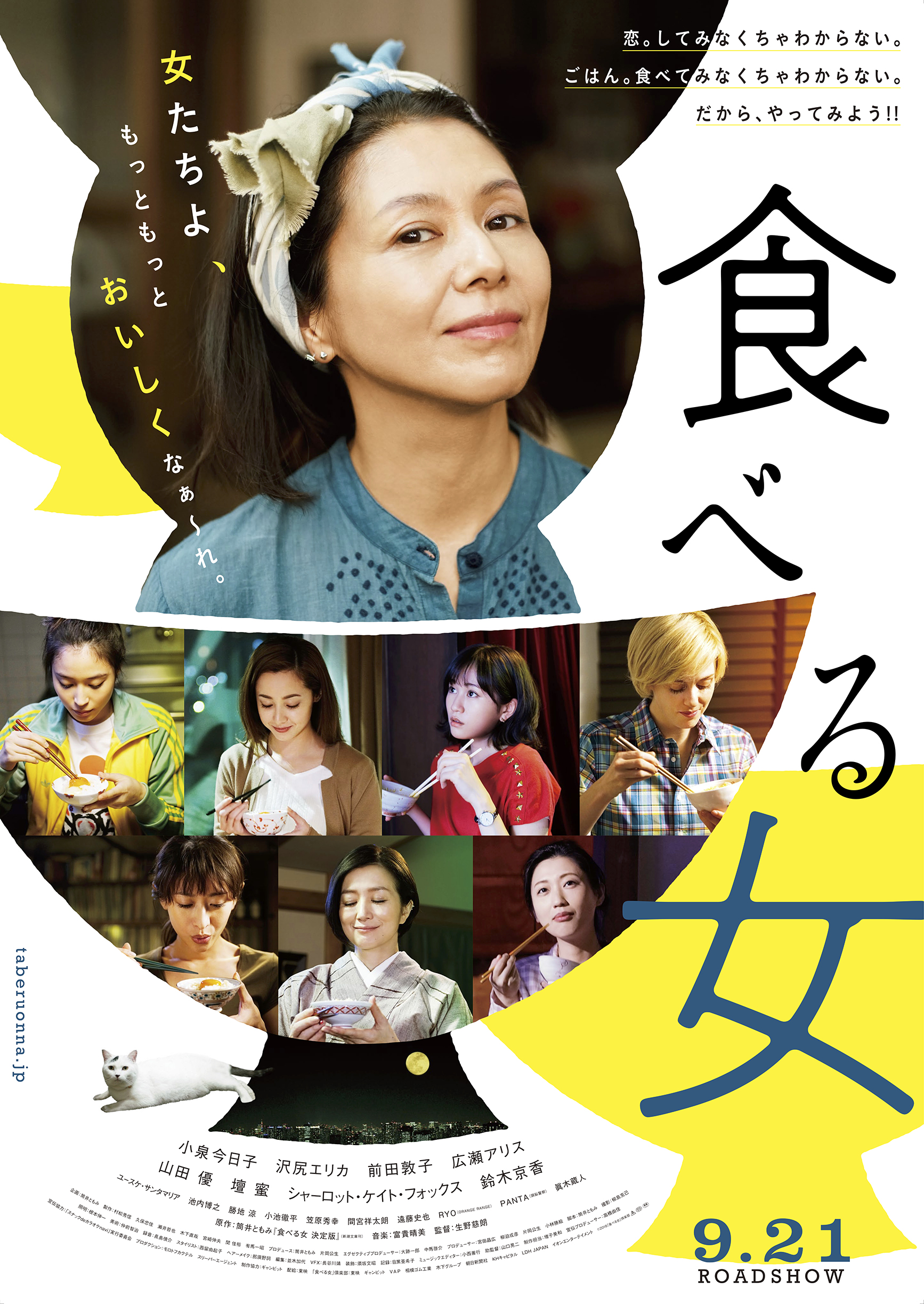
Eating Women poster 2“Comfort cinema” may be a slightly maligned genre, disregarded for its throwaway pleasures, but it can often be much more subversive than it’s given credit for. Jiro Shono’s adaptation of Tomomi Tsutsui’s novel Eating Women (食べる女, Taberu Onna), refusing to unambiguously reinforce contemporary social norms, it actively undercuts them as it pushes its lonely heroines towards more positive paths of self-fulfilment while remaining unafraid to embrace the sometimes taboo idea of female desire as something entirely normal.

The heroine, however, is someone who’s decided to live without it. Food writer and bookstore owner Atsuko (Kyoko Koizumi) lost the love of her life at 29 and has lived alone ever since. She does, however, have a very committed group of female friends who get together once a month to enjoy a tasty dinner she and her friend Mifuyu (Kyoka Suzuki), who runs the local restaurant, cook for them. Unlike Atsuko, Mifuyu is a sexually liberated older woman, complaining once again that both of her (young, male) apprentices have quit after she seduced them. Keiko (Erika Sawajiri), Atsuko’s editor, has hatched on a different solution in affirming that she has already achieved financial independence and has no real desire for male companionship, preferring to embrace her freedom to live as she chooses while Tamiko (Atsuko Maeda), an assistant TV producer and the youngest of the group, is facing the opposite dilemma – her boyfriend has proposed to her, but she’s unconvinced because he’s just too “nice” to make her heart beat faster.

Though at different points of their lives, the women are always there to support each other while permitting themselves the indulgence of fully enjoying beautifully cooked meals taken with good company. Meanwhile, across town, an American woman, Machi (Charlotte Kate Fox), seems to be content to play the role of a 50s housewife to a grumpy salaryman husband (Hiroyuki Ikeuchi) who barges in through the front door and roughly forces himself on her before retreating to the bedroom. The problem in their marriage is, apparently, that Machi can’t cook, providing mostly Western-style microwavable dinners which fail to excite her husband who tells her he’s been having an affair with someone who can make good food. Heartbroken, Machi runs into Mifuyu and eventually ends up living in one of Atsuko’s spare rooms where she slots right in with the other gourmet women as she begins to learn to cook under Mifuyu’s gentle guidance.

It is not, however, a pathway towards regaining her husband or “fixing” a perceived fault so that she can be a “proper” wife, but a way for Machi to rediscover life’s small pleasures along with a sense of independence, rejoicing in her own success as she enjoys a meal she cooked herself made with ingredients that she earned the money to pay for. Tamiko’s barfly friend Akari (Alice Hirose) begins to discover something similar on her own, repeatedly dumped by snooty salarymen boyfriends who objected to her preference for minced meat over whole steak. Akari had a habit of thinking of herself in terms of the meat – quick, cheap, and simple, but finally finds love with a gentlemanly colleague after she gains the confidence to share with him her real self by embracing her love of mince without embarrassment.

The only “misstep” is perhaps in Keiko’s tale in which her bid for solo independence is eventually negated by her loneliness, implying that in the end she did need male companionship after all. Indeed, only Atsuko who rejects sex in favour of vicarious maternity is allowed to live life alone, though conversely Mifuyu’s free spirited pursuit of younger men is never judged negatively nor is she encouraged to settle down even while she ironically advises Tamiko to do just that, and pointedly tells Keiko that she’s running out time to find anyone halfway decent. Yet all of that aside, the ladies are an accepting bunch, emphasising that love is love and refusing to judge others, making sure to offer support to all who need it. We’re never the same people as yesterday, Atsuko writes in her book, we just need to be ourselves. Above all, however, she seems to say you have to be kind to yourself, embracing life’s small pleasures such as the simple joy of well cooked food made with love, and the rest you can figure out later.


Original trailer (no subtitles)

Blue Hour (ブルーアワーにぶっ飛ばす, Yuko Hakota, 2019)

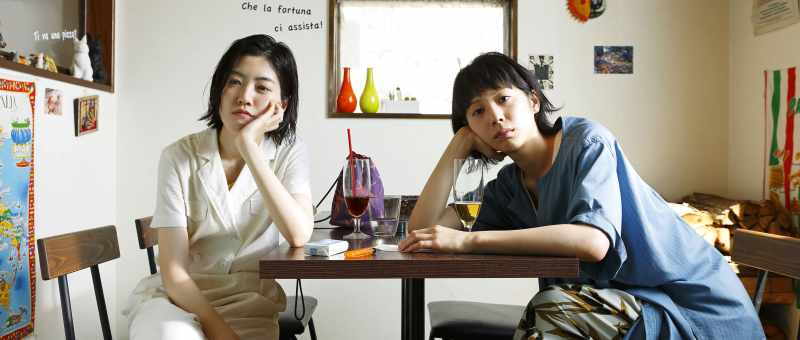
Blue Hour poster“I don’t like people who like me” confesses the heroine of Yuko Hakota’s first feature Blue Hour (ブルーアワーにぶっ飛ばす, Blue Hour ni Buttobasu) to her best friend, who presumably is excluded from the statement. Then again, perhaps not. Running from or running to, Sunada (Kaho) can’t seem to escape herself while chasing the ghost of small town ennui in frenetic Tokyo. An impromptu road trip with a lively partner in crime returns her to the problematic roots from which she struggles to break free, but maybe breaking free wasn’t exactly what she needed anyway.

At 30 or so, Sunada has worked her way up to directing commercials but much of her job involves negotiating workplace sexism and stroking the egos of stars. In any case, she doesn’t seem to find the work particularly fulfilling and on looking around has noticed that there don’t seem to be a lot of women over 40 working in her industry which has her wondering what’s next in her possibly dead end career. Meanwhile, she’s married to a perfectly nice, mild-mannered sort of guy (Daichi Watanabe) but is secretly having an affair with a married colleague (Yusuke Santamaria) whose wife is currently pregnant with their second child. More stressed out and confused than she’d perhaps like to admit, Sunada has been putting off visiting her sickly grandmother because she isn’t the sort of person who deals with crisis well and so she was waiting in the hope her grandmother’s health would improve. Now that it has, she’s talked into an impromptu road trip with her freewheeling mangaka friend Kiyoura (Shim Eun-kyung).

True to form, Sunada doesn’t even really bother telling her husband where she’s gone because she doesn’t want “that sort of closeness”. Returning home, however, necessarily means reengaging with her distinctly odd family which is perhaps both easier and more difficult with her crazy friend in tow. While Sunada’s dad (Denden) seems to have picked up a habit of frittering money away on antique swords and suits of armour, her weird high school teacher brother (Daisuke Kuroda) cracks distinctly unfunny jokes about molesting pupils (a theme later echoed by her mother (Kaho Minami) who warns her men can’t be trusted, not even her brother). Out in the country there’s not much to do but drink, but this is not Tokyo and the bars are full of sleazy old men feeling up the hostesses and hogging the karaoke mic in an attempt to escape the stultifying boredom of their small-town lives. This is what Sunada has been running from. Ashamed of her bumpkinish childhood, she threw herself headlong into Tokyo sophistication only to find it equally unfulfilling.

Kiyoura is in many ways a projection of her other self. Childishly giddy, willing to jump into any situation with fearless enthusiasm, Kiyoura is a middle-class girl from the city and knows no shame. Only to her does Sunada seem to express her true self. Fearing intimacy, she keeps herself aloof but resents her lover’s family while pushing back against her husband’s meek indifference. “All ghosts are lies” her grandmother told her, which may be truer in some senses than others, but Sunada continues to haunt herself as she recalls the spirit of her free and easy childhood in which she snuck out to enjoy the “blue hour”, waiting for the sun to rise in peace and tranquility.

Only by confronting her grandmother’s ill heath can she begin to move forward towards a greater emotional clarity. Gently clipping the older woman’s nails, Sunada gets to hear her life philosophy or at least her parting words, “I try to make the best of every day, but what does that even mean anyway?”. Suddenly freed of her fear of attachment, her anxieties for the imperfect future, and even perhaps of her intense self loathing, Sunada prepares to take the wheel and confidently head in a more positive direction. “Being tacky means being alive”, her other self tells her, finally accepting her small-town roots and all that goes with it only to discover they were already accepted by someone who was paying more attention than she gave them credit for. A melancholy but ultimately hopeful and warmhearted exploration of midlife ennui and urban disconnection, Blue Hour is a delayed coming of age tale in which the heroine comes to an acceptance of adulthood only by reconnecting with her childhood self and all the fantastical promise of her sleepy rural youth.


Blue Hour was screened as part of the 2019 Nippon Connection Film Festival.

Original trailer (English subtitles)

Go Find a Psychic! (曲がれ!スプーン, Katsuyuki Motohiro, 2009)

go find a psychic posterHow old is too old to still believe in Santa? Yone Sakurai (Masami Nagasawa), the heroine of Katsuyuki Motohiro’s Go Find a Psychic! (曲がれ!スプーン, Magare! Spoon) longs to believe the truth is out there even if everyone else thinks she must be a bit touched in the head. If there really are people with psychic powers, however, they might not feel very comfortable coming forward. After all, who wants to be the go to sofa moving guy when everyone finds out you have telekinesis? That’s not even factoring in the fear of being abducted by the government and experimented on!

In any case, Yone has her work cut out for her when the TV variety show she works for which has a special focus on paranormal abilities sends her out out in search of “true” psychics after a series of on air disasters has their viewer credibility ratings plummeting. Ideally speaking, Yone needs to find some quality superhero action in time for the big Christmas Eve special, but her lengthy quest up and down Japan brings her only the disappointment of fake yetis and charlatan monks. That is until she unwittingly ends up at Cafe Kinesis which holds its very own psychics anonymous meeting every Christmas Eve so the paranormal community can come together in solidarity without fearing the consequences of revealing their abilities.

Based on a comic stage play, Go Find a Psychic! roots its humour in the everyday. The psychics of Cafe Kinesis are a bunch of ordinary middle-aged men of the kind you might find in any small town watering hole anywhere in Japan. The only difference is, they have a collection of almost useless superhuman abilities including the manipulation of electronic waves (useful for getting an extra item out of a vending machine), telekinesis (“useful” for throwing your annoying boss halfway across the room), X-ray vision (which has a number of obvious applications), and mind reading (or more like image transmission). The bar owner is not a psychic himself but was once helped by one which is why he set up the bar, hoping to meet and thank the person who frightened off an angry dog that was trying to bite him. Seeing as all the guests are psychic, no one is afraid to show off their talents but when a newcomer, Mr. Kanda (Hideto Iwai), suddenly shows up it creates a problem when the gang realise his “ability” of being “thin” is just the normal kind of skinniness. Seeing as he’s not a proper psychic, can they really let him leave and risk exposing the secrets of Cafe Kinesis?

Meanwhile, Yone’s quest continues – bringing her into contact with a strange man who claims he can withstand the bite of a poisonous African spider. Needless to say, the spider will be back later when the psychics become convinced Yone’s brought it with her presenting them with a conflict. They don’t want her to find out about their psychic powers and risk getting put on TV, but they can’t very well let her walk off with a poisonous spider trapped about her person. Despite small qualms about letting Kanda leave in one piece, the psychics aren’t bad guys and it is Christmas after all. Realising Yone just really loves all sort of psychic stuff and is becoming depressed after getting her illusions repeatedly shattered, the gang decide to put on a real Christmas show to rekindle her faith in the supernatural.

Just because you invite a UFO to your party and it doesn’t turn up it doesn’t mean it doesn’t exist. Some things can’t be explained by science. Maybe those old guys from the bar really can make miracles if only someone points them in the right direction. Like a good magic trick, perhaps it’s better to keep a few secrets and not ask too many questions about how things really work. For Yone the world is better with a little magic in it, even if you have to admit that people who want to go on TV aren’t usually going to be very “genuine”. That doesn’t mean that “genuine” isn’t out there, but if you find it you might be better to keep it to yourself or risk losing it entirely.


Original trailer (no subtitles)