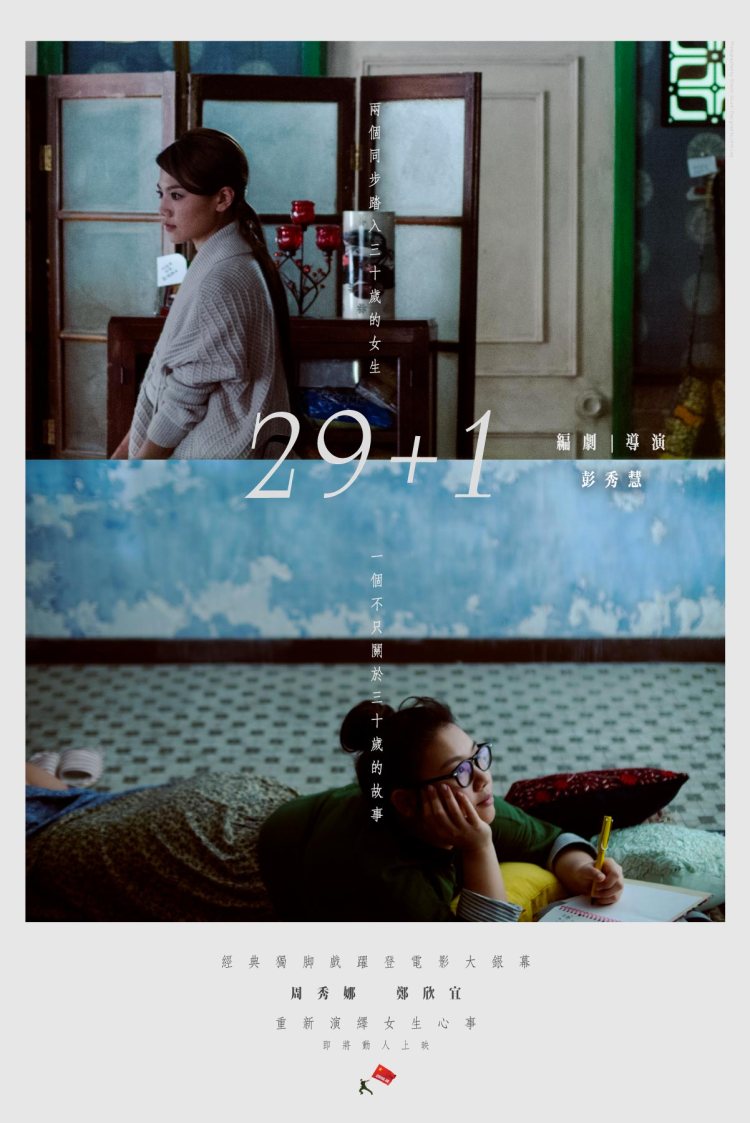
 You know what they call women over 25 in China? “Christmas cake” – no one wants you after the 25th, so you’re condemned to sit on the shelf for all eternity like a piece of overproduced seasonal confectionary (a silly analogy because Christmas cakes, at least English ones, may outlive us all). Christy Lam lives in Hong Kong, not mainland China, and so her worries are a little less intense but still the dreaded 30 is causing its own share of panic and confusion in her otherwise orderly, tightly controlled life. In 29+1 Kearen Pang adapts her own enormously successful 2005 stage play about the intertwined lives of two very different women who happen to share a birthday and are each approaching the end of their 20s in very different ways. By turns melancholy and hopeful, 29+1 finds both women at a natural crossroads but rather than casting them into a bottomless pit of despair, allows each of them to rediscover themselves through a kind of second adolescence in which they finally figure out what it is they want out of life.
Christy Lam’s (Chrissie Chau) morning routine is fairly well entrenched. The alarm clock ticks over from 6.29 to 6.30 and she rises, goes through her beauty regime, decides on an appropriate outfit for work, eats a low cal breakfast and then heads out. A month before her 30th birthday, Christy begins to feel restless but her life is good – she has a long-term boyfriend and she’s just received a promotion at work where she is both liked and respected for her talents. So why does she feel so…unsatisfied?
Like the grim harbinger of encroaching doom, the rot has already set in as symbolised by a leak in her apartment which has created a nasty stain on her pristine white walls and even spread to some of her precious handbags. Her landlord pledges to look at it, but unbeknownst to Christy his wife has sold the apartment she’s been renting and she’s being kicked out with no notice. The landlord suggests moving in with her boyfriend but this proves unattractive for several reasons and so Christy ends up house sitting for a friend of the landlord’s nephew who is spending a month in Paris giving Christy some breathing space to figure things out.
Offering frequent asides to the audience, Christy’s acerbic observations of modern life and the expectations placed on women are both familiar and extremely funny. Running through her daily routine with wry irony, it’s clear Christy resents having to jump through all these hoops but also accepts them as just a part of being 29 in 2005. Catching a bus the morning after finding the leak in her apartment, she finds a former professor, now an insurance salesman, sitting across the aisle. After somewhat tactlessly remarking that she looks “completely different” from her college self, the professor then goes on to ask all the impolite questions people ask 29-year-old women as regards her job and marital status before getting into pension plans and mortgages. His insurance pitch proves a hit, and every other youngish woman (and one man acting on behalf of a little sister) picks up one of his information packs too.
At work at least, Christy is faring a little better. Unexpectedly receiving a promotion from her infinitely likeable if hardline boss, Elaine (Elaine Jin), Christy feels conflicted. The job is everything she thought she wanted, but suddenly she feels out-of-place – disconnected from her former colleagues and only now picking up on the immense gulf between herself, preparing to enter middle age with strict diets and bundling up to fight the aggressive air conditioning, and the new recruits – cheerfully wolfing down cakes and sugary drinks, dressed only in their light summer dresses and gossiping or boasting about slacking off even to the boss’ face. Despite her success Elaine is an approachable and friendly woman, prepared to give some real advice to her young protégé to the end that there are choices involved in everything and sometimes it comes to the point you need to make them rather than let things drag on.
Choices are things Christy’s avoided making, despite approaching life with an intense need for control. Facing several crises at once from her father’s Alzheimer’s to a strained relationship with her boyfriend of ten years, Christy is forced into a position she might not have welcomed but grudgingly admits may actually have been for the best. The apartment she ends up living in temporarily belongs to a young woman named Wong Ting-lok (Joyce Cheng) and, in contrast to Christy’s former home, is filled with a quirky sense of personality from the large Eiffel Tower of Polaroids pinned to the wall to the Leslie Cheung VHS collection and large number of vinyl records all of which Christy is welcome to enjoy. It is, however, Tin-lok’s “autobiography” that comes to capture her attention.
Tin-lok is a woman defined by her love of life and innate talent for cheerfulness even in adversity. Unlike Christy, her life has been less marked by the conventionally “successful” as she’s held down the same casual job in a record store run by a former celebrity for the past ten years and has never had a proper boyfriend despite her close friendship with Hon-ming (Babyjohn Choi) – the nephew of Christy’s landlord. Sometimes her lack of progress gets her down which explains the diary and the Polaroids – she likes to record her “achievements” in a more concrete way, but Tin-lok is, broadly, at home with herself. A recent crisis striking just as Christy’s had, prompts her into action – doing the things she’d always wanted to do in the knowledge that every moment is precious and there is no time to waste.
Pang gradually shifts into a kind of magical realism as the lives of Christy and Tin-lok begin to merge with Christy experiencing the life of Tin-lok from a first person perspective. Both women re-live old memories, inserting their current selves into a long passed era and looking back at it both with wistful nostalgia and the immediacy of unforgotten feeling. Christy’s trusted taxi driver laments that young people don’t know how to fix things anymore, every time something breaks they throw it out and buy a new one. Christy is learning how to make repairs to fractured dreams but thanks to some help from the resilient warmth of Tin-lok, finally figures out that things fall into place when you let them and you don’t have to make all your decisions based on what others have already decided for you.
Original trailer (English subtitles)
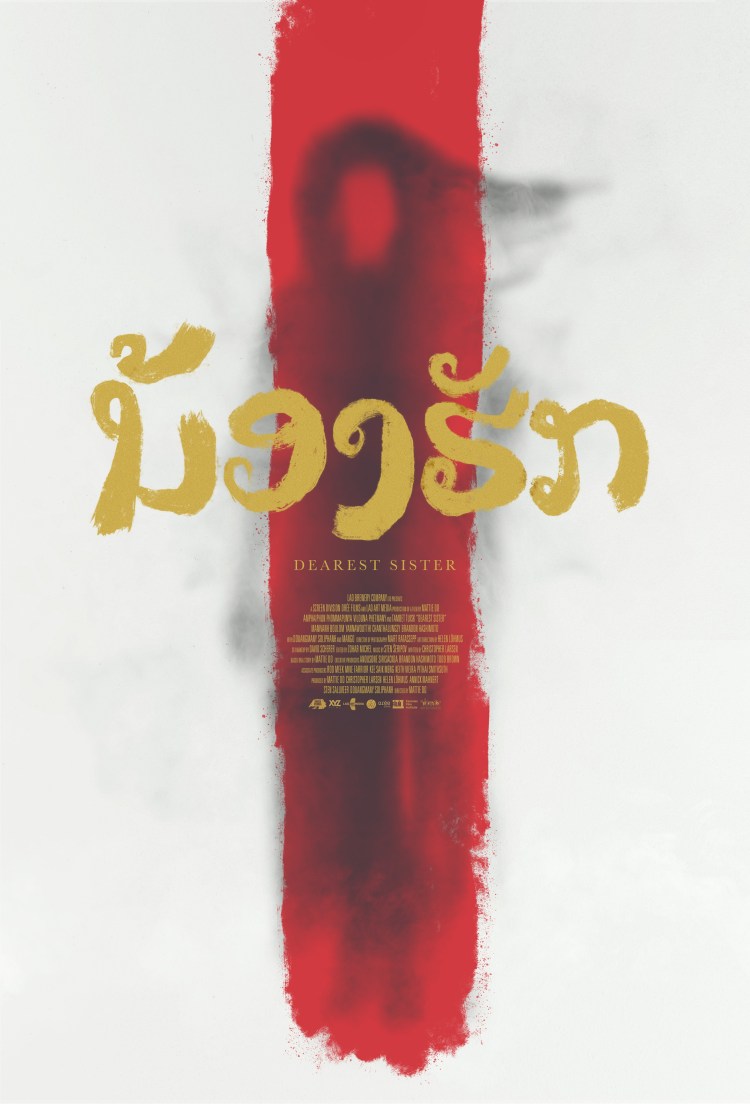 Marxist countries and horror movies often do not mix. Laos has only a fledgling cinema industry and Mattie Do, returning with her second film Dearest Sister (ນ້ອງຮັກ, Nong hak), is its only female filmmaker even if she finds herself a member of an extremely small group. Set in Laos it may be, but Dearest Sister also has something of the European gothic in its instantly recognisable tale of a good country girl fetching up in the city only to be treated like a poor relation and eventually corrupted by its dubious charms. Dearest Sister is a horror movie but one which places very real fears, albeit ones imbued with superstition, at the forefront of its tragedy.
 Fresh from its Cannes premiere, Jung Byoung-gil’s The Villainess will close the 16th edition of the New York Asian Film Festival which returns to the city from 30th June to 16th July 2017. Thailand’s Bad Genius will open the festival while the Centrepiece Gala will showcase one of the best recent films from the Philippines, Mikhail Red’s Birdshot. Altogether there are 57 films included in this year’s lineup hailing from China, Hong Kong, Japan, South Korea, Taiwan, The Philippines, Vietnam, and Malaysia. The full lineup is as follows:
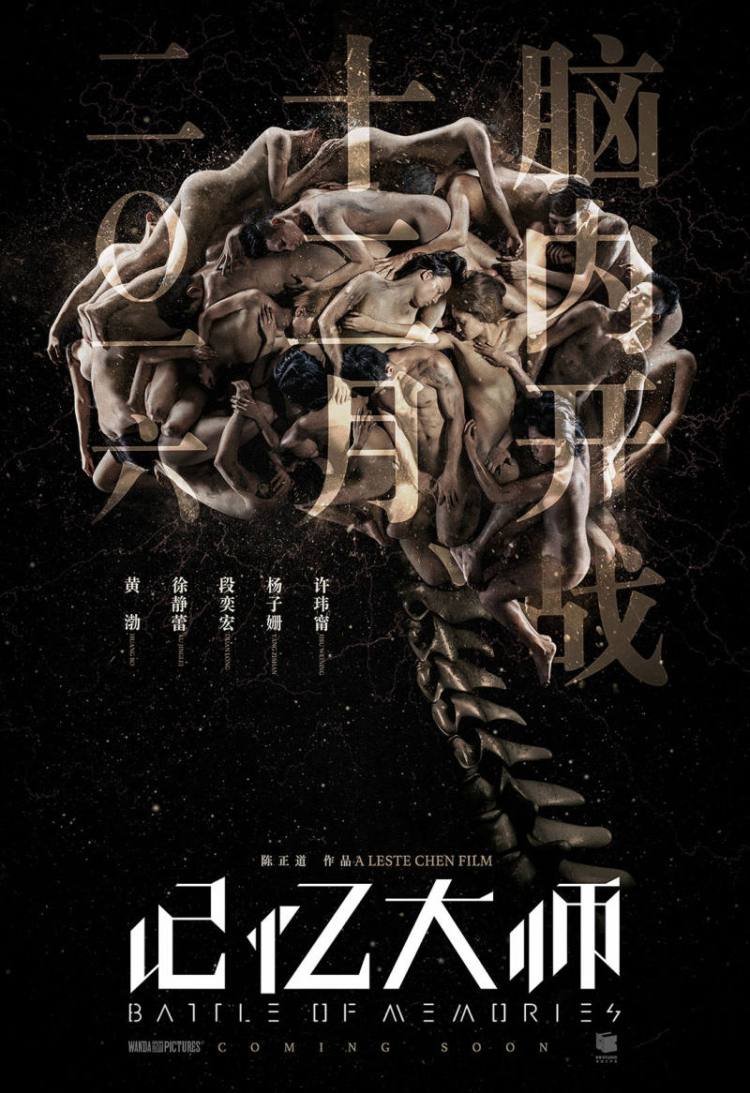 Thrillers dominate the Chinese slate beginning with:
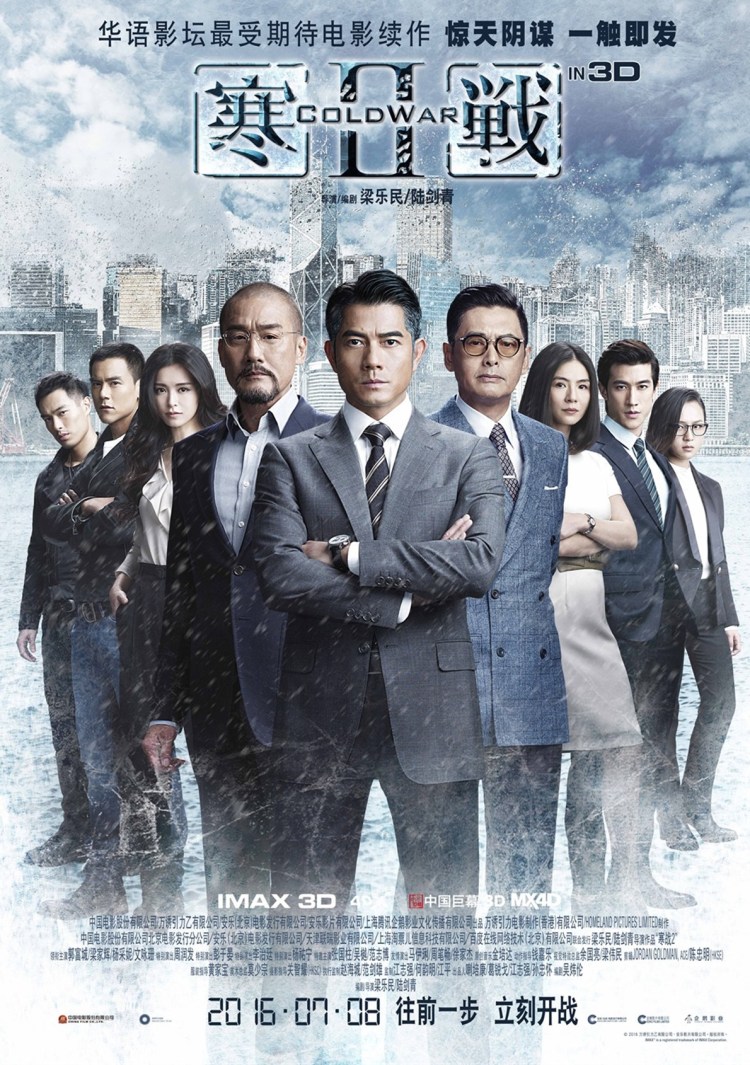 2017 marks 20 years since the Hong Kong handover and the New York Asian Film Festival not only showcases some of the best HK films from the past two decades but also includes a look forward with work from the most promising voices of tomorrow.
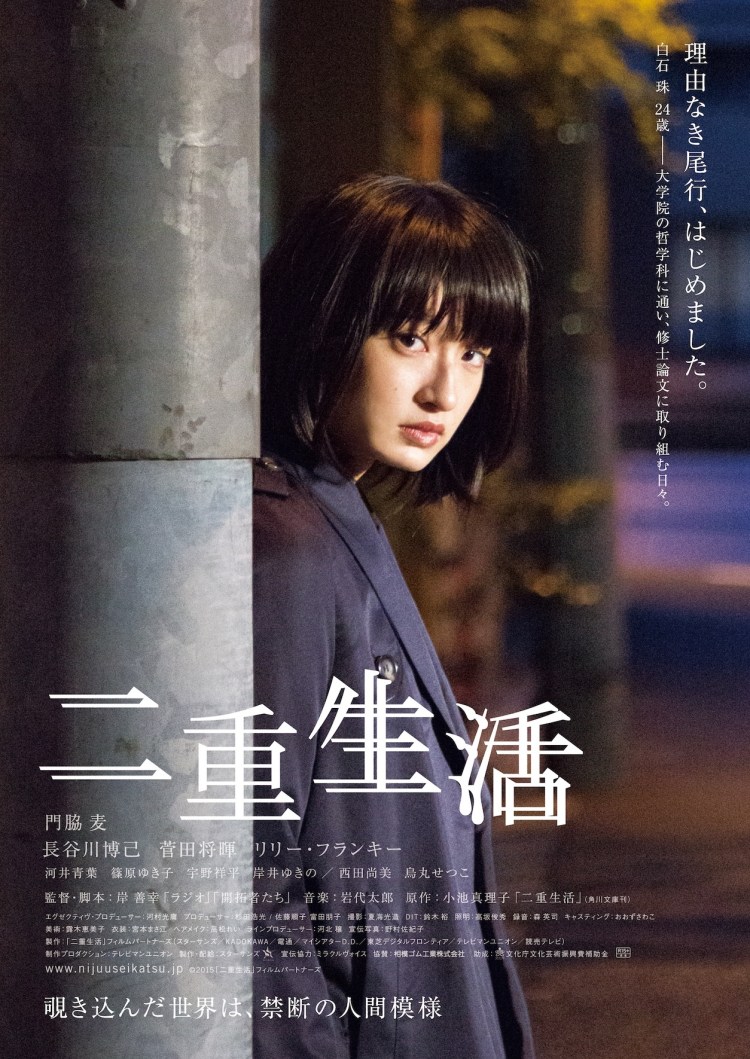 A varied lineup from Japan features everything from the Roman Porno reboot to LGBT comedy, quirky sc-fi, and moving family drama.
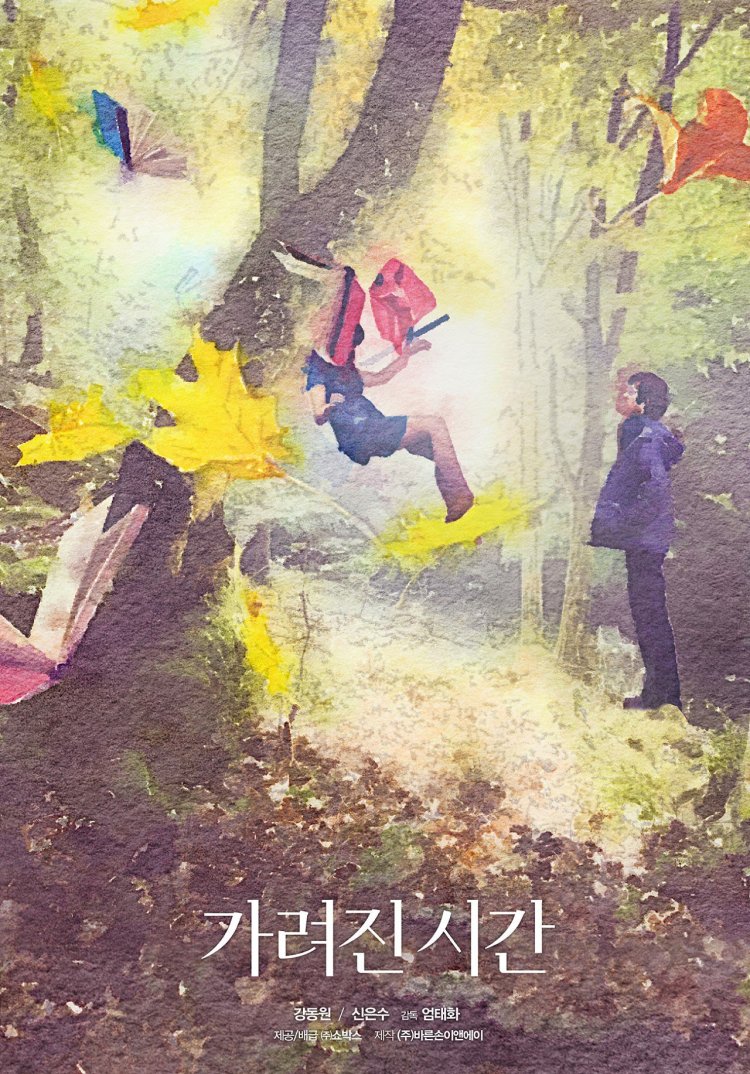 Cyber crime, fantasy, and gentle whimsy mingle in an eclectic selection from Korea.
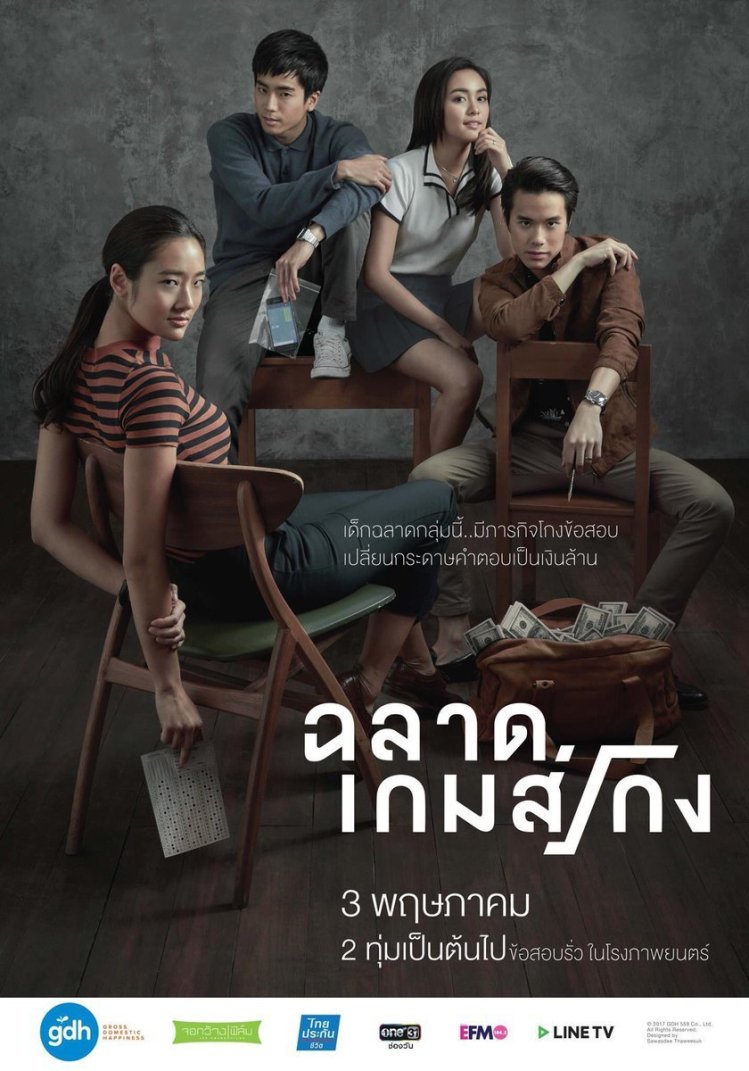 Casting the net wider the festival will also showcase some of the best recent hits from underrepresented areas of Asia:
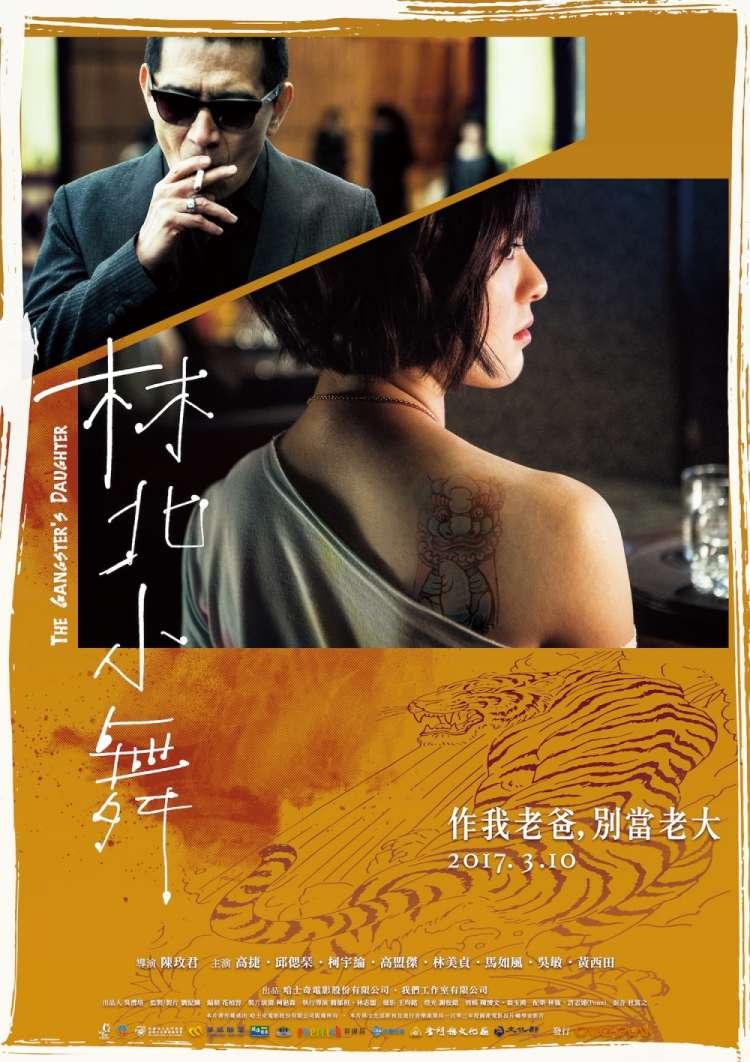 Pick your poison – monsters, gangsters and love dominate the entries from Taiwan.
 Only two documentaries on offer this year, both from Korea:
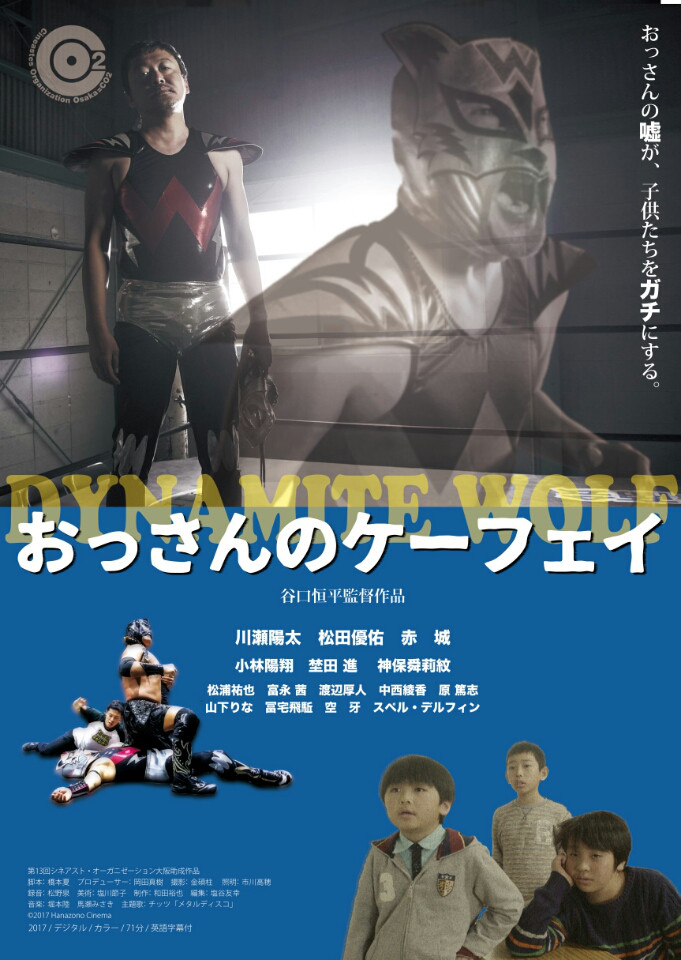 Back in the day, lucha libre-style wrestling was hugely popular in Japan. Tiger Mask, a manga set in the world of Japanese pro-wrestling remains a firm favourite and its eponymous hero has also become a byword for altruistic philanthropy as well-meaning anonymous donors donate expensive gifts such as Japanese school backpacks to orphanages in Tiger Mask’s name. Sadly, pro-wrestling is no longer as high-profile as it once was and has left mainstream television screens far behind even if it still maintains a small but dedicated fanbase. Kohei Taniguchi’s Dynamite Wolf (おっさんのケーフェイ, Ossan no Kefei) is out to change all that by shining a spotlight on this almost forgotten phenomenon of crazy outfits, killer moves, and camp showmanship.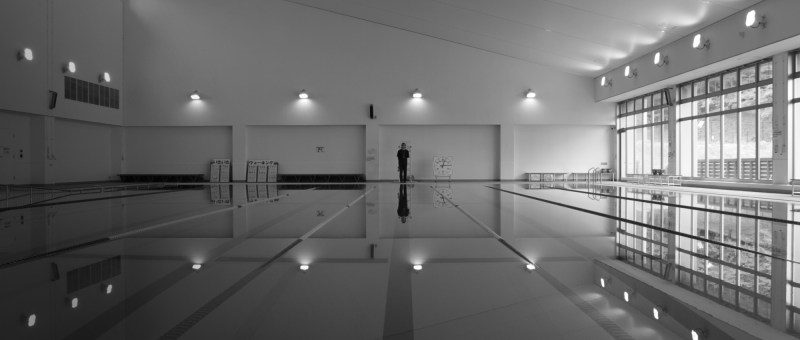
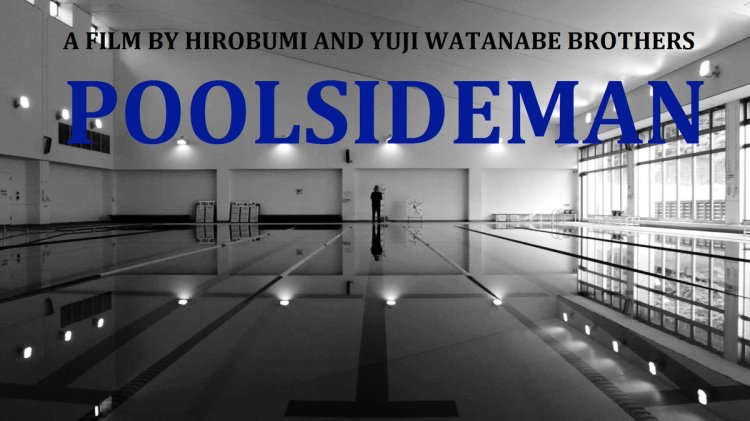 Around halfway through Poolsideman (プールサイドマン), the director himself playing an overly chatty colleague of the film’s protagonist, embarks on a lengthy rant about encroaching middle-age which is instantly relatable to those who find themselves at a similar juncture. He’s sure the world seemed better when he was a child, there wasn’t all of this distress and anxiety – everything just seemed like it would go on forever but time has inexplicably sped up with a series of rapid changes packed into recent years. The life of a poolsideman is improbably intense, or at least it is for Mizuhara (Gaku Imamura) whose days are all the same but filled with tension and the low simmer of something waiting to explode. Loosely inspired by the real life case of a man who left Japan for the Middle East with the idea of joining Isis, Poolsideman wants to explore why such a surreal thing might happen but finds it all too plausible.
 Now in its fifth year, Toronto’s Japanese Film Festival is back with another excellent selection of recent and classic cinema hits. Expanded to include a few extra guests and even more movies, the festival runs from 8th – 28th June and will also boast an appearance by one of Japan’s best loved actors, Joe Odagiri, who will introduce both Her Love Boils Bathwater and Over the Fence.
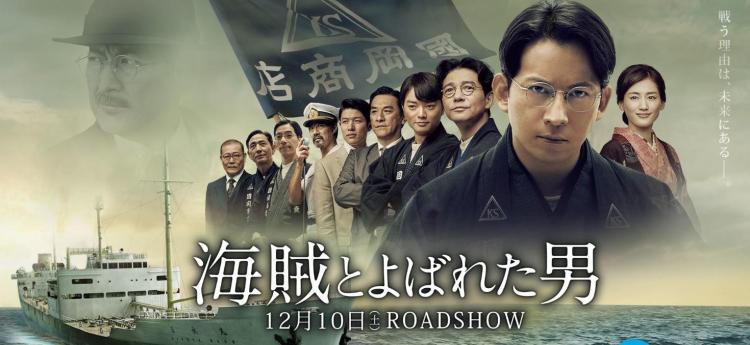 The festival kicks off with a screening of
 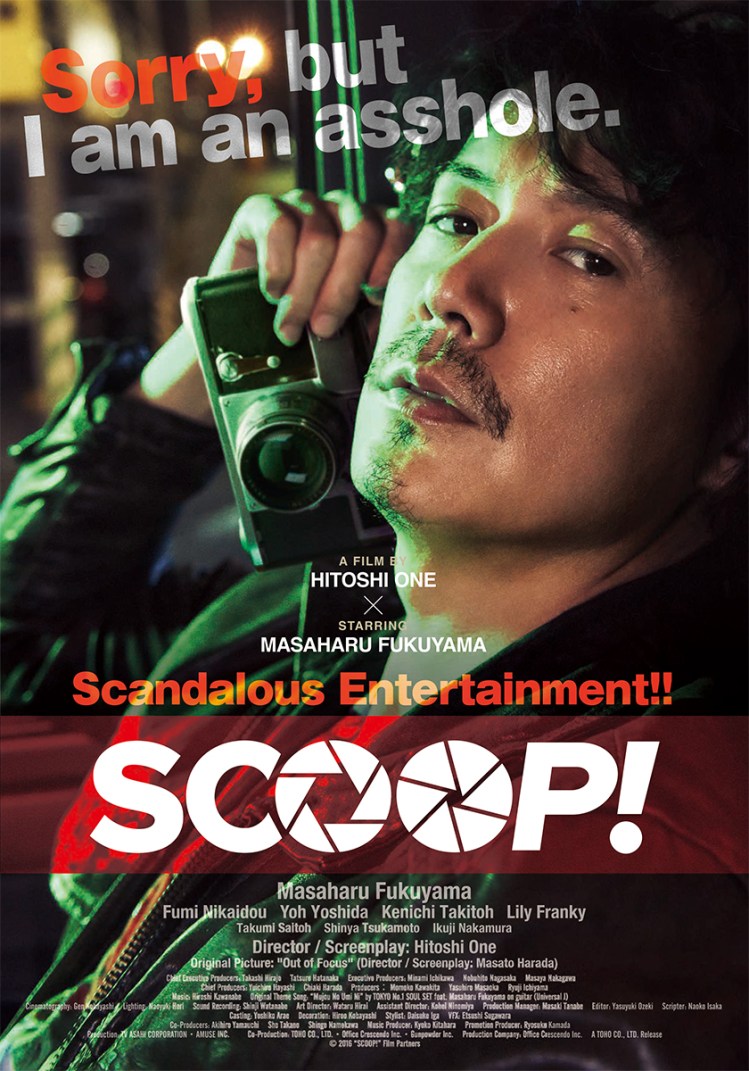 Masaharu Fukuyama stars as a jaded paparazzo rediscovering his photojournalist mojo in Hitoshi One’s oddly moving satire of the gutter press,
 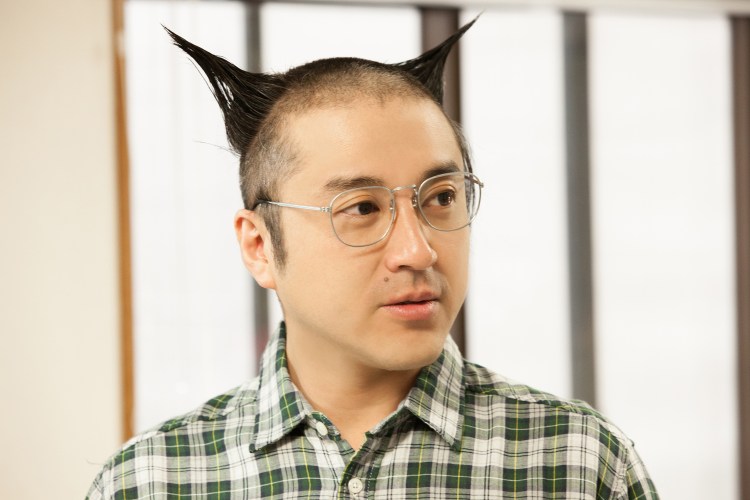 Romantic dreams so often turn to nightmares, but rarely with the blood soaked fury of Keisuke Yoshida’s
 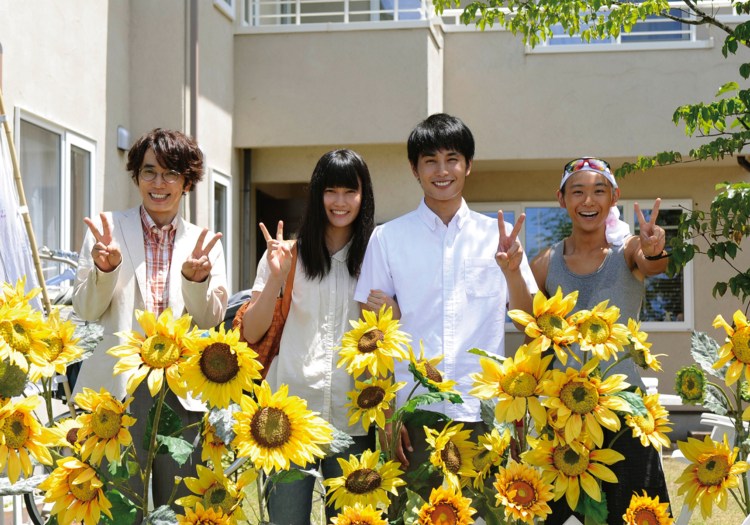 Ai Hashimoto and Aoi Miyazaki star as a mother and daughter cruelly separated by fate in Yasuhiro Yoshida’s family melodrama,
 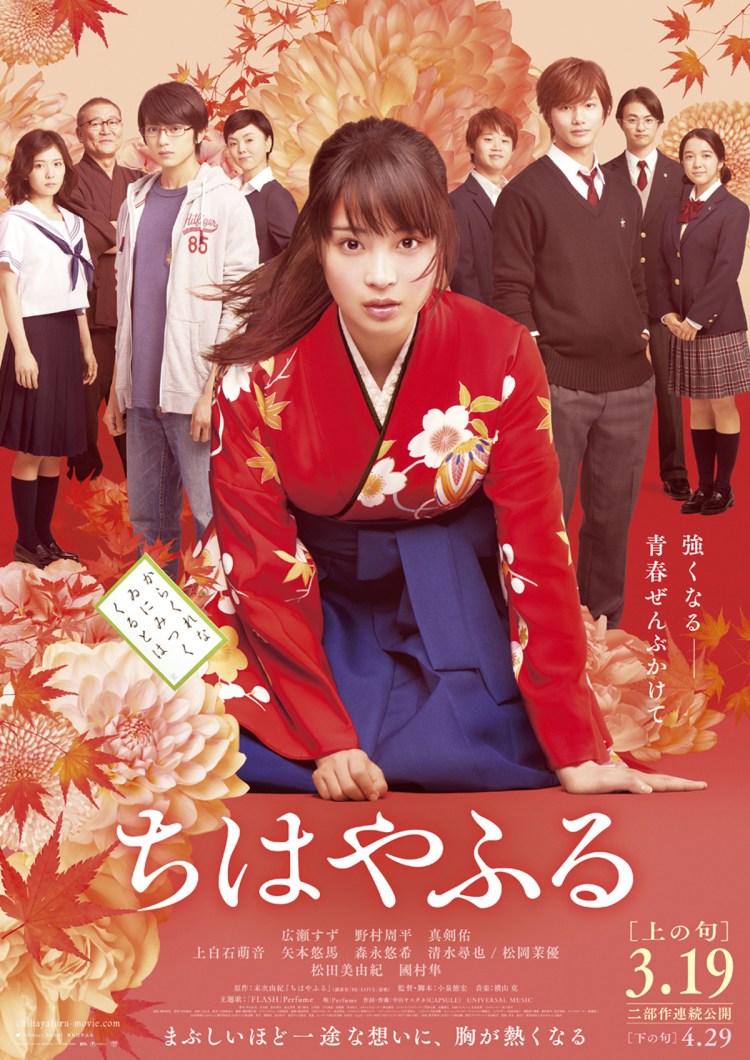 Part one of Norihiro Koizumi’s Karuta themed drama
  A sequel to Samurai Hustle,
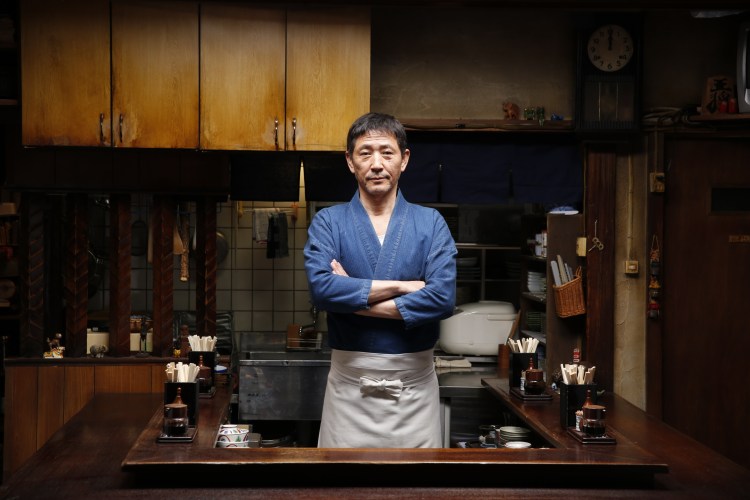 Inspired by the hit TV show, Master is headed to the big screen in the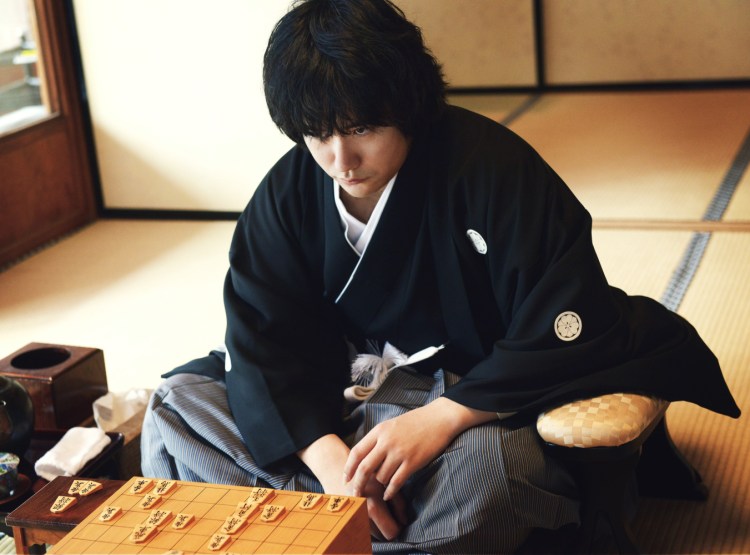
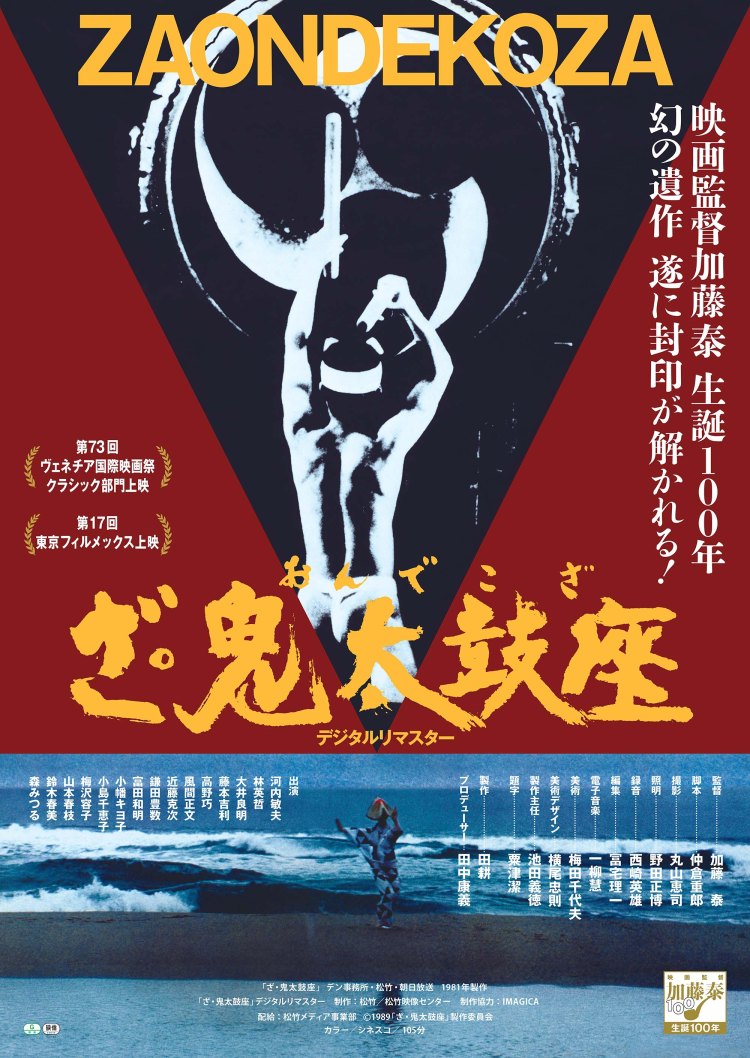 A highlight of this year’s programme, Tai Kato’s little seen and recently restored documentary
 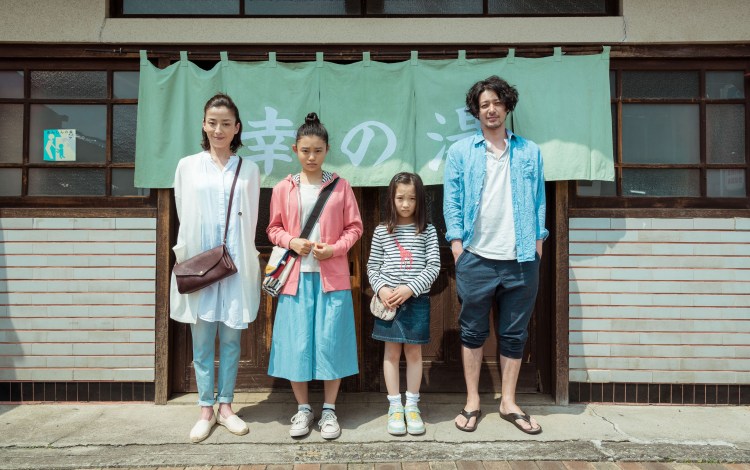 A big winner at this year’s Japan Academy Prize,
  One of two films recently released by Nobuhiro Yamashita,
 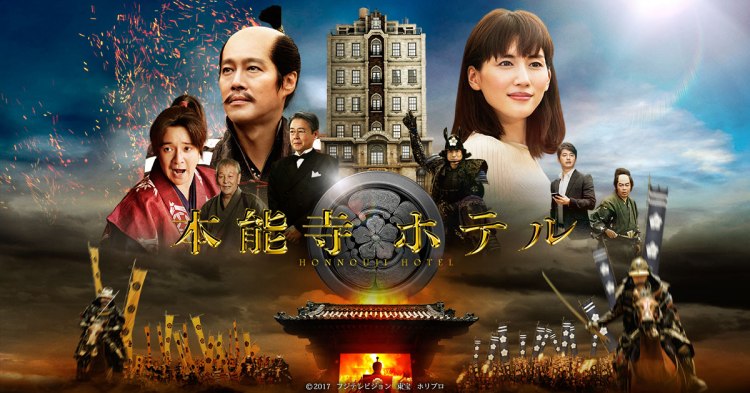 Haruka Ayase stars in
  Comedian Yo Oizumi plays an aspiring mangaka with big dreams and possibly deluded hopes who finally discovers the power of his ordinariness during the zombie apocalypse in Shinsuke Sato’s blockbuster action/comedy
  Yoji Yamada reunites with the cast of Tokyo Family and a few more old friends for another tale of humorous family drama,
 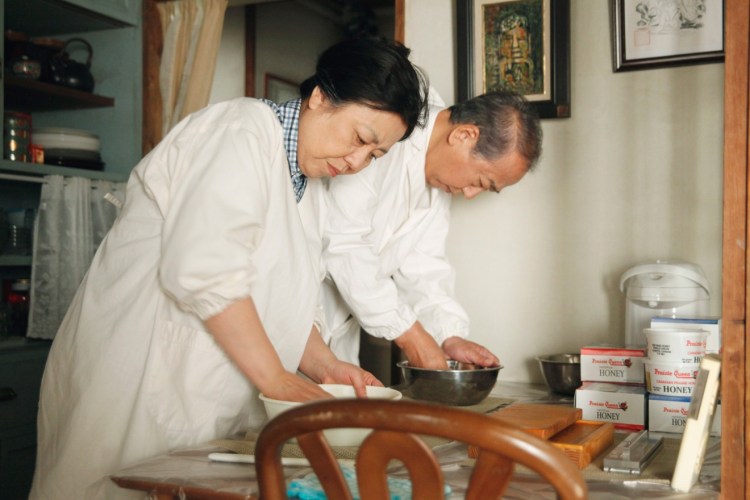 Japan’s housing estates were once symbols of post-war aspiration but now they’re largely deserted and home only to elderly residents prepared to put up with cramped conditions, no lifts, and basic amenities. Junji Sakamoto returns with a surreal comedy satirising everything from gossipy village mentality to alien invasion in the warmhearted if wistful
  Two sisters return to their family home which is about to be torn down only to find a collection of recipes left behind by their late Taiwanese mother who died twenty years before in Mitsuhito Shiraha’s food/family drama,
 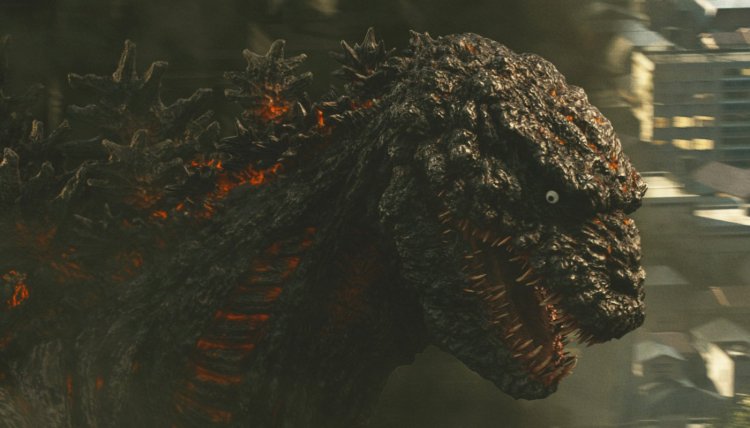 Godzilla is back and bigger than ever in Hideaki Anno & Shinji Higuchi’s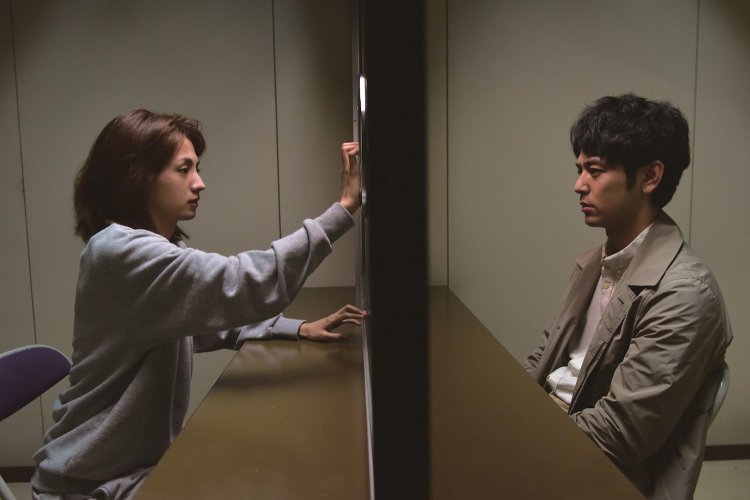
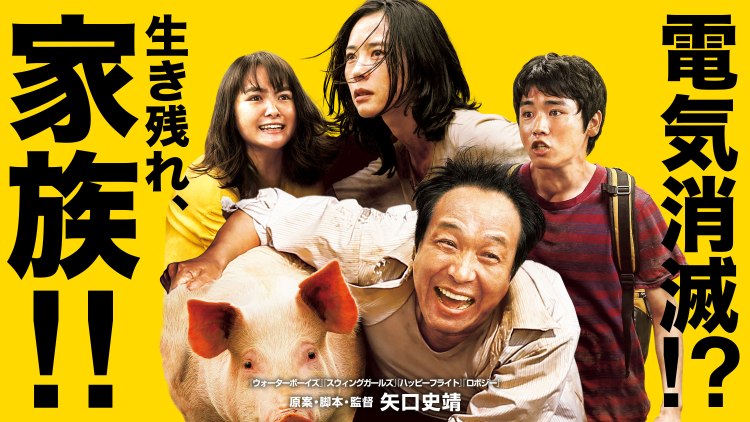 When all the power suddenly goes off, one ordinary family is forced to flee the city in search of life on the land but how do you cope with the apocalypse when you’re used to 24hr convenience and efficient public services? Hilariously, according to Shinobu Yaguchi’s latest comedy drama,
 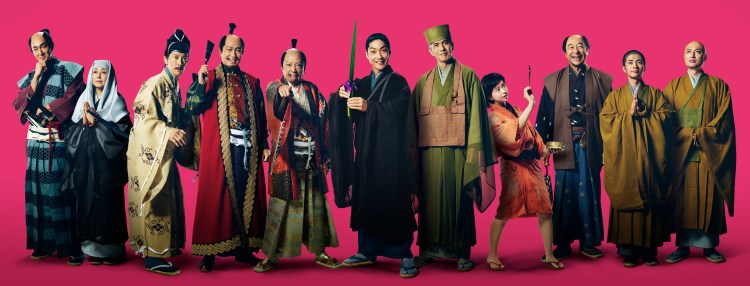 Another in the long line of movies focussing on samurai who fight with things other than katana,
  A sequel to the hit TV Drama,
 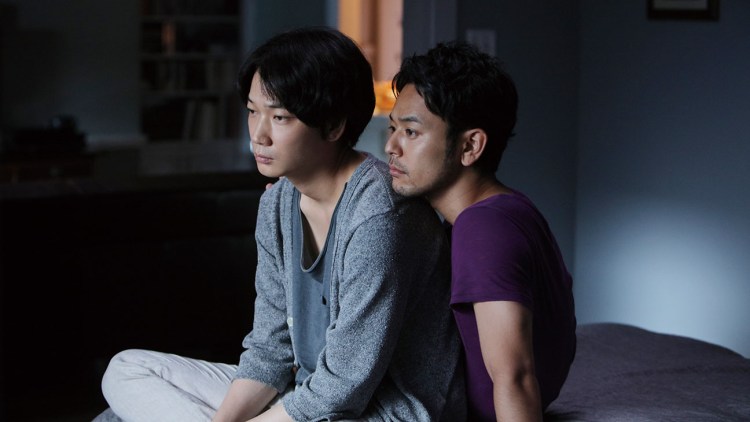 Lee Sang-il adapts another Shuichi Yoshida novel for three interconnected tales of doubt and suspicion following an unsolved, brutal Tokyo murder in
 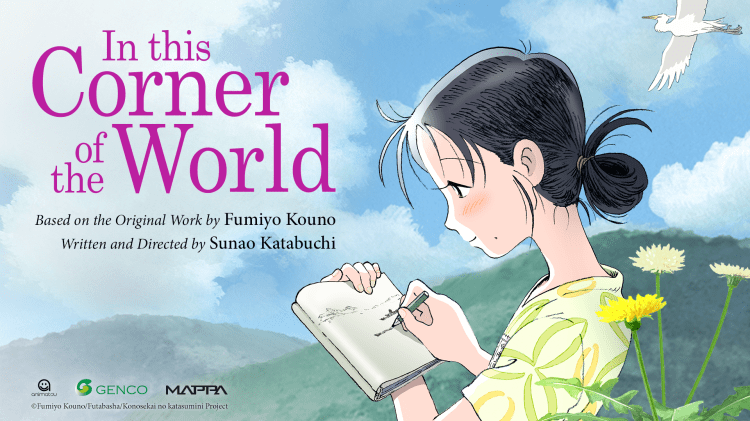 Award winning animation
  The ninja aren’t up for Oda Nobunaga’s plans to create a peaceful Japan under his control so they’re up to all their secretive tricks in Yoshihiro Nakamura’s epic jidaigeki,
  Times change so quickly. The “danchi” was a symbol of post-war aspiration and rising economic prosperity as it sought to give young professionals an affordable yet modern, convenient way of life. The term itself is a little hard to translate though loosely enough just means a housing estate but unlike “The Projects” (団地, Danchi) of the title, these are generally not areas of social housing or lower class neighbourhoods but a kind of vertical village which one should never need to leave (except to go to work) as they also include all the necessary amenities for everyday life from shops and supermarkets to bars and restaurants. Nevertheless, aspirations change across generations and what was once considered a dreamlike promise of futuristic convenience now seems run down and squalid. Cramped apartments with tiny rooms, washing machines on the balconies, no lifts – young people do not see these things as convenient and so the danchi is mostly home to the older generation, downsizers, or the down on their luck.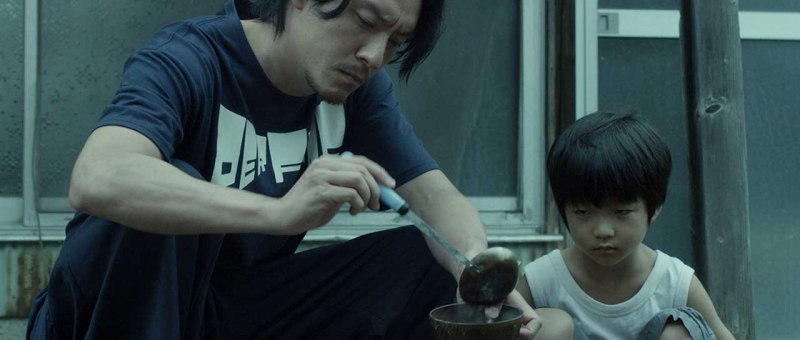
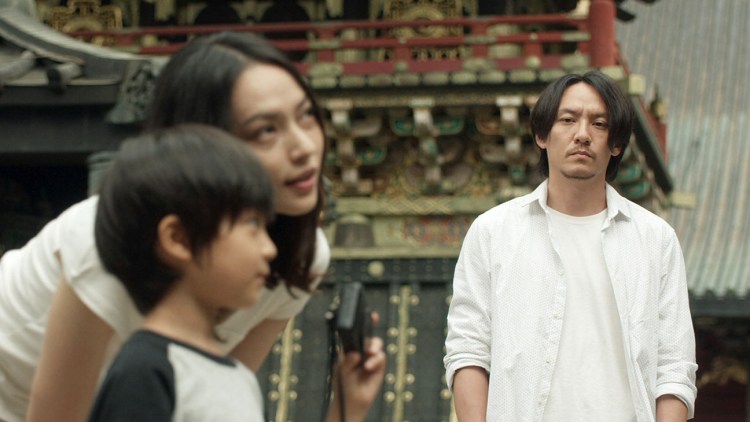 Taiwan and Japan have a complicated history, but in SABU’s latest slice of cross-cultural interplay each place becomes a kind of refuge from the other. Working largely in Mandarin and with Taiwanese star Chang Chen, SABU returns to a familiar story – the lonely hitman tempted by a normal family life filled with peace and simplicity only to have his dreams taken from him by the spectre of his past. Only this time it isn’t just his past but that of others too. Despite the melancholy air, Mr. Long (ミスター・ロン) is a testament to the power of simple human kindness but also a condemnation of underworld cruelty and its vicelike grip on all who enter its grasp.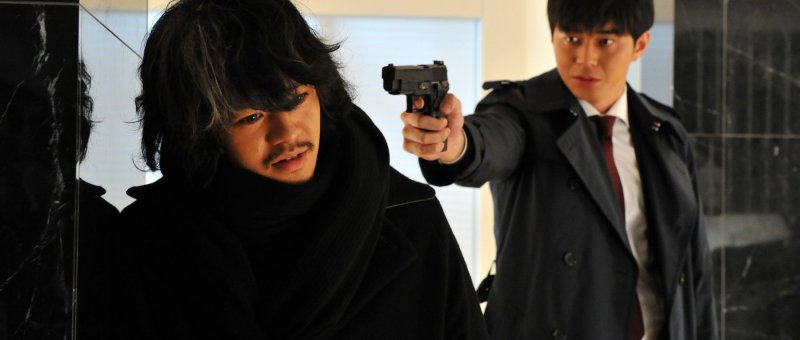
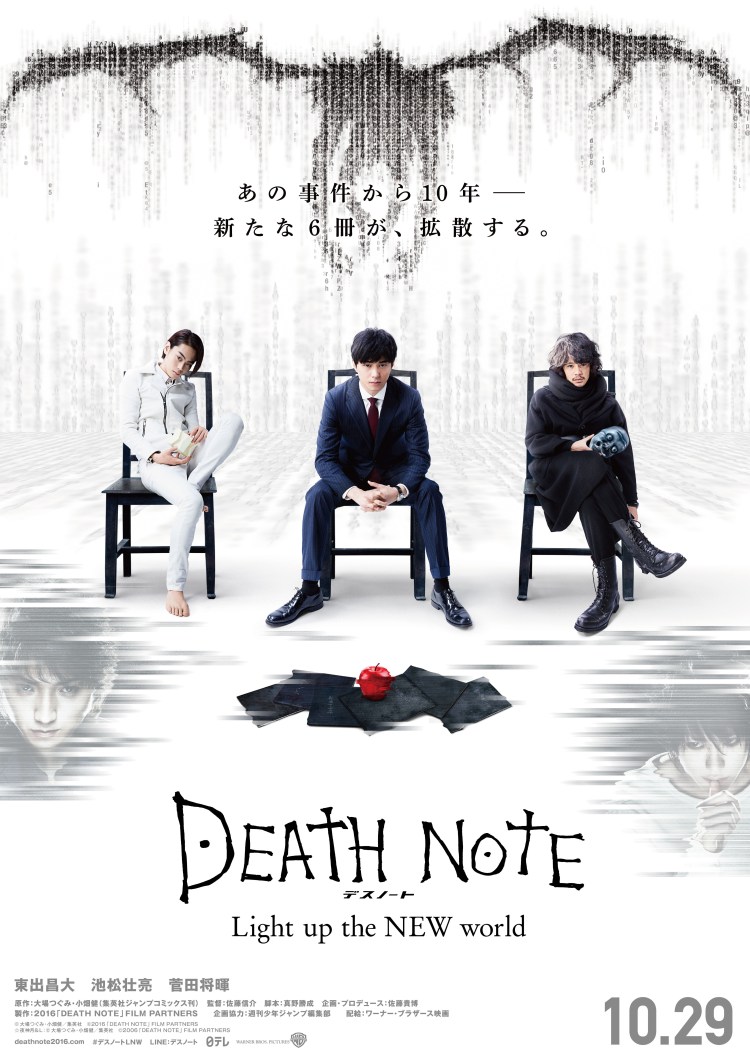 Tsugumi Ohba and Takashi Obata’s Death Note manga has already spawned three live action films, an acclaimed TV anime, live action TV drama, musical, and various other forms of media becoming a worldwide phenomenon in the process. A return to cinema screens was therefore inevitable – Death Note: Light up the NEW World (デスノート Light up the NEW World) positions itself as the first in a possible new strand of the ongoing franchise, casting its net wider to embrace a new, global world. Directed by Shinsuke Sato – one of the foremost blockbuster directors in Japan responsible for Gantz,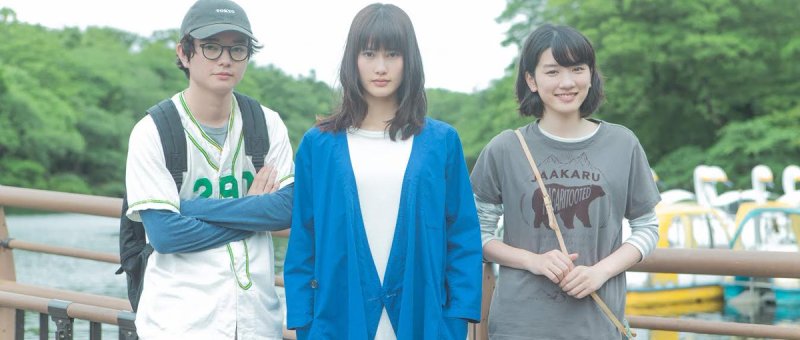
 Parks are a common feature of modern city life – a stretch of green among the grey, but it’s important to remember that there has not always been such beautiful shared space set aside for public use. Natsuki Seta’s light and breezy youth comedy, Parks (PARKS パークス), was commissioned in celebration of the centenary of the Tokyo park where the majority of the action takes place, Inokashira. Mixing early Godardian whimsy with new wave voice over and the kind of innocent adventure not seen since the Kadokawa idol days, Parks is a sometimes melancholy, wistful tribute to a place where chance meetings can define lifetimes as well as to brief yet memorable summers spent with gone but not forgotten friends doing something which seems important but which in retrospect may be trivial.
 Windows on Worlds