 Written by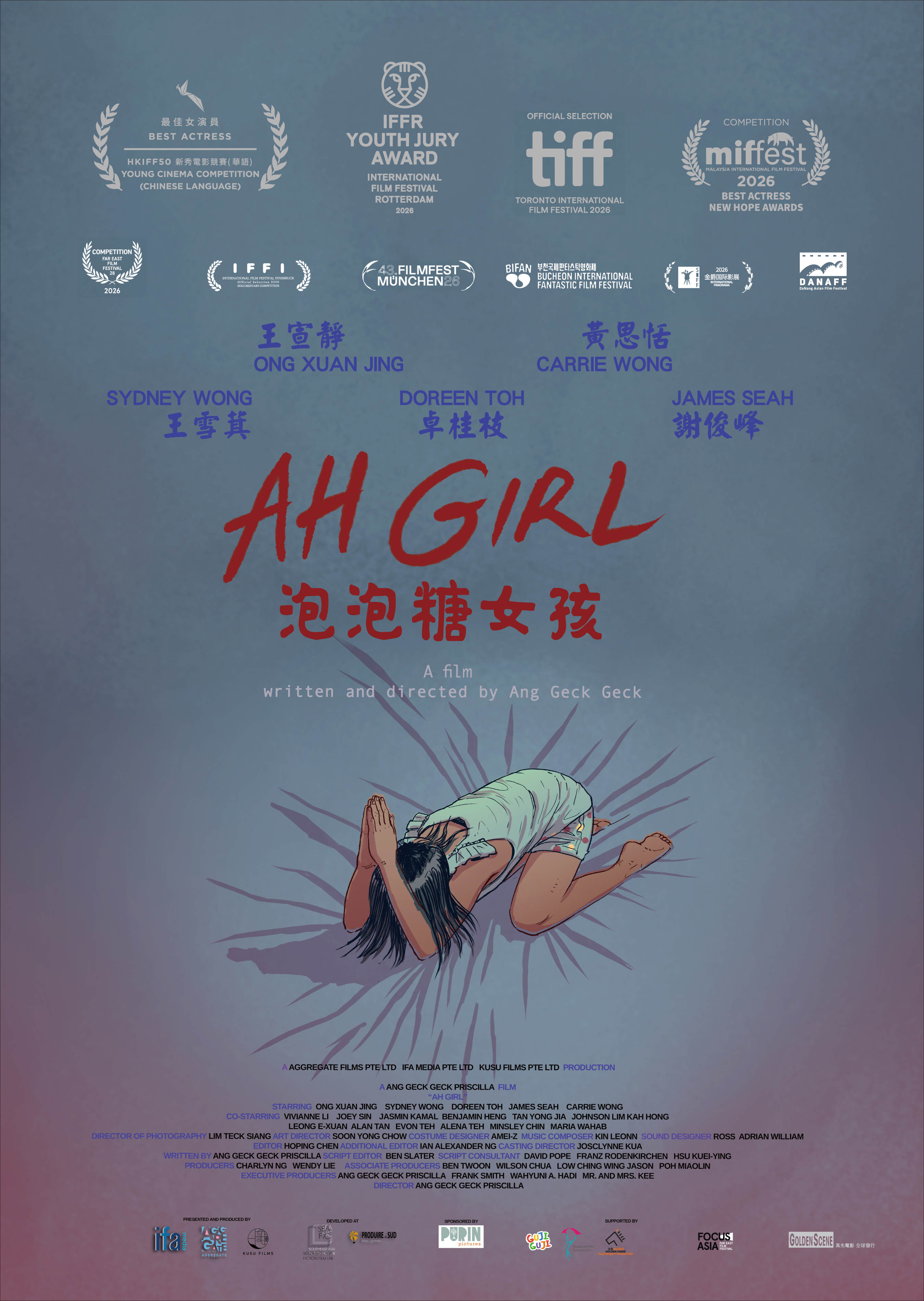
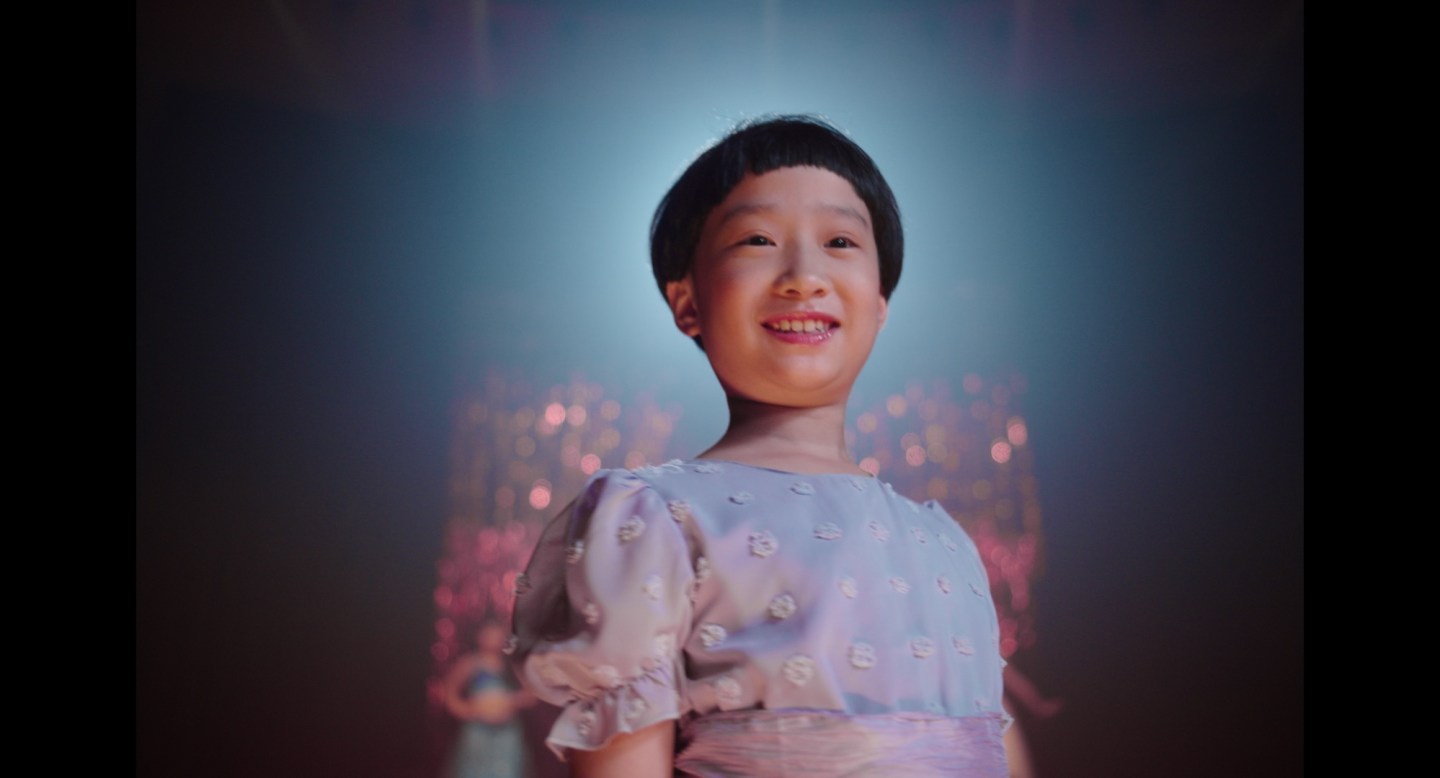
A young girl attempts to make sense of the world around her amid her parents’ acrimonious separation, but finally discovers that all she can rely on is herself in Ang Geck Geck’s autobiographically inspired drama Ah Girl (泡泡糖女孩). Set in the Singapore of the 1990s, the film casts its young heroine adrift without parental guidance or even a firm sense of home as each parent is, in their own way, immature and resentful of the responsibility of raising children.
That’s partly why Swee Swee and her tomboyish sister Ah Tian are mainly being raised by their paternal grandmother, supported financially by their mother who spoils them at weekends, and ignored by their father who has started a series of new relationships each with larger ladies, which is something that puzzles Swee Swee even as she begins to realise what’s going on. One evening, Swee Swee’s mother tearfully phones her, saying she’s found a flat she likes and swearing that Swee Swee can come and live with her when she’s saved enough money to secure it. Swee Swee’s mother makes no mention of Tian, which is another thing that worries Swee Swee as she finds herself adopting a maternal position over her sister.
Despite her mother’s tearfulness, it appears that she does not always want the children with her either. When Swee Swee injures her foot after becoming upset on a swing, her mother is annoyed to have been called at short notice and tells Swee Swee off rather than trying to comfort her or express concern for her injury. Though she is also stressed by the need to keep up with mortgage payments and secure their new home, she also embraces the freedom of her newly single life. While taking the girls to the swimming pool, she remains on the side reading a magazine rather than playing with them before ignoring her daughters completely to flirt with another man. In some ways, Swee Swee doesn’t mind. She prayed to god to ask for her mother’s happiness, and is glad that she seems to be doing better emotionally, but also feels neglected and pushed out.
When her mother asks her whom she’d like to live with in the future, Swee Swee diplomatically says she doesn’t know, though her mother obviously looks hurt. Tian immediately says she wants to stay with her father, but this may not actually be an option. The question only undermines Swee Swee’s faith in each of her parents as she begins to see their flaws and hypocrisies. She wonders why adults always lie, but comes to the confusion that they’re perpetually “confused” and have no more idea what’s going on than she does. She can’t rely on them for guidance, nor even for a strong foundation. The only grounded relationship she has is with “Auntie Japan,” one of her father’s girlfriends who genuinely cares for and tries to help her, but even this is eventually ruined by her father’s irresponsibility.
Everyone seems strangely obsessed with Japan despite its recent economic downturn. Her grandmother’s neighbour has just returned from a trip there, while her grandmother likes to watch Japanese variety shows on television and wants to visit there, too, but at the same time was a child during the Japanese occupation and has ambivalent feelings towards the nation. Swee Swee’s mother is a Japanese-speaking tour guide who plans to take a tour group to the memorial for those who were killed during the war, but also buys Swee Swee large quantities of Japanese chewing gum that she illicitly sells at school for a little extra money. As a news item reveals, chewing gum has recently been banned for sale or importation in an effort to improve public hygiene and there are heavy penalties for bringing it into the country.
This rather draconian measure may serve to bear out the oppressiveness of Singaporean society and its obsession with rules, but also demonstrates Swee Swee’s cheeky resourcefulness. She and Tian raid the local rubbish bins, picking out things like crayons and toy cars for Tian that no one is providing for them now that they’ve been caught between their parents with no one taking full responsibility. Perhaps because of this, Swee Swee is keen to assert her own identity. She’s confused on her first day at school because the teacher tried to use an English name she didn’t know she had. She asks to be called “Swee Swee” instead, though most of her classmates use English names and some call her “Eileen” anyway.
Swee Swee takes a liking a boy who tells him that he has two girls that he likes, but can’t choose between them. Given her circumstances, Swee Swee asks if one is for weekends and the other during the week, but the boy says his mother told him that in life you have to make a choice, you can’t have one thing and the other. This, of course, upsets her, because she knows she’ll have to choose one parent and agonises over the choice. Meanwhile, her father plans to have Tian adopted by a wealthy couple who are moving to Australia, despite her loyalty towards him. The boy tells Swee Swee he likes girls with long hair, which is one reason she resents it when her grandmother forces her to cut it, but eventually loses faith in him when she sees him fondling another girl’s plaits, abruptly ending their friendship. In the end, she has only herself to rely on. The 4:3 aspect ratio may evoke a sense of nostalgia, though Swee Swee may not have much to feel nostalgic about. Nevertheless, the film exudes a sense of warmth and a generosity of spirit to those around her who aren’t necessarily bad, just struggling in their own way, while despite her melancholy Swee Swee seems to have reached an understanding of herself and the world that eventually allows her to transcend her circumstances.
Ah Girl screened as part of this year’s Toronto International Film Festival.
Trailer (Traditional Chinese / English subtitles)

