 Written by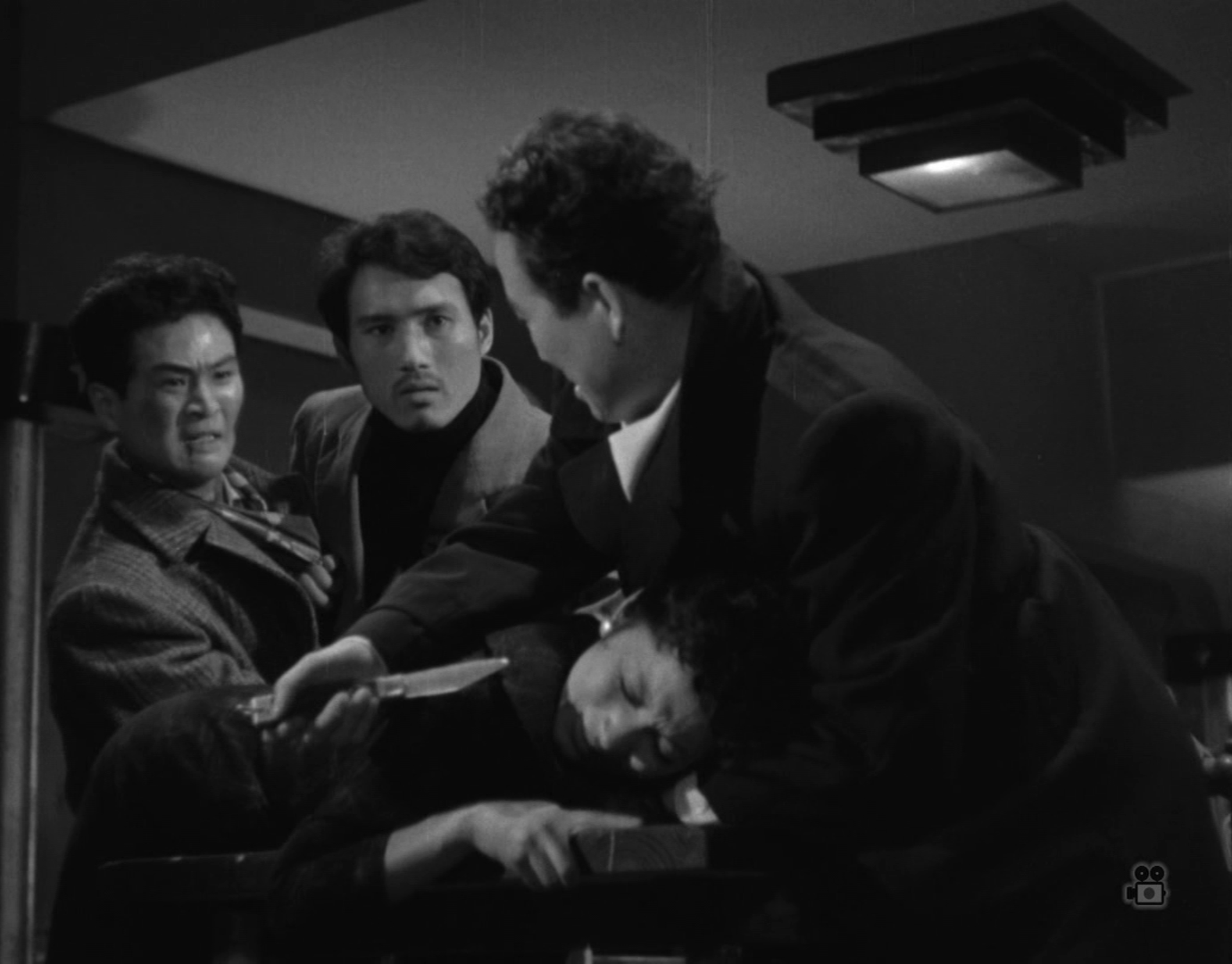
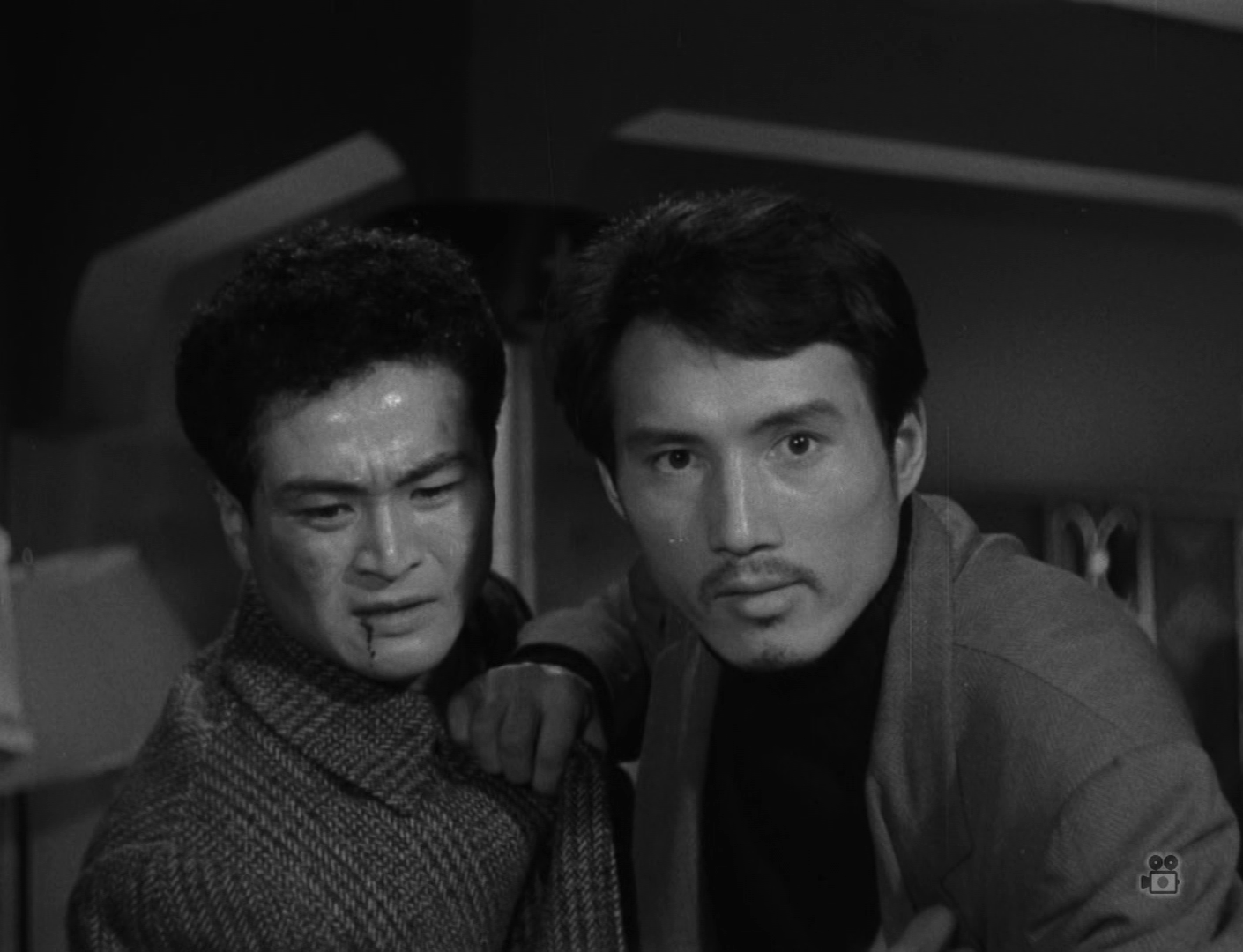
A former sailor’s dreams of returning to the sea are disrupted by his brother’s brush with romance and crime in Seijun Suzuki’s directorial debut Harbour Toast: Victory Is in Our Grasp (港の乾杯 勝利をわが手に, Minato no Lanpai: Shori wo Waga Te ni). Co-scripted by Toshio Nakagawa and Kirio Urayama, the film explores themes of post-war orphanhood, loneliness, and the corrupting influence of desire while hinting at the style Suzuki would later make his own in its brief moments of surrealism and romanticism.
Shinkichi (Ko Mishima) had to give up sailing after taking the rap for a maritime accident, but still dreams of returning to the sea which is his only real him. Meanwhile, his younger brother, Jiro (Shinsuke Maki), is an up-and-coming jockey. A mysterious woman (Sumiko Minami) often appears at the track and bets big, supposedly waving a red handkerchief when she wins though no one can remember her horses ever coming. There is indeed a kind of ghostliness to Asako, as if she were a kind of mermaid of lingering spirit sent to beckon men to their doom. She is a little more etherial than your average femme fatale, and is apparently drawn to Jiro by his apparent loneliness.
This loneliness is also something that worries Shinkichi, explaining that their parents passed away young while Shinkichi has spent most of his life at sea. Jiro too seems a little resentful of his brother, accusing him of selfishness and suggesting that he never really cared for him or he wouldn’t have run away to be a sailor. This is a little unfair and Shinkichi appears to take good care of Jiro, offering to do his laundry and having already not only laid out a futon but put a hot water bottle in there too before Jiro even got home. Even so, this sense orphanhood and isolation are also what draws Jiro towards Asako as if also to death. Though everyone at their local bar is expecting him to get together with kimono-wearing barmaid Sanae who appears to have a crush on him, Jiro isn’t interested. He describes her interest in him as a burden, and resents the interference of the customers at the bar. In some ways, he desires to remain alone, but in others is seduced by Atsuko’s bewitching sense of sophistication as she invites him to upscale bars and into a world he had not yet known.
Yet Atsuko is also under the thumb of petty gangster Misawa (Shinsuke Ashida) who has set him up as a target for the purpose of fixing bets. Misawa promises to give Asako up if Jiro throws the race, leaving him with a dilemma in which he must choose between integrity and his racing dreams, and romantic fulfilment. For her part, Asako seems to have fallen for Jiro for real and tells him to stand up to Misawa by winning the race, though in the end his decision is sort of made for him leaving Jiro open to further threats and intimidation by Misawa. In the end, it’s Shinkichi’s self-sacrificing nature that comes to the fore as he gives up his own dreams of returning to the sea in order to rescue Jiro and prevent his future from being corrupted by Misawa, though unlike other similar films Asako is framed more as a secondary victim and allowed the possibility of redemption by starting a new life with Jiro. Instead, Shinkichi takes on the burden of their crimes and symbolically frees the younger generation from them.
Suzuki leans into the same sense of ghostliness as in the later Inn of the Floating Weeds while using artistic devices such as the haze which surrounds Asako in Jiro’s imagination, or the super imposition of Misawa and Asako as Jiro faces his dilemma on the track. As spinning shot echoes Jiro’s dizziness in falling in love, while the bar scenes feature the kind of joyful camaraderie familiar from similar moments in Suzuki’s later career. Though he is not yet working with production designer Takeo Kimura, the film nevertheless bear out Suzuki’s aesthetics and not least in the use of a white rose as symbol of Jiro’s pure-hearted love for Asako, later literally chewed up and spat out by Misawa whose nihilistic cynicism is perhaps the greatest threat the the post-war future.

