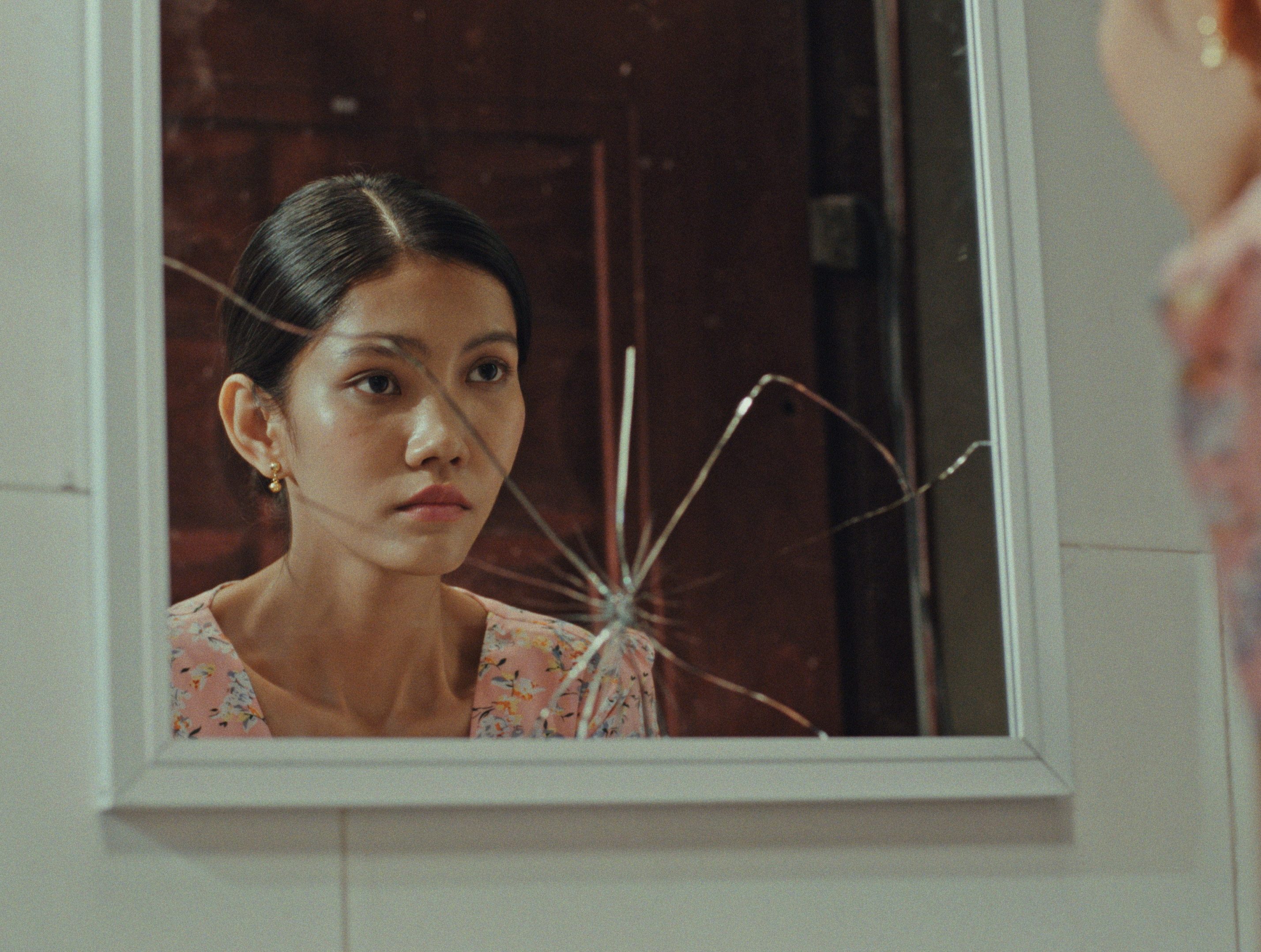
Fruit Gathering (သစ်သီးခူး, Aung Phyoe, 2026)

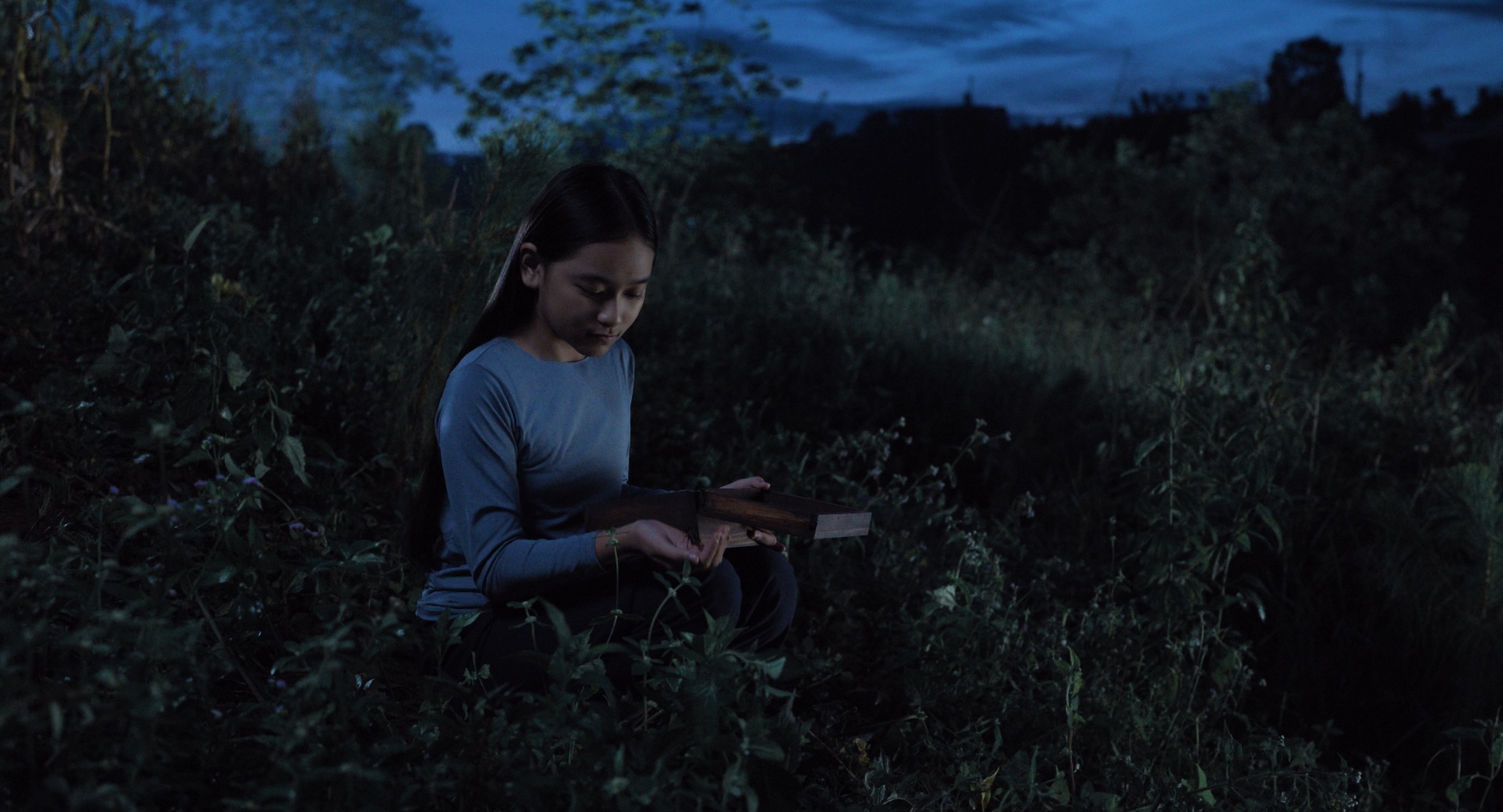
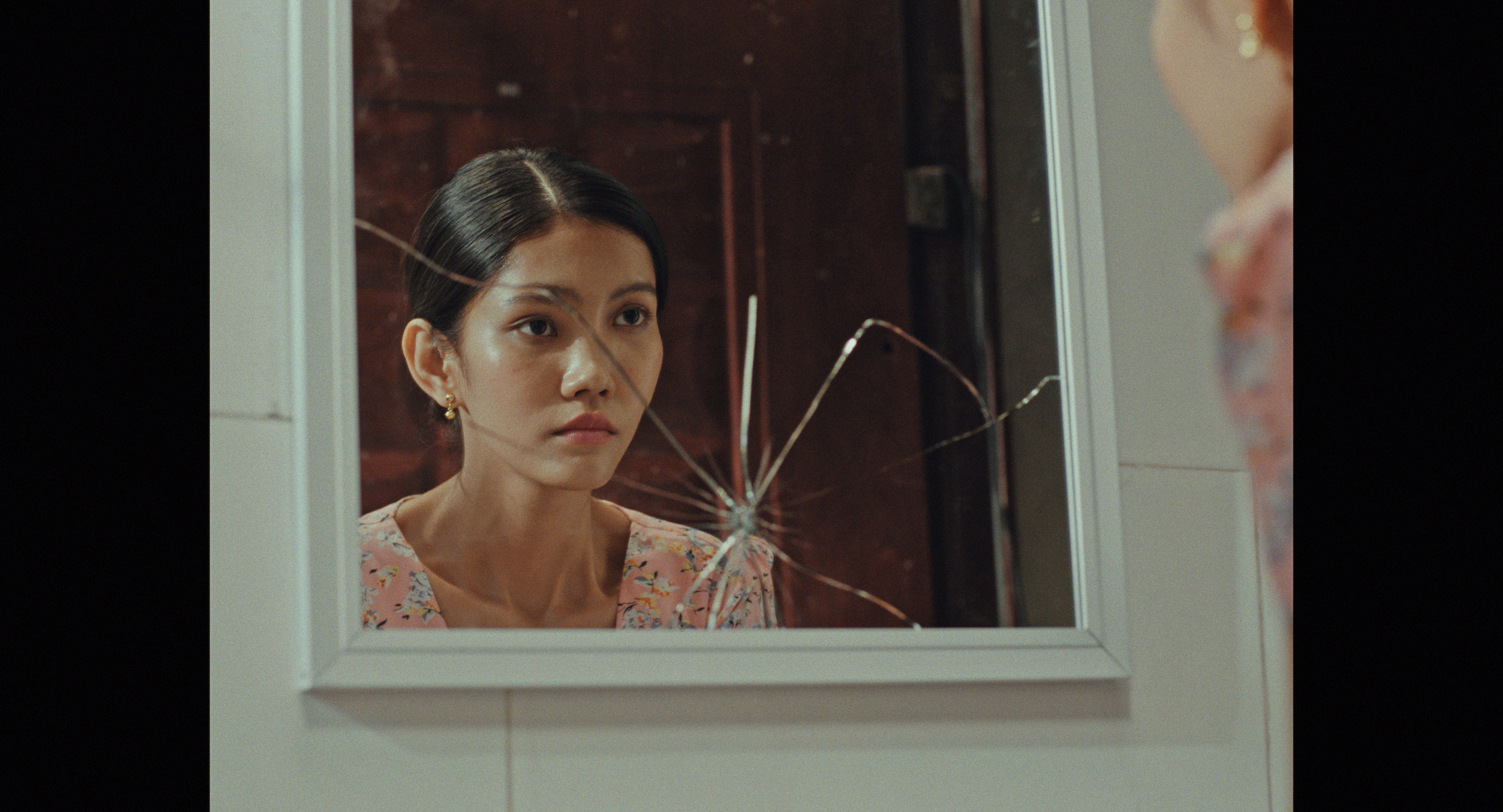
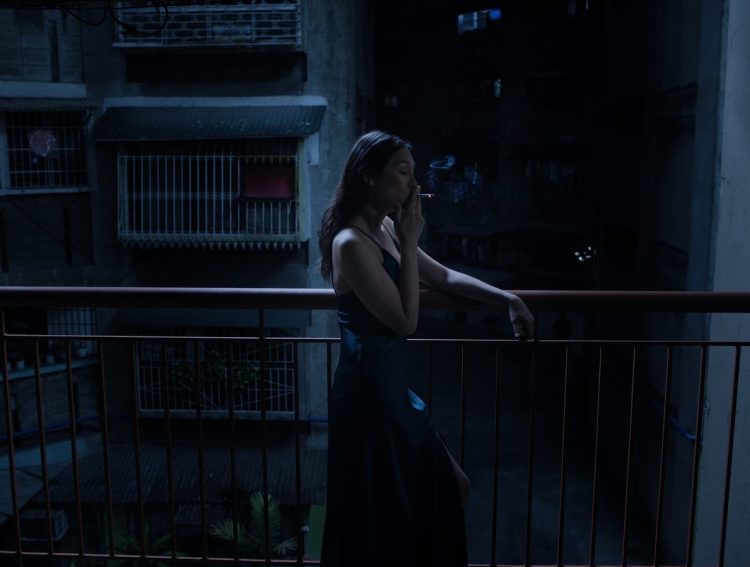
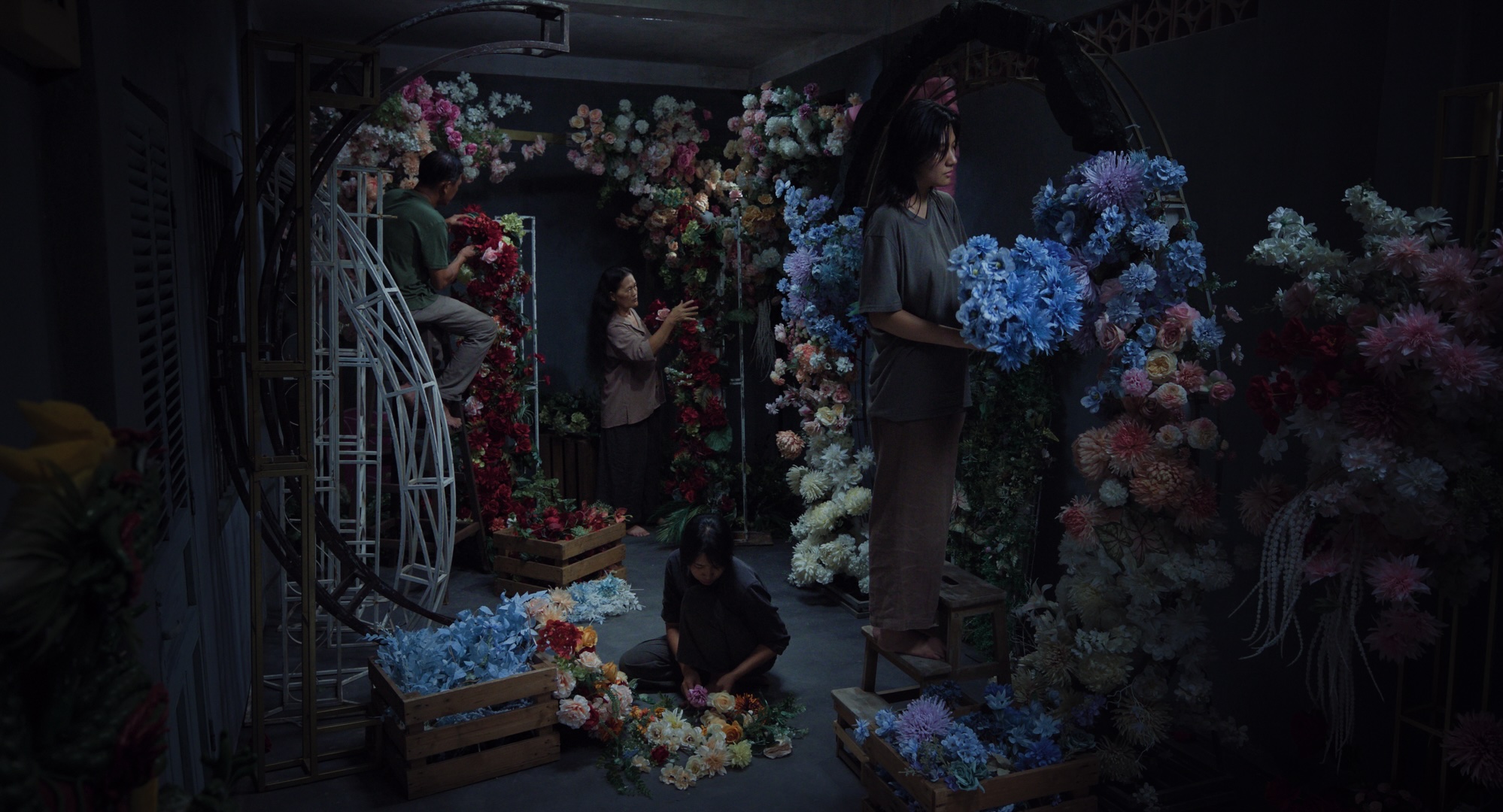
A young factory worker becomes infatuated with a new hire, but can never be sure if their friendship is genuine or essentially transactional in Aung Phyoe’s sensitive drama, Fruit Gathering (သစ်သီးခူး). San Kyi’s (Nandar Myat Aung) life is in many ways defined by risk aversion. While the consequences of speaking her feelings may be severe in a culture in which such relationships are not fully accepted, she is also hemmed in by financial precarity and the fear of losing her job while finding work in Yangon proves increasingly difficult with an influx of those of fleeing violence and destruction in the countryside seeking employment in the city.

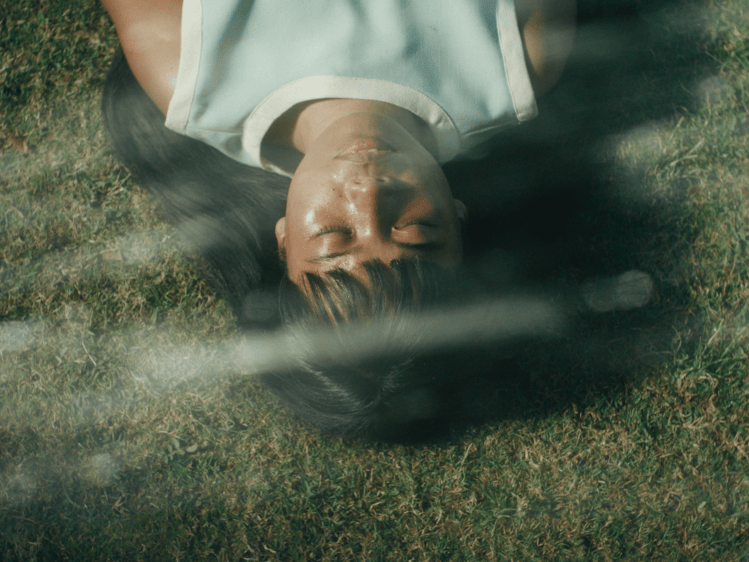
This might be one reason she continues to idolise her rural childhood as symbolised by the idea of fruit picking while one of many migrating to the city in search of work in the wake of her father’s abandonment. San Kyi’s mother has already sold their farm to fund her business as a labour broker helping workers find positions abroad and now wants to sell their family’s home much to the grandmother’s disappointment. Still living with her mother and grandmother, San Kyi also sees her job as a seamstress in a textile factory as a path to freedom and independence even if her mother looks down on her occupation and she’s relentlessly oppressed and exploited at work.

In fact, she first meets Theint (Nandar Myint Lwin) while being berated by the forewoman who accuses her of having taken an unauthorised bathroom break. Theint lies and says she saw her talking to her supervisor, signalling both a rebellious streak and also a casual disregard for her employment prospects which stand in stark contrast to San Kyi’s caution. San Kyi refuses to sign the other women’s petition for better working conditions out of fear of losing her job, setting her at odds with her colleagues in effectively siding with management and sabotaging their chances of gaining fair treatment. While her colleague insists they should fight for their rights, San Kyi would rather stay quiet.

Her caution is reflected in her unspoken longing for Theint, though the extent to which Theint may return these feelings is never quite clear. She appears to exploit San Kyi’s feelings for her in asking to borrow a large sum of money she says is for her mother in the country but perhaps not actually planning to pay her back. Theint abruptly drops out of contact, only to explain that she’s married a man and has to follow him to the rubber plantation where he works. When Theint’s husband finds work abroad, it provides a temporary haven of togetherness and a new sense of possibility for San Kyi who begins to dream that the two of them might be able to build new lives together in another country as migrant workers. 

Theint, however, repeatedly tells her to stop dreaming and be more realistic. She does not appear to believe in the kind of better future that San Kyi clings to and all her decisions are motivated by financial survival. Theint takes advantage of her connections with San Kyi’s mother and the taxi driver she wants her daughter to marry leading to a hilarious misunderstanding as her mother accuses San Kyi of being “jealous” of Theint, suddenly staking a claim on the taxi driver whose currency has risen now another woman has shown an interest little knowing that the reverse is true. Even her mother’s attempts to marry San Kyi off have a transactional quality in being motivated by her own desire for financial gain in no longer wanting to live with her daughter.

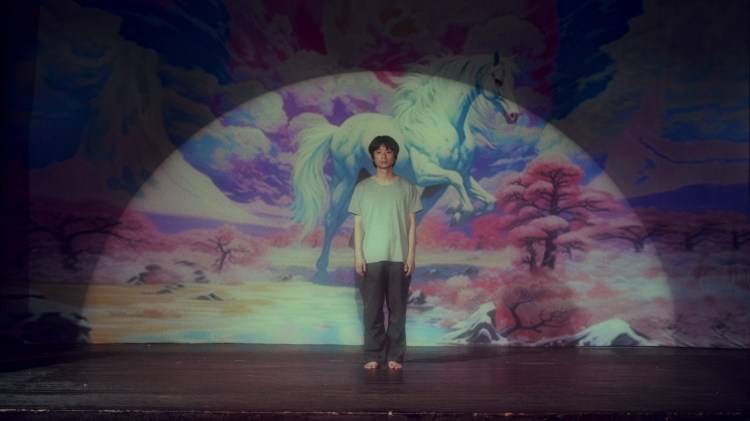
To that extent, San Kyi’s longing takes on a purer quality but equally as the film implies is rendered impossible in the world in which she lives in which love is a luxury few can afford. Gradually, she begins to turn her rage inward, sabotaging her relationship with Theint due to her jealously and insecurity and injuring herself at work while preoccupied about her love her life. Romantic and economic freedoms go hand in hand, while San Kyi continues to pine for an idealised pastorality outside of the city in the place where she grew up. Nevertheless, her life seems to improve after separating from her mother, getting a new job, and meeting new people even if her love for Theint lingers as an unresolved memory. The film’s boxy 4:3 ratio echoes the ways in which San Kyi is continually constrained, able to find true release only in pastoral fantasy and ancient ritual.


Fruit Gathering screens 14th/15th October as part of this year’s BFI London Film Festival.

Trailer (English subtitles)

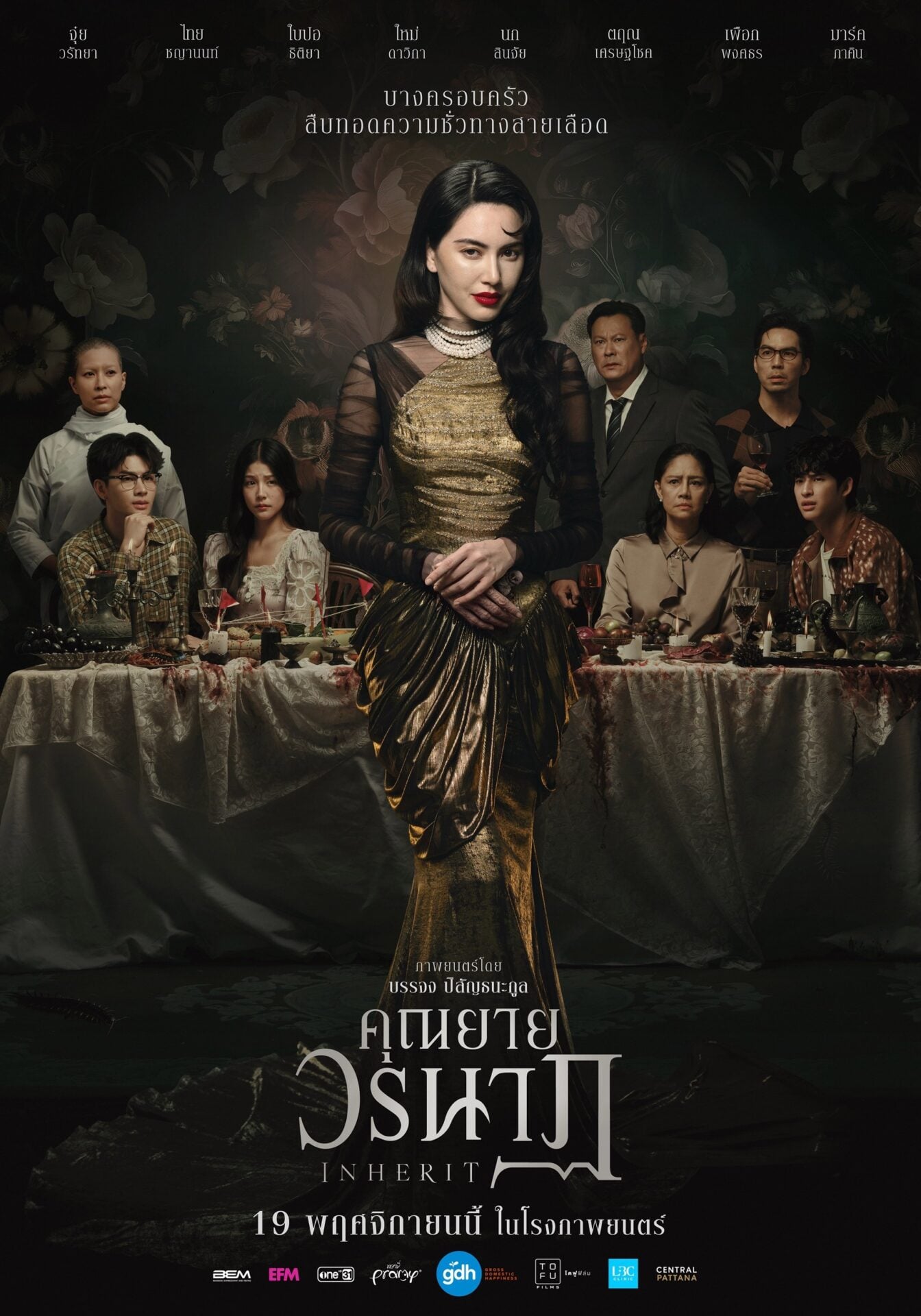
Inherit (คุณยายวรนาฏ, Banjong Pisanthanakun, 2026)

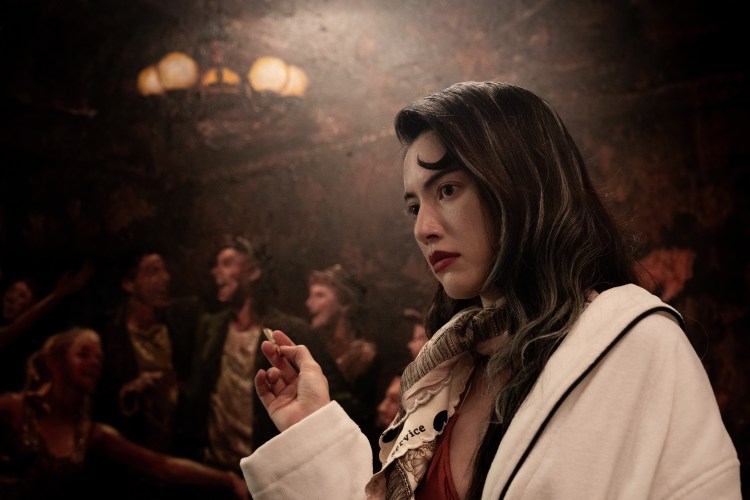
Playing out as something between Teorema and An Inspector Calls, Banjong Pisanthanakun’s Inherit (คุณยายวรนาฏ) asks its audience to suspend their disbelief to an unusual extent, but certainly takes those willing to go with it on a wild ride from ancient curses and super monks to corporate coverups, social inequality, and the moral corruptions at the heart of a seemingly “nice” upper-middle-class family. In fact, the more you learn about this incredibly compromised group of people, the harder it is not to start rooting for the malevolent centipede entity even if she does seem to kill and feast on beautiful young women in order to preserve her youthful appearance. 

At least, one has to wonder why no one explores rational explanations for the arrival of a glamorous woman claiming to be the family’s estranged octogenarian great aunt, Woranart (Davika Hoorne), seeing as she looks about 35. Everyone just seems to take her explanation that she’s undergone every anti-ageing and plastic surgery option going and they’ve all gone swimmingly at face value. Then again, perhaps you really can look this good when you have seemingly infinite funds at your disposal. For some reason, it never occurs to the family that she might just a young person trying to take advantage of them financially or get revenge for one of their many transgressions, the most public of which is a scandal surrounding a chemical leak from father Olan’s (Trin Settachoke) factory that they covered up after it caused sickness, death, and birth abnormalities in the surrounding community.

Olan is, however, the only one who thinks there’s something not right about Woranart and correctly guesses that only black magic could make a supposedly elderly woman look far younger than her middle-aged niece, Sudaduang (Sinjai Plengpanich). Woranart’s glamorous appearance further undermines Sudaduang’s self-confidence, leaving her wondering if she too should try plastic surgery while otherwise insecure in her relationships with husband and sons. She evidently had a strained relationship with her mother whose funeral the family had travelled to attend. The other attendees gossip that Sudaduang was not a good daughter while her mother was alive, putting her in what they call “a nuthouse”, while giving a glowing eulogy. Sudaduang had been close to Woranart in her childhood and therefore may feel a desire to reconnect with her now that her mother has passed away. 

Woranart, however, shows more interest in the family’s daughter Oui (Thitiya Jirapornsilp) who is first seen guzzling pills at the funeral and is kept on a tight leash by Sudaduang having apparently suffered a series of childhood illnesses. In some ways, it’s easy for Woranart to seduce her by offering her the sense of freedom and impending adulthood that’s denied her by her mother. Meanwhile, as Woranart seems to worry away at the family’s secrets, Oui has fewer reasons to reject the supposed “demon” given what she’s just found out about her father and brothers who may well be the “real villains” she describes them as. Woranart makes cryptic comments that it’s time for Oui to become “a real woman”, and much of the battle seems to be for Oui’s soul as she’s faced with a choice of whether she’s going to continue to go along with her family’s wealth and privilege despite knowing what she knows, or accept Woranart’s “gift” and a life without pain or suffering. 

On her arrival, Woranart had had all the Buddhist statues removed from the cottage on the family’s estate where they put her up, telling Oui that she doesn’t believe in karma because it’s “too slow”. That may suggest she’s come here with a mission of revenge after all, and it is later revealed that the centipede deity has held a grudge against Sudaduang’s family for over 800 years, though no one can remember why. She does seem to be intent on destroying them, but then again some might say they deserve it and were in the process of destroying themselves anyway. Nevertheless, it’s Oui who is finally left to decide what exactly she wants to “inherit”, neatly inverting the logic of the Western slasher along with that of a conservative society to claim her own agency. Anchored by a perfectly pitched performance from Davika Hoorne as the alluring great aunt / foxy 800-year-old demon meeting her match in a vengeful nun (Warattaya Nilkuha), Banjong Pisanthanakun’s take on this classic tale is an absolute riot that never forgets its feminist heart.


Inherit screens 9th/10th October as part of this year’s BFI London Film Festival.

Trailer (English subtitles)
Ha-Chan, Shake Your Booty! (Josef Kubota Wladyka, 2026)

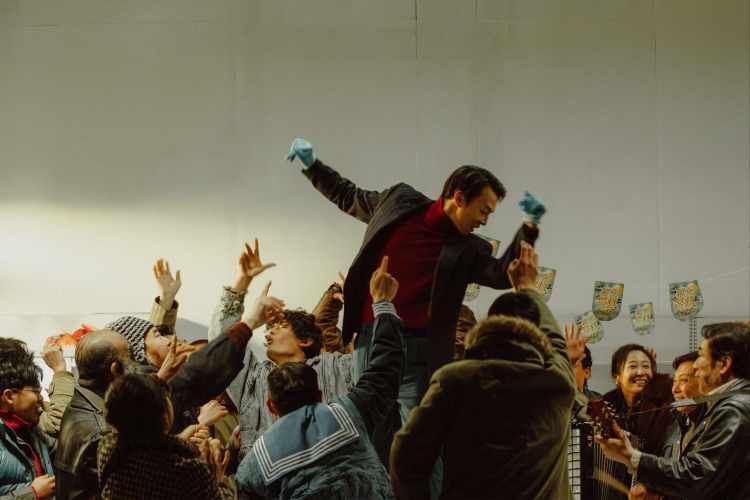
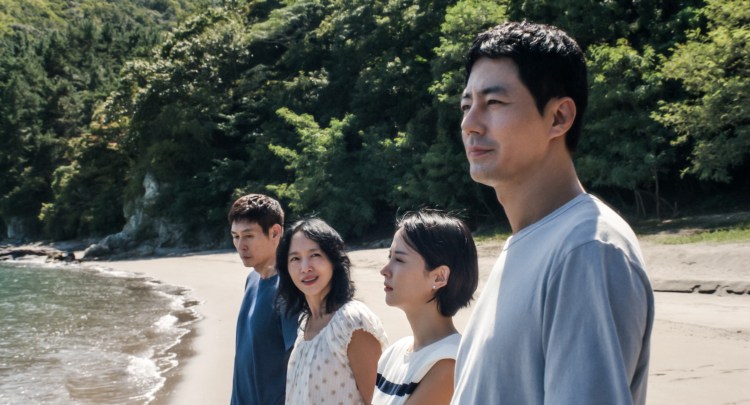
Sooner or later, the dance must end. Like Taichi Kimura’s Fujiko, Josef Kubota Wladyka’s Ha-chan, Shake Your Booty! is a story inspired by and dedicated to the director’s mother featuring a bold visual style that harks back to the 1970s. A character study in grief, it is also an exploration of the dance between languages, the connection between motion and emotion, and the slow waltz we do with grief as a means of letting go.

Part of the reason that Haru (Rinko Kikuchi) cannot move forward, however, is that she is prevented from performing the culturally specific death ritual that would help her to so because it directly conflicts with the prevailing mores of her husband’s Mexican background. There are cultural and perhaps religious reasons that the family cannot accept the idea of his being cremated, but equally there is some territorial push and pull over who the remains ultimately belong to with Luis’ father in particular keen to bring the body “home” to Mexico. Haru, meanwhile, understandably feels that Luis’ home was with her in Japan and she better than anyone knew what his wishes were in the event of his death. In requesting his body, it’s as if his father is denying that she and Luis (Alejandro Edda) were a family or the choice that he had made in coming to Japan. Even so, in this way she must in the end let him go even if that means his spirit cannot really rest in peace and is haunting her in both a spiritual and literal sense.

Really what Haru comes to give Luis at the end is a kind of cremation that signals her decision to set them both free by accepting his death. Before that, however, she must try to find some kind of accommodation with it but largely becomes isolated and mired within her grief. The couple had been keen ballroom dancers, but Haru is unable to dance alone. Ironically, she song she dances to in the opening sequence, Watashi to Watashi by the Peanuts, expresses the idea of there being two people within one person (the Peanuts were a pair of twin sisters) as if Haru were already dating for/with an absent lover. After Luis’ death, she is visited by his ghost inside a cute crow mascot suit that symbolises that grief and sadness that hangs over her life and equally her own inability to let it go.

Her sister and cousin try to get her resume dancing a means of getting her life moving again, but doing so brings her into the presence of Latin dancer Fedir (Alberto Guerra)who on some level reminds her of Luis while her attraction to him simultaneously pulls her away from her late husband. The interplay between the two in her mind is neatly signalled in a fantasy sequence that seems to be an homage to Y tu mamá también, though the situation is as Haru puts it “messy”. Fedir is in an open marriage which is a concept that Haru struggles to understand. She pretends that Luis is still alive and their marriage is “open” too to facilitate a relationship, but at the same time becomes over emotionally invested in Fedir and jealous of his wife despite knowing intellectually that the relationship has no future and that Fedir is not Luis returned.

The situation is primed for an implosion, but as erratic as her behaviour becomes, it does eventually provide Haru with a path out of her grief and the realisation that she will have to let Luis go. Her sister and cousin perhaps preset two opposing poles, Yuki (Yo Yoshida) having been in a stable and conventional marriage for over 20 years with a grown up daughter, while Hiromi (You) has been living abroad in New in York and is enthusiastically playing the field following her divorce. Haru doesn’t necessarily have to choose either in her widowhood, and even in the film’s otherwise joyful conclusion is seen sitting alone in a train carriage with a large, empty space beside her. She has however rediscovered the joy dance, once again dancing alone but finding that others soon join in as she embraces her inner boogie-woogie. Broken with multilingual title cards and playing with interplay between various languages, the film has a playful quality that elides the heaviness of its subject but nevertheless lends true poignancy to its heroine’s gentle waltz with death as she prepares herself to let go of its hand. 


Ha-Chan, Shake Your Booty! screens 10th/11th October as part of this year’s BFI London Film Festival.

Trailer (English subtitles)

A Girl Unknown (无名女孩, Zou Jing, 2026)

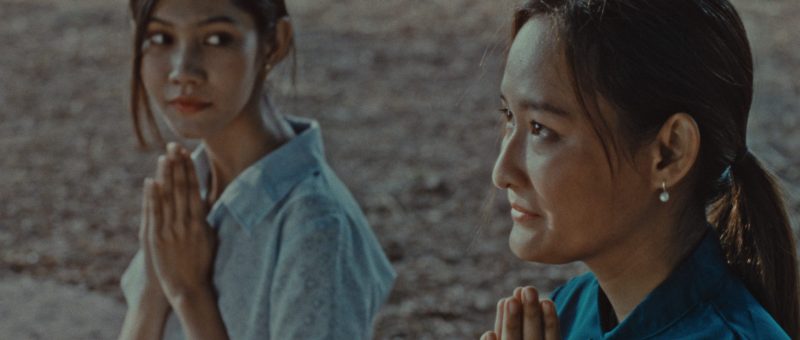
A young woman finds herself continually displaced in the wake of China’s One Child Policy in Zou Jing’s empathetic drama, A Girl Unknown (无名女孩, wúmíng nǚhái). Dedicated to the director’s grandmother, the film sees its heroine pass through three different identities while struggling to find a place for herself and carrying both the trauma of continual abandonment and a sense of hopeless worthlessness that she will never feel loved or wanted but always asked to be grateful for what little she has.

Lin Juan’s first displacement echoes the growing urbanisation and industrialisation of the nation as she’s taken away from her idyllic rural childhood and sent to live with strangers in the city following her father’s sudden death and her mother’s subsequent relationship with another man. It’s clear that Mr Li does not want to accept Juan, but also that her mother A-Hui has few options other than remarriage for economic support. She first considers leaving Juan at a temple, but reconsiders and tries to persuade Mr Li. When she becomes pregnant with his child, however, it becomes clear that she cannot keep Juan and decides to have her adopted by a seemingly childless middle-aged couple in the city. 

No one really explains this to Juan who has no idea that she’s been abandoned. Her adoptive mother Meishuang (Shen Jiani) at first reassures her that her mother will return at the end of the summer holidays while somehow hoping that Juan will get used to living there and stop asking to be taken home. For reasons which later become clear, Meishuang is operating under a maternal fantasy without really considering how difficult it might be to adopt a child of Juan’s age nor how traumatic this displacement may be for her. Meishuang’s husband Wieqiang (Zu Feng) is also not happy about the arrangement and hostile toward to Juan, irritated by her “hillbilly name” and by her presence in their home. At school, meanwhile, she’s bullied by the other children who make fun of her for having come from the country, though it’s Juan who gets into trouble for fighting back. 

Meishuang is, however, kind to Juan and tries to treat her with maternal affection only it isn’t the kind that Juan wants, nor is Juan really the daughter she wanted. Later we come to Juan’s adoption is also, in its way, a result of the One Child Policy, though it appears that she was abandoned once before simply by virtue of being a second daughter born to a family who wanted to hold out for a son. Her birth family tries to reclaim her, but their home is full of photos of the other two siblings who seem to have a close bond while there are obviously none of her. Their home is full of absence, and though they may be related by blood, they are still strangers to each other. Once again she is expected to live up to someone else’s idealised image of a longed for daughter while largely denied a sense of self or a chance to define her own identity. 

While her birth family appear to have become wealthy, Meishuang and Weiqiang are struggling under the economic pressures of the changing ‘90s economy with Weiqiang eventually laid off and made dependent on an old colleague who, unbeknownst to them, sexually abuses Juan partly because he sees her as someone of little consequence owing to being an adopted child. The pain of being unable to speak about what’s happened to her further fuels her resentment and low sense of self-worth believing that she will never be anything more than a disappointing substitute to her adoptive parents. 

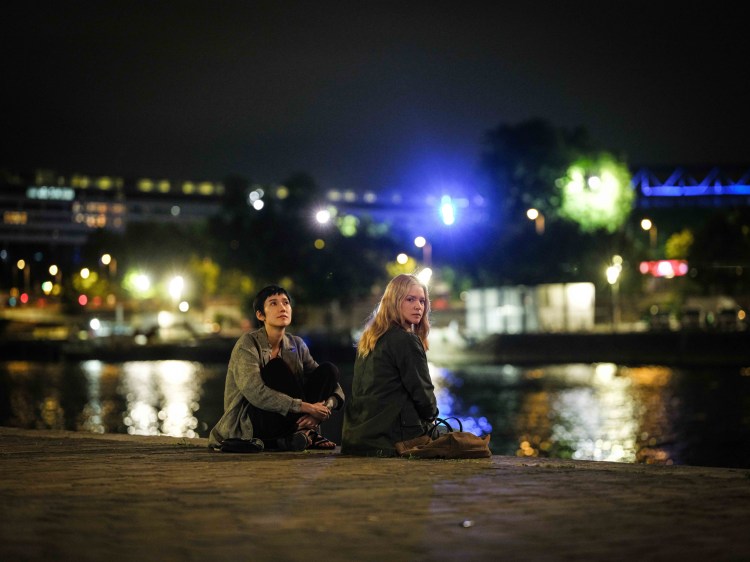
After running away and getting a job in a textiles factory, Juan, now going by the name Lian (Li Gengxi), becomes friends with a slightly older woman who is saving money to open a shop in her hometown. Her new friend, however, becomes the subject gossip as the other girls believe she is sleeping with the foreman to get ahead, but in reality the foreman is sexuality exploiting her. Despite her own experience, Juan rejects her too leading to tragic consequences that bear out the ways in which women’s lives have little currency in this oppressively patriarchal social structure. Juan lives under three different names, but in other ways women are seen to be almost interchangeable while Juan herself has no concrete identity. She has, however, perhaps undergone a kind of rebirth and in having uncovered and bared all that was hidden found her way back to herself and a future that is of her own choosing.


A Girl Unknown screens 9th/11th October as part of this year’s BFI London Film Festival.

Clip (English subtitles)
BFI London Film Festival Confirms Complete Programme for 2026

The BFI London Film Festival returns to cinemas across the city 7th to 18th October. East Asian highlights include the latest from Hirokazu Koreeda, Lee Chang-dong, and Ryusuke Hamaguchi as well as big budget blockbuster Godzilla Minus Zero.

China

  • Atlantic Rhapsody – Surreal drama in which a man sets out to find his estranged father.
  • A Girl Unknown – Drama following a young woman taken away from her mother and sent to the country as a child.

Hong Kong

Japan

  • All of a Sudden – Latest from Ryusuke Hamaguchi following a French woman running a nursing home and a Japanese theatre director who has cancer.
  • Godzilla Minus Zero – Sequel to Takashi Yamazaki’s 2023 Godzilla movie.
  • Look Back – Latest from Hirokazu Koreeda following the friendship of two women.
  • Sumo: Spirit Weighs Nothing – Documentary about sumo wrestling.

Myanmar

Philippines

  • Filipiñana – Drama following a young woman working at a Manila golf club.
  • Moonglow – A conflicted policewoman is placed in charge of investigating a crime that she herself committed in Isabel Sandoval’s moody noir. Review.

South Korea

  • Easter – Documentary following a trans burlesque star.
  • Possible Love – Latest from Lee Chang-dong exploring a clash between a filmmaker making a documentary about workers who’ve been made redundant and her subjects.

Thailand

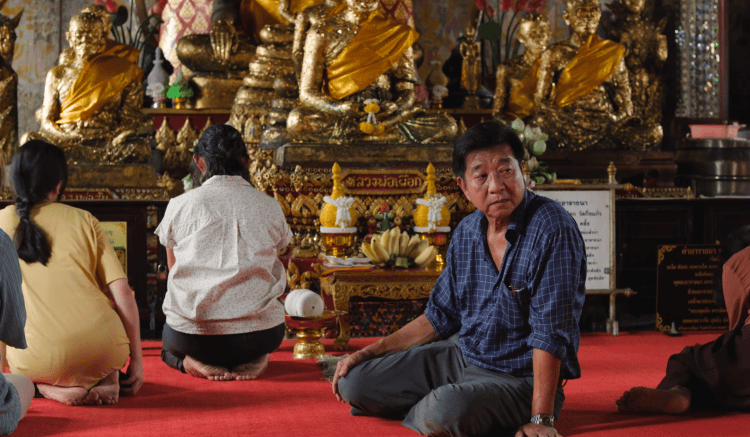
  • 9 Temples to Heaven – A grandmother embarks on a nine-temple pilgrimage with her children and grandchildren.
  • Inherit – Psychological horror in which a wealthy family is infiltrated by a suspiciously youthful grandmother.

Vietnam

  • Hearing – A sound technician notices sonic tensions in the world around him.

The BFI London Film Festival takes place at various venues across the city from 7th to 18th October 2024. Full details for all the films as well as screening times and ticketing information are available via the official website. You can also keep up to date with all the latest news via the festival’s Facebook page, Instagram, and YouTube channels.