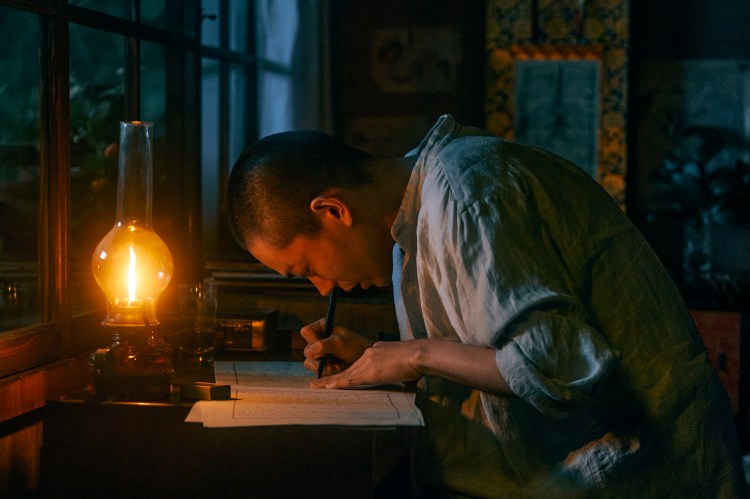
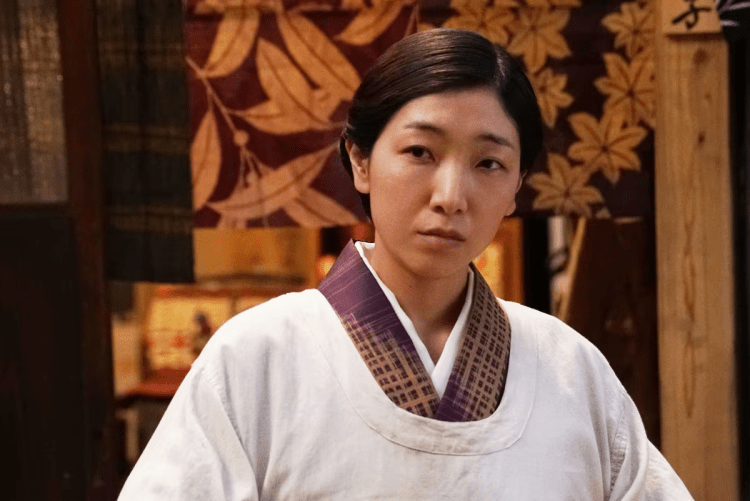
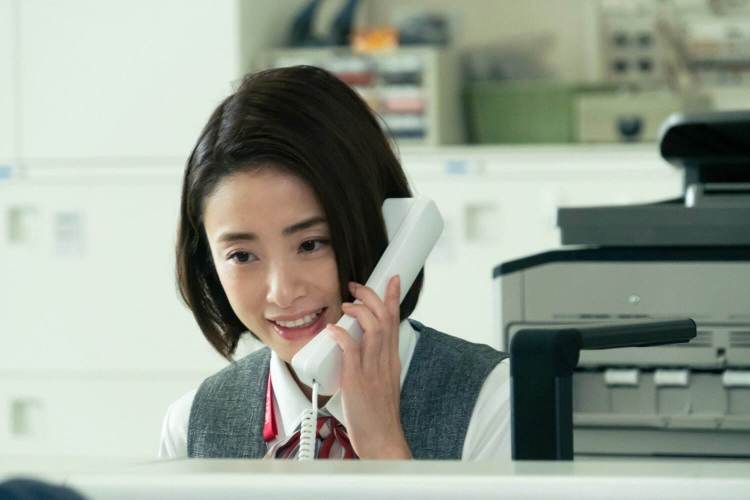
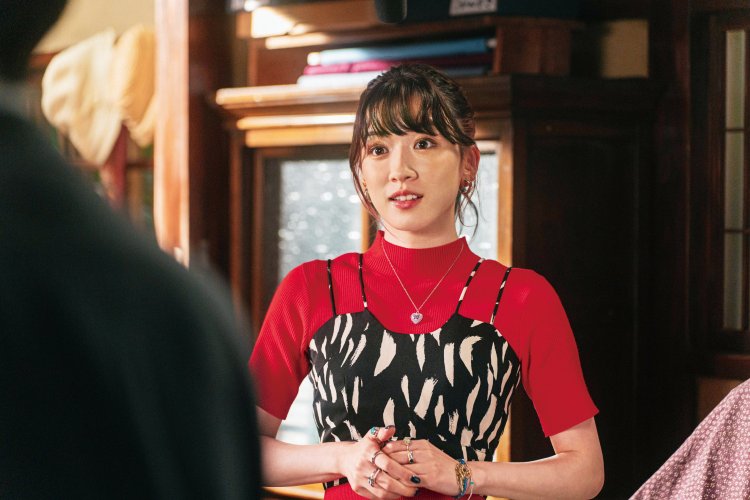
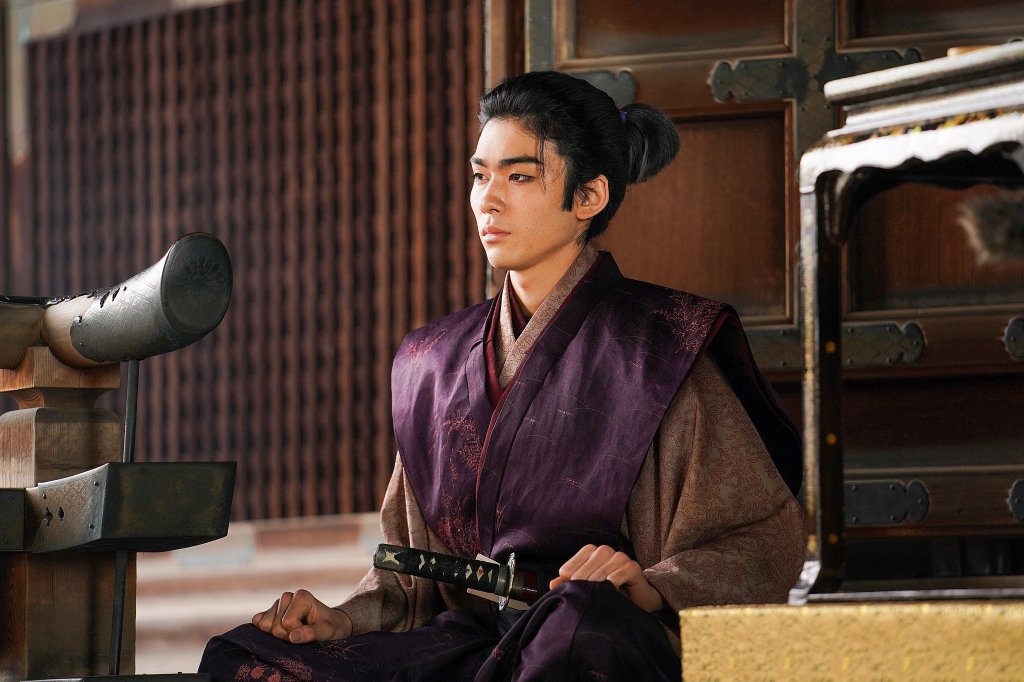
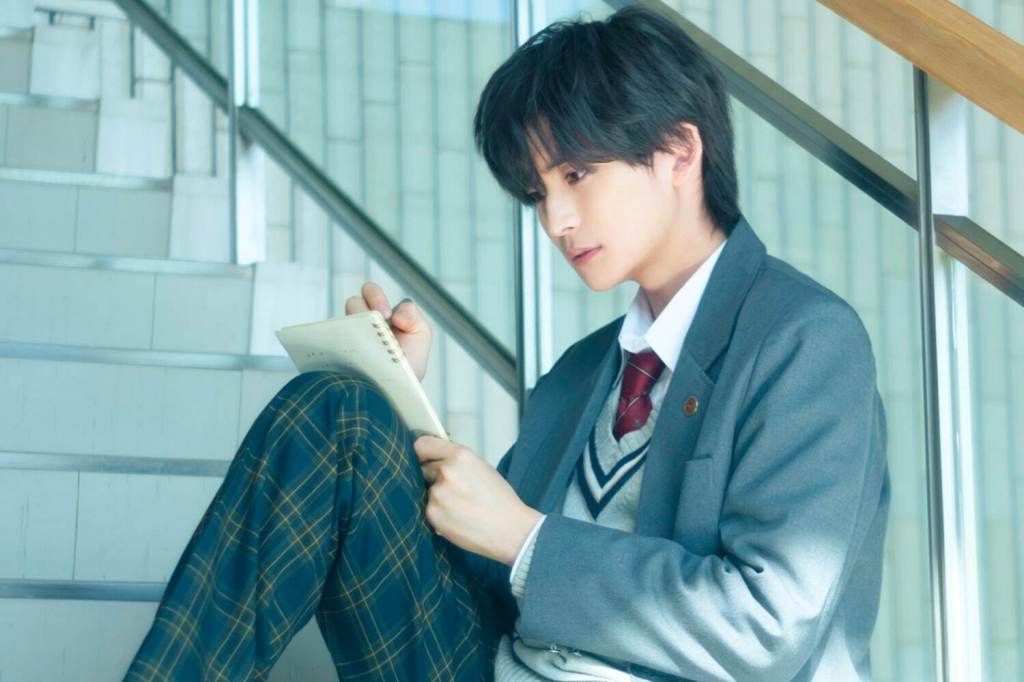
Faces of Anne (แอน, Kongdej Jaturanrasmee & Rasiguet Sookkarn, 2022)

A young woman wakes up in a grimy hotel room with floral wallpaper marked by damp stains. She discovers that the window is frosted over and won’t open while she has no idea of how she got there or who she is but otherwise instinctively knows that the face she sees in the mirror does not belong to her. She tries to call out and hears a voice from an adjacent room telling her to be quiet and that her name is “Anne”. Anne asks her how she knows if she can’t see her, but the voice just tells her that she knows her name is Anne with no further explanation. 

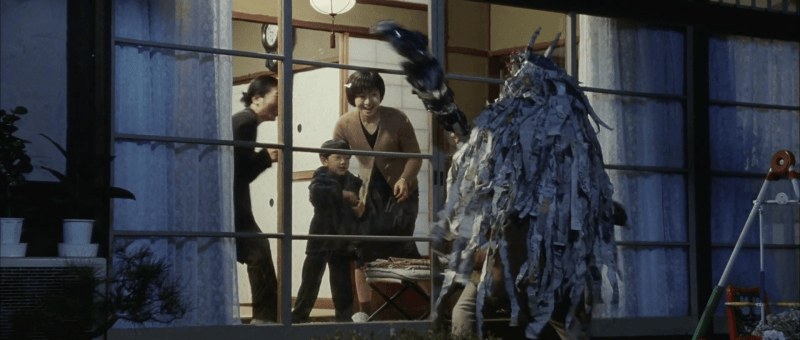
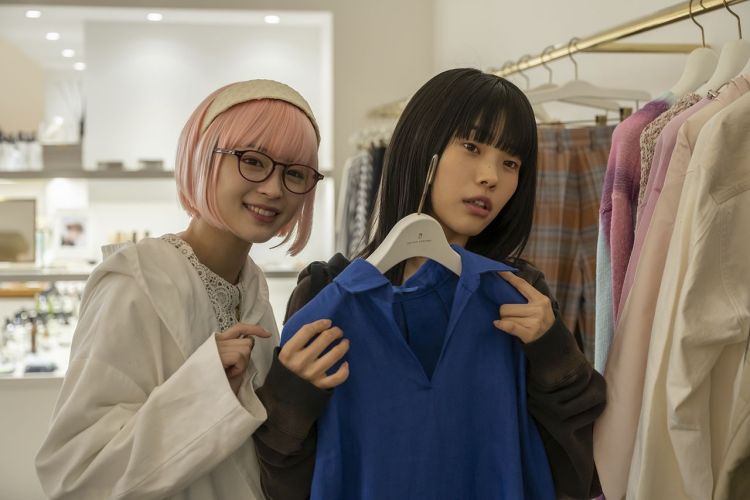
As it turns out in Kongdej Jaturanrasmee & Rasiguet Sookkarn’s Faces of Anne (แอน) every girl in the place has the same name and as gradually becomes apparent are all reflections of a single personality. The key Anne discovers that her face seems to change seemingly at random leaving her uncertain even within the bounds of her fractured identity. A psychiatrist tells her that a name is “not as important as who you are” while encouraging her to learn to accept the face she sees as her own, but she remains confused, abstracted from herself, and unable to reconcile her selfhood with its reflection. Meanwhile, she is stalked by a violent demon in the guise of a deer name Vitigo who wanders the hospital corridors taking out any Annes that it finds. 

What seems to be going on is an attempt to reintegrate the shards of a fractured personality into a coherent whole only it’s manifesting as a massacre of the self as the demon bumps off each of the multiple Annes insisting that only one, the “real” Anne, can be allowed to leave. But then no one is really only one person but presents a series of personas to the outside world all of whom can be said to be “real” even if otherwise inauthentic. In an illuminating flashback, high school girl Anne chats with another couple of girls about fake online profiles where they can share their “real” selves each of which of course have a completely different profile photo much as the serial Annes have a different face. What we can assume to be the key Anne expresses that she just wants to find a place where she can be completely herself and thinks she has one in a relationship with a boyfriend whose face we never see but had shades both of a man who might be her father and the hero of a video game the atmosphere of which seems to have coloured the aesthestics of her eerie mindscape. 

Some might find it easy to dismiss her identity crisis as teenage angst or to suggest that what she’s suffering from is a broken heart though Kongdej Jaturanrasmee & Rasiguet Sookkarn also make reference to a number of problems faced by young people in contemporary Thailand such as online harassment and bullying, sexual harrassment at school and the bad student movement protesting an oppressive educational environment laying bare the pressures on key Anne’s mind that might cause her to become estranged from herself. Asking probing questions about identity, the film wonders if Anne can learn to find herself as distinct from all of these images or if in the end identity and image are inextricably linked to the extent that they can no longer exist distinctly and Anne has no power to identify herself but must rely on the identification of others. Then again, the voice from the other room knows she is Anne without seeing her precisely as she is also Anne, identifying herself in the absence of image. 

Eerie and filled with a Lynchian dread in its hellish lightning and grimy hotel room setting, the film turns Anne’s psychodrama into an existential slasher in which she awaits the arrival of the Final Girl. Retracing her steps, she seeks escape in a pattern of trial and error unwittingly at war with herself even as tussles over identity and authenticity while trying to reconstruct a shattered identity by reclaiming the images of the past or perhaps as simply as the psychiatrist had put it learning to accept the face she now wears as her own. Haunting and empathetic, the film has only sympathy for the wandering ghosts of a fractured mind and the vague hope that together they can put Anne together again. 


Faces of Anne screened as part of this year’s New York Asian Film Festival

Original trailer (English subtitles)

Images: © M Pictures Entertainment Public Company Limited.

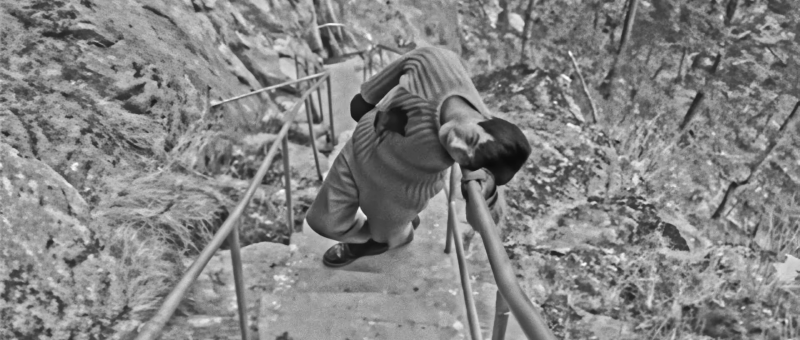
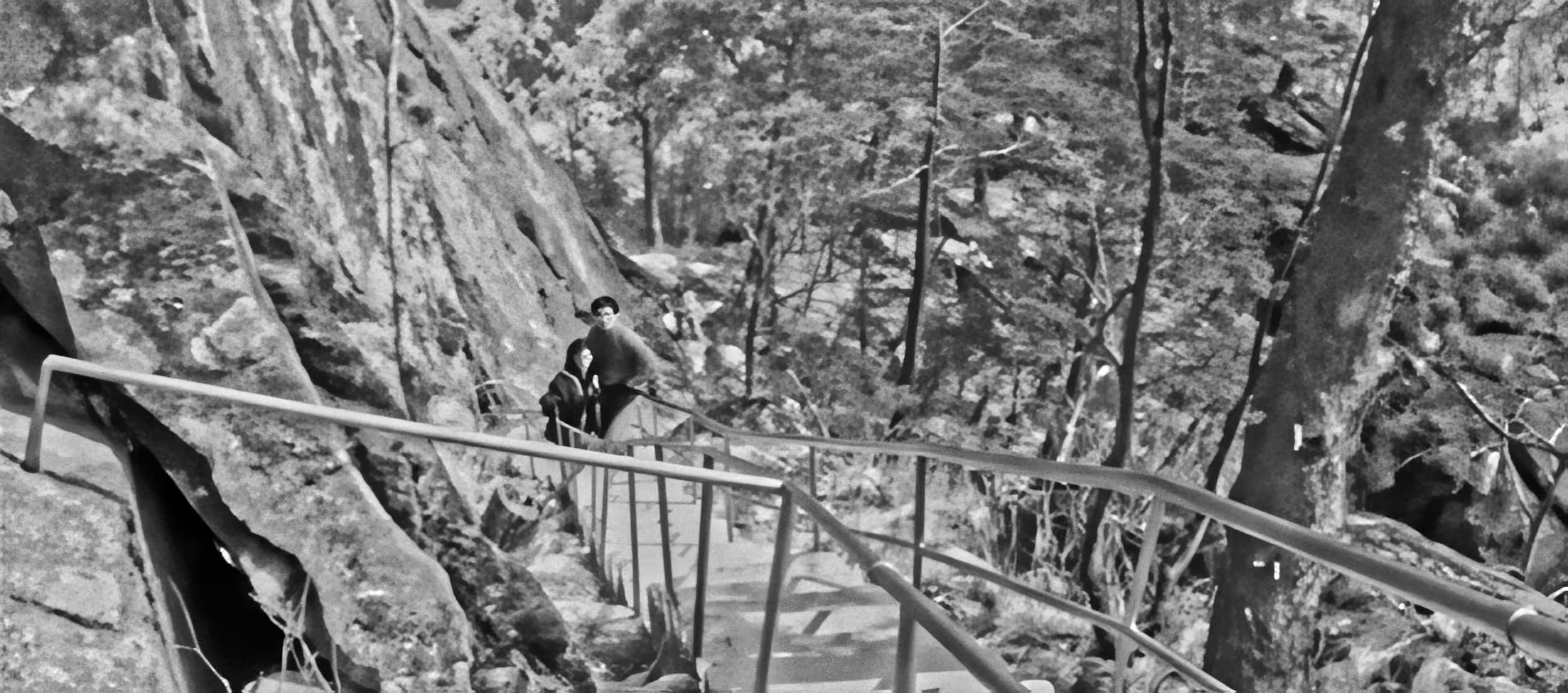
The Nineteen-Year-Old’s Map (十九歳の地図, Mitsuo Yanagimachi, 1979)

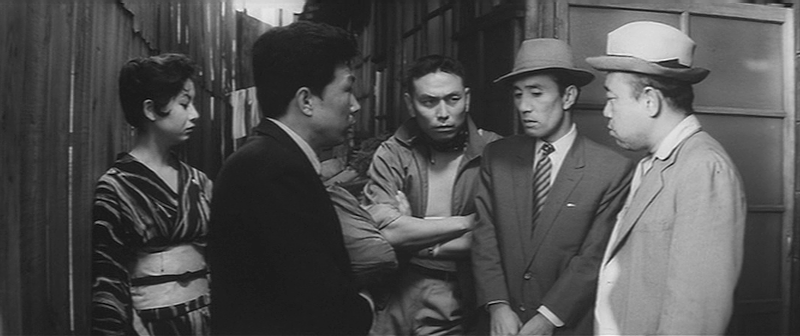
“What should I do with my life?”, the question becomes a frequent refrain in Mitsuo Yanagimachi’s dark tale of urban alienation, The Nineteen-year-old’s Map (十九歳の地図, Jukyusai no Chizu). Adapted from a novel by Kenji Nakagami which painted a bleak picture life on the margins of the economic miracle, the film’s quiet sense of unease hints at a coming explosion but also that there will never be one because in the end the hero is too filled with despair and ennui to ever follow through on the various threats he makes during a series of prank calls to people in the neighbourhood who’ve incurred his wrath.

The nineteen-year-old of the title, Yoshioka (Yuji Honma) is in theory a student taking a year out to study for university exams while earning his keep delivering papers for a newsagent where he lives in a dorm with several other paperboys all just as defeated and aimless as he is. They all, however, look down on and make fun of him for being a bit odd not least because he hangs around with a 30-year-old man who is still stuck living a like a teenager that the other guys think is creepy. Konno (Kanie Keizo) is creepy in a way, in that he’s an obvious image of what these boys might be in 10 years’ time if they do not manage to find something that will allow them to move forward, out of the slums and into a more fulfilling life. 

Yoshioka’s main outlet is making a map of the local area which he annotates with notes about the various people who live there, many of them on his paper round. If they do something to displease him or otherwise display something he regards as a moral failing he puts a large cross against their name, and when someone has three crosses he makes a harassing phone call threatening to burn down their house. It’s never quite clear whether his threats have any serious intent or if the threat itself is enough in allowing him to feel powerful and superior to world around him which he feels is rotten beyond repair. People often ask him where he’s from and he tells them but with slight hesitation, as if he’s not telling the entirety of the truth as perhaps confirmed by one woman’s attempt to probe his origins surprised that he doesn’t have any kind of rural accent while she’d never heard of the town he claimed to be from. 

One of the other boys at the newspaper office is an aspiring boxer, but he gets badly beaten in a fight and eventually leaves to join the Self Defence Forces. The meanest of them, Sato, has a sharp tongue but seemingly no more direction than Yoshioka finding his release through more direct forms of violence and hateful behaviour. Everyone around him is disappointed and filled with despair. Even the lady who runs the newsagent’s reflects on her unsatisfying life and the ruined hopes of her youth in which she dressed in fine kimonos and kept herself nice. Her only comfort is that she “saved a man deserted by his wife” even if she mainly treats him with contempt for his failure to repair the loose nail in the hallway she keeps catching her foot on, or fix the toilet which continually backs up and floods the bathroom. 

Yoshioka does seem to be followed around by leaky appliances while everywhere around him is dank and muddy. Konno has one ray of hope in his life in the form of a woman he calls Maria (Hideko Okiyama) who is covered in scars but still she survives. Maria is indeed a Madonna figure, a symbol of scarred purity and human suffering that Konno regards as a kind of salvation. Yet Konno’s attempt to reach her only leads to further ruin as he commits small but increasingly daring acts of crime from bag snatching to burglary to get the money to run away with her only to end up in prison still wondering what it is he should do with his life. 

Maria had told them of a dream she had in which hundreds of people emerged from her and went happily to heaven while she was left on the ground below. Some angels on a cliff tried to lift her up, but she found herself unable to reach out to them only standing immobile and looking up in jealousy. In his way, Yoshioka is much the same perhaps as Konno had said afraid to be happy and unable to envisage for himself a life outside of the slum. Konno sometimes introduces him as a student at a top university which seems to further press on his insecurity. Yoshioka rarely attends classes, spending all his time delivering papers or making his map of iniquity. He describes himself several times as a “right-winger” and at one point fantasises about taking part in a nationalist parade, but aside from his conservative takes on morality seems to have no real ideology save the fact that everyone, even the people who are actually nice to him, pisses him off. 

“Even if you’re angry at something, why should you explode the gas tanks?” a telephone operator reasonably asks after Yoshioka makes a prank call reporting a bomb threat on a train leaving Tokyo station while explaining that he also plans to blow up a set of gas cylinders to obliterate the town. The voice on the phone does not appear to take him seriously and sympathetically tries to talk him out of his strange delusion, but all Yoshioka can do is go home and cry in the utter impotence of his life. In the end, Maria is the only one who is able to feel any kind of joy. Finding a pretty dress while dumpster diving, she twirls cheerfully dancing around even with the leg which was left lame after a failed suicide attempt. This time she’s the one who tries to reach out, but Yoshioka ignores her and looks away as they head in different directions. It seems he will never really act on any of his threats, or be able to escape the futility of his life trapped on the margins of a prosperous society which he feels continues to reject him. Yanagimachi films his uneasy existence with naturalist detachment, capturing the mud and filth that cling to Yoshioka along with the strangely violent, goldfish-killing kids, the angry dads, and women who urinate in the street that occupy his round in this particular corner of the “hell” of modern Tokyo.


DVD release trailer (no subtitles)

Stand Up Story (說笑之人, Amen Au Cheuk-man, 2023)

A lost young man tries to turn his grief into laughter while realising he might have more in common with his ageing father than he first assumed in Amen Au Cheuk-man’s poignant drama, Stand Up Story (說笑之人). Partially an exploration of the marginalisation of those with disabilities, the film is also a gentle tale of learning to stand up for one’s self and one’s family while gaining the courage to follow your dreams rather than holding back in fear of failure. 

Manny’s (Ng Siu-Hin) dreams lie in stand up comedy, but he struggles to convince his father, who has learning difficulties due to a childhood illness, that telling jokes can be a real job. Wah (Ben Yuen Foo-Wa) raised him alone after the woman he married left the family once her Hong Kong residency was confirmed leaving them both with a sense of absence and lingering feeling of lonely abandonment. Though his father was very excited his son has graduated university, Manny is working as a delivery driver while floundering for direction half-heartedly pursuing standup but lacking the confidence to jump in and try it full-time while also unwilling to look for a steadier job because it would mean giving up on comedy.

As the former headmaster who employs him at his restaurant after he retires from his job as a high school janitor suggests Wah is also lacking in confidence and afraid to try new things in part because of his insecurity as someone with learning difficulties who may have encountered impatience and anger in the past. Though he manages well enough on his own, Wah has experienced prejudice and discrimination all his life and has made himself smaller because of it. Always cheerful he does his best to be useful and help others where he can even if they sometimes take advantage of him accidentally or otherwise like the thoughtless Fourth Auntie who gets him to do a lot her work for her and place bets on her behalf pledging to chip in with her share of the money if they win. 

Manny is quick to warn him about such people, but as the master suggests may also be guilty of underestimating his father while insensitive to his fear of loneliness. As a teenager, Manny had also been somewhat embarrassed by his father and did little to defend him when the other kids at school made of him. He also doesn’t invite him to his university graduation despite the excitement that has already seen Wah buy a new suit for the occasion. In a moment of anger he expresses his resentment, exclaiming that he feels trapped in their claustrophobic apartment and is fearful that he’ll stuck there forever but of course regrets it realising how much he’s hurt Wah’s feelings in the knowledge of how difficult his life has been raising him as a single father on a janitor’s salary. 

The irony is that Wah had wanted his son to become a teacher, a respectable, steady job he has a particular respect for because of the support he received from the headmaster, but becomes a kind of teacher himself albeit wordlessly. Manny can only progress his comedy career by wrestling with his life even if some of his routines feel as if the may be crossing a line between laughing at and with his father. Wah’s discomfort is evident on watching Manny telling jokes about him on stage, but so is his relief and thankfulness that people seem to be laughing and he might be able to make a career out of it after all. 

One of Manny’s colleagues suggests that stand up might just save Hong Kong, that now more than ever people need to find a way to channel their anxiety into comedy to able to carry on. That anxiety is only deepened by the pandemic in which even the headmaster’s restaurant is threatened by the economic reality and Wah’s world becomes even smaller. Warmhearted though also honest in Manny’s inner conflict and ambivalence towards his relationship with his father the film is essentially about giving things a proper chance while there’s time rather than giving up because it seems difficult or awkward be it in relationships or finding the courage to chase happiness doing something you love.


Stand Up Story screens in Chicago Sept. 16 as part of the 17th season of Asian Pop-Up Cinema. Pinnacle Career Achievement honoree Ben Yuen and Bright Star Award recipients Ng Siu Hin and Rachel Leung are scheduled to attend the award ceremony before the film and Q&A after

Original trailer (Traditional Chinese / English subtitles)

Motherhood (母性, Ryuichi Hiroki, 2022)

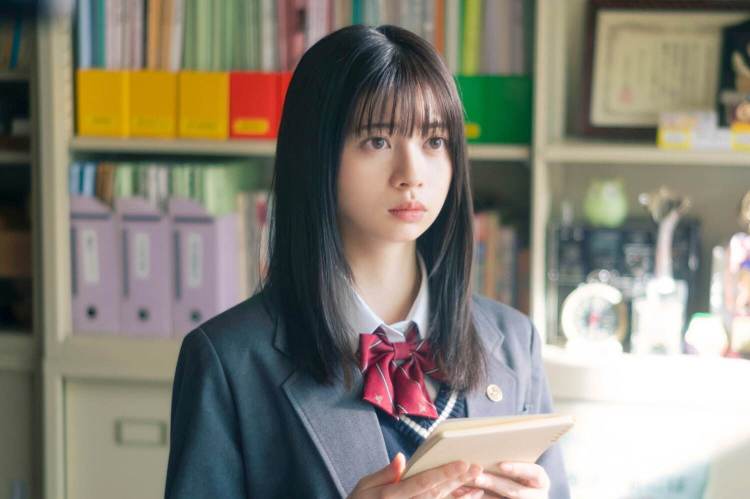
Is love ever really unconditional or are we all just chasing a sense of parental approval even after we become parents ourselves? According to a reporter late into Ryuichi Hiroki’s adaptation of the Kanae Minato novel Motherhood (母性, Bosei), there are only two types of women, mothers and daughters, and it is in some ways a confusion of roles that frustrates the relationship between two women who are never fully able to form a maternal connection. 

Asked by a colleague if she felt her parents loved her, the reporter answers that they were the kind who made her wear a frilly blouse with a big collar for the school play and got her new shoes for Sports Day suggesting that their love was in its way performative and they cared more about how other parents would judge them than they did about her feelings seeing as she actively hated filly blouses with big collars. Alternatively, it may have been another kind of misunderstanding in they got her these things because they thought they should make her happy and took her rejection of them as resistance. 

The little girl at the film’s centre, Sayaka whose name is only spoken in the film’s closing scenes, encounters something similar when she asks her grandmother for a Hello Kitty bag having been presented with one featuring a beautifully embroidered bird. Her mother, Rumiko (Erika Toda), finds this highly offensive thinking that Sayaka has rejected her grandmother’s lovingly handmade gift in asking for something shop bought featuring a popular character, but Sayaka treasured her grandmother’s embroidery and just wanted her to sew Hello Kitty instead. 

In her voiceover, Rumiko implies that her annoyance is also born of shame in that Sayaka has forgotten everything she taught her about consideration for the feelings of others, while in her own the pain in Sayaka’s eyes is clear. She feels slighted, almost threatened by her mother’s hushed reaction advising her that it’s better to stick with birds because then people will realise that’s what she likes and go out of their way to give her bird-themed presents. The irony is that, at least in the way Rumiko tells it, her mother Hanae (Mao Daichi) believed they were such a happy family because she accepted their love “straightforwardly” when really it was anything but. Fixated on Hanae, Rumiko lives her entire life to make her mother happy even down to her choice of husband despite warnings from all sides that they are otherwise not particularly well suited. 

The reporter makes a point of commenting on another diner’s poor table manners in a restaurant with the result that he gets up and leaves, feeling uncomfortable in the wake of her rude intrusion. She explains that she was brought up to feel as if she always had to get everything right as if being loved depended on being good much as Rumiko had felt. Little Sayaka is more or less the same, constantly chasing maternal affection though receiving little in return as Rumiko struggles to transition from the role of daughter to mother and continues to fixate on Hanae caring little for anything else. When the family are forced to vacate their cute forest cabin of a home to move in with father Satoshi’s (Masaki Miura) harridan of a mother (Atsuko Takahata), Rumiko tries the same tactic believing that if she can become “good” in her mother-in-law’s eyes then she will eventually accept her little realising that she is simply a difficult woman who will never be like her own mother and only finally embraces her as a daughter as she lovingly mothers her long after she has become bedridden and appears to be suffering from dementia. 

Then again, perhaps the constant nagging, a tendency to run people down and push them away, are also frustrated ways of showing love and ironically what the mother-in-law might have wanted was someone to fight back as Sayaka tried to do much to Rumiko’s chagrin as she accused her of ruining her attempt to curry favour. Sayaka finds a diary belonging to her father, Satoshi, which recounts memories of domestic violence which he rebelled against indirectly through taking part in the student protests little caring about the cause only channeling his rage and disillusionment into something that didn’t really matter to him so would make no difference if it failed. She calls him a weak man who hides behind women, forcing Rumiko to take care of his mother while otherwise unwilling to stand up for himself or take responsibility for his family. 

Perhaps men are only fathers or sons too and this one had little idea what to do with a daughter. Naively proposing on the third date, he said he wanted to build a “beautiful home” presumably to escape the one he grew up in attracted as much the genial atmosphere of Hanae’s upper middle class mansion as to Rumiko herself. Hiroki paints the forest-bound “dream home” in nostalgic shades of pastel, lending it almost an uncanny sense of fairytale bliss that the family can never live up to despite Rumiko’s Stepford-esque attempts to become the perfect housewife by essentially becoming her mother. Offering her version of events mainly through a confession to a priest, it’s clear that Rumiko has not been entirely honest before God, but neither of our narrators are really all that reliable even if relating how they felt something happened at the time leaving us less with one concrete version of the truth than a tragic tale of love frustrated by the codified roles of mother and daughter along with maternal jealously and anxiety. 

Nevertheless, they are united by a maternal legacy and the act of ensuring the line will continue connecting all of them to the future through the chain of motherhood. The reporter’s thinking may have a degree of internalised misogyny as she remarks on the societal prejudice that regards an unmotherly woman as hardly a woman at all while giving no recognition to women who are neither mother nor daughter in her contemplation of the maternal instinct which she otherwise regards as learned rather than innate. Asking for definitions, she comes up with the need to protect one’s child which is perhaps something her mother may have lacked when it counted but did not necessarily mean she had no love for her at all despite her fits of resentment. Shot with a degree of eeriness that dissipates in favour of a darkening realism in the later stages, Hiroki’s heightened drama nevertheless suggests that an equilibrium can be found in the maternal relationship even if it is painfully won.


Motherhood screened as part of this year’s New York Asian Film Festival

Original trailer (English subtitles)

Images: ©2022 “MOTHERHOOD” FILM PARTNERS

The Cord of Life (脐带, Qiao Sixue, 2022)

“The flowers of the Steppe can’t bloom forever,” an old woman explains somewhat cheerfully though not really knowing to whom she is speaking in Qiao Sixue’s deeply moving Mongolian drama, The Cord of Life (脐带). A young man struggles to find the balance between embracing his traditional culture and the desire for modernity, but begins to discover new direction after taking his elderly mother who is suffering with dementia back to the grasslands in search of the place she calls “home”.

Naranzug has several “homes” throughout the film though none of them are perhaps exactly what she means which maybe more a feeling than a physical location. In any case the first of them is the home of her eldest son, a flat in the city where they’ve installed a door with bars on it on her room to stop her wandering off. Apparently the neighbours have been complaining and it’s already led to a physical altercation which has serious financial implications for the family. Younger brother Alus (Yidar) has long been living in Beijing where he makes a living as a musician combining electronica with the Morin Khuur fiddle he learned to play as a child. When he’s called back to help, he’s shocked both by the progression of his mother’s condition, she no longer recognises him, and the way his brother and his wife treat her though as Naranzug later says herself they are quite clearly exhausted and are doing the best they can with the resources available to them. 

Alus particularly objected to the prison cell-style door and the practice of locking his mother up which seemed so undignified, though he later resorts to something similar himself in the titular cord, a literal rope that he uses to tie her to him so that she won’t get lost or injure herself. At one point he loops the rope around her waist and pulls her as if she were a stubborn cow unwilling to leave the paddock, coaxing her back inside the house with his music. Several times Naranzug is liked to a wandering animal who should be free upon the Steppe, firstly the lost cow but also a mother sheep to a lost lamb she later delivers to a paddock where she sings a folk song to encourage a ewe to feed it in a metaphorical allusion to her inability to recognise her own lost son who is also a lost lamb searching for his mother. 

She repeatedly asks Alus to take her “home” but he struggles to understand what she means because to him he already has, reminding her that their house on the Steppe is also “home” before realising that she pines for her childhood and long dead parents who lived by a long forgotten tree. The rope between them becomes a surrogate umbilical cord that allows them to an extent to reconnect as Alus becomes more familiar with life on the Steppe as its atmosphere pours into him in much the same way the sheep drank from the ewe or the farmer transferred fuel from one bike to another. “It shouldn’t all be Morin Khuur and throat singing” the comparatively traditionalist Tana encourages him, “we’re not living in the past”, giving him freedom and permission to embrace both the new in electronica and the traditional in the sounds of the plains. It’s not for no reason that Naranzug is always telling him to “listen”, for music is everywhere. 

Qiao Sixue’s roving camera captures a real sense of poignancy along with mysticism in the moving final scenes in which Alus must say farewell to his mother, letting her go or perhaps return to the embrace of others in the “home” that she was always seeking. She thanks him for returning her to this “happy place” of music, fire, and dance that seems like something from another time or perhaps out of time. As she reminds him, the river never stops flowing though the flowers on Steppe cannot bloom forever. Through a series of surreal adventures, mother and son begin to reconnect while Alus quite literally rediscovers his roots and then like the river keeps going moving forward under the Mongolian skies taking the past with him into a new future on a journey towards a new home.


The Cord of Life screened as part of this year’s New York Asian Film Festival

Original trailer (Simplfied Chinese subtitles only)

Here Because of You (君たちがいて僕がいた, Ryuichi Takamori, 1964)

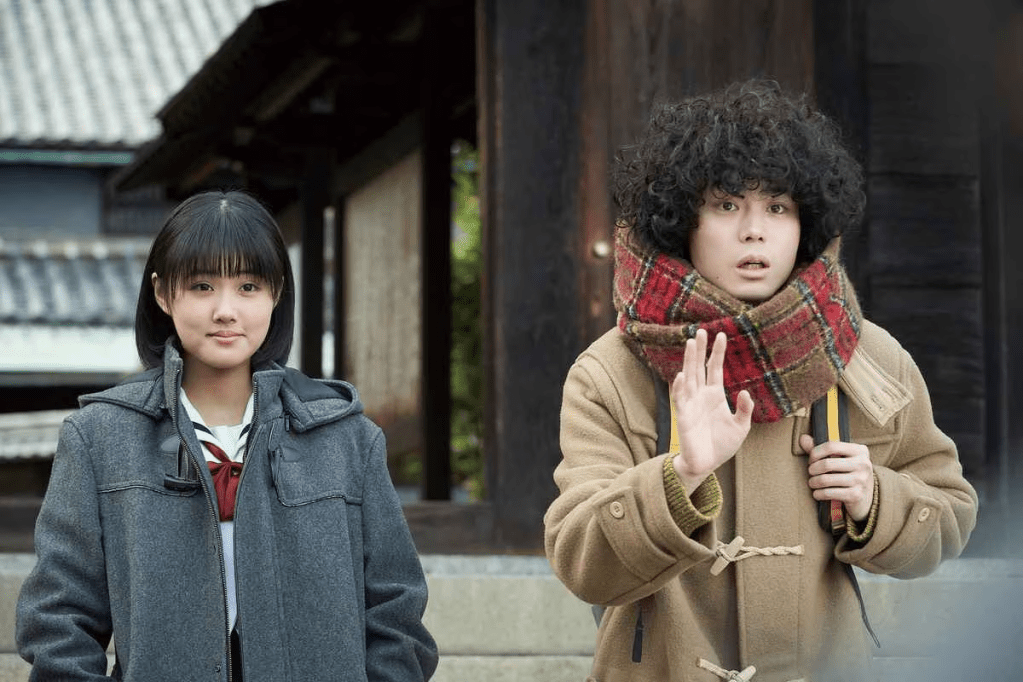
“The strength of our modern generation is that we never let anything get us down, and we’ll go after what we want without a moment’s hesitation.” The heroine of Ryuichi Takamori’s cheerful teen comedy Here Because of You (君たちがいて僕がいた, Kimitachi ga Ite Boku ga Ita) encapsulates a sense of post-war youth while trying to convince a sullen friend to join her in standing up to injustice when their teacher is smeared in the press, but he for his own reasons remains indignant and defeatist certain that nothing they do will make any difference. 

Essentially a vehicle for Toei teen stars Chiyoko Honma and Kazuo Funaki, the film is like many similarly themed youth movies of the time a progressive appeal to a new generation intent on rebelling against the social conservatism of their parents along with the injustice and inequality that accompanied it. The villain of the piece is the father of one of the students, Akira (Masaaki Sakai), who has become wealthy and is intent on throwing his weight around. Tanaka (Ken Sudo) wants his son to go to the best university in Japan and does not take kindly to the advice of his teacher, Mr. Yamabuki (Sonny Chiba), that Akira is just not up to it academically and putting so much pressure on him to achieve something which is almost certainly beyond him will only make the boy suffer. 

Akira is one of those kids with his head in the clouds who isn’t particularly good at anything. School is in general a torture for him and he himself knows that Tokyo University is not a possibility though he’s prepared to do his best if only his father would lower his expectations and let him apply to a college that is more within his capabilities. Both Tanaka and Mr. Yamabuki are however partially at fault when Akira is injured during a PE lesson that he was supposed to be excused from, Tanaka having told him not to participate in sports but to spend the lesson doing extra study instead. Mr. Yamabuki had thought that Akira had just not been applying himself, but a combination of a lack of physical agility due to being kept off PE and being encouraged to push himself further than he should lead to him falling from some climbing bars and spraining his ankle.

As might be expected, Tanaka is not happy and even asks for a second opinion on his son’s minor leg injury while deepening his grudge against Yamabuki. Tanaka also has a minor grudge against fellow student Hiroshi (Kazuo Funaki) who threw a bucket of frogs at him (to which he is allergic) for reasons Hiroshi doesn’t fully understand after hearing him kick off about Akira’s college prospects. It’s Hiroshi who fulfils the role of rebellious youth in the angry impulsivity that he often cannot explain. He’s been saying he doesn’t want to go to college but it’s because his older sister was forced to leave education during in middle school because of the family’s poverty and has become a geisha in order to pay for his tuition. Yamabuki and Hiroshi’s sister Yukiko (Junko Miyazono) develop a fondness for each other while discussing Hiroshi’s education, and it’s this suggestion of there being some impropriety in a schoolteacher dating a geisha that Tanaka takes to papers in effort to get Yamabuki fired. 

Meanwhile, Hiroshi’s cheerful classmate Chieko (Chiyoko Honma) has also developed a crush of Yamabuki. Claiming that she intends to marry him, she goes so far as to turn up at his house and insist on doing his laundry but he quite reasonably tells her that as an adult man his wife would have to be an adult woman. Surprisingly, she gets over it quite quickly and realises that Hiroshi is a much better match for her instead, but nevertheless springs into action when Yamabuki is unfairly smeared in the press. Even she is originally scandalised by the suggestion that her long widowed mother (Mieko Takamine) may have feelings for a local doctor (Shuji Sano), but soon comes round to the idea that there’s nothing wrong with it if she has just as there’s no problem with a teacher dating a geisha. She claims she would be more offended if each of them were forced to deny their feelings for each other because of social propriety and is intensely annoyed by the network of local corruption she uncovers in investigating the origins of the false news report which also suggests Yamabuki may have been inappropriately carrying on with a student, presumably herself. 

As chairman of the parent teacher association, Tanaka tries to railroad the headmaster into firing Yamabuki by holding a kangaroo court at which Yamabuki is prevented from speaking in his own defence all while his character is assassinated. But the kids, who previously witnessed a drunken Tanaka harassing Yukiko, aren’t having any of it and abandon their lessons to surround the meeting vowing that they’ll go on hunger strike if they aren’t listened to which won’t look very good in the national papers. What they bring about is a kind of democratic revolution in which the corrupt authority of Tanaka is deposed in favour of the more evenhanded chairpersonship of Chieko’s grandmother who turns out to be the oldest person in the room at 63. The children will not be ordered around or told what to think and will stand up to injustice where they find it, which is very bad news for those like Tanaka who are used to getting their way because of their privilege and social status. It’s all very wholesome and innocent, perfectly in keeping with the zeitgeist while remaining cheerful and upbeat even with Hiroshi’s continued brooding until Chieko finally manages to win him over. A charming teen musical adventure with a handful of songs performed by its idol stars, the film’s infectious energy is difficult to beat.


Abang Adik (富都青年, Jin Ong, 2023)

Displaced brothers find themselves trapped on the margins of a prosperous city in Jin Ong’s gritty drama, Abang Adik (富都青年). Essentially a story of brotherhood, Ong explores the fates of those largely cast out from mainstream society who must as one character later says be forever watchful, keeping a place to hide and to which escape while denied the most ordinary of things such as home and family for no reasons other than bureaucracy and prejudice. 

Both Abang (Chris Wu Kang-ren) and Adi (Jack Tan) were born in Malaysia but are technically undocumented and finding it difficult to replace their identification without things like birth certificates or access to other family members to help replace them. While Abang, who is deaf, is earnest and determined to do everything properly, Adi is sick of waiting for things to work out in his favour and has begun working as a middleman for traffickers to earn enough money to pay for a fake ID while supplementing his income with sex work. The pair are aided by social worker who tries to do her best to help get their documentation in order but finds herself with an uphill battle against implacable bureaucracy and governmental indifference. 

Ong spends most time with the brothers but makes clear the oppressive quality of the world inhabited by those trapped on the margins such as the undocumented migrants who become victims of a police raid following a tip from a broker taking kickbacks. As Adi later remarks they ask for workers to come and then they want them to go, irritated to see a policeman carrying a watch he appears to have just accepted as a bribe. With no other family members around them, the brothers have been cared for by a neighbour, transgender sex worker Money, who is like them locked out of mainstream society just for being who she is while Abang finds himself further disadvantaged by his disability and the difficulties involved in finding employment. 

Abang falls in love with a refugee from Myanmar but her family will soon be moved on to another country, while Ali develops feelings for one of his clients though she soon tells him she’s planning to move to another area to get married and enjoy a more stable if perhaps less financially comfortable life outside of the city. He offers to marry her instead, but really has nothing to give her other than his body. When a tragic accident sends the brothers on the run, they realise they have no one to rely on but each other and no real place to go. In a poignant monologue in the film’s closing scenes, Abang complains to a well-meaning monk that he is incapable of understanding his life or how difficult it has been for him to simply go on existing. He wishes that he could speak, that he had a family, that he had a safe space to call home and was not forever looking over his shoulder in case he had to leave in a hurry but instead all he gets is cosmic irony sacrificing himself to save Adi in the belief that he still has a chance at a better life if only he can swallow his pride, meet his father, and get an ID card. 

In the end they are both displaced, forcibly separated and pushed in opposing directions. Abang revisits their childhood, making paper aeroplanes as he once had with Adi and saying a final farewell with their ritualistic practice of cracking hardboiled heads on each other’s heads finding for a moment an identity as brothers reflected in each other. Ong shoots their marginalised existence in vibrant colour but also captures a sense of the city as oppressive and unwelcoming, as if it were actively ejecting them with its ubiquitous police patrols and constant danger while authority figures are largely corrupt and uncaring save the earnest social worker who ironically pays a heavy price just for wanting to help those who need it most. Melancholy if not exactly bleak, the film positions the brotherhood between the two men as a course of salvation allowing them to overcome a sense of despair in a society that seems all but closed to them.


Abang Adik screened as part of this year’s New York Asian Film Festival

Original trailer (Traditional Chinese / English subtitles)

Extreme Festival (익스트림 페스티벌, Kim Hong-ki, 2023)

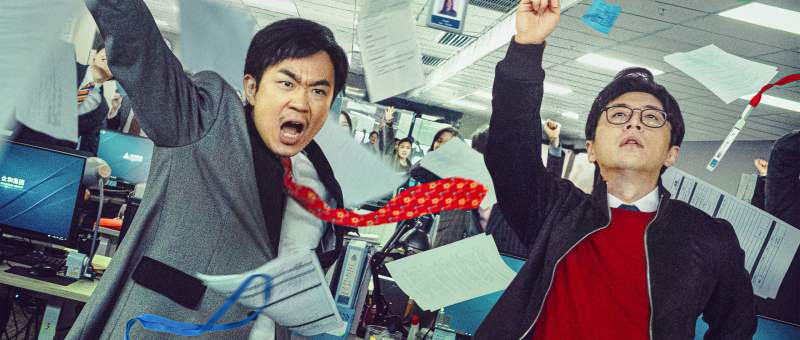
Just about everything that could go wrong does go wrong for an embattled CEO of an events planning startup organising a local cultural event on short notice in Kim Hong-ki’s provincial comedy Extreme Festival (익스트림 페스티벌). Then again, according to one unexpectedly happy customer it’s the mess that makes them fun and it’s the very fact that’s not everything has gone to plan that has accidentally led to a pair of festival enthusiasts apparently having the best day of their lives. 

The first problem Hye-soo (Kim Jae-hwa) has is one that will largely be lost on international audiences. One week before the festival’s opening, the mayor decided to change its name from Jeongjong festival to Yeonsan-gun festival on the grounds that Jeongjong, the second ruler of the Joseon dynasty, is so little known that not even Hye-soo can correctly recall his full name. Yeonsan-gun is a lot more famous but largely because he was a tyrant remembered by history for all the terrible things he did during his reign like having his own mother executed and forcing huge numbers of women from across the country to serve as palace entertainers. As he does not share the same local connections as Jeongjong, the festival has to create a series of diagrams giving exact travel distances in an attempt to claim that Yeonsan-gun is “local” after all. In any case, Hye-soo has only agreed to handle the event to curry favour with the mayor in the hope of landing the contract for the much more lucrative salted sardine festival, which might go some way to explaining just how “local” all of this really is. 

Another problem is that Hye-soo was hired in part because of her business partner/boyfriend’s fame as a literary figure which is fast fading anyway because he’s been repeatedly publishing the same book in different editions for years. The relationship is on the rocks and Sang-min (Jo Min-jae) barely shows up leaving her embarrassed in front of their clients while he later rehires screenwriter Leo (Park Kang-sup) who had previously been let go under circumstances he finds confusing. Sang-min also goes ahead and hires the festival’s only volunteer, Eunchae (Jang Se-rim), as an intern without clearing it with Hye-soo first despite knowing the company has no money to pay her because its survival is dependent on landing the salted sardine contract. 

Eunchae represents a certain kind of small-town youth longing for escape and not least from her oppressive family environment where her brother appears to be king. Willing to do just about anything to be able to move out even if it’s not to the capital, Eunchae is excited about the new job opportunity but tragically thinks that Hye-soo’s company must be an established and successful place rather than a one woman operation with an “office space” full of boxes and electrical equipment. 

Meanwhile, Hye-soo is also affected by the vagaries of local politics in being subject to the whims of the mayor who suddenly demands that her performance artist son be added to the bill and that a group of actors hired to perform a historical piece inspired by the Literati purges which occurred under Yeonsan-gun’s reign should instead incorporate a bit about the end of the pandemic and “execute” the omicron virus instead before the king declares that herd immunity has been achieved. As expected, this doesn’t go down well with the actors who later stage a protest boycotting the festival on learning that their application for a grant from the local council has been turned down. 

It is all, as Hye-soo admits, a mess and one not helped by an ongoing clash of personalities not to mention goals between the mayor’s office and Hye-soo’s staff. A sub-plot revolving around a washed up Japanese popstar apparently trying to escape his sense of failure by hiding out in a random Korean village only adds to the crushing sense of defeat that marks the festival. Even the “celebrity” MC admits the reason he’s not been on TV for ages is that he’s not getting hired which is why he’s here, slumming it in the provinces as a virtual has been ringing the death knell on his career. But in the end it’s personal relationships and people learning to get over themselves that save the day. Hyesoo gains some much needed clarity on the directions of her personal life and business, willing to make a fool of herself to get back on track while others too readjust their expectations. A kind of warmhearted take down of the absurdities of local government events, the film is really a celebration of perseverance and the spirit of never giving up even if nothing seems to be going your way.


Extreme Festival screened as part of this year’s New York Asian Film Festival

Original trailer (Korean subtitles only)

12 Weeks (Anna Isabelle Matutina, 2022)

“Not all women want to be mothers” according to the heroine of Anna Isabelle Matutina’s 12 Weeks, yet this is apparently largely what society expects of them. Faced with an unexpected pregnancy at 40, Alice decides on abortion though it is technically illegal in the fiercely Catholic Philippines and she finds herself having to offer justification for her choices while trying to process her complicated relationship with her own mother who often tells her that she too wanted an abortion but obviously did not go through with it and left shortly after Alice was born to become a domestic worker in Hong Kong. 

The irony is that Alice (Max Eigenmann) works for an NGO supporting people displaced by natural disaster or civil unrest but is to an extent displaced herself in her estrangement from her mother, Grace (Bing Pimentel). In a poignant moment after having been made aware of the pregnancy by Alice’s violet ex Ben (Vance Larena), Grace brings out a box of baby clothes that once belonged to Alice only she never got to wear them because her grandmother who was raising her told Grace not to send anything but money because she had no way of knowing what size her daughter was. Grace is excited about the prospect of becoming a grandmother because it gives her a second chance at the motherhood she was denied by economic circumstance especially as the implication is she could play a larger role in their upbringing while Alice continues with her career. 

But even considering the strained relationship between them, Grace is far from supportive more or less taking over booking doctor’s appointments on her daughter’s behalf without really consulting her. Aside from the awkwardness and upset of the situation, Alice cannot discuss the abortion with her mother because of its illegality and the risks it might cause to herself and those otherwise involved in it. To be able to access an abortion safely, she has to undergo a counselling session and is then told that her operation will take place at 11pm hinting at its illicitness that it must take place under cover of darkness. The counsellor is sympathetic and clear that she isn’t trying to change her mind even if some of the questions seem invasive or patriarchal. Asking if Alice has been subject to domestic violence she offers help making sure that she’s not being pressured into an abortion she might not want by violent partner or the necessity of escaping them. 

Ben is indeed violent and it’s a fact that if she changes her mind and keeps the baby it will become much more difficult to keep him out of her life. Slightly younger than she is, he is moody and insecure while financially supported by Alice and living in a home she owns. He is not a responsible person with whom to raise a child though places extreme pressure on her to have the baby and manipulatively leaks the pregnancy news to Grace knowing she’ll do the same. Alice discovers that in reality everyone else is making her decisions for her, including a colleague who suddenly cancels a trip she was supposed to make to a disaster area on the grounds that his own wife has recently had a miscarriage and in his opinion it’s not safe for her to go. 

Set during the imposition of martial law on Mindanao in 2017, the film implies that a kind of martial law already exists for women who are unable to make their own decisions about their reproductive health or exercise their own autonomy. Alice is repeatedly told that she should have the baby because she is already 40 and the chance won’t come again though little thought is given to whether she wanted the chance or not while her own thoughts surrounding motherhood are clouded by the relationship she has with Grace which was largely affected by the economic realities that forced her to become a migrant worker. In part she rejects becoming a mother out of anxiety worrying that she is not suited to it, but is also conflicted in its inextricable ties to Ben and with wider patriarchal violence in general depriving her of the ability to choose from all angles. In the end a choice is made for her in the cruellest of ways leaving her more or less powerless with only the small comfort of female solidarity. 
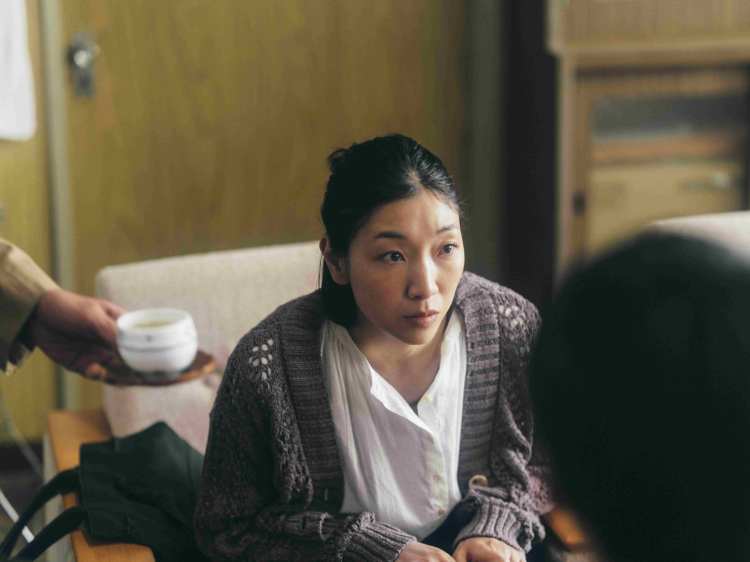

12 Weeks screened as part of this year’s New York Asian Film Festival

Kinuyo’s First Love (絹代の初恋, Hiromasa Nomura, 1940)

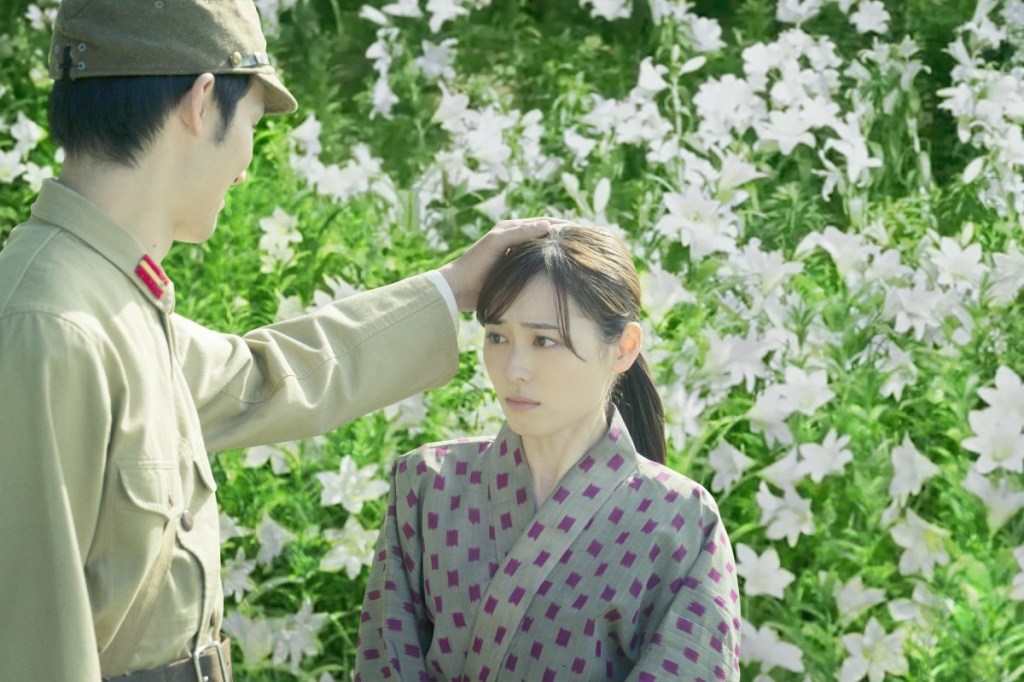
The changing social mores of the 1930s are played out in the fortunes of two sisters unwittingly falling for the same man in Hiromasa Nomura’s melancholy romance Kinuyo’s First Love. One of Shochiku’s most bankable directors, Nomura had one of his greatest hits with the romantic melodrama Aizen Katsura starring Kinuyo Tanaka and Ken Uehara. Tanaka was herself so popular in this period that her name was sometimes inserted into the titles of films in which she starred as it had been in earlier Nomura collaboration Kinuyo the Lady Doctor though this time she plays another stoic and self-sacrificing woman who gives up her own chance of happiness for that of her sister. 

Kinuyo (Kinuyo Tanaka) is the oldest daughter of the Miyoshi senbei shop and has been acting as a mother to her sister Michiyo (Kuniko Igawa) since their own passed away some years previously. Their father, Mr Miyoshi (Reikichi Kawamura), has a job as a doorman at a Western-style hotel, but as the opening sequence proves he’s no longer as young as he was. When Kinuyo reminds him to be careful on his way, he snaps back that he’s “not that old”, though proceeds to forgot almost everything he needs including his hat and walks off with Michiyo’s significantly smaller bento rather than his own. The bento mixup, however, enables a meet cute between Michiyo, who has a job on the trading floor of a stockbroker’s, and the boss’ ennui-ridden son Shoichiro (Shin Saburi). Meanwhile, Kinuyo ends up falling head over heels for him when he gives she and her friend his tickets for a kabuki play after his geisha girlfriend stands him up. 
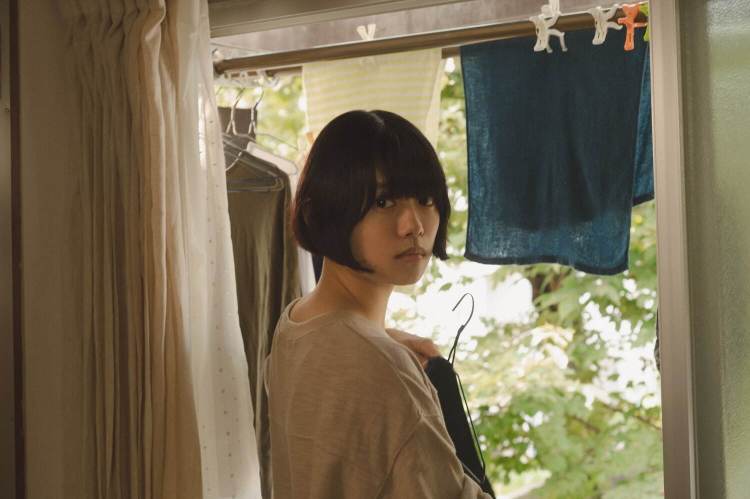
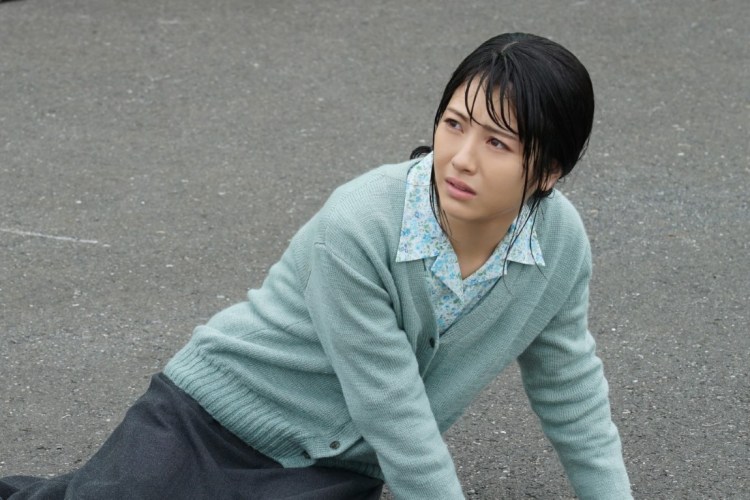
The arrangements of the Miyoshi family are perhaps odd for the time in that Kinuyo seems to be supporting the family well enough with the senbei store alone even though she keeps giving half the stock away to a little girl who comes every morning. She desperately wants her father to retire and evidently feels their finances wouldn’t suffer without his wages. When he’s eventually fired for being old by the young boss who apparently “just likes everything new” and doesn’t appreciate the hotel’s history or Mr. Miyoshi’s place within it, she’s pleased rather than worried and sets about finding things for him to do at home where she can keep an eye on him and he can still feel useful. Michiyo meanwhile though she has received a good education and has managed to get a stable modern office job feels much the same secure in the knowledge that it doesn’t really matter if she gets fired because Kinuyo can go on supporting them all without her help. It’s perhaps this freedom that all own her to talk to the boss’ son like he was a regular human, something that immediately impresses him because he’s fed up of people sucking up to him or only telling him what they think he wants to hear. 

To that extent, Shoichiro maybe an example of the wastrel modern boy who is ruined by his privilege as evidenced in his lack of interest in the family business and relationships with geisha though the film is also usually sympathetic of his go-playing girlfriend Fusa (Yoshiko Tsubouchi) whom he callously throws over after falling in love with Michiyo ironically because of her seeming modernity in her willingness to be straight with him. But then, lingering feudalism continues to overshadow their romance in the obvious class difference which exists between them. Mr Miyoshi wonders if the marriage is a good thing or if they will simply be incompatible but Kinuyo, even on realising that her sister’s suitor is the man with whom she has also fallen in love, assures him social class needn’t be an issue unless they make it one while simultaneously explaining that Michiyo will need to sever ties with them to fully join Shoichiro’s social rank because they are no longer good enough to be accounted members of her family. To make her point, she begins teaching Michiyo matters of upper-class ettiequte such as the importance of kneeling down to open a shoji with the wooden kick board rather than risk damaging the paper by opening it while standing up. 

Michiyo’s forthrightness might be seen as modern, but her values are otherwise old-fashioned bringing Shoichiro back to the “right” path of honest handwork through refusing to indulge him. Meanwhile a very clear message is being sent that the older generation need to step out of the way, as Kinuyo puts it make their children capable and then let them work as Shoichiro’s father has perhaps failed to do while Mr. Miyoshi has done all too well. For a film of 1940, Kinuyo’s First Love has surprisingly little political content but is perhaps intended to send this message of industry among the young while the family’s senbei store may otherwise satisfy the censors in its presentation of a traditionally Japanese culinary craft. Having adopted the role of the mother, Kinuyo selflessly sacrifices her own happiness for that of her sister even though it will mean their separation but remains undefeated even in her heartbreak sniffling through her tears that she will go on looking for a good husband for herself refusing to “burden” her father with a responsibility which would traditionally belong to him declaring herself perhaps the most modern of them all.