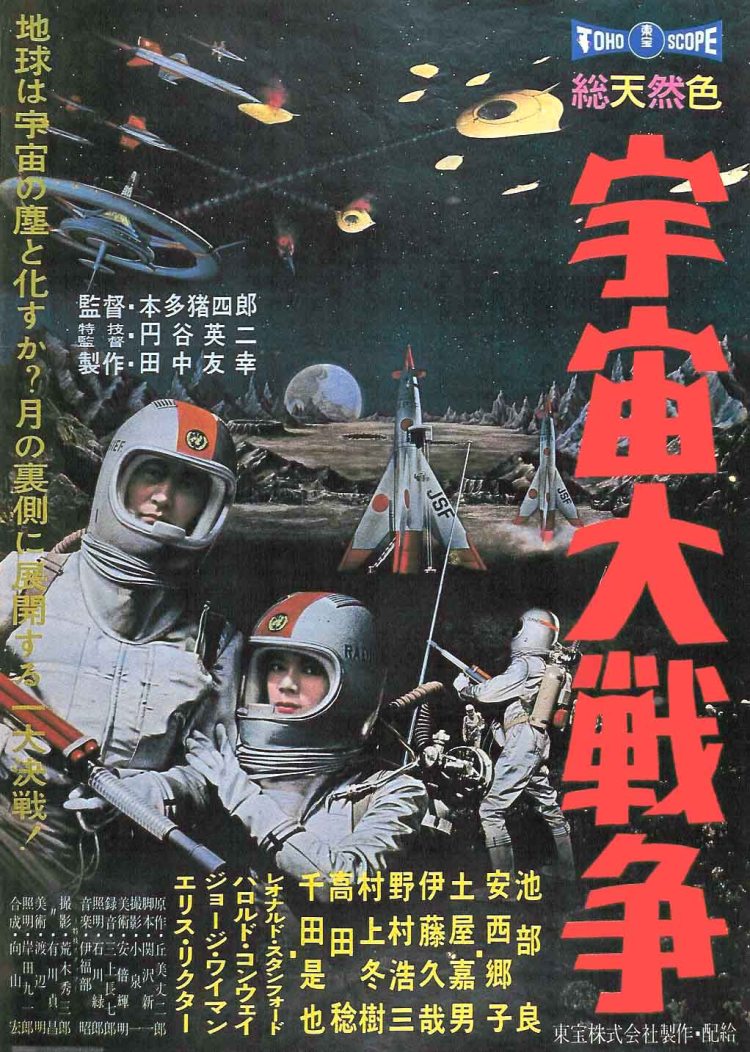
 Ishiro Honda returns to outer space after The Mysterians with another dose of alien paranoia in the SFX heavy Battle in Outer Space (宇宙大戦争, Uchu Daisenso). Where many other films of the period had a much more ambivalent attitude to scientific endeavour, Battle in Outer Space paints the science guys as the thin white line that stands between us and annihilation by invading forces wielding superior technology. Far from the force which destroys us, science is our salvation and the skill we must improve in order to defend ourselves from hitherto unknown threats.
In 1965 Japan is a hit in space. Having launched their first space station, things are going well but after it is destroyed by flying saucers there is cause for concern. The problem intensifies as strange events occur across the Earth with bridges suddenly collapsing, boats being lifted from the sea and the waters of Venice conspiring to drown the town. World leaders gather in Tokyo to come up with a plan but one of the scientists’ key assets, Iranian professor Dr. Ahmed, is possessed by the Natalians via their high-tech remote control radio waves and procedeeds to do their dirty work for them. The Natalians will settle for nothing less than enslavement of the entire planet and have even set up a base on the moon to make it happen! Time to put those shiny new spaceships to good use!
Scientists may be the heroes of this particular story but the scientific basis for their actions is just as silly as your average B-movie. According to our top professor, the Natalians’ anti-gravity shenanigans can be put a stop to by means of a freeze ray – gravity is, of course, caused by the movement of atoms which is impeded by cold hence the freeze ray. A likely story, but it’s the best they’ve got. The other major problem is that the Natalians are able to possess various people and force them to do their bidding, apparently through “radio waves”. Less about the enemy within, the possibility of becoming a Natalian sleeper agent is more plot device than serious philosophical discussion.
Battle in Outer Space is, in this sense at least, one of the most straightforward of Toho’s B-movie leaning SFX extravaganzas. There is little hidden message here bar the importance of international collaboration as the whole world comes together to fight the alien threat – Middle Eastern and Indian scientists are at the forefront of research and Japan leads the charge flanked by Americans one side and Russians on the other.
Our intrepid band of scientists are the vanguard sent to see off the Natalian threat by jetting off into space and fighting them in their own territory. Honda and Tsuburaya outdo themselves with the special effects which are pretty astounding for 1959 making use of large scale models and matt painting. The scientists travel to the moon to look for the Natalians’ base only to encounter them in space and engage in exciting dogfight. Eventually landing they meet the Natalians face to face and discover they are very tiny and sort of cute but also hellbent on enslaving the Earth. Engaging them in a firefight using heat rays and laser guns, the scientists manage to escape but the Natalian threat follows them all the way back to Tokyo. In true Toho fashion, buildings are destroyed and people knocked flying as the Natalians take the city but our brainy scientists have thought of that and so the aliens have a whole barrage of heat ray guns to welcome them to Earth.
Battle in Outer Space might not have an awful lot going on in the background, but it makes up for it with sheer spectacle both in its effects and in production design. The Natalians are a scary bunch, until you actually meet them, but this time science is on our side as the good guys manage to figure out a way to save the Earth rather than destroy it through fear and angst. In the end it is determination and togetherness which finally lets the Natalians know humanity is not a good prospect for colonisation, only by coming together and making the best of their collective strengths is humanity able to triumph over a superior force – sadly a still timely lesson.
Original trailer (no subtitles)
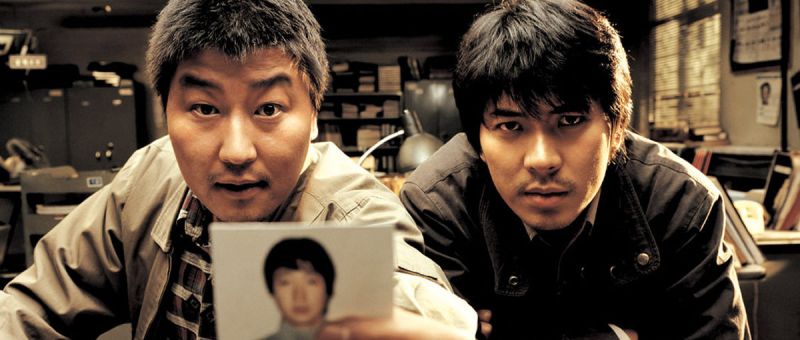
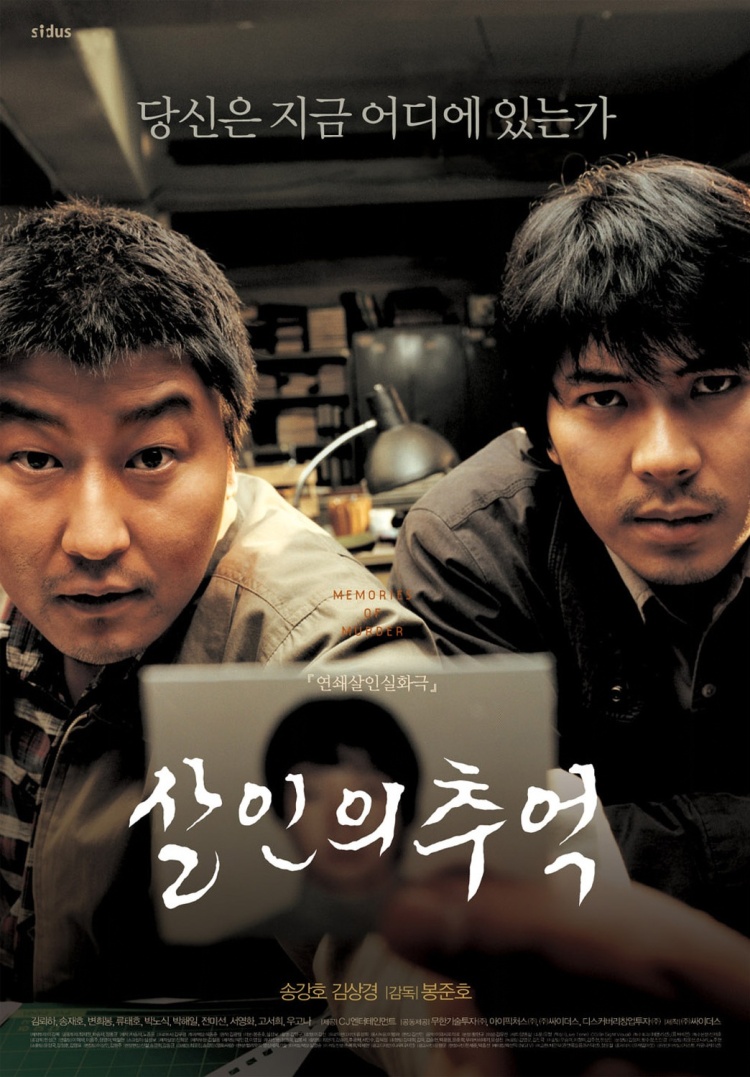 The Korea of the mid-1980s was a society in flux though you might not know it looking at the sleepy small town about to be rocked by the country’s very first publicised spate of serial killings. Between 1986 and 1991, at least ten women ranging in age from schoolgirls to grandmothers were murdered while the killer seemingly got away with his crimes, either dying, fleeing or perhaps getting arrested on other charges explaining the abrupt end to his crime spree. Bong Joon-ho’s fictionalised take on the case, Memories of Murder (살인의 추억, Salinui Chueok), is not so much interested in the killer’s identity, but wants to ask a few hard questions about why the crimes took place and why they were never solved.


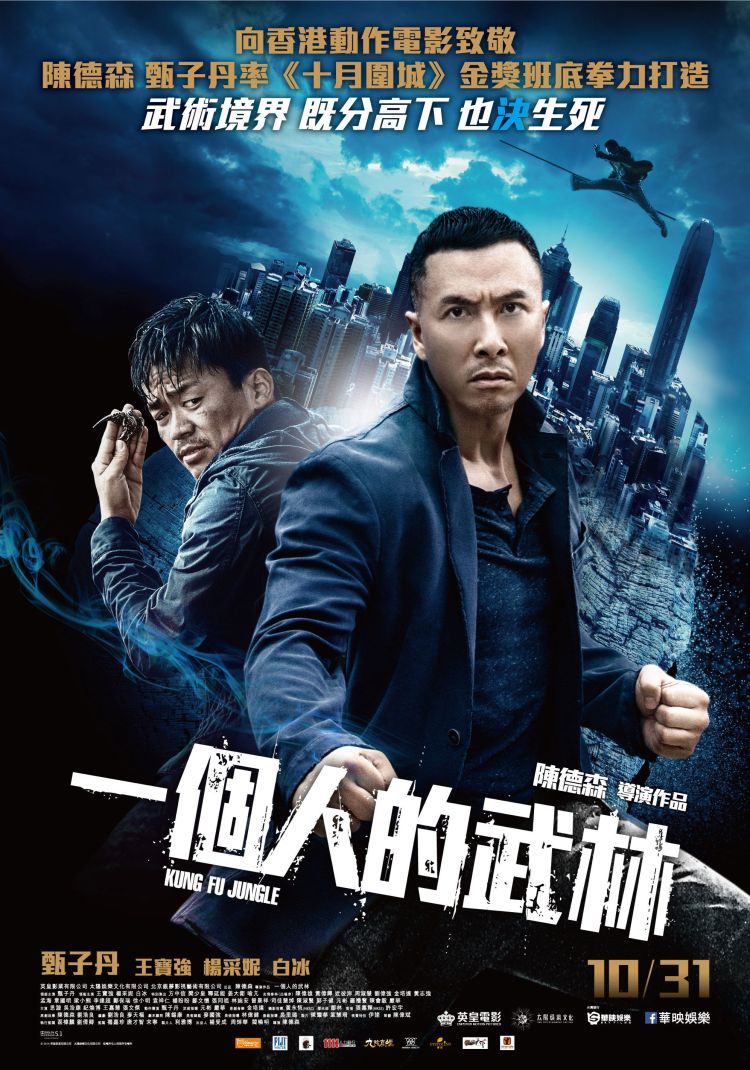 Kung fu movies – they don’t make ‘em like they used to, except when they do. Kung Fu Killer (一個人的武林, AKA Kung Fu Jungle) is equal parts homage and farewell as its ageing star, Donnie Yen, prepares to graduate to the role of master rather than rebellious pupil. What it also is, is a battle for the soul of kung fu. Just how “martial” should a martial art be? Is it, as our antagonist tells us, worthless with no death involved or will our hero prove the spiritual and mental benefits which come with its rigorous training and inner centring transcend its original purpose? Of course most of this is just posturing in the background of a lovingly old fashioned fight fest complete with a non-sensical plot structure motivated by increasingly elaborate set pieces.
 Toshiaki Toyoda made an auteurst name for himself at the tail end of the ‘90s with a series of artfully composed youth dramas centring on male alienation and cultural displacement. Attempting to move beyond the world of adolescent rage by embracing Japan’s most representative genre, the family drama, in the literary adaptation
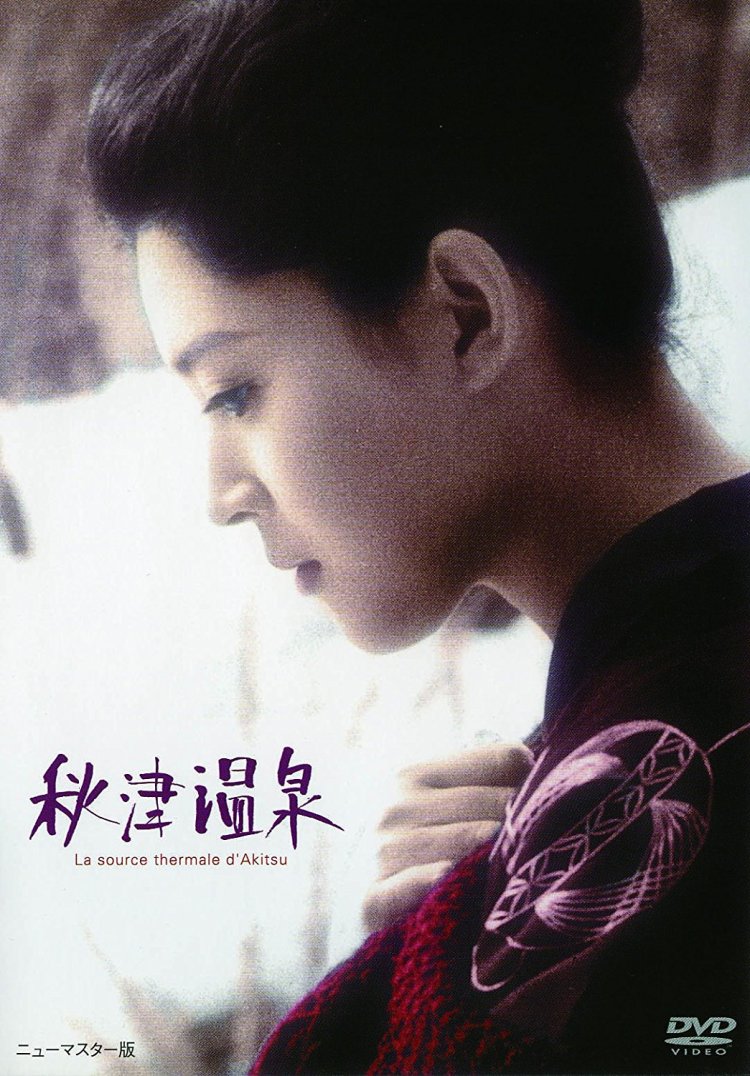 Kiju (Yoshishige) Yoshida is best remembered for his extraordinary run of avant-garde masterpieces in the late 1960s and early 1970s, but even he had to cut his teeth on Shochiku’s speciality genre – the romantic melodrama. Adapted from a best selling novel, Akitsu Springs (秋津温泉, Akitsu Onsen) is hardly an original tale in its doom laden reflection of the hopelessness and inertia of the post-war world as depicted in the frustrated love story of a self sacrificing woman and self destructive man, but Yoshida elevates the material through his characteristically beautiful compositions and full use of the particularly lush colour palate.
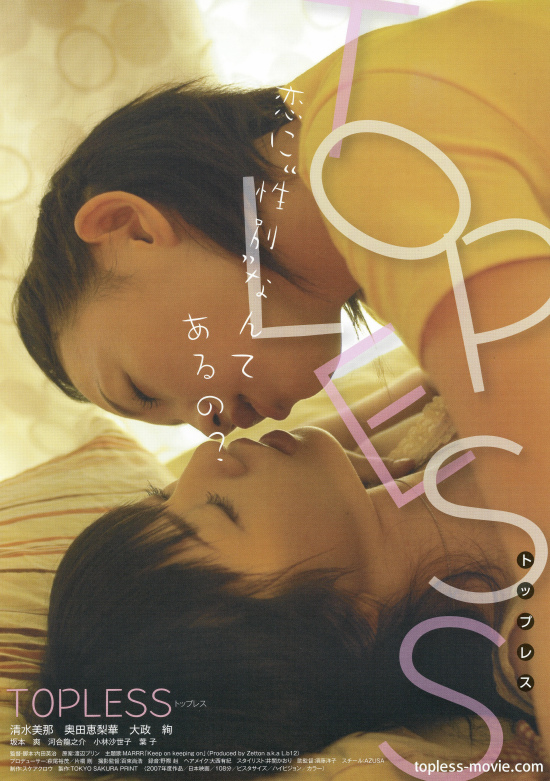 Following the surreal horror film
