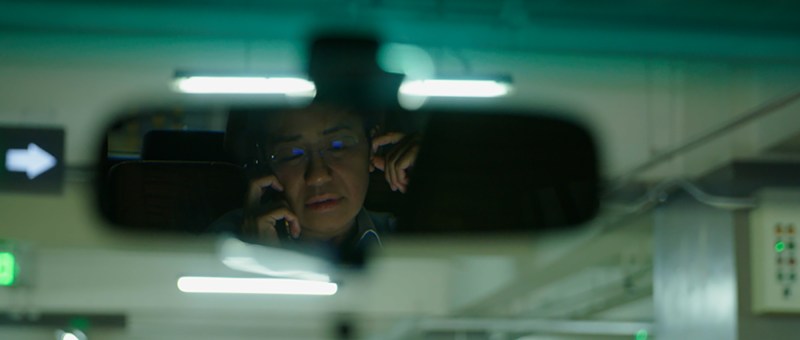

The Shepherds (牧者, Elvis Lu, 2018)

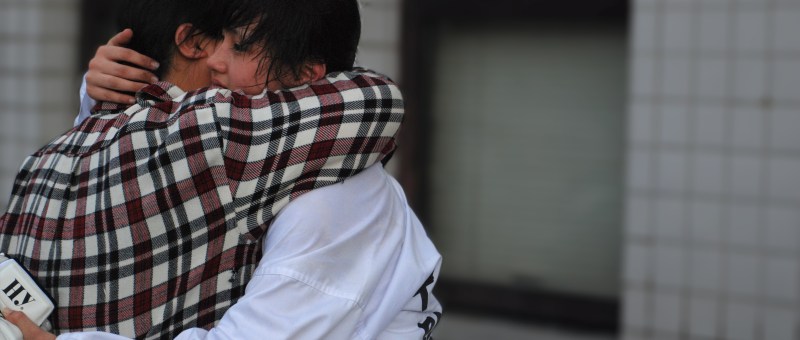
Among the most liberal of Asian nations, Taiwan became the first to legalise same-sex marriage in 2019 but that doesn’t mean that it’s always easy to be LGBTQ+ particularly if you come from a religious background and wish to maintain your faith. Elvis Lu’s documentary The Shepherds (牧者, Mùzhě) follows a small group of religious leaders who are or have been involved with a progressive church, Tong-Kwang, which was the first in Taiwan to expressly embrace the LGBTQ+ community on its foundation back in 1996. Unfortunately, however, the pastors have faced significant barriers in their personal and professional lives because of their views on homosexuality which face staunch opposition from mainstream religious organisations. The founder of Tong-Kwang Yang Ya-hui, a heterosexual female pastor, eventually took her own life because of the discrimination she later faced within the religious community which made it impossible for her to continue working and support herself without compromising her beliefs. 

Discrimination is also something which has affected pastor Huang Guo-yao and his wife who now work for Tong-Kwang but began their careers in Hong Kong. Huang was forced to give up his ministry after advocating for LGBTQ+ rights brought him into conflict with the more conservative local Churches, eventually making the decision to migrate to Taiwan while his children remained in Hong Kong. He laments that the situation in which he found himself may have had a negative effect on his now grown-up sons, the younger one he worries having become increasingly withdrawn and unwilling to talk about his feelings. 

Zeng Shu-min, meanwhile, is in a similar position unable to find employment with more conventional churches as an openly gay pastor. While officiating at same sex weddings, he’s had to look for other employment to support himself and generally lives an ascetic existence, dependent on the kindness of friends such as Hsiao-en, a lesbian advocate for LGBTQ+ Christians who was herself ejected from the seminary for her liberal views. Running the Light Up project, she provides a more positive religious presence at rallies where conservative voices loudly protest against the advancement of rights for LGBTQ+ people and the movement for marriage equality. Presenting a united front in their priestly outfits, conservative preachers openly commit to undermining the seats of local politicians sympathetic to LGBTQ+ issues, some advancing that they want to “protect” the LGBTQ+ community who must be living “very painfully”, while they refuse to compromise the “basic values” of their society. 

As part of her outreach, Hsaio-en also liaises with the parents of LGBTQ+ children who often find themselves ostracised from their church community solely because of their children’s sexual orientation. Like Shu-min, she also has to work a regular job to support herself while feeling guilty for not being able to devote herself to activism full time and lamenting that hard as she works it often feels as if she isn’t getting anywhere and her efforts don’t make much difference. Yet Tong-Kwang in itself provides a valuable safe place for LGBTQ+ Christians, running a hotline those in distress can call for relief when experiencing difficulty in their personal or religious lives and affirming that their sexuality need not conflict with their faith nor is it a barrier to God’s love. 

With a mixture of observational footage and talking heads interviews, Lu bookends the film with poetic black and white re-enactment featuring the words of pastor Yang Ya-hui taken directly from her autobiography, positioning her as a kind of martyr for the rights of LGBTQ+ people in Taiwan and particularly for LGBTQ+ Christians. The film ends with the passing of the marriage equality act, but is quick to point out that that does not mean that prejudice and discrimination evaporated overnight, Hsiao-en in particular worried that organisations such as hers will come under greater pressure from conservative religious voices intensifying their opposition. Nevertheless, despite the sometimes great toll on their personal lives and those of their families, each of the shepherds remains committed to defending the rights of LGBTQ+ people not only to occupy an equal place within their society but also within their faith as members of a compassionate and progressive religious community. 


The Shepherds streams in the UK 30th October to 5th November courtesy of Queer East and Taiwan Film Festival Edinburgh.

Original trailer (English subtitles)
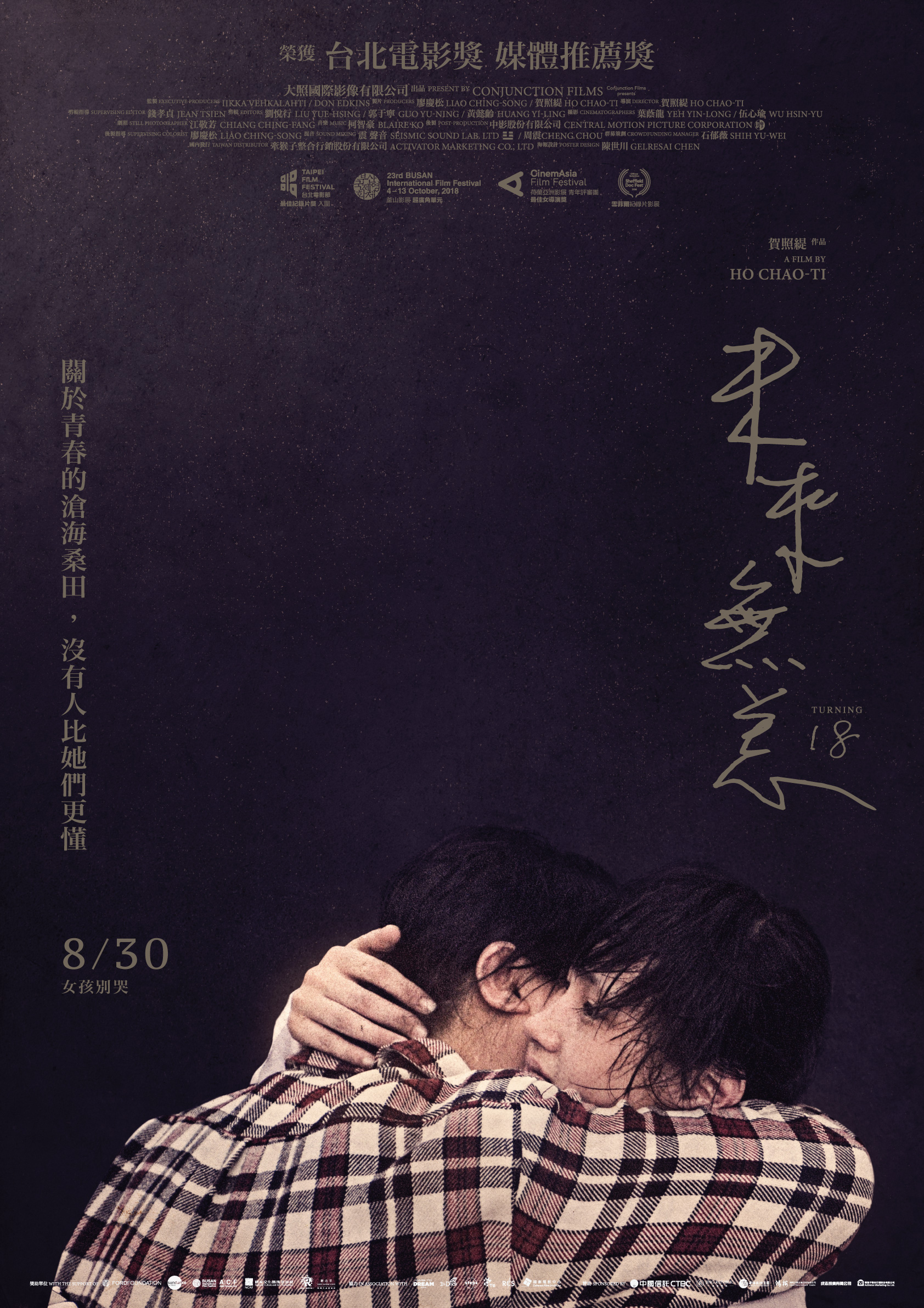
Walking Dharma (如常, Hsieh Hsih-Chih & Chen Chih-An, 2019)

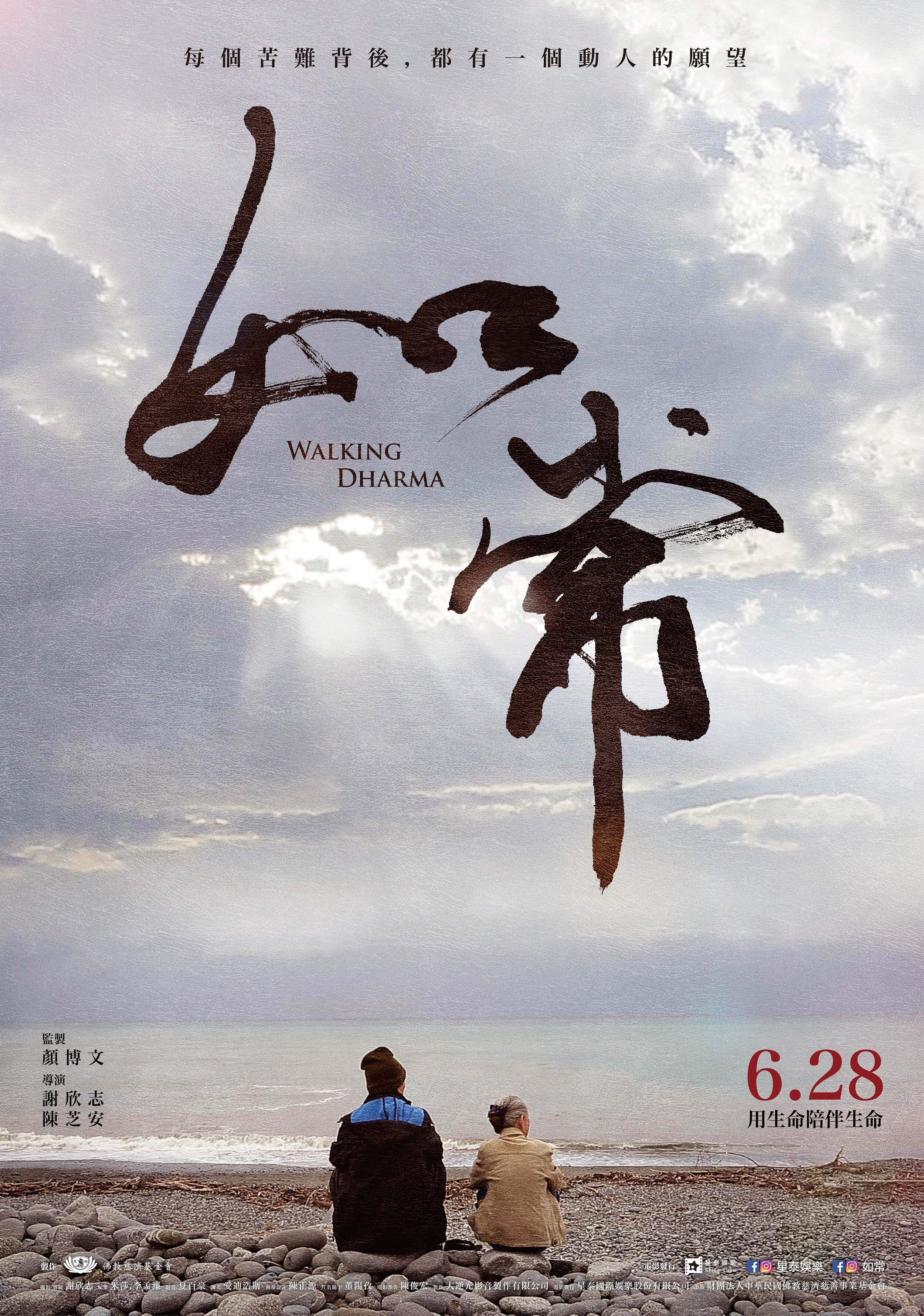
The image we hold of Taiwan is of a prosperous nation among the most liberal in Asia, yet behind the shining cities there are still those experiencing hardship who might perhaps have fallen through the cracks if it were not for the efforts of the volunteers from the Tzu Chi Foundation. In Walking Dharma (如常, Rú Cháng) documentarians Chen Chih-An and Hsieh Hsin-Chih spent 18 months shadowing some of the organisation’s members many of whom are themselves elderly and have experienced their own share of suffering but equally of mutual support which they have committed to passing on through helping others. 

Testament to changing times, the first recipient of the volunteers’ care is an elderly woman who has had a nasty fall. She later thanks them for all their help in Japanese, a reminder that she was born in another world, raised in the colonial era. She is also one of many isolated older people in the nation’s ageing population, living all alone either with no surviving family around to care for them or perhaps with children who for whatever reason are not able to leaving them entirely dependent on the kindness of the volunteers. The foundation organises a crew to come round and clear the large amount of debris in front of the woman’s home to make it safer for her so she won’t fall again while trying to sort out her medication and make sure she’s safe during an upcoming typhoon. 

Meanwhile, they are also there for children and families who find themselves in difficult circumstances particularly those in which a parent has passed away unexpectedly or is suffering with a chronic illness which both renders them economically vulnerable and places an undue burden on the children whose academic prospects are then reduced while they are needed to care for their parent and siblings. The organisation provides educational assistance to cover school fees for children who find themselves in difficulty, emphasising that education is their best path out of poverty. One young woman later makes a heartfelt visit to one of the elderly volunteers to thank him for all his support over the years which has helped her to gain a place at a prestigious university. Not everyone is convinced, however, including one elderly grandmother who is reluctant to allow her granddaughters to pursue education at high school and beyond, partly because she fears they will go off the rails like the mother who abandoned them to her, and partly for more selfish reasons in that she too will be left alone with no one to look after her in her old age. Thanks to the gentle advice of the volunteers, the grandmother eventually relents and allows the young women the freedom to pursue their dreams. 

Though the members are all obviously adherents of Buddhism and committed to the teachings of the Tzu Chi Foundation which is admittedly cast in an extremely uncritical light, they are prohibited from preaching while offering help as the organisation has a strict policy in place to pursue a secular outlook. The assistance they provide is offered without seeking anything in return save the greater happiness of those they help, gaining a sense of joy in human solidarity as they witness the difference their intervention can make in the lives of others. There are some who might not want what they’re offering, or at least all of it, including one young man and his hearing impaired father who insist that they’re fine with heating up water the old fashioned way and don’t see the point in getting it piped in with a modern heating system, but the volunteers take it all in their stride always respecting the wishes of those they’ve come to help while continuing to offer advice and companionship. 

Yet it takes its toll on them too, a doctor confessing that they often see members of the Tzu Chi Foundation coming in after pushing themselves too hard, failing to look after themselves in their commitment to helping others. All of the volunteers we meet are retirees, one elderly gentlemen later heartbroken when the decline of his own health prevents him from continuing to volunteer. Nevertheless, they all emphasise that helping others is what gives their life meaning, enriching their experience as they find joy in alleviating suffering. A gentle and heartwarming reminder that we’re all in this together, Walking Dharma is testament to the existence of goodness in an all too often indifferent world.


Walking Dharma streams in the US until Sept. 26 as part of the 11th Season of Asian Pop-Up Cinema.

Original trailer (English subtitles)

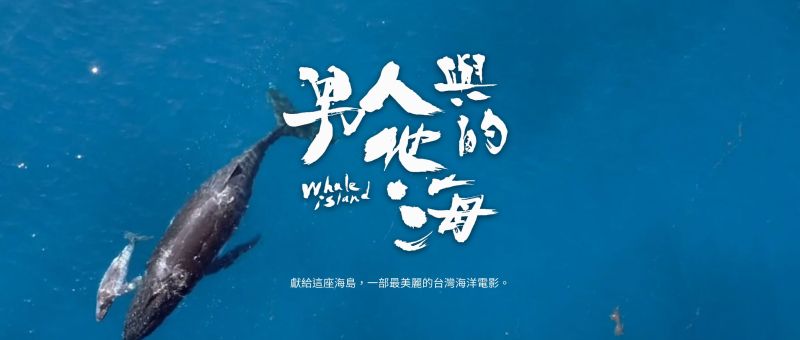
Whale Island (男人與他的海, Huang Chia-chun, 2020)

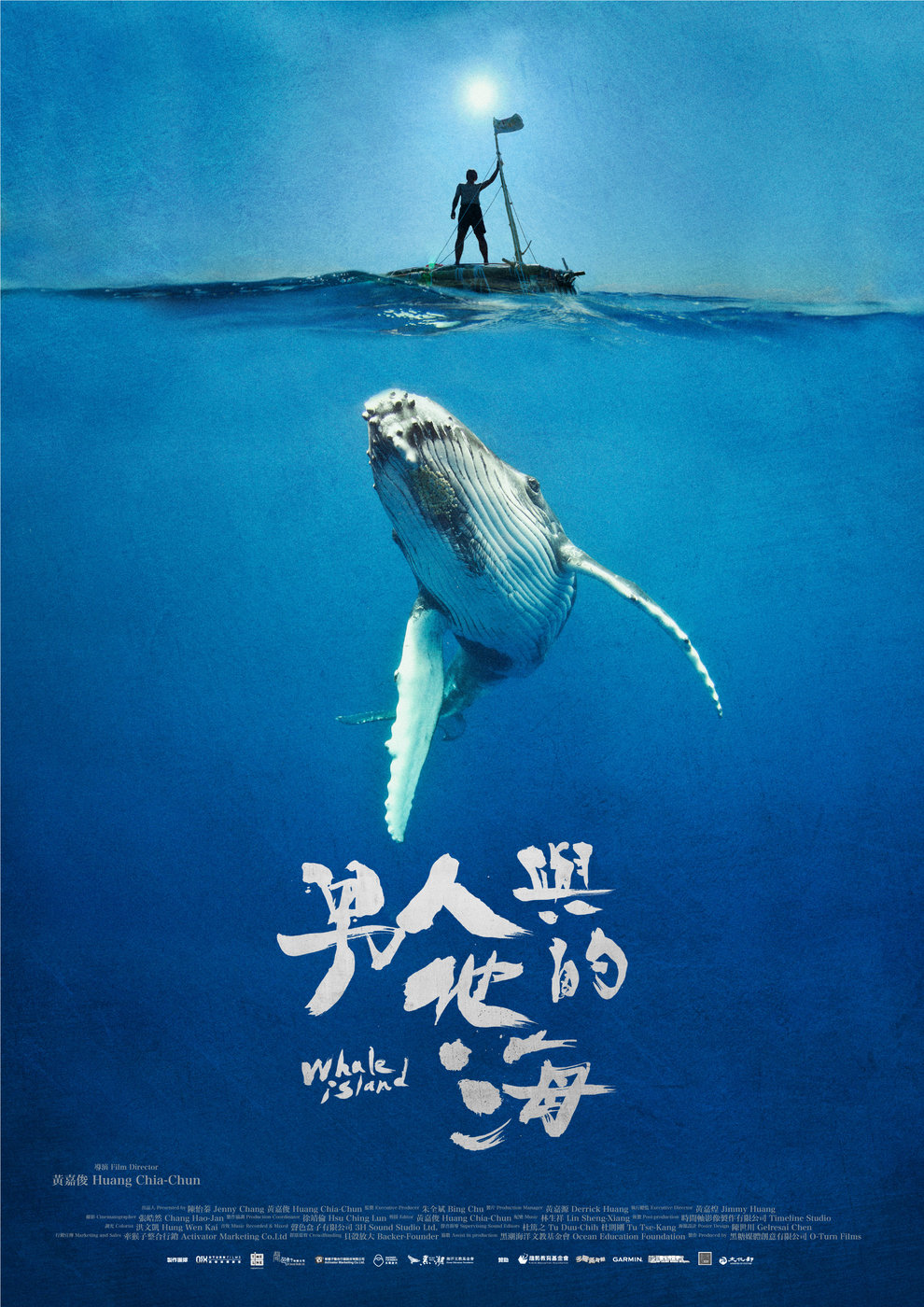
Taiwan is an island, but its people have lost touch with the sea according to one of the protagonists of Huang Chia-chun’s contemplative documentary. Whale Island (男人與他的海, Nánrén Yú Tā de Hǎi) argues that fear has blinded the populace to the beauty which surrounds it, robbing them of their natural freedoms in a symbolic act of repression, but love of the ocean has also cost both of Huang’s protagonists dearly as they find themselves having to prioritise leaving those they love behind on land while they immerse themselves in the solitude of the sea. 

Oceanoggrapher Liao refuses to be constrained. “During your lifetime it’s inevitable for you to be restricted.” he admits, “restricted by society, restricted by reality, restricted by age, restricted by body.” Liao laments that if only people could learn to lose their fear of the water, something he feels has been deliberately cultivated as a means of oppression, everything would be better. For his own part, he fell in love with the sea for the sense solitude. As a young man with language difficulties he longed to escape other people, dreaming of becoming a lighthouse keeper or perhaps a forest ranger before getting to know some captains of fishing boats and getting a job as a fisherman. These days he acts as a tour guide, running scenic trips for tourists showcasing the wonder that exists just off shore with its spinning dolphins and visiting whales. 

Ray, meanwhile, is a wildlife photographer specialising in underwater shots of marine animals. As a father to two young sons, however, he finds himself conflicted, putting his work on the back burner knowing that to do it all out would mean being away from his family for long stretches of time but watching other photographers push further ahead by hopping the planet chasing the seasons. A few weeks a year he travels to Tonga where, unlike Taiwan, it’s permissible to swim alongside the whales but the work is not without danger as he proves after getting whacked on the leg by a curious whale’s tail and being stuck on the shore while he recuperates. Ironically, his boys fear the water, not because its destructive capacity but because of the very real anxiety that that will swallow him whole, that one day he’ll disappear beneath the waves and never resurface. 

Like Ray, Liao also found himself with a kind of choice only in his case it was no choice at all. His marriage eventually broke down because of his obsession with the sea, damaging his relationship with his young daughter which was not repaired until she was a grown woman suffering a health crisis. Yet the sea was not something he could sacrifice, dedicating his life to unlocking its mysteries while insisting on his own freedom, refusing to be constrained by conventional social codes or the will of others. 

Liao is convinced that if people turned to face the sea, lost their fear of it, then many things would change. Perhaps they would feel less oppressed, better able to express themselves and better equipped to live in freedom as he has learned to. According to the life philosophy communicated to him by a friend and mentor, the only way to survive a storm is to sail straight into it, turn the prow towards the source of the problem instead of trying to outrun it. Liao has done just that, attempting to raise awareness of the joys of the sea while fully aware of its concurrent dangers. Huang captures both the majesty of the Taiwanese landscape with its rolling seas, rocky inlets, and remote islands while marvelling at the prevalence of sea life found not so far off shore, neatly contrasting dolphins frolicking in the open seas with those forced to do tricks for tourists in nearby theme parks. A picturesque voyage along the island’s idyllic coastlines, Whale Island is a poignant reminder of the beauty that lies just over the horizon, constantly at the mercy of an ever changing world.


Whale Island streams in the US until Sept. 26 as part of the 11th Season of Asian Pop-Up Cinema.

Original trailer (English subtitles)
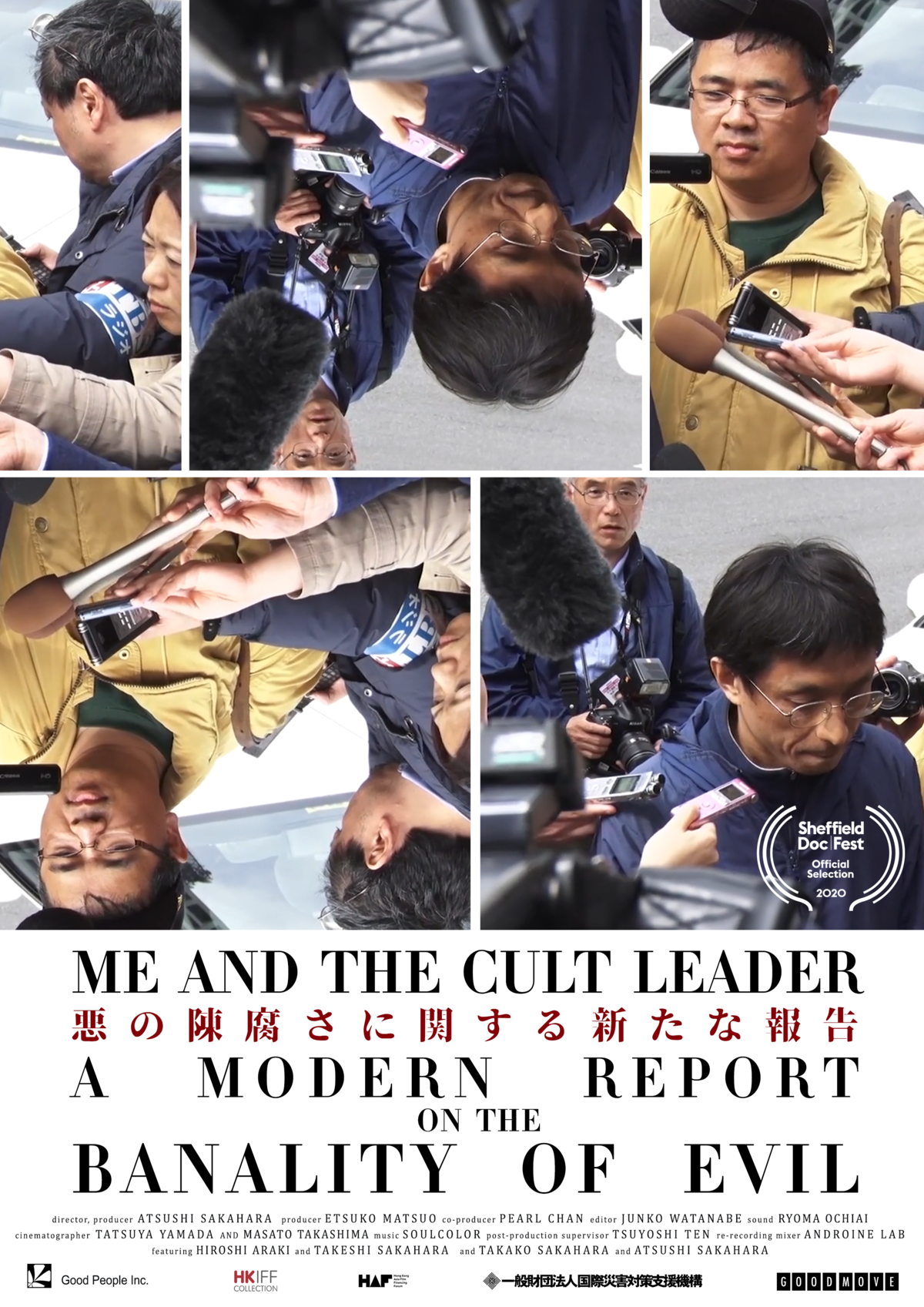
Diaspora: Arirang Road (디아스포라의 노래: 아리랑 로드, Lee Kyu-chul, 2019)

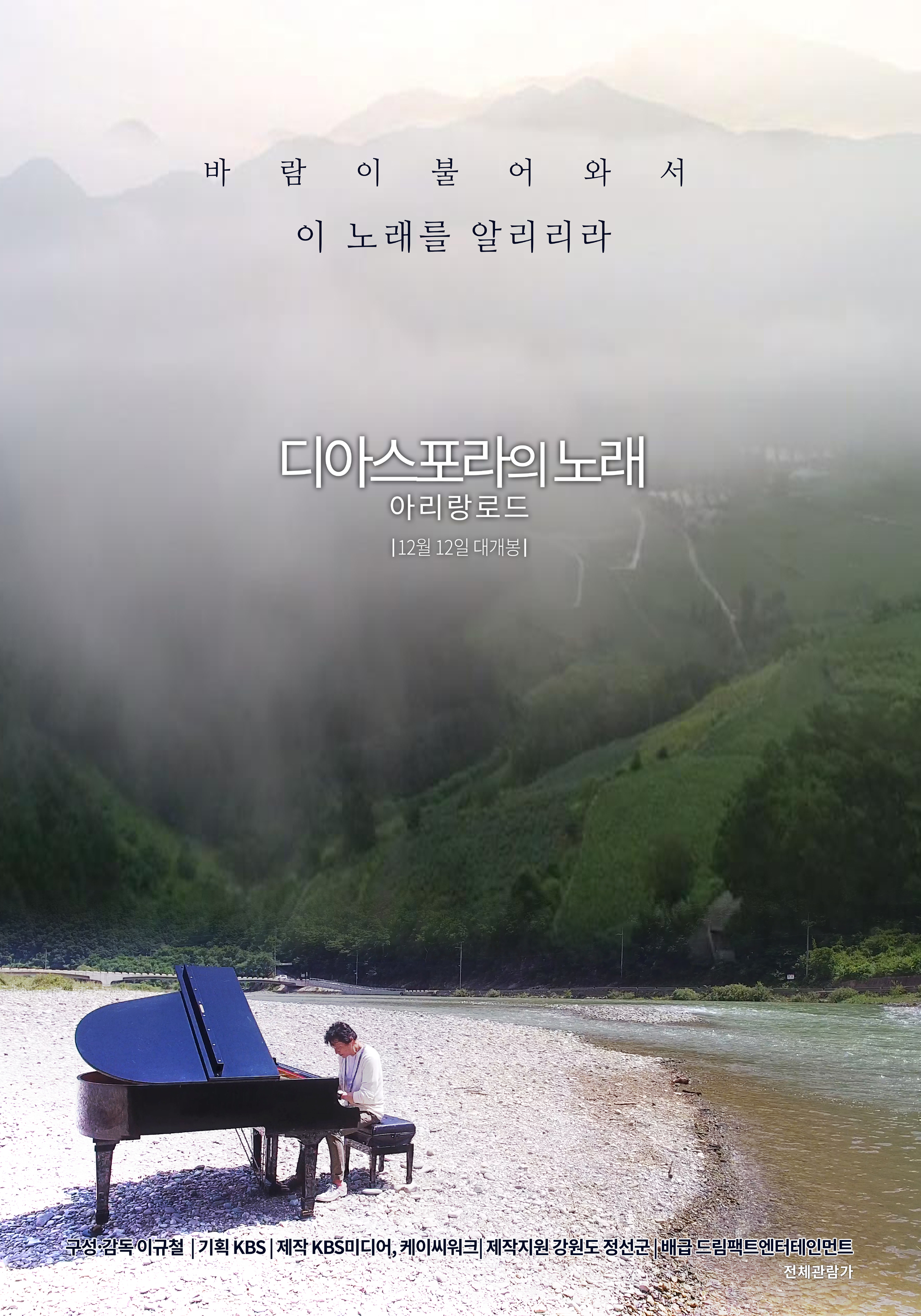
A song from home can be a powerful thing when you’re far away, as the various protagonists of Lee Kyu-chul’s Diaspora: Arirang Road (디아스포라의 노래: 아리랑 로드, Diaspora-eui Nolae: Arirang Road) make plain. Though they perhaps can no longer remember all the words, or are too overcome by emotion to be able to sing, each of Lee’s overseas Koreans has a deep connection to the melancholy folk song which sings, as one farmer puts it, of “the grief of living” but as others affirm is also full of life and hope if only in the solidarity of voices raised together in shared hardship. 

The guide, Korean-Japanese composer Yang Bang-ean, is on a quest to write his own version of Arirang, a new version which sings in the voices of the diaspora. Yang was himself born in Japan to Korean parents and is a member of the zainichi community committed to cross-cultural exchange. Unsurprisingly the first half of the film is dedicated to the Koreans who found themselves in Japan sometimes against their will, trafficked as forced labour during the colonial era and taking solace in Arirang while enduring harsh treatment and discrimination at the hands of the Japanese. In a brief reconstruction, a miner reads a letter to his mother in which he hides how much he is suffering, later likening himself to an octopus tricked into a pot, gradually consuming itself in a desperate attempt to survive.

Unlike many folksongs, little of Arirang is fixed aside from the distinctive chorus leaving melody and lyrics open to interpretation meaning there are thousands of different versions found all over Korea and beyond. The action later shifts to a perhaps forgotten diaspora community, the Koreans of Central Asia who travelled to Russia in search of a better life only to be moved on by Stalin in the 1930s as international tensions escalated. Packed onto a fetid train travelling for days on end with many dying during the journey from cold, stress, or hunger, they had only Arirang to unite them and offer hope that their lives would one day be better. 

As as someone puts it, Arirang is the “tragic history of a scattered people”, but also “a belief of our history and future”. According to another singer, it is “love. life. and living”, running like water with the rhythms of nature and leading those who share the song toward hope. Yang later re-characterises the song as both personal and universal, the singer in a sense becoming Arirang and Arirang the singer in a process of mutual change and evolution, something which is perhaps underway as he continues to write his own Arirang for those Koreans who remain outside of Korea. 

As many of the singers point out, there is much grief and sorrow in Arirang but also hope and a spirit of endurance. Lee Kyu-chul shows us two different burial grounds on different sides of the Earth, the first marked only with stones for Koreans buried anonymously in Japan, and the second a small city of walled headstones for those who died peacefully of old age in Kazakstan. Those who survived the train later prospered and endured, their grandchildren born and raised in Kazakstan but still united by Arirang as a marker of their culture while one young man enthusiastically belts out a K-pop tune to remind us they’ve not forgotten their roots. 

Yang concludes his performance with an intense jam session of various artists each forging a new Arirang together, testimony to the power the song has to bring people together as it has with Yang and the members of the Korean diaspora he has met from all over the world in some ways very like him and in other ways not but united in their Koreanness through the memory and the sentiment of Arirang no matter what lyrics they sang or what hardship they endured. A heartfelt tribute to the solidarity of voices raised in song and the cathartic properties of music, Lee Kyu-chul’s folksong odyssey rediscovers the invisible connections of the diasporic community brought together by the power of Arirang which offers, as Yang puts it, “the opportunity to hope” even in the depths of despair.


Diaspora: Arirang Road streams in the US Sept. 10 to 14 as part of the 11th season of Asian Pop-Up Cinema.

Original trailer (English subtitles)

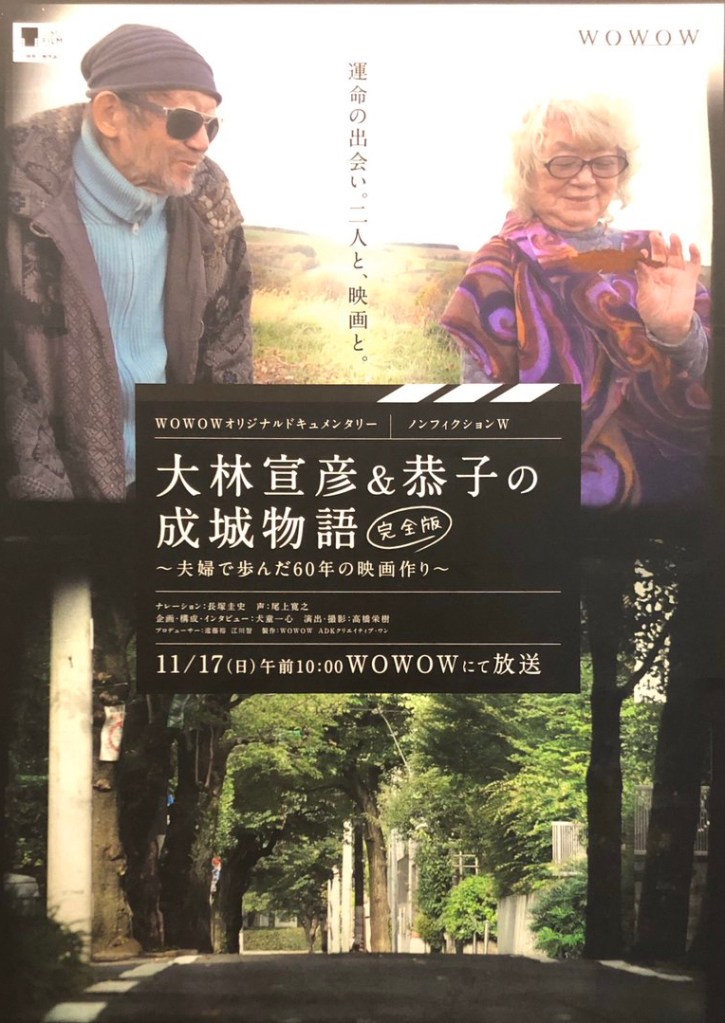
Seijo Story – 60 Years of Making Films (ノンフィクションW 大林宣彦&恭子の成城物語 [完全版] ~夫婦で歩んだ60年の映画作り~, Isshin Inudo & Eiki Takahashi, 2019)

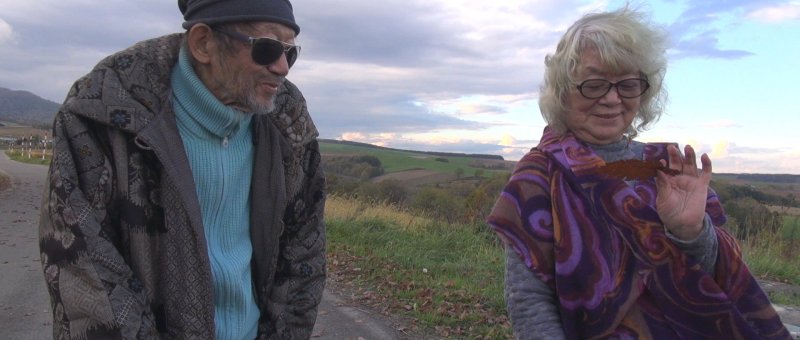
Director Nobuhiko Obayashi sadly passed away earlier this year the day his final film, Labyrinth of Cinema, would have opened in Japanese cinemas had it not been unfortunately delayed due to the coronavirus pandemic. Produced for premium TV network Wowow and directed by Isshin Inudo and Eiki Takahashi, Seijo Story – 60 Years of Making Films (ノンフィクションW 大林宣彦&恭子の成城物語 [完全版] ~夫婦で歩んだ60年の映画作り~, Non-Fiction W: Obayashi Nobuhiko & Kyoko no Seijo Monogatari (Kanzenhan) -Fufu de Arunda 60 Nen no Eigazukuri-) is part “making of” documentary following Obayashi through the postproduction process on Labyrinth of Cinema, and part career retrospective, but most of all a loving tribute to an enduring creative partnership not to mention lifelong romance between Obayashi and his infinitively supportive wife Kyoko. 

The film takes its name from an area of Tokyo designated as a specialised school district during the Taisho era but also from the 1930s the location of Toho Studios, later home to such directors as Akira Kurosawa and Mikio Naruse, becoming a film industry hub. It was at Seijo University that Obayashi met Kyoko Hanyu who subsequently became his wife. Together they began making 8mm films, the first of which, The Girl in the Photograph, starred Kyoko and was shot in 1960, and have been making movies together ever since. 

Following the path of Obayashi’s career, Inudo and Takahashi nevertheless centre that of Kyoko, making plain that without Kyoko much of Obayashi’s work would not have been possible. Acting as a producer, Kyoko performed many other roles from stylist to caterer, bringing the money together and making the most of it to allow Obayashi to complete his artistic vision while also being a warm and comforting presence on set engendering loyalties in much of the director’s regular team that they confess might not have been present if he had simply been working with an external production company. It is, in many ways, a family business and by all accounts a very happy, very loving, professional as well as personal relationship. 

Indeed, one collaborator remarks that Obayashi was certainly very lucky to have a producer prepared to let him do more or less as he pleased though he recalls somewhat humorously that her first use of her “power” after being credited as “producer” on his sixth feature I Are You, You Am Me was to put her foot down in instructing him to stop making ironic appearances in his own films. Obayashi also recalls that she said she’d leave him if he disappointed her and the fact she’s still here supporting his work is precisely because it continued to evolve and still manages to surprise her after 60 years of careful collaboration. Diagnosed with terminal cancer and given at most a year to live prior to the completion of Hanagatami, Obayashi launched straight into production of Labyrinth of Cinema, lamenting only that he feels he had so much more still to do having explored only a fraction of the art to which he’d dedicated his life. 

He explains that he was given a kind of freedom that others did have and felt a responsibility to embrace it. From a family of doctors, it was assumed he too would enter the profession but his father told him to follow his dreams instead, “being able to do what you want is what it means to live in peace”. But he still feels a sense of distance from the mainstream film industry, describing himself as a non-professional film director regarded as an “amateur” in remaining outside the studio system even if he did nevertheless make a series of “commercial” films though very much on his own terms. Fellow film director Yoji Yamada, on friendly terms with Obayashi more as a result of living in the same area than professional connection, reveals that he was not originally very interested in his work. Yamada is certainly a very different director, a veteran of Shochiku now also in his 80s and sometimes (unfairly) dismissed by international critics for making films which are seen as essentially mainstream, the very epitome of Shochiku’s inoffensive middle-of-the-road studio brand. Yet he also praises this sense of freedom that Obayashi was able to embrace in contrast to studio directors like himself who trained on the job learning conventional film grammar that those of his generation were always trying to escape. Obayashi views himself as a “film artist” who found greater acceptance with the art and experimental scene than mainstream cinema, getting his on-set education as a director of TV commercials which were then, perhaps ironically, the most lucrative area of the industry which had begun to decline towards the end of the 1960s. 

Yet Yamada later came to admire Obayashi, his words of endorsement can even be seen at the end of the trailer for Labyrinth of Cinema, finding in them an expression of a personal philosophy that he sees as less to do with the war itself than Obayashi’s own internalised feelings towards it. Describing himself as a militarist boy, Obayashi felt betrayed by the hypocrisy of the wartime adults, fully believing he would die with the loss of the war but seeing soldiers celebrate its end with black market rice. “I love you surpasses social status, wealth, or differences in religion, ideology, and beliefs. The feeling of love is universal. I love you is the only universal language. A sign of peace” he explains to a group of children. “Young people shouldn’t fight battles but work together for peace. I love you.”. A fitting tribute to a life in cinema, Seijo Story is also a love story in more ways than one, the story of a marriage and of a love for all mankind as expressed as a desire for the kind of peace where everyone is free to follow their dreams.


Seijo Story – 60 Years of Making Films is available to stream in the US until July 30 as part of this year’s Japan Cuts.

Japan Cuts trailer (dialogue free)

Sending Off (おみおくり〜Sending Off〜, Ian Thomas Ash, 2019)

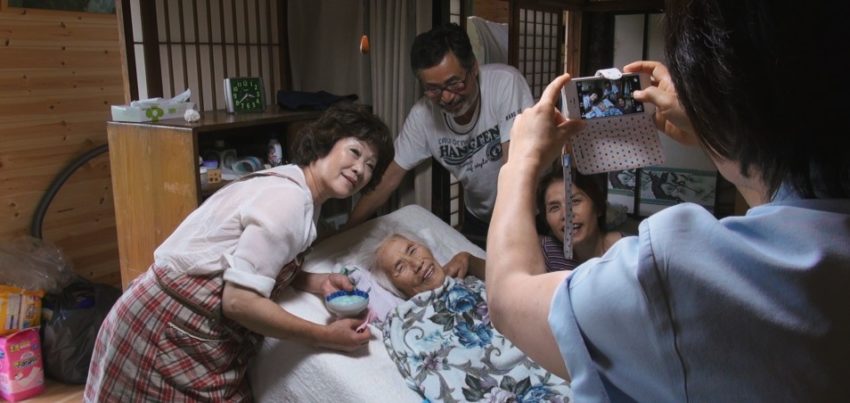
Following his 2014 documentary -1287 which followed a woman suffering with terminal cancer, Ian Thomas Ash examines the process of dying, and its aftermath, from a more immediate perspective in Sending Off (おみおくり〜Sending Off〜, Omiokuri: Sending Off) which sees him accompany Dr. Kaoru Konta who provides palliative care for those, mostly very elderly, who are approaching the end of their lives and are otherwise being looked after at home by family members rather than in hospitals. 

While in the past it might have been much more normal to die at home and for ordinary people to be familiar with illness and death, it may now be more usual to be cared for by trained professionals at a medical facility. Most particularly in rural areas, however, that might mean being entirely removed from a local community with friends and relatives perhaps unable to be present as much as they would like and so elderly family members are largely looked after by loved ones. That sense of community is certainly something that the bereaved family at the first home are very grateful for, affirming that while people in the cities can be distant from each other, people will always come to help in the country and true their word, the house is filled with neighbours helping to prepare food at 8.30am the morning after an elderly relative passes peacefully in her sleep shortly after 2. 

At the second house, meanwhile, a son who has been painstakingly taking care of his elderly mother laments that he feels oppressed by the ritualistic elements of a traditional funeral but would be failing in his duty to give her a proper send off if he did not complete them properly. Mr. Endo had remained conflicted about telling his mother that her condition was terminal, helping to video some of her treatment himself, including a mobile bathing session and soothing ice afterwards so other relatives could see his mother enjoying her life even while its quality continued to decline, but admitting that he hopes her suffering will soon be over so that she can finally reunite with his late father. Mrs. Endo receives a typical Japanese Buddhist funeral in a local temple and is then cremated, the family participating in the traditional ritual of picking up the remaining bones with chopsticks and placing them carefully into an urn. Dr. Konta also attends the public memorial service and gives a eulogy, discussing her brief relationship with the late Mrs. Endo and remarking on her admiration for the Endo family. 

As she says, caring for those with no possibility of recovering can be emotionally difficult. Yet we often see her taking time to admire the beauty of nature whether in a well kept garden, field of flowers, or the landscape to and from appointments. She tries to do her best to offer care and advice not only to the patients but to those who are their primary care givers and will often be making difficult decisions on their behalf. One elderly couple she visits appear to be in quite good health and mostly able to look after themselves, but she worries that as they had no children and their other relatives, save a nephew they don’t seem keen to contact, are also elderly there is no one who they can call should one of them become seriously ill and unable to look after the other.  

Mr. Hata, meanwhile, has the opposite problem in that he is worried about leaving his wife behind when he dies especially he claims because she’s not so good at the practical stuff and he’s always taken care of that for her. Those familiar with Ian Thomas Ash’s work may already be acquainted with Mr. Hata as he became the subject of an ongoing social media project as Ash helped him reunite with the son he had lost contact with 30 years previously after separating from the child’s mother. “Regret and regret, sometimes enjoy life” is how Mr. Hata describes the business of living but declares himself satisfied with being happy in the moment, seeing this as a “happy ending” witnessing the cherry blossoms surrounded by people he loves. Capturing the process of dying as unobtrusively as possible and with absolute sensitivity, Ash can also be seen stepping in to help when needed while documenting both the highly ritualised processes of “sending off” a relative and the managing of grief which accompanies them. 


Sending Off is available to stream in the US until July 30 as part of this year’s Japan Cuts.

Original trailer (dialogue free)

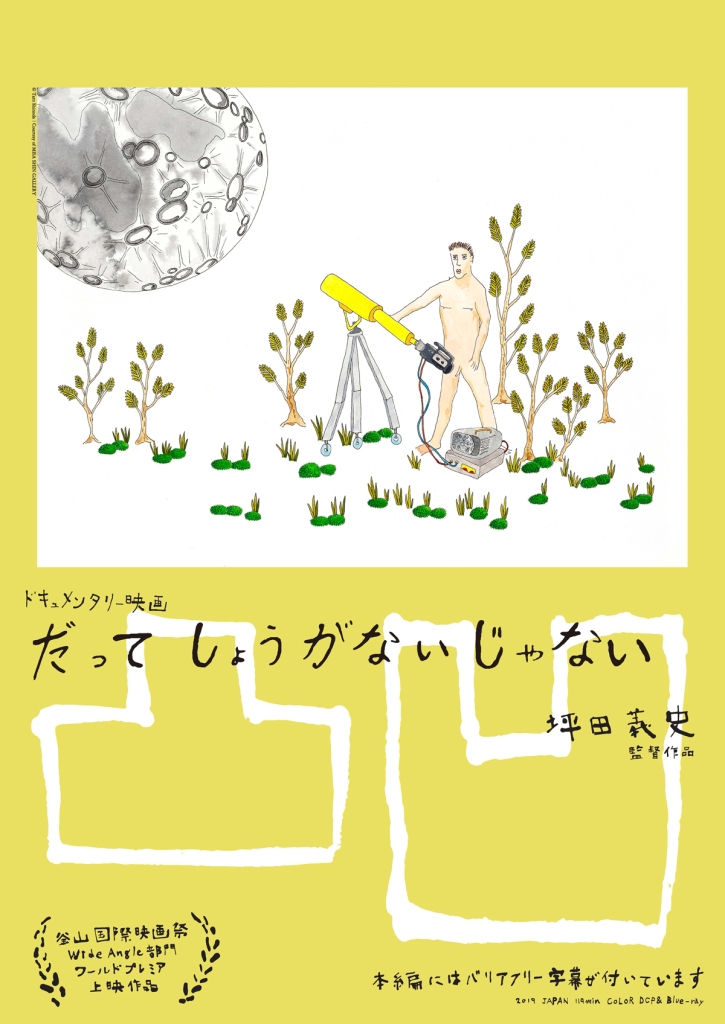
What Can You Do About It? (だってしょうがないじゃない, Yoshifumi Tsubota, 2019)

“Datte, shoganai janai?” The subject of Yoshifumi Tsubota’s empathetic documentary asks, stoically accepting disappointment with a resigned, well What Can You Do About It? (だってしょうがないじゃない). Recently diagnosed with ADHD, 41-year-old Tsubota documents his friendship with a relative diagnosed with a Pervasive Developmental Disorder, in his case autism with mild learning difficulties, as he tries to come to terms with the many changes in his life from the death of his mother some years previously to the impending prospect of having to leave his childhood home and enter a residential facility. 

Born in 1957, Makoto had lived alone with his mother for over 40 years before she passed away. Leaving education after middle school, he drifted around in various jobs before joining the SDF with which he served until returning home on his father’s death and is now in his early 60s. Yoshifumi’s aunt, Machiko, has become his legal guardian, helping him get the PDD diagnosis and sorting him out with a pension while managing his money and just generally watching over him. Other than Machiko, whom he refers to as a sister, Makoto is also visited by a series of helpers who assist him with day to day matters such as cleaning and grocery shopping he otherwise finds difficult. 

As his grocery helper points out, sometimes it can take a while for Makoto to fully understand why something is not working out the way he expected. In the case of shopping, he forgets about his budget and puts everything he wants into the basket only for the helper to remind him that he needs to put something back because he’s run out of money. He also gets himself into trouble with Machiko after asking Yoshifumi to go shopping with him and splurging on new trainers just because he liked them, lying that Yoshifumi had bought them for him and remorseful about potentially getting Yoshifumi into trouble. The biggest problem, however, is with a seemingly pernickety neighbour who has been making complaints about Makoto’s sometimes eccentric behaviour, especially his strange habit of going out late at night and throwing plastic carrier bags in the air just because he enjoys seeing them dance in the wind. He knows he needs to change, but finds it impossible to stop. 

Makoto’s compulsions worry Machiko who recalls a previous occasion on which he almost started a fire idly playing with matches. She is also alarmed on discovering a pornographic magazine he’d hidden in his figurine cabinet, paranoid that he might harm someone, unable to control himself or understand what might be considered inappropriate. Machiko’s rather prurient reaction appears to cause Makoto a great deal of anxiety despite Yoshifumi’s reassurance that most men have similar magazines and looking at them, so long as that’s all it is, is perfectly healthy whatever Machiko might say to the contrary. 

Meanwhile, he’s acutely worried about the prospect of being forced out of his family home and realising that if something happens to Machiko there will be no one left to look after him. After his mother’s death, Makoto had announced a sudden intention to marry a beautiful woman, but, as it turns out, only to get himself another mother. Two older women who come to chat with him as part of a community outreach programme try to talk him out of it, persuading him that wives and mothers are different, something which apparently took a little time for him to fully understand. When a cherry tree in the garden has to be cut down, he finds it very distressing as if he no longer recognises his home as his own with only two trees when there had always been three.

Yoshifumi too is looking for acceptance and understanding, explaining to Makoto and the visiting ladies that his wife is struggling to accept his ADHD diagnosis while telling us in voiceover that he’s been hiding his medication in his office and taking it in secret because she doesn’t approve. His quest to understand Makoto is also one to understand himself while trying to capture the way he sees the world. As Makoto says, however, Yoshifumi’s wife can never fully understand because she does not experience things the way they do. Nevertheless, the two men though a generation apart generate a genuine friendship, going to theme parks, baseball games, summer festivals, and eventually karaoke as they bond over their shared sense of difference. Lending a whimsical touch with frequent transitions into surrealist animation, Tsubota’s warm and empathetic approach explores not only his cousin’s usual life but also the problems of ageing and of disability in contemporary society along with a persistent stigma towards the acknowledgement of development disorders but finds solace in community support as friends and relatives rally round to help Makoto live his life to the fullest for as long as he can. 


What Can You Do About It? is available to stream in the US until July 30 as part of this year’s Japan Cuts.

Original trailer (English subtitles)

Reiwa Uprising (れいわ一揆, Kazuo Hara, 2019)

With a career spanning more than 40 years, veteran documentarian Kazuo Hara cannot exactly be described as prolific. His films can often take years to produce, his upcoming documentary on the Minamata disease apparently having been in development for the last decade and a half. Perhaps appropriately enough Reiwa Uprising (れいわ一揆, Reiwa Ikki) is then something of a revolution even within the director’s own career in that it saw him spring into action at a moment’s notice after being invited to document the imminent House of Councillors election by the documentary’s subject, Ayumi Yasutomi, making good on a joke made during an online interview. 

A transgender woman and professor at the University of Tokyo, Ayumi Yasutomi had received some previous press attention during an eccentric but unsuccessful campaign to become a local mayor. She was now one of 10 candidates selected to stand for brand new political party Reiwa Shinsengumi founded by former actor Taro Yamamoto. Yamamoto himself was already known for his unconventional political style, and Reiwa Shinsengumi was set up expressly to oppose the scandal-beset Abe administration with a series of broadly left-wing policies prioritising human rights and the environment in addition to pushing for an end to the consumption tax, nuclear power, and the controversial Henoko US military base in Okinawa. 

As a new political party, however, there was no firm organisation in place and Yamamoto chose his various candidates for their individual platforms, giving them in the main a fairly free rein to run their own campaign as they saw fit prioritising their own policy ideals. Yasutomi’s central policies revolve around the protection of children with a focus on preventing abuse and reform of the educational system, but she is also keen to encourage a return to nature and as in her mayoral campaign is regularly accompanied by a rented horse temporarily stabled in the city. Like Yamamoto she stages a series of publicity stunts including a Thriller flashmob, describing the video’s zombies as adults who have died inside after being robbed of their childhoods and have subsequently become mere machines perpetuating the systems of oppression which have made them what they are, while continuing with the musical processions which had originally caught Hara’s eye during her mayoral campaign. 

Though Yasutomi remains his main focus, Hara expands the canvas to capture the nascent revolution that Reiwa Shinsengumi is attempting to foster. As a new political party, they are not so much focussed on winning power as gaining a foothold, hoping for the 2% vote share that would grant them status as an official political party. The other candidates stand on a variety of social issue policy platforms from disability to workplace exploitation and the anti-nuclear movement with a keen focus on social equality insisting that no-one should be judged according to their “productivity” or “usefulness” to society. A sign language interpreter appears onstage next to the candidates at the central rallies, and in an impressive hustings gimmick the floor literally rises to allow his two wheelchair-using candidates access to the stage on the same level as their able-bodied colleagues. It is perhaps an unexpected candidate who makes the most impact, however, in the impassioned speeches of part-time worker and single mother Teruko Watanabe who advocates fiercely for the rights and dignities of Japan’s impoverished working class as a woman who found herself at the mercy of an inherently exploitative employment system which offers little protection to those outside of the full-time salaried employee. Her concerns are echoed in those of another candidate who once ran a 7-Eleven and has a deeply held grudge against Japan’s famous combini culture having taken the unusual position of being a boss who regularly advocated on behalf of workers. 

While passively documenting their struggle, Hara nevertheless uncovers a possible schism at the heart of the movement in that, as unconventional as he otherwise is, Yamamoto is determined to work within the system if only to change it while Yasutomi would rather destroy it completely, repeatedly insisting that the entire country is “crazy” and has never fully managed to escape from its militarist past. She resents the ruling LDP, who have been in power for almost the entirety of the period since Japan’s new post-war constitution came into effect, for perpetuating a kind of “positionism” in which all they care about is a conservative desire to maintain their own status granting only the concession that they will in turn recognise the status of others. It’s this “positionism” she seeks to counter in what she sees as the best expression of liberalism through rejecting labels, something which has apparently brought her into conflict with the wider LGBTQ+ community. Reiwa Shinsengumi managed to win two Diet seats, awarded to the two disabled candidates in a first for Japan, though Yamamoto himself did not make it back to parliament and Shinzo Abe’s administration remained comfortably in power. Nevertheless, Hara captures a political moment in which real change seems possible for the perhaps the first time since the decline of the post-war leftwing student movement in the early 1970s. As Watanabe puts it, this is just the start the starting line. The revolution starts now. 


Reiwa Uprising is available to stream in the US until July 30 as part of this year’s Japan Cuts.

Original trailer (English subtitles)
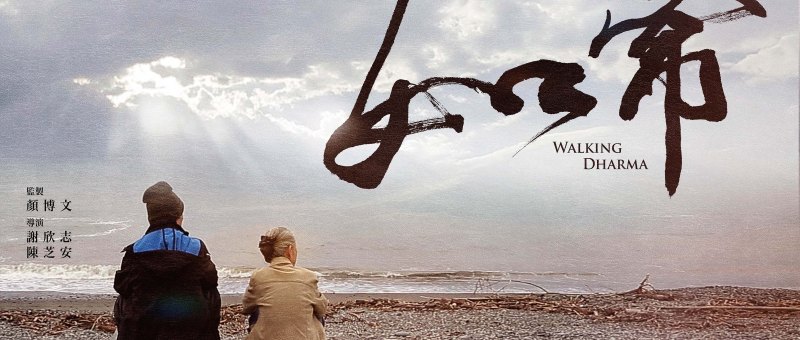
Prison Circle (プリズン・サークル, Kaori Sakagami, 2019)

“A scar may recover but trauma never goes away” according to one of the inmates in Kaori Sakagami’s heartfelt documentary Prison Circle (プリズン・サークル). Neatly encapsulating the doc’s themes, the title refers both to the circle of chairs which represents the open group therapy sessions at the centre of the experimental rehabilitation programme on which the film is focussed, and the cycle of violence to which it alludes. Long interested in justice issues, Sakagami follows her two previous documentaries dealing with the US penal system with that of Japan, but concerns herself less with life in prison than the wider social issues which led to these men being convicted of crimes along with their future possibilities for reintegration into mainstream society. 

Sakagami apparently spent six years trying to acquire permission to shoot inside a Japanese prison before coming to an agreement with Shimane Asahi Rehabilitation Program Center which nevertheless has its limitations in that the faces of all the inmates are understandably blurred, she is always accompanied by two guards, and is not permitted to interact with prisoners or anyone working in the prison outside of a few direct interview sessions. Apparently inspired by Sakagami’s US documentary Lifers: Reaching for Life Beyond the Walls, the Shimane programme is the first and only of its kind in Japan shifting the focus away from punishment towards rehabilitation supporting around 40 men through a therapeutic treatment centre (TC) which attempts to help the prisoners understand the reasons for their crimes, empathise with their victims, and eventually return to mainstream society. According to the closing text the programme has been successful in reducing the rate of recidivism among its graduates in comparison with those released from a regular prison. 

In order to qualify, inmates must have the will to change, have no underlying mental health conditions, and be serving at least six months. The prisoners are also described as low risk though many of those we meet have been convicted of violent crimes including those which involved a death. Operating as a small bubble within a larger facility, the TC shares many of the rules and regulations with the wider population in that inmates are expected to raise their hand to ask permission of the guards any time they want to do something, but unlike other blocks are permitted to walk around unsupervised and sleep in “rooms” rather than “cells”. Prisoners engaging in the programme are also partially exempted from mandatory labour requirements while required to participate in the group sessions that are at the core of the TC. 

Following four men over two years, Sakagami finds a fatalistic similarity among their stories despite the differences in their offences, painting their crimes as a cry for help and direct result of childhood trauma. Each of the men who are now in their 20s comes from a difficult family background and experienced abuse, neglect, and bullying which is, the film seems to suggest, the root cause of their lawbreaking. The first of the men, Taku, was abandoned by his abusive father into a children’s home and thereafter left without support as a young man leaving care with nothing to fall back on. Encouraged to be open, he relates his embarrassment in revealing that even as a grown man he often longs to be hugged he feels because his parents never held him when he was a child. The other prisoner reveals he feels something similar, and other of the men admit they fell into crime in part because they wanted to stay connected to something even if it was delinquent kids in place of a family that had already failed them. The last of the men, Ken, also explains that he ended up getting into debt in part because he was buying expensive presents for his mother and girlfriend because he feared they’d abandon him and he didn’t know how else to keep them. 

Yet the prisoners also admit to feeling little remorse, seeing themselves as victims rather than perpetrators and struggling to draw the lines between their trauma and the crimes they have committed along with the hurt they’ve caused to those around them. Through therapy and role play sessions, the prisoners learn to empathise with each other as well as themselves as they begin to process their trauma in an essentially safe space. Sakagami shifts into gentle, storybook-style sand animation in order to dramatise their often horrific childhood memories linking back directly to a fairy tale written by one of the men about a boy who cried wolf because of a mysterious curse which forced him to lie, insisting that he was fine even in his loneliness as he pushed away those who had not rejected him. The boy in the fairy tale is eventually given the power to free himself after being approached by a benevolent god who gives him permission to speak his truth, emerging from his darkness into the light. Though limited by the conditions of filming and over reliant on onscreen text, Sakagami’s compassion for these men and faith in the project is never is doubt as the closing dedication “For everyone who wishes to stop the cycle of violence” makes plain. 


Prison Circle streamed as part of this year’s online Nippon Connection Film Festival. Viewers in the US will also be able to catch it streaming as part of this year’s Japan Cuts!

International trailer (English subtitles)
Mulberry Child (Susan Morgan Cooper, 2011)

Unavoidably, it can be difficult for parents and children to understand each other. They come from different times and places, and the relationship will always be strained by the weight of conflicting expectations. All these things are true no matter where each of you were born or raised, but they are perhaps exacerbated by a degree of cultural dislocation. Author Jian Ping, the subject of Susan Morgan Cooper’s documentary/drama hybrid inspired by Ping’s memoir Mulberry Child, attributes the distance between herself and her Westernised daughter Lisa to just this fact, worried that in bringing her to America for a better life she may have made a mistake. At once silently proud of everything she has achieved, she also fears that Lisa takes her easy life for granted and has “forgotten” the hardships her family once faced during China’s Cultural Revolution. 

It’s telling in some ways that Jian asks Lisa to read her book rather talking to her directly, hoping that by learning about the brutalisation of the Mao years and the echo of its affects in her family alone might help to explain something to her about why she is the way she is. There’s no getting away from the fact the relationship between the two women is strained beyond the normal degree, Lisa keen to defend her Americanised way of life and apparently unable to understand her mother’s attitude to money which she sees merely as a means to an end rather than something to be accumulated for its own sake. That might in part be less culture than class, in that Lisa at least appears to have enjoyed a high standard of life and it’s difficult to appreciate the powerful desire for material security if you’ve never been without it, but also leads back to a conflict between the two women’s ideals of a “good” life and the disconnect in the their essential ideals. 

Born in China but living in America since she was 4 1/2, Lisa claims not to feel resentful towards her mother for having temporarily left her behind in China with her grandparents while studying abroad. Nevertheless, she is very frank in voicing hostility, devastatingly stating that she feels like a guest in her mother’s home while later recalling a solitary childhood, leaving at 15 for boarding school. She feels as if she was raised to be self-sufficient and finds her mother’s “sudden” desire for closeness odd, declaring the 1.5 mile journey to her mother’s apartment too inconvenient to make with any regularity. Lisa also feels very little connection to her family in China whom she views as quasi-strangers, while Jian perhaps feels that the fact they are family is enough to bind them no matter what. 

What Lisa comes to understand through her journey to China is less a grasp of cultural history than that there are different ways of showing love and some of them are easier to understand than others. Jian too wrestles with the same thing, recalling her childhood with her own mother whom she regarded as cold and distant, preferring her warm and kindly grandmother whose feet were bound, knowing that her grandmother too was shaped by the times in which she lived in that she was raised to be loving and affectionate but mainly in order to serve men. Jian’s mother came of age during turbulent times and saw freedom in Mao’s promises of an end to feudalism which also included an end to cruel traditions such as foot binding and the promise at least of sexual equality. But the Party demanded total loyalty, and in times such as these emotion was a liability. Jian internalised the lessons of her mother and grandmother and learned to bear her sorrow in silence with grace and fortitude. Her grandmother told her to be strong like the mulberry tree so as never to break, emotional repression as a tactic for survival. She made sacrifices for a better life for her daughter, but her daughter resents her for a perceived emotional absence and for always expecting “better” in her maternal pride which, ironically, only fuels her sense of inadequacy. 

The film closes with an emotive moment of mother and daughter bonding over shared enthusiasm for the 2008 Beijing Olympic Games with Lisa suddenly declaring that China is the future as she begins to embrace her dual heritage, but does not stop to ponder how Jian’s parents, apparently also excited about the Games, felt about the modern China as those who had been among the more fervent supporters of a now abandoned Maoism. Nevertheless, Mulberry Child proves that greater intimacy can be forged only through a process of mutual understanding. Still sounding unconvinced, Lisa closes with the affirmation that they are at least “starting the process” as mother and daughter reflect on the legacies of trauma national, historical, and personal.


Mulberry Child is available to stream via Amazon Prime in the US and UK.

Trailer