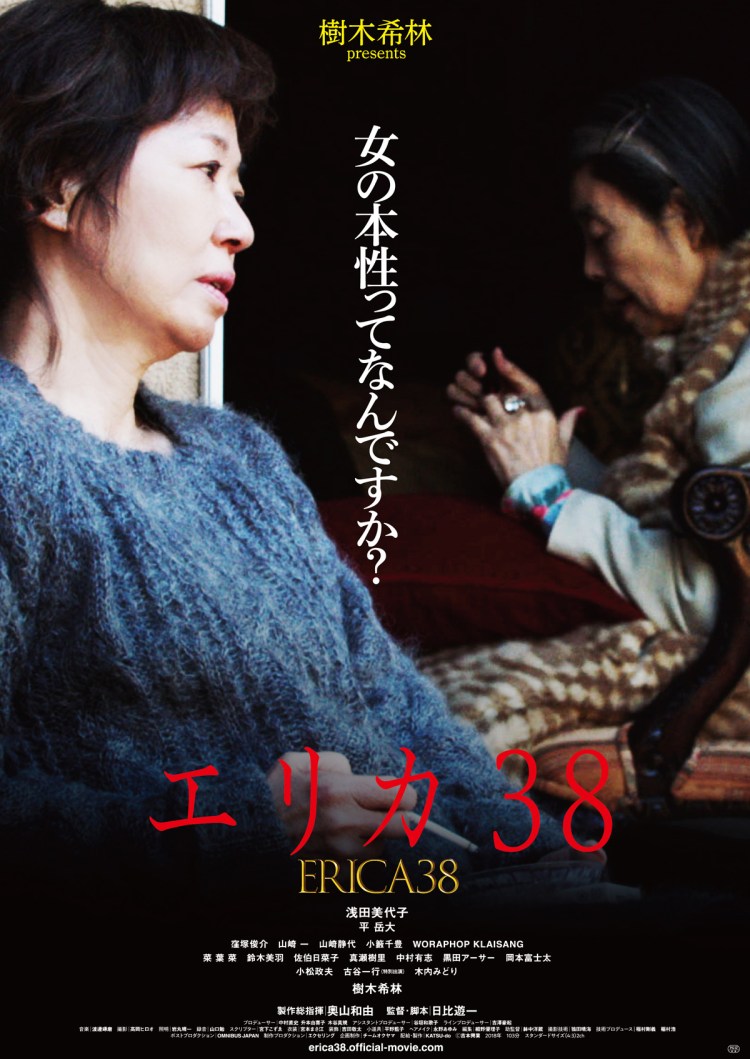
Erica 38 (エリカ38, Yuichi Hibi, 2019)

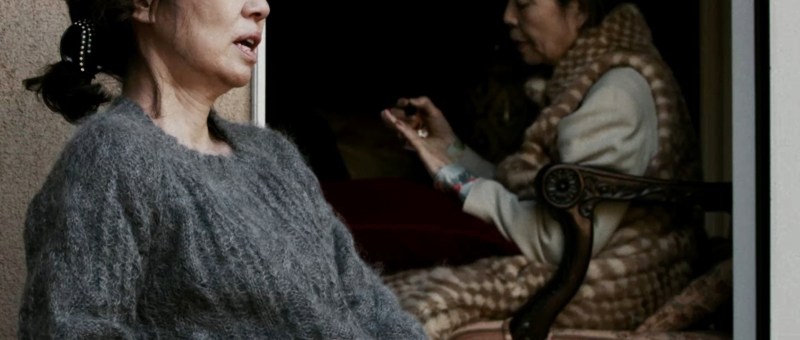
Erica 38 poster“Everybody’s life is in someway unfulfilling”, admits the philosophical victim of a con woman in ripped from the headlines tale Erica 38 (エリカ38). “It’s like a crutch” he adds, without a little fantasy you can’t go on. Like the “Erica” of the title, her victims are also looking for escape from an unsatisfying reality, and unfortunately for them already have what she feels would make her life more bearable – vast wealth. Returning to Japan after three decades abroad, director Yuichi Hibi does his best to humanise the figure of the coldhearted grifter, painting her as just another disappointed, lonely old woman desperately trying to recapture the sense of possibility so cruelly denied her in youth.

Later rebranding herself as “Erica”, a 38-year-old woman of means, our “heroine” is Satoko Watanabe (Miyoko Asada), an ageing bar hostess supplementing her income by peddling a dodgy multi-vitamin pyramid scheme to bored housewives eager to make a few extra bucks. Her sales pitch, however, gets her noticed by a refined old woman sitting close by in an upscale hotel during in one of her sessions. The woman, Mrs. Ito (Midori Kiuchi), introduces her to a “friend”, Hirasawa (Takehiro Hira), who cuts in with a sales pitch of his own in branding himself as a paid up member of the global elite who works with the Pentagon on important international matters. Hirasawa heavily implies his business is not quite on the level, but Satoko, captivated by his suave sophistication, fails to realise just how dodgy he really is. Before long, she’s joined him in his “consultation” business, selling fraudulent investment opportunities in the emerging market of Cambodia.

It is surprisingly easy to sympathise with the dejected Satoko as she falls under Hirasawa’s spell. Already well into her 50s when the film begins and clearly over 60 when she rebrands herself as the 38-year-old Erica, Satoko has led an unhappy life beginning with a traumatic childhood lived in the shadow of an abusive, adulterous father. The only memory of joy from her youth is when she and her mother (Kirin Kiki) giggled together after accidentally tipping rat poison into dad’s miso soup. Life since then, it seems, has been one disappointment after another spent in the hostess bars of Kabukicho. What all of that means, however, is that she’s become skilled in the art of selling fantasy. All that time invested in extracting cold hard cash from lonely men has set her in good stead for selling unrealistic investment opportunities to the already comfortably off.

Unrepentant, Satoko tells herself that she bears no responsibility towards those who lost money in her scams because they were chasing exactly the same thing she was – escape, and they both found it at least for a moment. Her victims made the decision themselves, she never forced anyone, and so it’s their own fault that they fell for her patter while she perhaps laments only that she’s been foolish and profligate in not planning better for the eventual implosion of all her schemes.

“There’s a thin line between real and fake”, she tells a party guest admiring one of her paintings, “if someone sees it as real then real it is”. Satoko’s cons are, in essence, an extension of the paradox of the hostess business. Anyone with an ounce of sense would have seen that the business isn’t legitimate, but like a salaryman in a hostess bar they invest in the semblance of connection while knowing in a sense that isn’t “real”. Ironically enough, Satoko is forced to realise that the first victim of her subterfuge is herself. Chasing a dream of love, she fell hard for Hirasawa without thinking him through. Hirasawa succeeds in his schemes because he’s scrupulously careful in maintaining his persona – he operates out of hotels, has no fixed address, and uses several cellphones. As Satoko later finds out, he is effectively running a harem, romancing several women all like herself bringing in the big bucks while he sits back relatively risk free. She has been used, once again.

The implosion of her dream of romantic escape is what sends her to Thailand where she ponders a reset, rebranding herself as the 38-year-old Erica of the title and beginning an affair with a young and handsome Thai man she rescued from gangsters with her ill-gotten gains. Porche (Woraphop Klaisang) later describes her as “My Angel”, of course realising that she was much older than she claimed but claiming not to care. It may be that he really did love her, but you can’t ignore the corruption of all that money and the power that it buys. In the end, money can’t buy you love, or a path out of loneliness, or a cure for disappointment.

Satoko was, like many, just another lonely, disappointed old lady trying to escape an unsatisfying present through a fantasy of returning to the past, rebooting herself as a successful business woman, loved and in love, as someone with a brighter future to look forward to. Her sales patter worked because it was “true”, the similarly dejected could sense in her the desperation for escape and as they wanted to escape too they let her take them with her. A melancholy tale of delusion and disillusionment, Erica 38 has immense sympathy for the scammer and the scammed painting them both as victims of an often unfair, conformist society in which freedom is the rarest commodity of them all.


Erica 38 screens in New York on July 25 as part of Japan Cuts 2019.

Original trailer (English subtitles)
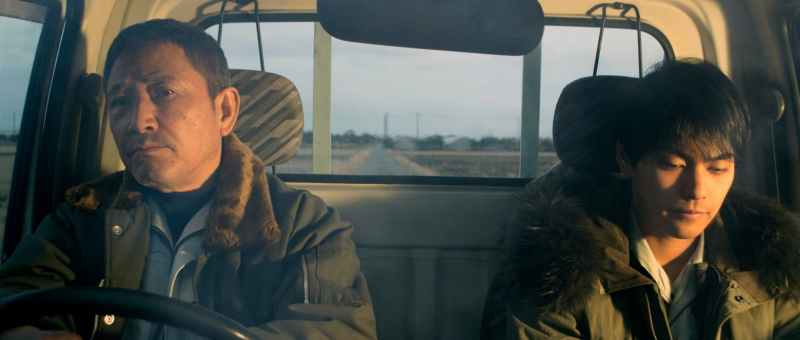
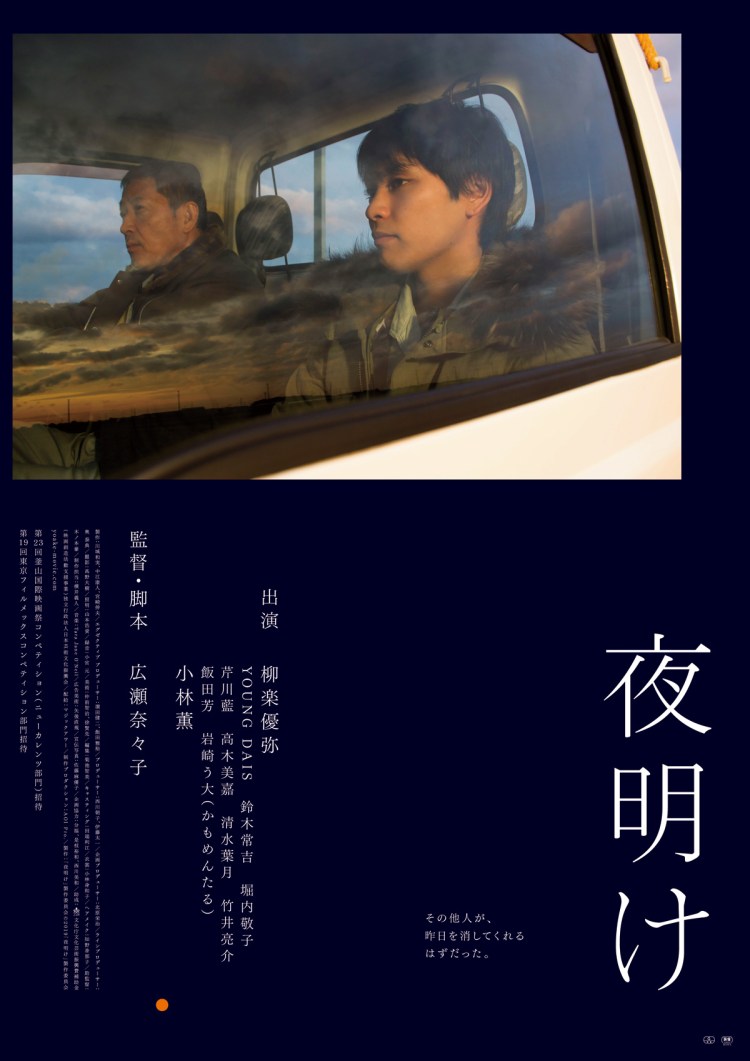
His Lost Name (夜明け, Nanako Hirose, 2018)

His Lost Name poster 1Family as performance has become a prominent theme in the ongoing development of the family drama. Ever since The Family Game punched a gaping hole through the sanctities of the family unit, nothing has quite been the same. Then again, performance only goes so far and will necessarily fail when there is no genuine connection to back it up. Every family has its problems, according to Tetsu the bereaved patriarch at the centre of His Lost Name (夜明け, Yoake), but you cannot simply escape them through substitution or subterfuge.

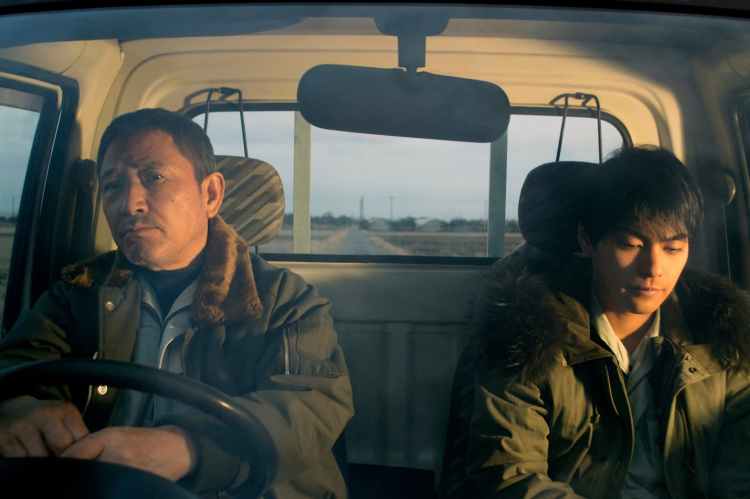
When Tetsu (Kaoru Kobayashi) finds a young man passed out on a riverbank, his first instinct is to help him. He takes him home, but the man though obviously grateful remains reticent, only latterly identifying himself as “Shinichi Yoshida” (Yuya Yagira) which, as Tetsu points out, is a suspiciously common name. “Shinichi” starts working at Tetsu’s furniture factory and is warmly welcomed by the other employees as well as Tetsu’s fiancée Hiromi (Keiko Horiuchi) who runs the office. He is, however, somewhat nervous, shrinking away from passing policemen and having a full on meltdown when a friend tries to take his picture.

Tetsu, meanwhile, has not been entirely truthful either. His wife and son, also (coincidentally) called Shinichi, were killed in a car accident some years previously. Despite having arranged to officialise his relationship with Hiromi, it seems he’s not quite ready to leave the past behind and is not planning to live with her even after they marry nor has he made much of a motion to separate himself from his former family home.

The arrival of the new “Shinichi” is then a fortuitous one, in some senses, in that it affords Tetsu a path back towards the son he’s lost. This is perhaps why he is so keen to look after Shinichi despite knowing that he’s not telling him the whole truth and is obviously on the run from something or other. Shinichi tells him that he’s on a “soul-searching” vacation and is in this tiny village because he visited it at some unspecified point in the past. Tetsu is content to let him be, confident that Shinichi will offer up more truth when the occasion calls but also hoping to persuade him to stay in the place of the Shinichi he has already lost.

Snippets of what he says may be true – an overbearing, authoritarian father and cold family background suggest Shinichi is looking for exactly what Tetsu offers him. Yet Tetsu, trying his best to do better, may be little different. He argued with his Shinichi because he rejected the furniture business to be an electrician. Tetsu railroaded his son in much the same way Shinichi’s father did him, and despite his instruction to “choose your own path” is clearly grooming his surrogate son as an heir (much to the disappointment of Shoji (Young Dais), a loyal worker at the factory who clearly loves Tetsu and is a good friend to Shinichi).

Both accepting that what passes between them is to some extent a simulacrum, the two men take what they need, fulfilling the roles of family a little more than superficially but painfully missing the mark. Meanwhile, their awkward closeness begins to disrupt Tetsu’s peaceful existence in dredging up memories of the past, damaging his relationship with Hiromi and placing a strain on his business. Shoji, upset that Shinichi froze rather than back him up during an incident we can infer was in some degree triggering, angrily tells him that he should “trust us more”. He may well have a point in that Shinichi’s reticence prevents him becoming a full member of the “family” but it’s less a matter of trust in others than belief in himself that keeps Shinichi silent.

Unable to accept himself as himself, and failing to step into the persona of “Shinichi”, all Shinichi is left with is intense shame and self-loathing. The failure of the Shinichi persona perhaps forces him to reclaim his own name, but the shame still remains as does the sense of drifting confusion which prevents him from moving forward with his life. Tetsu meanwhile is forced to accept that he cannot save his son and is ill-equipped to help this confused young man with whom he has made all the same mistakes as before, burdening him with unfair parental expectations he knows for certain that the boy cannot carry. A tale of fractured identities, fraying familial bonds, and irresolvable guilt, His Lost Name leaves its heroes much as it found them, mired in shame and regret but with perhaps a degree of acceptance for that which cannot be changed.


His Lost Name screens in New York on July 23 as part of Japan Cuts 2019.

International trailer (English subtitles)

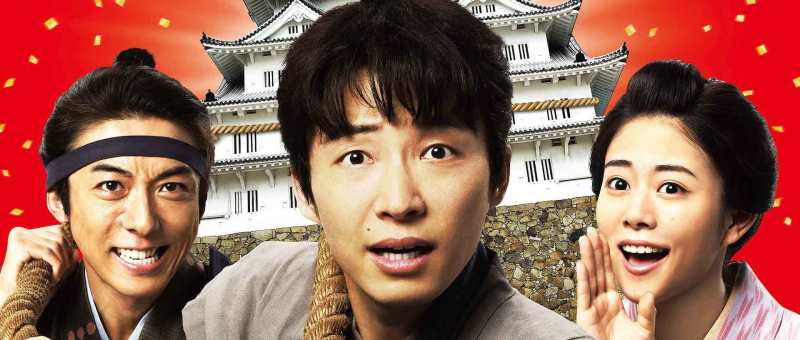
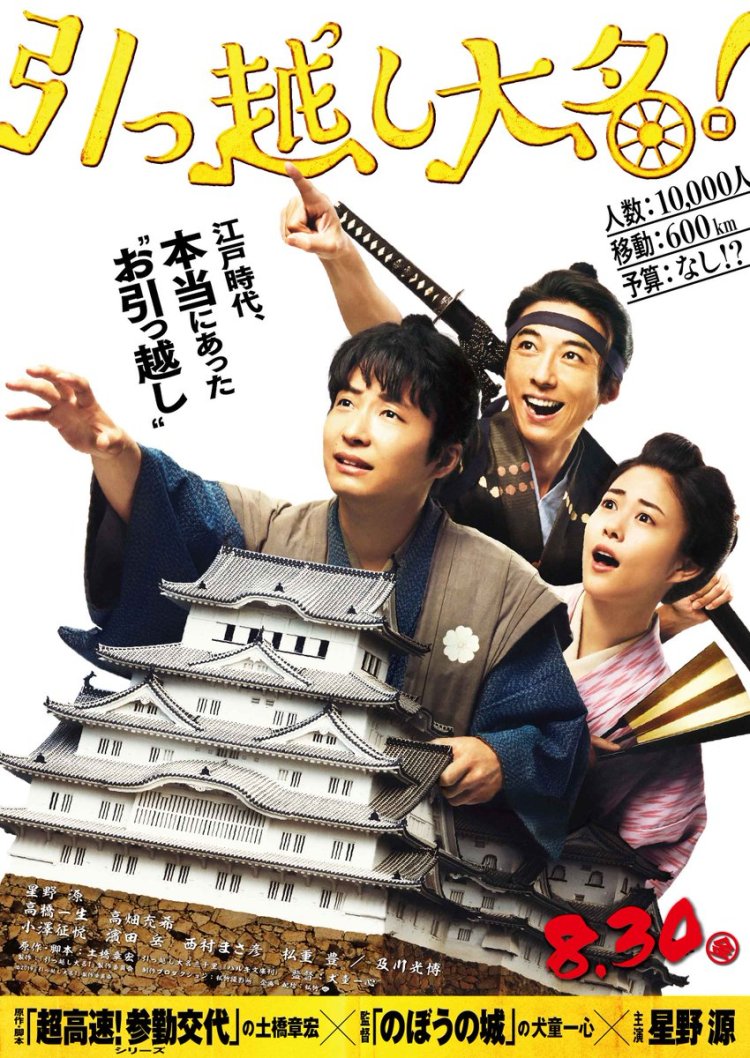
Samurai Shifters (引っ越し大名!, Isshin Inudo, 2019)

Samurai Shifters poster 1Forced transfers have been in the news of late. Japanese companies, keen to attract and keep younger workers in the midst of a growing labour shortage, have been offering more modern working rights such as paid parental leave but also using them as increased leverage to force employees to take jobs in far flung places after returning to work – after all, you aren’t going to up and quit with a new baby to support.

As Isshin Inudo’s Samurai Shifters (引っ越し大名!, Hikkoshi Daimyo!) proves, contemporary corporate culture is not so different from the samurai ways of old. Back in the 17th century, the Shogun kept a tight grip on his power by shifting his lords round every so often in order to keep them on their toes. Seeing as they had to pay all the expenses and handle logistics themselves, relocating left a clan weakened and dangerously exposed which of course means they were unlikely to challenge the Shogun’s power and would be keen to keep his favour in order to avoid being asked to make regular moves to unprofitable places.

When the Echizen Matsudaira clan is ordered to move a considerable distance, crossing the sea to a new residence in Kyushu which isn’t even really a “castle”, they have a big problem because their previous relocation officer has passed away since their last move. Predictably, no one wants this totally thankless job which warrants seppuku if you mess it up so it falls to introverted librarian Harunosuke (Gen Hoshino) who is too shy refuse (even if he had much of a choice, which he doesn’t). Unfortunately for some, however, Harunosuke is both smart and kind which means he’s good at figuring out solutions to complicated problems and reluctant to exercise his samurai privilege to do so.

In fact Harunosuke is something of an odd samurai. As others later put it, he doesn’t care about status or seniority and has a natural tendency to treat everybody equally. When the head of accounts advises him to take loans from merchants with no intention to pay them back, he objects not only to the dishonesty but to the unfairness of stealing hard-earned money from ordinary people solely under the rationale that they are entitled to do so because they are samurai and therefore superior. Likewise, when he finds out that his predecessor was of a lower rank and that all his achievements were credited to his superiors he makes a point of going to his grave to apologise which earns him some brownie points with the man’s pretty daughter, Oran (Mitsuki Takahata), who was not previously minded to help him because of the way her father had been treated.

Harunosuke’s natural goodness begins to endear him to the jaded samurai now in his care. Though they might be suspicious of some of his methods including his “decluttering” program, they quickly come on board when they realise he is not intending to exclude himself from his ordinances and even consents to burn his own books in order to make it plain that everyone is in the same boat. He hesitates in his growing attraction to Oran (who in turn is also taken with him because of his atypical tendency to compassion) not only because of his natural diffidence but because he feels it might be selfish to pursue a romance while urging everyone else towards austerity.

Meanwhile, “romance” is why all this started in the first place. The lord, Naonori Matsudaira (Mitsuhiro Oikawa), is in a relationship with his steward (something which seems to be known to most and not particularly an issue). While he was in Edo, he rudely rebuffed the attentions of another lord, Yoshiyasu Yanagisawa (Osamu Mukai), who seems to have taken rejection badly and has it in for the clan as a whole. In an interesting role reversal, his advisor laments that perhaps it would have been better for everyone if he’d just submitted himself, but nevertheless a few thousand people are now affected by the petty romantic squabbles of elite samurai in far off Edo.

Bookish and reticent as he is, Harunosuke sees his chance to “go to war against the unjust Shogunate” by engineering a plan which allows them to reduce the burden of moving, reluctantly having to demote some samurai and leave them behind as ordinary farmers with the promise that they will be reinstated as soon as the clan resumes its former status. Asking the samurai to drop their superiority and carry their own bags for a change has profound implications for their society, but Harunosuke’s practical goodness eventually wins out as the clan comes together as one rather than obsessing over their petty internal divisions. A cheerful tale of homecoming, friendship, and warmhearted egalitarianism, Samurai Shifters is an oddly topical period comedy which satirises the vagaries of modern corporate culture through the prism of samurai-era mores but does so with a wry smile as Harunosuke finds a way to live within the system without compromising his principles and eventually wins all with little more than a compassionate heart and a finely tuned mind.


Samurai Shifters screens in New York on July 21 as part of Japan Cuts 2019.

Teaser trailer (English subtitles)

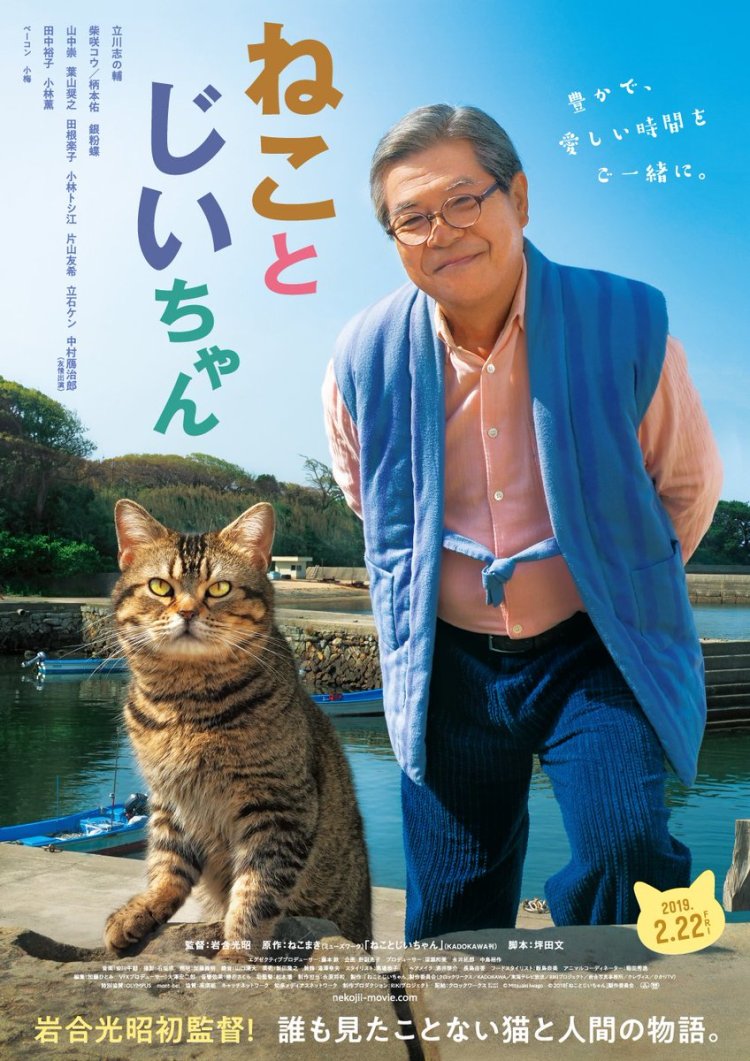
The Island of Cats (ねことじいちゃん, Mitsuaki Iwago, 2019)

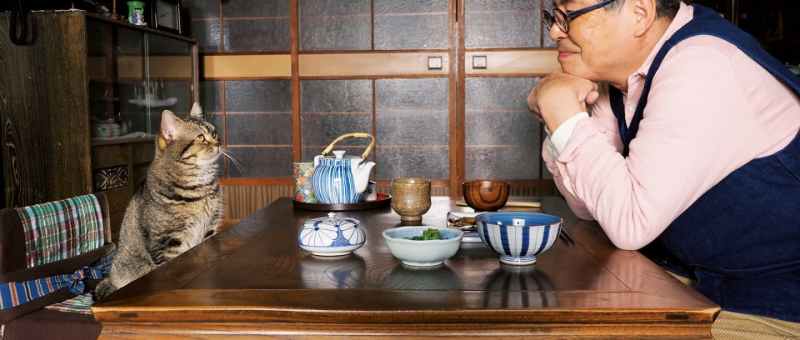
Island of Cats Poster“The best is yet to come” resolves 70-year-old Daikichi (Shinosuke Tatekawa) at the conclusion of The Island of Cats (ねことじいちゃん, Neko to Jiichan). Inspired by the manga by the appropriately named Nekomaki, the debut feature from wildlife photographer Mitsuaki Iwago is a decidedly laidback affair, neatly fusing two genres of Japanese comfort cinema – cats and cuisine. It’s also another in the recent run of films deliberately targeting the older generation in its quiet celebration of community and late life serenity, but it’s very existence is also perhaps a mild dig at cold and frenetic Tokyo which can’t help but pale next to the island’s inherent charms.

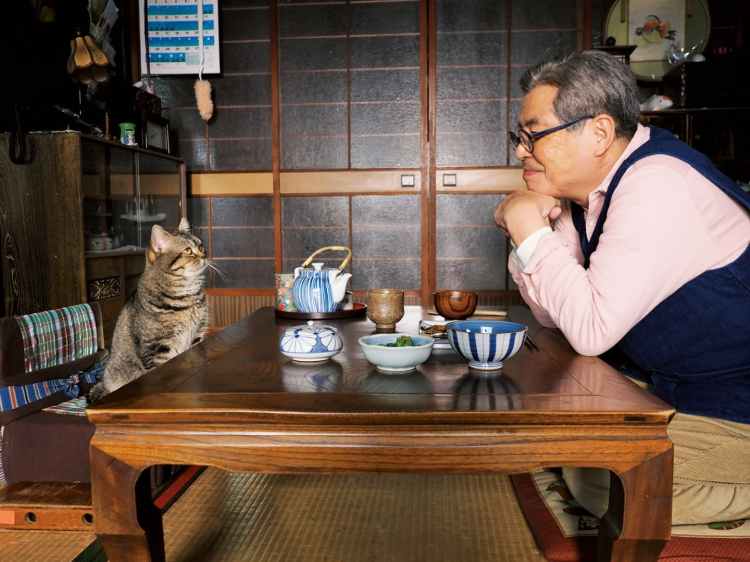
Daikichi has lived alone with his cat, Tama (who neatly introduces himself using the exalted “Wagahai” in a reference to Soseki’s famous novel), since his wife Yoshie (Yuko Tanaka) passed away two years previously. He has a grown-up son (Takashi Yamanaka) who is married with a teenage daughter of his own in Tokyo, but mostly spends his life hanging out with his old friends and playing with the island’s many cats. His peaceful days begin to change, however, when a pretty middle-aged (“young” to Daikichi and his friends) woman, Michiko (Kou Shibasaki), arrives from Tokyo and opens a cafe – the island’s first. In fact, the older generation find the cafe slightly intimidating, thinking such modern innovations are only for the youngsters, but are finally tempted in when directly invited by Michiko herself who serves up a selection of cream sodas and tasty ice creams in addition to slightly more rarefied treats like fish carpaccio.

In contrast to many an island drama, though the bulk of the population is older there are a fair few youngsters around and plenty of children too – at least enough to keep the local school open and the ferries running frequently. It is true however that most leave when they come of age either heading off to university on the mainland or seeking their fortunes in the cities. Nevertheless, the despite the absence of family the elderly are well cared for by the recently arrived young doctor (Tasuku Emoto) who takes his responsibility extremely seriously and is grateful for the opportunity to come to the island because it’s enabled him to become the kind of doctor he always wanted to be.

Michiko, meanwhile, has come to the island in search of relief from city life which she felt was gradually crushing her. An instant hit with the local cats as well as Daikichi and his friends, her presence adds a new energy to the island as the older generation start to enjoy both trying new things they thought perhaps were “inappropriate” when you’re old, and revisiting those they missed out on in their youth. Friends reconnect, bickering is exposed as an odd kind of affection, and cats just generally make everything better. The island may be dull compared to the bright lights of Tokyo, but it has its charms and those that live there are one big family taking care of each other and enjoying the laidback rhythms of coastal life.

Daikichi’s son, visiting when he can, is keen for him to come and live with the family in Tokyo but he and Tama are happy enough on the island just muddling through the way they always have surrounded by friends and happy memories. Reconnecting with his late wife through the recipe book she left behind, he resolves to learn a few dishes of his own – filling the rest of the pages with recipes learned from Michiko, his friends, newspapers and TV, determined to go on learning as long as he can. Sharing his life with others on the island, Daikichi too finds a new zest for living even as his days pass much as before, resolving that there is still plenty more to enjoy as he enters his twilight years. Gentle and mellow in the extreme, The Island of Cats is not promising much more than living up to its name but does its best to sell the charms of serene island life as Daikichi and his friends rejoice in the simple pleasures of shared cuisine and admiring “everybody’s” cats as they continue to do pretty much whatever they please while warming the hearts of the kindly islanders as they enjoy their days of fun and sunshine with nary a care in the world.


The Island of Cats screens in New York on July 20 as part of Japan Cuts 2019. It will also screen in Montreal as part of the 2019 Fantasia International Film Festival on July 28.

Original trailer (English subtitles)
Dance with Me (ダンスウィズミー, Shinobu Yaguchi, 2019)

Dance With Me posterYou might be rich and successful, but are you really being true to yourself? The heroine of Shinobu Yaguchi’s latest comedy Dance With Me (ダンスウィズミー) thinks that she is, cynically rolling her eyes at her colleagues mooning over the cute new boss but jumping at the opportunity to join his elite team. Meanwhile, she’s ignoring her family, has few friends, and seems distinctly uptight. Is there more to Shizuka (Ayaka Miyoshi) than meets the eye, or is she really destined for the life of a dull office drone?

Everything starts to change for her one day when she’s bamboozled into looking after her teenage niece and decides to take her to a weird theme park she noticed on a flyer that got stuck to her shoe. It’s there, in Fortune Land, that Shizuka ends up visiting a shady hypnotist named “Martyn” (Akira Takarada) who offers to give her niece some treatment so she can perform to her full potential in an upcoming high school musical. This comes as news to Shizuka, because they were just mocking the art of the musical on the bus, but when she steps out to answer her phone she notices the cheapo ring Martyn gave her on the way in won’t come off. Sure enough, his “treatment” seems to have worked, only on the wrong person. Now whenever Shizuka hears any kind of music at all she can’t resist breaking into song and dance like the heroine of an old Hollywood musical.

It seems in her youth Shizuka loved singing and dancing, but a traumatic bout of stage fright put her off for life. While her family are all cheerfully energetic and easy going, she is uptight and reserved. Now a middle-rank executive at a top rated company, she’s dedicated herself to achieving the idealised image expected of female businesswomen – elegant, professional, and above all quiet. Her new affliction is therefore a major problem, as she proves to herself by breaking into song during an important meeting with the magic Mr. Murakami (Takahiro Miura) who might be able to take her career to the next level.

Luckily, the incident isn’t really quite so bad as she thought seeing as Murakami’s business idea was a little left of centre so her strange behaviour looked like an unusual pitching technique that makes her seem an attractive asset to Murakami’s new team which is currently a member down after the last girl took too much vacation time and then quit. Offered the post, Shizuka asks for a week’s grace and determines to track down Martyn so he can undo the hypnotism, but Martyn is currently on the run from loan sharks so it’s going to be more difficult than she thought.

Forced to sell all her worldly possessions to make up for a restaurant she accidentally trashed, Shizuka takes to the road armed only with her niece’s piggy bank and accompanied by Martyn’s former shill, Chie (Yu Yashiro). Despite herself, she begins to shake off her carefully crafted corporate persona and open herself up to the pleasures of music and movement, freeing both her body and her mind. Her total opposite, Chie is a laidback woman who loves to have a good a time and doesn’t generally think too much beyond the present moment. Though obviously very different and united only by their quests to track down Martyn, the two women develop an awkward friendship in which they begin to see their own flaws as reflected in each other and shift into the centre as they learn to work together while chasing Martyn all the way to Hokkaido.

A chance encounter with a crazy hippie singer-songwriter (Chay) who claims she broke up with her last band because she couldn’t bear to hide from herself anymore pushes Shizuka (whose name literally means “quiet”) into a reconsideration of her life choices, feeling that perhaps she was wrong to reject the frightened little girl she was so completely out of embarrassment and insecurity, wilfully suppressing her sense of fun and freedom for the safety and security of corporate button-down respectability. As the mental health specialist she visited in hope of a cure suggested, maybe the reason she was so suggestible is that, deep down, she always wanted to sing and dance anyway. A musical celebration of the pleasure of living life to its fullest, Dance With Me is a cheerful exploration of one woman’s gradual emergence from emotional repression into a richer, fuller existence as she rediscovers her essential self through the medium of song and dance.


Dance with Me screens in New York on July 19 as the opening night gala of Japan Cuts 2019.

Original trailer (English subtitles)
Playlist:

Tonight -Hoshi no Furu Yoru ni- (Kumiko Yamashita, 1991)

ACT-SHOW (Spectrum, 1979)

Happy Valley (Orange Pekoe, 2002)

Neraiuchi (Linda Yamamoto, 1973)

https://www.youtube.com/watch?v=TyfsYwojpjk

Yume no Naka e (Yosui Inoue, 1973)

https://www.youtube.com/watch?v=EelHcHwnEdA

Toshishita no Otoko no Ko (Candies, 1975)

https://www.youtube.com/watch?v=pM9lajx6IPQ

Wedding Bell (Sugar, 1981)

https://www.youtube.com/watch?v=SLvbAMvnEZE

Time Machine ni Onegai (Sadistic Mica Band, 1974)

Japan Cuts Announces Complete 2019 Lineup!

Killing still 1

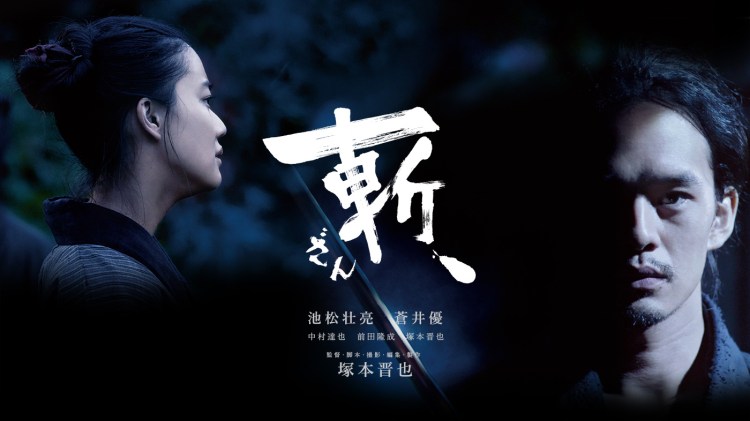
New York’s Japan Cuts returns for its 13th edition in 2019, bringing with it another premium selection of the best in recent Japanese cinema. This year’s Japan Cuts Cut Above Award goes to veteran director Shinya Tsukamoto whose latest film, anti-jidaigeki Killing, is screening as the festival’s Centrepiece Gala.

The programme in full:

Dance With Me

dance with me syill 1

An ambitious office worker faces career crisis when she is hypnotised to break into song and dance every time she hears music in the latest from comedy maestro Shinobu Yaguchi (Waterboys, Swing Girls, Survival Family). Q&A with director Shinobu Yaguchi and star Ayaka Miyoshi. 

The Island of Cats

The Island od cats still 1

The peaceful days of an old man and his cat are disrupted by the arrival of a pretty young woman from Tokyo (Kou Shibasaki) and her newly opened cafe in an adaptation of the manga by Nekomaki.

I Go Gaga, My Dear

I Go Gaga, My Dear banner

TV doc director Naoko Nobutomo follows her ageing parents as her mother’s Alzheimer’s-related dementia intensifies.

Being Natural

Being Natural still 1

An aimless middle-aged man’s peaceful existence is threatened when hipster Tokyoites rock up in his tiny rural village looking for the “natural life” only to insist on reforming it to their city bound images of idyllic country living in Tadashi Nagayama’s anarchic satire. Review. Q&A with director Tadashi Nagayama and stars Yota Kawase and Natsuki Mieda. 

Ten Years Japan

10 Years Japan still 1

Anthology film featuring five dystopian visions of near future Japan. Review.

Samurai Shifters

Samurai Shifters still 1

Isshin Inudo takes a trip back to the samurai era as a nerdy librarian (Gen Hoshino) is unexpectedly named relocation officer when his clan is ordered to move to another domain.

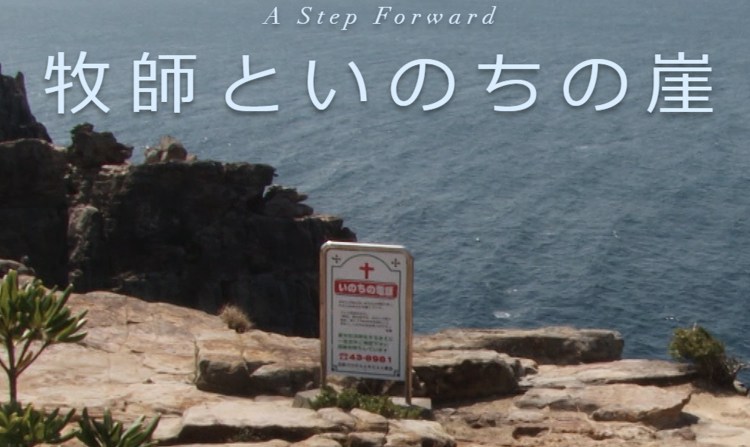
A Step Forward

A Step Forward banner

Atsushi Kasezawa’s documentary follows a pastor who commits himself to saving the lives of suicidal individuals who find themselves drawn to a particular cliff in Wakayama. Q&A with director Atsushi Kasezawa. 

The Chaplain

the chaplain banner

The late Ren Osugi stars as a prison chaplain ministering to those languishing on death row. (No. 10 on Kinema Junpo’s best of 2018 list)

The Kamagasaki Cauldron War

The Kamagasaki Cauldron War

When a yakuza clan’s precious cauldron is stolen a war breaks out in the Osakan working class district of Kamagasaki. Q&A with star Yota Kawase. 

Demolition Girl

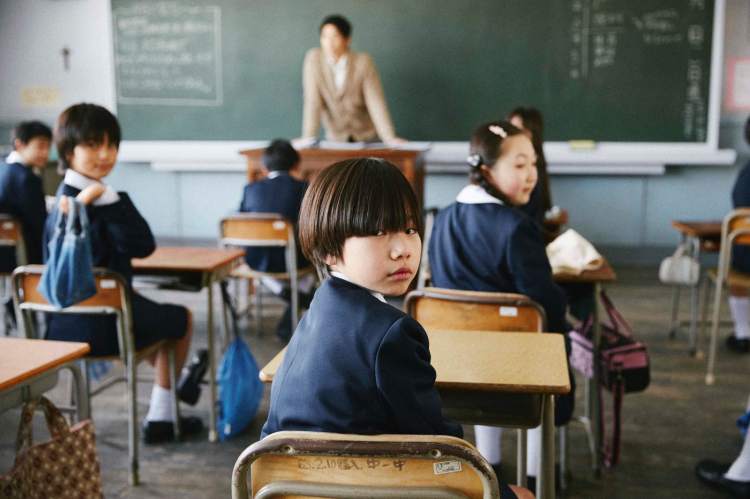
Demolition Girls still 1

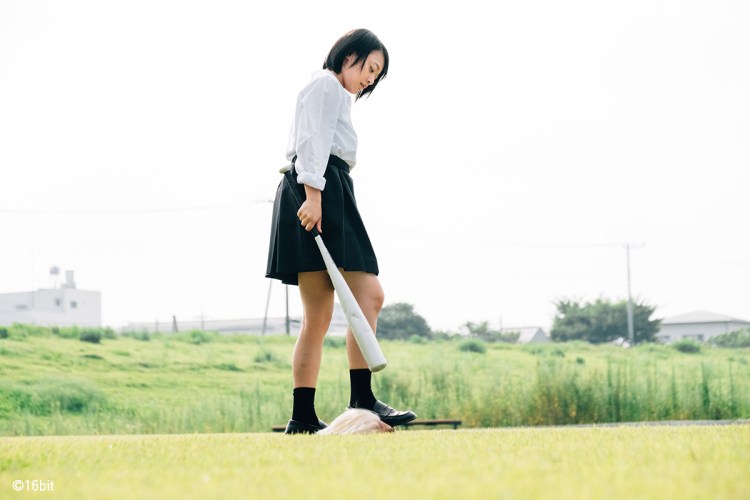
High school girl Cocoa has given up on her dreams because she has to support her gambling addict father and no good failed manzai comedian brother, but her fortunes change when she finds out her mother left her money and if she can just top it up a little she could escape her humble life by getting into a top university in Tokyo. Q&A with director Genta Matsugami and star Aya Kitai. 

And Your Bird Can Sing

And your bird can sing still 1

Three slackers struggle to accept love in present day Hakodate in Sho Miyake’s adaptation of the Yasushi Sato novel in which an apathetic bookstore employee (Tasuku Emoto) starts a halfhearted romance with a free spirited colleague (Shizuka Ishibashi) only to introduce her to his infatuated best friend (Shota Sometani). Review.

His Lost Name

His Lost Name

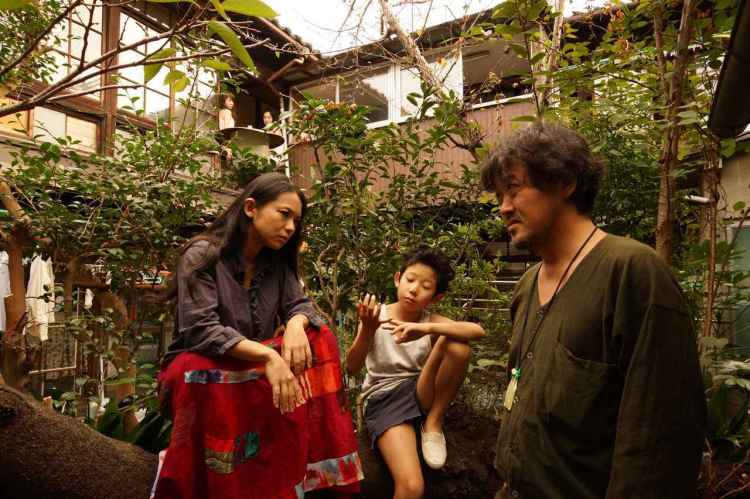
A small-town carpenter (Kaoru Kobayashi) takes in a drifter (Yuya Yagira) he finds unconscious on the side of the road but their growing paternal bond begins to place a strain on his relationships with his fiancée (Keiko Horiuchi) and employees in Nanako Hirose’s sensitive debut. Q&A with director Nanako Hirose.

Red Snow

Red Snow still 1

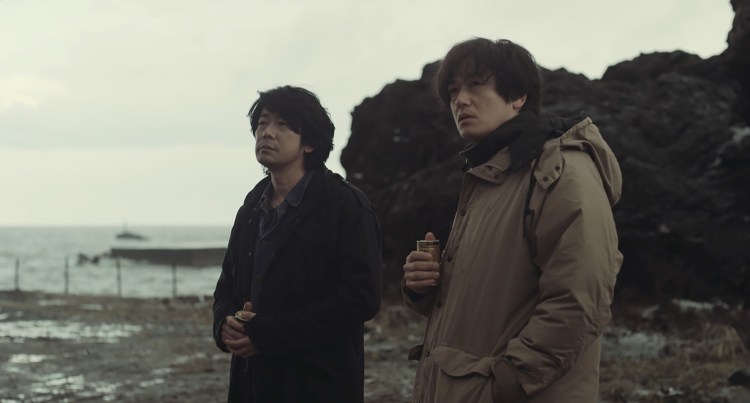
Mystery thriller starring Arata and Masatoshi Nagase in which a dogged journalist’s unearthing of a decades old child disappearance in a small rural town opens up old wounds.

Killing

Killing banner

A samurai prefers not to raise his sword but finds himself tested by his times in Shinya Tsukamoto’s impassioned anti-violence jidaigeki. Review. Q&A with director Shinya Tsukamoto, with CUT ABOVE Award ceremony. 

Bullet Ballet

Bullet Ballet still 1

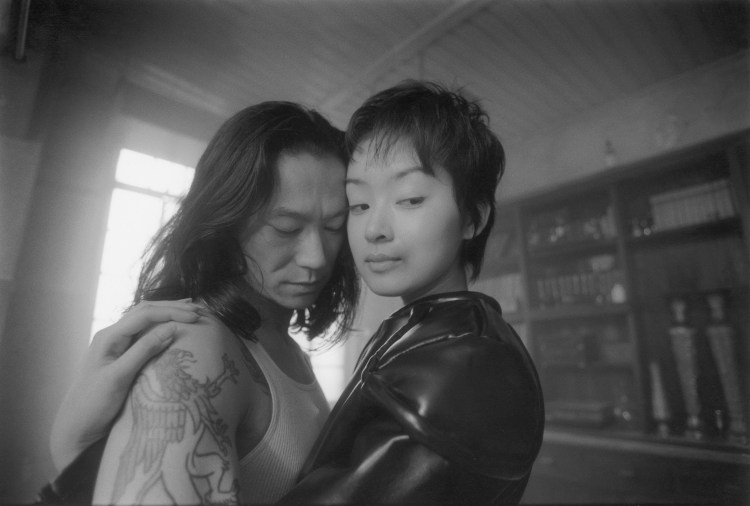
An ad director becomes obsessed with the idea of finding a gun after his fiancée shoots herself in Tsukamoto’s 1998 classic. Q&A with director Shinya Tsukamoto. 

Erica 38

erika-38.jpg

Miyoko Asada stars as Satoko – a con artist whose gradual path to wealth through pyramid schemes and increasingly elaborate scams eventually leads her to reinvent herself in Thailand as a 38-year-old woman named Erica.

Jesus

jesus still 1

A young boy relocates from Tokyo to a sleepy mountain village where he has to bunk with grandma and attend catholic school. His days are eventually brightened through meeting a tiny Jesus who grants all his wishes until an inescapable tragedy colours his view of religion in Hiroshi Okuyama’s whimsical debut. ReviewQ&A with director Hiroshi Okuyama. 

Melancholic

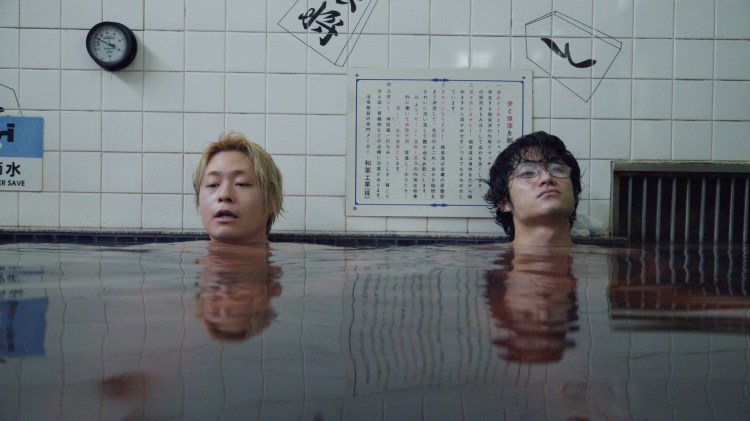
Melancholic still 1

Kazuhiko graduated from Todai, but he’s now unemployed and living with mum and dad. A chance encounter with a pretty friend from school leads him to a job in a bathhouse but his fortunes change again when he realises the baths double as a yakuza killing ground after hours… Review.

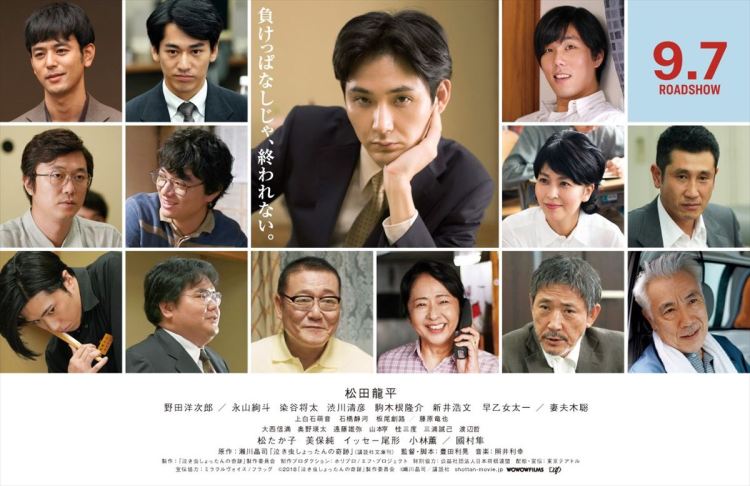
The Miracle of Crybaby Shottan

Miracle of Crybaby Shottan banner

A shogi-loving child prodigy (Ryuhei Matsuda) is devastated when he hits the age limit for becoming a professional player but eventually finds amateur success and then the courage to challenge the system in Toshiaki Toyoda’s surprisingly inspirational drama. Review. Q&A with director Toshiaki Toyoda. 

Jeux de plage

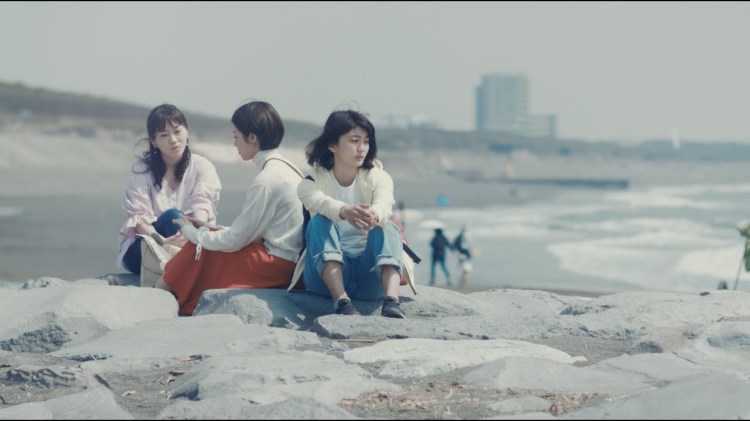
Jeux de plage still 1

Rohmerian drama in which college friends Sayaka and Yui take a trip to the beach where they meet up with Yui’s old pal Momoko but find their dynamic disrupted by sleazy passersby and mutual awkwardness.

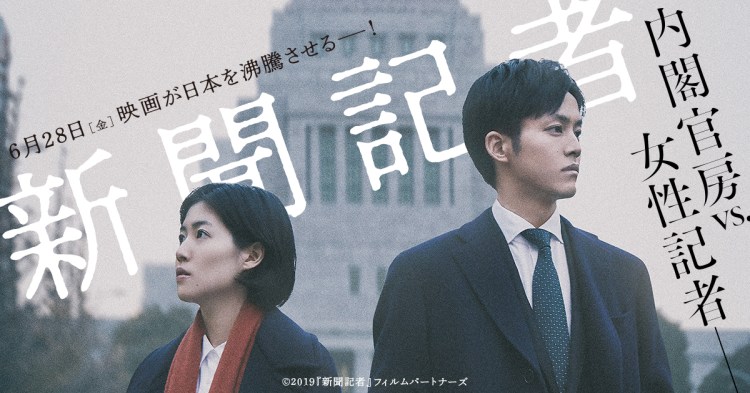
The Journalist

Journalist banner

Korean actress Shim Eun-kyung makes the first of two Japanese language performances included in the programme as an earnest Tokyo journalist haunted by her father’s suicide, playing opposite Tori Matsuzaka as a cynical bureaucrat who discovers evidence of coverup and conspiracy.

The Legend of the Stardust Brothers

Stardust Brothers still 1

Long forgotten, Macoto Tezka’s anarchic cult comedy debut has been lovingly rediscovered and restored by Third Window Films. A tale of fame, corruption, and destiny, Stardust Brothers is a whimsical piece of absurdist Showa-era nostalgia . Review. Q&A with director Macoto Tezka. 

Randen: The Comings and Goings on a Kyoto Tram

Randen banner

Three stories of love occur along the the iconic Kyoto tram line as a writer from Kamakura searches for a ghost train while recalling memories of his wife, a local girl helps a Tokyo actor master the Kyoto accent, and a girl from Aomori falls for a trainspotter!

NIGHT CRUISING

FILM NIGHT CRUISING

Makoto Sasaki’s documentary follows blind musician Hideyuki Kato as he works on a sci-fi short in which a non-sighted fighter and a telepath search for a mysterious ghost in the far future. Q&A with director Makoto Sasaki, producer Miyuki Tanaka and subject Hideyuki Kato. 

Orphan’s Blues

Orphan's Blues banner

A young woman suffering unexplained loss of memory goes in search of a childhood friend after rediscovering a drawing of an elephant in Riho Kudo’s award winning debut.

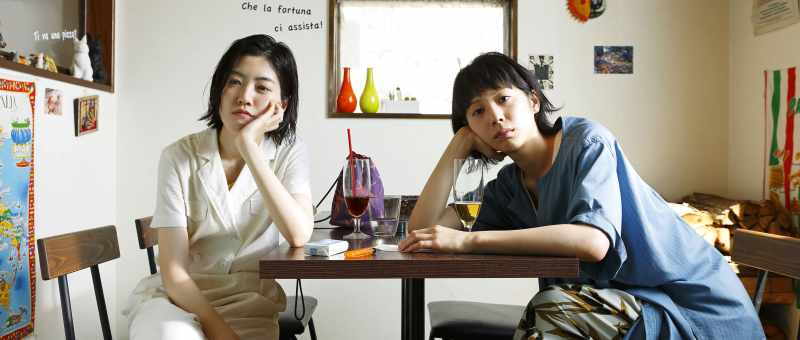
Blue Hour

Blue hour still 1

30-ish Sunada (Kaho) is becoming rapidly disillusioned with city life. She’s worked her way up to directing commercials but finds herself mostly dealing with workplace sexism and difficult stars while she is also carrying on an affair with a married colleague. Taking off on a road trip with her lively best friend mangaka (Korean actress Shim Eun-kyung in her second Japanese language role included in the programme), she is finally forced to reconnect with her rural childhood and rediscovers her sense of self in the process. Review.

Japan Cuts runs from 19th to 28th July 2019 at Japan Society New York. Full details for all the films along with ticketing links are available via the official website and you can also keep up with all the latest details by following the festival’s official Facebook page and Twitter account.

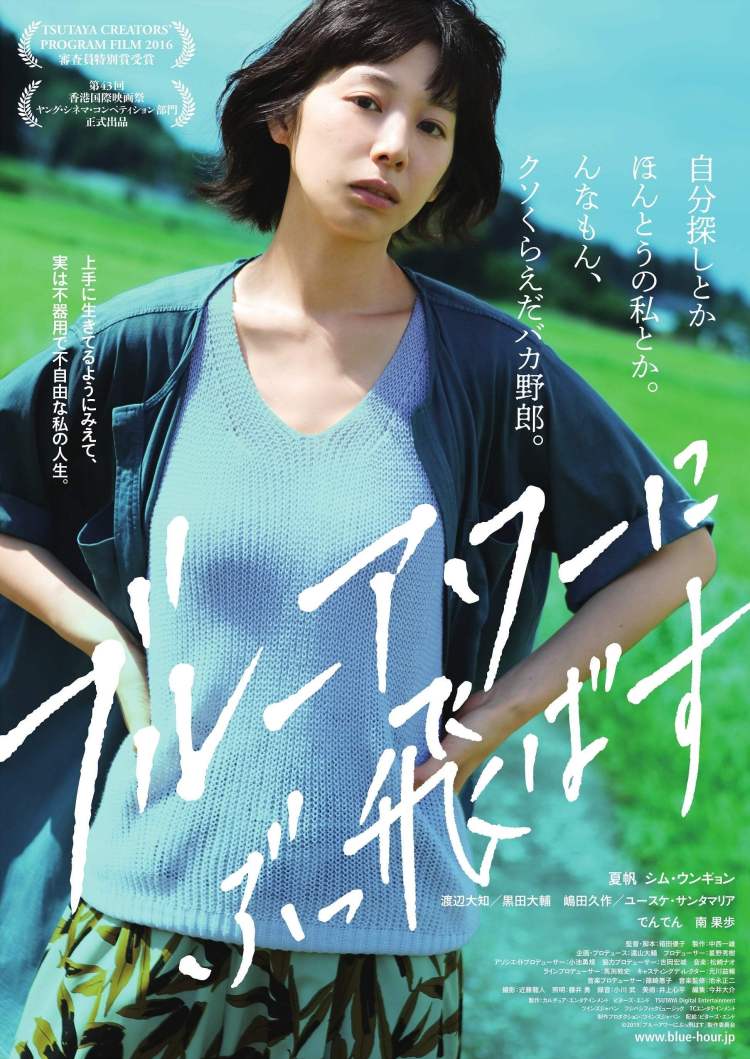
Blue Hour (ブルーアワーにぶっ飛ばす, Yuko Hakota, 2019)

Blue Hour poster“I don’t like people who like me” confesses the heroine of Yuko Hakota’s first feature Blue Hour (ブルーアワーにぶっ飛ばす, Blue Hour ni Buttobasu) to her best friend, who presumably is excluded from the statement. Then again, perhaps not. Running from or running to, Sunada (Kaho) can’t seem to escape herself while chasing the ghost of small town ennui in frenetic Tokyo. An impromptu road trip with a lively partner in crime returns her to the problematic roots from which she struggles to break free, but maybe breaking free wasn’t exactly what she needed anyway.

At 30 or so, Sunada has worked her way up to directing commercials but much of her job involves negotiating workplace sexism and stroking the egos of stars. In any case, she doesn’t seem to find the work particularly fulfilling and on looking around has noticed that there don’t seem to be a lot of women over 40 working in her industry which has her wondering what’s next in her possibly dead end career. Meanwhile, she’s married to a perfectly nice, mild-mannered sort of guy (Daichi Watanabe) but is secretly having an affair with a married colleague (Yusuke Santamaria) whose wife is currently pregnant with their second child. More stressed out and confused than she’d perhaps like to admit, Sunada has been putting off visiting her sickly grandmother because she isn’t the sort of person who deals with crisis well and so she was waiting in the hope her grandmother’s health would improve. Now that it has, she’s talked into an impromptu road trip with her freewheeling mangaka friend Kiyoura (Shim Eun-kyung).

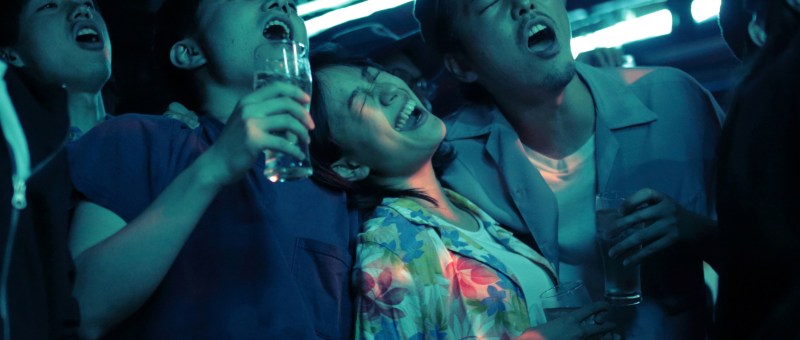
True to form, Sunada doesn’t even really bother telling her husband where she’s gone because she doesn’t want “that sort of closeness”. Returning home, however, necessarily means reengaging with her distinctly odd family which is perhaps both easier and more difficult with her crazy friend in tow. While Sunada’s dad (Denden) seems to have picked up a habit of frittering money away on antique swords and suits of armour, her weird high school teacher brother (Daisuke Kuroda) cracks distinctly unfunny jokes about molesting pupils (a theme later echoed by her mother (Kaho Minami) who warns her men can’t be trusted, not even her brother). Out in the country there’s not much to do but drink, but this is not Tokyo and the bars are full of sleazy old men feeling up the hostesses and hogging the karaoke mic in an attempt to escape the stultifying boredom of their small-town lives. This is what Sunada has been running from. Ashamed of her bumpkinish childhood, she threw herself headlong into Tokyo sophistication only to find it equally unfulfilling.

Kiyoura is in many ways a projection of her other self. Childishly giddy, willing to jump into any situation with fearless enthusiasm, Kiyoura is a middle-class girl from the city and knows no shame. Only to her does Sunada seem to express her true self. Fearing intimacy, she keeps herself aloof but resents her lover’s family while pushing back against her husband’s meek indifference. “All ghosts are lies” her grandmother told her, which may be truer in some senses than others, but Sunada continues to haunt herself as she recalls the spirit of her free and easy childhood in which she snuck out to enjoy the “blue hour”, waiting for the sun to rise in peace and tranquility.

Only by confronting her grandmother’s ill heath can she begin to move forward towards a greater emotional clarity. Gently clipping the older woman’s nails, Sunada gets to hear her life philosophy or at least her parting words, “I try to make the best of every day, but what does that even mean anyway?”. Suddenly freed of her fear of attachment, her anxieties for the imperfect future, and even perhaps of her intense self loathing, Sunada prepares to take the wheel and confidently head in a more positive direction. “Being tacky means being alive”, her other self tells her, finally accepting her small-town roots and all that goes with it only to discover they were already accepted by someone who was paying more attention than she gave them credit for. A melancholy but ultimately hopeful and warmhearted exploration of midlife ennui and urban disconnection, Blue Hour is a delayed coming of age tale in which the heroine comes to an acceptance of adulthood only by reconnecting with her childhood self and all the fantastical promise of her sleepy rural youth.


Blue Hour was screened as part of the 2019 Nippon Connection Film Festival.

Original trailer (English subtitles)
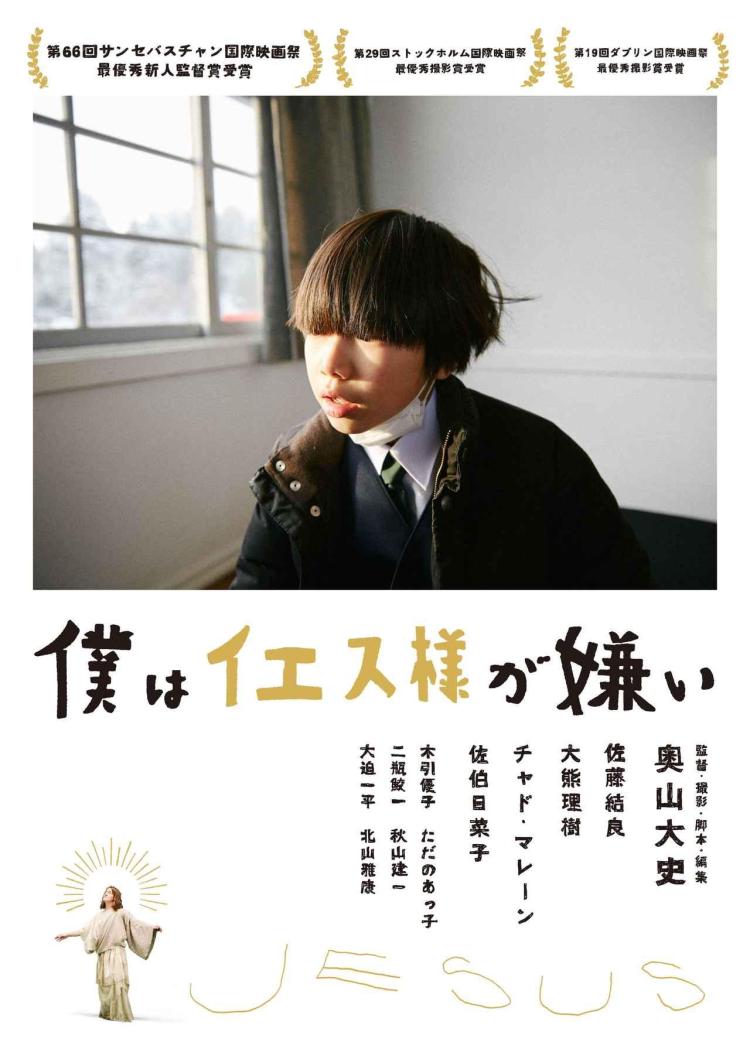
Jesus (僕はイエス様が嫌い, Hiroshi Okuyama, 2018)

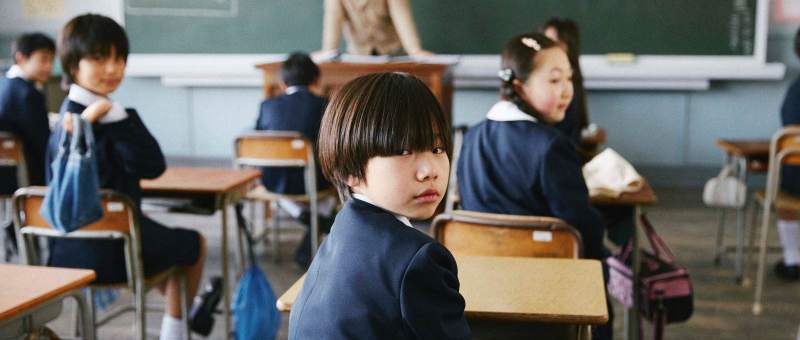
Jesus posterIt’s tough being a kid. You have no control over anything and everyone always insists they know best, dismissing resistance as childish rebellion. Yura, the hero of Hiroshi Okuyama’s Jesus (僕はイエス様が嫌い, Boku wa Jesus-sama ga Kirai), has things harder than most as his peaceful days are disrupted by the abrupt announcement that the family will be moving from the bustling metropolis of Tokyo to the sleepy Nakanojo where he doesn’t even get his own room and has to share with grandma! To make matters worse, his new school is going to be a little “different” in that it’s a religious institution.

Yura’s (Yura Sato) family are not themselves Catholic and so the choice of a religious school adds an additional layer of displacement to his already irritated sense of alienation. Bored and lonely, even more of an outcast than solely being the new kid in town as a confused non-Christian suddenly dropped into an unfamiliar environment, Yura prays for a friend to make his days less dull and subsequently gains the constant companionship of a tiny Jesus (Chad Mullane) who follows him around and occasionally grants wishes. Eventually, Tiny Jesus gifts him a real friend in the form of Kazuma (Riki Okuma) – one of the most popular kids in school and a star footballer. Tragedy, however, lingers on the horizon leading to Yura to reconsider his relationship with Tiny Jesus who seems to have betrayed him in granting his trivial wishes only to break his heart.

In fact, the film’s Japanese title translates to the more provocative “I hate Jesus” which might give more of an indication of the film’s final destination as Yura first flirts with and then rejects the religiosity of his new environment. Confused by the zeal with which his classmates seem to run off mass and embarrassed that he doesn’t have a bible or hymnbook to join in, he nevertheless goes along with his teacher’s constant prayer meetings. Through the offices of Tiny Jesus, he comes to associate the power of prayer with asking and receiving. He asks Tiny Jesus for money, and suddenly his grandma comes up with 1000 yen, he asks for a friend and finds one, but just as he’s starting to have faith in his possibly imaginary friend doubt enters his mind. What is Tiny Jesus up to, and why won’t he help when it really matters?

Suddenly angry and resentful, Yura rejects his teacher’s kind yet insensitive attempts to comfort him with the affirmation that all that praying turned out to be completely pointless. Despite not being a Christian and only being a small boy, he is suddenly asked to give a eulogy for someone important to him that he has just lost. The adults might think this is a nice gesture, one that will bring a kind of closure while honouring the memory of the deceased, but it’s also a big ask for a child facing not only loss and grief on an intense scale for the first time but also trying to process his complicated relationship with a religion which is not his. Thoroughly fed up with Tiny Jesus, Yura brings his fist down on the good book as if to crush the false promise of misplaced faith in accepting that there are no real miracles and sometimes no matter how hard you ask your wish will not be granted.

Yura’s disillusionment with religion is swift as he realises you cannot get what you want merely by asking for it. He feels betrayed, not only by Tiny Jesus, but the entire religious institution which led him to believe he could change the world around him through prayer and positivity. Nevertheless, his disappointment does at least begin to bring him some clarity which, ironically, helps him to accept his new surroundings through bonding with grandma and coming to feel at home with his family even if his new environment is likely to be one tinged with sadness as he remembers better times before Tiny Jesus ruined everything. Whimsical if perhaps slight, Okuyama’s debut provides a rare window into Japan’s minority Christian culture as it celebrates Christmas in the Western fashion and seemingly exists in its own tiny little bubble, but subverts its religious themes to explore childhood existential angst as its adolescent hero is forced to deal with loss at a young age and discovers that there is no magic cure for death or eternal life (on Earth at least) for those who believe, only the cold reality of grief and bittersweet memories of happier times. 


Jesus was screened as part of the 2019 Nippon Connection Film Festival.

Original trailer (no subtitles)

And Your Bird Can Sing (きみの鳥はうたえる, Sho Miyake, 2018)

And Your Bird Can Sing poster 1Yasushi Sato, an author closely associated with the port town of Hakodate who took his own life in 1990, has been enjoying something of a cinematic renaissance in the last few years with adaptations of some of his best known works in The Light Shines Only There, Over the Fence, and Sketches of Kaitan City. And Your Bird Can Sing (きみの鳥はうたえる, Kimi no Tori wa Utaeru), taking its title from the classic Beatles song, was his literary debut and won him a nomination for the prestigious Akutagawa Prize in 1981. Unlike the majority of his output, And Your Bird Can Sing was set in pre-bubble Tokyo but perhaps signals something of a recurring theme in its positioning of awkward romance as a potential way out of urban ennui and existential confusion.

Sho Miyake’s adaptation shifts the action back to Hakodate and the into present day but maintains the awkward triangularity of Sato’s book. The unnamed narrator (Tasuku Emoto), the “Boku” of this “I Novel”, is an apathetic slacker with a part-time job in a book store he can’t really be bothered to go to. After not showing up all day, he wanders past the store at closing time which brings him into contact with co-worker Sachiko (Shizuka Ishibashi) who appears to be leaving with the boss (Masato Hagiwara) but blows him off to come back and flirt with Boku who makes a date with her at a cute bar but falls asleep after getting home and (accidentally) stands her up, drinking all night with his unemployed roommate Shizuo (Shota Sometani) instead. Luckily for Boku, Sachiko forgives him and an awkward romance develops but their relationship becomes still more complicated when Boku introduces Sachiko to Shizuo with whom she proves an instant hit.

This is not, however, the story of an awkward love triangle but the easy fluidity of youth in which unselfishness can prove accidentally destructive. Boku, for all his rejection of conventionality, is more smitten with Sachiko than he’s willing to admit. He counts to 120 waiting for her return, refusing to make a move himself but somehow believing she is choosing him with an odd kind of synchronised telepathy. She pushes forward, he holds back. Boku encourages Shizuo to pursue Sachiko, insisting that she is free to make her choices, and if jealous does his best to hide it. Shizuo, meanwhile, is uncertain. Attracted to Sachiko he sees she prefers Boku but weighs the positivities of being second choice to a man dressing up his fear of intimacy as egalitarianism.

Boku tells us that he wanted the summer to last forever, but in truth his youth is fading. Like Sachiko and Shizuo, he is drifting aimlessly without direction – much to the annoyance of an earnest employee at the store (Tomomitsu Adachi) who prizes rules and order above all else and finds the existence of a man like Boku extremely offensive. Sachiko, meanwhile, has drifted into an affair with her boss who, against the odds, actually seems like a decent guy if one who is perhaps just as lost as our trio and living with no more clarity despite his greater experience. Like Boku, Shizuo too is largely living on alienation as he strenuously resists the fierce love of his admittedly problematic mother (Makiko Watanabe).

“What is love?” one of Sachiko’s seemingly less complicated friends (Ai Yamamoto) asks, “why does everybody lie?”. Everybody is indeed lying, but more to themselves than to others. Fearing rejection they deny their true feelings and bury themselves in temporary, hedonistic pleasures. Boku reveals that he hoped Sachiko and Shizuo would fall in love so that he would get to know a different side to Sachiko through his friend, as if he could hover around them like transparent air. The problem is Boku doesn’t quite want to exist, and what is loving and being loved other than a proof of existence? Sachiko prompts, and she waits, and then she wonders if she should take Boku at his word and settle for Shizuo only for Boku to reach his sudden moment of clarity at summer’s end. A melancholy exploration of youthful ennui and existential anxiety, And Your Bird Can Sing is a beautifully pitched evocation of the eternal summer and the awkward, tentative bonds which finally give it meaning.


And Your Bird Can Sing was screened as part of the 2019 Nippon Connection Film Festival.

Original trailer (English subtitles)
The Miracle of Crybaby Shottan (泣き虫しょったんの奇跡, Toshiaki Toyoda, 2018)
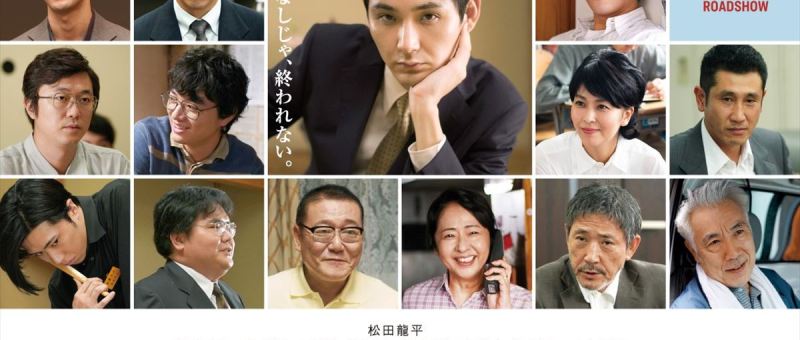
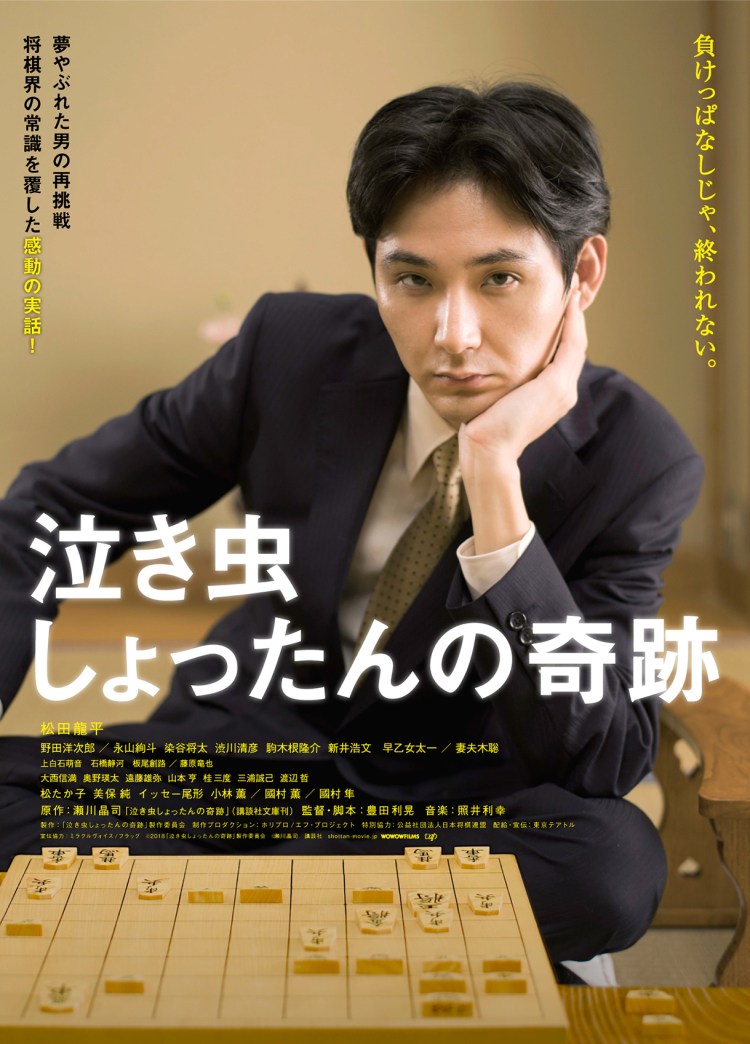
Miracle of Crybaby Shottan poster 1Toshiaki Toyoda burst onto the scene in the late ‘90s with a series of visually stunning expressions of millennial malaise in which the dejected, mostly male, heroes found themselves adrift without hope or purpose in post-bubble Japan. For all their essential nihilism however, Toyoda’s films most often ended with melancholic consolation, or at least a sense of determination in the face of impossibility. Returning after a lengthy hiatus, Toyoda’s adaptation of the autobiography by shogi player Shoji “Shottan” Segawa, The Miracle of Crybaby Shottan (泣き虫しょったんの奇跡, Nakimushi Shottan no Kiseki), finds him in a defiantly hopeful mood as his mild-mannered protagonist discovers that “losing is not the end” and the choice to continue following your dreams even when everything tells you they are no longer achievable is not only legitimate but a moral imperative.

An aspiring Shogi player himself in his youth, Toyoda opens with the young Shoji discovering a love of the game and determining to turn pro. Encouraged by his surprisingly supportive parents who tell him that doing what you love is the most important thing in life, Shoji (Ryuhei Matsuda) devotes himself to mastering his skills forsaking all else. The catch is, that to become a professional shogi player you have to pass through the official association and ascend to the fourth rank before your 26th birthday. Shoji has eight chances to succeed, but in the end he doesn’t make it and is all washed up at 26 with no qualifications or further possibilities seeing as he has essentially “wasted” his adolescence on acquiring skills which are now entirely meaningless.

As his inspirational primary school teacher (Takako Matsu) tells him, however, if you spend time indulging in a passion, no matter what it is, and learn something by it then nothing is ever really wasted. Shoji’s father says the same thing – he wants his son to follow his dreams, though his brother has much more conventional views and often berates him for dedicating himself to shogi when the odds of success are so slim. It may well be “irresponsible”, in one sense at least, to blindly follow a dream to the exclusion of all else, but then again it may also be irresponsible to resentfully throw oneself into the conventionality of salaryman success.

Nevertheless, shogi is a game that drives men mad. Unlike the similarly themed Satoshi: A Move for Tomorrow, also inspired by a real life shogi star, The Miracle of Crybaby Shottan has a classically “happy” ending but is also unafraid to explore the dark sides of the game as young men fail to make the grade, realise they’ve wasted their youths, and retreat into despair and hopelessness. Shoji accepts his fate, internalises his failure, and begins to move on neither hating the game nor loving it, until finally reconnecting with his childhood friend and rediscovering his natural affinity free from ambition or desire.

Another defeated challenger, expressing envy for Shoji’s talent, told him he was quitting because you can’t win if you can’t learn to lose friends and he didn’t want to play that way. Shoji doesn’t really want to play that way either, freely giving up chances to prosper in underhanded ways and genuinely happy for others when they achieve the thing he most wants but cannot get. He does in one sense “give up” in that he accepts he will never play professionally because of the arbitrary rules of the shogi world, but retains his love of the game and eventually achieves “amateur” success at which point he finds himself a figurehead for a campaign targeted squarely at the unfair rigidity of the sport’s governing body.

Shoji’s rebellion finds unexpected support from all quarters as the oppressed masses of Japan rally themselves behind him in protest of the often arcane rules which govern the society. As his teacher told him, just keep doing what you’re doing – it is enough, and it will be OK. Accepting that “losing is not the end” and there are always second chances even after you hit rock bottom and everyone tells you it’s too late, a newly re-energised Shoji is finally able to embrace victory on equal terms carried solely by his pure hearted love of shogi rather than by ambition or resentment. A surprisingly upbeat effort from the usually melancholy director, The Miracle of Crybaby Shottan is a beautifully pitched reminder that it really is never too late, success comes to those who master failure, and being soft hearted is no failing when you’re prepared to devote yourself body and soul to one particular cause.


The Miracle of Crybaby Shottan was screened as part of the 2019 Nippon Connection Film Festival.

International trailer (English subtitles)