 Depictions of wartime and the privation of the immediate post-war period in Japanese cinema run the gamut from kind hearted people helping each other through straitened times, to tales of amorality and despair as black-marketeers and unscrupulous crooks take advantage of the vulnerable and the desperate. In This Corner of the World (この世界の片隅に, Kono Sekai no Katasumi ni), adapted from the manga by Hiroshima native Fumiyo Kouno, is very much of the former variety as its dreamy, fantasy-prone heroine is dragged into a very real nightmare with the frontier drawing ever closer and the threat of death from the skies ever more present but manages to preserve something of herself even in such difficult times.
We first meet Suzu (Non) in December 1933 when, due to her brother’s indisposition, she’s sent to deliver the seaweed from the family business to the city. Observing pre-war Hiroshima with the painful tinge of memory, Suzu, her head in the clouds as always, gets herself completely lost and is eventually “rescued” by a strange man who puts her in a basket with another boy he’s “found”. Life goes on for Suzu, the tides of militarism rising in the rest of the country but seemingly not in this tiny rural village where she dreams away her days sketching fantasy stories to entertain her younger sister.
Despite a putative romance with a melancholy local boy, Tetsu (Daisuke Ono), Suzu is soon married off and travels to the harbour town of Kure to be with her new husband, Shusaku (the boy from the basket who carried a torch all those years, tracked her down and sought her hand in marriage on the basis of a single encounter). Always a dreamy girl and still only in her late teens, Suzu struggles with the business of being a wife and, though Shusaku’s family are nice people and welcoming to their new daughter-in-law, she constantly provokes the wrath of her widowed sister-in-law Keiko (Minori Omi) while striking up a friendship with her daughter Harumi (Natsuki Inaba).
The atmosphere in the cities may have been tense, but here in a traditional rural backwater, politics rarely rears its ugly head. Suzu and her family are just ordinary people living ordinary lives, yet they are literally on the fringes of the battlefield, gazing in wonder at the impressive array of giant battleships in the harbour including, at one point, the Yamato which becomes a kind of symbol of the nation’s hubris in its claims of invincibility. Shusaku, like his father, works as a clerk at the local naval offices which means he’s present (and as safe as anyone else), but this is otherwise a land of women alone, waiting for brothers, husbands and sons to come home or learning to accept that they never will.
Suzu’s troubles are normal ones for a woman of her age and time in learning to adjust to a new life she has not exactly chosen and which has meant cutting herself off almost entirely from everything she’s known. The severed connection with troubled childhood sweetheart Tetsu lingers but Suzu learns to make Kure her home, developing a deep love both for her husband (to whom she was fated, in an odd way, by their fairytale meeting) and for his family. A mildly conservative message is advanced as Suzu learns to become “happy” even in the midst of such anxiety while her sister-in-law Keiko’s attempt to forge her own future by becoming a ‘20s city flapper and marrying a mild mannered man for love has brought her nothing but heartbreak. Keiko pays dearly for her acts of individualism, suffering (the film seems to say) unnecessarily through allowing her sorrow to make her bitter, though hers is undoubtedly the most tragic of fates only offered respite by the growing community and interconnectedness of the little house in Kure.
Time moves on a pace as Suzu climbs ever closer to the climactic event she has no idea is coming, but has been on the viewer’s mind all along. The bombings intensify, the losses mount, and the future recedes but sooner or later it has to become not about what has gone or what could have been but what there is and what there will be. Suzu’s dream world colours her vision and ours as explosions in the sky become beautiful splashes of paint and raining fire bombs fireflies blinking out in the night sky. The more unbearable everything becomes the more her picture-book illustrations take over until one particular event becomes so painful, so difficult visualise that it is only possible to describe in abstract, black and white line drawings. The bomb is almost a peripheral event to Suzu, considering leaving her new home for the old one. A tremor, a flash, and a feeling of unidentifiable dread. Katabuchi’s aim not to show the direct horror of war (though there is plenty of that), but its effect on the lives of ordinary people just trying to survive in difficult circumstances not of their making. Filled with a sense of essential goodness, In This Corner of the World is a tribute to those who endured the unendurable and remained kind, determined to build a better world in which such horrors belong only to the distant past.
UK trailer
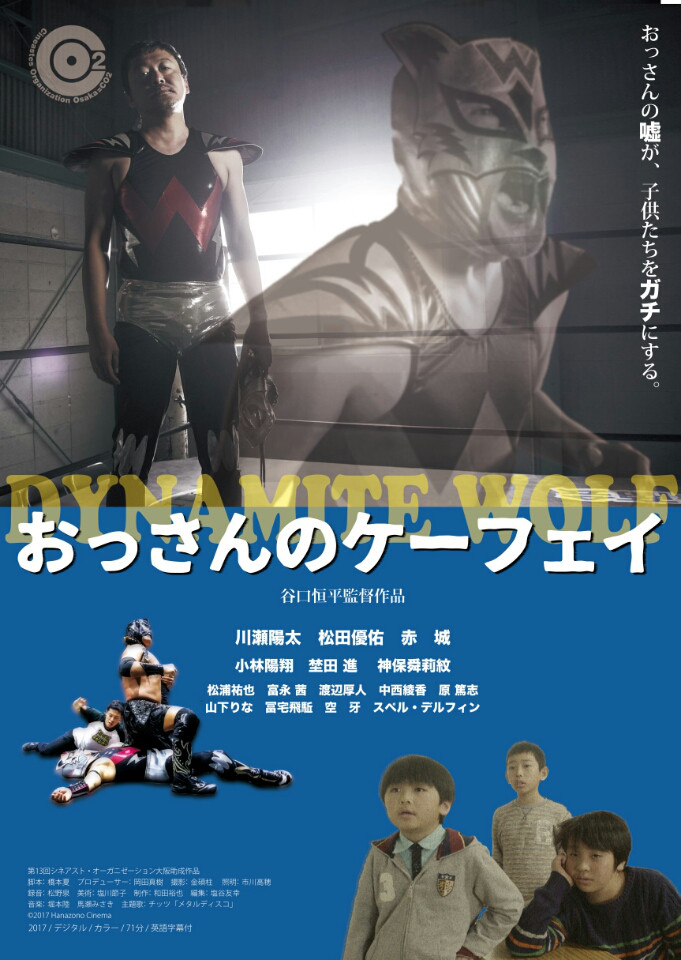 Back in the day, lucha libre-style wrestling was hugely popular in Japan. Tiger Mask, a manga set in the world of Japanese pro-wrestling remains a firm favourite and its eponymous hero has also become a byword for altruistic philanthropy as well-meaning anonymous donors donate expensive gifts such as Japanese school backpacks to orphanages in Tiger Mask’s name. Sadly, pro-wrestling is no longer as high-profile as it once was and has left mainstream television screens far behind even if it still maintains a small but dedicated fanbase. Kohei Taniguchi’s Dynamite Wolf (おっさんのケーフェイ, Ossan no Kefei) is out to change all that by shining a spotlight on this almost forgotten phenomenon of crazy outfits, killer moves, and camp showmanship.
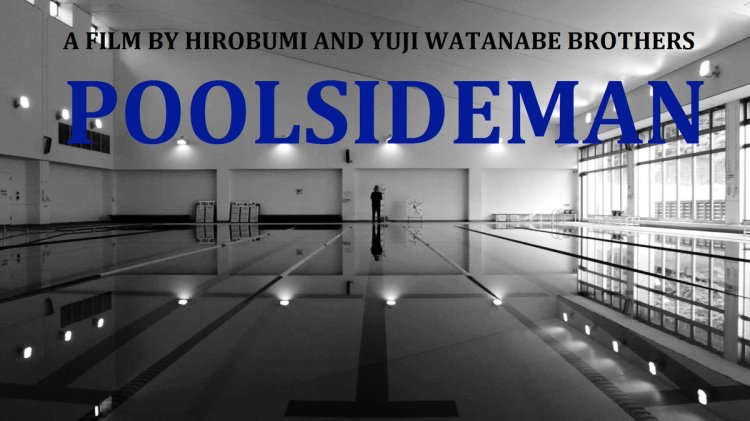 Around halfway through Poolsideman (プールサイドマン), the director himself playing an overly chatty colleague of the film’s protagonist, embarks on a lengthy rant about encroaching middle-age which is instantly relatable to those who find themselves at a similar juncture. He’s sure the world seemed better when he was a child, there wasn’t all of this distress and anxiety – everything just seemed like it would go on forever but time has inexplicably sped up with a series of rapid changes packed into recent years. The life of a poolsideman is improbably intense, or at least it is for Mizuhara (Gaku Imamura) whose days are all the same but filled with tension and the low simmer of something waiting to explode. Loosely inspired by the real life case of a man who left Japan for the Middle East with the idea of joining Isis, Poolsideman wants to explore why such a surreal thing might happen but finds it all too plausible.
 Times change so quickly. The “danchi” was a symbol of post-war aspiration and rising economic prosperity as it sought to give young professionals an affordable yet modern, convenient way of life. The term itself is a little hard to translate though loosely enough just means a housing estate but unlike “The Projects” (団地, Danchi) of the title, these are generally not areas of social housing or lower class neighbourhoods but a kind of vertical village which one should never need to leave (except to go to work) as they also include all the necessary amenities for everyday life from shops and supermarkets to bars and restaurants. Nevertheless, aspirations change across generations and what was once considered a dreamlike promise of futuristic convenience now seems run down and squalid. Cramped apartments with tiny rooms, washing machines on the balconies, no lifts – young people do not see these things as convenient and so the danchi is mostly home to the older generation, downsizers, or the down on their luck.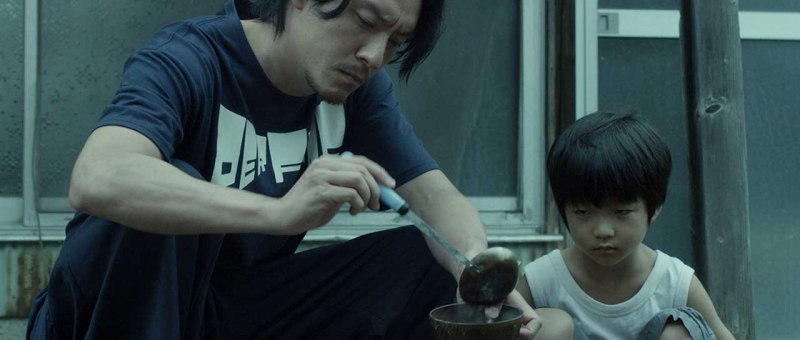
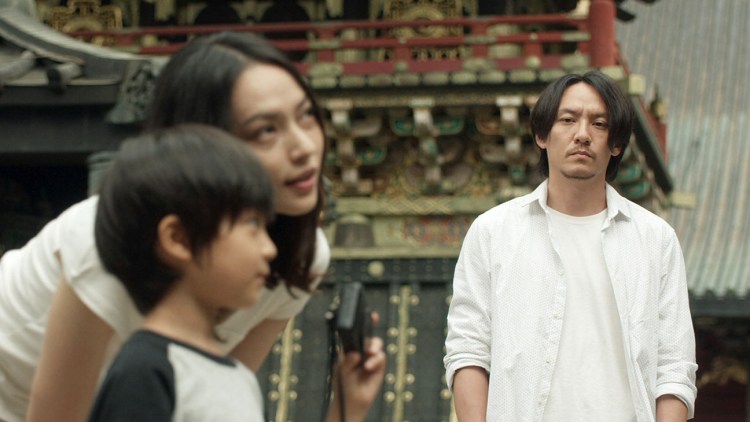 Taiwan and Japan have a complicated history, but in SABU’s latest slice of cross-cultural interplay each place becomes a kind of refuge from the other. Working largely in Mandarin and with Taiwanese star Chang Chen, SABU returns to a familiar story – the lonely hitman tempted by a normal family life filled with peace and simplicity only to have his dreams taken from him by the spectre of his past. Only this time it isn’t just his past but that of others too. Despite the melancholy air, Mr. Long (ミスター・ロン) is a testament to the power of simple human kindness but also a condemnation of underworld cruelty and its vicelike grip on all who enter its grasp.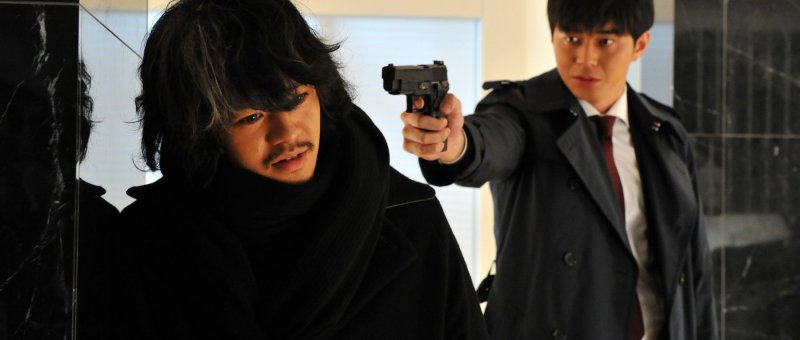
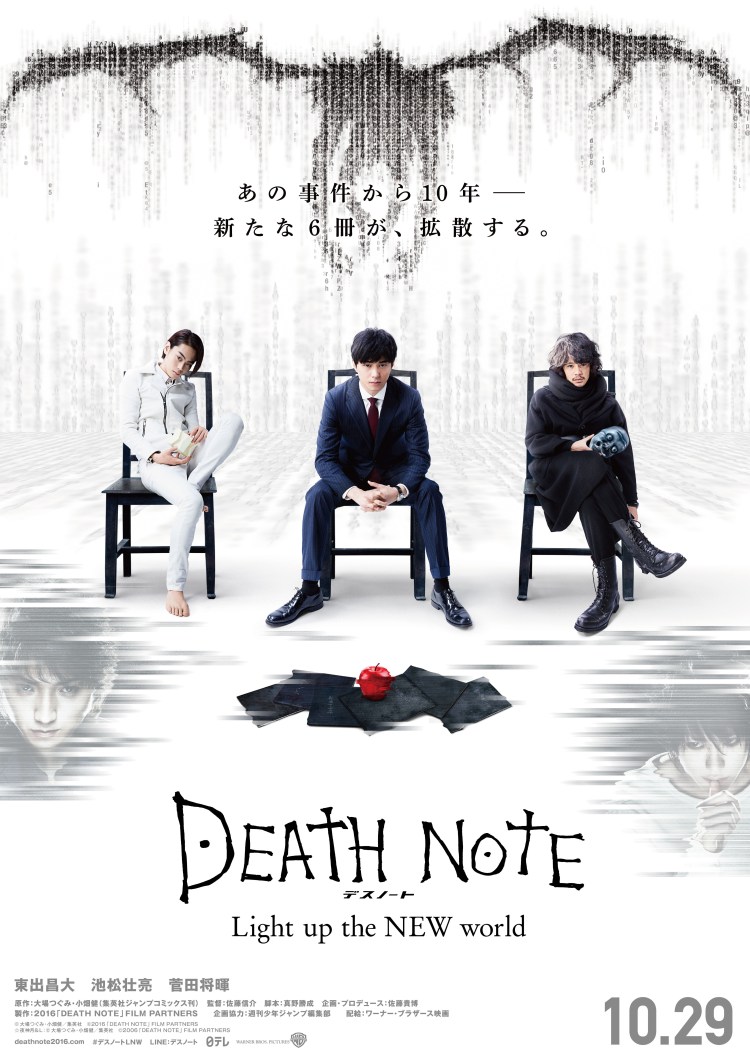 Tsugumi Ohba and Takashi Obata’s Death Note manga has already spawned three live action films, an acclaimed TV anime, live action TV drama, musical, and various other forms of media becoming a worldwide phenomenon in the process. A return to cinema screens was therefore inevitable – Death Note: Light up the NEW World (デスノート Light up the NEW World) positions itself as the first in a possible new strand of the ongoing franchise, casting its net wider to embrace a new, global world. Directed by Shinsuke Sato – one of the foremost blockbuster directors in Japan responsible for Gantz,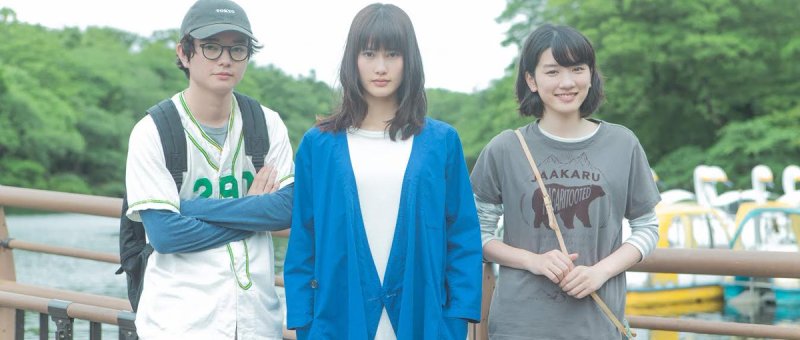
 Parks are a common feature of modern city life – a stretch of green among the grey, but it’s important to remember that there has not always been such beautiful shared space set aside for public use. Natsuki Seta’s light and breezy youth comedy, Parks (PARKS パークス), was commissioned in celebration of the centenary of the Tokyo park where the majority of the action takes place, Inokashira. Mixing early Godardian whimsy with new wave voice over and the kind of innocent adventure not seen since the Kadokawa idol days, Parks is a sometimes melancholy, wistful tribute to a place where chance meetings can define lifetimes as well as to brief yet memorable summers spent with gone but not forgotten friends doing something which seems important but which in retrospect may be trivial.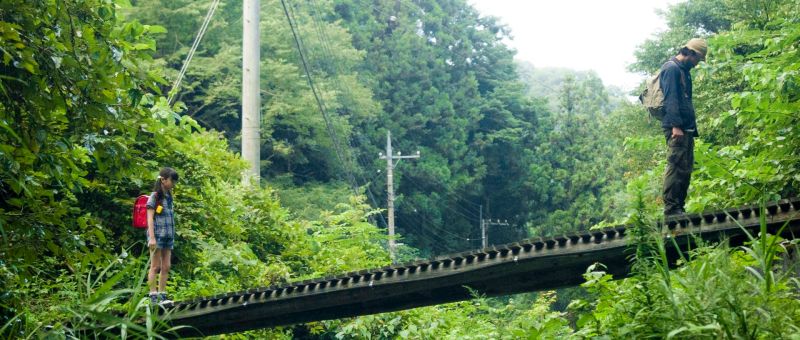
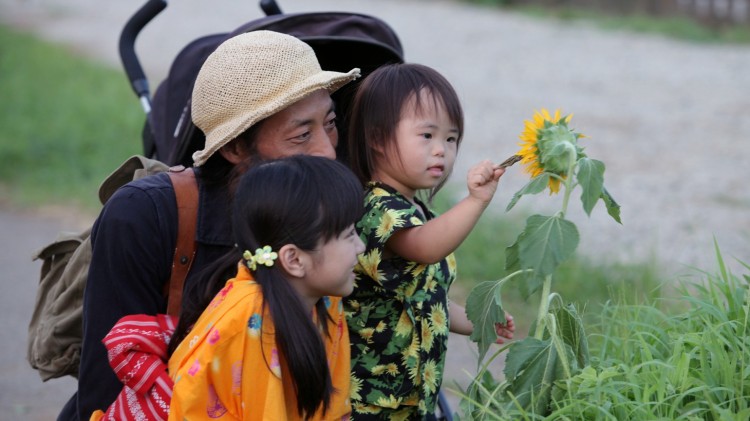 When tragedy strikes the one thing you ought to be able to rely on is your family, but when the tragedy occurs within that sacred space which exits between you what is to be done? Yosuke Takeuchi’s The Sower (種をまく人, Tane wo Maku Hito) attempts to provide an answer whilst putting one very ordinary, loving and forgiving family through a series of tests and tragedies. Lies, regret, and despair conspire to ruin the lives of four once happy people but even in the midst of such a shocking, unexpected event there is still time to turn towards the sun rather than continuing in the darkness.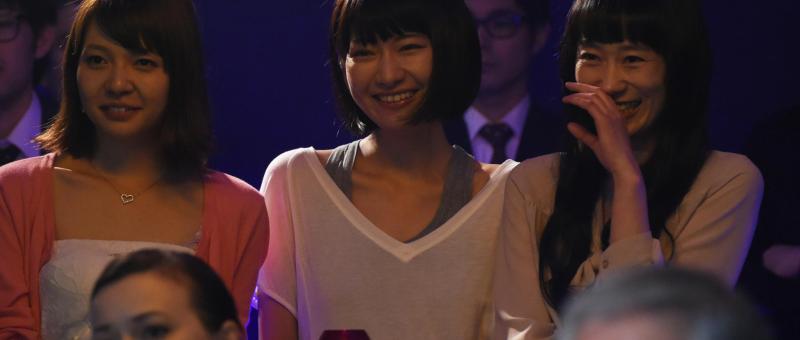
 Towards the end of the 60s and faced with the same problems as any other studio of the day – namely declining receipts as cinema audiences embraced television, Nikkatsu decided to spice up their already racy youth orientated output with a steady stream of sex and violence. The Roman Porno line took a loftier approach to the “pink film” – mainstream softcore pornography played in dedicated cinemas and created to a specific formula, by putting the resources of a bigger studio behind it with greater production values and acting talent. 40 years on Roman Porno is back. Kazuya Shiraishi’s Dawn of the Felines (牝猫たち, Mesunekotachi) takes inspiration from Night of the Felines by the Roman Porno master Noboru Tanaka but where Tanaka’s film is a raucous comedy following the humorous adventures of its three working girl protagonists, Shiraishi’s is a much less joyous affair as he casts his three lonely heroines adrift in Tokyo’s red light district.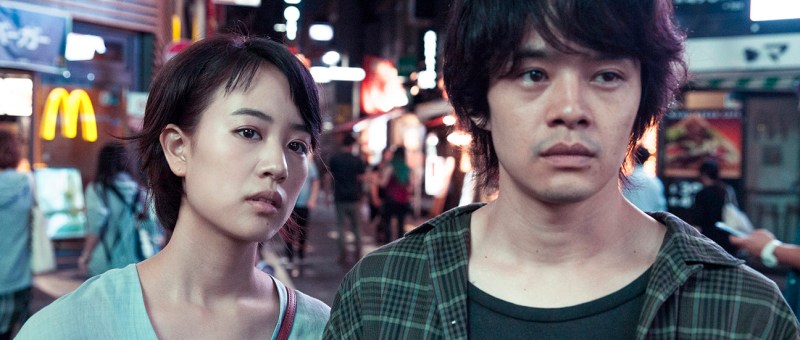
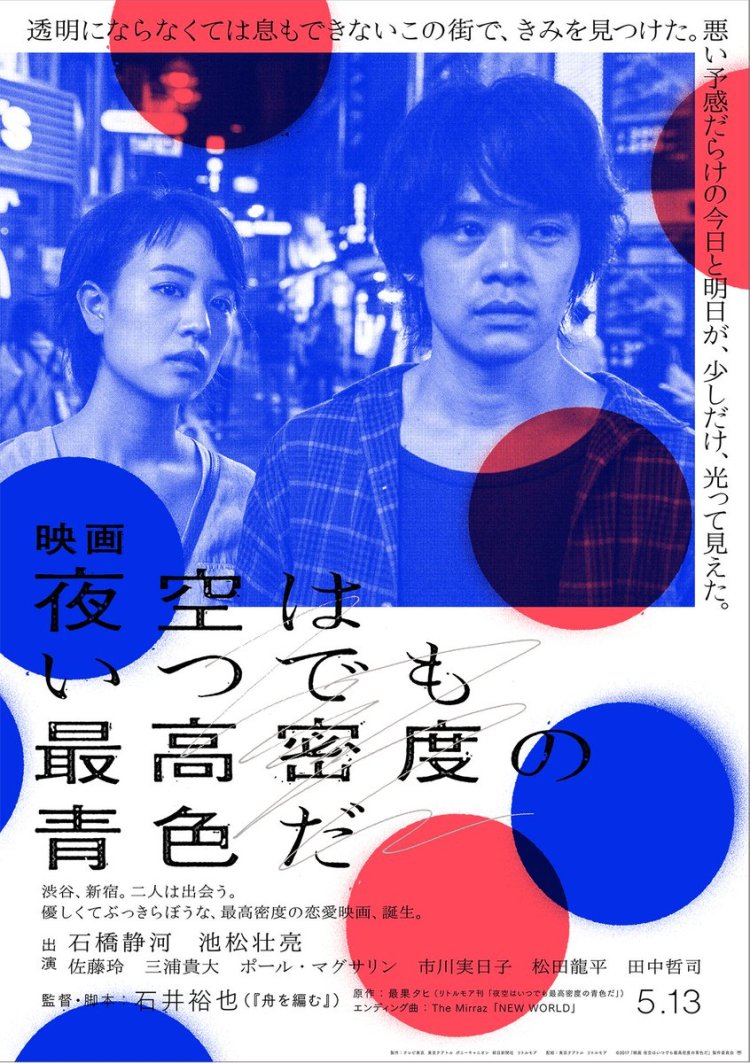 Learning to love Tokyo is a kind of suicide, according to the heroine of Yuya Ishii’s love/hate letter to the Japanese capital, The Tokyo Night Sky is Always the Densest Shade of Blue (夜空はいつでも最高密度の青色だ, Yozora wa Itsudemo Saiko Mitsudo no Aoiro da). This city is a mess of contradictions, a huge sprawling metropolis filled with the anonymous masses and at the same time so tiny you can find yourself running into the same people over and over again. Inspired by the poems of Tahi Saihate, The Tokyo Night Sky is at once a meditative contemplation of city life and an awkward love story between two lost souls who somehow find each other in its crowded backstreets.
 Windows on Worlds